
Mexican heather (Cuphea hyssopifolia) is a small, bushy shrub with fine, glossy leaves and tiny purple, pink or white flowers that bloom almost year-round in warm climates. It’s a perennial in USDA hardiness zones 9 through 11 and is grown as an annual elsewhere. It handles heat well and does best in sun to part shade with moist, well-drained soil.

Good companions share those conditions and add height, bolder leaves or bigger flowers next to its fine texture. Here are seven that grow well with it.
A List of the Mexican Heather Companion Plants
1. Azaleas
| Characteristics |
|
| Types of Azaleas |
|
| Care guide |
|
Heather plants and azaleas are easy to grow as they require acidic soils and consistent moisture to thrive.
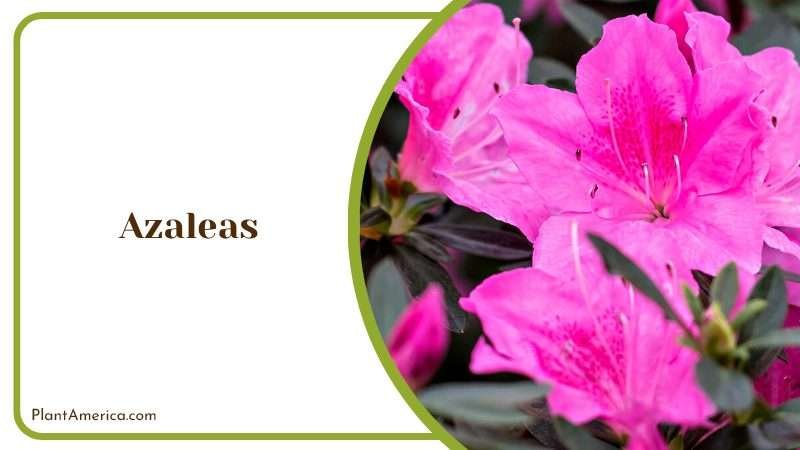
You can fertilize using either plant’s fertilizers and still get perfect results. Azaleas bloom from spring to summer to fall. They appear in their red, pale pink, or purple color, with the leaves maintaining their deep green color. Azaleas are an evergreen plant native to Asia. It has large, evergreen, leathery leaves. Its flowers are clusters of tubular, bell-shaped blooms colored pale pink, red or purple.
You can grow different Azaleas, including rosy lights, wind beams, golden lights, fragrant stars, and Gibraltar. More varieties of azalea continue to be bred in the U.S. for a specific growing region.
Moreover, when you are growing these flower, remember that you must be mulching them heavily to preserve the moisture and keep the weeds away. On another note, you must also fertilize them in May with a general garden fertilizer using low amounts.
2. Blueberries

| Characteristics |
|
| Types of berries |
|
| Uses |
|
| Plant care |
|
Blueberries are ideal partners as they thrive in the same soil, light, and moisture conditions as heather. Mixing berries with the Mexican heather plant will increase the yields and quality of your fruits. Heather also attracts pollinators that make the fruits richer and juicer.
Wild blueberries are high bush plants native to the Eastern U.S. and commonly cultivated in gardens and farms. As a result of the latter, you can always conclude that they grow in warm southern climates and do not need chilling periods.
Blueberries are commonly eaten as fruits and used to make pies. The leaves and roots have been used medically by some tribes to cure some colds, coughs, fevers, and wounds. Not only that, but you can also consider using these berries to preserve meat for the winter season.
Mulch your blueberry bushes to keep the roots moist with at least a two to four-inch layer of woodchips, pine needles, or sawdust. Provide at least two inches of water per week. Drape a bird netting over your plants to protect them from birds.
3. Camellia

| Characteristics |
|
| Blooming season |
|
| Types |
|
| Care |
|
Camellia is also called the Camellia Japonica, and it is an evergreen shrub in the Theaceae family and is native to Korea, China, and Japan. This flowering shrub has dark, glossy leaves and large flowers.
Camellia is a perfect companion for Mexican heather growing on acidic soils. They also share companion plants like rhododendrons, gardenias, daphne, etc. Growing together, they both thrive by taking in the same nutrients and moisture amount.
These plants have large blooms appearing for several weeks in the fall all through to early spring when growing in warmer regions. The flowers last three to four weeks before new blooms appear again. The blooms are colored red or pink, with flowers ranging from two to five inches in diameter.
Some popular camellia garden varieties include April dawn, elfin rose, yuletide, fragrant pink, and Francis Eugene Philips. There are also hybrid varieties known as china clay, anticipation, elegant beauty, and les jury.
When you are growing these flowers make sure that you would water them at least twice a week to keep the soil from drying up too much. Apply a slow-release nitrogen-rich fertilizer in early spring and mid-summer.
4. Dogwood

| Characteristics |
|
| Varieties |
|
| Blooming season |
|
| Care |
|
Dogwood paired with heather complement each other so well with their blooms. Dogwood has white to light yellow flowers that bloom magnificently. It is native to California and has thick foliage that is a plus to its beauty.
These beautiful trees are prone to bloom from April to early May, while heather starts from September to November. That keeps the garden colorful through the year.
On another note, one would be confused because of the multiple varieties that exist of the type of this tree, and they would include the Cherokee chief, Cherokee sunset, cloud nine, china girl, golden shadows, pink flowering, and Milky Way. In short, all these varieties share the same soils, conditions, and general growing conditions.
Dogwood has small yellow-green blooms that appear at the end of spring or the beginning of summer and last several days before they die. Not only that but just at the end of flowering, a small fruit appears.
Water this plant less frequently as it tolerates dry spells once established. In addition, remember that you should fertilize them at the beginning of the growing season or add organic matter. On another note, you must also mulch your plants, so they can thrive in the summer heat and winter cold.
5. Hibiscus

| Characteristics |
|
| Varieties |
|
| Care |
|
Mexican heather perennial and heather paired brings you just the vibe you like. They have similar growing conditions – sunlight and moisture and look gorgeous together.
If you are not growing these two together, you miss out on the best tropical plants. Both of these plants attract many pollinators that benefit your vegetable garden.
There are hundreds of tropical hibiscus hybrids available, some popular types include swamp hibiscus, perfect storm, Cajun cocktail, and confederate rose.
Hibiscus flowers are huge and grow to about 10 inches in diameter. They come in various colors – red, yellow, pink, and orange. They bloom mid to late summer and are attractive to hummingbirds and butterflies.
The hibiscus tree is a perennial herbaceous plant commonly grown for its trumpet-shaped flowers. It grows to about eight feet tall, but it also has dwarf varieties that grow up to three feet tall.
Provide frequent watering when newly planted, watering thoroughly and deeply. Mulch around the roots to retain moisture and provide winter protection for the roots. Remove the dead flowers to stop them from producing seeds.
6. Japanese Cleyera
| Characteristics |
|
| Blooming season |
|
| Uses |
|
| Care |
|
Cleyera is an evergreen shrub native to Asia. It grows in a rounded growth habit making it ideal for screens or hedges. It rarely needs pruning because it stays compact.
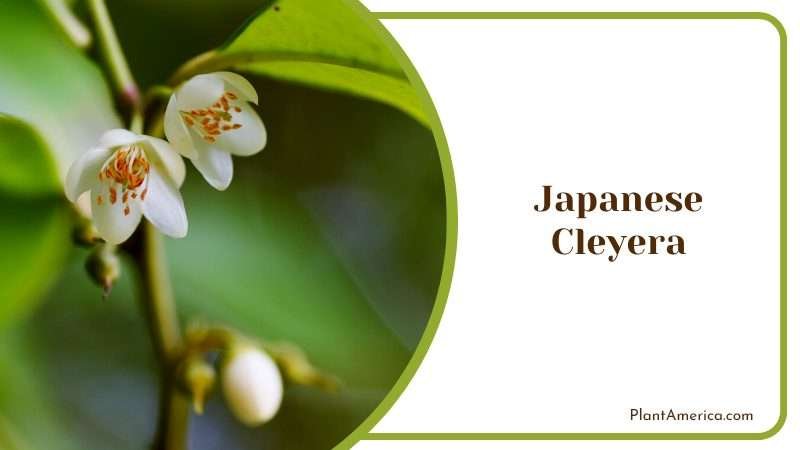
Japanese cleyera can be used for hedges, borders, screens, and foundations. They are easy to grow with low maintenance making them great for a barrier. Cleyera flowers are creamy-white bell-shaped and fragrant that face downward. They bloom for the leaf axils in late spring in clusters or in solitary. A shiny black fruit follows the blooms.
Japanese cleyera grown together with heather are a vibe. The two beautiful plants thrive easily, sharing the same growing conditions, moisture, soil, and pH value. Provide adequate sunlight and moisture, watering them less frequently. Mulch them at the root to help keep the soil moist instead of watering too often.
7. Summersweet

| Characteristics |
|
| Blooming season |
|
| Varieties |
|
| Care |
|
Growing summersweet and Mexican heather together is a real treat, as they both enjoy the same growing conditions.
Their blooms also complement each other in a significant way, with the color combination working together. Clethra has several types: vanilla spice, surgatina crystalina, hummingbird, sixteen candles, pink spires, and ruby spice. All these varieties grow in the same growing conditions.
Clethra has small white flowers that grow in clusters on three to six-inch long stems. They mature in summer producing high-quality nectar and pollen that attracts hummingbirds, bees, and butterflies.
The summersweet is a deciduous shrub growing to five to ten feet tall in the Clethraceae family. It is deciduous and evergreen grown for its beautiful blooms. Its leaves are medium to dark green, simple, alternate and coarsely toothed.
Water regularly to keep the soil moist, especially before they are established. Feed them with fertilizer in early spring with a slow-release fertilizer or organic compost manure. Lastly, remember that you must be pruning them, removing dead and damaged branches, so they maintain their shape.