
There are many ways to keep weeds out of flower beds and keep flower beds weed free. While few gardeners may consider some weeds a natural addition to their gardens, many disagree, weeds are some of the most annoying problems that can come from the soil.

In gardens where the growths are geared more toward achieving an organic aesthetic, a few weeds here and there can sometimes be allowed, as for gardens are that more well-tended, weeds are not welcome at all.
Here, we will be exploring different ways to prevent weeds in flower beds to keep your gardens looking tidy and beautiful.
How to Keep Weeds out of Flower Beds
To keep weeds out of flower beds, it is crucial to keep a few things in mind. Some gardeners advise identifying the unwanted plants first before even considering them as weeds. After that, you should start plucking them manually before going towards complex remedies.

However, if you are the type of gardener who does not prefer unwanted plants growing everywhere in your yard, we have prepared some techniques to keep weeds out of flower beds.
– Pull to Remove the Weeds as Soon as You See Them
This is probably the best way to keep weeds out of flower beds although doing so entails more manual work. You can view this as an enjoyable pastime rather than as an occasional chore to keep your garden and lawn looking tended and pristine.
Simply pull out the weeds while you are watering your plants. This way, you do not have to set aside any time just for weeding flower beds. Make sure you pull the weeds out, including the root.
When the weeds are not yet mature, your weeding activity is more likely to be rewarding, hence mature weeds are far quicker to flower, seed, and spread than immature ones.
– Do Not Allow the Weeds To Mature and Go To Seed
Mature weeds can bring more weeds to your property if you allow them to flower or go to seed. This is why pulling weeds out while they are still young is far better than allowing them to mature. If you are simply too busy to weed them out, you can clip off any stems that have flowers or seedheads.

Another tip when you are gardening in a new site and you want to reduce the chances of weed growth is to till the soil first. Water the tilled soil and wait a few days to see if any weeds come out.
Most weed seeds will germinate from the tilled wet soil, that is why it is important to immediately remove these weeds once they come out.
– Apply Mulch To Discourage Weeds
Mulches promote a weed-free garden, aside from promoting a more constant supply of moisture to the soil and the roots of nearby vegetation, mulches block weed seeds from germinating by reducing their sun exposure.
Mulches can be made from tree barks, straw, or even shredded leaves. In general, a two to four-inch-thick mulch layer is enough to discourage weed growth.
– Inspect New Plants
Sometimes, the weeds in our gardens can come from the unlikeliest sources. Plants that we buy from local nurseries or gifted to us can sometimes contain weeds or weed seeds. Before you transplant your new addition to your garden, allow it to sit for a few days or even a week or two while you observe its soil for weeds.
During the wait-and-see period, you can also allow your plants to acclimatize to their future transplant areas.
– Cover up Bare Soil in Your Garden
Bare soil is a tempting invitation for weeds to grow. As much as possible, place a cover on bare soil to lessen the possibility of weed growth. In gardens where plants are given spaces for expansive growth, mulches make wonderful soil coverings. Barks, straw, or leaves make excellent mulch materials to help regulate soil moisture, soil temperature, and root development.
An alternate option is to group plants close together. This technique reduces the sunlight exposure of bare soil, which lessens the possibility of weed seed germination. However, when using this method, make sure you allow the plants to have the appropriate planting distances so that they won’t compete for water, sun, and soil nutrients.
– Use Cover Crops
Cover crops are plants that are fast-growing and dense that can crowd out weeds.
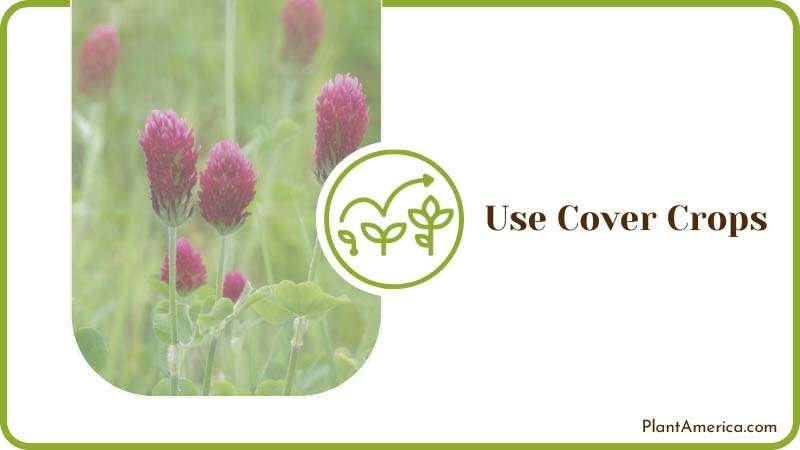
Cover crops, such as buckwheat, are popular weed-reducing techniques, as well as a remarkable soil builder when tilled. It is recommended to cut the crops down before they start to seed.
– Utilize Raised Beds and Containers
Raised beds and containers are great techniques to lessen the chances of weed growth. Raised beds allow gardeners to tend to their plants from both sides. This promotes healthier plant growth, and any weed is easier to spot.
Walking on the soil too often can also result in compacted earth, which is not conducive to plant growth but hospitable to weeds.
Containers serve the same purpose as raised beds, although they are the most suitable option for those with limited spaces. Additionally, another benefit of container gardening is that you can use sterilized potting mixes, which means minimal chances of any weed growth.
– Make Your Soil Healthier
Healthy soil that is brimming with rich organic material encourages well-developed plants and abundant flowering and fruiting. When you have healthy plants, they are more likely to drown out weeds by their healthy foliage and robust root systems, depriving any weed of nutrition.
You can use farmland rotted manure as a wonderful soil supplement, although it is best to monitor your soil for some time. While compost or manure is usually sterilized to get rid of any viable weed seed, caution is always wise.
– Water Strategically
When you plant specific flowers, vegetables, or root crops, you may want to use your water wisely. You will need to water the plant, but not all the soil in the garden, this means being very particular about where to water so that any weed seeds lying about do not accidentally germinate.

Soaker hoses make effective strategic watering tools, or you can create your own DIY system for a more personalized touch. Both methods encourage your garden to be more weed-free.
– Place Landscape Barrier Fabrics
Landscape barriers come in assorted types. Some use newspapers, whereas others prefer plastic covers. Landscape fabrics are popular choices because they are effective at weed control. Using these methods will need some considerations though, as they are not exactly dirt cheap.
However, if you have the time and the resources, landscape barriers and fabrics can help you lessen weeds in your garden. When purchasing landscape fabrics, use the best ones you can afford, and make sure that they can last longer than 10 years.
– Weed and Weed Seed Killers
Weed killers come in two forms: post-emergent and pre-emergent. Post-emergent weed killers can be extremely effective at killing weeds, but they can also kill your plants. Pre-emergent weed killers are better options since they kill the weed seeds and will not hurt any nearby plants.