
Types of blueberries you should look out for this season for making fresh jam, you’ve come to the right place. Whether you’re a beginner just starting your first blueberry bushes or an experienced gardener looking to expand your collection, we’ll provide info on plant hardiness zones, ripening times, fruit size, and flavor profiles so you can choose the perfect blueberries for your jam recipes and needs.

So get ready to take notes! We’ll dive into southern highbush, northern highbush, half-high, and more interesting blueberry types that will have you stocking up on your favorite fruits and packing jars full of homemade blueberry goodness this year.
Types of Blueberries Varieties Perfect for Jams Dishes
1. Highbush

- Growing season: Spring, Summer
- Leaf shape: Elliptic, Ovate
- Specific needs: Full Sun, Requires Moist Soil
- Common pest: Aphids, Caterpillars, Mites
Highbush blueberries are one of the most common types of blueberry bushes. They produce medium-sized berries in spring and summer. Highbush bushes have upright stems that can grow six to 12 feet tall. The leaves are elliptic to ovate in shape and turn red in fall.
The erect stems of highbush blueberry plants allow for easy picking of their medium-sized berries which range in color from light blue to dark purple. Highbush blueberry fruit is sweet with a tangy flavor when fully ripe.
The elliptic to ovate leaves are dark green during the growing season and then take on fiery shades of red and orange before dropping off in fall. Highbush blueberries require full sun and moist, well-drained, highly acidic soil with a pH between four and five Adequate winter chilling between 32 to 45 degrees Fahrenheit is essential for bud formation and fruit production the following spring and summer.
2. Southern highbush
- Growing season: Spring, Summer
- Leaf shape: Elliptic, Obovate
- Specific needs: Full Sun, Tolerates heat
- Common pest: Aphids, Caterpillars, Mites
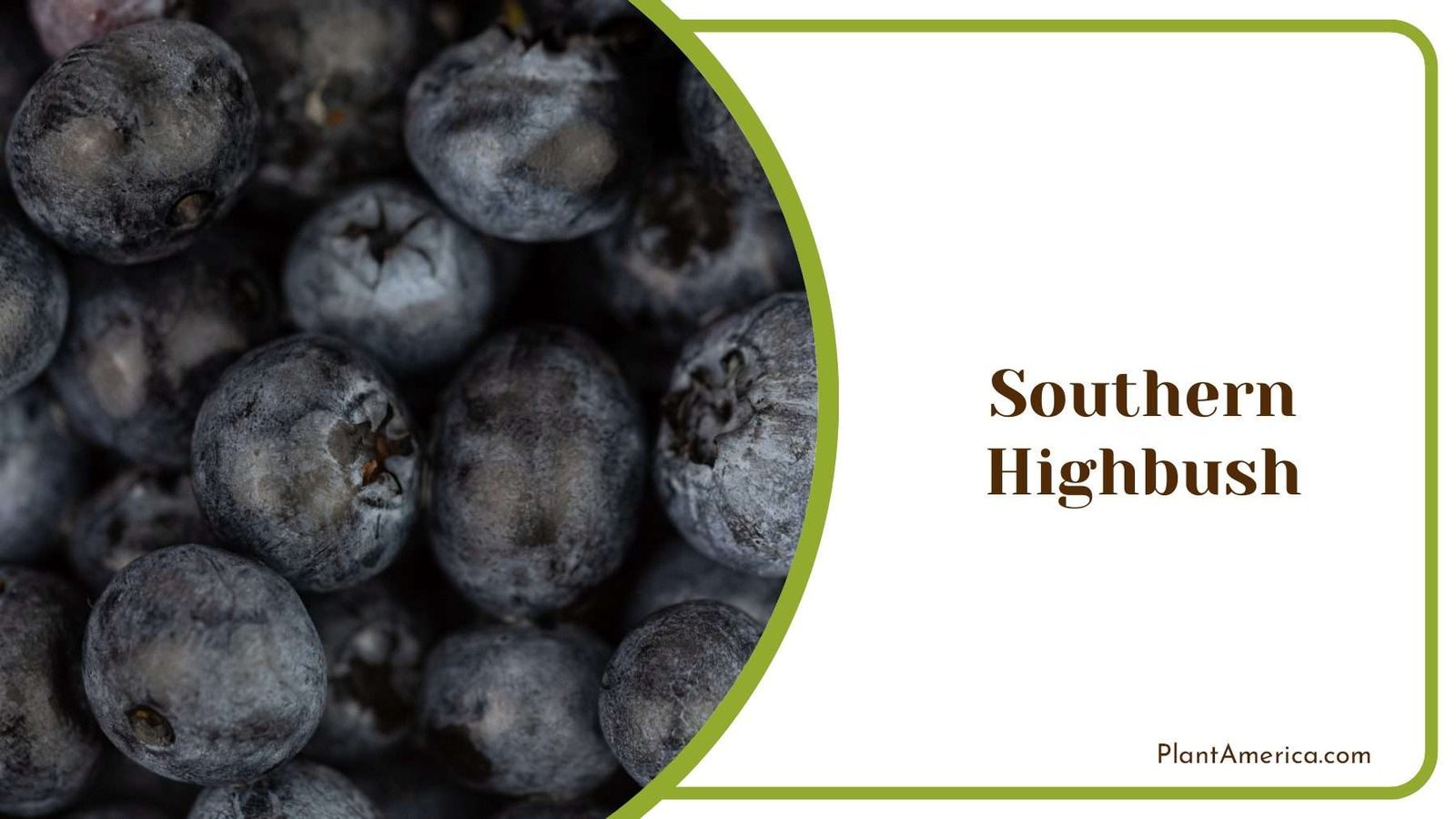
Southern highbush blueberries are a subspecies of standard highbush blueberries adapted for warmer climates. They are able to tolerate more heat units and still produce comparable yields to the standard highbush types. The berries are larger on average, and ripening generally begins earlier in spring.
Southern highbush bushes grow six to 12 feet in height with obovate leaves that are up to six inches long. These blueberry varieties require an acidic soil pH between four and five with sufficient drainage and regular irrigation during dry periods.
3. Northern highbush
- Growing season: Spring, Summer
- Leaf shape: Elliptic, Obovate
- Specific needs: Full Sun, Tolerant of Cold
- Common pest: Spider mites, Gall midges, Blueberry maggots
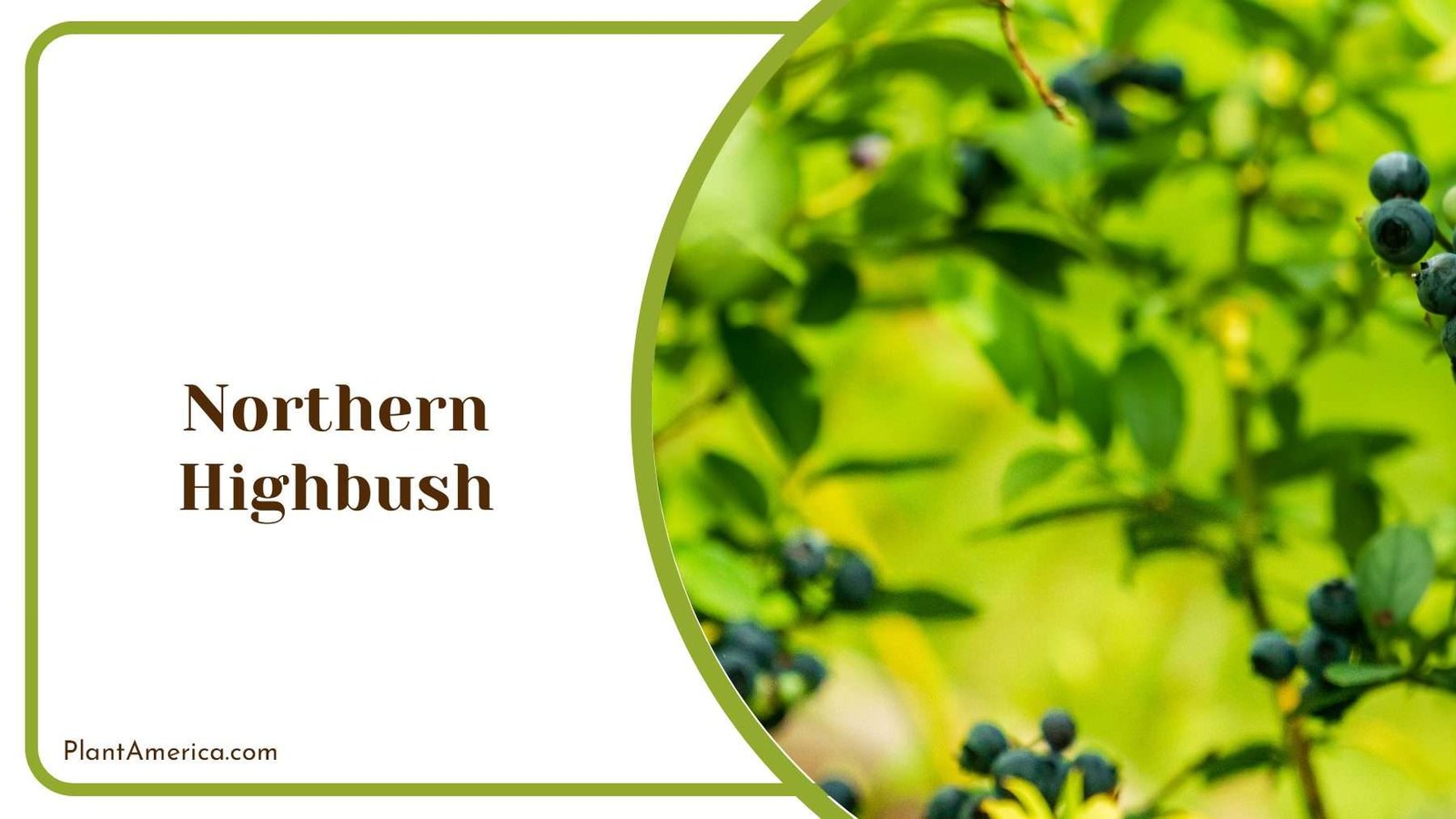
Northern highbush blueberries are adapted for cooler climates and can tolerate more chilling hours during winter dormancy. They produce large, high-quality berries from spring to early summer.
Northern highbush bushes grow six to 15 feet tall with elliptic to ovate leaves that turn red in fall. They require acidic, well-drained soil and ample winter chilling to thrive. Spider mites, gall midges, and blueberry maggots are common pests that can damage northern highbush blueberry plants.
4. Half-high

- Growing season: Spring, Summer
- Leaf shape: Elliptic, Obovate
- Specific needs: Full Sun, Less Winter Chill
- Common pest: Mealybugs, Thrips, Mites
Half-high blueberry varieties are semi-dwarf bushes that only grow three to five feet tall. They produce medium-sized berries in spring and early summer. Half-high blueberries are recommended for homeowners with space limitations since their small stature makes them easy to care for and harvest.
The leaves are elliptic to ovate in shape and turn reddish-purple in autumn. These blueberry bushes need acidic, organic-rich soil and regular watering during dry spells. Mealybugs, thrips, and mites can infest and damage half-high blueberry plants.
5. Rabbiteye

- Growing season: Spring, Summer
- Leaf shape: Elliptic, Obovate
- Specific needs: Full Sun, Heat Loving
- Common pest: Aphids, Caterpillars, Mites
Rabbiteye blueberries are early ripening varieties adapted for warmer climates in the southeastern U.S., where the mild winters and long growing seasons suit these heat-loving bushes. The fruit is large in size, with some berries reaching over an inch in diameter, and the berry flavor is considered mild yet distinctively sweet.
Rabbiteye bushes can grow quite tall, reaching up to 20 feet in height, with obovate to elliptic leaves that turn a showy bronze color in fall. These blueberry varieties require acidic soil conditions that strike a balance between being well-draining to prevent root issues yet moist enough to sustain vigorous growth. Rabbiteyes are, unfortunately, susceptible to several diseases like blossom and twig blight caused by fungal spores, stem galls formed by tiny worms, and fruit rot from too much moisture.
However, practices like spacing plants to promote good airflow through the bushes, removing infected and dead growth, and ensuring adequate drainage all around the plants can help keep rabbiteye blueberries healthy and highly productive of their large, vibrantly flavored berries – a distinctive and gorgeous addition to southern home gardens.
6. Lowbush

- Growing season: Spring, Summer
- Leaf shape: Elliptic, Obovate
- Specific needs: Full Sun, Partial Shade, Drought Tolerant
- Common pest: Spanworms, Grasshoppers
Lowbush blueberries are naturally occurring wild blueberries that grow close to the ground, only reaching six to 24 inches in height. They produce small but intensely flavorful berries in spring and early summer. The leaves of lowbush blueberries are ovate to elliptic in shape.
These blueberry varieties thrive in acidic, nutrient-poor, and sandy soil with good drainage. Lowbush blueberries are very drought and cold tolerant but require fire, pruning, or mowing to remain productive. Spanworms and grasshoppers can damage lowbush blueberry plants.
7. Powderblue
- Growing season: Spring, Summer
- Leaf shape: Elliptic, Lobed
- Specific needs: Full Sun, More Heat Tolerant
- Common pest: Spider mites, Blueberry gall midge
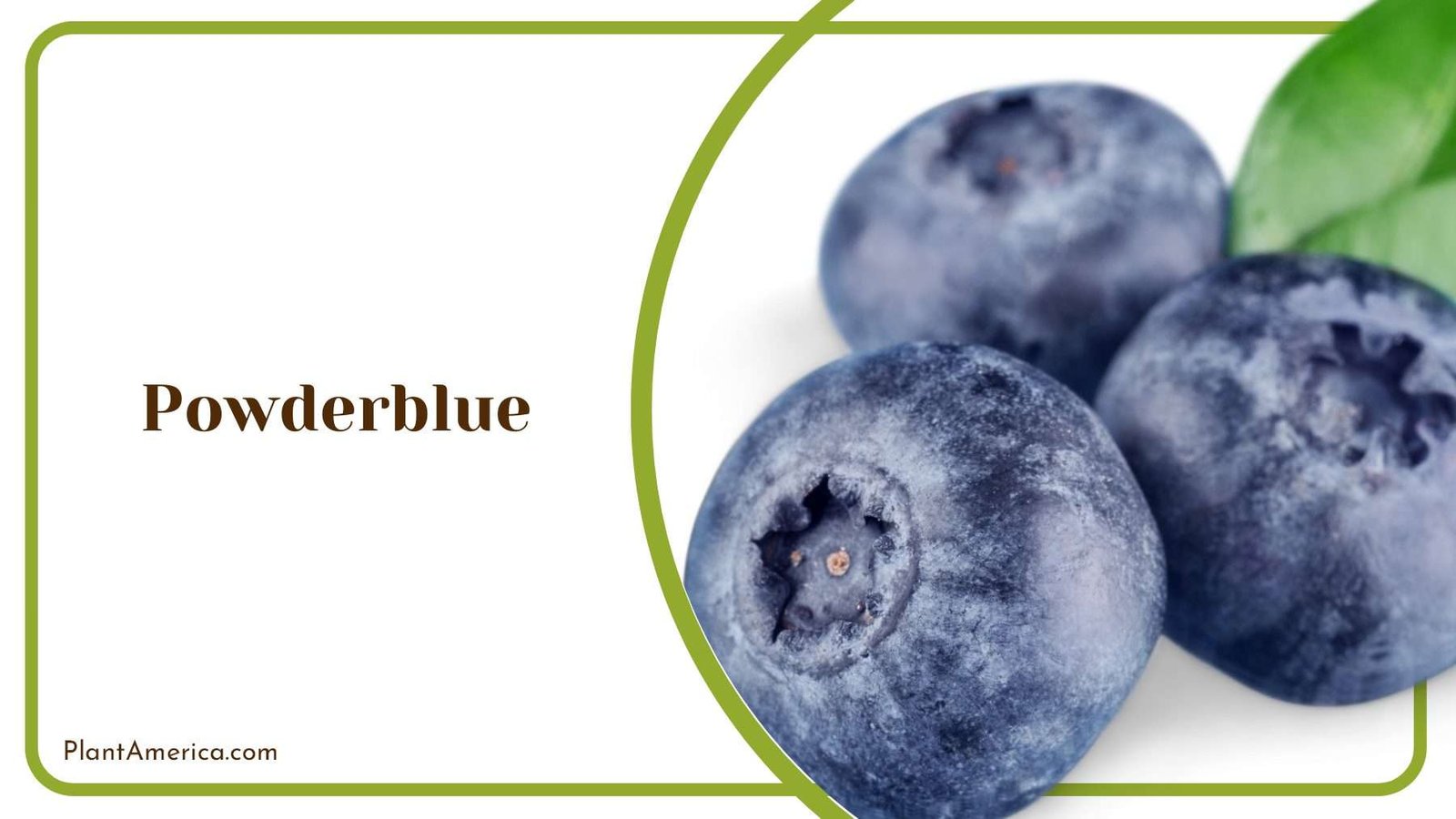
Powderblue is an early ripening southern highbush blueberry variety that produces medium to large-sized berries. The fruit has a powdery blue hue and a mildly sweet flavor. Powderblue bushes grow five to eight feet tall with upright branching and elliptic-shaped leaves that turn red in fall.
This blueberry variety thrives in acidic soil and requires regular irrigation during dry periods. Powderblue blueberry bushes are susceptible to botrytis blossom and fruit rot, spider mites, and anthracnose disease. Proper pruning and spacing help promote air circulation and reduce disease issues.
8. Bluecrop

- Growing season: Spring
- Leaf shape: Elliptic, Obovate
- Specific needs: Full Sun, Requires low temperatures
- Common pest: Spider mites, Aphids
Bluecrop is a popular northern highbush blueberry variety that produces high yields of medium-sized berries with an intense sweet flavor. The fruit ripens in mid to late spring, providing a delicious seasonal treat as palates awaken from winter. Bluecrop bushes grow five to nine feet tall with elliptic to ovate leaves that turn red in fall, signaling the end of the Bluecrop berry season.
This prolific blueberry type requires acidic soil conditions with a pH between four and five for optimum growth and fruit production. Bluecrop blueberries are, unfortunately, susceptible to botrytis fruit and blossom rot, as well as mummy berry disease caused by fungal spores, but following good horticultural practices can help keep these diseases at bay.
Proper air circulation, utilizing spacing to promote airflow, thorough sanitation by removing infected and fallen leaves and fruits, as well as applying targeted fungicide sprays during bloom and fruit set when conditions favor disease outbreaks, can together help prevent and control fungal disease in Bluecrop blueberry bushes to maximize the productivity of the heavy yields of sweet blueberries this variety is prized for.
9. Pink Lemonade
- Growing season: Spring, Summer
- Leaf shape: Elliptic, Lobed
- Specific needs: Full Sun, Thrives in acidic soil
- Common pest: Spider mites, Aphids, Blueberry gall midge
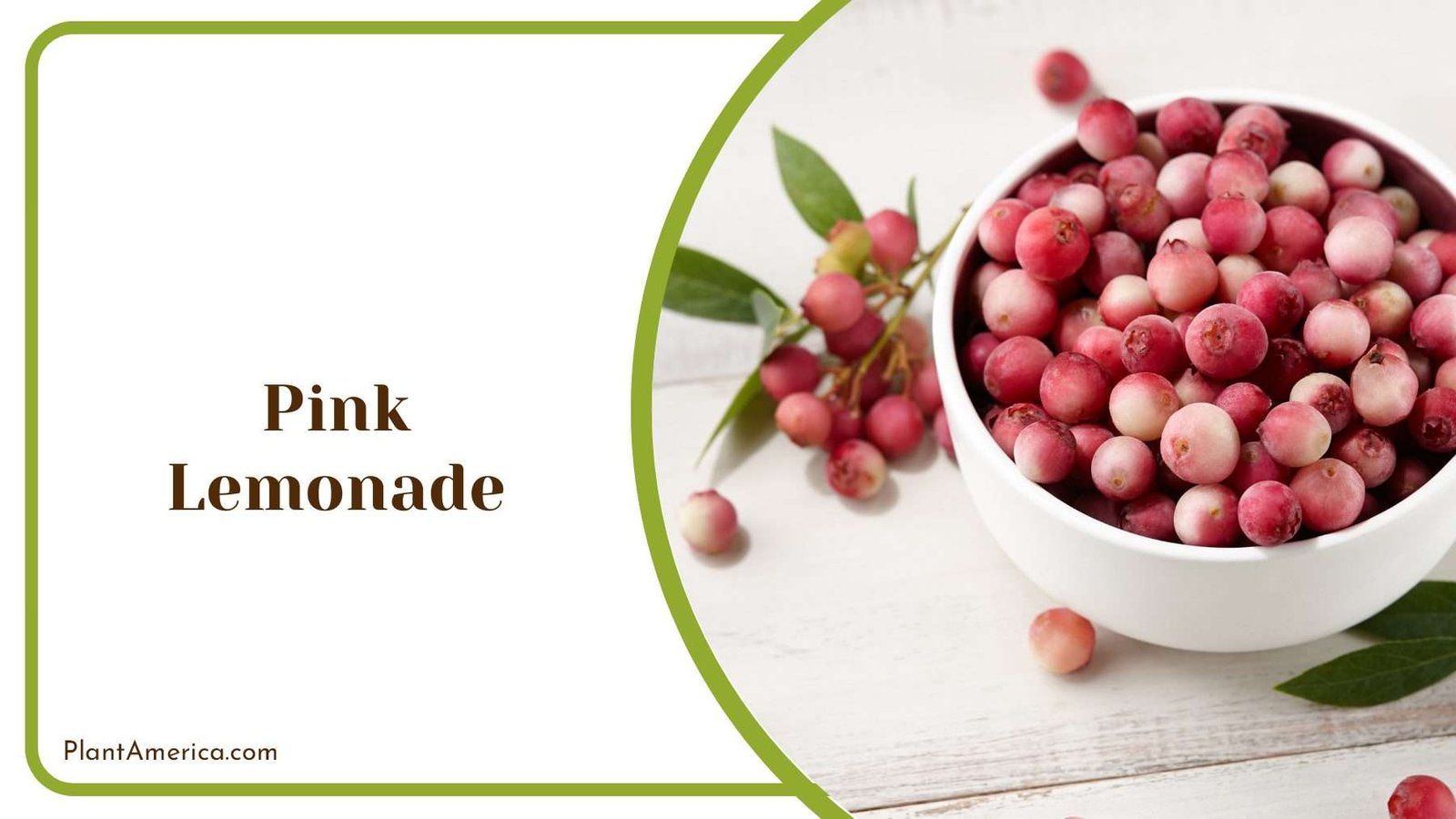
Pink Lemonade is a southern highbush blueberry variety that produces medium to large-sized berries with a light pink hue. The fruit has a sweet and tangy flavor resembling lemonade. Pink Lemonade bushes grow four to six feet tall with elliptic-shaped leaves that turn crimson in fall.
This blueberry variety thrives in acidic soil and tolerates warmer temperatures. Pink Lemonade requires regular irrigation, especially during flowering and fruit sets. Spider mites, aphids, and blueberry gall midge can infest and damage Pink Lemonade blueberry plants.
10. Pink Champagne
- Growing season: Spring, Summer
- Leaf shape: Elliptic, Upright, branching leaves
- Specific needs: Full Sun, Warm climates
- Common pest: Spider mites, Japanese beetles, Gall midges
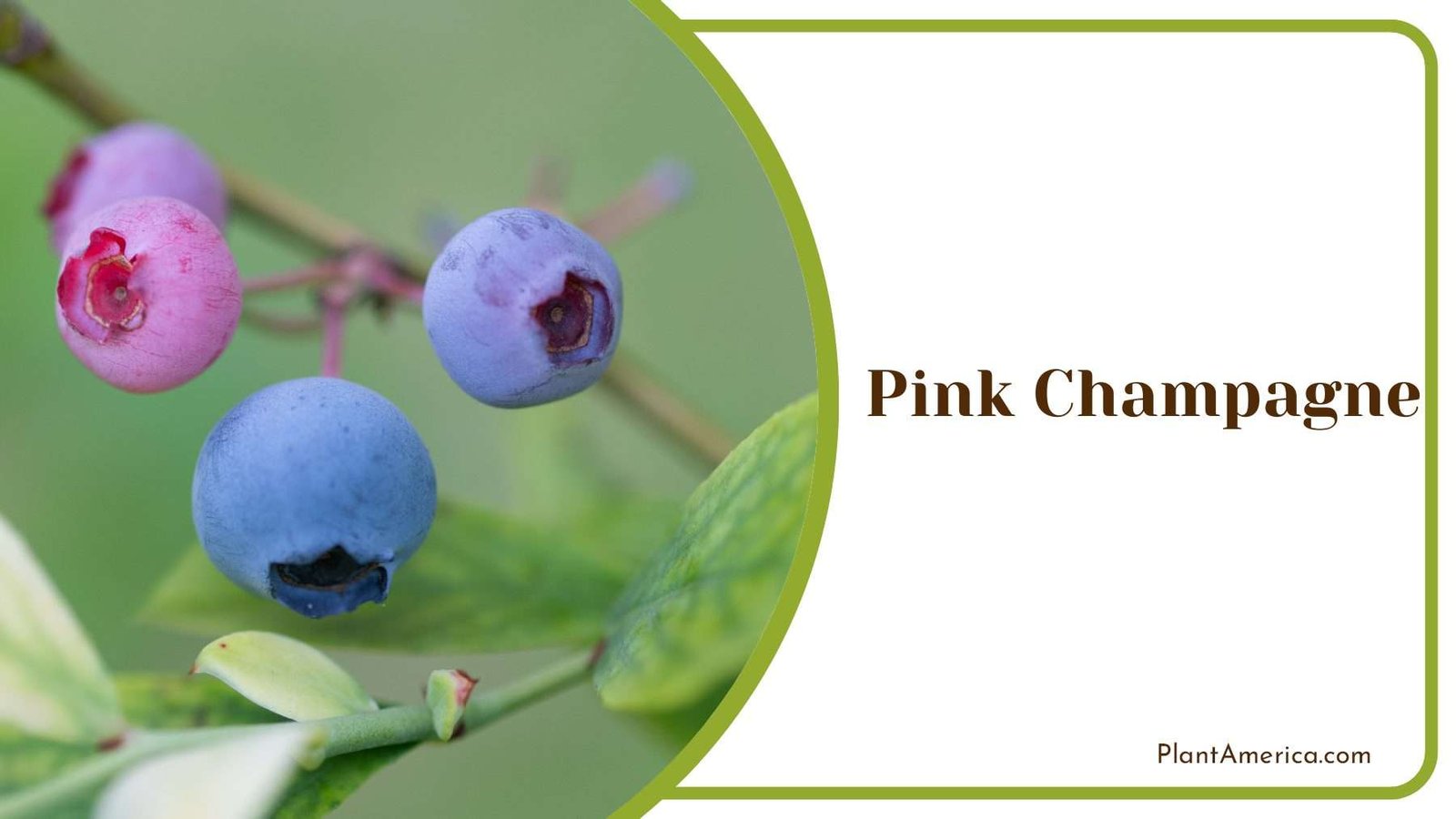
Pink Champagne is an early ripening southern highbush blueberry variety that produces medium-sized pink berries with a sweet champagne flavor. The fruit color ranges from light to dark pink. The berries resemble tiny pink bubbles of sweetness that pop delightfully on the palate. Pink Champagne bushes grow five to eight feet tall with upright branching and elliptic leaves that turn red in autumn.
This visually pleasing blueberry type flourishes in warm climates with its pinkish berries, a beautiful addition to many dessert dishes and recipes. This blueberry variety thrives in acidic soil and tolerates warmer temperatures. Pink Champagne requires regular irrigation, especially during the crucial bloom and fruit set periods, and has some resistance to diseases like mummy berry and botrytis fruit rot that can blight the pink berries before reaching maturity.
Spider mites, Japanese beetles, and gall midges can infest and damage Pink Champagne blueberry plants, reducing yields and fruit quality, so consistent scouting for signs of infestation and timely application of sprayable pest controls when needed helps maintain healthy bushes producing steady crops of sweet pink berries year after year.
11. Pink Icing
- Growing season: Spring, Summer
- Leaf shape: Elliptic, Turns bright red in autumn
- Specific needs: Full Sun, More Heat Tolerant
- Common pest: Spider mites, Aphids, Gall midges
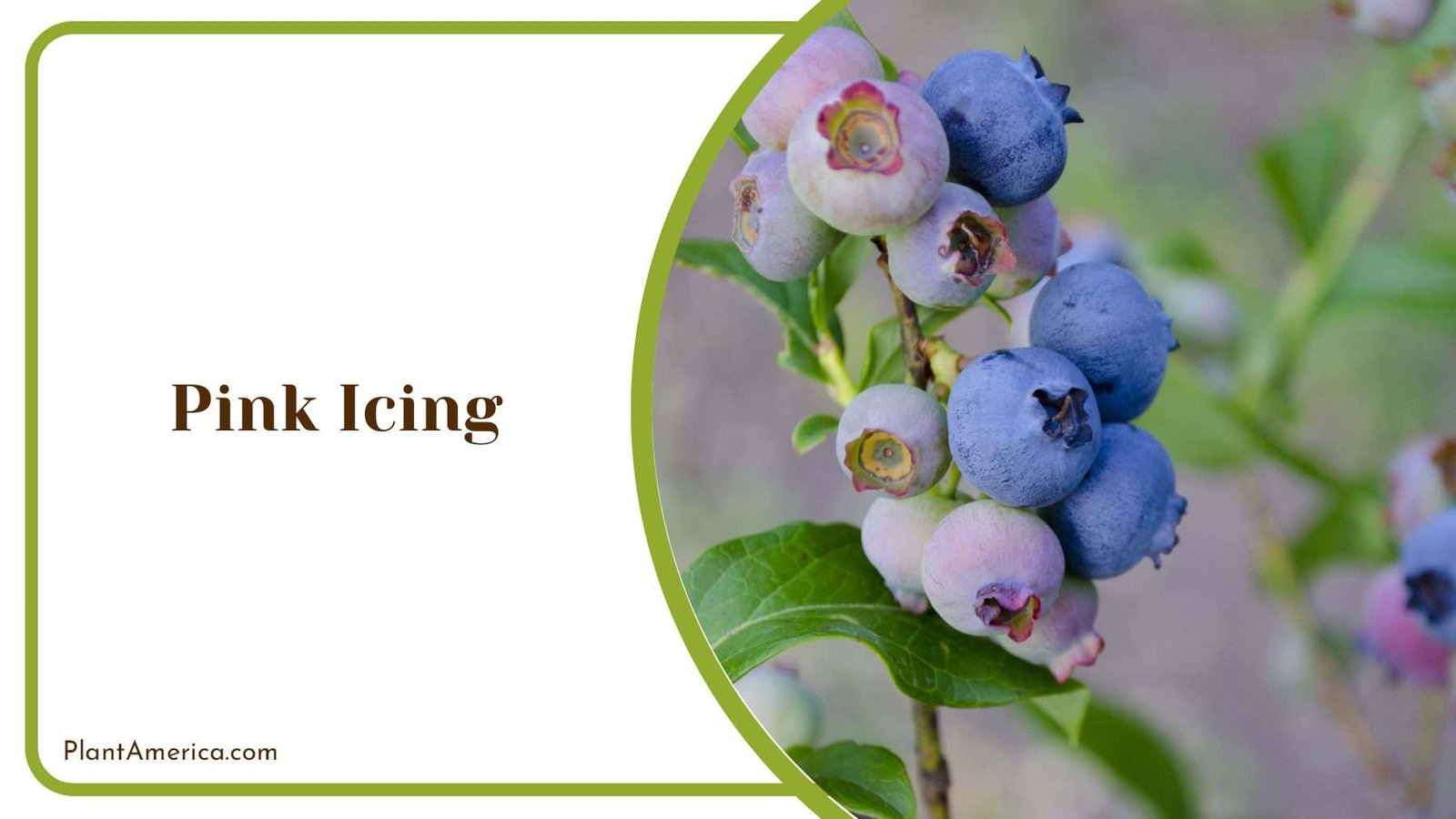
Pink Icing is a southern highbush blueberry variety with attractive medium to large-sized berries that have a pink blush color. The fruit has a mildly sweet flavor reminiscent of creamy pink frosting. Pink Icing bushes grow five to eight feet tall with elliptic leaves that turn bright red in autumn. This visually striking blueberry type prospers in the mild temperatures of warm southern regions.
The pinkish hue of the fruit adds a unique pop of color to batches of homemade jam and cobbler during berry picking season. This blueberry variety thrives in acidic soil and tolerates warmer temperatures. Pink Icing requires regular irrigation during berry development and fruit set to ensure that all of the pinkish berries reach their full size and sweetness.
Spider mites, aphids, and gall midges can attack and damage Pink Icing blueberry plants, reducing yields and fruit quality, so consistent monitoring for signs of infestation and timely application of organic or chemical pest controls as needed help maintain healthy bushes. Proper sanitation and thorough pest control measures help keep Pink Icing blueberry bushes producing attractive pink berries for homemade jelly and pie filling for years to come.
12. Aurora
- Growing season: Spring
- Leaf shape: Oblong, Obovate
- Specific needs: Full Sun, Requires acidic soil
- Common pest: Spider mites, Aphids
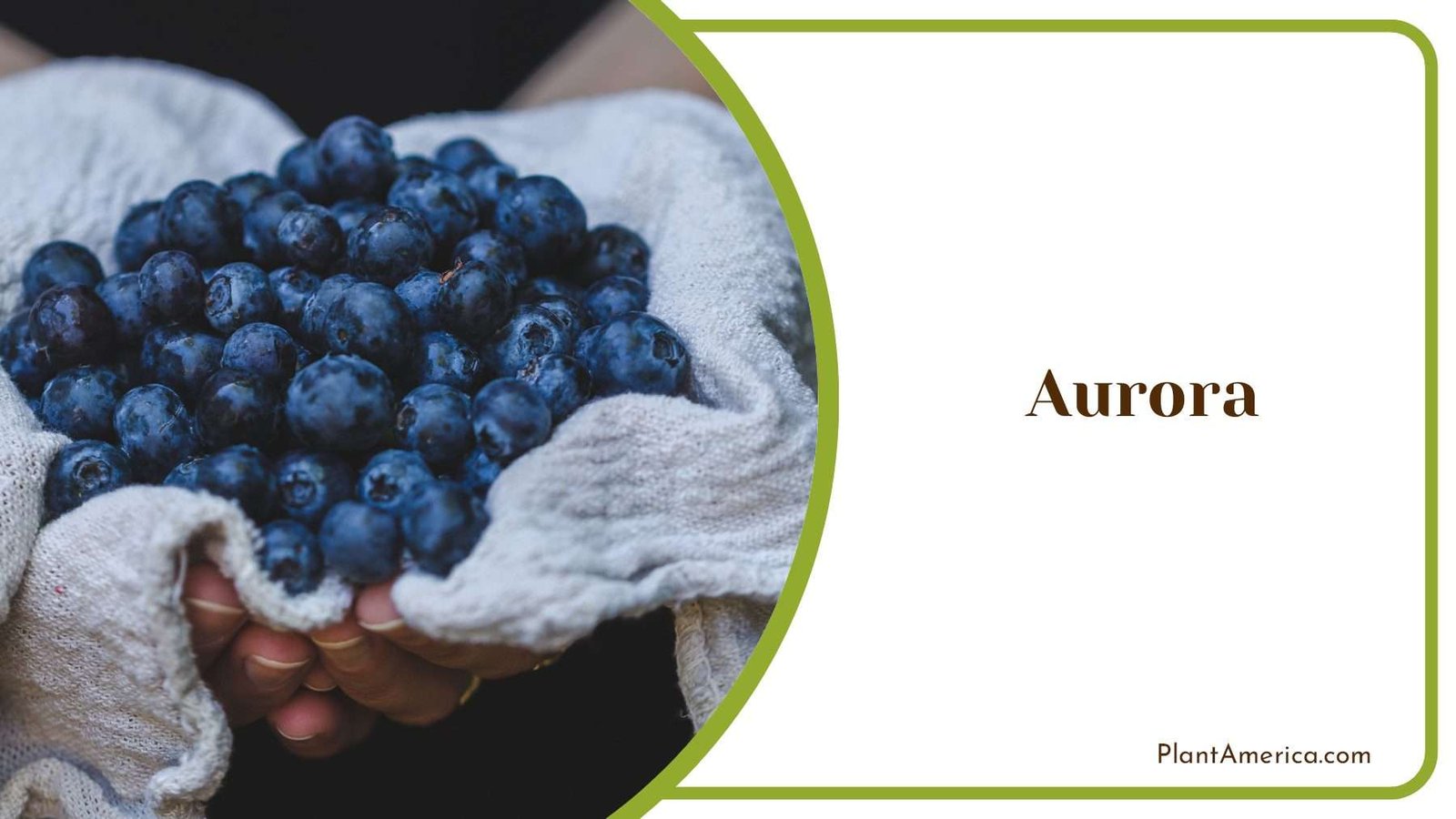
Aurora is an early ripening northern highbush blueberry variety that produces medium-sized berries with a light blue color. The fruit has a sweet flavor and a nice crisp texture. Aurora bushes grow five to eight feet tall with flowers resembling small lilies.
The leaves are oblong to obovate in shape and turn red in autumn. Aurora blueberries require acidic soil with a pH between four and five and ample winter chilling to thrive.
This blueberry variety is prone to botrytis blossom and fruit rot, and anthracnose fruit rot disease. Proper pruning, spacing, and fungicide applications help control disease problems in Aurora blueberry plants.
13. Bluejay
- Growing season: Spring
- Leaf shape: Ovate, Elliptic
- Specific needs: Full Sun, Turns red in autumn
- Common pest: Aphids, Spider mites
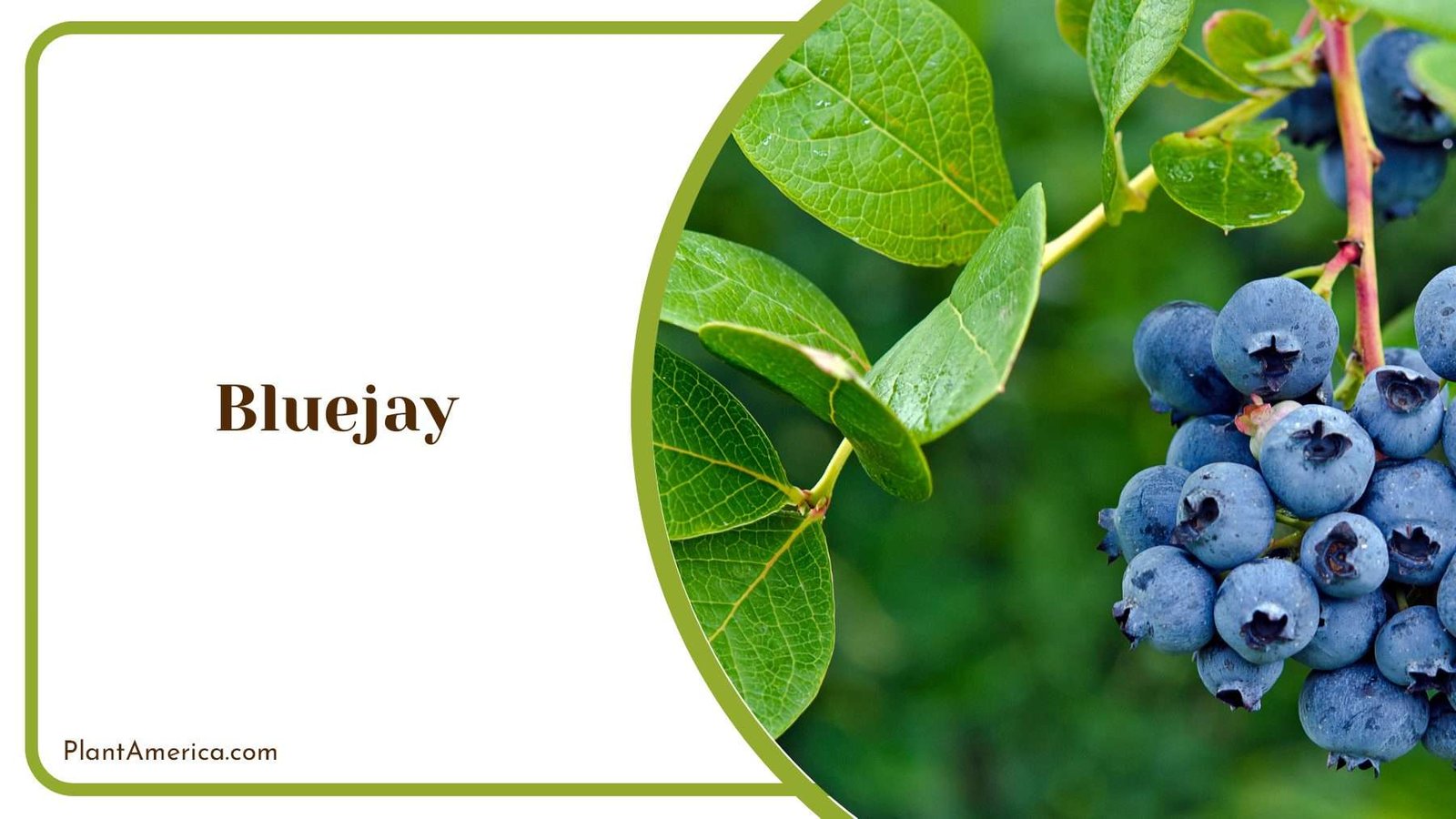
Bluejay is an early ripening northern highbush blueberry variety that produces large berries with an intense flavor. The fruit has a vibrant blue color and good firmness. Bluejay bushes grow six to eight feet tall with elliptic leaves that turn red in autumn. This blueberry variety needs acidic soil with a pH between four and five and requires adequate winter chilling.
Bluejay blueberry plants are moderately resistant to leaf and fruit diseases like mummy berry and botrytis. They are susceptible to anthracnose fruit rot, especially in rainy weather. Maintaining proper soil drainage and fungicide applications helps control fruit rot diseases and keep Bluejay blueberry bushes productive.
14. Chandlery
- Growing season: Spring
- Leaf shape: Elliptic, Ovate
- Specific needs: Full Sun, Tolerates Drought
- Common pest: Aphids, Spider mites
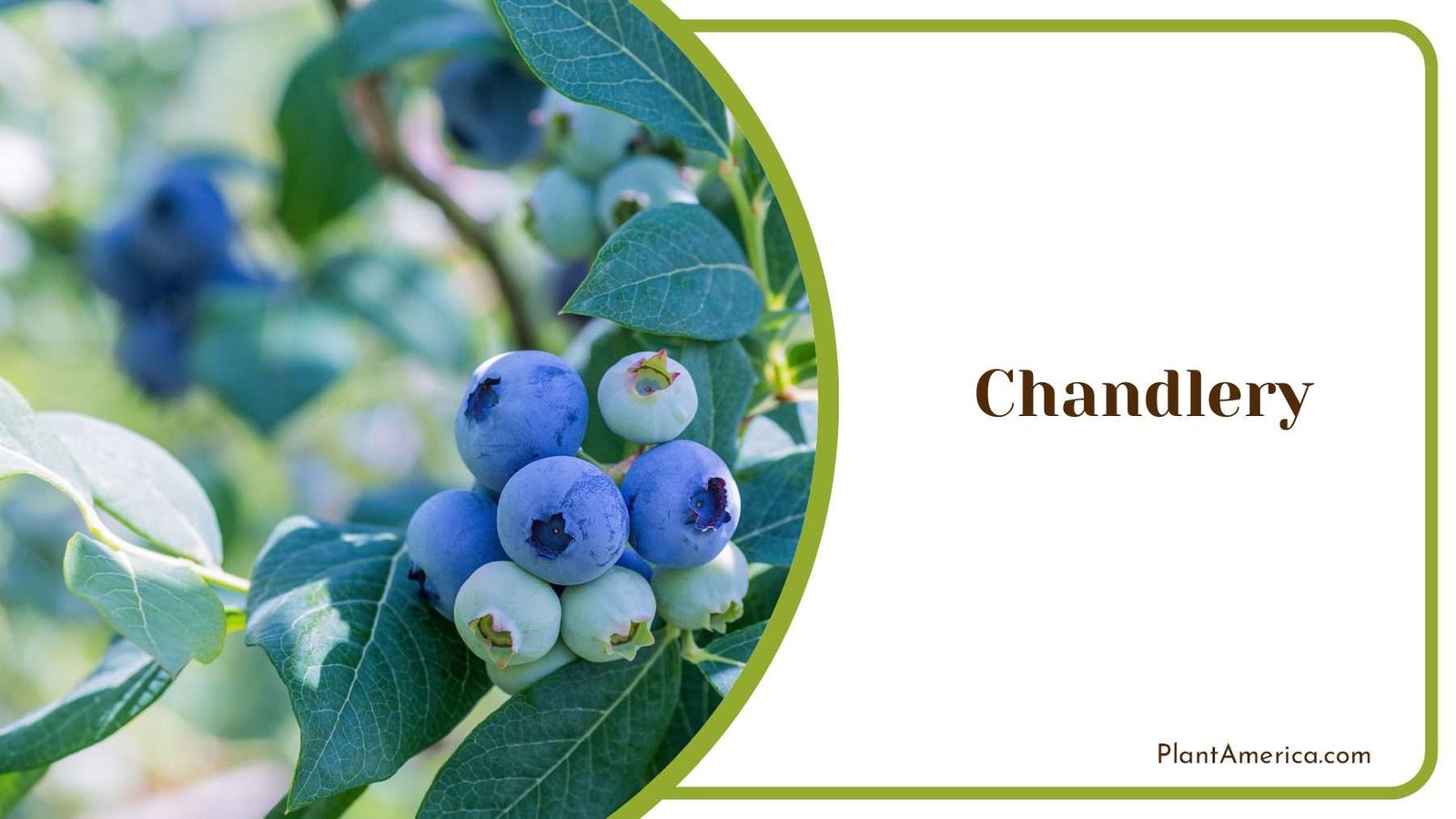
Chandlery is a midsummer ripening highbush blueberry variety that produces medium-sized berries with a light blue color. The fruit has a mildly sweet flavor and a nice crisp texture. Chandlery bushes grow eight to 10 feet tall with upright branching and elliptic to ovate leaves that turn red in autumn.
This blueberry variety requires acidic soil and tolerates drought conditions once established. Chandlery blueberries are susceptible to botrytis blossom and fruit rot as well as mummyberry disease. Proper air circulation, fungicide applications, and removing diseased plant material help control diseases in Chandlery blueberry plants. Regular fertilization and irrigation are also important to maximize fruit production from Chandlery blueberry bushes.
15. Brigitta

- Growing season: Summer
- Leaf shape: Elliptic, Ovate
- Specific needs: Full Sun, Regular watering
- Common pest: Aphids, Spider mites
Brigitta is a mid to late season ripening northern highbush blueberry variety that produces medium-sized berries with a light blue color. The fruit has a tangy flavor and a nice crisp texture. Brigitta bushes grow six to eight feet tall with obovate to elliptic leaves that turn yellow and orange in autumn.
This blueberry variety needs acidic soil and prefers regular watering, though it can tolerate drought conditions once established. Brigitta blueberries are susceptible to anthracnose fruit rot caused by persistent wet conditions. Proper pruning and spacing to improve air circulation, along with applying fungicides, help control fruit rot diseases in Brigitta blueberry plants.
16. Duke
- Growing season: Summer
- Leaf shape: Elliptic, Long
- Specific needs: Full Sun, Requires acidic soil
- Common pest: Aphids, Spider mites
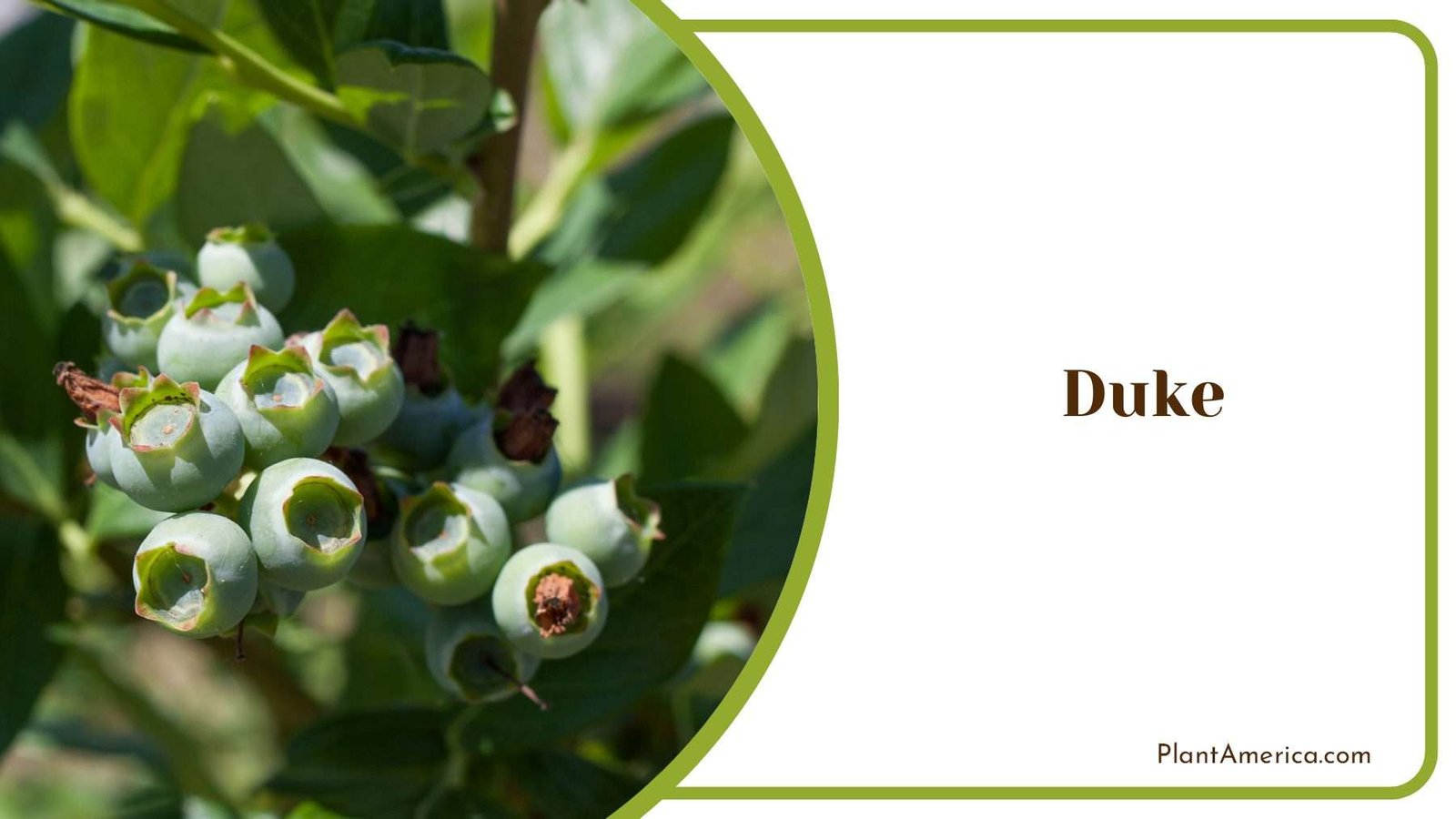
Duke is a late season ripening southern highbush blueberry variety that produces very large berries with a mild yet distinctive flavor. The fruit has a light blue color with good firmness. Duke bushes reach eight to 12 feet tall with elliptic leaves measuring two to five inches long. This blueberry variety thrives in acidic soil and tolerates warm temperatures.
Duke blueberry plants require regular irrigation to support their high yield potential. They are moderately resistant to diseases but susceptible to aphids, Japanese beetles, and spider mites. Proper pruning, pest monitoring, and organic or chemical control methods help keep Duke blueberry bushes healthy and productive.
Conclusion
There are a wide variety of blueberry types to choose from for your summer jams and preserves and experimenting to find the right ones for your needs will be half the fun.
- Highbush are widely grown for medium to large berries and high yields suitable for most jam recipes.
- Half-high offers an option for smaller gardens since they only reach three to five feet tall yet produce medium-sized berries.
- Pink Champagne thrives in warmer zones where other blueberries struggle, ensuring you can enjoy homegrown berries.
- Chandlery establishes deep roots that make them resilient during dry spells.
- Bluecrop offer distinctive flavors and colors to experiment with in creating your signature jam styles.
The hassle of weeding, watering, and treating for pests is well worth the reward of harvesting your own blueberries to craft sweet preserves and mouth watering jellies. Your blueberry jam sessions will become summer traditions, and making enough to share with loved ones will create wonderful memories for years to come. So get out your gardening tools, pick a few varieties from this list, and grow your own berries for jam while you’re just a few short months away from the sweet taste of summer lingering on your tongue all winter long.