
Tropical plant leaves make stunning additions to any indoor space and are perfect for beginner plant parents thanks to their durable nature that withstands occasional neglect. We’ll cover 25 tropical foliage plants with giant leaves and vibrant colors that thrive with minimum care, from the classic elephant ear to prayer-plants and snake plants, helping you enjoy a tropical oasis in your home with minimal effort with the proper growing conditions.
These easy plants can survive for long periods with just a drink of water and dusting, boosting your mood every time you walk into the room. Let’s get started exploring the wonderful world of tropical foliage plants that are perfect for any plant novice!
Low Maintenance Tropical Plant Leaves to Brighten Your Space
1. Elephant Ear Plant
- Growing Season: Year-round, Prefers warm temperatures.
- Leaf Type: Broad leaves, Heart-shaped leaves.
- Specific Needs: High humidity, Consistent moisture.
- Common Pests: Aphids, Mealybugs, and Spider mites.
With its massive tropical foliage, the elephant ear plant makes a showstopping addition to any room. The giant heart-shaped leaves can reach up to two feet across, giving the plant a dramatic presence. Elephant ears thrive in humid conditions with consistently moist but well-drained soil. They enjoy bright, indirect light and prefer warmer temperatures between 65 to 85 degrees Fahrenheit.
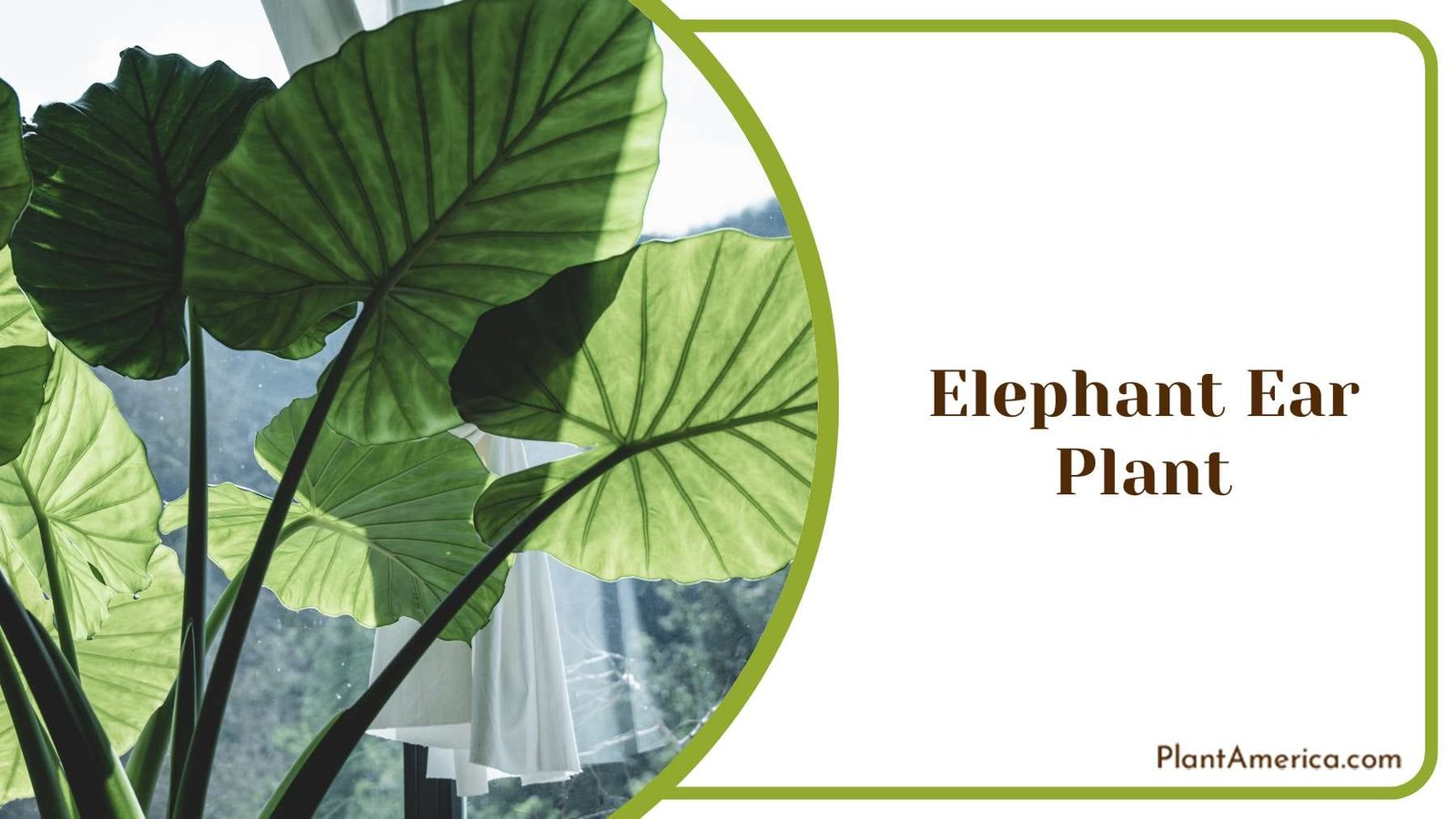
The stunning foliage and low maintenance needs make the elephant ear plant an excellent choice for beginners. Just provide extra humidity with a pebble tray or humidifier, especially during winter when heating systems tend to dry out indoor air.
2. Peace Lily
- Growing Season: Year-round, Blooms spring to summer.
- Leaf Type: Glossy leaves, Oval green leaves.
- Specific Needs: High humidity, Low to bright light.
- Common Pests: Spider mites, Scale insects.
The peace lily or spathiphyllum is beloved for its air-purifying properties and easy care requirements. The broad oval tropical leaves emerge from a central crown to form a bushy profile.
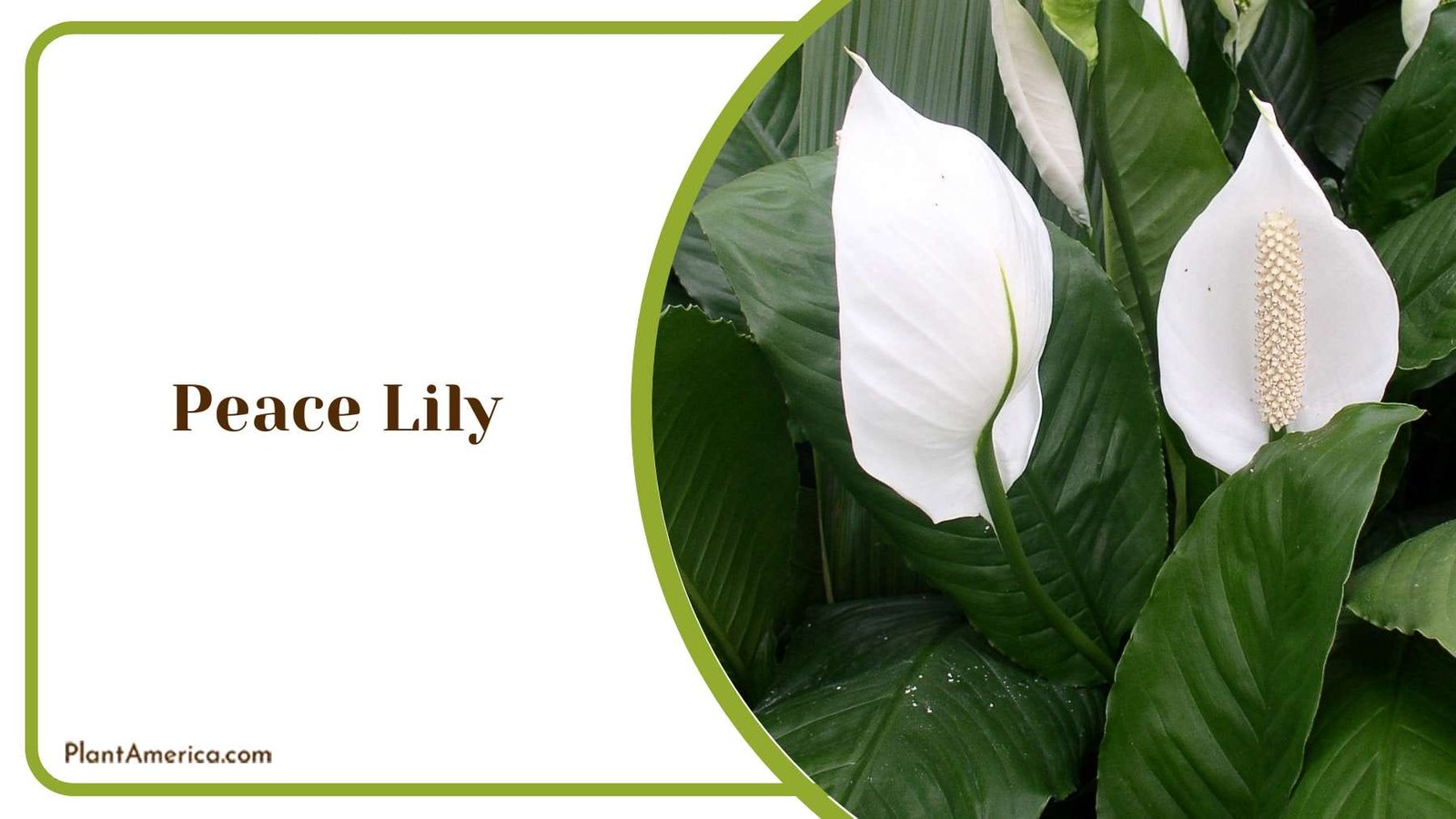
During spring and summer, peace lilies produce dramatic white spathes and flower bracts resembling candles atop tall stalks. These spathes can last for several weeks before fading.
Peace lilies thrive in humid conditions with moist but well-drained soil. Consider setting the peace lily on a pebble tray or grouping it with other tropicals for high humidity around the plant. Avoid direct sun and allow the top inch of soil to dry out between waterings.
3. Chinese Evergreen
- Growing Season: Year-round.
- Leaf Type: Large leathery leaves, Evergreen leaves.
- Specific Needs: Bright indirect light, High humidity.
- Common Pests: Mealybugs, Scale insects.
The Chinese evergreen or aglaonema has become a favorite indoor tropical foliage plant thanks to its low maintenance needs and a riot of colorful leaves. This perennial herbaceous plant boasts large leathery leaves in shades of green, cream, and red.
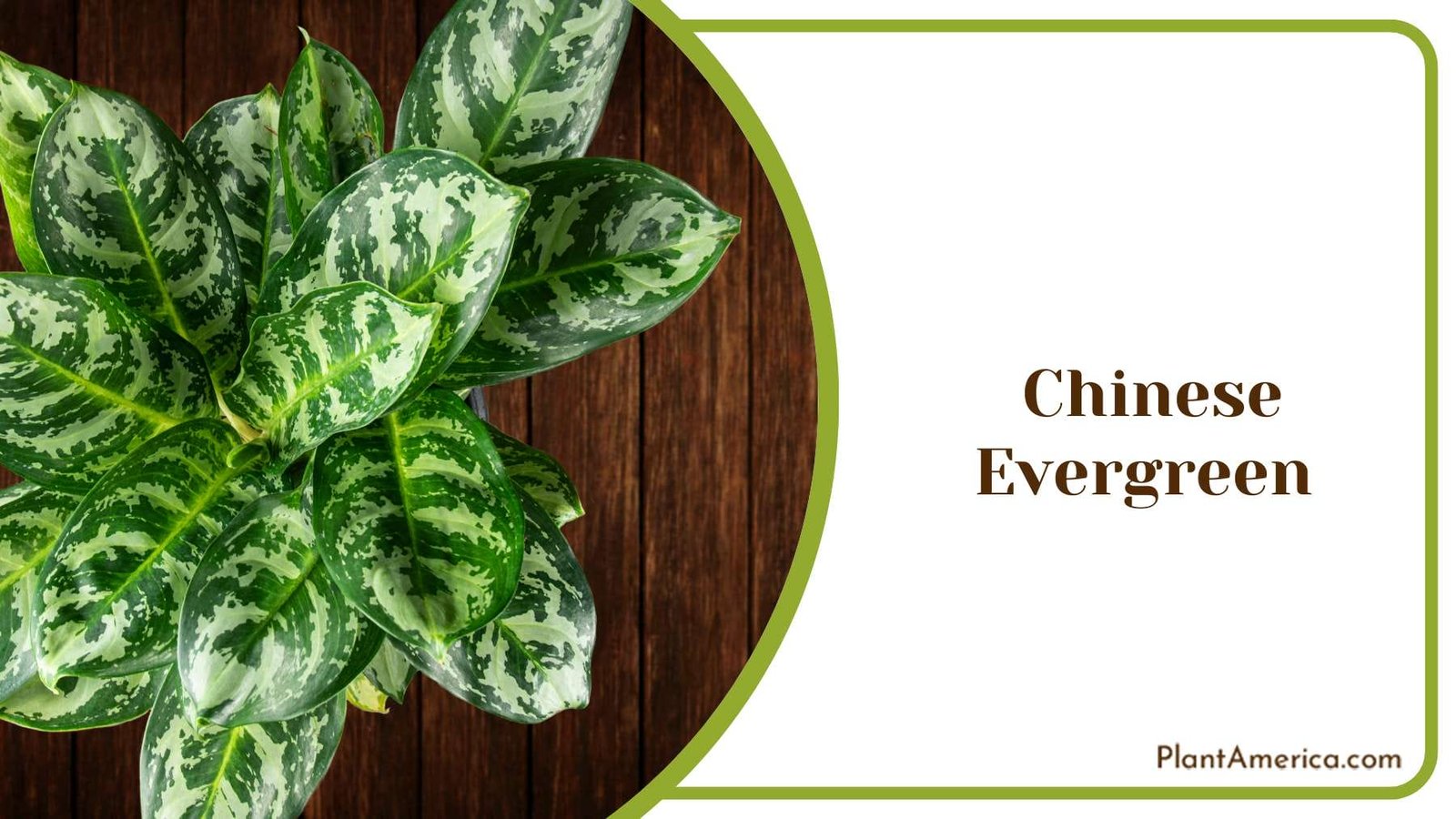
Chinese evergreens thrive in temperatures between 65 to 80 degrees Fahrenheit with high humidity levels of around 50 percent or more. They grow best with bright indirect light and require moist, well-draining soil. To keep the leaves vibrant, mist the foliage daily and group other tropical plants or a pebble tray nearby. Fertilize monthly throughout spring and summer.
4. Hawaiian Schefflera
- Growing Season: Evergreen.
- Leaf Type: Simple, broad egg-shaped to oval, Leaves remain green all year.
- Specific Needs: Full sun to part shade, Even, regular watering, Well-draining soil.
- Common Pests: Scale insects, Mealybugs, and Spider mites.
The Hawaiian Schefflera makes an ideal small or medium-sized indoor foliage plant for beginners due to its leathery leaves that tolerate under and overwatering better than most tropicals. Even infrequent gardeners can keep these easy-care evergreens looking lush and pristine with just a few simple tips.
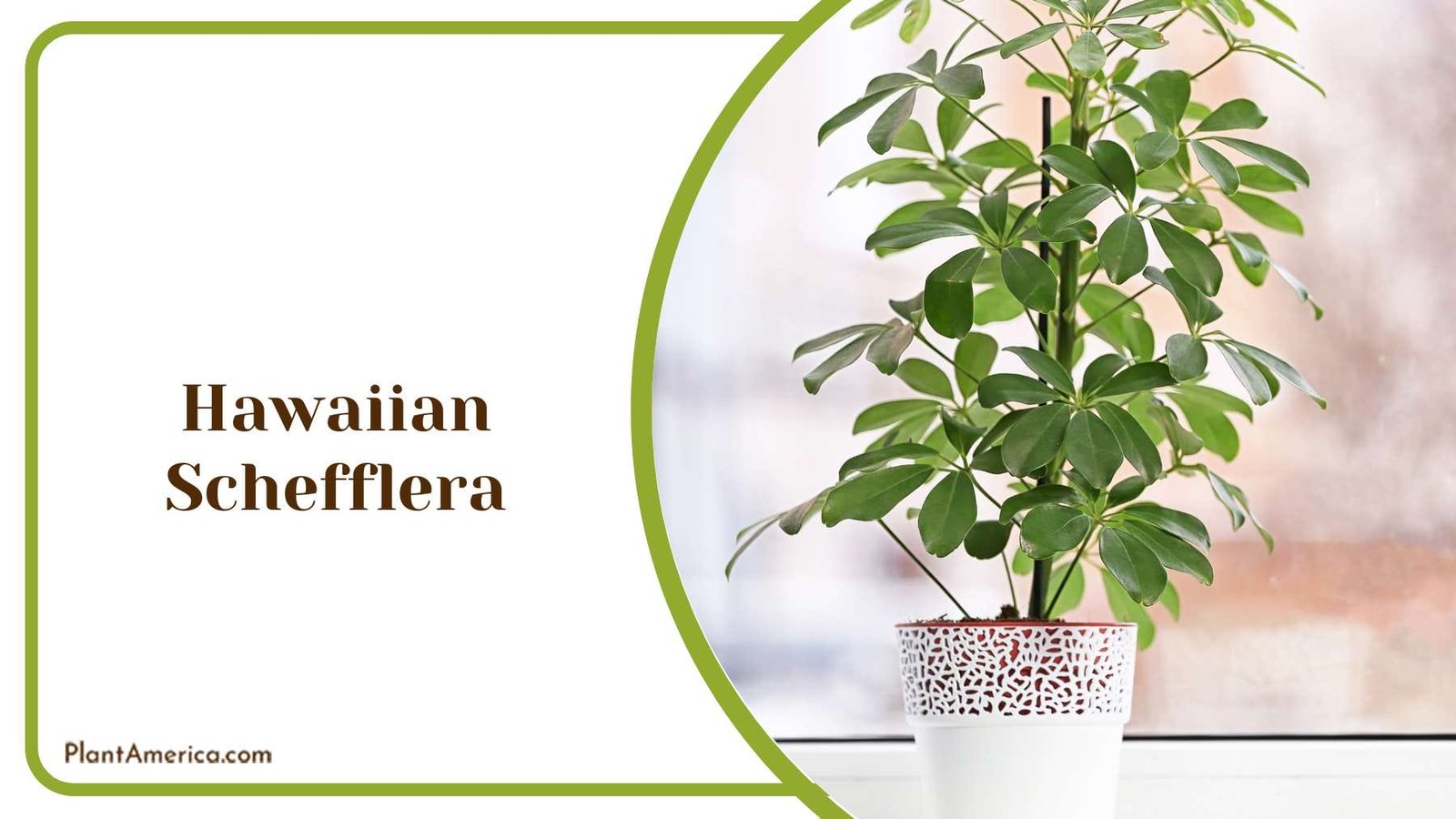
The key is to find the right balance – not too wet or dry – so the leaves drink up just enough water through their broad surfaces to stay satisfied but never become overwhelmed or parched. With proper care and positioning, the Hawaiian schefflera’s thick foliage can fill any corner or tabletop with a tropical flair for years.
5. Yucca Plant
- Growing Season: Spring, Fall.
- Leaf Type: Long narrow pointed leaves, Evergreen or lose leaves in fall.
- Specific Needs: Full sun, Well-draining soil.
- Common Pests: Leaf miners, Mealybugs, Aphids.
The Yucca plant’s long, pointed leaves mounted on woody, branched stems earn it the name “Adam’s needle.” This drought-tolerant succulent grows well in hot, dry climates resembling its native southwest. While most Yuccas are evergreen, some species drop leaves in fall and emerge with fresh growth in spring.
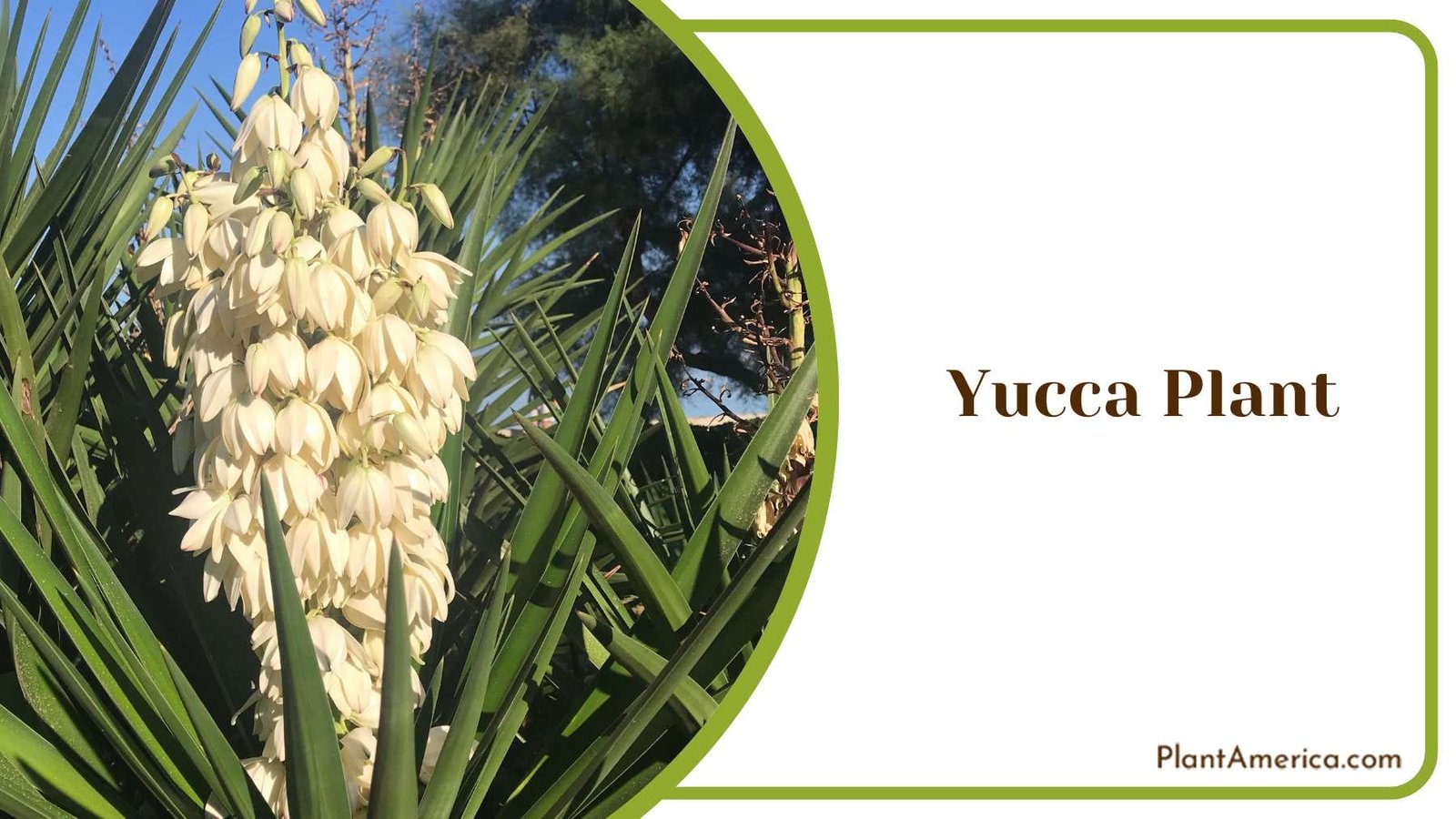
All varieties require very well-drained soil to simulate the rocky desert habitats where they evolved. Occasional watering during hot, dry spells helps promote flowering at the tips of tall stems. Yuccas’s striking swordlike foliage and sculptural form make them a classic choice for adding architectural drama and texture to patio containers and xeriscape gardens.
6. Fiddle Leaf Fig
- Growing Season: Year-round.
- Leaf Type: Large oblong, Green leaves.
- Specific Needs: Bright indirect light, Even moisture.
- Common Pests: Spider mites, Mealybugs.
The fiddle leaf fig is a dramatic tropical houseplant named for its broad, violin-shaped leaves that emerge from a tall, slender trunk. When mature, the fiddle leaf fig can reach up to 10 feet indoors, forming an attractive tree-like shape.
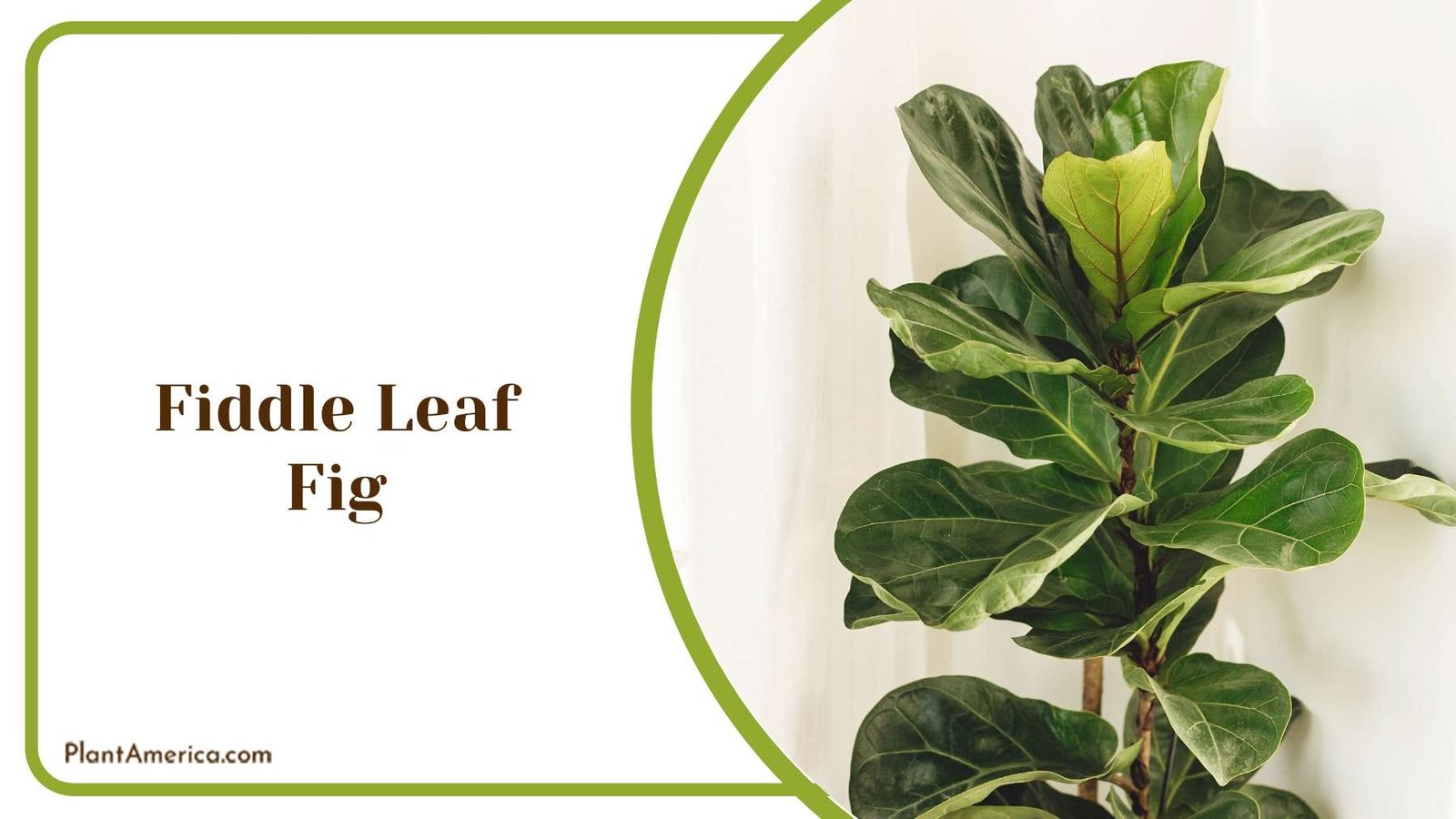
Fiddle leaf figs thrive in warm conditions with high humidity levels between 50 to 60 percent. They prefer temperatures between 65 to 80 degrees Fahrenheit and grow well in bright, filtered light. Water the plant deeply whenever the top inch of soil becomes dry. Allow excess water to drain from the saucer to prevent root rot. Prune to shape the plant as needed.
7. Monstera Adansonii
- Growing Season: Year-round.
- Leaf Type: Large oval leaves, Perforated leaves.
- Specific Needs: Bright indirect light, Even moisture.
- Common Pests: Spider mites, Aphids.
The Swiss cheese plant, or Monstera adansonii, has become a trendy indoor tropical plant thanks to its easy care requirements and stunning oval leaves with unique natural holes. The thick glossy leaves emerge from the stem with regular oval perforations that give the plant its name. As the monstera adansonii matures, the holes grow larger and more numerous. New leaves unfurl bronze before hardening to a deep green.
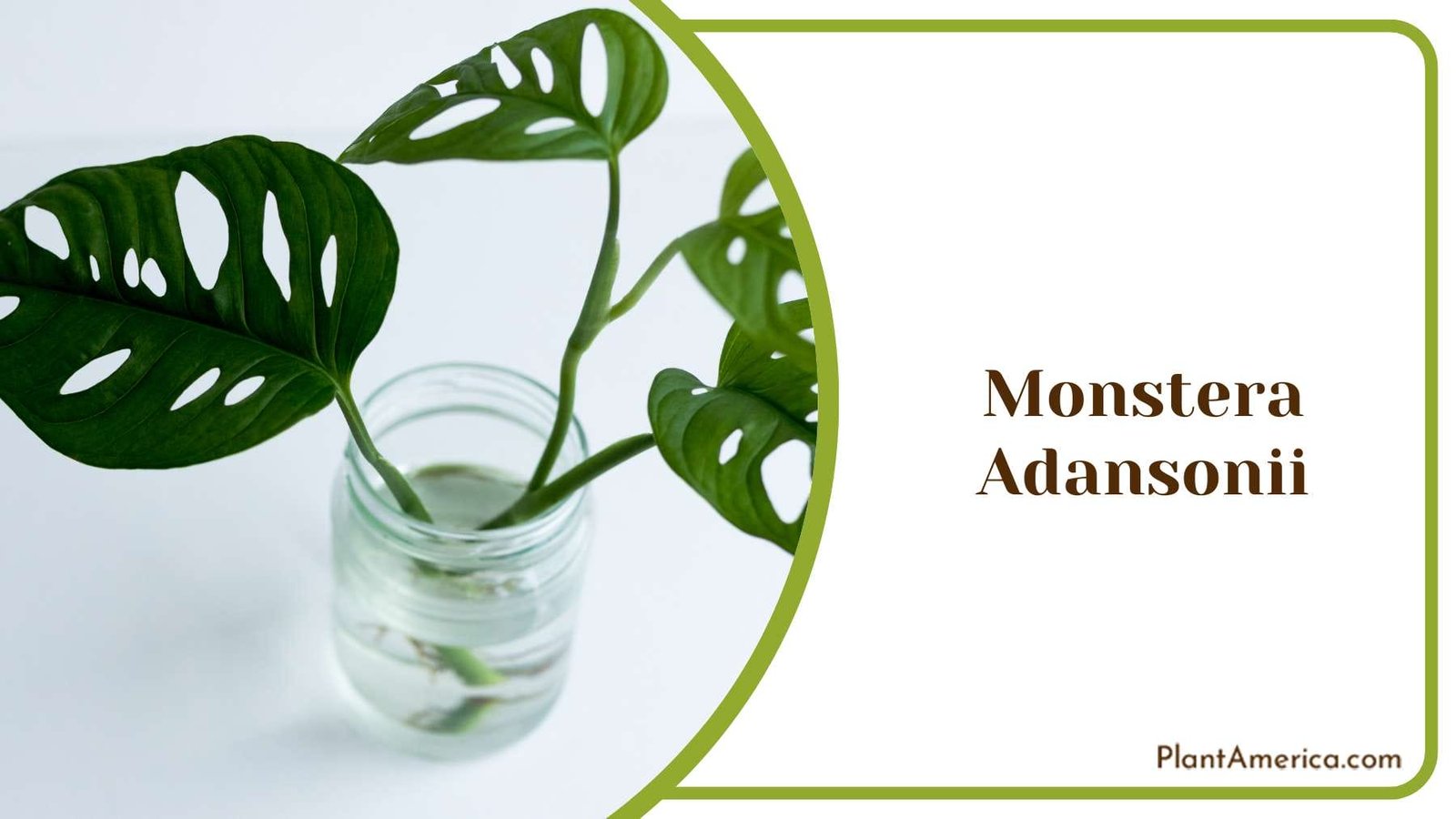
Monstera adansonii thrives in warm temperatures between 65 to 80 degrees Fahrenheit with humidity levels above 50 percent. They grow best in bright indirect light and require moist, well-draining soil. Water whenever the top inch feels dry.
8. Dumb Cane
- Growing Season: Year-round.
- Leaf Type: Long skinny, Dark green leaves.
- Specific Needs: Bright indirect light, High humidity.
- Common Pests: Mealybugs, Scale insects.
The dumb cane or dieffenbachia plant has become a popular indoor tropical foliage plant thanks to its attractive dark green leaves and easy care. Dumb canes produce long arching green leaves with creamy white or yellow stripes on some varieties. New leaves unfurl bronze before hardening to a deep green.
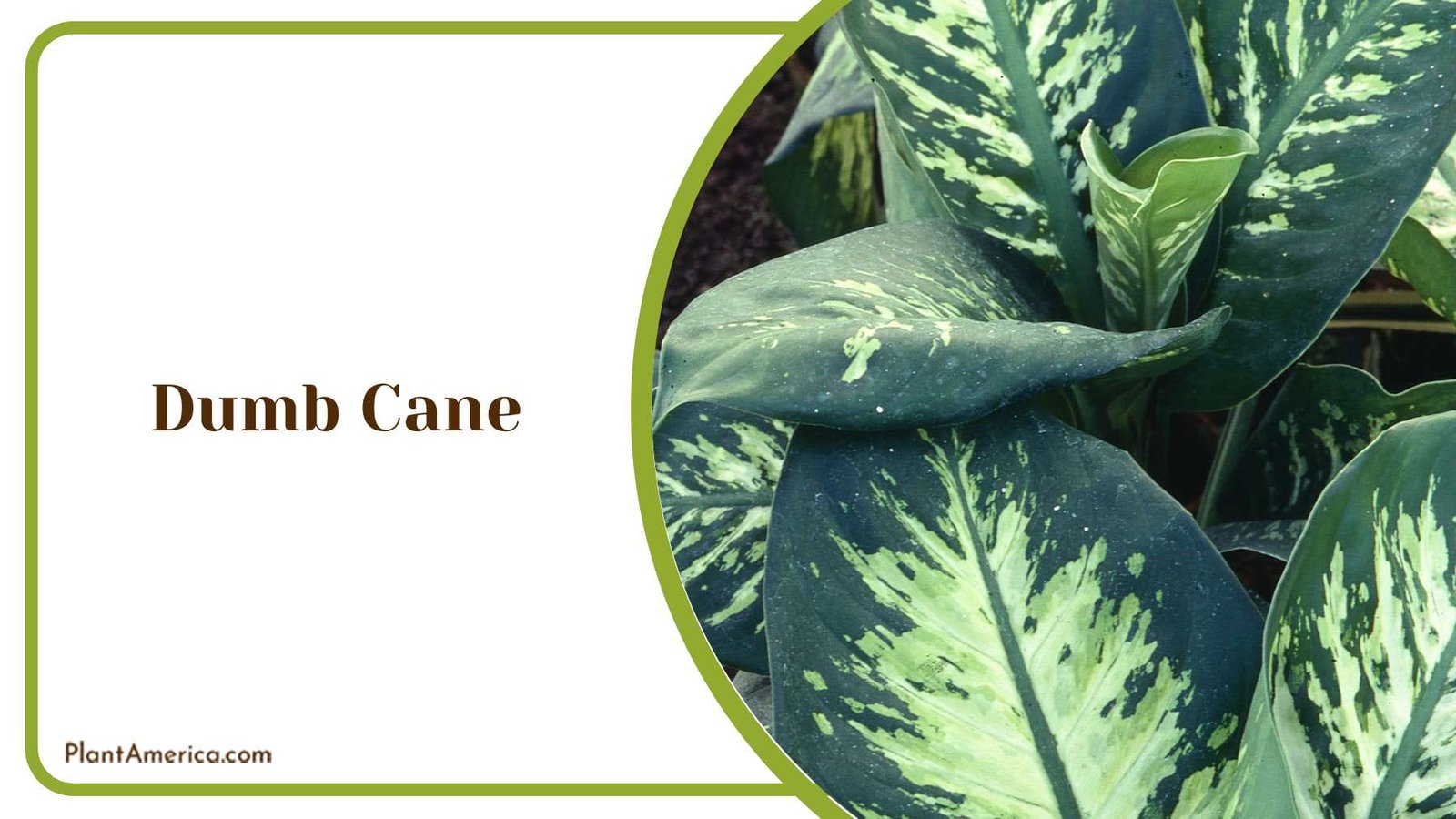
Dieffenbachia thrives in temperatures between 65 to 80 degrees Fahrenheit with humidity levels above 50 percent. To maintain attractive striped leaves, mist the foliage regularly and use a pebble tray or humidifier to boost humidity. Though toxic to pets if ingested, dumb cane makes an excellent choice for beginners due to its low maintenance requirements and striking foliage.
9. Philodendron Gloriosum
- Growing Season: Year-round.
- Leaf Type: Large glossy leaves, Oval leaves.
- Specific Needs: Medium to bright light, High humidity.
- Common Pests: Spider mites, Scale insects.
The glory vine philodendron or philodendron gloriosum has gained popularity as an indoor tropical foliage plant thanks to its dramatic upright form and large stunning leaves. The alternating oval leaves emerge from a central stem and unfurl bronze before maturing to a deep glossy green. As the plant matures, Swiss cheese monster-like holes develop on the leaves.
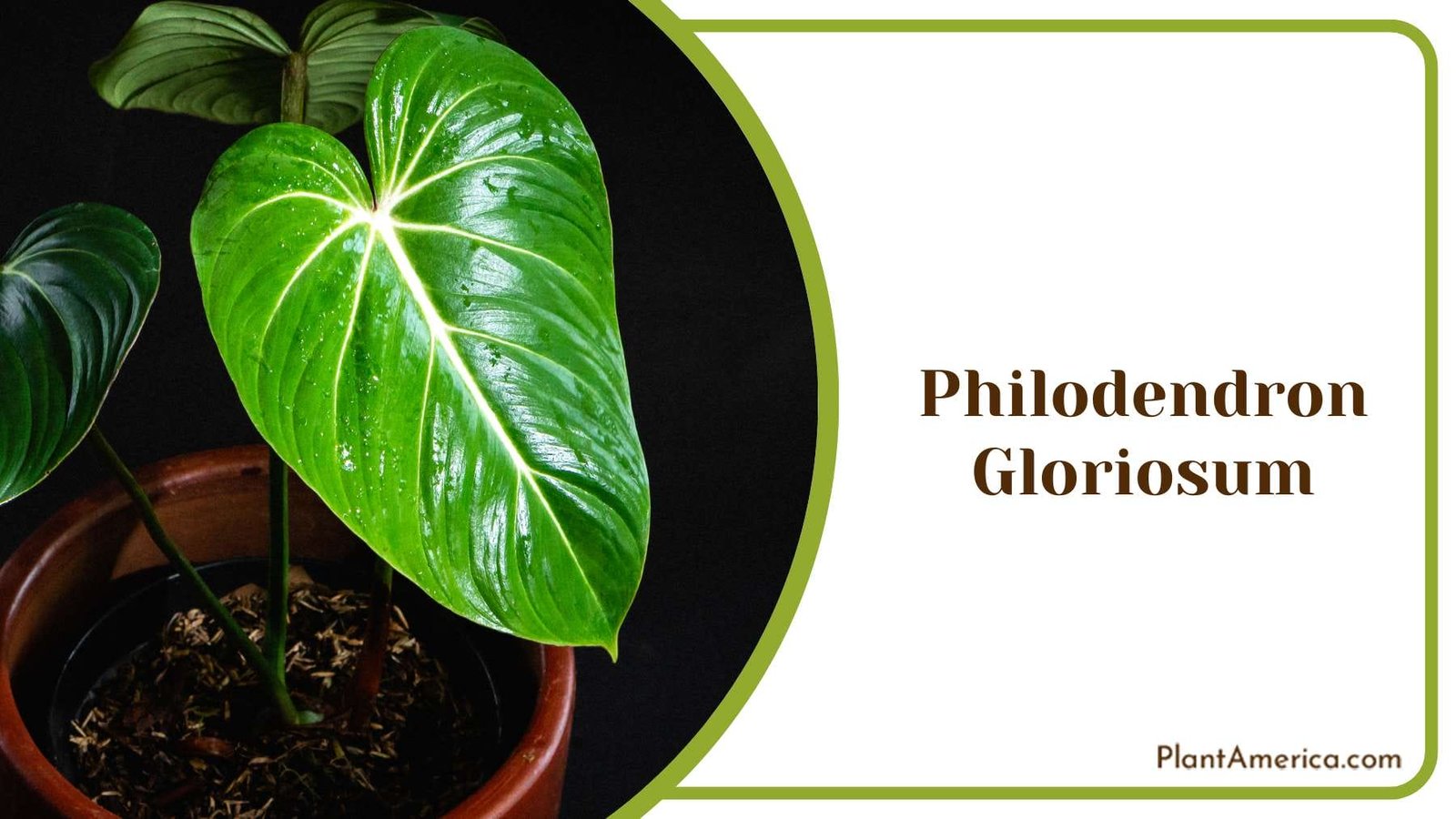
Glory vines thrive in warm temperatures between 65 to 85 degrees Fahrenheit with humidity levels above 50 percent. They need moderately moist but well-draining soil and medium to bright indirect light for optimal growth. Fertilize once every two months during the active growing season.
10. Majesty Palm
- Growing Season: Year-round.
- Leaf Type: Palm fronds, Feather-like leaflets.
- Specific Needs: Bright indirect light, Even moisture.
- Common Pests: Aphids, Scale insects.
The majesty palm or rhapidaphora hystrix makes a classic addition to any indoor tropical foliage collection thanks to its full palm fronds and spindle-like trunk. Majesty palms produce attractive feather-like fronds with distinct leaflets radiating from a central stem. As the plant matures, it produces multiple fronds in alternating directions, creating an explosion of dark green tropical foliage.
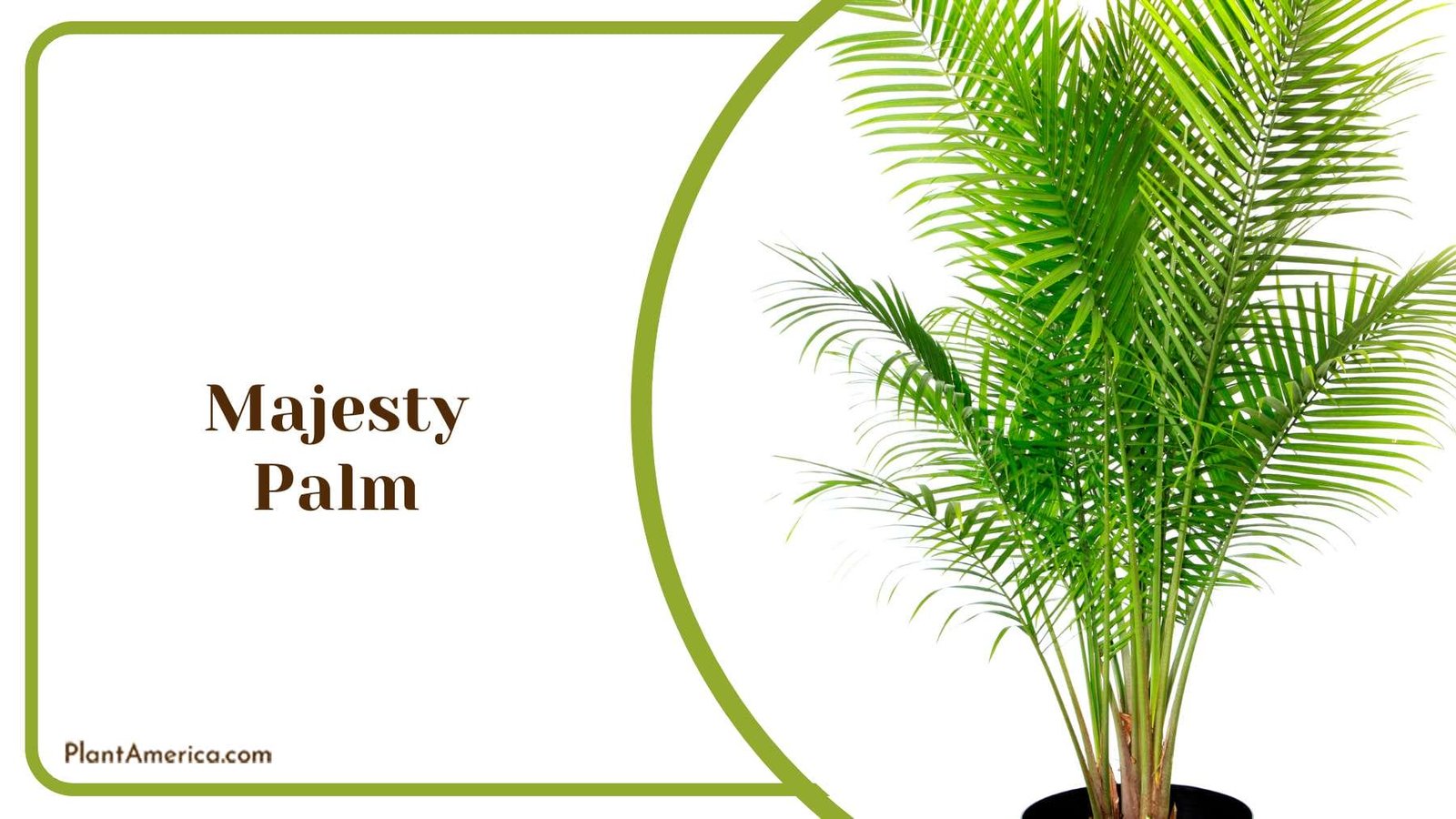
Majesty palms thrive in warm temperatures between 65 to 80 degrees Fahrenheit with humidity levels above 50 percent. They prefer evenly moist but well-draining soil and grow best in bright indirect light. With the right care, this palm can become a focal point for your tropical plant collection for many years.
11. Philodendron
- Growing Season: Evergreen.
- Leaf Type: Heart-shaped to lanced-shaped, Dark green all year.
- Specific Needs: Low to medium light, Regular watering, Well-draining soil.
- Common Pests: Spider mites, Scale insects, Mealybugs.
Philodendrons are one of the easiest tropical plants for beginners. Their lush foliage emerges in various shapes and sizes – from heart-shaped to lanced – to create a full yet understated presence. New leaves unfurl, rolled up like cigars before opening flat with time.
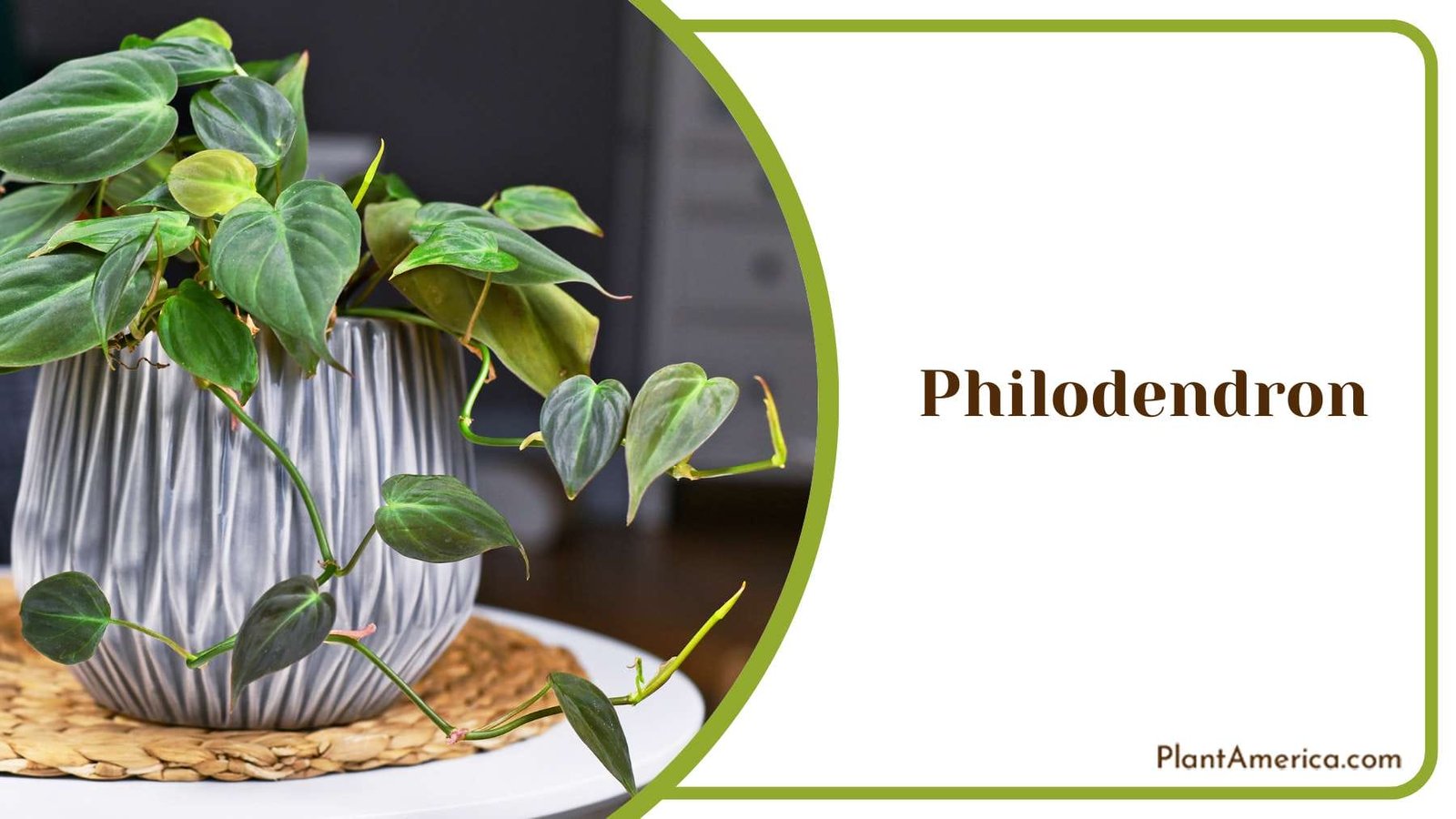
Provide even moisture; allow the top few inches of soil to dry between watering. Reduce watering in winter when growth slows. Move leaves and rotate plants occasionally to encourage even growth. The philodendron’s abundant foliage – some varieties have leaves over three feet long – lends a sense of effortless abundance within compact spaces.
12. Palm Tree
- Growing Season: Year-round.
- Leaf Type: Palmate fronds, Feather-like leaflets.
- Specific Needs: Bright indirect light, High humidity.
- Common Pests: Mealybugs, Scale insects.
Palm trees are undoubtedly one of the most iconic tropical foliage plants thanks to their full thatched fronds and pillar-like trunks reminiscent of tropical beaches. Palms produce distinctive feather-like fronds radiating from a central stem that resembles a trunk.

Palm trees thrive in warm temperatures between 65 to 80 degrees Fahrenheit with high humidity. They prefer evenly moist but well-draining soil and grow best in bright, filtered light. Mist the palm fronds regularly and wipe leaflets monthly with a damp cloth to promote longevity. Fertilize with a balanced palm fertilizer once or twice during the growing season.
13. Snake Plant
- Growing Season: Year-round.
- Leaf Type: Long strappy green leaves, Sword-like.
- Specific Needs: Bright indirect light, Low water.
- Common Pests: Aphids, Mealybugs.
The snake plant is a popular indoor tropical foliage plant renowned for its drought tolerance and easy care requirements. Snake plants produce upright strappy leaves that form a dense clumping habit. Some varieties feature creamy white variegated stripes or yellow-edged leaves. New leaves unroll inside the leaf sheath before fully emerging.
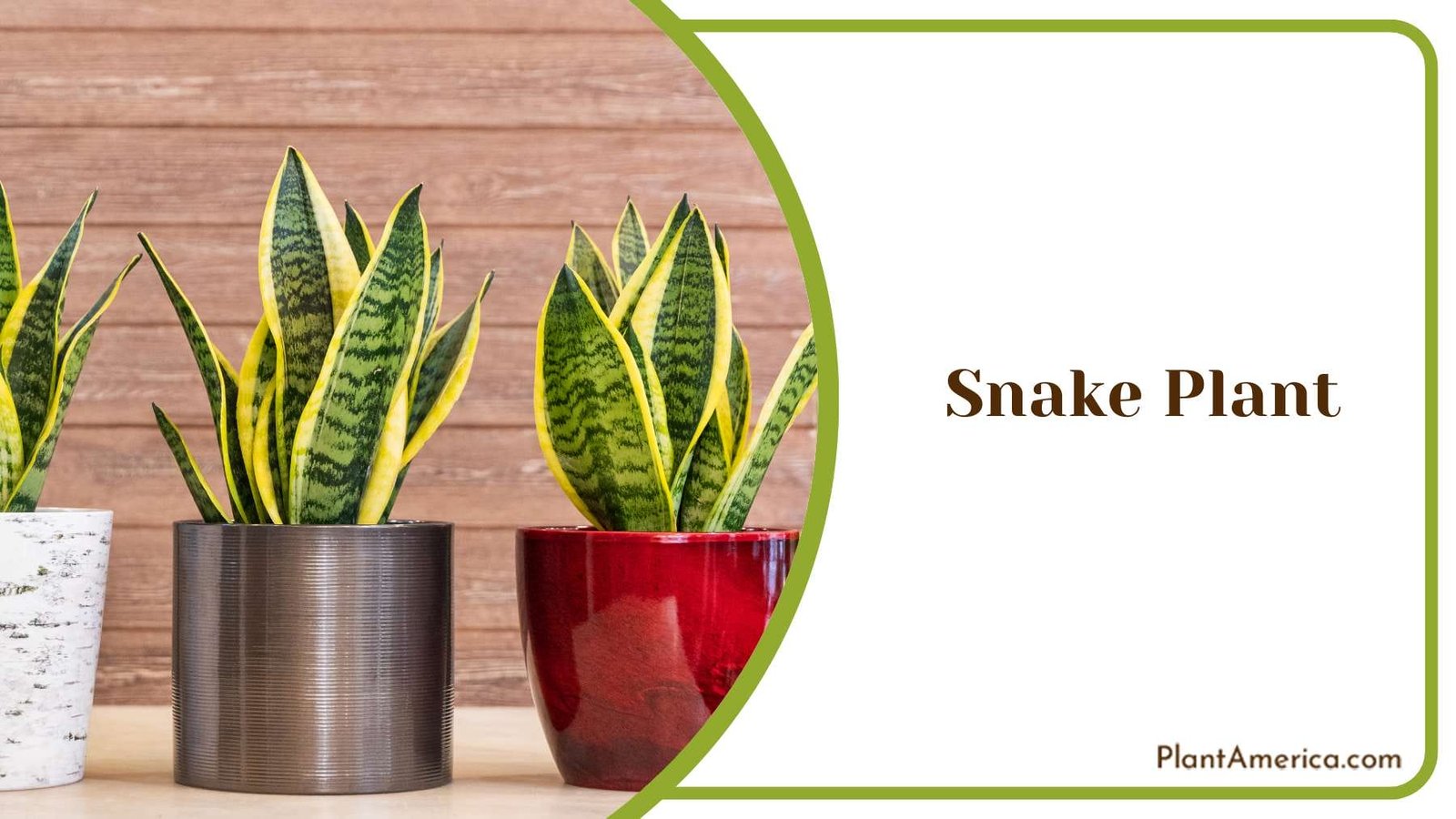
They grow best with moderate to bright indirect light and require well-draining soil. Infrequent watering once every two to four weeks is ideal for snake plants. Do not overwater, as this can cause roots to rot. The snake plant’s reputation for air-purifying properties and ability to tolerate infrequent watering make it an excellent choice for beginners and forgetful plant parents.
14. Money Plant
- Growing Season: Year-round.
- Leaf Type: Dark green, Broad oval leaves.
- Specific Needs: Bright indirect light, High humidity.
- Common Pests: Spider mites, Mealybugs, and Aphids.
The money plant, or pilea peperomioides has become a trendy indoor tropical foliage houseplant thanks to its low-maintenance nature and coin-shaped leaves.
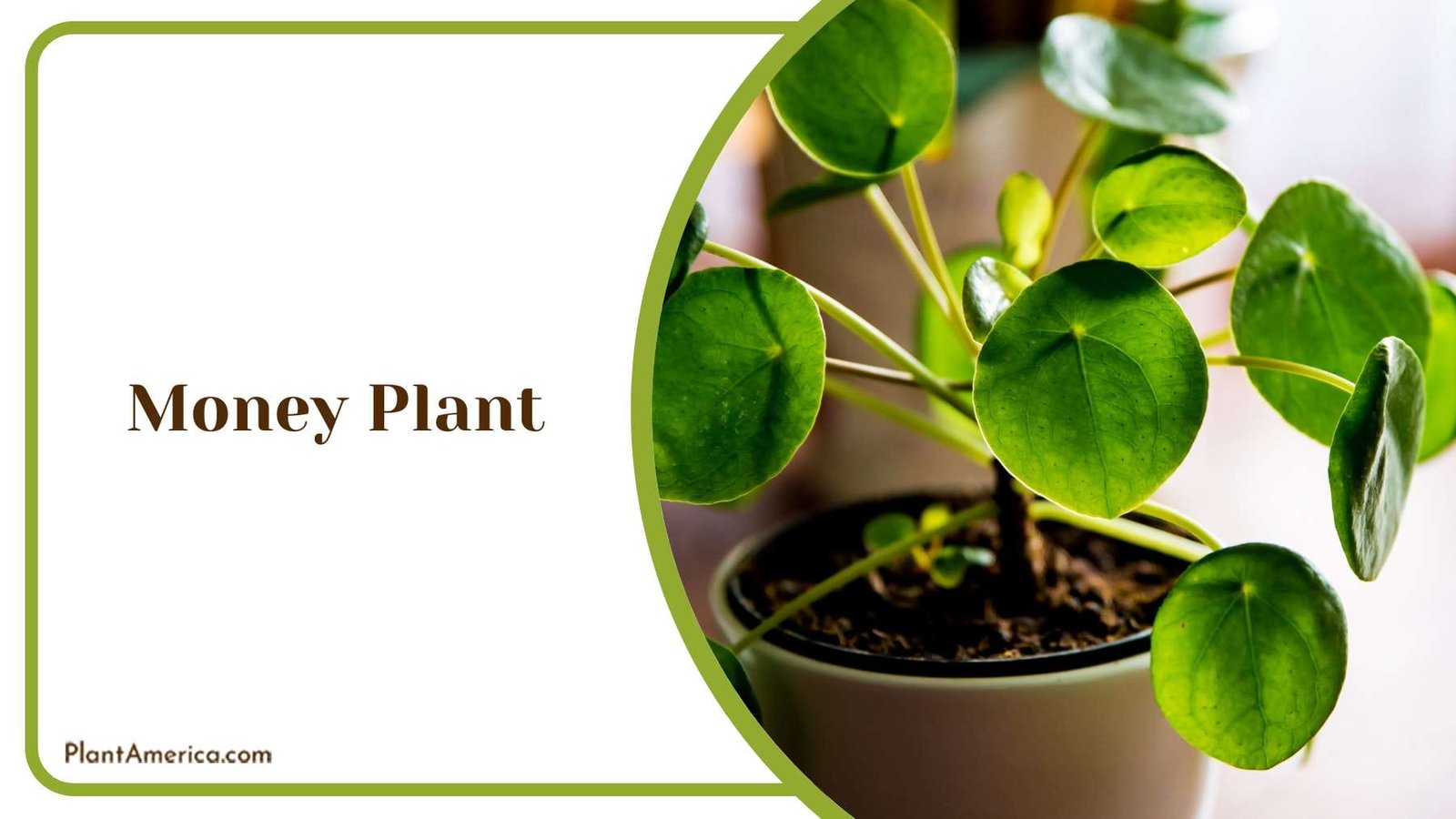
The money plant produces broad oval leaves with distinctive rounded edges that resemble coins stacked on each other. New leaves unfurl bronze before hardening to a vibrant dark green. As the plant matures, creeping stems allow it to form masses of coin-shaped foliage.
Money plants thrive in warm temperatures between 65 to 80 degrees Fahrenheit with humidity levels above 40 percent. Water whenever the top inch feels dry. Fertilize once every one to two months during spring and summer.
15. Prayer Plant
- Growing Season: Year-round.
- Leaf Type: Distinctively shaped green leaves, Pointed tip.
- Specific Needs: Bright indirect light, High humidity.
- Common Pests: Spider mites, Mealybugs.
The prayer plant is a whimsical indoor tropical foliage plant famous for its uniquely shaped leaves that appear folded in prayer. Prayer plants produce medium green leaves with distinctive indentations, lobed edges, and asymmetry, giving them their prayerful appearance. The leaves unfurl bright red on young plants before maturing to medium green.
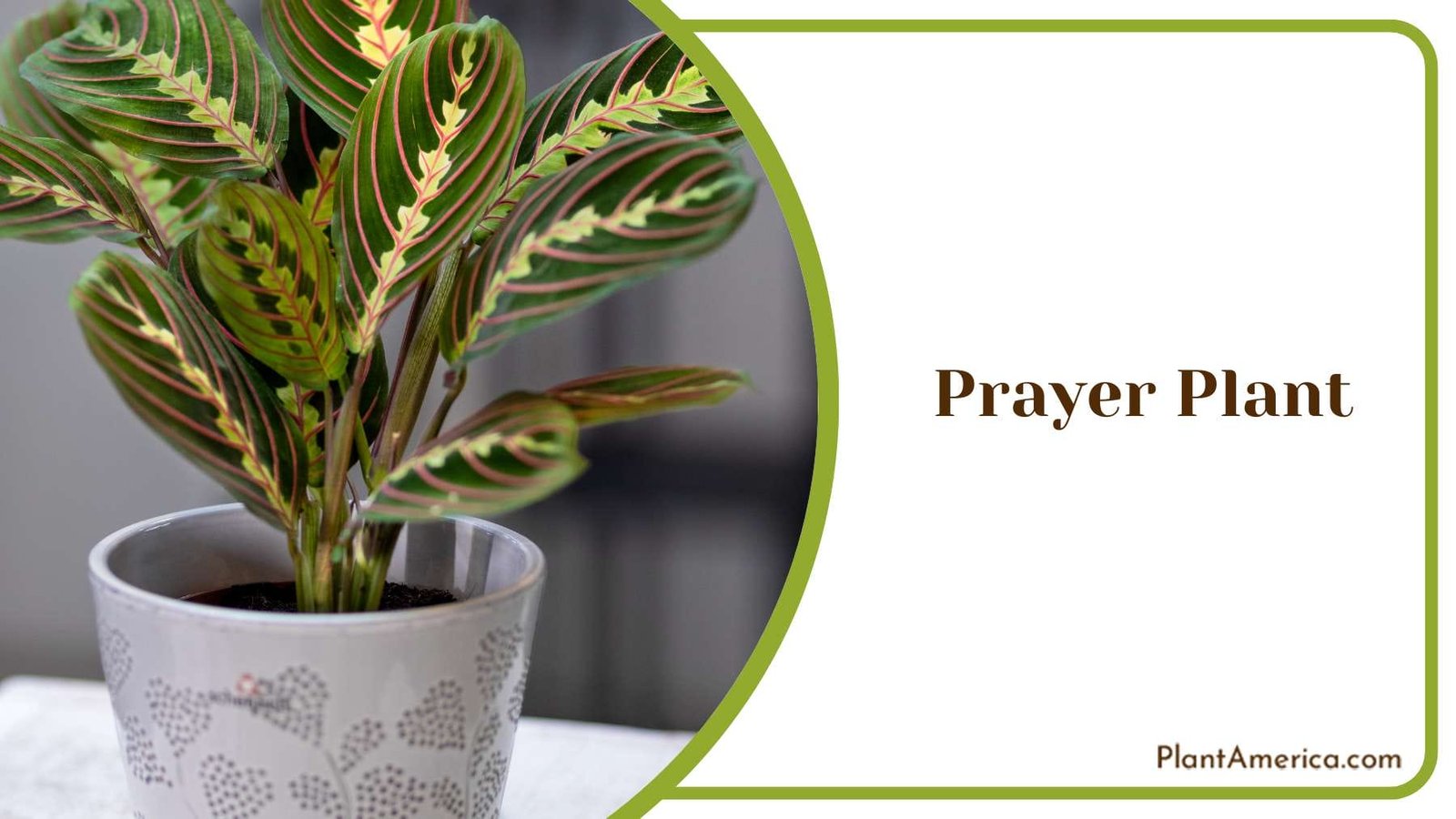
Prayer plants thrive in warm temperatures between 65 to 80 degrees Fahrenheit with humidity levels above 50 percent. They prefer evenly moist but well-draining soil and thrive in medium to bright indirect light. With their whimsical leaves that appear in perpetual prayer, prayer plants add calming serenity to any indoor tropical plant collection.
16. Umbrella Plant
- Growing Season: Year-round.
- Leaf Type: Large round dark green leaves.
- Specific Needs: Bright indirect light, High humidity.
- Common Pests: Spider mites, Aphids.
The umbrella plant, or Schefflera arboricola, earns its name from how its palmate leaves resemble the spokes of an umbrella unfurling from a central stem. The long petioles attaching the round leaves to the stem allow the leaves to cascade downward, creating the shape of an open umbrella. As the plant matures, additional stems emerge, producing a full umbrella-like shape.
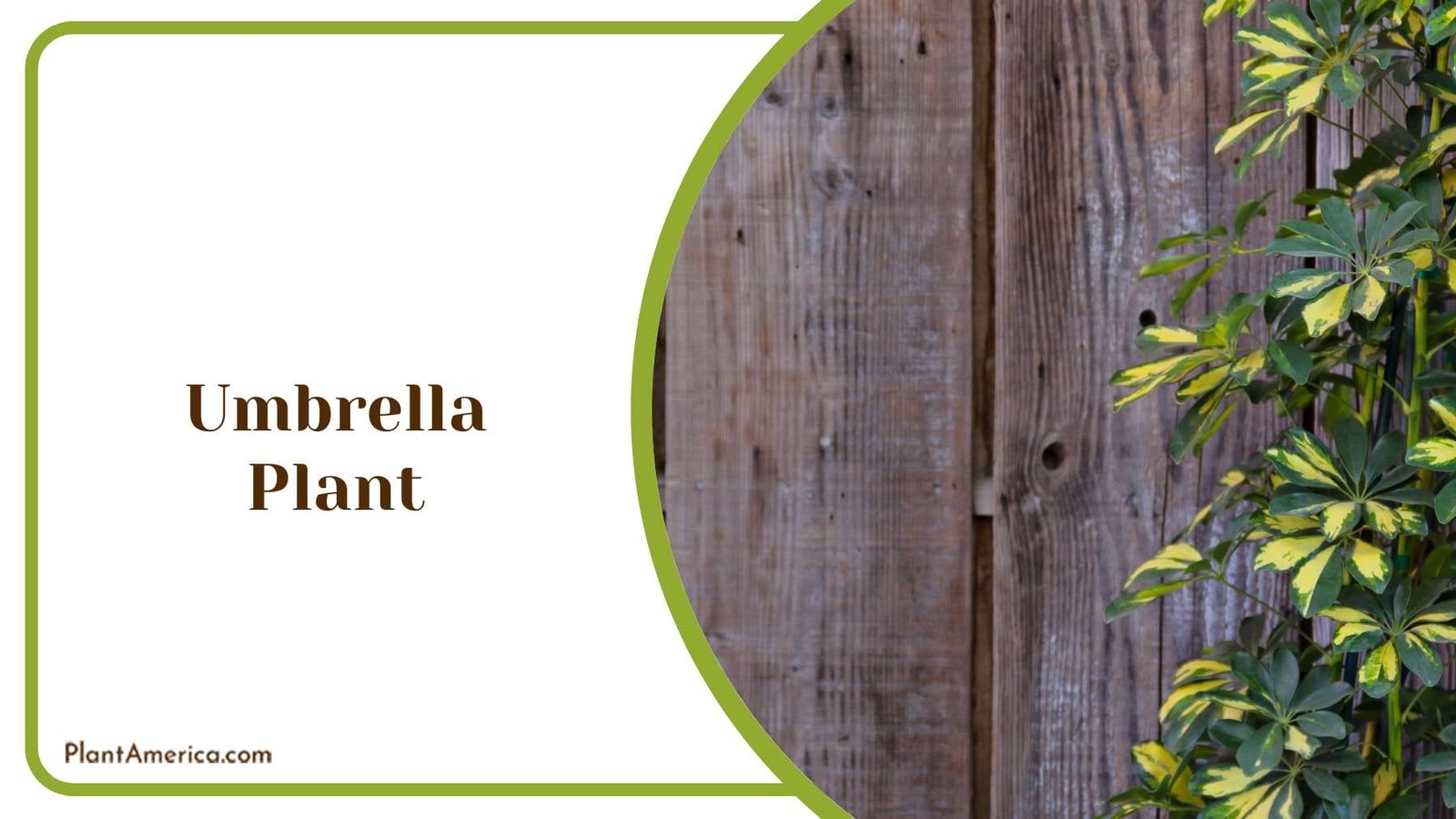
Umbrella plants thrive in warm temperatures between 65 to 80 degrees Fahrenheit with high humidity levels of around 50 percent or more. They prefer bright indirect light and grow best with evenly moist but well-draining soil. Fertilize once every two to three months during the growing season.
17. Calathea Orbifolia
- Growing Season: Year-round.
- Leaf Type: Large round green leaves with purple undersides, Oval shaped.
- Specific Needs: Bright indirect light, High humidity.
- Common Pests: Spider mites, Scale insects.
The calathea orbifolia or rattlesnake plant earns its common name from the pattern of purple blotches on its round leaves that resemble a rattlesnake’s skin.
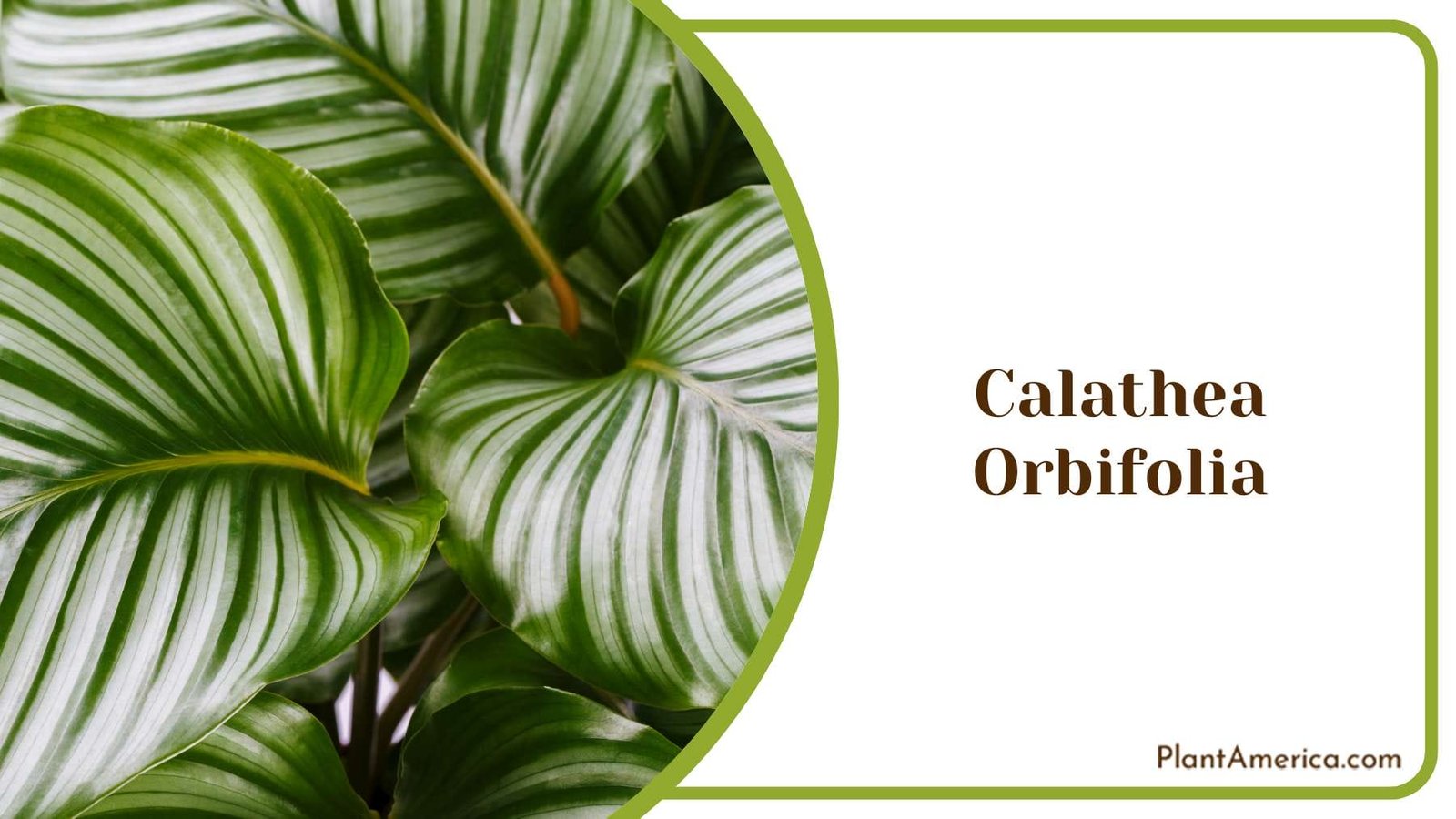
This pleasing calathea produces large orb-shaped green leaves measuring up to 10 inches in diameter. The upper leaf surface is a rich medium green, while the undersides boast rich purple markings in contrasting patterns.
Calathea orbifold thrives in warm temperatures between 65 to 80 degrees Fahrenheit with high humidity levels of around 50 percent or more. Water once the top two inches of soil feel dry. The large round foliage makes an architectural statement that will elevate your interior spaces’ decor.
18. Alocasia Amazonica
- Growing Season: Year-round.
- Leaf Type: Large arrowhead-shaped leaves, Long-stalked.
- Specific Needs: Bright indirect light, High humidity.
- Common Pests: Spider mites, Aphids.
The alocasia amazonica has become a popular indoor tropical foliage plant thanks to its large distinctive leaves and striking architectural form.
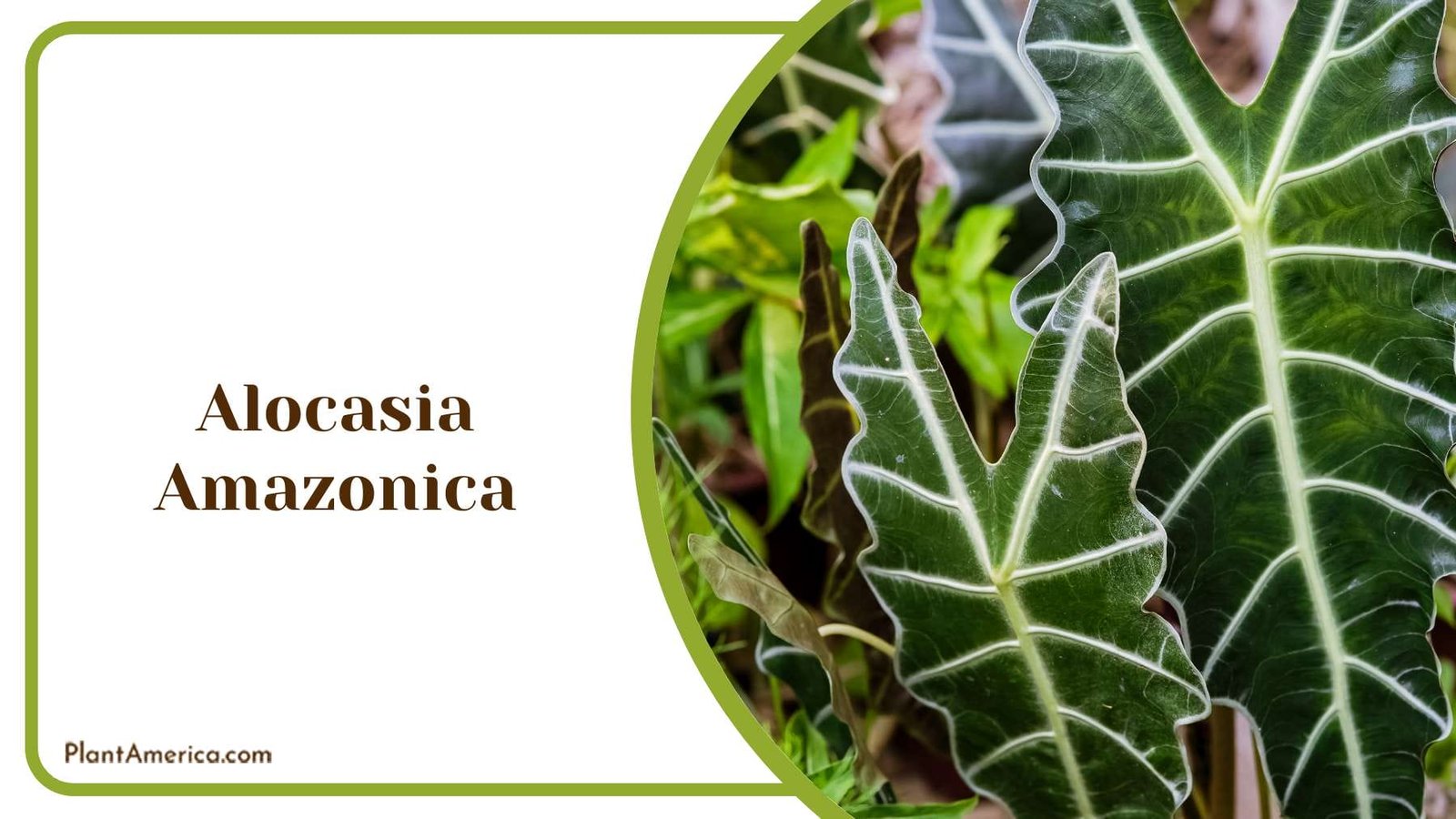
The alocasia amazonica produces massive arrowhead-shaped leaves measuring up to three feet long. The thick leathery leaves unfurl curled before straightening and hardening with age. New leaves emerge lime green and turn medium green as they mature.
Alocasia thrives in temperatures between 65 to 85 degrees Fahrenheit with humidity levels above 50 percent. Be sure to provide high humidity using a pebble tray or humidifier or misting the foliage regularly. Wipe leaves monthly with a damp cloth.
19. Ficus Elastica
- Growing Season: Year-round.
- Leaf Type: Large oval glossy dark green leaves, Leathery.
- Specific Needs: Bright indirect light, Even moisture.
- Common Pests: Spider mites, Aphids.
Ficus elastica, also called the rubber plant, is a classic addition to any indoor tropical foliage collection thanks to its sturdy, attractive leaves and ease of care.
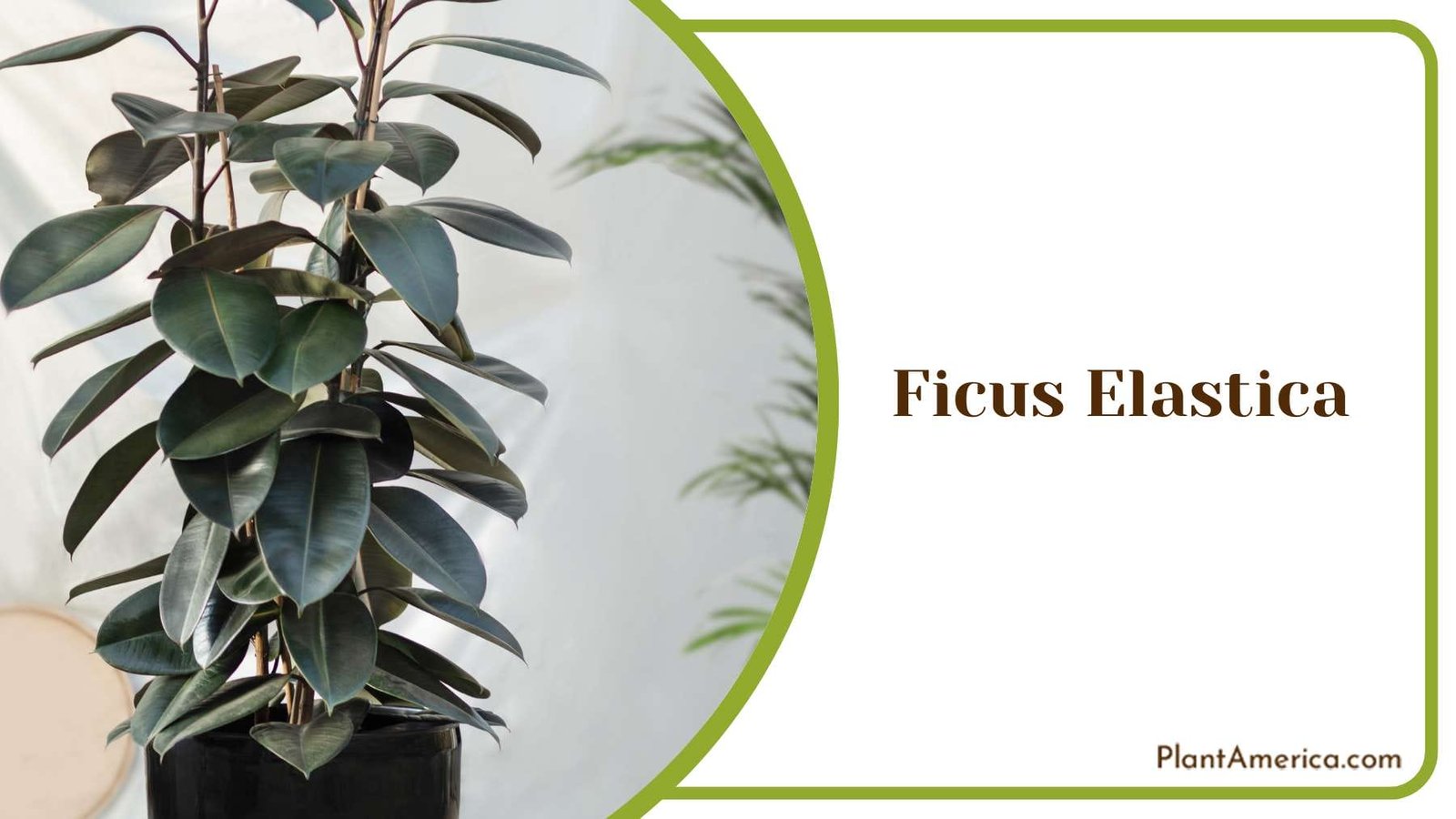
The thick tapering leaves emerge from a central stem to create an upright vase shape. New leaves unfurl red or burgundy before maturing to a shiny dark green. Rubber plants tolerate neglect and can go several weeks in between waterings.
To maintain the lush green foliage, wipe leaves monthly with a damp cloth and mist occasionally. The thick dark leaves and easy care requirements make the rubber plant an excellent choice for beginners. Your indoor rubber plant can thrive for many years with the right growing conditions.
20. Parlor Palm
- Growing Season: Year-round.
- Leaf Type: Feather-like fronds with distinct leaflets.
- Specific Needs: Bright indirect light, Even moisture.
- Common Pests: Aphids, Mealybugs.
The parlor palm or near the bella palm makes an excellent addition to any indoor tropical foliage collection thanks to its full feather-like fronds and compact size that suits smaller spaces. Parlor palms produce bright green fronds with clusters of distinct leaflets radiating from a central stem. As the plant matures, more fronds emerge in a spiral shape, creating a thick palm-like appearance.
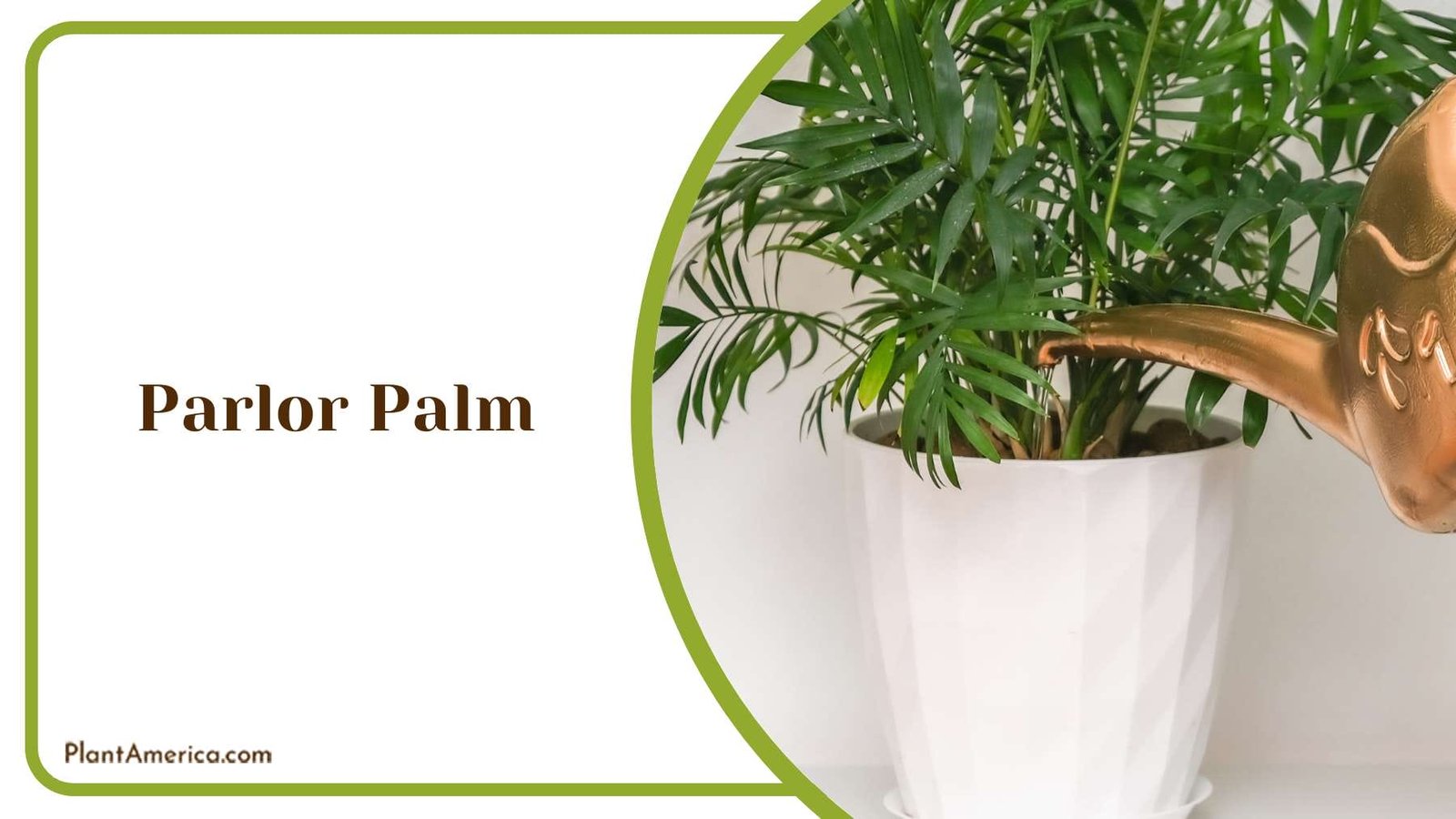
Though slower growing, the parlor palm will reward you with a miniature palm tree-like presence suited for smaller spaces. With proper care, this dwarf palm can become a focal point in your tropical plant collection for many years, adding an exotic touch of the tropics to your interior design.
21. Areca Palm
- Growing Season: Evergreen.
- Leaf Type: Palmate with numerous slits, Dark green all year.
- Specific Needs: Medium to bright light, Even, regular watering, Well-draining soil.
- Common Pests: Scale insects, Mealybugs, Spider mites.
The areca palm’s shapely crown of fan-like leaves spreads upward from a solitary stem to create a statuesque yet understated presence. New foliage emerges palmate, with numerous V-shaped notches along the leaf margins, adding elegant texture to this medium-sized indoor palm.
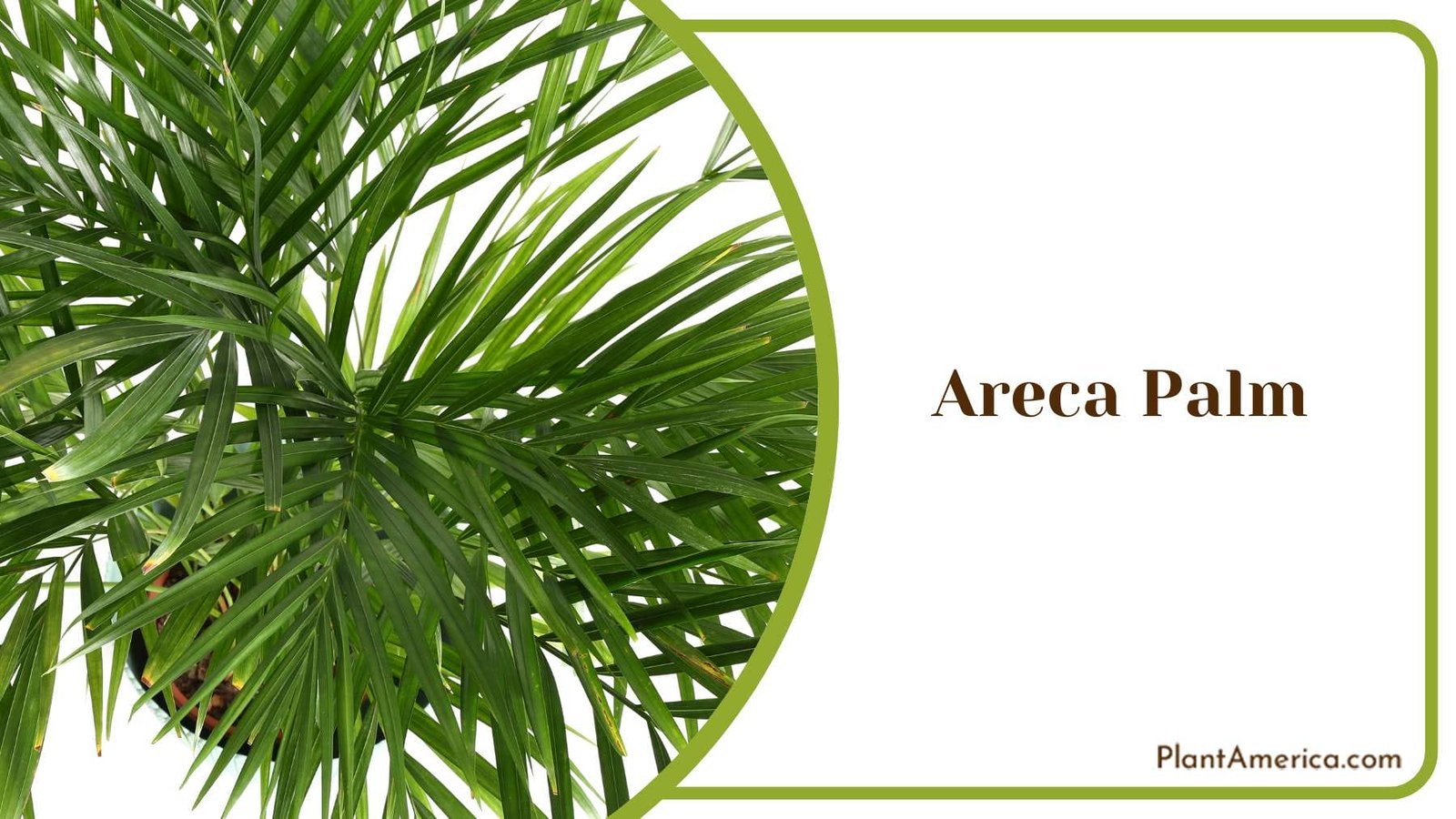
Place in medium to bright light for healthy growth without leaf burn. Water regularly but allow the soil to partially dry between waterings; reduce watering in winter when growth slows. Prune aging or damaged leaves as needed to maintain a full, healthy canopy. Over time multiple stems will emerge from the base, further spreading the graceful, feathery foliage.
22. ZZ Plant
- Growing Season: Year-round.
- Leaf Type: Broad succulent green leaves.
- Specific Needs: Low to medium light, Low water.
- Common Pests: Spider mites.
The ZZ plant, or Zamioculcas zamiifolia, has become a popular indoor tropical foliage plant thanks to its low-maintenance nature and striking emeralds foliage.
ZZ plants produce thick upright succulent stems with broad oval leaves resembling shiny green emeralds. New leaves unfurl creamy white with contrasting green edges. As the plant matures, additional stems emerge to form dense, full clumps.
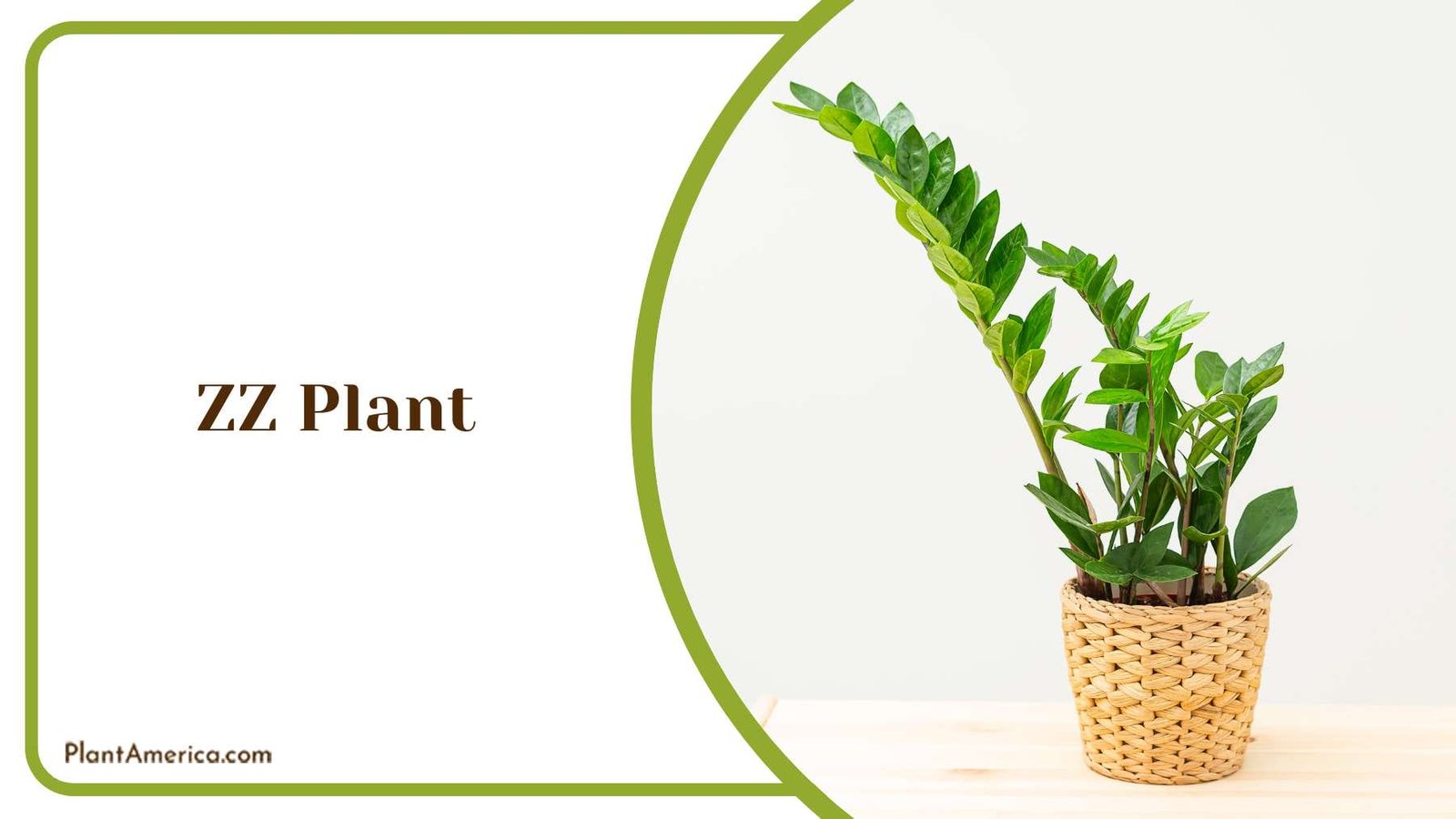
They require well-draining soil and should be watered deeply whenever the top inch feels dry, letting excess water drain. Avoid overwatering, which causes yellow leaf drop. Regularly wiping glossy leaves with a damp cloth removes dust and promotes longevity. Fertilize with a balanced houseplant formula once or twice per year.
23. Dracaena Fragrans
- Growing Season: Year-round.
- Leaf Type: Narrow strappy leaves in green, red, or variegated colors.
- Specific Needs: Bright indirect light, Even moisture.
- Common Pests: Mealybugs.
Dracaena fragrans, popularly known as the corn plant, is a popular indoor tropical foliage plant due to its easy care requirements, air-purifying properties, and architectural form. Corn plants produce upright, narrow leaves in shades of green, red, or variegated cream and green. Some varieties feature leaves with contrasting crimson edges. New leaves unfurl inside the leaf sheath before emerging.
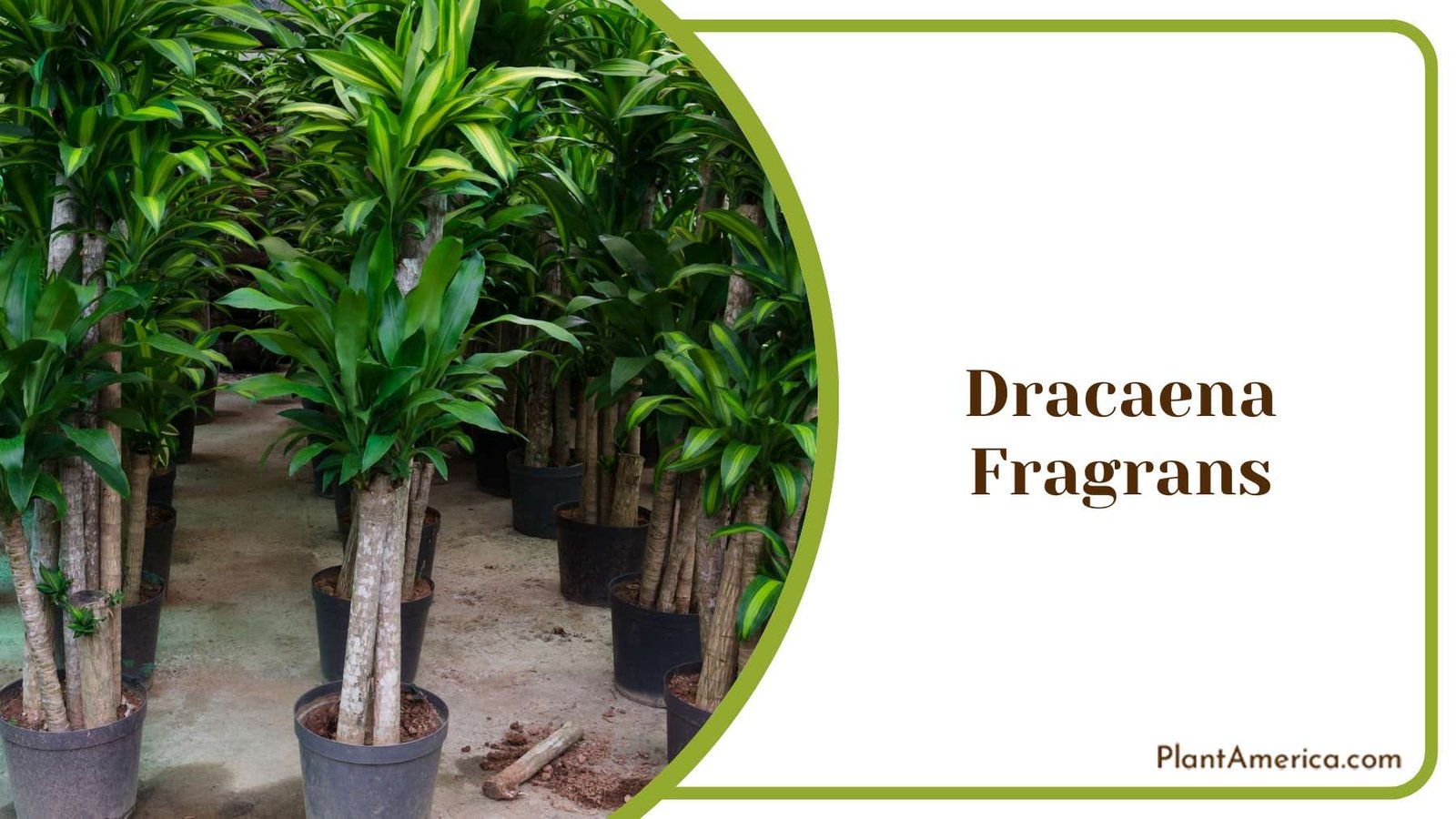
Dracaenas thrive in temperatures between 60 to 80 degrees Fahrenheit and tolerate low light. They grow best with indirect bright light and require moist, well-draining soil. Though mildly toxic to pets, dracaenas make an excellent choice for beginners due to their ability to tolerate infrequent watering. With little upkeep, this tropical plant will reward you with years of architectural foliage.
24. Spider Plant
- Growing Season: Year-round.
- Leaf Type: Linear, Lanceolate.
- Specific Needs: Low Light, Adaptable.
- Common Pests: Spider mites, Mealybugs.
The spider plant (Chlorophytum comosum) is one of the easiest tropical plants for beginners, thanks to its adaptability, low maintenance needs, and ability to thrive in neglect.
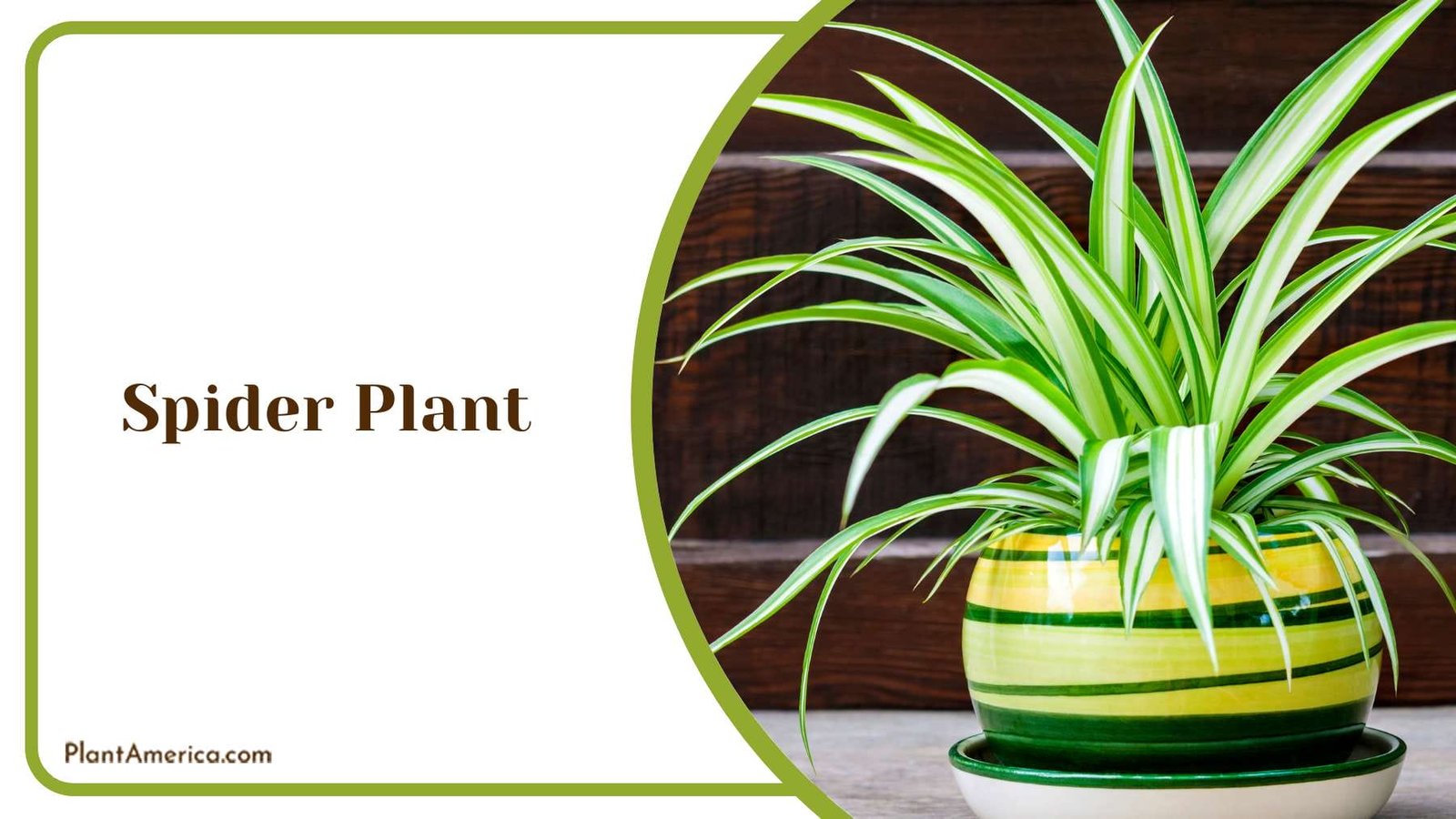
This clumping grass-like plant produces drooping linear leaves with pale green central stripes and interesting mottled patterns. Pendant stems tipped with white flowers emerge in spring and summer, then offset into miniature plants (plantlets), which can be removed and potted as new plants.
Spider plants do well in low-light conditions, tolerating near-darkness, which makes them perfect for homes and offices. They also adapt to a wide range of temperatures and soils. Though generally pest-free, spider plants occasionally develop issues with spider mites or mealybugs. Regular inspections enable early detection and treatment with pesticides if needed.
25. Raphidophora Tetrasperma
- Growing Season: Year-round.
- Leaf Type: Medium oval leaves with perforations.
- Specific Needs: Bright indirect light, High humidity.
- Common Pests: Spider mites.
The mini monstera plant, also known as Raphidophora tetrasperma, has become increasingly popular as an indoor tropical foliage houseplant thanks to its small size, easy care requirements, and stunning perforated leaves.
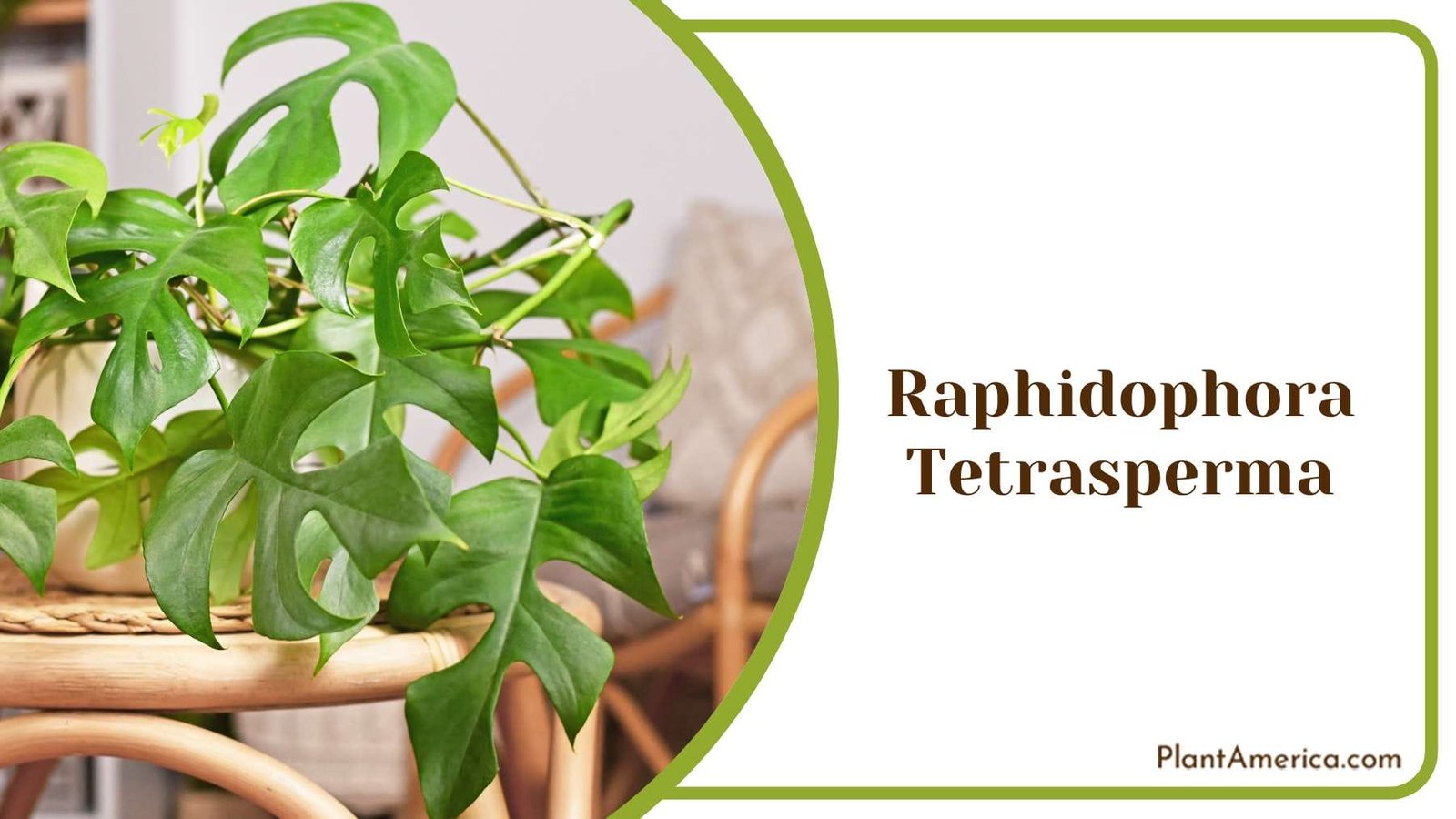
The mini monstera produces medium green oval leaves that grow up to 6 inches long. As the plant matures, the leaves develop irregular holes and tears resembling a small Swiss cheese plant or monstera deliciosa. New leaves unfurl pinkish-red before hardening into their permanent medium-green color.
The diminutive size and more manageable perforations make this tropical foliage plant an excellent option for beginners. The stunning leaves will add charm and elegance to any interior space.
Conclusion
Many beautiful and easy-care tropical plants are perfect for beginning indoor gardeners. From the 25 plants discussed, the following are some of the most recommended for beginners:
- The Chinese Money Plant, with its coin-shaped leaves that thrive with little effort, makes it a good choice for beginners.
- The Snake Plant’s thick strappy leaves and ability to tolerate infrequent watering make it an excellent choice for forgetful plant parents.
- The broad succulent leaves of the ZZ Plant and minimal care requirements earn it its reputation as a prime option for low-maintenance plant lovers.
- The Parlor Palm’s compact feather-like fronds and dwarf size suited for small spaces make it a suitable choice for beginning tropical plant enthusiasts.
With proper care, any easy tropical plants can bring you years of joy with their vibrant foliage and minimal maintenance needs. Beginning your journey into indoor tropical gardening will reward you with the satisfaction of nurturing living plants and filling your space with beauty and liveliness.