
Types of azaleas of the Ericaceae family offer beauty and diversity for any landscape, with an array of stunning colors, sizes, and flowering periods. In this article, we’ll explore 22 different azalea varieties every gardener must have, from classic Encore azaleas with repeat blooms to towering swamp azaleas native to the American South.
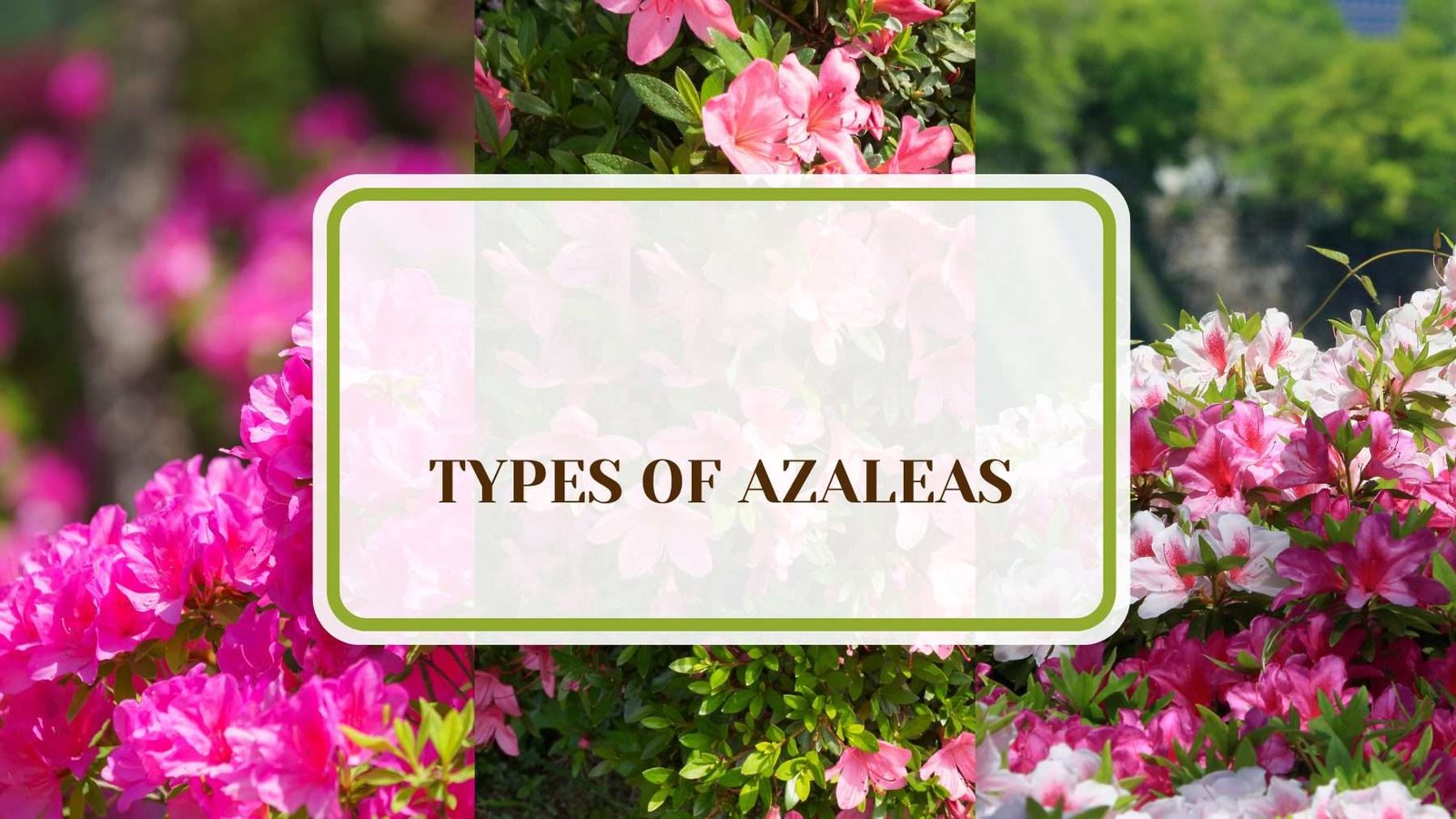
Whether you want bold bread azaleas for spring color or jewel-tone flame azaleas for summer interest, we’ll outline the different types so you can choose the perfect azaleas for your space and growing conditions. So come learn with us about the wide world of azaleas and find the varieties that will bring you years of joy.
Types of Azaleas Varieties Every Gardener Must Know
1. Encore Azalea
- Growing season: Spring, Summer
- Leaf shape: Oblong, Lanceolate
- Specific needs: Acidic soil, Afternoon shade, Consistent moisture
- Common pest: Azalea caterpillar, Azalea lace bug
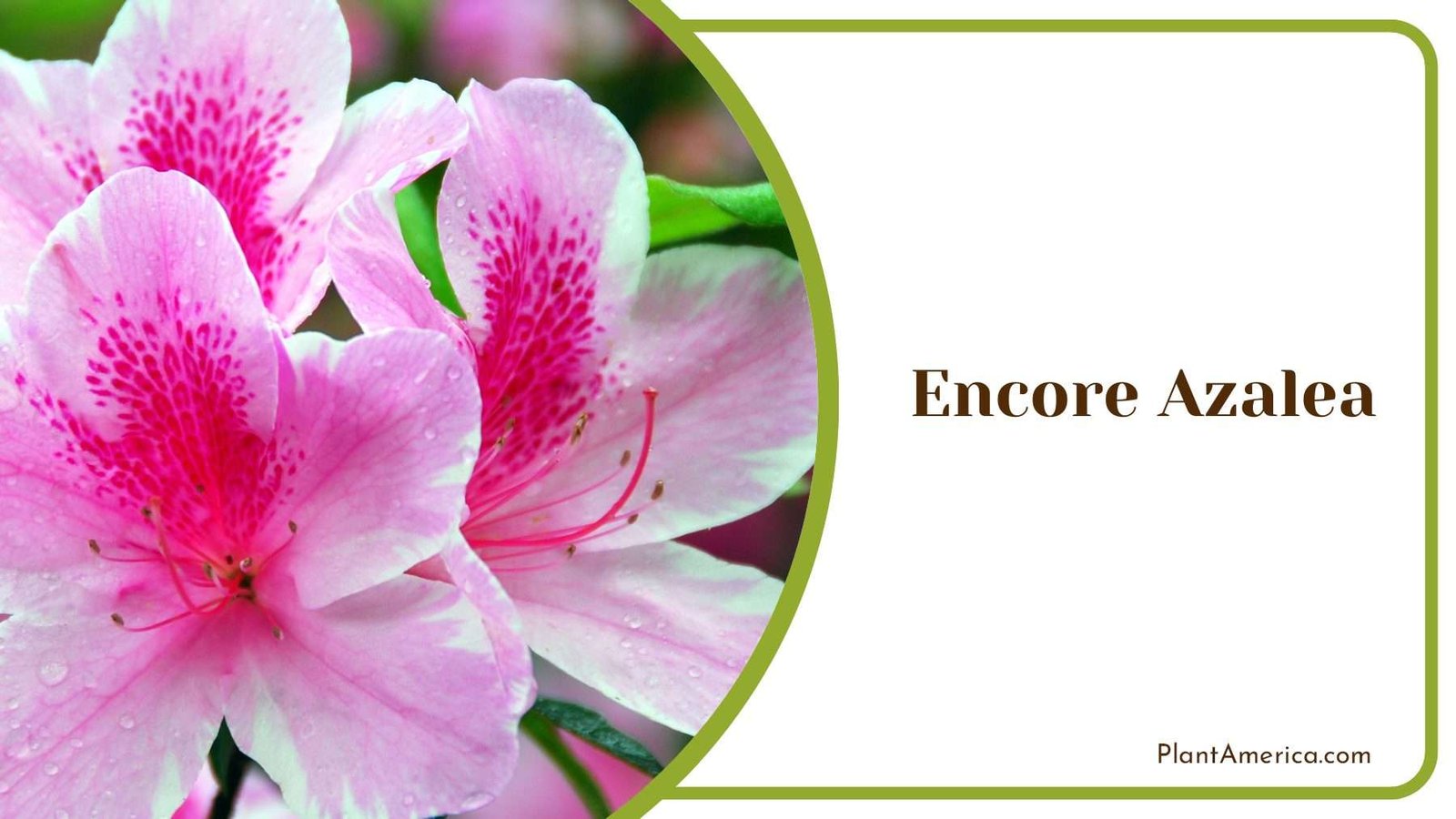
The Encore azalea is cherished for its ability to reflower multiple times throughout the year. The habit begins in springtime when the shrub erupts with delicate blooms in various shades of pink, white, and coral colors. Encore azaleas require partial shade and acidic, well-aerated soil to ensure this longevity and profusion of blooms. These conditions help the roots access essential nutrients and keep the moisture levels ideal for healthy, repeat blooming.
2. Evergreen Azalea
- Growing season: Spring, All year
- Leaf shape: Oblong to elliptic, Lanceolate
- Specific needs: Acidic soil, Partial shade, Sheltered from wind
- Common pest: Spider mites, Thrips
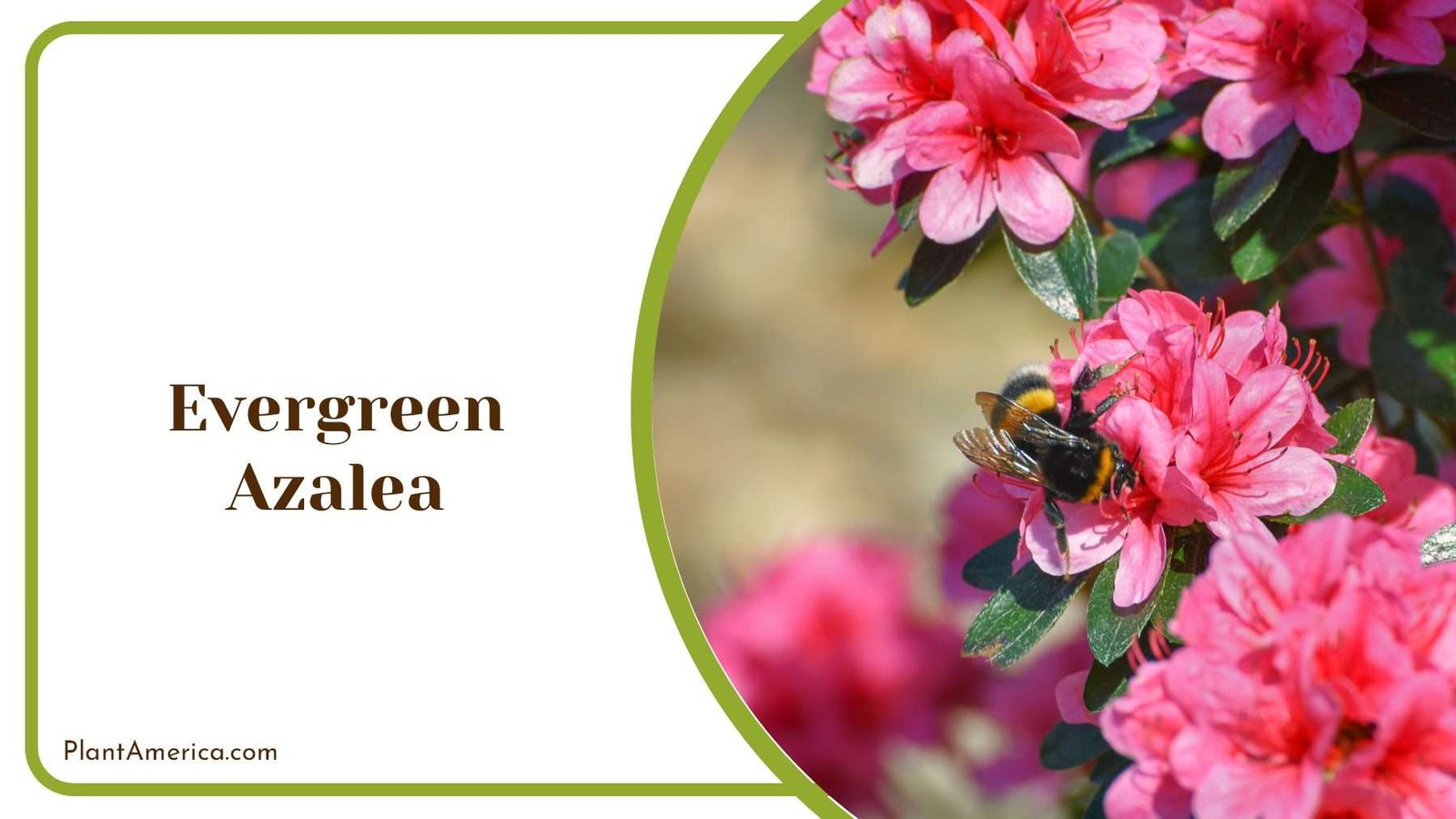
Evergreen azaleas are cherished for their spectacular floral shows in springtime, along with their ability to maintain foliage throughout the year. The dense, dark green leaves provide an attractive backdrop to the vibrant blooms that appear in red, orange, pink, and white shades.
Evergreen azaleas typically grow at a slower pace and form compact, bushy shrubs rather than tall specimens. Evergreen azaleas prefer locations that offer filtered shade and shelter, allowing their leaves to flourish year-round and their showy blooms to last for extended periods in spring.
3. Flame Azalea
- Growing season: Spring, Summer
- Leaf shape: Oblong, Oval
- Specific needs: Acidic, Moist soil, Part shade
- Common pest: Azalea leafminer, Aphids
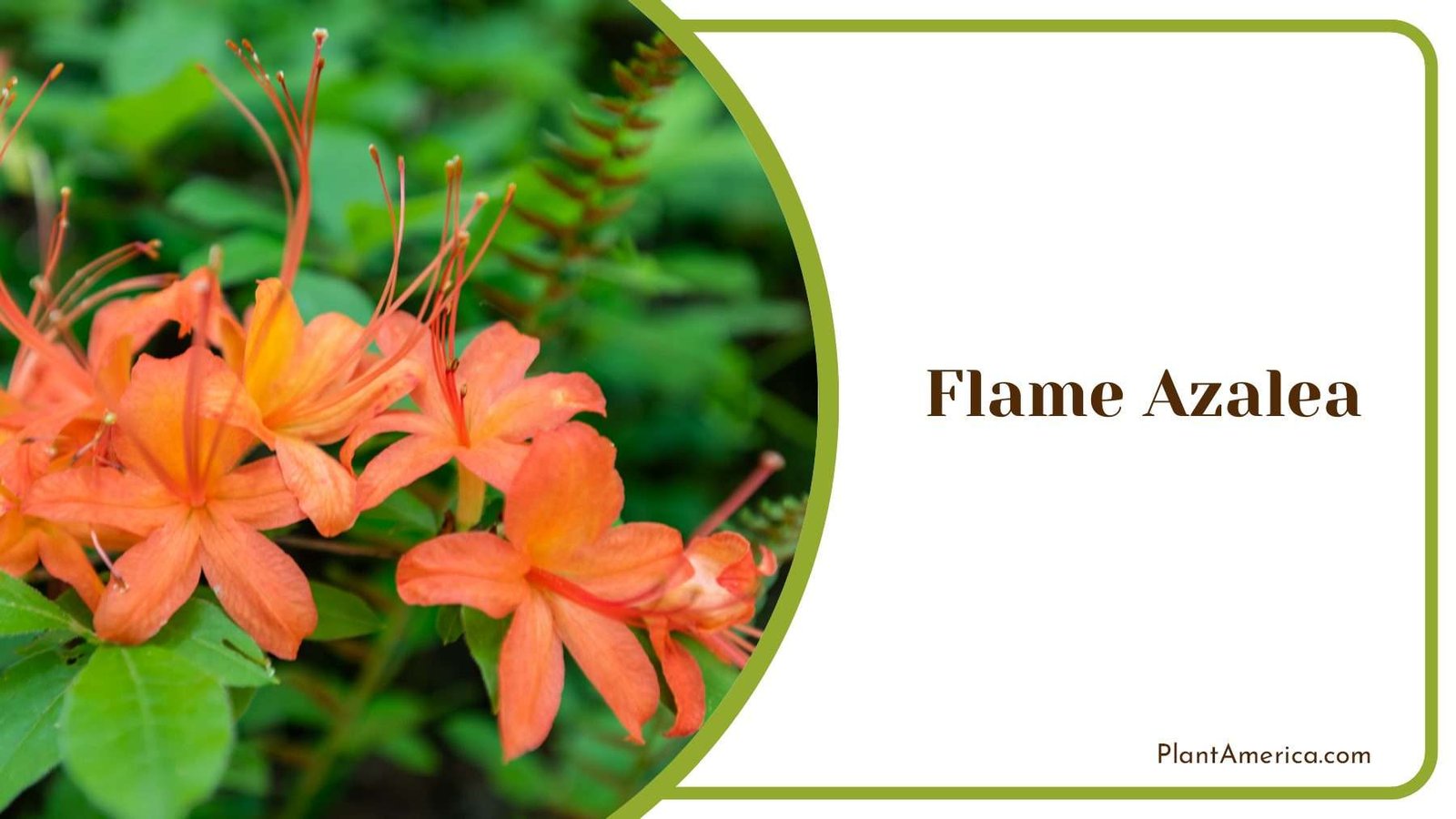
Flame azaleas steal the show in springtime with their brilliant coral, tangerine, and scarlet blooms that provide a vibrant contrast to their deep green foliage. The flowers appear in large clusters on arching, weeping branches, giving flame azaleas an airy, graceful form that is aesthetically pleasing.
During the growing season, flame azaleas need moist soil to fuel their extravagant spring floral displays. Consistent moisture and adequate protection are especially crucial during winter and early spring when flower buds are forming; during the blooming season, flame azaleas reward gardeners with a magnificent explosion of color.
4. Lights Azalea
- Growing season: Early spring, Summerr
- Leaf shape: Oblong to elliptic, Spatulate
- Specific needs: Acidic soil, Part shade, High organic matter
- Common pest: Azalea leaf miner, Scale insects, Lace bugs
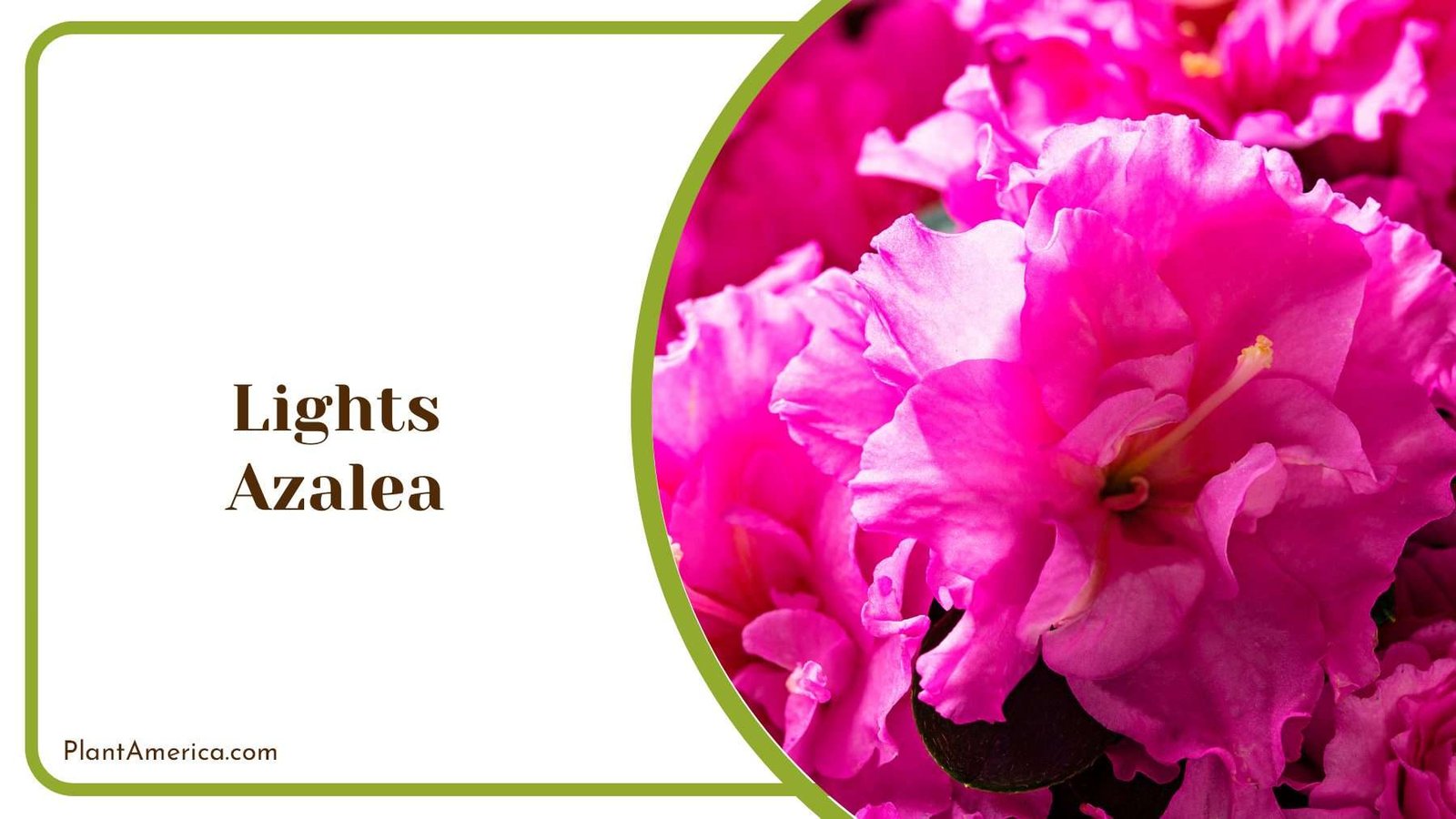
Lights azaleas shine in the spring garden with their bountiful clusters of ruffled, double pink blossoms that range in hue from delicate baby pink to deep rose. The prolific blooms completely cover the small, rounded shrubs that tend to stay relatively compact in size.
The dense, mounded form of light azaleas makes them an ideal choice for planting on borders, along foundations, and in confined spaces. Light azaleas also benefit from partial shade and shelter from harsh winds that could damage delicate flower buds and fresh blooms during changeable spring weather. With the right care, lights azaleas reward gardeners with a bounty of charming pink flowers.
5. Sweet Azalea
- Growing season: Mid spring, Summerr
- Leaf shape: Oblong, Rhomboid
- Specific needs: Acidic, Moist, Well-drained soil
- Common pest: Azalea caterpillar, Scale insects
Sweet azaleas delight the senses with their fragrant, single pink blooms that open in late springtime. The flowers emit a lovely honeyed perfume that perfectly complements their mild pastel hue. The shrubs form dense rounded mounds of lustrous dark green foliage, providing an enchanting backdrop for the blossoms.
To prosper and produce abundant blooms year after year, sweet azaleas prefer sites with partial shade and consistently moist yet well-drained acidic soil that has been amended with ample organic matter like compost, peat moss, and leaf litter. These additions help retain moisture while buffering the pH and providing nutrients.
Though pruning is not essential for sweet azaleas, light shaping of the branches just after flowering can encourage thicker foliage and more abundant blooms the following spring. Where conditions are ideal, sweet azaleas reward gardeners with a heavenly aroma and showy display of pink blossoms.
6. Electric Lights Azalea
- Growing season: Early spring, Summerr
- Leaf shape: Ovate to oblong, Oblanceolate
- Specific needs: Acidic, Well-drained soil, Moderate watering
- Common pest: Azalea lace bug, Azalea caterpillar
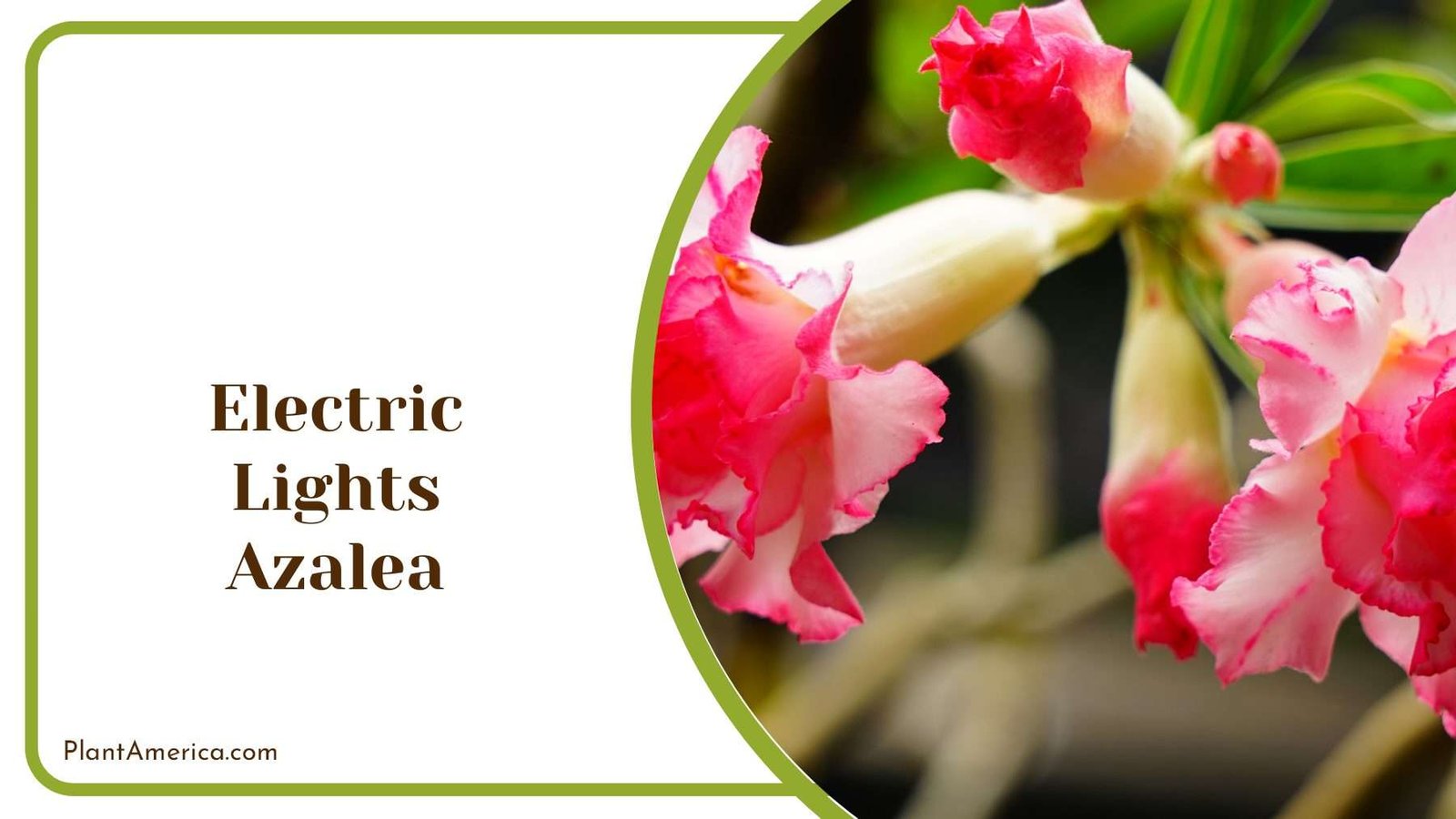
Electric lights azaleas light up the spring garden with an extravagant display of ruffled double flowers in shades of soft pink, vivid red, and pristine white. The prolific blooms completely cover the dense, upright shrubs forming mounds of vibrant color. The foliage on electric lights azaleas is glossy dark green, providing an excellent backdrop for the clusters of blooms.
To achieve maximum flowering potential, electric lights azaleas require consistently moist yet well-draining acidic soil that is rich in organic matter. Amendments like compost, peat moss and leaf litter help buffer the pH while retaining moisture which is crucial during bloom season.
Partial shade, especially during hot summer months, helps protect delicate blooms from fading and scorching. With the right growing conditions, electric lights azaleas reward gardeners with an explosion of colorful double blooms that continue to attract attention through late spring and into early summer.
7. Royal Azalea
- Growing season: Spring, Summerr
- Leaf shape: Oblong, Lance-shaped
- Specific needs: Acidic soil, Part shade, Consistent moisture
- Common pest: Azalea leafminer, Azalea lace bug
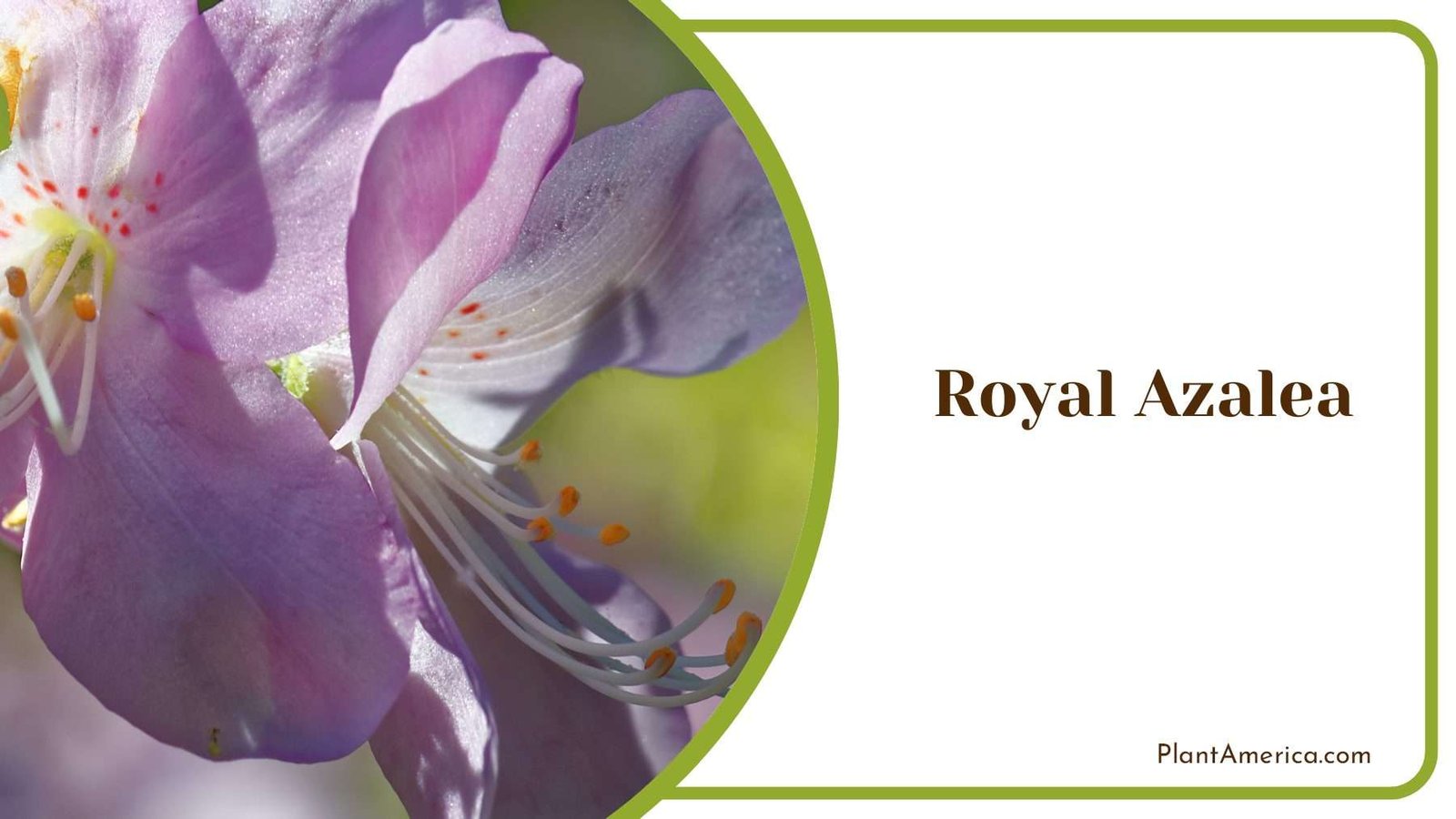
Royal azaleas command attention in the spring garden with their majestic display of large single blooms in regal hues of crimson, rose and violet. The upright, vase-shaped form of royal azaleas displays the blooms to their best advantage, and the glossy foliage provides an impressive backdrop.
To achieve their most spectacular floral display, royal azaleas require acidic, well-aerated soil that is rich in organic matter. Moisture-retaining amendments like compost, leaf litter, and peat moss help keep the soil consistently moist, which is crucial during bud formation and bloom season.
Partial shade, especially during the brightest hours of the day, helps protect delicate flowers. Summer pruning, done just after flowering finishes, encourages denser branching and even more abundant blooms the following spring. Royal azaleas richly reward gardeners who provide them with the requirements to thrive with a royal display of large, show-stopping blooms in pride of vibrant colors.
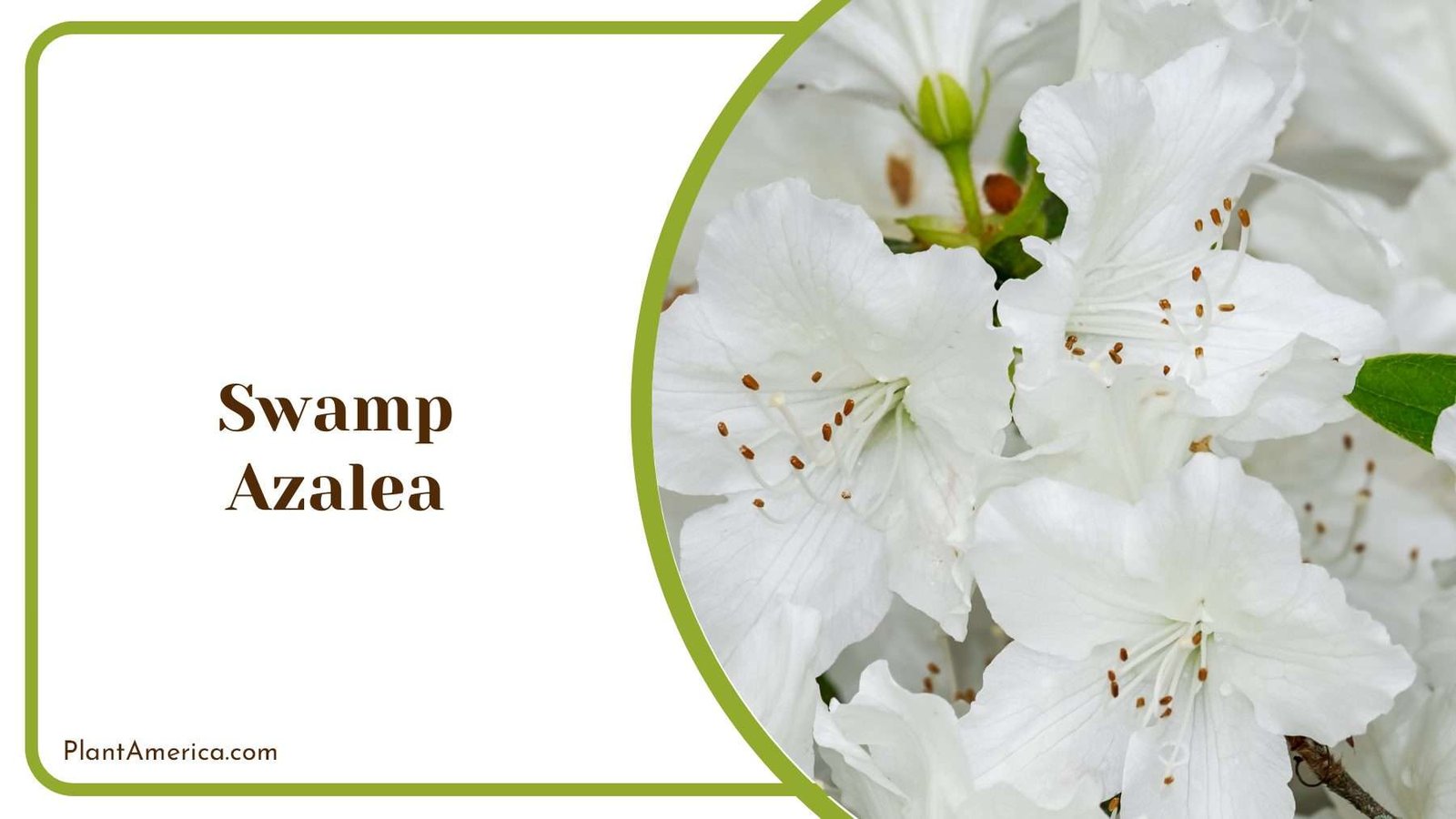
8. Swamp Azalea
- Growing season: Late spring, Summerr
- Leaf shape: Oblong, Narrow
- Specific needs: Acidic soil, Moist soil, Full sun to part shade
- Common pest: Azalea caterpillar, Azalea lace bug
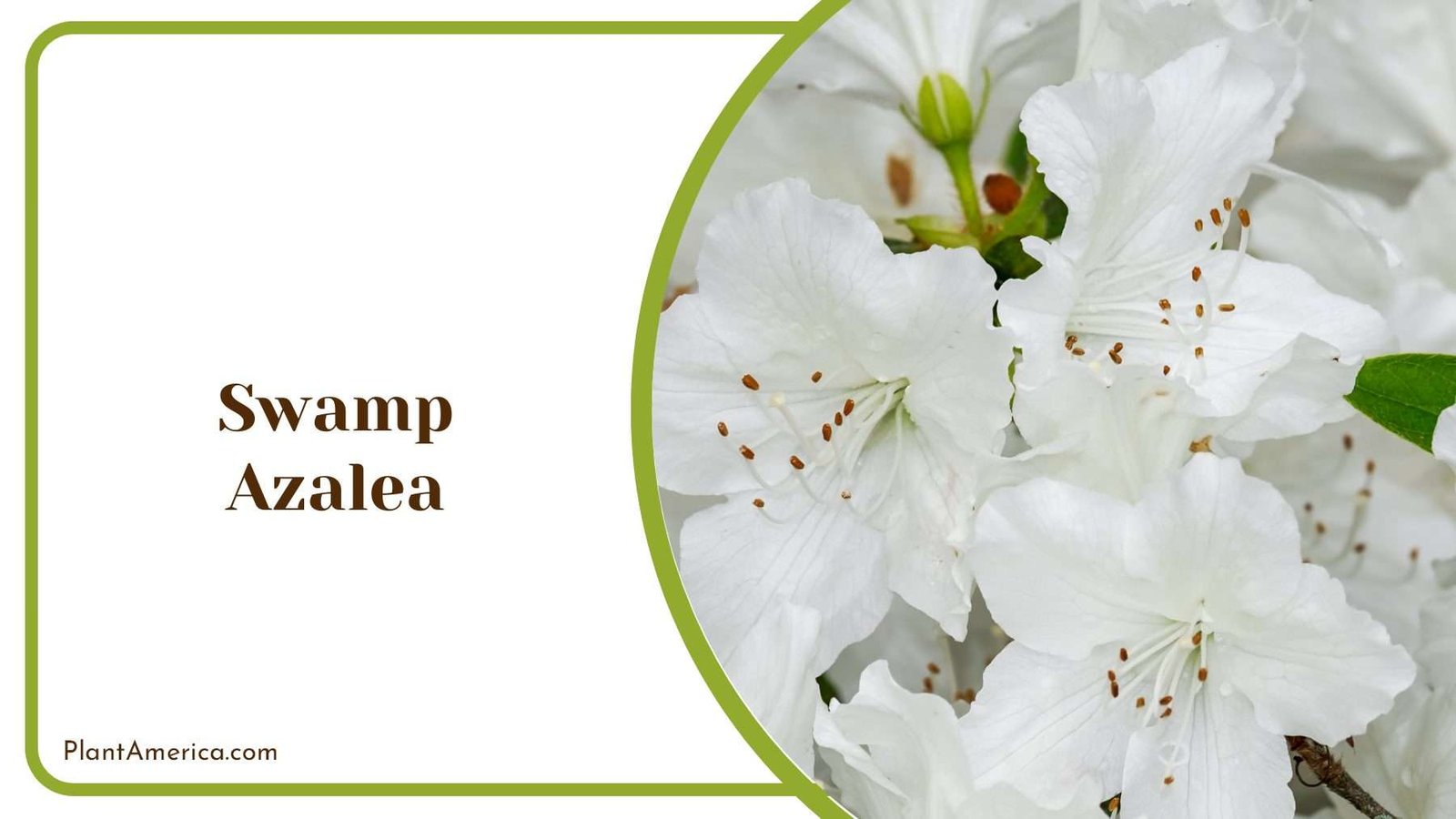
Native to the wetland habitats of the American South, swamp azaleas form dense, low-growing shrubs that erupt in a profusion of vibrant pink, scarlet, or pristine white blooms in late springtime. Constant moisture is crucial for swamp azaleas, mimicking their natural environment of marshes, creek banks, and floodplains.
They thrive in acidic soil that remains moist but well-drained, tolerating water-saturated conditions. Swamp azaleas can handle full sun but also thrive in partial shade, especially on the hottest days. Their ability to adapt to varying light conditions makes them versatile plants.
Though fairly low-maintenance, swamp azaleas benefit from annual pruning just after flowering concludes to maintain a shapely form and encourage even more blossoms the following year. When provided with their preferred growing conditions, swamp azaleas richly reward gardeners with a lush display of vivid blooms, a reminder of the colorful wildflowers that once cloaked the watery landscapes of the American South.
9. Autumn Amethyst Azalea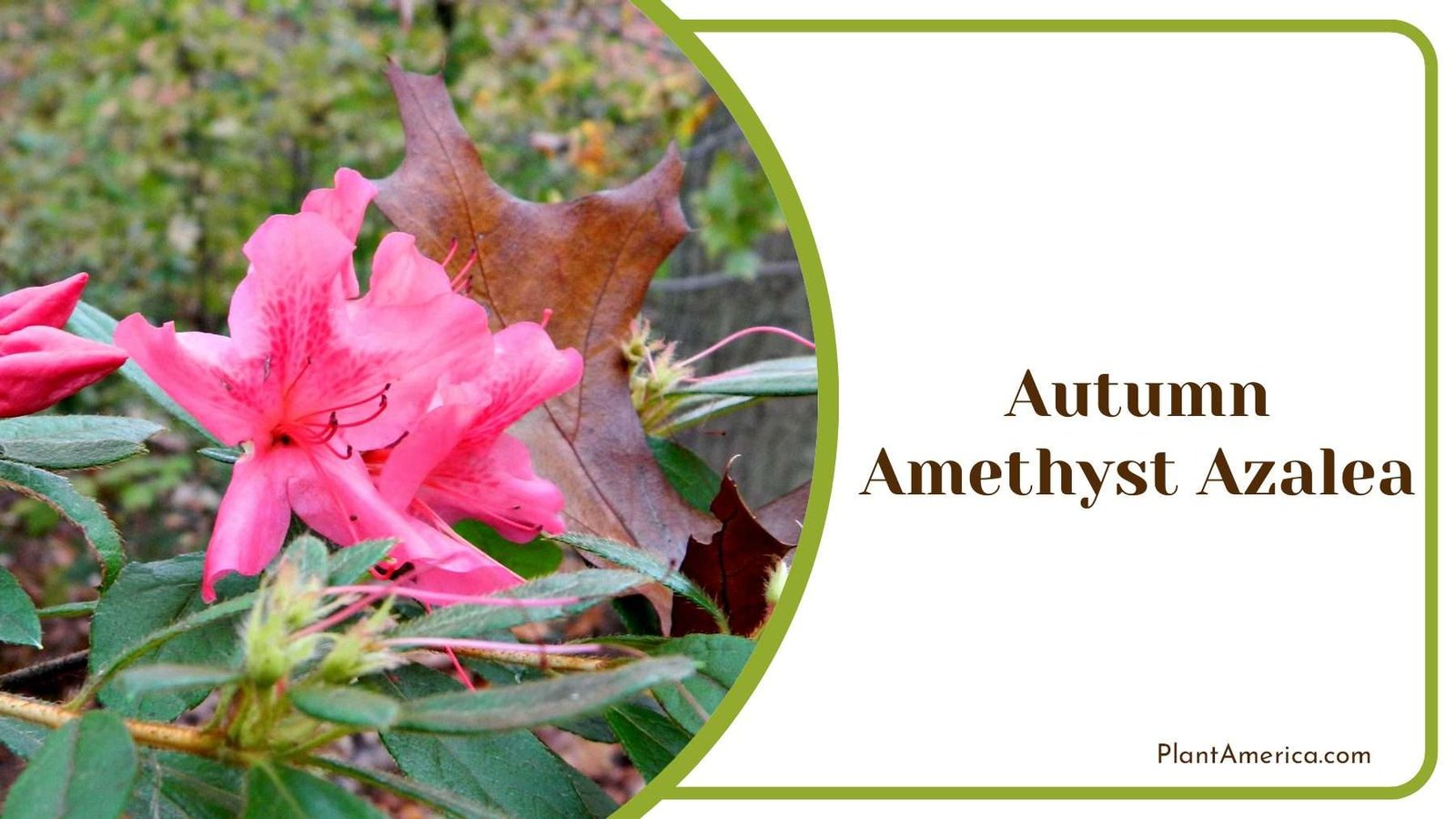
- Growing season: Fall, Spring
- Leaf shape: Ovate to oblong, Broad
- Specific needs: Acidic soil, Part shade
- Common pest: Azalea lace bug, Spider mites
Autumn amethyst azaleas flash a sprinkle of late season color when they burst into bloom in autumn time with their fragrant ruffled flowers in hues ranging from rosy pink and soft white to deep purple and violet. The upright, vase-shaped form of autumn amethyst azaleas proudly displays the lush blooms.
Their foliage remains dark green year-round, providing a backdrop for the flowers. To thrive and produce an abundance of autumn blooms, these azaleas require acidic, organic-rich soil that is consistently moist. Amendments of organic matter like compost, peat moss, and leaf litter help buffer the pH while retaining vital moisture during the bloom season.
Partial shade and shelter from harsh winds help protect delicate blooms and the evergreen foliage during the cold winter months ahead. With the right conditions, autumn amethyst azaleas reward gardeners with a glorious floral encore to close out the growing season in breathtaking shades of amethyst and rose.
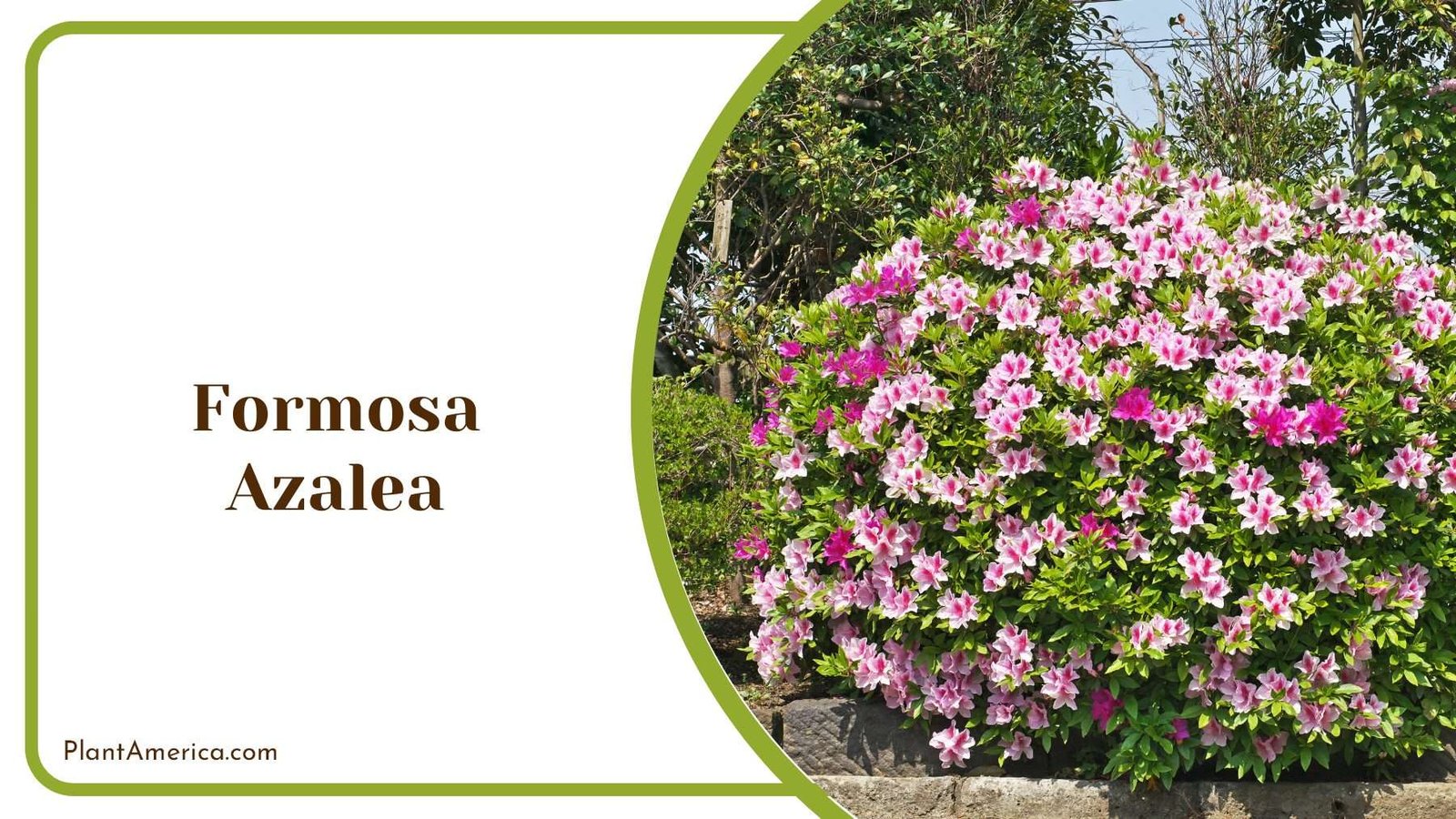
10. Formosa Azalea
- Growing season: Fall, Spring
- Leaf shape: Oblong to elliptic, Ovate- lanceolate
- Specific needs: Acidic soil, Well-drained soil, Part shade
- Common pest: Azalea leafminer, Azalea lace bug
Formosa azaleas enrich the spring garden with their sweetly fragrant single flowers in a gamut of colors including soft pink and coral, vivid orange and red, and pristine white. The broad, rounded shrubs of Formosa azaleas feature glossy dark foliage providing a backdrop for the profusion of blooms.
To produce an abundance of colorful blooms year after year, these azaleas require acidic, organic-rich soil that stays consistently moist. Amendments of organic matter like compost, leaf litter, and peat moss help buffer the pH level while retaining moisture- crucial during bud formation and bloom season.
Partial shade, especially during the sunniest part of the day, helps protect delicate flowers. Summer pruning, done just after flowering concludes, encourages denser lateral branching and an even more spectacular floral display the following spring. When conditions are ideal,
Formosa azaleas reward gardeners generously with their sweet fragrance, glossy foliage, and a profusion of brightly colored blooms, creating an oasis of color and sensory delight in the spring garden.
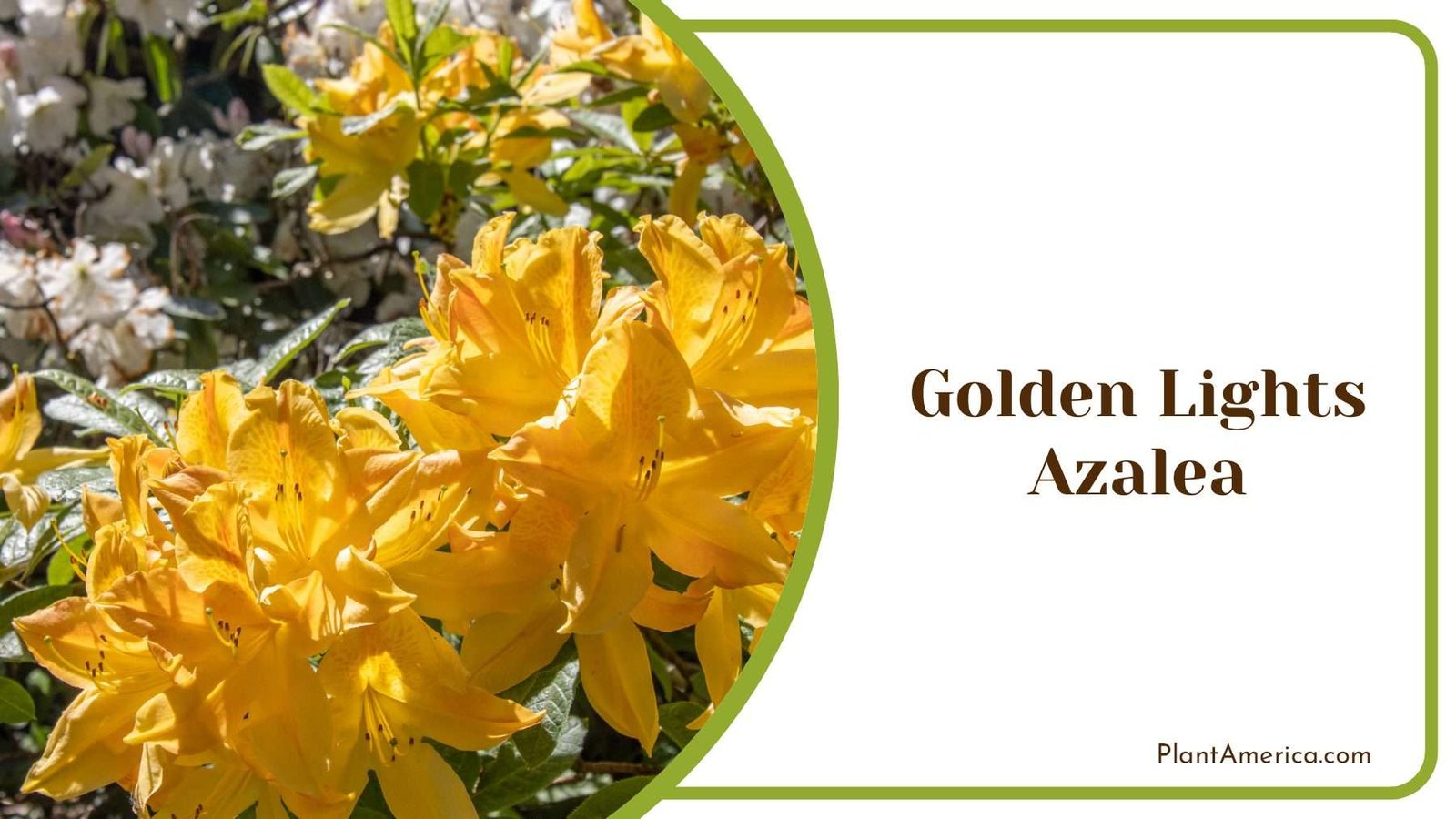
11. Golden Lights Azalea
- Growing season: Early spring, Fall
- Leaf shape: Ovate to oblong, Lanceolate
- Specific needs: Acidic, Moist soil, Part shade
- Common pest: Azalea headliner, Thrips
Golden lights azaleas illuminate the spring garden with their clusters of ruffled, double blooms in vibrant shades of sunshine yellow and gold. The dense, rounded habit of golden lights azaleas features lustrous dark foliage that provides an ideal backdrop for the showy blooms.
To thrive and produce an abundance of color year after year, golden lights azaleas need acidic, organic-rich soil that is consistently moist. Amendments of organic matter like compost, leaf litter, and peat moss help buffer the soil pH while retaining vital moisture during bud formation and bloom season. Partial shade, especially during the brightest hours of the day, helps protect delicate golden blooms and prevent fading of colors.
Regular applications of fertilizer and ensuring the soil remains well-watered also help promote the most vibrant yellow and gold hues. When conditions are ideal, golden lights azaleas reward gardeners generously with their cheery golden glow, elegant double blooms, and lush foliage, creating a welcoming oasis of sunshine colors that brighten up the shadiest corners of the spring garden.
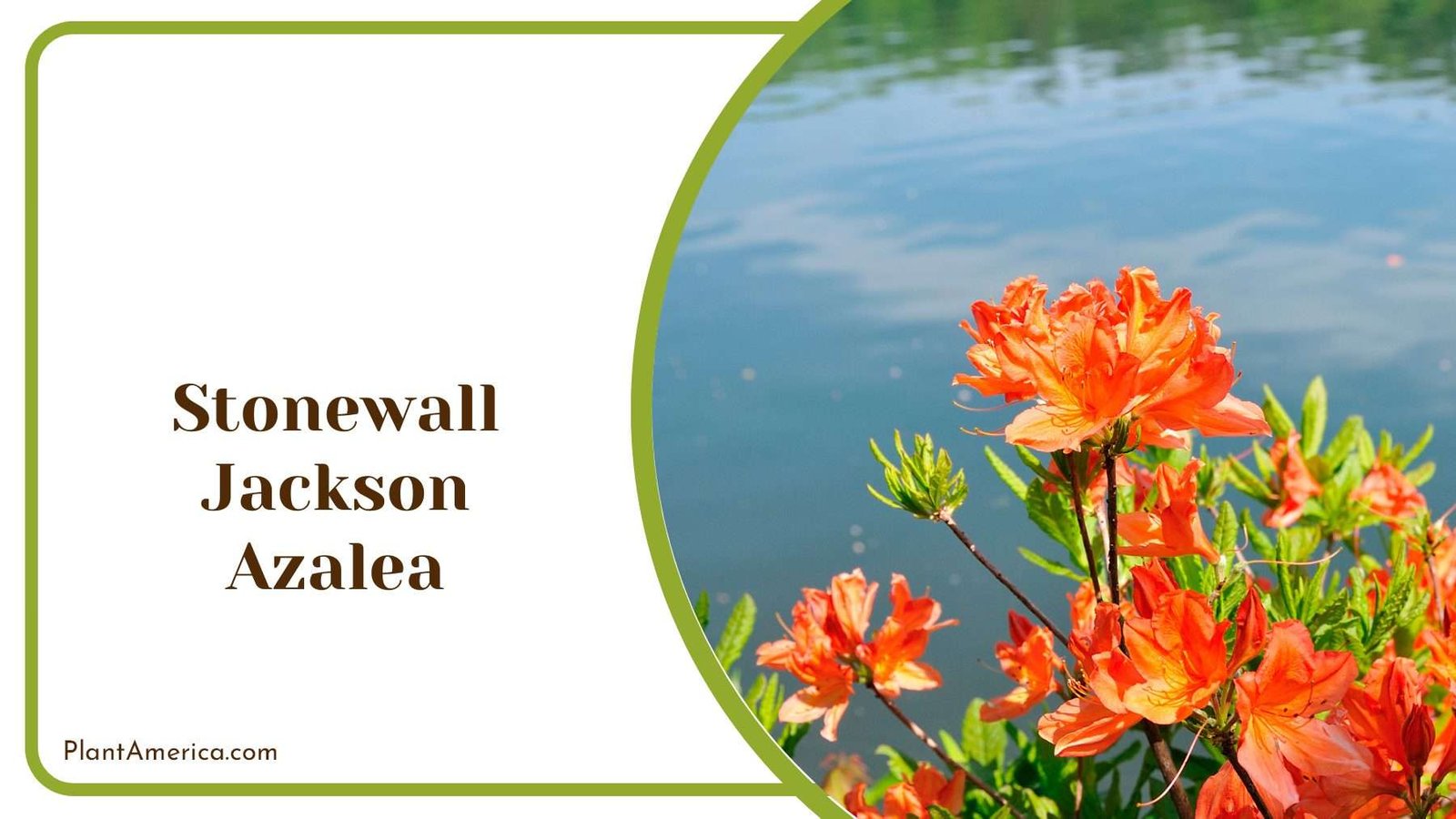
12. Stonewall Jackson Azalea
- Growing season: Late spring, Fall
- Leaf shape: Oblong, Ovate
- Specific needs: Acidic soil, Well-drained soil, Wind protection
- Common pest: Azalea caterpillar, Azalea lace bug
The Stonewall Jackson azalea fills the spring garden with a fiery display of vibrant red blooms on upright, vase-shaped shrubs. The medium to dark green foliage features a glossy texture and provides an ideal backdrop for the showy flowers. To thrive and produce an abundance of colorful blooms year after year, these azaleas require acidic, organic-rich soil that drains well and does not stay soggy.
Amendments of organic matter like compost, leaf litter, and peat moss help buffer the soil pH while improving aeration and moisture retention during the bloom season. Protection from harsh winds and cold temperatures also helps shelter blooms and foliage during inclement spring weather.
With proper care, Stonewall Jackson azaleas reward gardeners generously with their dramatic display of red blossoms cascading down vase-shaped shrubs, creating a visual feast of fiery color that pops against the deep green foliage in the partially shaded corners of the spring garden.
13. Glenn Dale Azalea
- Growing season: Spring, Fall
- Leaf shape: Oblong, Ovate
- Specific needs: Acidic, Moist soil, Part shade
- Common pest: Azalea leafminer, Azalea lace bug
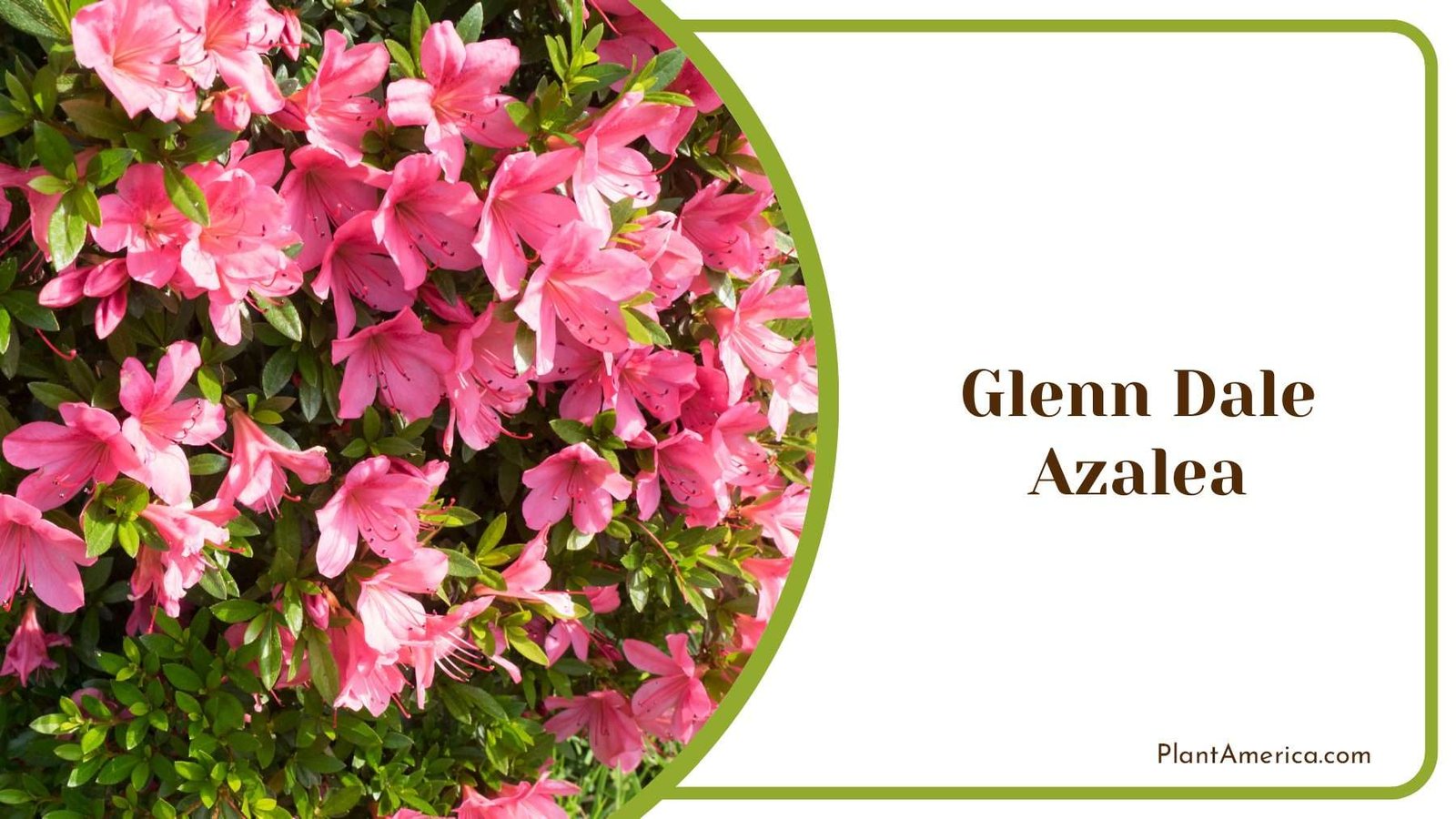
Glenn Dale azaleas fill the spring garden with a heavenly scent and graceful beauty. The showy ruffled blooms appear in shades of soft pink, vibrant red, and pristine white, creating a lush display. The large arching shrubs feature glossy medium to dark green foliage.
To thrive and produce bountiful blooms year after year, Glenn Dale azaleas require consistently moist acidic soil rich in organic matter. Amendments like compost and leaf litter help retain moisture and buffer the pH. Partial shade, especially during the brighter hours, protects delicate blooms. Shelter from harsh winds helps prevent damage, while pruning after flowering encourages dense branching and larger blooms the next spring.
When conditions are optimal, Glenn Dale azaleas reward gardeners with their springtime spectacle of beautiful blooms cascading down graceful arching branches, filling the partially shaded spaces of the garden with their heavenly fragrance and enchanting display of color amidst the dark glossy foliage.
14. Coral Bells Azalea
- Growing season: Spring, Fall
- Leaf shape: Oblong, Elliptical
- Specific needs: Acidic soil, Well-drained soil, Moist environment
- Common pest: Azalea leafminer, Azalea lace bug
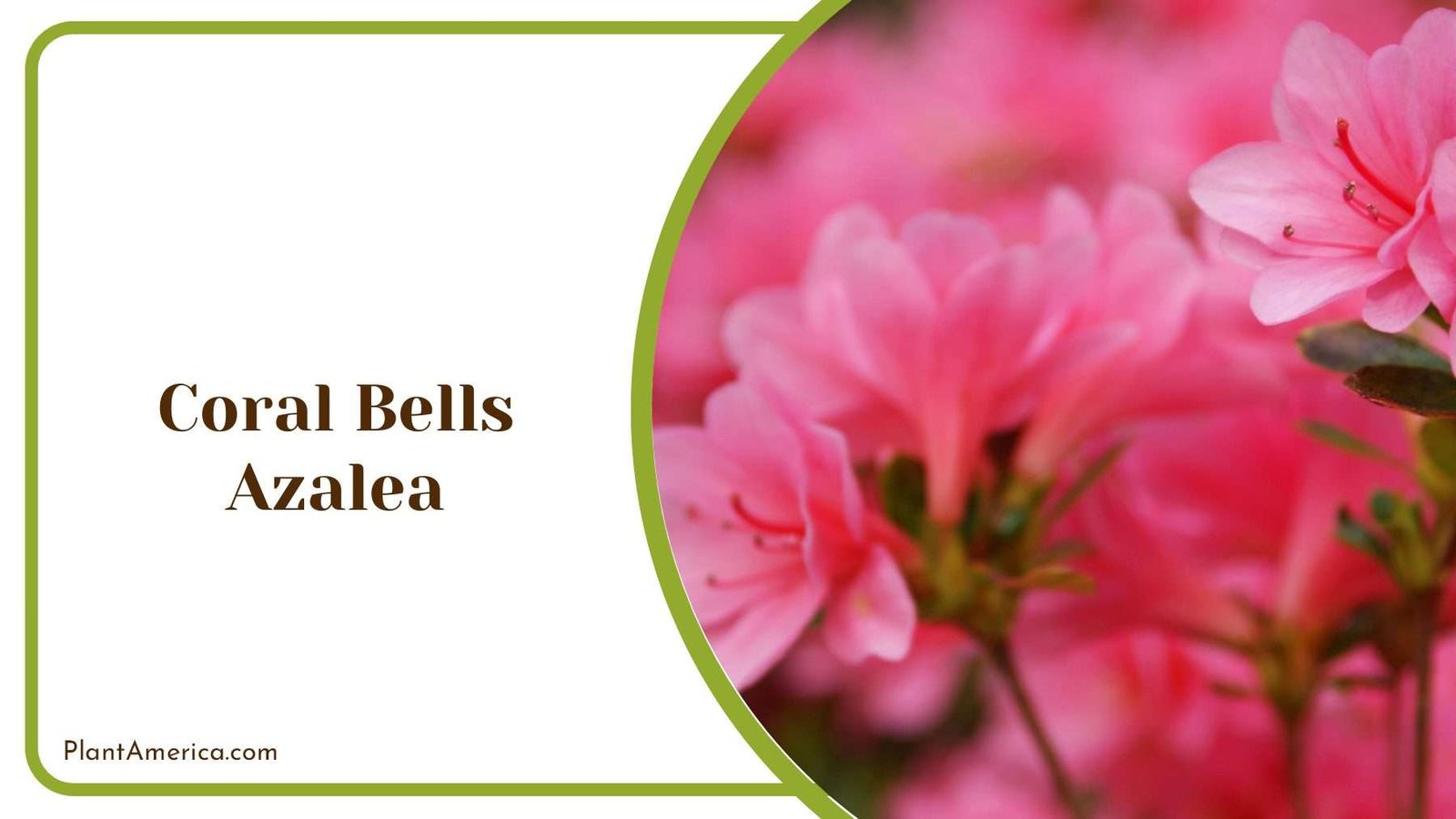
Coral bells azaleas delight the senses in springtime with their large clusters of blooms in charming shades of soft pink, delicate coral, and pristine white. The dense, rounded shrubs feature glossy medium to dark green foliage that provides an ideal backdrop for the showy blossoms.
To achieve their full flowering potential year after year, coral bells require consistently moist acidic soil that is rich in organic matter. Amendments like compost, leaf litter, and peat moss improve moisture retention while buffering soil pH. Partial shade, especially during the sunniest hours, helps protect delicate blooms from fading. Shelter from harsh winds and cold temperatures helps prevent damage to blossoms and foliage.
Pruning just after flowering concludes encourages dense branching and increased flower production the following spring. When conditions are optimal, coral bells azaleas reward gardeners generously with their profuse display of charming blooms cascading down compact, rounded shrubs creating an ethereal spectacle of pastel color amidst the dark foliage that captures the heart in springtime.
15. Pink Azalea
- Growing season: Spring, Fall
- Leaf shape: Oblong to oblanceolate, Elliptical
- Specific needs: Acidic soil, Moist soil, Shelter from wind
- Common pest: Thrips, Azalea leafminer
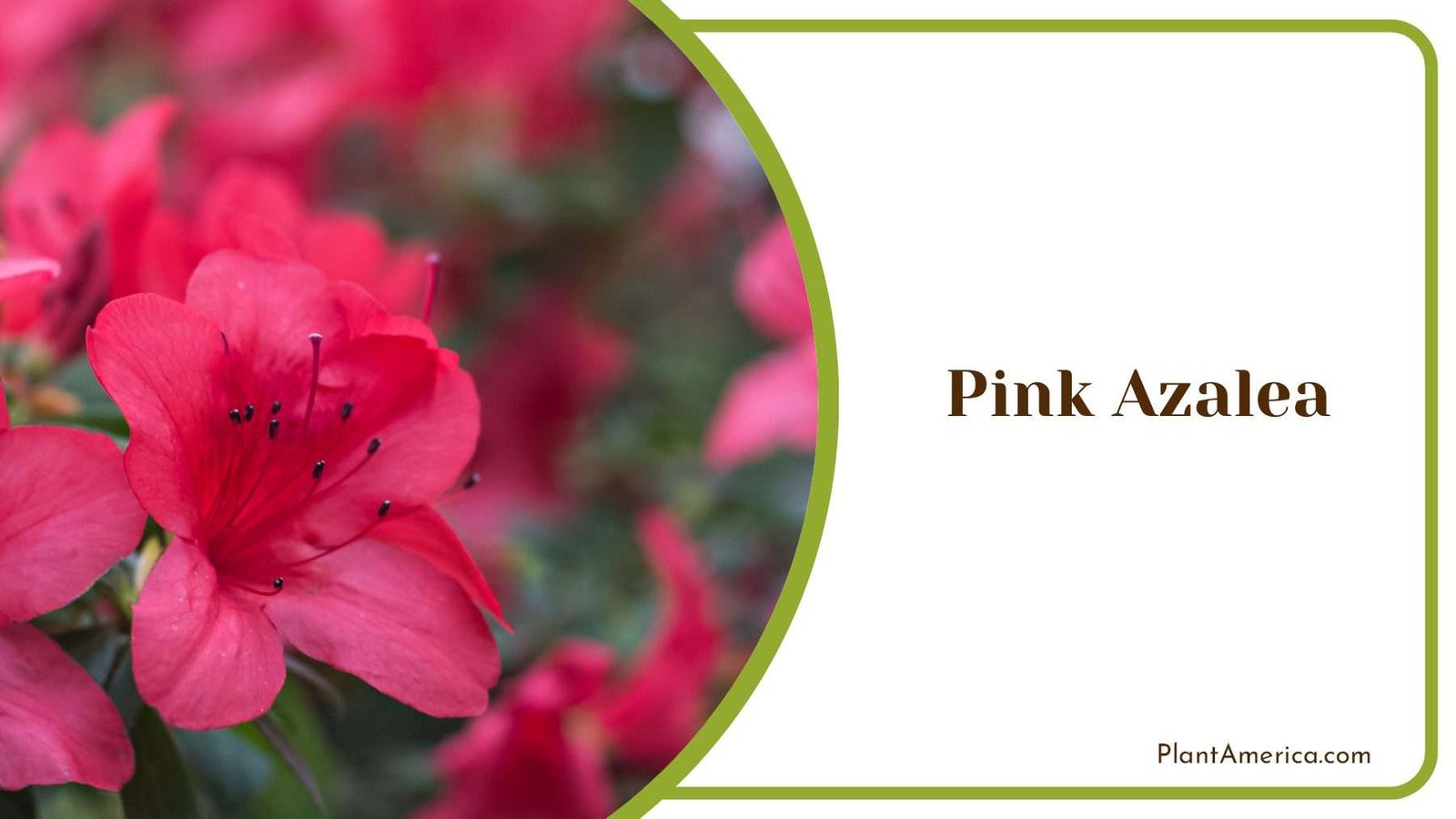
Pink azaleas blanket the spring garden in a profusion of rose to deep magenta blooms. The profuse clusters of showy flowers completely cover dense, spreading shrubs that can reach six feet in width. The sweetly fragrant blooms provide a colorful spectacle amidst the verdant foliage.
To thrive and produce abundant blooms year after year, pink azaleas require acidic soil that is rich in organic matter and stays consistently moist. Amendments like peat moss and compost improve moisture retention while buffering the pH level. Protection from harsh winds and hot afternoon sun helps shelter delicate blooms, prolonging their longevity.
Regular pruning just after flowering concludes encourages fuller growth and increased flower bud production the following spring resulting in an even more prolific floral display. When provided with their preferred growing conditions, pink azaleas reward gardeners generously with their sweet fragrance and cheerful display of soft to vivid magenta blooms that spread joy and beauty across the spring garden, brightening even the shadiest corners with their blossoming abundance of delicate color.
16. Native Azaleas
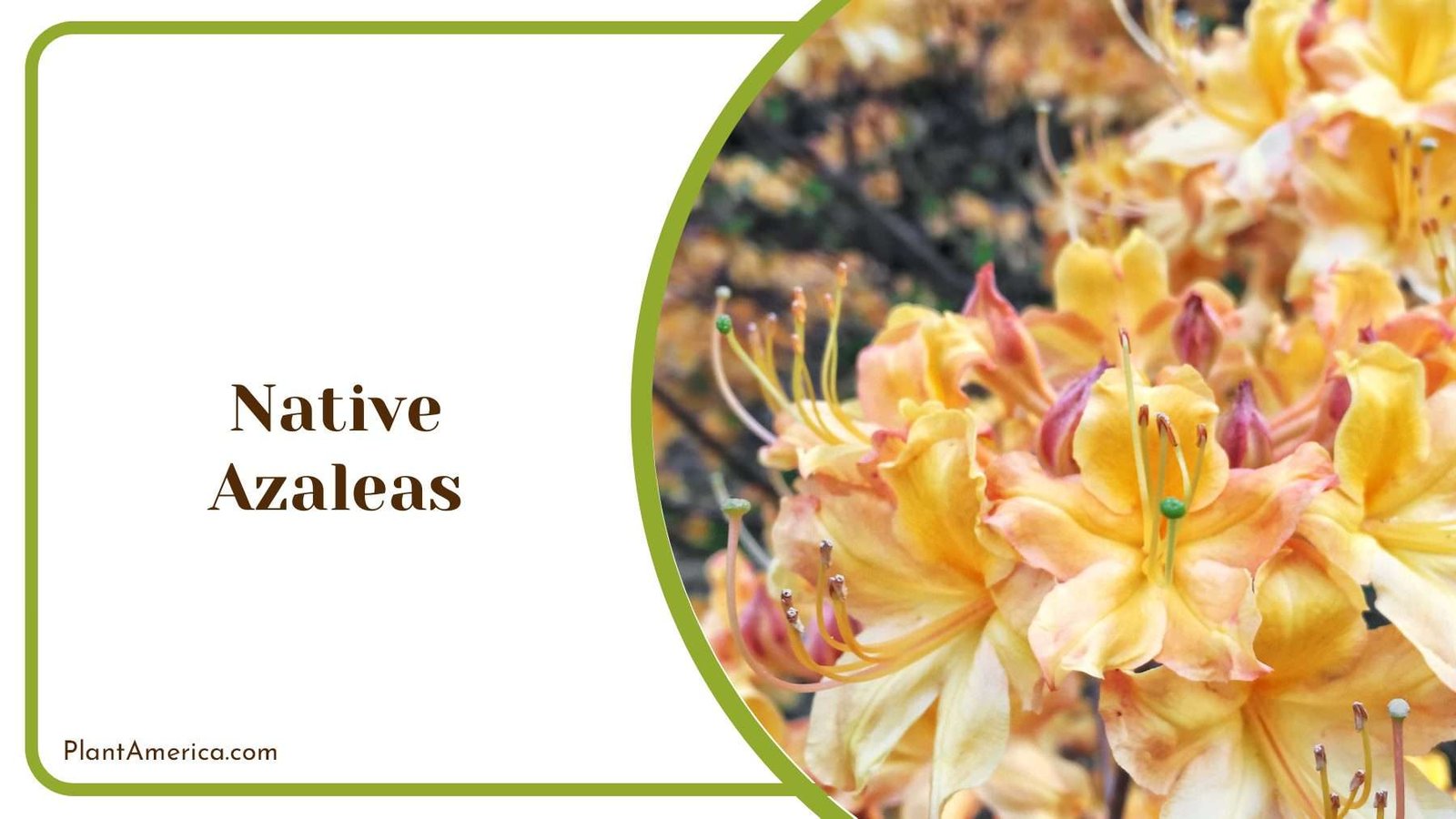
- Growing season: Spring, Fall
- Leaf shape: Oblong to oblanceolate, Elliptical
- Specific needs: Acidic soil, Moist soil, Full sun to part shade
- Common pest: Azalea caterpillar, Azalea lace bug
Native azaleas, those species that evolved naturally within specific regions, are ideally suited to the local soil and climate conditions. Examples include swamp azaleas found in the wetland habitats of the American Southeast. Native azaleas tend to be lower maintenance plants, tolerating a wider range of moisture levels and requiring less fertilizer and pruning.
They have coevolved with the native birds, insects, and pollinators in an ecosystem, providing nectar and shelter for beneficial wildlife like hummingbirds and butterflies. When native azaleas burst into bloom in shades of pink, red, and white, they lure pollinators with their nectar-rich flowers.
Their adaptability makes native azaleas low-impact choices for the modern sustainable garden. While requiring less intervention compared to hybrid cultivated varieties, native azaleas still reward gardeners with spectacular bursts of color in spring.
When left to naturalize, native azaleas help conserve and regenerate local biodiversity by providing food and shelter for the winged wonders and crawling creatures that once thrived amidst their wild ancestors – reminding us that the most versatile and resilient garden plants are often those that have evolved over centuries in harmony with their place.
17. Dwarf Azalea
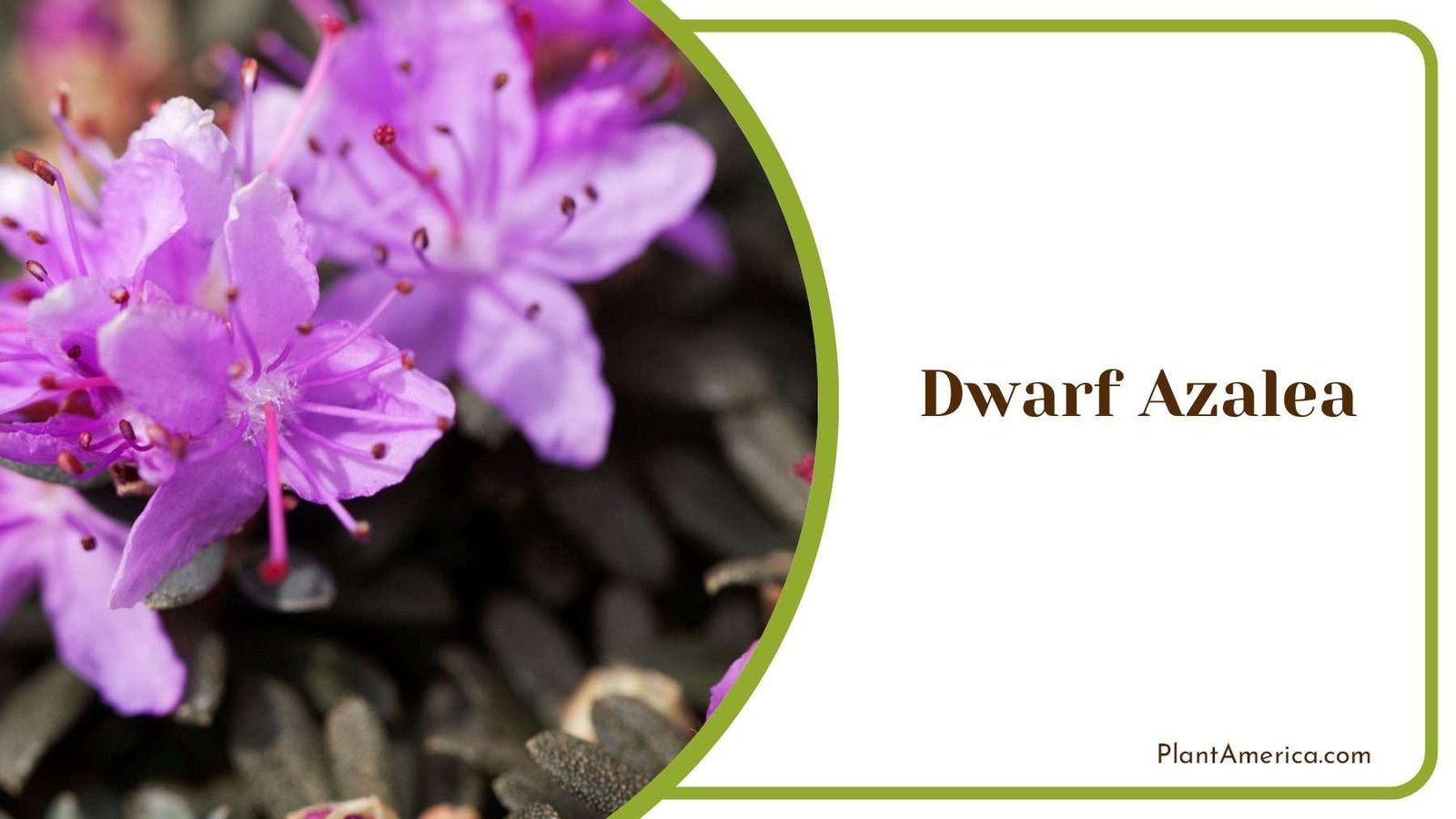
- Growing season: Spring, Fall
- Leaf shape: Oblong, Elliptical
- Specific needs: Acidic soil, Moist soil, Wind protection
- Common pest: Azalea leafminer, Lace bugs
Dwarf azaleas make a big impact despite their small stature. The compact, rounded shrubs typically reach only two to four feet in height and width but produce colorful blooms in shades of soft pink, vivid red, tangerine orange, sunshine yellow, and pristine white. The dense branching habit and reduced stature make dwarf azaleas ideal for borders, patios, and containers.
To thrive, dwarf azaleas require acidic soil that is consistently moist and rich in organic content like compost and leaf litter. Partial shade, especially during hot summer months, helps prevent leaf scorch and preserve moisture levels. Protection from harsh winds prevents damage to delicate flowers and foliage.
Regular pruning after flowering helps maintain a compact, rounded form while also encouraging rebloom the following season. Dwarf azaleas reward gardeners for their minimal space requirements by filling compact garden spaces with an abundance of profuse color in the springtime.
Their reduced stature makes them practical choices even for small gardens lacking vertical interest. And their versatility allows them to grace patios, porches, and containers just as easily as traditional borders and beds.
18. Double Pink Azalea
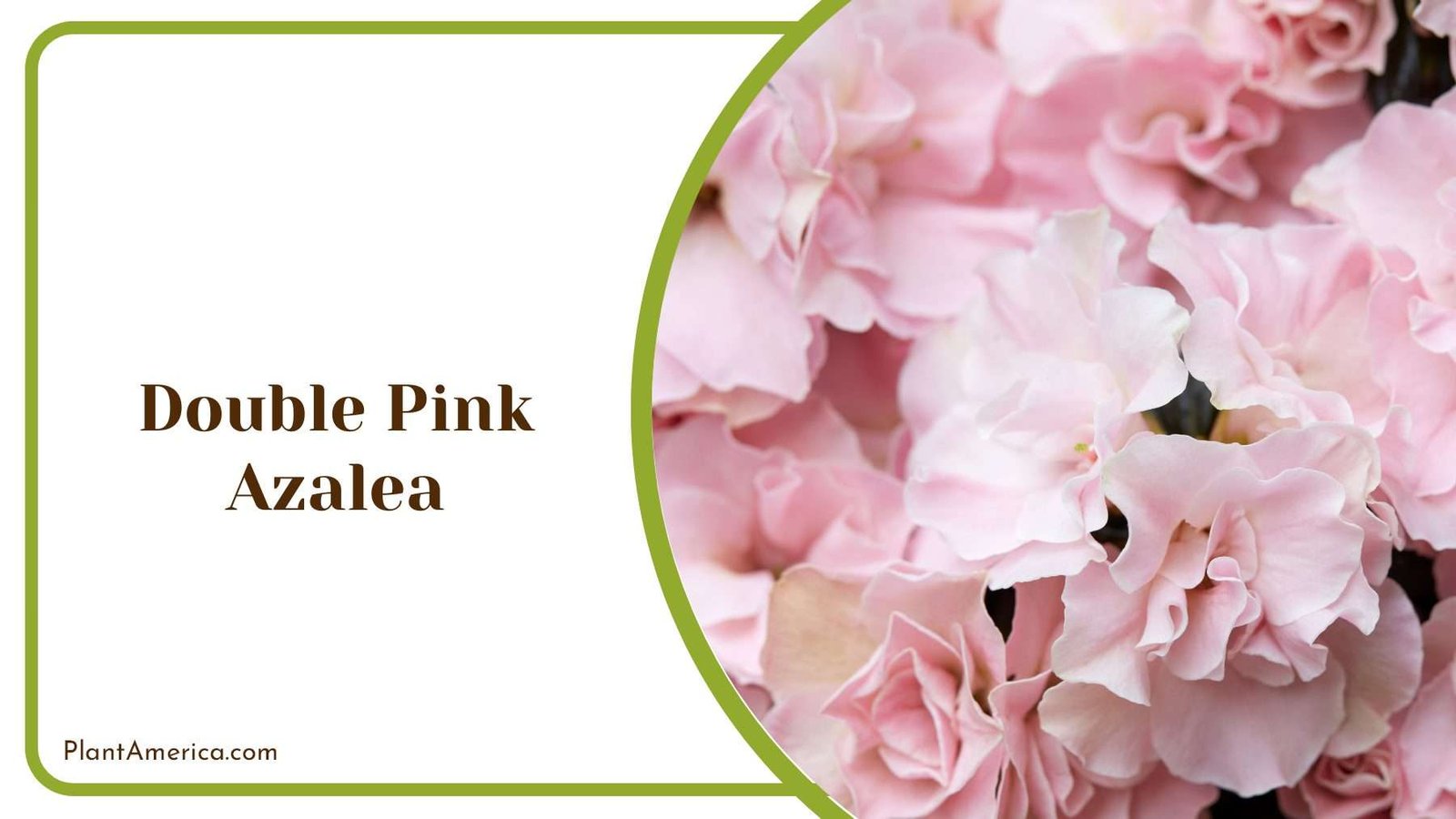
- Growing season: Early spring, Fall
- Leaf shape: Oblong to oblanceolate, Ovate
- Specific needs: Acidic soil, Part shade, Shelter from wind
- Common pest: Azalea caterpillar, Lace bugs
Double pink azaleas fill the spring garden with an abundance of large clusters of ruffled, semi-double and fully double pink blooms. The showy flowers completely cover dense, rounded shrubs forming mounds of vibrant color. The foliage on double pink azaleas is medium to dark green, providing an excellent backdrop for the clusters of blooms.
To thrive and produce large flowers year after year, double pink azaleas need acidic, organic-rich soil that is consistently moist. Amendments of organic matter like compost, leaf litter, and peat moss help buffer the soil pH while retaining vital moisture during bud formation and bloom season.
Afternoon shade, especially during the hottest hours of the day, helps protect delicate pink blooms from fading and scorching.
Protection from harsh winds also helps shelter delicate flowers. Regular pruning, done just after flowering concludes, encourages denser branching and increased flower bud production for an even fuller bloom the following spring.
When conditions are ideal, double pink azaleas reward gardeners generously with their vibrant pink glow, elegant double blooms, and lush foliage, creating an enchanting oasis of complementary color that softens even the shadiest corners of the spring garden. Their showy double blooms and layered petals command attention amidst the dark foliage, filling the space with a spirit-lifting display of cheerful color.
19. Dodd Confederate Azalea
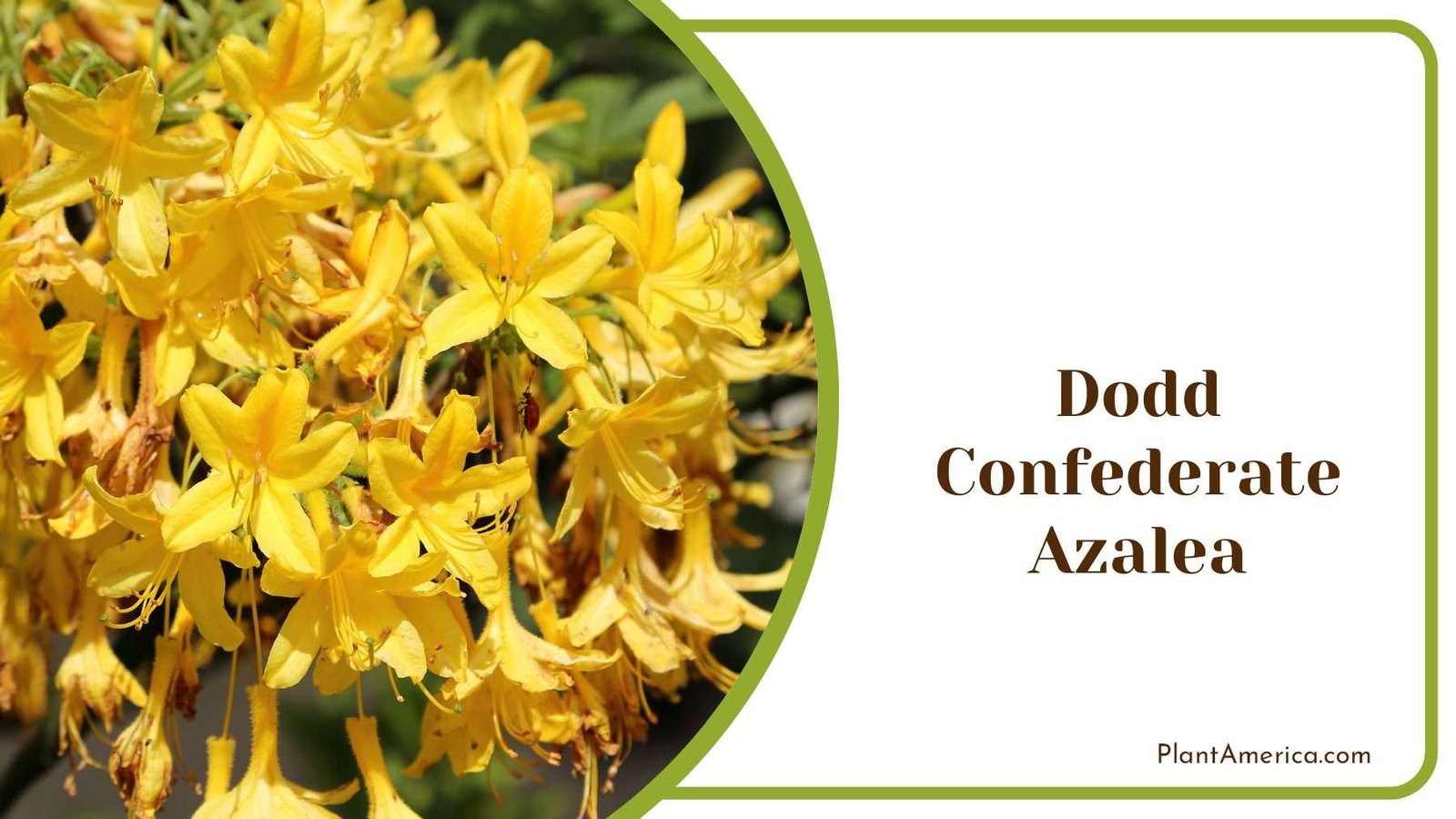
- Growing season: Spring, Fall
- Leaf shape: Oblong, Ovate
- Specific needs: Acidic soil, Moist soil, Shelter from wind
- Common pest: Azalea leafminer, Lace bugs
The Dodd Confederate azalea fills the spring garden with a sensory feast, releasing a heavenly fragrance from its showy blooms in hues ranging from fiery crimson to tangerine orange to buttery yellow. The upright, loose branching habit proudly displays the fragrant flowers. The medium green foliage provides a backdrop for the bloom display.
To thrive and produce abundant blossoms year after year, these azaleas require acidic, organic-rich soil that stays consistently moist. Amendments of organic matter like compost, peat moss, and leaf litter help buffer the pH while retaining moisture, which is crucial during flower bud formation and bloom season.
Protection from harsh winds and cold temperatures also helps shelter blooms. Regular pruning, done shortly after flowering concludes, promotes denser branching and even more abundant flowers the following spring.
When conditions are optimal, the Dodd Confederate azalea surprise gardeners bountifully with its multi-sensory display of crimson fire, sunset orange, and the golden glow emanating from the upright, loosely-branched shrub amidst the verdant foliage, filling the shady corners of the spring garden with its heavenly fragrance and showcasing the versatility of this azalea with its wide spectrum of hues that dance across the landscape, creating a feast for the eyes, nose, and spirit.
20. Azalea Blooms
- Growing season: Spring, Fall
- Leaf shape: Oblong to ovate, Elliptical
- Specific needs: Acidic soil, Moist soil, Part shade
- Common pest: Azalea lace bug, Thrips
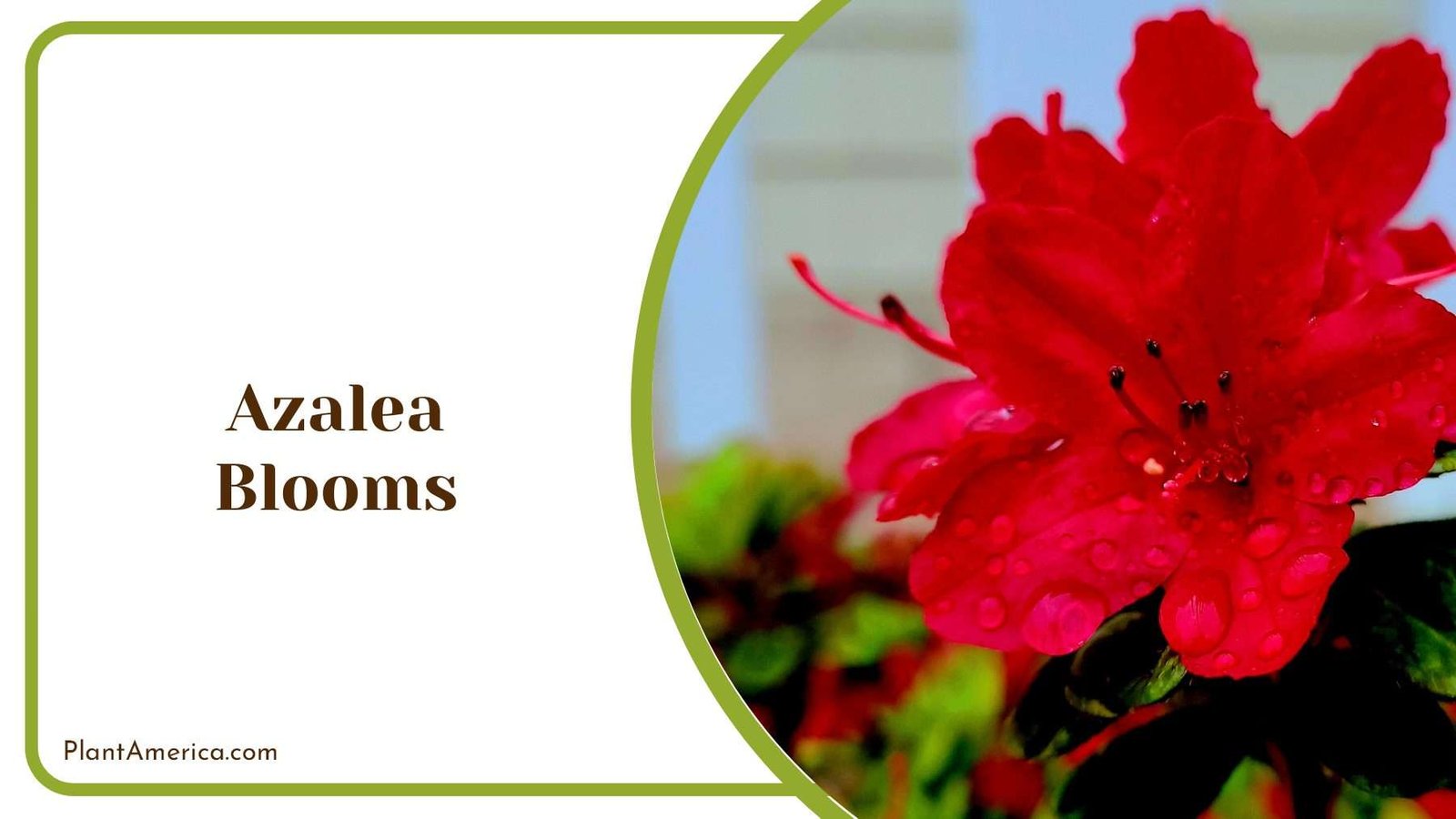
Azalea blooms come in a wide array of colors including pinks, reds, oranges, whites, and purples. They typically appear in late spring to early summer and can vary in size from one to three inches across. Azaleas produce the best blooms when planted in acidic, organic-rich soil and provided with partial shade and even moisture.
Proper pruning can also encourage larger, healthier blooms the following year. Azalea flowers offer a dazzling display of color in springtime, bursting forth in an array of hues, including soft pinks, vibrant reds, burning orange, pristine white, and regal purple. The blooms themselves range in size from just one inch wide on some dwarf varieties to three inches or larger on some large-flowered types.
21. Tall Azaleas
- Growing season: Spring, Fall
- Leaf shape: Oblong to oblanceolate, Elliptical
- Specific needs: Acidic soil, Moist soil, Part shade
- Common pest: Azalea lace bug, Scale insects
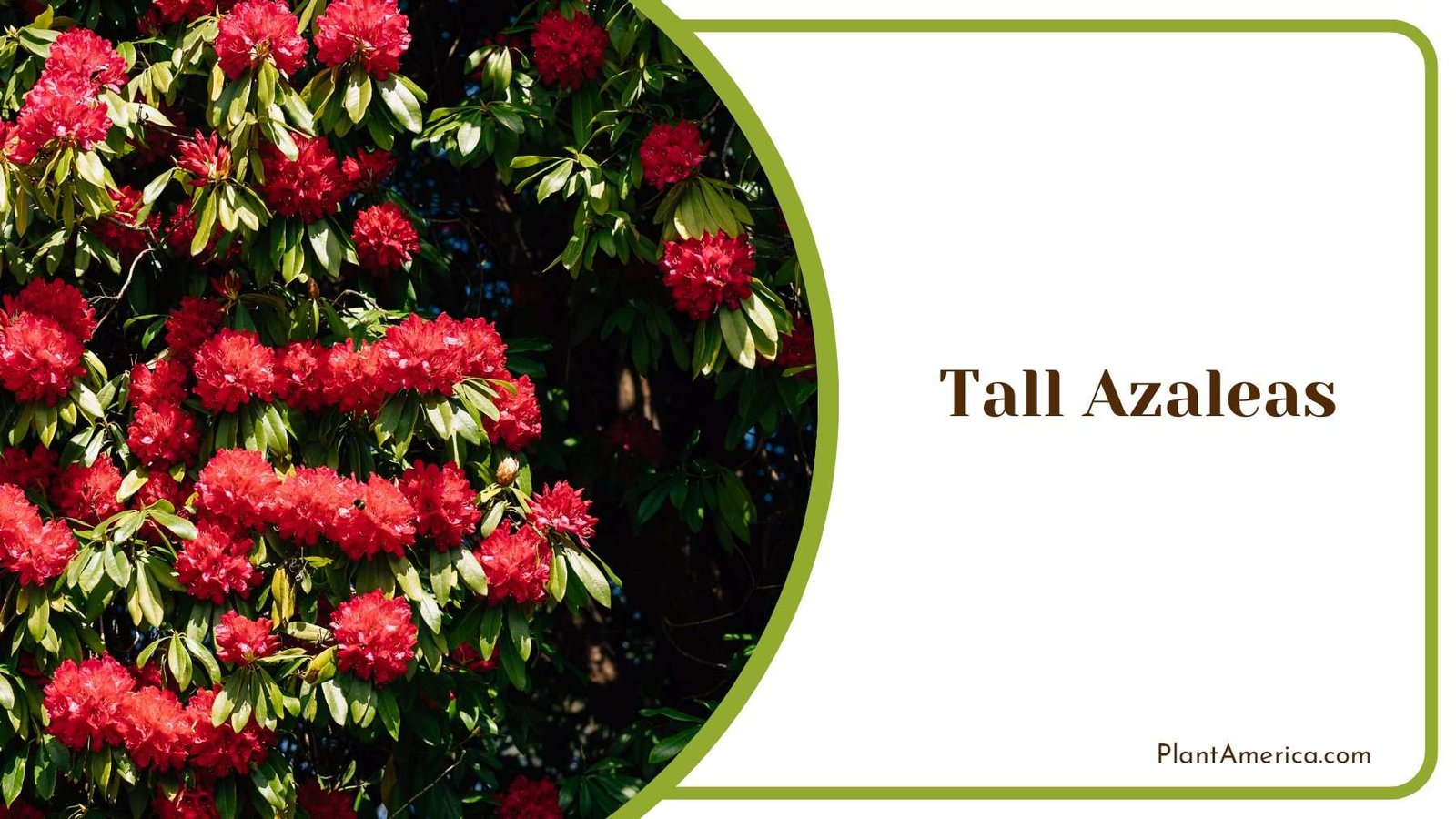
Tall azaleas form upright, vase-shaped shrubs that can grow six to 10 feet tall. Tall azaleas require acidic, organic-rich soil that is consistently moist and partial shade.
They need protection from harsh winds and benefit from pruning after they have flowered to maintain a shaped form. Tall azaleas fill the spring garden with magnificent profusion; their upright vase-shaped shrubs tower six to 10 feet tall adorned with generous clusters of vivid pink, fiery red, or snow-white blooms.
Acidic, organic-matter-rich soil kept consistently moist coupled with protection from harsh winds under partial shade helps produce ideal conditions for tall azaleas to thrive. Pruning immediately after flowering benefits tall azaleas by encouraging dense branching and larger blossoms the next season, which in turn maintain the shrubs’ stately upward vase shape and magnify their spectacular show of blooms.
22. Azalea Bush
- Growing season: Spring, Fall
- Leaf shape: Oblong to ovate, Elliptical
- Specific needs: Acidic, Well-drained soil, Part shade
- Common pest: Azalea leafminer, Azalea lace bug
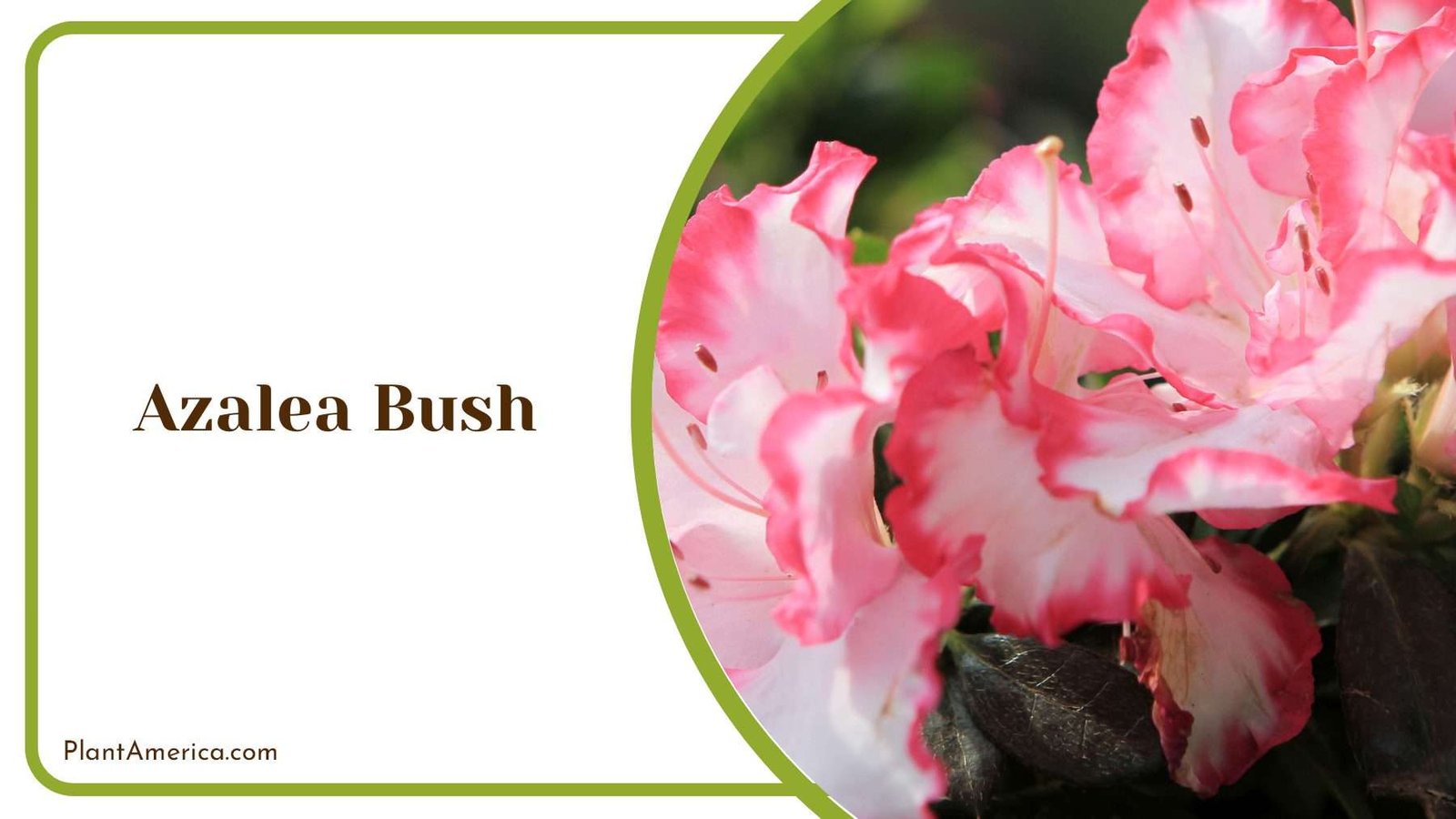
Azalea bushes bloom out in spring in magnificent fashion, their dense, mounded habit covered with colorful, showy blooms. The flowers appear in a wide array of hues, from soft whites and dainty pinks to fiery oranges and vivid reds. To thrive and produce abundant flowers year after year, azaleas require acidic, organic matter-rich soil kept consistently moist.
Plants benefit from partial shade, especially during hot afternoon hours when delicate blooms are susceptible to scorching. Proper pruning done immediately after flowering concludes benefits azaleas by encouraging new growth and denser branching that, in turn, produce larger blossom clusters the following spring while simultaneously maintaining a dense, neatly shaped form.
Ideal conditions help maximize azaleas’ stunning springtime floral display that transforms drab gardens into colorful, vibrant spaces.
Conclusion
Azaleas come in a spectacular diversity of colors, sizes, and flowering periods suitable for many different garden styles and the different types outlined here showcase the beauty and versatility of these beloved shrubs.
- Vibrant flame azaleas are best for summer color.
- Versatile Encore azaleas repeat the bloom throughout the year.
- Compact dwarf azaleas are the ideal option for container gardens.
- Fragrant sweet azaleas come with sweetly scented blooms.
- Evergreen azaleas is your best bet if you year-round foliage is your interest.
Whether you choose azaleas for their spring blossoms, autumn interest, or just because you love their lush foliage, there is a type that will bring you years of joy. Azaleas combine excellent durability with seasonal splendor, so get out there and find the ones that will make your garden come alive. Also, check out how to transplant your Azalaeas, how to properly landscape with them, and what companion plants to use.