
Brown tips on cedar trees might indicate potential issues leading to the decline of these large conifers. A combination of factors such as subpar soil conditions, environmental stressors, diseases, and insect infestations could make it hard to pinpoint the threat.

While saving your trees can be a challenge, it can be done. So stick around for some practical tips to rejuvenating your trees.
Why Is Your Cedar Tree Turning Brown?
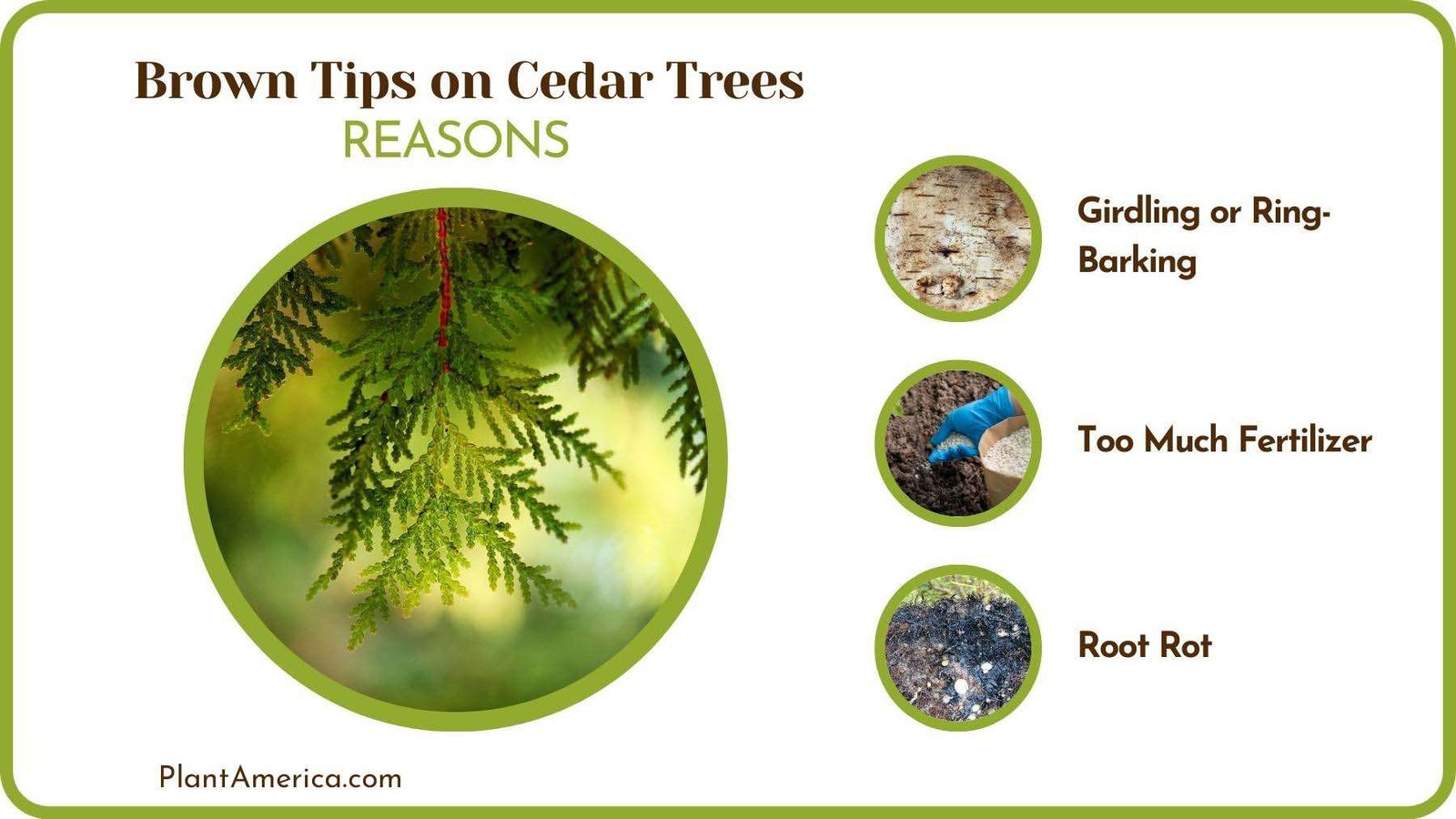
Your cedar trees are turning brown because of fungal diseases, the type of soil used, aphid infestations, prolonged dry spells, root desiccation, crawler mites, the use of poor twine and cloth, water issues, girdling or ring-barking, excessive use of plant food, elevated heat levels, and the onset of rot.

Understanding how these issues work can help you guess the specific cause and take appropriate measures! Cedar trees are majestic conifers that make for a beautiful landscaping scenery. However, there are numerous browning factors you have to fight against. Let’s see some of the potential problems and how they come about.
– Fungal Diseases
Cedars can fall prey to Gymnosporangium clavipes, commonly referred to as cedar-quince rust, depending on their proximity to certain neighbors. This intricate organism relies on two types of trees for its survival — a cedar, typically a juniper or red cedar, and a member of the Rosaceae family, which includes primary apple species (Malus domestica),
The fungus is passed back and forth between the cedar and the other tree. On the cedar, the fungus resides within the bark, causing swelling that encircles twigs and small branches. In April or May, masses of orange or rust-colored spores emerge from these swollen areas, traveling to a nearby summer fruit tree host, embedding in the fruit, multiplying, and returning to the cedar with the wind in the fall.
Distinguishing this ailment from natural browning is easy, as the discoloration occurs towards the end of the branch and rests on top of the needles, rather than the needles themselves turning yellow and brown.
– Soil Is Bad
The choice of soil plays a significant role in determining whether the trees will exhibit browning. Inappropriate soil types, such as overly sandy or clay-like compositions, can impede root oxygenation, resulting in the cedar turning brown.
Suboptimal soil pH can create a hostile environment for cedar, contributing to their browning. Improper soil drainage is another common issue; inadequate drainage can lead to water pooling around the roots, causing stress to the tree.
These trees require a specific soil type to thrive, and insufficient organic matter in the soil can hinder nutrient absorption, further contributing to browning. Ensuring the right soil type, proper pH, and adequate nutrient levels can help prevent cedars from developing brown foliage.
– Aphids
Aphids can induce the browning of trees through their feeding habits and disease transmission. These sap-sucking insects weaken your trees by extracting nutrients from their tissues, leading to the browning of affected parts, particularly the needles.

The honeydew excreted by aphids during feeding can attract sooty mold, contributing to a brownish appearance on the tree’s foliage. Aphids can act as vectors for various diseases, transferring pathogens from infected plants to healthy cedars as they move between hosts. This introduction of diseases weakens the tree’s immune system and further contributes to browning.
The stress induced by aphid infestations, coupled with their rapid reproduction, can result in extensive browning of the cedar tree.
– A Dry Spell
If you inspect the brown fallen leaves and find no signs of spots or pests, it suggests that your trees may be experiencing insufficient water. Adequate watering, done thoroughly at least once or twice a week, is crucial, especially during hot summer conditions, to ensure that the roots of your cedars establish a stronghold and spread effectively. This approach proves more effective than frequent light watering or intermittent spraying.
– Desiccation of Roots
During the heat of summer, it’s crucial to safeguard recently transplanted trees from drying out. To prevent this, take precautionary measures like ensuring the root balls stay moist during transportation and upon arrival at the planting site. When uprooting dead trees, be mindful of the potential presence of dry air between the roots and the planting hole.

– Crawler Mites
Inspect the tree for small crawlers, typically in shades of red, brown, or yellow. Upon closer examination, you may notice slight webbing, distinguishing them from Japanese Beetles. For control, consider applying insecticidal soap to address crawler mite infestations. However, if the issue is advanced, immediate treatment upon identification may be challenging.
– Bad Twine and Cloth
Certain types of twine may decompose too slowly in the soil. If not properly removed during growth, this twine could potentially cut into the expanding stem, leading to a gradual decline and, in severe cases, the death of the tree.
Some burlap sacking is treated with copper sulfate, identifiable by its blue or green color, to prevent rot. Failure to remove treated burlap can result in the inhibition of new root development due to the presence of copper sulfate.
– Water Stress
Cedars possess shallow roots, rendering them vulnerable to drought stress, particularly in well-drained sandy soils. This susceptibility is heightened by drastic fluctuations in soil moisture, such as excessive wetness in winter followed by hot and dry summers.
It’s crucial to avoid excess water, as persistent flooding or overwatering can lead to root death, stemming from insufficient oxygen in the root zone.
– Girdling or Ring-Barking
The layer situated just beneath the bark serves as a conduit for transporting nutrients produced in the leaves through photosynthesis to the roots. Girdling or ring-barking disrupts this vital process. When the transportation of nutrients is impeded, the tree experiences distress, leading to the death of leaves.
– Too Much Fertilizer
Overfeeding with plant food can harm the roots and result in the browning of leaf tips. Conversely, a deficiency in fertilizer can also contribute to a decline in the overall health of your tree.
– Root Rot
Cedar hedges are frequently affected by Armillaria root rot, characterized by branches turning reddish and brown, usually starting on one side of the tree. The presence of white fungal mycelium under the bark at the base of dead trees and in the roots is a common indicator. The spread of the fungus from one tree to another is facilitated by black ‘strings’ known as rhizomorphs. Unfortunately, there is no cure for Armillaria.
What To Do When Your Cedar Trees Turn Brown?
So many things could be poorly influencing the health of your cedar. However, there are many things that you can do about it, and most of it is going to rely on giving your cedar the proper care it needs!

– The Right Soil
When selecting soil for cedar trees, opt for a natural, moist, and nutrient-rich substrate. Prepare the planting site by incorporating organic matter and plant food into the soil a few months before planting. Avoid dry and sandy soils as well as excessively wet clay soil, as cedars thrive in well-draining conditions. Adopt a watering routine that involves deep watering but at less frequent intervals, especially during the summer or for recently planted trees.
Plant your cedars either after the soil thaws in early spring or following the summer, considering potential heatwaves in late summer that may impact newly planted trees. Applying fresh compost annually proves beneficial, helping regulate root temperature and reduce weed growth. Maintain a distance of at least three inches between the trunks of the trees and the mulch to ensure optimal tree health.
– Proper Watering
Inconsistent watering practices, whether excessive or insufficient, are frequently responsible for the decline of a tree’s health. In periods of limited rainfall, it is essential to provide deep watering around the tree. Additionally, assess the planting area to confirm adequate drainage, as water-logged conditions can negatively impact the well-being of your cedars.

– Use Mulch
Like many things, excess can have detrimental effects, and this applies to the application of mulch around your cedars. While mulch serves as a beneficial protector against diseases, weeds, pests, soil erosion, and temperature extremes, an excessive amount can potentially suffocate the tree’s roots. To ensure adequate oxygen supply and avoid browning leaves, it is essential to avoid applying an overly thick layer of mulch at the base of your cedars.
– Careful With the Fertilizer
While your lawn might thrive on fertilizer, cedars have a different preference. Applying excessive amounts of fertilizer can jeopardize the well-being of your trees. It’s advisable to be cautious when fertilizing cedars, and seeking guidance from a nursery center or a professional arborist for specific instructions is a prudent approach when in doubt.

– Prune the Tree
Interested in revitalizing your cedars? The key lies in effective cedar hedge repair, with pruning playing a significant role in maintaining optimal tree health. To bring back your cedars, focus on pruning away any dead or damaged twigs and branches. Additionally, ensure the proper disposal of clippings to prevent the potential spread of diseases to neighboring trees. Pruning not only safeguards your cedars from diseases and pests but also encourages robust and healthy growth.
– Dealing With Pests
Implementing a multi-pronged approach to pest control is essential for maintaining the health of your trees. One effective strategy involves introducing or fostering natural predators like ladybugs and lacewings. These beneficial insects play a crucial role in controlling pest populations, contributing to a more balanced ecosystem.

Neem oil, derived from the neem tree, serves as a potent natural insecticide against various pests. To utilize the oil effectively, mix it with water following the provided instructions and apply the solution to affected areas. Neem oil disrupts the feeding and reproductive cycles of many pests, offering an environmentally friendly solution.
Incorporating insecticidal soap, whether commercially available or homemade, is another valuable tool in your pest control arsenal. Prepare a solution of mild soap and water and ensure thorough coverage on both sides of the leaves when spraying. This method is effective in managing certain pests without resorting to harsh chemicals.
Horticultural oils, such as dormant oil or summer oil, provide an additional layer of defense against pests. These oils, when applied following product instructions, can smother and eliminate pests, contributing to the overall health of your cedars.
Conclusion
Several factors influence the browning of our beautiful trees. Identifying the specific issue is challenging, but there’s a cure for everything. Let’s remind ourselves of key takeaways.

- Understanding the potential problems, such as fungal diseases like cedar-quince rust, underscores the importance of recognizing the distinctive patterns of discoloration and taking appropriate measures.
- Soil quality plays a crucial role, with considerations for type, pH, and drainage being vital to prevent browning. Pests, including aphids and crawler mites, contribute to the decline of cedar health, necessitating vigilant monitoring and effective control measures.
- A proactive approach to environmental stressors, such as prolonged dry spells and root desiccation, involves ensuring proper watering practices and safeguarding recently transplanted trees.
- Reversing the browning of cedar trees involves providing the right soil conditions, adopting proper watering routines, and using mulch judiciously. Careful fertilizer application, prudent pruning to remove damaged branches, and addressing pest issues through natural predators, neem oil, insecticidal soap, and horticultural oils contribute to comprehensive tree care.
An informed and proactive approach is essential for reviving and maintaining the health of cedar trees, ensuring their continued vitality and aesthetic appeal in landscaping settings!