
Types of hibiscus plants you can grow to bring hummingbirds, bees, and butterflies flocking to your yard range from tropical hibiscus to perennial varieties. We’ll cover hibiscus species of the Malvaceae family that offer flowers in unique shapes, colors, and sizes.

Hibiscus flowers are perfect to add color and vibrancy to your garden as they come in a rainbow of beautiful red, pink, orange, and yellow colors that will pop against your garden backdrop. Whether you want a showstopping red giant rose mallow or a delicate pink lady, there’s a perfect hibiscus out there waiting to make your garden sing beautifully!
Types of Hibiscus Plants That Fill Gardens With Blooms
1. Rose of Sharon
- Growing Season: Spring, Summer.
- Leaf Type: Heart to shaped, Oval.
- Specific Needs: Full sunlight, Moist soil.
- Common Pests: Aphids, Japanese beetle.
The Rose of Sharon is a hardy, beautiful flowering shrub known for its stunning blooms. Native to Asia, it has naturalized throughout North America and other parts of the world. From summer through fall, the shrub produces an abundance of flowers in a wide variety of colors including white, pink, red, lavender, and purple. Individual blooms can reach up to eight inches in diameter, making the Rose of Sharon a real attention grabber in the garden.

Beyond their showy appearance, the hardy nature of Rose of Sharon plants makes them a practical choice for flower gardens as well. They thrive in full sun or partial shade and are tolerant of hot and humid conditions. In zones five to nine, the deciduous shrubs are fully winter hardy without protection.
Their naturally bushy form reaches 3 to 10 feet tall and wide, providing structure throughout the seasons. The frilly flowers also attract hummingbirds, butterflies, and other pollinators. After blooming, seed pods may form, which are interesting in their own right.
2. Tropical Hibiscus
- Growing Season: Spring, Summer.
- Leaf Type: Palmate, Alternate.
- Specific Needs: Warm temperatures, Moist soil.
- Common Pests: Aphids, Mealybugs.
Tropical hibiscus is a beautiful flowering shrub known for its immense, vibrantly colored blooms. Native to East Asia, it thrives in tropical and subtropical climates where it produces large flowers almost continuously throughout the year.

The blooms come in a vast assortment of colors, ranging from pristine whites to the deepest red to burgundy hues. Many cultivars also feature striking two toned or intricately spotted patterns on their velvety petals. Individual flowers can reach sizes between 5 to 10 inches in diameter, with some more robust varieties bearing blooms up to 12 inches across.
The glossy green leaves provide an attractive backdrop to showcase the prominent blooms. Leaves are ovate to lobed in shape, ranging from three to eight inches long. Tropical hibiscus grows vigorously into a thick, bushy, multi-stemmed shrub that reaches heights of three to six feet and spreads equally as wide at maturity.
It thrives with full sun exposure and rich, moisture-retentive yet well-draining soil. Ideal growing conditions include warm temperatures between 70 to 85 degree Fahrenheit year-round. Place plants in prominent areas where their massive inflorescences can really stand out against foliage.
Individual blooms only last one to two days before falling but are quickly replaced by new bulbous buds bursting into spectacular color displays. This constant flowering, combined with the plant’s lush tropical appearance, makes hibiscus a carefree, low-maintenance addition to gardens, patio containers or tropical landscaping where frost is uncommon. Its giant, vividly colored flowers are sure to brighten any warm climate landscape.
3. Hardy Hibiscus
- Growing Season: Spring, Summer.
- Leaf Type: Palmate, Lobed.
- Specific Needs: Full sunlight, Moist, acidic soil.
- Common Pests: Snails, Japanese beetle.
Native to North America, the hardy hibiscus is a unique flowering perennial that is well suited to gardens in zones three to nine. Growing three to five feet tall and wide, these robust shrubs produce enormous blooms in a variety of colors from late summer into fall.

One can find hardy hibiscus with white, pink, red or yellow trumpet to shaped flowers that measure an impressive five to eight inches across. What’s more, individual plants may bear over a dozen vibrant blooms at once.
Beyond their bold floral display, hardy hibiscus have attractive, lobed dark green leaves and coarse, stout stems. Come fall, the leaves often take on lovely shades of burgundy or crimson before dropping for the winter.
While becoming dormant when frozen, the rootstock reliably returns each spring. Hardy hibiscus thrive in full sun and average, well draining soil. They require little grooming other than an occasional fertilizer or pruning of spent blooms to encourage further flowering.
Interestingly, the hibiscus genus likely originated in East Asia, yet this species has adapted well to North America’s climate. Some Native American tribes used various plant parts in traditional medicines.
Today, gardeners prize it as one of the longest flowering perennials that is perfectly content to naturalize and spread happily in the back of borders or alongside ponds and streams. Deer generally avoid nibbling the large fuzzy leaves and stems too. Truly, the hardy hibiscus has earned its name through resilience.
4. Confederate Rose
- Growing Season: Spring, Summer.
- Leaf Type: Palmate, Lobed.
- Specific Needs: Full sunlight, Well-drained soil.
- Common Pests: Japanese beetle, Aphids.
Originating from East Asia, the Confederate rose is a tender perennial shrub prized for its one of a kind blooms. Large ruffly flowers around six inches across emerge a pure white color. However, their hue gradually shifts throughout the day, transforming to a rosy pink before deepening to a vivid crimson red by evening. This mesmerizing color change often occurs within mere hours.

Bearing blossoms in abundance nearly continuously throughout warm seasons, Confederate rose shrubs reach three to five feet tall and wide. They thrive with fertile, well draining soil in full sun and high humidity — conditions found in zones 9 through 11. Providing copious nectar, the flowers entice hummingbirds and butterflies in a dazzling display. Later, cherry red seed capsules offer decorative interest long after blooming concludes.
While requiring tropical like growing conditions, Confederate roses make a superb addition to borders or containers where their needs can be suitably met. Their uniqueness and heavy flowering justify the extra care required to overwinter them as tender perennials. Few other plants rival the hypnotic charm of a Confederate rose transforming through all the hues of the sunset over a single day.
5. Rock Hibiscus
- Growing Season: Spring, Summer.
- Leaf Type: Palmate, Lobed.
- Specific Needs: Full sunlight, Well-drained soil.
- Common Pests: None.
Rock hibiscus is a hardy perennial shrub with colorful blooms that thrive in hot, dry, rocky areas. Native to Australia, it has adapted to survive on nutrient to poor soils with minimal water. The shrub forms a dense, rounded shape up to three feet tall and wide. It has woody, branched stems covered in gray-green, oval-shaped leaves.

From late spring through fall, clusters of bright tubular flowers emerge at stem ends. Common varieties feature shades of pink, red and white. Individual blooms resemble tropical hibiscus but are smaller at 1 to 2 inches across.
Rock hibiscus is extremely drought tolerant once established, needing little care beyond occasional watering during extreme heat. It performs best in full sun with excellent drainage, such as rocky gardens, coastal plots or slope plantings.
Deer resistant and low maintenance, this tough shrub brings colorful floral displays to difficult landscape locations. Its resilient nature and adaptability make it suitable for hot, arid zones wherever native Australian plants thrive. Vivid blooms contrast beautifully against gray foliage.
6. Blue Chiffon Hibiscus
- Growing Season: Mid-summer, Late fall.
- Leaf Type: Rhomboid, Lobed.
- Specific Needs: Full sunlight, Moist soil.
- Common Pests: Aphids, Japanese beetle.
Blue Chiffon hibiscus is prized for its delicate yet vivid blue flowers. As the name suggests, each bloom resembles a wispy piece of chiffon fabric in a pure sky-blue hue. A tropical perennial, it grows three to five feet tall and wide with lusher foliage than hardier types. Broad, glossy green leaves provide a backdrop for the showy blooms.

Starting in summer, clusters of buds open one by one to reveal finely layered petals of soft periwinkle blue. Individual flowers can reach six inches across. Their chiffon-like texture gives the illusion of motion even without wind.
Best in zones 9 to 11, Blue Chiffon hibiscus thrives with consistently warm temperatures above 65 degrees Fahrenheit. It flourishes in full sun with fertile, well draining soil that does not overly retain moisture.
Care requires occasional fertilizer and pruning to maintain a shapely form. However, its unique blooms make this extra care worthwhile. Few flowers rival the ethereal beauty and color of Blue Chiffon hibiscus.
Its delicate blooms and tropical nature make this a statement hibiscus well suited for patios, coastal gardens, or conservatories anywhere its conditions can be met. Few sights match floating blossoms of sky blue chiffon.
7. White Chiffon Hibiscus
- Growing Season: Late summer, Fall.
- Leaf Type: Broad, Lobed.
- Specific Needs: Full Sunlight, Well-drained Soil.
- Common Pests: Aphids, Japanese Beetle.
A sister cultivar to Blue Chiffon, White Chiffon hibiscus exhibits the same vigorous growth habit yet shimmers with gleaming ivory blooms. Ruffled flowers reaching eight inches wide float atop sturdy stems carrying a bounty of lace-like white stamens in the center of each mud colored eye.

Thriving in the same conditions across the same hardy zones as Blue Chiffon, White Chiffon similarly attracts pollinators with nectar from late spring throughout fall. Come dusk, its pale blooms emanate a ghostly yet wonderful luminosity. Seedheads follow before leafdrop for winter, then stalks remain standing until spring when new growth emerges again from the root hardy perennial.
Ethereal and angelic yet hardy as a native, White Chiffon complements Blue Chiffon where both can create a billowing drift. Together, their chiffon blooms cast mesmerizing combinations reminiscent of sea foam and clouds along shorelines, borders, or pond edges throughout the growing seasons.
8. Berry Awesome Hibiscus
- Growing Season: Mid summer, Fall.
- Leaf Type: Maple-Like, Lobed.
- Specific Needs: Moist Soil, Well-drained Soil.
- Common Pests: Aphids, Japanese Beetle.
A showstopping perennial hibiscus, Berry Awesome offers sprawling vigor coupled with stemless blooms in a bright candy colored fusion. Reaching four to six feet tall and wide within its first summer, this tropical to like mallow forms an erect mound crowned with leaves sporting red veins upon green backed foliage. But it truly dazzles when flowers emerge continuously from late spring until autumn’s end.
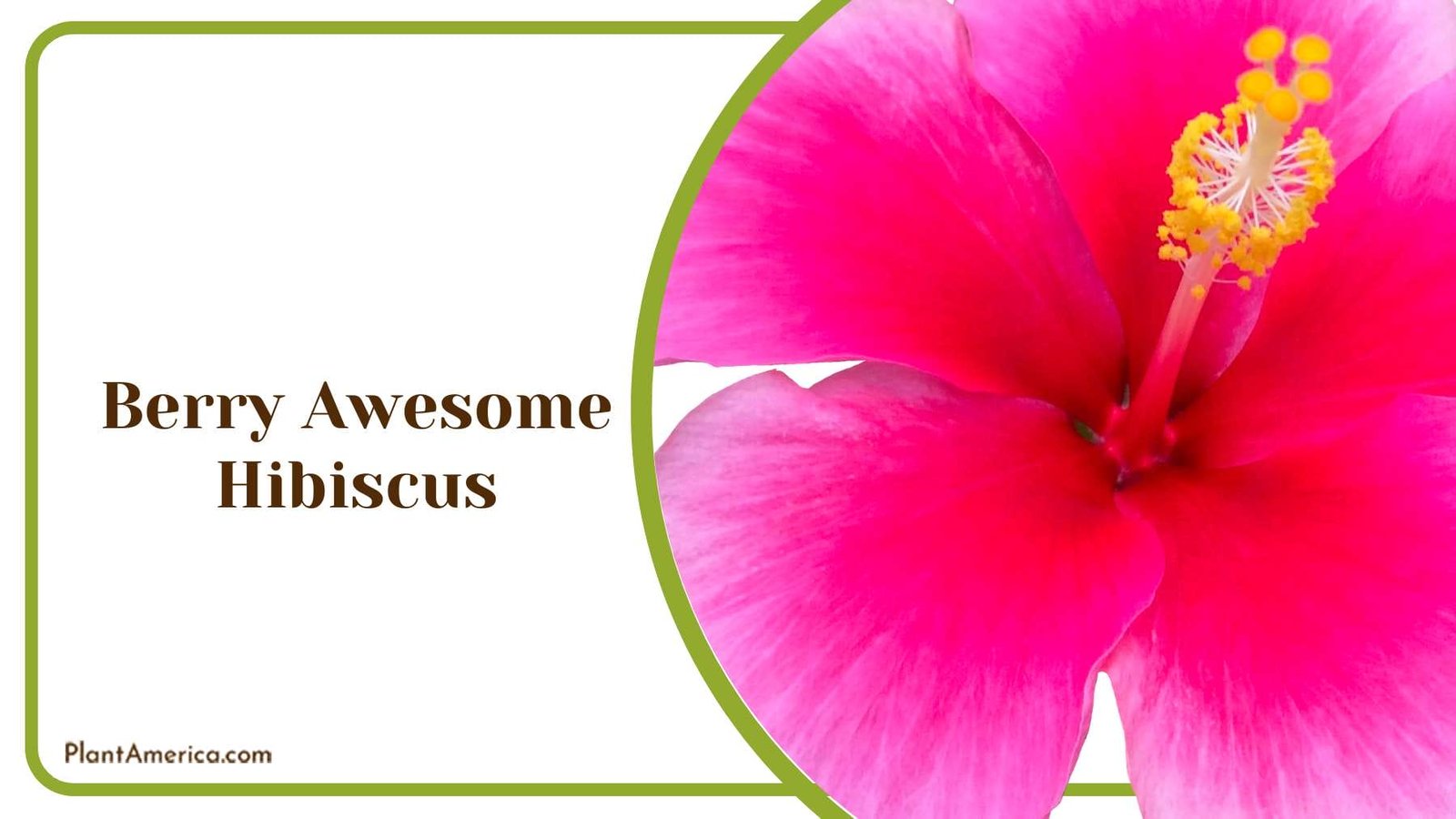
Luminous raspberry pink blooms resembling tropical sunhats open faceup to a cheery eight inches wide. Nestled among crinkled petals are hundreds of burgundy stamens resembling cranberries. Hummingbirds flock for nectar hidden in their centers accessed by long beaks. Berry Awesome thrives with warm sun and moisture-retaining soil and mulch, blooming most plentifully during summer’s peak heat and humidity in zones 8b through 11.
Come wintertime, semi to evergreen foliage makes Berry Awesome a conversation starting element for patio containers or the front border alike. Little rivals its popsicle-hued prolific display desirable for pollinator gardens or colorful cuts alike during warmer months.
9. Mango Liqueur Hibiscus
- Growing Season: Spring, Summer.
- Leaf Type: Palmate, Lobed.
- Specific Needs: Full Sunlight, Well-drained Soil.
- Common Pests: Aphids, Beetle larvae.
Mango Liqueur Hibiscus features bold blooms in a vibrant orange to yellow shade reminiscent of mango nectar. Its tropical flowers seem to glow with the warm hue of a sunset over mangoes ripening on the tree.

Growing three to five feet tall and wide, this hibiscus variety produces generous clusters of six to eight inch flowers. Bright blooms stand out against the plant’s dark green, glossy leaves. Native to subtropical and tropical regions, Mango Liqueur Hibiscus thrives in zones 9 to 11, where temperatures stay reliably warm. It delights in full sun and rich, well-drained soil.
Beginning in summer, an endless parade of beaming orange to yellow buds opens each day. Individual blooms last only a day, but are swiftly replaced so the plant maintains constant color for months.
Its cheerful display makes Mango Liqueur Hibiscus an eye catching addition to tropical gardens, patios or shoreline plantings. Few sights compare to the glowing luminosity of its mango hued blooms against lush foliage.
Though a tropical species, minimal care beyond pruning keeps this hibiscus thriving to bring a sunny reminder of warmer climes even in cooler seasons. Its vibrant flowers are a visual treat worthy of the name.
10. Lord Baltimore Hibiscus
- Growing Season: Mid-summer, Early fall.
- Leaf Type: Glossy, Lobed.
- Specific Needs: Full Sunlight, Moist Soil.
- Common Pests: Japanese beetle, Aphids.
Lord Baltimore Hibiscus bears elegant white blooms accented with a crimson eye. With its striking two-tone flowers and regal history, it is an ornamental standout in the garden. Growing five to seven feet tall and wide, the shrub develops a dense, vase-shaped form. Glossy green leaves provide a backdrop for its summer show.

Their intricately layered white petals are marked in the center by a deep crimson burgundy spot. This distinctive coloring gives the illusion of wearing rouge. The Lord Baltimore Hybrid Hibiscus is named after an influential family from early American history. It thrives in zones 7 to 10 with consistent warmth, full sun, and rich organic soil that drains freely.
Flowers last just one day but are continuously replaced, ensuring a grand display all season. Its elegant bearing and formal blooms lend a touch of aristocratic charm to beds, borders or patio pots.
With minimal upkeep, this hardy yet fine looking hibiscus variety pays tribute to its historical origins while brightening gardens with its noble colors and refined stature. Few sights match its majestic two-tone blooms.
11. Red Heart Hibiscus
- Growing Season: Mid-summer, Early fall.
- Leaf Type: Palmate, Diamond-Shaped.
- Specific Needs: Full Sunlight, Moist Soil.
- Common Pests: Japanese beetle, Aphids.
Red Heart Hibiscus lives up to its name with bright crimson blooms in the shape of a heart. Its vivid flowers stand out vibrantly against dark foliage. Growing four to six feet tall and wide, this tropical hibiscus shrub produces masses of large heart shaped blooms all summer. Individual flowers measure six to eight inches across in a pure, candy apple red hue.

Their perfectly formed heart shape and intensity of color give each bloom a Valentine-like appeal. Lush green leaves provide a backdrop to really showcase the stunning scarlet blooms.
Native to warm temperate and tropical regions, Red Heart Hibiscus thrives in USDA zones 9 to 11. It delights in full sun and well draining soil that is kept consistently moist. From early summer until fall, cheerful hearts continuously open to carpet the plant. Bees flock to its nectarous blooms. Few sights lift the spirits like a bloom-covered Red Heart Hibiscus bush.
Low maintenance once established, this variety brings a romantic touch of Valentine’s day color to tropical gardens all season long. Its heartfelt blooms are sure to become a favorite wherever this hibiscus will grow.
12. Giant Rose Mallow
- Growing Season: Mid-summer, Late summer.
- Leaf Type: Palmate, Lobed.
- Specific Needs: Full Sunlight, Well-drained Soil.
- Common Pests: Japanese beetle, Aphids.
Giant Rose Mallow is a bold and showy perennial that gets its name from its immense ruffled pink blooms that resemble oversized roses or cabbage roses. Each bloom can reach eight inches wide with five to seven coarsely crinkled petals of bright rosy pink.

The dark green, heart-shaped leaves provide an attractive backdrop to the giant blossoms. As a member of the hibiscus family, it shares that genus’s tropical appearance. Native to the southeastern U.S., Giant Rose Mallow thrives in full sun and average, well draining soil. It is heat and drought tolerant once established.
Hummingbirds and butterflies flock to its abundant nectar. Later, seed pods that resemble okra form and split to disperse seeds for next year’s generation. The bold southern belle makes a stunning addition to pollinator, riverbank, or coastal gardens where its vibrant flowers are sure to impress. Few perennials match the Giant Rose Mallow for size and beauty.
13. Blue River II Hibiscus
- Growing Season: Mid-summer, Late summer.
- Leaf Type: Palmate, Lobed.
- Specific Needs: Moist Soil, Well-drained Soil.
- Common Pests: Sawflies, Whiteflies.
Blue River II Hibiscus shrubs produce large, vividly colored flowers that evoke images of a tropical stream winding through lush foliage. Growing five to seven feet tall and wide at maturity, it develops an upright, bushy form covered in productive branches.

Its deep green leaves are thick and leathery, providing an attractive backdrop for the frequent and impressive blooms. Individual leaves can reach 10 inches in length on long petioles.
From summer through fall, dense clusters of buds appear at branch tips. They slowly unfold to reveal layers of petals transforming seamlessly from a rich plum at the center to a saturated sky blue around the edges. Fully opened flowers measure a stunning six to eight inches in diameter.
The intense pigmentation of each azure bloom stands out boldly against the dark foliage. Their brilliant hue is reminiscent of clear tropical waters and sapphire skies, brightening the landscape. Hummingbirds are drawn to nectar-rich centers.
Native to zones 9 to 11, Blue River II prefers full sun but will tolerate partial shade. It thrives with consistently warm temperatures above 70 degrees Fahrenheit and regular water to keep its substantial foliage looking lush and vibrant. Well draining soil is essential to maintain strong growth.
This stately hibiscus variety produces a dazzling color display from summer straight through fall. Few tropical plants rival its remarkably saturated blooms or ability to transport the imagination to tropical waterways. This is truly a highlight shrub for any warm-weather landscape.
14. Secret Heart Hibiscus
- Growing Season: Summer, Fall.
- Leaf Type: Palmate, Lobed.
- Specific Needs: Acidic soil, Well-drained soil.
- Common Pests: Japanese beetle, Aphids.
The Secret Heart Hibiscus features pretty blooms that conceal a pattern unseen until they are fully open. Its characteristic two-tone flowers start as soft-colored circles and end with a surprise.
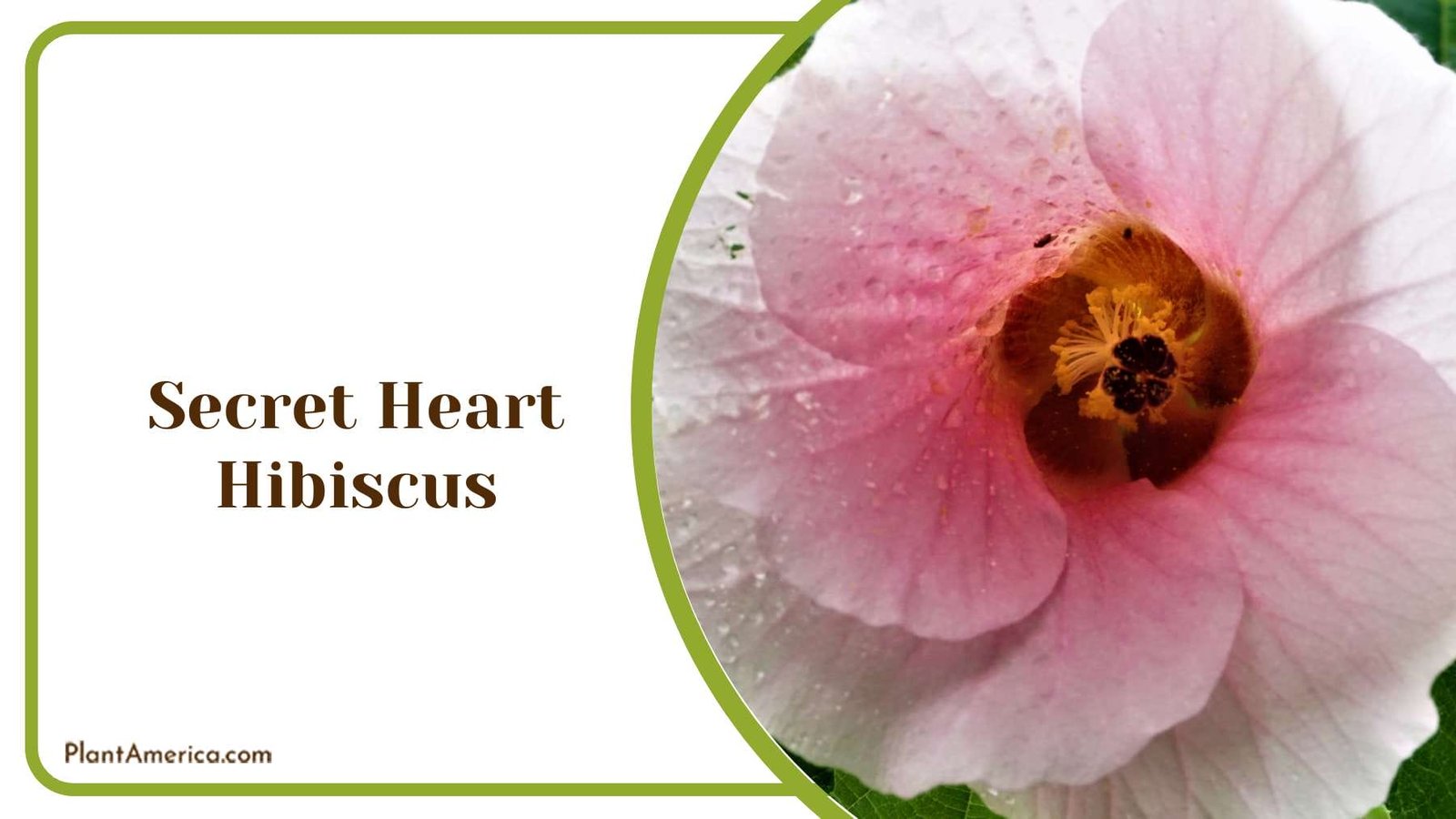
Growing into an airy three to five foot shrub, it produces numerous large to petaled blooms in shades of pale pink or white throughout the summer months. Individual flowers are about five inches wide.
At first glance, the unopened buds appear as simple rounded shapes. But as each one expands, stripes and streaks of a darker tone become visible, subtly transforming the petals. Once fully spread, a delicate heart is revealed towards the center.
Native to tropical regions, this hibiscus thrives in zones 9 to 11 with warmth, humidity and regular waterings. Its lightly textured leaves provide the perfect backdrop to appreciate each bloom’s gradual color changes and charming surprise.
Garden visitors will enjoy observing the secret heart designs slowly emerging petal by petal. Unlike most hibiscus that are immediately apparent, this one keeps its colorful pattern hidden until the very end. A delightful floral mystery unfolds daily with this delightful bloom.
15. Luna Pink Swirl Hibiscus
- Growing Season: Mid-summer, Fall.
- Leaf Type: Palmate, Broadly Ovate.
- Specific Needs: Well-drained soil, Full sunlight.
- Common Pests: Spider mites, Japanese beetle.
Luna Pink Swirl hibiscus is a beautiful and hardy perennial flowering plant that is native to North America. It is prized for its large, dinner plate sized flowers that bloom in a variety of shades of pink and white with a cranberry red center. The flowers bloom continuously from midsummer to fall and attract a variety of pollinators, including some bees, butterflies, and hummingbirds.

Luna Pink Swirl hibiscus is a relatively low maintenance plant and is well to suited for a variety of growing conditions. The plant prefers full sun to partial shade and moist, well-drained soil. It is also tolerant of heat and humidity.
To grow Luna Pink Swirl hibiscus, simply plant it in a well prepared location and water it regularly. Fertilize Luna Pink Swirl once a month during the growing season with a balanced fertilizer. Mulch around the plant to help retain moisture and suppress weeds.
Luna Pink Swirl hibiscus is a versatile plant that can be used in a variety of ways in the landscape. It can be planted in borders, as a specimen plant, or in containers. It is also a good choice for wet areas, such as rain gardens and pond margins.
With proper care, your Luna Pink Swirl hibiscus will thrive for many years to come and add beauty and interest to your landscape.
16. Luna Red Hibiscus
- Growing Season: Mid-summer, Fall.
- Leaf Type: Palmate, Lance-like.
- Specific Needs: Full sunlight, Well-drained soil.
- Common Pests: Spider mites, Japanese beetle.
The Luna Red Hibiscus features deeply crimson blooms that glow like the moon. Native to warm zones, its vase-shaped shrub produces large ruffled flowers all summer long. Starting as tight crimson buds, each bloom slowly unfurls to reveal vivid crimson petals. Intensely pigmented, their red hue is saturated like rubies.

Individual flowers reach over six inches wide in a rounded shape. Within the garden, succeeding blooms emerge daily to replace those now resting on the ground in a ring of red. Their color is a mesmerizing contrast against lush dark foliage.
Thriving with heat, humidity and fertile soil, this tropical beauty demands little care beyond pruning. Throughout warm seasons, the shrub becomes covered in glowing crimson blooms. Truly luminous, few flowers can match the intensity of the Luna Red Hibiscus. A striking addition to any landscape, sure to draw awestruck gazes with its blossoms that shine like celestial rubies under the night sky. This is a jewel among hibiscus varieties.
17. Bluebird Hibiscus
- Growing Season: Summer, Autumn.
- Leaf Type: Palmate, Lobed.
- Specific Needs: Full sunlight, Well-drained soil.
- Common Pests: Spider mites, Japanese beetle.
Bluebird Hibiscus (Hibiscus syriacus ‘Bluebird’) is a deciduous shrub that is native to Asia. It is a popular garden plant due to its large, showy flowers, which can be up to six inches wide. The flowers are typically a deep violet to blue color with a contrasting red center, but they can also be found in shades of pink, purple, and white. Bluebird Hibiscus blooms from midsummer to fall, and its flowers attract a variety of pollinators, including bees, butterflies, and hummingbirds.

In addition to its beautiful flowers, Bluebird Hibiscus is also a valuable plant for the garden because it provides a number of benefits. For example, Bluebird Hibiscus is a good source of nectar for pollinators. Pollinators are essential for the health of our ecosystem, and they help to ensure that our fruits and vegetables are pollinated and produce crops.
Bluebird Hibiscus is also a good choice for planting in wet areas, such as rain gardens and pond margins. This is because Bluebird Hibiscus is tolerant of flooding and can help to absorb excess water. This can help to prevent flooding and reduce runoff, which can pollute our waterways.
It is also a relatively low maintenance plant. It is drought to tolerant and can tolerate heat and humidity. This makes it a good choice for planting in areas with challenging growing conditions.
Bluebird Hibiscus is a member of the Malvaceae family, which also includes other popular garden plants such as roses, hollyhocks, and okra. Bluebird Hibiscus is a deciduous shrub, which means that it loses its leaves in the fall and goes dormant over the winter.
Bluebird Hibiscus has a deep root system that helps it to anchor itself in the soil and to tolerate drought. The plant’s branches are covered in sharp thorns, which help to protect it from herbivores.
These flowers are typically pollinated by bees and are hermaphroditic, which means that they have both male and female reproductive organs. This allows the flowers to self to pollinate if necessary.
It is a valuable and beneficial plant for the garden. It is a beautiful and showy plant that attracts pollinators and provides food and shelter for wildlife. It is also a relatively low maintenance plant that can tolerate a variety of growing conditions.
18. Hawaiian Hibiscus
- Growing Season: Mid-summer, Fall.
- Leaf Type: Palmate, Oval.
- Specific Needs: Full sunlight, Moist soil.
- Common Pests: Aphids, Japanese beetle.
Hawaiian hibiscus features vibrant red flowers, ruffled petal edges, and glossy green foliage. The palmate leaves of Hawaiian hibiscus are oval with smooth edges while the foliage grows on semi to woody stems. This hibiscus variety thrives in full sun and moist, well draining soil and the plants require consistent moisture to produce enormous blossoms.

The stunning blooms attract hummingbirds, butterflies, and other beneficial insects to the garden, and deadheading spent blossoms will help extend bloom time further and produce a fuller, bushier plant. With vivid red blooms reminiscent of vivid tropical sunsets, Hawaiian hibiscus offers an ardent, fiery addition to the landscape.
The flowers’ ability to attract pollinators ensures hummingbirds and butterflies flock to sip nectar from this beautiful hibiscus variety. Consider adding clusters of Hawaiian hibiscus along pathways or borders for an eye-catching tropical feel. With regular watering, diligent deadheading, and sufficient fertility, these dazzling flowers will reward you with months of natural allure and nourishment for beneficial insects in your summer garden oasis.
19. Cherry Cheesecake Hibiscus
- Growing Season: Mid-summer, Fall.
- Leaf Type: Palmate, Lobed.
- Specific Needs: Full sunlight, Well-drained soil.
- Common Pests: Japanese beetle, Aphids.
Imagine a hibiscus bearing blooms as vibrant as cherry pie filling and as frilly as cheesecake topping. That’s the aptly named Cherry Cheesecake Hibiscus. A dense, mounding shrub reaches four to six feet, producing large clusters of unique blooms. Starting as coral buds, flowers unfurl to expose layers of hot pink petals.

Once open, each fluffy six-inch bloom appears swirled, like cheesecake topped with cherry pie remnants. Their fringed edges and hues reminiscent of baked goods will attract stares. Thriving in warm zones, it flourishes with heat, moisture and well draining soil. In the landscape, succeeding flowers emerge to replace those now gracing the ground.
This sophisticated tropical beauty fills the space with vivid blooms you’ll want to taste. Few other plants are so aptly named or sculpturesque, so this is truly a showstopper that’s equal parts decorative and delicious looking.
20. China Rose Hibiscus
- Growing Season: Mid-summer, Fall.
- Leaf Type: Lobed, Palmate.
- Specific Needs: Full sunlight, Moist soil.
- Common Pests: Aphids, Japanese beetle.
The Chine Rose Hibiscus is a pretty plant has bright orange and red flowers. It grows into a bush about three to five feet wide, with leaves that are thin and green. Each flower is round and puffy, up to eight inches across. The soft petals come in colors like sunset and oranges. In the middle are yellow parts that look like sprinkles.

The flowers stay open all day and night in the summer. Hummingbirds love to visit the flowers as they come to eat the sweet nectar before it gets dark.
This plant grows well in zones 9 to 11 and enjoys some shade and regular water. This plant really stands out in tropical gardens. Even on cloudy days, the flowers stay colorful and happy. You can grow it in pots or along with other plants. Not many other bushes have such joyful red and orange blooms all through summer.
21. Checkered Hibiscus
- Growing Season: Mid-summer, Fall.
- Leaf Type: Palmate, Lobed.
- Specific Needs: Full sunlight, Moderate water.
- Common Pests: Japanese beetles, Whiteflies.
The Crimson Checkerboard Hibiscus lights up the garden with its vibrant blooms. Its large flowers resemble a colorful game in progress, with crimson petals forming the pieces and lace-like white stripes separating them like lines on a board.

Reaching sizes of six to eight inches wide, each crumpled bloom unfurls its mosaic pattern outward for all to see. Hidden within the open blooms are golden stamen peeking through like scattered tokens or coins.
This tropical hibiscus shrub grows three to five feet wide, held above mid-green maple-shaped foliage. It flourishes in full sun and constant moisture, producing cheerful blooms continuously from summer through fall. Hummingbirds are frequent players, flitting between the blooms to sip nectar.
Crimson Checkerboard Hibiscus is a lively addition to borders, patio containers or any space wanting a festive tropical splash of chromatic movement. Its game-like blooms lift the spirits and impart a sense of summertime whimsy for as long as the bright colors persist.
22. Sea Hibiscus
- Growing Season: Summer, Early Fall.
- Leaf Type: Palmate, Heart-shaped.
- Specific Needs: Moist soil, Well-drained soil.
- Common Pests: Japanese beetles, Caterpillar.
The Sea Hibiscus evokes oceans with blooms the colors of coral reefs. Native to tropical coastlines, its rounded shrub form produces large fringed flowers.

Emerging as cinnamon buds, blooms unfurl to expose layers of silky petals in aquarium hues. Shades of teal, rose and amber blend like underwater seascapes. Individual flowers can reach eight inches wide, their intricate frills resembling anemones or soft coral. Thriving near waters, it demands the heat, moisture and drainage of coastal zones.
Transplanting visitors to tropical shores, this floriferous beauty makes a statement in any landscape. Succeeding blooms replace those whose vivid colors now dye surrounding soils. Beyond occasional pruning, the Sea Hibiscus puts on a brillant seasonal show. Few plants so vividly capture ocean vistas or serve as a colorful reminder of tropical tidepools, so this is truly a work of natural art.
23. Scarlet Rose Mallow
- Growing Season: Summer, Spring.
- Leaf Type: Palmate, Lobed.
- Specific Needs: Full sunlight, Pruning.
- Common Pests: Stalk borer, Grasshopper.
Scarlet Rose Mallow hibiscus has beautiful red flowers. It grows into a bush about eight feet tall and wide. In the summer and fall, it produces lots of blooms. Each flower is shaped like a ruffled rose, around five to seven inches across.

The petals are a vibrant crimson color, and in the center are red pistils and stamens that stand out like sparkly pomegranate seeds. New blooms keep appearing on the bush all through the warm months.
It likes full sun and regular water. The Scarlet Rose hibiscus is easy to grow in gardens, as a privacy screen, or in pots. Very few other bushes make as many eye-catching red flowers. Bees and butterflies enjoy gathering nectar from the blooms. This hibiscus adds lovely color to the garden all summer long.
Consider adding clusters of Scarlet rosemallows along pathways or borders for an eye-catching display. With regular watering, diligent deadheading, and sufficient fertility, these dazzling flowers will reward you with months of boundless allure and nourishment for beneficial insects in your summer garden oasis.
24. Swamp Hibiscus
- Growing Season: Spring, Summer.
- Leaf Type: Lanceolate, Oval.
- Specific Needs: Full sunlight, Partial shade.
- Common Pests: Japanese beetles, Aphids.
This hibiscus thrives in wetland areas like marshes and shorelines. It grows into a sturdy bush reaching five to seven feet tall with tall stems and large leaves. In summer through early fall, bold flowers bloom at the stem tips. Each flower is over six inches wide with five crumpled pink or white petals. In the center are yellow anthers. Bees and butterflies are drawn to the plant’s nectar and pollen.

The Swamp Hibiscus does well in soggy soil that may flood at times. It can even handle seasonal standing water. The thick stems and leaves allow it to withstand wet conditions where other plants can’t survive.
Great for natural shorelines, rain gardens or wet meadows, it adds beautiful blooms without need of drying the area out. No other plant combines its water tolerance and showy flowers like this wonderful native option for wet and wild spaces.
25. Chinese Lantern Hibiscus
- Growing Season: Spring through fall.
- Leaf Type: Narrow, Serrated.
- Specific Needs: Full sunlight, Well-draining soil.
- Common Pests: Aphids, Leafhoppers.
The Chinese Lantern Hibiscus is a distinctive tropical shrub known for its unique lantern shaped blooms. As the name suggests, the flowers resemble colorful paper lanterns hanging from the branches.

Native to southeast Asia, it thrives in USDA plant hardiness zones 9 through 11. The leaves are narrow and serrated, not deeply lobed like maple leaves. For best growth, it requires an environment with abundant sunshine and soil that drains quickly. Like other hibiscus, it can face pressures from sucking insects such as aphids and leafhoppers.
With its vividly displays of blooms and intriguing leaf shape, the Chinese Lantern Hibiscus offers tropical beauty to warm climate landscapes.
26. Swamp Rosemallow
- Growing Season: Summer.
- Leaf Type: Compound, with five to seven lobed leaflets.
- Specific Needs: Swampy or wet areas.
- Common Pests: Leafrollers, Caterpillars.
The Swamp Rosemallow gets its name from its preferred moist habitat and resemblance to hibiscus flowers. A native of the southeastern United States, it flourishes in swampy areas and wetlands from Virginia to Florida and as far west as Texas.

Growing up to 6 feet tall, the Swamp Rosemallow bears compound leaves with 5 to 7 lobes that emerge from woody, terra cotta to colored stems. From summer to early fall, it produces showy roses or crape myrtle-like flowers in shades of white to pink. While able to withstand periodic flooding, it requires continuously moist soil to thrive. Like other wetland plants, it may experience occasional predation by leafrollers or caterpillars seeking tender foliage.
Adding vibrant color and texture to marshes and floodplains, the Swamp Rosemallow epitomizes the beauty of southeastern wetlands.
27. Fiji Hibiscus
- Growing Season: Year round.
- Leaf Type: Compound, with five to seven lobed leaflets.
- Specific Needs: Occasional pruning, Thrives in tropical climates.
- Common Pests: Spider mites.
Native to the tropical Fiji Islands, the Fiji Hibiscus flourishes in warm, humid environments. Distinctive compound leaves with 5 to 7 lobed leaflets emerge from woody, angular stems. Throughout the year, it produces striking trumpet shaped blooms in vibrant shades of red, pink, orange, and yellow.

A prolific flowerer, the Fiji Hibiscus brightens gardens from spring through fall with colorful displays. Preferring temperatures above 60 degrees Fahrenheit, it thrives in USDA plant hardiness zones 10 through 12. This is an ideal landscape choice for equatorial and subtropical regions, including South Florida and Hawaii.
Abundant foliage provides nesting sites for birds while the nectar-rich flowers attract butterflies and hummingbirds. Its only maintenance requirement is occasional pruning to encourage additional blooms. Spider mites may cause issues during periods of drought or high heat but can be managed with horticultural oils or soaps. Overall, the Fiji Hibiscus is a tropical showstopper.