
Florida hedge plants offer an excellent way to provide privacy in sunny Florida gardens. Whether you need a dense privacy barrier, a colorful flowering border, or a structural accent plant, the right hedge can beautifully define spaces and frame views while blocking unwanted sights and sounds.
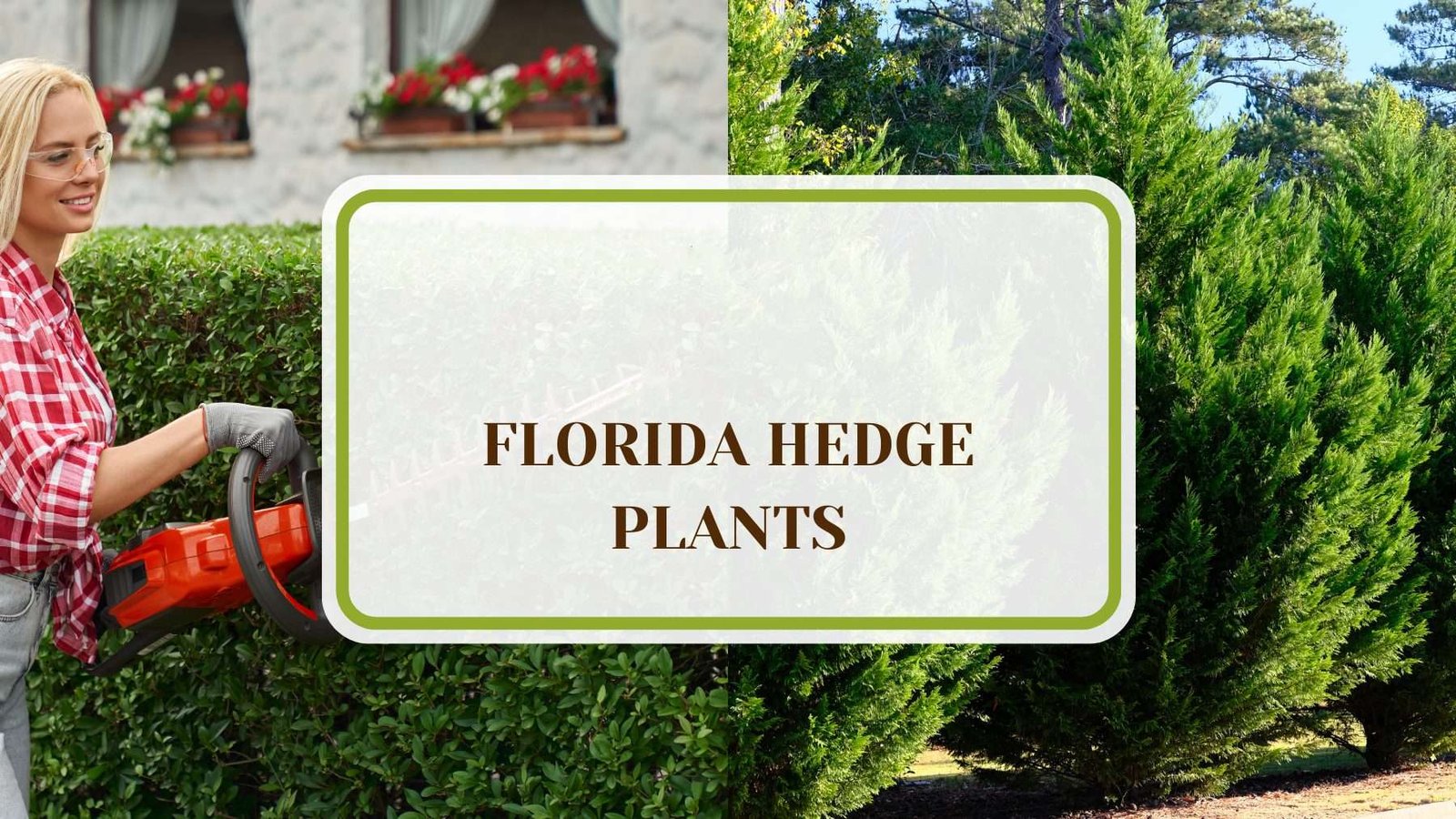
So if you want to boost curb appeal, demarcate property lines or enjoy a living wall of greenery instead of a fence, read on for a bounty of beautiful and bulletproof barrier plants perfect for taming the Florida elements from subtropical coasts to central Florida’s seasonal shifts. With the right start, you’ll soon enjoy the privacy and natural elegance only a lush, custom-crafted hedge can provide.
17 Florida Hedge Plants for Privacy Boosting in Any Garden
1. Dwarf Yaupon Holly
- Growing Season: Year-round
- Leaf Shape: Glossy, Evergreen
- Specific Needs: Sun, Well-draining soil
- Common Pests: Scale insects, Aphids
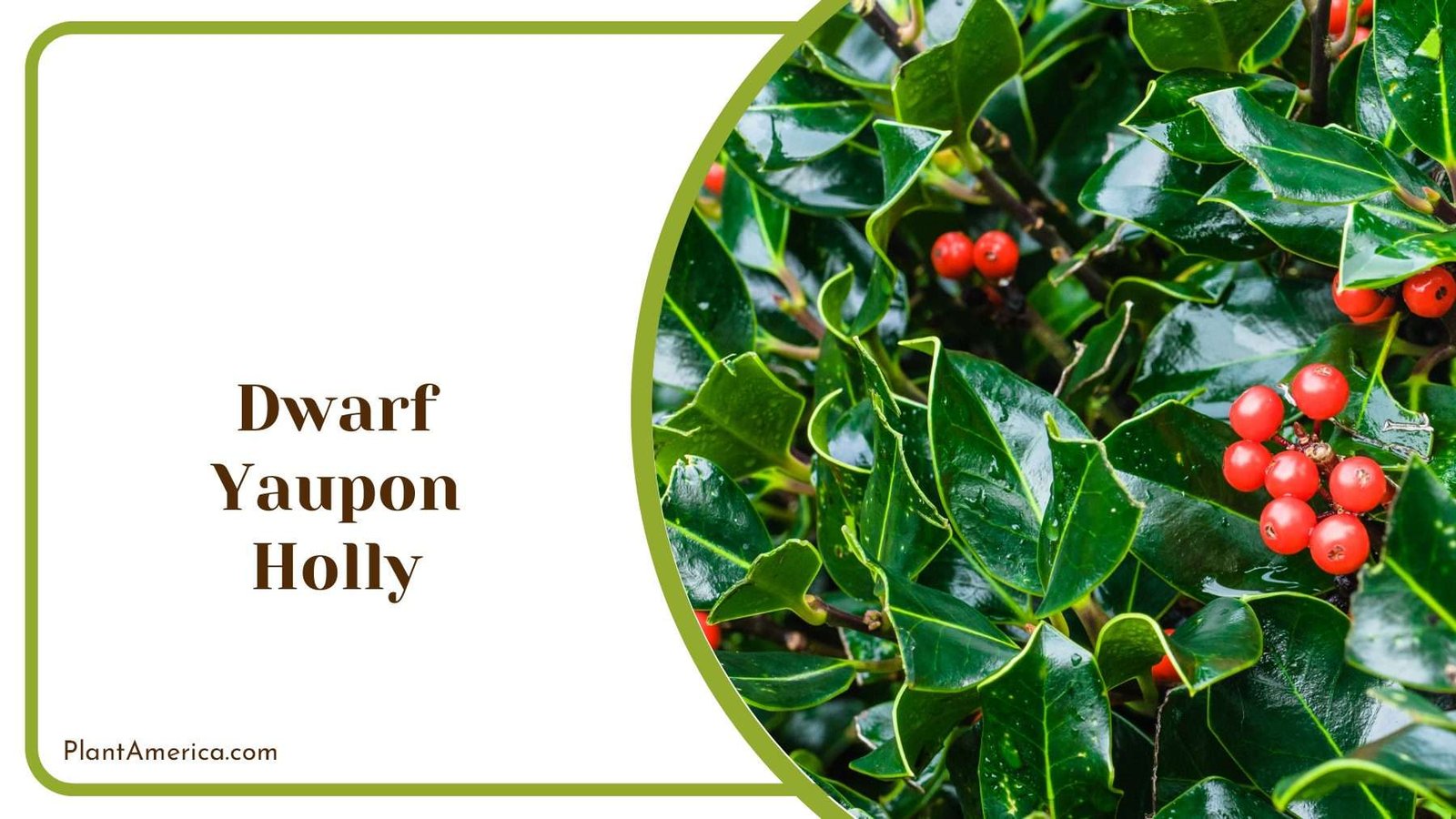
Dwarf yaupon holly is an ideal Florida hedge plant for small spaces, forming a dense evergreen hedge of glossy leaves and red berries. The small dark-green leaves emerge glossy with small spine tips, providing a great privacy hedge. Red berries appear during fall and persist through winter, adding colorful winter interest.
Dwarf yaupon holly thrives in full sun but can also tolerate partial shade. It requires consistently well-draining soil for optimum growth. Prune dwarf yaupon holly after spring bloom to maintain its compact size and dense growth habit. These hardy holly hedges are drought and salt-tolerant, forming living barriers that need little care in Florida’s hot climate.
Monitor for scale insects and mealybugs, which favor new growth. Scale insects will appear as raised black spots on the leaves. Treat scale infestations with a soapy water spray, applying during spring and fall for best results. Space dwarf yaupon plants 2 feet to 3 feet apart so they will fuse to form a unified hedge. Once established after a few years, dwarf yaupon holly hedges need annual pruning and infrequent deep watering during the hottest summer months.
2. Chinese Privet
- Growing Season: Spring, Fall
- Leaf Shape: Glossy, Evergreen
- Specific Needs: Full Sun, Well-draining soil
- Common Pests: Leaf blights, Aphids
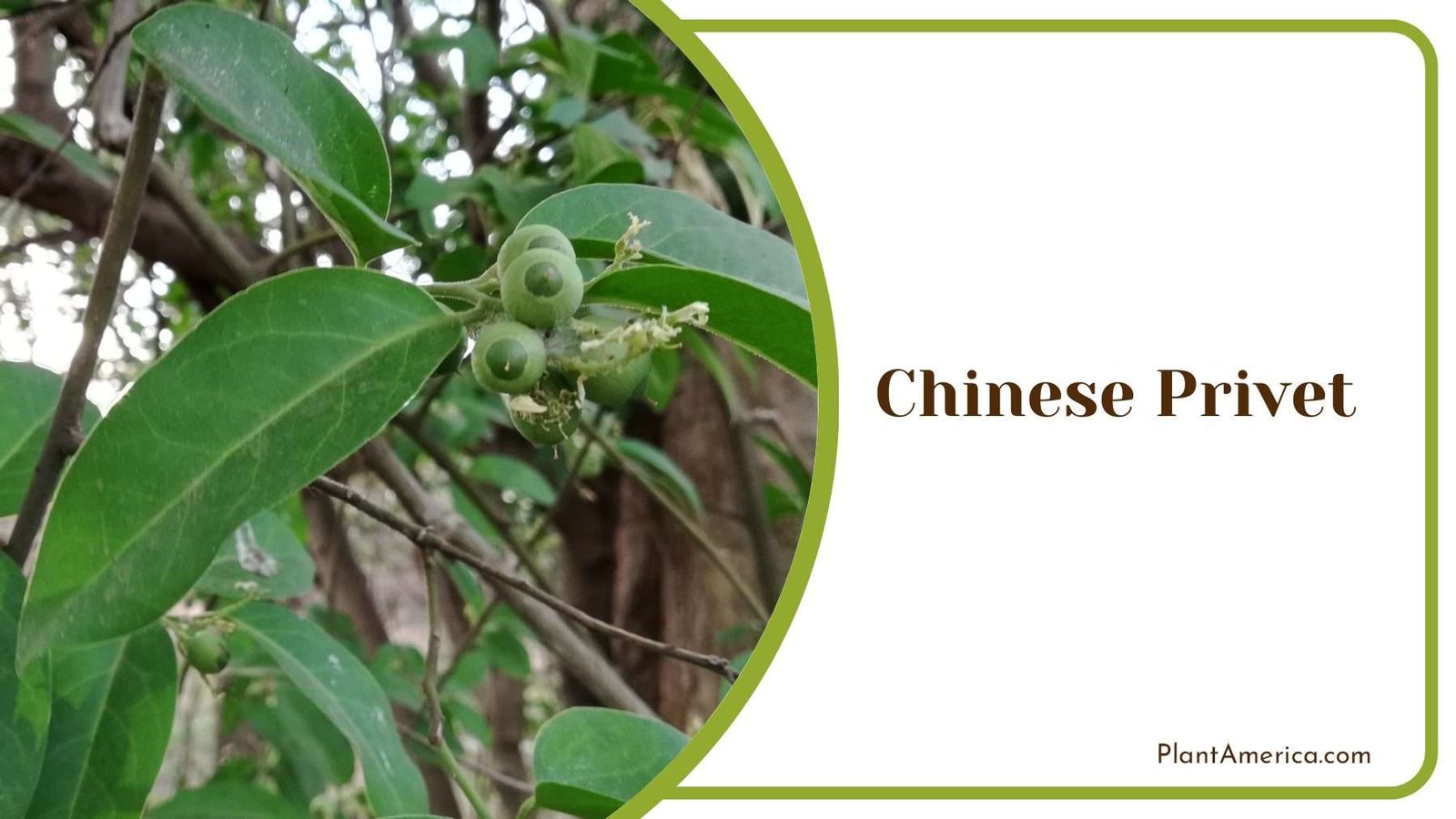
Chinese privet forms dense impenetrable evergreen hedges with glossy foliage, white spring flowers, and blackish berries. The oval leathery leaves emerge shiny green with a waxy texture. In spring clusters of fragrant white flowers appear followed by blackish berries that persist into winter.
Chinese privet requires consistently well-draining soil and full sun for optimum growth. Space 3 feet to 4 feet apart for plants to fuse into a thick hedge. Prune after spring bloom to maintain desired size and shape. The glossy foliage remains pest and disease free with minimal care though leaf drops can occur during drought. Monitor emerging new leaves for leaf spot and leaf blight fungal diseases most active during spring growth.
For use as a hedge plant, carefully maintain the desired size via regular pruning and remove seed heads before they disperse to limit spread for the greatest privacy and year-round green screening.
Chinese privet is hard to beat with its fast growth, tolerance for heat and drought, and natural bushy habit that forms dense vegetation barriers. When properly maintained, Chinese privet offers a simple and effective solution for evergreen hedging in hot, sunny Florida gardens.
3. Dwarf Poinciana
- Growing Season: Year-round
- Leaf Shape: Fern-like, Evergreen
- Specific Needs: Full Sun, Well-draining soil
- Common Pests: None
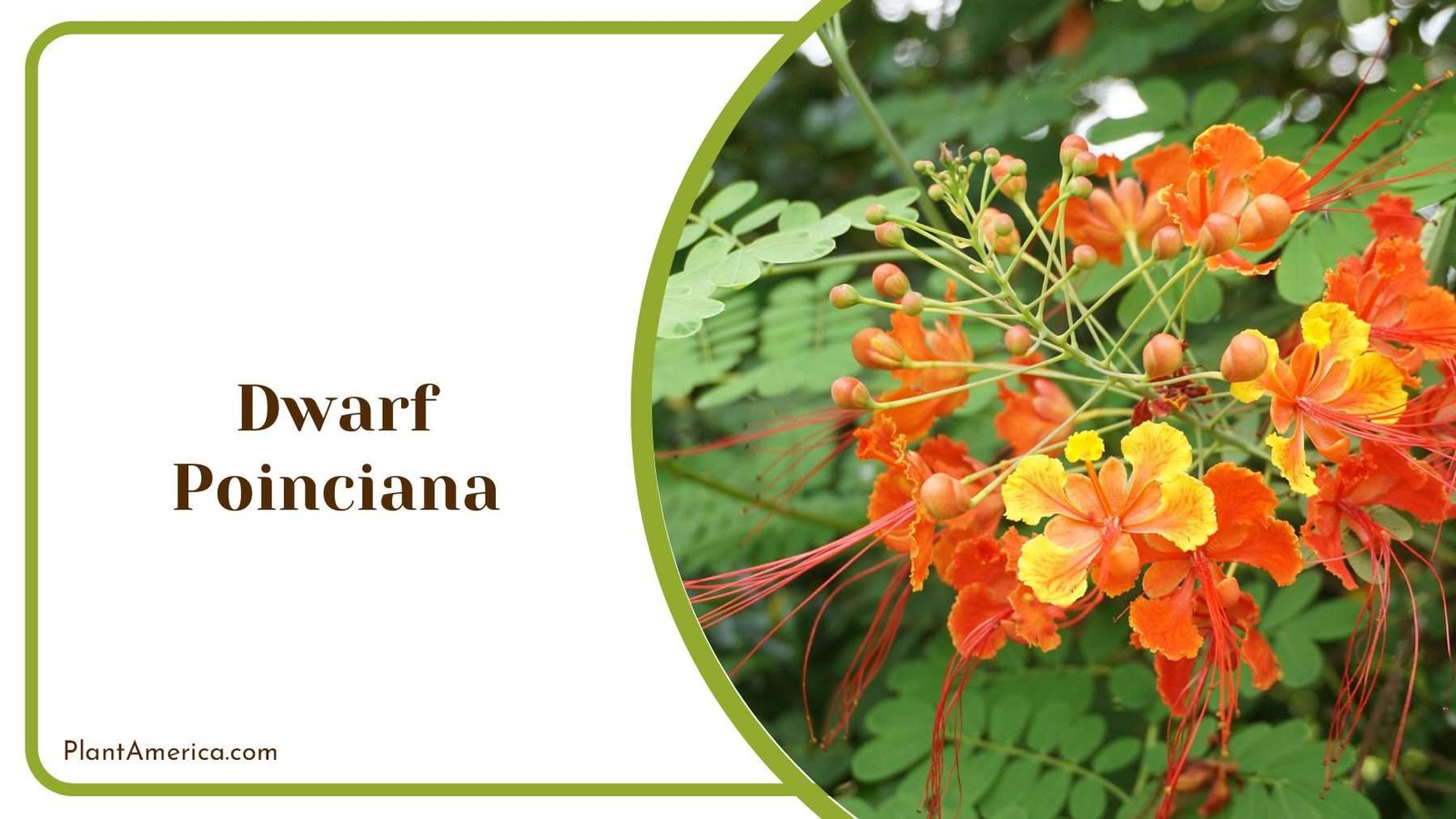
Dwarf poinciana forms a densely branched evergreen privacy hedge with fern-like foliage and showy bloom clusters. The pinnate leaves emerge blue-green with a zigzag fern-like pattern. In spring clusters of vivid orange and red flowers appear above the foliage.
Dwarf poinciana requires consistently well-draining soil and full sun for optimum growth. Space four to six feet apart for plants to fill in and fuse into a dense impenetrable hedge.Prune after bloom to maintain desired size and shape.
The evergreen foliage remains largely pest and disease free with minimal care. Apply infrequent deep watering during periods of extreme drought to established plants. For ultimate floral color, remove spent flowers to promote new bloom clusters.
4. Japanese Loquat
- Growing Season: Year-round
- Leaf Shape: Long, Elliptical
- Specific Needs: Full Sun, Well-draining soil
- Common Pests: Scales, Aphids
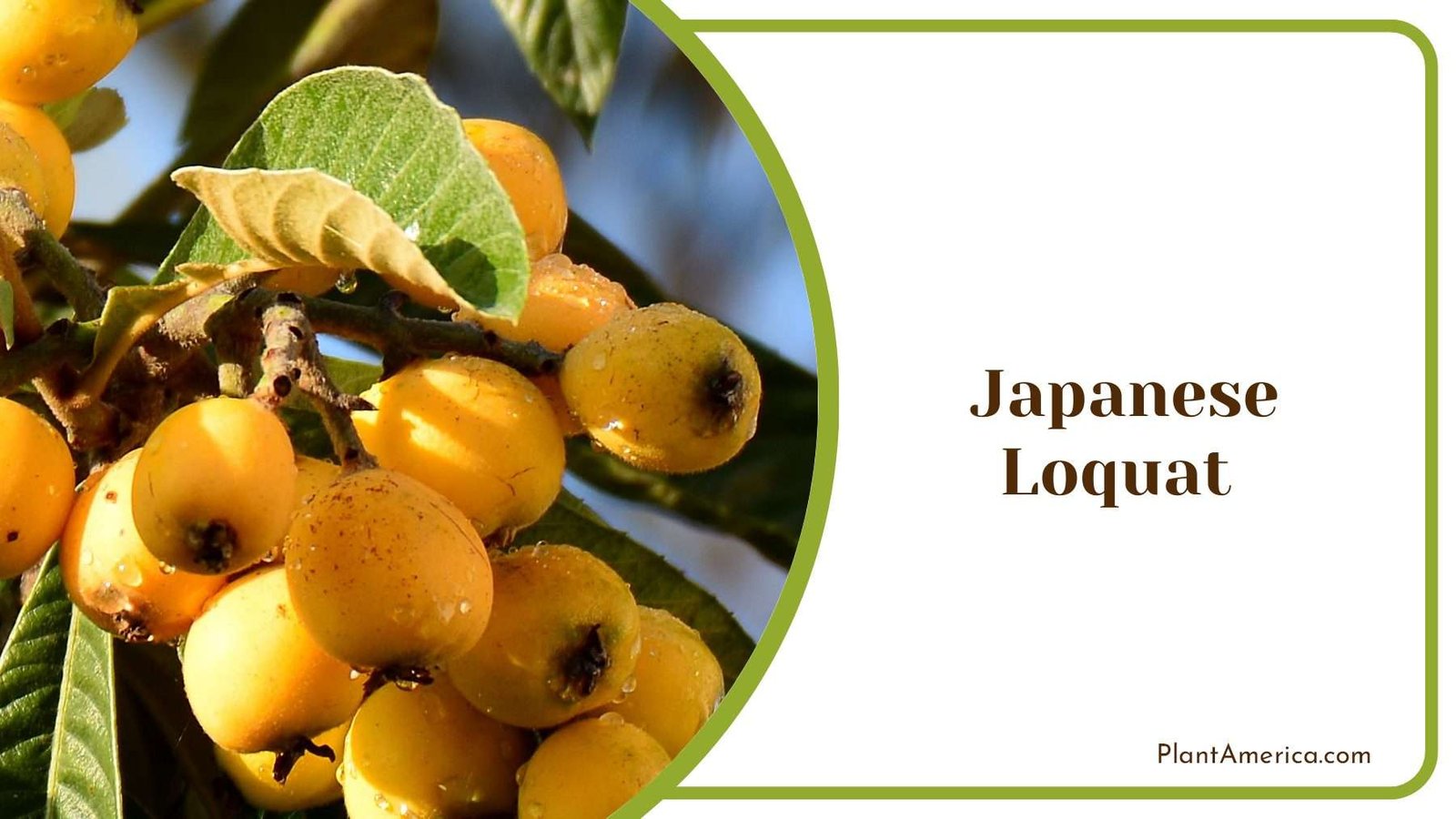
Japanese loquat forms an evergreen privacy hedge with leathery elliptical foliage, fragrant white flowers, and edible fruit. The long narrow leaves emerge dark green and glossy with a leathery texture. In spring fragrant clusters of white bell-shaped flowers appear followed by golden yellow or orange edible fruits in fall and winter.
Japanese loquat requires consistently well-draining soil and full sun for optimum growth. Space 4 feet to 6 feet apart for plants to fuse into an impenetrable hedge. Prune after spring bloom to maintain desired size and shape. The glistening foliage remains mostly pest and disease free with minimal care though some are susceptible to scale and aphid infestations.
Remove spent flowers to encourage fruit production. The sweet fragrant fruits are a valuable addition to the landscape, perfect for snacking fresh or baked goods. South Florida gardeners looking for an evergreen hedge offering screening, texture, and seasonal color as well as the bonus of delicious edible ornamental fruit.
5. Cherry Laurel
- Growing Season: Year-round
- Leaf Shape: Glossy, Evergreen
- Specific Needs: Part sun, Well-draining soil
- Common Pests: Scales, Aphids
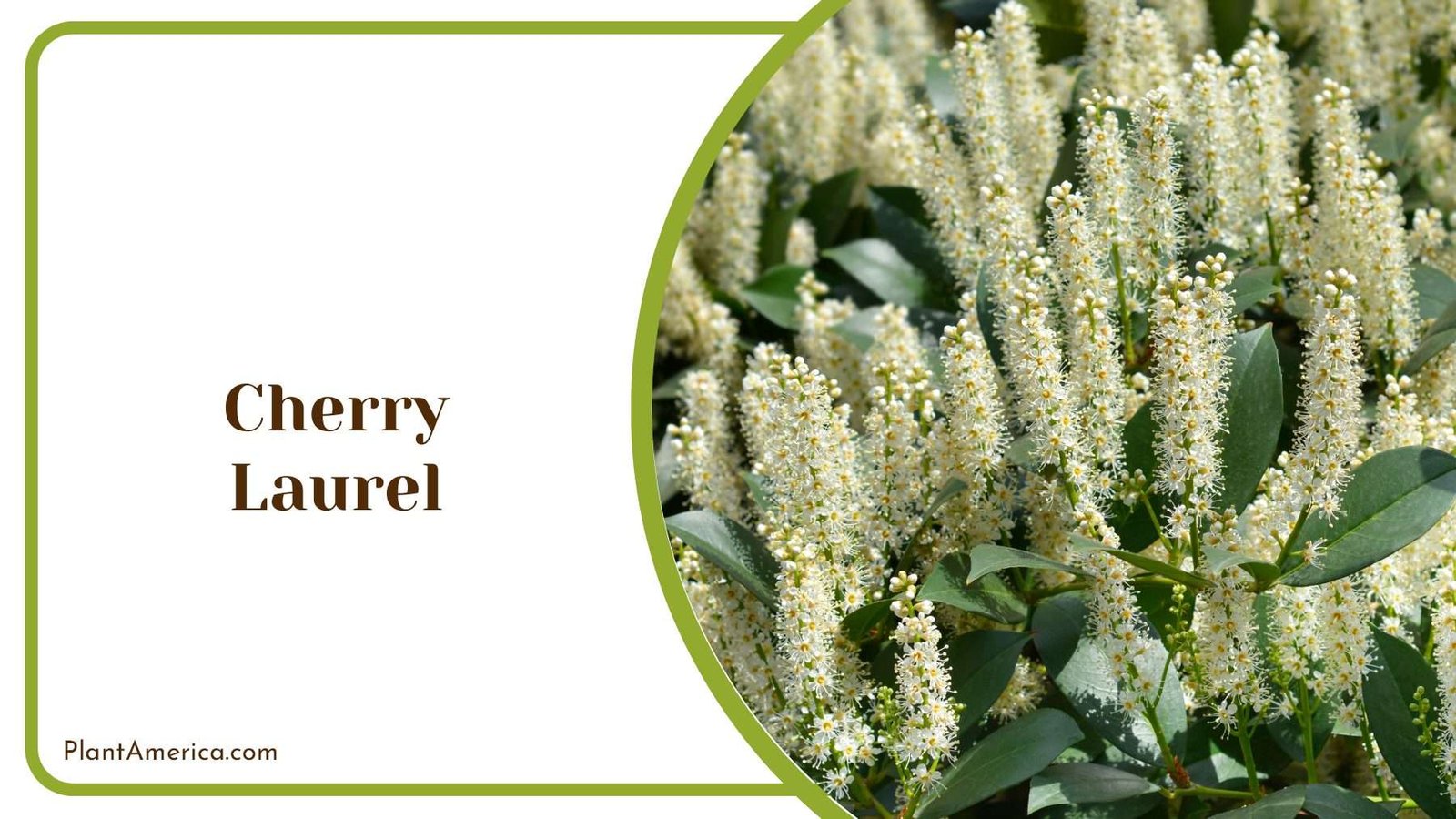
Cherry laurel forms a dense evergreen hedge of glossy foliage and fragrant spring flowers. The oval waxy leaves emerge shiny dark green with a leathery texture. In spring clusters of fragrant white flowers appear covering the dense greenery.
Cherry laurel requires well-draining soil and sun for optimum growth. Full sun can lead to leaf scorch on new growth so provide some filtered shade. Space three to four feet apart for plants to fill in. Prune after spring bloom to maintain desired size and shape. The glossy foliage remains largely pest and disease free with minimal care though susceptible to scale and aphid infestations.
Allow soil to dry between deep waterings and during drought only water deeply once or twice a month. For South Florida gardeners looking for a dense evergreen hedge offering excellent screening properties, cherry laurel brings the benefits of great privacy, fast growth for living barriers, and natural hardiness that requires little pampering once established.
Cherry laurel hedges offer year-round greenery, lush texture, and clean lines that beautifully define garden spaces. Though regular pruning is required to maintain the hedge, cherry laurel brings the bonuses of seasonal fragrant blooms and toxicity that help deter pests and trespassers, making it a superb choice for impenetrable and enduring Florida hedge plants.
6. Dwarf Schefflera
- Growing Season: Year-round
- Leaf Shape: Palmate, Evergreen
- Specific Needs: Part sun, Well-draining soil
- Common Pests: Mealybugs
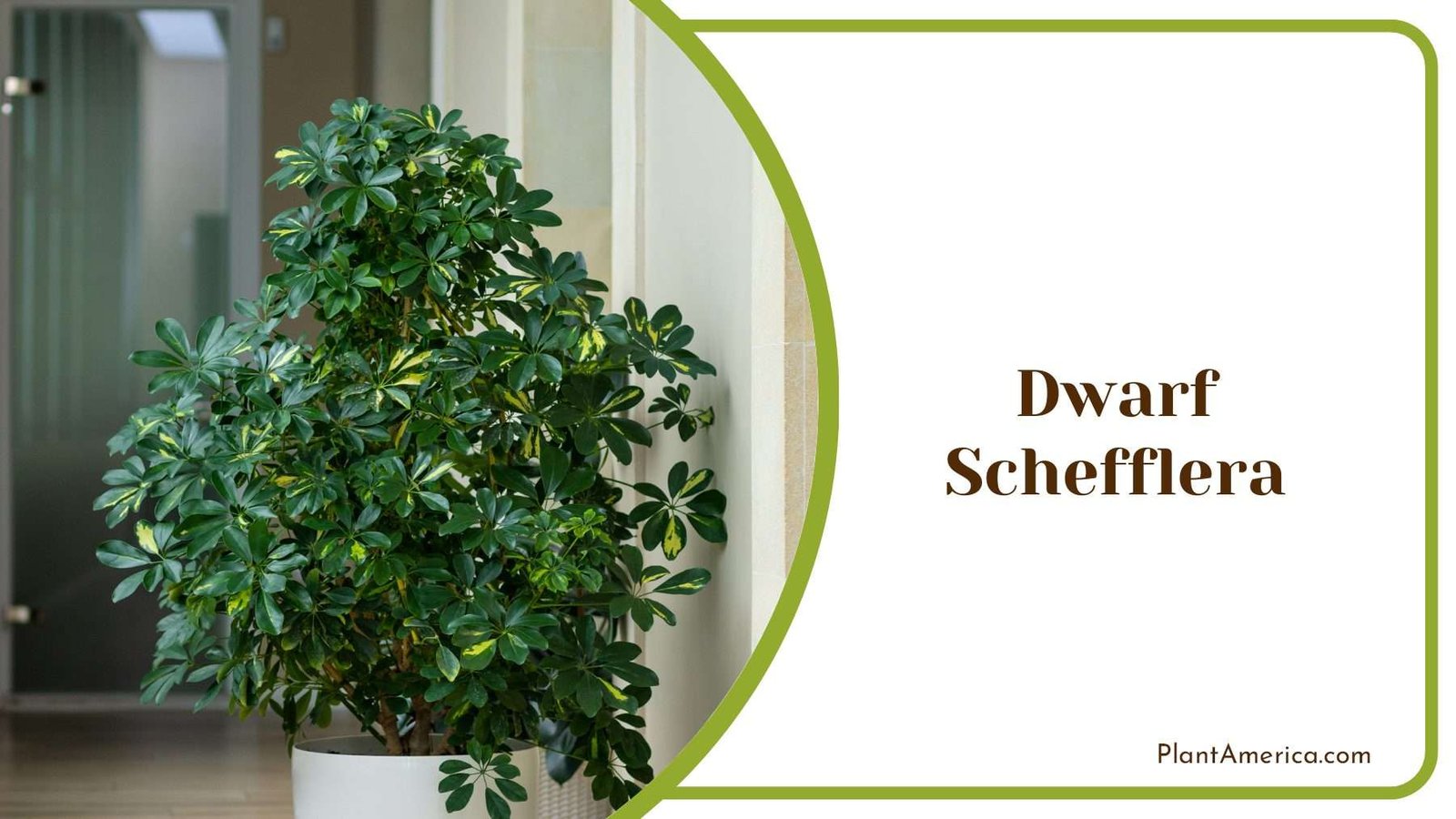
Dwarf Schefflera forms a dense evergreen privacy hedge of spoon-shaped glossy foliage and red new growth. The palmate leaves emerge deep green with five to seven lobes radiating from central points. New growth emerges red, maturing to dark green.
Dwarf schefflera requires moist well-draining soil and part shade for optimum growth. Select locations that receive morning shade to protect the new foliage from sunscald. Space four to six feet apart for plants to fuse into an impenetrable privacy hedge. Prune regularly after spring growth to maintain desired size and shape.
The glossy foliage remains largely pest and disease free with minimal care. Apply deep irrigation during extended dry periods and allow the soil to moderately dry between waterings. For central Florida gardeners seeking an evergreen privacy screen that thrives in warm conditions, dwarf Schefflera brings the added benefits of interesting palmate foliage, eye-catching red new growth, and dense compact growth habit for living barriers.
7. Confederate Jasmine
- Growing Season: Year-round
- Leaf Shape: Glossy, Lustrous
- Specific Needs: Moist well-draining soil, Full sun
- Common Pests: Leaf spot, Aphids
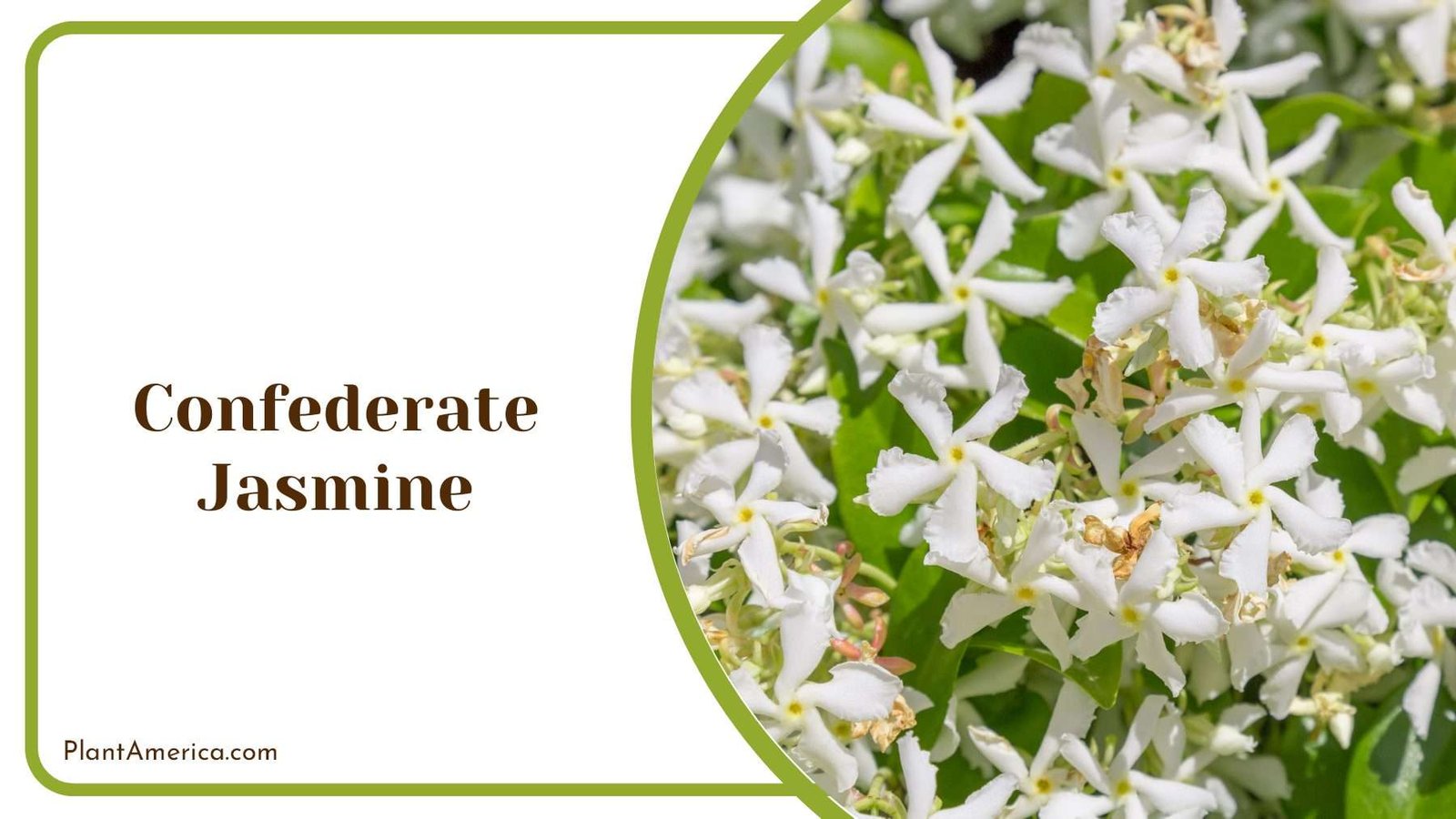
Confederate jasmine forms a dense evergreen privacy hedge of glossy foliage and fragrant white blooms. The oval medium green leaves emerge shiny with a waxy appearance. From spring through fall clusters of fragrant white star-shaped flowers bloom along the stems masking the greenery.
Confederate jasmine requires moist well-draining soil and full sun for optimum growth. Though tolerant of slower draining conditions, it needs consistently moist moderately-draining soil for best performance.Space 3 feet to 4 feet apart for plants to merge into a solid barrier hedge. Prune after the last bloom in fall to maintain desired size and shape.
The lustrous foliage remains largely pest and disease free with minimal care though susceptible to leaf spot fungal issues during rainy periods. For South Florida gardeners seeking dense evergreen privacy hedges, confederate jasmine brings the added benefits of intensely fragrant semi-climbed flowers, tolerance for heat/humidity, and consistent moisture requirements making this a nearly ideal choice for central regions.
The glossy medium green foliage provides a solid visual barrier while the clouds of fragrant white jasmine flowers effectively mask the hedge from view. Confederate jasmine hedges bloom most heavily in spring, offering maximum privacy where wanted most.
8. Palm Trees
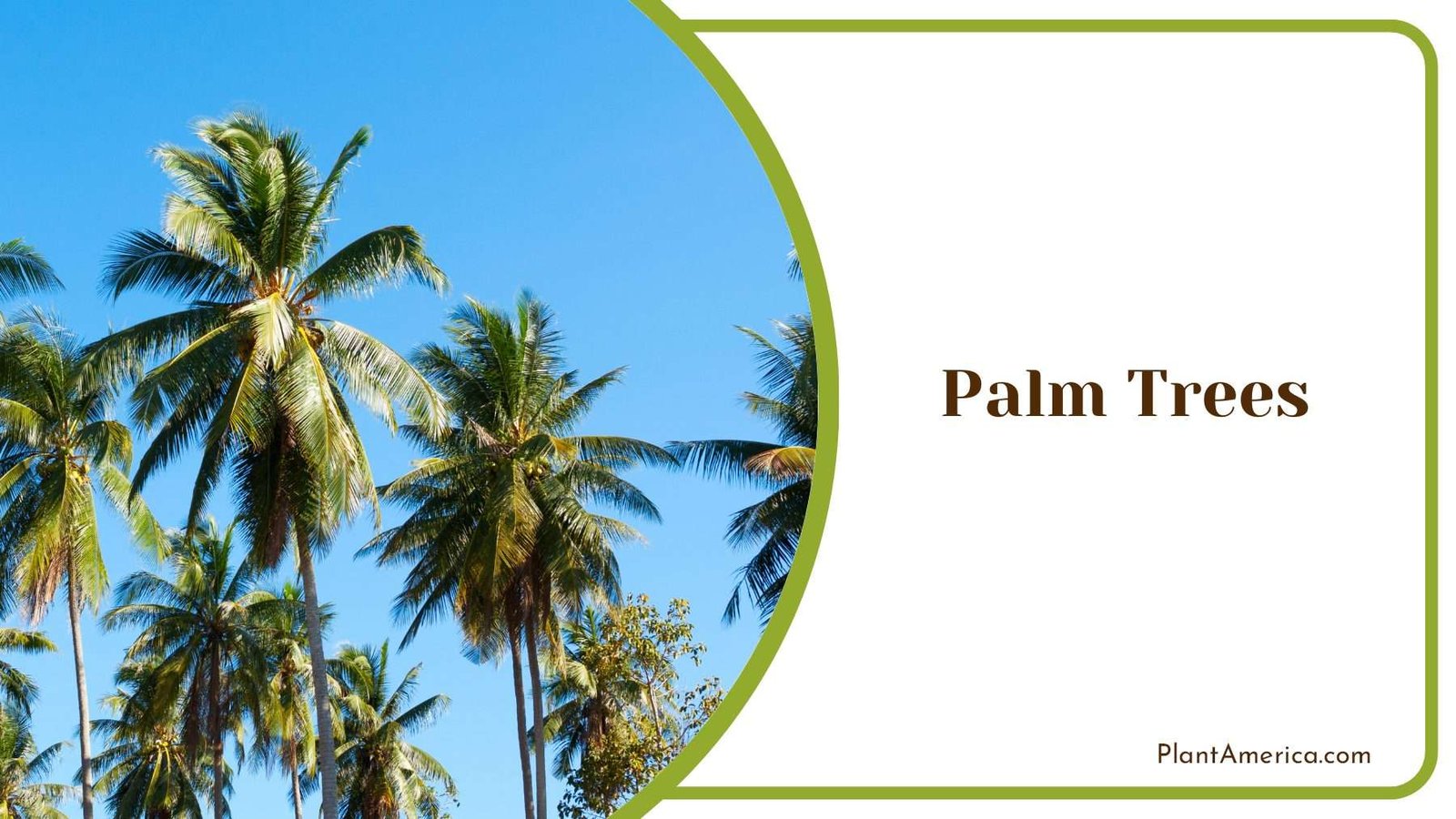
- Growing Season: Year-round
- Leaf Shape: Palmate, Fan-like fronds
- Specific Needs: Moist soil, Full sun
- Common Pests: Beetle grubs, Aphids
Palm trees form evergreen hedges and screens with upright fan-like foliage and minimal maintenance needs. The palmate fronds emerge stiff and bisected depending on the palm variety. As the name implies, palms require pruning only for shaping or to remove damaged fronds.
Most palm trees thrive in consistently moist,well-draining soil and hot sunny climates, making them ideal Florida native hedge plants. Provide full sun for optimum growth and root establishment. Space closely together to fuse fronds for dense screening hedges. Monitor fronds for yellowing which indicates over or under-watering, adjust accordingly.
Palms remain largely pest and disease free with minimal care, though susceptible to beetle grub damage. Palm hedges represent an iconic subtropical solution for mature Florida landscapes seeking evergreen screening with minimal fuss.
9. Citrus
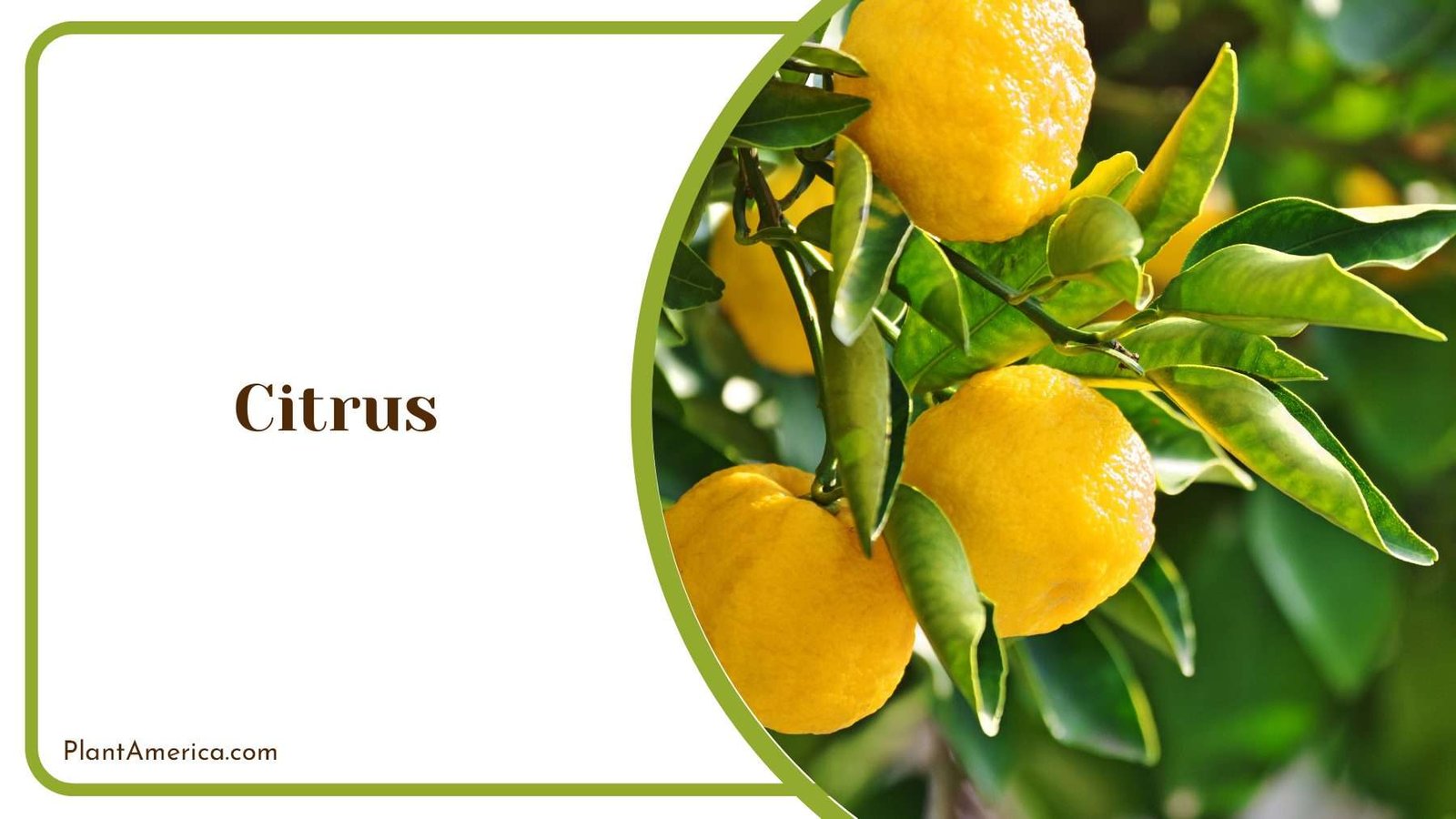
- Growing Season: Year-round
- Leaf Shape: Glossy, Oval
- Specific Needs: Moist soil, Full sun
- Common Pests: Scale, Aphids
Citrus trees form dense evergreen hedges and screens with glossy foliage, fragrant spring blooms, and edible fruit. The oval leathery leaves emerge shiny dark green. In spring clusters of fragrant white and pink flowers appear followed by the development of citrus depending on the variety.
Most citrus thrives in consistently moist well-draining soil with hot sunny exposures, making them useful Florida native hedge plants. Provide full sun and amend the soil with organic matter. Space closely together for hedges to fuse at maturity. Monitor new growth for pest damage and treat as needed. Prune-hedged citrus to maintain compact sizes and encourage fruit growth.
For Florida gardeners seeking evergreen hedges with function, citrus brings the rare combination of delicious ornamental fruit, crisp glistening foliage, and fragrant spring blossoms. When grown in a hedge formation, citrus trees produce less bountiful yields than standard tree forms but still offer decorative cutoff fruit for snacking and cooking.
Select from popular choices like satsuma mandarin, lime, lemon, or kumquat for petite hedges that reward citrus riches season after season while supplying living screening, border definition, and classic citrus character to the Florida landscape.
10. Bay Laurel
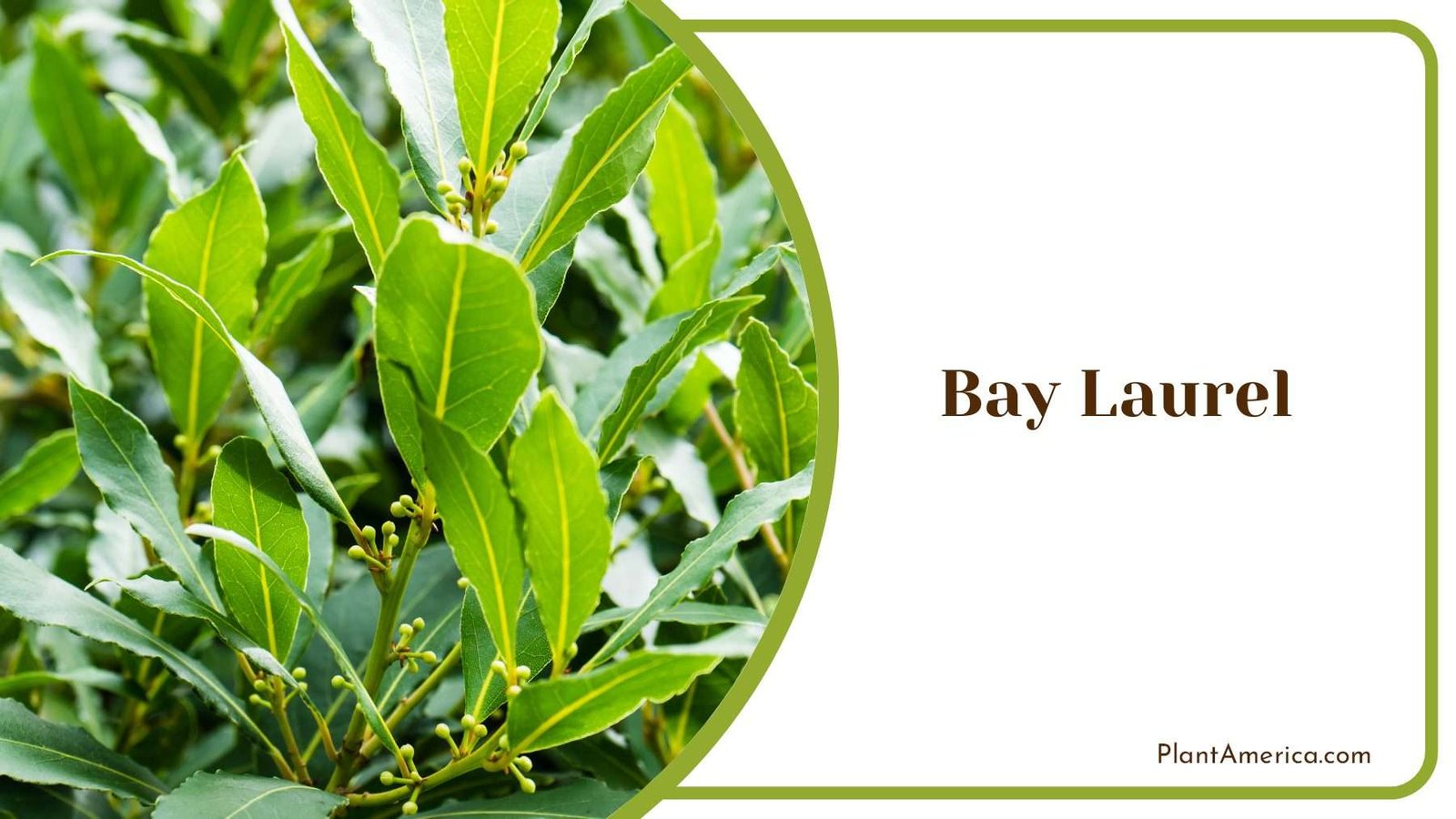
- Growing Season: Year-round
- Leaf Shape: Glossy, Long
- Specific Needs: Well-draining soil, Full sun
- Common Pests: None
Bay laurel forms dense evergreen hedges of aromatic foliage, bloom clusters, and edible leaves. The long glossy leaves emerge blue-green with a wavy margin. In spring clusters of yellowish bloom clusters appear followed by purple-black fruit.
Bay laurel requires consistently well-draining soil and full sun for optimum growth. Provide sheltered locations to protect developing foliage from wind damage. Space 3 feet to 4 feet apart for plants to fuse into a unified private living fence. Prune after spring bloom to maintain size and shape.
The aromatic foliage remains largely pest and disease free with minimal care. Allow soil to dry between deep waterings and apply fertilizer only after plants establish. For Florida gardeners seeking evergreen hedges with multisensory benefits, bay laurel brings the rare combination of aromatic foliage, long-lasting greenery, and edible leaves perfect for culinary use.
11. Hibiscus
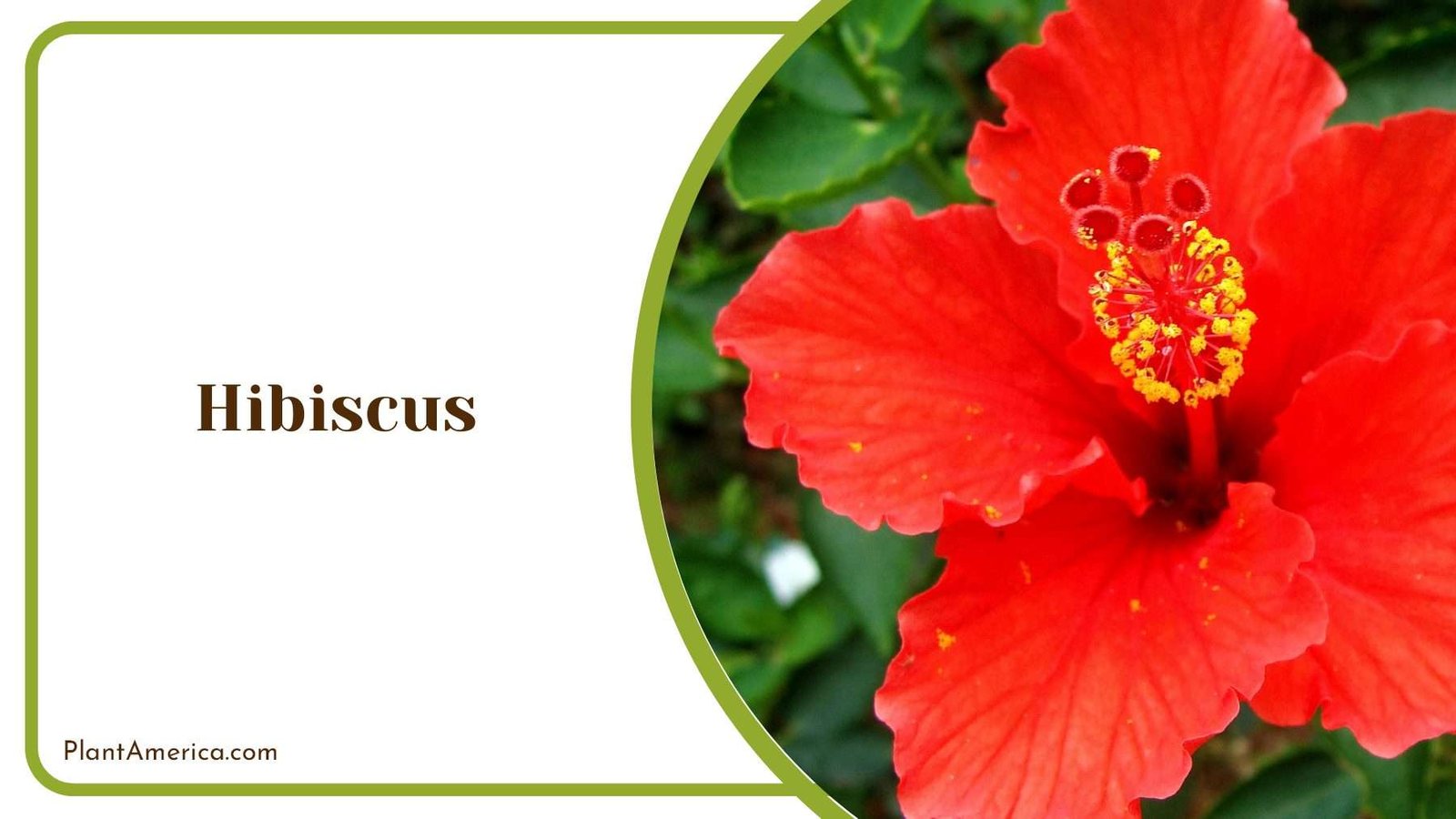
- Growing Season: Year-round
- Leaf Shape: Palmate, Deeply lobed
- Specific Needs: Well-draining soil, Full sun
- Common Pests: Leaf biters, Aphids
Hibiscus trees form dense evergreen hedges of glossy lobed foliage and huge colorful summer blooms. The deeply palmate leaves emerge dark green with five to seven deep lobes radiating from central points. From summer through fall huge saucer-shaped flowers bloom depending on the cultivar.
Most hibiscus thrive in consistently moist well-draining soil and hot sunny locations, making them good Florida privacy hedges. Provide full sun and improve soil with organic matter. Space closely together for plants to fuse into a living screen at maturity. Monitor new growth for leaf biter and fungus gnat damage.
12. Green Giant Arborvitae
- Growing Season: Year-round
- Leaf Shape: Flat, Scale-like
- Specific Needs: Well-draining soil, Full sun
- Common Pests: Bagworms, Aphids
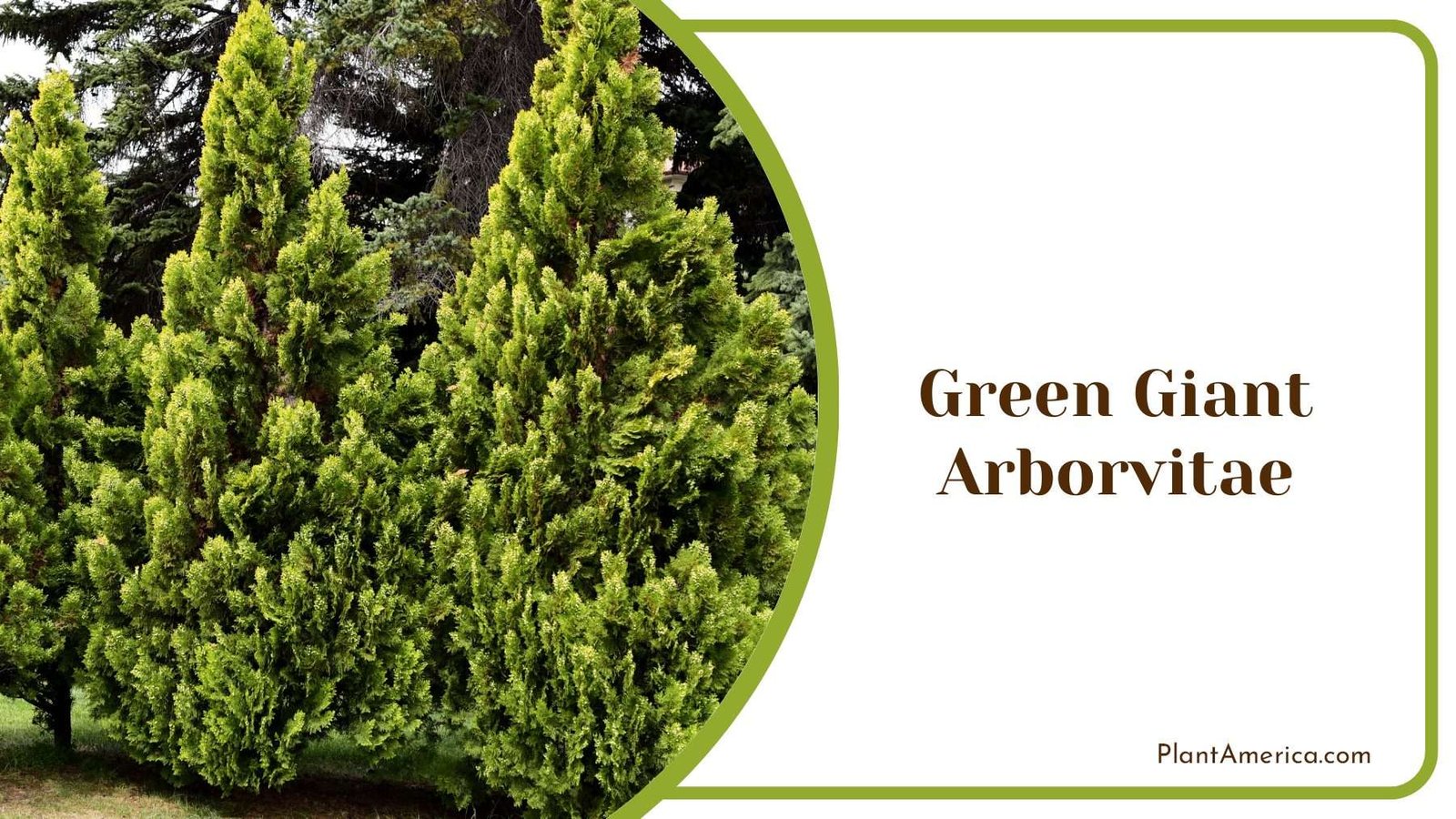
Green giant arborvitae forms a dense evergreen hedge of scale-like foliage known for its compact size and stability in the landscape. The flat scale-like leaves emerge half to three-quarters inches long and one eighth to a quarter inch wide, cloaking the stems in rich green color.
Green giant requires moist,well-draining soil and full sun for best growth, though tolerates part shade. Provide consistent moisture while establishing to encourage rapid growth into a dense privacy wall hedge. Space 2 feet to 3 feet apart for plants to fuse quickly. Prune to maintain compact size and density. The foliage remains largely pest and disease free with minimal care though prone to bagworm infestations.
13. Ligustrum
- Growing Season: Year-round
- Leaf Shape: Elliptic, Evergreen
- Specific Needs: Well-draining soil, Full sun
- Common Pests: Scales, Aphids
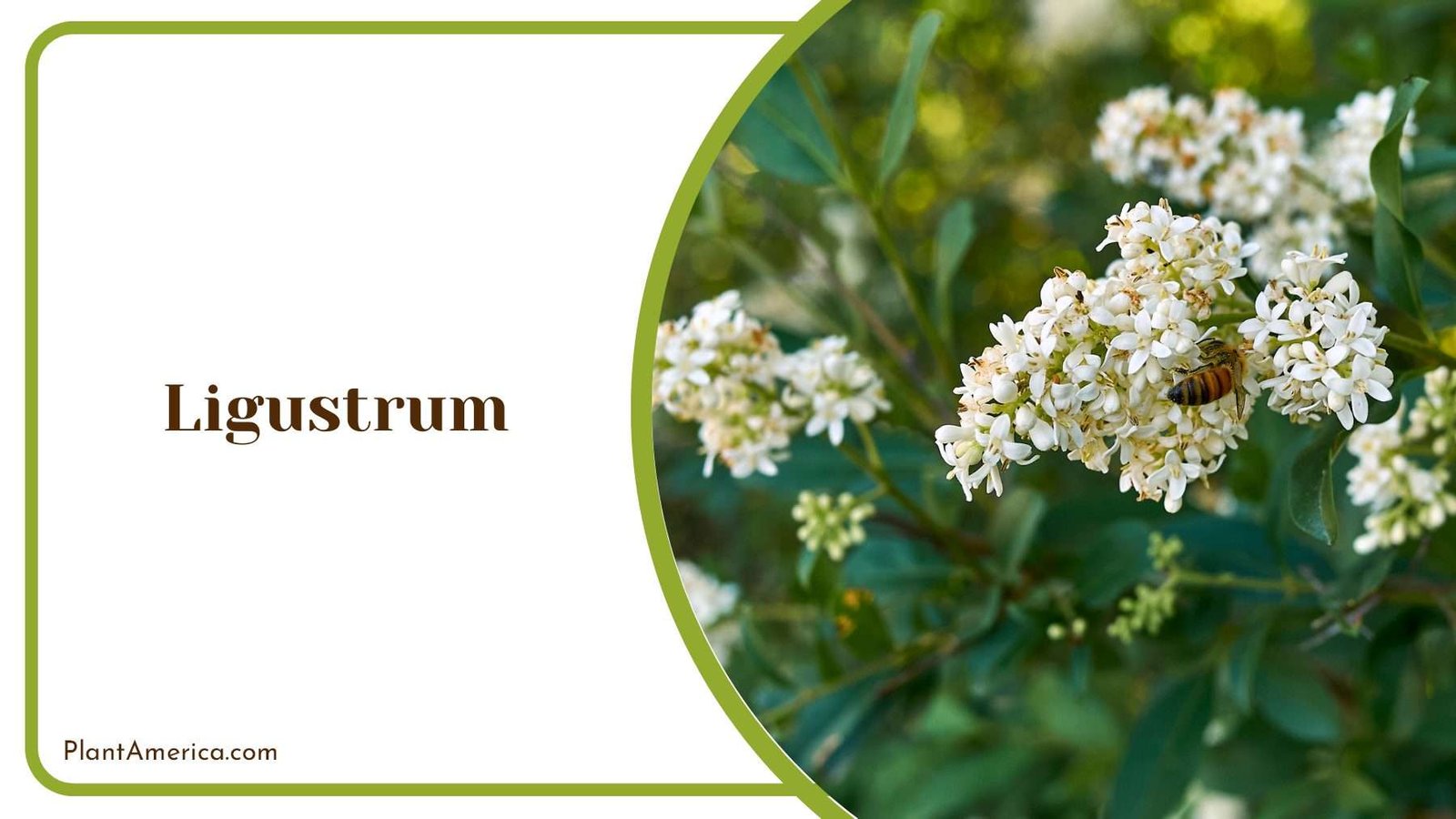
Ligustrum (privet) forms dense evergreen hedges of bright foliage, white spring flowers, and blackish berries. The elliptic dark green leaves emerge glossy with a waxy texture. In spring clusters of fragrant white flowers appear followed by bluish-black berries that persist into winter.
Ligustrum requires consistently well-draining soil and full sun for best performance. Provide somewhat drought tolerant once established but minimize stress to optimize growth. Space three to four feet apart for plants to fuse into dense impenetrable hedges. Prune after bloom to maintain size and shape.
The glossy foliage remains largely pest and disease free with minimal care though susceptible to scales and aphids. For Florida gardeners seeking fast-growing evergreen hedges with year-round interest, ligustrum brings the benefits of dense adaptable habit, reliable hot climate hardiness, and natural attractiveness from its springtime blooms to persistent winter berries.
14. Wax Myrtle
- Growing Season: Year-round
- Leaf Shape: Fragrant, Evergreen
- Specific Needs: Moist acidic soil, Full to part sun
- Common Pests: Scales, Aphids
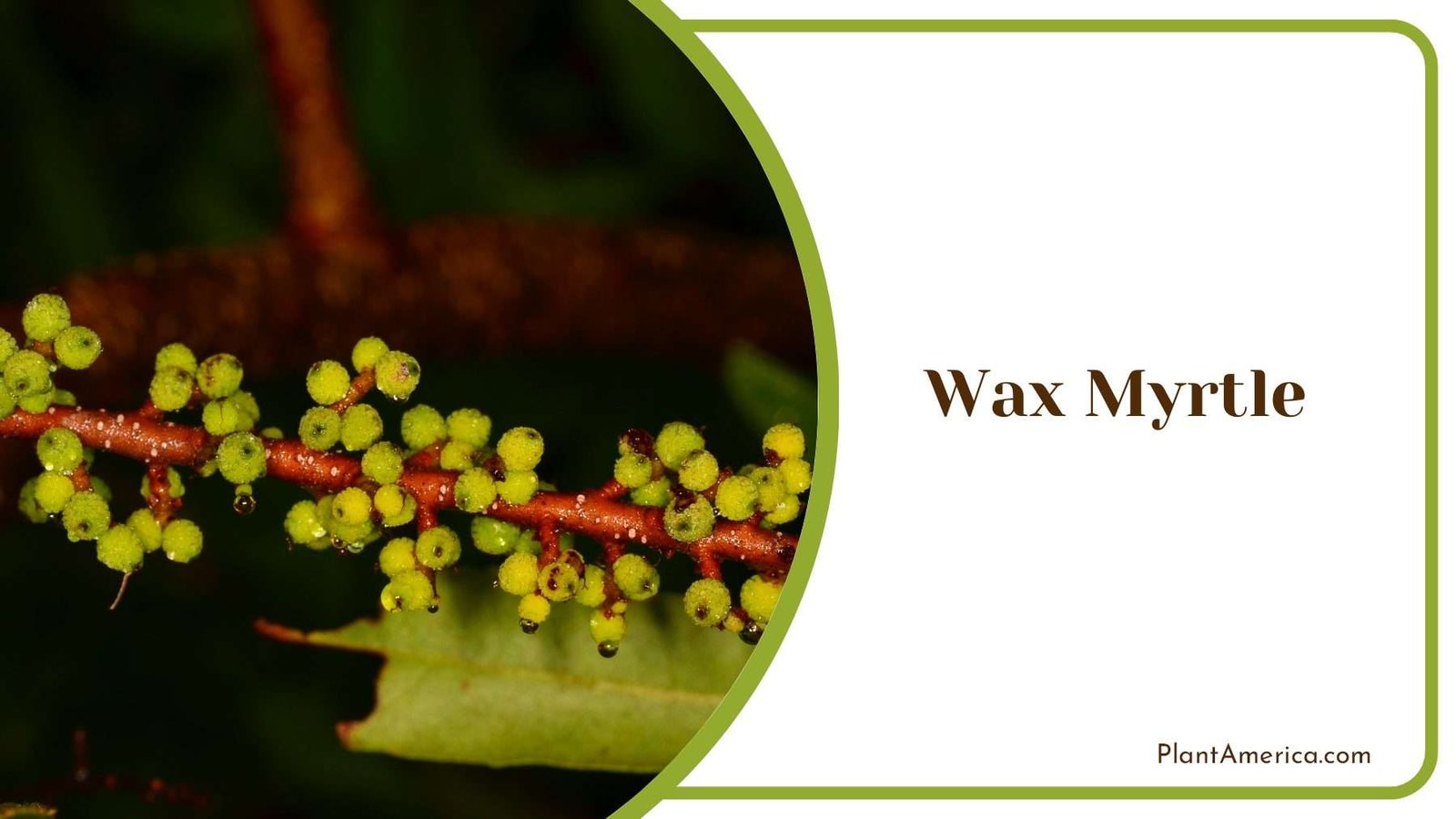
Wax myrtle forms dense evergreen hedges of fragrant, aromatic leaves, white spring flowers, and dusty blue berry-like fruits. The leathery dark green leaves emerge with resin dots which give the foliage a powdery appearance. In late spring, fragrant clusters of white flowers appear.
Wax myrtle native hedge plants grow best with consistently moist acidic soil and full sun for best growth though tolerating partial shade. Space three to four feet apart for plants to fill together. Prune after spring bloom to maintain size. The fragrant foliage remains pest and disease free with minimal care.
Allow soil to dry between waterings and apply fertilizer carefully. For Florida gardeners seeking evergreen hedges that blend seamlessly into the natural subtropical landscape, wax myrtle brings the rare combination of fragrant foliage, fast growth, and native southern range that make it an obvious choice for sustainable screening strategies.
15. Podocarpus
- Growing Season: Year-round
- Leaf Shape: Dark green, Needle-like
- Specific Needs: Moist well-draining soil, Full sun
- Common Pests: None
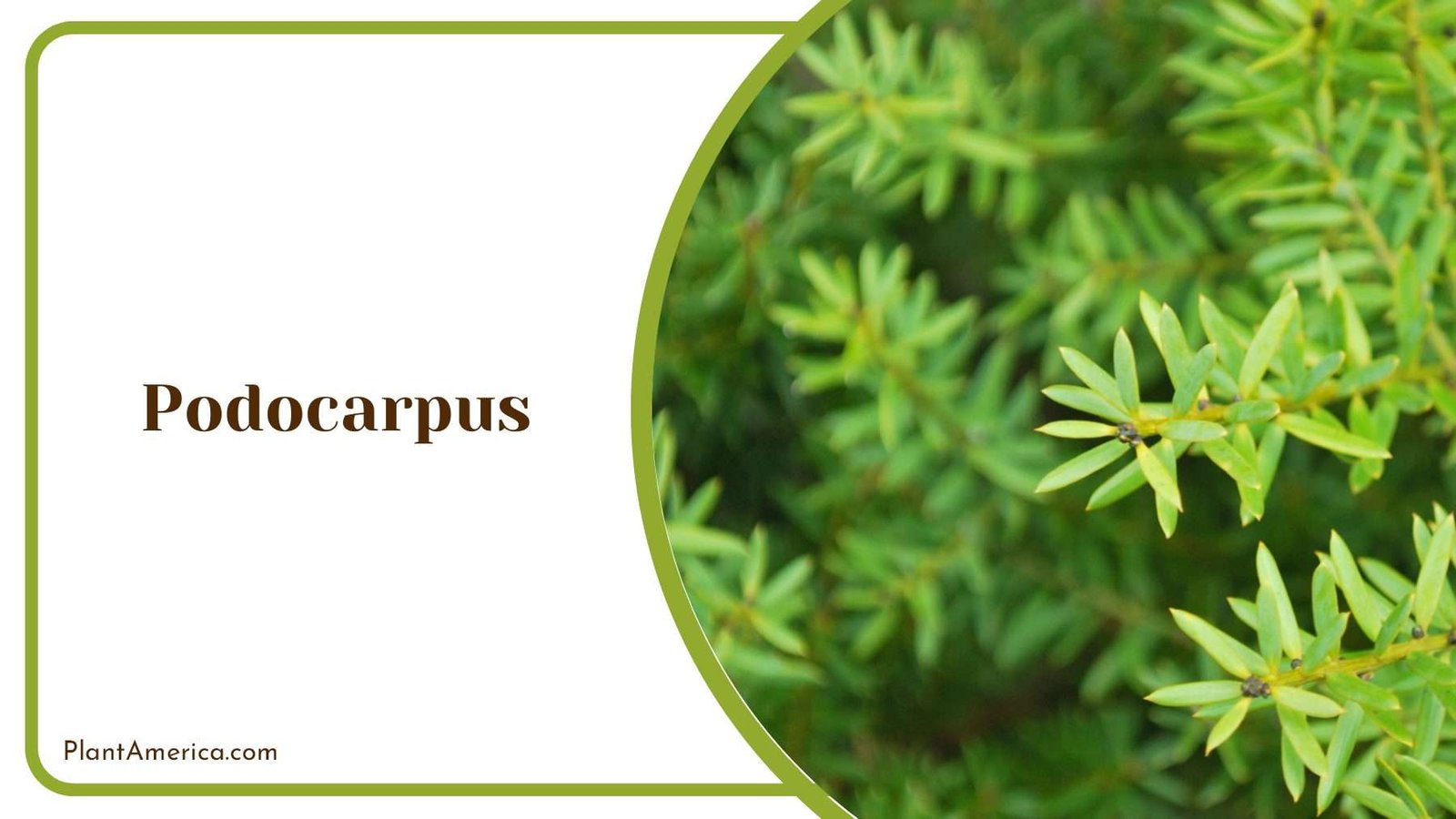
Podocarpus yew evergreen hedges form dense walls of needle-like foliage and upright branch structure. The short stiff leaves emerge deep olive green with prickly margins. The finely textured foliage typically requires shearing only to maintain a compact shape.
Podocarpus thrive in consistently moist, well-draining soil and hot sunny climates, making them ideal Florida hedge plants. Provide full sun for optimum growth. Close spacing encourages quick fusion into a seamless hedge. The foliage remains largely pest and disease-free with minimal care though prone to drought stress if irrigation lapses.
16. Roses
- Growing Season: Spring, Fall
- Leaf Shape: Deeply lobed, Long
- Specific Needs: Moist well-draining soil, Full sun
- Common Pests: Aphids, Scale insects
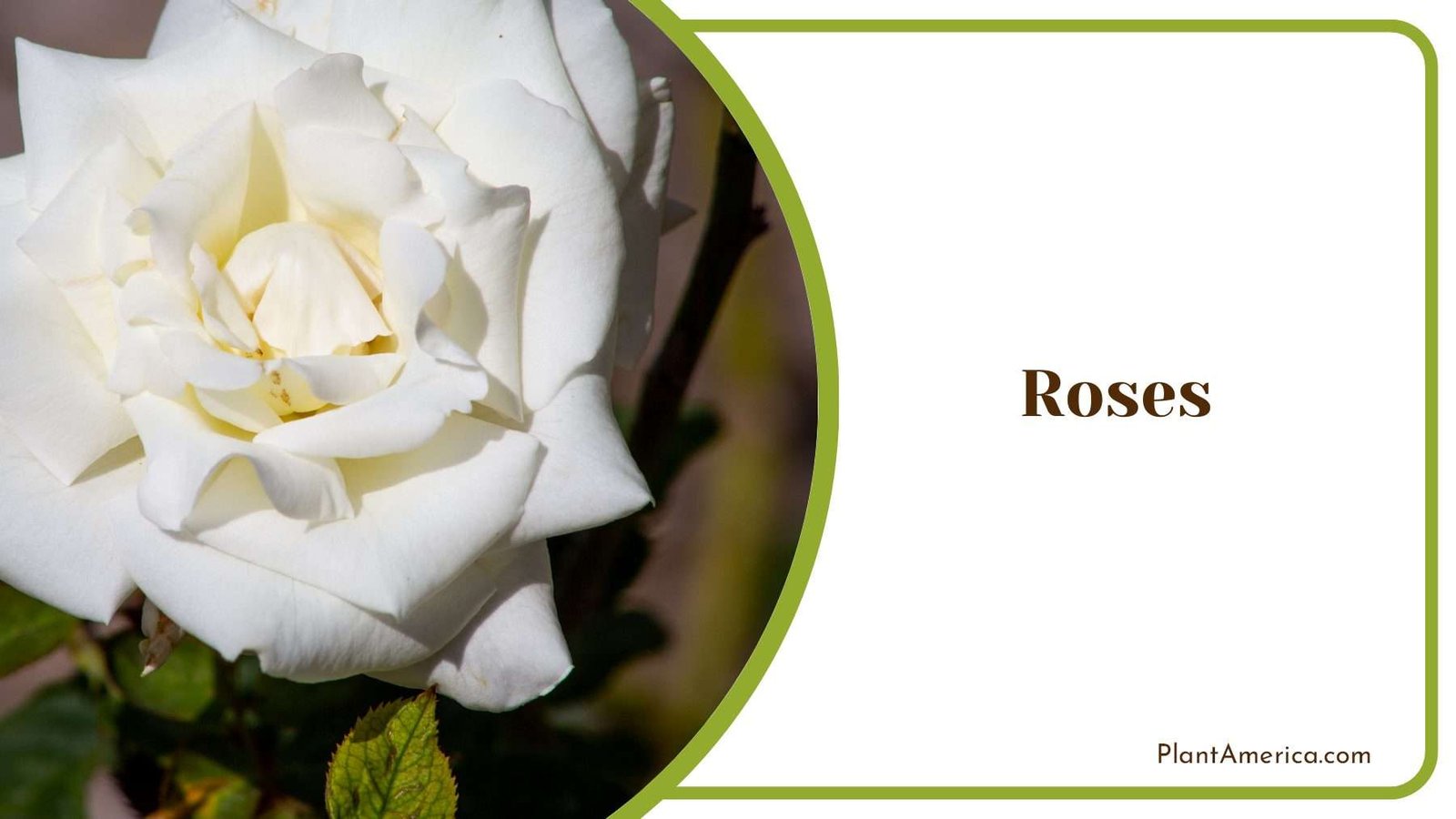
Rose bushes form dense flowering hedges of disease-resistant blooms, deeply lobed foliage, and upright branches. The pinnate leaves emerge deeply cut with five to nine rounded lobes along the central axis. In spring and summer clusters of vibrant colored blooms appear depending on the cultivar.
Most roses thrive in consistently moist well-draining soil with hot sunny exposures, making them useful Florida hedge plants. Provide full sun and amend the soil with organic matter. Space closely together for hedges to fuse at maturity. Monitor new growth for pest damage and treat as needed. Prune rose hedges to maintain compact sizes and stimulate abundant bloom.
17. Areca Palm
- Growing Season: Spring, Fall
- Leaf Shape: Fan-like fronds, Long
- Specific Needs: Moist soil, Full sun
- Common Pests: None
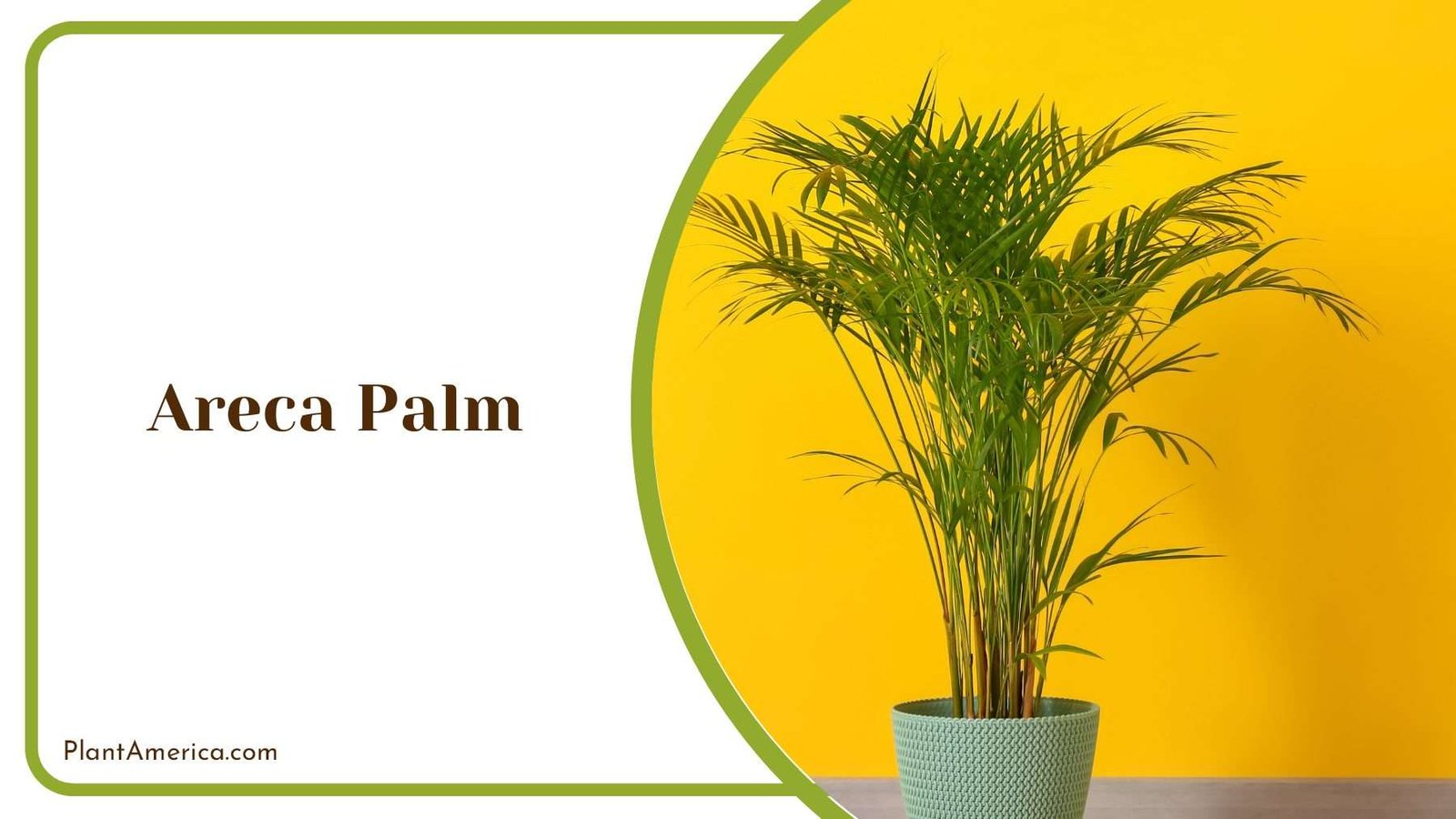
Areca palm forms dense evergreen hedges and screens with arching fan fronds and minimal maintenance needs. The fan-shaped leaves emerge glossy dark green with symmetrical arrangement often rising to 15 feet tall. Arecas require pruning only to shape or remove damaged fronds.
Areca palms thrive in consistently moist soil and hot sunny climates making them a good Florida native hedge plant. Provide full sun for optimum growth and root establishment. Space closely together to fuse fronds for dense screening hedges. Monitor fronds for yellowing which indicates over or under-watering, adjust accordingly. Arecas remain largely pest and disease-free with minimal care.