
Is stargazer lily poisonous is a question one would worry when they invest in this plant. While lilies make the most beautiful bouquets, they can be deadly to cats and other pets too.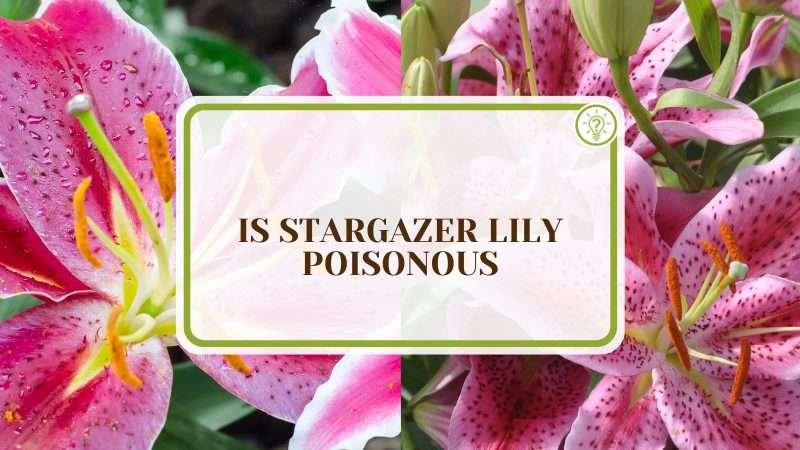 A small bite of stargazer lilies or a taste of the pollen can cause severe symptoms that can lead to death if untreated. However, lily toxicity is less intense in other animals like dogs.
This article will help you understand everything about stargazer lily toxicity in your pet.
Is Stargazer Lily Poisonous?
⚡ Yes, the stargazer lily is poisonous as it belongs to a family of toxic lilies. This plant is mostly poisonous to cats, and they can face symptoms such as vomiting, diarrhea, and even kidney failure and death upon consumption of this lily.
The other types of poisonous lilies are tiger lilies, Asian lilies, and Easter lilies. Although they are toxic to cats, other animals like dogs and rabbits will suffer mild stomach upsets.
Lily toxicity in all pets and even humans causes severe symptoms that require you to visit a vet immediately after your furry friend ingests it. This lily is one of the most poisonous lilies to cats. A small bite on the leaf or a lick of the pollen grains can cause severe symptoms to the pet. Some signs your cat ingested stargazer lilies are vomiting, lack of appetite, lethargy, and shaking.
A small bite of the plant’s petal or a lick on the pollen grains will leave your cat fighting for its life, which means that you must make sure to keep this plant away from your pets or place it on higher shelves. The chemical that makes stargazer highly toxic is still unknown, but overall, the sap that it contains is toxic.
– Symptoms in Cats
Cats will mostly suffer the symptoms of lily poisoning, which include vomiting, drooling, lethargy, and weakness. Pet owners who don’t notice these signs assume that their pet is doing great and fail to contact the vet. However, even the most minor ingestion of this plant can be dangerous.
 Failure to treat the symptoms of lily poisoning leads to kidney damage. Since the kidney does not heal after it gets damaged, the damage continues and later causes death to your pet.
Whenever you spot your cat eating a lily, call the vet immediately, even before the signs begin showing. Unless you saw your cat feeding on a lily plant, the symptoms will have you thinking it is food poisoning. Additional signs of lily poisoning are shaking and a lack of appetite.
However, if your cat throws up, you can observe the contents to see if there are parts of the lily plant. Besides, knowing the problem with your pet will help the vet understand how to save their lives. Note that these symptoms can disappear for a few days and then show up again, which means that the ingested amount was a lot, and the toxicity was intense.
If you suspect your pet ate a toxic stargazer lily, bring them to the vet even after the symptoms disappear. This is because the next stage of the sickness is severe and causes worse effects.
If you leave your cat untreated, the symptoms will return after a few days. The pet will get thirsty faster and urinate more frequently. There will also be increased lethargy and vomiting.
Then kidney failure symptoms will start showing up. Your cat’s urination frequency decreases, and they later stop urinating. At this point, it is easy to say that kidney damage has occurred at a higher degree, and it is irreversible. Remember that the kidneys don’t heal themselves after injury, and this can lead to your cat’s death.
– Symptoms in Dogs
Although stargazer lilies cause severe effects on cats, dogs would also suffer mild symptoms. The lily plant causes stomach upsets in dogs, but they don’t experience extreme toxicity like kidney failure as other pets would. 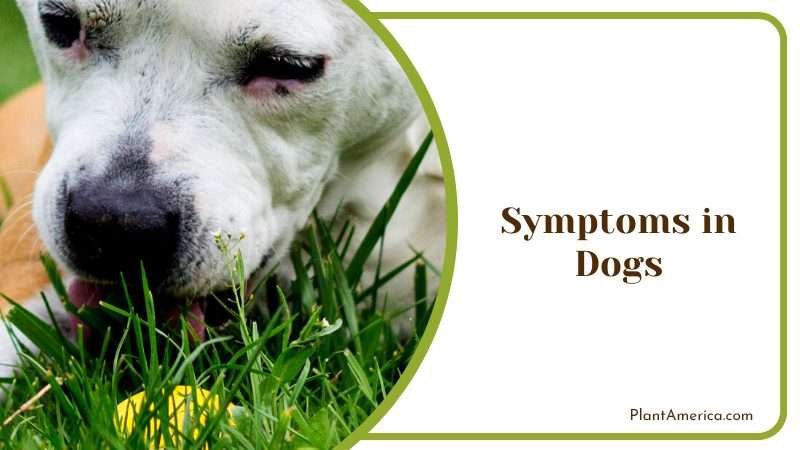
However, some lily plants, like peace lilies, can be highly toxic to dogs, but again the stargazer won’t be as severe. This plant contains calcium oxalate crystals which irritate the animal’s skin and throat, making it itch and irritate it. Calcium oxalate has sharp crystals that cause intense burning and irritation in the mouth and nose. The crystals also injure the tongue and stomach lining.
What Is the Treatment for Lily Poisoning?
The treatment for lily poisoning is vomiting medication, gut cleansers, and IV fluids. These methods will help the body of the animal get rid of the toxins that were ingested. The treatments should be prescribed by the vet, who will help the pet heal.
– Vomiting Medication
If you notice your cat feeding on stargazer lily and take them to the vet, the professionals will likely induce vomiting. Vomiting helps the body eliminate the lily’s poisonous parts and the ingested toxins by reducing the poison’s effects on the cat’s body.
As the vet gives it vomiting medications, it will start the act of throwing up the flowers that were in the stomach so that the body doesn’t consume it and lead to intense toxicity levels.
– Gut Cleansers
The vet will also give your pet activated charcoal to prevent more absorption of the poison from the stomach to the body. Active charcoal is one of the best poison removers because it helps clean the guts and reduce the toxin levels. The vet will induce vomiting to help the pet remove the toxins and administer activated charcoal to stop the absorption of the poison to the body.
– IV Fluids
The veterinarian could administer IV fluids to your furry friend to support the kidneys because they have a lot of work to do to eliminate the poison that entered the bloodstream. And with these fluids, it is good to give your pet proper immunity. Most cats die after ingesting stargazer lilies because there is no specific test to diagnose the plant’s poison.
How to Prevent Lily Poisoning in Your Pets?
You can prevent lily poisoning in your pets by placing them out of the pets’ reach, adding some wire protection so they wouldn’t come close, and lastly spreading some repellents around the plant. You will be keeping your pets safe and even saving their lives.
Failure to treat the poisoning can lead to worse effects like kidney failure, resulting in your cat’s death, which means you are doing this for their safety. If your cat ingests stargazer lily, take them to the vet immediately for an examination.
– Keep the Plants Out of Their Reach
The best way to prevent the dangers of this plant is by ensuring it is not anywhere near your home. If you like beautiful bouquets of lilies, you can always place them out of reach of the cats, like in hanging baskets.
If a friend brings you lilies, help them understand the dangers of keeping them, which means it is great if you keep them out of their reach.
Most cat lovers are unaware of the dangers of lilies to cats, so spreading the word and awareness will help. However, if you keep them away, whether placing them in hanging baskets or even out of their reach on a higher shelf, this is how you will be protecting your cat and even saving their lives.
– Wire Protection
If you have lilies growing on a wall, you can fence the area with wire to prevent the cats and other pets from accessing it. When you receive this plant, always check on your pets and be aware of any weird behavior.
 As you try to protect the barrier with some wire mesh, your cat will feel like it is a challenge to get closer to this plant and to nibble on the flowers or the stems, and often times they will not aim to jump because they would feel that the wire is dangerous for them too.
Besides the lily leaves and petals, other parts of the plant, like lily bulbs, are also highly toxic. The bulb is the most poisonous part of a lily plant because the substance is more concentrated in this part.
– Spread Repellents Around the Plant
You can also spread some repellents around the plant, such as citrus oil, so your cat will not approach the plant and get harmed as a result. You can do this by simply spreading the liquid on some cotton balls and the intensity of the smell will make them revolting.
In addition to this, you can also place some rosemary oil or even thyme oil, and the pet will not come close to this plant in any way. Remember that if you skip these safety precautions, your pets may eat this plant.
References
- Stargazer Lily. ASPCA.
Retrieved from https://www.aspca.org/pet-care/animal-poison-control/toxic-and-non-toxic-plants/stargazer-lily - Jordanna Fetto. Lily Toxicity: The Potentially Fatal Danger to Cats. MSPCA-Angell. Retrieved from https://www.mspca.org/angell_services/lily-toxicity-the-potentially-fatal-danger-to-cats/#:~:text=True%20Lilies%2C%20which%20include%20the,small%20amount%20can%20be%20fatal.
- (09/16/2021). Lovely Lilies and Curious Cats: A Dangerous Combination. US Food & Drug.
Retrieved from https://www.fda.gov/animal-veterinary/animal-health-literacy/lovely-lilies-and-curious-cats-dangerous-combination