
Spider plant benefits are often overlooked as houseplants, yet they offer many perks you may need to realize. In this blog post, we’ll explore 10 impressive ways spider plants can improve your home by thriving in it!
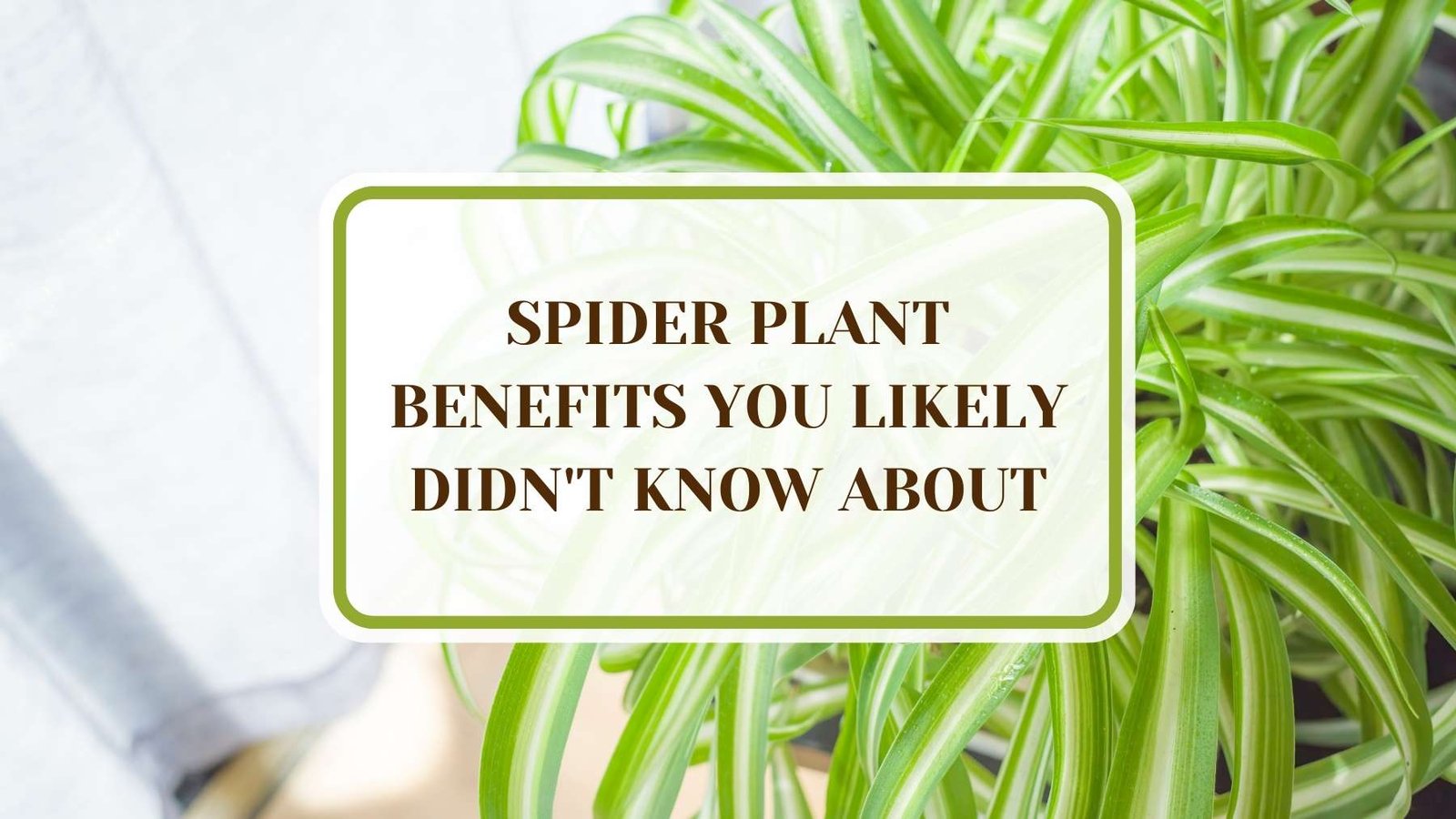
From naturally cleaning toxins from the air as you sleep to reducing your stress levels and attracting good fortune through their unique abilities. Let’s dive in and see how these plants earned their place as one of the most popular houseplants worldwide.
Spider Plant Benefits to the Environment and Interiors
1. Natural Air Purifier

- Reason:: Spider Plants have tall, slender leaves and stems that naturally move with any air currents or breezes in a room.
- Impact:: By generating movement through their foliage, Spider Plants help distribute oxygen circulating in indoor spaces, They also remove aerial pollutants that are then filtered through the plant.
- Pros:: Circulate stagnant air without fans or filters, Native circulation promotes a healthier indoor climate, Remove common indoor air toxins like benzene and formaldehyde from the air we breathe.
- Cons:: A single plant may have limited effect in very large rooms, Multiple plants provide better overall air flow, Leaves may collect dust over time that needs occasional cleaning.
Did you know that spider plants are excellent natural air purifiers? Their verdant leaves work hard around the clock to cleanse indoor air of harmful toxins like formaldehyde, benzene, and carbon monoxide, which can accumulate in homes. These plants absorb toxins through their leaves and break them down, leaving you to breathe easier.
Spider plants are so effective as air cleaners because they produce oxygen through photosynthesis even after dark due to Crassulacean acid metabolism. You can effectively filter your indoor air with just one spider plant for every 100 square feet. Their tireless work helps you rest easy while improving overall air quality right where you live without using any chemicals.
As a bonus to purifying air, spider plants also increase humidity levels in dry indoor spaces with their transpiration process. The moisture their leaves emit back into the air helps prevent static electricity and skin/throat irritation caused by low humidity commonly found in heated homes and offices during winter.
Their placement in bedrooms is especially ideal for this reason. With very little effort on your part, a spider plant refreshes the environment around you with every soft leaf wave. No wonder they make such wonderful houseplants! Their air-cleaning powers have been documented in several scientific studies over the years.
One NASA study from 1989 found that spider plants were among the most effective houseplants for reducing levels of indoor air toxins like benzene and formaldehyde. They could remove up to 87 percent of these chemicals from the air inside test rooms. Later studies from institutions like the University of Georgia and the University of Florida had similar findings, solidifying the spider plant’s reputation as an all-star indoor air purifier.
Another beautiful thing about spider plants’ air purification is that it happens passively without any extra effort on your part besides providing their basic care. Just by existing as a living plant soaking up the light, their foliage goes to work scrubbing indoor air of impurities. Investing in even just one or two of these charming plants could mean a noticeable improvement in air quality throughout your home or workplace.
As a bonus for your mental wellbeing, their lush leaves also have a soothing, stimulating effect on the eyes. No wonder spider plants have become beloved houseplants worldwide, they truly earn their keep!
2. Reduces Stress Levels
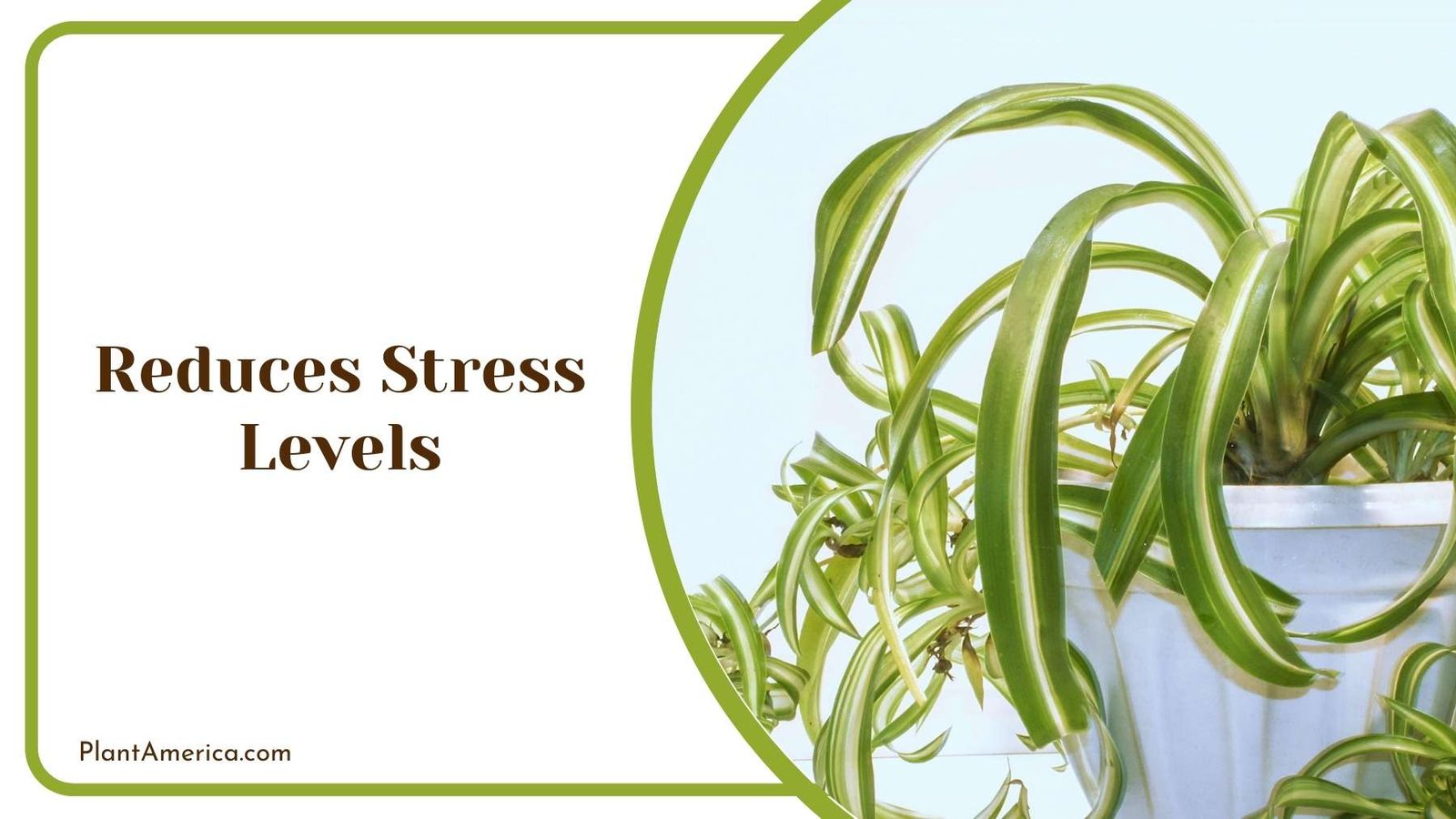
- Reason: Simply looking at and caring for plants has been shown to lower stress hormones like cortisol., Spider Plants are very low maintenance so providing this benefit requires little effort.
- Impact: Their lush green leaves that put out new growth often serve as a calming, living element to have in one’s space., Their resilience also means they are relaxing to care for.
- Pros: Adding greenery and life to a space., Low maintenance means easy to incorporate stress relief into a busy schedule., Witnessing new growth can be mentally rewarding.
- Cons: Effects are likely most impactful for individuals who notice and engage with plants regularly., Alone may not replace other stress management techniques for severe issues.
In addition to purifying air, studies have shown that spider plants are also superb for reducing stress and elevating mood. Just watching their beautiful leaves sway gently in the breeze has a calming, meditative effect proven to lower the stress hormone cortisol. Their lush foliage provides a restful scene for eyes and mind to focus on instead of daily worries.
Something about their simplistic striated leaves invites a returning sense of peace. Researchers believe this is due to certain phytoncides, or essential oils, released by the plants. Similar to how aromatherapy works, these oils alter brain chemistry in a way that counteracts stress responses when inhaled.
Having spider plants in your living and work spaces has been linked to fewer headaches, improved focus, lower blood pressure, and lessened tension or anxiety. Their presence has even alleviated pre-surgery jitters in hospital patients after just 30 minutes of observation!
Next to a window where they catch morning sunlight is an ideal spot to reap daily stress-reducing benefits from spider plants. Their refreshing energy helps you feel revived and uplifted whether you start your day or need a quick break from tasks.
And since caring for spider plants is simple, it’s easy to use this natural plant therapy anytime stress starts to creep in without fuss or fuss. Their soothing leaves are always there to gaze at for instant relaxation.
3. Improves Overall Mood

- Reason: Being around plants and greenery is mentally uplifting due to evolutionary connections to nature.
- Impact: Simply seeing or caring for Spider Plants has been shown to lower stress levels and boost feel-good endorphins in the brain. This enhances overall mood and attitude.
- Pros: Natural antidepressant without pharmaceuticals, Low-effort care, Benefits mood anytime noticed through the day.
- Cons: Individual results may vary depending on other mood factors, Effects most likely seen with regular noticing and engagement with the plant.
Scientific research has also demonstrated the mood-boosting and psychological wellness benefits of spider plants. Their vibrant foliage may trigger increased serotonin production in the brain, contributing to an uplifted mood. Interacting with and caring for houseplants has been shown to stimulate the release of this neurotransmitter.
Spider plants provide a dual benefit of improving indoor air quality through phytoremediation and reducing stress and tension when viewed. Their inclusion in interior spaces can enrich home environments visually and psychologically. Houseplants such as chlorophytum infuse interior spaces with a sense of nature that has antidepressant effects comparable to spending time outdoors.
Gazing upon the calming hues and fluid movements of spider plant leaves has been shown to positively impact mood and spirits similarly to viewing works of art. Their lush forms dancing in ambient light offer delightful mini scenes that spread joy. Caring for plants fosters a sense of capability and pride, serving as an accessible mood booster.
With its rapid growth habit, even small spider plant specimens seem perpetually cheerful and thriving under attentive care. As rewards for simple nurturing tasks like watering and pruning, spider plants repay kindness by enhancing their caretakers’ mood and disposition through the interaction alone.
It is thus understandable why doctors occasionally suggest indoor plant therapy using spider plants for mental wellness support.
4. Easy to Care For

- Reason: Spider Plants have thick succulent leaves and resilient stems that allow them to go long periods without water. Not prone to diseases and damage.
- Impact: They are very tolerant of inconsistent care, They do not demand a lot of time or resources be spent on regular upkeep.
- Pros: Can be left alone for one to two months at a time with no care needed, Forgiving of occasional mistakes like under or overwatering, Thrive in low-light conditions with minimal effort.
- Cons: May become stressed and drop older leaves if totally neglected for many months, Can still benefit from occasional fertilizer or repotting over many years.
A key advantage of using spider plants to support wellness is their renowned ease of care. Even for novice plant parents, Chlorophytum comosum thrives with minimal upkeep. Their hardy constitution allows spider plants to flourish on periodic watering of standard potting mix alone.
Rapid growth enables spider plants to prosper with infrequent attention yet still produce blooms cheerfully in a variety of settings. This low-maintenance nature stems from their ability to store water efficiently in thick leaves, warding off dehydration. Roots also draw water rapidly, permitting extended intervals between waterings.
Spider plants demonstrate resilience to over- or under-watered conditions. Their durable hardiness provides peace of mind for busy households by requiring simple, infrequent care. Watering every 7-14 days based on conditions keeps spider plants thriving indefinitely. Low light requirements further suit them as outstanding indoor inhabitants across diverse home environments.
They adapt gracefully to a wide range of light levels, from bright to low illumination, contributing lush decoration regardless. Unlike sensitive plants, spider plants express gratitude throughout diverse conditions, benefiting from daily sun or artificial lighting at night. Only perpetual shade or direct sun inhibits their resilient ornamental appeal.
Given these robust traits, spider plants need minimal delicate caretaking. Their bloom-bearing flower spikes add visual interest as a living artwork. Refreshing soil in pots yearly maintains an easy care routine while constantly providing stress relief. For relaxation benefits with maximum ease, spider plants prove an ideal choice.
5. Increases Humidity

Reason: Spider Plants have thick, waxy leaves that are mostly made of water., Their leaves release moisture into the air through transpiration.
Impact: This added humidity from Spider Plants can help prevent dry skin, coughs or other issues related to low indoor humidity in winter., It increases the moisture content of indoor air.
Pros: Natural and chemical-free way to moisturize dry air., Thrives in normal household humidity levels so very low or high humidity is not required., Leaves release moisture steadily without needing misting.
Cons: A single plant may have a minimal impact in very large rooms., Multiple plants provide more humidity., In tropical climates, may need occasional misting to prevent drought stress.
Spider plants naturally increase the humidity of their environment through the passive process of transpiration. The moisture emitted from their leaves helps ameliorate dry, static-filled indoor air that is commonly experienced during winter months with forced heating systems running continuously. This elevated humidity is especially beneficial in bedrooms, bathrooms, and living areas.
Their transplanting process alone contributes to hygroscopic regulation without energy-intensive humidifiers. Higher humidity levels provide more than just comfort – moist air also protects against issues like dry skin, irritated eyes, and sinus problems that often result from very low indoor humidity below 30 percent.
As passive humidifiers, spider plants make breathing feel easier throughout cold seasons without the need for bulky, plug-in machines. Their internal physiological attributes including waxy leaf coatings that slow the exit of water through pores allow them to amply provision microclimatic moisture when environmental conditions warrant vapor release.
Specimens of sizable biomass effectively discharge humidity, supporting both mental health and physical wellness through this invisible regulatory function. Carrying out their hygric role with quiet diligence leaves the impression of profound caretaking. Spider plants demonstrate the advantages of artful, sustainable design principles in living architecture.
6. Attracts Good Luck
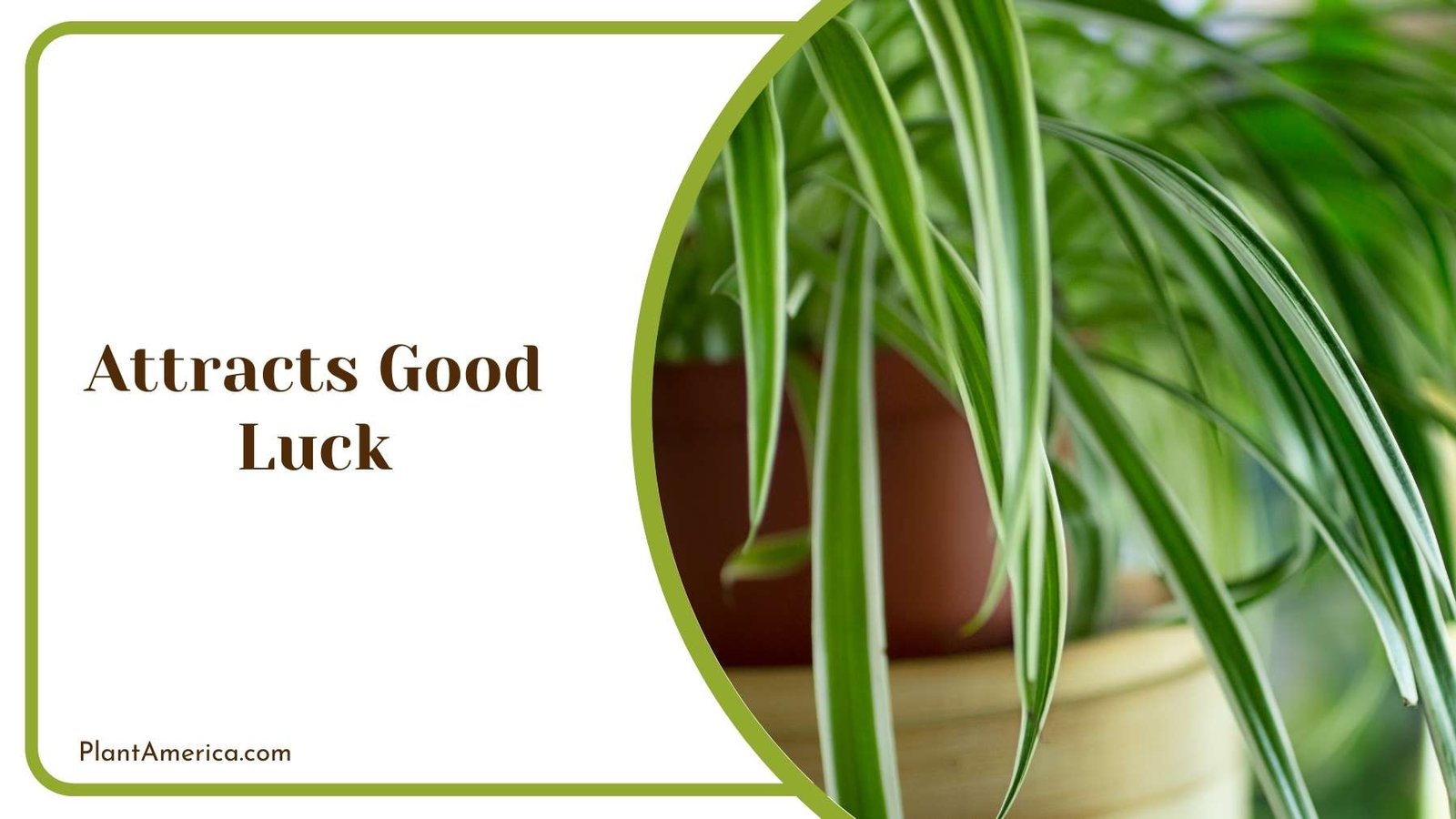
- Reason: Certain cultures and traditions regard Spider Plants as symbols of prosperity, luck, and good fortune due to their ability to thrive in spite of difficulties.
- Impact: Having one is thought to infuse a home or space with positive vibes, attract welcoming energy, and promote well-being and success.
- Pros: Natural way to encourage positivity without tangible impacts, low-effort care allows them to symbolically enhance luck long-term, leaves that grow despite challenges symbolize overcoming obstacles.
- Cons: Impact is symbolic rather than proven, individual outlook will affect interpretation, single plant may not overcome severe life difficulties on its own.
Some folk traditions have attributed symbolic meanings to spider plants beyond practical benefits. Their pendant flowers resembling hands have represented wishes being granted in certain Asian cultures. Elder women historically gifted young daughters spider plants as symbols of positivity.
Certain belief systems incorporate spider plants into feng shui practices as guardians releasing stagnant energy. Even having a small specimen indoors is thought by some to elevate one’s outlook. Placing living greenery within constructed interior spaces allows the circulation of qi/chi in a way that grounded, organic forms provide.
Whether through innate cheerfulness or placebo effects strengthened by centuries of cultural cementing, spider plants are thought by believers to diffuse an atmosphere conducive to optimism, perseverance and openness to opportunities. While skepticism persists, psychological factors undeniably influence well-being, success, relationships and more.
For those holding optimistic associations with spider plants as symbols of renewed hopes, their care presents an earth-connected activity aligning with cultural traditions. Overall, fostering cared-for living elements and maintaining a positive outlook can subtly uplift interior spaces and perspectives during turbulent periods according to some worldviews. A balanced, multicultural understanding respects diverse lenses.
7. Adds a Decorative Touch

- Reason: Spider Plants have attractive dark green glossy leaves, Structured upright growth habit that makes them an ornamental houseplant.
- Impact: Their architectural form and foliage act as a living decoration, Enlivens interior spaces beyond just greenery.
- Pros: Stylish centerpiece for tables or shelves, Thrives in low or medium light areas like bathrooms, Foliage holds shape when dry so it still looks maintained.
- Cons: May not suit very minimalist interiors lacking other decor, Color/texture won’t appeal to all decorative tastes, Large plants need stable footing to avoid tipping.
Beyond practical household benefits, spider plants can also serve as low-maintenance, permanent indoor decor elements. Their statuesque, striated leaves flowing gracefully in waves adorn desks, tabletops, or hanging pots to impart natural visual interest and charm.
Mirroring the serenity of the outdoor natural world, spider plants have the ability to impart a calming aesthetic to indoor spaces like offices, bedrooms, and living rooms containing concrete structures and electronic devices. Their year-round hardiness provides viewing pleasure without replacement costs.
The addition of living greenery has been shown to elevate interior environments psychologically by imbuing a sense of liveliness and hope. Incorporating spider plants offers an easy way to integrate a lush, tropical vibe within interior design. Daily care and admiring their fluid movements has uplifting effects on human well-being equal to aesthetics.
Spider plants’ versatility, low demands and cultural popularity worldwide has supported their use as ornamentation across design eras and regions. With flexibility to suit varied styles, their leafy forms can serve as standalone accents or coordinated textures. Their low-fuss architecture contributes refined natural beauty to institutional buildings and private residences alike.
8. Thrives In Low Light

- Reason: Spider Plants have thick, waxy leaves that prevent water loss even in low light environments. : Their evolved growth pattern focuses energy on roots and stems over leaves.
- Impact: They remain healthy and survive well in very low indoor light levels where other plants would struggle or die.
- Pros: Thrives in medium to low indirect light away from bright windows, Survives well under fluorescent office lighting or low cabinets, Adaptable to various indoor conditions.
- Cons: May grow more slowly with limited light but stays healthy, In very low light it will benefit from occasional fertilizer for optimal growth.
Spider plants are well-suited for low-light indoor areas due to their ability to flourish with minimal luminance inputs. Their efficient photosynthesis allows spider plants to grow unattended in dim rooms like bathrooms and kitchens where other houseplants may struggle.
This light-tolerant characteristic makes spider plants a practical choice for decorating shadowed corners and walls throughout homes. Simply positioning plants in low-illumination zones helps beautify interior spaces while passively filtering the air.
9. Removes Formaldehyde
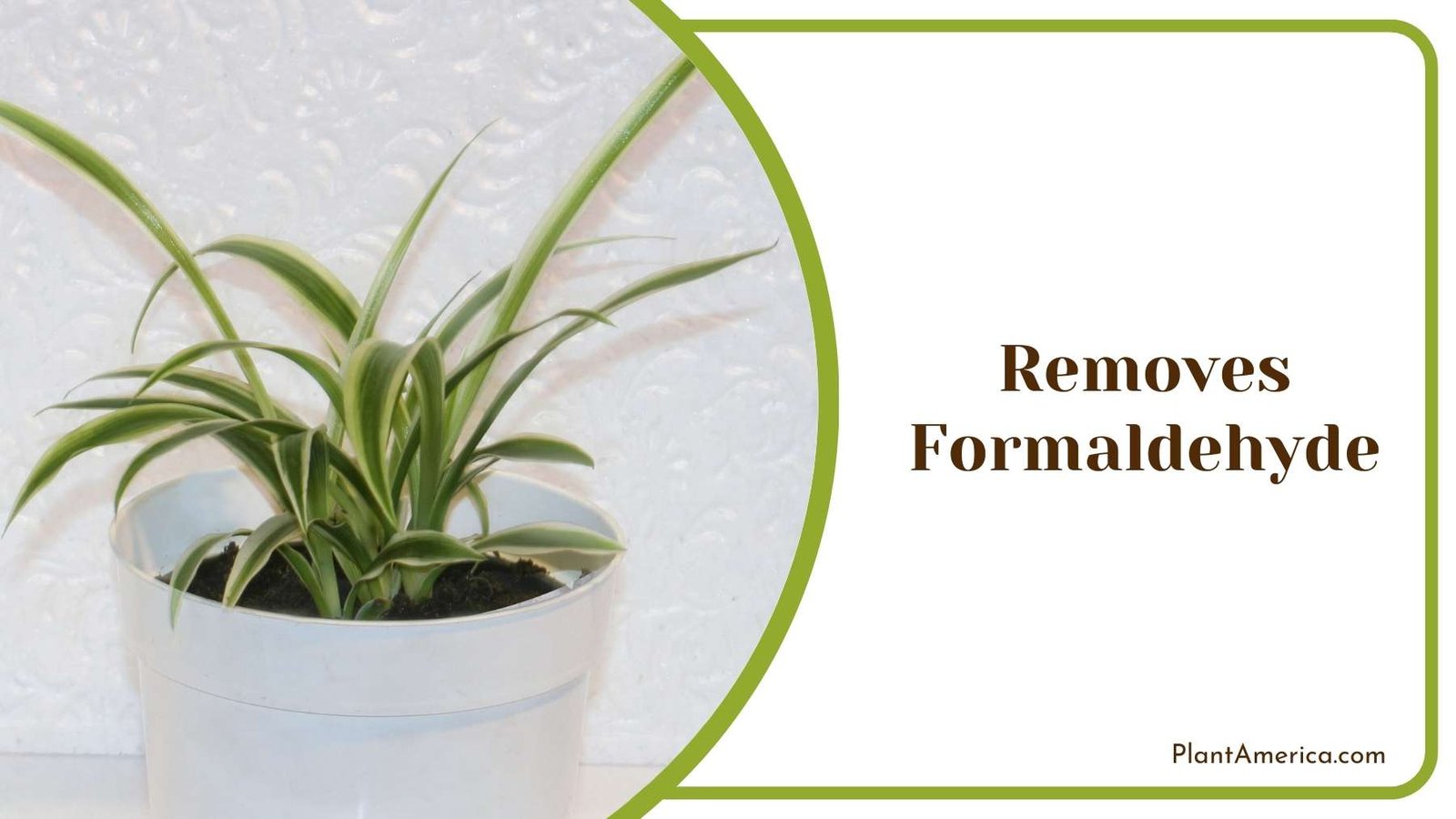
- Reason: Spider Plants are effective at phytoremediation due to their tall, thin leaves with large surface area. Their foliage contains enzymes/chemicals that break down airborne formaldehyde.
- Impact: Formaldehyde is rapidly absorbed, broken down, and safely metabolized by the plant. This helps improve indoor air quality by reducing levels of this common volatile organic compound (VOC).
- Pros: All-natural VOC removal without needing additional technologies or chemicals, Studied and shown effective at capturing formaldehyde emissions, Safe for placement anywhere, like bedrooms or babies’ rooms.
- Cons: A single plant has limited cleansing area so multiple plants provide wider coverage, Does not remove formaldehyde at the source, like certain building materials.
Independent studies have shown spider plants can effectively reduce indoor formaldehyde levels through phytoremediation. Formaldehyde, a known carcinogen, can off-gas from building materials, cleaning products, and unvented fuel-burning appliances.
Research indicates spider plant leaves actively absorb and break down formaldehyde through their stomata, eliminating up to 90 percent of the gas from test chambers within 24 hours. Their natural phytoremediation abilities make spider plants a potential low-cost, low-maintenance option for decreasing formaldehyde in enclosed living spaces when levels are of concern.
Further research could help clarify optimal placement densities to efficiently lower formaldehyde contamination from suspected indoor sources. The passive air-purifying properties of spider plants demonstrate why they may serve as a sustainable indoor plant choice for some households seeking natural ways to enhance air quality.
More data is needed to fully understand their mitigating effects on indoor pollutants over longer time periods.
10. Tolerates Neglect

- Reason: Spider Plants have evolved to endure periods of drought, Works with low resources due to their waxy leaves and water-storing roots/stems.
- Impact: They can go months without water or care, and still recover when conditions improve, This makes them exceptionally hardy indoor plants.
- Pros: Forgiving of occasional missed waterings or long periods away, Survive being left in offices over holidays, Resilient for locations where consistent care is challenging.
- Cons: With total neglect may drop lower leaves and go dormant after many months, Prefers occasional water for continual growth but won’t die without it.
Spider plants are renowned for their adaptability and ability to thrive with minimal care requirements. Their hardy constitution allows chlorophytum comosum to prosper in a variety of settings, from nurseries to residential interiors experiencing fluctuating conditions.
A key factor in their resilience is thick waxy coatings on spider plant leaves that efficiently retain water during periods of lower moisture. This helps prevent rapid dehydration when irrigation is limited. Even severely dried root systems can recover vegetative growth after rewatering due to their durability.
Research indicates spider plants possess mechanisms like waxy cuticles that enhance drought tolerance, enabling them to withstand intervals of suboptimal soil moisture with remarkable bounce-back ability. Their facultative CAM photosynthesis may also support adaptability to less-than-ideal environments through physiological flexibility.
Further studies could further illuminate the anatomical and metabolic traits conferring spider plants’ renowned perseverance despite less-than-ideal environmental or care situations at times. Their flexibility serves as an example of sustainable indoor plant selection.
Conclusion
You’ve now discovered spider plants have far greater superpowers than their serene facade lets on.
- Spider plants are so effective as air cleaners because they produce oxygen through photosynthesis even after dark due to Crassulacean acid metabolism
- Spider plants deliver double happiness by improving indoor air quality, which we breathe in, and providing stress relief benefits when we observe them
- Spider plants naturally extract from indoor air sits dreaded formaldehyde commonly emitted from building materials, cleaning products, and unvented gas stoves
Behind the scenes, these stealthy home allies work diligently to purify indoor air of toxins like formaldehyde and benzene, increase humidity levels and filter dust from the air and release stress-reducing phytochemicals when observed.
Let their kindness inspire cultivating serendipity wherever your leafy tendrils may reach by lifting and cleansing spaces you inhabit with the vibrant essence of possibility, hope, and goodwill, and watch joy bloom abundantly!