
Types of wildflowers you might discover on your next hike? The variety of types of wildflowers popping up across Michigan’s woodland trails can delight and surprise.

Common wildflower species you’re likely to come across in full bloom over the next few months from classic beauties like daisies and sunflowers to lesser known gems.
Discover Pretty Types of Wildflowers Spotted Along the Trail
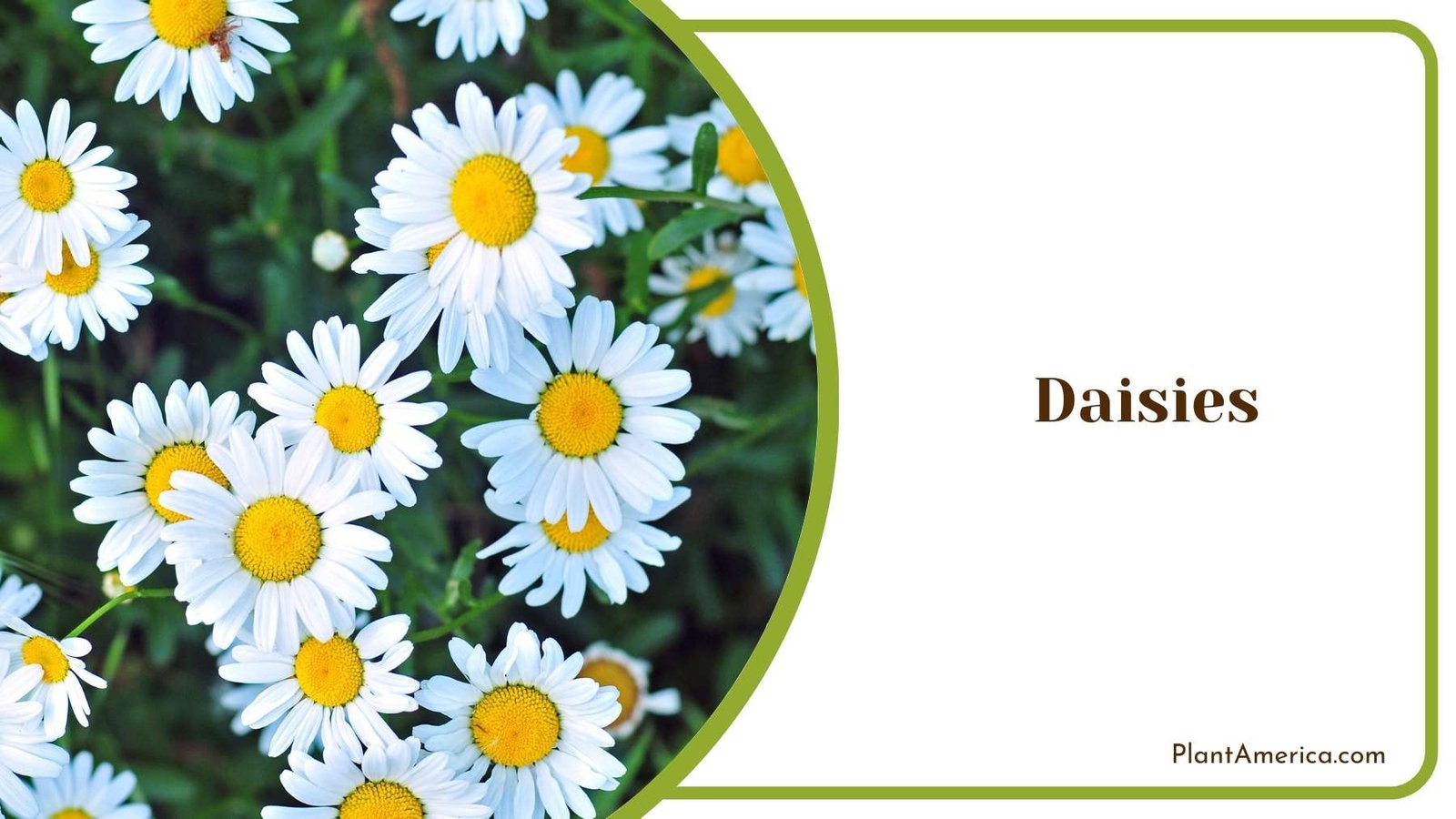
1. Daisies
- Growing Season: Spring, Summer, Fall
- Leaf Shape: Broad, Strappy, Basal rosettes
- Specific Needs: Well-draining soil, Full sun
- Common Pests: Aphids, Japanese beetles
The cheerful daisy is one of the first wildflowers to bloom each spring, lighting up grassy fields with clusters of bright white petals surrounding a sunny yellow center. While most associate daisies with summer, some species actually start blooming as early as May. Their broad, strappy leaves form dense rosettes at the base of the plant.
Daisies thrive when given full sunlight and soil that drains well, though they have proven adept at flourishing in less than optimal conditions. Come summer, aphids may be drawn to suck nutrients from the leaves, and Japanese beetles sometimes chew small holes in the petals if populations are high. Still, these resilient flowers soldier on, their cheerful disposition spreading good vibes until fall’s first frost.
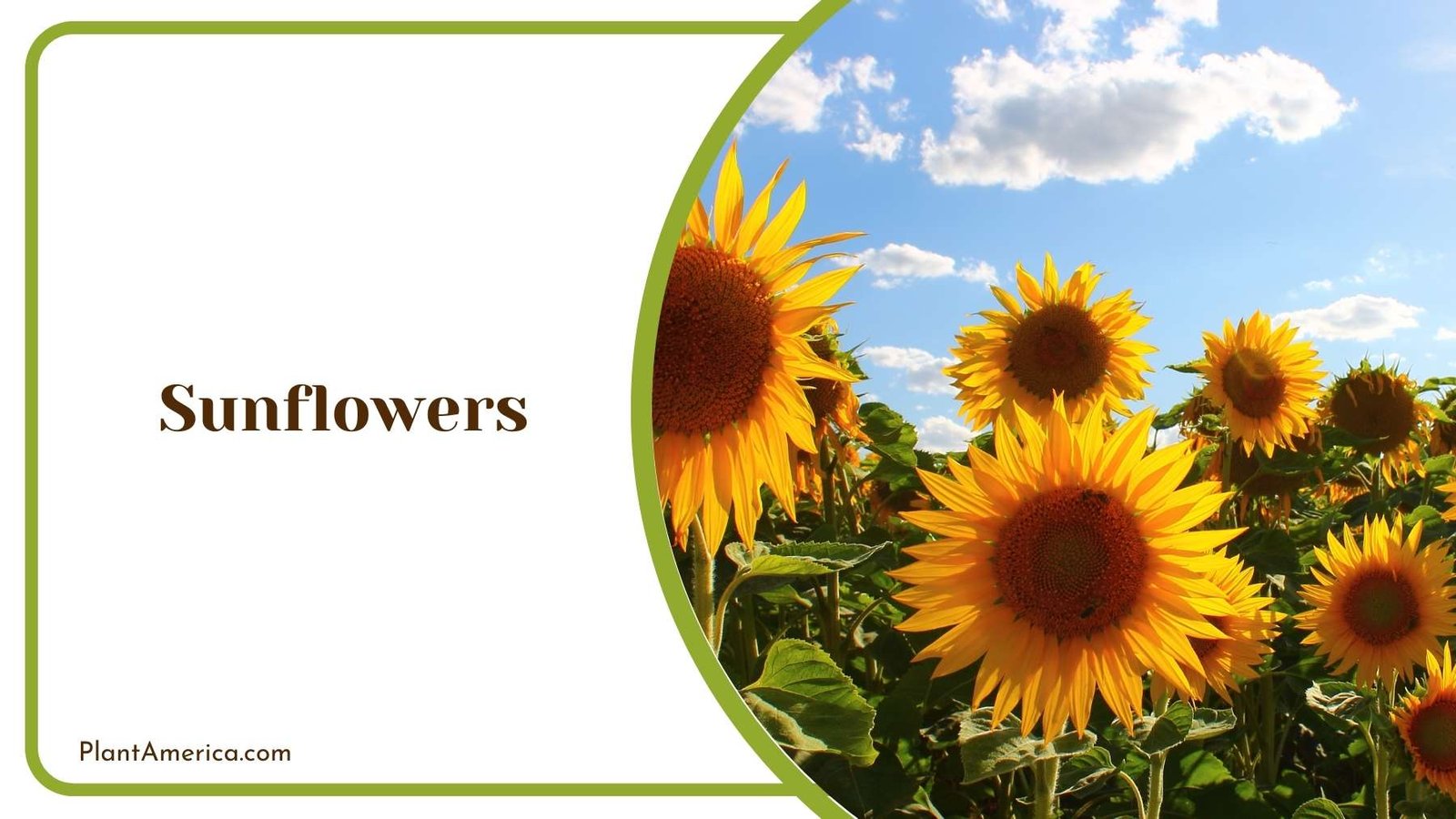
2. Sunflowers
- Growing Season: Summer, Fall
- Leaf Shape: Alternate, Broad and feathery, Resemblance to coarse holly leaves
- Specific Needs: Moist, nutrient-rich soil, Full sun
- Common Pests: Aphids, Mice, Squirrels
Standing tall amid fields and meadows, sunflowers greet each morning with faces that follow the rising sun. From July through September or later, these ubiquitous wildflowers add cheerful color wherever they may sprout. Sunflowers vary in size but most reach several feet in height, bearing alternate, broad leaves that resemble coarse holly foliage.
They thrive when provided full daylight and moist, nutrient-rich soil to fuel their growth. Come harvest time, hungry mammals like mice and squirrels often feed eagerly on the plentiful seeds. As with many wildflower species, aphids may also nuzzle the leaves and stem. Though plagued less than smaller blooms, sunflowers still spread more beauty than any pest can dampen.
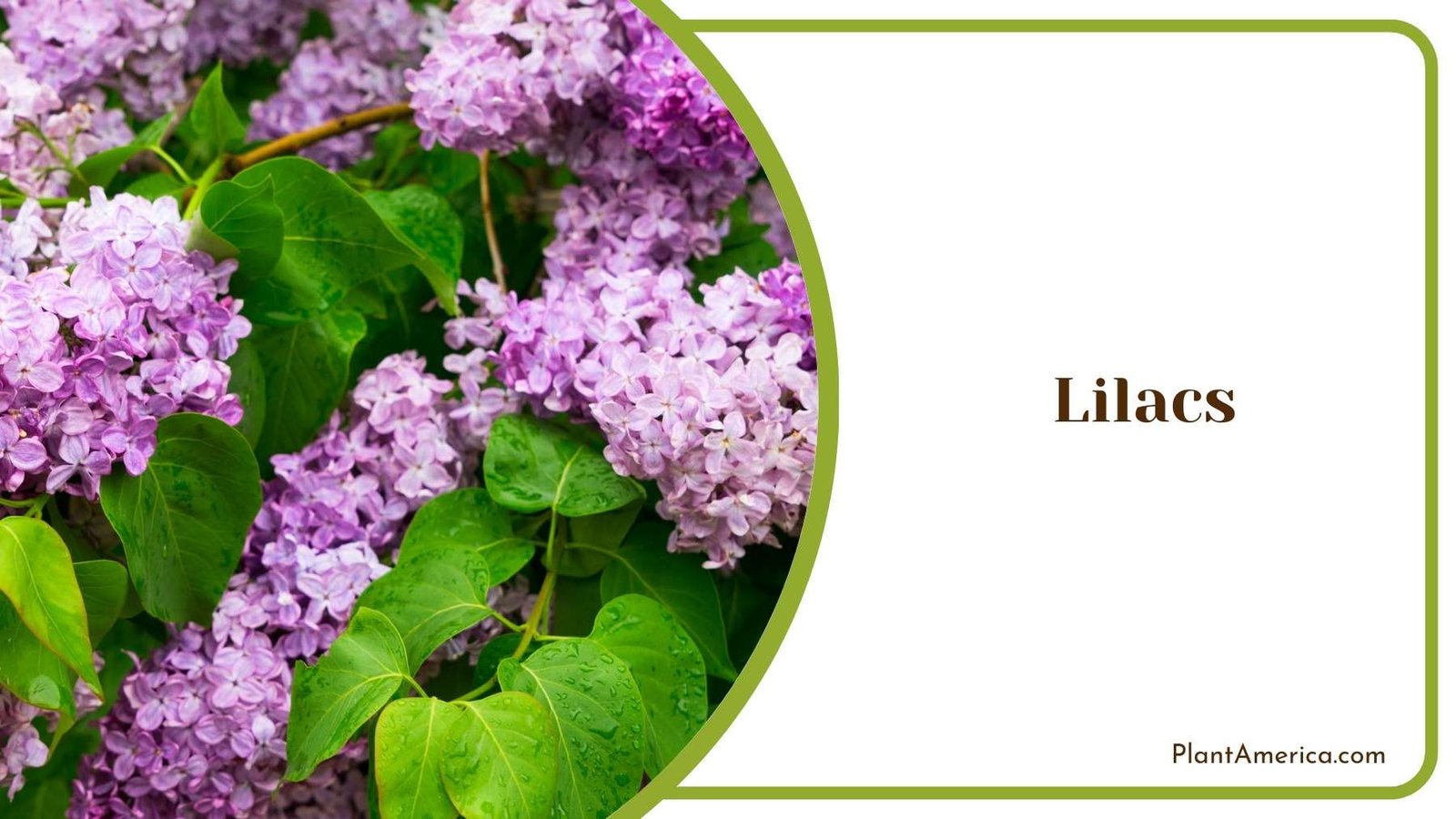
3. Lilacs
- Growing Season: Early Summer, Late Spring
- Leaf Shape: Simple, Opposite, Lance-shaped leaves
- Specific Needs: Moist, well-draining soil, Full sun to partial shade
- Common Pests: Aphids, Japanese beetles
Renowned for their intoxicating fragrance, lilac bushes entice pollinators each late spring and early summer with panicles of purple, white, or lavender blooms. Graceful panicles emerge from branches bearing simple, opposite leaves in a lance-like shape with serrated edges and soft pubescent undersides.
Partial shade and moist yet well-draining soil suit these romanticizing shrubs. Alas, they sometimes endure invasions by green or multicolored Japanese beetles that feast heartily on both leaves and floral nectaries. Persistent aphids also sap the plants’ energies by clinging to foliage and tender new buds to suck sap. Still, the lilacs’ fine-scented charms long outlive these temporally troubles.
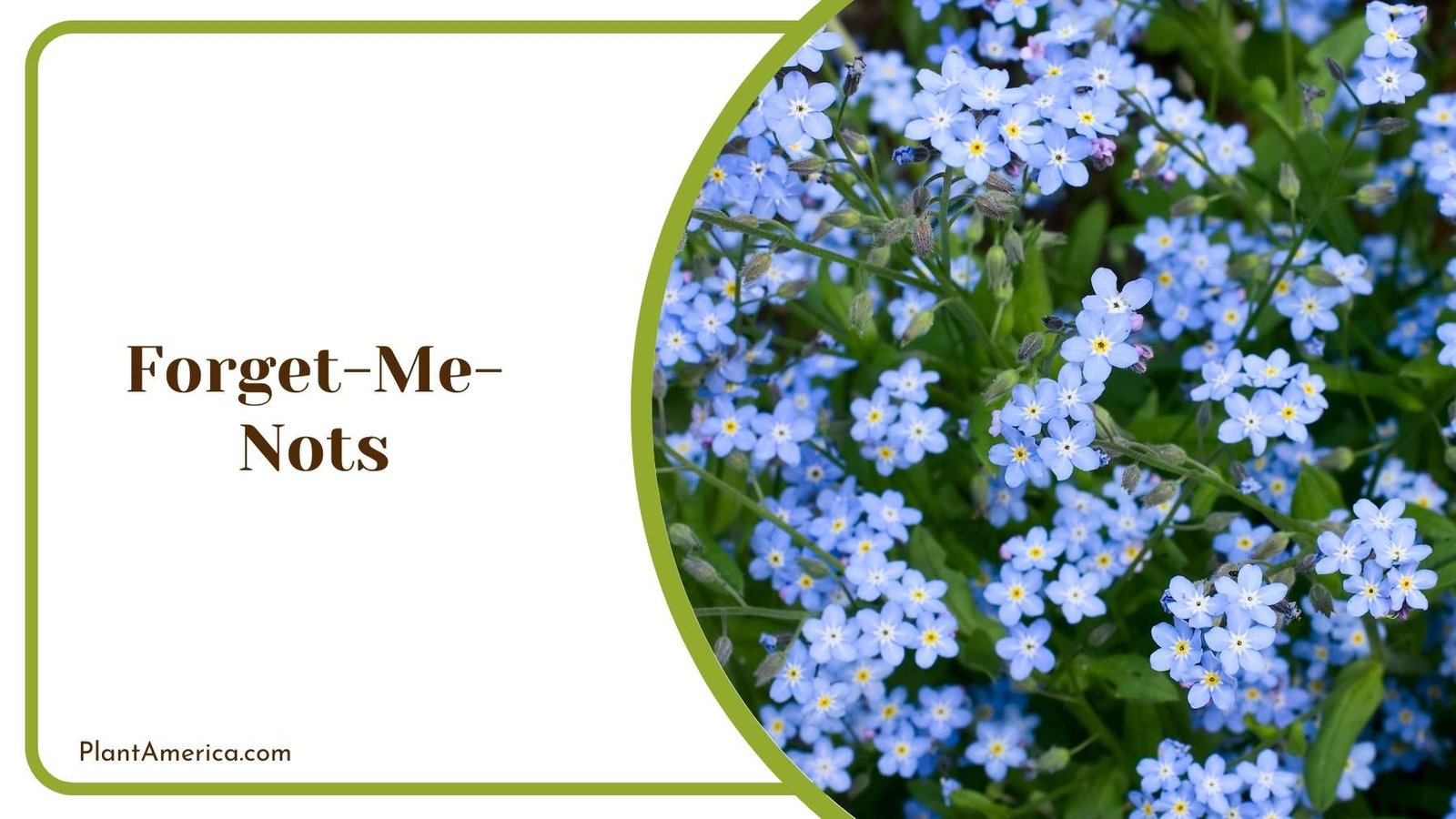
4. Forget-Me-Nots
- Growing Season: Early Spring to late spring
- Leaf Shape: Alternate, Simple, Ovate leaves, Rounded basal rosettes
- Specific Needs: Moist, nutrient-rich soil, Partial to full shade
- Common Pests: Aphids, Leaf miners
Blooming as early as March through May depending on location, forget-me-nots spread patches of cheerful color under tree canopies and among other woodland vegetation. True to their name, one could easily overlook these petite flowers weren’t they scanning closely. Each delicate bud opens to a five-petaled bloom ranging in hue from light to deep blue, and sometimes pink or white.
Forget-me-nots form dense basal rosettes of alternate, ovate leaves ideal for identifying the plant even after it finishes flowering. Partial to full shade and consistently moist yet well-draining soil suit these ephemeral beauties. Occasional damage from leaf miners tunneling winding paths through foliage proves but a minor setback, and aphids seldom affect more than isolated systems.
5. Black-Eyed Susans
- Growing Season: Summer, Early fall
- Leaf Shape: Alternate, Rough-textured leaves, Deep lobes and coarse hairs
- Specific Needs: Moist to dry well-draining soil, Full sun
- Common Pests: Japanese beetles, Aster yellows
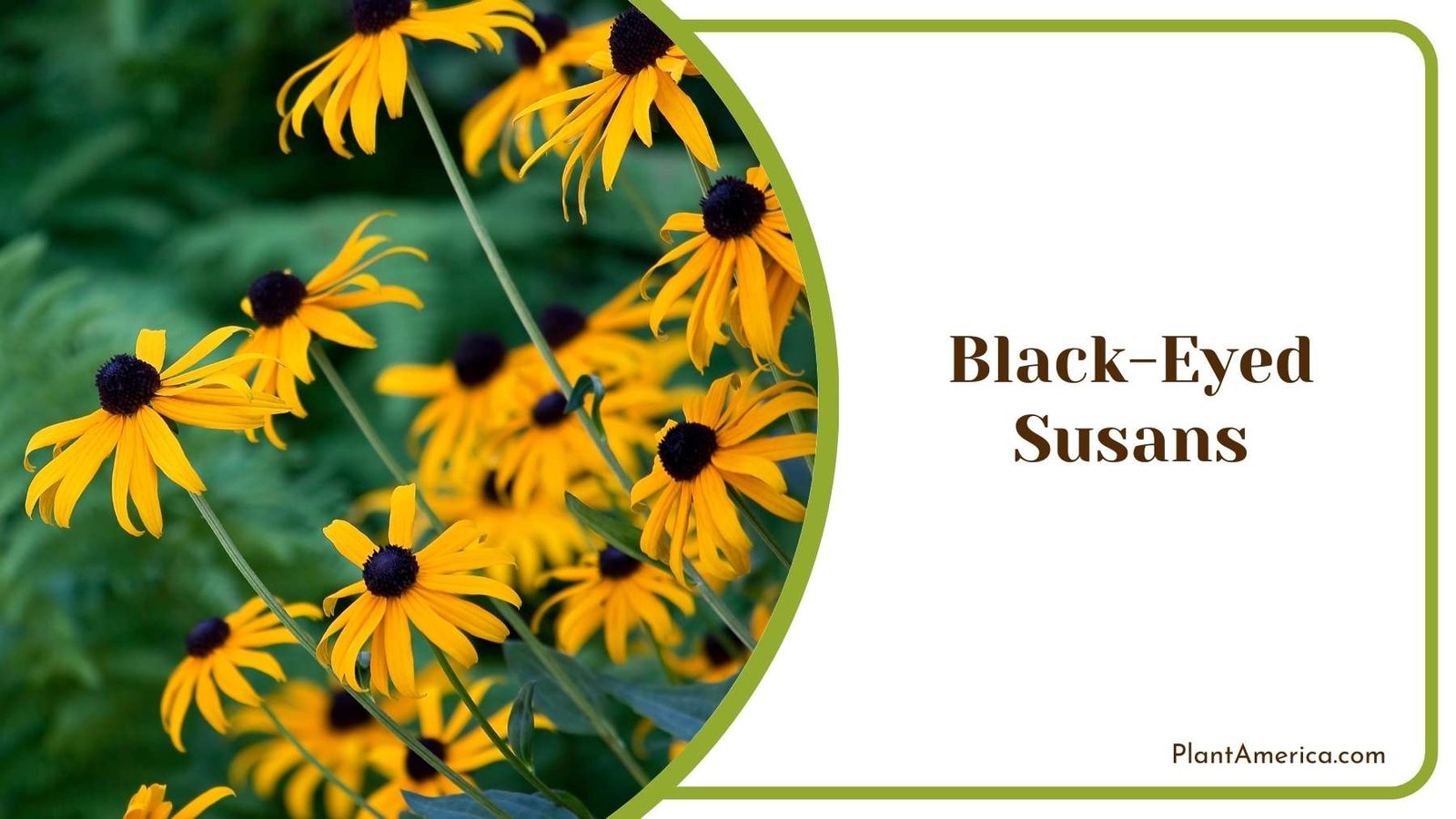
Beloved for the brightness they bring to fields and meadows throughout summer into early fall, black-eyed Susans offer observers golden rays of cheerful petals surrounding dark button-like centers. Their alternate leaves hold deep lobes and coarse hairs, roughly textured for water shedding in their preferred hot, sunny spots.
From June until first frost, these wild sunflowers may stand alone or grow en masse, supplying nectar and pollen that lures not just bees but also Japanese beetles who, having filled themselves, move on to inflict minor damage on surrounding leaves. On rare occasions, aster yellow phytoplasma disrupts the nutritional transport of infected plants. Still, these sunny blooms shine on, persisting with hardiness and charm through minor annoyances.
6. Snapdragons

- Growing Season: Summer, Early fall
- Leaf Shape: Opposite, Lanceolate leaves, Basal rosettes
- Specific Needs: Well-draining soil, Full sun to partial shade
- Common Pests: Aphids, Spider mites
Snapdragons charmingly appear along roadsides and in meadows from late spring through early fall, their playful blooms poking from low rosettes of lance-shaped leaves. These darling flowers arise on zigzagging stems in various colors that attract foraging pollinators with floral “tails” begging to be grasped. Partial shade and well-draining ground suit snapdragons, which despite hot sunshine and drier spells maintain their cheerful presence until hard frost.
Come times of flux between freezing and thawing, frost heaving may upset shallow roots and cause foliage loss. Minor aphid infestations on new shoots prove fleeting and seldom impede these plucky wildflowers’ longevity in the landscape. By spreading spontaneous smiles, snapdragons spread more beauty than any insect or challenging weather condition could downsize.
7. Daffodils
- Growing Season: Early Spring, Late winter in mild areas
- Leaf Shape: Narrow, Parallel -veined, Linear leaves
- Specific Needs: Moist, well-draining soil, Partial sun to light shade
- Common Pests: Squirrels, Deer
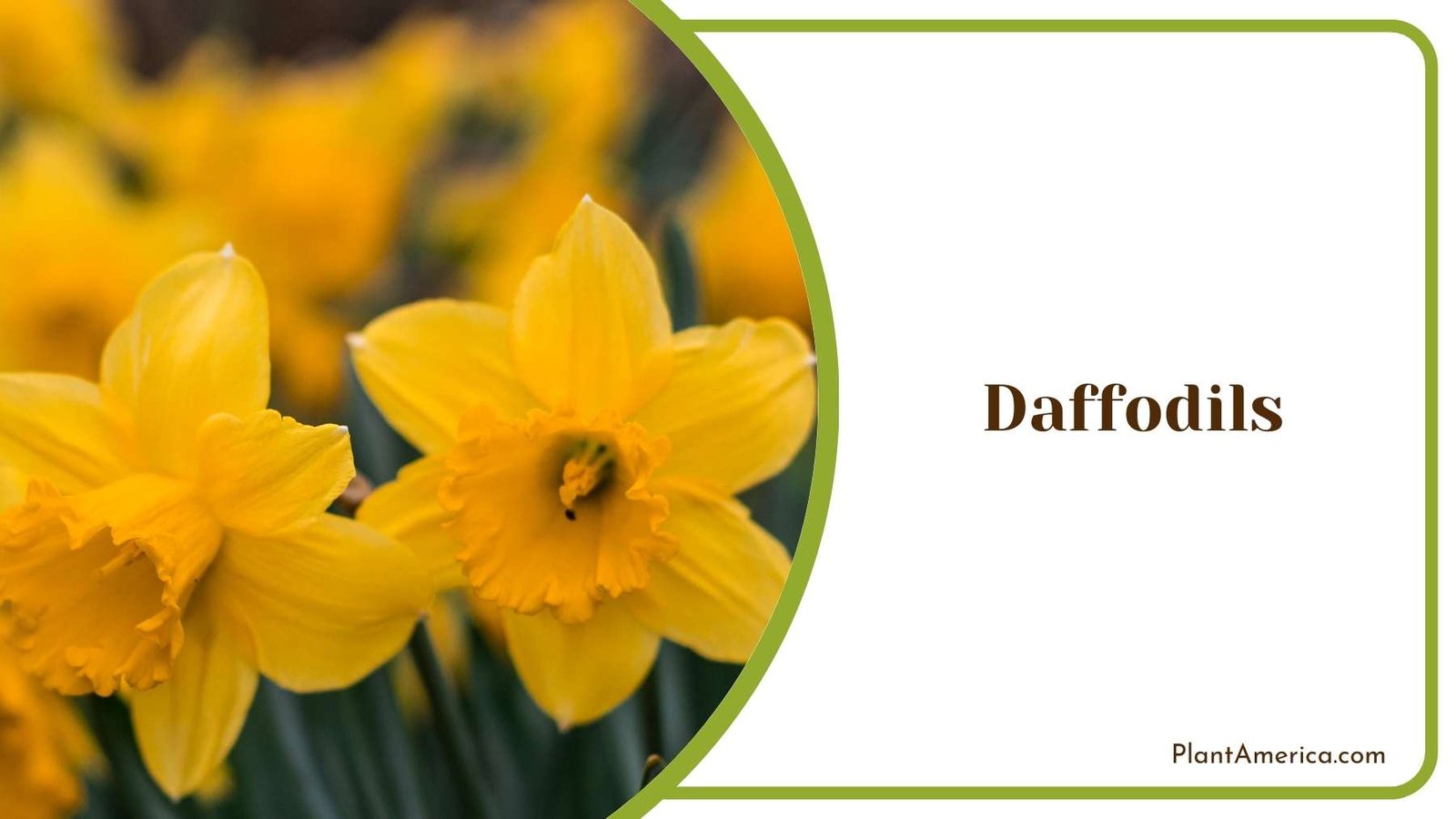
Daffodils are a welcome sign of spring bursting forth with cheerful yellow blooms. As winter’s chilled grip begins to loosen, daffodils delight gardeners with their hardiness and ability to emerge early. Several varieties naturalize readily, often naturalizing in clusters called drifts.
Depending on climate and species, daffodils bloom from late winter through early spring. Trumpet, poeticus, tazetta and other daffodil types bear distinctive blooms atop slender green foliage. Singles, doubles, picotees and other forms come in cheerful hues from vivid yellows to whites with dramatic orange cups. Individual blooms last one to two weeks before delicately wilting. However, multiple buds follow successively.
Daffodils thrive in most well-drained soils andclimates, tolerating sun or partial shade. Their grass-like foliage remains attractive afterwards until dying back completely by early summer. Come fall, leaves reemerge to fuel next year’s blooms without additional care.
Some varieties multiply freely, brightening lawns, borders and woodland edges with their sunshine-like blooms year after year. Daffodils’ resilient naturalizing habit combined with their ability to provide drama very early makes them a cherished spring harbingers.
8. Poppies
- Growing Season: Summer, Late Spring, Early fall
- Leaf Shape: Alternate, Feathered leaves, Basal rosettes before blooming
- Specific Needs: Well-draining soil, Full sun
- Common Pests: Aphids, Spider mites
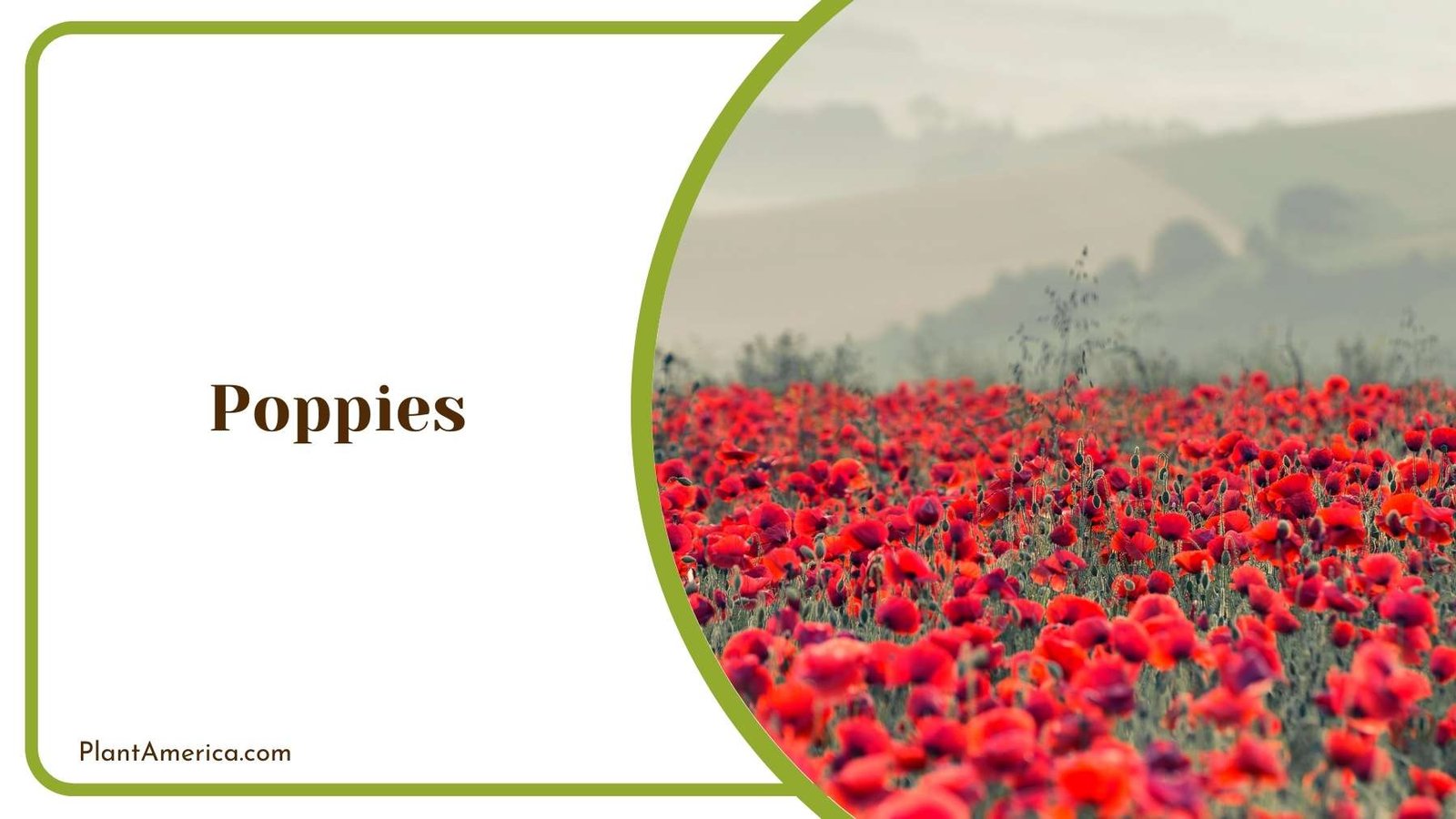
Poppies are colorful, short-lived flowers beloved for their cheerful blooms. The common red field poppy (Papaver rhoeas) originated in Europe and Asia but naturalized throughout temperate regions. In early summer, their vivid scarlet flowers emerge in abundance, complementing blue lupines and wheat fields with splashes of bright color.
Each poppy bears four slender petals in brilliant reds and oranges, gathered round a tuft of brown-black stamens at the flower’s center. Growing on thin green stems up to 2 feet tall, single blooms measure 2-4 inches across. Several popular garden varieties like the California poppy offer additional shades of yellow, orange and white.
Poppies favor full sun and well-draining soil, thriving in lawns or mixed borders. After dipping petal edges in morning dew, blooms face the afternoon sun, closing each night. Their delicate crumpled blooms last only for one fairweather day before wilting. However, multiple buds follow on each plant, ensuring repeat displays.
Come fall, ripe seed pods form that rattle when dried. Scattered in the garden, poppy seeds self-sow for continuing bouquets in seasons to come. Their fleeting beauty and ease of care make poppies a welcome annual accent.
9. Dandelions
- Growing Season: Summer, Early Spring, Late Fall
- Leaf Shape: Alternate, Jagged basal leaves, Form rosettes and develop wire flower stalks
- Specific Needs: Moist, well-draining soil, Full sun
- Common Pests: Aphids, Spider mites
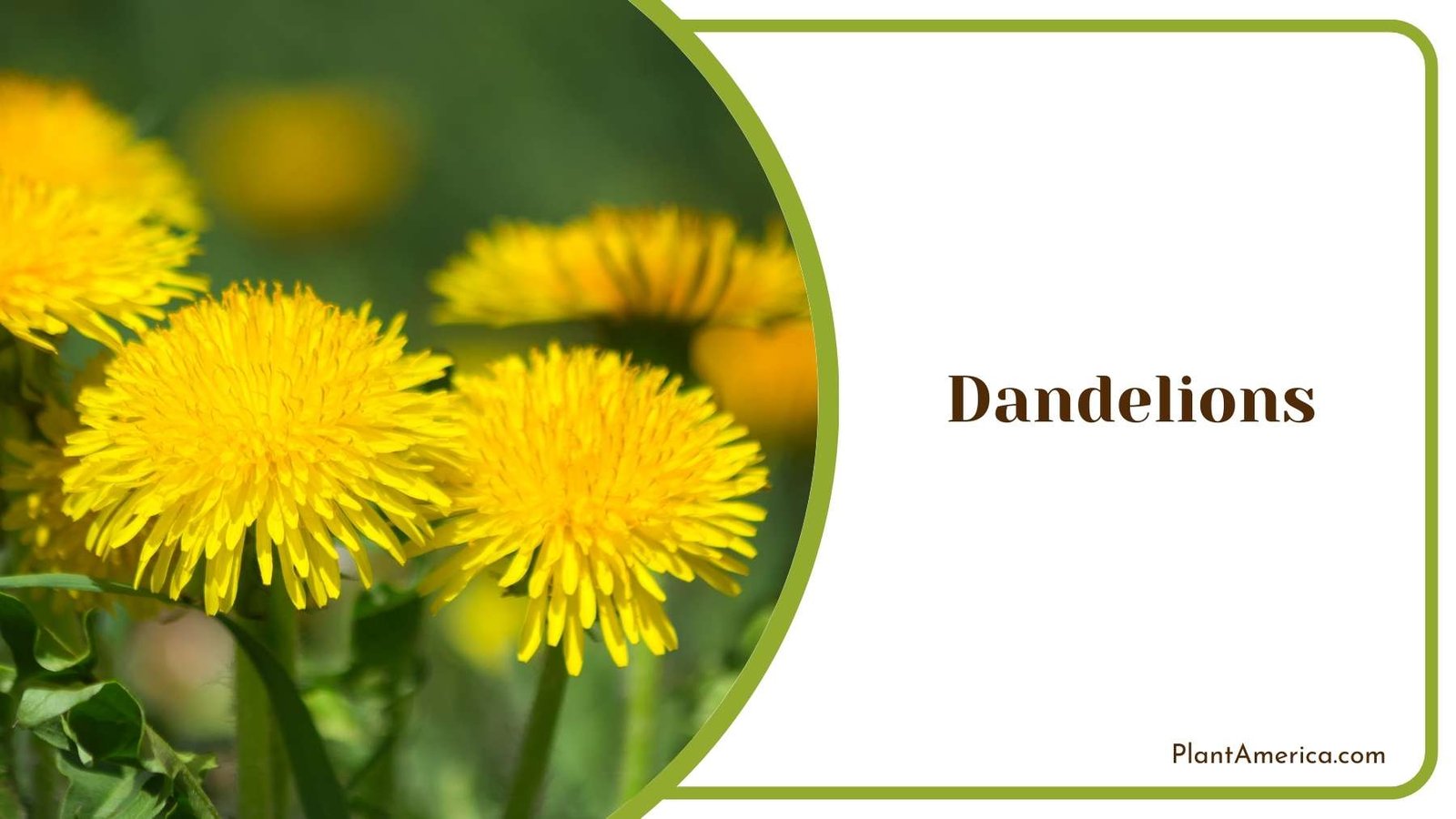
While mostly considered weeds, precocious dandelions are intriguing early season bloomers that add welcome color to lawns and meadows each spring. As snow recedes, their cheery golden flowers emerge before most other plants awaken, giving rise to their scientific name Taraxacum officinale, meaning “the early flower.”
Distinguished by their zigzagging leaf stems and round rosettes of deeply serrated foliage, precocious dandelions form lush mats of green across sunny areas. Much to the delight of pollinators, within mere weeks each plant sends up numerous solitary yellow blooms on wiry, hollow stalks just four to 12 inches tall. From early morning until evening, the dandelions’ flattened composite flowers face steadily toward the sun to optimize nectar rewards.
After flowering concludes in mid-spring, white seeded parachutes take shape. Carried far by the wind, these ensure perpetuation of this exuberant early bloomer. While some view dandelions as undesirable, their abundant pollen and nectar provide crucial nourishment to bees and beneficials during spring’s scarcest weeks. Appreciating their role in balancing ecology can help see dandelions in a more positive light..
10. Asters
- Growing Season: Late Summer, Early fall
- Leaf Shape: Opposite, Simple leaves, Range from heart-shaped to elongated
- Specific Needs: Moist, well-draining soil, Full sun to partial shade
- Common Pests: Aster yellows, Japanese beetles
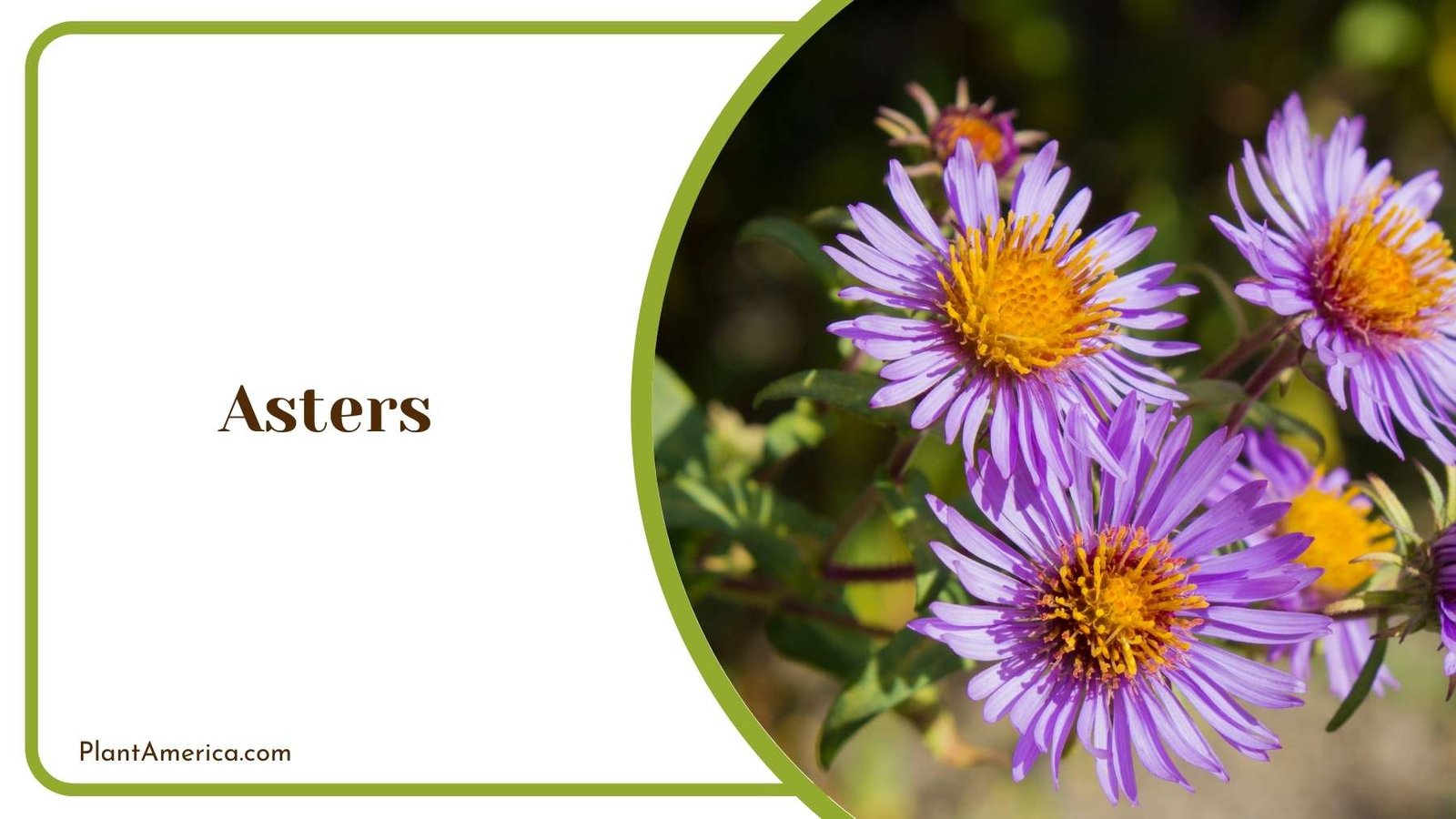
Asters grace meadows, forests, and fields from August to October with delicate blooms borne atop numerous branching stems. Adaptable colonizers, their leaves emerge opposite in forms from heart-shaped to elongated depending on the ecosystem. These late perennials relish sunny spots with consistently moist yet sharply draining ground—perfect for injecting color as seasons transition.
Sometimes Japanese beetles lounge leisurely on petals, grazing edges but seldom causing lasting damage. Rarely, the bacterium causing aster yellows enters xylem to disrupt photosynthesis; although stunted, diseased plants often support seed dispersal before year’s end. Throughout minor mishaps, asters’ delicate displays shine fond seasonal farewells.
11. Wild Roses
- Growing Season: Summer, Late Spring
- Leaf Shape: Alternate, Pinnately compound leaves, Finely serrated oval leaflets
- Specific Needs: Moist, well-draining soil, Full sun
- Common Pests: Japanese beetles, Rose slug, Sawfly larvae
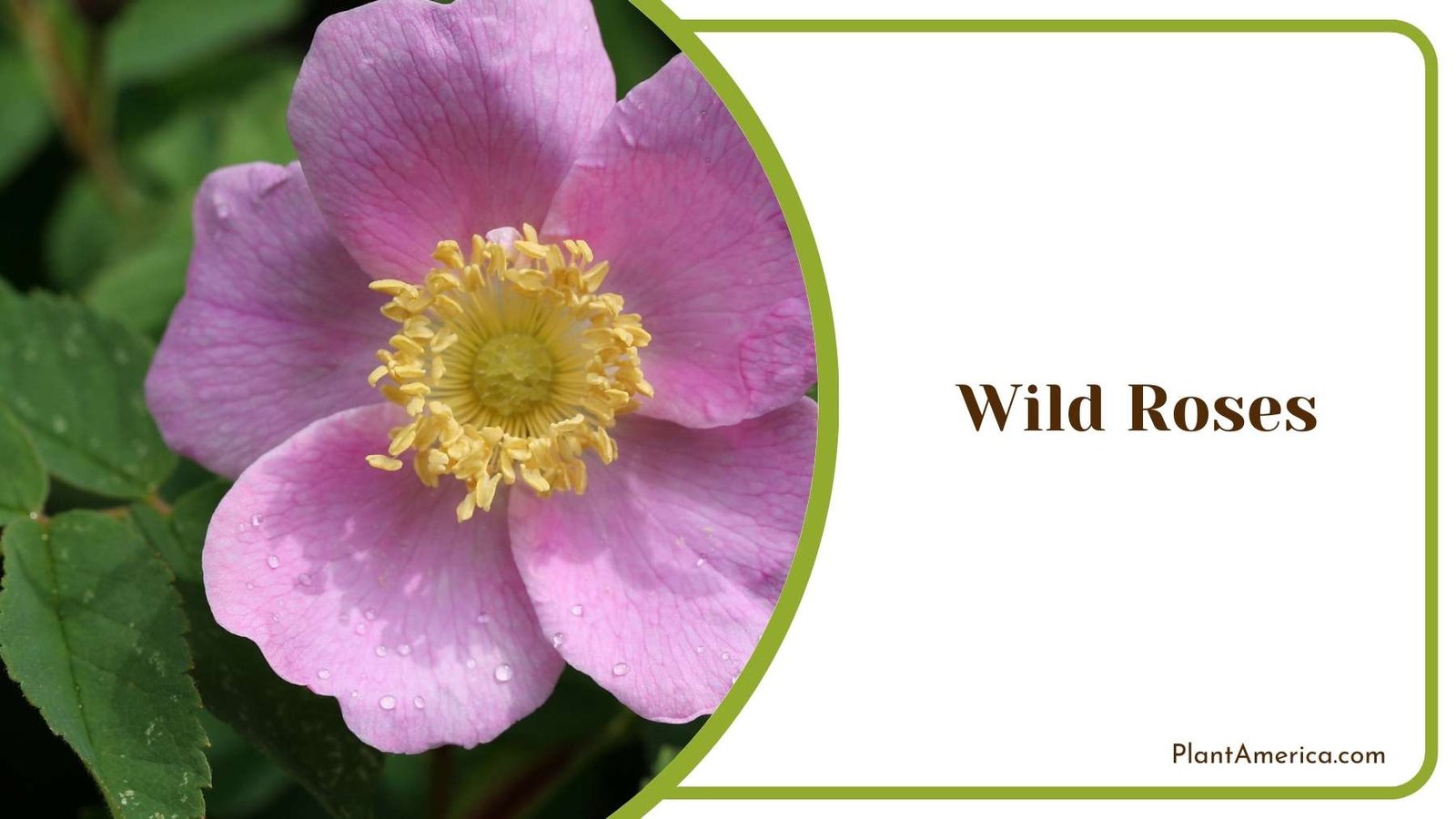
Wild roses are beloved native flowering shrubs found throughout temperate regions worldwide. With over 300 species, roses vary in size from delicate groundcovers to sturdy small trees. In early summer, thorny rose stems erupt in a dazzling show, bearing single to clustered blooms in whites, pinks, reds and yellows.
Some particularly charming native North American species include prairie roses, Virginia roses, and spiny wild roses. Their semi-double to single blooms range from one to four inches wide, perfuming the air around thickets. Toward fall, rose hips develop, providing food for birds during migration. Some species like Rosa rugosa form plump scarlet hips that persist through winter, adding color when little else does.
Wild roses thrive best in full sun with moderately rich, well-draining soil. Their arching canes form dense thickets, blanketing slopes, meadows or streambanks in a naturalistic blend of foliage, flowers and tunnel-like pathways.
Some tolerate salt spray or drier coastal conditions beautifully. Roses attract pollinators and host caterpillars of butterfly and moth species, making them exceptionally valuable for biodiversity. Their tough, naturalizing forms integrate harmoniously into informal backyard meadows, hedgerows and native plantings.
12. Queen Anne’s Lace
- Growing Season: Summer, Early fall
- Leaf Shape: Alternate, Finely divided leaves, Form basal rosettes low to the ground
- Specific Needs: Moist, well-draining soil, Full sun
- Common Pests: Aphids, Spider mites
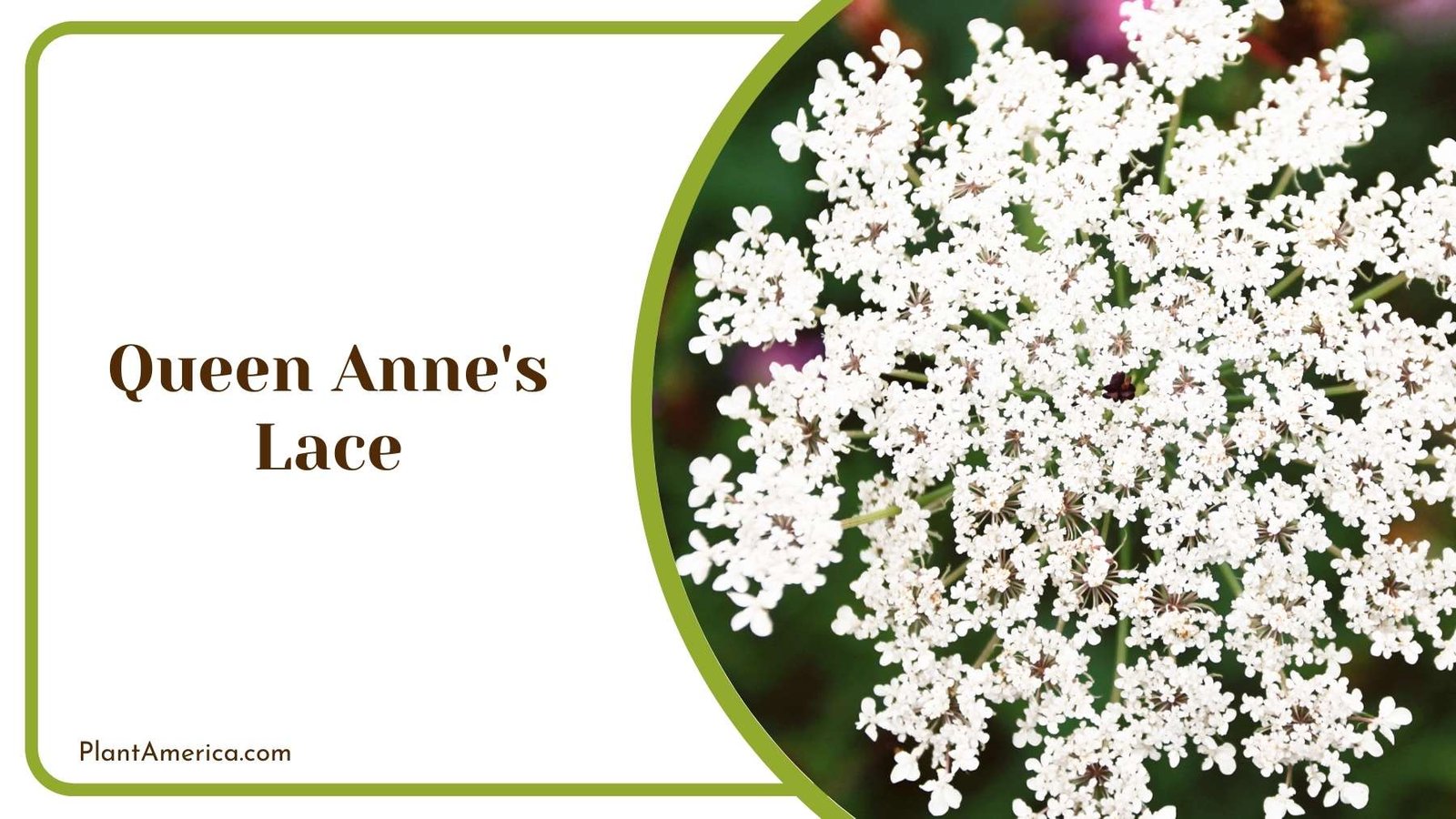
Often mistaken for its cousin the poisonous hemlock, Queen Anne’s lace adds lacy foliage and clusters of small white blooms to fields and meadows during warmer months. These wild carrots form basal tufts of alternate, finely compound leaves from which rise singular, lacy flower umbels up to one foot tall.
They do well in sunny areas with soil retaining consistent moisture while rapidly draining. Minor infestations see aphids sap plant juices, leaving blooms and stems misshapen. During sporadic droughts, wilts may stunt individual plants’ potential until rains revive their resilience near season’s end. Thus Queen Anne’s Lace continues offering pastoral pleasures through summer’s fluctuating climate.
13. Coneflowers
- Growing Season: Summer, Early fall
- Leaf Shape: Alternate, Elliptical leaves, Feature prominent parallel veins
- Specific Needs: Moist, well-draining soil, Full sun
- Common Pests: Japanese beetles, Rabbit, Deer
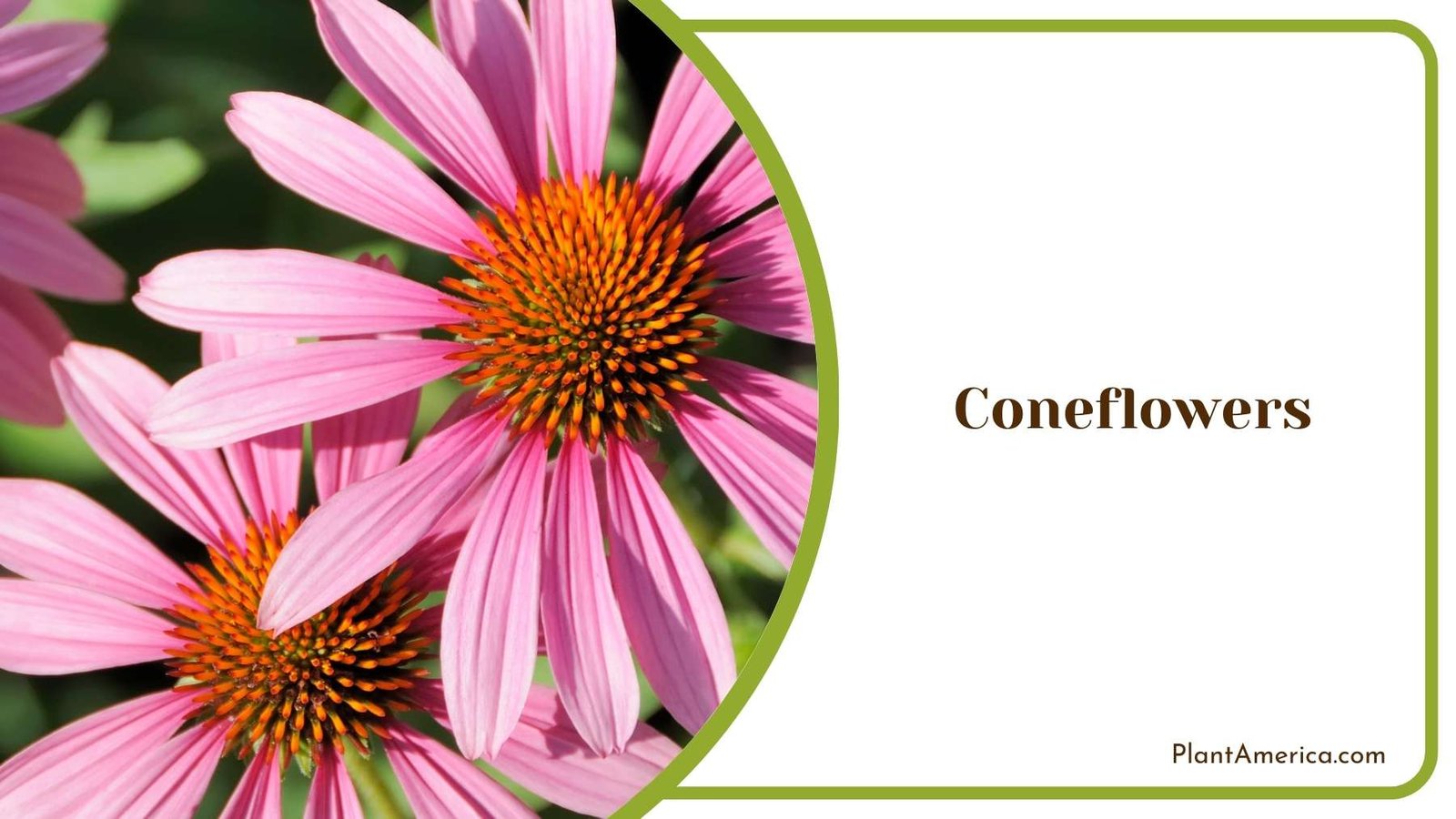
Coneflowers enthusiastically pop their cheerful daisy-like faces across meadows and pastures from July through September alongside goldenrods and asters. Their leaves appear alternate, elliptical in shape and prominently veined for maximizing photosynthesis. Come falling temperatures, coneflowers then disperse downy seeds conveniently undertaking transport by clinging clothes and pet fur.
Minor stresses include Japanese beetles sometimes finding flowerheads too tempting, and rabbit or deer herbivory onescaped rootstocks over winter. Yet through these intermittent nuisances, coneflowers’ simple hardiness and sunny disposition serve to spread landscapes with late-season smiles.
14. Buttercups
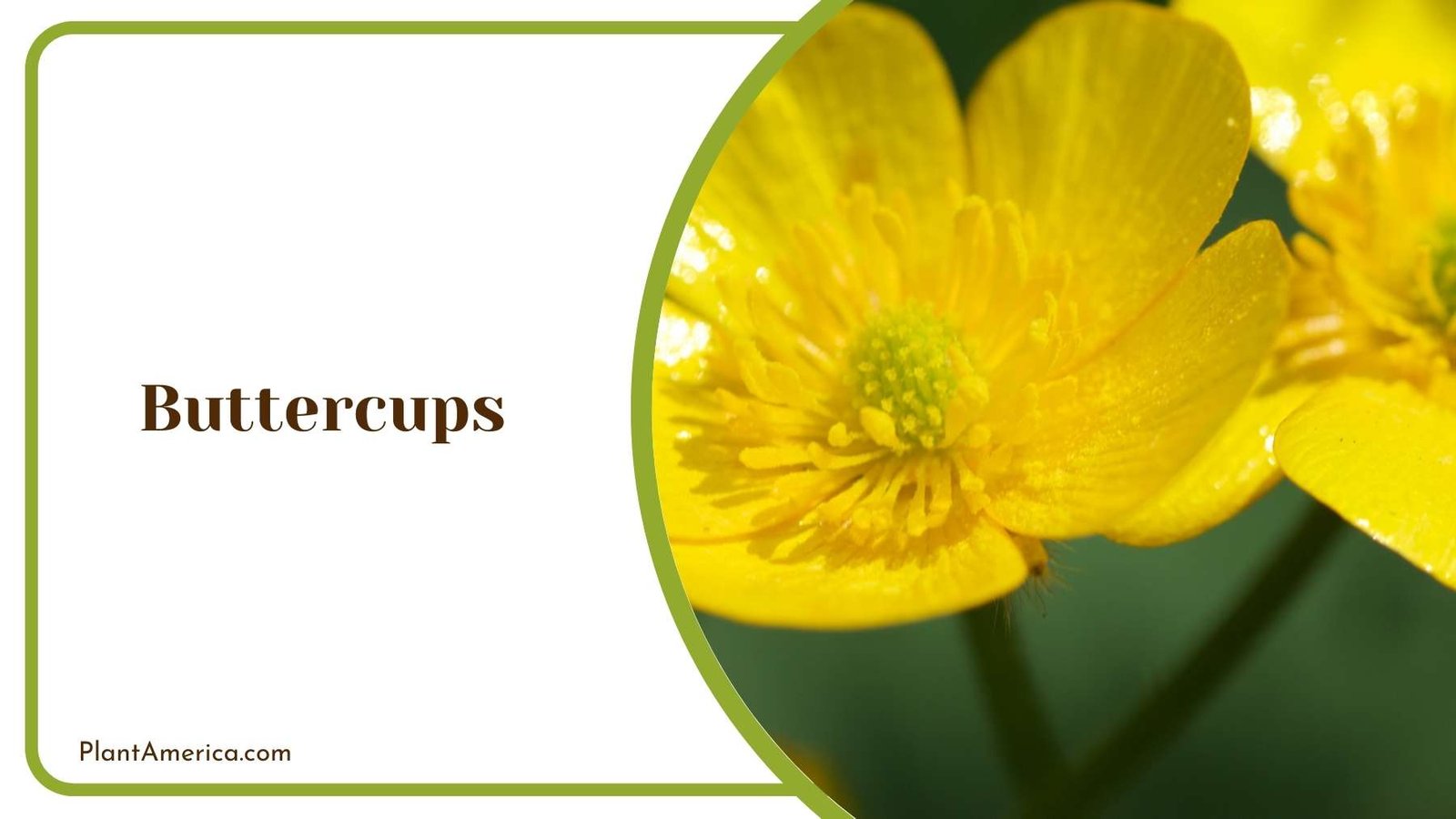
- Growing Season: Late Spring, Early Spring
- Leaf Shape: Alternate, Divided leaves, Form erect stems and rosettes
- Specific Needs: Moist, nutrient-rich soil, Full sun to partial shade
- Common Pests: Slugs, Snails
Bringing pops of sunny yellow to meadow edges as early as March, buttercups activate grasslands and woodlands with merry blooms rising from erect basal shoots and rooting stems. Alternate, palmately divided leaves unfurl to form lush carpets for these perky wildflowers. Partial shade and consistently moist ground supply buttercups needs until summer solstice.
Then occasional slug and snail grazing leaves holes but does not threaten populations, and rare drought spells may bring fungal issues swiftly resolved by seasonal rains. Thus do these cheerful harbingers herald warmer days and prove symbols of nature’s steady renewal each spring wherever established.
15. Wild Geranium
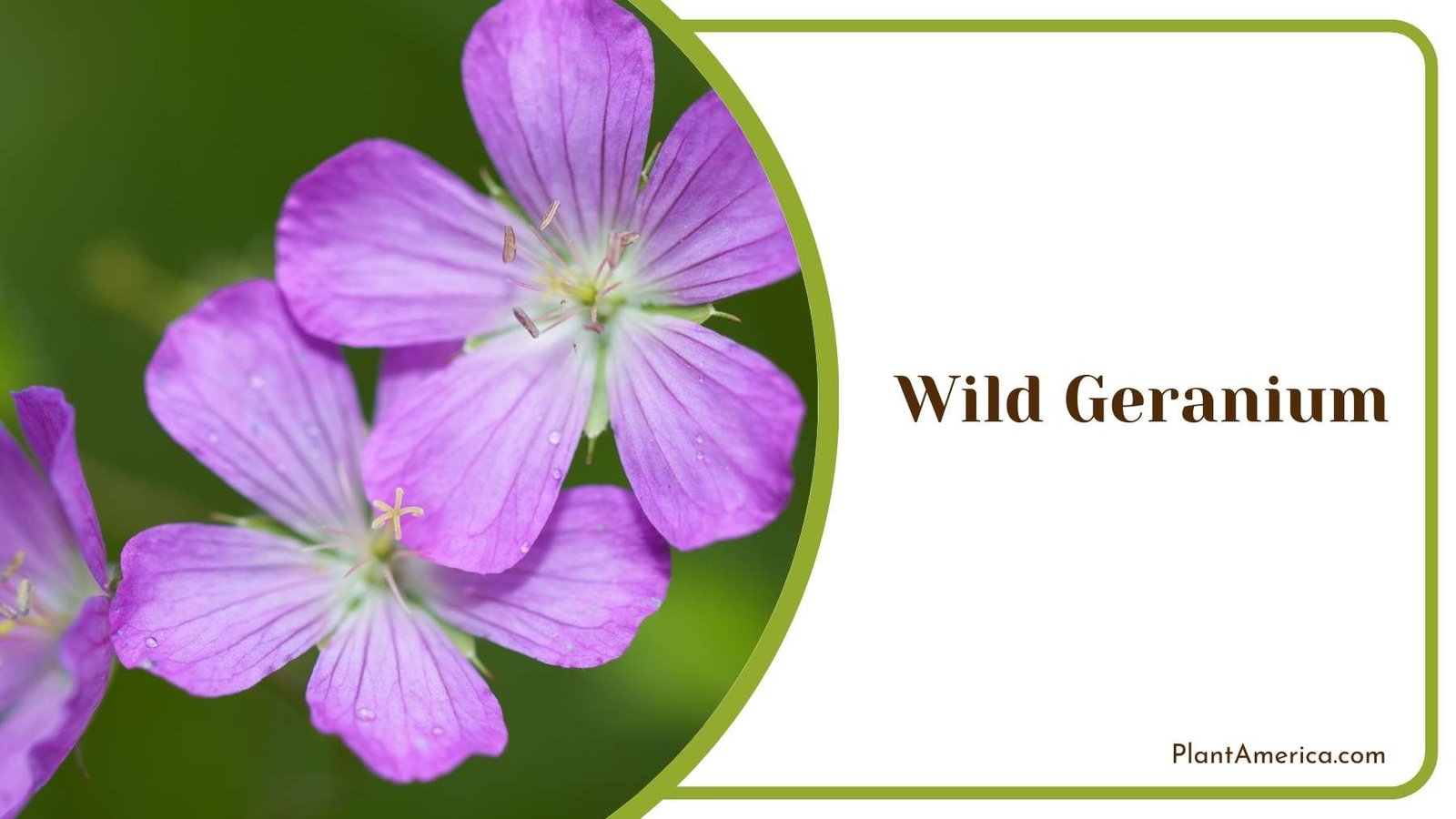
- Growing Season: Late Spring, Early Summer
- Leaf Shape: Alternate, Deeply lobed leaves, Five to seven palmate lobes
- Specific Needs: Moist, well-drained soil, Partial shade to full sun
- Common Pests: Slugs, Snails
Wild geraniums are popular perennial groundcovers native throughout North America and Europe. Also commonly called cranesbills for their distinctive seed pods, there are over 400 species of Geranium that thrive in diverse habitats ranging from forests to meadows. Their colorful blooms and low maintenance needs make wild geraniums a wonderful choice for gardens as well.
In early to late summer depending on the species, wild geraniums erupt with clusters of delicate saucer-shaped flowers in shades of pink, purple, blue, and white. Individual blooms are only about half an inch wide but congregate in cheerful profusions. Some cultivars rebloom periodically if deadheaded. Basal tufts of deeply lobed green leaves provide attractive foliage the rest of the year.
Most wild geraniums grow in mounds 6-18 inches tall spreading indefinitely by rhizomatous roots. Their moderate size and adaptability to varied light and moisture levels allow geraniums to naturalize freely or be contained as effective groundcovers.
Come fall, the flowers fade but are replaced with interesting seed pods resembling wooden cockades that persist through winter. Hummingbirds and butterflies enjoy geraniums’ nectar rewards as well. Their low water needs and resilience make wild geraniums a sustainable accent for pollinator gardens, slopes, and borders.
16. Baby’s Breath
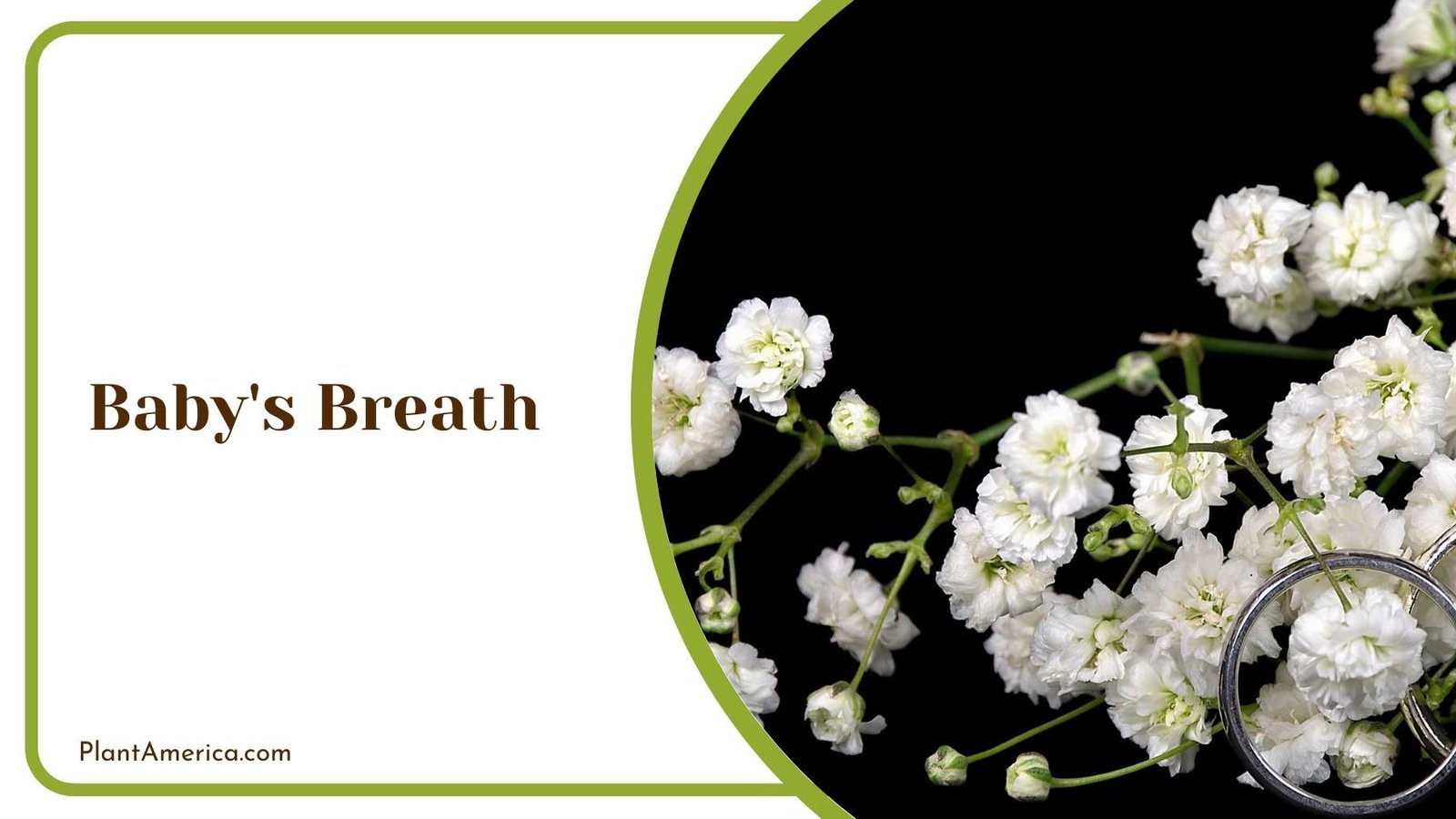
- Growing Season: Summer, Early fall
- Leaf Shape: Alternate, Finely dissected leaves, Form tufted basal clumps
- Specific Needs: Well-draining soil, Full sun
- Common Pests: Aphids, Mildew
Baby’s breath is a delicate, lacy white bloomer beloved in floral arrangements for its fine-textured filler flowers. Scientifically known as Gypsophila paniculata, it’s a delicate annual or short-lived perennial grown as a bouquet-worthy cut flower. The genus name Gypsophila derives from the Greek words “gypsos” meaning chalk or lime, and “philein” meaning to love, referring to its preference for limy soils.
In mid-summer, upright branching stems emerge topped with plumes of tiny five-petaled blooms, densely clustered like cotton balls. Individual baby’s breath flowers are only about 1/4 inch wide, but together they create full, fluffy sprays perfect for adding light fullness to bouquets. The plants spread to two to three feet tall and wide through a branching habit. They produce an abundance of flowers, which is ideal for cut flower arrangements.
Baby’s breath prefers well-draining, slightly alkaline soil with a pH between 6.5-7.5 and full sun exposure for optimal growth and blooming. Its ferny gray-green leaves provide an attractive foliage backdrop for the ethereal white flowers.
After blooming profusely throughout summer, fluffy seed heads form that persist nicely on cut stems. When dry, the individual flowers can also be used for sachets, pressed flower art, or incorporated into dried floral arrangements where their fine texture is appreciated.
With its ability to generously fill spaces gracefully with an abundance of delicate filler blooms, baby’s breath is a valuable cut flower species for floral designers. Its airy appearance also makes it an excellent companion plant blended amidst other flowers in the garden, where its clouds of blooms help enhance colorful bouquets. Its longevity as a cut flower and adaptability make baby’s breath a versatile and useful floral addition..
17. Fireweed
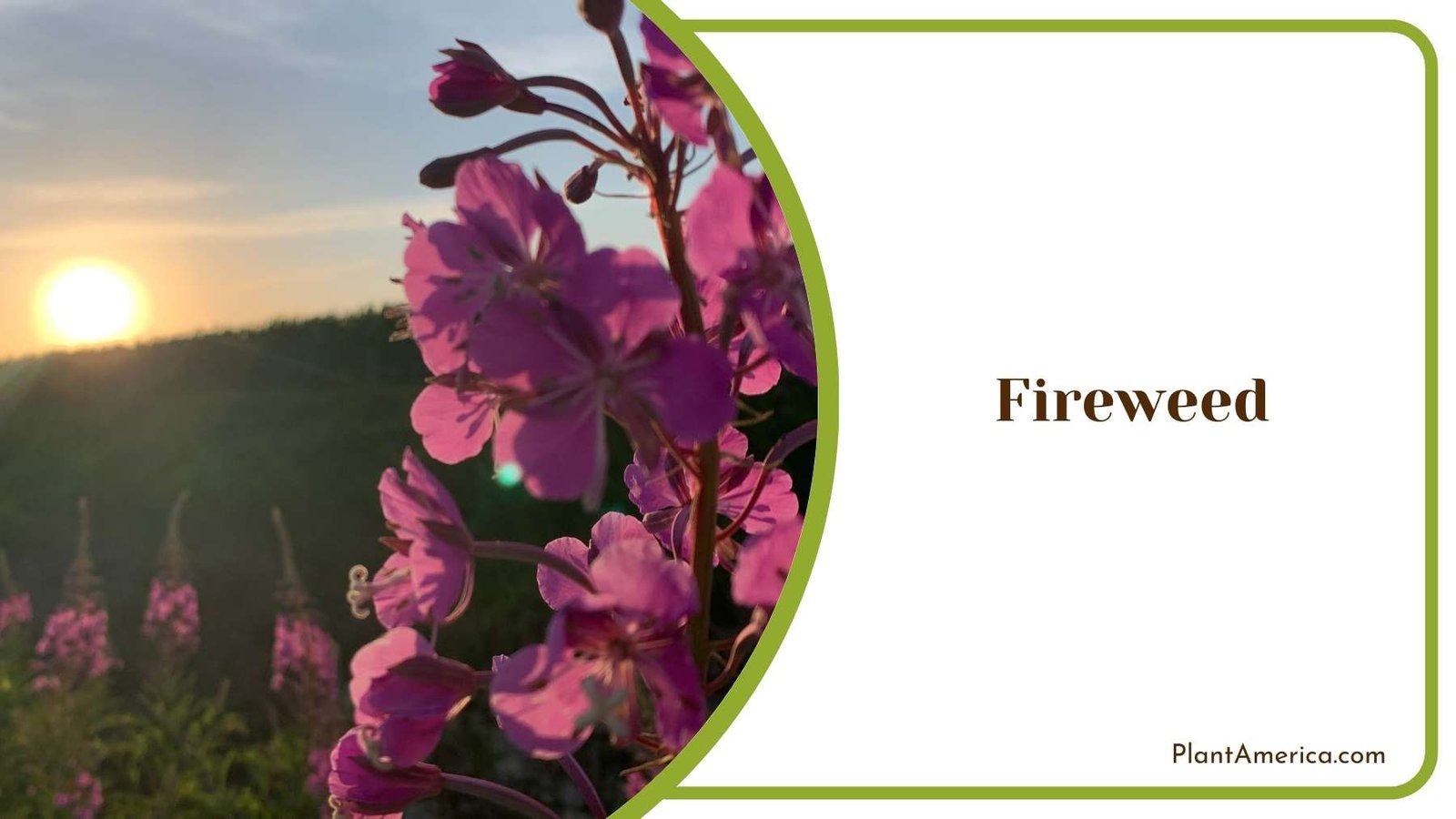
- Growing Season: Summer, Early fall
- Leaf Shape: Alternate, Lance-shaped leaves, Arrange in opposite pairs on square stems
- Specific Needs: Moist, well-draining soil, Full sun
- Common Pests: Slugs, Aphids
Flourishing amid sun-scorched clearings and lakeshores throughout warmer seasons, fireweed arrests attention with spires of magenta blooms rising tall above opposite pairs of lance-shaped leaves arranged on characteristically square stems. These pioneering perennials demand ample sunlight and moisture to thrive across disrupted landscapes.
Very occasional slug nibbles leave pinholes while rare aphid clusters can splotch vegetation, but neither significantly hinder fireweed’s natural role in areas regenerating. Thus these bright colonizers spread beauty and ecological benefits between other flora gaining footing year to year.
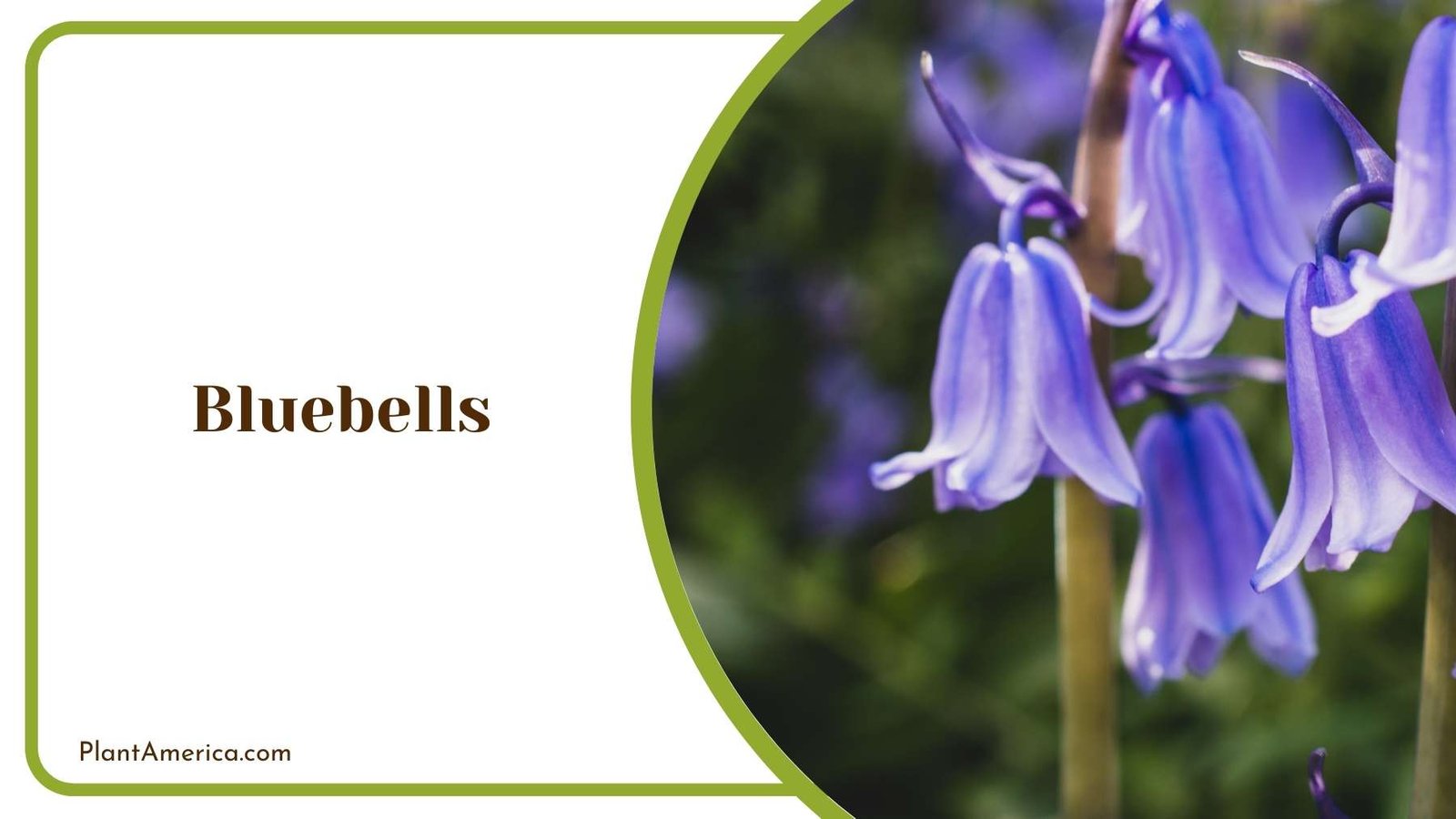
18. Bluebells
- Growing Season: Late Spring, Mid Spring
- Leaf Shape: Basal, Elliptical leaves, Form Dense carpets appearing after blooms
- Specific Needs: Moist, rich, acidic soil, Partial to full shade
- Common Pests: Slugs, Squirrels
Woodland colonies erupt with tidal waves of vivid blue as native bluebells adorn shaded stretches each April through June. Slender stems bearing pairs of pendulous bells sway gracefully amidst season’s first fresh greenery. These euonymus thrive in dappled shade and rich, moist, slightly acidic soils.
After blooms wither, elliptical basal leaves form lush carpets. Minor slug nibbling along leaf margins seldom slows growth, and on rare occasions squirrels have been known to unearth corms in hunts despite bulbs’ slight toxins. Yet through small pressures, bluebells’ sweet visions enrich woodlands for appreciative forest dwellers.
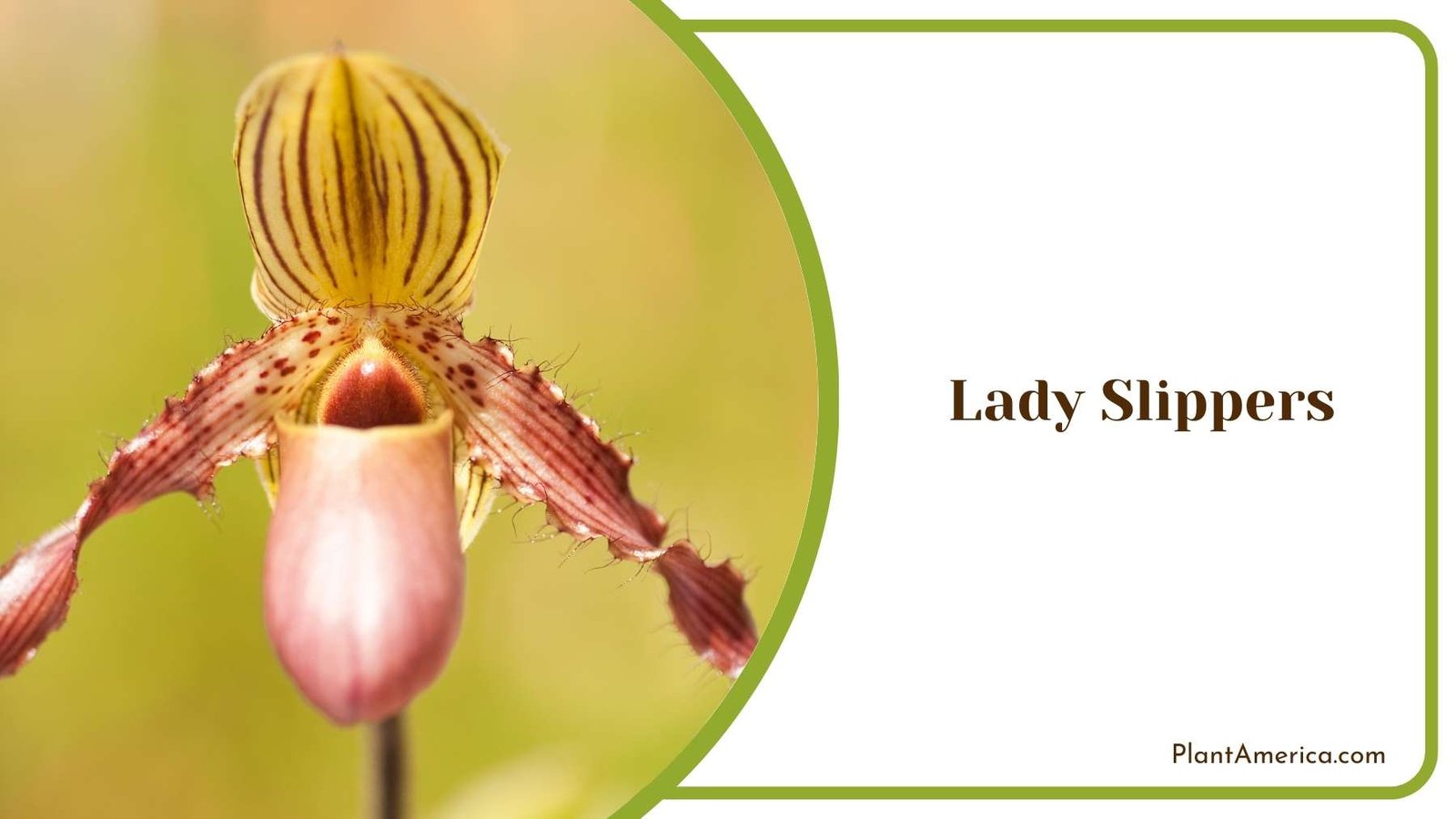
19. Lady Slippers
- Growing Season: Mid Spring, Early Summer
- Leaf Shape: Basal, Elliptical leaves, Heart shaped with parallel veins
- Specific Needs: Moist, Acidic soil, Partial shade
- Common Pests: Deer, Rabbit
Lady slipper orchids are among the most beautiful yet threatened wild orchid species native to North America. Getting their common name from the slipper-like pouches borne on their flowers, lady slippers mostly inhabit woodland habitats across the continent.
Two widespread and notable lady slipper varieties are the pink lady’s slipper (Cypripedium acaule) and the showy yellow lady’s slipper (Cypripedium reginae). In spring, their unique blooms emerge on single erect stems among spreading foliage.
Pink lady’s slipper bears one solitary pink flower up to four inches wide with three dorsal sepals forming the distinctive pouch. Yellow lady’s slipper blooms feature several larger yellow lip-like flowers dangling alongside their leaves. Lady slippers require specific fungal partnerships in the soil to survive that have been depleted by habitat loss. They favor partly shaded forest interiors with moist, acidic soil rich in organic material.
Once established, their clumping rhizomatous roots allow them to persist for many decades. Seeing their unusual insect-mimicking blooms in virgin woodlands is a special treat, as these orchids become increasingly rare outside of protected areas. Conservation groups work to restore and propagate them for future generations to appreciate their natural beauty.
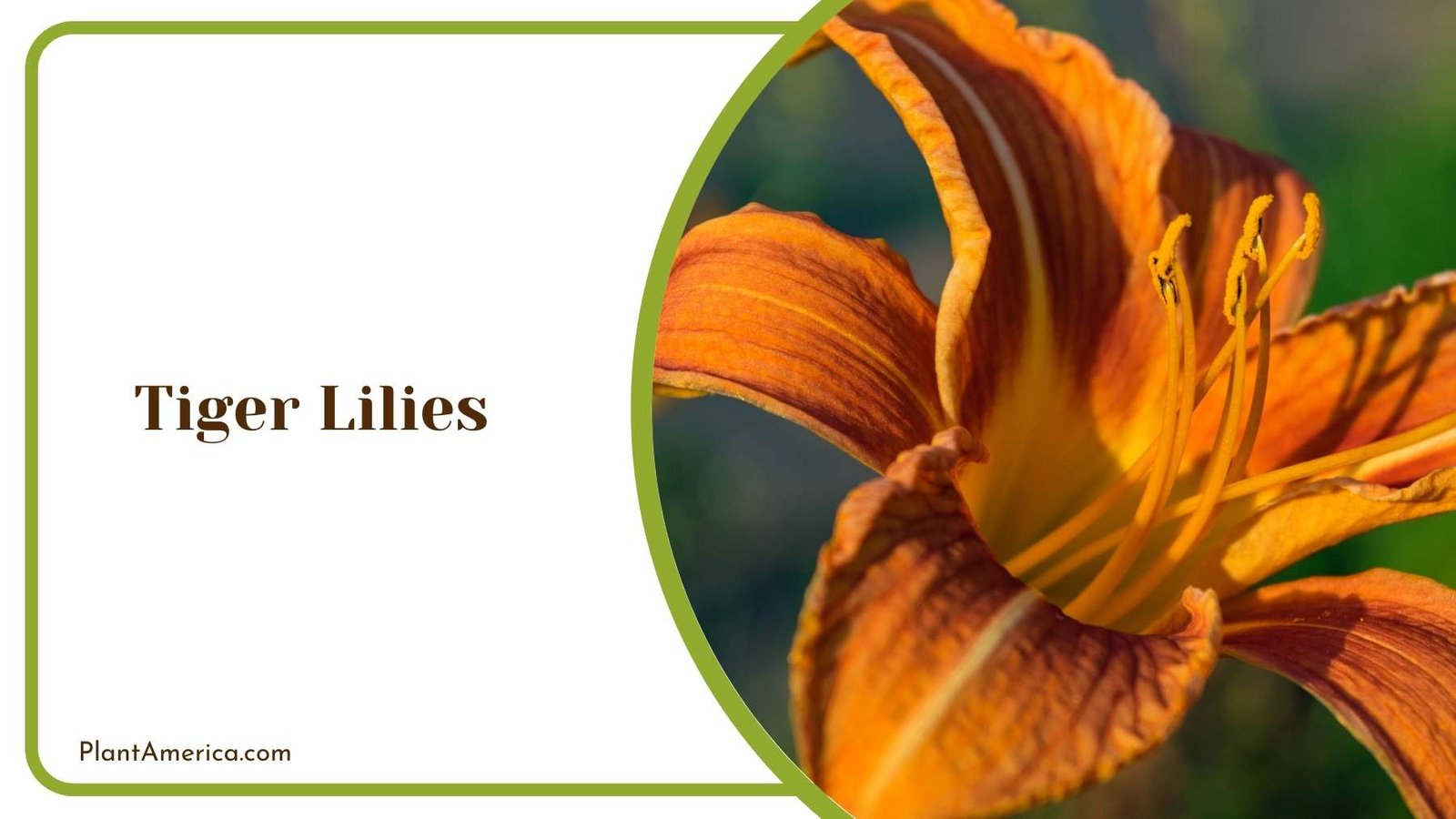
20. Tiger Lilies
- Growing Season: Early fall, Mid summer
- Leaf Shape: Basal, Sword-shaped leaves, Form Dense rosettes
- Specific Needs: Moist, nutrient-rich soil, Full sun
- Common Pests: Aphids, Japanese beetles
Bold tiger lilies flourish from July into September, proudly displaying spots and stripes among brilliant orange trumpets. Before elongating robust leafless stems, dense basal tufts of sword-shaped leaves form an understory. These stately wildflowers demand hot sun exposure and soil saturating rains for peak performance across meadows and forests.
Occasional Japanese beetles have been known to nibble edges of lush foliage. Without adequate rainfall, individual blooms sometimes wilt before setting seed, but soil-stored nutrition allows resilience in populations overall. Thus through sporadic obstacles, tiger lilies spread wild splendor aptly named for their vibrant exotic beauty.
Conclusion
This exploration of twenty common wildflower varieties spotted along trails, let’s briefly review some key favorites
- Throughout summer into early fall, black-eyed Susans offer observers golden rays of cheerful petals surrounding dark button-like centers.
- Bold tiger lilies flourish from July into September, proudly displaying spots and stripes among brilliant orange trumpets
- Bringing pops of sunny yellow to meadow edges as early as March, buttercups activate grasslands and woodlands with merry blooms rising from erect basal shoots and rooting stems
While minor disturbances may periodically impact individual plants, the resilience of these wildflowers is truly inspiring. Despite occasional stresses of weather, herbivory or other natural challenges, their seasonal displays continue to enrich our landscapes with colorful reminders of renewal. Though ephemeral in our view, wildflowers glorify the landscape throughout life cycles both short and long.