
Mealybugs on fir tree are one of the common pests that infect other plants as well. You’ll need to be careful as they can hop from plant to plant, tree to tree.
Fortunately, we’ve identified the causes and solutions for your mealybug madness!
Why Are There Mealybugs on Your Fir Tree?
There are mealybugs on your fir tree because of suitable habitats, plant suitability, lack of natural predators, weak or stressed trees, spread from nearby infestations, tending ants, human activity, climate and weather, and overuse of pesticides. These causes can be mitigated.
And where do mealy bugs come from? Let’s check what causes mealybugs!
– Suitable Habitat
Fir trees offer mealybugs abundant nourishment with their soft foliage, sap, and nutrients. The trees’ dense evergreen nature provides a protective shelter for mealybugs against weather and predators, while their needle structure offers comfortable feeding surfaces.
The cool, moist microclimate within the foliage encourages mealybug survival and reproduction. To preserve fir trees’ health, effective pest infestation control is crucial due to mealybug infestations facilitated by the interconnected ecosystem.
– Plant Attractiveness
Mealybugs adore soft plant tissues, especially in growing fir trees, munching on fresh shoots, leaves, and stems. The unique structure of fir trees provides cozy hideouts for mealybugs to lay eggs and feed undisturbed.
Honeydew secretions on fir trees offer a tasty bonus, attracting both mealybugs and ants. With fir trees staying green year-round, it’s an inviting and comfortable place for mealybugs to thrive.
– Lack of Natural Predators
Mealybugs on trees may lack enough natural predators due to broad-spectrum pesticides, habitat destruction, and climate change. This can lead to unchecked population growth, infesting plants intensely.
– Weak or Stressed Trees
Stressed fir trees struggle against mealybugs, as stress comes from environmental factors or health issues. Weakness can result from a lack of nutrients, water, poor soil, or extreme weather. The tree’s defenses drop, letting mealybugs target weak areas.
These pests feed, drawing sap and depriving the tree of nutrients. This feeding cycle makes the tree weaker, stunting growth and increasing vulnerability.
– Spread from Nearby Infested Plants
Where do mealybugs come from? Mealybugs are highly mobile insects. They can crawl on surfaces or be carried by the wind. This makes it easy for them to move between nearby plants. When they infest one plant, they quickly multiply, overwhelming the plant’s defenses.
As their numbers grow, they search for new food sources. They may be attracted to nearby fir trees with fresh foliage. Adult mealybugs can hitch rides on other insects, animals, or humans to reach different plants, including fir trees.
Ants, which have a symbiotic relationship with mealybugs, may carry them to fir trees. If there are ants around the fir trees, they might help the mealybugs migrate. Once on a fir tree, mealybugs feed on its sap and weaken the tree’s health.
– Ant Tending
We’ve mentioned previously that mealybugs and ants have a mutualistic relationship. Mealybugs feed on fir tree sap and produce honeydew. Ants are attracted to the honeydew and protect the mealybugs from predators.
Ants also transport the mealybugs to new feeding sites. In return, the mealybugs provide the ants with food. This behavior increases mealybug numbers and facilitates their spread to new areas. Controlling your mealybug infestation becomes challenging due to ant protection.
– Human Activity
Mealybugs spread through infested plant movement. Plus, global trade in ornamental plants aids their long-distance movement. Also factor in improper plant care, like overwatering, which encourages mealybug pest infestations.
Shared gardening tools can cause cross-contamination between plants. Neglecting monitoring allows mealybugs to multiply and infest nearby fir trees. On top of that, introducing non-native fir trees without considering the ecosystem can worsen the problem.
– Climate and Weather
Mealybugs are sensitive to weather. Warm, humid climates are ideal for them to reproduce quickly. High humidity helps them feed and breed. Milder temperatures let them survive year-round, while cold regions slow their growth but they rebound fast.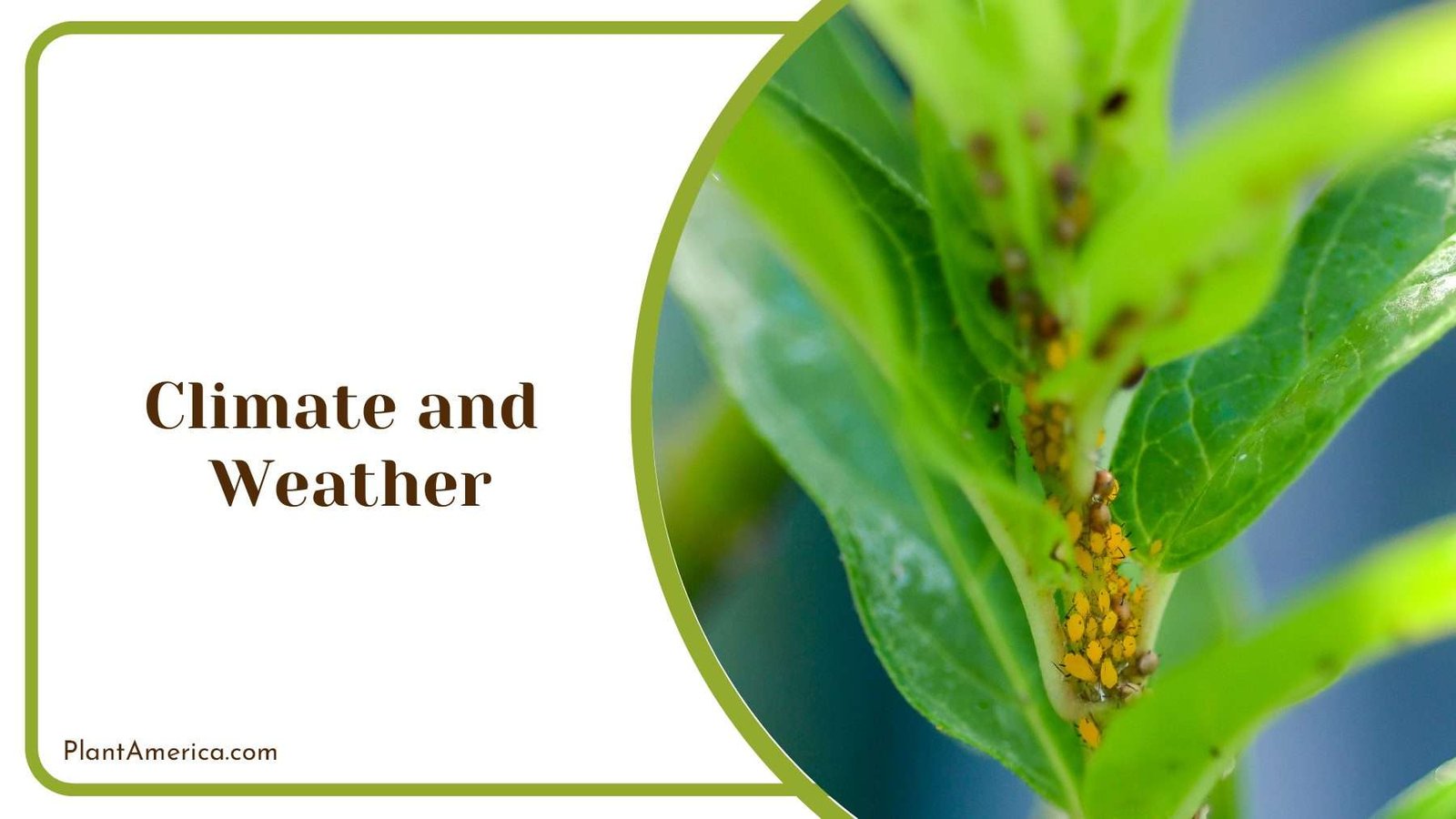
Rain and temperature shifts impact mealybugs. Heavy rain can dislodge them, causing infestations elsewhere. Climate change may expand their range, posing threats to fir trees in new areas.
– Overuse of Pesticides
Excessive pesticides disrupt ecosystems. They harm mealybug predators too. Beneficial insects can’t control your mealybugs. Frequent pesticide use leads to resistance. Mealybugs become harder to control. Broad-spectrum pesticides harm pollinators. Harmful residues linger in soil and water. Fir trees lack resistance to mealybugs. They get infested, weaken, and grow sooty mold.
How Can You Get Rid of Mealybugs on Your Fir Tree
You can get rid of mealybugs on your fir tree by first identifying mealybugs, pruning and removing infested parts, mechanical removal, high-pressure water spray, natural predators, horticultural oils or insecticidal soaps, neem oil mixtures, and systemic insecticides. These methods work well when combined with each other.
– Identify Mealybugs
Mealybugs are small, soft-bodied insects in the family Pseudococcidae. They look cottony due to a white, waxy substance covering them. They are about an eighth of an inch long or smaller and gather in colonies on fir trees, particularly along stems, branches, and under leaves.
To spot mealybugs on your fir tree, look for fluffy cotton ball-like clusters or powdery masses. The white wax serves as protection and they may excrete honeydew while feeding on sap, attracting ants and causing sooty mold.
Mealybugs weaken fir trees by feeding on sap, leading to stunted growth, yellowing and browing leaves, and early leaf drop. In severe cases, the tree’s health may be compromised, making it more vulnerable to other issues.
To confirm the presence of mealybugs, inspect the affected areas carefully, using a hand lens or magnifying glass if needed. Be cautious not to confuse them with other pests like aphids or scale insects. For help with identification, consult a local horticulturist or plant expert.
– Prune and Remove Infested Branches
Mealybugs often cluster on certain parts of the tree like new growth, leaf axils, and branches. To prevent spreading, inspect your fir tree for white, cottony masses and the insects themselves. Use clean pruning shears wiped with rubbing alcohol.
Trim heavily infested branches, cutting just above a leaf node or bud for regrowth. Dispose of the infested material properly by burning or sealing it away from the garden. Tackle mealybugs with care and efficiency.
– Mechanical Removal
Mechanical removal is a chemical-free method for getting rid of mealybugs. Use soft materials dipped in rubbing alcohol to gently wipe or scrape off the insects. The high concentration of rubbing alcohol, 70 percent or higher, dissolves the waxy layer on mealybugs, dehydrating and killing them.
This technique works well for small infestations, preventing the bugs from spreading. However, it can be time-consuming for larger infestations or big trees. So, it’s more practical for dealing with mealybugs on specific branches or sections of the tree.
Be patient and gentle when removing the bugs, checking hidden spots where they might hide. Take them off one by one or in small clusters to ensure thoroughness and prevent overlooking infested areas.
– Use High-Pressure Water Spray
High-pressure water spray is eco-friendly against mealy bugs on fir trees. Direct it at the bugs to dislodge them and break their shield. This exposes the bugs, making them vulnerable to predators and weather. Use an adjustable garden hose to target infested areas, including leaf undersides.
Repeat for severe infestations as bugs can quickly return. The spray is safe for the tree and the environment with no harmful residues. Be cautious not to harm the tree or yourself. Combine with ladybugs for better results. High-pressure water sprays lead to healthier trees and an eco-friendly garden.
– Introduce Natural Predators
Natural predators like ladybugs, lacewings, parasitic wasps, and predatory beetles are eco-friendly biological control options to manage mealybug pest infestations on your fir tree. Ladybugs and lacewing larvae consume mealybugs, while parasitic wasps lay eggs inside them.
Attract these predators by avoiding pesticides and planting flowering plants. It’s a sustainable way to manage mealybugs and boost your garden’s ecosystem health.
– Use Horticultural Oil or Insecticidal Soap
These two options are safe and environmentally friendly, smothering and disrupting pests without harm to beneficial insects or the environment. Horticultural oils come from plant-based sources and suffocate mealybugs by coating them and their waxy covering. Insecticidal soaps cause cellular damage and dehydration.
When using these options, follow the guidelines for dilution rates and application methods. Mix with water and spray onto infested areas. Do a spot test before applying to the entire tree, especially if it’s stressed or in adverse weather.
Treat your fir tree during the crawler stage of mealybugs, their early stages when they lack protective coating. Apply during cooler hours to avoid leaf burn. Regular follow-up applications are needed since these treatments are contact-based. They have a low environmental impact, suitable for integrated pest management.
– Apply Neem Oil Treatment
Neem oil treatment is a natural method to control mealybugs. It comes from neem tree seeds and has been used for ages as a remedy and insect repellent. Its compounds like azadirachtin disrupt their life cycle.
To use it on mealybugs in fir trees, make a solution with neem oil, water, and mild soap. Test on a small area first. Apply during cooler times to avoid leaf burn. Spray the solution on the affected parts, especially mealybug areas. The oil disrupts pests’ systems and acts as a repellent.
Repeat every seven to fourteen days for ongoing protection, especially in the growing season. Neem oil treatment is safe for mealybugs on fir trees and doesn’t harm beneficial insects, birds, or mammals. Avoid excessive use to protect other organisms.
– Systemic Chemical Pesticide
Systemic insecticides and pesticides are man-made chemical solutions absorbed by plants and transported through their system to protect against mealybugs and other pests. They are applied to the soil or the plant directly and move through the tissues.
Once inside the plant, they spread to leaves, stems, and roots. When mealybugs feed on the plant, they ingest the insecticide, disrupting their systems and causing paralysis or death.
The advantage of systemic insecticides is their long-lasting effectiveness, offering continuous protection. However, they can harm beneficial insects like bees and ladybugs, so careful application is essential. Excessive use can lead to mealybugs developing resistance, so rotating insecticides and incorporating other pest control methods is crucial.
To be safe, consult local experts for recommendations on managing mealybugs while minimizing risks. Prioritize safety and environmental impact using integrated pest management principles.
FAQs
– Can Mealybugs Infest Other Plants in the Garden Besides Fir Trees?
Yes, mealybugs can infest other plants in your garden besides fir trees. These may include ornamental trees, shrubs, indoor plants, and crops in your garden. Check nearby plants for mealybug pest infestations to prevent their spread by separating infested plants from the rest.
– Can Fertilizing Your Fir Tree Help Prevent Mealybug Pest Infestations?
No, fertilizing your fir tree will not prevent mealybug pest infestations. Proper fertilization is vital for your fir tree’s health, but avoid excessive nitrogen fertilization as it can attract mealybugs. Provide balanced nutrition instead to maintain the tree’s vigor and deter pests.
Conclusion
Managing mealybugs is pretty easy, right? Let’s go over everything we’ve covered so far:
- Mealybugs can infest fir trees, target new growth, and cause damage.
- Manage mealybugs with an integrated approach, such as pruning, predators, and insecticidal soap.
- Use systemic insecticides carefully to avoid harm and resistance.
- Regular monitoring and early intervention are vital.
- Plant health, resistance, and balanced ecosystems aid mealybug control.
Now that you know the best techniques to keep mealybugs at bay, expect your garden to stay healthier and more productive than ever!