
Snake plant benefits are plenty and impressive. In this post, we’ll cover great reasons to have this popular houseplant in your home or office. From air purification and stress reduction to pet safety, the snake plant offers a variety of perks without demanding much care.

Whether you want vibrant indoor foliage or a natural way to boost your well-being, the snake plant could be an ideal addition.
Snake Plant Benefits to Your Environment and Those Around You
1. Air Purification
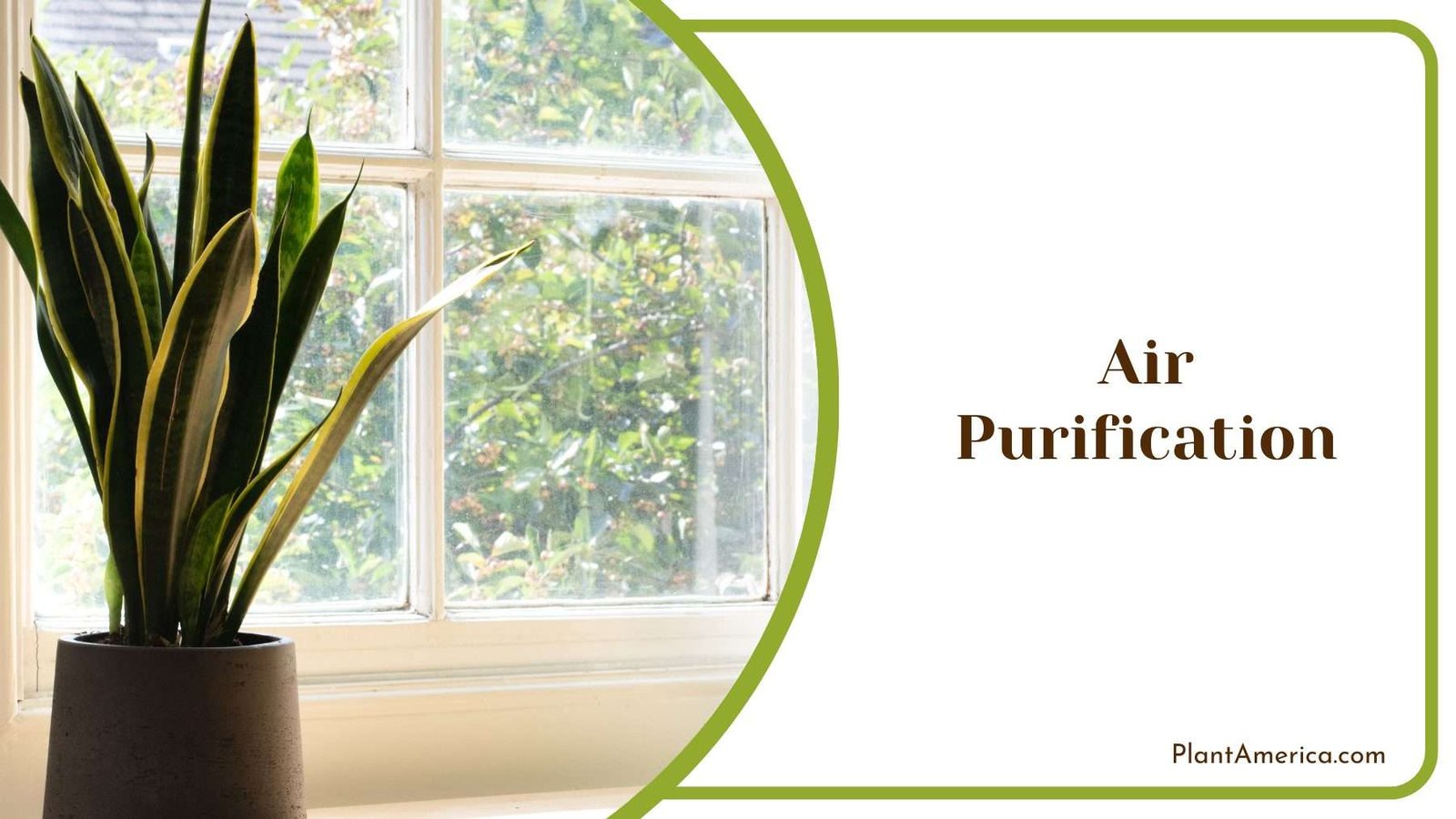
- Reason: Snake Plants have tall, slender leaves and stems that naturally move with any air currents or breezes in a room. : Allows them to act like a natural air purifier.
- Impact: By generating movement through their foliage, Snake Plants help distribute oxygen circulating in indoor spaces. : They also remove aerial pollutants that are then filtered through the plant.
- Pros: Circulate stagnant air without fans or filters. Native circulation promotes a healthier indoor climate. : Remove common indoor air toxins like benzene and formaldehyde from the air we breathe.
- Cons: A single plant may have limited effect in very large rooms. : Multiple plants provide better overall air flow. : Leaves may collect dust over time that needs occasional cleaning.
Snake plants are renowned for their powerful air-purifying abilities, making them a popular low-maintenance houseplant. According to NASA studies, snake plants are extremely effective at removing toxic chemicals like benzene, formaldehyde, and trichloroethylene from indoor air.
These are common VOC (volatile organic compounds) pollutants found in modern homes from sources like smoke, new carpets, and synthetic furnishings.
By absorbing these airborne toxins through their leaves, snake plants help scrub the air and create a safer, healthier environment to breathe. They are able to naturally decrease detectable VOCs by up to 87 percent within 24 hours.
This purification happens passively without any special lighting, soil, or care from the owner. Snake plants simply cleanup our indoor air by metabolizing harmful chemicals while we go about our daily lives.
By adding snake plants around the home, one gains all the benefits of natural air purification from sturdy, low-demand plants. They require virtually no maintenance while helping to decrease exposure to VOC pollutants we breathe every day. For an easy, effective way to improve indoor air quality, snake plants should have an honored place in every home..
2. Oxygen Production

- Reason: Like all plants, spider plants absorb carbon dioxide and release oxygen through photosynthesis
- Impact: Their ability to thrive with minimal care makes them well-suited for placing in living/working spaces, supporting natural oxygen replenishment throughout their lifespan
- Pros: Low maintenance requirements allow long-term oxygen generation, Hardier than many other houseplants in providing this benefit, Help improve air quality without biological oxygen systems
- Cons: A single plant’s oxygen output is limited, many plants provide a broader impact, Unable to significantly affect air quality in large, heavily populated areas
As low-maintenance indoor plants, snake plants provide the continuous benefit of oxygen production through their photosynthetic abilities. Their broad, waxy leaves are efficient at absorbing carbon dioxide from indoor air.
The large surface area of serrated leaves promotes active photosynthesis, day after day. Even in low-light areas further from windows, snake plants photosynthesize to release a steady supply of fresh oxygen.
This makes them uniquely useful as oxygen generators indoors. Their thickness and structure means a single snake plant leaf has the photosynthetic power equal to around five regular plant leaves. And because they thrive with minimal care, snake plants can last for years working non-stop to oxygenate spaces. No other common houseplant matches their ease of growth paired with such powerful leaf photosynthesis.
While requiring only moderate light, snake plants continue producing more oxygen than other plants when light levels drop low in evening hours or cloudy days. Office workers, students, remote employees and others spending long periods indoors all benefit greatly from just one or two snake plants purifying and oxygenating the air of work areas.
Higher oxygen levels created by constant snake plant photosynthesis elevate cognitive function and ease respiratory issues. Not only do they release oxygen but they simultaneously absorb and break down carbon dioxide that accumulates from human activities like breathing, further improving indoor air quality.
Snake plants also release oxygen at night, keeping indoor environments healthier during sleeping hours or when work spaces sit empty. Their oxygen production maintains optimal air throughout 24-hour periods.
3. Stress Reduction
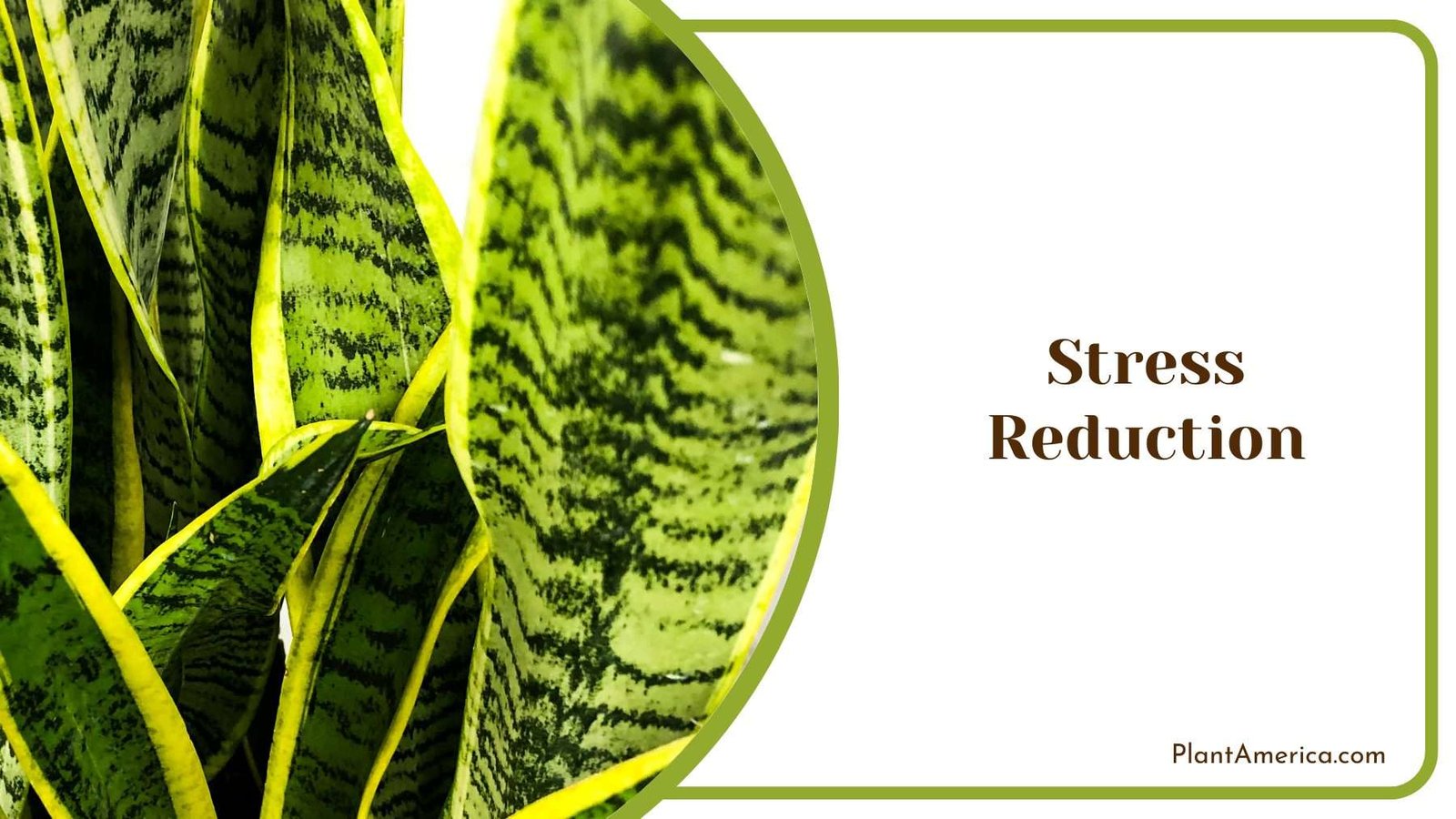
- Reason: Simply looking at and caring for plants has been shown to lower stress hormones like cortisol., SnakePlants are very low maintenance so providing this benefit requires little effort.
- Impact: Their lush green leaves that put out new growth often serve as a calming, living element to have in one’s space., Their resilience also means they are relaxing to care for.
- Pros: Adding greenery and life to a space., Low maintenance means easy to incorporate stress relief into a busy schedule., Witnessing new growth can be mentally rewarding.
- Cons: Effects are likely most impactful for individuals who notice and engage with plants regularly., Alone may not replace other stress management techniques for severe issues.
Snake plants are renowned for their ability to help reduce stress and anxiety through their natural air-purifying properties. These hardy plants easily remove toxins like benzene and formaldehyde from indoor air through their broad, glossy leaves.
Benzene and formaldehyde are common volatile organic compounds (VOCs) emitted from everyday items like paints, cleaning products, and synthetic furnishings.
Exposure to high levels can cause symptoms like headaches, dizziness, and fatigue that compound daily stresses. By cleaning the air of these impurities, snake plants contribute to a more restful home environment.
Beyond improving air quality, owning snake plants can benefit mental well-being due to their low-maintenance nature. These resilient plants are forgiving of occasional missed waterings or hectic schedules.
Their slow growth means infrequent repotting and no fussing over pruning or deadheading. Knowing your dependable snake plant will be waiting unphased when life settles provides comforting feelings of tranquility. Caring for living things also has stress-relieving impacts through nurturing and a sense of purpose.
4. Low Maintenance
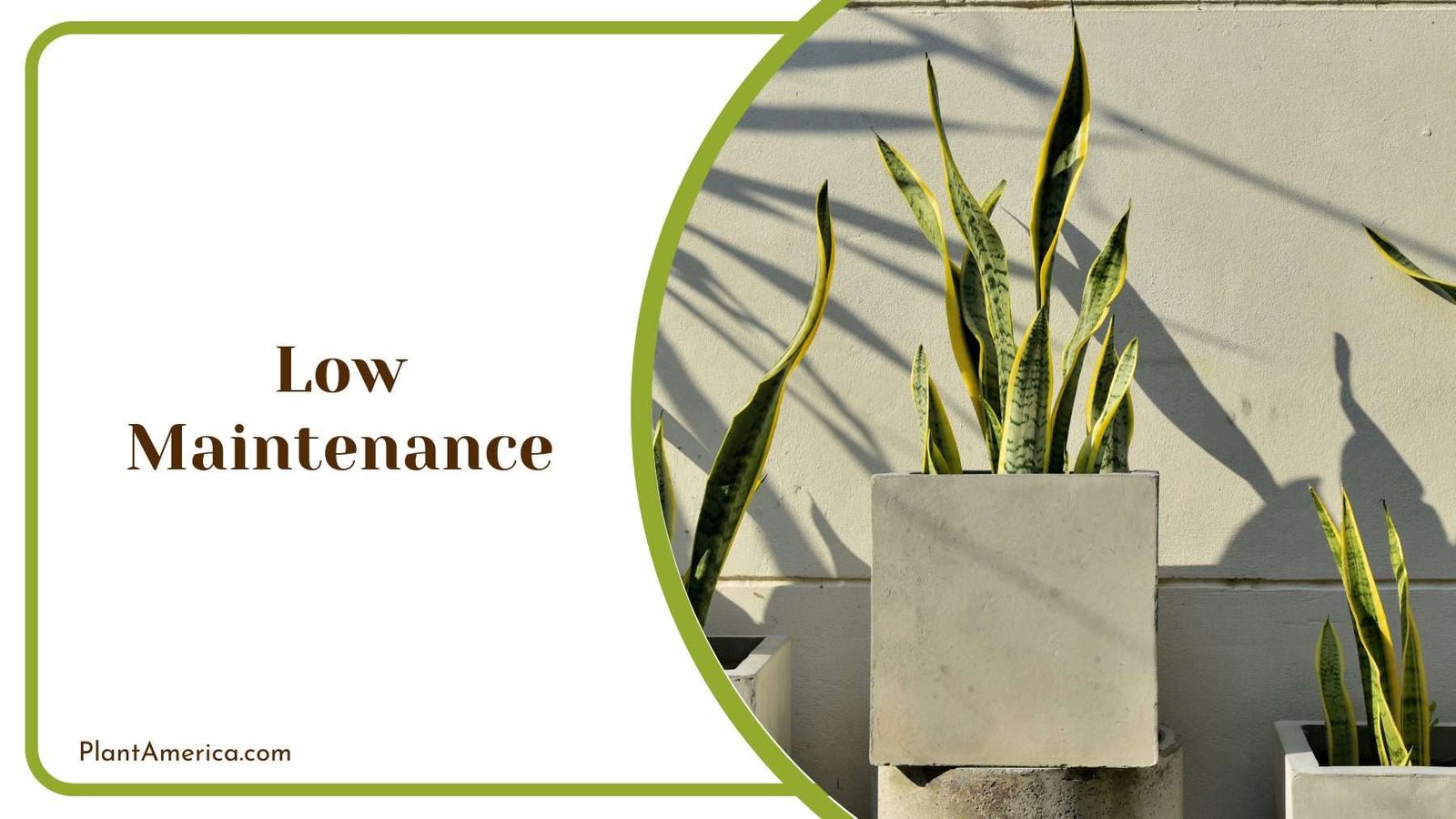
- Reason: Attractive option for individuals seeking to incorporate greenery into their homes without the stress and effort of intensive plant care, Succulent-like characteristics allows them to withstand periods of drought and infrequent watering.
- Impact: Whether placed in an office, bedroom, or living room, snake plants can thrive with minimal attention, bringing beauty and vitality to any space, No risk of poisoning or injury if ingested.
- Pros: In terms of watering, snake plants are relatively forgiving, An excellent choice for individuals with busy schedules.
- Cons: Overwatering is a common issue that can harm snake plants, Snake plants also have few issues with pests or diseases.
A huge advantage of keeping snake plants as houseplants is their need for very little care and upkeep. With their tolerance for neglect, snake plants thrive on a minimalist approach to watering, feeding, and cleaning. This low-effort lifestyle makes them an ideal choice even for busy people or novice gardeners just learning to keep plants indoors.
Snake plants can persist for weeks or even months between waterings depending on conditions. During their dormant winter season, watering every 4-6 weeks may be sufficient. This resistance to drying out means they are perfect for those who often forget to tend to their greenery.
For cleaning, a snake plant simply does not accumulate dust or dirt rapidly on its waxy leaves like the lush foliage of other popular indoor varieties. A quick wipe-down every few months is usually enough to remove any debris. Their upright posture also sheds water well, preventing messy soil problems after watering compared to trailing plants.
With such resilience, snake plants are incredibly low maintenance and fail-proof. They remain low stress even for novice gardeners taking their first steps in indoor plant care.
Their appreciation for infrequent water, minimal cleaning, and lack of fertilizer makes them a perfect low effort choice for decorative houseplants. While many greeneries demand devotion, snake plants thrive most when largely left undisturbed – a bonus for busy lifestyles.
5. Feng Shui Benefits

- Reason: Certain cultures and traditions regard SnakePlants as symbols of prosperity, Luck and good fortune due to their ability to thrive in spite of difficulties.
- Impact: Having one is thought to infuse a home or space with positive vibes, Attract welcoming energy and promote well-being/success.
- Pros: Natural way to encourage positivity without tangible impacts, Low-effort care allows them to symbolically enhance luck long-term, Leaves that grow despite challenges symbolize overcoming obstacles.
- Cons: Impact is symbolic rather than proven, Individual outlook will affect interpretation, Single plant may not overcome severe life difficulties on its own.
In feng shui practices, snake plants are valued for their favorable energy attributes. Their tall, upright forms are said to promote chi (life force energy) flow within a space by directing positive currents upwards.
Snake plants help balance the feng shui elements of a home by association with wood energy. In the five element theory, wood energy promotes growth and new opportunities.
Placing snake plants in the office or study area of the home can help improve concentration by absorbing negative ions generated by electronic devices. Negative ions counteract the “electronic smog” created by technology that can lead to headache and eyestrain. Snake plants also signify career success and prosperity. Their persistent upright stance symbolizes always moving upward to new levels of accomplishment.
In the feng shui cures for specific areas, snake plants work well in the entryway. Their tall welcome draws chi into the home and sets a positive tone. Locating some by the front door filters out stagnant external energies as you come and go. Snakes symbolize rising above difficulties, so a live snake plant at the entry promotes overcoming life’s challenges with ease.
Snake plants thrive in classrooms and study areas too according to feng shui. Students taking exams report higher focus and retention around these calming air cleaners. Avoid placing the toxic variety behind or near the student, but their wood attributes support scholarly attainment when in clear view.
6. Easy Care
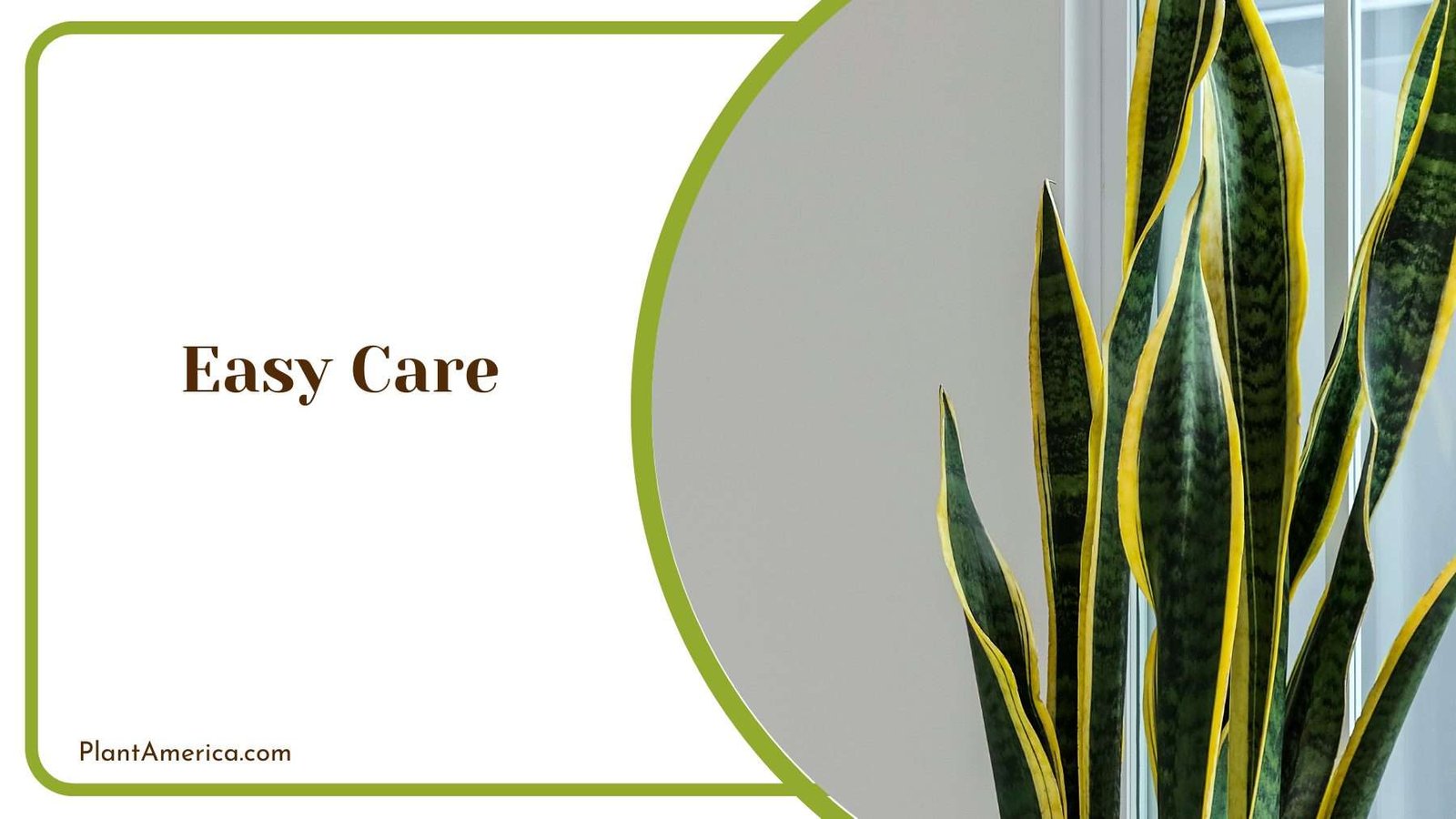
- Reason: Snake plants have thick succulent leaves and resilient stems that allow them to go long periods without water., Not prone to diseases and damage
- Impact: They are very tolerant of inconsistent care,, They do not demand a lot of time or resources be spent on regular upkeep.
- Pros: Can be left alone for one to two months at a time with no care needed., Forgiving of occasional mistakes like under or overwatering., Thrive in low-light conditions with minimal effort.
- Cons: May become stressed and drop older leaves if totally neglected for many months., Can still benefit from occasional fertilizer or repotting over many years.
One of the most appreciated qualities of snake plants is their reputation as one of the lowest maintenance houseplants. They are extremely resilient and forgiving of occasional mistakes in watering or care. This foolproof nature makes them ideal for busy or forgetful owners.
Snake plants can go one to two months between waterings and still thrive. Their thick, fleshy leaves are adapted to store water, allowing them to flourish on minimal hydration. This carefree attitude toward water makes them perfect for vacations, holidays, or stretches away from home without worry of wilting.
In fact, their easygoing nature means it’s nearly impossible to overwater them by accident. Even with inconsistent water schedules, their soil can fully dry out between waterings with no issues. Underwatering poses no threat either – their leaves will simply wrinkle temporarily and plump back up when watered.
Low light conditions do not phase snake plants either. While they will grow and photosynthesize more actively with moderate sunlight, they still persist happily in dim indoor environments near windowsills or under eaves that would challenge most plants. Offices, basements, and even shady corners of homes suit them splendidly with no extra lighting requirements
Minimal dusting or cleaning is also needed for snake plants. Their thick, waxy leaves repel dust to stay clean-looking without much effort. They do not attract pests commonly either due to natural defenses. Any occasional insect visitor may simply be wiped away without chemical treatment.
7. Filter Toxins

- Reason: Snake plants are effective at phytoremediation due to their tall, thin leaves with large surface area., Their foliage contains enzymes/chemicals that break down airborne toxins.
- Impact: Toxins are rapidly absorbed, broken down and safely metabolized by the plant., This helps improve indoor air quality by reducing levels of this common volatile organic compound (VOC).
- Pros: All-natural VOC removal without needing additional technologies or chemicals., Studied and shown effective at capturing toxin emissions., Safe for placement anywhere, like bedrooms or babies’ rooms.
- Cons: A single plant has limited cleansing area so multiple plants provide wider coverage., Does not remove toxins at the source, like certain building materials.
One of the most valuable qualities of snake plants is their powerful ability to naturally filter toxins from indoor air. According to extensive NASA studies, these hardy houseplants are exceedingly effective at removing toxic chemicals commonly found circulating in modern homes and offices.
Through their waxy leaves, snake plants metabolize and absorb volatile organic compounds like benzene, formaldehyde, and trichloroethylene. Benzene is a known carcinogen released by synthetic furnishings, plastics, and household items.
Formaldehyde is another probable carcinogen outgassed from pressed wood products, glues, and permanent-press fabrics. Trichloroethylene is a neurotoxin often present in building materials, insulation, and electronics.
It works constantly as the plants undergo photosynthesis. No special lights, soil, or maintenance is needed beyond their usual care.
8. Boost Humidity
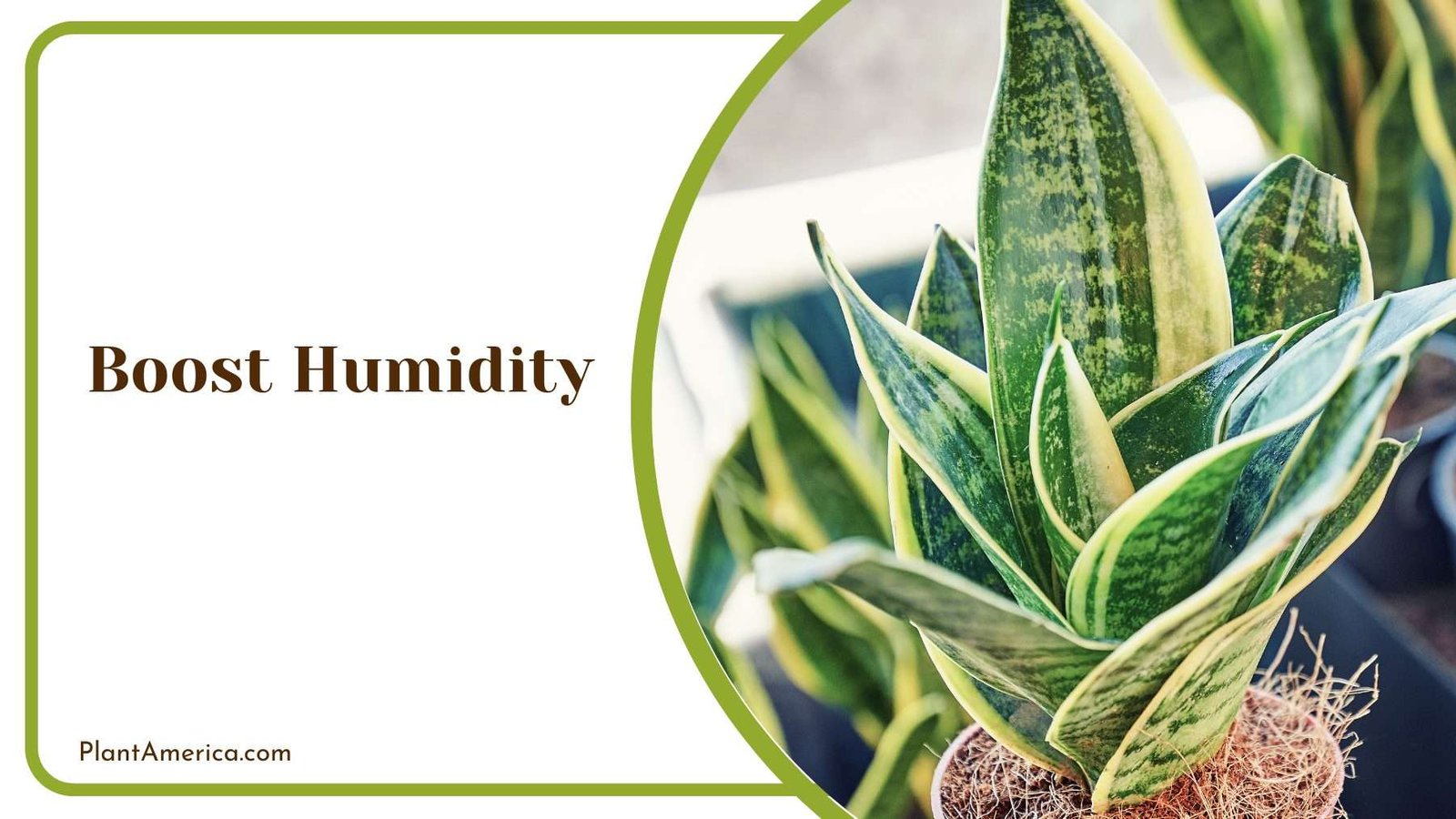
Reason: Snake plants have thick, waxy leaves that are mostly made of water., Their leaves release moisture into the air through transpiration.
Impact: This added humidity from SnakePlants can help prevent dry skin, coughs or other issues related to low indoor humidity in winter., It increases the moisture content of indoor air.
Pros: Natural and chemical-free way to moisturize dry air., Thrives in normal household humidity levels so very low or high humidity is not required., Leaves release moisture steadily without needing misting.
Cons: A single plant may have a minimal impact in very large rooms., Multiple plants provide more humidity., In tropical climates, may need occasional misting to prevent drought stress.
While snake plants are quite tolerant of low humidity, they can still benefit from and contribute to a more humid indoor environment. Their thick, waxy leaves are rather succulent in nature, allowing the plants to absorb and retain water effectively. This in turn permits snake plants to release humidity back into the air through the natural process of transpiration.
Higher humidity levels offer several advantages for both humans and houseplants. For people, increased moisture in the air can help those with dry skin, sinus issues, or respiratory conditions breathe more easily. More humidity also deters the growth of dust mites and other allergens.
Placing snake plants in bathrooms is a popular choice as their moisture-regulating abilities can capitalize on ambient humidity levels naturally elevated from showering. Snake plants soaking up moisture in this environment then redistribute it throughout the rest of the home. Their hardiness lets them withstand occasional splashes too.
9. Low Light Tolerance
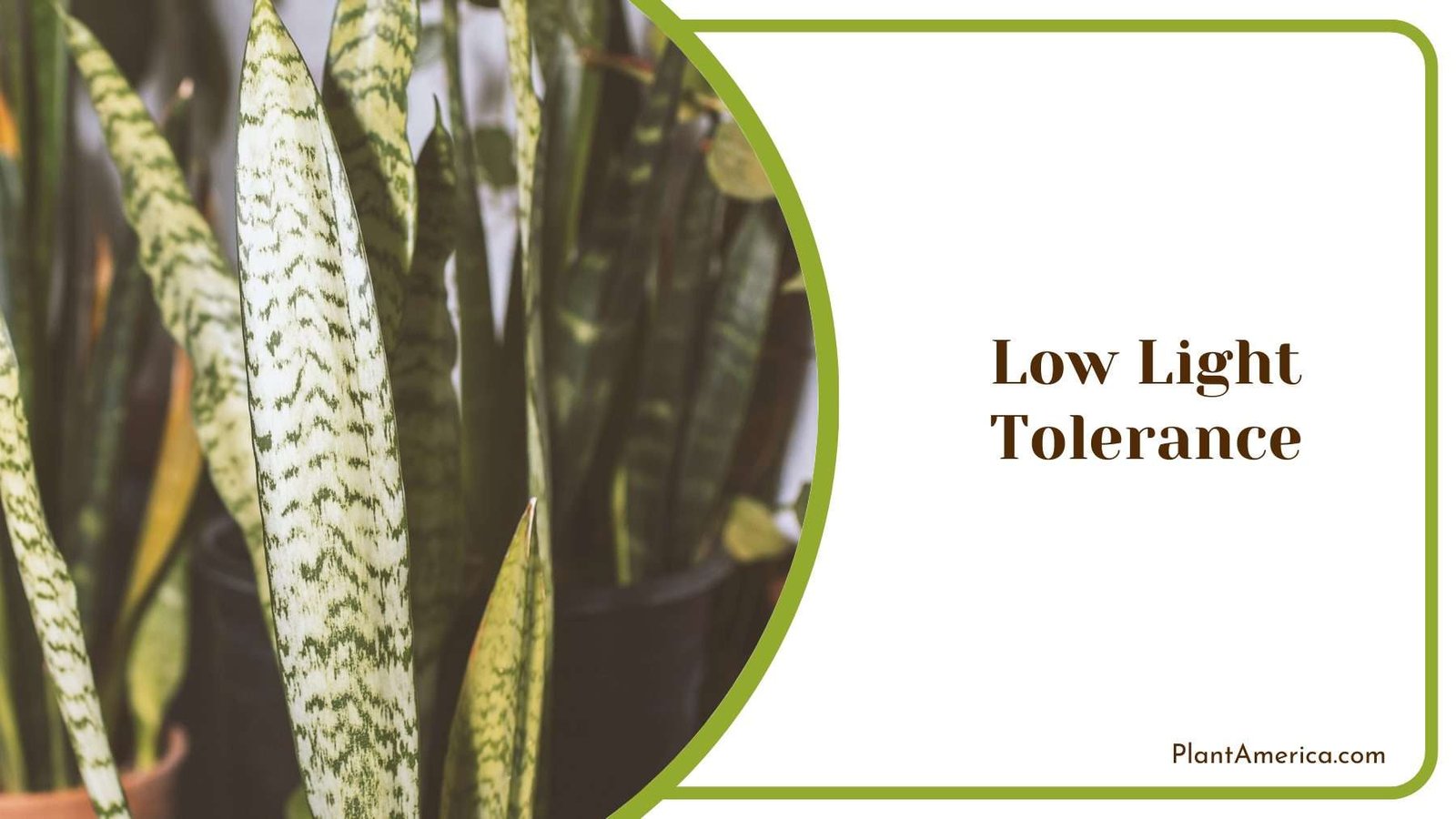
- Reason: Snake plants have thick, waxy leaves that prevent water loss even in low light environments. : Their evolved growth pattern focuses energy on roots and stems over leaves.
- Impact: They remain healthy and survive well in very low indoor light levels where other plants would struggle or die.
- Pros: Thrives in medium to low indirect light away from bright windows, Survives well under fluorescent office lighting or low cabinets, Adaptable to various indoor conditions.
- Cons: May grow more slowly with limited light but stays healthy, In very low light will benefit from occasional fertilizer for optimal growth.
One of the defining characteristics making snake plants such successful indoor plants is their amazing ability to thrive in very low light conditions. While they will grow and photosynthesize more actively with brighter indirect sunlight, snake plants have a remarkable capacity to tolerate deep shade that would challenge most other houseplants.
This is due to adaptations in their thick, waxy leaves. The cuticle layer is coated in white farina powder which reflects light back into the leaf tissues. Together with their fleshy composition, this allows internal light absorption and photosynthesis to continue even in dim indoor settings near window sills, under shelves, or in areas getting only artificial lighting a few hours daily.
The crinkled, ridged shape of snake plant leaves also amplifies their low light tolerance. The bumps and contours serve to scatter what little light may enter, maximizing distribution across surface areas. This cellular structure paired with waxy defenses makes snake plants specially equipped to survive on minimal illumination more successfully than smooth-leaved plants.
Their efficiency in low light conditions is proven in locations like deep shade gardens, interior jungles under dense tree canopies, and shaded corners of homes. Even placing them behind furniture does not discourage growth, unlike most other houseplants used to outdoor conditions.
This adaptability gives snake plants unique versatility for placement anywhere indoors, regardless of distance from a window or access to direct rays. They don’t disappoint hopes of continuing to thrive within the low ambient light most interior spaces naturally provide.
10. Require Minimal Watering
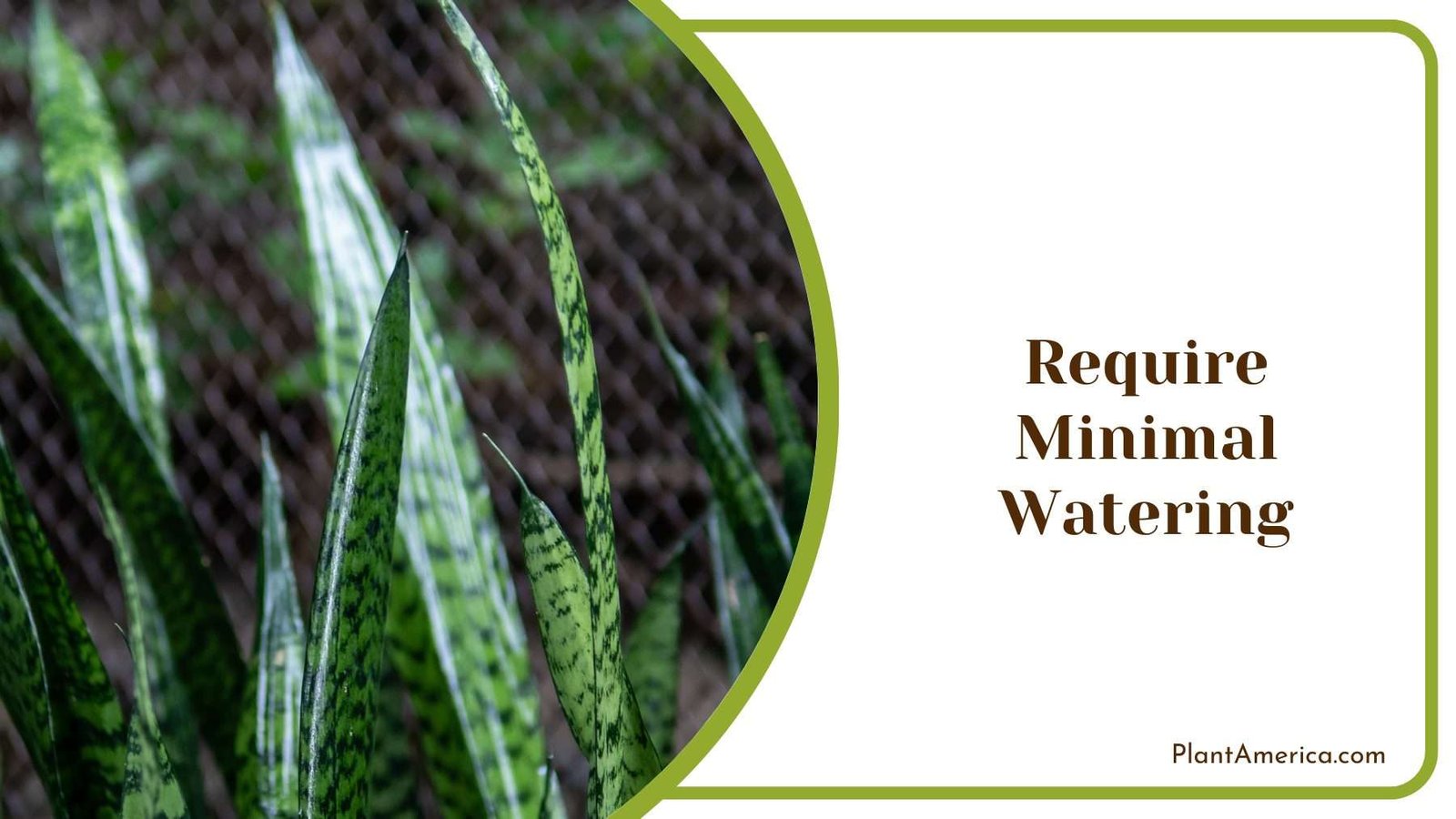
- Reason: Snake plants have thick succulent-like leaves that store water, allowing them to withstand dry conditions. : Their roots also spread widely to absorb moisture.
- Impact: They can thrive for a week or longer between waterings, reducing the need for frequent irrigation. : This makes them easy to care for.
- Pros: Forgiving of occasional dry spells or missed waterings. : Thrive with less attention than other houseplants. : Well-suited for vacations or busy schedules.
- Cons: May drop lower leaves if totally dry but won’t die. : During growth periods benefits from water before completely drying out.
Their fleshy, waxy leaves are specially adapted to retain moisture for long periods, allowing these tough customers to thrive on infrequent drinkings. This makes them ideal for households with irregular schedules or travels where daily watering isn’t realistic.
Snake plants can often go two weeks or longer between waterings during their growing season depending on light, temperature and pot size. Their roots don’t like to sit in soggy soil so it’s best to water thoroughly until water drains out the bottom when the top few inches of soil are completely dry. Overwatering is more dangerous than underwatering, as it can cause roots to rot.
Going weeks without a sip doesn’t cause visible distress either. Their leaves may soften slightly when thirsty but won’t perish. Come watering time, snake plants perk right back up. This forgiving nature sets low-pressure owners at ease to maintain appealing décor without rigid maintenance demands.
11. Support Plant Diversity
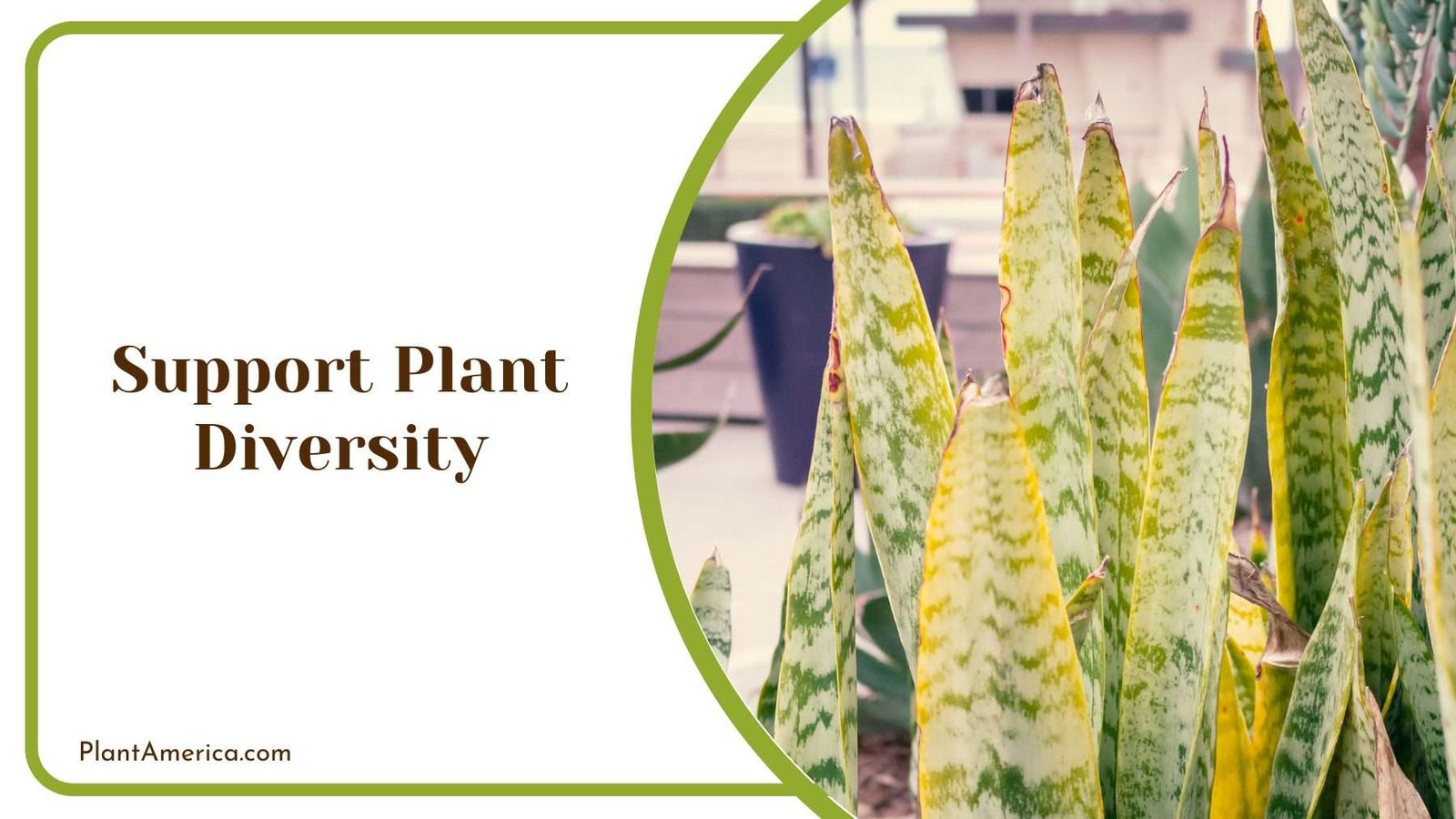
- Reason: Snakeplants produce small plantlets on long stolons that can be removed and grown as new plants, Allowing for propagation without seeds or cuttings.
- Impact: This vegetative reproduction enables easy distribution of Snakeplants, increasing their population spread, Availability to support a variety of other plant communities.
- Pros: Free method to gain many new plants without expense, Helps fill out gardens and indoor spaces with self-sustaining greenery, Their hardiness supports more fragile plant neighbors.
- Cons: May be considered weedy by some due to effective spreading, Very prolific reproducers so pot size needs increasing as plantlets are removed.
While snake plants are famous for their durable nature and air-purifying benefits, their popularity also ties into the greater goal of promoting biodiversity through sustainable gardening. As humans continue developing natural lands and changing ecosystems, supporting diverse plant life becomes increasingly important.
Snake plants fill an unusual ecological niche as resilient indoor houseplants. Unlike many common greenery selections, their subtle grass-like appearance adds visual variety to decor. Their ability to thrive on light neglect suits lifestyles where high-maintenance exotic plants would suffer. As beginner-friendly perennials adapted to artificial living spaces, snake plants also encourage more people to enjoy plants regardless of green thumb ability.
Cultivating snake plants alongside other easy care varieties nourishes interest in different plant forms beyond just flowers. Their unique attributes help preserve genetic biodiversity should their jungle roots ever face threats.
The presence of multiple plant phenotypes strengthens resistance to potential threats like changed growing conditions or introduced pests..
Conclusion
From ancient traditions to modern scientific research, Sansevieria continues showing its worth. Whether for air quality, decor, or low-stress greenery, snake plants truly earn their reputation as a champion of indoor environments.
- Purifies indoor air and removes toxins
- Produces oxygen day and night
- Thrives with extremely low watering needs
- Adds natural beauty without high maintenance
Their resilience and endurance have survived the tests of time and adverse conditions. Even just one snake plant can positively impact living spaces for years with minimal repairs.