
Elephant ear varieties can add a luscious, tropical flair to any garden or landscape. In this post, we’ll explore stunning elephant ear plants with bold, tropical leaves for ramping up the hot palate vibe.
From variegated foliage to chunky leaves the size of dinner plates, these elephant ear beauties offer captivating texture and size for low-maintenance tropical panache. We’ll walk you through the different types of elephant ears you can choose from to garnish your outdoor space with lush, jumbo leaf appeal guaranteed to make jaws drop.
13 Elephant Ear Varieties to Give Your Garden a Tropical Glow
1. Alocasia ‘Regal Shields’
- Growing Season: Spring, Fall
- Leaf shape: Heart-shaped
- Specific needs: High humidity, Indirect light
- Common Pests: Spider mites, Aphids
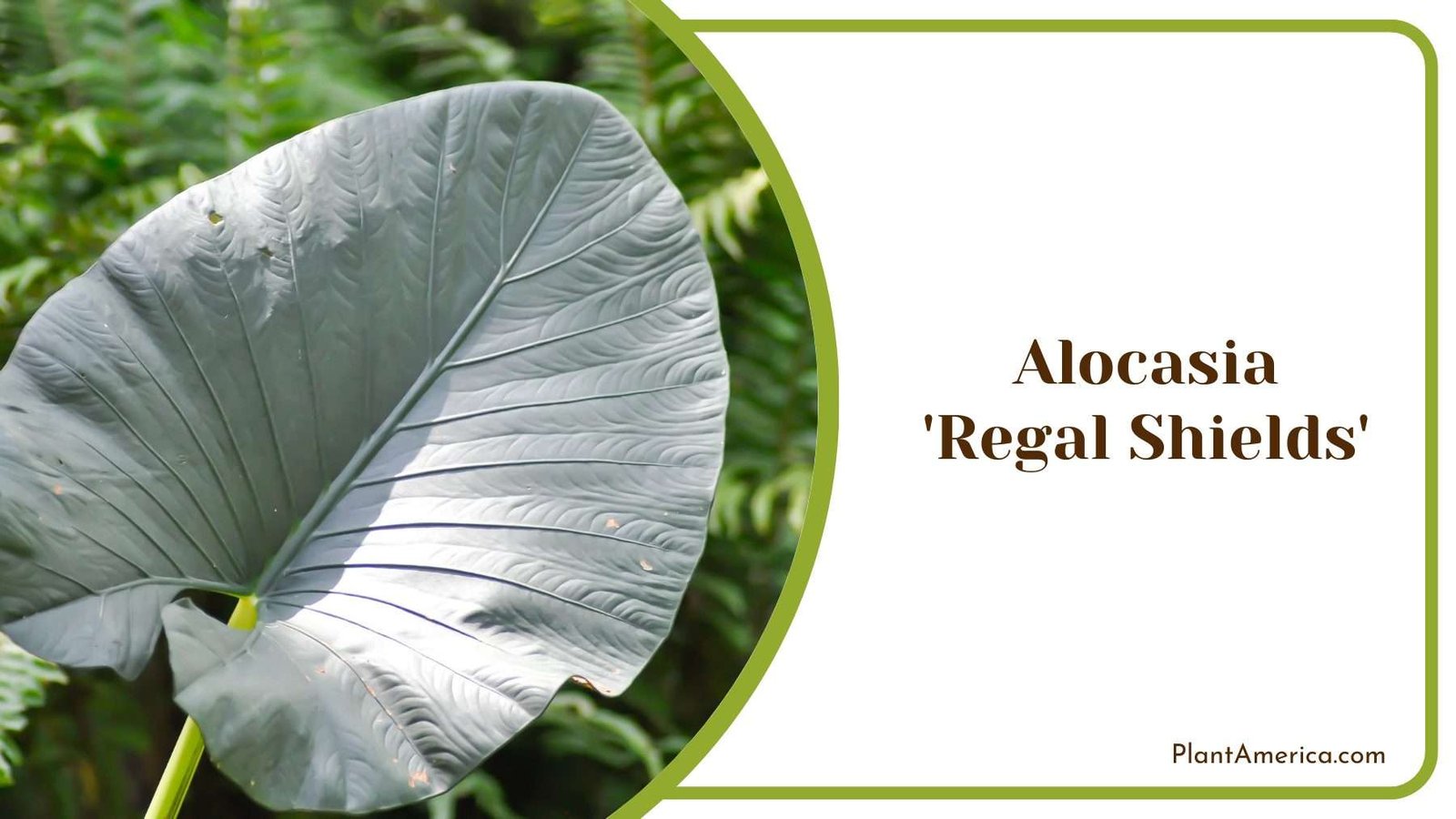
Alocasia ‘Regal Shields’ is a stunning tropical plant known for its striking heart-shaped leaves. The leaves emerge bright green with darker purple veins and shades. As the leaves mature, the contrasting colors become more pronounced.
This variety flourishes best in conditions with high humidity and exposure to indirect sunlight. While it is more tolerant of lower light than some other alocasia varieties, the vivid leaf pigmentation may fade without sufficient illumination.
This plant prefers temperatures above 60 degrees Fahrenheit year-round. In colder regions, it is best grown as a houseplant or overwintered indoors. The soil should be kept consistently moist but well-draining to prevent root rot.
Fertilize monthly during the growing season using a balanced houseplant formula. Regular inspection of the leaves is important to check for common pests like spider mites and aphids. Any signs of infestation should be treated promptly using an approved insecticide or neem oil.
Alocasia ‘Regal Shields’ adds gorgeous visual appeal to any tropical or indoor space. Its bold heart-shaped leaves have an almost jewel-like quality that can brighten up a table top, bookshelf, or sunny windowsill.
With a little humidity and bright yet indirect sunlight, this eye-catching plant thrives as a low-maintenance addition to any home or garden.
2. Colocasia ‘Black Coral’

- Growing Season: Spring, Fall
- Leaf shape: Arrow-shaped
- Specific needs: Moist soil, Partial shade
- Common Pests: Mealybugs, Scale
Colocasia ‘Black Coral’ boasts stunning arrowhead-shaped leaves patterned in shades of deep burgundy and black. As one of the darkest leafed varieties available, it stands out dramatically in gardens or indoor planter displays.
This elephant ear thrives in conditions that provide consistently moist soil and partial shade. While it can tolerate some direct sunlight, especially in the morning, too much intense sun may cause leaf burn.
The arrowhead leaves emerge curling upward from the stalk before unfurling to reveal their inky patterning. Growing up to 2 feet tall, individual leaves can reach over 1 foot in length. In addition to its distinctive foliage, ‘Black Coral’ also produces cream-colored flower spikes in summer.
Like other colocasia varieties, it dies back in winter and regrows from tubers the following spring. Mealybugs and scale insects sometimes affect the leaves and need treating if spotted. With its rich ornamental value and ease of care, this stately elephant ear is a unique addition to any shaded landscape or home.
3. Alocasia ‘Stingray’

- Growing Season: Spring, Fall
- Leaf shape: Heart-shaped, Pointed lobes
- Specific needs: Moist soil, Indirect light
- Common Pests: Mealybugs, Spider mites
Alocasia ‘Stingray’ delivers a truly unique look with its heart-shaped leaves featuring long, razor-thin pointed lobes. Resembling the fins of an otherworldly sea creature, these leaves emerge chartreuse before developing contrasts of silver and deep green as they age.
A popular houseplant and landscape specimen, ‘Stingray’ prospers in conditions that provide moist but well-draining soil and dappled shade to partial sun. With its tolerance of lower light levels, it is well-suited to bright indoor situations near east or west-facing windows.
To promote vigorous growth, fertilize monthly throughout the spring and summer months using a balanced houseplant formula. It is also important to check newly emerging leaves for common pests like spider mites and mealybugs, which can become problematic in low humidity environments.
With their arresting foliage and ease of indoor care, Alocasia ‘Stingray’ plants have become a favorite showstopper in both home and garden. Their extraterrestrial leaf patterns provide a unique tropical element to any plant collection.
4. Colocasia ‘Diamond Head’

- Growing Season: Spring, Fall
- Leaf shape: Arrow-shaped with Diamond pattern
- Specific needs: Moist soil, Fertile soil
- Common Pests: Aphids, Leafhoppers
Colocasia ‘Diamond Head’ lives up to its name with leaves featuring a striking geometric pattern. Dark green arrowhead shapes contrast with creamy white contours to create a diamond-like design.
This vivid variegation often intensifies as the season progresses. For optimal growth, ‘Diamond Head’ enjoys fertile, consistently moist soil in a location with filtered sunlight. Too much shade can reduce patterning, while excessive sun may scorch leaves.
Despite their sculptural foliage, these elephant ears prove relatively low maintenance. Growing 2-3 feet tall, individual leaves reach 12-18 inches across in summer. Flower spikes arise in warmer months, later producing clusters of bright blue-violet berries.
To maintain strong, healthy growth, amend planting beds with compost and fertilize monthly. Check for sucking pests like aphids and leafhoppers that can cluster on new growth. With its dramatic geometric appeal, Colocasia ‘Diamond Head’ elevates any garden or landscape design.
5. Colocasia ‘Fontanesii’

- Growing Season: Spring, Fall
- Leaf Shape: Heart-shaped
- Specific Needs: Moist soil, Fertile soil
- Common Pests: Leaf Blight, Spider mites
Colocasia ‘Fontanesii’ offers an elegant display with its large, deep green heart-shaped leaves. Growing up to 5 feet tall, individual leaves span over 2 feet wide at maturity. Native to tropical and subtropical regions in Asia, Africa, and the Pacific Islands, this classic elephant ear variety has been admired in tropical landscapes for decades.
Happiest in zones 9-11, ‘Fontanesii’ thrives with consistent moisture and nutrient-rich soil. Supplemental fertilizer is recommended throughout spring and summer to sustain its substantial growth.
Partial shade is ideal, though dappled morning sunlight can be tolerated if soil moisture is maintained. Common challenges include spider mites that can cause stippling on leaves. Leaf blight, a fungal disease, may also occur in wet, humid conditions if air circulation is poor.
Removing any diseased foliage helps prevent spread to remaining plants. Renowned for its monumental stature and distinct foliage, Colocasia ‘Fontanesii’ lends a bold statement to formal garden beds, pondside plantings, or conservatory collections.
6. Elephant Ear Bronze (Alocasia ‘Calidora’)

- Growing Season: Spring, Summer
- Leaf shape: Broad, Oval
- Specific needs: High humidity, Moist soil
- Common Pests: Aphids, Spider mites
Elephant ear bronze cultivars have broad, oval leaves with a bronzy-copper hue. It thrives in humid conditions between 60 percent and 90 percent, requiring consistently moist but well-draining soil. Mist foliage regularly and place the pot in a tray of pebbles filled with water to maintain higher humidity levels and avoid leaf wilting.
Monitor it closely for spider mites and aphids regularly, especially when new, checking under leaves and stems. Wipe leaves with soapy water and spray with insecticidal soap if issues arise. Remove dead or damaged foliage to promote additional growth.
Pair with other bold, jumbo-leaf beauties in mixed containers for maximal visual impact. The large, bronzy leaves will provide a colorful backdrop, highlighting my companion plants’ contrasting forms, shapes, and patterns. Keep the soil constantly moist while misting foliage daily to boost humidity levels, especially on hot days.
7. Elephant Ear Cream Variegated (Colocasia ‘Mojito’)

- Growing Season: Spring, Summer
- Leaf shape: Broad, Oval
- Specific needs: High humidity, Moist soil
- Common Pests: Aphids, Spider mites
Elephant ear cream variegated cultivars have broad, oval leaves with cream or white markings. It thrives in humid conditions between 60 percent and 90 percent, requiring consistently moist but well-draining soil. Mist foliage regularly and place the pot in a tray of pebbles filled with water to maintain higher humidity levels and avoid leaf wilting.
Monitor it closely for spider mites and aphids regularly, especially when new, checking under leaves and stems. Wipe leaves with soapy water and spray with insecticidal soap if issues arise. Remove dead or damaged foliage to promote additional growth.
Add into mixed containers for visual interest and textural contrast. Large, variegated leaves will provide colorful depth, highlighting other bold foliage plants with complementary shapes, forms, and patterns. Keep the soil constantly moist while misting foliage daily to maximize humidity.
8. Giant Elephant Ear (Alocasia macrorrhizos)

- Growing Season: Spring, Summer
- Leaf shape: Broad, Oval
- Specific needs: High humidity, Moist soil
- Common Pests: Aphids, Spider mites
Giant elephant ear cultivars have extra-large, glossy oval leaves that reach up to three feet long. It thrives in humid conditions between 65 percent and 90 percent and requires consistently moist but well-draining soil. Mist foliage regularly and place the pot in a tray of pebbles filled with water to maintain higher humidity levels and avoid leaf wilting.
Monitor spider mites and aphids regularly when new by checking under leaves and stems. Wipe leaves with soapy water and spray with insecticidal soap if needed. Remove dead or damaged foliage to promote additional growth.
Place in mixed containers or as a stand-alone specimen for maximal visual impact. Jumbo, glossy oval leaves will dominate as the focal point, highlighting plants with contrasting forms, shapes, and sizes that provide visual depth. Keep the soil constantly moist while misting foliage daily to maximize humidity.
9. Elephant Ear Pink (Alocasia ‘Polly’)

- Growing Season: Spring, Summer
- Leaf shape: Broad, Oval
- Specific needs: High humidity, Moist soil
- Common Pests: Aphids, Spider mites
Elephant ear pink cultivars have large, glossy oval leaves with bright pink undersides. It thrives in humid conditions between 65 percent and 90 percent and requires consistently moist but well-draining soil. Mist foliage regularly and place the pot in a tray of pebbles filled with water to maintain higher humidity levels and avoid leaf wilting.
Monitor it closely for spider mites and aphids, regularly checking under leaves and stems. Wipe leaves with soapy water and spray with insecticidal soap if needed. Remove dead or damaged foliage to promote additional growth.
Add to mixed containers or as a stand-alone specimen for maximal visual punch. Your jumbo, variegated leaves will provide the focal point, highlighting companion plants with contrasting forms, shapes, and sizes to produce textural depth. Keep the soil constantly moist while misting foliage daily, especially on hot days.
10. Elephant Ear Red (Colocasia ‘Red Stem’)

- Growing Season: Spring, Summer
- Leaf shape: Broad, Oval, Glossy
- Specific needs: High humidity, Moist soil
- Common Pests: Aphids, Spider mites
Elephant ear red cultivars have large, oval glossy leaves with stunning red undersides. It thrives in humid conditions between 65 percent to 90 percent & requires constantly moist but well-draining soil. Mist my foliage regularly & place the pot in a tray of pebbles filled with water to maintain higher humidity levels and prevent wilting.
Monitor it closely for spider mites or aphids regularly, checking under leaves & stems. Wipe leaves with soapy water and spray with insecticidal soap if needed. Remove any damaged or yellowing leaves to promote additional growth.
With sufficient moisture, organic fertilizer, and proper care, it will reward you with stunning foliage all season. The contrast of the dark green topsides and vibrant red undersides create quite a captivating tropical sensation that will wow guests and add dramatic flair.
Add it to mixed containers or beds for maximal visual impact. Your large, variegated leaves will provide depth of interest while highlighting companions with contrasting forms and sizes. Keeping the soil constantly moist while misting foliage daily to maximize humidity. With consistent care, you will continue offering your fiery red beauty into fall &beyond.
11. Elephant Ear White (Colocasia ‘White Lava’)
- Growing Season: Spring, Summer
- Leaf shape: Broad, Oval, Glossy
- Specific needs: High humidity, Moist soil
- Common Pests: Aphids, Spider mites
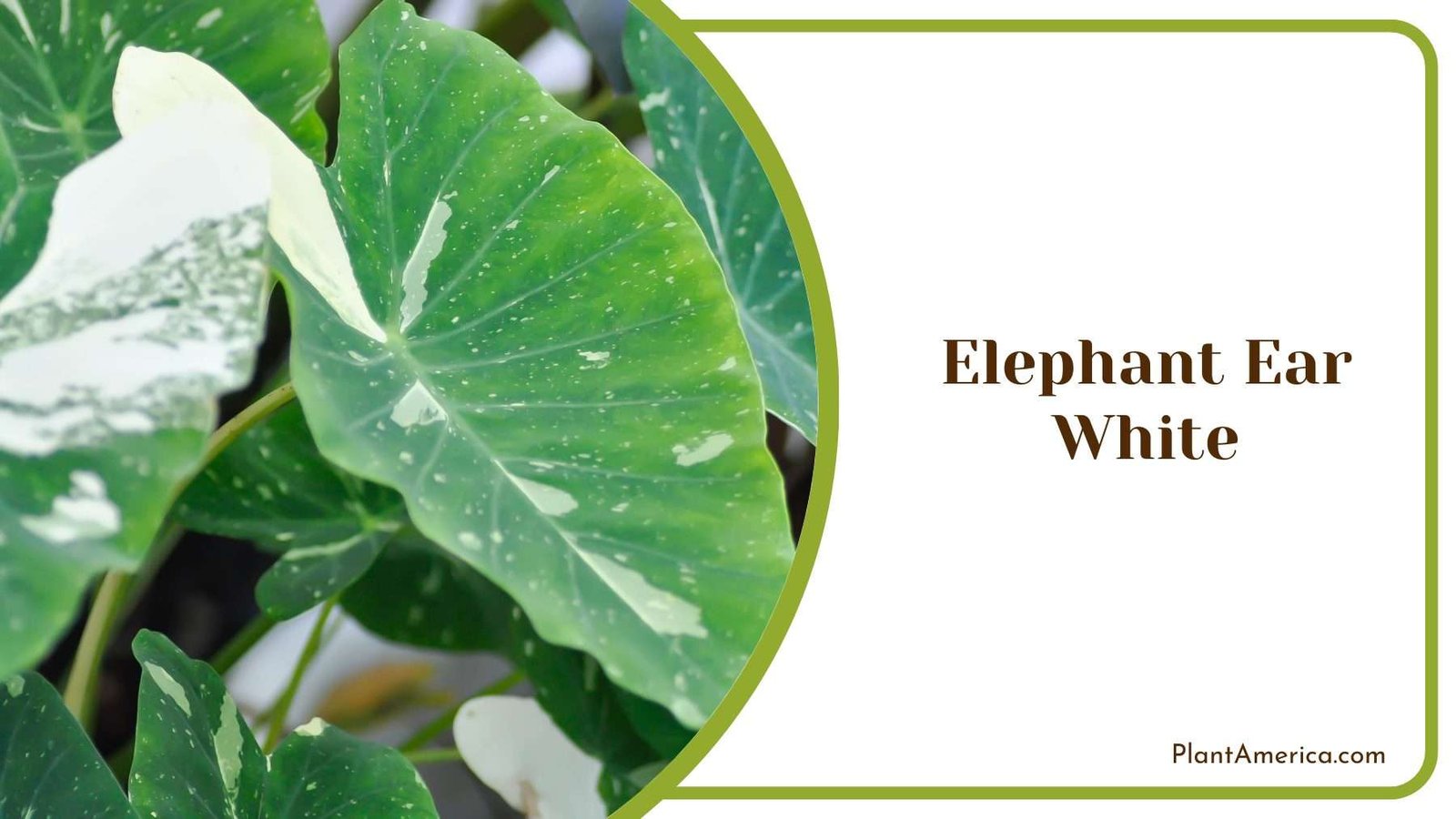
Elephant ear white cultivars have large, oval glossy leaves with stunning white undersides. It thrives in humid conditions between 65 percent to 90 percent and requires constantly moist but well-draining soil. Mist your foliage regularly and place the pot in a tray of pebbles filled with water to maintain higher humidity levels and prevent wilting.
Monitor it closely for spider mites or aphids regularly, checking under leaves and stems. Wipe leaves with soapy water and spray with insecticidal soap if needed. Remove any damaged or yellowing leaves to promote additional growth.
With sufficient moisture and organic fertilizer with proper care, it will reward you with stunning foliage all season. The contrast of my deep green topsides and bright white undersides creates quite an eye-catching tropical display that’s sure to wow guests!
Add it to mixed containers or beds for maximal visual punch. The large, variegated leaves will provide depth of interest while highlighting companions with contrasting forms and sizes. Keeping the soil constantly moist while misting foliage daily to maximize humidity. With consistent care, it will continue offering bright white beauty into fall beyond.
12. Alocasia ‘Black Velvet’

- Growing Season: Spring, Fall
- Leaf shape: Arrow-shaped
- Specific needs: High humidity, Indirect light
- Common Pests: Mealybugs, Scale
Alocasia ‘Black Velvet’ invigorates any indoor or tropical landscape with its striking arrowhead leaves unmatched in color. Emerging a deep crimson, the leaves mature to a rich near-black hue with flashes of forest green.
It thrives in conditions with sustained high humidity levels above 50 percent and exposure to bright yet indirect sunlight. Too much direct sun may cause leaf scorching, while low humidity risks dried and curled foliage.
For optimal growth, provide a nutrient-rich potting mix and fertilize monthly throughout spring and summer. Consistent moisture is also key, allowing the soil to dry slightly between waterings.
Common issues include infestations by mealybugs and scale insects that cling to leaf undersides. Regular inspections help spot any pests early for effective treatment. With its vampiric vivacity, Alocasia ‘Black Velvet’ elevates any indoor or tropical ambiance into a moodier botanical wonderland.
13. Alocasia ‘Pink Dragon’
- Growing Season: Spring, Fall
- Leaf shape: Arrow-shaped
- Specific needs: Bright, indirect light
- Common Pests: Mealybugs, Spider mites
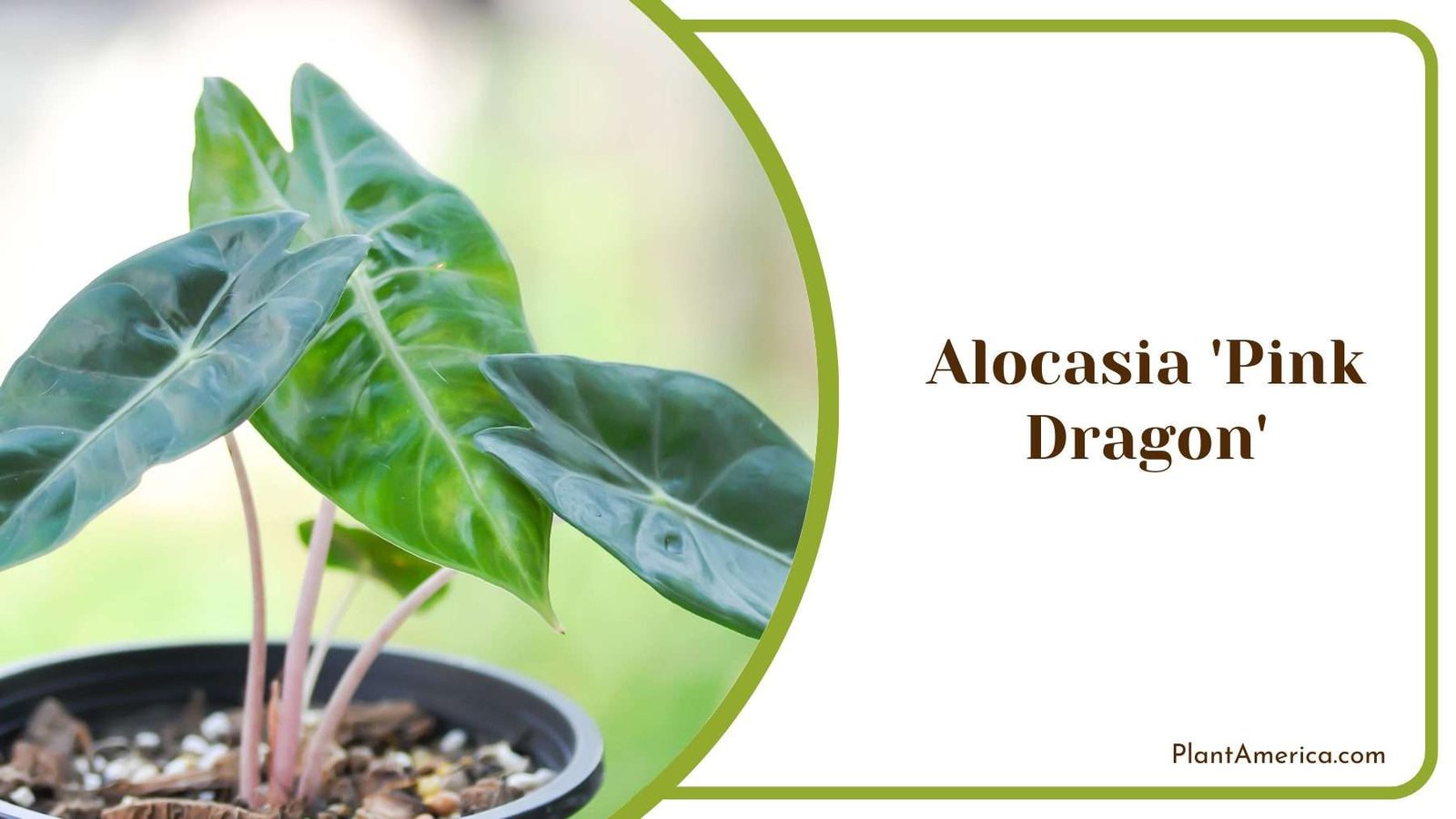
Alocasia ‘Pink Dragon’ calls attention with vibrant arrowhead leaves splashed in shades of lime, pink, and cream. As one of the most uniquely colored elephant ear varieties, it enlivens any interiorscape or tropical landscape.
Providing conditions of bright yet indirect sunlight best maintains the leaves’ vivid pigmentation. Partially shaded outdoor areas, eastern windowsills indoors, or under luminous grow lights are suitable.
Retaining consistent moisture in the soil also supports healthy growth. Fertilize during spring and summer using a balanced product formulated for houseplants and tropicals. As with other alocasias, inspecting leaves regularly checks for common issues like spider mites and mealybugs.
Removing any damaged foliage prevents pest spread. Growing 1-3 feet tall depending on conditions, Alocasia ‘Pink Dragon’ makes an enchanting statement as a dramatic centerpiece plant. Its lively foliage brightens any space all season long.
Conclusion
The featured elephant ear varieties offer a wealth of options for infusing your landscape or container gardens with lush, tropically-inspired foliage.
- Alocasia ‘Stingray’ features uniquely shaped heart-like leaves with long, slender lobes resembling the fins of a stingray.
- Elephant ear pink cultivars have large, glossy oval leaves with bright pink undersides.
- Colocasia ‘Fontanesii’ produces massive deep green heart-shaped leaves that can span over two feet wide, growing on sturdy stalks up to five feet tall.
- Alocasia ‘Black Velvet’ has striking arrowhead-shaped leaves of a vivid near-black hue with flashes of forest green.
- Giant elephant ear cultivars have extra-large, glossy oval leaves that reach up to three feet long.
While they share the common jumbo leaf trait, the diversity in leaf color, shape, variegation, and even size provides enough variation to suit a range of garden styles from traditional to modern.
With minor care like occasional insect and disease monitoring, elephant ears will reward you with dramatically gorgeous foliage that brings the breathtaking appeal of the tropics right into your own yard oasis.
Whether you choose classic green varieties for architectural drama, types with stunning pink or red undersides to create pops of color, or variegated kinds for visual contrast, any of these stunning elephant ear plants will infuse your landscape with an injection of tropical energy.