
What is eating my strawberries? There are several tell-tale signs when something is eating your strawberries. The leaves will curl, the fruit will rot, and the entire plant may wilt. In most cases, the cause is strawberry insect pests.
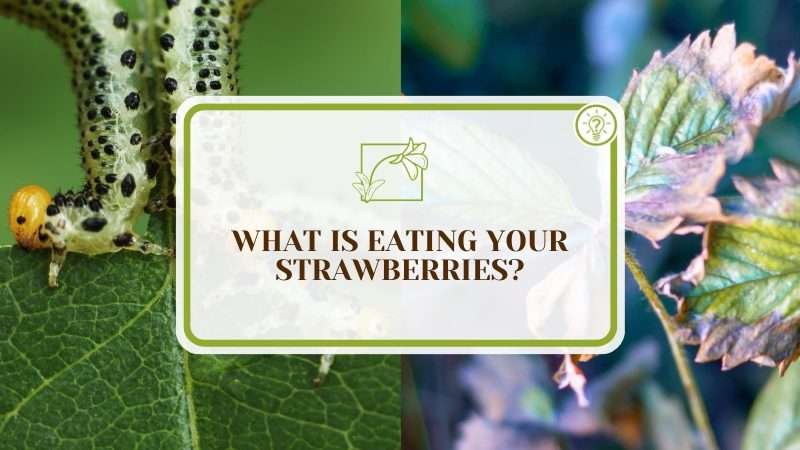
Read on to find detailed answers to “what is eating my strawberries.”
What Is Eating Your Strawberries?
⚡️ Most often, it is bugs eating your strawberries. To protect strawberry plants from bugs, you first have to determine the exact species. It’s not as easy as looking for bugs on strawberry plants, since they can be tiny and hide well. Look at nearby plants and weeds.
Holes in strawberries are a definite sign of pest infestation, primarily of slugs. However, insecticide for strawberries isn’t always the best solution. You should adapt and use the cheapest and safest method to keep bugs out of strawberries.
List of Strawberry Plant Pests
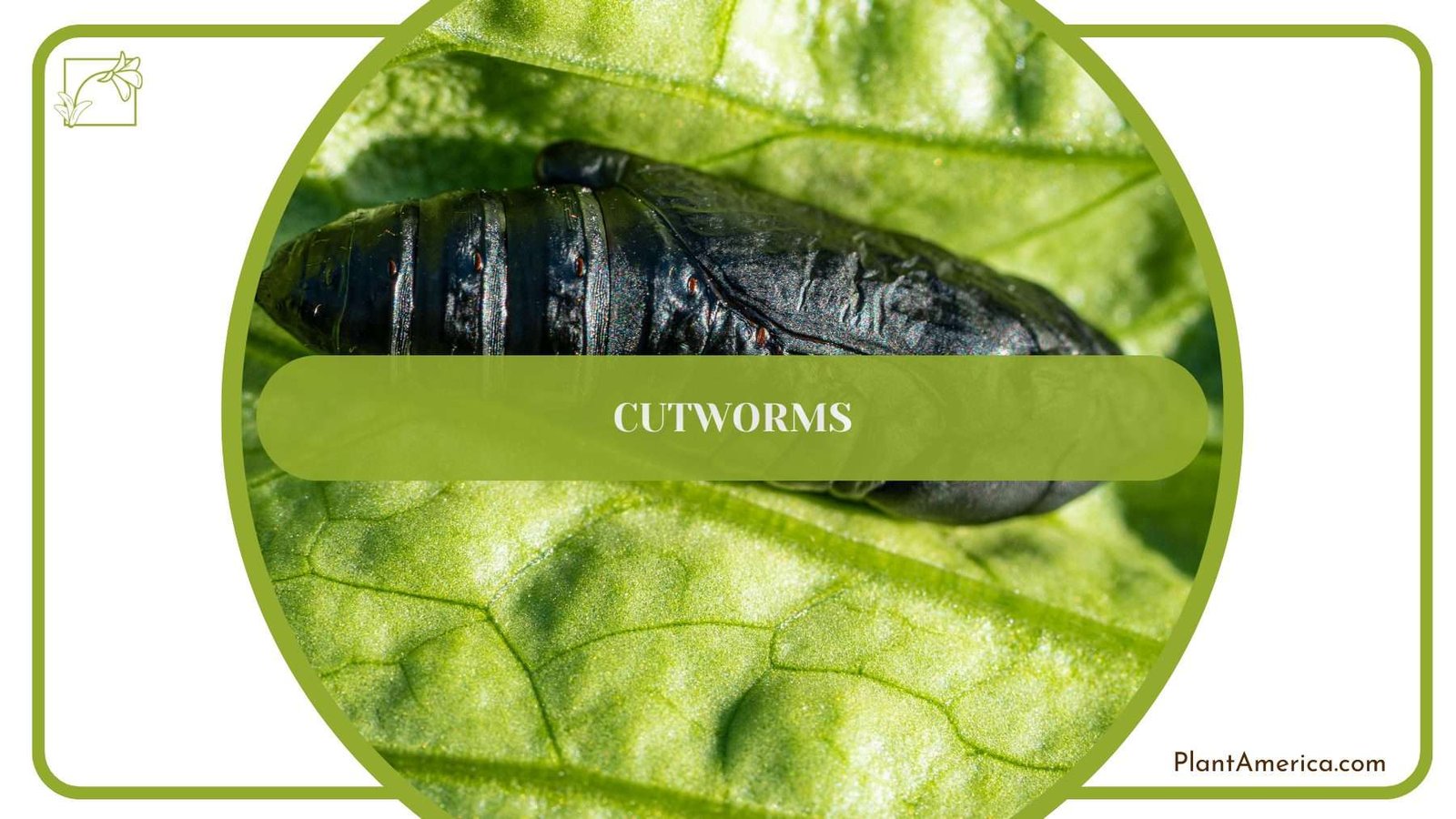
1. Cutworms (Agrotis ipsilon)
Use any Bacillus thuringiensis (BT) products, carbaryl, or spinosad. Repeated carbaryl use might lead to spider mite infestation. Spray in the evening or late in the day. Malathion and diazinon work too, though the latter is toxic to bees.
Observe the lettuce and beans nearby for cutworm damage to prevent strawberry damage. Cutworms will settle in the soil and damage nearby strawberry plants.
Find clusters of damaged strawberry plants and look at the center to find the cutworm. Thoroughly prune second-year planting so that overwintering larvae die off.
2. Flower Thrips (Frankliniella)
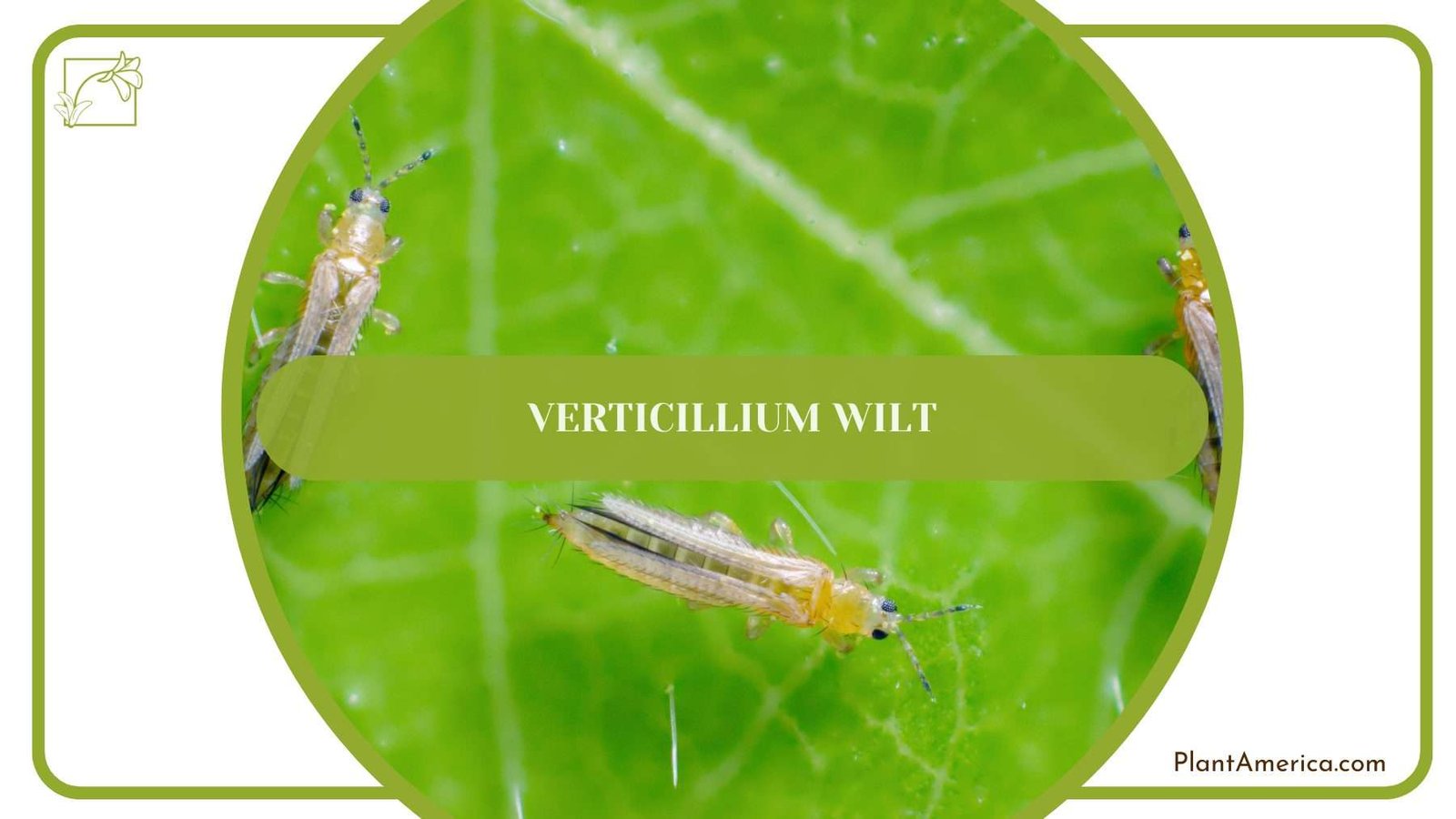
When flower thrips suck too much sap from a strawberry plant, the fruit turns bronze. The population has to be very high for that to happen. Use acetamiprid, spinosad, or spinetorad, but not when bees are visiting. If you must use the latter two, use them in the evening so it dries out and doesn’t harm bees.
Uproot nearby weeds to control the flower thrips population. Avoid using too much nitrogen fertilizer, since it may attract flower thrips. Use row covers or reflective mulch to confuse flower thrips. Irrigate well to reduce plant stress and damage that attract thrips.
3. Leafhoppers (Cicadellidae)
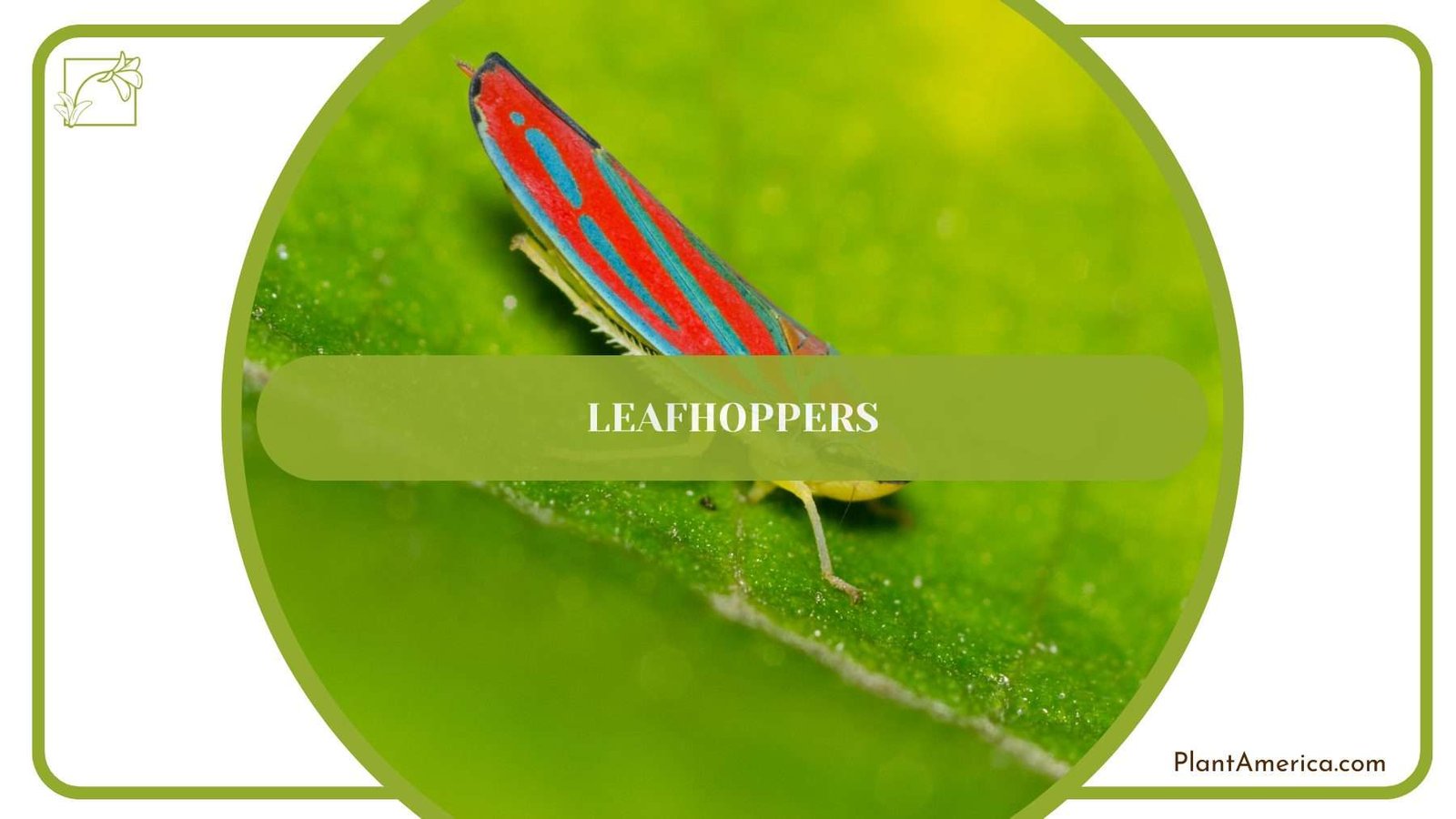
You can notice specks of leafhopper feces on plants where they feed. They will most often feed on leaves but the feces can taint the fruit. Look for shed leafhopper skin on the underside of leaves. You might also find leafhopper eggs there, in the stems and veins.
Leafhoppers are vulnerable to malathion and insecticidal soap. The former is toxic to honey bees, so don’t apply it in full bloom. Use diatomaceous earth on the soil around plants to curb leafhopper growth. Ladybugs will eat the leafhoppers in all their stages, including eggs.
4. Sap Beetles (Glischrochilus)

Sap beetles are hard to manage using insecticide, save novaluron. Spray it no more than once a week. The best control method you can do is to harvest ripe strawberries regularly.
Place buckets with rotting strawberry material nearby to lure in sap beetles. You can also put white bread dough in the bucket for the same effect. Plastic soda bottles filled with water, vinegar, and molasses also trap the sap beetle.
5. Slugs
Slugs eat leaves but also eat out ripe strawberries. They are the most likely culprit of holes in strawberries. Use carbaryl bait at the edges of beds. You can also use iron phosphate in the evening.

You can use various slug traps, such as a beer trap. A cup or bowl of beer with sugar on the rim attracts slugs. When you bury the cup in the ground, slugs can get in but can’t get out. You can also put boards for slugs to hide underneath; pick up the board and kill the slugs. Sadly, trapping is rarely enough to curb slug infestation.
6. Spotted Wing Drosophila (Drosophilia suzukii)
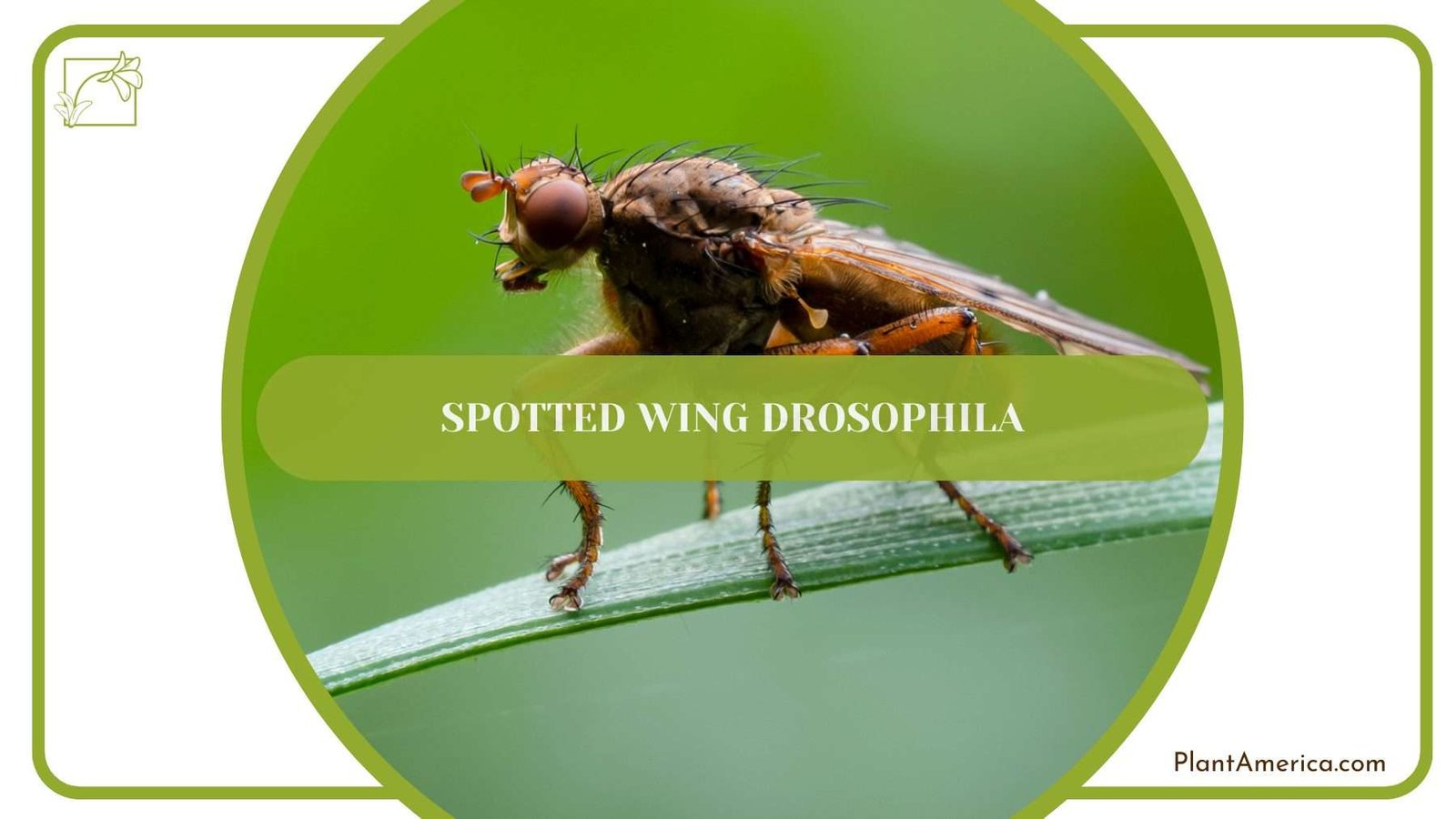
Use any of these insecticides against the spotted-wing drosophilia:
- bifenthrin
- fenpropathrin
- malathion
- spinetoram
- spinosad
Fine netting over plants might keep the fly away. Set traps to figure out if there’s too many spotted wing drosophilia around. Pour 100ml of pure apple cider vinegar and a few drops of dish soap into a container. Drill holes in the lid and hang the container to trap and drown these flies.
7. Strawberry Aphid (Chaetosiphon fragaefolii)
Use neem oil or pyrethrin to keep your strawberries aphid-free and organic. Insecticidal soap is a good option too. Apply insecticides only if aphids grow out of control. Pick 40 random strawberry leaves and apply insecticides if there are aphids on 13 or more.

To control and curb aphids, spray water on dusty areas. Aphids favor dust, which also disrupts their predators. Avoid overusing nitrogen fertilizers, since plants rich in nitrogen attract aphids.
8. Tarnished Plant Bugs (Lygus lineolaris)

Most insecticides that kill lygus bugs also kill predators of spider mites. Suction devices that look like vacuum cleaners are a good solution for lygus bugs. Vacuuming the bugs off 1–2 times a week can curb their growth by 75 percent. Still, it won’t be enough if the infestation is too big.
Spiders, wasps, and other predators can feed on lygus bugs but their effect isn’t enough. Grow flowering plants around the strawberry plot to distract lygus bugs.
9. Two-Spotted Spider Mites (Tetranychus urticae)

When a spider mite population grows, it starts leaving webbing around the plants. Shake leaves over a sheet of paper and check if it’s mites through a magnifying glass. Use a special anti-mite poison, such as Acramite, or use abamectin or bifenthrin. Spray no more than twice a month.
You can also release predatory mites, such as Neoseiulus fallacis. Two to five mites per plant will do, depending on the spider mite density. Follow spider mite populations closely, since predatory mites might not work.
Final note:
Beer traps can lure slugs but are rarely enough to protect strawberries. Luckily, we know almost all strawberry pests and have ways to deal with them. Uproot the weeds on and around your strawberry plot and you should be fine. Also, if you have a mealybug infestation problem you can easily remove them.