
When a Canaan fir tree is turning brown, you may be worried, especially if you have not seen it like that before. It can be a cause for concern or not depending on the cause.
 The first thing to do is to check the fir tree and know why it is turning brown. To learn how to fix the problem, read this article.
Why Your Canaan Fir Tree Is Turning Brown
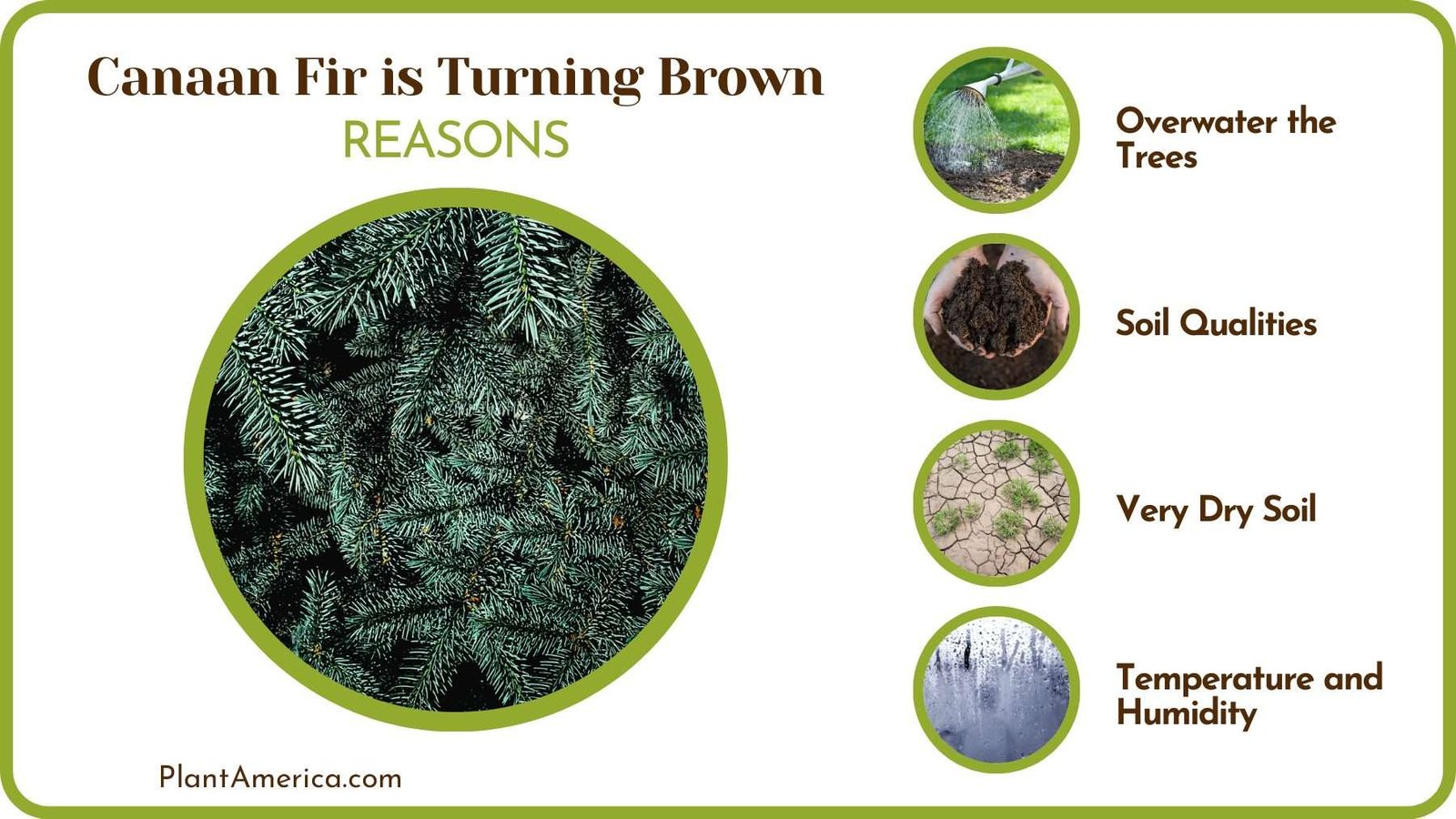
💥 Your Canaan fir tree is turning brown because of a few reasons such as natural causes, bad growing conditions such as temperature and humidity, and bad cultural practices. You have to check your trees for pests as well, as pests can make the trees turn brown.
– You Overwater the Trees
The thing about beautiful trees such as firs is that they will always give you a sign whenever things go wrong. The look of the tree whenever you overwater it always changes, as it will look ill and the needles might start weakening according to how much you overwatered it. If you continue overwatering the trees for long, you’ll see needles dropping after they turn brown.
How often are you watering your trees? Surely, young trees need watering and care from you. However, don’t suffocate their roots with water so that you don’t give them root rot. Note that if you continue overwatering the trees, their roots will start rotting and this is highly detrimental to them.
– Very Dry Soil
Even though you should not overwater your Christmas trees, you cannot leave them until the soil gets fully dry. When the soil becomes dry, the tree roots will find no source of water. Therefore, the needles will start drying out. This will give them a brown look and in some days, they will start dropping.
If you poke your fingers into the soil, can you feel any moisture? How loose is the garden soil for your trees? These are the things to consider after remembering when last you watered the trees. Also, note that the problem of dry soil usually occurs during the summer months when your trees are hot and end up consuming more water than needed.
– Check Other Soil Qualities
The soil moisture is not the only soil quality that affects your trees. Other qualities such as pH, type (loam or sandy), compactness (loose or compacted), microbe count, and even nutrition affect the growth of your plants. Therefore, you can’t really tell the exact cause of your brown firs until you check all these qualities.
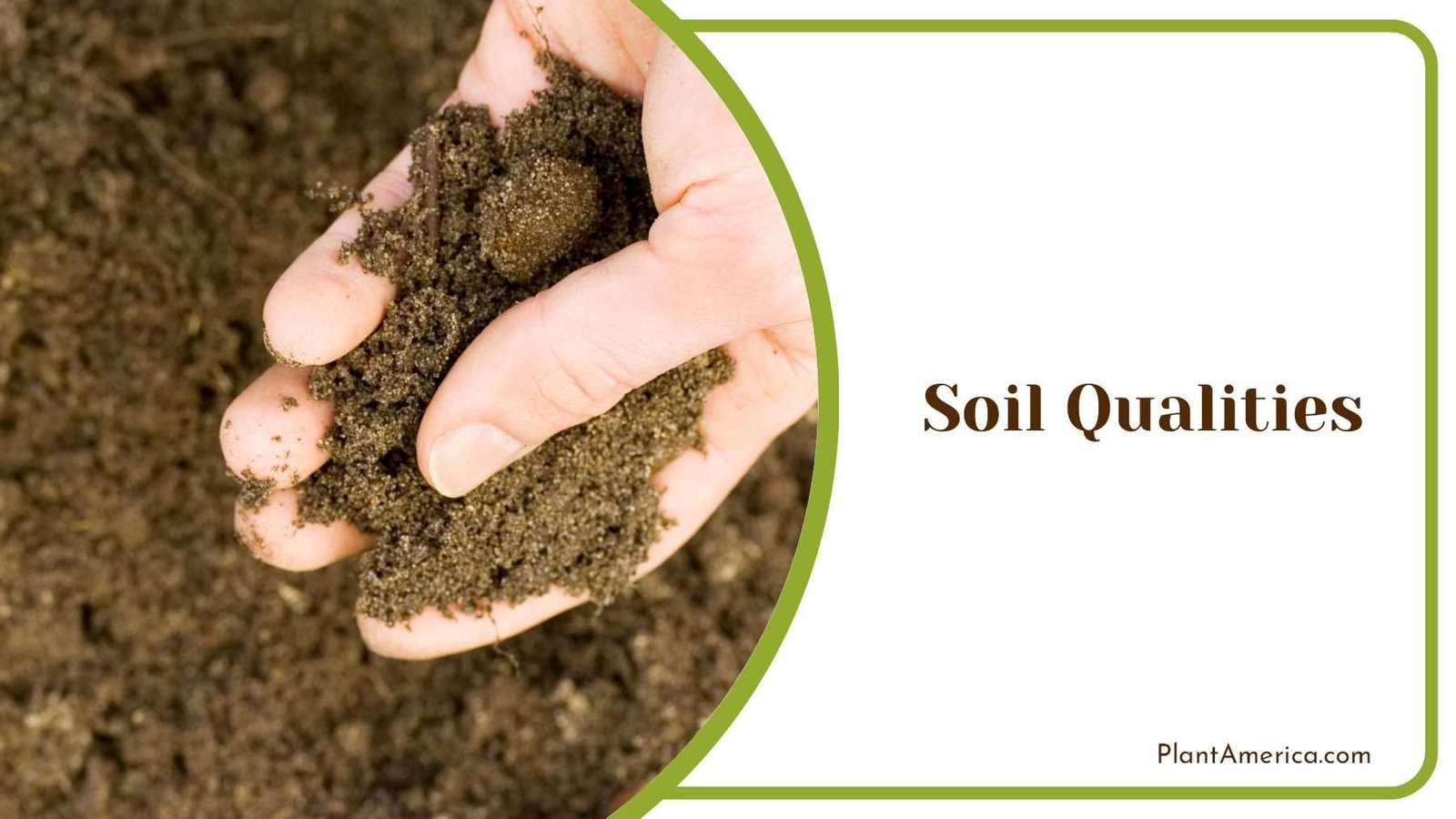
Soil is very important, as no tree loves growing in the wrong soil type. Therefore, if you recently added new soil to your garden, try checking if it is suitable for your trees. Also, if you want to know the qualities of your soil, you have to take the soil to a soil science lab. When you get your results, compare them with the needs of your trees.
– Temperature and Humidity
After checking all soil qualities and still can’t find what is wrong with your plants and why they are becoming brown, check some atmospheric conditions. If your trees have been growing and they just started becoming brown, the problem could be from the atmosphere. The most important conditions to check are humidity and temperature.
Temperature affects the growth processes of plants. Processes such as germination, growth, flowering, etc. are mostly influenced by temperature. Therefore, whenever your trees are not growing just the way you want, the temperature may not be suitable. Also, humidity affects the look of your needles, as trees growing in unsuitable humidity levels usually show the signs through the needles.
– Consider Your Tree Nutrition
The problem with your Christmas trees could just be nutrition. Nutrition can affect your trees in two ways; lack of nutrients and over availability of nutrients. When the trees start lacking nutrients, their needles will pale out and if you still don’t feed them, the needles will turn brown. This can kill your trees, as they no longer have any nutrients to grow.

If you overfeed the trees and give them too many nutrients, their needles and other parts can get burnt. This is very similar to the way your trees would look if they were dehydrated. It happens because they will no longer collect water from the soil and only collect nutrients. The less water they collect, the dryer and browner they will become.
– Pests and Diseases
When last did you repel pests from your garden? Did you recently plant a new tree in the garden? If you plant a new tree without examination and isolation, it could bring a few pests into your garden, and in time, these pests, like mealybugs, can spread to other healthy trees. Pests almost always make your trees turn brown, so checking for pests is surely worth it.
You can easily spot insect pests. You just need to check your trees either during the day or at night for the different types of pests. Remember that microbes can cause diseases. Therefore, you especially do not want microbial pests in your garden. If you see different colored spots in your trees and needles, your garden might have a bacterial or fungal disease.
– Natural Needle Shedding
The truth is that your conifer needles will sometimes drop for new ones to grow. Before they drop, they might turn brown. Therefore, your needles could be browning because of natural causes (age). You can tell whether this is natural or not by looking at the needles that have dropped. If they are long, they are old. If they are still short and look very fresh, they are young and are not falling because of natural causes.
You can also tell that the needles are dropping due to natural causes when you see them dropping in other trees, especially faraway trees. So long as only old needles are dropping, you have nothing to worry about (yet).
How to Fix Your Fir Trees Turning Brown
To fix your fir trees that are turning brown, feed and water the trees as regularly as you should (depending on a few factors), amend your soil, treat the tree disease, prune the trees, and continue growing them in suitable growing conditions.

– Properly Feed Your Trees
You have to feed your trees properly, especially if their problem is the deficiency of nutrients. If the problem is overfeeding, deeply flood the soil so that the excess nutrients can leave. Afterward, only feed your trees with suitable fertilizer whenever you want to feed them. If you must use organic fertilizer, ensure that it has readily available nutrients.
The thing about organic fertilizers is that they can burn your trees. For example, using fresh manure can be very harmful to your trees. Therefore, be extra sure that you know what you are doing while using some types of fertilizer. If you are using a store-bought product, be sure to do everything given in the instructions.
– Properly Water Your Trees
You also have to properly water your trees. Watering is essential for firs, especially the young ones. As for the older ones, you can skip watering them (except during the hot summer), as their roots are long enough to go deeper into the ground in search of water and nutrients. Water your trees every two to three days depending on the season.

You can mist droplets of water on the needles. However, ensure that the water droplets do not stay on the needles for long. To achieve this, only mist the needles in the morning so that the sun can dry the needles during the day. You can also shake the tree branch for excess droplets of water to drop off the needles.
– Amend the Soil
When last did you amend the soil for your blue spruces? If you amended the soil before you started growing your trees, you have to occasionally amend it even when your trees are old. For example, soil that is originally compacted will turn compacted a few years after you amend it. You can only skip amending your soil if you replaced it with a new one earlier.
Some products to amend your soil with are compost, pH up, pH down, perlite, vermiculite, and others. These products have their individual uses, so be sure that you know what you are doing before you use any. You can use compost whenever you want. To be sure of the type of product you need, take a soil test by taking the soil to a lab.
– Check the Atmospheric Growing Conditions
You have to check the temperature of the environment. Always check the temperature, especially if you are not sure of what is wrong with your trees. You can check the temperature using a thermometer. If the temperature is too high, it could be because of the season.

Your trees grow best at 35-45 degrees Fahrenheit. Therefore, consider throwing a shade cloth over your trees, especially on the branches that are facing the south and west.
You also have to check the humidity to be sure that your trees are growing in the right humidity. If the humidity is too low, mist your trees often. If the humidity is too high, prune the trees so that there will be spaces between them, and just try to increase the airflow around the trees.
– Treat the Tree Diseases
First of all, try to find out what exactly is wrong with your trees. There are so many types of diseases and the cure of one can make another worse. Therefore, don’t just try any product for your trees, ensure that you know what you are doing. If you don’t know exactly what is wrong with your trees, take some samples (needles, bark, branches, etc.) to a botanist nearby.
They will check the tree and tell you what’s wrong. They will also suggest some beneficial products for you. Get those products as quickly as you can and use them for your trees. In a few weeks, your trees would’ve been healed.
– Wait for the Growth of New Needles
If the needles are becoming brown and falling off due to age and other natural factors, you simply have to wait for new ones to grow. While the old ones fall off, remember to rake them and remove them from your garden, as you don’t want them to decompose too close to your trees.

So long as you keep your garden clean and you are sure that there is nothing wrong with your trees, you have nothing to worry about. Just wait.
– Prune the Branches With Old and Brown Needles
Note that no matter how healthy your trees become after you treat them, everything that is brown will stay brown. To keep your trees freshly colored again, you have to remove the brown and dead parts. Use sterilized pruning shears to prune off the damaged parts from your trees. The trees will thank you for this.

Conclusion
Surely, you can now fix your fir tree turning brown, right? Here are some reminders from this article for you:
- Two important atmospheric conditions to check when you see brown needles are humidity and temperature.
- Some soil qualities to check are moisture content, pH, nutrition, and other factors
- Consider how often you water and feed your trees when you see brown needles.
- Remember to get rid of pests if you find them near your trees.
- After fixing your trees, prune off the damaged leaves.
You are good to go. Remember to stick to the care tips listed in this article.
References
- Extension Today: Christmas Trees | OSU Extension. (n.d.). https://extension.osu.edu/today/christmas-trees
- Yard and Garden: Selection and care of Christmas trees. (n.d.). News. https://www.extension.iastate.edu/news/yard-and-garden-selection-and-care-christmas-trees