
Types of weeds can quickly threaten your entire garden if left unchecked. In this post, we’ll cover some of the most difficult weeds to remove from your garden beds, lawn, and borders. Whether you need help identifying a pernicious weed or discovering the best removal strategies, we’ve got you covered.

We’ll describe the most evil-looking weeds that spread like wildfire and weaken your prized plants, from persistent grasses to tenacious broadleaf varieties, so read on to discover the trickiest weeds lurking in gardens everywhere, and arm yourself with the knowledge to finally get rid of them for good!
Types of Weeds to Uproot When They Pop Up In Your Yard
1. Bindweed
- Growing Season: Spring, Summer, Fall
- Leaf Shape: Arrowhead-shaped, Linear
- Specific Needs: Full sun, Poor soil
- Common Pests: None
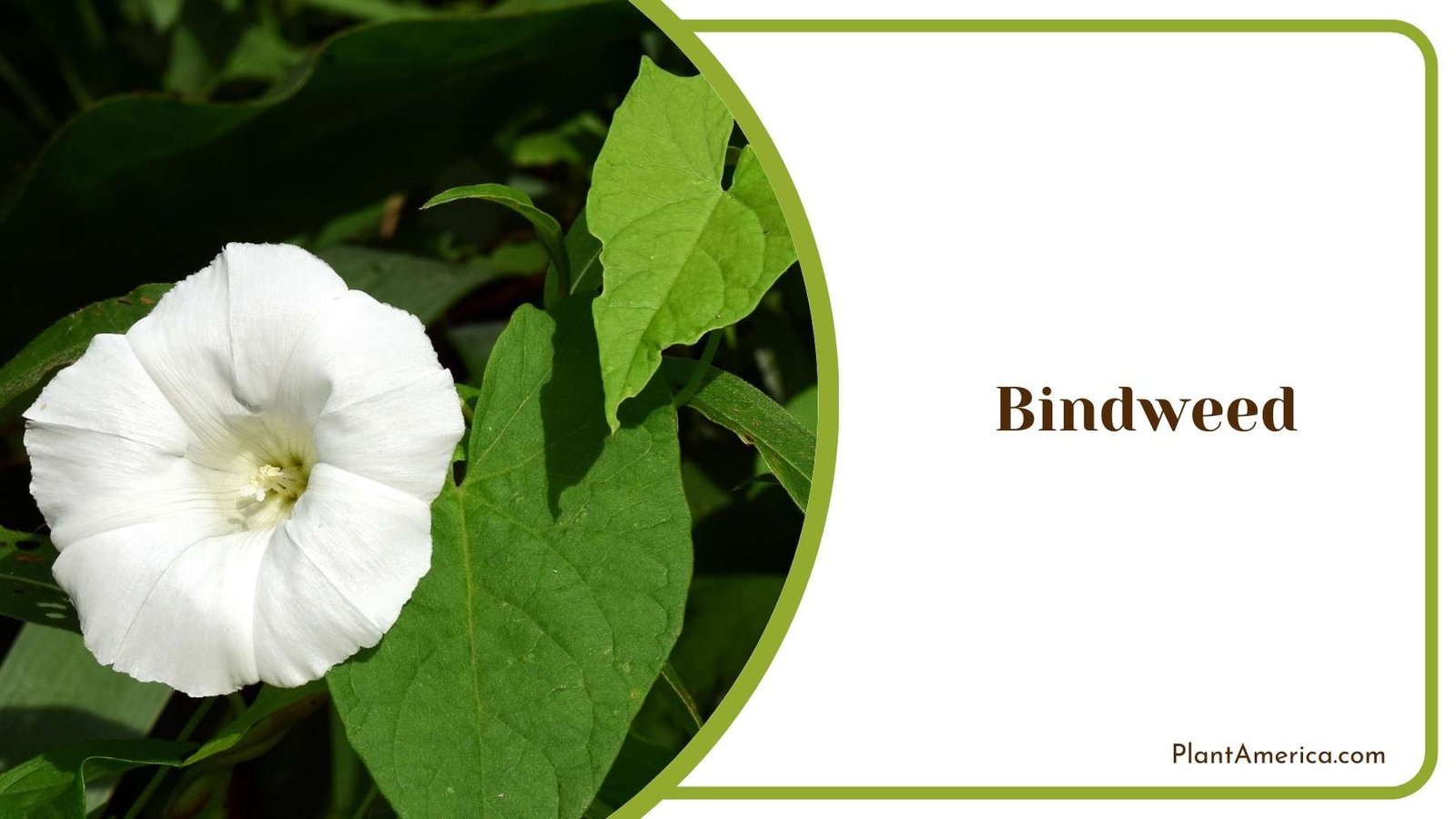
Bindweed, also known as morning glory, is a persistent type of weed due to its long, deep roots and ability to reproduce from root fragments. The arrowhead-shaped leaves grow on vines that twist counter-clockwise and can climb as high as six feet.
Bindweed vines produce funnel-shaped white, pink, or purple flowers throughout the growing season. It thrives in full sun and poor soil and is difficult to weed out due to its extensive root system which can reach 16 feet deep!
Regular applications of a glyphosate herbicide are usually needed for effective bindweed control, though any missed roots can allow it to re-grow. Proper soil cultivation after treatment can improve long-term bindweed management.
2. Crabgrass
- Growing Season: Spring, Summer
- Leaf Shape: Flat, Strap-like leaves
- Specific Needs: Full sun, Sandy soil
- Common Pests: Crabgrass Moth, Mites
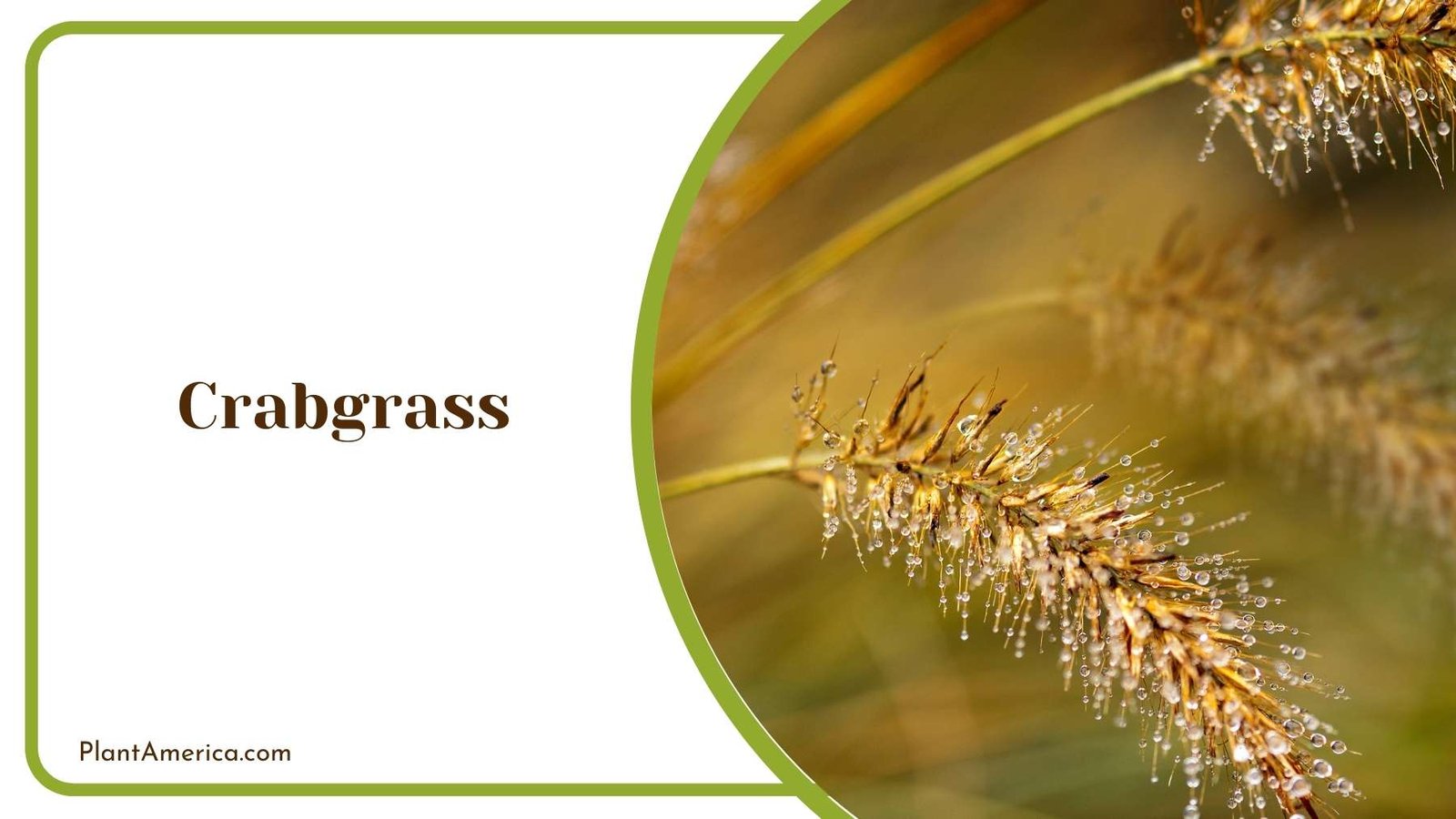
Crabgrass is a grassy, coarse weed type that grows horizontally rather than vertically. The flat, strap-like leaves form a mat-like growth habit. Crabgrass germinates in early spring and thrives in full sun and sandy soil. It is an annual weed that completes its life cycle in one year.
The seeds of crabgrass continue to sprout throughout the growing season, making effective control difficult. Pre-emergent herbicides applied early in the spring can help reduce crabgrass, though post-emergent spot treatments may still be needed on germinated plants. Proper lawn care through measures like balanced fertilizing, irrigation, and mowing can help keep crabgrass at bay in your lawn.
3. Yellow Nutsedge
- Growing Season: Spring, Summer, Fall
- Leaf Shape: Flat, Grass-like leaves
- Specific Needs: Moist, Heavy soil
- Common Pests: None
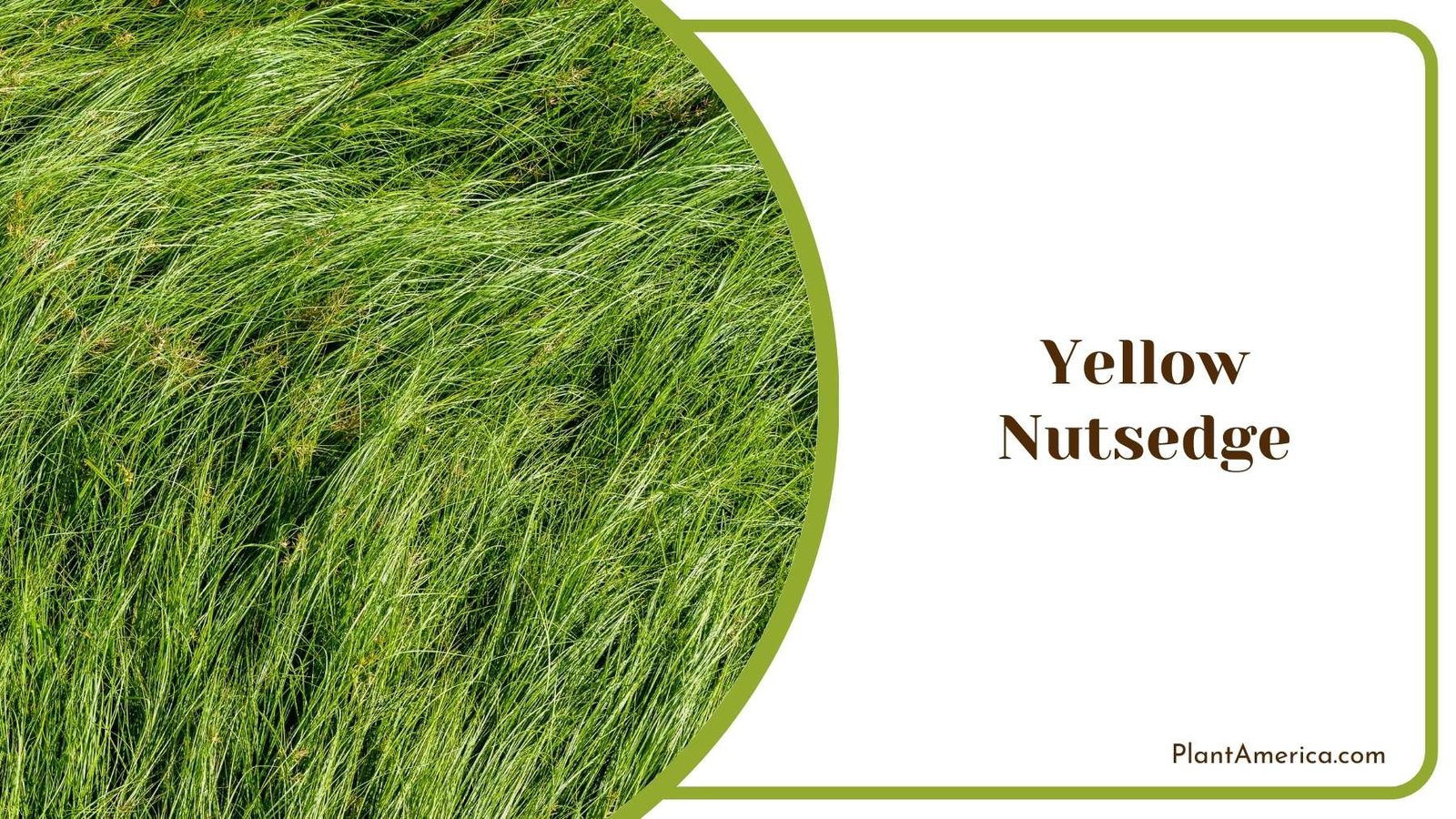
Yellow nutsedge is an aggressive, persistent perennial weed type characterized by its yellowish-green, triangular stems and grass-like leaves. The weed removal process is made difficult by its nut-like tubers, which can multiply and spread the infestation. Yellow nutsedge thrives in warm, moist, and heavy soil.
It competes vigorously with lawn grasses and garden plants by robbing them of water and nutrients. Both contact and systemic herbicides can help control yellow nutsedge, though multiple applications over several seasons may be required.
Hand pulling can also remove some mature plants and tubers, though follow-up will likely be needed due to regrowth from remaining parts. Proper yard care through good drainage, aeration, and balanced fertilizing can discourage future yellow nutsedge infestations.
4. Dandelions
- Growing Season: Spring, Summer, Fall
- Leaf Shape: Toothed, Jagged edges
- Specific Needs: Full sun, Moist soil
- Common Pests: None
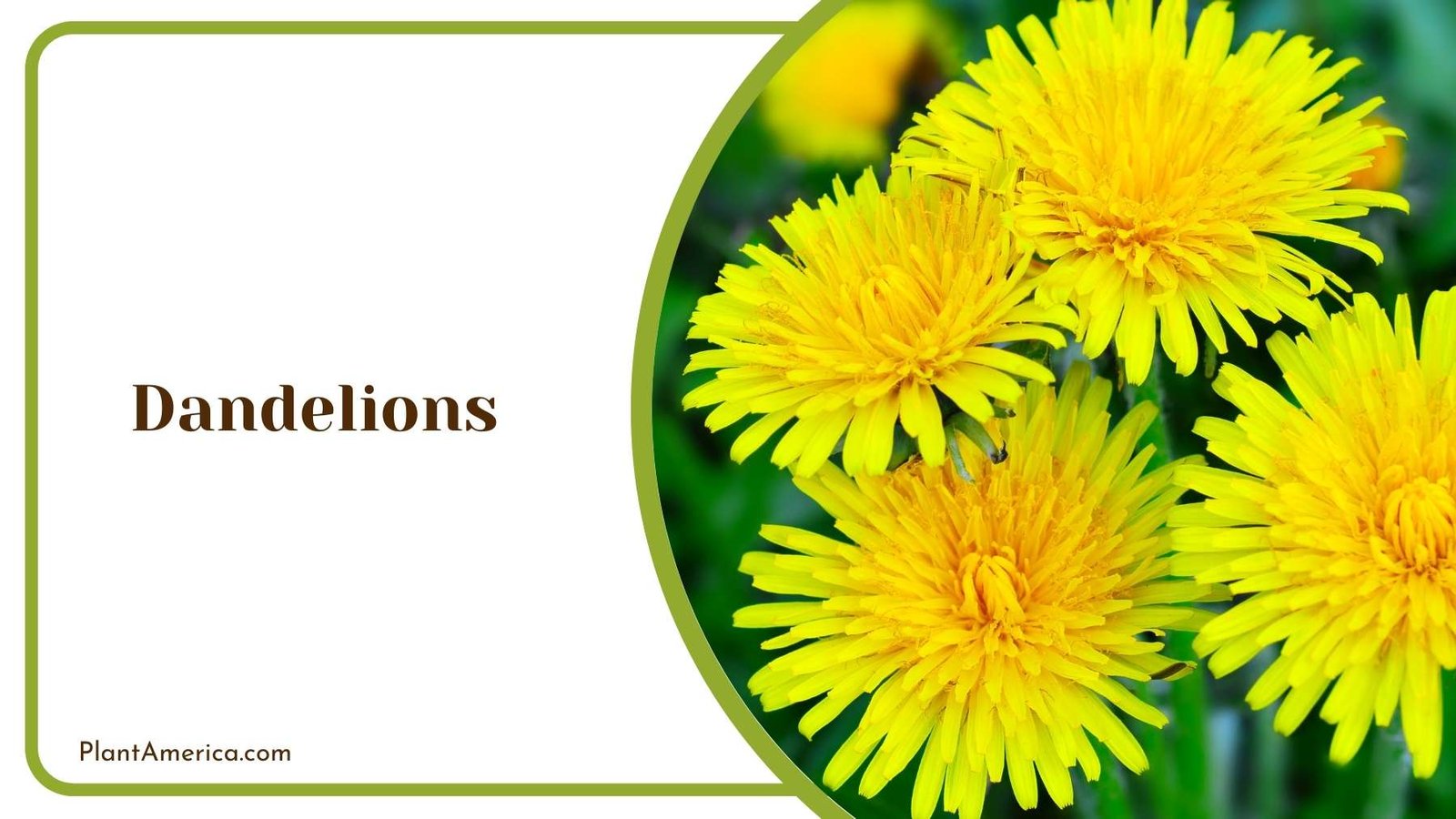
The dandelion is a familiar yellow-flowered weed type with a long taproot and is scientifically known as Taraxacum officinale. The toothed, jagged leaves form a basal rosette near the ground, and the plant produces a single yellow flower head.
Dandelions thrive in full sun and moist, nutrient-rich soil. The flower heads turn into a ball of silver seeds that disperse via the wind. Effective dandelion control often requires a two-pronged approach of digging out mature roots and spot-treating any survivors with a contact herbicide.
Repeated spot applications may be needed due to re-growth from root fragments. Proper lawn care that includes mowing higher, balanced fertilizing, and weed prevention can reduce dandelion infestations over time.
5. Quackgrass

- Growing Season: Spring, Summer, Fall
- Leaf Shape: Narrow, Flat leaves
- Specific Needs: Full sun, Moist soil
- Common Pests: None
Quackgrass, also known as couch grass, is a hardy, invasive weed type scientifically known as Elymus repens. It spreads aggressively via rhizomes and stolons to form dense mats that overtake lawns and gardens. The flat, narrow leaves grow on wiry stems that reach up to three feet tall. Quackgrass thrives in full sun and moist, fertile soil.
It often invades newly seeded or disturbed areas where the soil has been loosened. Effective weed removal requires a systematic approach using a non-selective herbicide on the foliage and again on re-growth from the extensive rhizome system.
Mulching, proper watering, balanced fertilizing, and core aeration can eventually reduce quackgrass issues by improving lawn grass density and health. However, complete eradication is difficult due to the hardiness of its spreading systems.
6. Thistle
- Growing Season: Spring, Summer, Fall
- Leaf Shape: Spiky, Lobes with spines
- Specific Needs: Full sun, Dry soil
- Common Pests: None
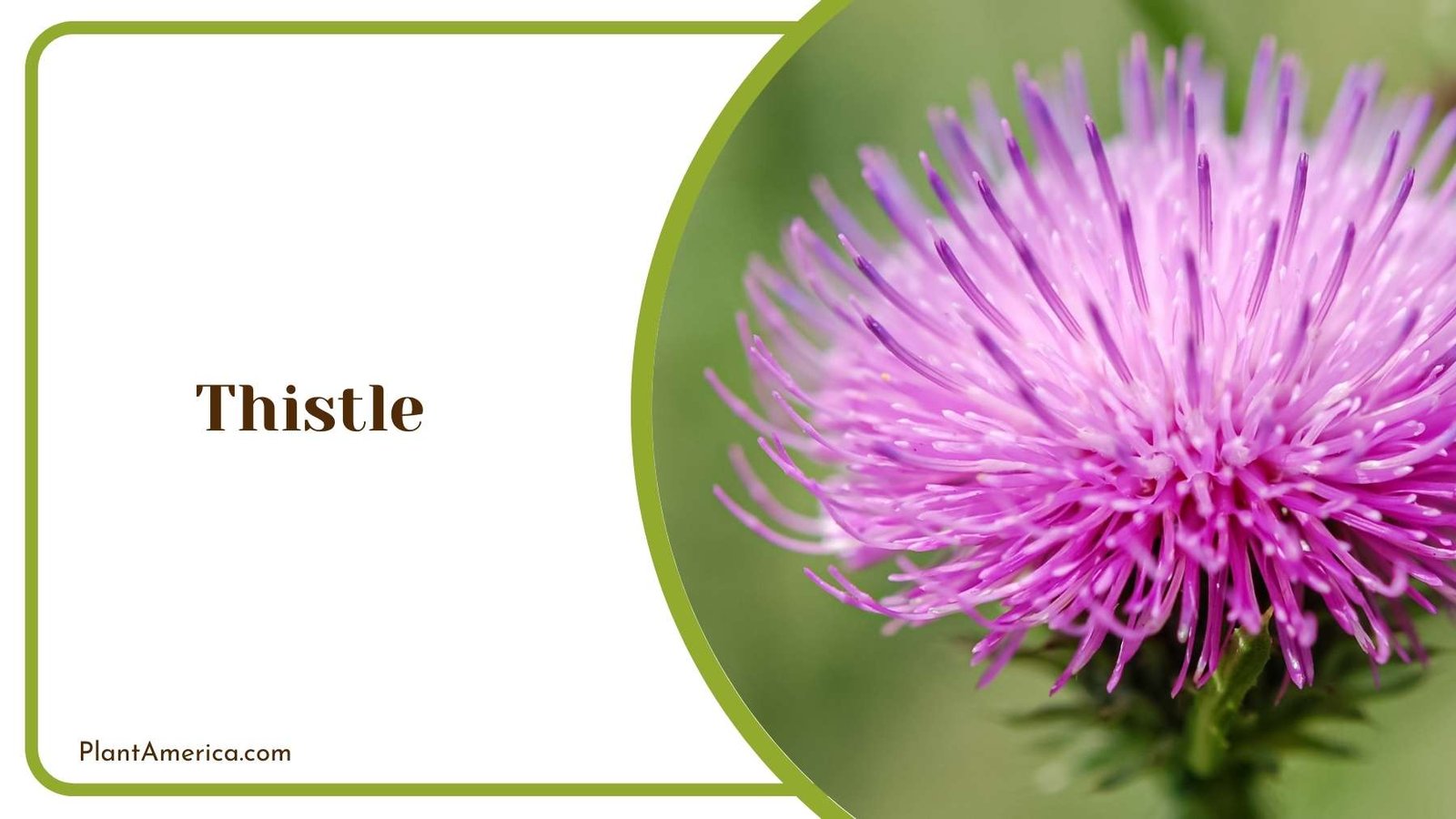
Thistle refers to a group of weeds in the Asteraceae family characterized by spiny leaves and flower heads. There are both biennial and perennial types of thistle. The dandelion-like flower heads can be purple, pink, or yellow. All types of thistles have spiky, lobed leaves with sharp spines that help protect the plant from being eaten by animals and people.
The weed removal process can be difficult due to these defenses, as well as the extensive root system of some types. For biennial thistles, removing flower heads before seeds form and digging up roots in the fall can help manage infestations.
Perennial types often require the use of herbicide, applied either as a wipe-on or spray, to kill emerging seedlings in spring and then again on re-growth. Some perennial thistles rely on underground rhizomes and tubers, which must be eliminated for lasting weed control.
7. Chickweed
- Growing Season: Winter, Spring
- Leaf Shape: Egg-shaped leaves, Round
- Specific Needs: Partial shade, Moist soil
- Common Pests: Rust, Mites
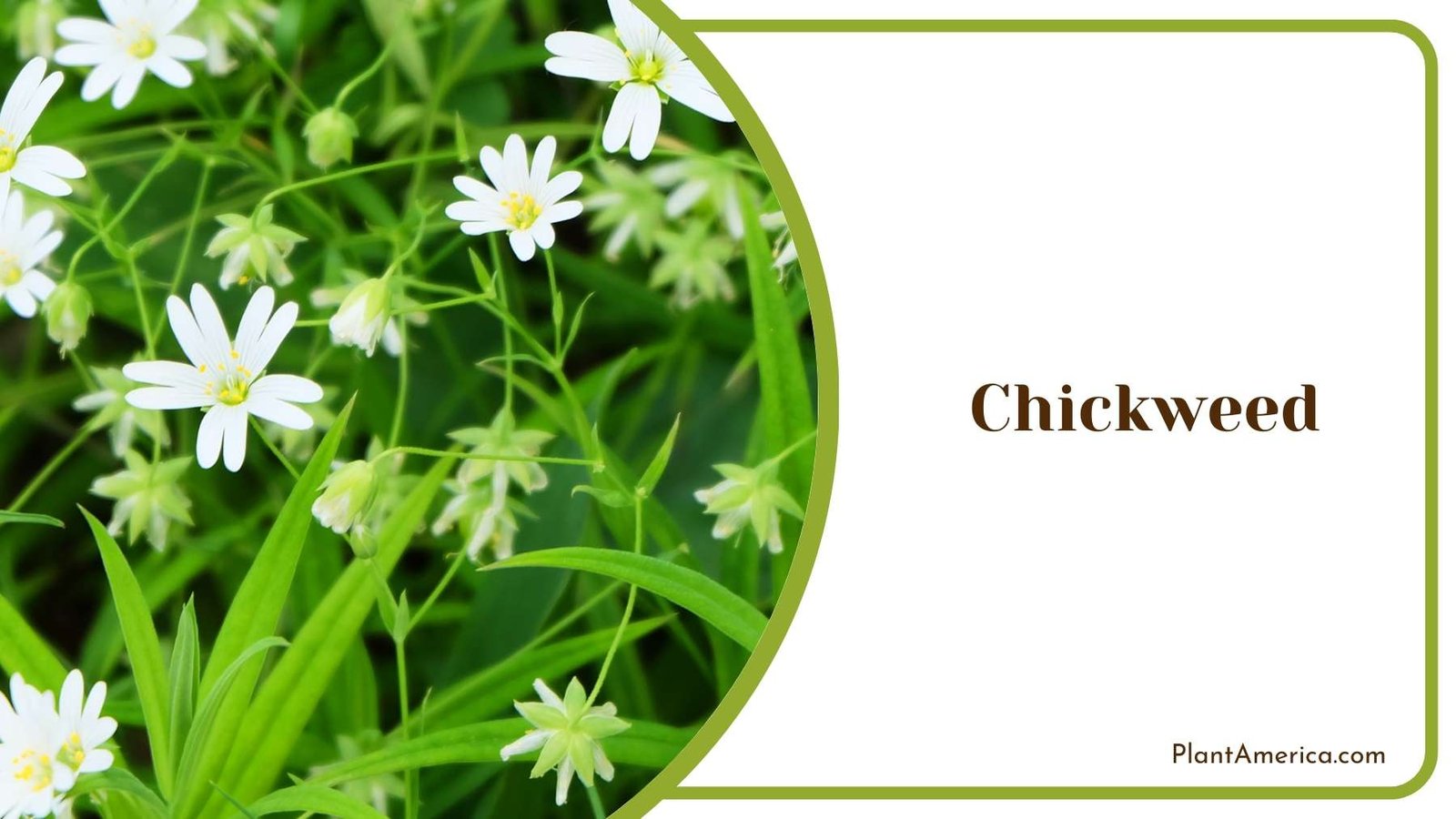
Chickweed is a low-growing, mat-forming weed type scientifically known as Stellaria media. It is commonly found in lawns, gardens, and landscapes during the cooler months of the year. The egg-shaped leaves grow in opposite pairs on procumbent, spreading stems. Chickweed flowers are small, star-shaped, and white in color.
This annual weed thrives in partial shade and moist, fertile soil. It reproduces quickly via seeds and creeping stems. Effective controlling of chickweed requires pulling emerging seedlings by hand and selectively applying a contact herbicide to larger patches.
Fall lawn cleanups can help eliminate chickweed that will overwinter and re-sprout the following year. Proper lawn care with balanced fertilizing and irrigation can discourage future chickweed infestations by promoting a dense, competitive turfgrass environment.
8. Clover
- Growing Season: Spring, Summer
- Leaf Shape: Compound, Trifoliate
- Specific Needs: Full sun to partial shade, Moist soil
- Common Pests: Japanese Beetles, Mites
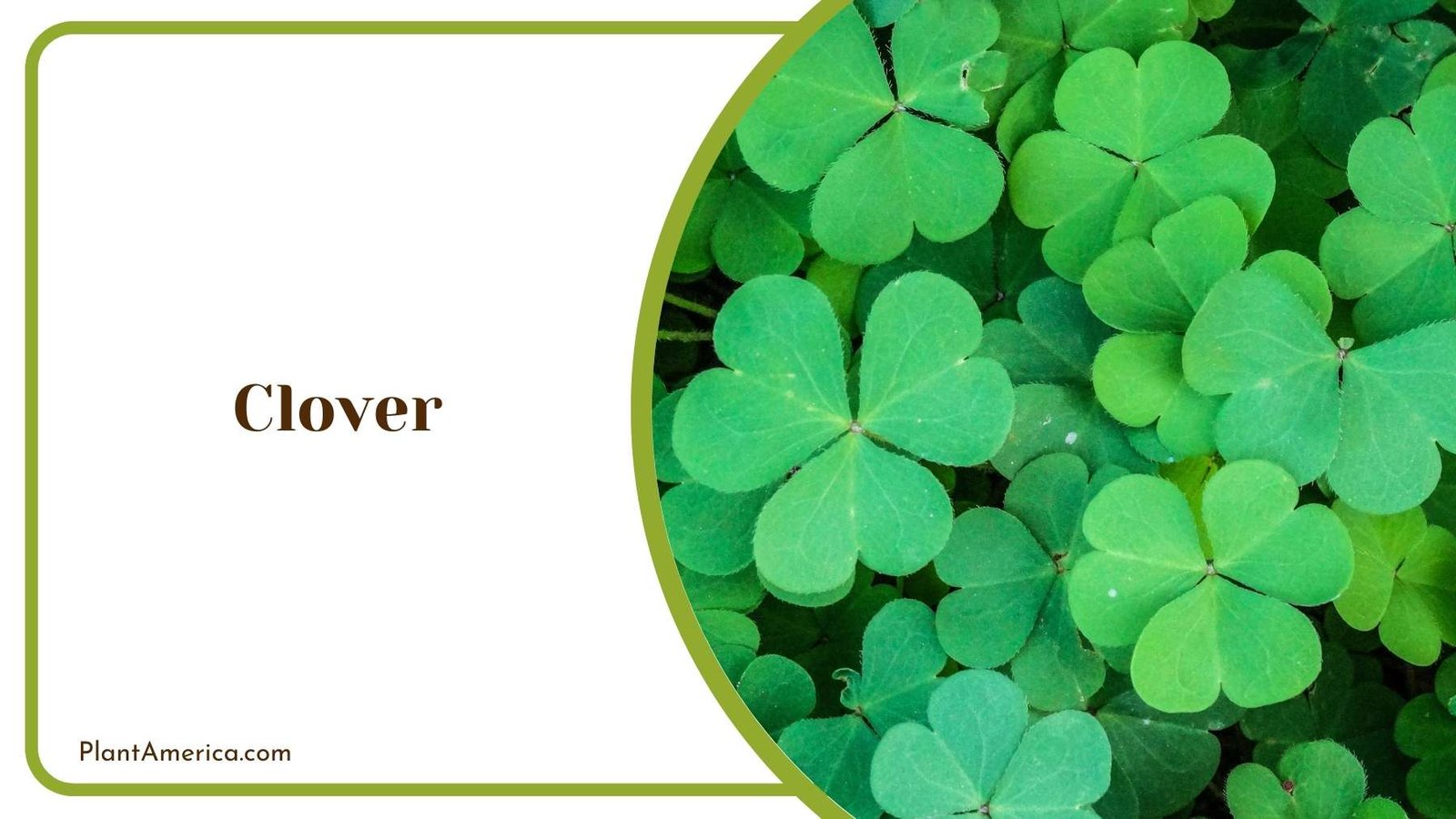
Clover refers to several species in the legume family that are characterized by their compound, trifoliate leaves composed of three leaflets. The leaflets often have rounded, scalloped, or lobed edges depending on the clover type. White Dutch clover is a common lawn weed while red clover and crimson clover are found in pastures and fields.
All clover species produce circular clusters of flowers that vary in color. Clover controlling involves spot-spraying with a broadleaf herbicide or hand weeding to remove individual plants. While pulling, dig deep to uproot the entire taproot, or the remaining parts will likely re-sprout.
Core aeration and overseeding with a more competitive grass seed blend can also help suppress clover over time. However, occasional treatments will likely still be needed to fully manage clover infestations in lawns and gardens.
9. Buckhorn
- Growing Season: Spring, Summer, Fall
- Leaf Shape: Palmate, Lobed leaves
- Specific Needs: Sun to part shade, Moist soil
- Common Pests: None
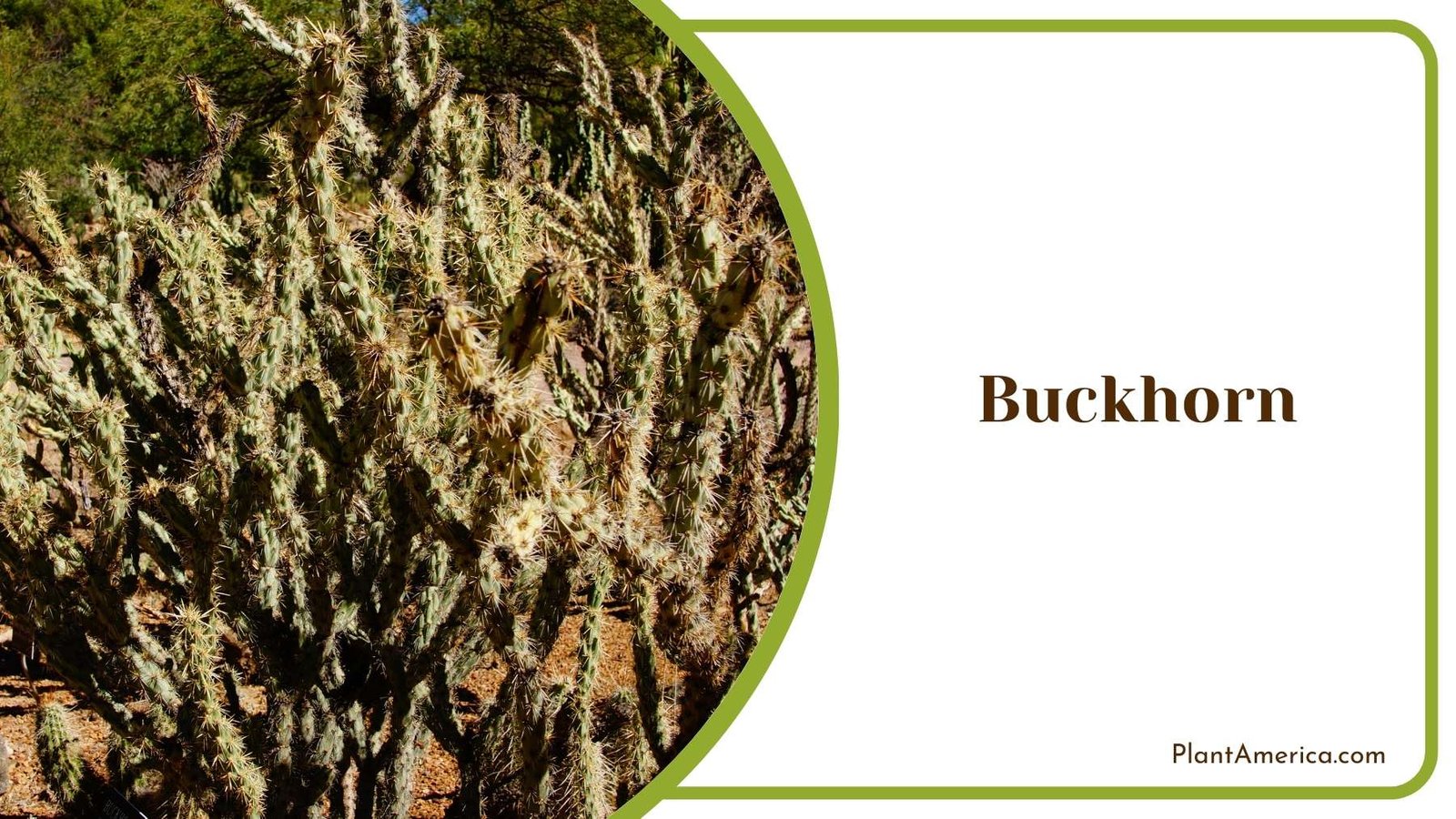
Buckhorn plantain, scientifically known as Plantago lanceolata, is a sun-loving perennial weed with triangular seeds. It produces leaves in a basal rosette form that have three to seven palmate lobes with clasping leaf stalks. Buckhorn plantain thrives in full sun and moist soil conditions. It spreads aggressively due to its lateral underground stems that produce new crowns and roots.
The erect spike inflorescences can reach up to 24 inches tall and feature many small white to brown flowers. Buckhorn plantain is difficult to control due to its spreading system and seeds that remain viable in the soil for many years.
Repeated hand weeding and spot treatments with a selective herbicide are typically required over several seasons for effective buckhorn plantain removal. Overseeding bare spots with grass seed and adjusting soil pH and fertility can discourage future infestations.
10. Ground Ivy
- Growing Season: Spring, Summer, Fall
- Leaf Shape: Round, Kidney-shaped
- Specific Needs: Shade to part sun, Moist soil
- Common Pests: None
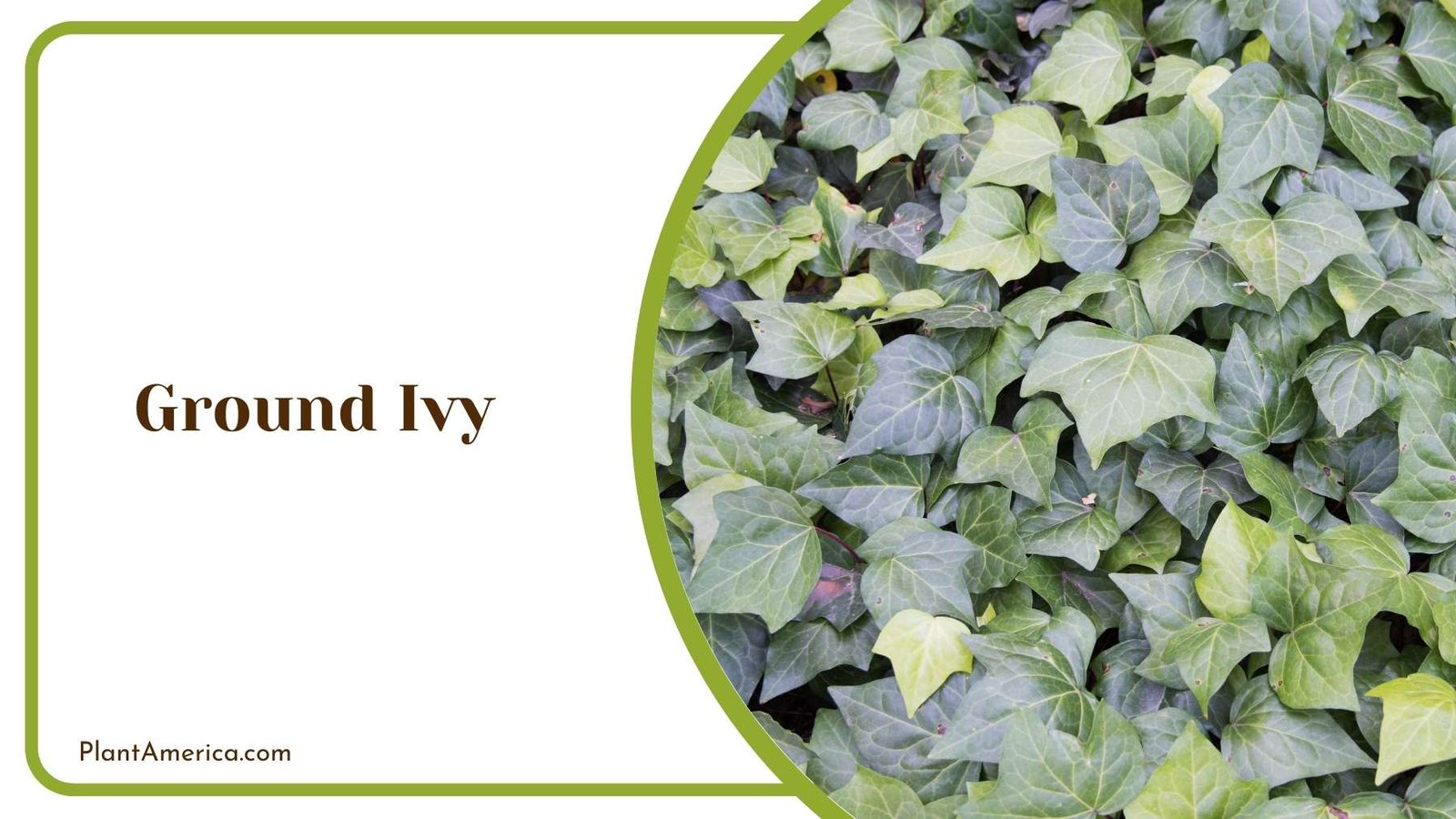
Ground ivy, also known as “Creeping Charlie,” is a vining, mat-forming ground cover plant scientifically known as Glechoma hederacea. It spreads via creeping stems that root at the nodes and produce colonies of intertwining stems. The round to kidney-shaped leaves grow in pairs on procumbent or ascending stems.
Ground ivy thrives in shaded areas with consistently moist soil conditions. It often thrives below trees, shrubs, and between paved surfaces. its creeping habit and extensive root system. Effective controlling involves applying a systemic herbicide like glyphosate directly on the foliage.
Re-application will likely be needed on new growth from missed roots. Hand weeding can help eliminate small patches, though diligence is needed due to ground ivy’s ability to re-sprout from roots and stem fragments. Improve soil drainage and increase competition from desirable plants to discourage future ground ivy infestations.
11. Spurge
- Growing Season: Spring, Summer, Fall
- Leaf Shape: Opposite, Oval, Oblong leaves
- Specific Needs: Full sun, Dry soil
- Common Pests: None
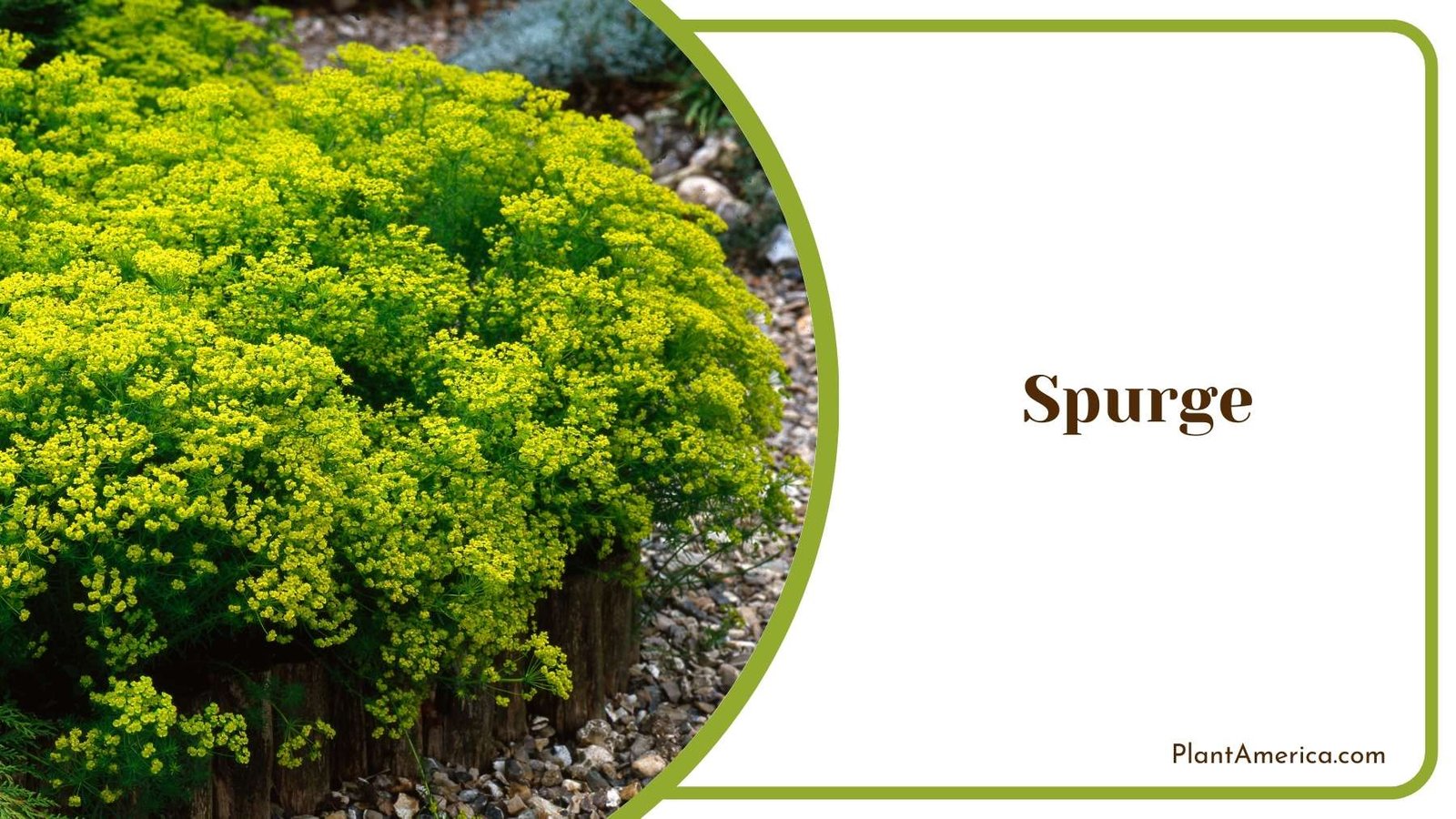
Spurge refers to several plant species in the Euphorbia genus. While many spurge plants are herbaceous perennials, a few annual and shrub varieties also exist. All spurge species produce a milky white latex sap when stems or leaves are broken.
Leaves are typically opposite, oval to oblong in shape, and often times spotted or mottled in color. Spurge thrives in full sun and dry, often poor-quality soil. The weed removal process starts with the physical removal of seedlings and mature plants. Mowing can reduce seed production, though re-growth will likely occur.
Glyphosate applied as a foliar spray offers the best results. Repeated applications over several seasons may be required for complete control due to proliferation from seeds that can remain viable in the soil for up to seven years. Reducing watering frequency, improving soil structure and increasing competition from desirable plants will also suppress future spurge infestations.
12. Mallow
- Growing Season: Spring, Summer, Fall
- Leaf Shape: Palmate lobes, Round, Kidney-shaped
- Specific Needs: Full sun, Dry to moist soil
- Common Pests: None
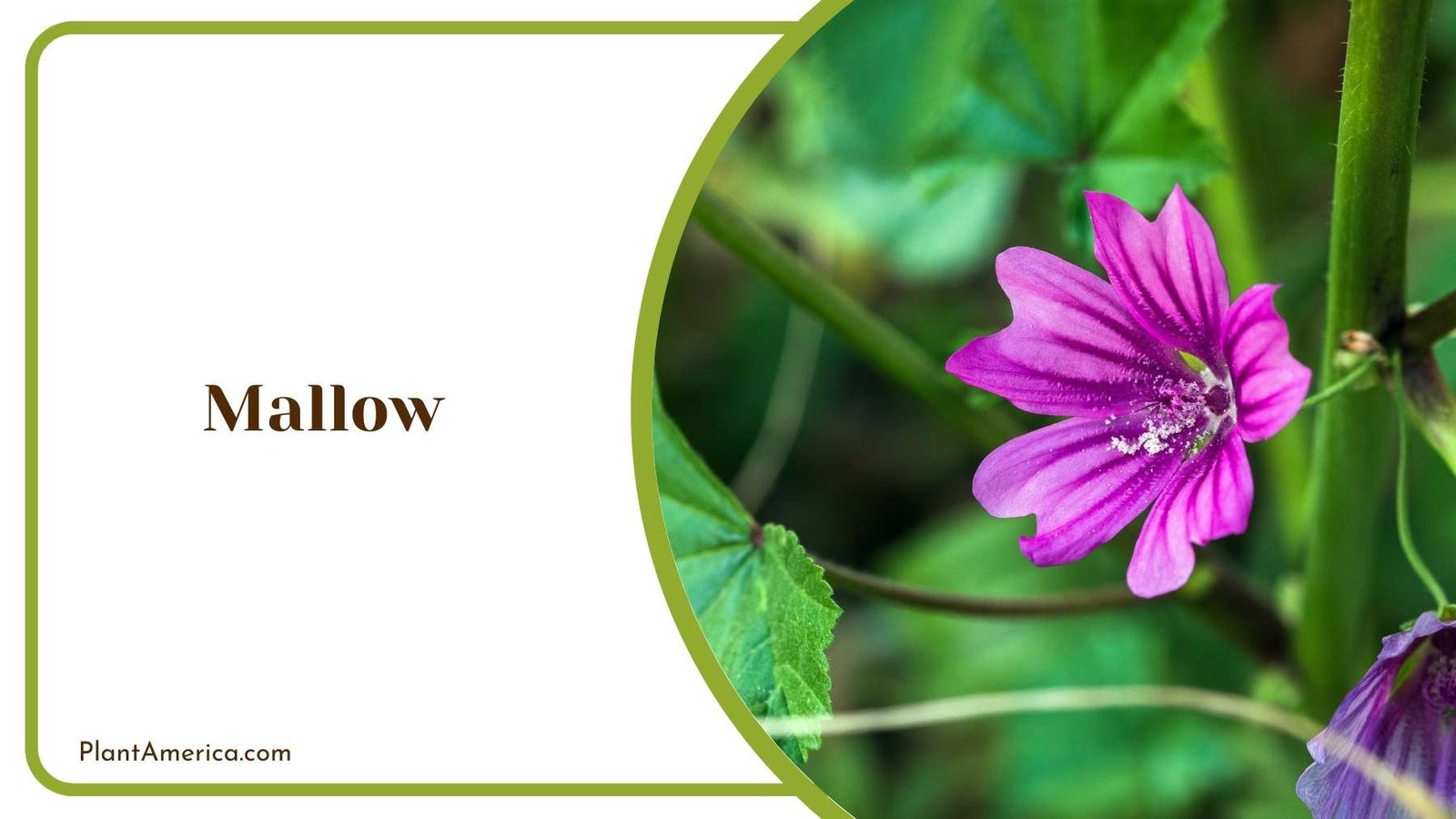
Mallow refers to several species in the Malvaceae family, predominantly in the genera Malva and Lavatera. Leaves are typically palmately lobed with round to kidney shapes and borne on long petioles. Flower colors vary by species but include white, pink, purple, and red. All mallow species produce distinctive disc-shaped fruits that break apart into segmented portions.
They grow as either annuals, biennials, or short-lived perennials and thrive in full sun or lightly filtered shade. Mallow weed removal begins with physically removing seedlings by pulling or hoeing. Small patches can be spot sprayed with a grass-safe herbicide. LargerInfestations typically require a foliar application of glyphosate.
Proper cultural practices like reducing excess soil moisture, improving soil fertility, and increasing competition from desirable plants will help suppress mallow over the long term. However, occasional spot treatments may still be needed due to mallow’s ability to regenerate from roots and dropped seeds.
13. Purslane
- Growing Season: Spring, Summer, Fall
- Leaf Shape: Ovate, Spoon-shaped leaves
- Specific Needs: Full sun, Moist soil
- Common Pests: None
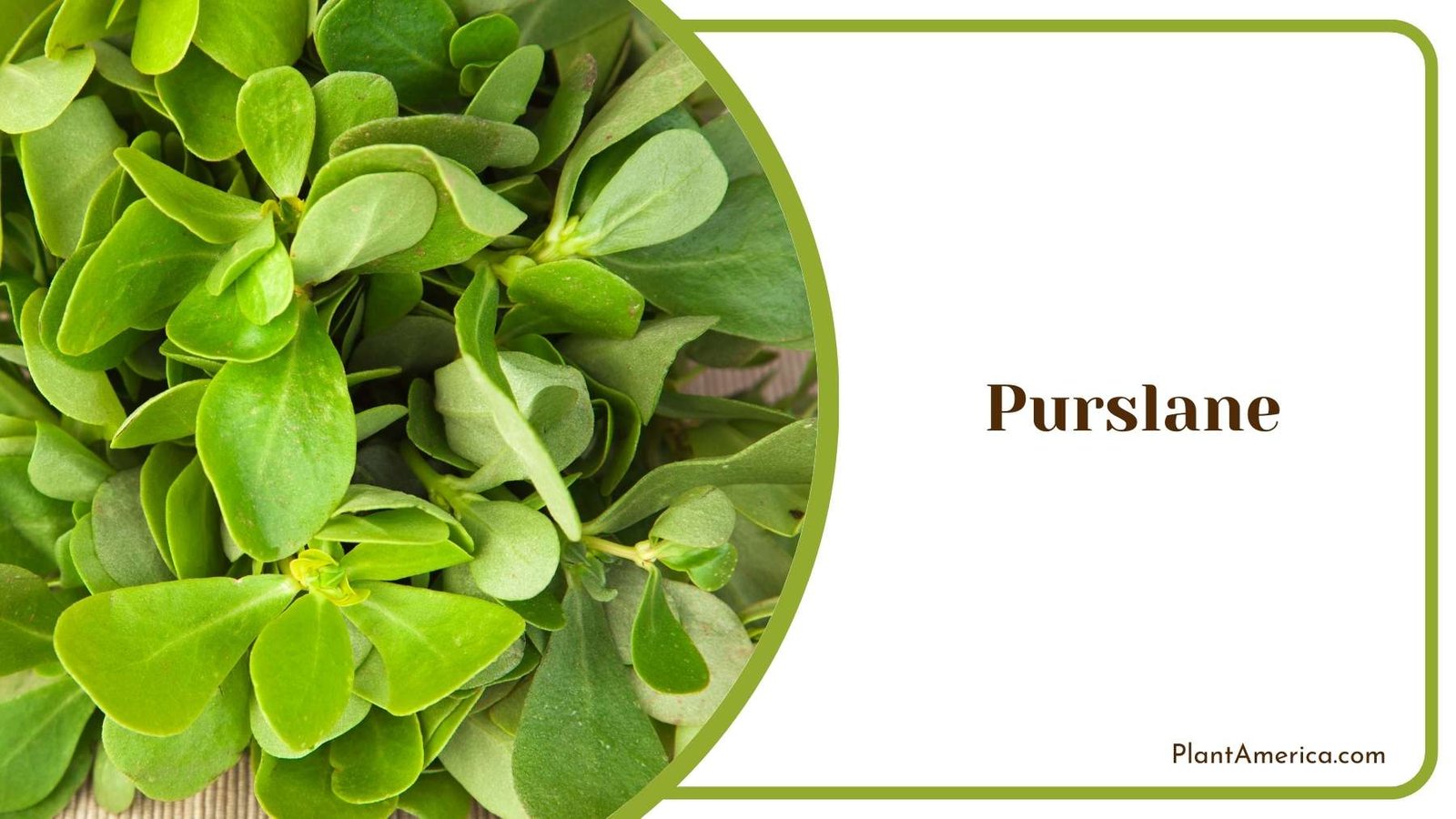
Purslane, scientifically known as Portulaca oleracea, is a low-growing annual weed with plump, fleshy leaves and succulent stems. The ovate to spoon-shaped leaves have smooth margins and reduce in size higher up the plant. Purslane thrives in full sun and consistently moist soil conditions. All parts of the plant exude a mucilaginous substance when broken or crushed.
Purslane spreads primarily by seeds that are ejected from the surrounding fruit when it dries and splits open. The sticky seeds can then attach readily to garden tools, mower tires, and shoes. Effective control begins with physically removing seedlings and mature plants before the seed set. Spot spraying with glyphosate or a grass-safe herbicide is also effective.
Over time, reducing soil moisture through improved drainage, increasing competition from desirable plants, and adjusting pH levels can suppress future purslane infestations. However, diligence is key due to purslane’s prolific seed production.
14. Speedwell
- Growing Season: Spring, Summer, Fall
- Leaf Shape: Linear, Oblong, Opposite leaves
- Specific Needs: Full sun to partial shade, Moist soil
- Common Pests: None
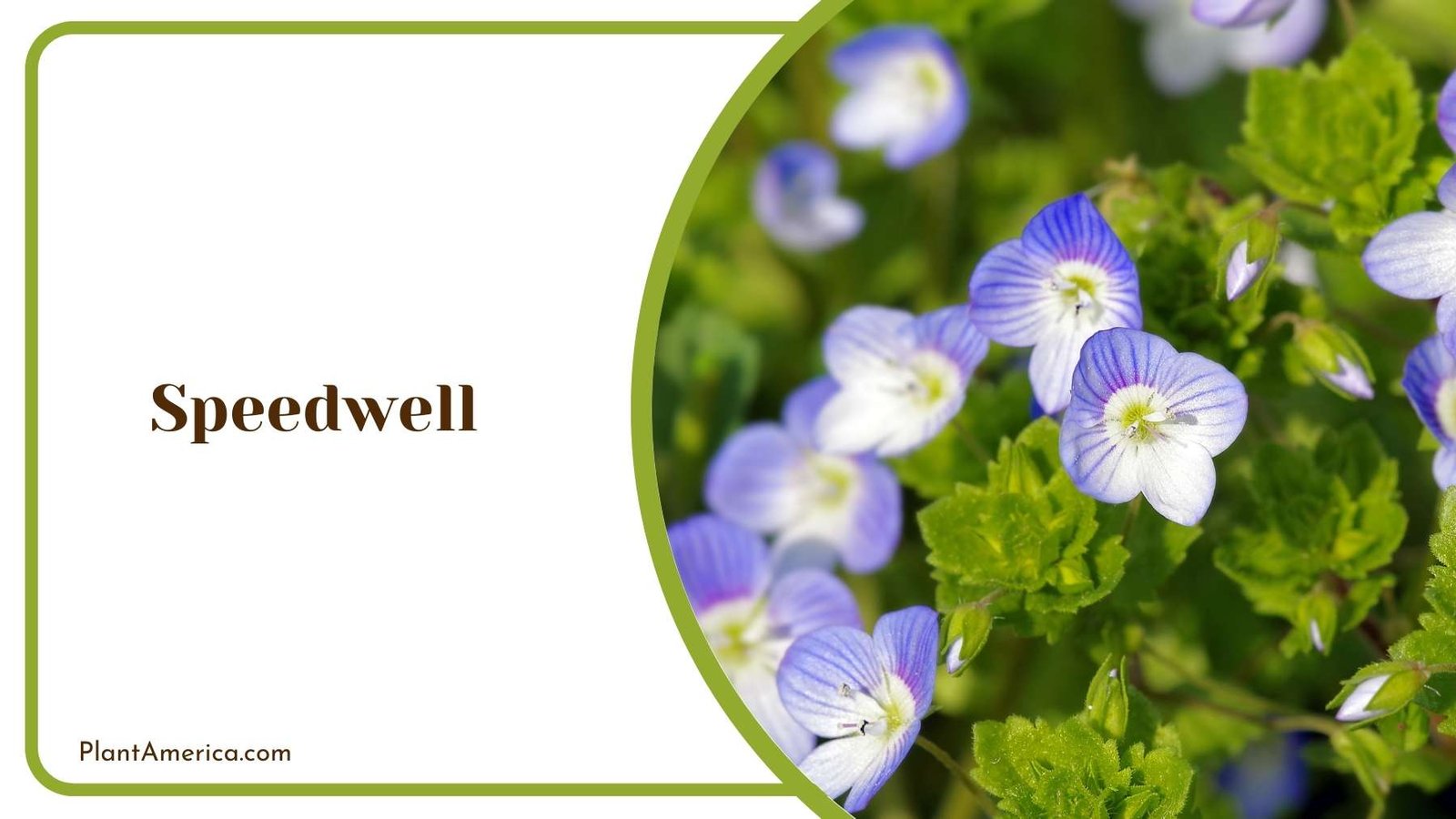
Speedwell refers to weedy species in the Veronica genus which are characterized by blue, pink, or white flowers with long reproductive structures called stamens. Leaves are typically linear to oblong and arranged oppositely on square stems.
Speedwell plants grow as either annuals or short-lived perennials. Manual control of Speedwell involves removing seedlings by hand and selectively applying a non-selective herbicide to larger plants.
Fall lawn cleanups help eliminate speedwell that will overwinter and re-sprout the following year. Long-term management relies on proper cultural practices like balanced fertilizing and irrigation to favor a dense, competitive turfgrass environment that Speedwell cannot establish within.
However, occasional spot applications will likely still be needed due to Speedwell’s abundant seed production and adaptation to a wide range of conditions.
15. Sow Thistle
- Growing Season: Spring, Summer, Fall
- Leaf Shape: Lobed, Spiny margins
- Specific Needs: Full sun, Moist soil
- Common Pests: None
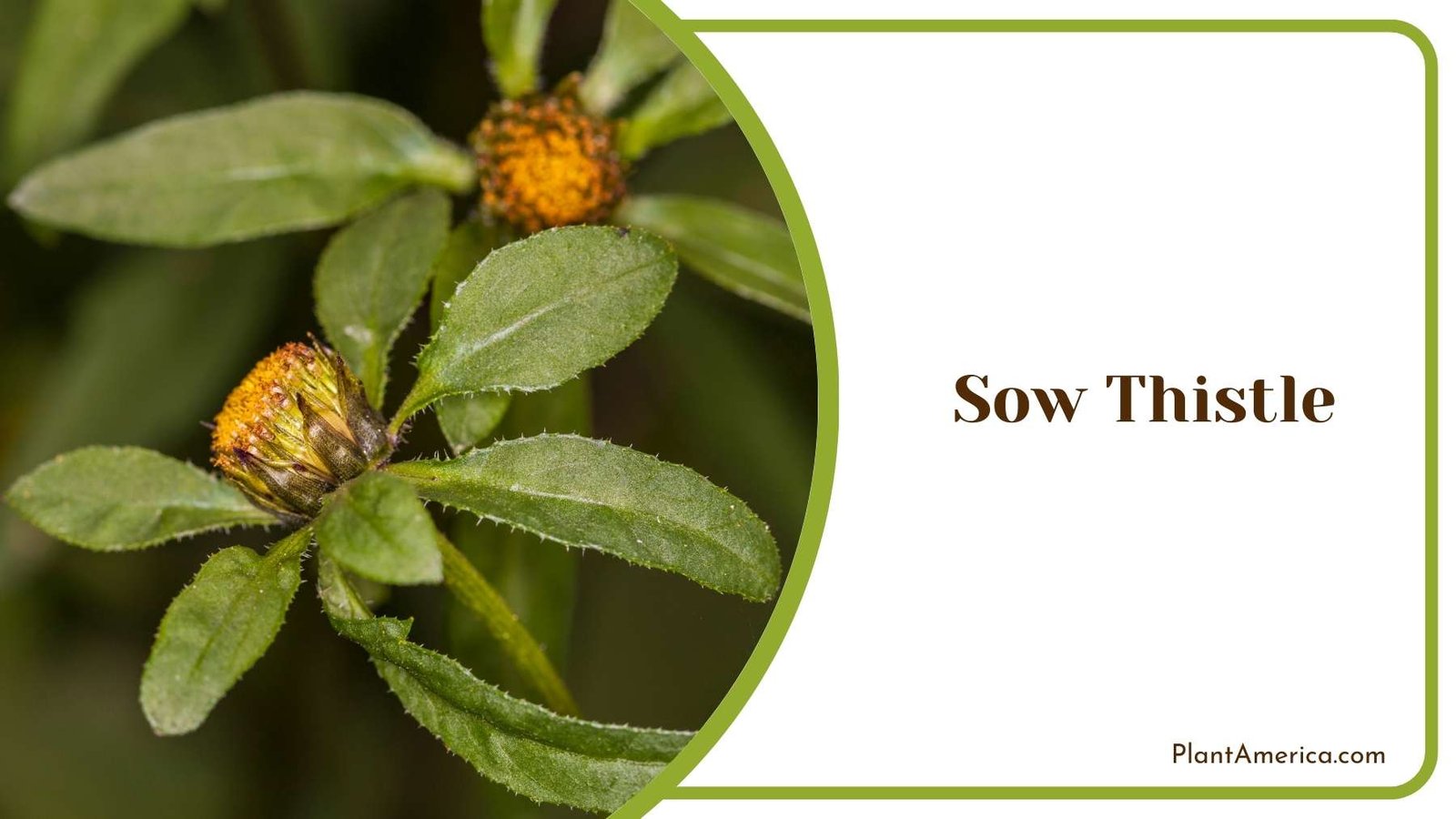
Sow Thistle refers to several species in the Sonchus genus. They are characterized by milky white sap, lobed leaves with spiny margins, and dandelion-like yellow flower heads. Sow Thistles can grow as annuals or short-lived biennials. The lobed leaves form a basal rosette and the flowering stems can reach upwards of three feet tall.
These weeds thrive in full sun and consistently moist soil conditions. Control starts with physically removing seedlings and mature plants to prevent seed sets. Glyphosate applied as a foliar spray is effective for larger plantings. Reapplication will likely be needed due to Sow Thistle’s invasive nature and vast seed production.
Over time, proper lawn care that incorporates aeration, balanced fertilizing, and watering adjustments can help suppress Sow Thistle through increased competition from desirable plants. However, dilution and spot treatments will likely still be required to fully manage Sow Thistle infestations.
16. Sorrel
- Growing Season: Spring, Summer, Fall
- Leaf Shape: Oblong, Arrowhead-shaped
- Specific Needs: Partial shade, Moist soil, Rich in organic matter
- Common pests: None
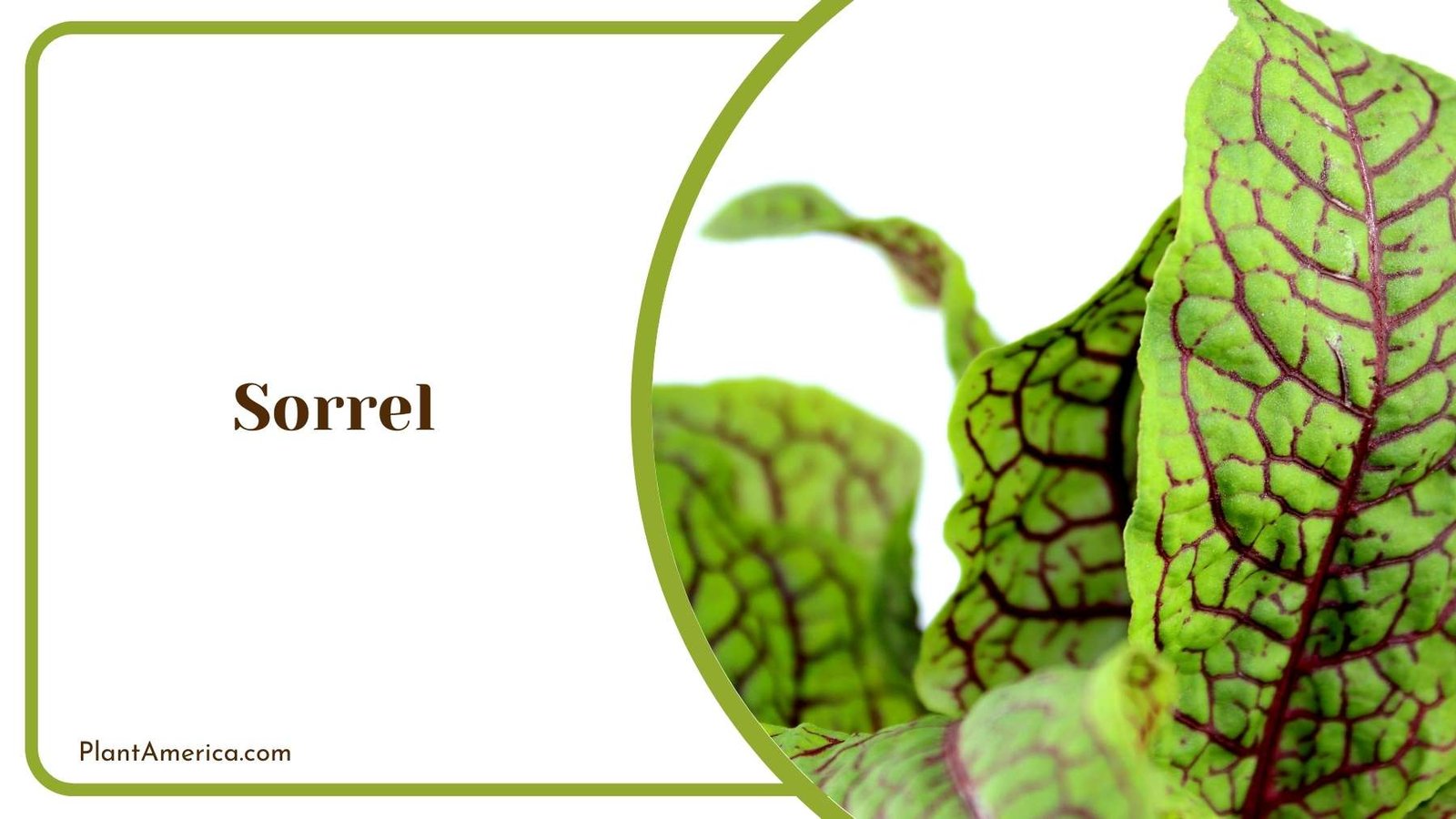
Sorrel refers to weedy species in the Oxalidaceae and Polygonaceae families. Common sorrel has arrowhead-shaped leaves and belongs to the genus Oxalis while dock sorrel has oblong leaves and belongs to the genus Rumex. Sorrel leaves have a sour or tart taste due to their high oxalic acid content.
The flowers of sorrel species vary in color but are typically inconspicuous. Sorrel thrives in partial shade and moist soil rich in organic matter. Control revolves around physically removing seedlings and mature plants.
Glyphosate applications are also effective but carry over risk to non-targeted plants. Proper cultural practices like improving drainage and soil structure while reducing organic matter content incrementally suppress sorrel over time.
However, dilute spot applications will likely still be needed to manage stubborn infestations due to sorrel’s ability to re-sprout from roots and crowns. Mulching open areas with landscape fabric can also help exclude light needed for sorrel growth.
17. Shepherd’s Purse
- Growing Season: Spring, Winter, Fall
- Leaf Shape: Alternate, Deeply lobed leaves
- Specific Needs: Full sun, Moist soil
- Common Pests: None
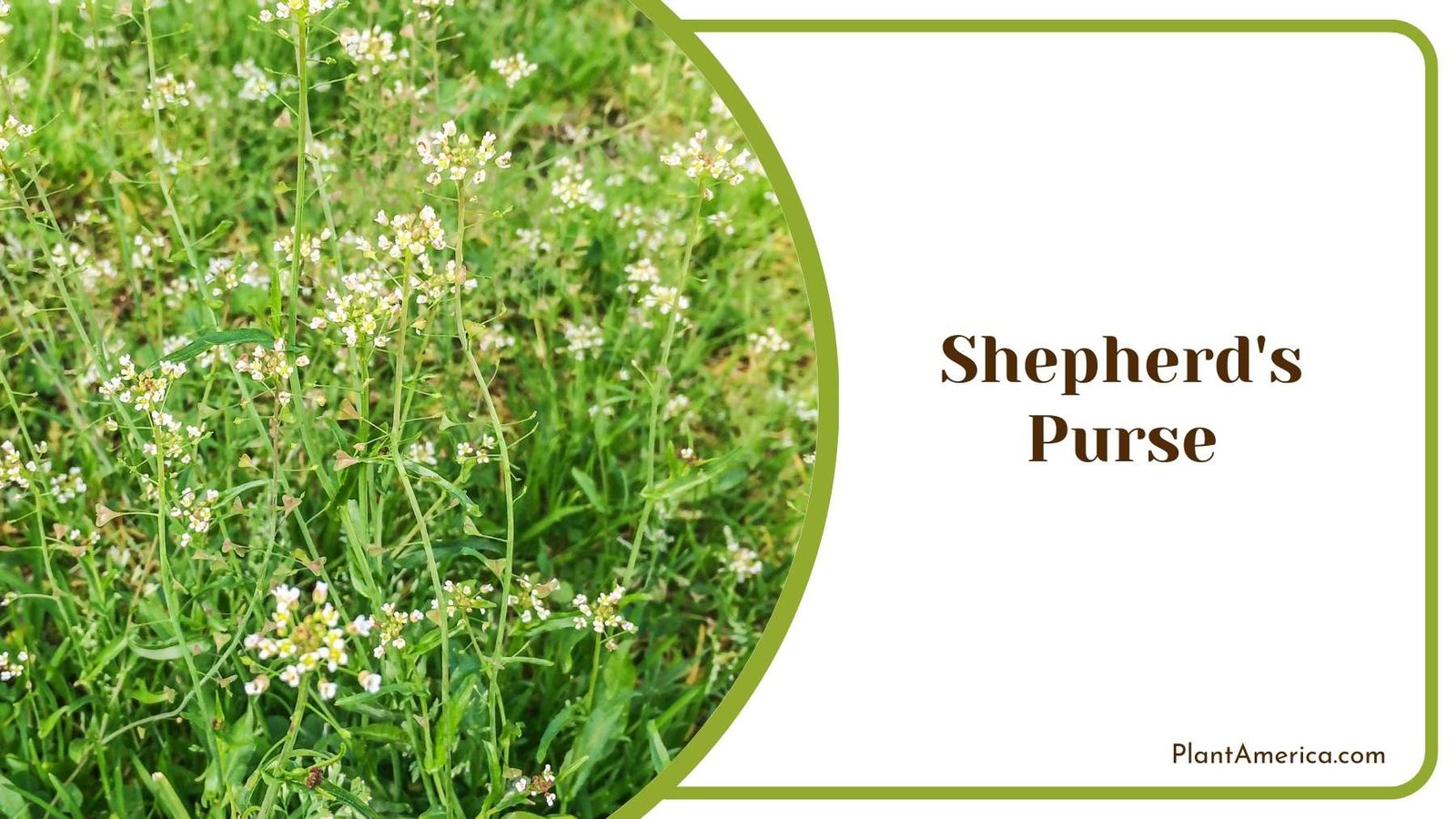
Shepherd’s purse, scientifically known as Capsella bursa-pastoris, mustard family. It produces rosettes of alternate, deeply lobed leaves and small, cross-shaped flowers. After flowering, thin, tear-drop-shaped seedpods form that resemble the tiny bag that shepherds once used to carry items.
These seedpods help propel the tiny seeds great distances from the parent plant. Shepherd’s purse thrives in full sun and consistently moist soil. It often germinates in the fall and establishes rosettes that overwinter. The control process begins with removing seedlings and plants prior to flowering and pod maturation.
Glyphosate applications are also effective for larger infestations. However, shepherd’s purse produces thousands of Regular seedling removal, diligence and proper lawn care practices that enhance competition from other plants will incrementally reduce shepherd’s purse populations over time.
18. Wild Carrot
- Growing Season: Spring, Summer, Fall
- Leaf Shape: Compound, Alternate leaves
- Specific Needs: Full sun, Dry soil
- Common Pests: None
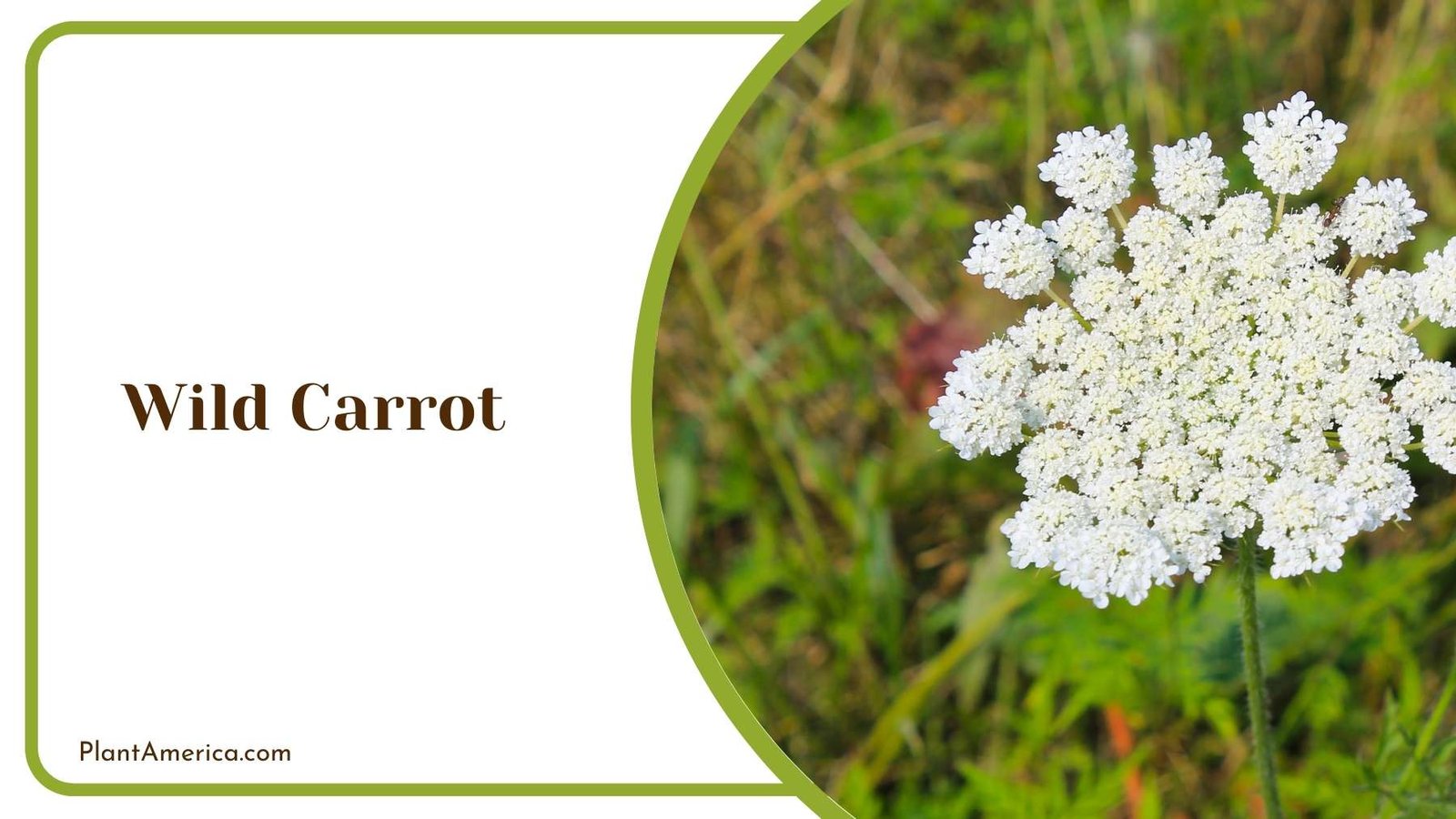
Wild carrot, also known as Queen Anne’s lace or bird’s nest, is a weedy species of carrot in the Apiaceae family, scientifically known as Daucus carota. It produces a flower head made up of many-branched, umbrella-shaped clusters that resemble a bird’s nest.
The leaves are alternate, finely compound, and have threadlike segments. Wild carrot grows as a rosette the first year and bolts to flower in its second year of life. It thrives in full sun and dry to moderately moist, well-drained soils. Hand pulling or hoeing can control young wild carrot plants, though diligence is required due to the extensive, carrot-shaped taproot.
Mature plants are best managed using a foliar spray of glyphosate, applied before the flowers fully develop. Seedheads should be bagged and removed to stop seed production. However, seeds can remain viable in the soil for up to seven years, necessitating a long-term, integrated approach for effective wild carrot weed removal.
19. Amaranthus Palmeri
- Growing Season: Spring, Summer, Fall
- Leaf Shape: Alternate, Oval, Lance-shaped leaves
- Specific Needs: Full sun, Dry soil
- Common Pests: None
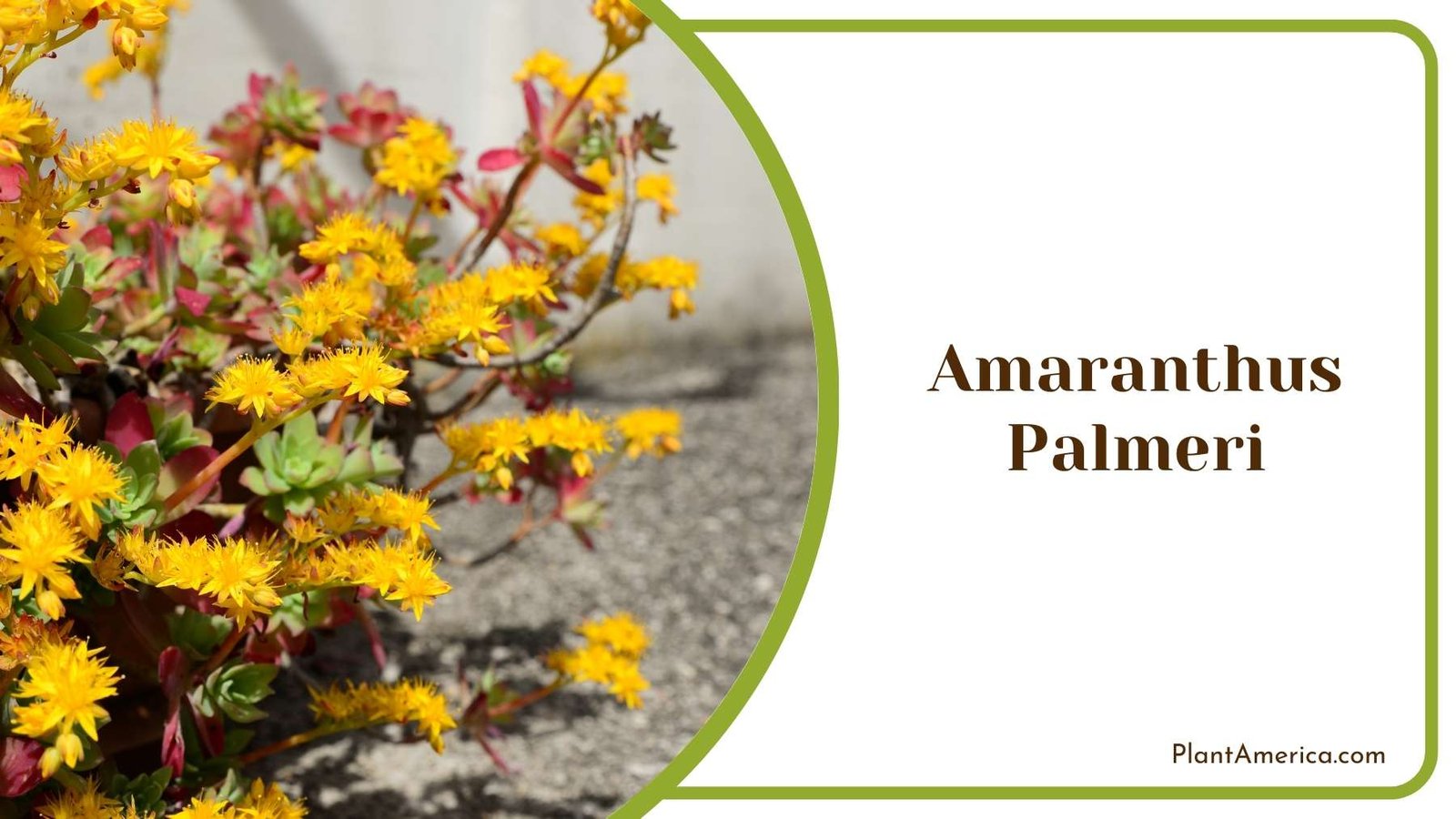
Amaranthus refers to several species of weedy plants in the Amaranthaceae family. Most amaranths are summer annuals, though a few perennial varieties also exist. All amaranths produce small, inconspicuous flowers that ultimately form clusters of tiny seeds. Leaves are typically alternate, oval to lance-shaped, and borne on long petioles.
Amaranths thrive in full sun, and dry to moderately moist soils, and are highly adaptive plants. Effective control begins with removing seedlings prior to flowering. Glyphosate applied as a foliar spray is also effective for larger infestations. Amaranths produce vast quantities of seeds that remain germinated throughout the season!
Thus, a long-term, integrated approach including regular seedling removal, improved cultural practices, and ongoing spot treatment may be needed for lasting amaranth weed management.
20. Lamb’s Quarters
- Growing Season: Spring, Summer, Fall
- Leaf Shape: Alternate, Dull green leaves
- Specific Needs: Full sun, Moist soil
- Common Pests: None
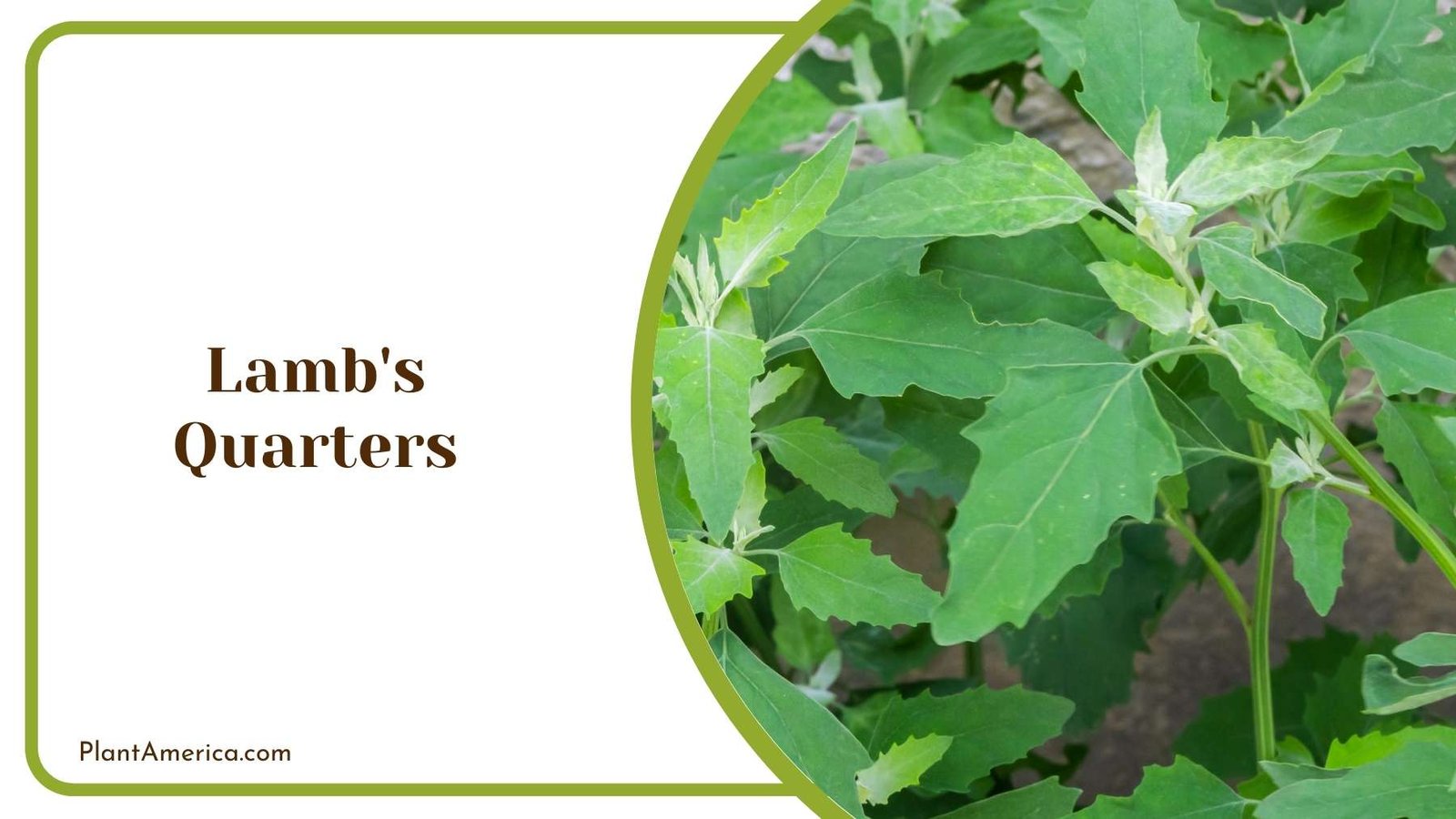
Lamb’s quarters, scientifically known as Chenopodium album, is a weedy summer annual in the Amaranthaceaefamily. It produces soft, succulent stems that can reach up to six feet tall and leaves that are alternate, dull green, and covered in a whitish, waxy coating. The flowers form in dense, spikelike clusters that eventually give rise to thousands of tiny seeds.
Lamb’s quarters thrive in full sun, and dry to moderately moist soils, and tolerate a wide range of soil pH. Effective control starts with removing seedlings and plants prior to the seed set. Glyphosate applied as a foliar spray is also effective for larger infestations. Lamb’s quarter’s seeds can remain viable in the soil for up to 40 years, requiring a long-term approach including diligent removal of seedlings, improve soil fertility and pH, and focused applications.
Given Lamb’s quarter’s abundant seed production and adaptive nature, occasional spot treatments will likely still be needed for lasting weed management. Proper physical removal and cultural practices paired with targeted herbicide applications will incrementally reduce populations over time.
21. Wild Violet
- Growing Season: Spring, Summer, Fall
- Leaf Shape: Heart-shaped leaves, Robust
- Specific Needs: Partial shade, Moist fertile soil
- Common Pests: None
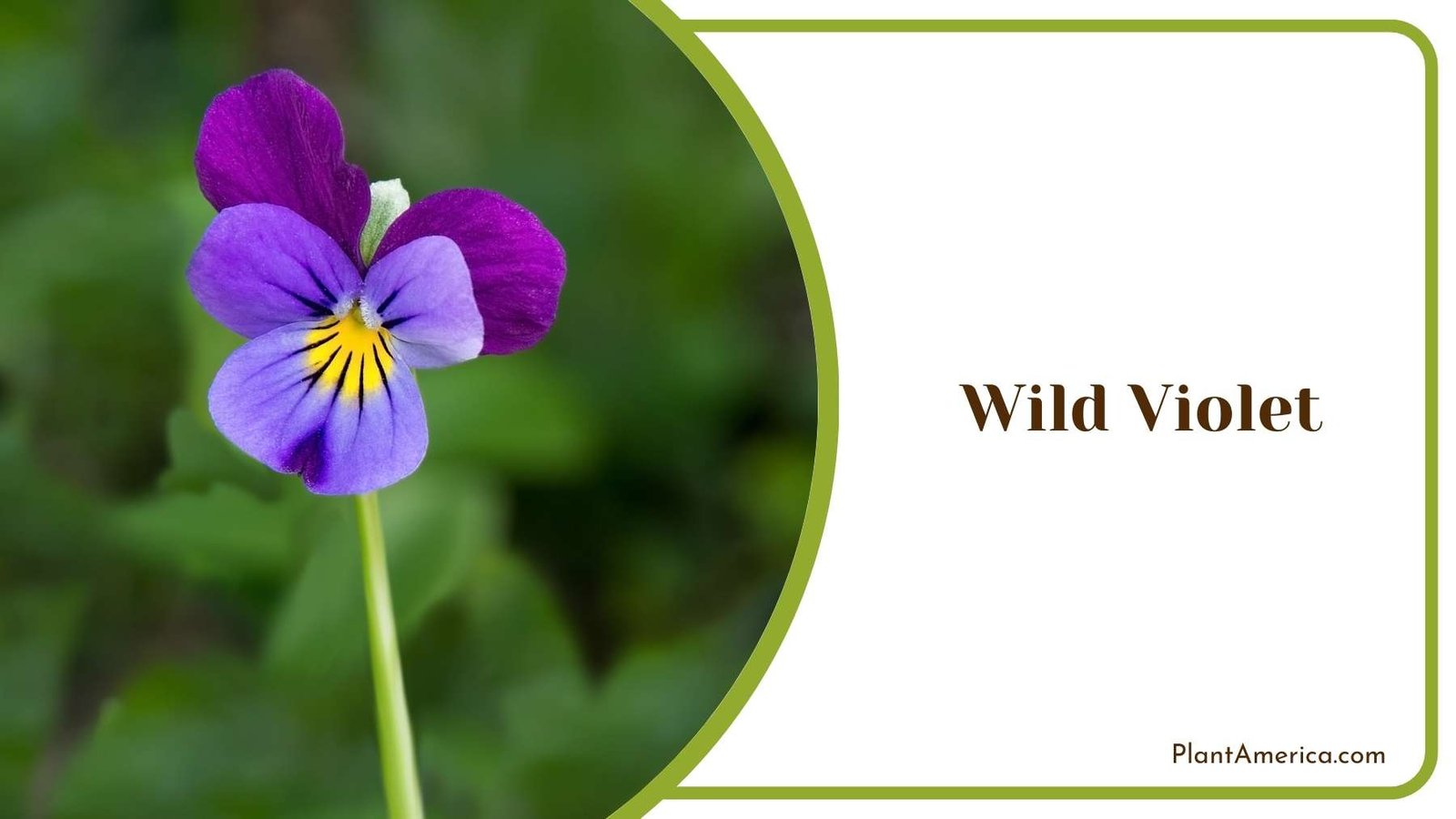
Violet refers to several species in the Viola genus. All violets produce showy flowers in shades of white, yellow, or various colors of blue or purple. New leaves form as a basal rosette while the flower stalk arises from the center. Violet leaves are heart-shaped with scalloped edges.
They grow as short-lived perennials that die back during summer dormancy and re-grow in fall from root stalks. Violets thrive in partial shade and constantly moist, fertile soil conditions. While pulling is an effective means of control for small violet patches, most plants will likely re-sprout from root stalks left behind.
Spot spraying with glyphosate offers an effective weed removal method though leaves must be covered for best results. Diligent seedling removal, mulching open areas, and sheet mulching heavily infested areas can help manage violets over time. Improved cultural practices like light reductions and reduced irrigation will further suppress violet populations.
22. Black Medic
- Growing Season: Spring, Summer, Fall
- Leaf Shape: Compound, Alternate leaves
- Specific Needs: Full sun, Dry to moderate soil moisture
- Common Pests: None
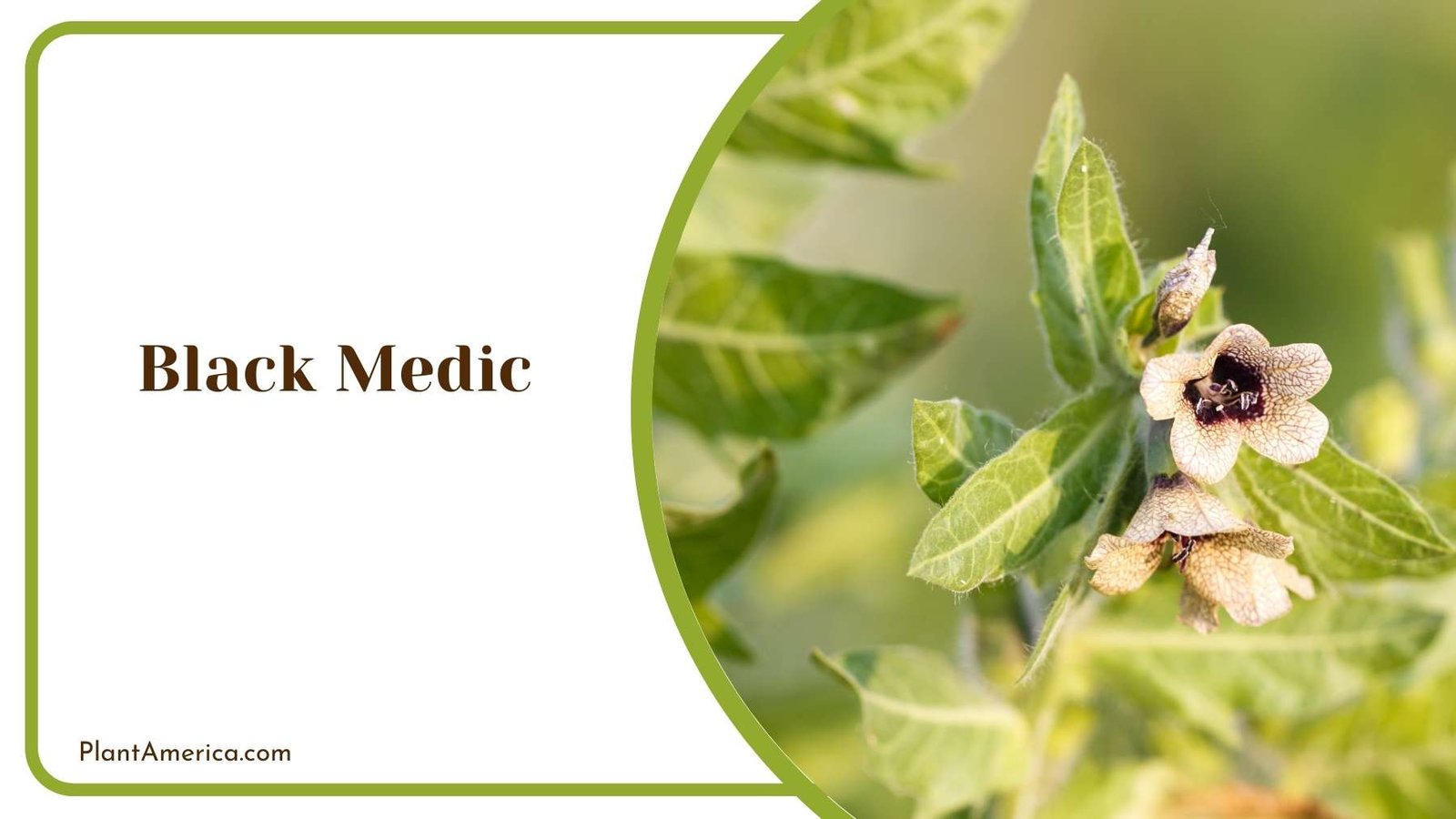
Black medic, scientifically known as Medicago lupulina, is an annual legume weed in the pea family. It produces compound, alternate leaves with three leaflets and small, yellow flowers that give way to coiled seed pods containing up to eight seeds. Black medic flowers throughout the growing season, and seeds drop from mature pods to germinate and establish new plants. It thrives in full sun exposure and dry to moderately moist soil conditions.
Black medic roots can penetrate 10 feet deep, allowing them to outcompete shallow-rooted crops. The most effective weed control methods combine the physical removal of seedlings and established plants with herbicide applications. Glyphosate applied as a foliar spray is effective for larger infestations.
However, black medics produce vast quantities of seeds that remain viable for up to 60 years! Thus, diligent seedling removal, improve soil fertility and aeration, and targeted spot treatments are often needed for lasting weed management over time.
23. Knotweed
- Growing Season: Spring, Summer, Fall
- Leaf Shape: Alternate, Oval, Pointed tip
- Specific Needs: Partial sun to shade, Moist soil
- Common Pests: Japanese Knotweed Beetle, Mites
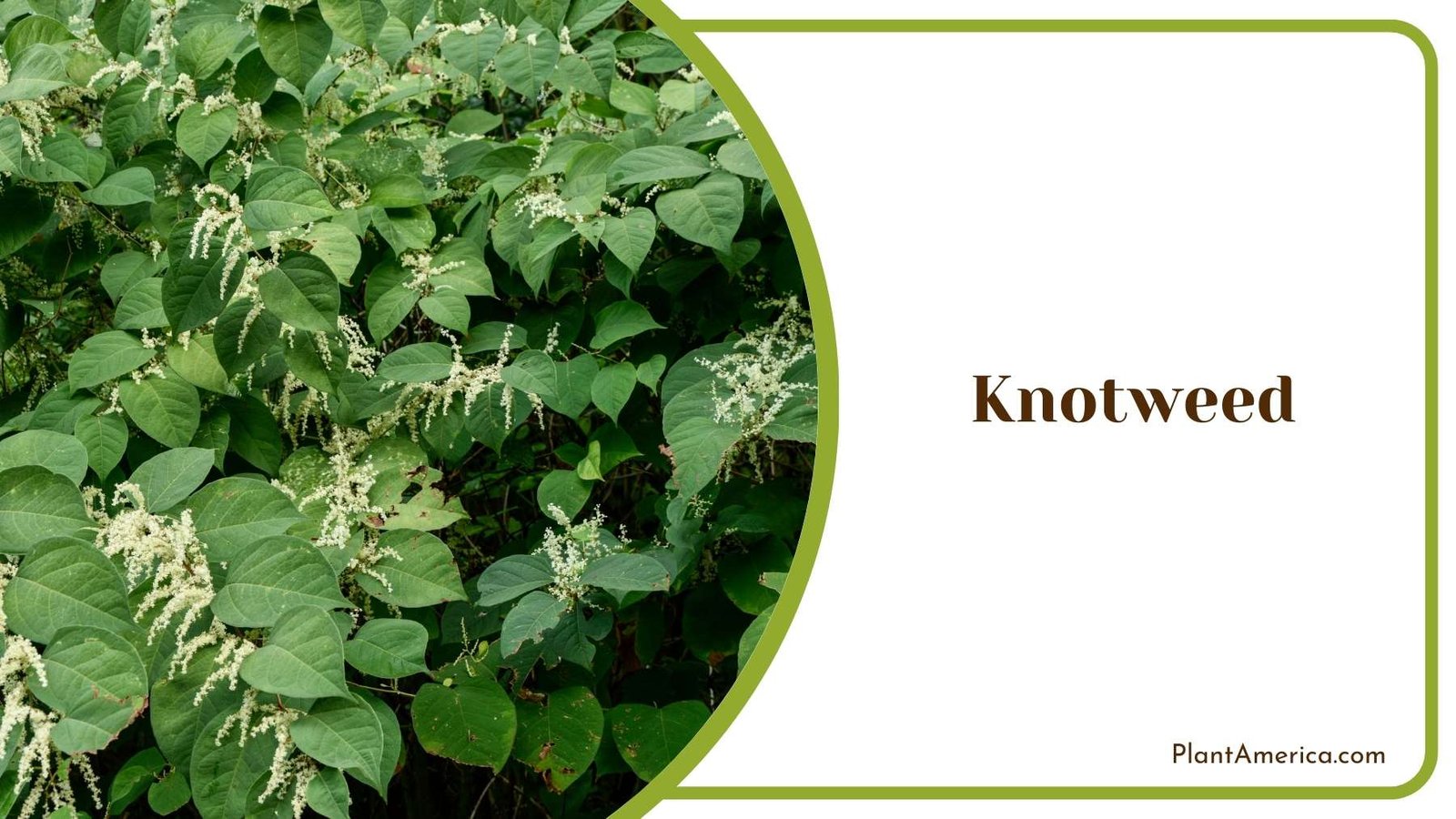
Knotweed refers to several invasive plant species in the buckwheat and smartweed family, primarily Japanese, Giant, and Bohemian knotweed. They form dense thickets of hollow, bamboo-like stalks and have alternate, oval leaves with pointed tips. All knotweeds spread aggressively via underground rhizomes and above-ground canes that root at the nodes.
They thrive in partial sun to shaded environments with consistently moist soil conditions. Knotweed control is a challenging process due to its vigorous spreading habit. The most effective method starts with carefully removing all above-ground growth to deplete energy sources.
Foliar applications of glyphosate targeting newly emerging knotweed in spring and fall are effective, though repeat treatments for three to five years will likely be needed due to the persistence of knotweed’s extensive root system. Long-term management may also involve using selective herbicides, mulching, hand removal, and/or biocontrol options to exhaust knotweed’s energy reserves and achieve lasting removal..
24. Yellow Sorrel
- Growing Season: Spring, Summer, Fall
- Leaf Shape: Triangular leaves, Wavy margins
- Specific Needs: Partial sun to shade, Moist acidic soil
- Common Pests: Yellow Sorrel Gall Mite, Beetles
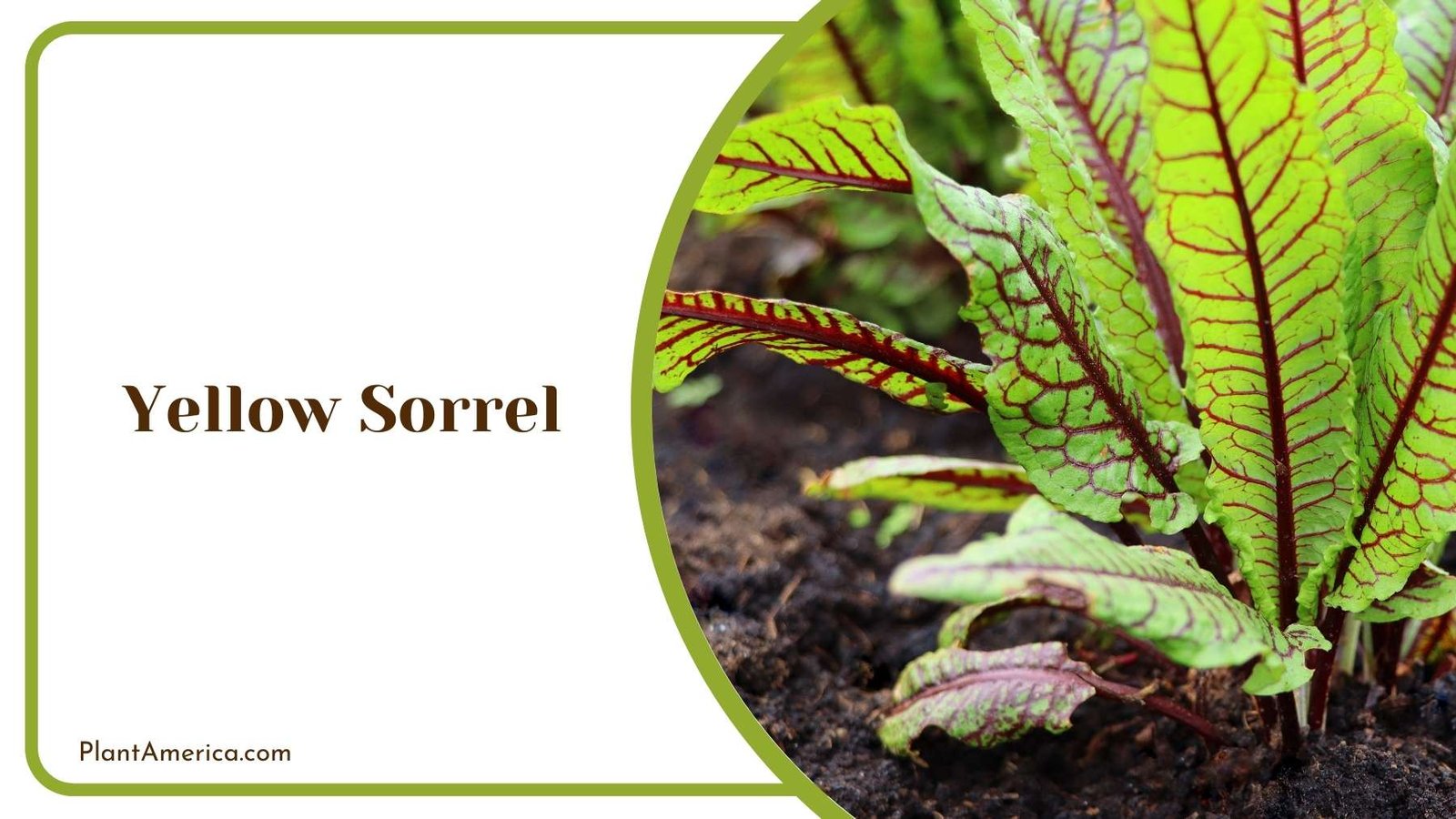
Yellow sorrel, scientifically known as Oxalis stricta. The stems and leaves contain significant amounts of oxalic acid, giving them a sour or tart taste. The somewhat glossy leaves are triangular in shape with wavy margins and conspicuously veined. Yellow sorrel grows as a basal rosette and produces buttercup-like yellow flowers.
It thrives in partial sun and shade with consistently moist, slightly acidic soil conditions. Yellow sorrel spreads mainly through seed dispersal and rhizomatous roots. Manual removal of seedlings and established plants can control small infestations, though diligence is key. Focused applications of a broadleaf herbicide like glyphosate are needed for best results, especially on mature plants.
Over time, adjusting pH levels to be less acidic, improving soil drainage, and increasing competition from desirable plants will help suppress future yellow sorrel infestations. However, preventative spot treatments will likely still be required due to the persistence of yellow sorrel’s spreading roots.
Conclusion
Early detection, identification, and removal of weeds before flowering and seed set is critical to minimize the spread and longevity of infestations
- Knotweed refers to several invasive plant species in the buckwheat and smartweed family, primarily Japanese, Giant, and Bohemian knotweed with dense thickets of hollow, bamboo-like stalks and alternate, oval leaves with pointed tips.
- Mallow refers to several species in the Malvaceae family, predominantly in the genera Malva and Lavatera with leaves palmately lobed with round to kidney shapes and borne on long petioles.
- Purslane, scientifically known as Portulaca oleracea, is a low-growing annual weed with plump, fleshy leaves and succulent stems.
An integrated approach combining mechanical, cultural, and chemical controls is often required due to the durability of weed seeds, roots, and rhizomes. Ongoing monitoring and maintenance is necessary due to the persistence of dormant weed seeds and root fragments that re-sprout.
New technologies and best practices are continually improving our ability to successfully contain, reduce and eliminate problematic weeds while minimizing impacts on the environment.