
How to transplant Venus fly trap is a skill that will help you propagate it easily in your home. We recommend you re-pot the Venus fly trap of the Droseraceae family at least once every year to maintain the plant’s root system healthy.

The roots of the Venus flytrap usually become compacted after a few months, after which they cease to actively grow if they are not replanted. This article gives a comprehensive insight into transplanting this plant.
How to Transplant Venus Fly Trap Plants
To transplant Venus fly trap plants, we advise you to do it just after their dormancy period, at the start of summer or during spring. Choose the right pot, ideally plastic, for transplanting the Venus fly trap plant. Plant it in acidic potting soil and water it regularly.
1. Get the Materials Ready
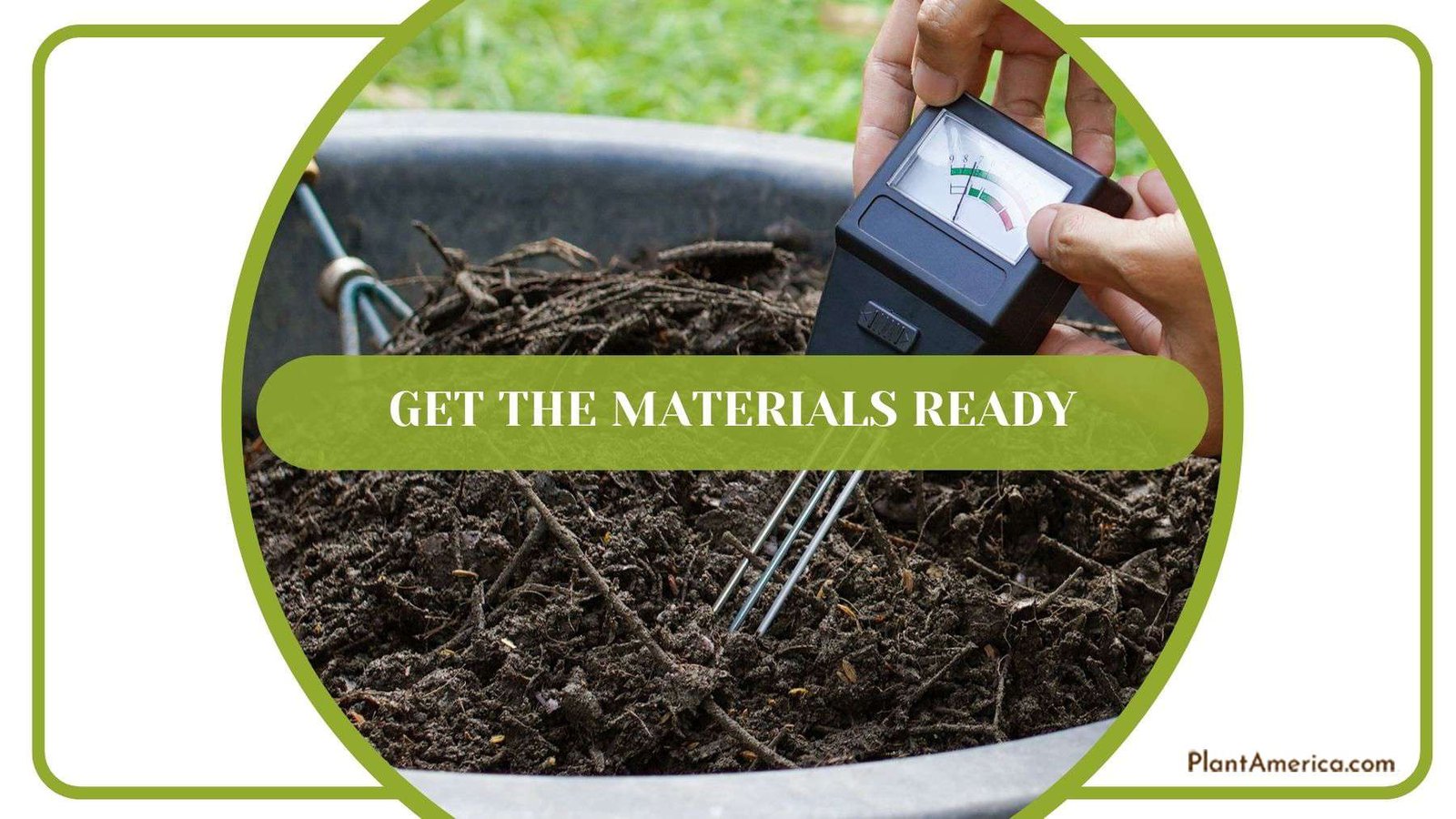
Obtain a suitable pot for the Venus fly trap. Get some carnivorous acidic plant soil with low nutrient content as the potting medium. Using nutrient-rich potting soil will kill the fly trap. You may also use an equal mixture of peat moss and perlite granules as your potting medium. In addition, get hold of a small garden scoop for adding the potting material.
2. Select the Right Pot
Proper pot selection is crucial before transplanting Venus flytrap plants. The plant roots normally grow considerably long to depths of almost 10 centimeters. Be sure to choose a pot with a depth of at least ten centimeters to cater to large Venus traps.
For smaller to medium-sized plants, their roots do not normally exceed eight centimeters. A smaller pot with this highlighted depth will be appropriate. Create some holes at the base of plastic pots, or get ceramic pots that already have them to ensure good drainage of the potting medium.
To pot Venus traps effectively, select a container size that you can water regularly without letting the soil run completely dry. We recommend plastic pots as the ideal choice for Venus fly traps, though glazed ceramic ones are also a good alternative. Plastic pots maintain the potting soil quality since they do not leach chemical elements into it.
3. Fill the Pot With the Potting Medium
If you are adding soil to your pot, ensure that it is moist. Dry soil kills the Venus fly traps by drawing the moisture out of them. Add pure, mineral-free water to the soil until it is very damp.
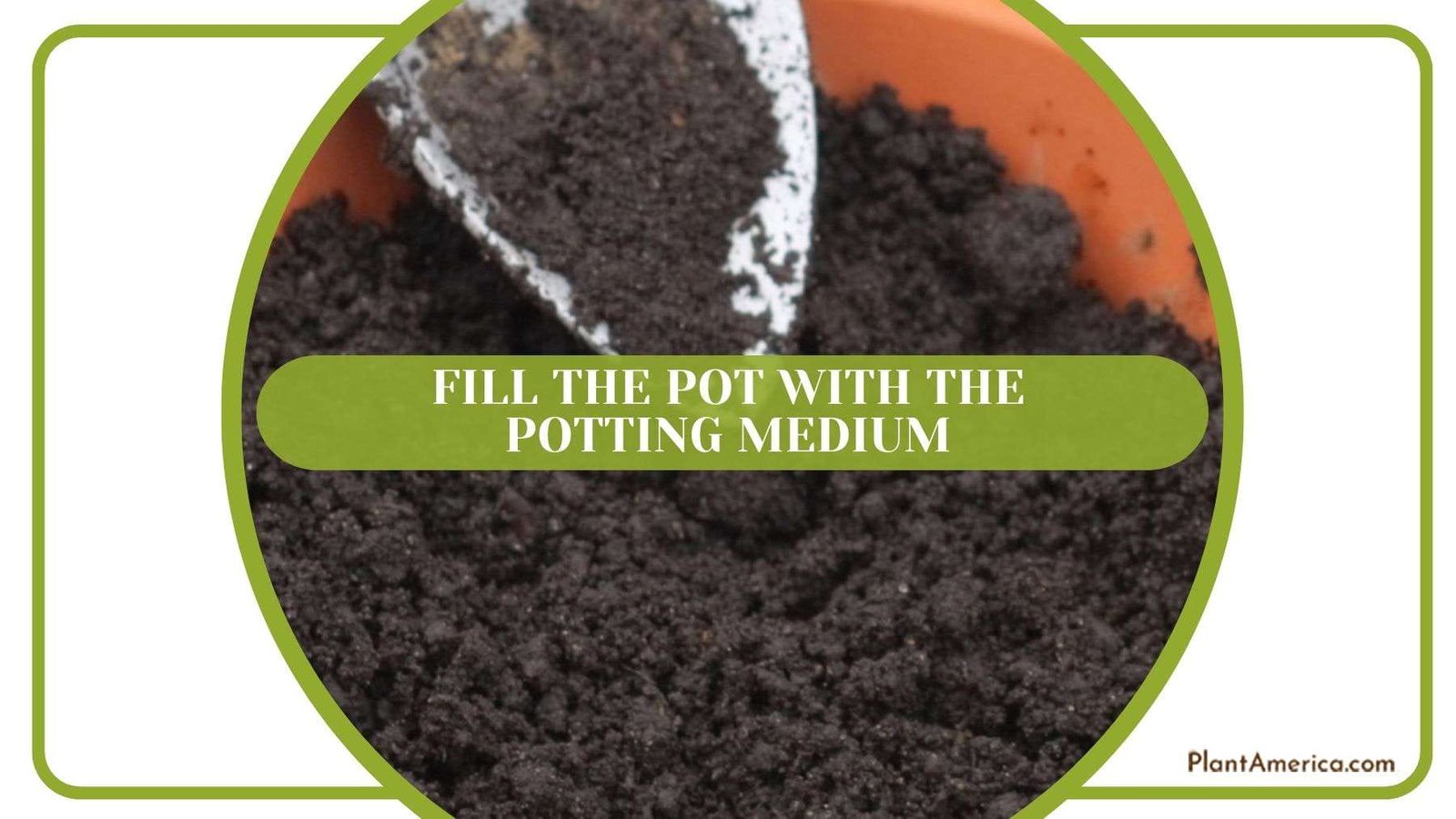
Avoid using regular potting soil to grow Venus fly traps as they contain chemical nutrients and minerals that kill the plant. If you are using a soil mix with peat, put them together in equal proportions to get the ideal potting composition.
Thoroughly knead the mixture together, as peat moss does not readily absorb water because of its hydrophobic nature. You can also mix peat or sphagnum moss with a double proportion of perlite granules to make a good potting medium.
Although the alternatives that we described earlier are great, the most convenient option is carnivorous plant soil. This soil is already prepared for you with the right constituents in their required amounts. When you use it, all you need to do in preparation for potting is to dampen it by adding pure distilled water.
4. Transplant Your Venus Fly Trap
Compress the potting medium by tamping it down to fill just under half of the full capacity of the container. Fill up the rest of the pot with a loosely packed growing medium. Compressing the bottom part of the medium allows it to hold water for longer periods.
Use a stick to make a hole right through the middle of the growing substrate. Next, take the Venus fly trap plant and gently guide the roots through the hole. Ensure that only the fly trap’s rhizome bulb is completely covered by the potting medium while budding plant parts are above the soil. Avoid holding the plant by the traps or stems, but rather by root balls.
Fill up the hole with the growing substrate while maintaining the Venus fly trap’s position to keep the plant’s foliage from being buried. Once you cover the hole, moisten the potting medium with water to establish the plant’s position and to keep the growing environment damp.
During transplanting, be careful not to trigger the hinges of the traps to any action that snaps them shut. This uses up the plant’s stored energy and can easily deplete it, thereby weakening the traps.
5. Ensure Your Venus Fly Trap is Watered
Start by testing whether the plant needs watering. Squeeze a lump of the potting medium in your hands. If you can’t lump the medium together, it is too dry and needs watering. If you manage to mold a lump, the medium is moist enough, while water running through your hands after squeezing the mold signals too much water.
Use rain or pure distilled water for watering Venus fly traps. Gently water the top of the potting medium until water begins to drip from the drainage holes.
You can also water your Venus fly traps using the tray method. Place the Venus plant flowerpot inside a wide tray or dish filled with water for about 15 minutes. The potting medium will gradually absorb water from the tray until it is moist.
6. Engage in Alternative Ways to Keep Your Potting Medium Moist
You could also occasionally keep your potting material moist by using a water bath. In this case, use lukewarm, pure water to moisten the pot contents. With this method, you immerse the whole plant together with the pot and soil in water, up to the level of the stem.
Let the pot rest in the water bath until air bubbles cease to be produced, and then lift it out. Drain out all the excess water before returning the plant to its regular, aerated, and sunny environment.
7. Regularly Maintain the Health of Your Fly Trap
The Venus fly trap, which is also known as Dionaea muscipula, needs a sunny, well-aerated environment for it to thrive. Avoid excessive exposure to direct sun, as the heat can easily burn the delicate plant material. The Venus fly trap requires only the light from the sun, not necessarily the heat.
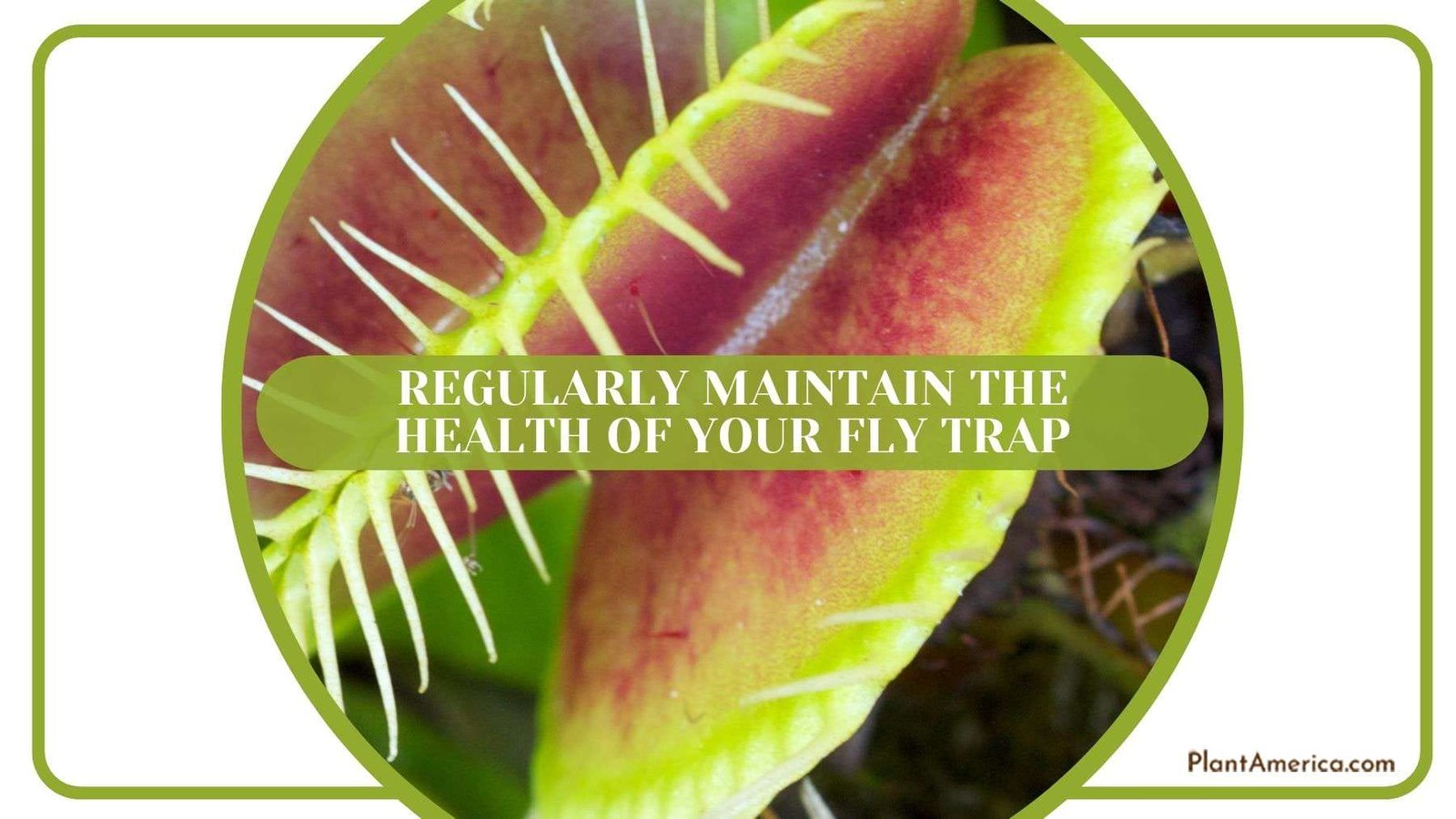
Keep the potting environment free from fertilizers, as Venus fly traps are kept nourished by the insects they catch. For proper Venus fly trap care, you may also directly feed Venus fly traps with insects or purchase fish food, bloodworms, or mealworms to keep the plants healthy.
Be sure to keep the potting environment moist while avoiding flooding it with water. Pests like fungus gnats have larvae that thrive in pots that are saturated with water, so preventing too much water helps to avoid their infestation.
8. Caring for Venus Fly Traps During Dormancy
Your fly Venus fly trap will enter its dormancy period in autumn. It loses most of its leaves, shows very little sign of life, and might even appear dead sometimes. During this period, lower the amount of moisture in the potting by reducing the frequency of watering. Also, reduce exposure to heat and place the Venus fly trap in a very cool environment.
When spring comes, reintroduce the plant to its normal watering and sunlight conditions. The moist environment will encourage new leaf growth. As soon as the leaves grow, the plant resumes its insect-trapping activity.
If discoloration of the leaves continues beyond spring, or if the plant displays a burnt-out appearance, it could also be a sign of rotting roots. These symptoms also result from letting the plant dry up frequently and allowing dryness of the potting material too often. In such situations, remove all the dead plant material.
9. Control Pests Affecting Your Venus Fly Trap
This carnivorous plant is usually able to control pests on its own. It shuts in and digests crawling and flying insects that come into contact with it. However, fungus gnats, aphids, and spider mites may occasionally disturb fly traps.

You can use sticky traps to control fungus gnats around Venus fly traps. Using another carnivorous plant, such as sundew varieties, also helps. You could also drench the plant with Bacillus thuringiensis to control spider mites’ larvae.
Neem oil and insecticidal soap are organic options that you can use to control severe aphid infestations on Venus fly traps. You can also physically remove aphids using tweezers or submerge the plant in water for over a day before letting the potting contents around the plant dry naturally.
10. Regenerate the Venus Fly Trap
Keep the potting medium of your Venus fly trap fresh by repotting it once every year. The plant’s roots need to keep growing and can be affected by the compactness of the potting medium, which usually occurs after just a few months.
The lifespan of Venus fly traps can be up to 20 years, after which you may decide to regenerate the plant. You can regenerate a new Venus fly trap plant from cuttings or by the method of division.
The ideal time for this is at the end of winter or at the beginning of spring. Cut the plant into different sections, each with its own root system. Put them in a well-draining potting medium, allowing growth for about six months. Once the growing Venus fly trap plants become visible, they are ready for transplanting.
Conclusion
Transplanting the charismatic Venus fly trap plant is something that you will surely find fascinating. Call to mind these simple instructions for you to get satisfactory results:
- You need a moist potting medium in a plastic or ceramic pot that has adequate drainage holes beneath it to ensure good growth of your Venus fly traps.
- Good options to use for the potting medium are carnivorous plant soil, a mixture of equal volumes of sand and peat, or a mixture of peat moss added to a double proportion of perlite granules.
- Avoid using nutrient-rich potting soil for Venus fly traps, but rather use moist, poor soils, since the plants obtain their nutrients from the insects that they capture.
- Place transplanted Venus fly traps in a well-aerated location that receives adequate sunlight throughout the day while avoiding direct heat to avoid transplant shock.
- Avoid using tap or mineralized water to moisten the soil medium for Venus fly traps, but use rain or pure distilled water for this purpose.
Crawling insects should no longer be an issue to you, especially with the Venus fly trap in your home. Go ahead and transplant this cunning trap, and present a not-so-pleasant surprise for the insects bugging you!