
Citrus mealybugs on Coffee plants can be a gardener’s worst nightmare, compromising the health and vitality of your beloved brew source. These tiny pests not just weaken your plant but can also lead to a limited harvest.

But fear not, for tackling them is more manageable than it seems, which is what we’ve discussed in this article.
How To Get Rid of Citrus Mealybugs on Coffee
To get rid of citrus mealybugs on coffee, accurately identify the pests first. Follow up with isolating the plant, manually removing visible bugs, and applying organic or chemical treatments as required. After this, do the regular garden maintenance, as it further ensures prevention.
1. Diagnose the Mealybugs First
Before jumping into action, ensuring you’re dealing with “citrus” mealybugs is essential. Misdiagnosis could lead to incorrect treatments, and we don’t want to stress our plant further.
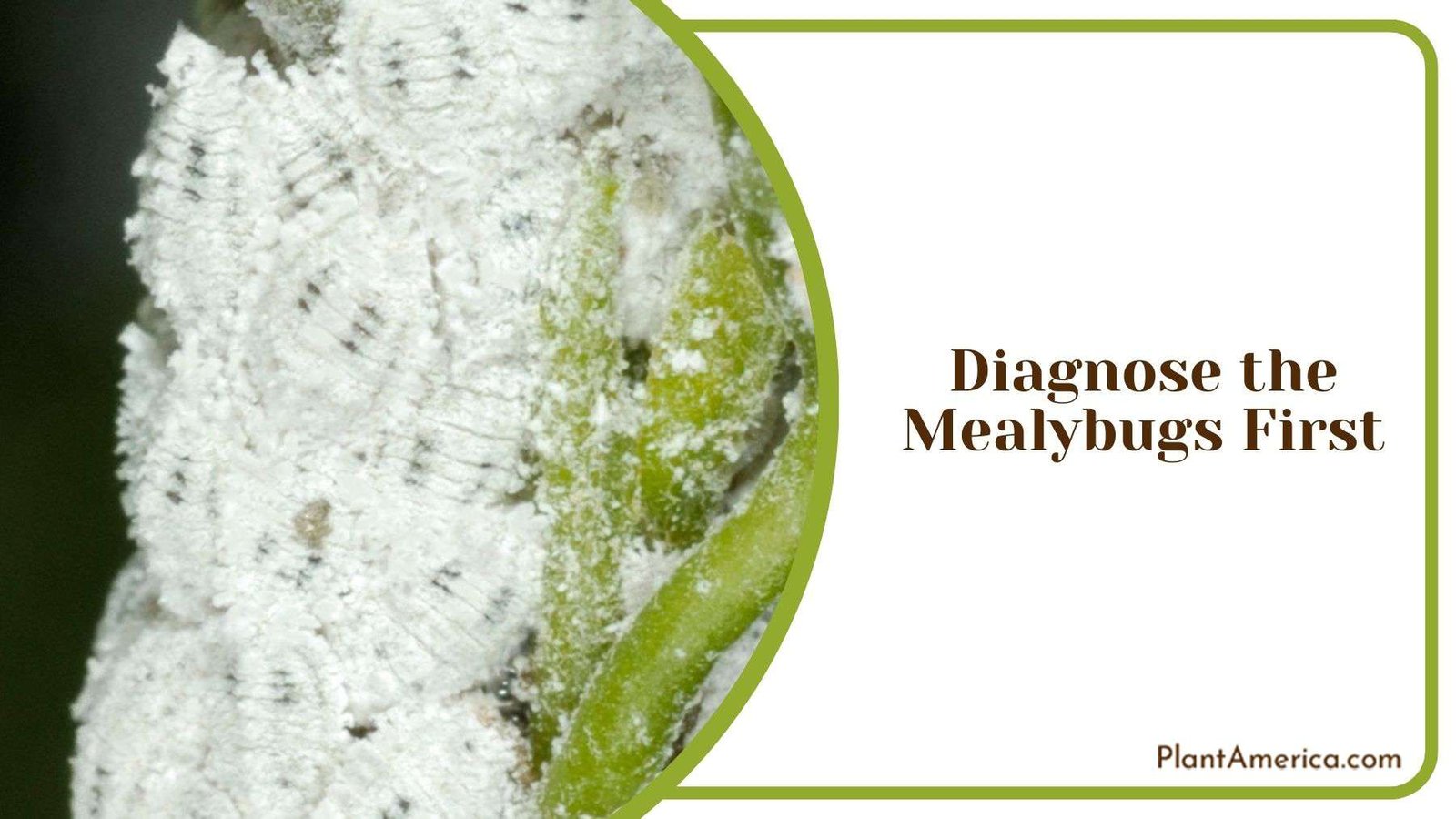
So, what do these citrus mealybugs look like?
- Size: They’re tiny. We’re talking about bugs between 1.2 – 3.1 mm (0.05 – 0.12 in.) in length. Squint a little or use a magnifying glass.
- Color and Body Features: These mealybugs are brownish-red or tan. The wax can range in color from pink to purple.
- Shape: They look pretty round from the side, like little rounded bugs. So, if you’re looking at a bug flat as a pancake, it differs from our citrus bug.
- Special Features: Here’s where things get a bit technical. They have about 18 wax filaments (think of these like little hair strands) sticking out from their sides.
- Legs: Their legs are sturdy and muscular. The thigh-like part of the leg, known as the femur, is noticeably thick.
- Hair-Like Structures: These hair-like structures are called setae on their back or dorsum. The longest of these are more than 50 microns (0.002 in.) in length.
- Ovisac?: Nope, they don’t have any. If you’re wondering what an ovisac is, it’s a protective covering that some bugs have for their eggs.
- Final Check: If you’re still unsure after these visual cues, the foolproof way to confirm is by slide-mounting a female specimen. This might sound technical, but think of it as placing the bug on a slide and looking at it under a microscope. But remember, for most of us; the visual cues should be enough.
2. Quarantine the Coffee Plant (If You Can)
Now that you’re fairly sure your coffee plant is dealing with citrus mealybugs, let’s get into action mode. Quarantining your coffee plant prevents the mealybugs from taking a stroll and infesting other plants you might have.
- Find a Separate Space: Shift the coffee plant to an isolated area, away from your other plants. This could be another room or a different part of your garden or balcony.
- Keep It Sunlit: Mealybugs aren’t the biggest fans of direct sunlight. A sunlit spot can discourage them.
- Monitor Regularly: Now that you’ve moved your plant, keep an eye on it. You’re looking to see if the mealybug population is increasing or if they’re spreading to areas around the quarantine spot.
3. Manually Remove the Visible Bugs
So, you’ve diagnosed the problem and put your coffee plant in quarantine. Now is the time to remove them with your hands.
Why Manual Removal? By physically picking off the bugs, you’re immediately reducing their population. It’s like clearing out the major culprits before using other treatments.

- Get Prepared: Wear gloves if you’re squeamish about touching bugs. Have a small container of soapy water on standby. This is where you’ll drop the bugs once you’ve picked them off, ensuring they don’t return.
- Inspect Your Plant: Begin at the base of your coffee plant and work your way up. Check the undersides of leaves, as mealybugs love hiding there. Remember the stems. They might also settle in the nooks and joints of your plant.
- Pick or Brush Them Off: Gently use your tweezers to pick off each mealybug but be careful not to harm the plant. Alternatively, gently brush them off with a soft toothbrush. The aim is to dislodge them without causing damage to your plant.
- Dip and Drown: Drop the dislodged mealybugs into the soapy water container. Once you’re done, safely dispose of the soapy water (with the bugs).
- Clean your tools: You don’t want any tiny stragglers finding their way back to any plant.
Manual removal may only get some bugs, especially the tiny ones. But it’s a fantastic start, and when combined with our following method, it can be super effective.
4. Spray Neem Oil
After manually removing what you can see, let’s bring out the big guns: neem oil. Neem oil is a natural pesticide safe for plants but quite lethal for many pests, including our citrus mealybugs.
Steps to use neem oil against mealybugs:
- Purchase or Prepare: Prepare your own by mixing 2 tsp of neem seed oil with a quart of warm water. Add 3-4 drops of liquid dish soap. This helps the oil mix with the water and stick to the plant better.
- Test a Small Area: Before going all out, spray a small area of your coffee plant. Check back in 24 hours to ensure there’s no adverse reaction.
- Spray Away: Spray your coffee plant thoroughly, ensuring you get all parts, especially the undersides of leaves. Remember, mealybugs love hiding there.
- Keep an Eye Out: After spraying, monitor your plant for the next few days. You might need to repeat the treatment if you notice any surviving mealybugs.
5. Sprinkle Some Diatomaceous Earth
After the manual removal and neem oil application, it’s time to introduce another natural defender: Diatomaceous Earth (DE).
Diatomaceous Earth is what’s left from little water creatures called diatoms. They are harmless to humans and pets But deadly for soft-bodied insects like mealybugs. When mealybugs move across the DE, the sharp particles cut through their protective wax coating, causing them to dehydrate and eventually die.

Steps to use Diatomaceous Earth against Mealybugs:
- Dry the Area: DE works best in dry conditions. If your coffee plant is wet (from dew or recent watering), let it dry first.
- Sprinkle Away: Gently sprinkle the DE around the base of your coffee plant and on the soil. Try getting it on the stems and leaves too. Use a fine sieve or duster for an even spread.
- Reapply After Rain: DE loses its effectiveness when wet. If it rains or you water your plant, you should reapply.
- Safety First: Though DE is generally safe, it’s a fine powder and can irritate the nose and throat if inhaled. It’s a good idea to wear a mask during application.
6. Hang Sticky Traps In Your Garden
Sticky traps are like the unsung heroes of the gardening world as it helps in reducing the population of these harmful bugs. L
Purchase or DIY: You can find sticky traps in most gardening stores. They come in various colors, with yellow being the most common as it attracts a wide range of pests. If you feel crafty, you can make your own by smearing petroleum jelly or another sticky substance on a yellow cardboard or plastic sheet.
Placement is Key:
- Hang or place the sticky traps near your coffee plant but not directly on it.
- Regularly Check and Replace:
- Every few days, check your traps. Once the trap is full or no longer sticky, replace it with a new one.
7. Do the Systemic Chemical Control if the Infestation Is Severe
When all else fails, or if the infestation is extremely severe, you might need to resort to systemic chemical controls. Systemic insecticides are taken up by the plant’s roots and transported to all its parts. When pests feed on the plant, they ingest the insecticide and are killed.
Steps for using Systemic chemical control:
- Choose the Right Product: Various systemic insecticides, such as imidacloprid and acetamiprid, are available.
- Read Instructions Carefully: Always follow the product label’s instructions. They’ll guide the correct dosage, application method, and safety precautions.
- Apply as Directed: Typically, systemic insecticides are either added to the soil for uptake by the roots or sprayed onto the plant.
- Limit Exposure: Once you’ve treated your plant, ensure it’s out of reach of pets and children.
- Safety First: Always wear gloves and protective clothing when handling chemicals. And store the insecticide in a safe place away from children and pets.
8. Release Beneficial Insects: A Long-Term Strategy
Not all insects are pests. Some can be your garden’s best friends and natural defenders against mealybugs because they prey on the pests that harm your plants.

The popular beneficial insects are:
- Ladybugs: These colorful beetles have an appetite for aphids, mealybugs, and other soft-bodied insects.
- Lacewings: Both adult lacewings and their larvae feed on mealybugs.
- Parasitic Wasps: These tiny insects lay their eggs inside mealybugs.
Steps to Release Beneficial Insects or natural enemies:
- Purchase from a Reputable Supplier: Buying these insects from a credible and trusted source is essential to ensure they are healthy and disease-free.
- Release at the Right Time: Evening is the best time as it’s cooler, and the insects are less likely to fly away immediately.
- Follow Supplier Instructions: Different beneficial insects might have specific release instructions. Always follow the supplier’s guidelines.
- Avoid Using Pesticides: Using chemical pesticides can harm these beneficial insects. It’s best to avoid them or use them judiciously.
9. Repot Your Coffee Plant if You See Cracks on Pots/Containers
Over time, as plants grow and pots age, they can develop cracks which could become potential homes for pests. Remember- Cracks or holes in pots can offer mealybugs and other pests the perfect hideouts.
Steps to Repot Your Coffee Plant:
- Choose the Right Pot: Ensure the new pot is slightly larger than the current one and has proper drainage holes.
- Prepare the New Pot: Add a fresh, pest-free potting mix layer at the bottom.
- Remove the Coffee Plant: Gently tip the old pot sideways and pull the plant out, trying to keep as much soil attached to the roots as possible.
- Inspect the Roots: This is an excellent time to check the roots for signs of insect pests, diseases, or rot.
- Place in the New Pot: Position your coffee plant in the center of the new pot or container and fill around it with fresh potting mix.
- Water Well: After repotting, water the plant generously to help it settle.
10. Keep Your Garden Neat
If you keep your garden neat, it can reduce the hiding spots of bugs. With fewer pests and diseases, plants have the best conditions to thrive.
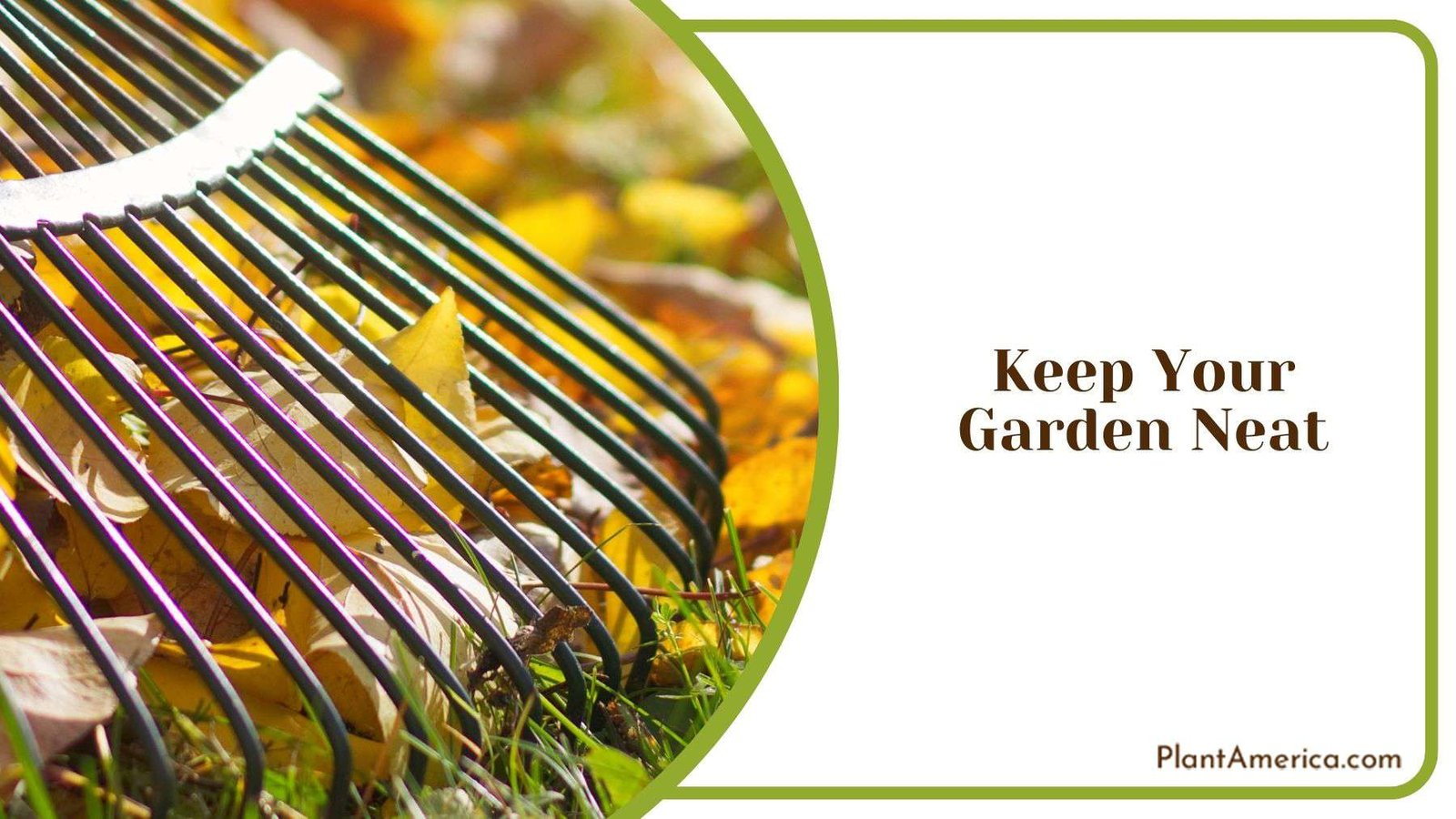
Steps to Maintain a Neat Garden:
- Regular Pruning: Remove dead or diseased branches and leaves from plants.
- Clean Fallen Leaves and Debris: These can be a haven for pests. Regularly rake and remove fallen leaves and other garden debris.
- Maintain Pathways: Keep garden paths clear of overgrowth and debris. In this way, you can easily spot and deal with potential pest issues.
- Rotate Plants if Possible: Changing the position of potted plants or practicing crop rotation can prevent the buildup of pests in one spot.
If you care for your garden correctly, you don’t have to worry about pests.
Conclusion
In conclusion, now we have discussed all the steps/strategies to tackle citrus mealybugs on coffee plants. Here’s the recap of vital steps:
- Diagnose Mealybugs Early: Recognizing the physical attributes of the pest ensures timely intervention.
- Isolate and Clean Affected Plants: Quarantining the coffee plant, manually removing visible bugs, and using natural remedies like neem seed oil can help reduce the mealybug population.
- Enhance Soil Health: Methods like alcohol drenching and using diatomaceous earth can tackle soil-based pests effectively.
- Maintain Garden Hygiene: From using sticky traps to uprooting weeds and keeping the garden neat, cleanliness can deter various pests.
- Reassess Plant Environment: Regularly check pots for damage and consider repotting when necessary.
Follow these strategies to provide your coffee plants with a safe, thriving environment free from the threat of mealybugs.