
How to plant jackfruit tree is pretty quick and relatively simple as long as you know how. Sometimes, all you need to know is to find the right source.

Lucky for you today, we’ll dive into this wonderful gardening activity to make your experience smooth and fuss-free!
Factors To Consider for Transplantation of Jackfruit
Soil, watering, and temperature are just some factors we need to consider for successful transplanting. Let’s look at all of them.
– Best Time to Transplant
The best time to transplant jackfruit is during the early spring or late winter when the weather is mild and there is less stress on the plant. Avoid transplanting extreme cold or heat.
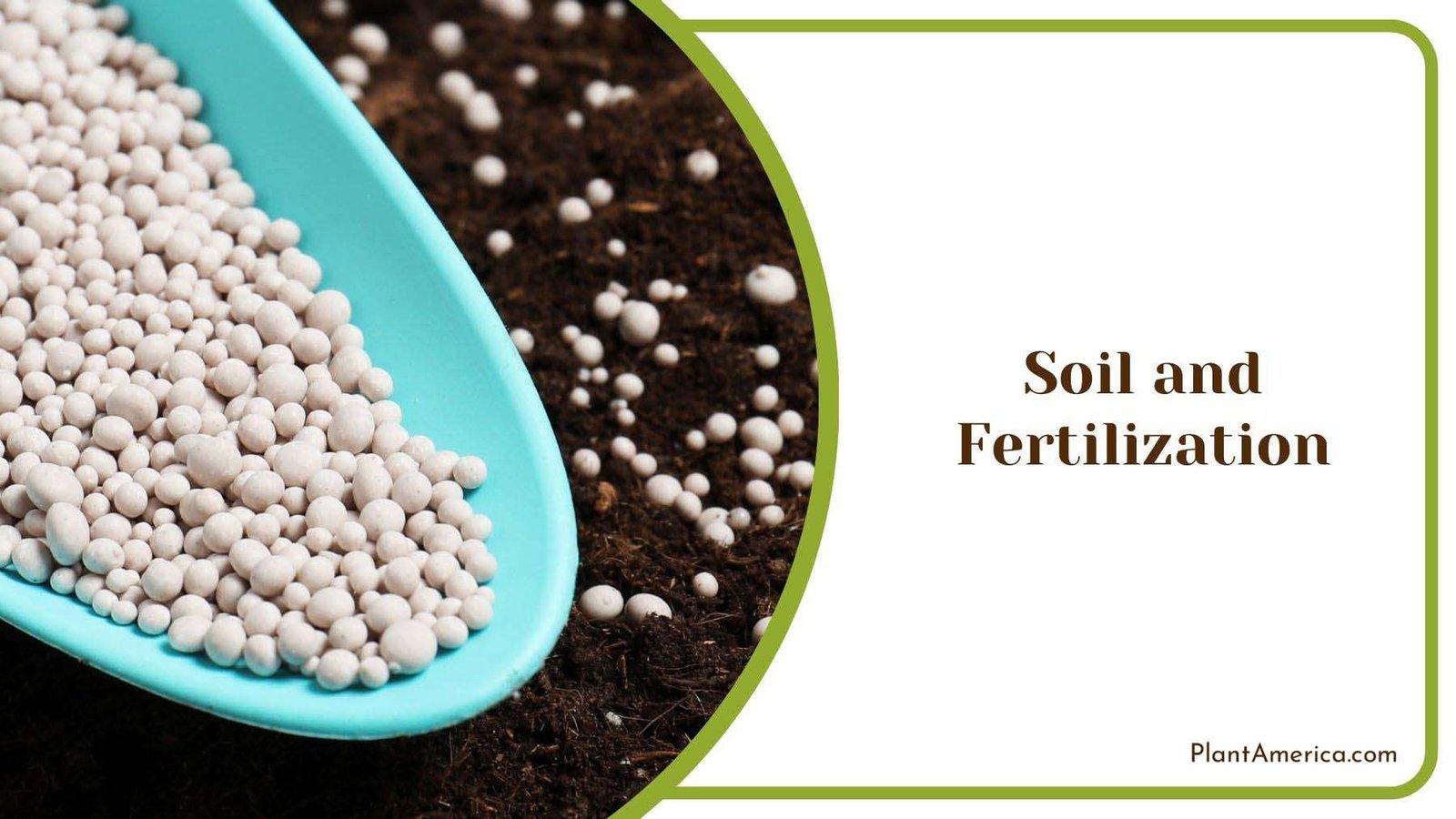
– Soil and Fertilization
Jackfruit prefers well-draining, loamy soil with a slightly acidic to neutral pH, around 6.0 to 6.5 in the range. Add organic matter such as compost in the soil before transplanting.
– Watering (Before and After Transplanting)
Before transplanting, water the jackfruit tree thoroughly a day or two in advance to ensure the roots are well-hydrated. After transplanting, water deeply and regularly, keeping the soil consistently moist but not waterlogged for the first few months until the tree establishes itself.
– Temperature Requirements
Jackfruit is sensitive to cold temperatures. It thrives in tropical and subtropical regions with temperatures between 77 to 86 degrees Fahrenheit. Avoid frost and freezing conditions.
– Proper Pot (Potting Medium) or Ideal Spot
If transplanting into a pot, choose a large container with excellent drainage. Use a well-draining potting mix. If transplanting into the ground, select a sunny spot with good air circulation and protection from strong winds. Ensure the soil is well-prepared with organic matter.
– Light Requirements

Jackfruit requires at least six to eight hours of direct sunlight daily. Inadequate sunlight can result in poor growth and limited fruit production.
How to Transplant a Growing Jackfruit Tree
Transplanting a growing jackfruit tree is as simple as picking the right time and then preparing the right spot and the tree. Once you have everything ready, remove the tree, transplant it, and provide post-transplant care. Let’s get into the details now.
1. Preparing the New Hole
When preparing to plant, dig a spacious hole that can comfortably hold the root ball. Go for a hole that’s roughly twice the size of the root ball. This additional space encourages the jackfruit’s roots to spread out and adapt to their new surroundings.

Also, make sure that the new hole is slightly deeper than the root ball. This will assist the jackfruit roots in settling at the correct depth within the soil. This helps you avoid problems associated with the roots being too close to the surface, as well as having the roots buried too deeply. After all, both conditions can interrupt the growth of the tree and its root system.
2. Pruning the Tree
Check the jackfruit tree and take note of any branches that appear damaged, unhealthy, or simply not in their best shape. To remove these branches, you’ll need a pair of sharp pruning shears or loppers. Make sure they’ve been sterilized beforehand, to reduce the risks of pests or diseases infecting your jackfruit.
Next, think about the tree’s overall size as you go about trimming its branches. We encourage creating a proportional balance with its root system. Make sure your cuts are precise and at a slight angle, just above a bud or a lateral branch. Avoid leaving behind stubs, as they can potentially attract diseases and cause issues with the tree’s natural healing process.
Keep in mind that you shouldn’t trim more than a third of the tree’s canopy in a single pruning session. Overly aggressive pruning can place undue stress on the tree, and this can cause your jackfruit to undergo transplant shock, which can further delay its healing and development.
3. Careful Removal
Start by digging around the base of your tree in the soil. You can use either a shovel or a spade for this task. Make sure that the edges are pretty sharp to keep the entire activity smoother and faster. While digging, keep a safe distance from the tree’s trunk to avoid unintentionally harming any of the roots concealed beneath the soil.
Our main goal here is to slowly uncover the jackfruit roots without subjecting them to any unnecessary stress. Once the soil becomes loose enough and the roots become visible, proceed to carefully lift the tree, ensuring adequate support for the root ball to prevent any harm.
4. Transplanting
First, remove it from its original spot, making sure that the roots remain intact. Then, plant jackfruit in the new hole, keeping it at the same depth. Ensure the root ball’s top aligns with the soil level, avoiding burying the trunk or exposing too much of the root ball.

Once the tree is in its new home, gradually fill the hole with soil. Remember not to pack it too tightly, as this could disrupt root growth. Instead, lightly press down on the soil to remove any air pockets. This creates a stable base for the tree and reduces transplantation shock.
5. Watering
Once your tree is in the ground, be sure to give it a thorough watering. This helps the soil settle around the roots and eliminates any trapped air, keeping a good solid connection between the roots and the soil. In the first few months after transplanting, your main focus should be on maintaining consistent soil moisture.
Avoid excessive watering and keep the soil damp but not saturated. Maintain a watering schedule, most especially during dry or hot weather. The most effective way to water is to do so deeply, encouraging the roots to grow deeper into the ground. To check if your tree is thirsty, just stick your index finger about an inch or two into the soil. Water the soil if you feel that it’s dry.
When you water, do so near the base of the tree to prevent any fungal problems on the leaves. Even better, consider using a soaker hose or a drip system. These are efficient and won’t waste water. As your tree grows, gradually reduce how often you water it, but always keep an eye on the moisture levels to make sure it’s thriving in its new home.
6. Mulching
After securely placing the tree in its new home, add some natural mulch around its base. Mulch is helpful in a number of ways. One, mulch keeps the soil moist, especially important during the establishment phase.
It also blocks weeds, which may compete with your tree for nutrients from the soil. Plus, mulch moderates soil temperature, preventing wild swings that could stress the tree. When you’re spreading mulch, don’t let it touch the tree trunk to avoid rot.
7. Stake for Support
To give your jackfruit tree the right kind of support, you’ll want to use some sturdy stakes. Make sure these stakes are tall enough to extend above the highest branches of the tree. Position them on opposite sides of the tree, but be mindful to maintain a safe distance from the trunk to safeguard those delicate roots.

To secure the tree, use ties or tree straps. Just be cautious not to constrict the trunk or its branches. These stakes provide stability and prevent excessive swaying, which could potentially harm the developing root system. It’s advisable to keep these stakes in place for at least the initial year following the tree’s transplantation.
8. Regular Maintenance
Caring for your transplanted jackfruit ensures healthy growth in the long run. First, monitor its water needs, especially in the initial months post-transplant. Water adequately, but avoid overdoing it, as soggy soil harms the roots.
Watch for signs of trouble, like yellowing leaves or unwanted pests. Trim dead or sick branches when needed for a balanced canopy. Fertilize your tree using a slow-release fruit tree fertilizer, following package instructions, usually in spring and early summer. Regular feeding provides necessary nutrients for growth and fruiting.
Mulch is always best, so try to maintain a two- to three-inch layer around the tree base. Lastly, plan for pest and disease control. Consider organic pesticides or beneficial insects to safeguard your tree.
FAQs
How Can a Jackfruit Tree Be Transplanted from a Seed?
To transplant a jackfruit tree from a seed, germinate the seeds. Use a well-draining potting mix. Plant the seeds about an inch deep. Gently water them. When the seedlings reach a few inches in height and have several leaves, it’s time to transplant them.
You can do this in a larger container or directly into the ground. Select a sunny location with well-draining soil. Ensure there’s enough space between the seedlings to accommodate their future growth. Water the transplants consistently. Guard them from extreme temperatures.
How Can a Jackfruit Tree Be Transplanted from Cuttings?
To transplant a jackfruit tree from cuttings, start by choosing healthy branch cuttings. These should be around 12 to 18 inches long and have several leaf nodes. Next, dip the cut ends of these branches in the rooting hormone. This helps them develop strong roots.
Now, you can plant these cuttings. Use a soil mix that drains well or a pot filled with a rooting medium. Make sure to keep the soil consistently moist. Also, provide indirect sunlight to help them grow.
After a few weeks, you’ll notice roots forming. At this point, it’s time to transplant the cuttings. Choose a suitable location with well-draining soil and plenty of sunlight. Water your young jackfruit regularly to maintain even moisture during the establishment phase.
How Can a Jackfruit Tree Grow Faster?
To grow a jackfruit tree faster, you’ll want to create the best possible environment for it. First, ensure the tree receives ample sunlight, ideally six to eight hours each day. Nourish the tree consistently with a well-balanced, slow-release fertilizer, applied during the growth season.
Maintaining a regular watering schedule is best, especially during dry periods, as this will prevent stress and encourage healthy growth. Don’t forget to do occasional pruning to eliminate any dead or diseased branches and to sculpt the tree for optimal growth. Lastly, think about using organic mulch to help retain soil moisture and regulate temperature.
What Are the Ways of Propagating Jackfruit?
Propagating jackfruit can be done via a few different methods with the most common being jackfruit seed propagation and vegetative propagation. Seed propagation involves planting seeds from ripe jackfruit. The vegetative method includes grafting or taking cuttings from a healthy jackfruit.
Grafting involves joining a small branch or bud from a desirable jackfruit onto a rootstock. Cuttings are taken from healthy branches, treated with rooting hormone, and planted in a suitable growing medium. Both methods preserve the characteristics of the parent tree, ensuring consistent fruit quality.
Conclusion
Transplanting your jackfruit is actually pretty easy, don’t you think? Before we wrap everything up, let’s go over some key points in today’s article:
- Transplant jackfruits during the dormant season for the best success.
- Choose a sunny, well-draining location and avoid areas prone to flooding.
- Prune the tree before transplanting to reduce size and remove damaged branches.
- Provide regular watering, balanced fertilization, and pest management.
- Be patient; it may take several years for transplanted jackfruits to bear fruit.
Use these tips if and when you need to transplant your jackfruit, and with enough jackfruit tree care and attention, your tree will provide you with sweet, delicious, and fragrant fruits in no time!