
White mealybugs on plants is a common and frustrating problem for gardeners and plant lovers. These pests can deform any plant they see and change your garden’s look in a few days.

But fear not; we’ve proven techniques to diagnose and combat these little white nuisances. Let’s get started!
How to Diagnose a Mealybug Attack on Plants?
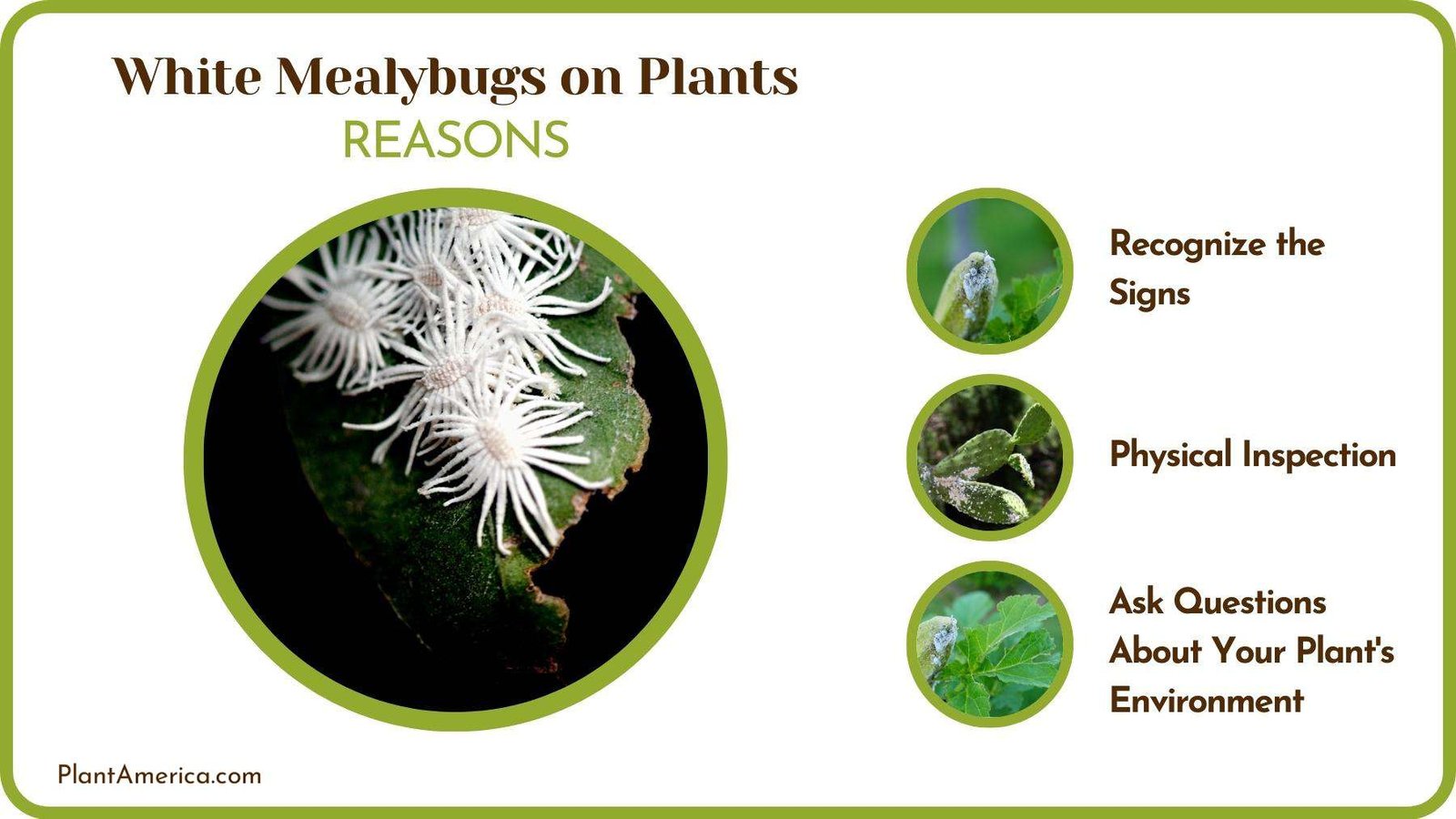
To Diagnose a mealybug attack on plants involves checking for white, waxy cotton-like substances on the plant’s surface. You should also look for distorted growth, leaf yellowing, mold, and ants. Mealybug infestations also often result in the presence of ants and the development of mold from the honeydew they excrete.
– Recognize the Signs
You should start by looking for the signs of mealybugs to confirm the infestation. In general, these four things let gardeners know whether mealybugs have invaded:
- White Cottony Masses: Mealybugs often appear as small, white, cotton-like masses on the plant’s leaves, stems, and roots.
- Sticky Residue: They secrete a sticky substance called honeydew. It might be a sign if you notice a sticky residue on your plant.
- Discoloration and Curling: Infested leaves may become yellow or curl up.
- Sluggish Growth: If the plant’s growth seems slower than usual, it could be under attack by mealybugs.
If you notice one or more signs, your garden is under a mealybug attack. Still, it is better to do some more things to ensure what problem you are dealing with.
– Physical Inspection
To diagnose a mealybug infestation, we must get up close and personal with our plants. Mealybugs love hiding under the leaves, so remember to check there. These pests don’t limit themselves to the leaves; check other parts of the plant. You should also examine the stems and roots.
Sometimes, the mealybugs’ signs aren’t very obvious. Using a magnifying glass helps in spotting these tiny pests. We suggest using it when looking for eggs and young insects. Furthermore, magnifying glasses also help when looking for soil pests.
– Ask Questions About Your Plant’s Environment
Understanding the environment can help in the diagnosis too.
Here’s what we need to ask:
- Is the humidity level high? Mealybugs thrive in humid conditions. Monitoring humidity levels could provide clues.
- Are there other infested plants nearby? If other plants are infested, the chances of a mealybug attack are higher.
- Has the plant been recently moved? Stress can make plants more susceptible to mealybugs.
- Has your plant been through any changes? If you see sudden changes in plants’ appearance, it means there is a problem you need to fix, and it can be a mealybug invasion.
That’s all about how to diagnose mealybugs.
Things To Do When You Spot White Mealybugs on Plantsument
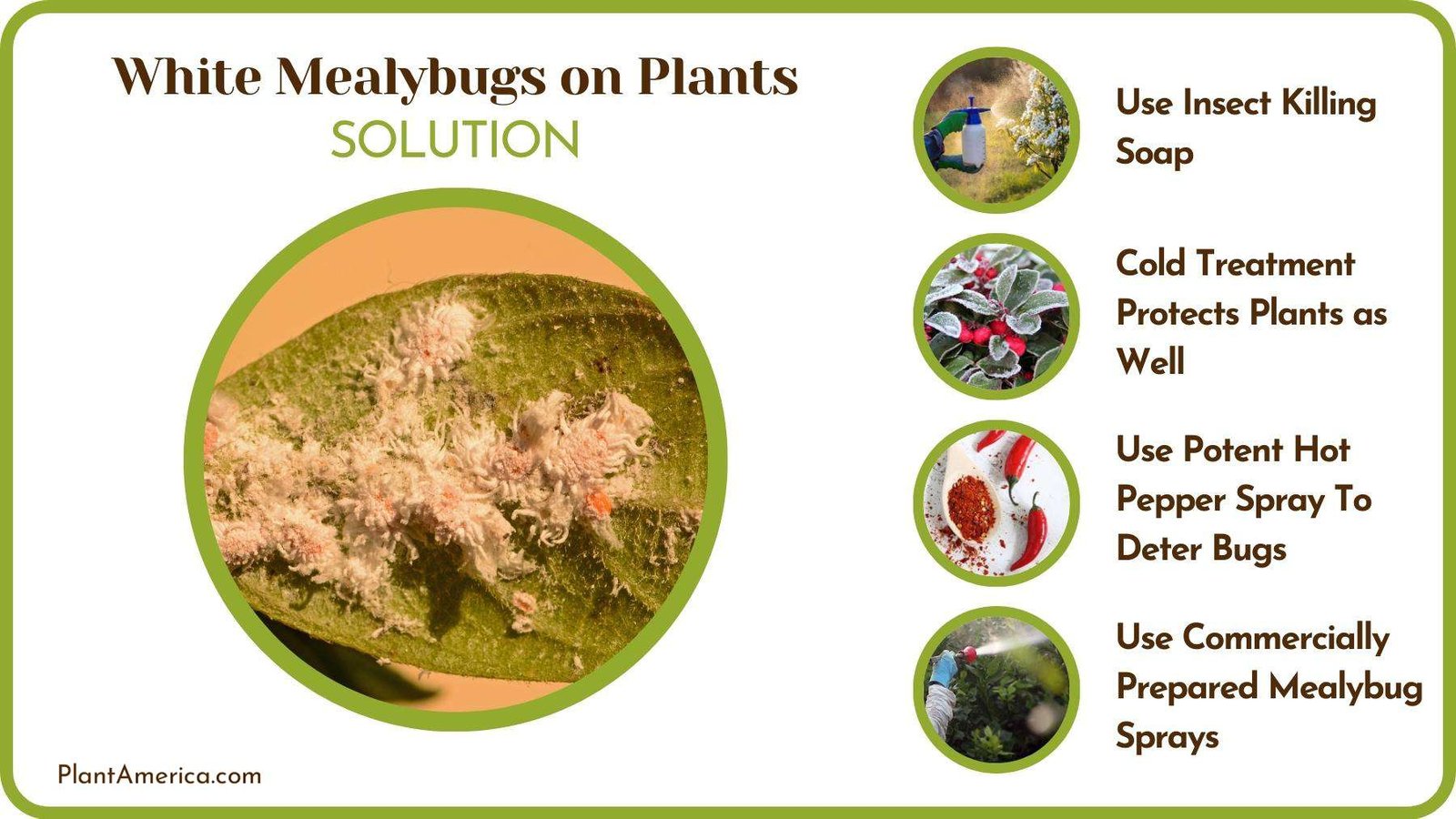
Things to do when spotting white mealybugs on plants include controlling ant infestations and pruning the infested parts. You should remove the bugs using rubbing or isopropyl alcohol, apply neem seed oil, and use insect-killing soap. If the infestation seems severe, go for hot pepper spray and commercially-prepared mealybug sprays.
– Control Ant Infestation First
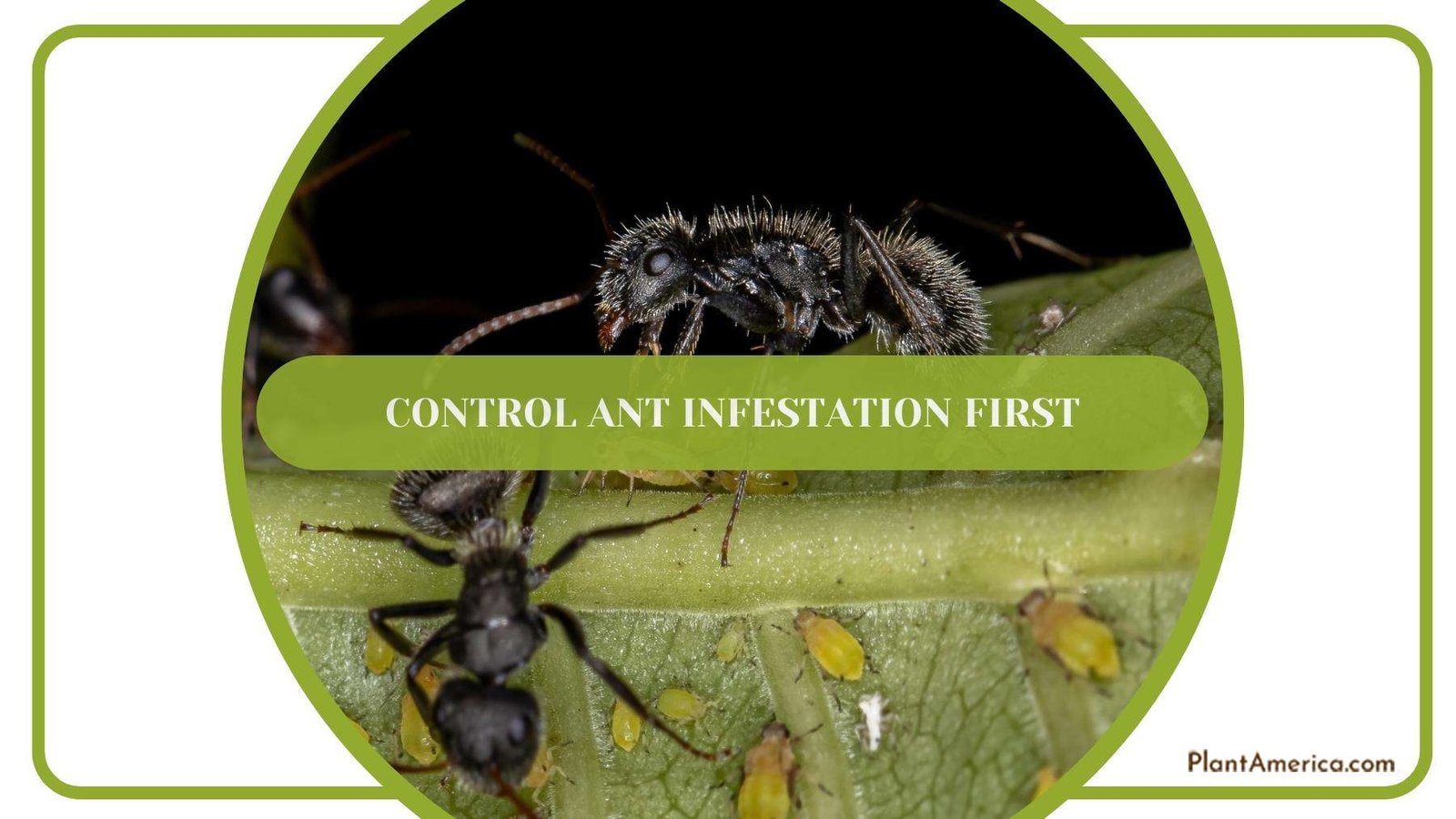
First of all, let’s address something quite fascinating. There is a mutual benefit between ants and mealybugs. Ants protect the mealybugs from predators, and the mealybugs provide the ants with honeydew in return. So, when dealing with a mealybug problem, we often face an ant issue.
Now, the question is, how to get rid of mealybugs and their ant buddies? It’s now time to know. Start by looking for ant trails that lead to the mealybug-infested areas. Ants will be seen moving back and forth along specific paths, often leading to the place where the mealybugs are gathered.
- Place ant baits along these trails. These baits contain substances that attract ants but are toxic to them. The worker ants return the poisonous substances to the colony, eventually eradicating the infestation.
- Clean the leaves. The ants are there for the honeydew, the white sticky stuff on plants that the mealybugs produce. Keeping the area clean and removing the honeydew makes the location less attractive to ants.
- Creating physical or chemical barriers around the plants can sometimes deter ants from getting close to them. Something as simple as sticky tape around the pot or base can keep ants at bay.
Through these methods, we can break the alliance between ants and mealybugs, making it easier to deal with the mealybugs themselves. However, controlling ant infestation is not enough. Keep reading to know which methods are most efficient in getting rid of mealybugs from your garden.
– Prune the Infested Parts With Clean Shears
People ask us, “What do we do when we notice those little white bugs on outdoor plants?” Well, you should take some action and stop mealybug damage.
Mealybugs often gather in particular parts of the plant, and pruning these infected areas is an effective remedy. However, trimming plant parts wrong can hurt them even more. Therefore, you should stay extra careful when you have shears in your hands.
Do these steps:
- Look for those areas that have the mealybugs clustered together. You’ll have to cut off/remove these affected sections.
- Make sure to use pruning shears or scissors that are clean and sharp.
- Prune the infested parts with care. Be sure to cut a little bit into the healthy tissue to ensure that all the mealybugs are removed.
- Don’t just leave the pruned material lying around. Be sure to seal it in a bag and dispose of it correctly to prevent the mealybugs from returning.
- After pruning, clean your tools thoroughly with alcohol or soap to make sure no mealybugs are hitching a ride to the next plant.
Moreover, sometimes, mealybugs can be persistent, and monitoring helps detect early if they return.
By pruning the infested parts, we can stop the mealybug attack and protect the rest of the plant. It’s like giving our plants a fresh start, free from those pesky bugs on plants.
– Physical Removal: Easiest Way to Remove Mealybugs
Physical removal is another essential step in dealing with a mealybug infestation.
- Prepare a Solution: Mix 50 percent rubbing alcohol with 50 percent water.
- Use a Cotton Swab or Spray Bottle: Immerse a swab into the alcohol solution and gently dab it on the mealybugs. If you want, you can also mist the solution onto the affected areas.
- Inspect the Plant: Mealybugs can hide in the most unexpected places, so a thorough inspection is crucial.
- Repeat if Necessary: Since we may be dealing with different stages of mealybugs’ life cycle, we may have to repeat the process to deal with any leftover eggs or nymphs.
- Monitor Regularly: Monitor the plant over the following weeks to ensure the infestations have been eradicated.
– Apply Neem Seed Oil the Right Way
Moving on to more organic approaches, neem oil has been popular among gardeners for decades. You have to use it carefully in case of mealybug attacks.

Blend neem seed oil with soap and water (according to the instructions on the bottle). The soap helps the oil emulsify in the water, making it easier to spray. A spray bottle to mist the neem oil solution onto the infested plants. Make sure to cover all parts, including the undersides of the leaves.
You might need to repeat the treatment every week for a month in case of severe infestation. Remember- consistency is critical when dealing with tiny white bugs on indoor plants.
Neem oil is effective against mealybugs and works on thrips, whiteflies, aphids (eriosomatinae), and scale insects.
– Use Insect Killing Soap Solution for Mealybug Control
Dealing with mealybugs can often feel like a never-ending battle. Luckily, there are tried and trustworthy solutions that can help us win the war. One of those solutions involves using insecticidal soap.
- Choose a suitable insect-killing soap. Look for a soap designed to kill mealybugs, and make sure it’s labeled as insecticidal.
- Follow the printed instructions when mixing the soap solution. Usually, it’s a specific concentration mixed with water.
- Spray the infested areas of your plants thoroughly.
- Allow the soap to sit on the plants for the time specified on the bottle, usually a few hours.
- Afterward, rinse the plants gently with water to remove the soap residue.
Keep an eye on the treated areas for any signs of continued infestation. Repeat the treatment if needed.

– Cold Treatment Protects Plants as Well
Sometimes, the most straightforward solutions can be the most effective. Cold treatment can be a surprisingly effective control method for mealybugs, especially for plant care.
First, determine which plants are suffering from mealybugs. Look for signs that the pests may damage plants. You can opt to chill the entire plant or only the infested portions. The decision usually depends on how many insects you see. If the mealybug population is high, cold treatment should be applied to the whole plant.
You can treat infested plants in two ways:
- Please leave it in the refrigerator for 2 hours. The cold temperature is a natural mealybug treatment that can kill insect pests without harming the plant.
- Alternatively, you can rinse the infested parts with cold water. The sudden temperature change can dislodge and kill the mealybugs
After the cold treatment, return the plants to their typical environment and watch them to ensure the mealybugs don’t return.
– Use Potent Hot Pepper Spray To Deter Bugs
Hot pepper spray, made from chili peppers, is a well-known natural deterrent for many pests, including mealybugs. Here’s how we can make and use this spicy solution:
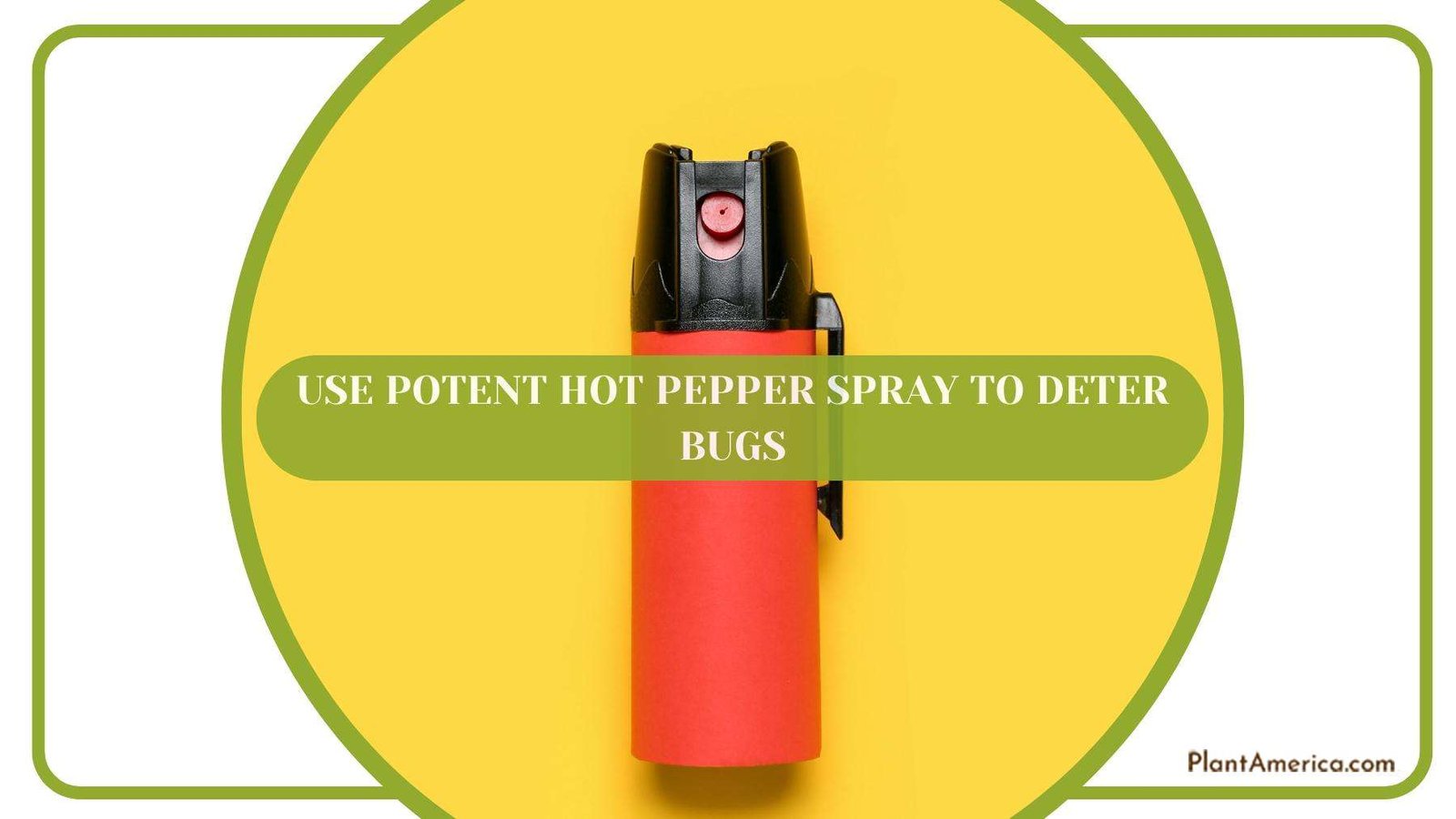
- Get some hot chili peppers. The capsaicin in the peppers is what will help us control mealybugs.
- Cut the chili peppers and let them simmer in water for roughly sixty minutes.
- After letting it cool, strain the mixture and pour it into a spray bottle.
So, how to prevent mealybugs with hot pepper spray? Spray the mixture on the bug-infested areas of the plant, covering them thoroughly. It’s essential to wear gloves and avoid touching your eyes when handling hot pepper spray. Though it’s natural, it can still irritate the skin or eyes.
– Use Commercially Prepared Mealybug Sprays For Pest Control
For those who prefer a ready-made solution, commercially prepared mealybug sprays are designed to deal with these pests.
Shop at your local garden center or online for a spray formulated explicitly for mealybugs. Look for a product that claims to be the best insecticide for mealybugs.
Understand what kills mealybugs instantly. Reading the product label will help you understand how the spray works and its ingredients. Some sprays offer a quick solution and can eliminate mealybugs immediately.
Adhering to the guidelines provided on the packaging ensures optimal outcomes. These instructions will direct the application’s quantity, location, and timing. It’s that easy.

Conclusion
In summary, dealing with mealybugs on plants requires a multifaceted approach, including diagnosing the infestation and applying various treatments. We recommend you take the following essential steps whenever you encounter these pests:
- Diagnose the mealybug attack early to prevent extensive damage to your plants.
- Use methods like pruning, physical removal, or spraying neem seed oil to combat the infestation effectively.
- Experiment with hot pepper spray or commercially prepared mealybug sprays for more persistent cases.
- Implement preventive measures like controlling ant infestation and using cold treatments to keep the pests at bay.
- Understand the life of mealybugs to better tailor your approach to tackling them.
Simple! By sticking to these steps, you can eliminate mealybugs from your plants, fostering a healthy and insect-free habitat where they can thrive.