
Trees with pink flowers in spring create a spectacle of color that brightens up any landscape. In this post, we highlight 19 enchanting tree species with stunning pink blossoms to give you ideas for transforming your yard into a natural canvas of vibrant color come springtime.
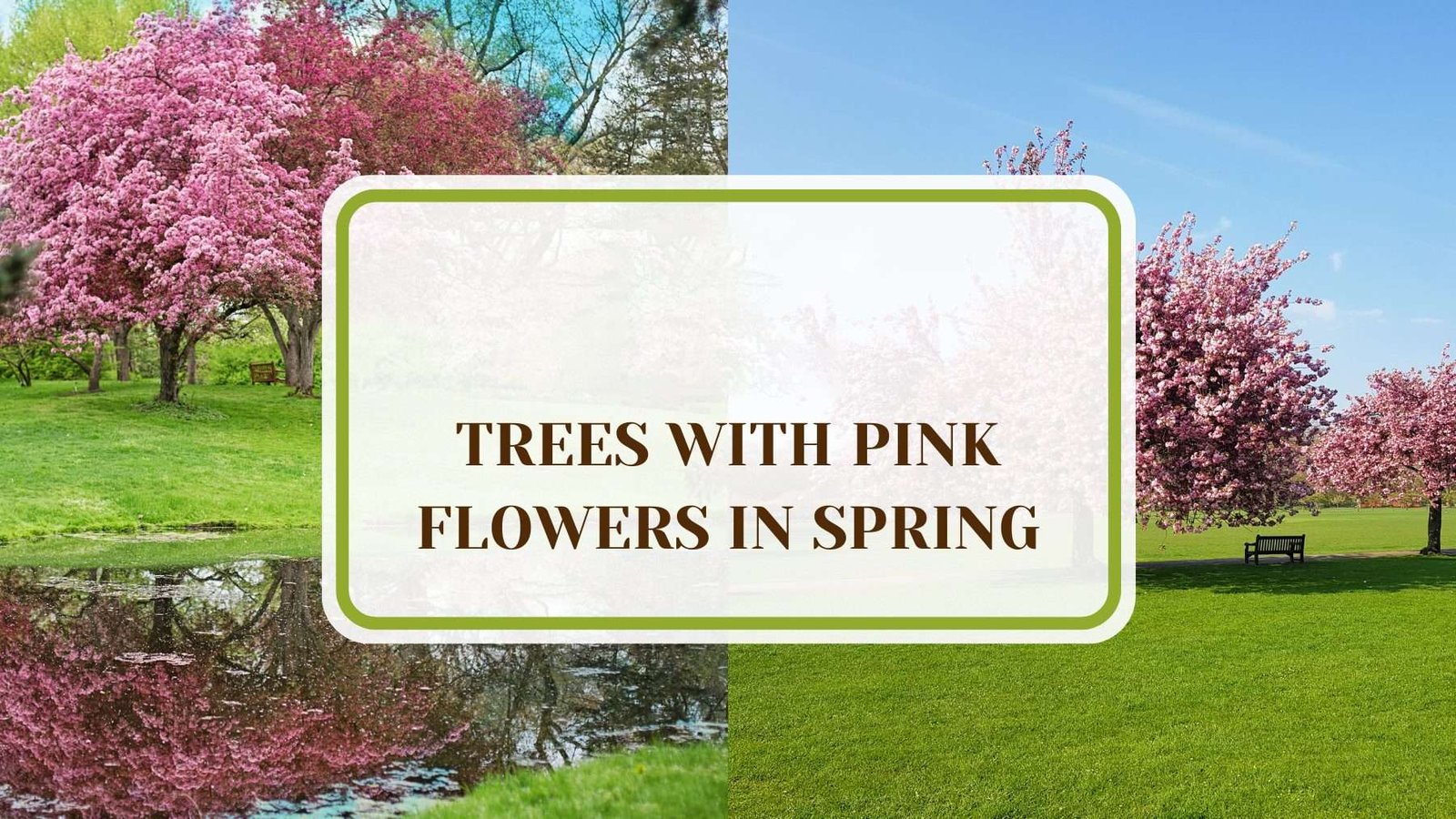
Whether you want just one or two showstoppers or a whole collection, the flowering trees featured here will introduce a cheering splash of pink that will delight your senses and soothe your soul as spring officially arrives. Each tree is selected for its ease of care and reliability to bloom year after year, helping you create a joyful outdoor oasis that you and visitors can enjoy for many springs to come.
Trees with Pink Flowers in Spring for Maximum Yard Impact
1. Pink Flowering Cherry
- Growing Season: Spring, Early Summer.
- Leaf Shape: Ovate, Simple.
- Specific Needs: Full sun, Well-drained soil
- Common Pests: Cherry Aphids, Japanese Beetles.
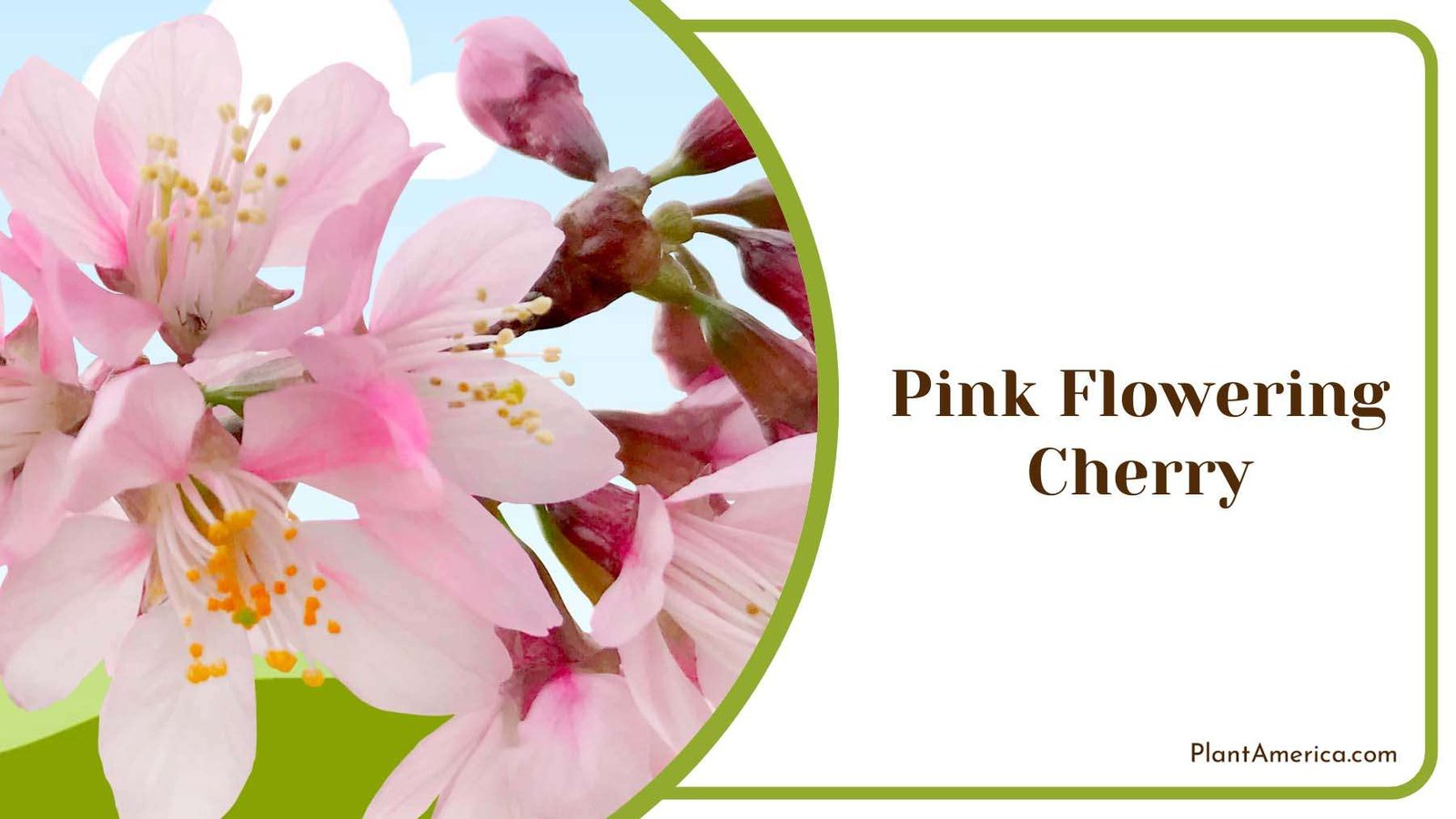
The ornamental weeping form of the pink flowering cherry (prunus serrulata) makes a graceful accent tree with masses of pale to deep pink blooms in spring. The slender branches droop to the ground, coating the tree in a veil of delicate flowers. The flowering cherry trees’ open habit and graceful weeping form make them beautiful landscape specimens that can be pruned into small flowering trees.
Ideally suited as a shade tree for smaller yards, flowering cherries grow 15 to 20 feet tall with an equal spread. The graceful weeping branches and the profusion of flowers create a picturesque accent that uplifts spirits in springtime. From a distance, the tree resembles a giant floating bouquet of soft pink clouds in spring.
2. Weeping Cherry
- Growing Season: Spring.
- Leaf Shape: Elliptical, Simple.
- Specific Needs: Full sun to partial shade, Well-drained soil rich in organic matter.
- Common Pests: Japanese Beetles.
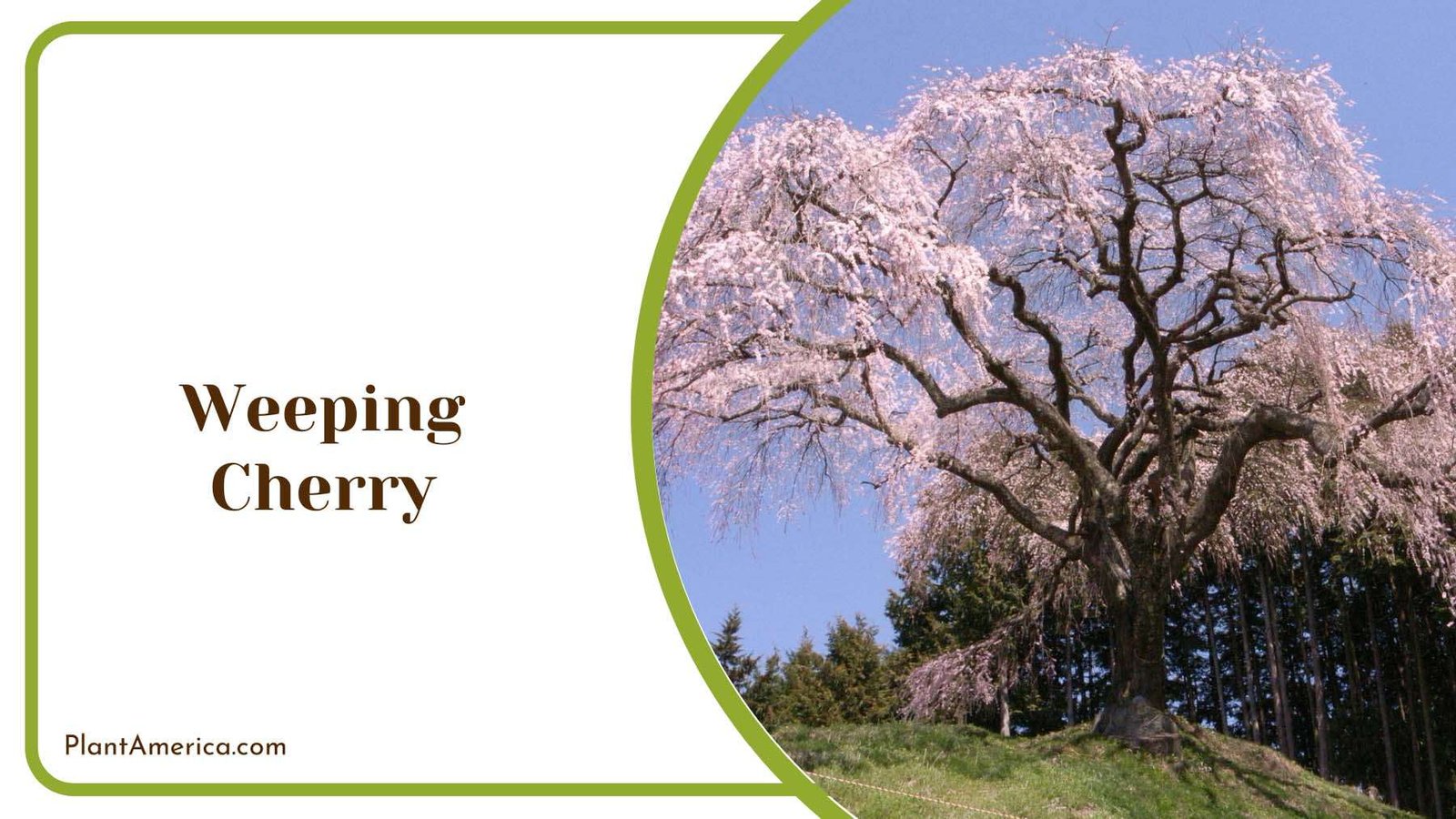
Weeping cherry trees (flowering cherry trees) are popular ornamental flowers due to their arching branches and profusion of fragrant pink or white blossoms in spring. The ornamental weeping form of the cherry has long drooping branches that weep gracefully towards the ground, promising maximum seasonal visual appeal. The clouds of delicate flowers appear just before the leaves unfold in spring, putting on quite a show for a few colorful weeks.
With its fountain-like habit and profusion of cheery pink flowers in spring, the weeping cherry makes a stunning accent tree that provides multiple seasons of interest beyond its spectacular spring blooms. Even bare-branched in winter, the graceful weeping form has appeal with its intriguing tracery of arching branches.
3. Redbud
- Growing Season: Spring, Early Summer.
- Leaf Shape: Heart-shaped, Palmate compound.
- Specific Needs: Full sun to partial shade, Well-drained acidic soil.
- Common Pests: Aphids, Scale Insects.
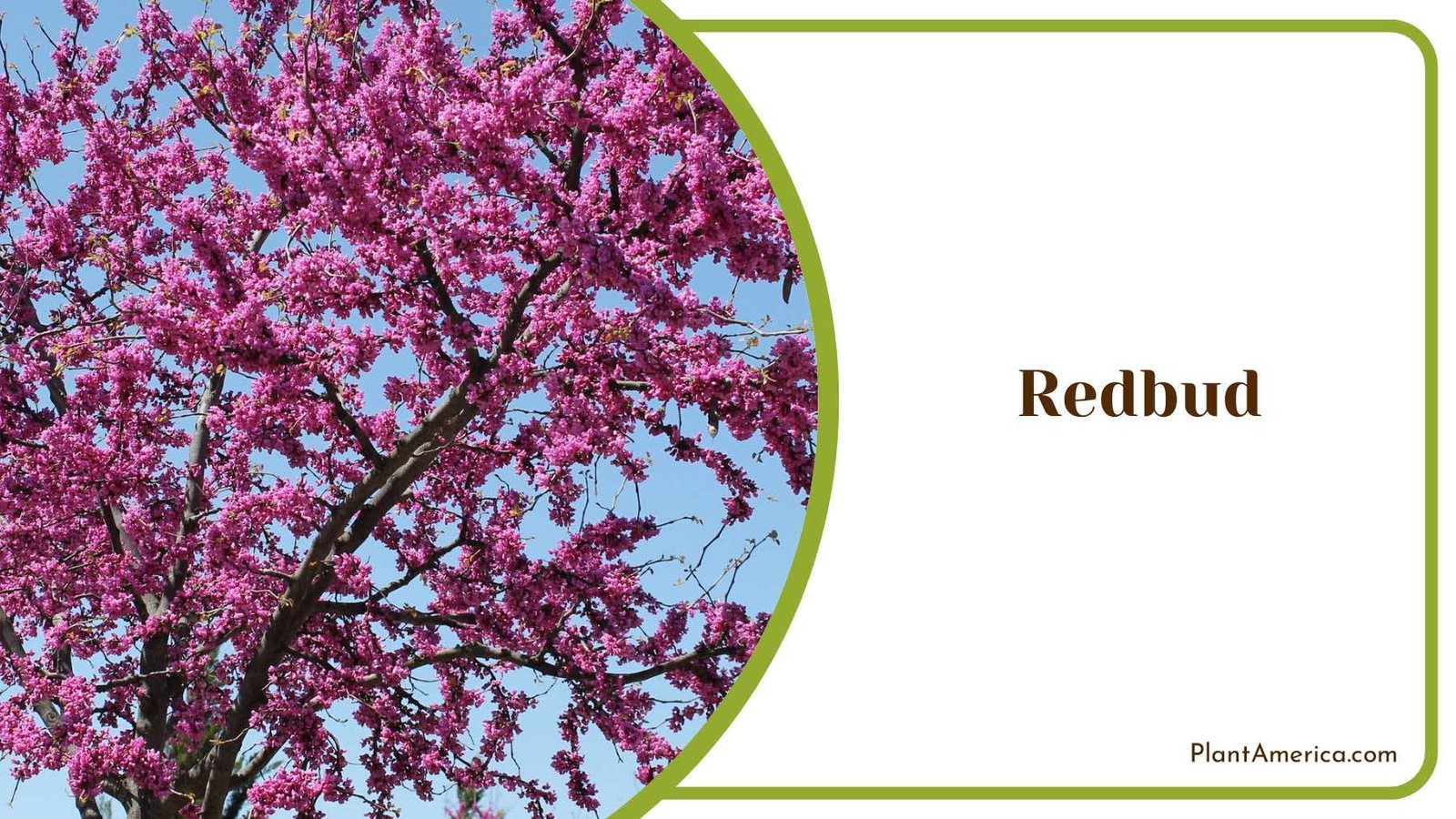
Eastern redbuds (Cercis canadensis) boast clusters of rosy-pink flowers along their branches in springtime before the leaves emerge. The heart-shaped leaves appear after the abundant blooms, casting dappled shade beneath the spreading branches through summer. Western redbud trees sport larger purple flowers in early spring, followed by blue-green foliage. Redbuds grow 20 to 30 feet tall with a vase-shaped crown up to 40 feet wide at maturity.
Redbud trees produce an eye-catching display of colorful spring blooms that offers beauty and shade as they mature. Their flowers range from purplish-pink to light-purple and pink on different cultivars and species. The heart-shaped foliage provides shade by mid to late spring, while autumn brings striking shades of crimson, orange, and gold to the leaves before they drop
4. Saucer Magnolia
- Growing Season: Spring, Early Summer
- Leaf Shape: Oblong to Elliptic, Simple
- Specific Needs: Full sun to partial shade, Acidic well-drained soil
- Common Pests: Aphids, Japanese Beetles, Spider Mites
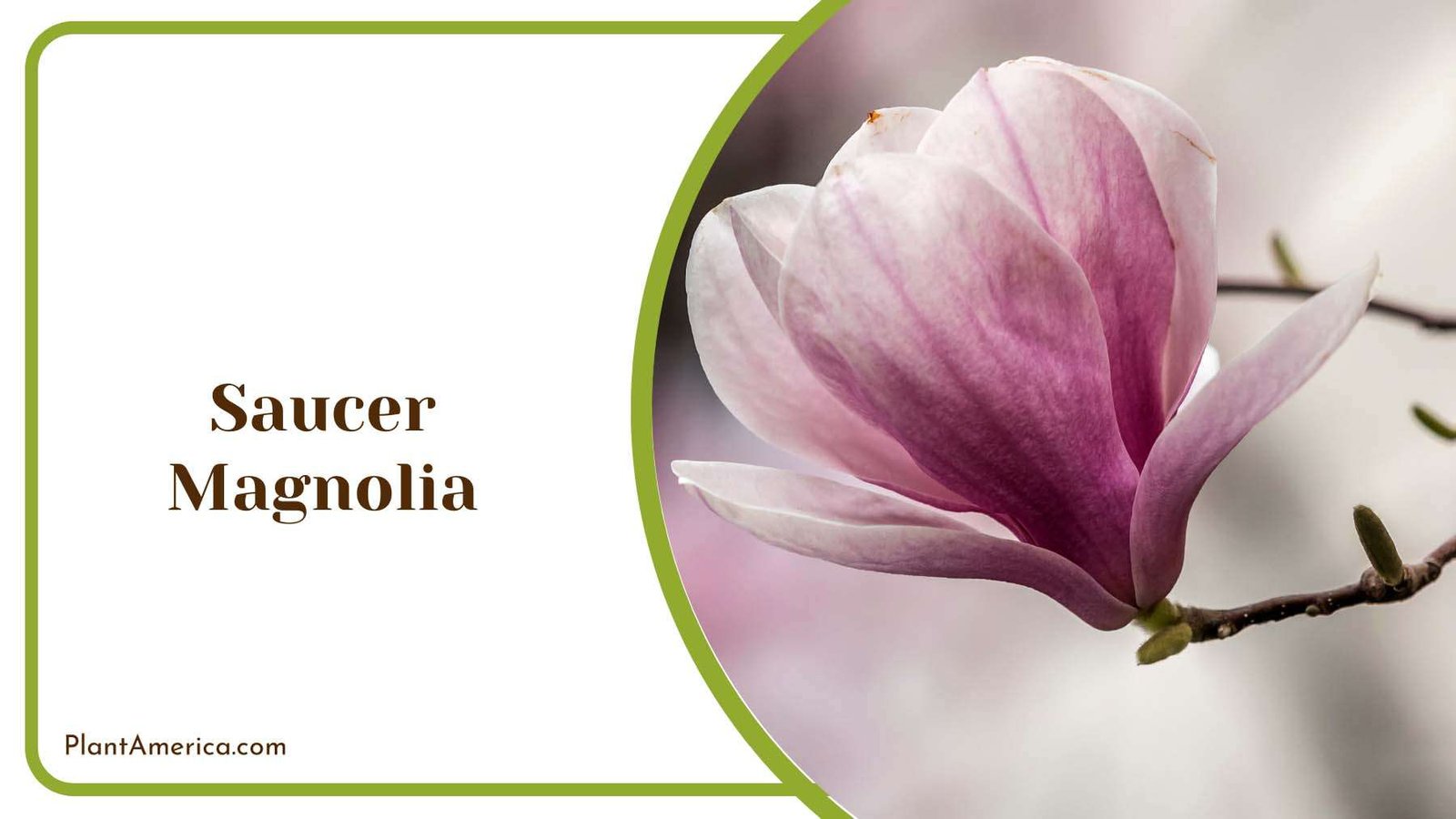
Saucer magnolia (magnolia soulangiana) features fragrant pink spring flowers resembling large saucers. These early-blooming magnolia trees typically flower before leaf emergence, producing up to 30 blooms per tree that measure six to nine inches across. After flowering, ovate to elliptic leaves appear and remain on the branches through fall, when they turn yellow to purple before dropping.
The abundant orchid-like flowers of saucer magnolia trees supply an extravagant spring display. Known for their large, fragrant blooms in white, pink, and purple tones, saucer magnolias are prized for their showy flowers that appear before the leaves emerge in spring. The large saucer-shaped flowers range from five to nine inches across and present an elegant focal display and lovely fragrance for several weeks in early spring before the leaves emerge and mature throughout the summer.
5. Flowering Almond
- Growing Season: Spring.
- Leaf Shape: Elliptic to Ovate, Simple.
- Specific Needs: Full sun, Tolerates poor soil and drought.
- Common Pests: Almond Bark Beetle, Aphids.
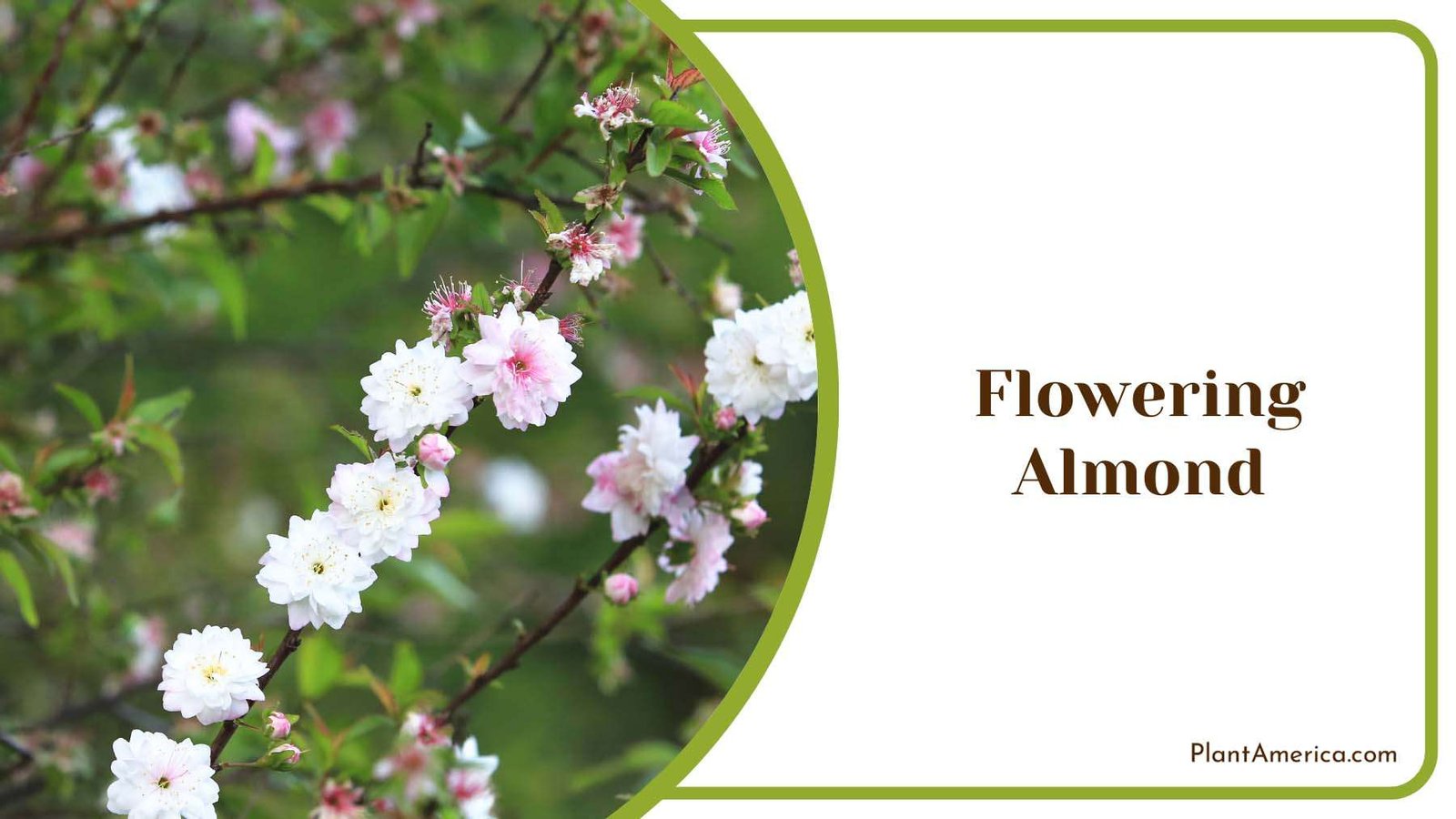
Flowering almond trees (prunus glandulosa) typically produce clouds of soft pink flowers along the bare branches in early spring, often while snow still covers the ground. Double-flowering cultivars feature abundant blossoms throughout the tree. After blooming, narrow lance-shaped leaves with fine hair emerge and persist until autumn.
Flowering almond trees are prized for their cheerful blossoms that herald the arrival of spring. The clusters of pink blooms appear in early spring before the leaves, often while snow still lingers, offering a welcome glimpse of color and transformation during the last days of winter dormancy.
6. Dogwood
- Growing Season: Spring.
- Leaf Shape: Alternate, Simple.
- Specific Needs: Rich, acidic soil, Partial shade to full sun.
- Common Pests: Dogwood Borer, Dogwood Sawfly larvae.
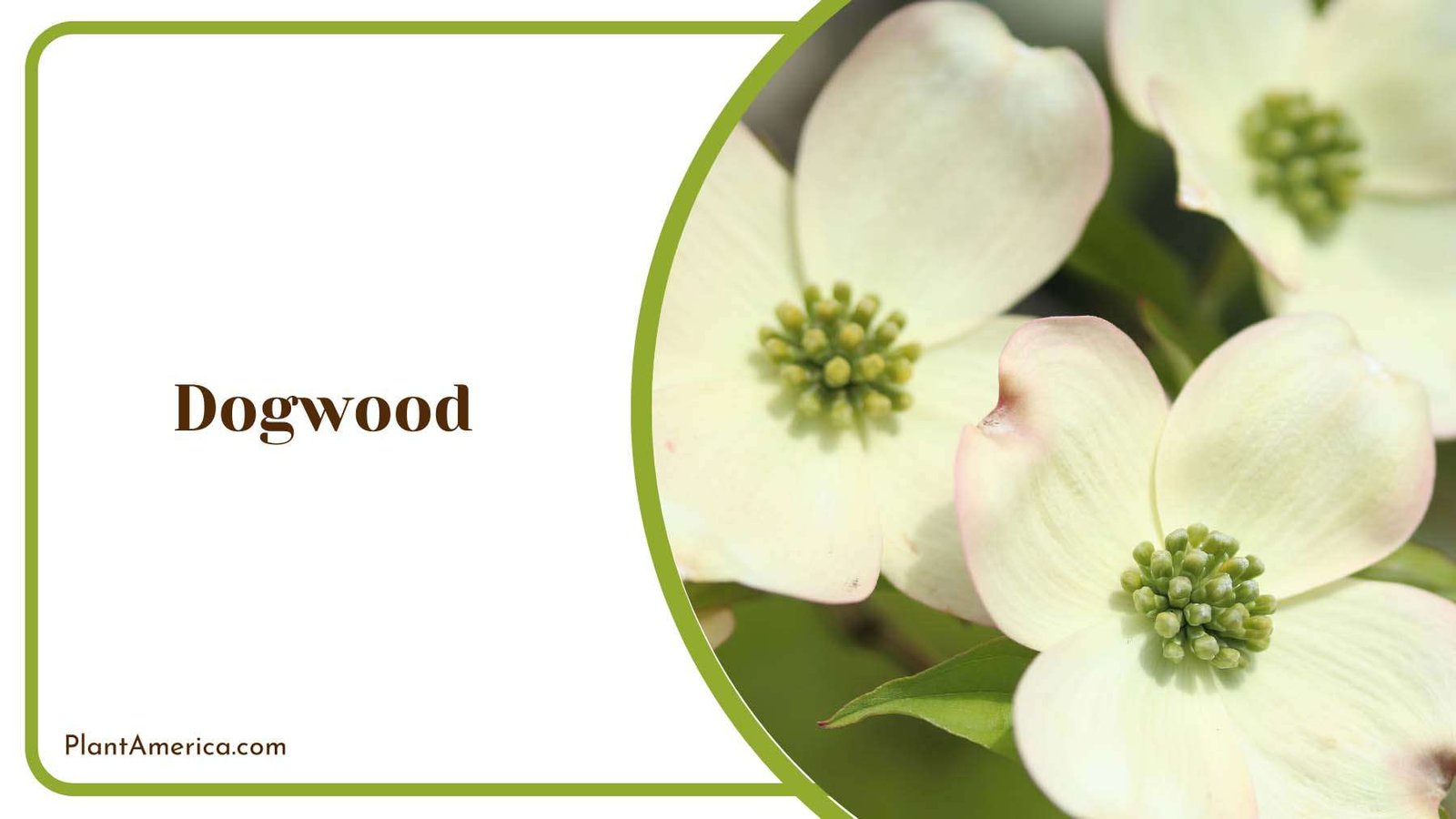
Both flowering dogwood (Cornus florida) and kousa dogwood (Cornus kousa) display clusters of showy white, pink, or red bracts at branch tips in spring before the small true flowers emerge. Foliage emerges after flowering in shades of green, bronze, and purple. Flowering dogwoods grow 15 to 20 feet at a slow rate, while Kansas reaches 20 to 25 feet.
Dogwoods are prized for their spectacular ornamental value in spring. Clusters of showy floral bracts grow together at branch tips and open into large, feathery white, pink, or red displays in mid-spring just before or as the true flowers bloom. The blooms may last several weeks before they fade.
7. Yoshino Cherry
- Growing Season: Spring.
- Leaf Shape: Ovate, Simple.
- Specific Needs: Full sun, Well-drained soil.
- Common Pests: Cherry Fruit Flies, Japanese Beetles.
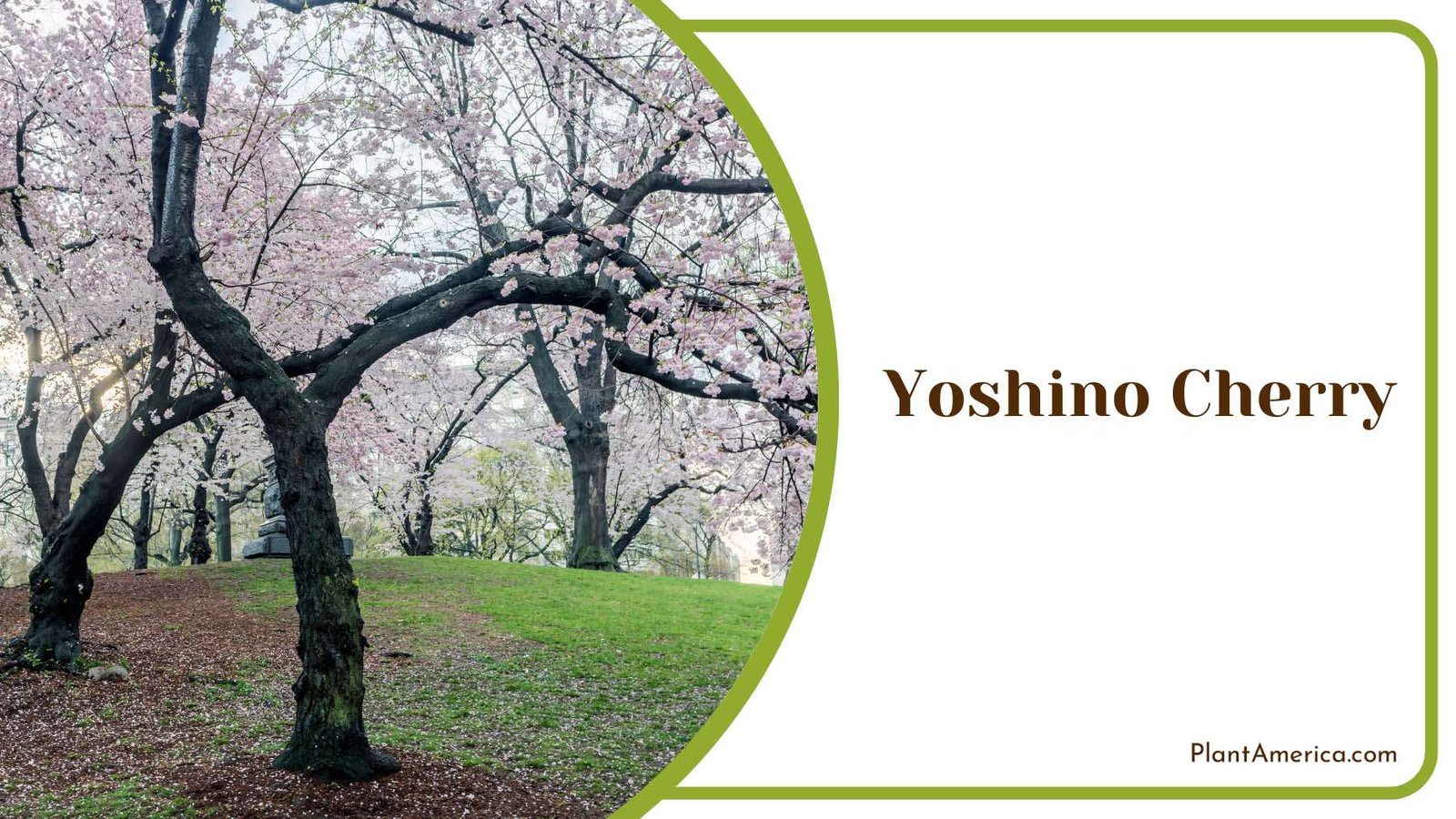
Yoshino cherry (prunus x yedoensis) produces clouds of fragrant white flowers covering the bare branches in early spring before the leaves emerge. Akebono features double pink blossoms. Mature Yoshino cherry trees reach heights up to 40 feet, growing quickly.
Yoshino cherry trees are a very popular ornamental species praised for their spectacular display of white flowers in spring. Often called the Japanese flowering cherry, Yoshino cherry trees produce an abundance of fragrant white blossoms that appear directly on the branches before the leaves unfold in early spring. As temperatures warm, the tree is covered in white blossoms that shower the ground beneath.
8. Kwanzan Cherry
- Growing Season: Spring.
- Leaf Shape: Elliptic, Simple.
- Specific Needs: Full sun, Well-drained soil.
- Common Pests: Japanese Beetles, Black Knot Disease.
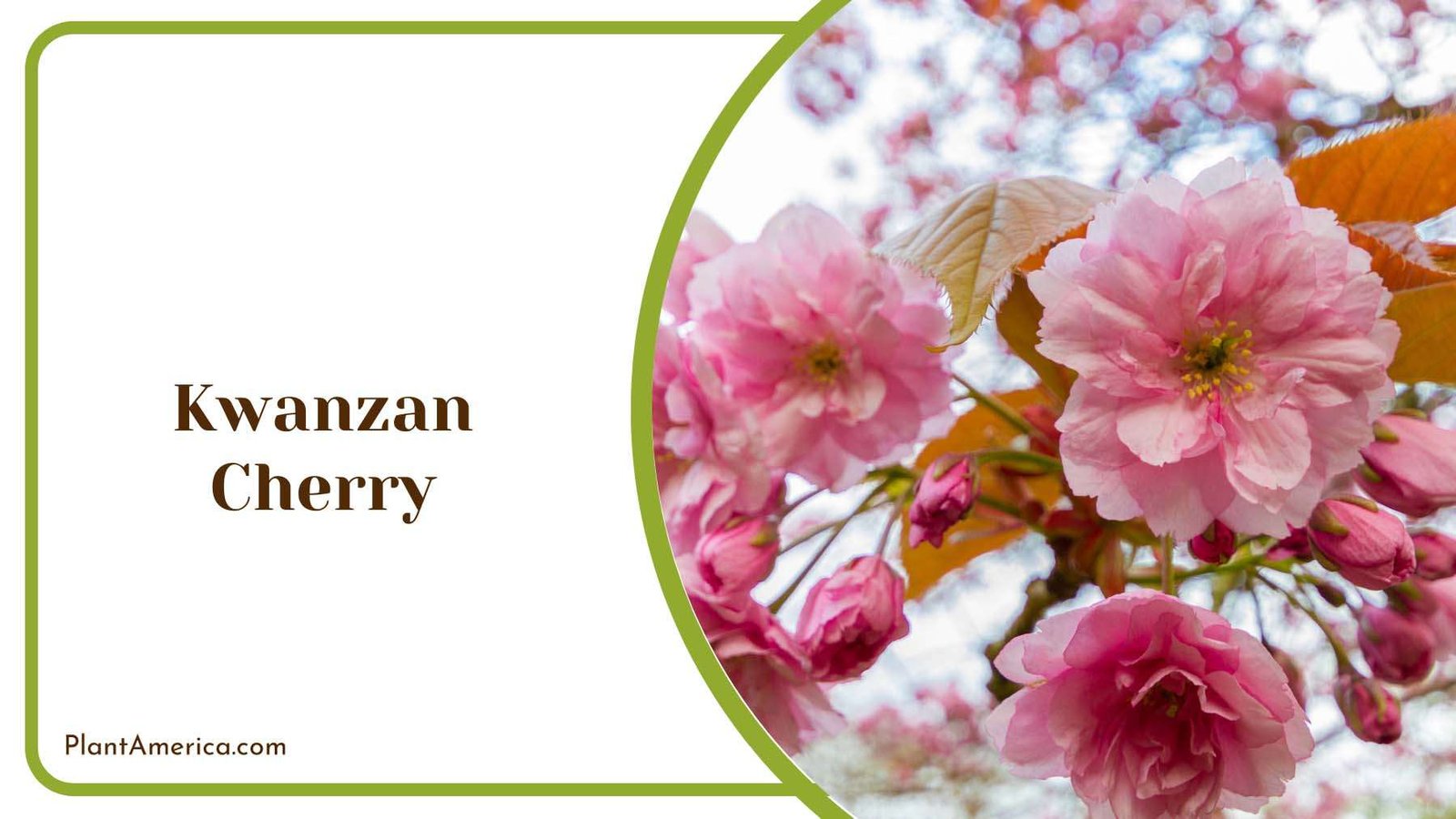
Kwanzan cherry trees (prunus serrulata kwanzan) produce clusters of double pink flowers along the bare branches in early spring. The abundant flowers range from pale to deep pink, featuring 40 to 50 petals per bloom. After flowering, long, narrow leaves emerge and persist through summer until autumn, when they turn shades of gold, orange, and red before dropping.
Kwanzan cherry trees are popular ornamental plants for their profusion of double pink flowers in spring. Clusters of large double blossoms cover the branches before the leaves emerge, transforming the tree into a living pink cloud for a couple of weeks each spring. The double flowers feature as many as 50 petals and range in color from near white to deep fuchsia pink.
9. Crepe Myrtle
- Growing Season: Summer.
- Leaf Shape: Alternate, Simple.
- Specific Needs: Full sun, Well-drained moist acidic soil.
- Common Pests: Aphids, Scale Insects.
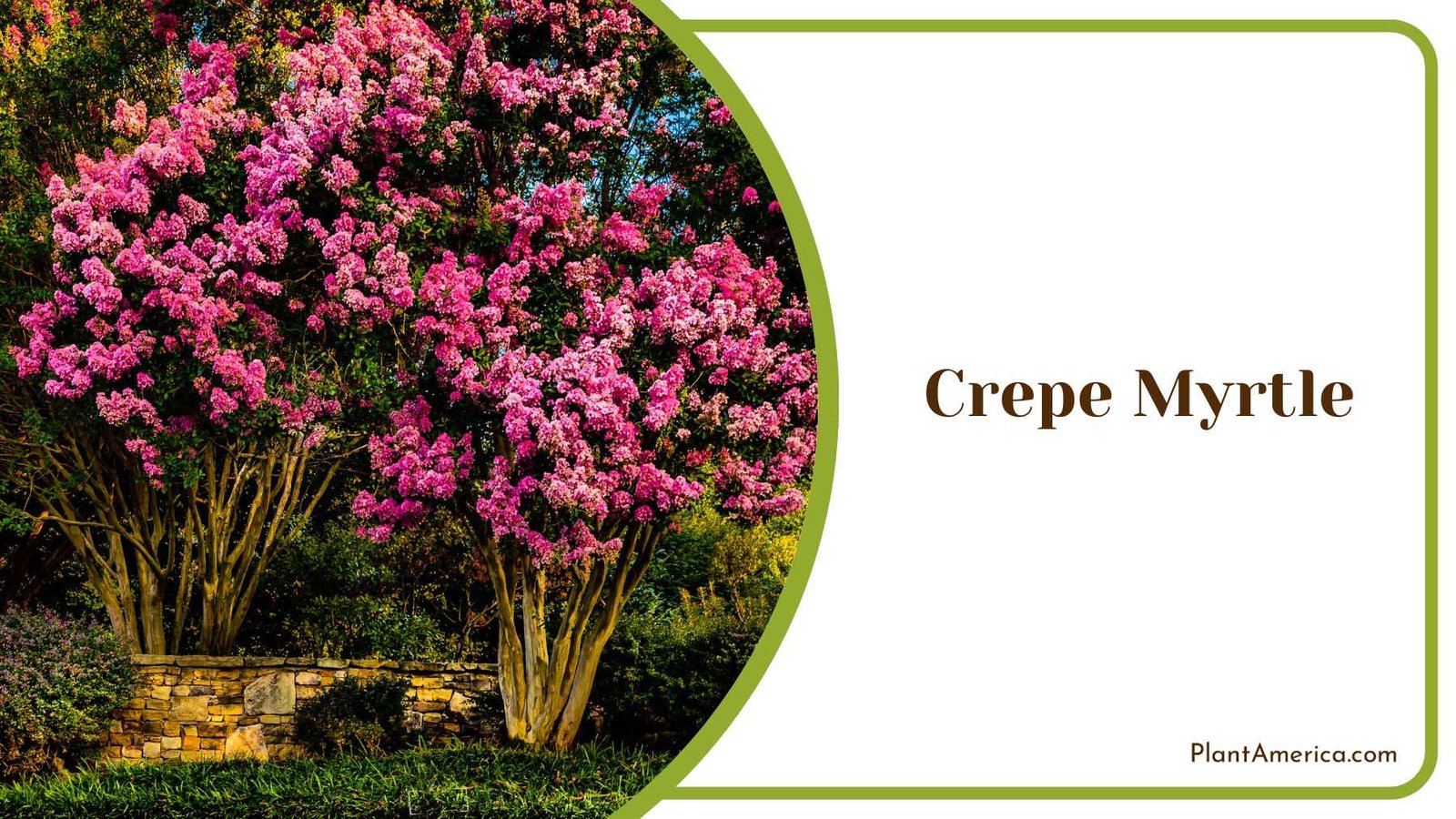
Crepe myrtle (Lagerstroemia India) is known for its long blooming period in summer, featuring clusters of funnel-shaped flowers in shades of pink, purple, red, and white. The Osage cultivar produces rich purple flowers on a standard screening tree growing 15 to 20 feet tall. Crepe myrtles feature an extended period of colorful summer flowers that thrive in heat and humidity.
Summer blooming crepe myrtles sports clusters of trumpet-shaped flowers from mid-summer through fall in shades of purple, pink, red, white, and lavender. Osage crepe myrtle produces large grape purple flower clusters all summer on upright mounding branches rising to 15 to 20 feet tall. Crepe myrtle flowers emerge directly along the stems and branches between the foliage, continuing to bloom throughout the summer and into early fall.
10. Japanese Flowering Apricot
- Growing Season: Spring.
- Leaf Shape: Oblong to ovate, Simple.
- Specific Needs: Full sun, Average to poor well-drained soil.
- Common Pests: Peach Twig Borer, Japanese Beetles.
Japanese flowering apricot (prunus mume) trees produce clusters of pink flowers along the bare branches in late winter or early spring. Double-flowering cultivars feature abundantly occurring blossoms in various shades of pink. After blooming, long oval to elliptic leaves appear and persist until autumn. Japanese flowering apricots reach heights ranging from 20 to 25 feet, growing moderately.
Japanese flowering apricot trees dazzle homeowners with their profusion of double and semi-double pink flowers in spring. The abundant pink blossoms appear directly from the branches before the leaves emerge, literally coating the tree in shades of soft rose pink. The bloom time of these early flowering trees typically corresponds to late winter or early spring, often while now remaining on the ground.
11. Ornamental Peach
- Growing Season: Spring.
- Leaf Shape: Ovate, Simple.
- Specific Needs: Full sun, Well-drained acidic soil.
- Common Pests: Peach Tree Borer, Peach Twig Borer.
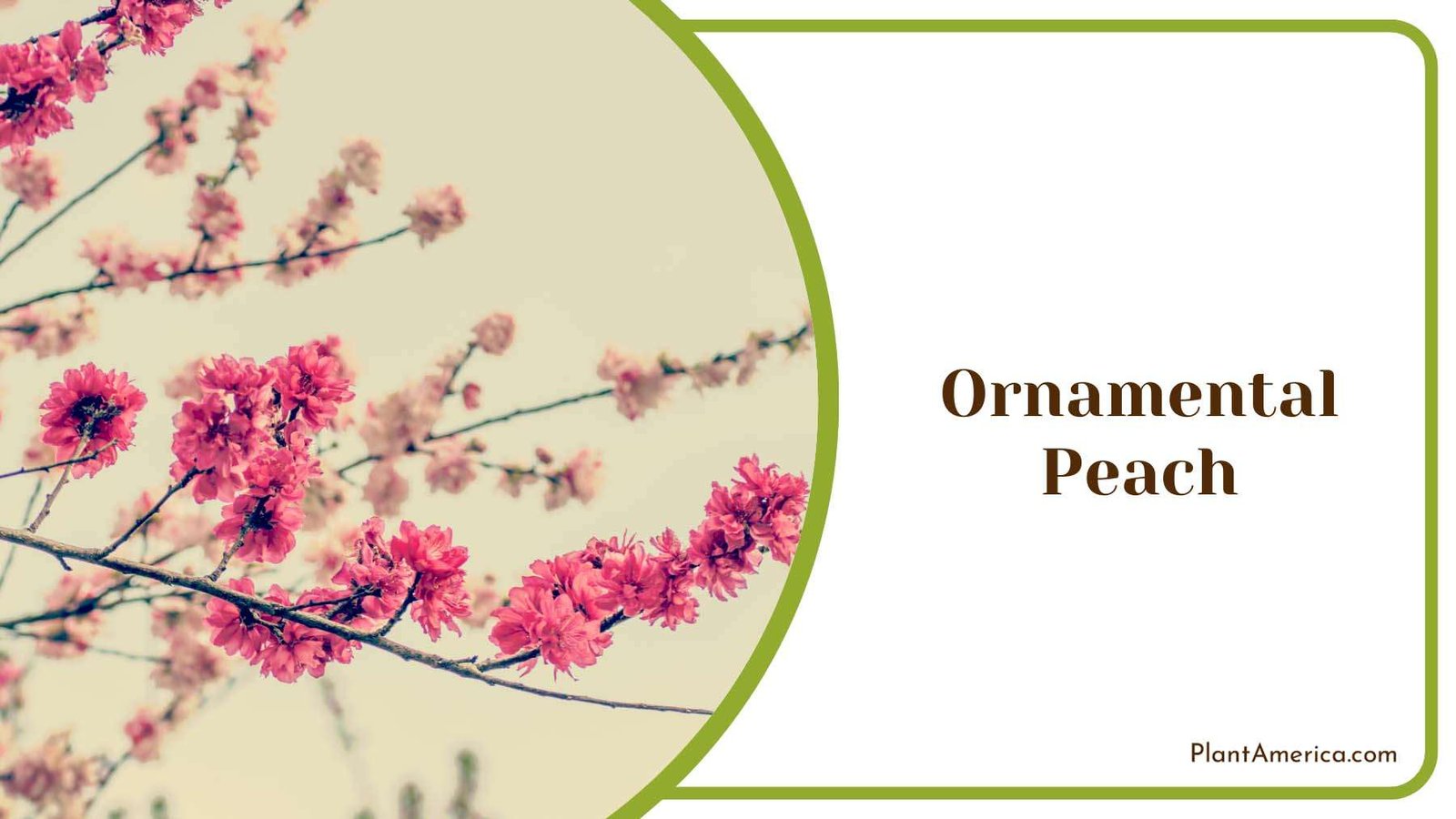
Ornamental peach trees (prunus persica) feature profuse clusters of single or double pink flowers along the branches in spring. Common cultivars include Autumn Snow, with deep rose flowers and red new growth, and Pink Princess featuring semi-double pink blooms. Ornamental peach trees grow 15 to 30 feet tall. After flowering, long, narrow leaves emerge and persist through summer until autumn, changing to bright shades of yellow, orange, and red before dropping.
Ornamental peach trees bring layers of visual appeal beyond beautiful spring blooms. These small flowering trees are grown more for their ornamental qualities than their low-yield fruit. They sport abundant clusters of pink flowers with a pleasing fragrance in early spring before leaf emergence. Double-flowering cultivars produce an extravagant display of multiple flowers per stem.
12. Pink Lady Apple
- Growing Season: Spring.
- Leaf Shape: Oblong, Simple.
- Specific Needs: Full sun, Well-drained soil.
- Common Pests: Codling Moth, Apple Scab.
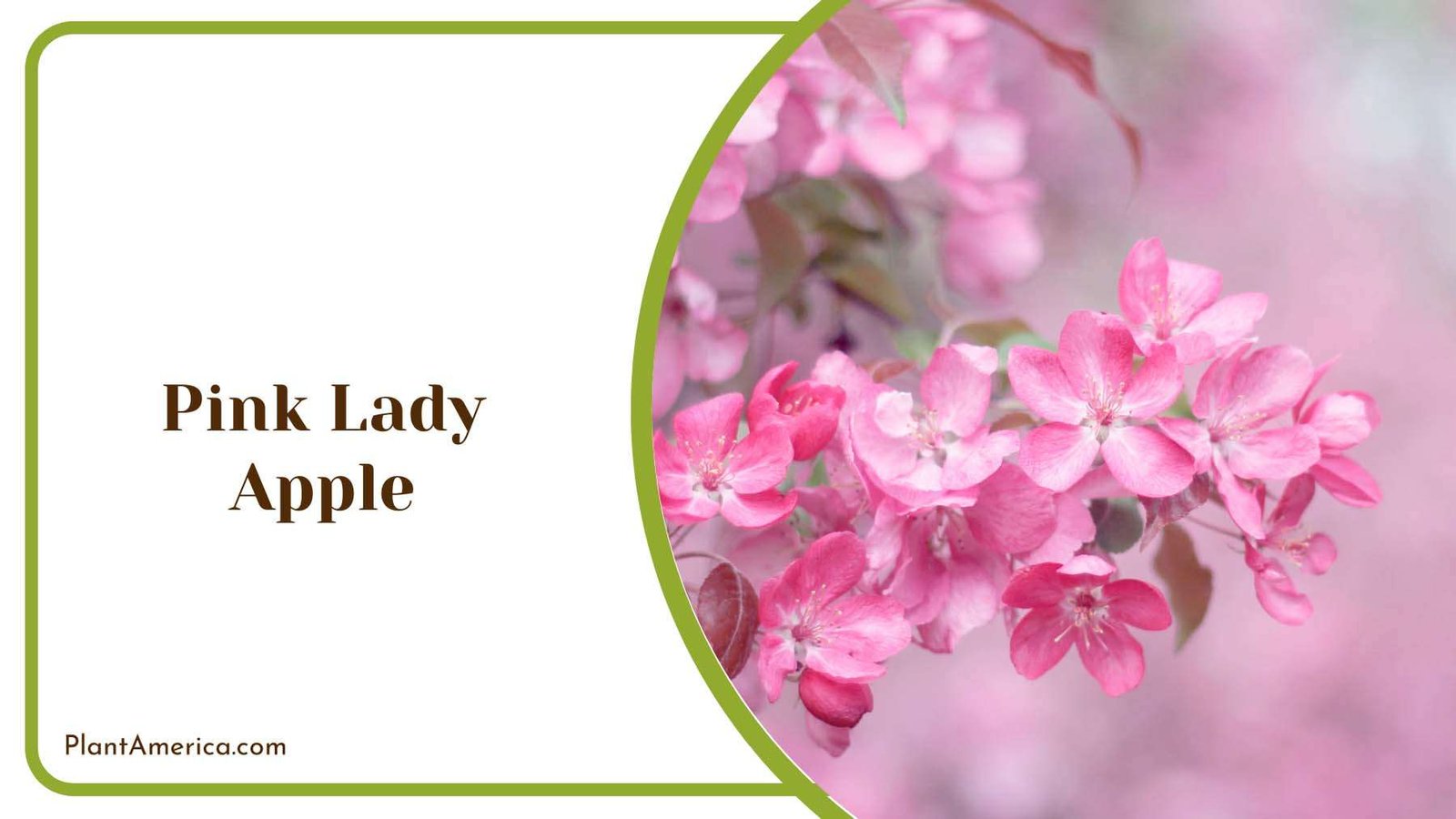
Pink Lady apples produce pale pink blossoms in spring. Fruit ripens in fall with striking red and green skin and a crisp, aromatic flavor. Pink Lady apples grow 20 to 25 feet tall at a slow to moderate rate with an upright spreading habit.
While primarily grown as an edible fruit tree, Pink Lady apples feature a showy display of light pink blossoms in spring, bringing ornamental qualities beyond just delicious fruit.
The flowers appear along bare branches in clusters while snow still lingers in early spring, heralding the start of the new growing season. As temperatures warm and the tree begins to leaf out in mid to late spring, the blossoms fade, and small green apple fruits begin to form, eventually maturing into the iconic bright red and green striped apples in late summer through fall.
13. Double Flowering Plum
- Growing Season: Spring.
- Leaf Shape: Ovate, Simple.
- Specific Needs: Full sun, Well-drained soil.
- Common Pests: Plum Curculio, Japanese Beetles.
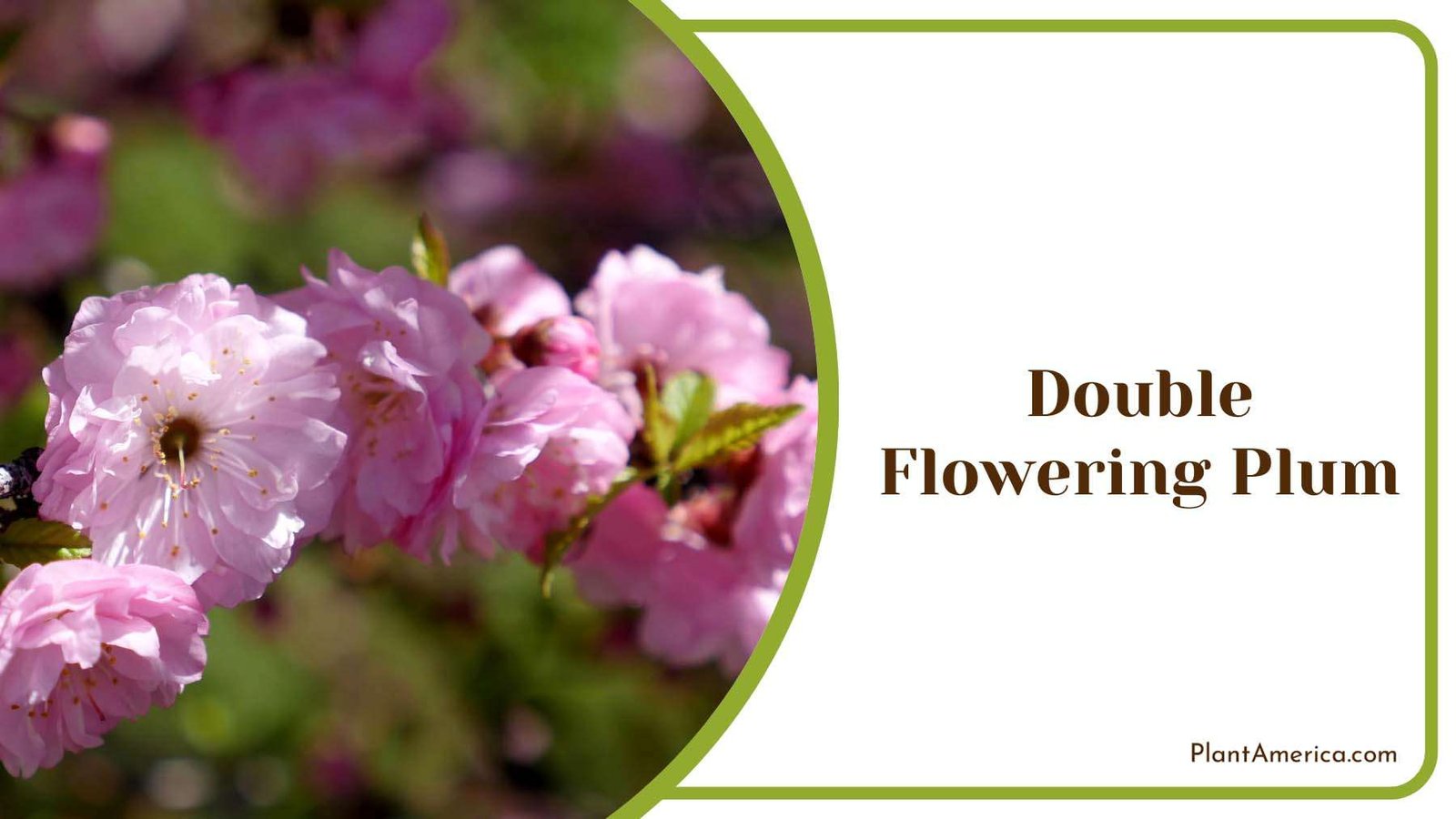
Double flowering plum trees (prunus triloba multiplex) produce an abundance of double, semi-double, or fully double fragrant pink blossoms in spring along the bare branches. Oekonomierat Echtermeyer features large double-white flowers. After blooming, ovate leaves appear and persist until autumn, when they turn shades of yellow and orange before dropping.
Double-flowering plum trees delight homeowners with their sheer number and variety of springtime blooms. During the cold spell of winter dormancy, homeowners look forward to the spectacular display of double pink, red, and white flowers that burst forth along the branches when plum trees suddenly come to life in early spring. After flowering, medium green leaves emerge and persist through summer until fall color arrives in bright orange, red and yellow shades just before leaves finally drop.
14. Pink Tabebuia
- Growing Season: Spring, Summer.
- Leaf Shape: Palmate compound.
- Specific Needs: Full sun, Well-drained soil.
- Common Pests: None.
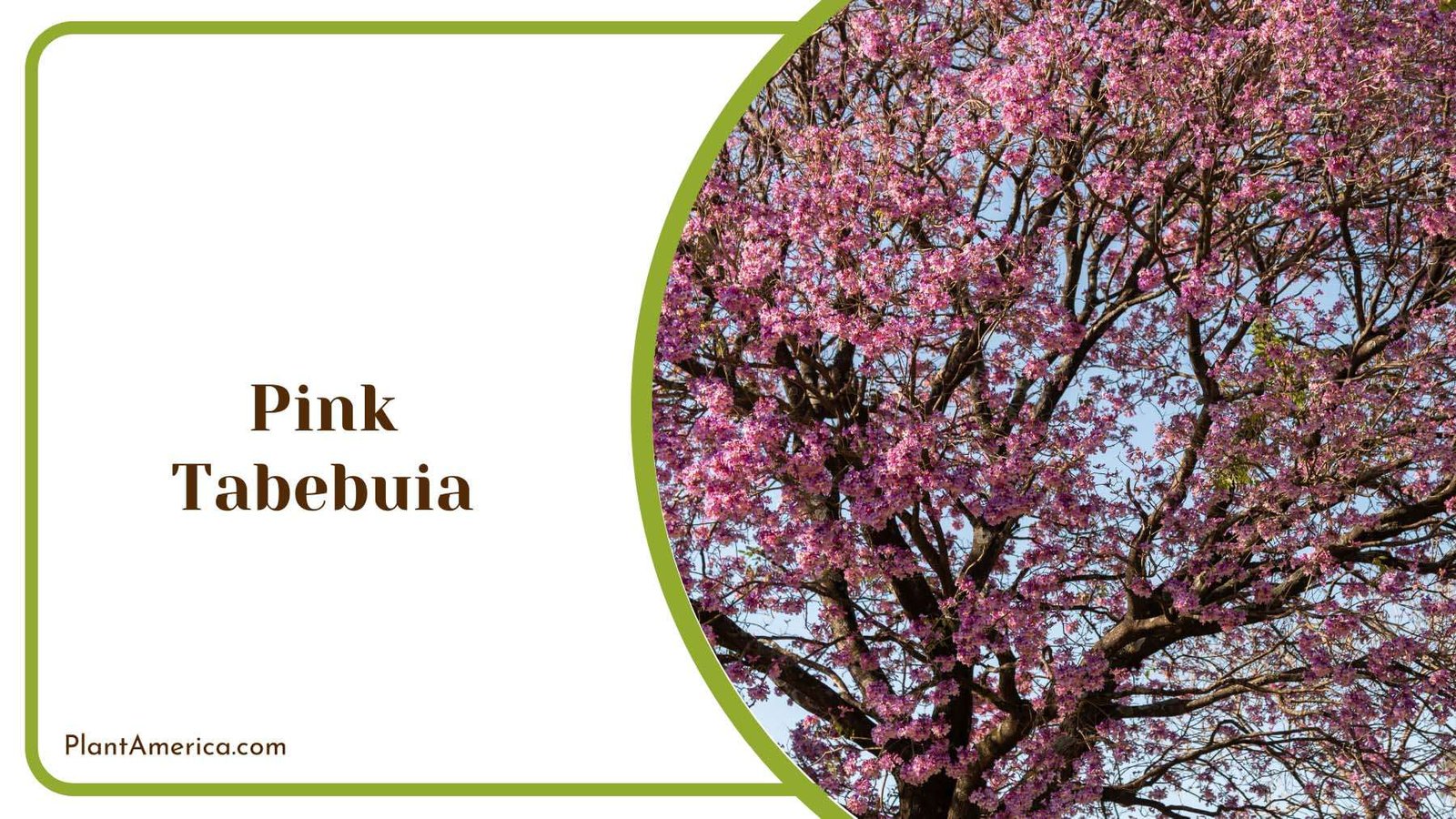
Tabebuia impetiginosa, commonly called Pink Tabebuia, blooms in spectacular pastel pink flowers attracting pollinators to enchanting trees. Originating from Central and South America, these deciduous trees provide an enchanting display of color in spring.
Pink Tabebuia trees explode into bloom in spring before the new leaves emerge. The palmate compound leaves with five to nine leaflets appear shortly after the masses of 1.5 to 2-inch wide trumpet-shaped pink flowers fade. as summer progresses. The bloom time varies from pink tabebuia to pink tabebuia depending on the cultivar but most range from late spring to early summer.
The stunning pink blossoms that give Pink Tabebuia trees their name attract swarms of bees, hummingbirds, and butterflies. Their soft pink petals glow from within, bringing instant enchantment to any spring garden. The mesmerizing beauty of Pink Tabebuia’s pastel flowers shining in the springtime sun creates a memory that will bloom for years. Admire Pink Tabebuia trees for the joy they bring during their all-too-short springtime fling.
15. Pink Pippin Crabapple
- Growing Season: Spring.
- Leaf Shape: Ovate, Simple.
- Specific Needs: Full sun, Well-drained soil.
- Common Pests: Crabapple Curculio, Brown Rot.
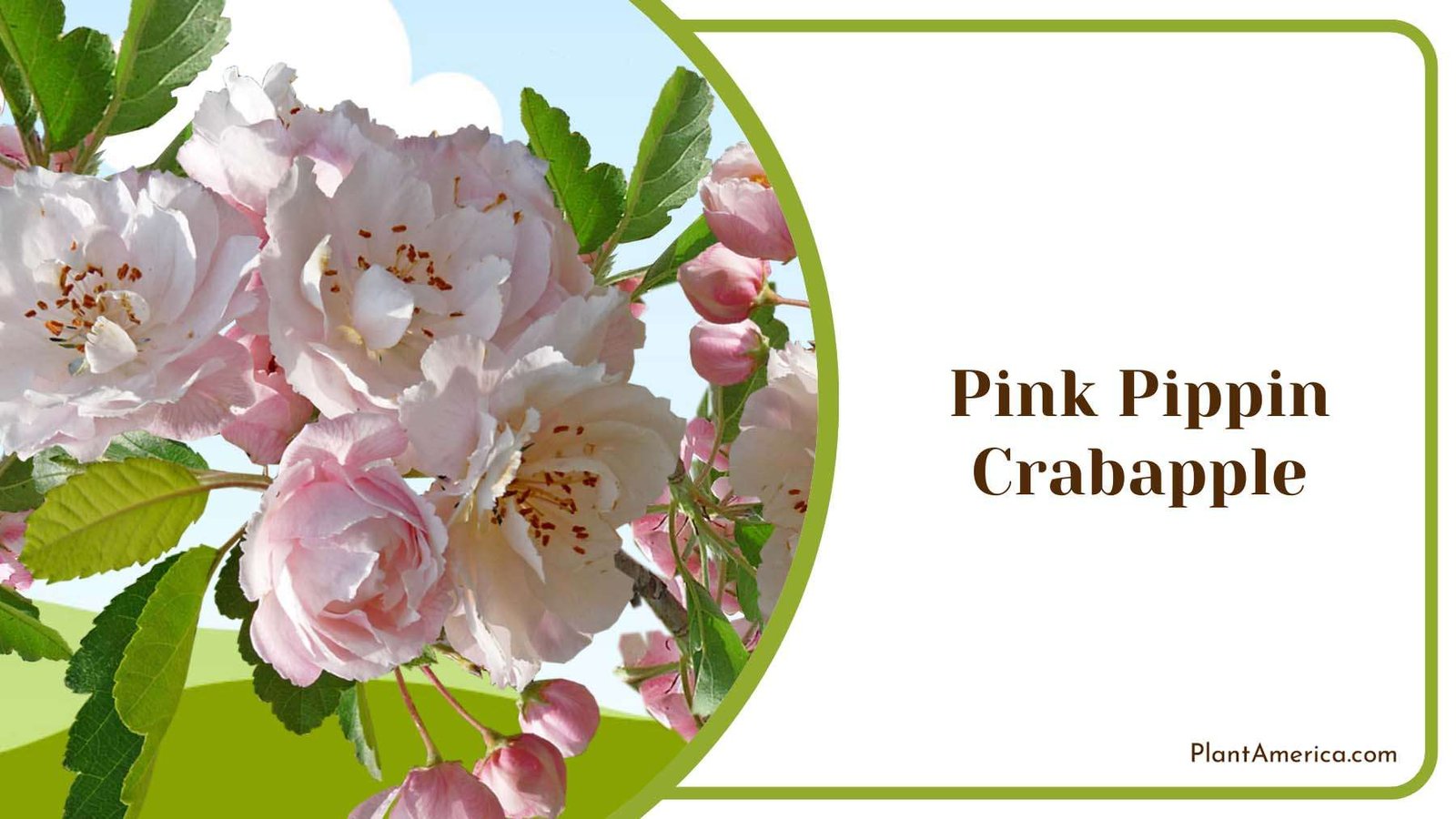
Pink Pippin crabapple trees (malus pink pippin) produce clusters of fragrant pink flowers along the bare branches in early spring. After blooming, medium green, ovate leaves appear and persist through summer. Pink Pippin crabapple trees grow 20 to 25 feet tall with an oval shape. In fall, the small reddish-purple crabapples persist, and leaves turn shades of yellow and orange before dropping.
Pink Pippin crabapple trees delight homeowners with their striking coral pink spring blooms. The flowers feature five pink petals surrounding yellow centers that glow against the bare branches. After flowering concludes in late spring, medium green leaves appear and persist through summer until orange and crimson autumn color arrives, followed by leaf drop. The small reddish-purple fruit also persists through summer and fall as added ornamental appeal.
16. Pink Catylapa
- Growing Season: Spring.
- Leaf Shape: Variable, Pinnately compound.
- Specific Needs: Full sun, Dry well-drained soil.
- Common Pests: Seed & Leaf Feeding Insects, Catalpa Borer.
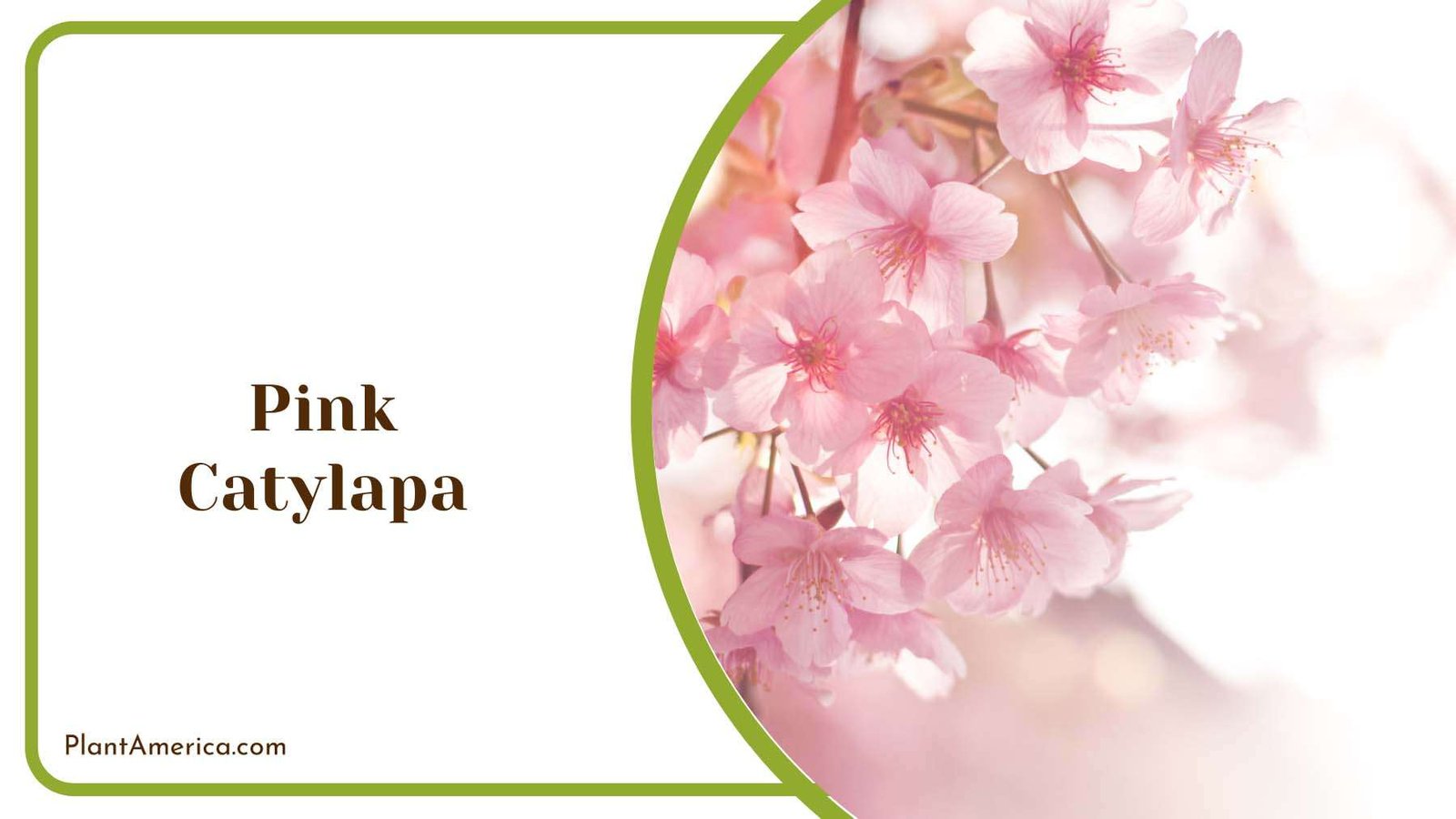
Pink catalpa (spirea cantonments pink) shrubs produce plentiful clusters of pink flowers in early spring before the leaves emerge. After blooming, gray-green compound leaves appear and persist until autumn, when they turn shades of yellow and red before dropping. Pinkcatalypa shrubs grow four to six feet tall and wide at a moderate rate.
Pink catalpa shrubs produce an abundance of bright pink flowers in early spring that provide welcome color as colder temperatures linger. Clouds of rosy pink flowers cover the bare branches of these compact shrubs before their leaves develop to signal the transition into the new growing season. Each flower features five notched pink petals surrounding a central yellow cone. Deciduous pink catalpa shrubs often regenerate new colorful pink spring flowers from the previous seasons’ growth.
17. Pink Trumpet Tree
- Growing Season: Spring.
- Leaf Shape: Alternate, Compound imparipinnate.
- Specific Needs: Full sun, Well-drained soil.
- Common Pests: Aphids, Scales, Lace Bugs.
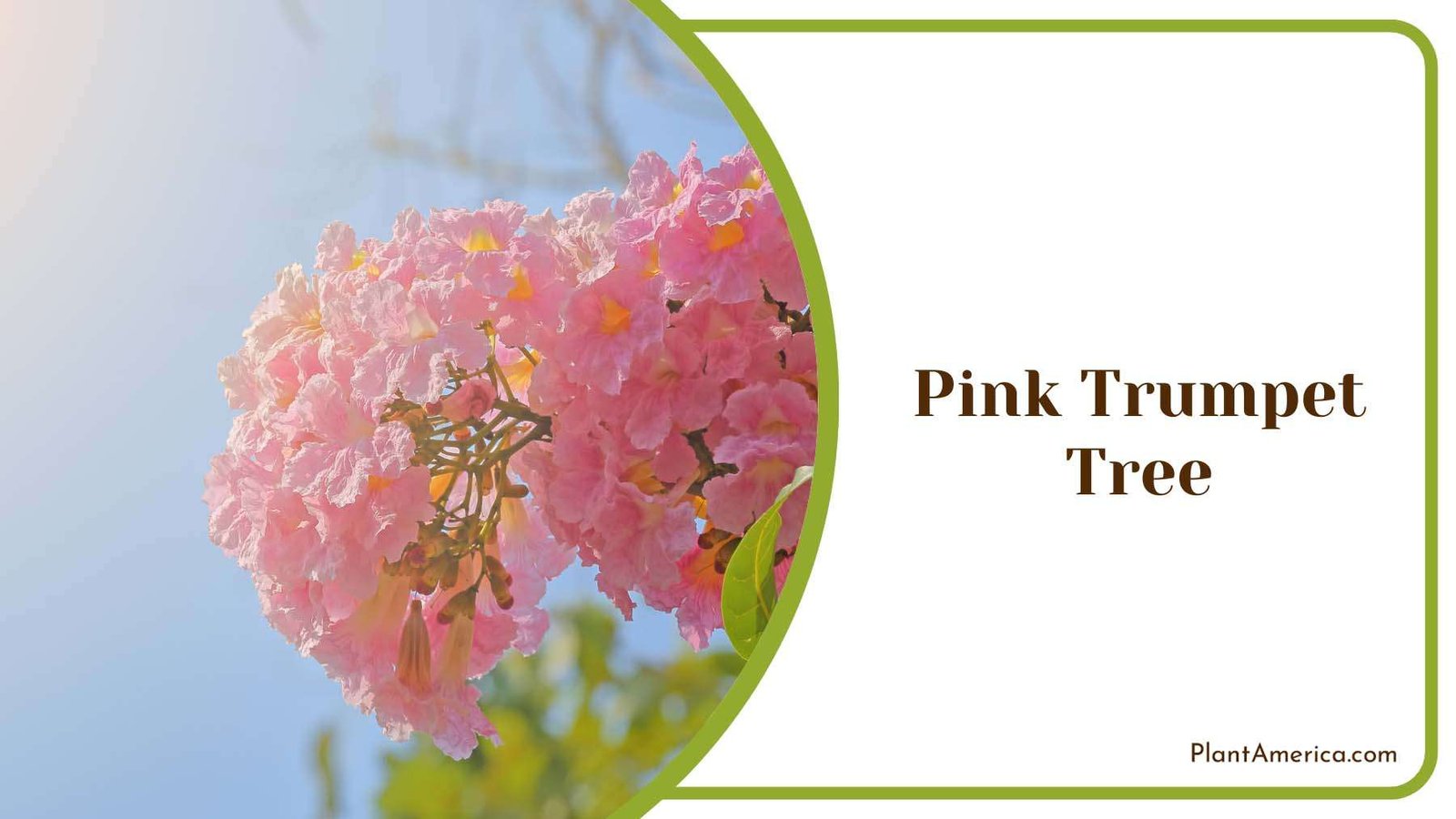
Pink trumpet tree (tabebuia impetiginosa) shrubs produce plentiful clusters of tubular pink flowers in spring as the medium green leaves emerge. After blooming, the foliage matures and persists through autumn. Pink trumpet tree shrubs grow eight to 15 feet tall at a moderate to fast rate.
Pink trumpet tree shrubs dazzle with their magnificent profusion of vibrant pink tubular flowers in spring. The showy clusters of blooms appear as the oval to elliptic green leaves emerge, blanketing most branches with cheerful shades of rich fuchsia and rose pink. Each bloom features a long slim pink corolla tube with five spreading lobes at the end, attracting hummingbirds and butterflies. Deciduous pink trumpet tree shrubs often re-bloom with new colorful spring flowers from the previous seasons’ growth.
18. Okame Cherry
- Growing Season: Spring.
- Leaf Shape: Elliptic, Simple.
- Specific Needs: Full sun, Well-drained slightly acidic soil.
- Common Pests: Aphids, Leaf Spot, Leaf Miners.
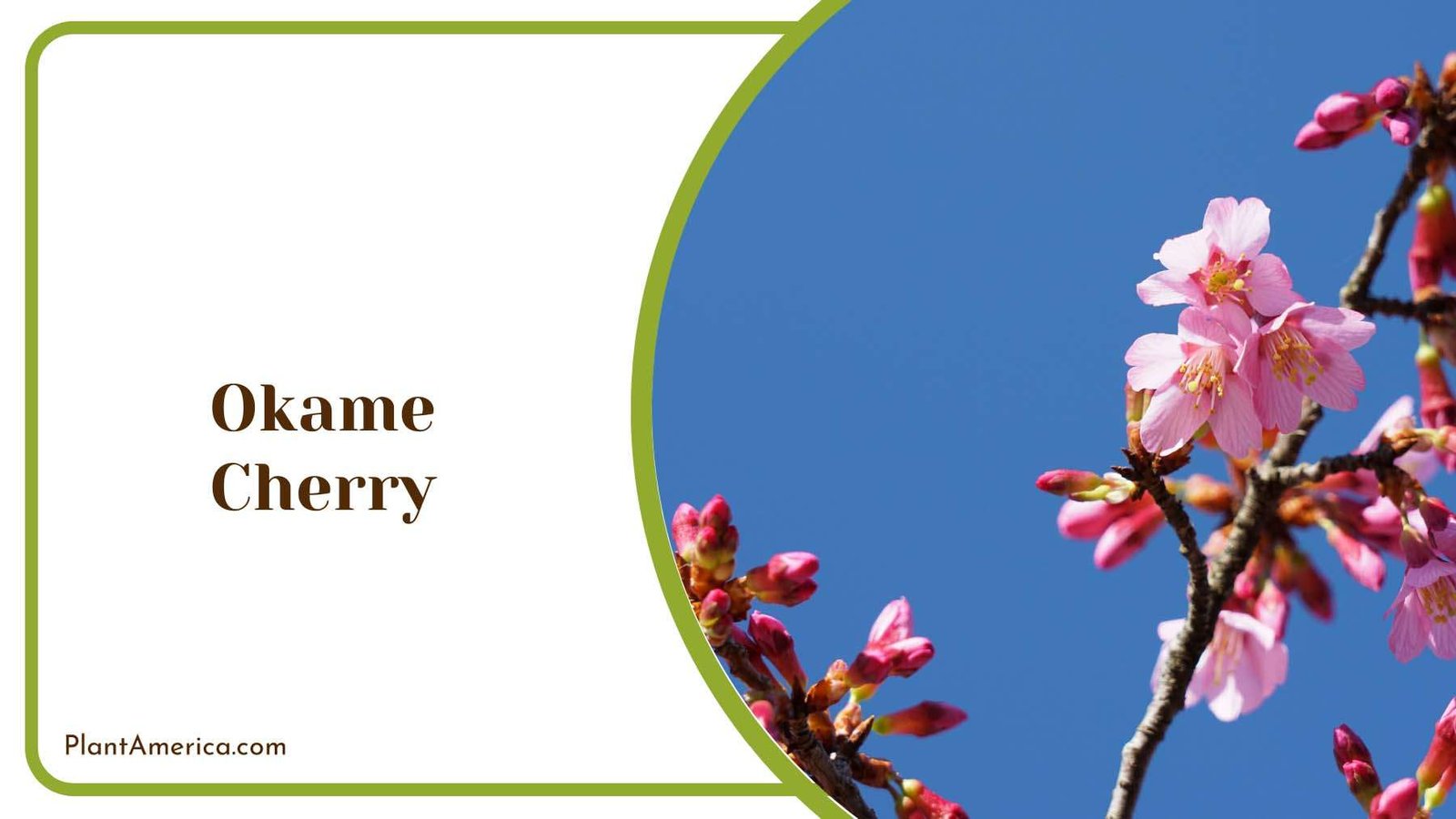
Okame cherry trees (prunus x incam kame) produces smooth pink flowers along the bare branches in early spring. The pink blossoms are more subtle and elegant in color than those of some other cherry trees. Mature kame cherry trees reach up to 30 feet tall at a moderate rate with an upright vase shape.
Okame cherry trees develop an elegant blossom display in spring that is more subdued and refined than some other cherry varieties. Clusters of soft pink flowers appear directly from the branches before the leaves unfold in early spring, coating the tree in a subtle blush of pale pink.
19. Japanese Snowbell
- Growing Season: Spring.
- Leaf Shape: Alternate, Simple.
- Specific Needs: Full sun to partial shade, Well-drained acidic soil.
- Common Pests: Aphids, Scale Insects, Spider Mites.
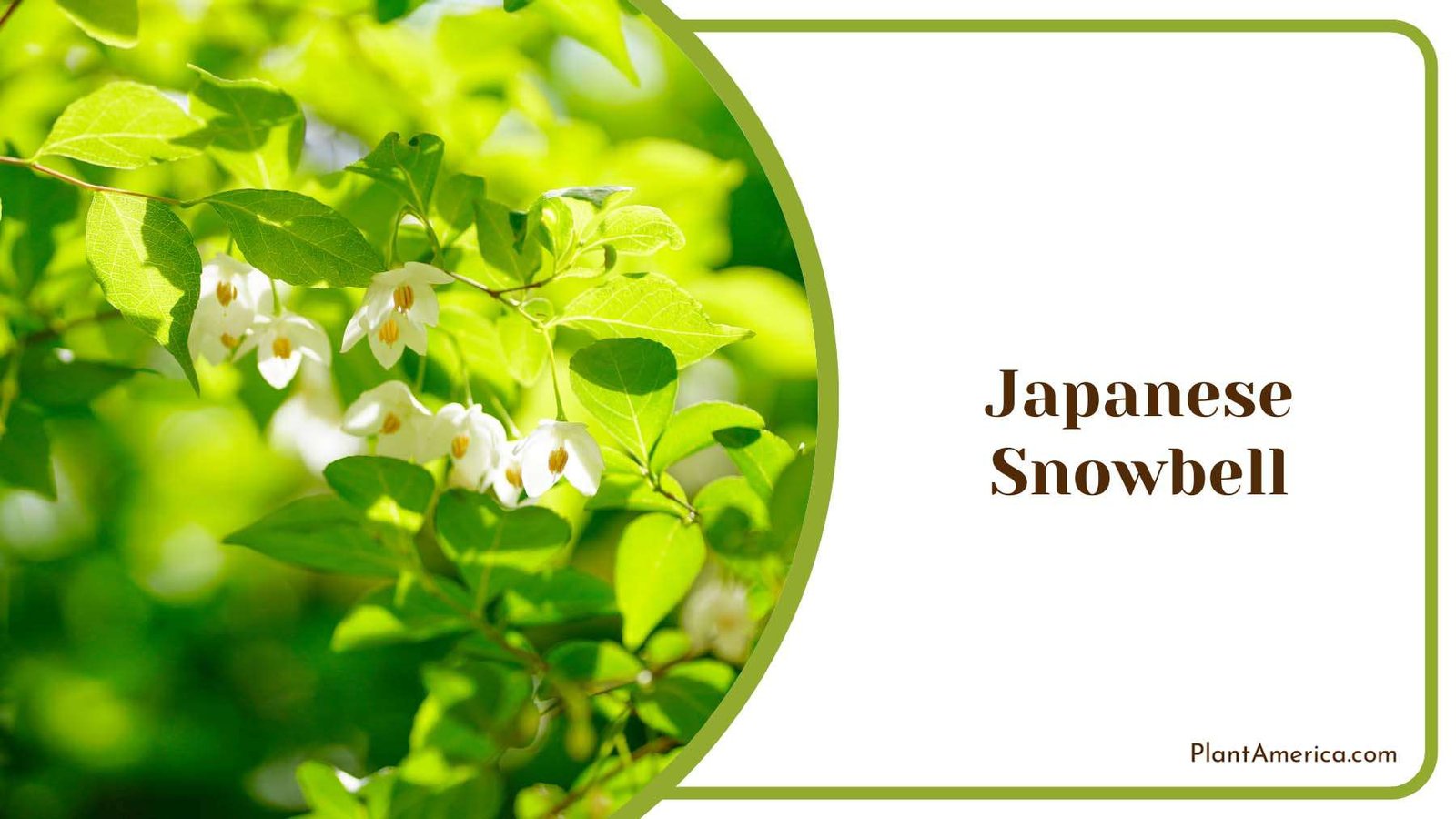
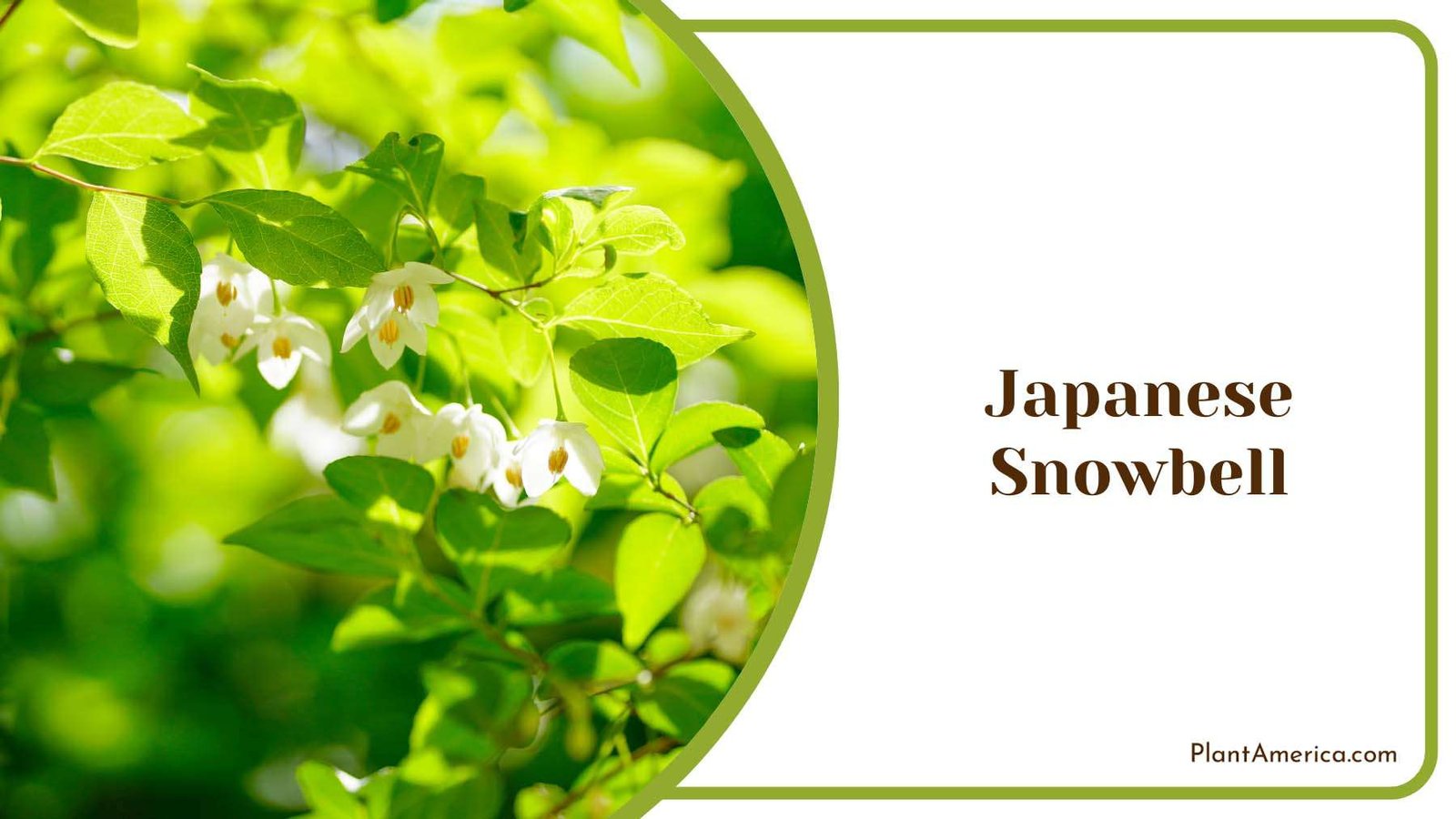
Japanese snowbell shrubs (styrax japonicus) feature plentiful clusters of bell-shaped white flowers in spring that hang down along the outer branches. After blooming, the oval to elliptic leaves emerge and persist until autumn, changing to yellow, orange, and red shades before dropping. Japanese snowbell shrubs grow 8 to 15 feet tall and wide.
Japanese snowbell shrubs produce an abundance of dangling white bell-shaped flowers in spring that resemble snowflakes. The clusters of bell-shaped blooms appear directly along their arching branches as the new oval green leaves unfurl, blanketing much of the shrubs with their frosty white display.
Conclusion
The following trees with pink blossoms would delight you in spring:
- Eastern redbud produces clusters of pretty light to deep pink pea-like flowers.
- Japanese flowering apricot bursts into blossom with clusters of double hot pink flowers.
- Crepe myrtle has clusters of soft pink blossoms on weeping branches in early summer.
- Flowering almond fills branches with clouds of pretty rose to pink flowers in spring.
- Pink Lady apple grows to medium size with lovely delicate rosy pink blossoms.
Adding one of these beautiful blooming trees to your landscape will fill your days with joy come springtime, turning your yard into a sanctuary colored with the soft hues of blushing pink blossoms. Select a tree based on its mature height and width, bloom time, and your space and soil. Then sit back and spend many springs absorbing the calming shades, heavenly scents, and uplifting spirit only blossoms can bring.