
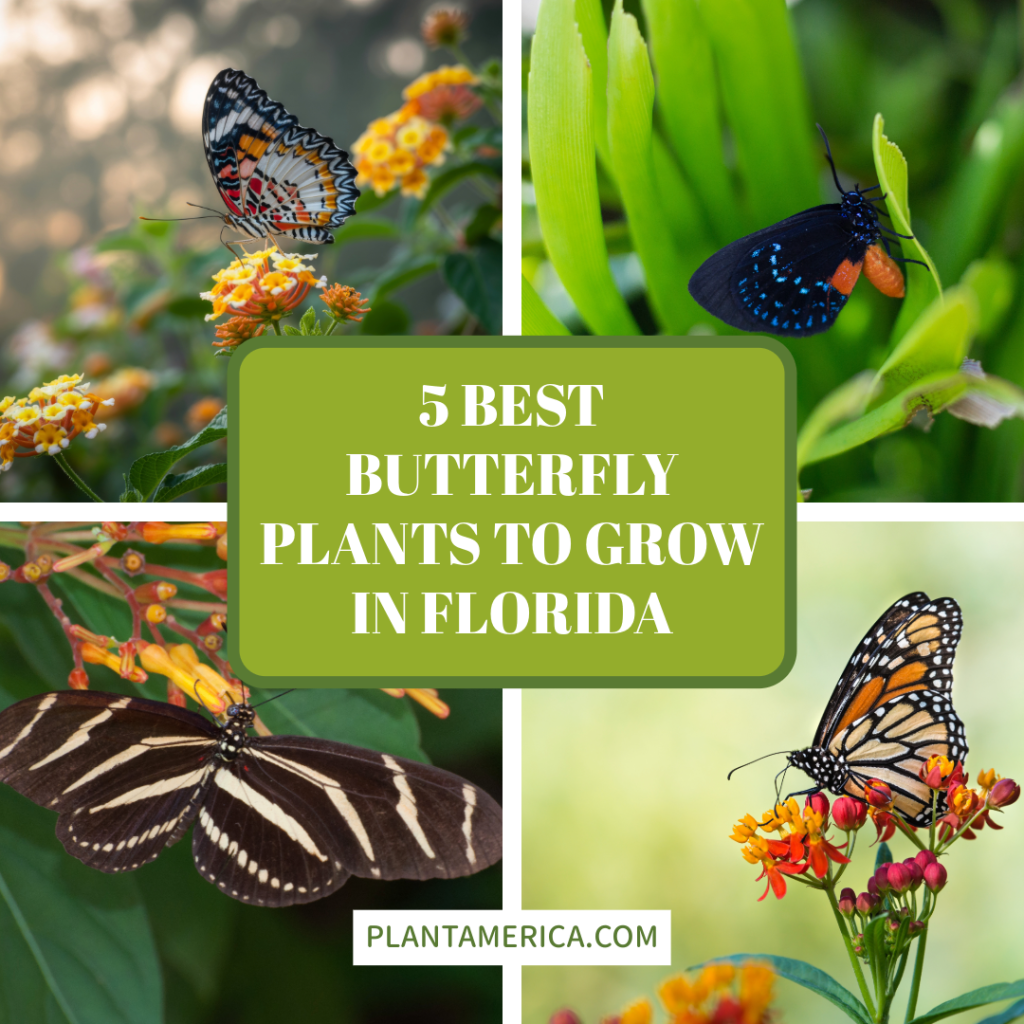
Do you ever wish your garden could become a living stage where vibrant butterflies dance through the air? If you want to fill your Florida yard with color, movement, and life, choosing the right butterfly plants Florida makes all the difference. Chaya, milkweed, coontie, lantana, and firebush are more than just pretty faces-they give vital support to caterpillars and adult butterflies alike.
Imagine watching monarchs sipping nectar, or spotting a zebra longwing caterpillar munching on its favorite host plant. When you add these native wildflowers and shrubs, you help support the entire butterfly life cycle. You give butterflies the nectar, shelter, and host plants they need. You also help Florida’s natural ecosystem thrive in your own backyard. Discover how you can transform your garden into a butterfly paradise-keep reading and see which plants add the most beauty and value to your space.
Top 5 Butterfly Plants to Grow in Florida
If you want to brighten up your yard and attract beautiful butterflies, you will love these top five butterfly plants florida gardeners adore. These plants are easy to grow, and they make your garden a favorite hangout spot for many butterfly species. You will notice that each one has something special to offer for butterflies and your outdoor space.
Chaya
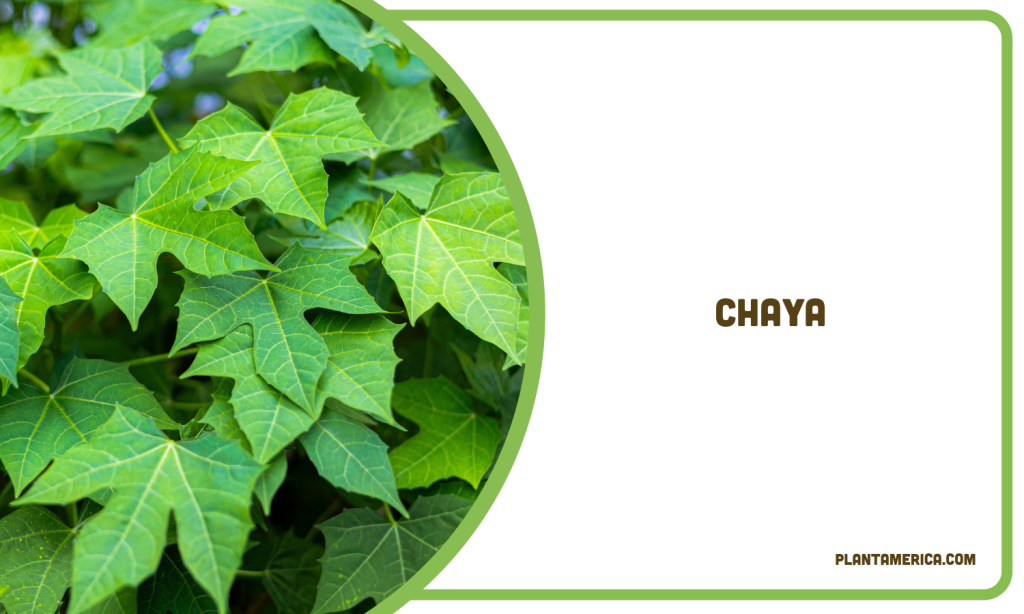
Chaya is often called the “tree spinach.” Butterflies visit Chaya because it offers both nectar and shelter. You might spot several different butterfly families fluttering around its branches almost any day of the year. The white clusters of flowers look pretty and pull butterflies in. Chaya is also a nice choice because this plant is edible for you too, if you cook the leaves. There’s a bonus: Chaya’s flowers appear often, so it keeps bringing butterfly action to your yard.
You might be surprised by how many butterflies make Chaya their regular stop. This is because life cycles habitats are supported by Chaya’s leaves and flowers. If you want to help different butterfly families thrive, adding Chaya to your garden is a smart move.
Chaya Care Guide:
- Plant Chaya in full sun for best growth.
- Water it regularly, but let the soil dry sometimes.
- Prune to keep the plant bushy and neat.
- Fertilize a few times per year so it stays healthy.
- Protect it from cold snaps in wintertime.
Milkweed
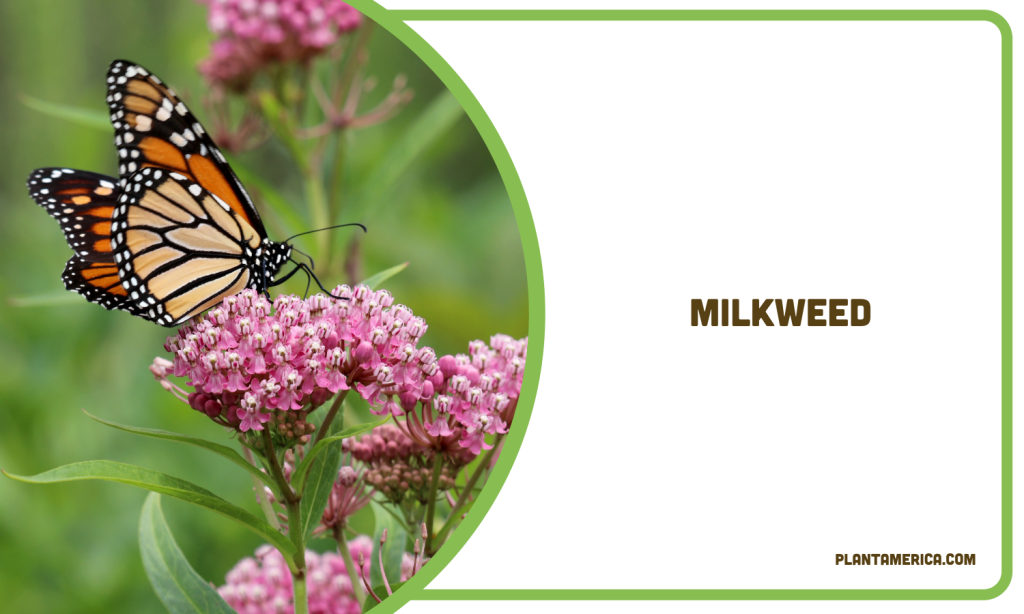
Milkweed is one of the best butterfly plants florida has if you hope to host monarch butterflies. Monarchs use milkweed leaves as a nursery for their eggs and food for their caterpillars. When you grow milkweed in your garden, you help keep the monarch population strong. Milkweed flowers also attract other butterflies and pollinators with their sweet nectar.
Many gardeners value how milkweed supports habitat host plants, which help both adult butterflies and their young. If you want to see monarchs regularly, you should make space for milkweed.
Milkweed Care Guide:
- Choose a spot with lots of sunlight.
- Allow soil to dry out between waterings.
- Do not overfertilize, as this can harm plants.
- Trim back stems in late fall or early spring.
- Leave some dead stems for caterpillars to climb and feed.
Coontie
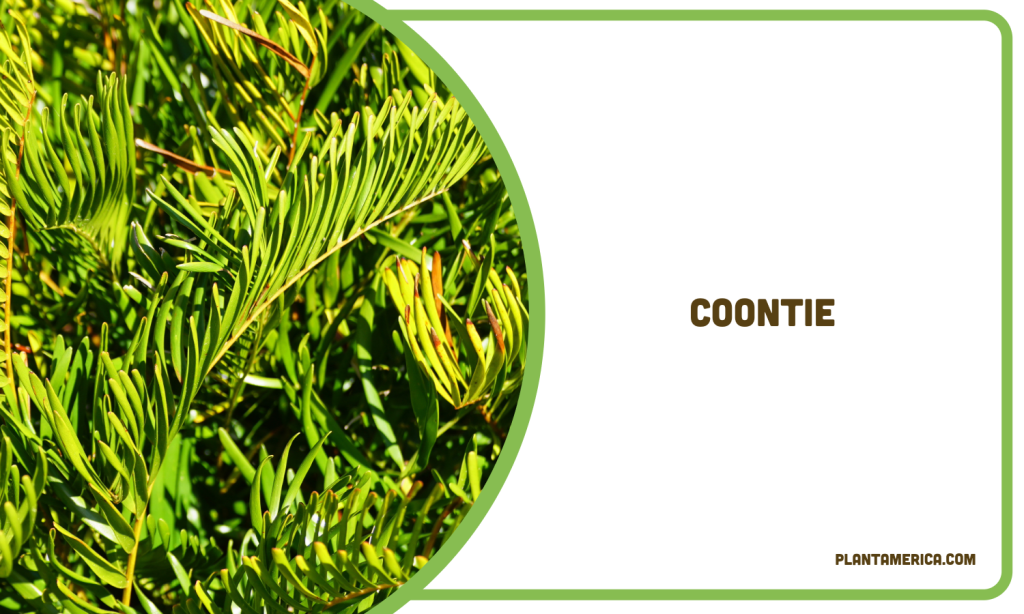
Coontie is a tough, Florida-native plant. Its dark, palm-like leaves help it stand out in any garden. Atala butterflies rely on coontie plants for survival. Female atala butterflies lay their eggs on coontie leaves so their babies have the right food when they hatch. Coontie grows well in sandy, dry soils, which makes it perfect for many parts of Florida. You will love how easy it is to care for.
Coontie also helps florida butterfly attracting plants thrive in the wild, since it gives shelter and food to both atala butterflies and other insects. Florida’s weather is no problem for coontie, so you can count on it for years.
Coontie Care Guide:
- Plant in partial sun or dappled shade.
- Water every few weeks after plants become established.
- Add mulch to keep roots cool.
- Prune off any brown leaves to keep it fresh.
- Do not worry about pests-coontie is very hardy.
Lantana
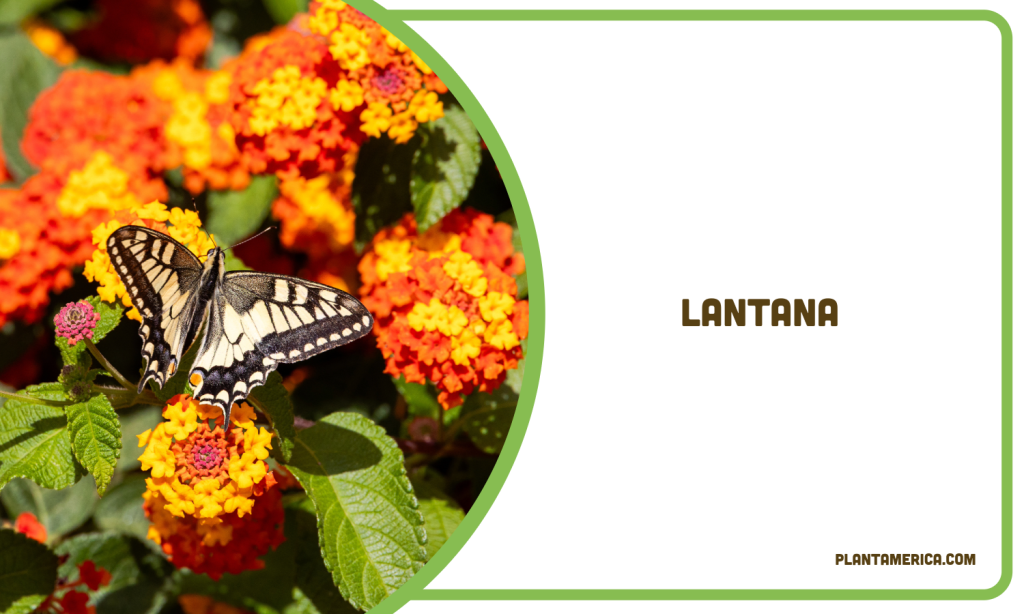
Lantana is well known for its happy, colorful flowers. You will see blooms in yellow, red, orange, and pink almost every day. Butterflies can’t resist these bright flowers, so you get a garden full of fluttering activity. Lantana is also very easy to care for, which makes it a favorite for both new and experienced gardeners. Best of all, lantana will bloom all year in most Florida yards.
Lantana helps garden attract butterflies with very little work. If you want a plant that draws butterflies and looks amazing, try growing lantana near patios or walkways so you can watch the action up close.
Lantana Care Guide:
- Choose a sunny spot for lantana.
- Water after planting, then let soil dry out between waterings.
- Deadhead spent blooms to keep flowers coming.
- Prune lightly after each bloom cycle.
- Protect from frost during cold snaps.
Firebush
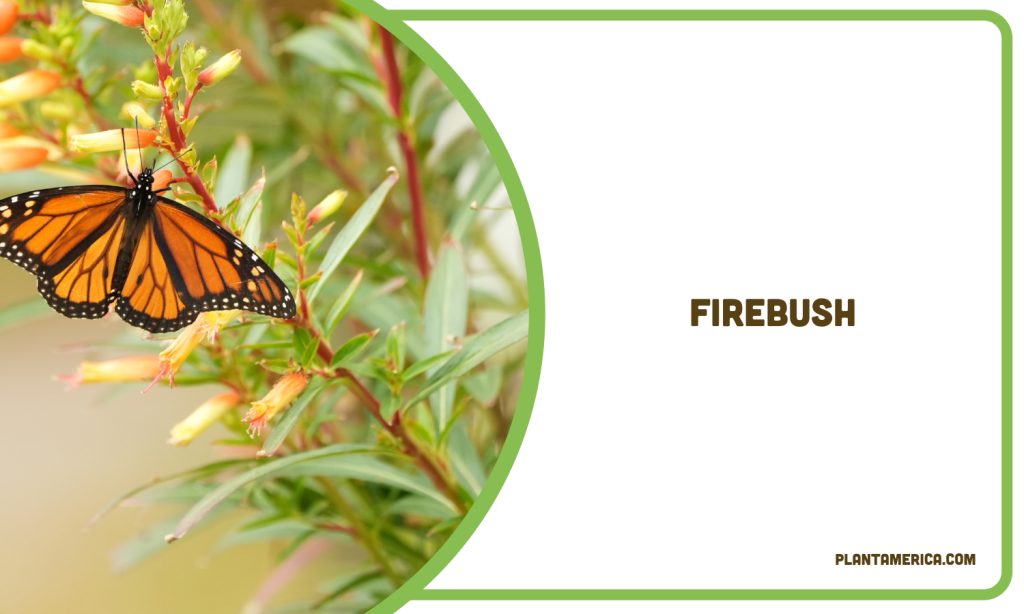
If you want a plant that brings more butterflies every year, firebush is a great pick. Firebush has bright red-orange tube-like flowers that butterflies simply love. Hummingbirds and bees also visit it, but you will see especially high numbers of butterflies when firebush is in bloom. This shrub grows quickly and handles dry spells with ease, which is helpful during Florida’s hotter months.
You will find that firebush serves as a reliable part of florida butterfly flowers displays thanks to its large numbers of blooms and sturdy branches. Firebush also fits just as well in wildflower plots as it does in neat garden beds.
Firebush Care Guide:
- Plant firebush in bright, direct sunlight.
- Water regularly until it establishes strong roots.
- After the first year, water only during very dry weather.
- Prune in spring to keep its size in check.
- Protect new plants from frost when young.
Add color and life with butterfly favorites
You can give your garden more color and energy by choosing plants butterflies love. Blending butterfly-friendly plants means you get bloom flower species that look good all season long. By mixing flowers, shrubs, and host plants, you make sure butterflies find food, shelter, and places to lay eggs in your yard.
You can group plants together so their colors pop. Many butterflies like sunny, open spots, so try planting your favorites in places where the sun shines for most of the day.
- Mix bright flowers for a lively look.
- Plant shrubs for year-round interest.
- Add flat rocks for butterfly resting spots.
- Keep herbs nearby for scent and food.
- Include some native florida butterfly plants too.
Simple steps for a thriving butterfly garden
Want a butterfly garden that lasts? Placement is key. Put your butterfly plants florida in sunny spots where they get at least 6 hours of daylight. Good sunlight helps flowers grow well and makes it easier for butterflies to spot your garden. Leave open areas between tall and short plants so butterflies have room to fly and feed.
You can design your garden so that butterflies have easy paths between nectar plants and shelter. If you add water, such as a shallow dish or birdbath, you increase the number of butterfly visitors and help them during dry weather.
- Plan ahead for sun and shade needs.
- Leave open spaces for butterflies to move.
- Place water dishes where they get morning sun.
- Group plants with similar care needs together.
- Use mulch to conserve soil moisture.
Watering and maintenance tips
It’s easy to keep your butterfly plants healthy with a few simple tricks. Check the soil moisture once a week, especially during Florida’s hotter months. If the soil feels dry, give your plants a good drink. Mulching around your plants helps keep the roots cool and holds in moisture. Regular pruning removes dead or broken stems so new growth can thrive.
When you pay attention to nectar plants water needs every week, the flowers will reward you with more blooms, and butterflies will visit more often. Healthy, trimmed plants also look better and last longer in your garden.
- Check soil moisture every week.
- Water early in the morning.
- Cut off any dead parts of the plant.
- Use mulch to save water.
- Avoid overwatering, which can harm roots.
Creating habitats for butterflies to thrive
To make your yard a real butterfly haven, try to create different spaces for butterflies to eat, rest, and grow. Add shrubs so butterflies can hide from rain and strong winds. Limit pesticide use to protect caterpillars, eggs, and adult butterflies. If you add wildflower plots or native bushes, butterflies get even more places to call home.
You can create garden butterflies friendly spaces using shrubs trees host and flowering plants all around your garden. Add a few rocks in the sun so butterflies can warm up in the morning. Caterpillars use these areas to grow strong before they take flight.
- Add native shrubs to your yard.
- Limit use of any chemicals or pesticides.
- Mix tall plants with low ones for shelter.
- Place flat stones for sunbathing butterflies.
- Leave leaf litter for caterpillars to hide in.
Bring More Butterflies to Your Florida Garden
You now know which plants work best for attracting butterflies in Florida. Choosing varieties like Chaya, milkweed, coontie, lantana, and firebush can fill your garden with color and movement. These choices offer nectar and safe places for caterpillars. Your backyard can become a peaceful spot for both you and wildlife.
Start by picking one or two butterfly-friendly plants that fit your garden space. Look for them at your local nursery or plant sale. Plant them where they get some sun and regular water. Watch how quickly butterflies begin to visit your garden.
Your next move is simple. Add the right plants and enjoy the beauty they bring. Begin today and give butterflies a real home in your yard!