
“How to get rid of mealybugs on dumb cane?” is a tricky question, but the answer is easy. Isolate plants, spray insect-killing solutions, and sprinkle pest-repelling powder.

However, you must act as soon as you spot mealybugs, as these unwelcome pests can take a toll on your Araceae family dumb cane’s vibrancy in no time. Stay tuned, as we’re now explaining the whole process step-by-step.
How To Get Rid of Mealybugs on a Dumb Cane
To get rid of mealybugs on a dumb cane, first, isolate the infested plant. Then, remove visible bugs using a soft cloth or brush. Apply treatments like insecticidal soap or neem oil, and consider using beneficial insects like ladybugs for natural control.
1. Identify the Bugs and Isolate the Infested Plant
Identifying mealybugs early can save a lot of headaches down the road. You’ll frequently find them tucked away in the corners of leaves, at stem joints, or hidden beneath the leaves of your Dumb Canes (dieffenbachia camille).
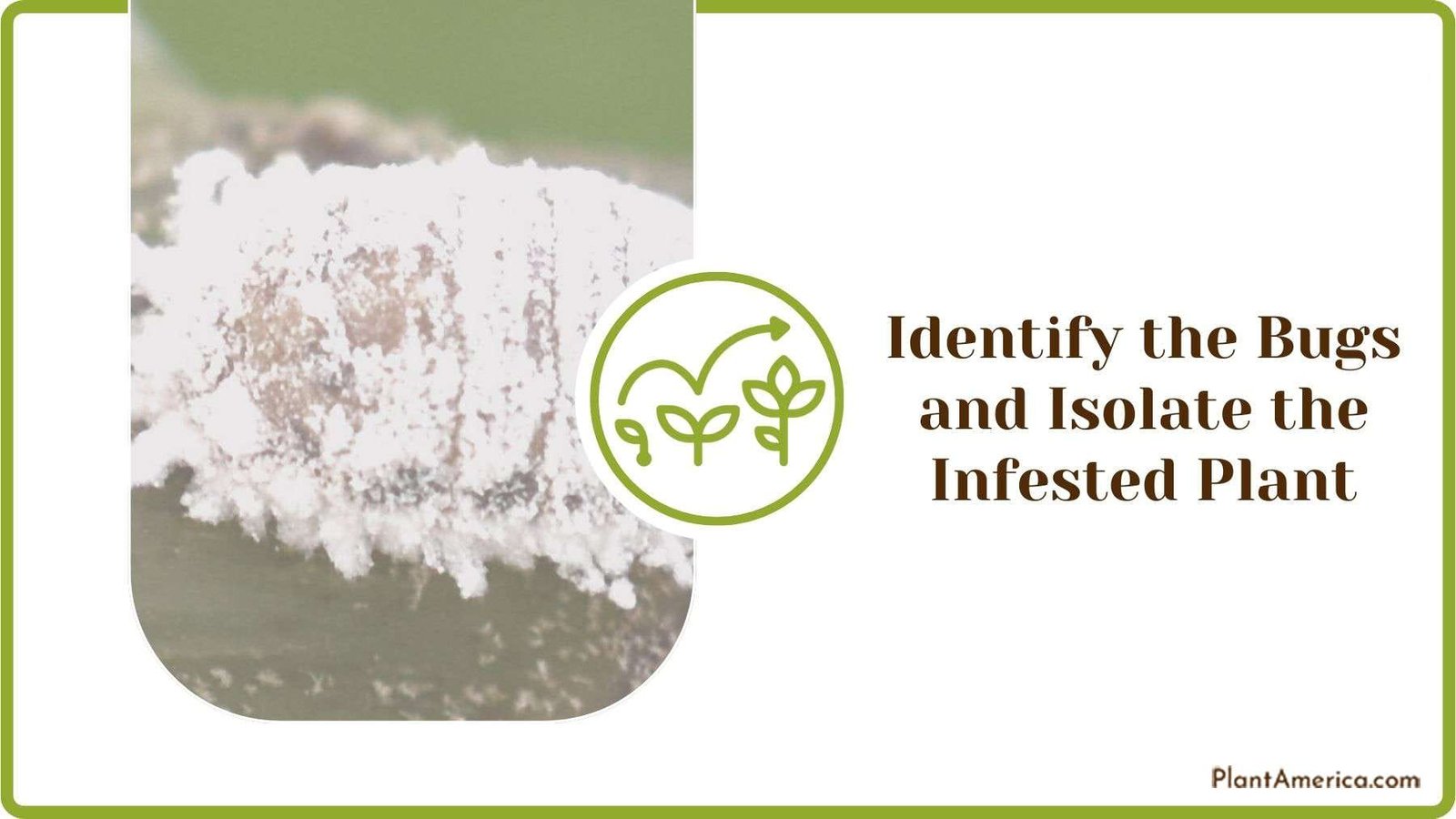
As soon as you spot these telltale signs, it’s essential to act fast. The first thing to do is to isolate the plant. This step is crucial as mealybugs can quickly transfer from one plant to another. During the isolation period, it’s recommended to inspect the plant daily.
2. Prune Out Plant Parts
Another effective method to combat a mealybug infestation is pruning. This process involves cutting away the parts of the Dumb Cane plant (dieffenbachia camille) that are heavily infested with the bugs.
Always use clean, sterilized scissors or shears when ready to prune. Your main aim should be to remove the areas where the bugs are most concentrated. This often includes stems or leaves that look unhealthy or are covered in a white, cottony substance.
Once you’ve made the necessary cuts, you must dispose of the pruned parts properly. Avoid discarding them near other plants. Instead, please dispose of them in a sealed bag, ensuring the bugs don’t spread.
After the pruning process, your Dumb Cane will require some extra care. It’s been through a lot, and some parts have been removed. Ensure to water it when needed and place it in appropriate lighting conditions.
3. Spray Insecticidal and Horticultural Oil
Now that you’ve manually removed what you can, it’s time to bring out the bigger guns, but still in a way that’s safe for your plants. This is where insecticidal and horticultural oils come in handy.

Among the recommended oils, neem oil is quite popular. It’s safe for most plants and effective against various pests, including:
- Spider mites
- Scale bugs
- Fungus gnats.
But, for our purpose, it’s the mealybugs we’re after.
Here’s how to get rid of mealybugs on houseplants with soap and oil:
- Prepare the Mixture: Following the instructions on the label, mix the neem seed oil with water. Ensure you get the concentration right. Usually, a few drops in a cup of water should suffice but always double-check.
- Spray Away: With your spray bottle, target the areas where you noticed the mealybugs.
- Let it Sit: Once you’ve sprayed the plant, let the solution sit for a while. There’s no need to wash it off immediately.
- Reapply if Needed: If you still notice some mealybugs hanging around after a week, don’t hesitate to reapply. Sometimes, a second round is needed to eliminate any stubborn bugs.
While neem oil is an excellent option, other horticultural oils are available. Always remember to read the printed label and follow the instructions.
4. Do the Vinegar Solution Soaking For Dieffenbachia Bugs in Soil
Sometimes, mealybugs aren’t just on the surface of your plant; they can go deeper into the soil. An effective, simple, and natural method to address this is with a vinegar solution.
But when dealing with plants, you must ensure that the vinegar concentration isn’t too high; otherwise, it might harm the plant. Here’s a simple step-by-step guide on “how to get rid of mealybugs in soil” using vinegar:
- Prepare Your Vinegar Solution: You’ll need white vinegar and water. Mix one part vinegar with three parts water. This diluted solution will be strong enough to deal with the pests but gentle enough not to harm your plant.
- Begin the Soaking: Remove your Dumb Cane from its pot. This will give you clear access to the potting soil. Slowly pour the vinegar solution onto the soil, ensuring it’s thoroughly soaked.
- Wait for a Bit: Let the soil sit with vinegar for about an hour to give the solution enough time to penetrate the soil.
- Rinse the Soil: After an hour, gently rinse the soil with clean water. This will wash away the vinegar solution and, with it, the dead bugs.
- Re-pot Your Plant: Once the soil is free from the vinegar solution, you can put your Dumb Cane back into its pot with clean soil.
5. Dust Cinnamon Powder and Diatomaceous Earth When the Soil Dries Out
After the vinegar treatment, it’s good to reinforce your defense against pests when the soil dries out. We suggest Cinnamon powder and diatomaceous earth. They’re particularly effective if you’re wondering how to naturally get rid of little white bugs on plants.
Cinnamon has a “spicy” scent that deters pests. On the other hand, diatomaceous earth’s microscopic sharp edges can cut through the exoskeletons of many pests, causing them to dry out.

Here’s what you need to do:
- Wait for the Soil to Dry: Allow the soil to dry thoroughly after the vinegar treatment and rinsing. This is essential as cinnamon and diatomaceous earth work best on dry soil.
- Sprinkle the Cinnamon: Take some cinnamon powder and lightly dust it over the soil’s surface. A thin layer will suffice.
- Apply the Diatomaceous Earth: Following the cinnamon, dust diatomaceous earth (DE) on the infestation. Wear gloves during this process, and try not to inhale any powder.
- Monitor Your Plant: Over the next few days, keep a close eye on your Dumb Cane. Ensure it’s thriving and there are no signs of any pest resurgence.
- Repeat if Necessary: If you notice the bugs are coming back, don’t hesitate to reapply the cinnamon and diatomaceous earth.
6. Go For Sticky Banding
If are you trying to figure out “how to get rid of mealybugs outside,” then you should go for sticky banding.
When mealybugs or other insects try to climb up the trunk or stem of a plant, they get stuck in the sticky material and can’t move further. Here’s a step-by-step guide to using sticky banding for your plants:
- Get Your Materials: You can find sticky bands at gardening centers or make them at home using double-sided tape and some plastic or paper wrap.
- Prepare the Plant: Before applying the band, ensure the stem or trunk of the plant is clean.
- Apply the Sticky Band: Wrap the band around the stem or trunk of the plant. Ensure it’s snug but not too tight. You don’t want to constrict the plant.
- Monitor the Band: Over time, you’ll notice the band will accumulate bugs. Check it regularly. Replace it with a new band if it gets too full or loses its stickiness.
- Safety Measures: Ensure the bands are placed out of reach of pets or children. Although they’re non-toxic, they can be a nuisance if touched.
7. Go Systemic: Best Insecticide For Mealybugs
In the battle against mealybugs, sometimes natural remedies might not do the trick, especially when the infestation is extensive. In such cases, turning to systemic insecticides can be the solution.

Here’s how to use systemic insecticides:
- Choose the Right Product: Ensure the insecticide you choose is labeled as effective against mealybugs and is safe for your plant type.
- Follow the Instructions: Always read and follow the label instructions. The amount, frequency, and application method will vary from one product to another.
- Protect Yourself: When using any chemical product, wear protective gloves, goggles, and possibly a mask to avoid inhaling any fumes or getting the product on your skin.
- Apply the Insecticide: Typically, systemic insecticides are either drenched into the soil or sprayed onto the plant. The insecticide then gets absorbed by the plant’s roots or leaves.
- Precautions: Keep kids and pets away from the treated area until the insecticide has been absorbed and any residue has dried.
Remember, while systemic insecticides can be effective, they should be used as a last resort when other methods fail. Always opt for the least toxic solution first.
8. Remove Weeds: One of the Best Care Tips
Weeds can help mealybugs hide from predatory insects and the treatments you apply. So, do the following:
- Manual Removal: The most straightforward way to remove weeds is to pull them out by hand. Ensure you remove them with their entire root system to prevent them from growing back.
- Mulching: Mulch prevents weed seeds from germinating. Organic mulches, like straw or bark, are great options.
- Natural Herbicides: Boiling water or vinegar can act as natural weed killers. Pour them directly onto the weeds, ensuring you don’t harm your desired plants.
- Cultivate the Soil: Regularly tilling or turning the soil can help break the weed growth cycle.
- Plant Densely: When you plant your desired plants closer together, they can shade the soil, preventing sunlight from reaching the weed seeds. This can naturally reduce weed growth.
- Regular Inspection: Regularly inspect your garden or plant area. You can prevent weeds from establishing and spreading by catching and removing them early.
9. Keep Your Garden Clean and Tidy: A Critical Suggestion

For those who are wondering how to nurture and help their Dieffenbachia grow, cleanliness is paramount. Here’s what to do:
- Regular Inspection: Frequently check your plants for signs of pests or diseases. If you see yellowing leaves on your Dieffenbachia, it could be a sign of overwatering or poor soil drainage.
- Clean Fallen Yellow Leaves: Regularly remove fallen leaves and debris from the garden, as they can be breeding grounds for pests and diseases. For those with an indoor plant like Dieffenbachia, ensure that the area around the pot is free from dead dieffenbachia leaves and excess water.
- Proper Watering: Overwatering can lead to problems like root rot, so keep your plants safe by adding adequate water only.
- Understand Light Needs: Each plant has specific light requirements. Dieffenbachia thrives in indirect light. Direct sunlight can “burn” its leaves, while too little light can stunt its growth.
- Sterilize Tools: Ensure gardening tools are clean and sterilized, especially if used on an infected plant. It’s one of the basic principles of the Dieffenbachia plant care guide.
10. Make Strategies To Ensure You Don’t Face the Problem Next Year
If you faced issues with pests like mealybugs this year, understanding how to prevent mealybugs next year becomes a top priority.
11. Here’s how to make a “Dieffenbachia care” strategic plan:
- Rotate Your Plants: If you have an outdoor garden, consider rotating where you plant specific plants each year. Some pests and diseases thrive in the soil, so changing the location can disrupt their lifecycle.
- Beneficial Insects: Introduce beneficial predatory insects like ladybugs or lacewings that naturally control pests.
- Natural Pesticides: Opt for natural pesticides like neem seed oil, as they are safe for the environment.
- Healthy Soil: You should always ensure the soil is rich in nutrients. If you’re growing Dieffenbachia, consider using a well-draining potting mix to prevent issues like root rot.
- Regularly Update Your Knowledge: Pests and diseases evolve. What worked one year might not work the next.
- Check New Plants: Whenever you buy a new plant, inspect it thoroughly for signs of pests or diseases. Quarantine new plants for a few days before introducing them to your garden or indoor space.
Taking steps now can ensure that next year’s gardening is more about enjoyment and less about dealing with issues.
Remember, whether you’re planning to buy Dieffenbachia for the first time or are an experienced gardener, having a strategy and being proactive is the best approach for a flourishing garden.
Conclusion
Concluding our guide on caring for Dieffenbachia (dieffenbachia camille) and managing mealybugs, it’s evident that a proactive approach is the best way to keep your plants healthy. Here are the key takeaways:
- Prioritize cleanliness in the garden and indoors to prevent pest infestations.
- Ensure proper watering, lighting, and soil conditions tailored to your plant’s needs.
- Release helpful bugs in the garden and use organic solutions to handle pests naturally.
- Always follow preventive measures to avoid future bug/pest infestations.
With this guidance, expect nothing less than thriving Dieffenbachia plants.