
Types of Snake Plant of the Asparagaceae family make wonderful houseplants for those looking to add some low-maintenance greenery to their home. In this article, we cover 20 of the best snake plant varieties for every type of gardener. Whether you want a quirky variegated variety, an air-purifying dwarf snake plant for your desk, or an attention-grabbing golden snake plant for your living room, we highlight the top options you will love growing for years to come.
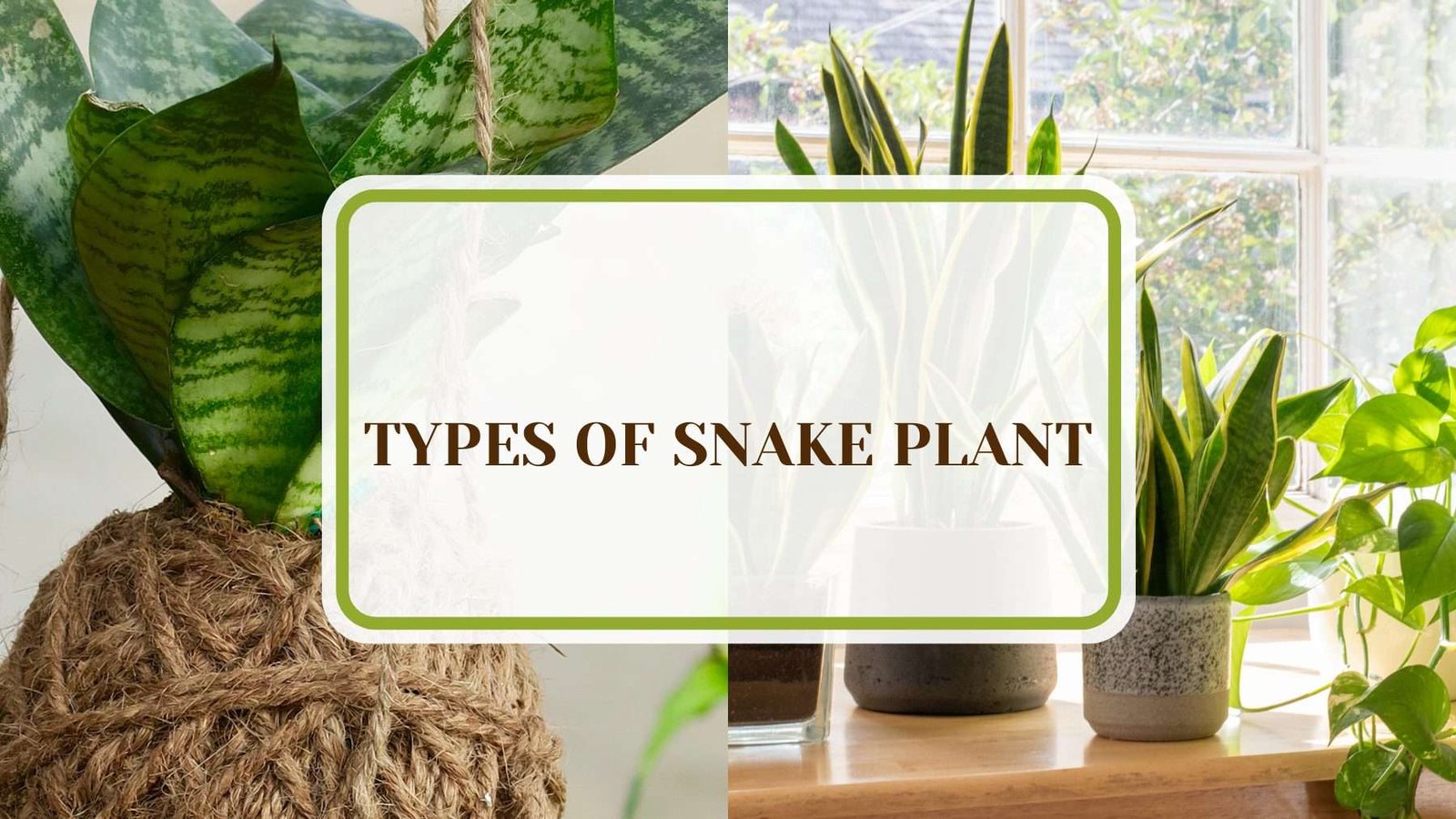
Follow our guide to discover the Snake Plants that will suit your style, care level, and aesthetic vision from easy care ”Mother in Law’sLaw’s Tongue” to exotic ”Whale Fin” varieties, we focus on the beautiful range of Sansevieria cultivars for modern gardeners.
Types of Snake Plants Every Home Gardener Needs to Know
1. Common Snake Plant
- Growing Season: Grows year-round.
- Leaf Type: Upright green leaves, Three feet tall.
- Specific Needs: Infrequent watering, Low to bright indirect light.
- Common Pests: Mealybugs, Aphids.
The Common Snake Plant, or Mother-in-Law’s Tongue, is one of the easiest snake plant varieties to grow. With long, upright leaves that require very little care, this is a great option for beginner gardeners.
Place the plant in moderate or bright indirect light for optimal growth. Occasionally wiping down the leaves with a damp cloth will help remove dust and prevent potential pest issues.
The Common Snake Plant is very hardy and tolerant of neglect. It can go several days or weeks between waterings and endure dry conditions. The long, tapered leaves grow slowly and may only increase by a few inches yearly.
Over time, this snake plant variety forms a thick clump of foliage that helps purify the air by producing oxygen and absorbing toxins like formaldehyde. The leathery leaves make it fairly resistant to pests and disease, requiring very little long-term maintenance.
2. Black Gold Snake Plant
- Growing Season: Thrives year-round.
- Leaf Type: Long, narrow leaves, Streaks of gold variegation.
- Specific Needs: Infrequent watering, Low to medium indirect light.
- Common Pests: Aphids, Spider mites, Mealybugs.
The Black Gold Snake Plant, also known as Sansevieria trifasciata ‘Laurentii,’ features dramatic golden stripes that provide a stylish burst of color. The tall, upright leaves grow to around three feet and feature contrasting green edges and a central stripe.
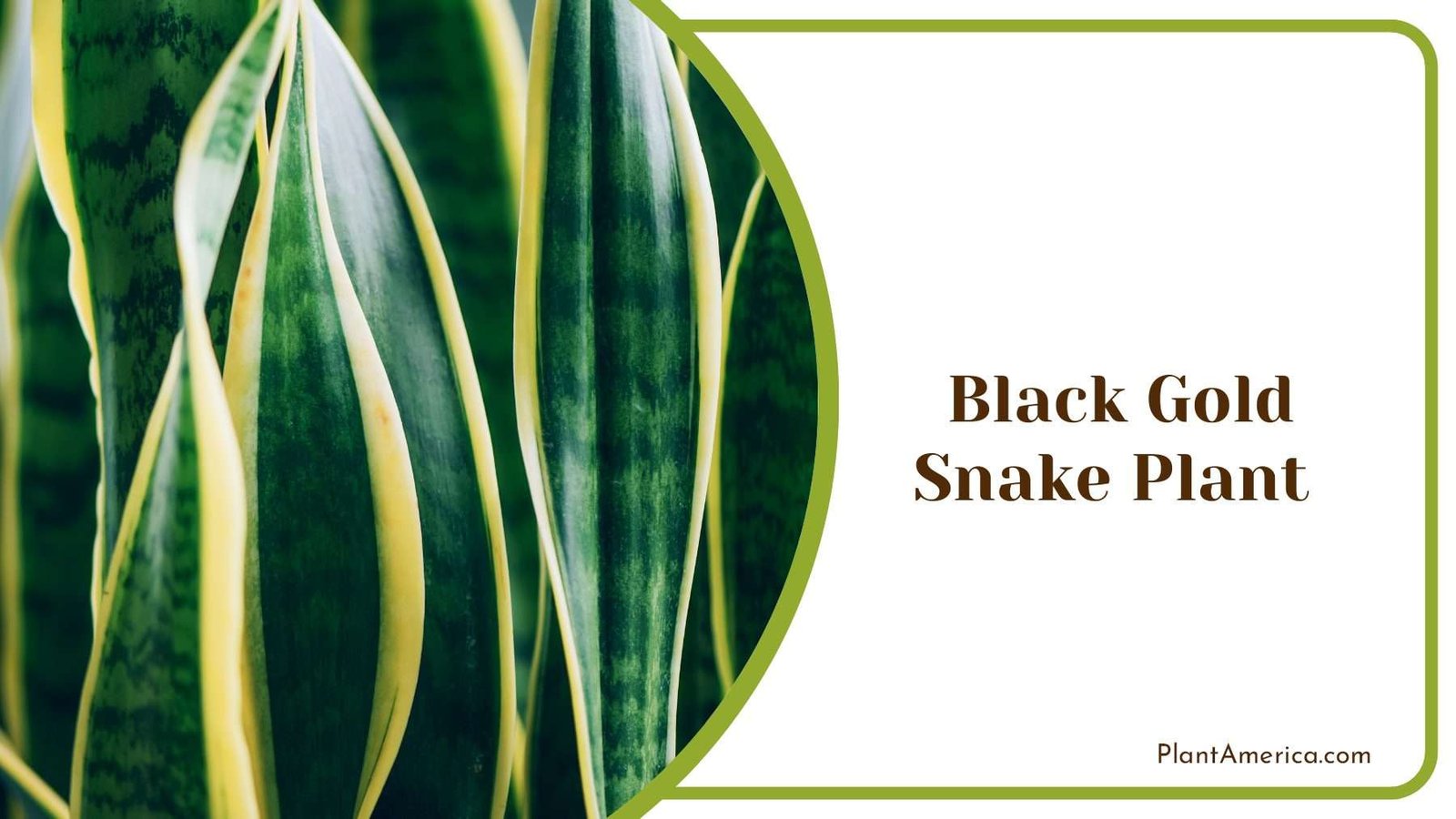
The golden variegation of this snake plant variety adds instant sophistication to any space. Wiping leaves regularly with a damp cloth helps to reduce dust buildup and control potential pests. The stiff leaves of this sansevieria make it well-suited for tabletops and desk decor.
Black Gold Snake Plants are exceedingly tough and tolerant of neglect. Its striking gold tones make it a real standout, but this stunning snake plant variety requires little effort. Despite requiring minimal care, it offers an eye-catching presence that can brighten up any room while purifying the air in your home.
3. Whale Fin Snake Plant
- Growing Season: Thrives year-round.
- Leaf Type: Broad, wavy “fin-like” leaves, 24 inches long.
- Specific Needs: Infrequent water, Moderate indirect light.
- Common Pests: None.
The Whale Fin Snake Plant features broad, wavy leaves resembling aquatic creatures’ fins. The wide, ruffled leaves grow vertically up the stem, reaching lengths over two feet tall.
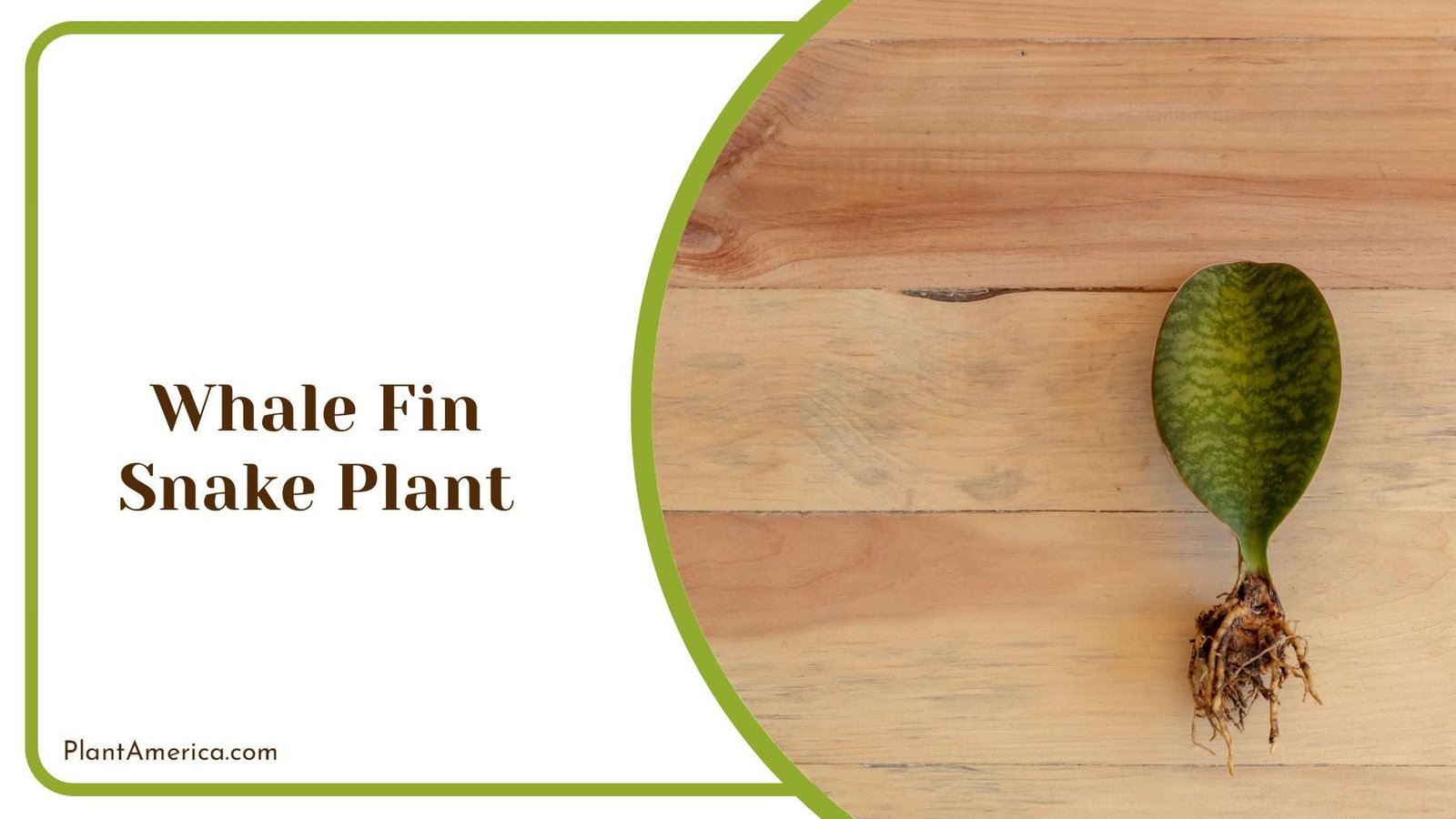
The strappy leaves give this sansevieria cylindrical variety a uniquely elegant and tropical look. The Whale Fin Snake Plant grows slowly, forming an impressive specimen plant.
Though unmistakably unique in appearance, the low-maintenance Whale Fin still shares some similarities with other snake plant varieties. The thick, waxy leaves are tough and leathery, with the ability to withstand periods of infrequent water and low humidity. The leaves also help purify indoor air by absorbing carbon dioxide and releasing oxygen.
With its large, sculptural leaves resembling sea creatures’ fins, the Whale Fin Snake Plant offers striking aesthetics and admirable resilience with minimal effort required on your part.
4. Twisted Sister Snake Plant
- Growing Season: Thrives year-round.
- Leaf Type: Features leaves that twist and curve in an unusual manner, Pointed leaves.
- Specific Needs: Bright indirect light, Occasional watering.
- Common Pests: None.
The Twisted Sister Snake Plant has leaves that curl and twist in irregular shapes, giving it an eye-catching yet wicked appearance. As the plant grows, the leaves twist upon themselves more tightly.
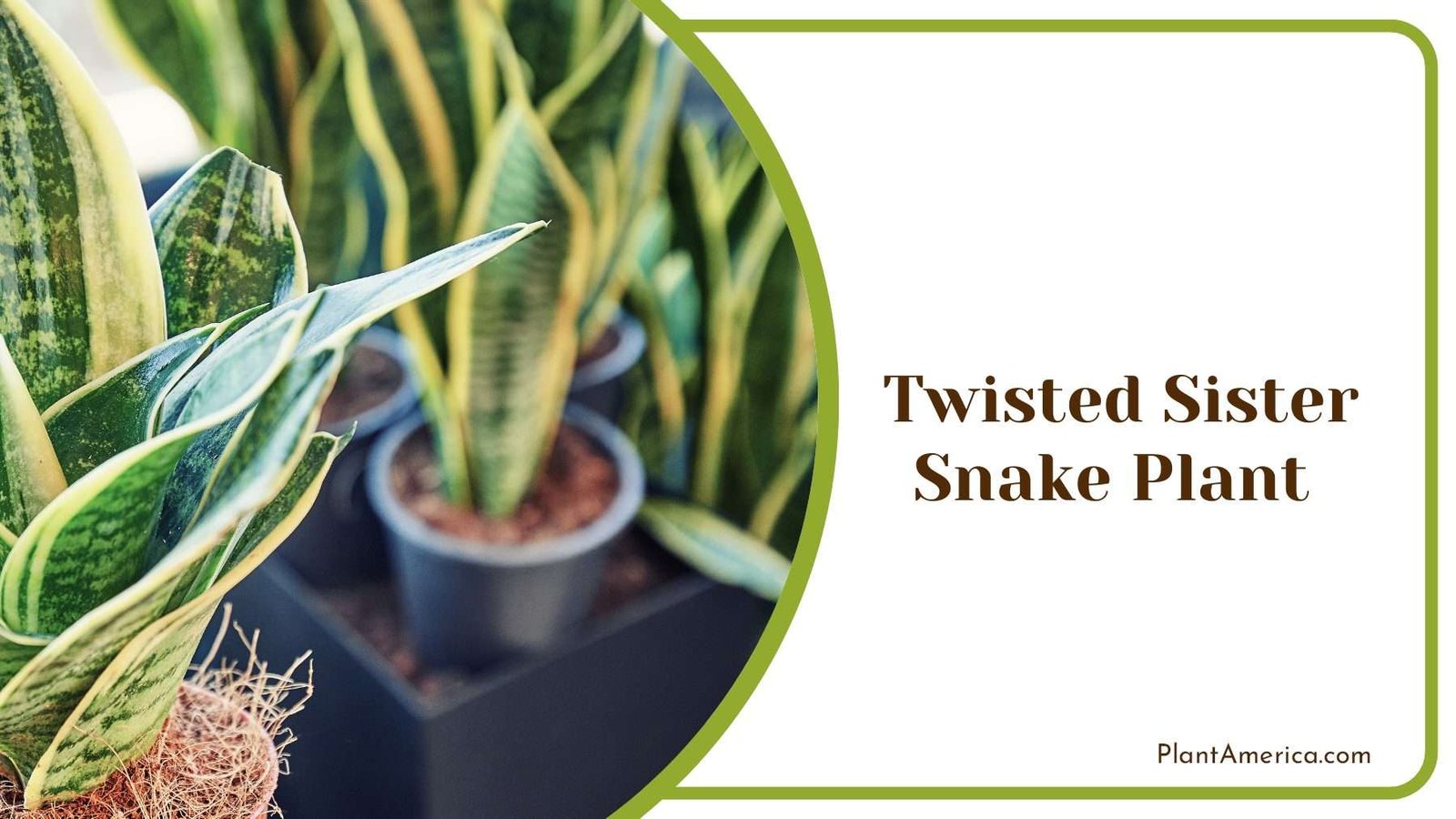
The contorted foliage of this sansevieria trifasciata variety makes it a real showstopper among snake plant specimens. Place the Twisted Sister Snake Plant in bright indirect light for optimal growth and twisted leaf formation.
Like most other snake plants, the Twisted Sister Snake Plant requires very little care and maintenance. The thick, waxy leaves are drought-tolerant and help purify indoor air. They also retain water well, making this a reasonably forgiving option for plant parents of all skill levels. With such an unusually striking appearance and relatively low care requirements, this twisted snake plant variety will become a conversation starter and a favorite member of your plant collection.
5. Moonshine Snake Plant
- Growing Season: Thrives year-round.
- Leaf Type: Long, Sword-like.
- Specific Needs: Low Light, Tolerates Drying.
- Common Pests: None.
The moonshine snake plant (Sansevieria trifasciata ‘Moonshine’) is a variegated cultivar that contrasts beautifully with any indoor planter.
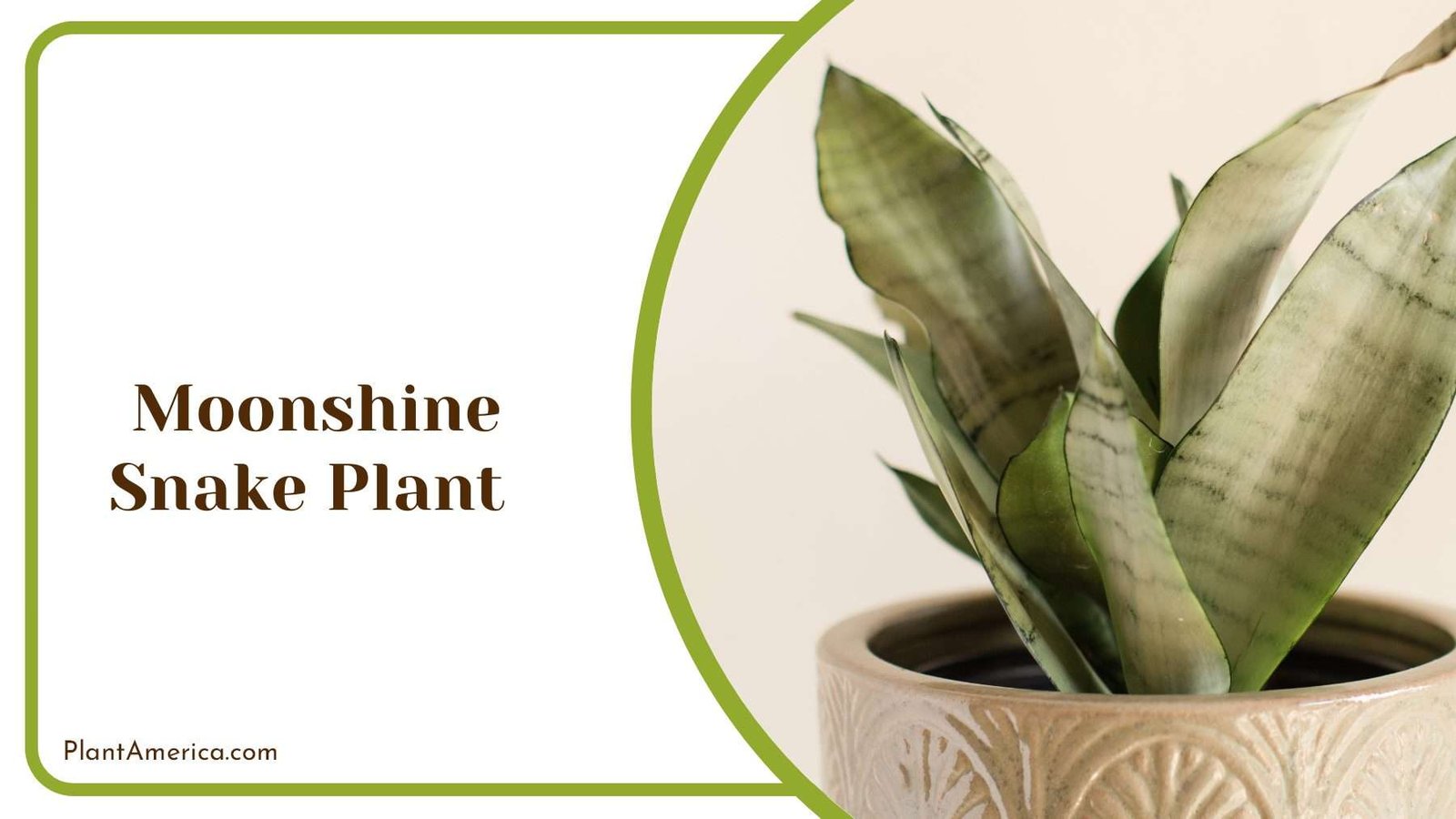
Rather than most snake plants’ typical solid dark green leaves, the cultivar Sansevieria trifasciata ‘Moonshine’ features bright yellow vertical stripes running two-thirds of the way up sword-shaped dark green leaves. This unique bicolored variegation makes it stand out among other snake plant varieties.
The moonshine snake plant thrives in low-light environments and tolerates long periods of neglect, making it an ideal choice for bedrooms and offices. This tough succulent requires little care beyond watering every couple of weeks.
With their upright habit, moonshine snake plants add vertical interest to any indoor escape. The bright yellow variegation streaks brighten dim corners and provide a splash of tropical color to an otherwise drab setting. And as with all snake plants, minimal fuss requirements mean you can enjoy these good looks for years with little effort.
6. Kong Snake Plant
- Growing Season: Thrives year-round.
- Leaf Type: Thick bumpy leaves, Dark green shades.
- Specific Needs: Infrequent watering, Medium to low indirect light.
- Common Pests: Fungal issues, Southern blight.
The Kong Snake Plant is an unusual sansevieria variety known for its thick truncate leaves that resemble tiny mountains. The leaves emerge vertically from the stem, with rounded tips and large, prominent wavy edges.
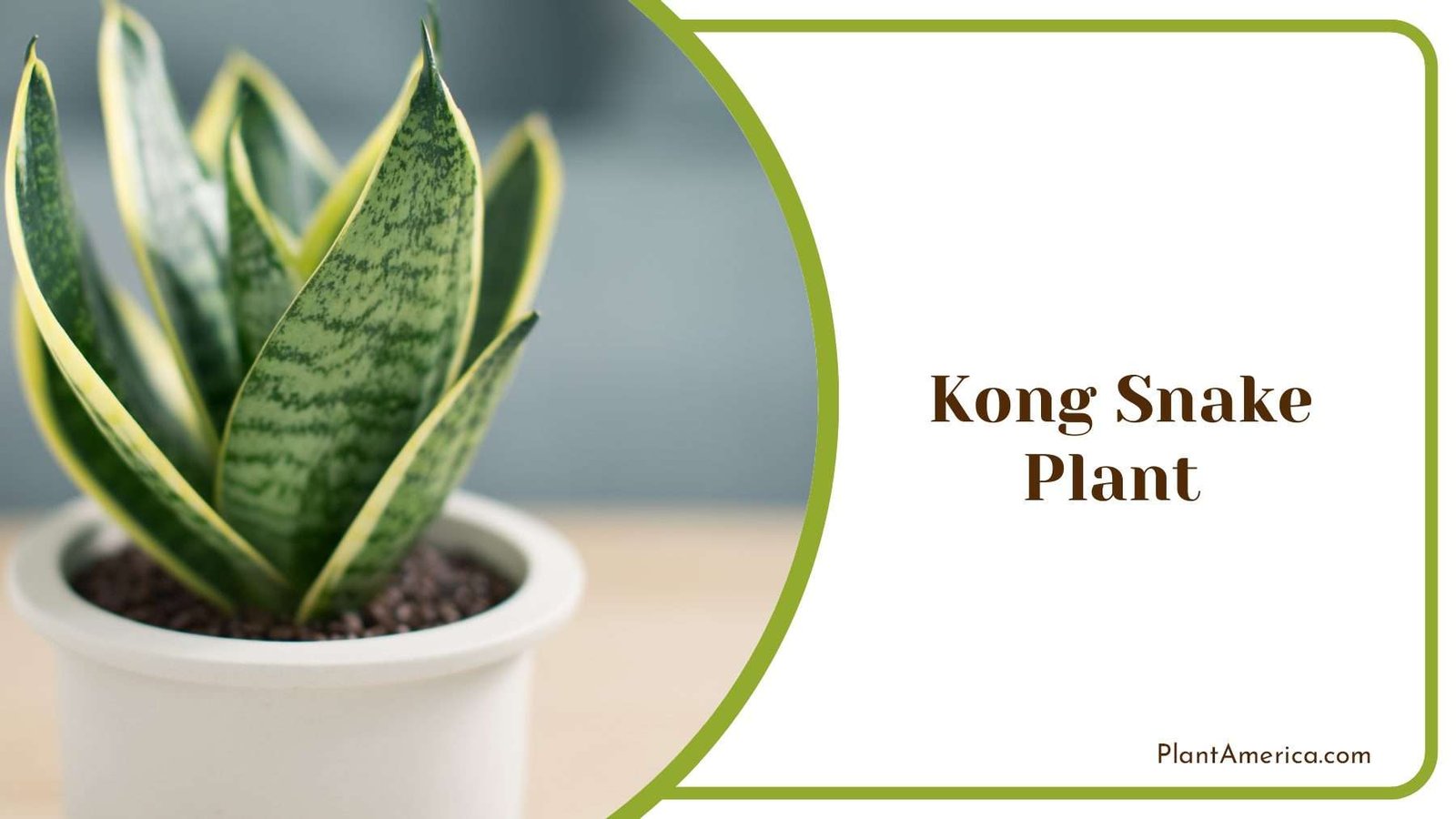
The bumpy, dwarf leaves of this snake plant give it an eye-catching yet rugged appearance. Place the Kong Snake Plant in medium to low indirect light to prevent leaf tips from yellowing.
Water this sansevieria infrequently when the top one inch of soil feels dry. The Kong Snake Plant tolerates drought well and can go weeks without water. However, it is prone to fungal issues if overwatered.
Regular leaf wiping with a damp cloth will remove dust accumulation and help control potential pests like spider mites and aphids. The thick leaves help purify indoor air and produce oxygen at night.
7. Blue Sansevieria
- Growing Season: Thrives year-round.
- Leaf Type: Narrow leaves, Silvery-blue tones.
- Specific Needs: Infrequent water, Medium to low light.
- Common Pests: None.
The Blue Sansevieria is a striking snake plant variety known for its blue-grey leaves and delicate appearance. The narrow leaves emerge vertically from the stem and have distinctly silvery-blue tones.
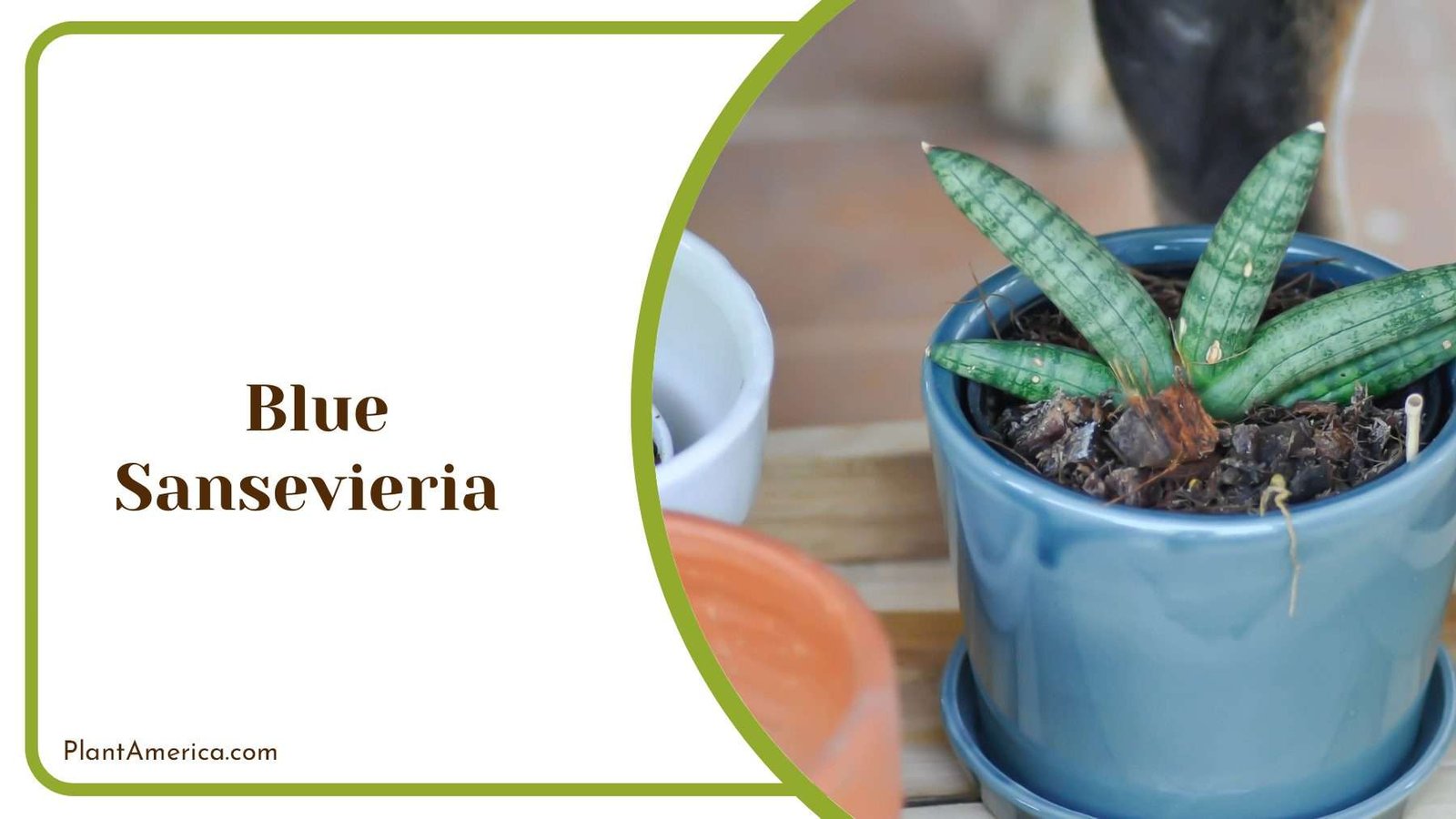
The powdery blue coloration of this sansevieria gives it an ethereal appearance. Place the Blue Sansevieria in bright indirect light to enhance plant color without risking leaf burn. Regular leaf dusting with a soft cloth will help highlight the beautiful blue hues and control potential pests like spider mites. Over time, the Blue Sansevieria forms an air-purifying specimen that stands out amongst green snake plant varieties.
With its uniquely colored foliage and minimal care demands, the Blue Sansevieria makes a beautiful yet durable impression. This elegant sansevieria thrives with just the right amount of neglect, making it a perfect pick for style-conscious plant parents seeking a unique statement piece.
8. Kenya Hyacinth Snake Plant
- Growing Season: Thrives year-round.
- Leaf Type: Thick cylindrical leaves with ridges, Spiked shape.
- Specific Needs: Infrequent watering, Medium to low indirect light.
- Common Pests: Spider mites, Aphids.
The Kenya Hyacinth Snake Plant features thick, bottlebrush-like cylindrical leaves rather than most snake plant varieties’ typical flat linear leaves. The leaves grow vertically from the stem and have distinctive ridges that run the length of each frond.
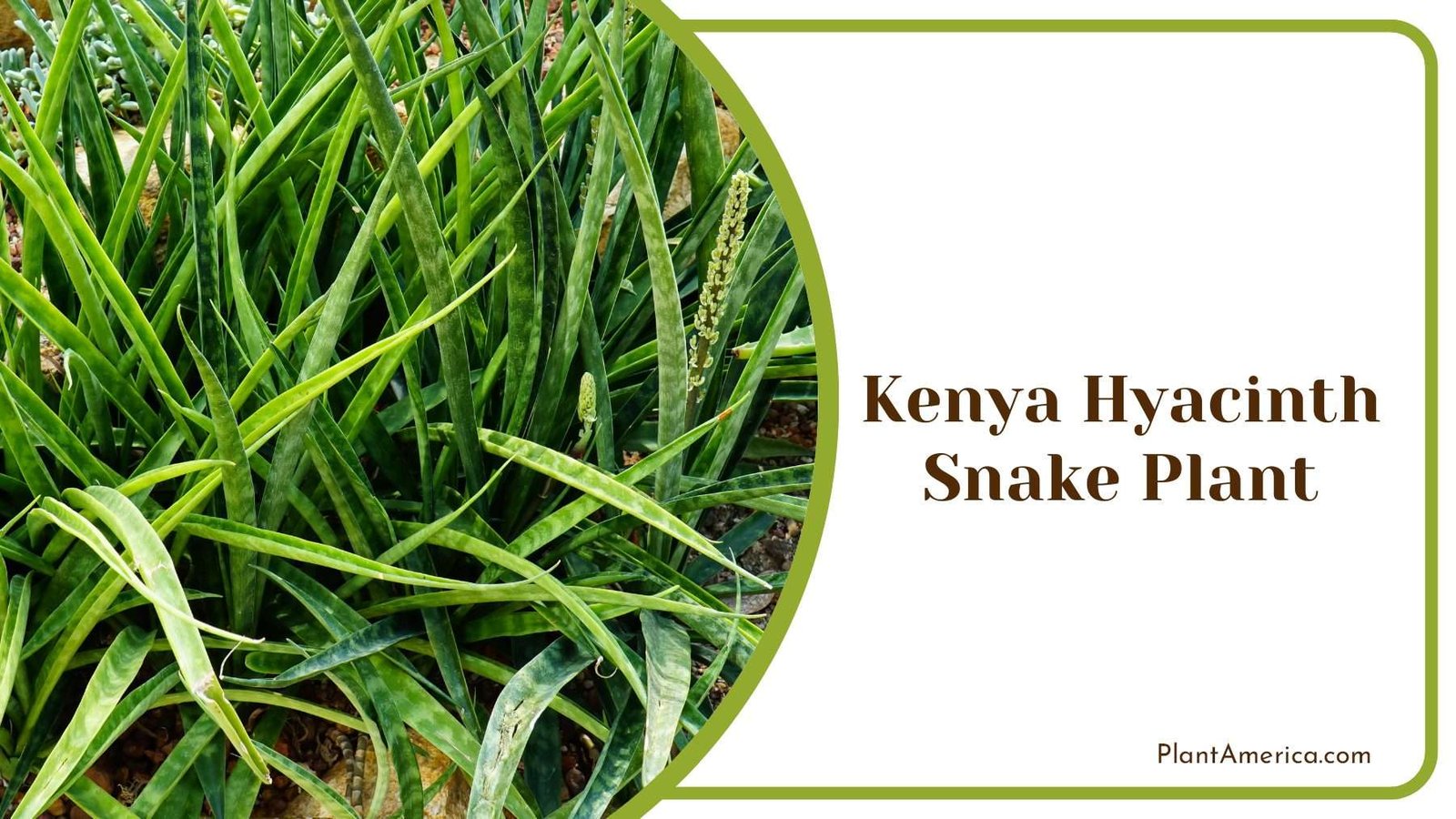
The textural ridged leaves of this sansevieria cylindrica give it an eye-catching yet wild appearance. Place the Kenya Hyacinth Snake Plant in bright indirect light to prevent leaf tips from yellowing. Water this snake plant infrequently to avoid root rot issues, allowing the top one inch of soil to dry completely between waterings. Regular inspections are recommended to check for pests like spider mites that thrive in dry conditions.
Although different in form, the Kenya Hyacinth Snake Plant still functions similarly to other snake plants. The thick leaves help purify indoor air and produce oxygen at night.
9. Bowstring Hemp Snake Plant
- Growing Season: Thrives year-round.
- Leaf Type: Long strappy leaves, Up to four feet tall.
- Specific Needs: Infrequent watering, Medium indirect light.
- Common Pests: Spider mites, Aphids.
The Bowstring Hemp Snake Plant has long, narrow, ribbon-like leaves that grow vertically up the stem. The thin, gracefully arching leaves can reach lengths of over four feet, earning this unusual variety its common name.
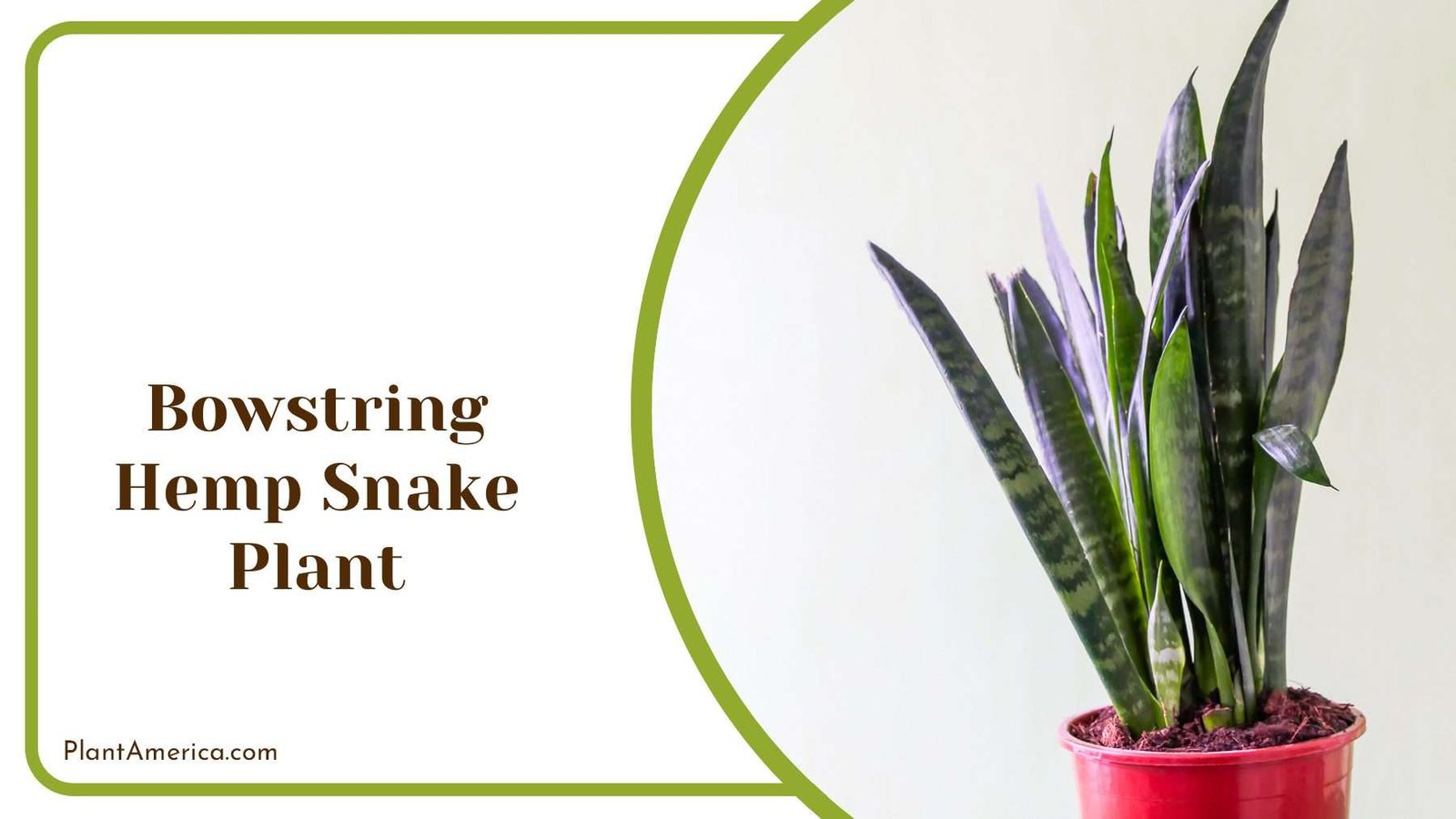
The whip-like foliage of this Sansevieria trifasciata gives it an eye-catching yet architectural appearance. Place in bright indirect light to prevent leaf tips from yellowing.
Water sparingly to avoid root rot issues. Regular leaf wiping and inspections are key to controlling pests like spider mites and aphids. Spider mites spin webs on foliage while aphids form colonies, sucking sap and deforming growth.
Despite its delicate appearance, the Bowstring Hemp Snake Plant is resilient and tolerates neglect very well. This sansevieria offers a graceful yet minimalist presence with its uniquely shaped strappy foliage, architectural appeal, and air purifying benefits.
10. Star Snake Plant
- Growing Season: Thrives year-round.
- Leaf Type: Yellow-edged leaves that resemble stars, Sword shape.
- Specific Needs: Bright indirect light, Occasional watering.
- Common Pests: Spider mites, Aphids.
The Star Snake Plant gets its name from the unique shape of its leaves, which feature rounded tips and prominent yellow edges that resemble a starburst pattern. The radiating yellow edges contrast beautifully with the plant’s solid green foliage.
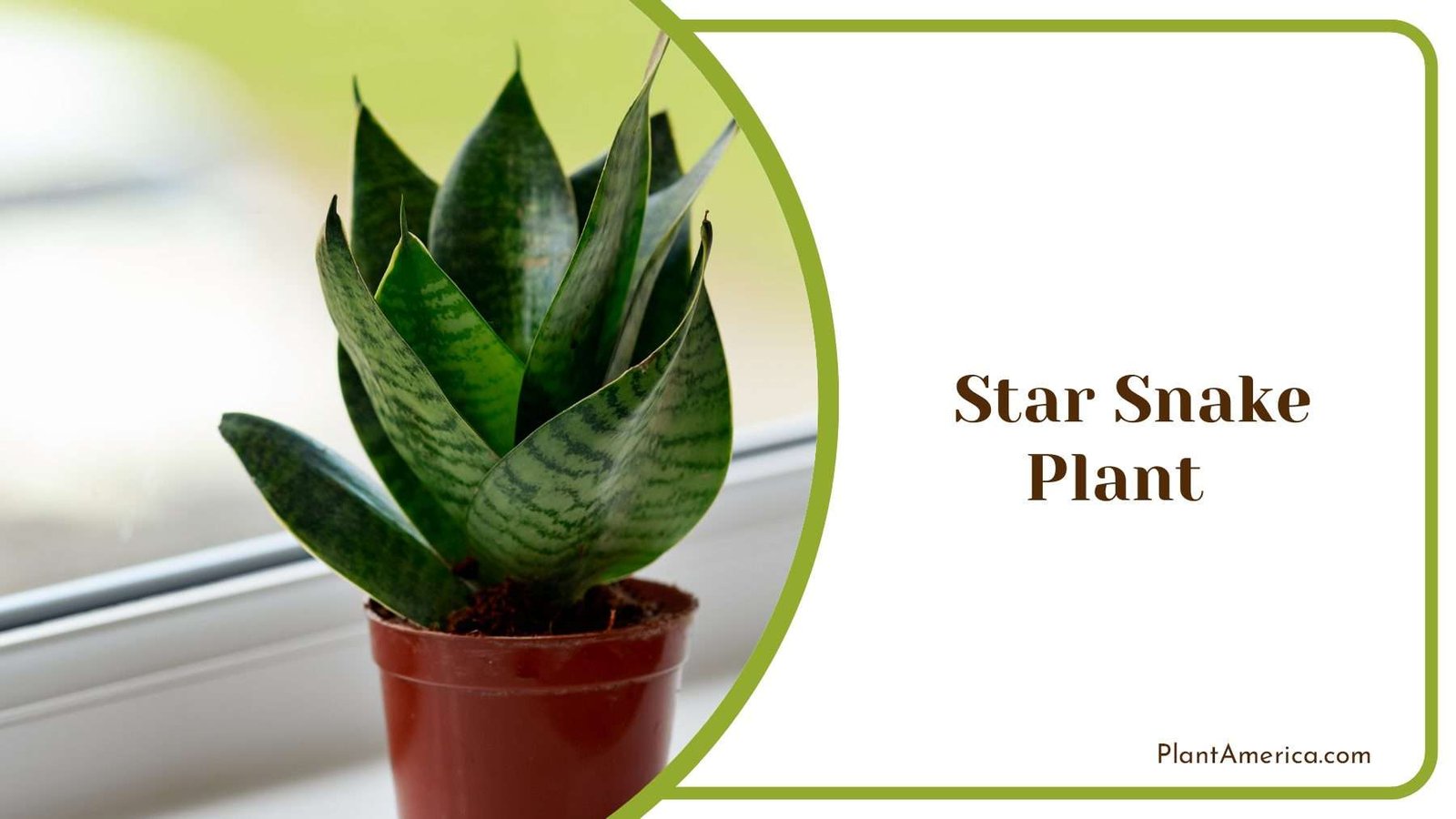
The star-shaped leaves of this sansevieria radiata give it an eye-catching yet sculptural appearance. Place in bright indirect light for optimal leaf coloring and form.
Water the Star Snake Plant sparingly, allowing the soil to dry completely between waterings. Regular leaf inspections and occasional wiping are key to managing common pests like spider mites and aphids. The thick, waxy leaves help purify the air and withstand drought.
With its uniquely patterned foliage, minimal demands, and air purifying benefits, the Star Snake Plant offers brilliant aesthetics without high effort. This minimalist sansevieria will thrive for years with the right amount of light, water, and neglect.
11. Dwarf Snake Plant
- Growing Season: Thrives year-round.
- Leaf Type: Small, narrowly symmetrical leaves, Compressed.
- Specific Need: Infrequent watering, Medium indirect light.
- Common Pests: Spider mites, Thrips.
The Dwarf Sansevieria has small, slender leaves that emerge symmetrically from the compact stem. Rather than growing vertically, the leaves tend to form a tight circular rosette.
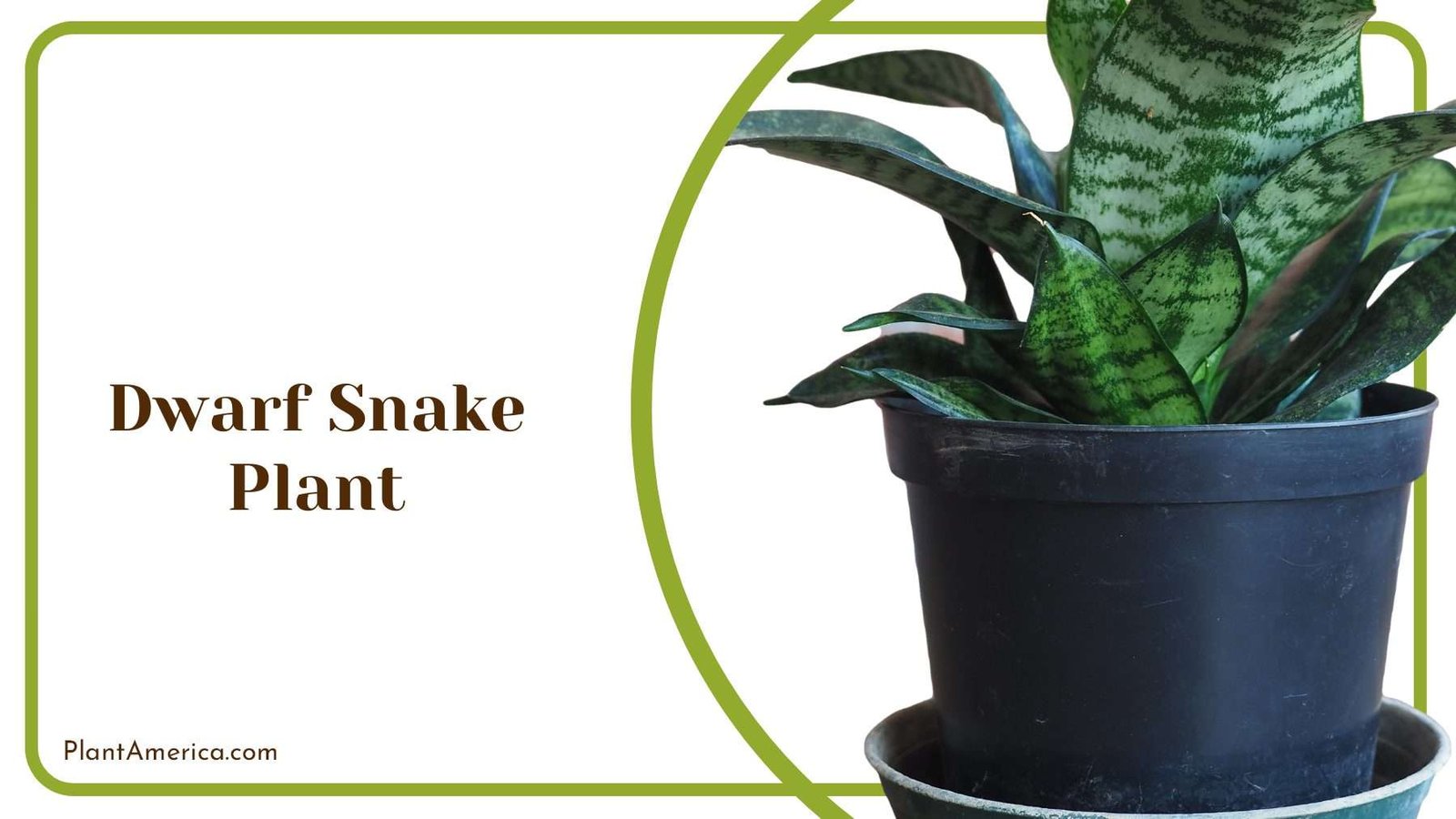
This sansevieria’s small, symmetrical foliage gives it a neatly sculptural yet diminutive appearance. Place the Dwarf Sansevieria in medium indirect light to promote compact growth and prevent leaf tips from yellowing.
Water this snake plant infrequently when the top one inch of soil feels dry. The Dwarf Sansevieria tolerates drought very well and can go weeks without water. However, it is prone to root rot if overwatered.
Regular inspections and leaf dusting are crucial to controlling pests like spider mites and thrips, which are attracted to dry environments. Spider mites spin webs on foliage, and leaves develop yellow stippling while thrips form brown streaks and deform leaves.
12. Futura Robusta Snake Plant
- Growing Season: Thrives year-round.
- Leaf Type: Wide flat leaves that emerge side by side, Concave leaf.
- Specific Needs: Bright indirect light, Occasional watering.
- Common Pests: Aphids, Thrips.
The Futura Robusta Snake Plant features broad, strappy leaves that grow side by side along the stem rather than stacked vertically. As the plant matures, its foliage appears reminiscent of a palm frond.
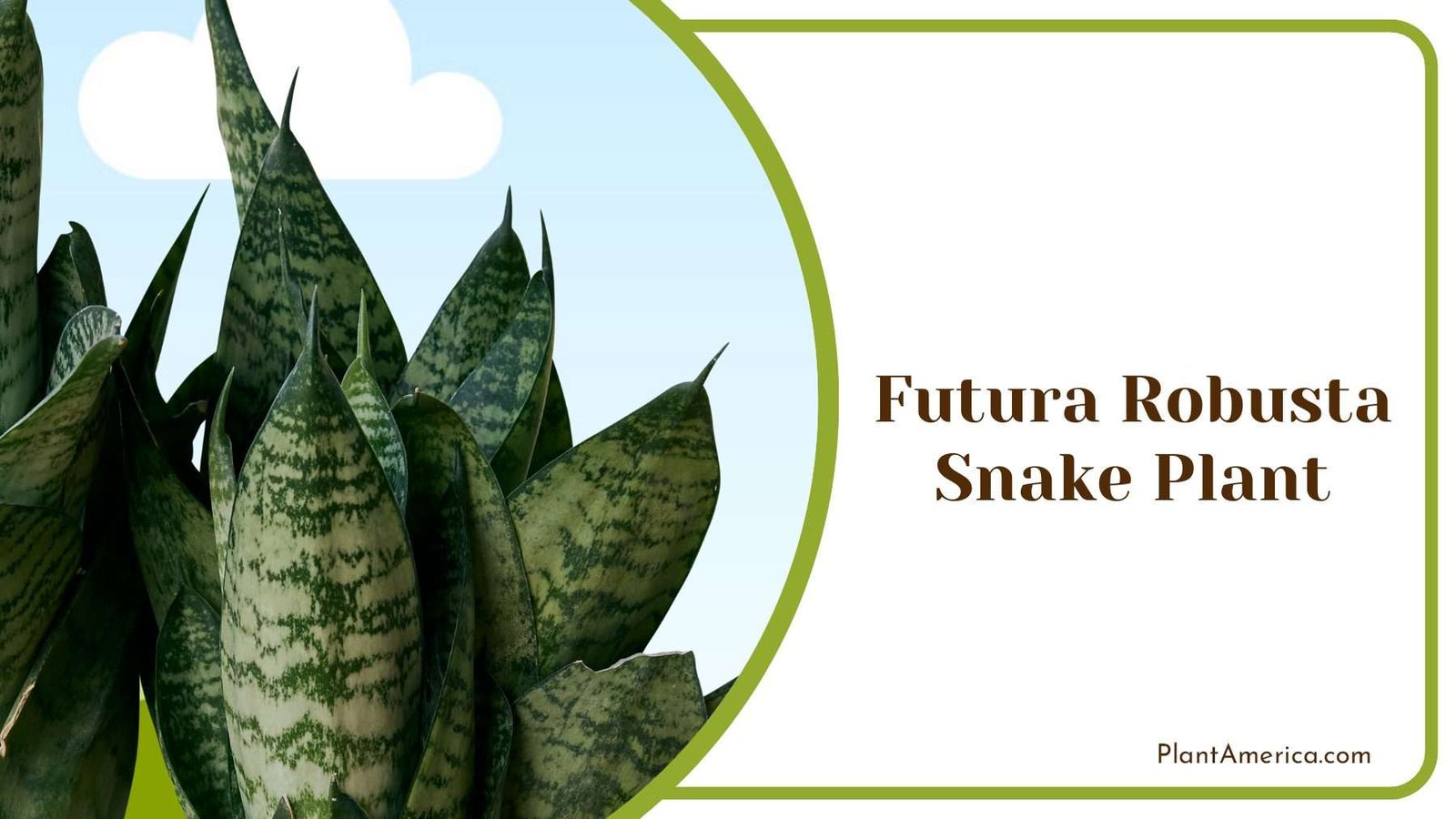
The horizontal form of this sansevieria gives it an eye-catching yet architectural appearance. So, place in bright indirect light for optimal leaf growth and color. Avoid overwatering as this variety is prone to root rot issues.
Regular leaf inspections and occasional wiping are vital to managing pests like aphids and thrips. Aphids form colonies, sucking sap and causing leaf deformation, while thrips feed on foliage and form brown streaks.
Despite its abnormal leaf arrangement, the Futura Robusta still features thick leaves that purify the air and withstand drought-like other snake plants. This architectural sansevieria will thrive for years with just the right amount of neglect.
13. Golden Hahnii
- Growing Season: Thrives year-round.
- Leaf Type: Tall linear leaves, Golden variegation.
- Specific Needs: Bright indirect light, Occasional watering.
- Common Pests: Spider mites, Aphids.
The Golden Hahnii Snake Plant features tall, narrow leaves with golden variegation stripes that run the entire length of each frond. The contrast of dark green and bright yellow hues gives this Sansevieria variety a stylish yet sophisticated appearance.
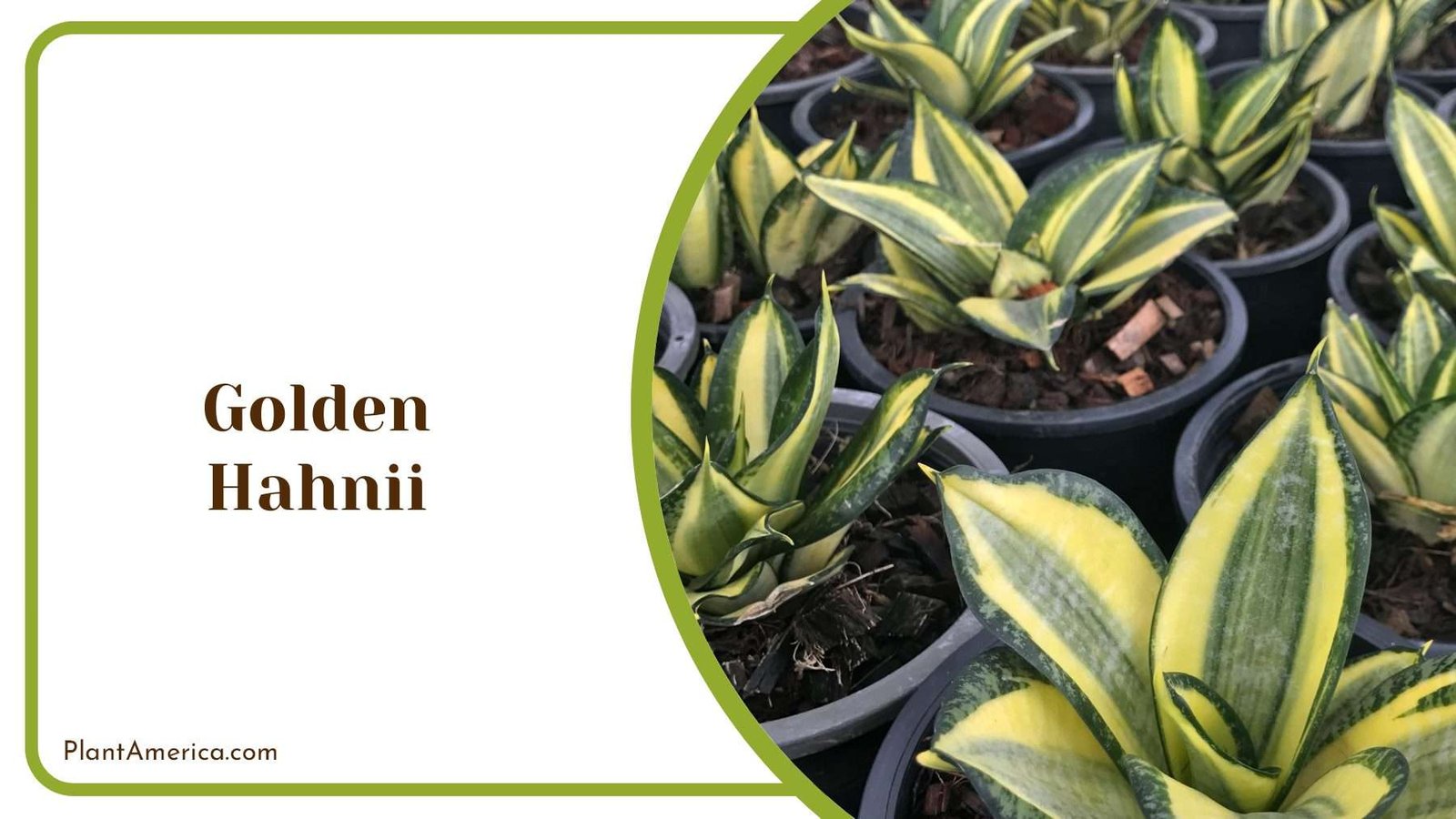
The golden variegated foliage of this Sansevieria trifasciata ‘Hahnii Aurea’ gives it a striking yet opulent appearance. Place in bright indirect light to preserve and enhance leaf coloration. Water the Golden Hahnii sparingly, allowing the soil to dry out completely between waterings. Overwatering this sansevieria can lead to root rot issues.
The Golden Hahnii Snake Plant boasts the low-maintenance traits of other snake plants, and with just the right amount of care, this stunning sansevieria will thrive for years, making it a unique statement piece for your indoor plant collection.
14. Jade Marginata
- Growing Season: Thrives year-round.
- Leaf Type: Pale green leaves, Vivid jade margins.
- Specific Needs: Medium to low indirect light, Occasional watering.
- Common Pests: Thrips, Aphids.
The Jade Marginata Snake Plant features pale green leaves with bold jade-colored edges that make a vivid contrast. The prominent margins give this sansevieria variety an eye-catching appearance reminiscent of its name.
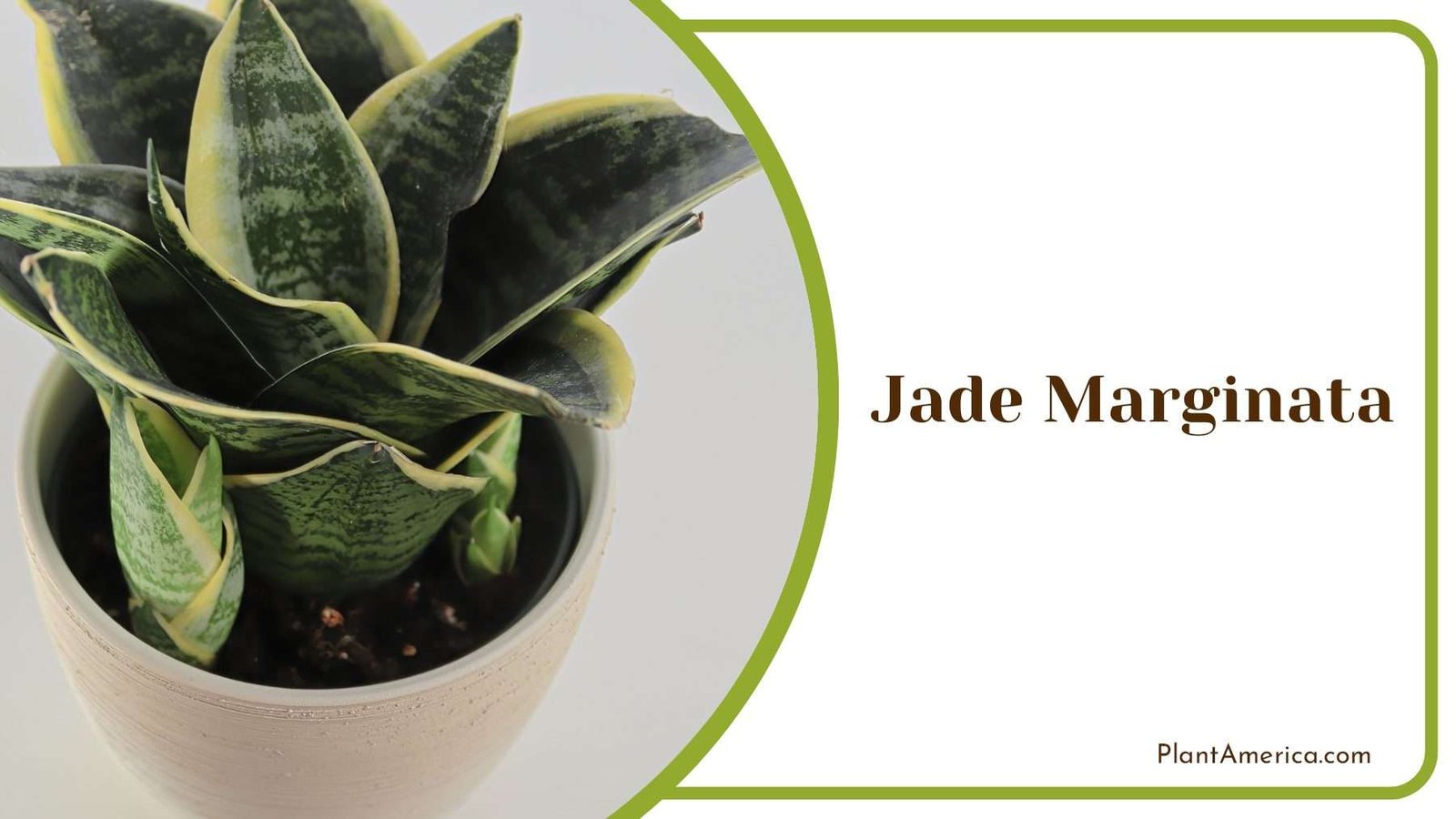
The bold variegated foliage of this Laurentii gives it a sophisticated yet striking appearance, place in medium to low indirect light to enhance leaf coloring and pattern. Resist overwatering as this sansevieria is prone to root rot issues.
It would help if you had regular leaf inspections and occasional wiping to manage pests like thrips and aphids. Thrips feed on foliage forming brown streaks, while aphids inject toxins, deforming growth and stunting leaves. Despite its colorful markings, the Jade Marginata still boasts the low maintenance traits of other snake plants and will thrive for years as a striking yet resilient addition, with enough care.
15. Ballyi Snake Plant
- Growing Season: Thrives year-round.
- Leaf Type: Stiff sword-shaped, Pale green leaves with red edges.
- Specific Needs: Infrequent watering, Medium to low indirect light.
- Common Pests: Spider mites, Mealybugs.
The Ballyi Snake Plant boasts beautiful bi-color foliage with pale green sword-shaped leaves topped by vivid red edges. This unusual combination produces an elegant yet eye-catching appearance in any interior space.
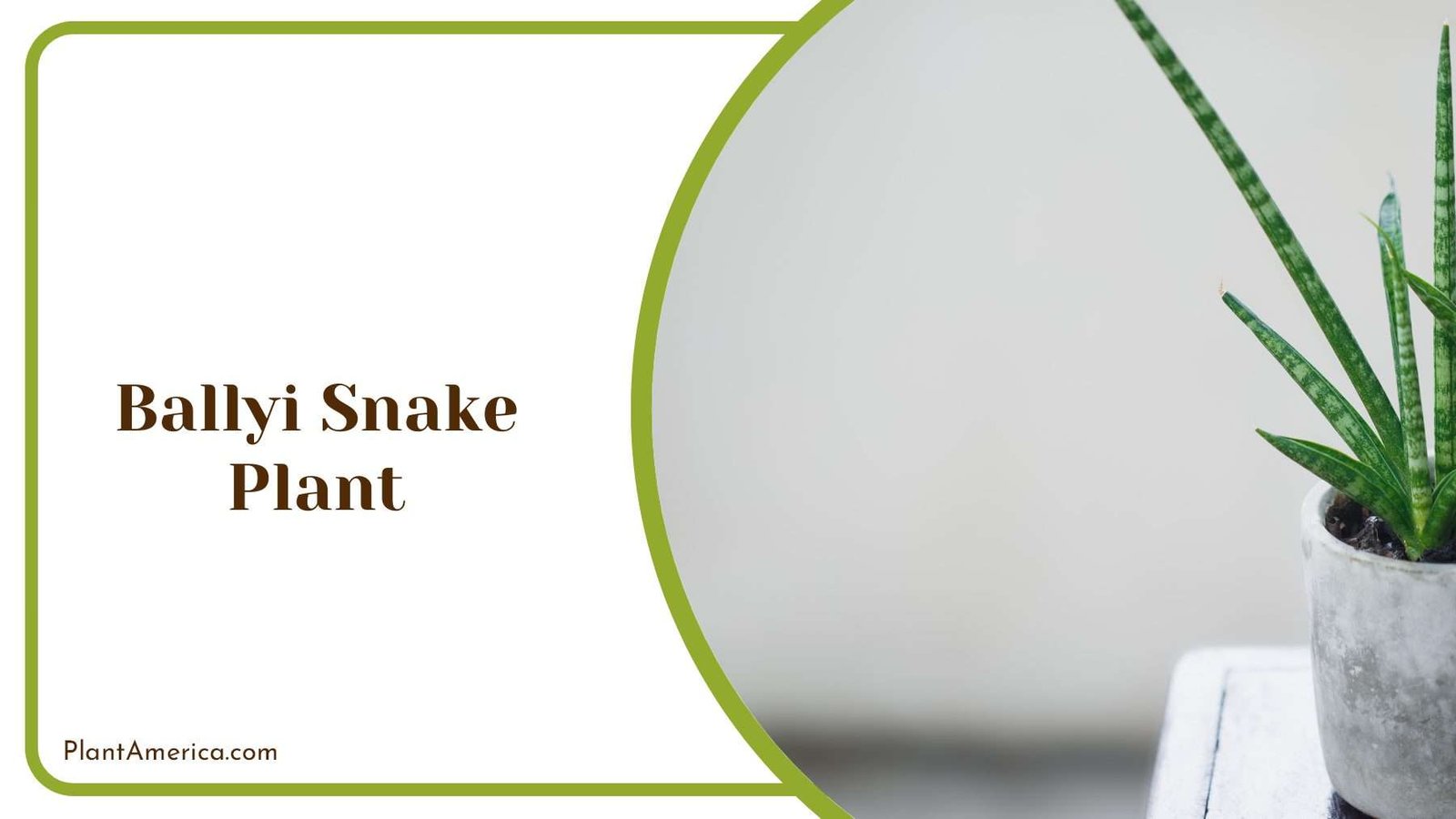
The saturated red margins of this Sansevieria ballyi variety stand out from afar, drawing the eye and complementing a wide variety of interior decor styles. With minimal care, the Ballyi Snake Plant develops into an attractive feature piece that provides visual depth and subtle color.
Grow the Ballyi Snake Plant in medium to low indirect light to soften the harsh edges of its leaves without compromising the striking red hues, water infrequently, allowing the soil to dry out thoroughly between waterings to prevent root rot issues.
The Ballyi Snake Plant shares similar care requirements with other snake plant varieties. Its erect posture, drought tolerance, and air-purifying benefits make this sansevieria ideal for those seeking an eye-catching yet easy-care foliage houseplant.
16. Masoniana Snake Plant
- Growing Season: Thrives year-round.
- Leaf Type: Wide strappy grey-green leaves, Smooth edges.
- Specific Needs: Low to medium indirect light, Infrequent watering.
- Common Pests: Spider mites, Thrips.
The Masoniana Snake Plant has broad, strappy foliage that emerges from the stem in horizontal layers rather than vertical rows. Its foliage boasts a subtle silvery-green tone with smooth wavy edges, giving this sansevieria a distinctive graphic appearance.
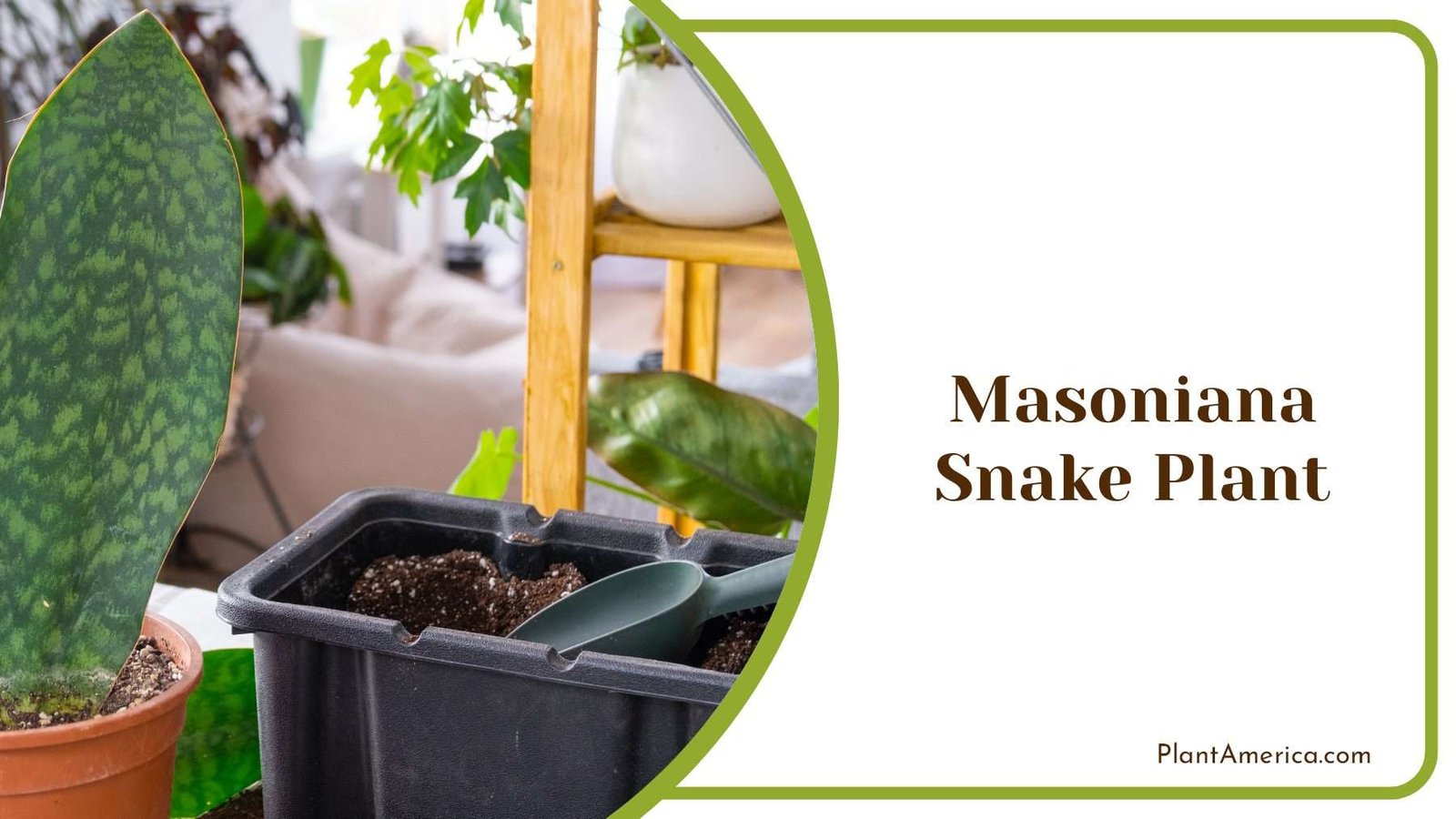
The layered horizontal leaves of this Sansevieria masoniana variety come in an array of tones from light greyish-green to blue-green hues. Place in low to medium indirect light where the leaves will develop a silvery sheen without risk of burn.
Thrips feed along leaf margins while spider mites spin webbing. So regular leaf inspections and occasional dusting can help remove debris and manage infestations.
The Masoniana Snake Plant shares the low maintenance traits of other snake plants, and its thick leaves purify the air, tolerate drought and provide elegant sculptural accents for years with just the right amount of care.
17. Ehrenbergii Snake Plant
- Growing Season: Thrives year-round.
- Leaf Type: Stiff blue-grey leaves, Sharp pointed tips.
- Specific Needs: Occasional watering, Bright indirect sun light to thrive.
- Common Pests: Spider mites, Mealybugs, Aphids.
The Ehrenbergii Snake Plant has stiff, thick foliage that emerges vertically with distinctive bright blue-grey coloring and sharp pointed tips. The leaves give this sansevieria variety a distinctly geometric and architectural appearance.
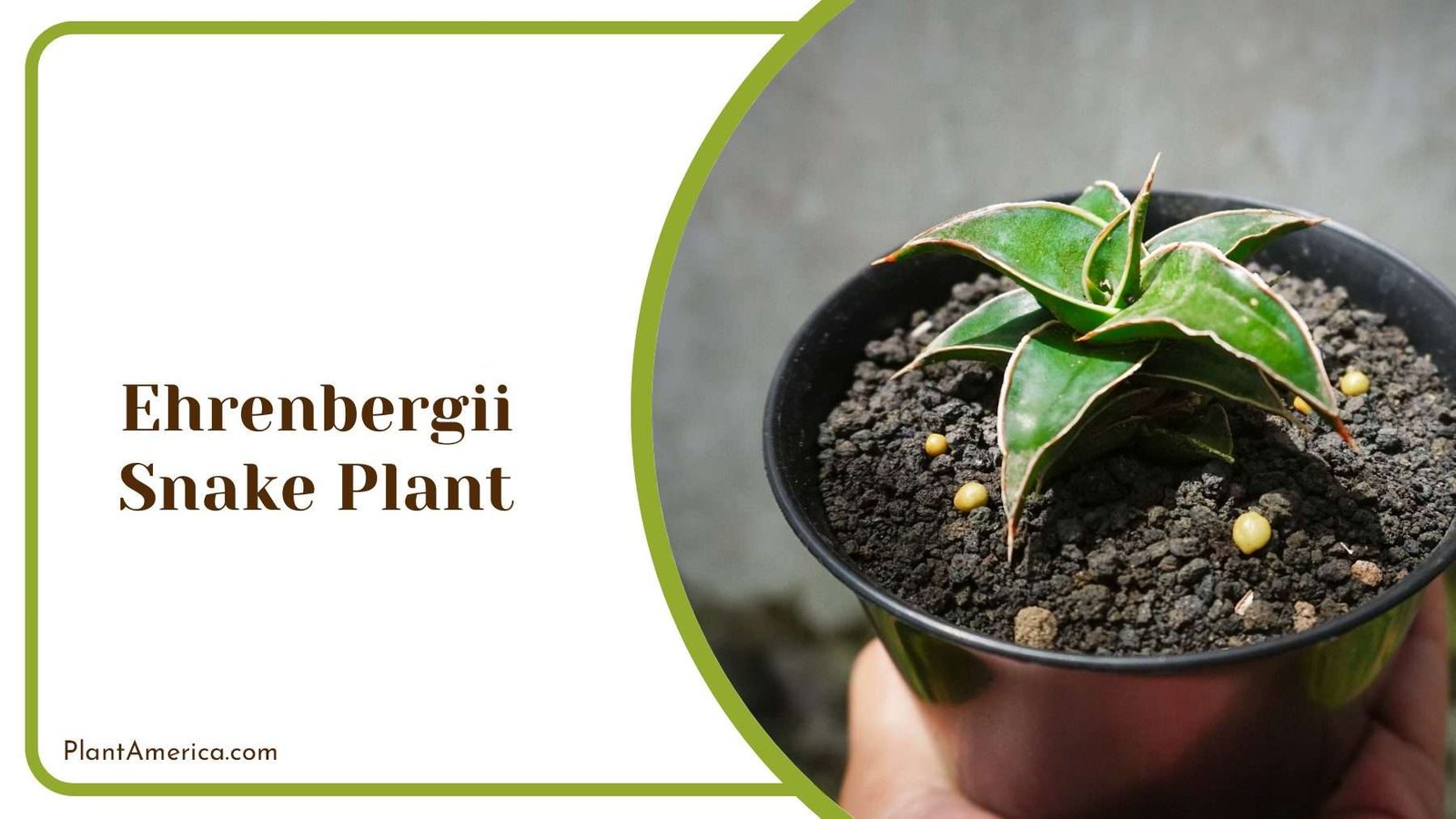
The pointed leaves and azure hue of this Sansevieria ehrenbergii variety complement a wide range of interior decor styles. Place in warm, bright, indirect light to enhance blue coloring and ridged leaf texture.
Water the Ehrenbergii Snake Plant sparingly, allowing its epicuticular wax layer to form as this inhibits pest infestations. Succulents do not need as much water as other plants. Overwatering can cause root rot.
Ehrenbergii tolerates a wide range of conditions and requires little care. Its distinctive sculptural form, ease of growth, and air-purifying properties make it suitable for almost any indoor setting despite its vibrant color.
18. Gracilis Snake Plant
- Growing Season: Grows well as a perennial plant year-round.
- Leaf Type: Narrow, Sharply pointed pale green leaves.
- Specific Needs: Medium to low indirect light, Infrequent watering.
- Common Pests: Aphids, Thrips, Spider mites.
The Gracilis Snake Plant has long, thin leaves with sharp pointed tips, giving this variety a gently tapering, eyelash-like quality. Its pale green foliage provides a delicate counterpoint to bolder, more tropical houseplants.
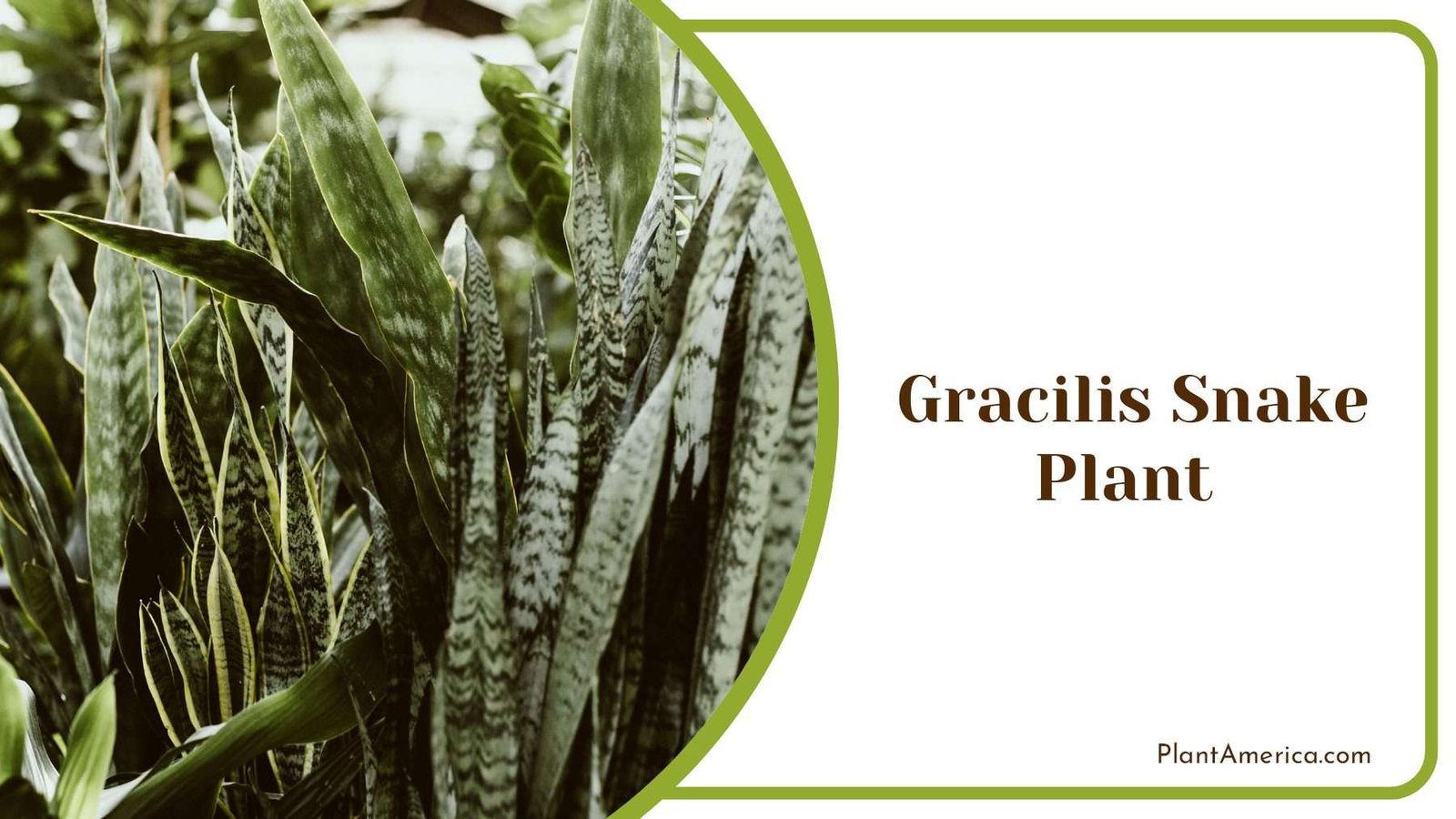
The slender leaves of this Sansevieria trifasciata ‘Gracilis’ grow in a symmetrical pattern from the plant’s stem. Place in medium to low indirect light where the pale green coloring will be most brilliant without risk of sunburn.
Water the Gracilis Snake Plant infrequently, allowing the top few inches of soil to dry out thoroughly between waterings to avoid root rot from overwatering. Its narrow leaves are prone to fungal issues in moist soil. And its air-purifying benefits, drought tolerance, and architectural accents make it a charming option for anyone seeking easy-care houseplants.
19. Zeylanica Snake Plant
- Growing Season: Thrives year-round.
- Leaf Type: Pale green leaves, Wavy edges.
- Specific Needs: Medium to low indirect light, Occasional watering.
- Common Pests: Spider mites, Aphids, Thrips.
The Zeylanica Snake Plant features broad wavy leaves that spread horizontally from the plant’s base. The leaves have a subtle yellowish tinge, giving this sansevieria variety a lively yet elegant appearance.
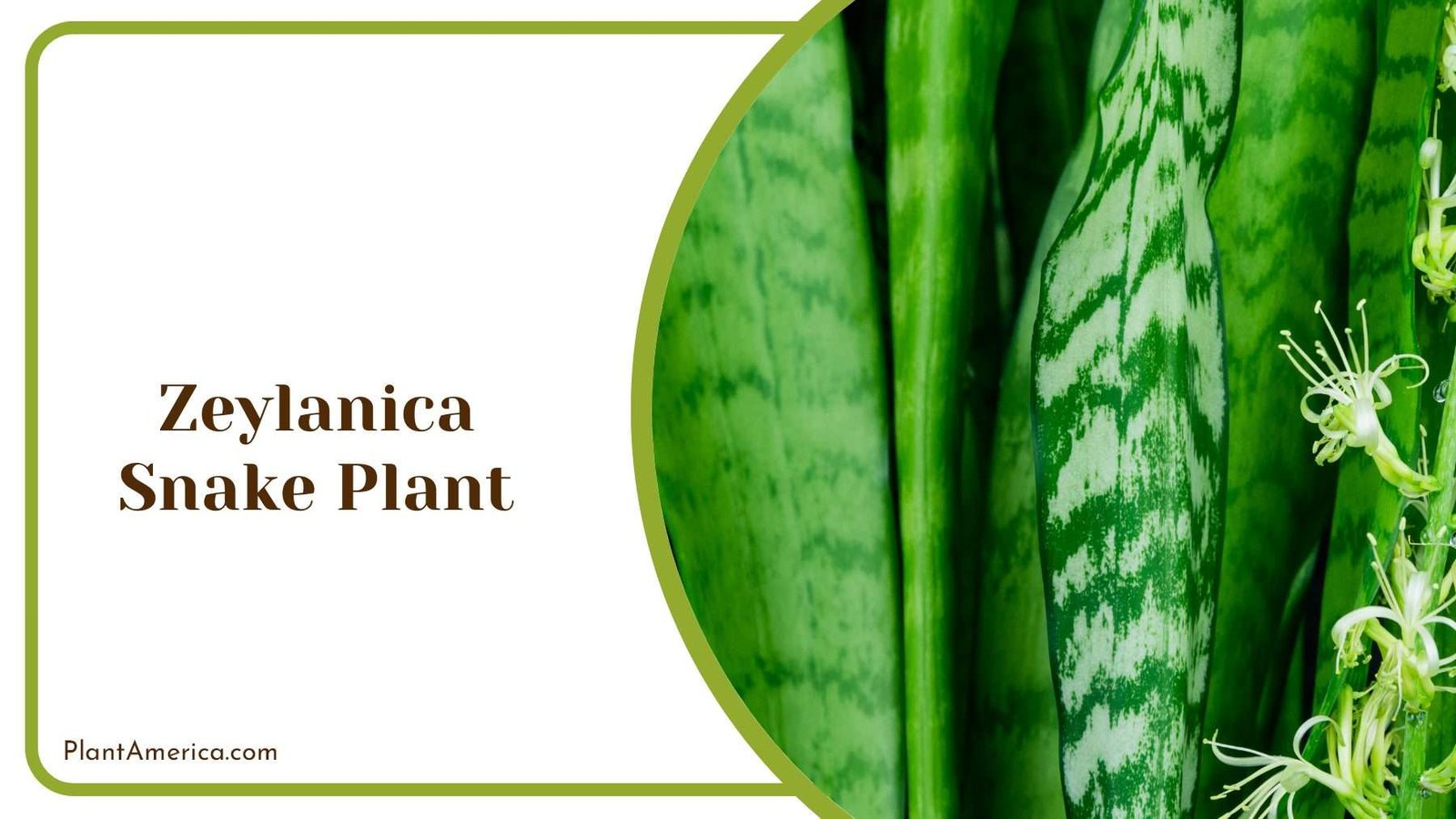
The broad paddle-shaped leaves of Sansevieria zeylanica grow in whorls around the stem, creating sculptural volume at the base of the plant. The leaves are pale green with wavy, undulating margins.
Water the Zeylanica infrequently, allowing the soil to dry thoroughly between waterings. Zeylanica is particularly prone to rot due to its flat leaf shape that traps moisture. Dust buildup can harbor pests which will then feed on the foliage. Spider mites spin webbing while aphids inject toxins that deform new growth.
When given the right amount of indirect light, infrequent water, and occasional dusting, the Zeylanica Snake Plant, with its beautiful undulating leaves, will create a tranquil yet lively accent for years inside your home with minimal effort from you.
20. Bantel’s Sensation
- Growing Season: Thrives year-round.
- Leaf Type: Thick grey-green leaves, Jagged yellow margins.
- Specific Needs: Low to bright indirect light, Infrequent watering.
- Common Pests: Spider mites, Mealybugs.
The Bantel’s Sensation Snake Plant has thick grey-green leaves striped with jagged yellow margins that radiate brightly from a distance. The dramatic bi-color foliage gives this sansevieria variety a sophisticated yet eye-catching appearance. The striped yellow marginations of this Sansevieria bantel’s sensation snake plant variety create a vivid graphic display that adds instant visual interest.
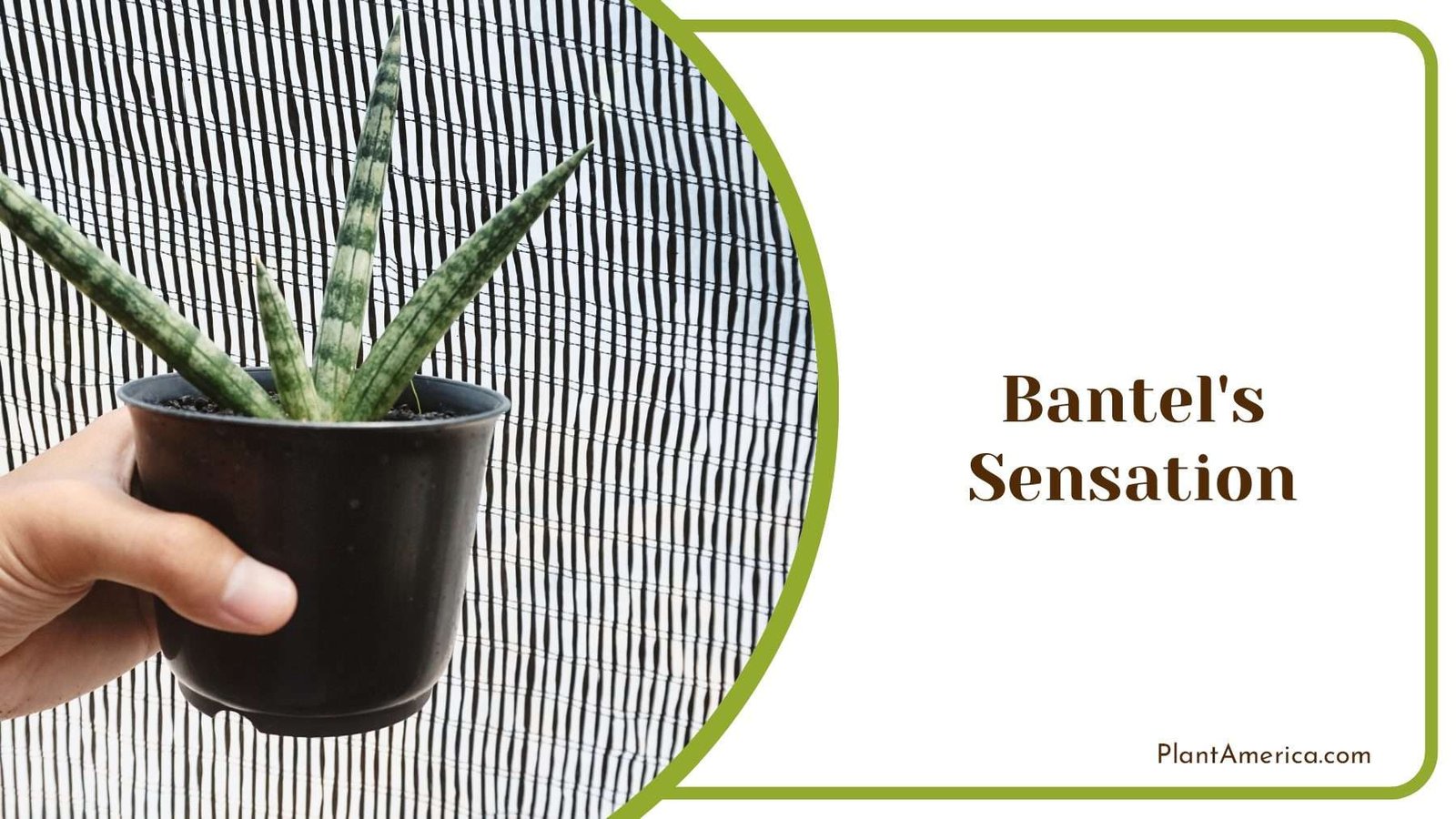
Although susceptible to pests and prone to rot, the Bantel’s Sensation Snake Plant offers many benefits for other snake plants when cared for properly. Its bold variegated foliage, drought tolerance, and air-purifying properties make it a worthwhile addition to any indoor setting.
Conclusion
With bold foliage, striped leaves, and architectural form, these air-purifying ‘snake plants’ are perfect additions to any home.
- The Star Snake Plant boasts leaves with yellow edges that form star-like rosettes, providing a captivating decorative accent.
- The Dwarf Snake Plant produces miniature leaves that cluster in compact rosettes, adding a neat sculptural element.
- The Futura Robusta Snake Plant features broad strappy leaves that emerge horizontally, mimicking the form of palm fronds.
- The Ballyi Snake Plant’s sword-shaped leaves with fiery red edges stand out, lending elegant contrast.
These easy-care varieties are perfect for beginners yet offer sophisticated foliage, architectural form, and graphic contrasts that will continue to captivate long after you first bring them home. With minimal effort from you, snake plants will surely become treasured additions to your indoor spaces for many years to come.