
Mealybugs on elephant ear plant are truly an annoying problem you will likely encounter when growing a houseplant. An infestation could greatly affect the health of your Araceae family plant.
Identifying early signs of infestation and approaching them with effective solutions can give your elephant ear a great chance of survival. Continue reading below to learn how you can keep pests at bay.
Common Symptoms of Mealybugs on Elephant Ear
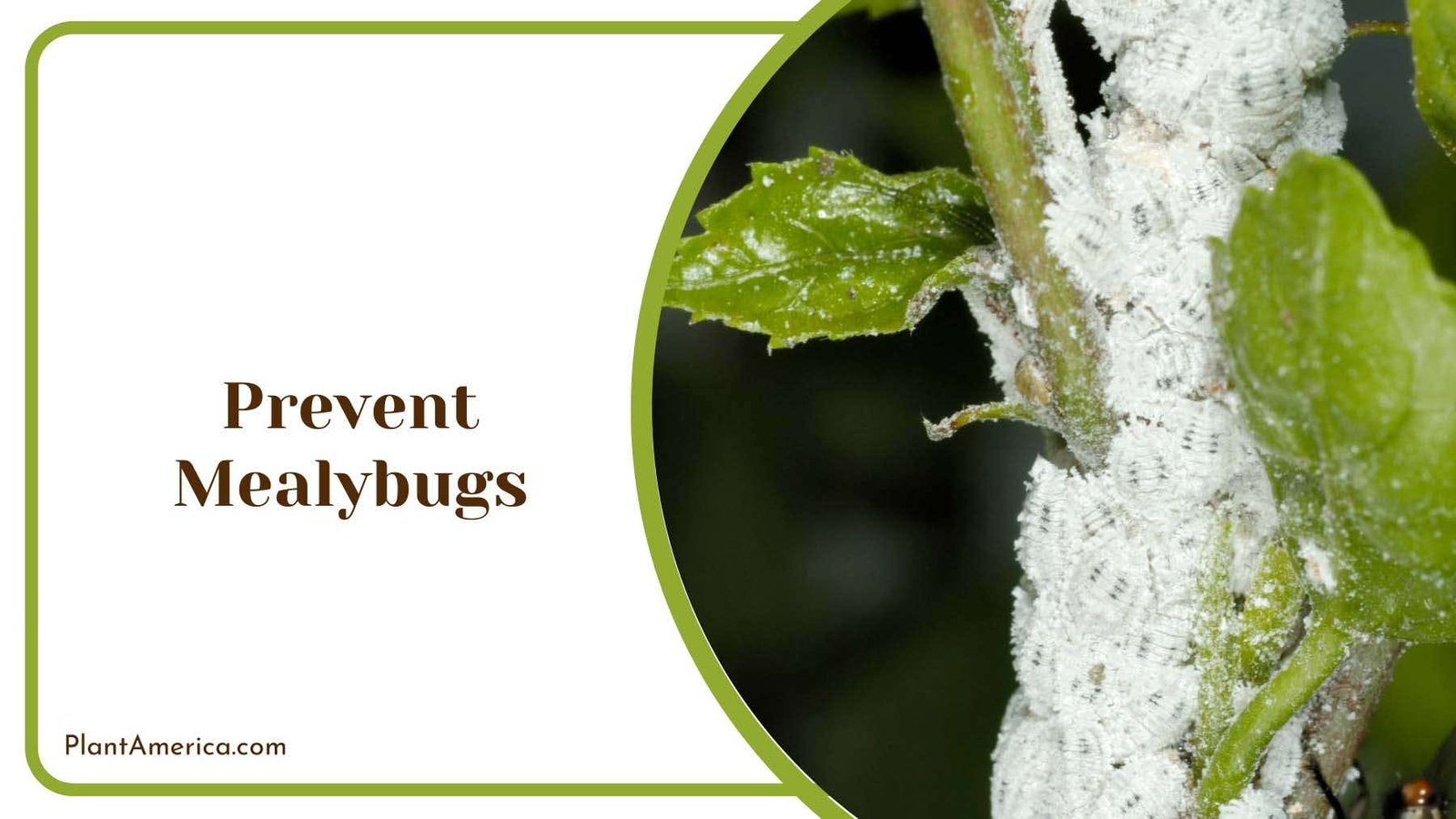
Common symptoms of mealybugs on elephant ear plants are seeing white, fluffy, cotton-like masses on your plant’s leaves. You will also notice your plant having stunted growth, yellowing and blackening leaves, a sticky substance called honeydew, as well as drooping and curling leaves.
There are different signs you have to look for to recognize a mealybug infestation. Let us discuss the symptoms one by one to know more about this problem.
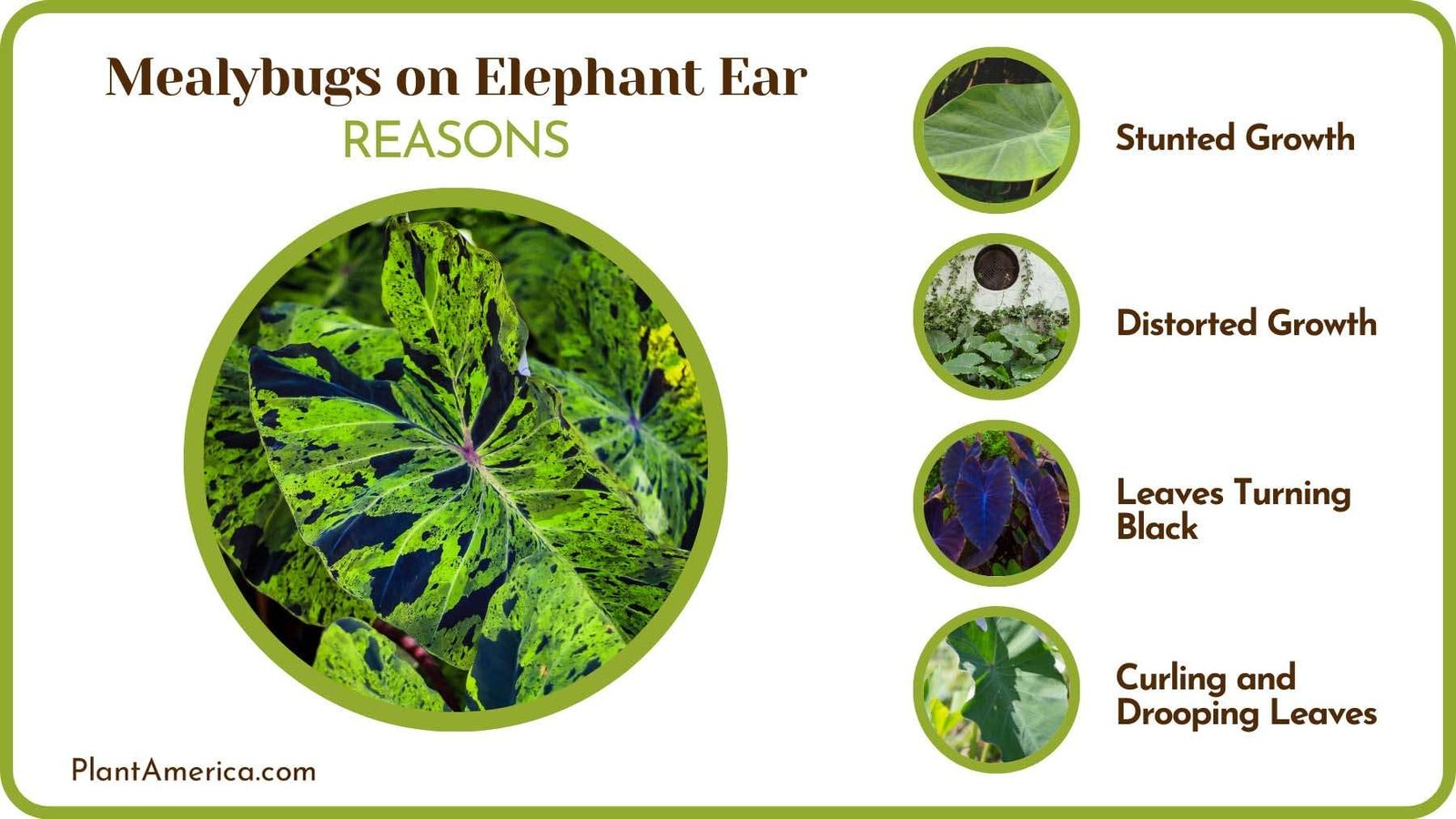
– Stunted Growth
Your elephant ear might experience stunted growth because of losing nutrients through the loss of plant sap that has been sucked by mealybugs. This plant sap serves as the insect’s food in which they obtain nutrients and, in turn, weakens your plant’s growth.
If you notice your plant looking a little less healthy and growing more slowly than it should, inspect it and look for soft-bodied insects hovering around your plant or white fuzzy masses stuck on your plant’s leaves and stems.
– Distorted Growth
When having a mealybug infestation, your plant is more likely to experience distorted growth. These tiny insects inject toxins into your plant’s leaves as they feed on the sap and produce honeydew and sooty mold growth. They can quickly grow in population and can cause your plant to wilt and die.
– Leaves Turning Black
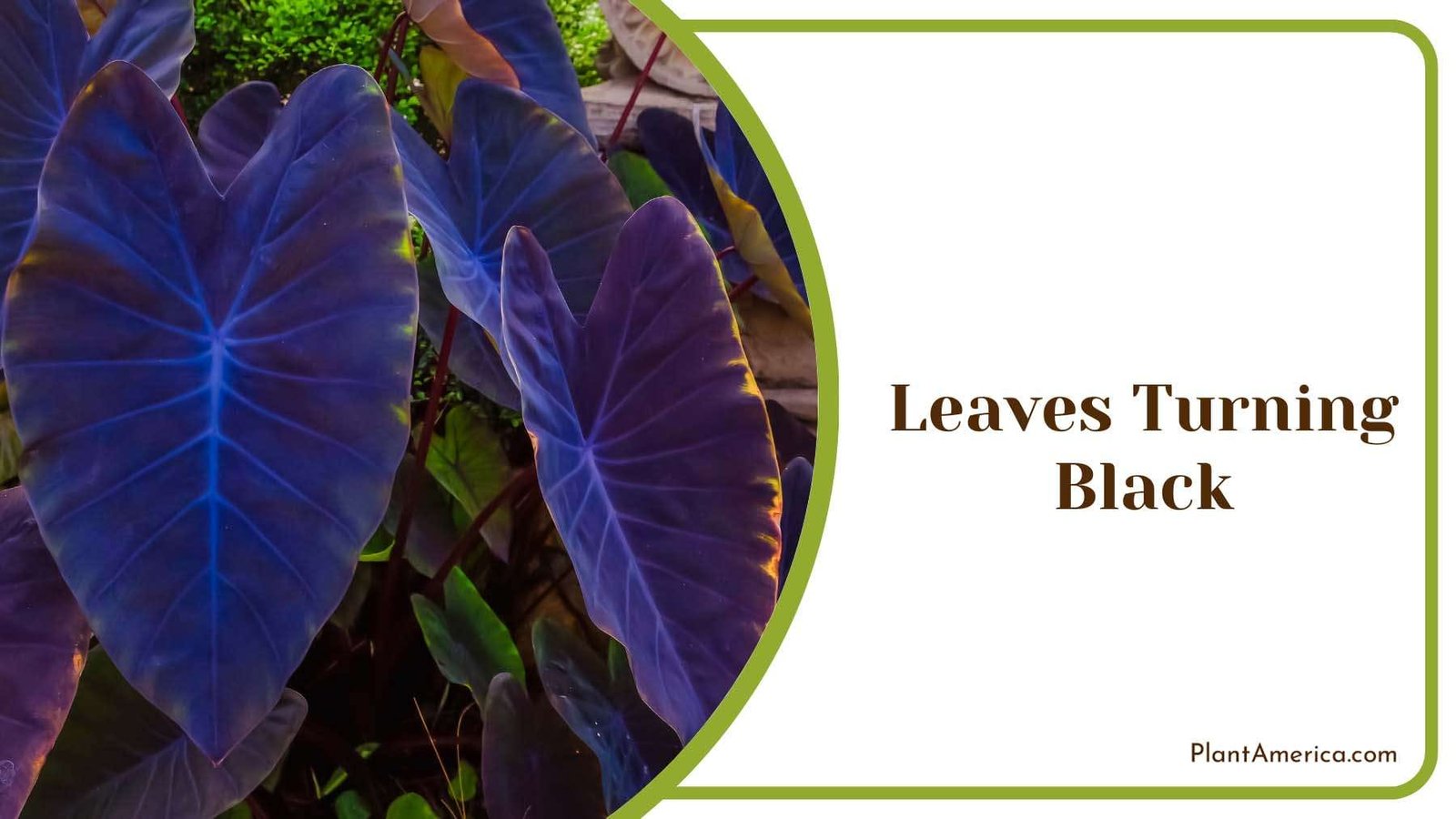
Aside from leaf scorch, your plant’s leaves can turn black because of a mealybug infestation. They produce a sugary, sticky substance called honeydew, which becomes a growing environment for black sooty mold.
– Curling and Drooping Leaves
Because of the nutrient-sucking insects, your plant weakens, which will initially manifest on its leaves. If you notice your plant having dryness, discoloration, and drooping of the leaves, make sure to act quickly to stop the nutrient loss and treat the infestation to avoid more damage over time.
– Leaves Turning Yellow
If you did not fail to provide the right amount of water and sunlight for your ornamental plant, mealybug infestation might be the reason why your plant is experiencing yellowing of the leaves. Observe your plant, and look for houseplant pests to be sure, because there are a lot of other reasons why this common problem occurs.
How to Get Rid of Mealybugs On an Elephant Ear Plant
To get rid of mealybugs on an elephant ear plant, start by spraying them off with water. You can follow this by wiping the leaves with isopropyl alcohol and then again with a damp cloth. Intesectal soap is also a great way to kill remaining mealybugs and their offspring.
– Spray With Water
If the infestation is not bad and looks like the mealybugs are fewer in number, you can wash them away with water. Dislodge them using a spray of water in the sink, bathtub, or shower. Check all parts of the plant to make sure that no mealybugs are left. Repeat the process the moment you spot mealybugs on your elephant ear plant again.
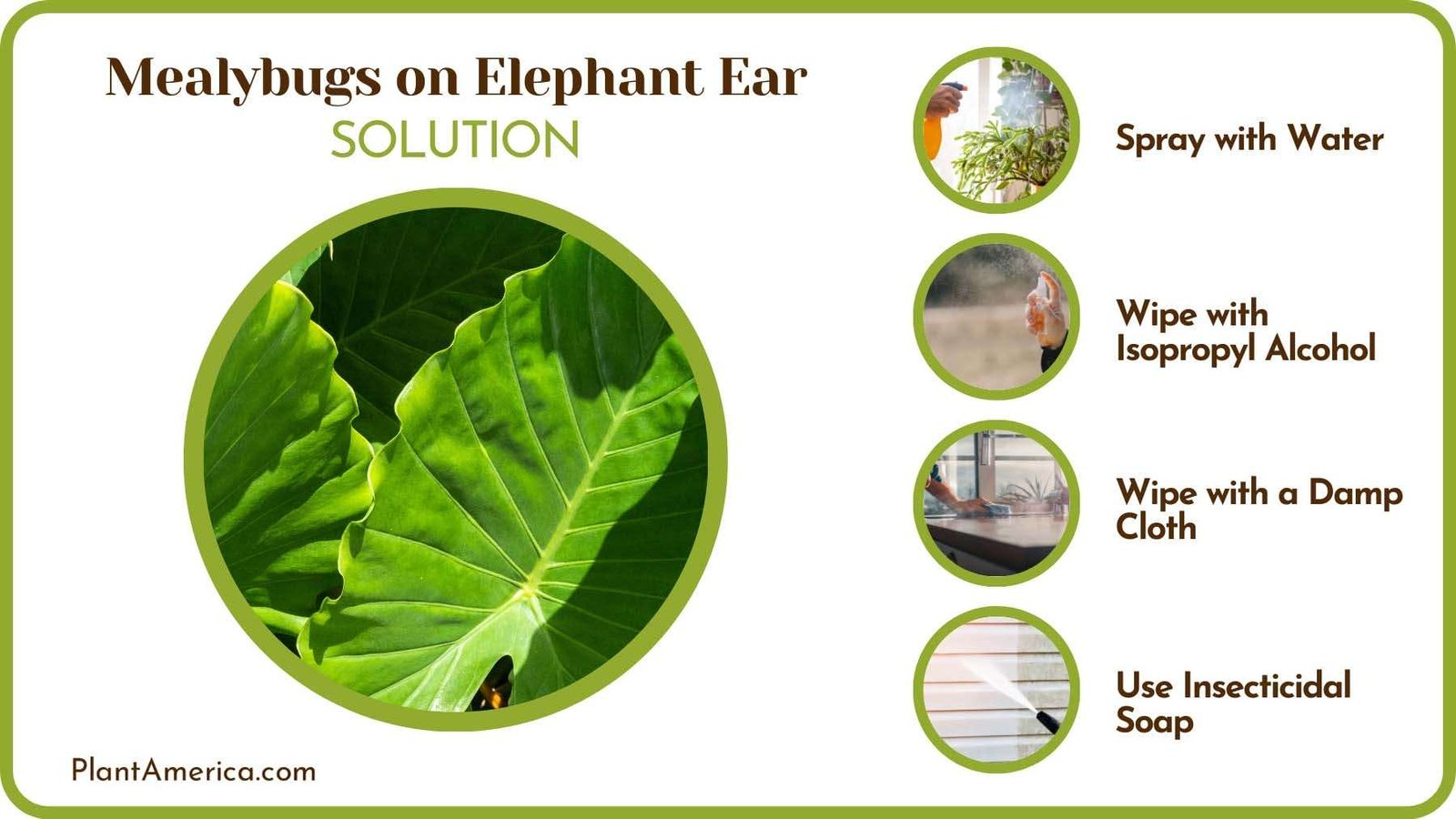
– Wipe With Isopropyl Alcohol
Seventy percent Isopropyl alcohol is known to kill mealybugs instantly. You can use a cotton ball soaked in alcohol and wipe it on the tiny insects directly to remove them. Make sure you use a 70 percent isopropyl rubbing alcohol and not stronger, as this may burn your plant’s leaves. Also, test it by applying it to a small part of your plant first before applying it to the other parts of the plant.
– Wipe With a Damp Cloth
Another method to get rid of mealybugs is wiping them with a damp cloth. Wet a clean cloth and squeeze out the excess water. Wipe the damp cloth on your plant’s leaves to remove the tiny bugs and their eggs. Ensure that you wipe all the parts of the leaves, especially on the undersides, because that is where they usually feed.
Take note that this solution is applicable to a light infestation only.
– Use Insecticidal Soap
You can make your own insecticidal soap using ingredients that can be found in your home. Mix one teaspoon of dishwashing liquid with one gallon of water. Transfer it to a sprayer, and spray it directly on your plant parts, especially on the undersides of the leaves. Repeat the treatment once every week or fortnight if the infestation persists.
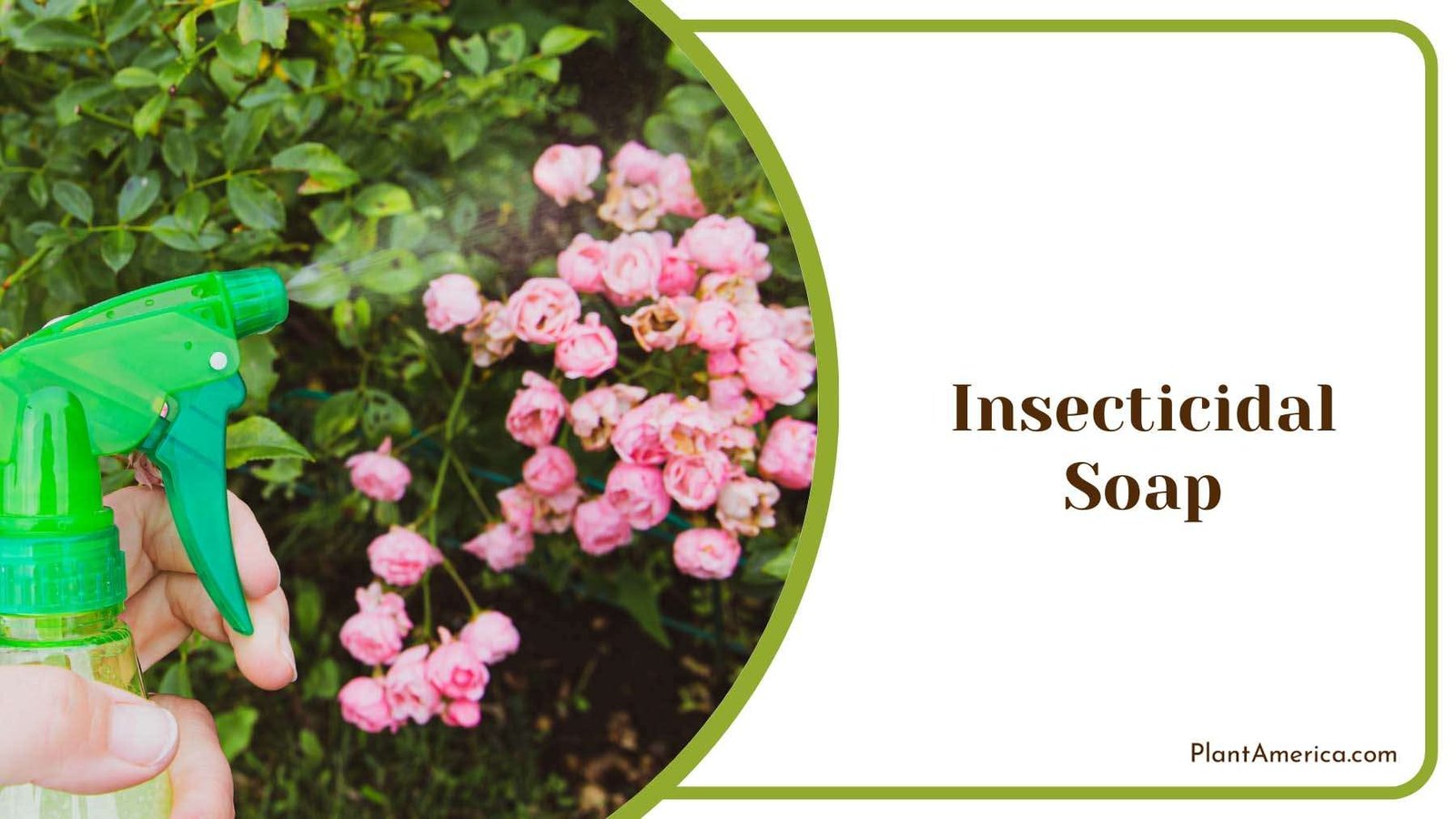
To make the solution more effective, you can also add isopropyl alcohol. Mix alcohol and water in equal proportions and make about half a liter of solution. Then, combine one tablespoon of liquid soap and mix it with the solution thoroughly. Spray it on your plant, ensuring that all parts are covered.
The combination of alcohol and soap is very effective in destroying the pests completely. Just repeat the process regularly or whenever the infestation recurs. You can also opt to buy a commercial insecticidal soap product; just make sure that it does not contain harmful chemicals on your plant.
– Encourage Beneficial Insects
Ladybugs, parasitoid wasps, beetles, and lacewings are all beneficial insects that could help you get rid of mealybugs without causing harm to your plant. They all kill mealybugs naturally and help manage the infestation. Grow host plants that attract these predatory insects, or you can purchase them from a commercial online retailer.
Keep in mind that you should provide shelter and food sources to these beneficial insects, and avoid using pesticides that might kill them.
– Use a Homemade Mealybug Spray
You can deter mealybugs by using items that can be found inside your kitchen. Prepare one small onion, one garlic bulb, and one teaspoon of cayenne pepper. Combine all the ingredients in a blender or a food processor, and blend them to make a paste. Mix the paste into one quart of water, and let it steep for an hour.
After an hour, strain the mixture through a cheesecloth. Add one tablespoon of dishwashing liquid and mix well. Transfer it to a sprayer to easily apply it to your plants. Spray your homemade garden pesticide on the areas where mealybugs are present. Repeat the application if they are still present after a few days. Store the mixture in the refrigerator as it is good for up to one week.
– Apply Neem Oil
Neem oil is one of the best solutions to get rid of mealybugs naturally. Unlike synthetic chemical insecticides, it does not contain harmful chemicals; therefore, neem oil on elephant ears is safe, as well as for humans and pets.

Neem oil could kill mealybugs and their larvae by penetrating a waxy coating on their bodies that could affect their growth, development, feeding, reproduction, and survival.
To make a neem oil solution, mix one teaspoon of neem oil, one teaspoon of dishwashing liquid, and a gallon of warm water. Transfer it to a sprayer for easy application. Spray the solution on your houseplant early in the morning and late in the evening or during the time when the beneficial insects are dormant.
– Use Pesticide
If you are not introducing predatory insects to aid in infestation, using pesticides is another ideal solution. However, synthetic chemical insecticides should be used with caution and should be your last resort due to the chemical substances that could kill insects, whether good or bad, and can be harmful to humans.
Make sure that you buy an insecticide that is designed to be used for mealybugs and can be safe to use indoors. Read and follow the label instructions carefully before application, and repeat the application if the infestation continues.
Conclusion
Eliminating mealybugs on elephant ear plants can be tough. However, the good thing is that there are plenty of different solutions to fix this issue. Make sure to keep the following key points in mind:
- Early identification of mealybug infestation lessens the damage to your plant.
- Mealybugs love stressed indoor plants.
- They thrive in warm conditions.
- Using neem oil and introducing beneficial insects will naturally kill and prevent mealybugs.
- Homemade insecticidal sprays are effective in managing an infestation.
Now that you have plenty of solutions to choose from, you can also act as quickly as possible to prevent the infestation from causing further damage to your plant and allow it to thrive without the inconvenience of pests.