
Tropical house plants can bring peace, comfort, and vibrant life to any home. If you want to surround yourself with lush greenery that transports you to a tropical paradise in your living room, consider adding gorgeous tropical foliage finds to your collection following the ideal growing conditions.

This complete guide will cover some of the best tropical house plants you’ll adore, from spiky succulents to colorful herbs and huge foliage plants.
Tropical House Plants To Class up Your Home and Interiors
1. Golden Pothos

- Growing season: Year-round, Spring, Summer
- Leaf shape: Heart-shaped, Variegated
- Specific needs: Medium to bright indirect light, High humidity
- Common pest: Mealybugs, Spider mites
The golden pothos, also known as devil’s ivy, is one of the most popular tropical house plants, loved due to its ease of care and low maintenance needs. This climbing vine produces long trailing stems with heart-shaped leaves variegated in shades of green, white, and bright golden yellow, which make it a gorgeous addition to any home.
The golden pothos is also very resilient and can tolerate occasional neglect. Meaning the plants can thrive with inconsistent watering, and fluctuating temperatures, and require no constant attention, making them a great choice for beginning plant parents. Their ease of care and striking variegated foliage that brightens up any space ensure their appeal to plant enthusiasts of all experience levels.
Golden pothos plants require only infrequent watering, around every seven to 14 days when the top few inches of soil become dry. They grow best with medium to bright, indirect sunlight but can tolerate low-light conditions found indoors. Golden pothos plants also produce aerial roots as their vines extend, which helps them climb and attach themselves to surfaces and structures.
The golden pothos is very versatile and can be displayed in various ways depending on homeowners’ preferences. They can be grown as tabletop plants, grown upwards on totems or poles, trained to climb walls and trellises, or left to trail down containers, creating a beautiful dangling cascade of foliage.
Overall, the golden pothos’ ease of care, natural beauty, and versatility make it one of the most popular and suitable indoor plants for any home or office space.
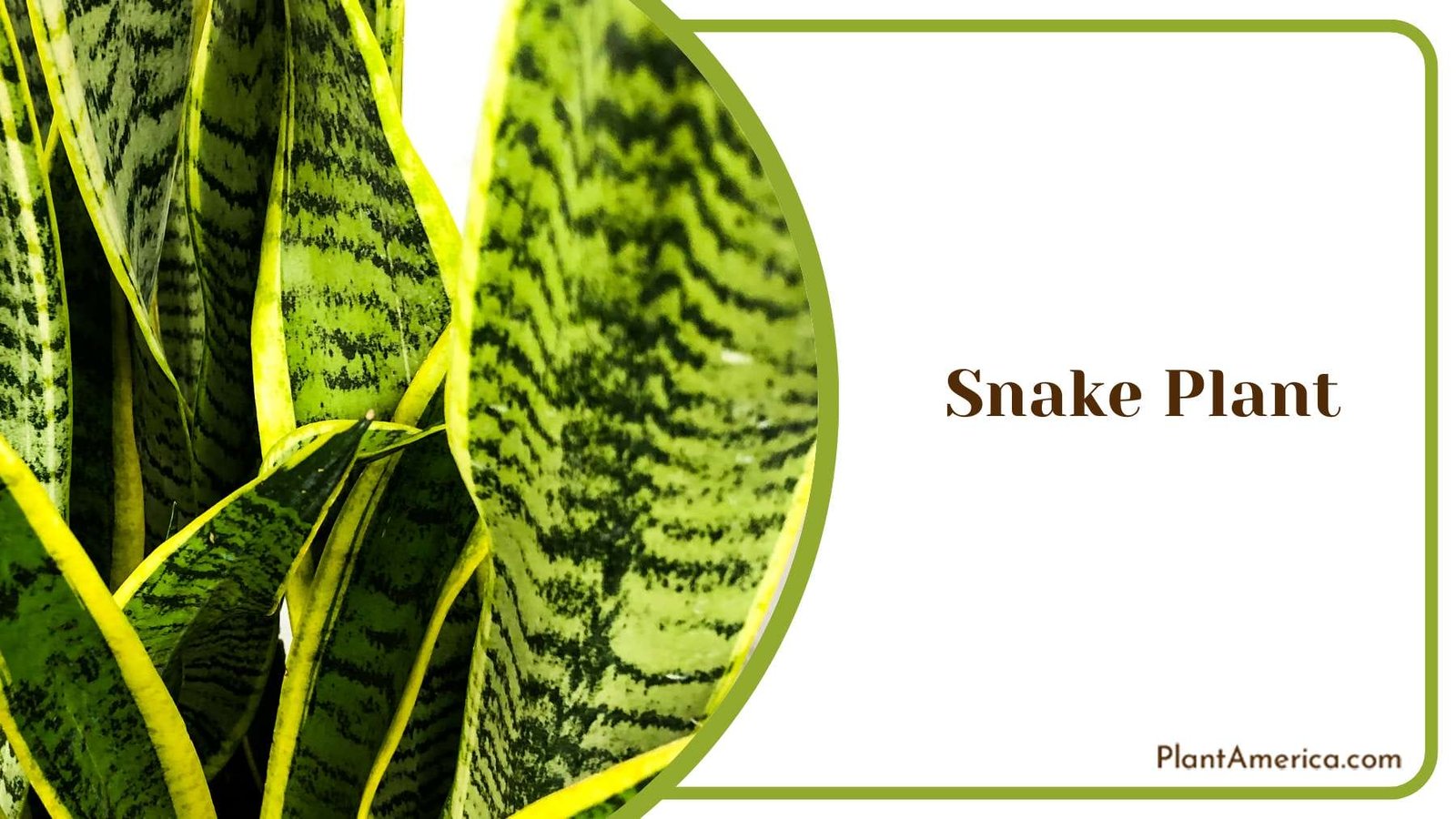
2. Snake Plant
- Growing season: Year-round, Spring, Summer
- Leaf shape: Linear, Sword like
- Specific needs: Bright indirect light, Infrequent watering
- Common pest: Mealybugs, Spider mites
The snake plant, also known as mother-in-law’s tongue, is an iconic tropical plant that is very easy to care for. The plant is prized for its hardiness and ability to thrive even with infrequent care and neglect.
The snake plant stores water in its underground caudex, allowing it to survive for weeks or even months between waterings. The thick succulent leaves arise from this enlarged water-storage root. The leaves are long, slender, and pointed, giving the plant its “snaky” appearance.
Snake plants are naturally low-maintenance plants. They are very tolerant of infrequent watering and tend to do best when somewhat neglected or forgotten about. These plants require watering only once every two to four weeks, even less often in winter. In addition, these plants purify the air by absorbing carbon dioxide and releasing oxygen, making snake plants an ideal low-hassle addition to any home.
The snake plant’s ease of care requirements and air-purifying benefits ensure its ongoing appeal as a houseplant. Some of the advantages of growing snake plants include: requiring minimal effort, surviving long periods between waterings, being very forgiving of occasional neglect, and improving indoor air quality.
Overall, the snake plant’s toughness, resilience, and ability to thrive with minimal care make it an ideal choice for busy plant parents, those new to gardening, and anyone seeking an easy-to-maintain houseplant that demands virtually no attention.
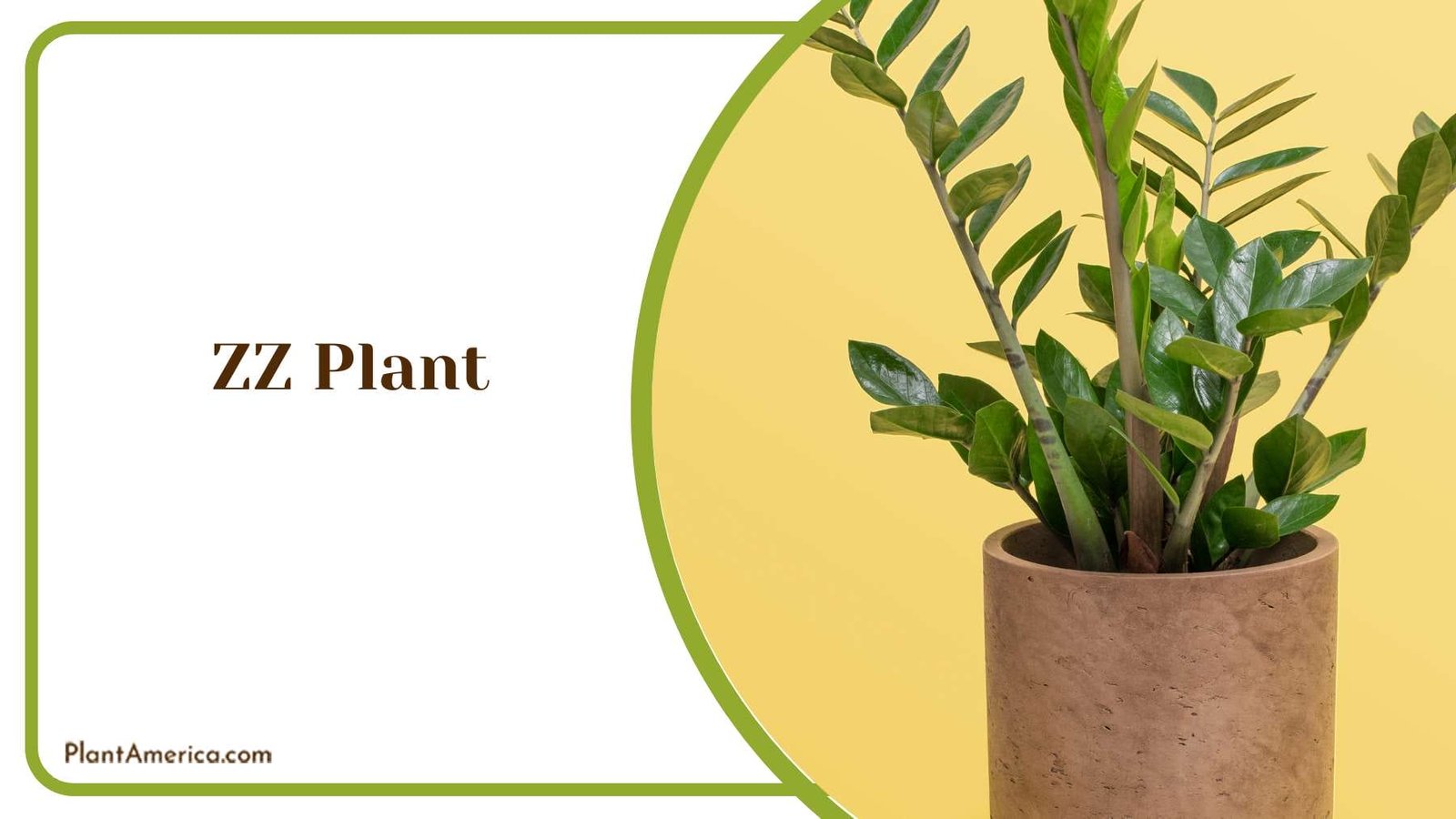
3. ZZ Plant
- Growing season: Year-round, Spring
- Leaf shape: Linear , Grass-like
- Specific needs: Low to medium light, Infrequent watering
- Common pest: Aphids, Scale insects
The ZZ plant is an architectural tropical house plant known for its hardy nature and ease of care.
The plant features thick stems and tall grass-like leaves that make it a striking specimen. It is native to South Africa and thrives in tropical and subtropical regions.
ZZ plants are extremely drought tolerant. They can survive for weeks or even months without water, making them suitable for neglectful plant parents. The plants prefer low to medium light levels, and tight spaces between their leaves help protect them from potential pests.
ZZ plants work well as tabletop plants or floor specimens. They add exotic interest to any indoor tropical landscape with their geometry and height. Their large, full shape provides an air of sophistication and abundance. Overall, ZZ plants require very little care. They are perfect for busy plant parents owing to their hardy nature and drought tolerance. Their architectural form and ease of care make them appealing additions to any modern interior.
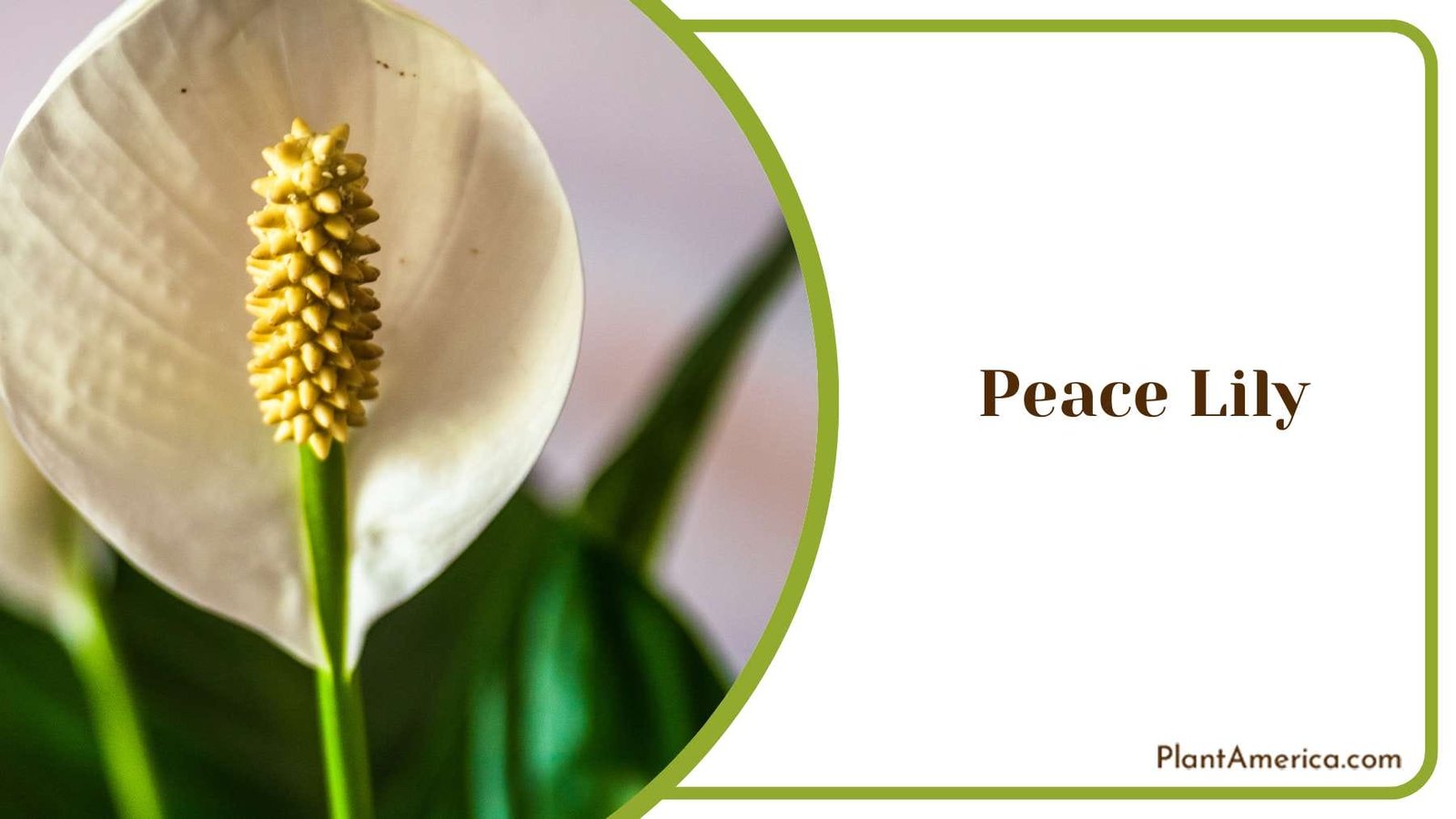
4. Peace Lily
- Growing season: Year-round, Summer
- Leaf shape: Lance-shaped, Broad
- Specific needs: Medium light, High humidity
- Common pest: Fungus, Gnats
Peace lilies have fragrant flowers that give off the strongest aroma at night, making them effective air purifiers. They thrive in medium indirect light and require high humidity. Peace lilies are poisonous if ingested, so keep them away from children and pets.
Provide moist, well-draining soil for peace lilies. Water when the top inch of peace lily soil feels dry. Fertilize monthly in spring and summer. Snip off dead or yellow leaves and prune back leggy growth. Propagate with stem cuttings in water or soil.
Despite requiring some care, peace lilies remain low maintenance additions to home interiors due to their fragrant flowers, ease of growth, and ability to filter indoor air. The attractive foliage and blooms work together to beautify any indoor environment.
5. Swiss Cheese Plant

- Growing season: Year-round, Spring
- Leaf shape: Oval to heart-shaped, Lobed leaves
- Specific needs: Medium to high light, High humidity
- Common pest: Mealybugs, Spider mites
The Swiss cheese plant, also called the holey leaf plant, produces dramatic oval leaves on long, reddish stems. The leaves come in various shades of green and have distinct lobes and holes that give the plant its common name. The leaves cascade elegantly from hanging baskets or climb upward when placed on a support. This tropical plant thrives in medium to high-light environments and appreciates high humidity.
Consistent warmth and moisture will help promote healthy growth and produce abundant fenestrations in the leaves. The plant’s lobed and “holey” foliage adds bold texture and visual interest to any indoor tropical landscape.
The Swiss cheese plant is an excellent option for those seeking a tropical foliage plant with whimsy and charm. The plant’s distinctive leaves and colorful stems make it a unique and eye-catching addition to any indoor collection.
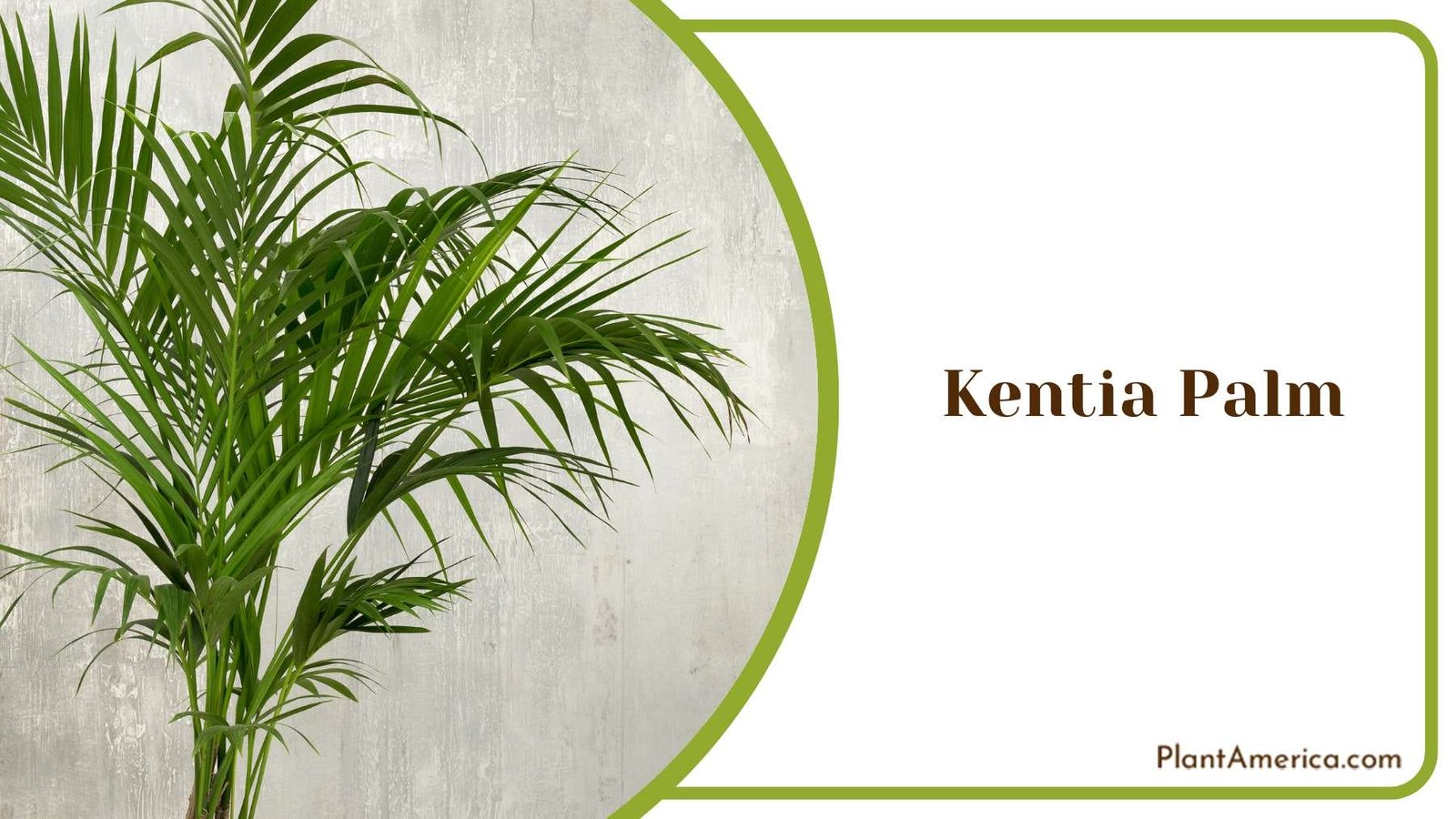
6. Kentia Palm
- Growing season: Year-round, Summer
- Leaf shape: Feathery, Pinnate fronds
- Specific needs: Medium light, Regular watering
- Common pest: Mealybugs, Spider mites
Kentia palms have beautiful white blooms that release a sweet, fragrant aroma most intensely at night, making them effective air purifiers for homes and offices. They thrive under medium to low indirect light and require high humidity to prosper. These plants are poisonous if ingested, so keep them out of reach of small children and pets.
Provide moist, well-draining soil to promote optimal growth. Water Kentia palms thoroughly when the top inch of the soil feels dry. Fertilize monthly in the spring and summer months with a balanced houseplant formula. To keep plants looking tidy, snip off dead or yellow leaves and prune back any leggy growth using sterilized pruners. New plants can be propagated through stem cuttings rooted in water or soil.
Despite requiring some care regarding light, moisture, and fertilizing, Kentia palms remain largely low maintenance additions to home interiors due to their ease of growth, ability to successfully filter indoor air with their fragrant blooms, and aesthetically pleasing foliage that complements any decor.
The combination of delicately patterned leaves and intensely fragrant white blooms work together to lend a tropical oasis vibe and help brighten up any indoor environment for longer periods with minimum effort. Overall, Kentia palms enrich indoor landscapes with natural beauty and aromatherapy benefits.
7. Parlor Palm
- Growing season: Year-round, Summer
- Leaf shape: Feathery, Pinnate fronds
- Specific needs: Medium to bright light, Regular watering
- Common pest: Scale insects, Spider mites
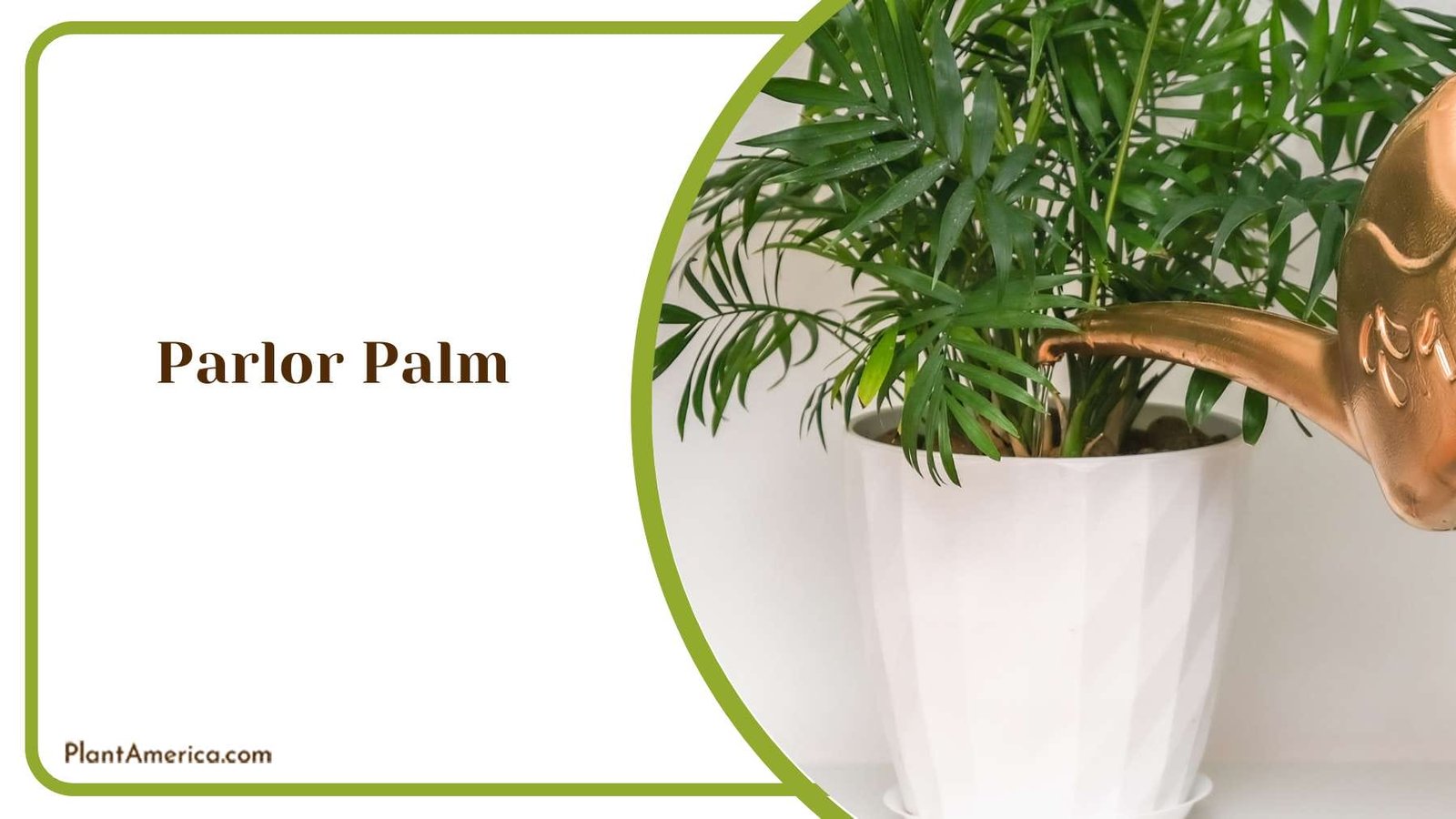
The parlor palm adds tropical elegance to any space with its full, graceful fronds arching from a slender trunk. The feather palm fronds grow up to three feet long and offer a textural, fern-like appearance that softens harder decor elements.
Parlor palms thrive in medium to bright indirect light and require regular watering to keep their large leaves hydrated. Check the soil moisture often and water thoroughly whenever the top one to two inches feel dry. Parlor palms are susceptible to pests like spider mites and scale insects, so regular checks and wiping leaves clean help control them. Spraying the palms with insecticidal soap also aids pest management.
With proper care, these palms can grow 6 to 12 feet tall indoors, adding stately lushness to any tropical interiorscape. Regularly remove brown or dying fronds to maintain a neat, full appearance.
Parlor palms offer an elegant architectural presence in home interiors due to their stately overall form, columnar trunks, and arching crown of large, textural leaves. The feather palm fronds lend a graceful sense of the tropics that soften harsh lines while infusing an interior with lush natural beauty.
The ability of parlor palms to thrive on moderate light and moisture while attaining an impressively tall stature combines with their lush, textural foliage and graceful form to ensure their enduring appeal for modern indoor landscapes seeking a touch of tropical elegance.
8. Dragon Tree
- Growing season: Spring, Summer
- Leaf shape: Linear, Stiff leaves
- Specific needs: Bright indirect light, Infrequent watering
- Common pest: Mealybugs, Spider mites
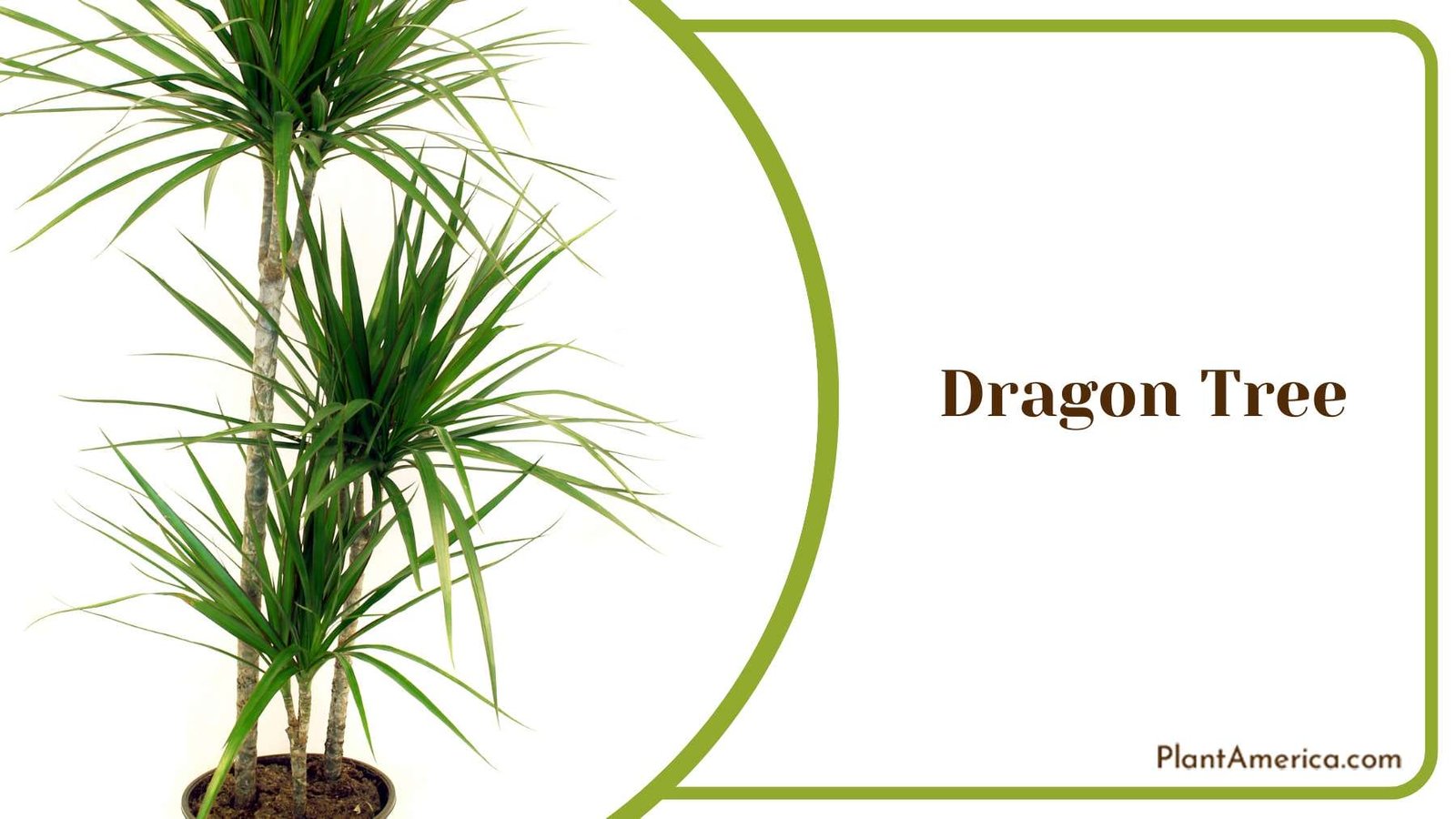
The dragon tree is a slow-growing succulent with a striking trunk and tubular leaves that resemble large green spikes jutting boldly skyward.
Their geometric form and woody trunks provide sculptural interest to any interiorscape. Dragon trees are very hardy and tolerate neglect well. Allow the dragon tree soil to dry out between thorough waterings. These drought tolerant plants are susceptible to infestations by mealybugs, but misting the leaves regularly helps prevent buildup.
Dragon trees can live for decades with proper care, eventually developing thick multiple trunks that enhance their exotic, prehistoric look. Their slow and steady growth contributes to their ability to become conversation pieces for years. Over time, the thickening trunks take on an anthropomorphic quality.
The architectural interest provided by dragon trees’ geometric forms, sculptural trunks, and striking upright leaves combined with their ease of care and longevity ensures their enduring appeal for modern indoor landscapes. The way dragon trees adapt to infrequent water and inhabit interior spaces with a sense of timelessness for decades promises long-term rewards for those seeking elegantly strange and durable plants to accompany them through the seasons.
9. Jade Plant

- Growing season: Spring, Summer
- Leaf shape: Succulent, Thick oval leaves
- Specific needs: Bright light, Infrequent watering
- Common pest: Mealybugs, Scale insects
Its oval leaves come in various shades of green and may take on a reddish tint when exposed to bright light. Jade plants prefer sunny windows and should only be watered around once every two to three weeks, allowing the soil to dry out in between. These low-maintenance plants are hardy and long-lived, in some cases living for over 100 years!
Jade plants make great desktop companions and add appeal to any indoor tropical scheme with their sculptural form and easygoing nature. They are fairly resistant to most pests but occasionally may develop infestations of mealybugs or scale insects that can be treated with a cotton swab dipped in rubbing alcohol. Overall, jade plants offer an accessible way to enjoy the wonders of the succulent world.
10. Anthurium Andraeanum
- Growing season: Year-round, Summer
- Leaf shape: Heart-shaped, Waxed leaves
- Specific needs: Medium to high humidity, Indirect light
- Common pest: Mealybugs, Spider mites
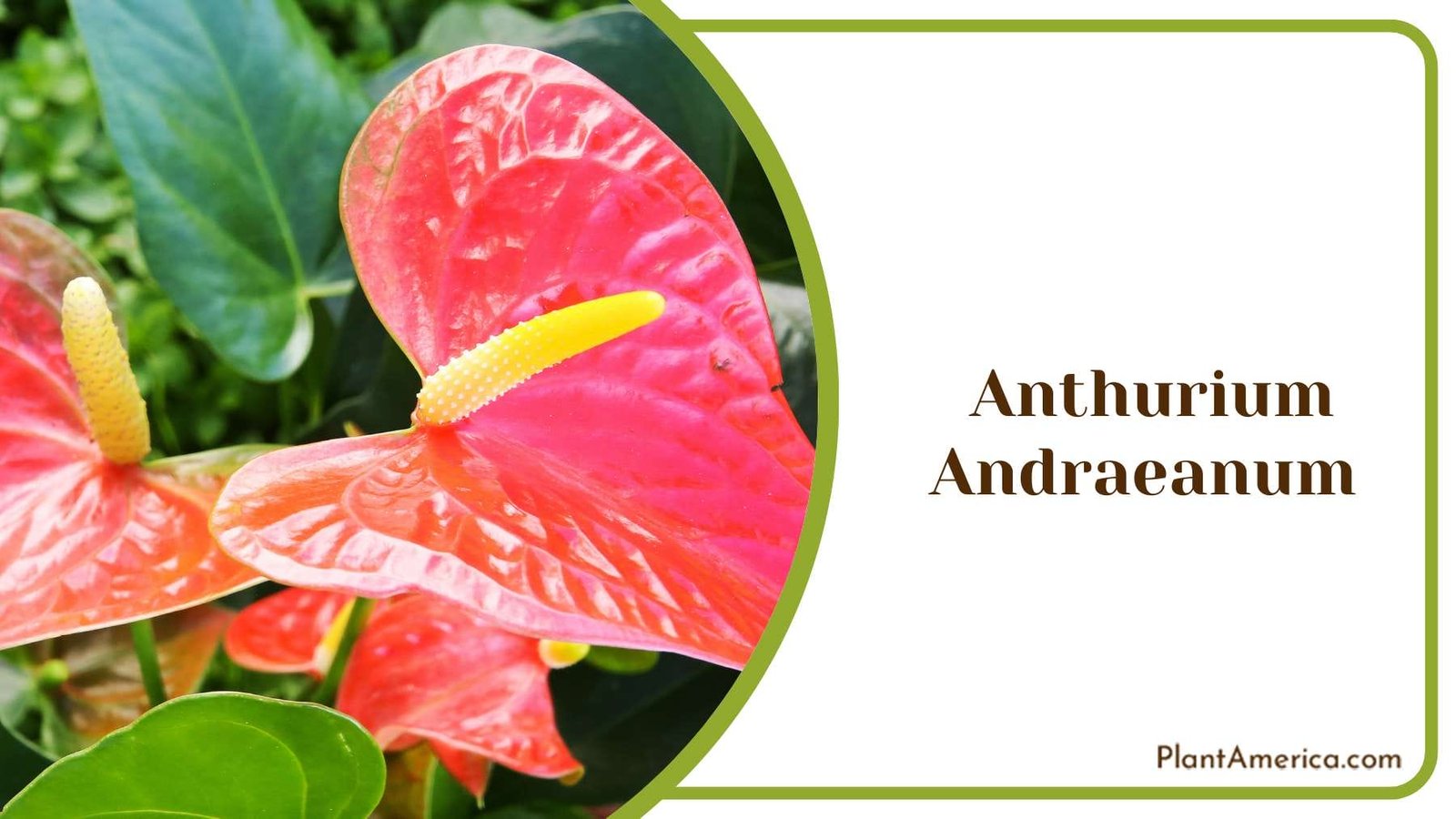
The anthurium, also known as the flame leaf plant, produces colorful heart-shaped leaves and waxy flowers that resemble flaming tails, earning it its common name. The flowers come in vibrant shades of red, pink, and white that add striking pops of color. Anthuriums thrive best in indirect or low light levels, as direct sun can scorch their foliage. They prefer warm temperatures between 70 to 85 degrees Fahrenheit to flower continuously.
These tropical plants love humid environments and consistently moist soil. Their substrate should be kept evenly moist but not saturated or sopping wet. Allowing the top inch or two to dry out slightly between waterings promotes good drainage and prevents root rot. When dormant in winter, anthuriums need less frequent watering.
Anthuriums are relatively pest-free but may develop infestations of sap-sucking insects like mealybugs or soft scale under subpar conditions. Neem oil sprayed as directed on leaf surfaces and in leaf axes helps control these pests organically and naturally. With their gorgeous heart-shaped greenery and bright waxy blooms, anthuriums serve as real showstoppers.
Well-tended specimens will flower continuously for months, lighting up any indoor tropical landscape. Their vibrant color selection makes eye-catching centerpieces or tabletop specimens at dinners and events. Guests are sure to ask about these unique and stunning plants.
Anthuriums are perfect for brightening up homes, offices, or any area where a taste of the tropics is desired without a large outdoor space. Their beautiful waxy flowers and glossy heart-shaped leaves transport beholders to faraway lands.
11. Ficus Lyrata
- Growing season: Year-round, Spring
- Leaf shape: Oblong to elliptic, Leathery leaves
- Specific needs: Medium to bright indirect light, Regular watering
- Common pest: Mealybugs, Whiteflies
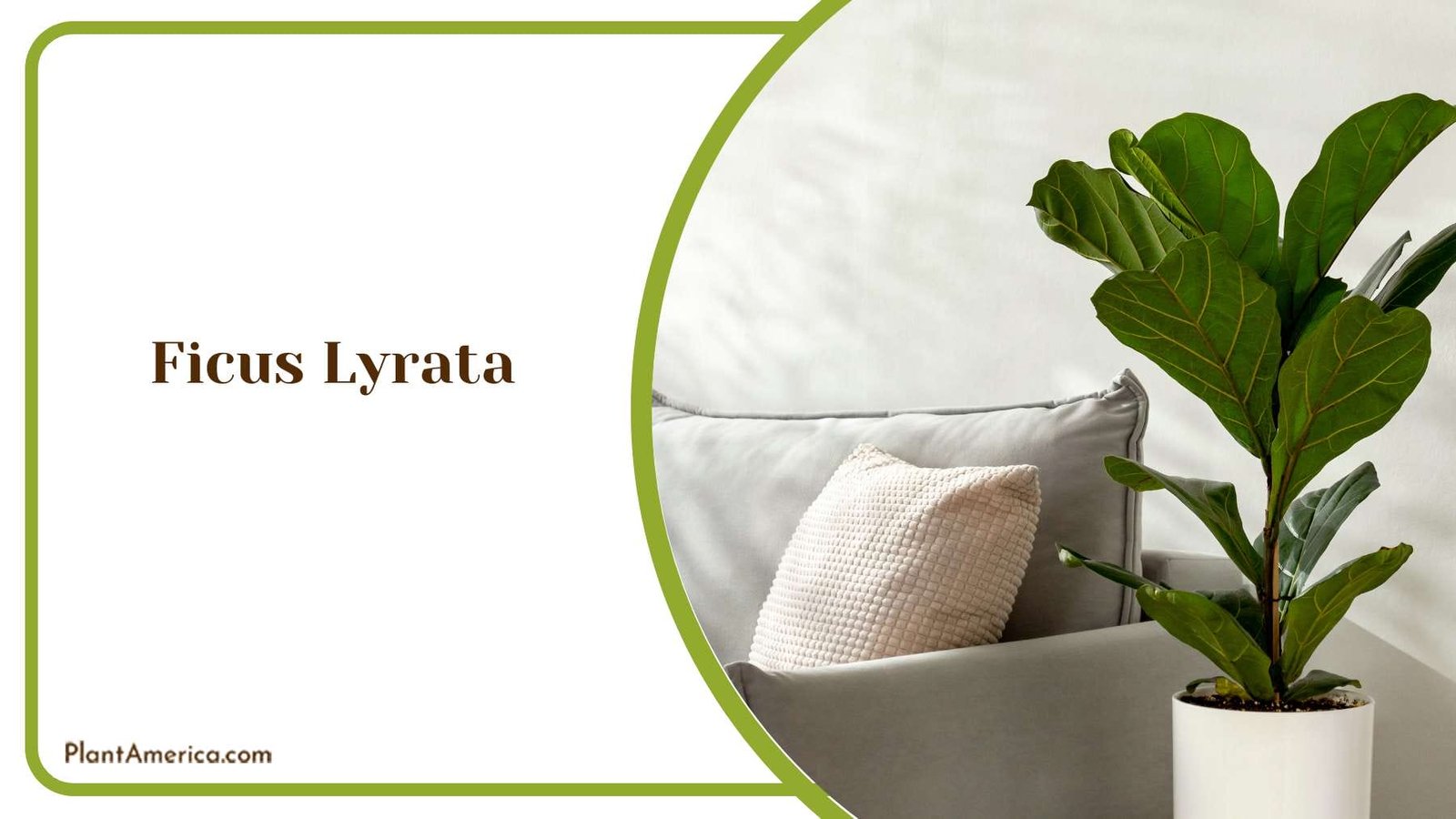
The ficus lyrata, commonly called the fiddleleaf fig for the distinctive shape of its foliage, features extra-large, thick, oblong leaves that resemble the form of a violin or fiddle. A dramatic native of the Western Ghats region in India, this photosynthetic powerhouse demands plentiful bright, indirect sunlight and consistent moisture to thrive as an indoor houseplant.
The leathery leaves of the fiddleleaf fig are prone to dropping under stressful conditions like extended exposure to dry indoor air if its soil is allowed to dry out too much between waterings. To keep its massive leaves hydrated and prevent defoliation, this tropical tree depends on regular deep waterings when the top inch or two of substrate becomes slightly dry.
To avoid potential pest issues arising from poor conditions, owners should regularly check the plant over thoroughly and wipe down its broad, glossy leaves every week or two. Common pests like spider mites prefer dry, dusty environments and regular foliage washing helps deny them habitable surfaces.
When provided with its ideal bright light and moisture levels indoors, the ficus lyrata tree grows rapidly, quickly demanding staking or support for its substantial canopy of dark, orchid-like leaves. Within a couple years, an average specimen may tower 8 to 10 feet indoors. The dramatic bolls and intriguing foliage textures bring a touch of the tropics to modern interiors.
With its bold, architectural form and thick leaves resembling an abstract work of art, the fiddleleaf fig tree instantly adds sculptural visual interest to homes, offices, or any interior environment seeking a statement piece.
When well cared for, it becomes a stunning focal point that elevates the style of the overall landscape. Its ease of indoor culture along with breathtaking aesthetic continues to make it one of the most popular dramatic houseplants available.
12. Rubber Plant
- Growing season: Spring, Summer
- Leaf shape: Broad, Oval leaves
- Specific needs: Medium to high humidity, Regular watering
- Common pest: Mealybugs, Spider mites
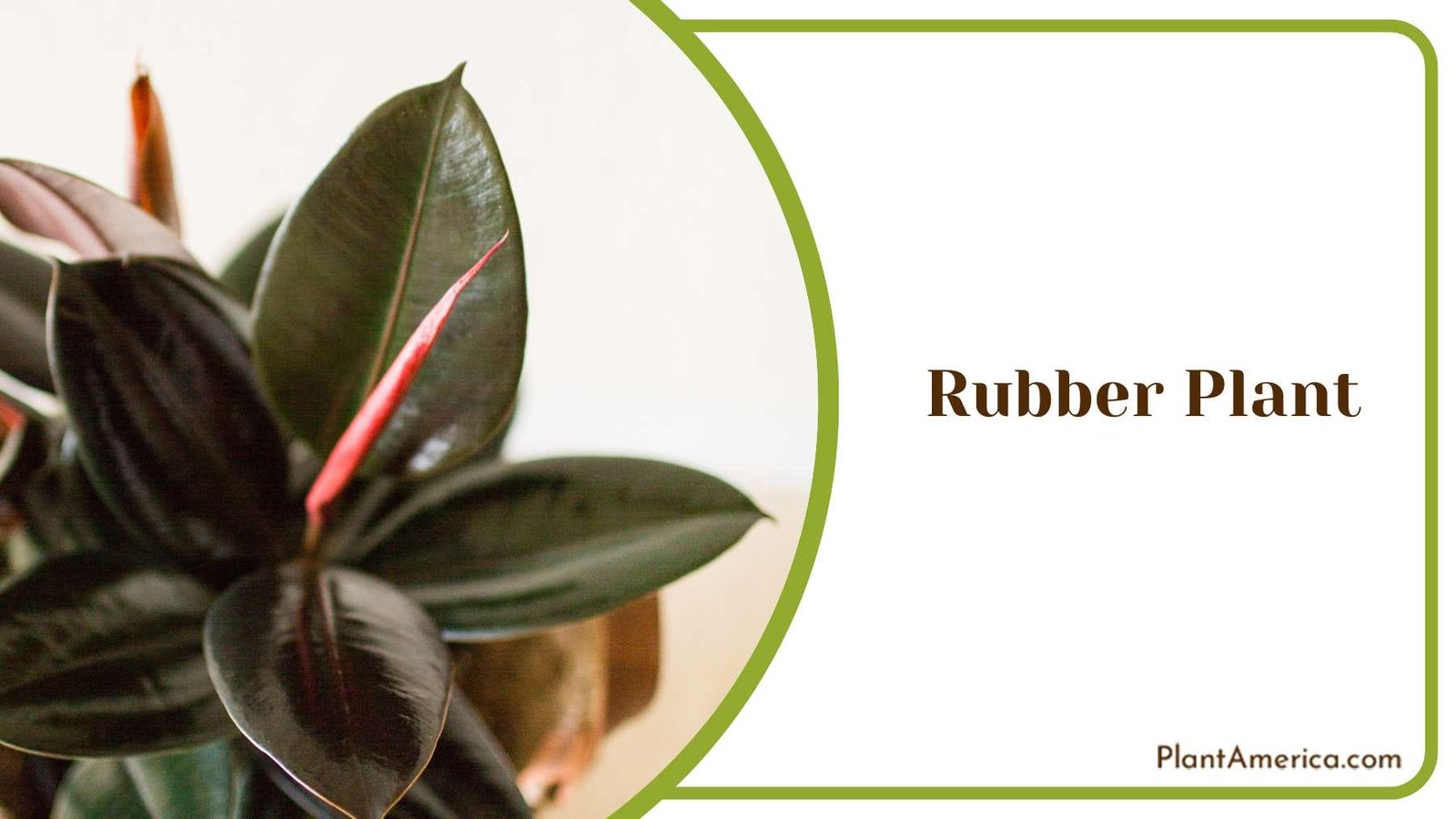
The rubber plant, also known as ficus elastica, derives its name from the thick, waxy, shiny leaves that resemble the texture of rubber. These tropical evergreen houseplants produce sturdy woody stems topped with broad, oval leaves that can range in color from solid dark green to variegated varieties sporting creamy white or yellow splotches and stripes.
Rubber plants thrive in warm, humid environments that mimic their natural rainforest habitats. To keep the thick foliage lush and healthy indoors, they require regular watering while allowing the potting medium to dry slightly between waterings. Boosting ambient humidity around rubber plants helps prevent edge burning and crisping of their waxy leaves.
Methods like placing the nursery pot on a pebble tray topped with water work well to increase humidity levels near these tropical specimens. Owners should also regularly mist the leaves to supplement humidity.
Rubber plant foliage is susceptible to infestations by sap-sucking pests like spider mites and mealybugs, which thrive in dry indoor conditions. Regular inspections of leaf surfaces and tight growing areas allows early detection and treatment before infestations become damaging.
Wiping leaves clean weekly also helps control pests organically. With their ideal humid, tropic-like growing conditions fulfilled, rubber plants morph into voluminous specimen plants over time. Their lush, luxuriant leaves provide an authentic taste of rainforest textures indoors for modern décor.
The bold yet classically elegant silhouette of ficus elastica, combined with their easy culture and resilient nature, contributes to their enduring popularity as indoor houseplants. Their stately architectural leaves instantly add sculptural visual layers that heighten the style of modern interior plantscaping. Proper care ensures rubber plants remain long-standing focal points providing beauty to the contemporary home or office.
13. Elephant Ear Plant

- Growing season: Spring, Summer
- Leaf shape: Large, Tropical leaves
- Specific needs: Medium to high humidity, Regular watering
- Common pest: Mealybugs, Spider mites
The elephant ear plant derives its common name from its most iconic feature — enormous, deep green heart-shaped leaves that can span up to three feet long and nearly twice as wide, resembling the size and shape of a prehistoric pachyderm’s ear. These imposing tropical perennials thrive on warm temperatures and high humidity that mimic their Central American and African rainforest habitats.
Elephant ear plants benefit greatly from weekly applications of diluted liquid fertilizer directly onto their foliage during peak growing periods, like spring and summer, to fuel rapid leaf expansion. Consistent applications ensure leaves maintain their healthy leathery appearance throughout vegetation cycles.
The sizable foliage presents ideal harborage for sap-sucking pests seeking stagnant, humid areas to colonize. Spider mites and mealybugs often infest elephant ear leaves if environmental stress occurs from under-watering or fluctuating moisture levels. Regular inspections of foliage and sheaths allows early treatment before populations erupt. Leaf-wiping further controls pests organically.
With their favored humid conditions met, elephant ear plants grow aggressively into truly imposing statuesque specimens within a single season. Their colossal leaves provide a touch of the prehistoric indoors, towering far above most companion foliage. Though imposing, their architectural form remains elegant despite primeval dimensions.
The bold architectural drama and prehistoric appeal brought by elephant ear plants make them striking conversation pieces within modern interior tropical landscapes. Proper care results in these giant-leaved growers emerging as true statement specimen plants commanding attention for their sheer imposing tropical presence.
14. Umbrella Plant
- Growing season: Year-round, Summer
- Leaf shape: Palmate, Triangular to lobed leaves
- Specific needs: Medium to high humidity, Indirect light
- Common pest: Scale insects, Spider mites
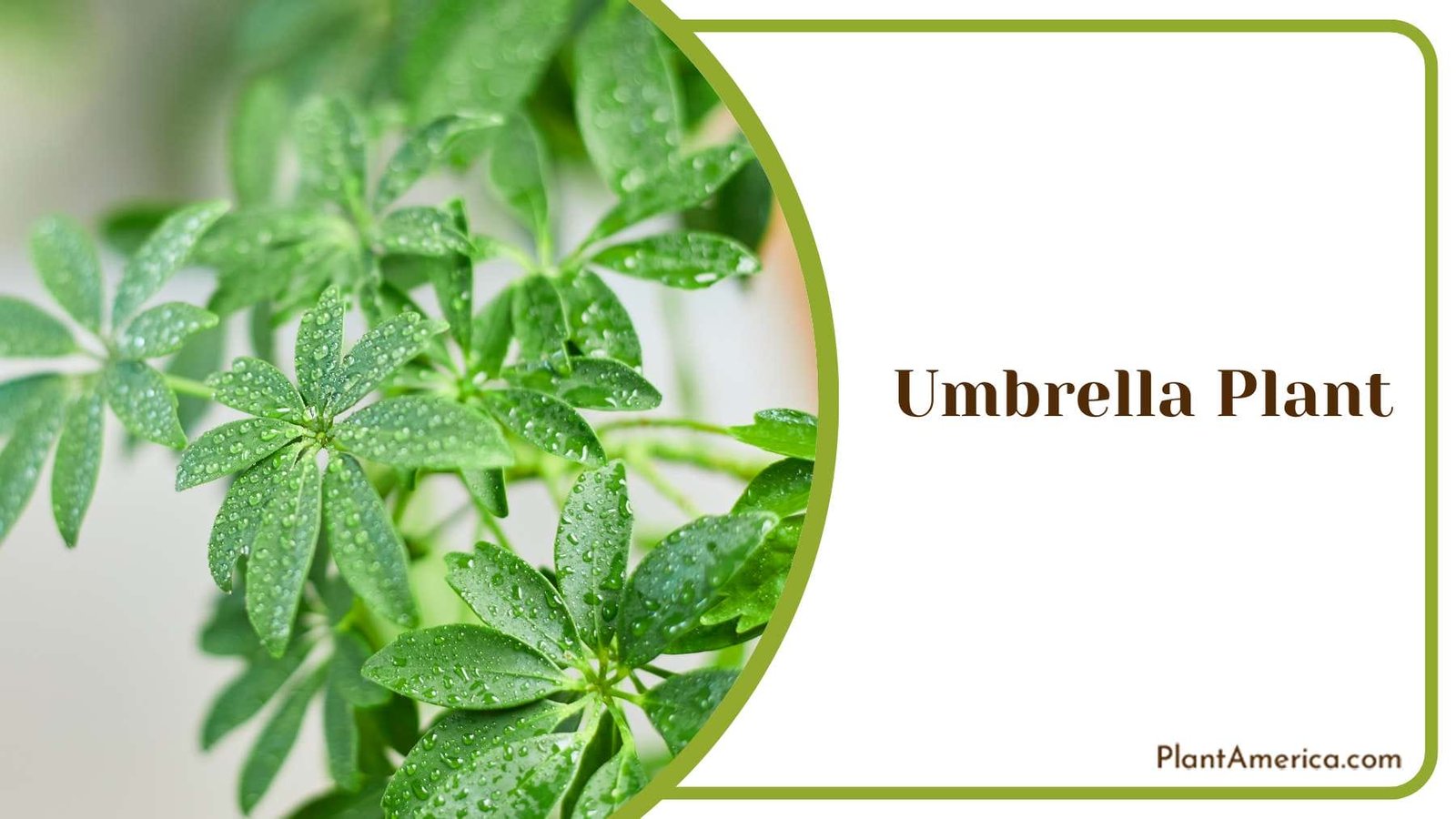
The umbrella plant gets its name from its dense crown of triangular, palmate leaves that resemble the spokes of an open umbrella. This tropical plant thrives in warm, humid conditions and appreciates high humidity.
Mist the leaves frequently and place the pot in a pebble tray filled with water. Umbrella plants do well in medium to low light and should be watered whenever the top inch or two of soil feels dry. These plants may develop infestations of spider mites or scale insects in dry environments, but regular inspections and leaf wiping can help keep any pest problems under control.
When provided with warm and humid conditions, umbrella plants grow into voluminous compact specimens, their dense foliage providing beautiful texture and depth to any tropical interiorscape. The handsome foliage and structure of umbrella plants make them an easy favorite for modern tropical decor.
15. Chinese Evergreen

- Growing season: Year-round, Spring
- Leaf shape: Large, Glossy rounded leaves
- Specific needs: Medium to high humidity, Indirect light
- Common pest: Mealybugs, Spider mites
These tropical plants thrive in humid environments with consistently moist but well-draining soil. Chinese evergreens prefer indirect or filtered light and will drop their lower leaves with too much direct sun exposure. Mist the leaves frequently and place the pot in a tray of pebbles and water to boost humidity.
These plants may develop infestations of spider mites or mealybugs in dry conditions, but regular inspections and leaf wiping can help control any pest issues. When provided with ideal humid and shaded conditions, Chinese evergreens grow into lush specimens – their large, tropical foliage providing abundant visual appeal to any indoor tropical landscape.
The classic good looks and easy care requirements make Chinese evergreens a long-time favorite for modern collections.
Conclusion
Tropical house plants can bring life, color, and tranquility to your indoor spaces. The right plants can transform a house into a miniature jungle oasis.
- The dragon tree is a slow-growing succulent with a striking trunk and tubular leaves that resemble large green spikes jutting boldly skyward.
- The rubber plant, also known as the rubber fig or rubber tree, gets its common name from its thick, glossy leaves that resemble rubber.
- The Alocasia amazonica or Amazon elephant ear plant features huge, arrow-shaped leaves that can span up to three feet long.
- The fiddle leaf fig imposing stature and large glossy leaves make it a dramatic statement piece for any interior.
If you start with one or two easygoing tropical plants to build your confidence, you’ll soon add more leafy inhabitants to your indoor jungle. Nurturing and watching tropical house plants grow is a soothing hobby that brings you closer to nature, even within the confines of your home.