
Types of philodendrons are some of the easiest houseplants to care for and add charm to any indoor space. Philodendrons are known for their low maintenance needs and ability to thrive in low to medium light.
Their velvety leaves come in various shapes, sizes, and vibrant colors that can instantly brighten up your home. So if you want an easy indoor plant to spice up your decor, keep reading to discover the top philodendron varieties for beginners and plant enthusiasts.
Types of Philodendrons for Your In-House Garden Space
1. Lemon Lime Philodendron
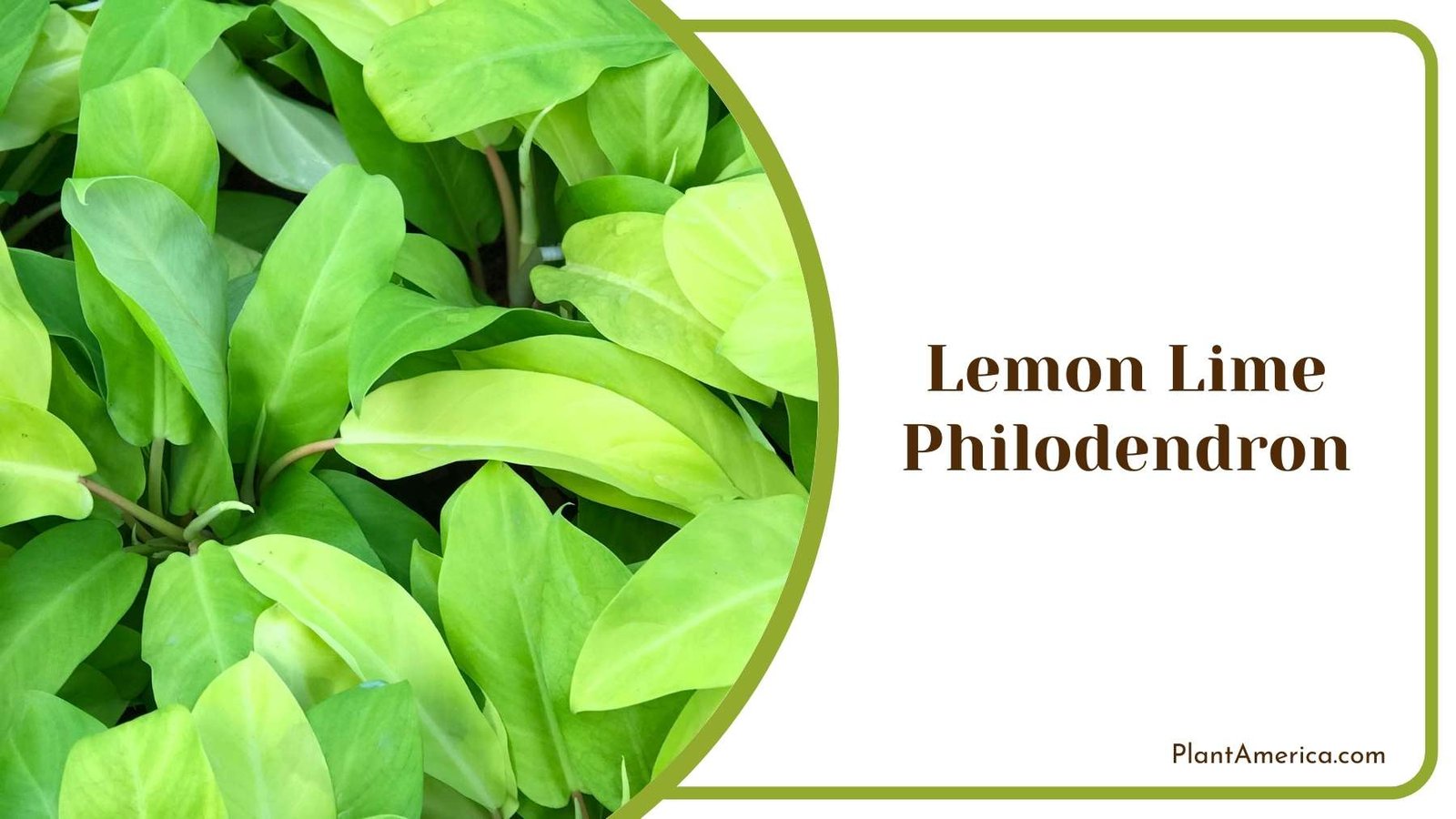
| Growing Season | All year |
| Leaf Shape | Deeply lobed, Waxy |
| Specific Needs | Medium to bright indirect light, Medium watering |
| Common Pests | Spider mites, Aphids |
The lemon-lime philodendron is a popular trailing houseplant valued for its low-maintenance nature and ability to thrive with minimal care. Native to tropical rainforests of Central America, it forms a vining cascading habit perfect for hanging baskets or training up a moss pole.
As vines grow longer, they develop small aerial roots along the stems to aid in climbing. Unlike other philodendron varieties, the lemon-lime has solid, unpatterned leaves.
While able to survive low indirect light, it will thrive and produce the most vibrant foliage with moderate illumination. Over-exposure to direct sun may cause leaf edges to yellow or burn.
The lemon-lime philodendron should be watered when the top few inches of soil become dry to the touch. Allowing the soil to partially dry out between waterings promotes healthy root growth. It grows vigorously during the spring and summer months but is quite forgiving of irregular watering schedules.
Fertilize monthly when actively growing to maintain lush foliage.
With capabilities to climb poles, spill from hanging pots, or trail over edges, this philodendron brings a cheerful pop of color to any indoor setting. Its long vines and hearty nature make it an ideal choice for first-time plant parents or those with neglectful tendencies.
Low fuss care combined with vivid foliage colors have earned this philodendron its popularity as an accent for homes, offices, and other interiorscapes..
2. Brazilian Philodendron
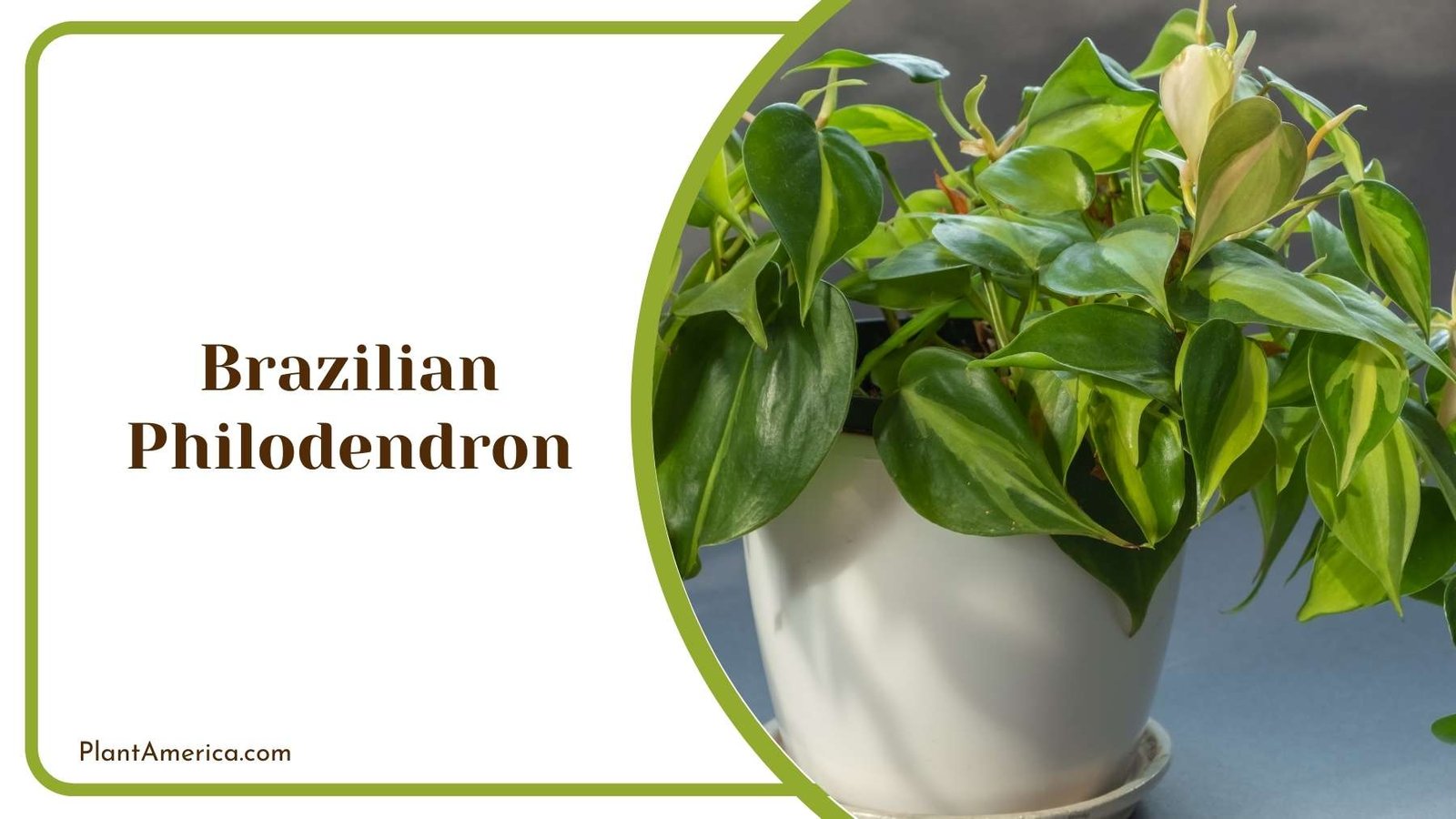
| Growing Season | All year |
| Leaf Shape | Deeply lobed, Divided |
| Specific Needs | Bright indirect light, High humidity |
| Common Pests | Spider mites, Mealybugs |
The philodendron brasil is an exotic yet low-maintenance houseplant known for its distinctive and beautifully cut leaves. Native to tropical forests of Brazil, this philodendron goes by the botanical name philodendron bipinnatifidum.
What makes philodendron brasil leaves so unique is their deeply lobed, almost palm-like appearance. The leaves emerge furled but unfurl into broad, glossy ovals cut by many fine segments that give the impression of feathers. Their leaves grow in an attractive spiraling pattern up strong, durable vines.
Mature philodendron brasil plants can grow quite large with vines spanning over 12 feet long given plenty of room. However, they are quite content when grown in pots and maintained at a smaller size by pruning. Their vines are climbers but can also be trained to trail or mount onto a moss pole for support.
These philodendrons thrive in moderate to low light conditions. They are best displayed in bright, indirect light away from direct sun which can scorch their foliage.
Keep the soil consistently moist but not soaked. Fertilize during the growing season in spring and summer.
Philodendron brasil is very tolerant of different environments, from shady indoor spots to humidity levels between 40-60 percent. Their finely cut leaves offer an elegant, lacy texture that complements both traditional and modern plant displays. Few houseplants rival their architectural beauty.
While not indestructible, philodendron brasil is quite resilient. Its waxy leaves are able to withstand low insect problems and occasional dry spells better than many other philodendrons. When happy, it will produce new leaves periodically for many years.
With their striking good looks and ease of care, it’s no wonder philodendron brasil has become a popular houseplant choice. Their exotic beauty transports the mind to tropical destinations around the world..
3. Pink Princess Philodendron
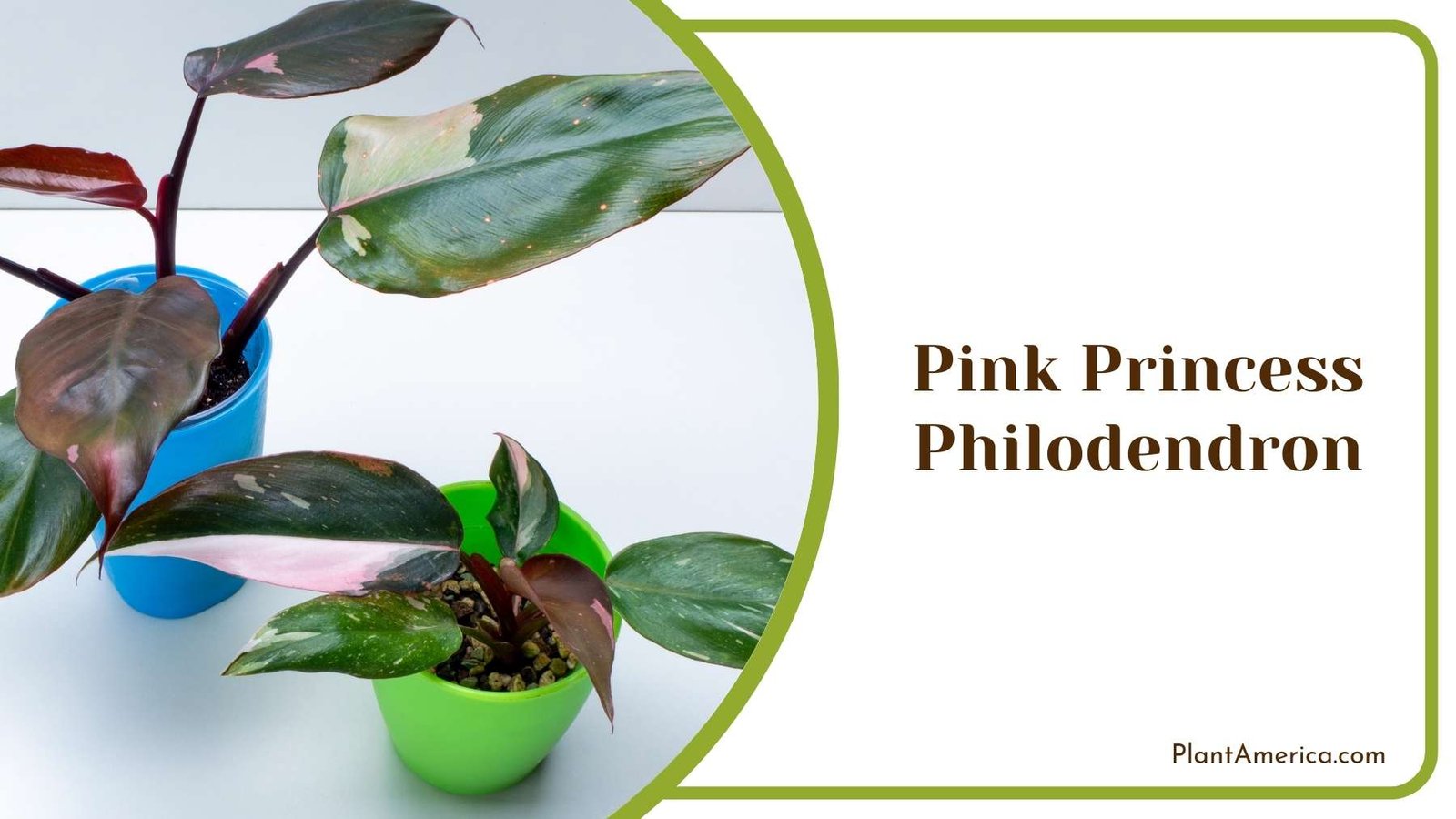
| Growing Season | All year |
| Leaf Shape | Heart-shaped, Variegated |
| Specific Needs | Medium to bright diffused light, High humidity |
| Common Pests | Spider mites |
The pink princess philodendron is an eye-catching houseplant variety prized for its strikingly colored leaves. Unlike the typical dark green leaves of most philodendrons, the pink princess boasts lush foliage splashed in shades of pink, red, and cream. Its unique leaf patterns make it a real conversation starter in any home or office.
A type of tropical climbing vine native to jungles in Brazil and Ecuador, pink princess philodendrons thrive as potted indoor plants.
They have a compact, bushy habit perfect for tables or hanging baskets. Leaves emerge deep burgundy and mature with streaks of pink and creamy hues. In bright, indirect light, color is most vibrant.
Philodendrons are noted for their excellent air-purifying qualities and tolerance of lower light. It appreciates humidity levels above 50 percent for best leaf development and flower/fruit production is possible in ideal conditions.
A striking accent to any room, pink princess philodendrons make impressive low-maintenance statement pieces. Their architectural leaves featuring unique patterns do all the talking! Although not true pink, the plant creates a feel of romance through its delicate pigments.
Pink princess philodendrons grow from compact rhizomes in soilless potting mixes well-draining yet moisture-retentive.
Allowing aerial roots to trail adds to their lush charm. Pinching vine tips promotes bushy growth. Plants can be propagated through cuttings in soil or water for new starts.
Rare and special, this pink foliage stunner continues winning fans for brightening interiors with its lush charm. Flowers or not, its remarkable leaves are true works of art inspiring wonder and joy in all who glimpse this princess of philodendrons. Affordable beauty for every home, it reigns with a diffidence all its own..
4. Black Cardinal Philodendron
| Growing Season | All year |
| Leaf Shape | Deeply lobed, Velvety |
| Specific Needs | Bright indirect light, High humidity |
| Common Pests | Spider mites, Mealybugs |
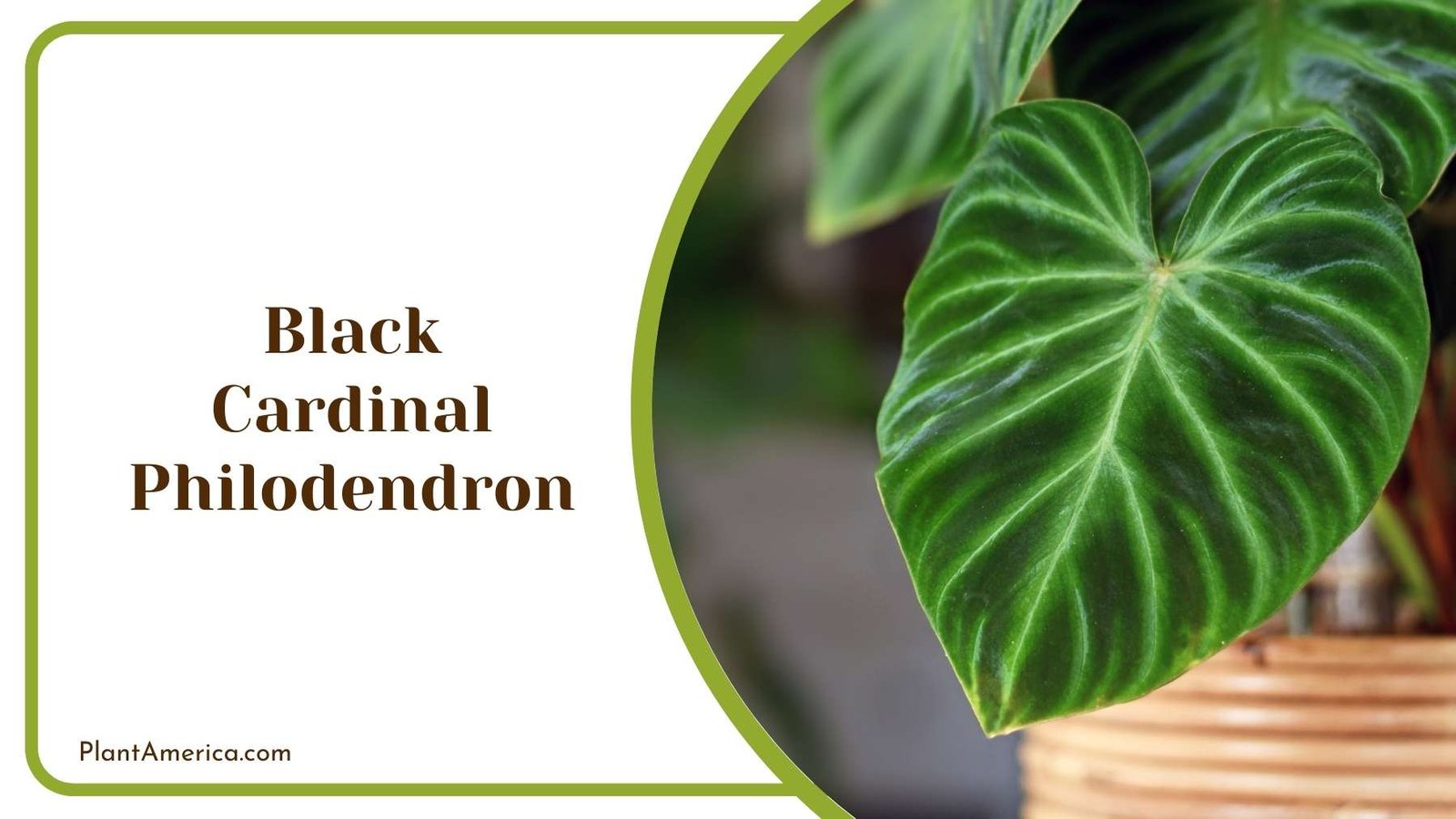
The black cardinal philodendron or philodendron hederaceum ‘Black Cardinal’ features deep burgundy leaves, when mature, that emerge bronze with hints of purple. Its leaves are deeply lobed with up to seven lobes and a velvety texture.
The black cardinal philodendron is a striking indoor plant valued for its uniquely patterned foliage. Native to tropical forests of Brazil, it flourishes as a vigorous climbing vine with leaves featuring shades of burgundy, purple, and forest green.
This philodendron produces heart-shaped leaves ranging in size from 4-8 inches long. New growth unfurls a deep wine red hue that matures to a textured pattern of dark purple veins intertwined within a chartreuse backdrop.
As the vines lengthen, small aerial roots form along the stems to aid climbing. While tolerating average indoor conditions, brighter filtered light will encourage bolder leaf patterns and more rapid growth. Over-exposure to direct rays may cause leaves to scorch or fade.
The soil should be allowed to partially dry between thorough waterings, applying enough to be hydrated but avoiding soggy roots. Fertilize monthly during spring and summer with a dilute solution to fuel its rapid growth phase. Pruning vines periodically keeps a bushy shape.
With striking foliage that pops dramatically against neutral settings, the black cardinal infuses interior displays with dramatic visual interest.
Its versatile vine habit lends to draping from hanging baskets, climbing moss poles, or spilling over the edges of shelves and tables.
Despite originating from tropical rainforests, this philodendron proves remarkably tolerant of average household conditions. Vibrant leaves combined with easy upkeep make it a top choice for energizing any decor, from living rooms to offices, with little effort from owners. Its deep hues are sure to cast a spell all their own..
5. Gloriosum Philodendron
| Growing Season | All year |
| Leaf Shape | Oval, Elliptical |
| Specific Needs | Medium-light, High humidity, Soil high in organic matter |
| Common Pests | Spider mites, Aphids |
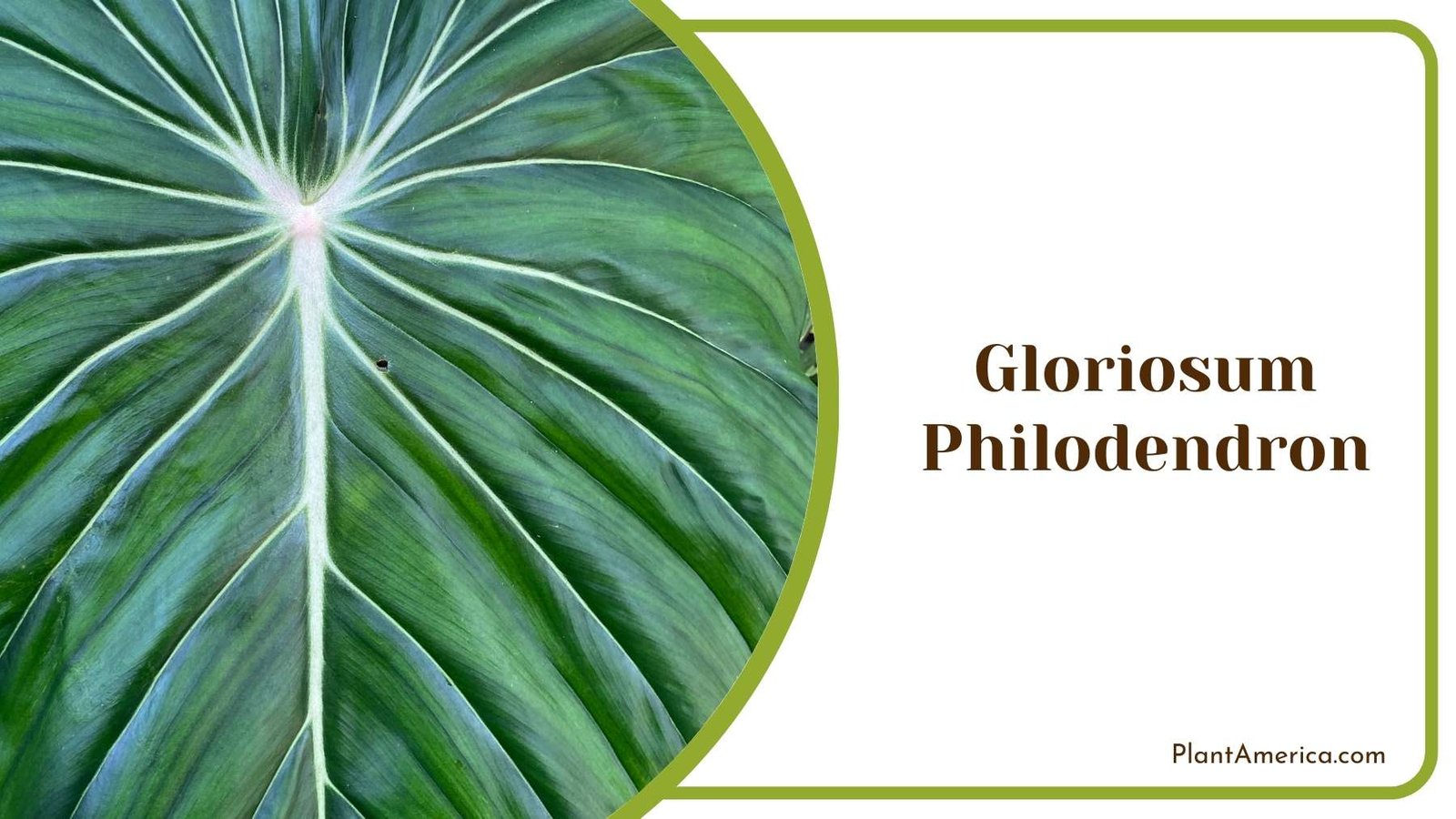
The gloriosum philodendron is a stunning houseplant prized by collectors for its captivating foliage. Native to tropical forests of Brazil and Peru, this philodendron goes by the botanical name philodendron gloriosum.
Gloriosum leaves emerge an intense shade of dark purple with velvety textures. As they mature, the center of each leaf fades to a vibrant green while borders retain their purple hue. Their leaves grow as rounded heart shapes on flattened, sturdy petioles up robust vines.
Compared to other philodendrons, gloriosum is a slower grower. Still, over time vines can reach several feet long given optimal conditions. Young cuttings root readily in moisture-retaining soil. They are epiphytic climbers but make terrific tabletop or hanging basket specimens too when vines are trained.
Bright, indirect sunlight suits these philodendrons best. Limit direct sun which can scorch their sensitive leaves.
Soil should always be kept moist but not soaked. Humid environments between 50-60 perfectly bring out Gloriosum’s finest coloration.
Few houseplants rival Gloriosum’s lush allure. Their intensely purple-patterned foliage commands attention. Additionally, their leaves are extremely durable and fairly resistant to pests when healthy.
Though not as hardy as other philodendrons, gloriosum is gaining popularity for accessible elegance. With care, plants will produce offsets allowing the propagation of future generations. Few others so thoroughly transport the mind to rich tropical rainforests.
For collectors seeking a showpiece philodendron to nurture, gloriosum satisfies like no other. Its magnificently textured leaves impart a dense, mysterious jungle ambiance all year round. With patience, glorious philodendrons become family heirlooms to be passed between generations of plant lovers..
6. Florida Ghost Philodendron
| Growing Season | All year |
| Leaf Shape | Deeply lobed |
| Specific Needs | High humidity, Medium to bright indirect light |
| Common Pests | Spider mites, Aphids |
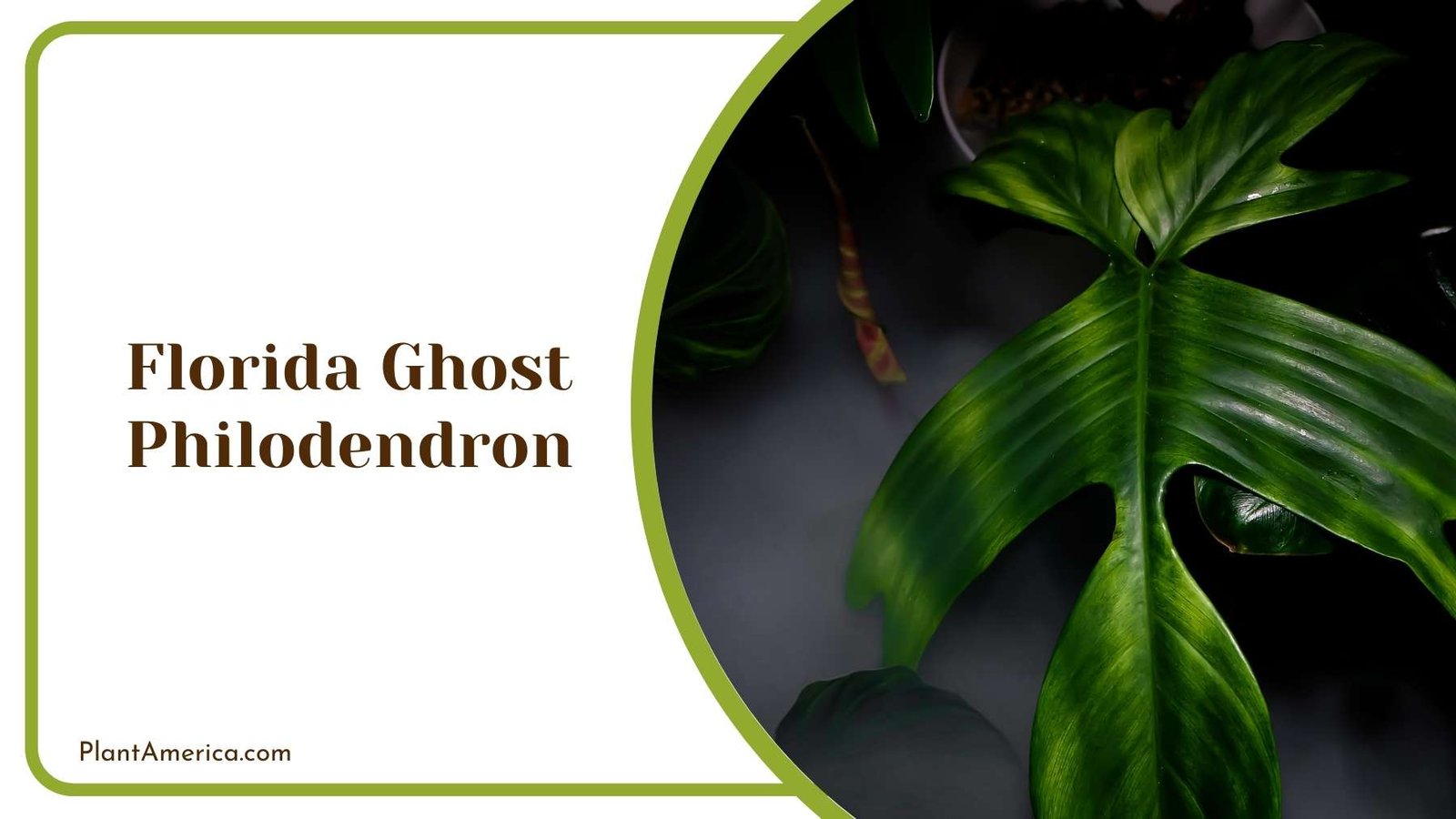
The Florida ghost or philodendron Florida ghost is prized for its stunning silvery-white variegation and deeply divided bluish-green leaves. Young leaves emerge cream and copper-colored before developing striking white splotches and striping, while mature leaves gain a bluish hue.
This philodendron prefers high humidity, around 60 percent, temperatures between 65 to 85 degrees Fahrenheit and slightly moist, well-draining soil.
Medium to bright indirect sunlight brings out optimal leaf variegation and growth in this type of philodendron, while low light conditions cause the white variegation to decrease.
Regular misting, pruning away non-variegated leaves, and removing dust help manage common pests like spider mites and aphids that find ideal conditions on this plant.
7. White Knight Philodendron
| Growing Season | All year |
| Leaf Shape | Heart-shaped |
| Specific Needs | High humidity, Indirect bright light |
| Common Pests | Mealybugs, Aphids |
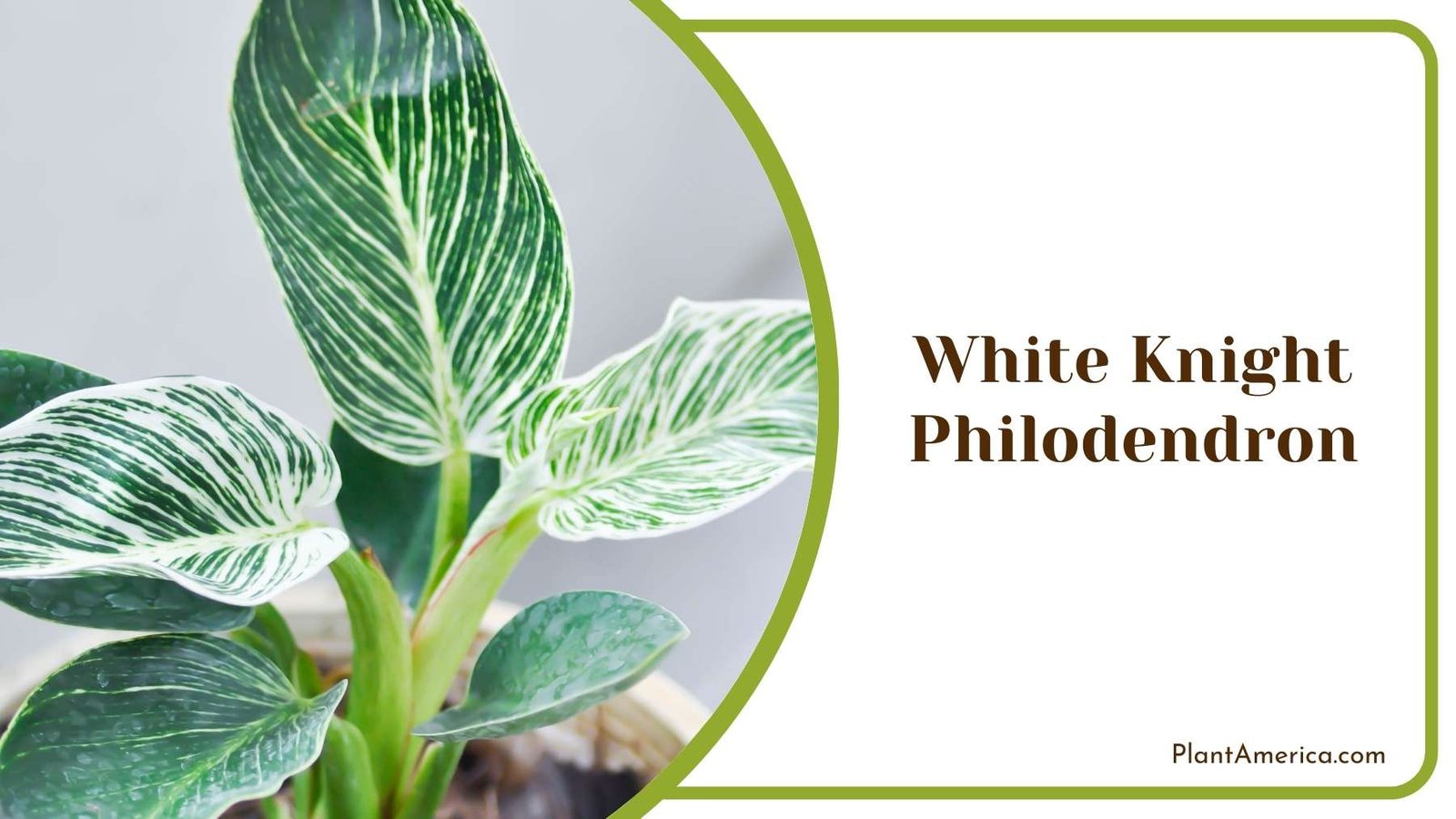
The philodendron white or white knight features stunning creamy white heart-shaped leaves that emerge bronzed before developing splashes of solid white variegation.
This slow-growing philodendron thrives in high humidity ranging from 50 to 80 percent with evenly moist, well-draining soil and plenty of indirect bright light to keep the white variegation bright and distinct.
The leaf philodendron can grow over 6ft long if offered a moss pole for climbing but makes a striking accent plant when grown trailing spilling over a basket.
Regular leaf dusting and rinsing plants during watering helps prevent common issues like mealybugs and aphids on this philodendron. Infrequent fertilizing once a month during spring and summer with diluted liquid fertilizer encourages growth indoors.
8. Burle Marx Philodendron
| Growing Season | All year |
| Leaf Shape | Deeply lobed, Bronze |
| Specific Needs | High humidity, Medium to bright indirect light |
| Common Pests | Spider mites, Aphids |
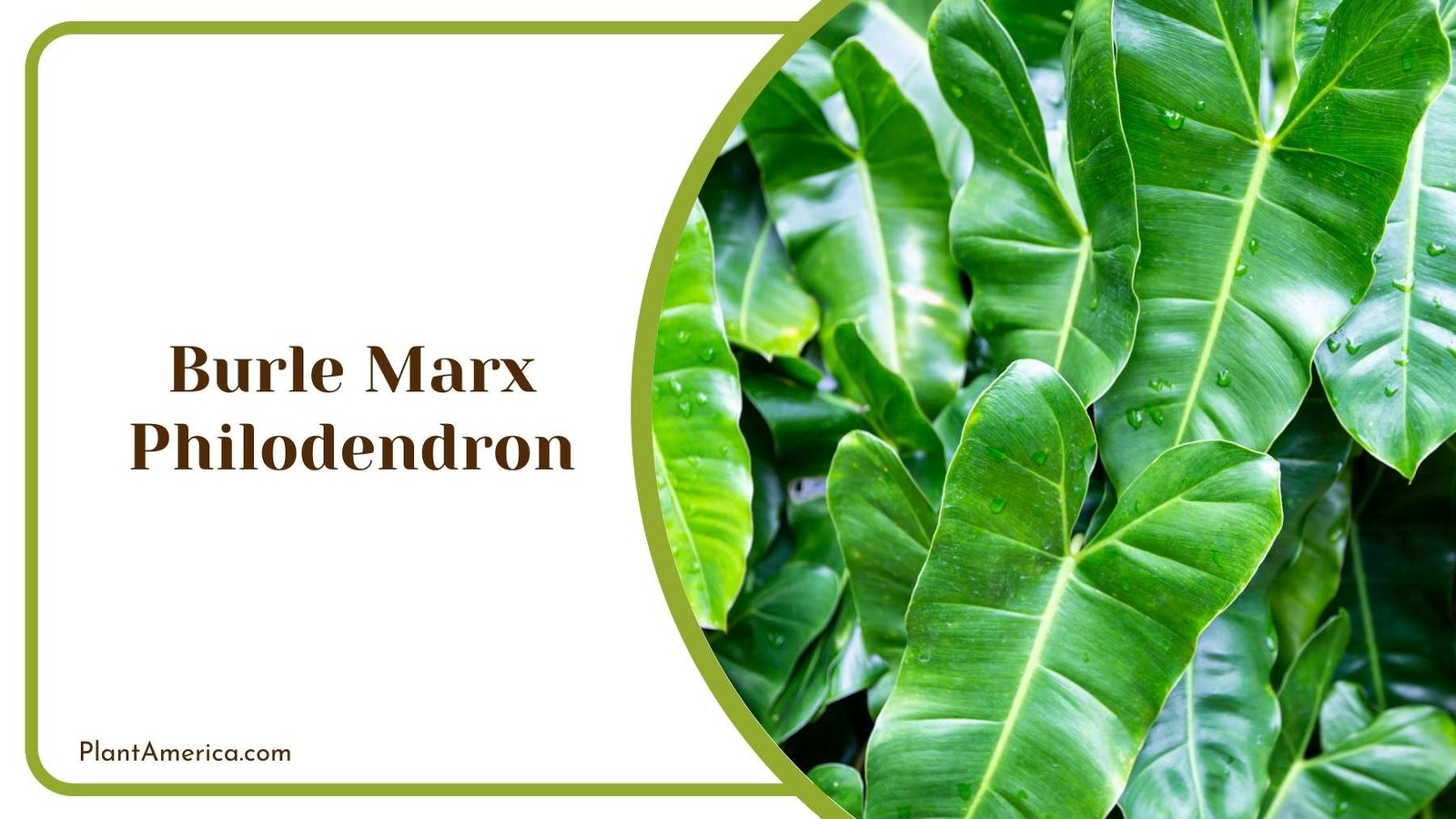
This philodendron features deep bronze leaves with up to seven lobes that emerge creamy yellow before darkening to olive green with hints of burgundy.
Providing medium to bright indirect sunlight promotes the brightest leaf color in this climbing philodendron, while lower light results in shorter internodes and a more bushy form.
Regular misting and inspection help control potential issues like spider mites and aphids. Pruning off non-variegated leaves encourages variegation and a fuller plant.
9. Xanadu Philodendron
| Growing Season | All year |
| Leaf Shape | Deeply lobed, Folded |
| Specific Needs | High humidity, Medium to bright indirect light |
| Common Pests | Mealybugs, Scale insects |
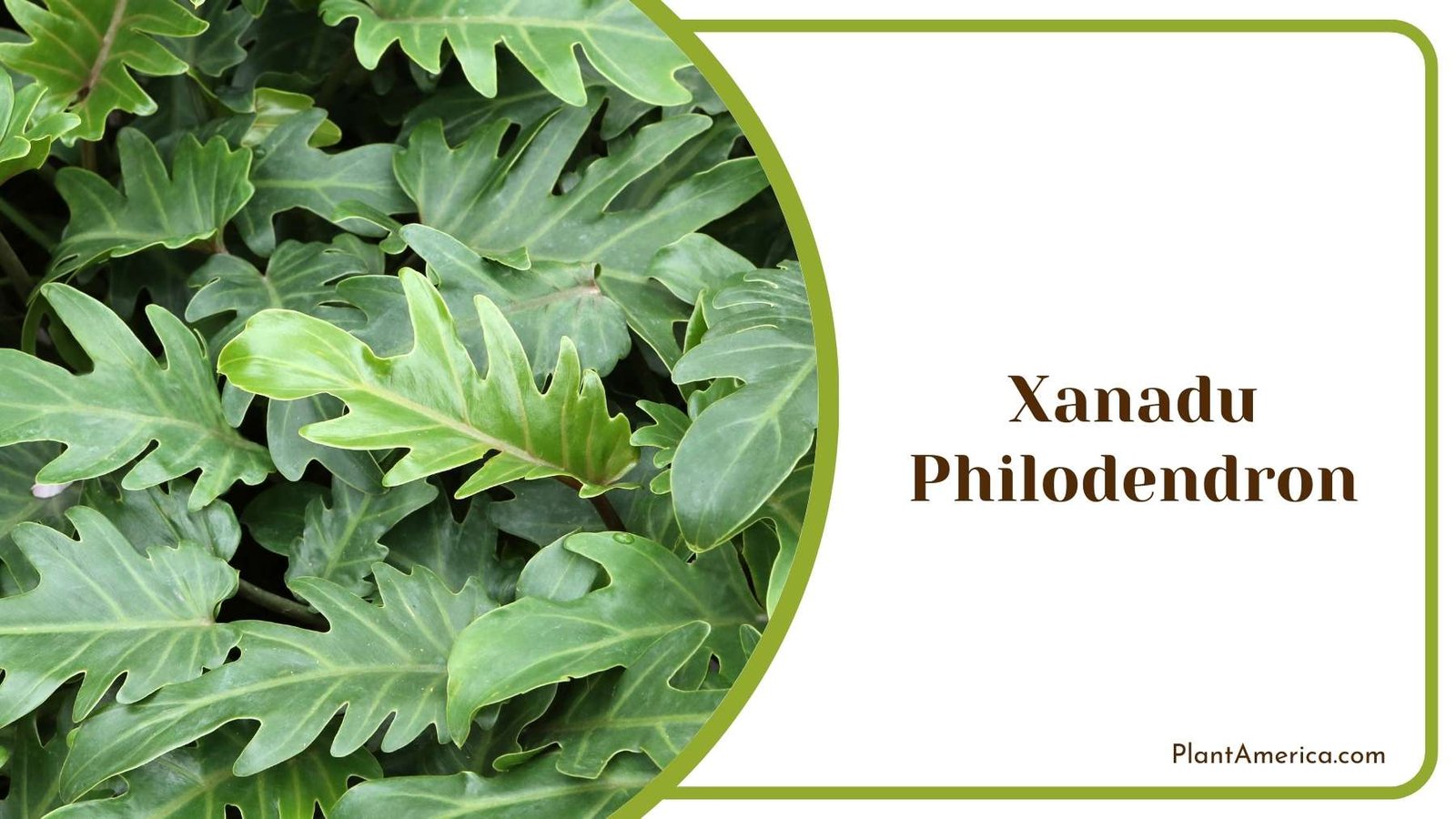
The philodendron xanadu is valued for its highly crafted leaves and vibrant coloring. This philodendron features thick leathery leaves that emerge bronze before maturing to lime green with hints of burgundy.
The leaves are tightly folded with up to nine deep lobes and measure up to 10 inches long.
Regular misting and fertilizing every two weeks during active growth help support this plant. Be mindful of potential issues like mealybugs and scale insects that seek ideal habitats on this philodendron.
Infrequent pruning of non-variegated leaves helps promote fuller growth and plant health.
10. Selloum Philodendron
| Growing Season | All year |
| Leaf Shape | Deeply lobed, Leathery |
| Specific Needs | Medium to bright indirect light, Consistently moist soil |
| Common Pests | Mealybugs, Aphids |
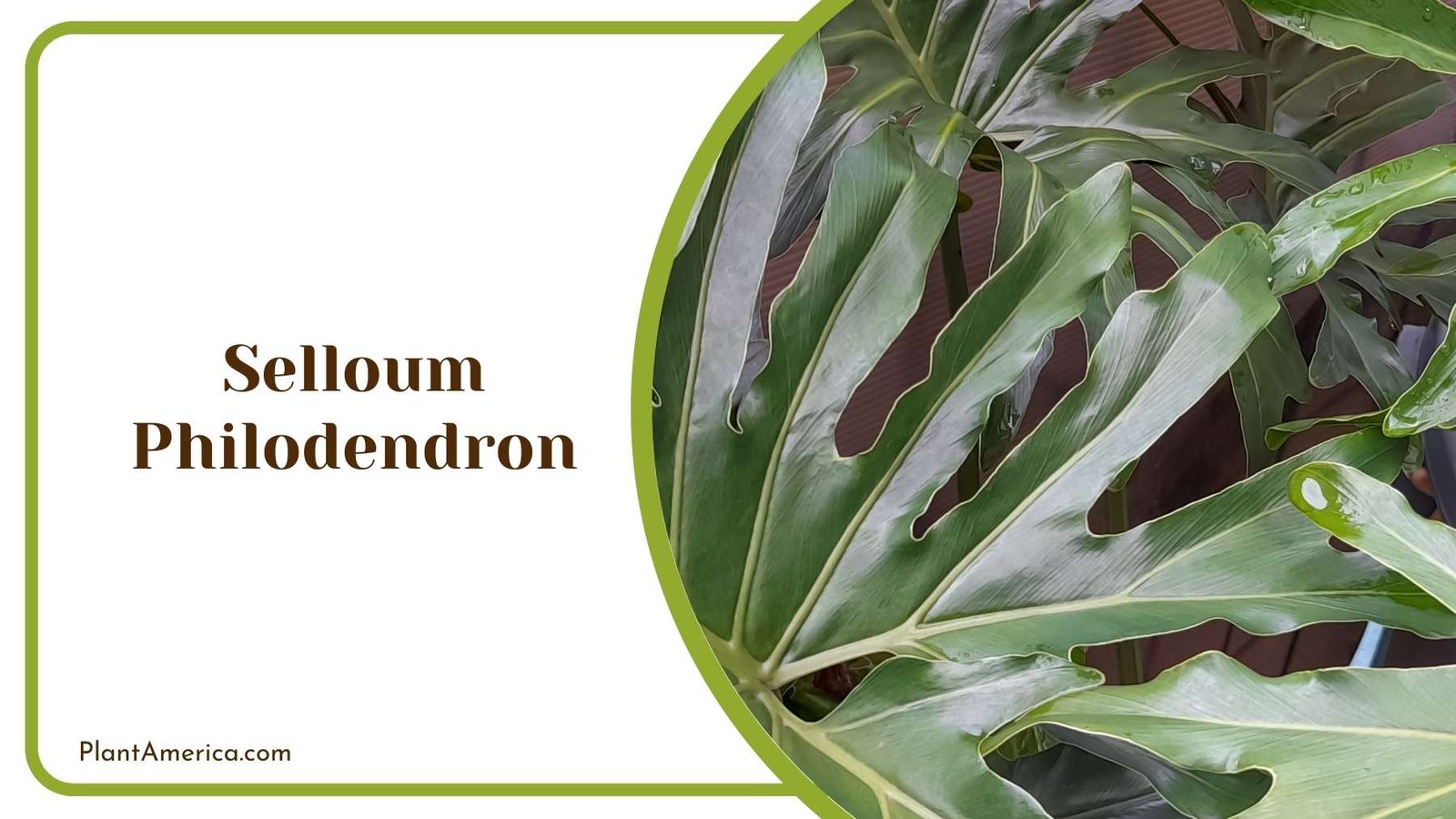
The philodendron selloum is a large, vining philodendron valued for its sculpted, lobed leaves and stately appearance. The foliage emerges bronze before maturing to dark; mahogany black-green leaves that are deeply divided almost to the central vein and leathery in texture.
Providing a moss pole or trellis allows this philodendron to climb up to 10 feet tall while producing cascading trailing stems.
Regular misting and fertilizing help keep this philodendron healthy, while issues like mealybugs and aphids may occur without routine plant inspections and rinsing during watering. Care guide pruning of non-variegated or damaged leaves also aids in plant health.
11. Brandtianum Philodendron
| Growing Season | All year |
| Leaf Shape | Deeply lobed, Glossy |
| Specific Needs | High humidity, Indirect to partial direct light |
| Common Pests | Spider mites, Aphids |
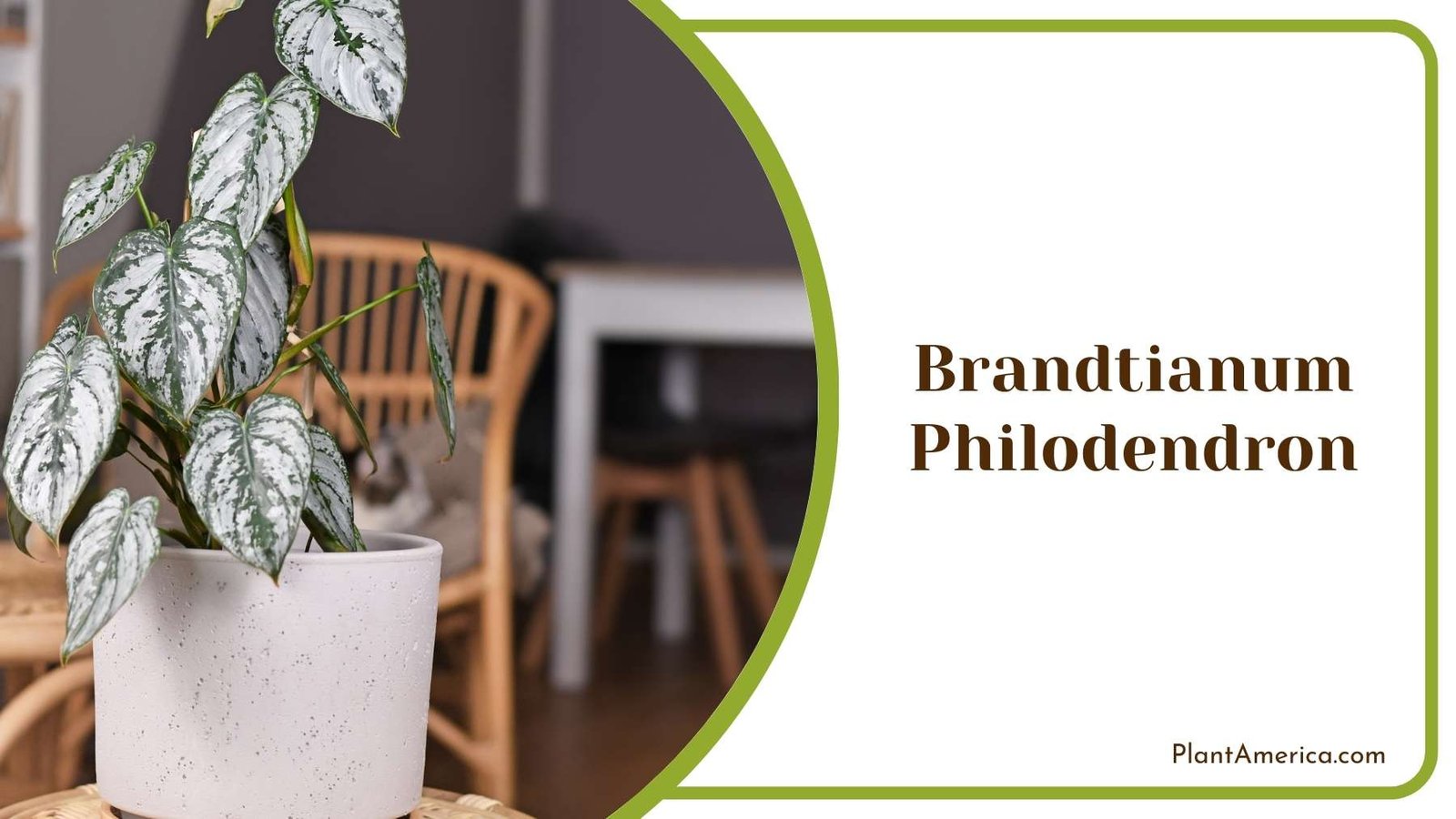
The philodendron brandtianum is prized for its dramatic foliage and ability to brighten up indoor spaces. This medium sized philodendron features dark, glossy green leaves that are deeply divided with five to nine sharp lobes and pointed leaf tips. The leaves emerge bronze before maturing and can measure up to 8 inches long on mature plants.
This philodendron grows compact without a trellis though it can climb six to seven feet tall when offered vertical support.
Frequent misting and fertilizing once a month during an active growth period helps promote optimum health, while issues like spider mites and aphids can best be managed through regular leaf inspections and rinsing foliage during watering.
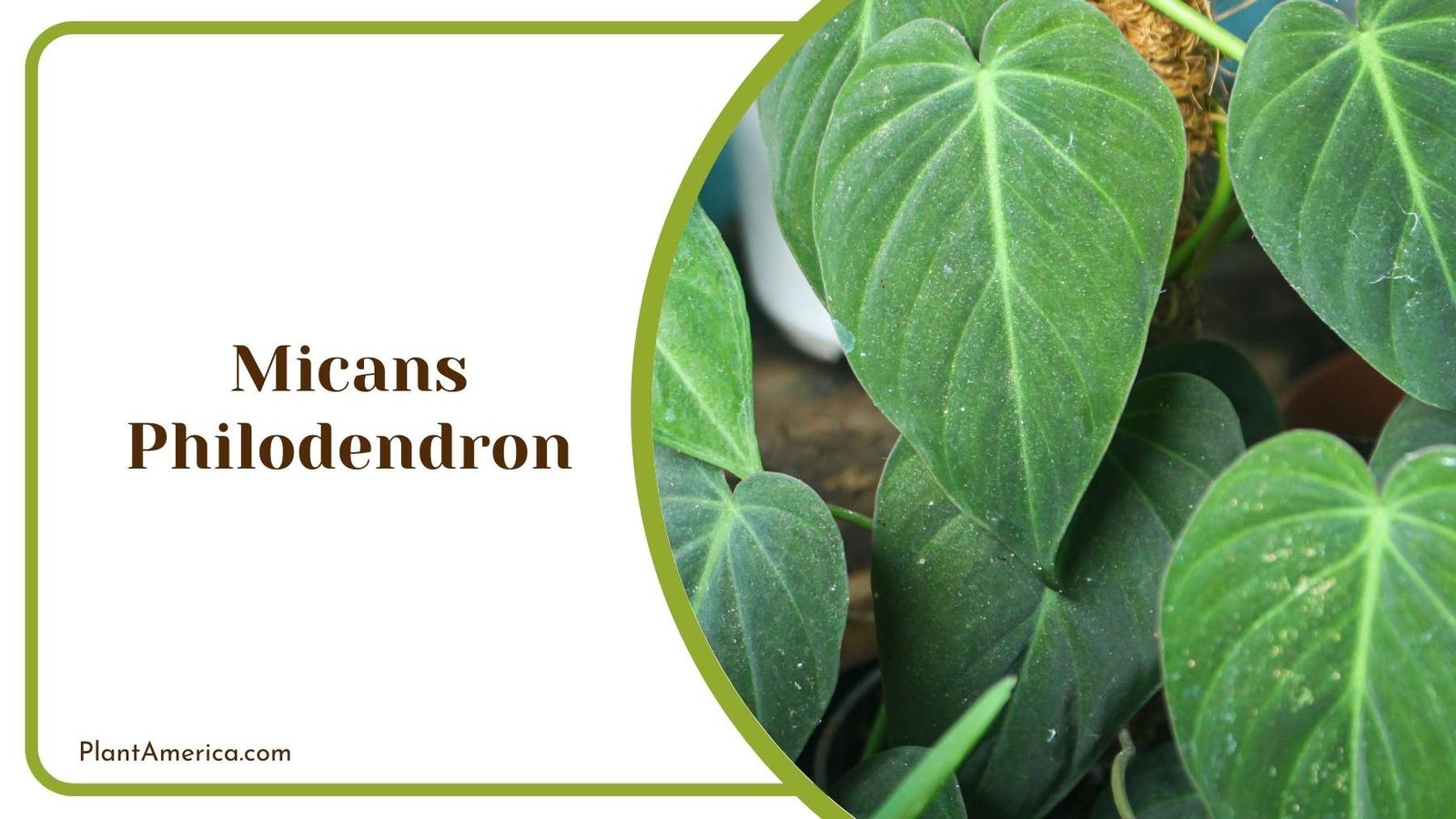
12. Micans Philodendron
| Growing Season | All year |
| Leaf Shape | Deeply divided, Small |
| Specific Needs | Medium to bright indirect light, Consistently moist soil |
| Common Pests | Mealybugs, Scale insects |
The Micans philodendron is known for its miniature leaves that emerge bronze before developing chunky cream and lime green variegation. The leaves are deeply divided into many spoon-shaped leaflets and take on a waxy, almost succulent texture that aids in moisture retention.
Its small stature makes it ideal for tabletops, shelves, and hanging baskets though it can climb more than 12 feet when provided support.
Ensuring high humidity through proper resting and occasional fertilizing once a month with diluted liquid fertilizer helps promote strong growth—regular leaf inspections and removing dust buildup aid in managing potential threats like mealybugs and scale insects.
Pruning off any damaged or non-variegated leaflets promotes strong, compact growth.
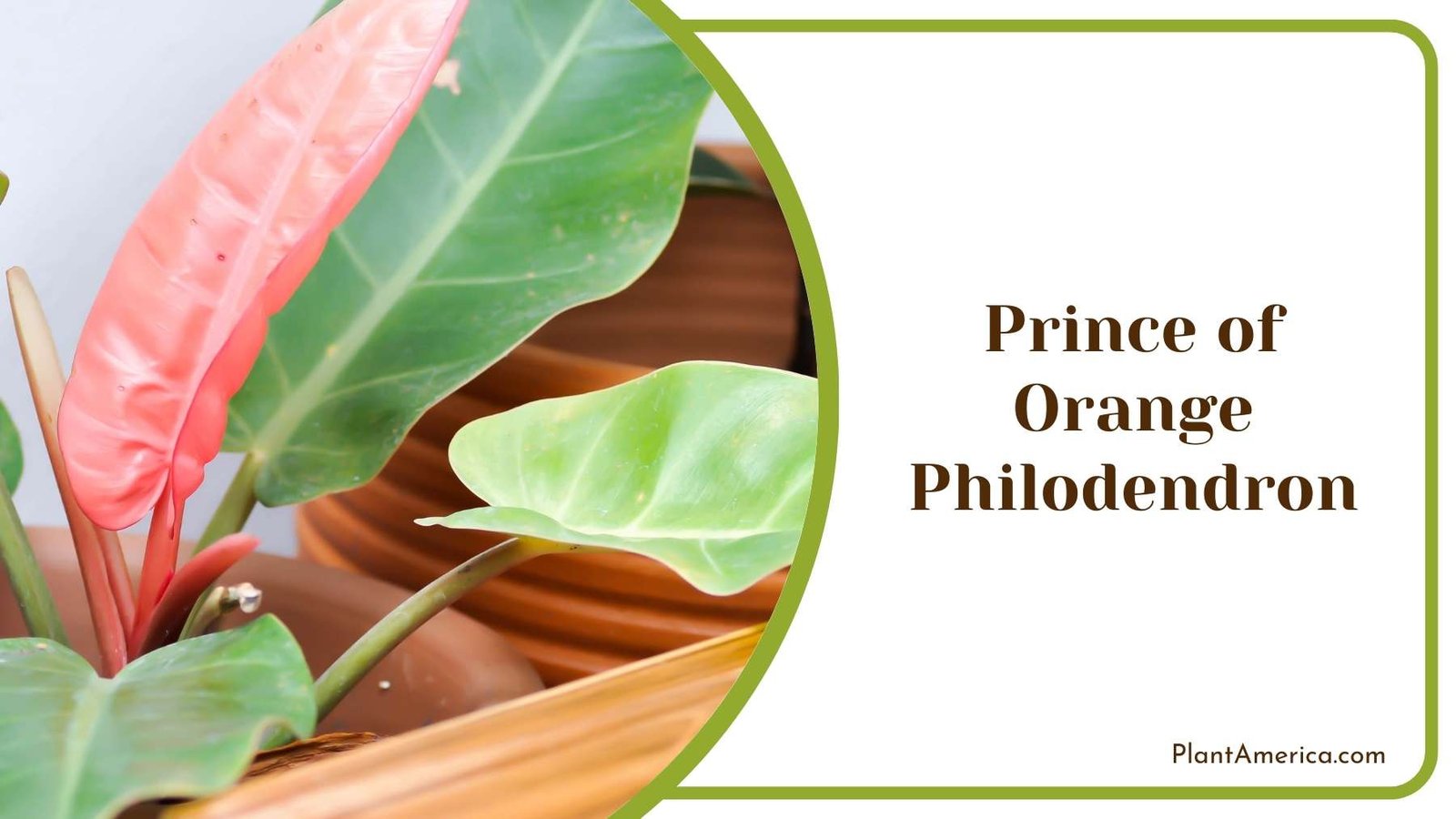
13. Prince of Orange Philodendron
| Growing Season | All year |
| Leaf Shape | Oval, Elliptical |
| Specific Needs | Medium to high humidity, Indirect light to partial direct light |
| Common Pests | Mealybugs, Spider mites |
The prince of orange philodendron is valued for its striking coloration and ease of care. The foliage emerges lime green with tinges of bronze before developing solid orange coloring as the plant matures.
This philodendron prefers medium to high humidity between 50 percent to 70 percent, consistently moist but well-draining soil, and indirect partial direct light to maintain its signature color.
It grows amazingly well in containers, hanging baskets, and as a trailing philodendron though it can also climb more than 10 feet tall when offered vertical structure. Regular misting to boost humidity and occasional fertilizing solved in water once every few weeks helps promote strong, compact growth.
Issues like spider mites and mealybugs are kept at bay through proper plant care, including leaf inspections and pruning of slightly damaged or non-variegated leaves that grow indoors.
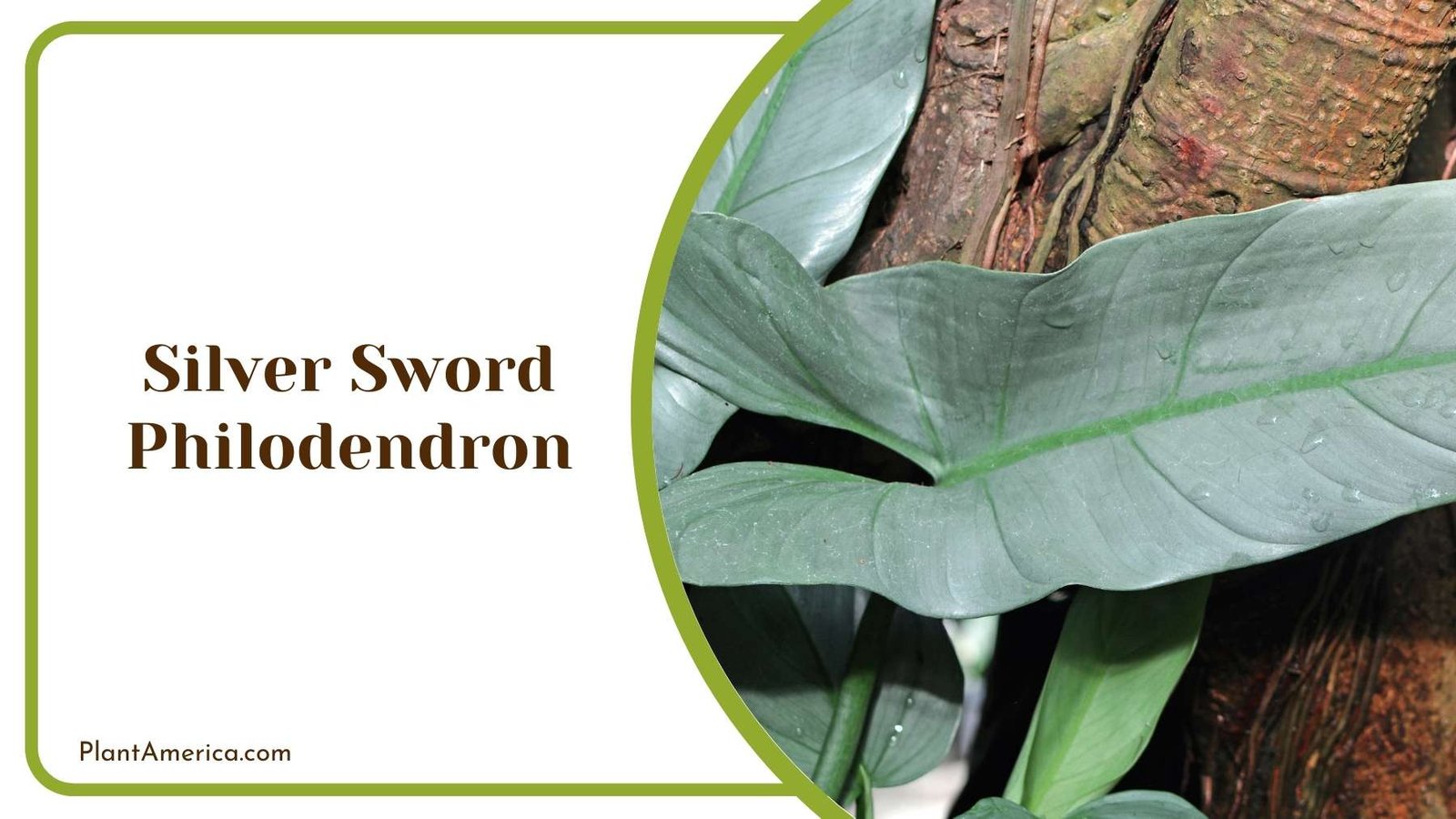
14. Silver Sword Philodendron
| Growing Season | All year |
| Leaf Shape | Heart-shaped, Arrowhead |
| Specific Needs | Medium to bright indirect light, Consistently moist soil |
| Common Pests | Mealybugs, Mites |
The silver sword philodendron is treasured for its thick,silver-speckled leaves and compact form. This blushing philodendron produces heart-shaped arrowhead leaves mottled with silver that emerges as bronze before developing bronzy undertones combined with contrasting silver spots.
The leaves have an almost succulent texture for moisture retention.
This philodendron grows best in contained spaces like containers for hanging baskets but can climb 10 to 15 feet with a vertical structure. Regular misting and occasional fertilizing in concentrated liquid help promote optimal health while preventing common issues like spiders and mealybugs.
Pruning damaged or non-variegated leaves promotes more silver-speckled leaves and compact, healthy forms.
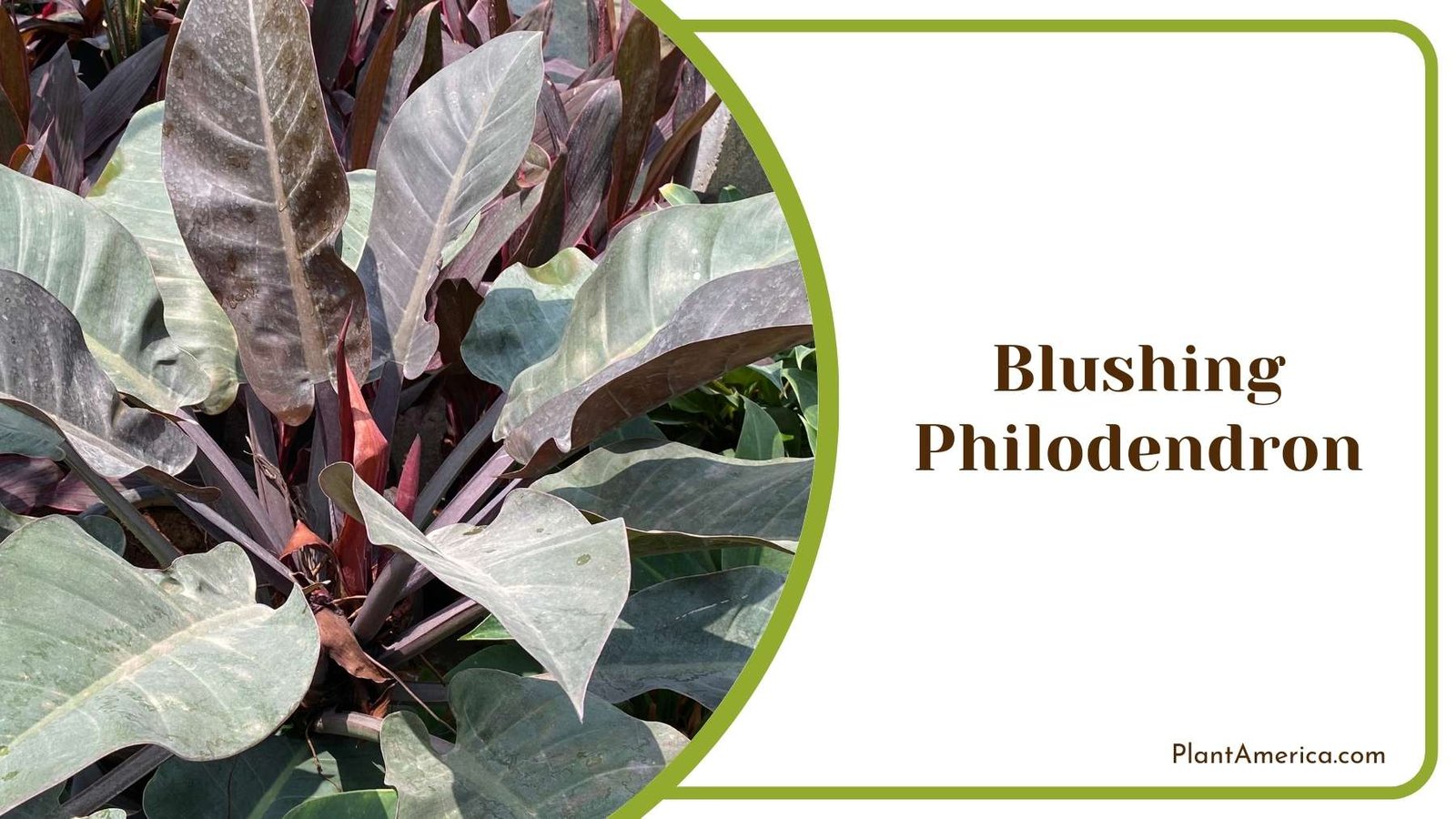
15. Blushing Philodendron
| Growing Season | All year |
| Leaf Shape | Ovate, Elliptic |
| Specific Needs | Medium to bright indirect light, Consistently moist soil |
| Common Pests | Spider mites, Mealybugs |
The blushing philodendron produces bronze leaves with pink or rose-colored reverses that stand out against darker green foliage. The ovate to elliptic leaves emerge lime green before developing their characteristic blush along the undersides and stems.
This philodendron grows well in hanging baskets or containers due to its compact form but can climb more than 10 feet tall when provided vertical structure.
Regular misting to increase surface moisture helps improve the retention of the desired reverse coloration. Infrequent fertilizing once a month with concentrated liquid fertilizer promotes compact, low-maintenance growth—leaf inspections and occasional prune aid in controlling common issues like spiders and mealybugs.
16. Moonlight Philodendron
| Growing Season | All year |
| Leaf Shape | Deeply lobed, Irregular |
| Specific Needs | Medium to bright indirect light, High humidity |
| Common Pests | Spider mites, Mealybugs |
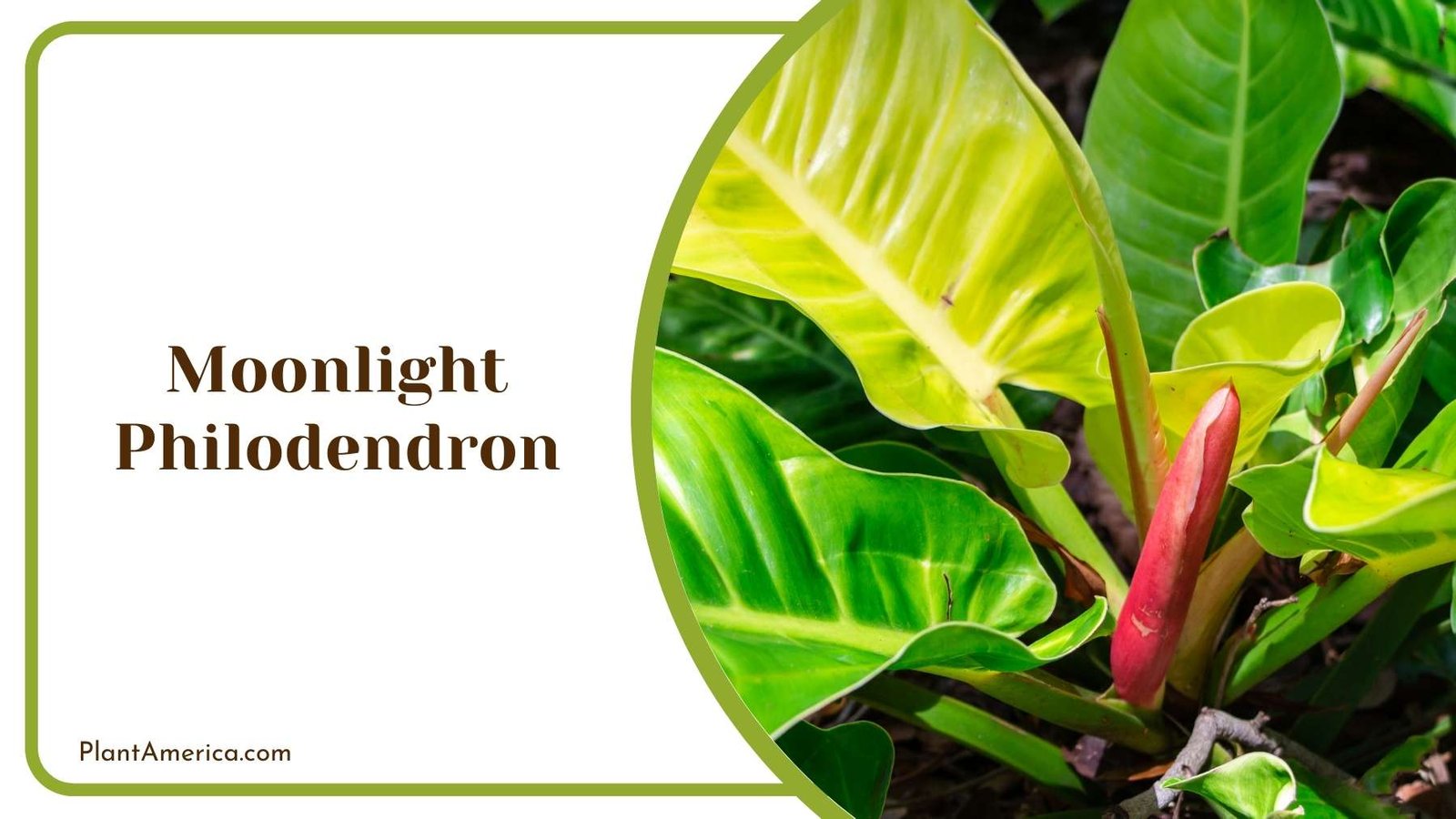
The Moonlight Philodendron features strikingly variegated leaves with creamy white markings against a dark green background.
The deeply lobed foliage transitions from yellow-green before developing irregular splotches and streaks of solid white variegation that intensify as the plant matures.
The Moonlight Philodendron can climb more than 10 feet tall when provided support, though it also grows well in hanging baskets or containers due to its compact form.
Regular misting to increase surface moisture and fertilizing once a month helps promote optimal health. Issues like spider mites and mealybugs can reduce splashed coloring without regular leaf dusting and pruning of damaged leaves.
17. Painted Lady Philodendron
| Growing Season | All year |
| Leaf Shape | Palmate, Lobed |
| Specific Needs | Medium to bright indirect light, Consistently moist soil |
| Common Pests | Mealybugs, Mites |
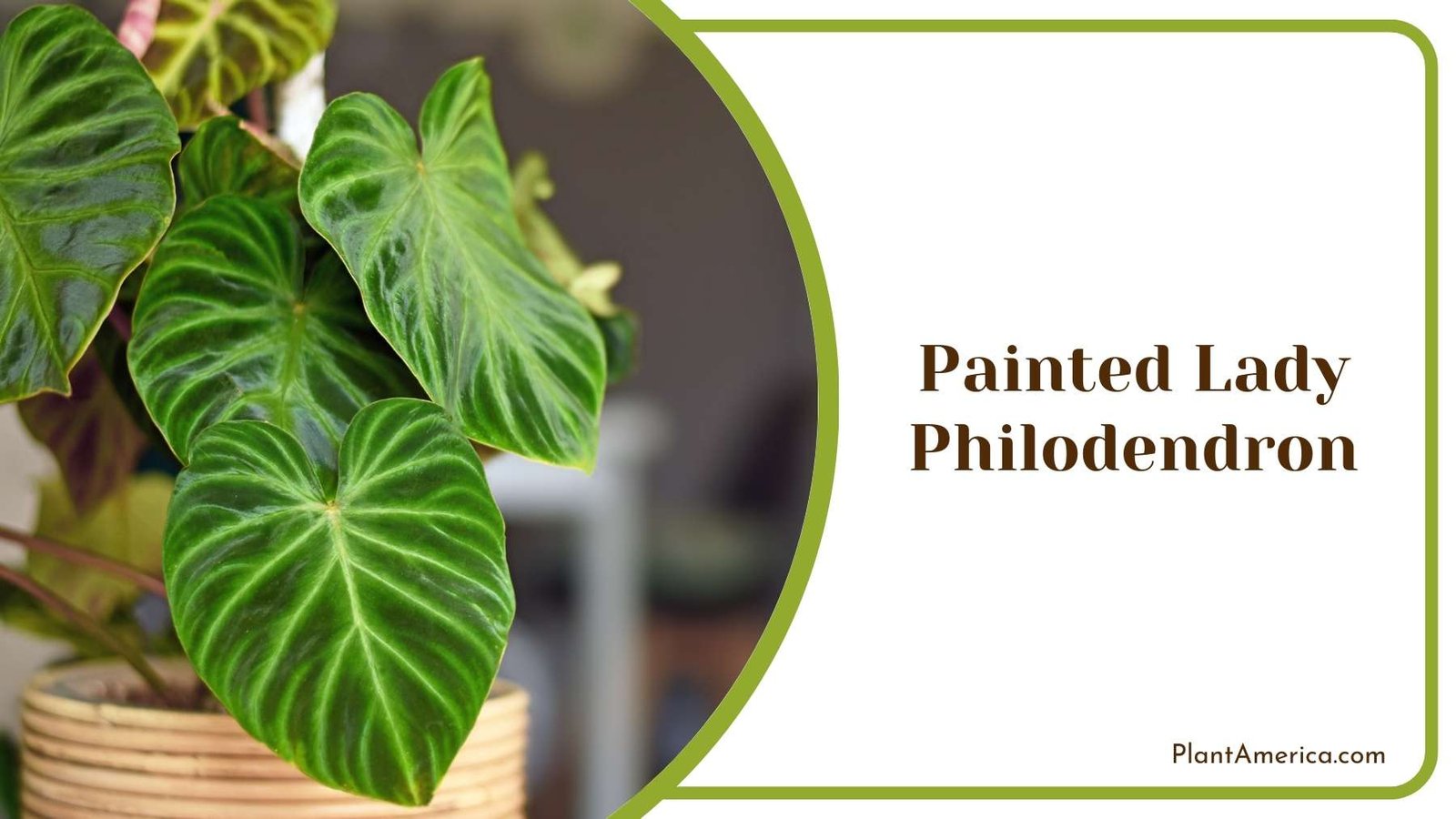
The Painted Lady Philodendron produces distinctively variegated leaves, making it a popular choice for plant arrangements. The palmately lobed foliage emerges lime green before developing sharply defined cream and green variegation as the plant matures.
Providing trellises, moss poles, or choosing a basket allows this climbing philodendron to grow over 10 feet tall while thriving in contained spaces like pots due to its compact form.
Regular misting to boost humidity and occasional fertilizing once during the spring and summer supports overall plant health.
Issues like spider mites and mealybugs reduce the variegated appearance of the leaves without proper leaf inspections and maintenance pruning of damaged or non-variegated leaves to promote new variegated growth.
18. Red Emerald Philodendron
| Growing Season | All year |
| Leaf Shape | Deeply divided, Marginalized |
| Specific Needs | High humidity, Indirect light to partial direct light |
| Common Pests | Spider mites, Aphids |
| Growing Season | All year |
| Leaf Shape | |
| Specific Needs | |
| Common Pests |
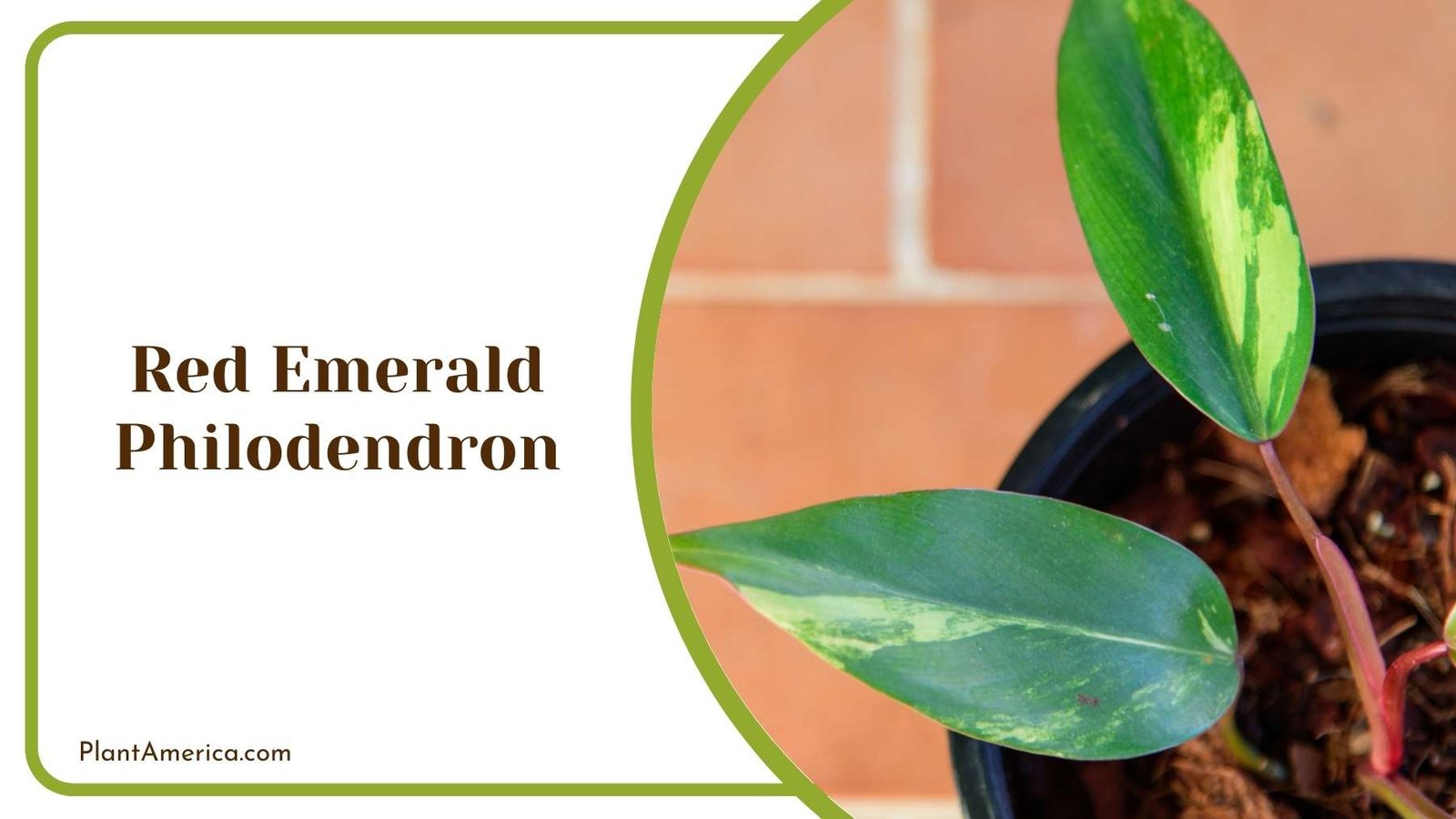
The Red Emerald Philodendron is treasured for its striking foliage that emerges as bronze before developing shades of red, purple, and bronze along the leaf veins and margins. The leaves are deeply divided with pointed leaflets that give the foliage an elegant, finely textured appearance.
This philodendron grows well in containers due to its compact form but can climb over 10 feet tall when offered vertical support.
Regular misting and occasional fertilizing once a month with diluted liquid fertilizer aid in optimizing growth and color retention. Issues like spider mites and aphids may affect plant health without proper leaf inspections and a thorough rinse during watering.
Indoor plant pruning of damaged or non-variegated foliage promotes fuller, healthier growth while allowing optimal lighting exposure for remaining leaves.
19. Billietiae Philodendron
| Growing Season | All year |
| Leaf Shape | Deeply divided, Glossy |
| Specific Needs | Medium to bright indirect light, High humidity |
| Common Pests | Spider mites, Mealybugs |
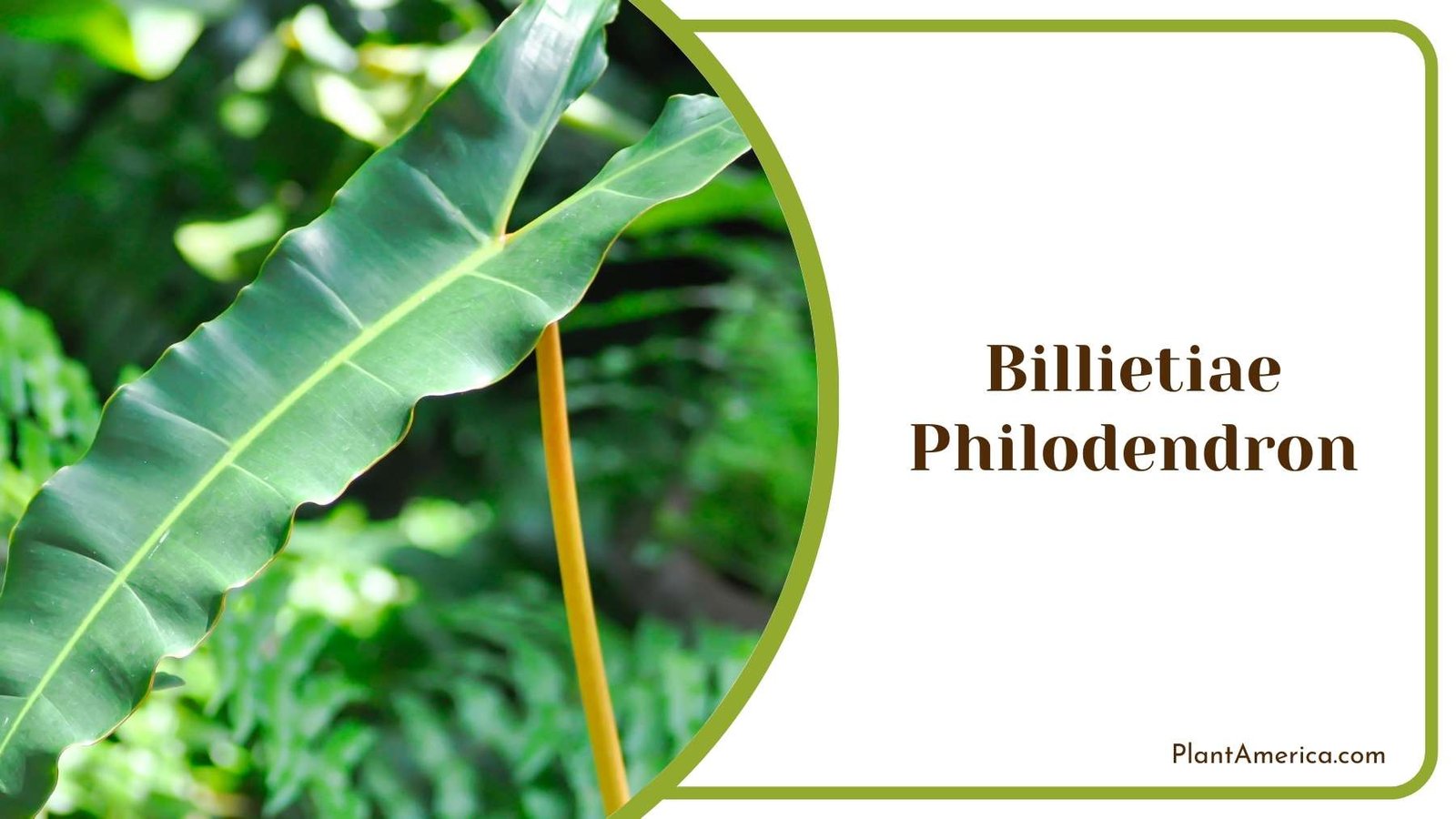
The Billietiae Philodendron features leaves with stunning red stripes and splashy contrasts. The deeply divided foliage emerges lime green and glossy before developing sharply defined creamy white and deep red banded coloration as the plant matures.
This epiphytic philodendron enjoys high humidity, around 60 percent to 80 percent, with consistently moist but well-draining soil and indirect to partial direct light to optimize leaf variegation.
It grows well in hanging baskets or containers due to its compact form though it can climb more than 10 feet tall when provided vertical structure.
Regular misting helps improve the retention of contrasting colors, while occasional fertilizing with diluted liquid fertilizer supports overall health. Issues like spiders and mealybugs may reduce spotted coloring without proper leaf inspections and removal of damaged or non-variegated leaves.
Easy care pruning promotes optimal humidity, airflow and intensifies remaining leaf variegation.
20. Camposportoanum Philodendron
| Growing Season | All year |
| Leaf Shape | Palmate, Lobed |
| Specific Needs | Medium to bright indirect light, Consistently moist soil |
| Common Pests | Aphids, Spider mites |
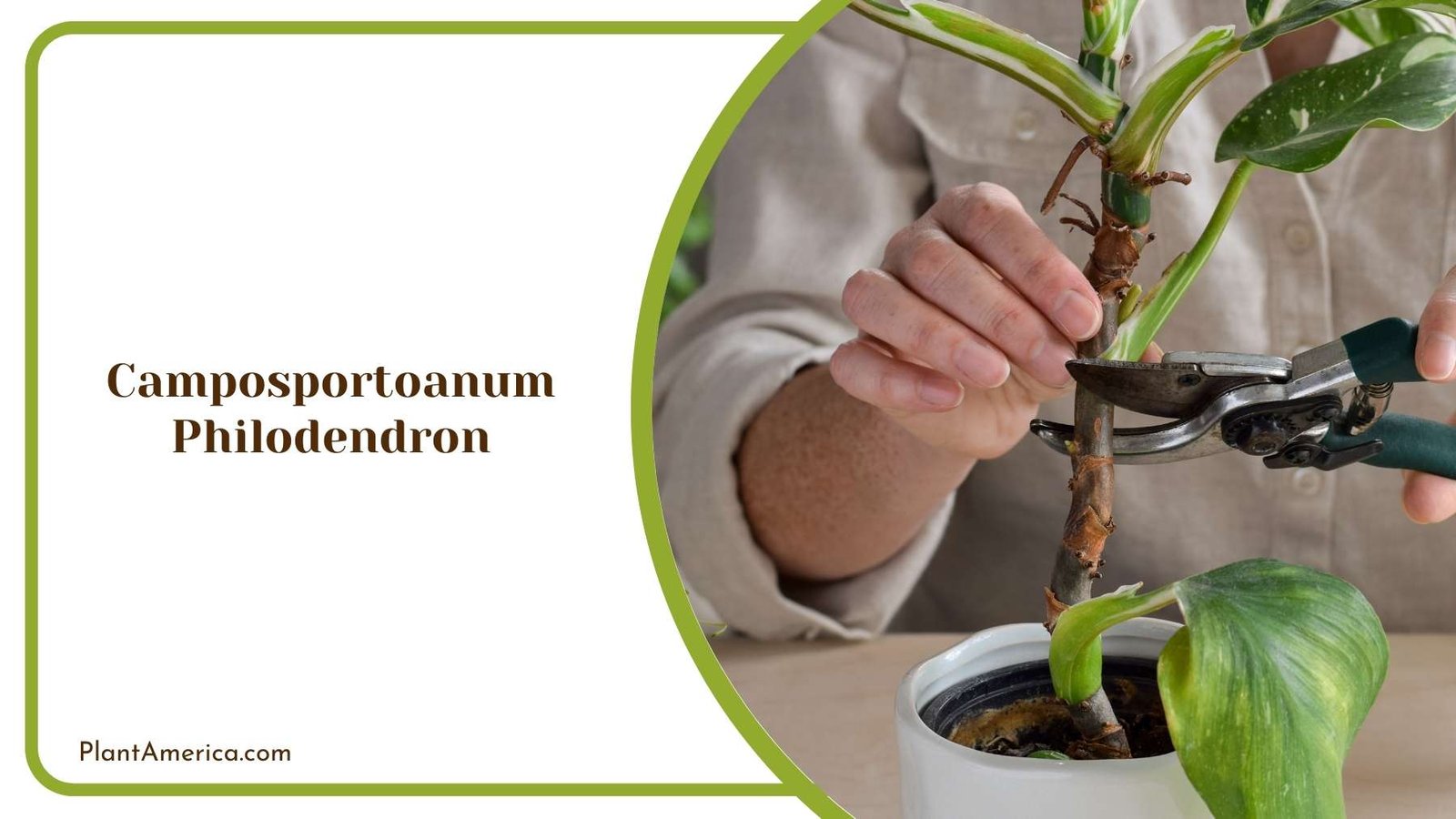
The Camposportoanum Philodendron features delicately cut, dark green foliage that emerges bronze and glossy before maturing. The palmately lobed leaves have frilled leaflets that give the entire leaf an ethereal and lacy appearance.
This philodendron thrives in contained spaces like hanging baskets or pots due to its compact form though it can climb more than 10 feet tall when provided vertical support.
Providing medium to bright indirect light creates the best leaf texture and contrast. Regular misting and occasional fertilizing once every few weeks helps to promote strong, healthy growth.
Issues like aphids and spider mites can reduce the elegance of the foliage without proper leaf inspections and pruning of damaged or non-glossy leaves.
21. Grazielae Philodendron
| Growing Season | All year |
| Leaf Shape | Deeply divided, Midribs |
| Specific Needs | High humidity, Indirect to partial direct light |
| Common Pests | Spider mites, Aphids |
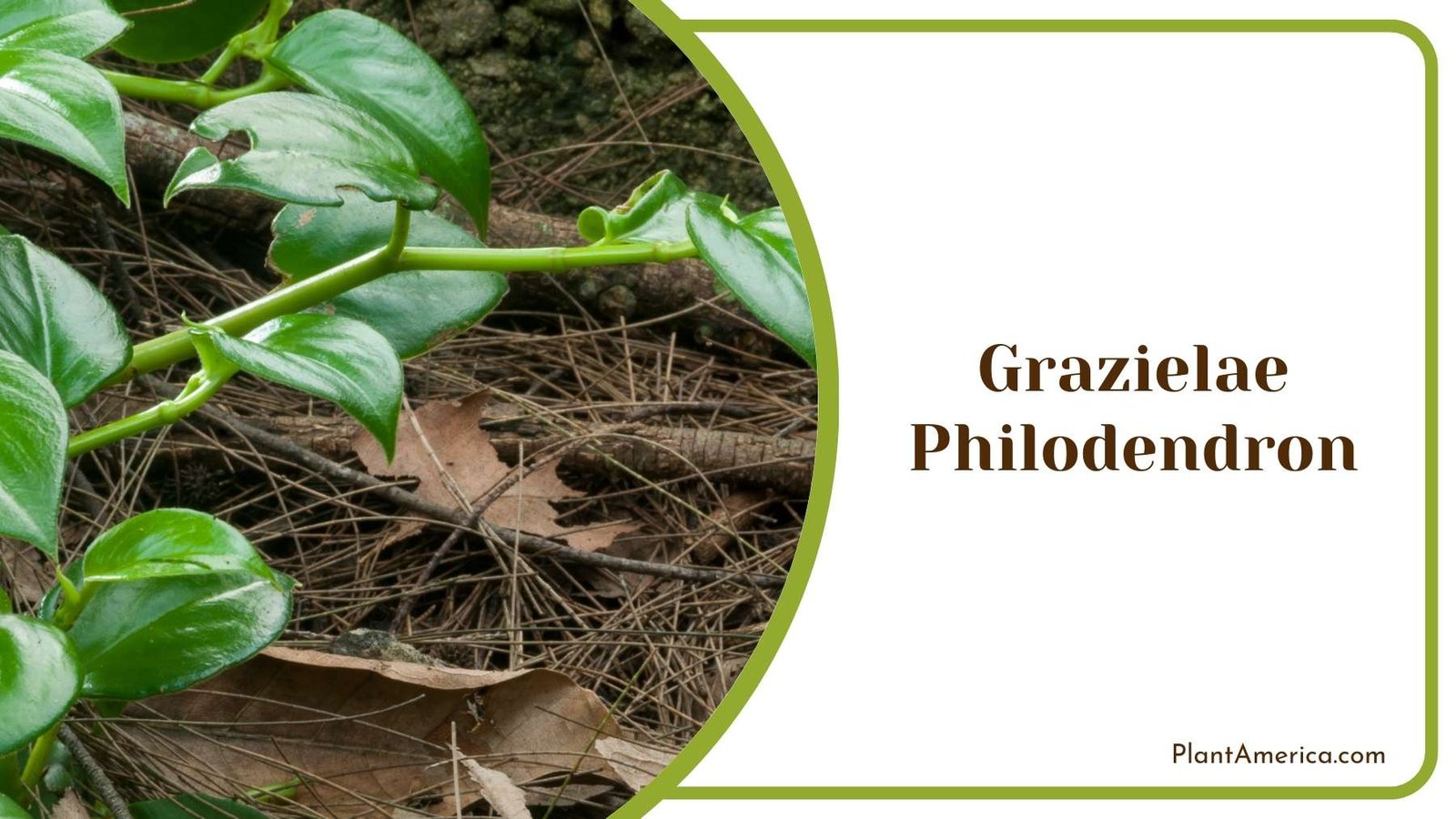
The Grazielae Philodendron, or Philodendron Grazielae, features impressively sculpted leaves with copper undertones. The deeply divided foliage emerges lime green with purplish coloring before developing bronze veining and midribs that contrast vividly against darker shades of green.
It grows amazingly in hanging baskets and containers due to its compact form though it can climb more than 10 feet tall when provided vertical support.
Regular misting and occasional fertilizing with diluted liquid fertilizer aid in optimizing growth while preventing common issues like spiders and aphids.
Pruning damaged or non-variegated foliage promotes optimal air circulation and moisture retention for enhancing the remaining leaf color.
22. Mamei Philodendron
| Growing Season | All year |
| Leaf Shape | Palmate, Lobed |
| Specific Needs | High humidity, Indirect light to partial direct light |
| Common Pests | Spider mites, Aphids |
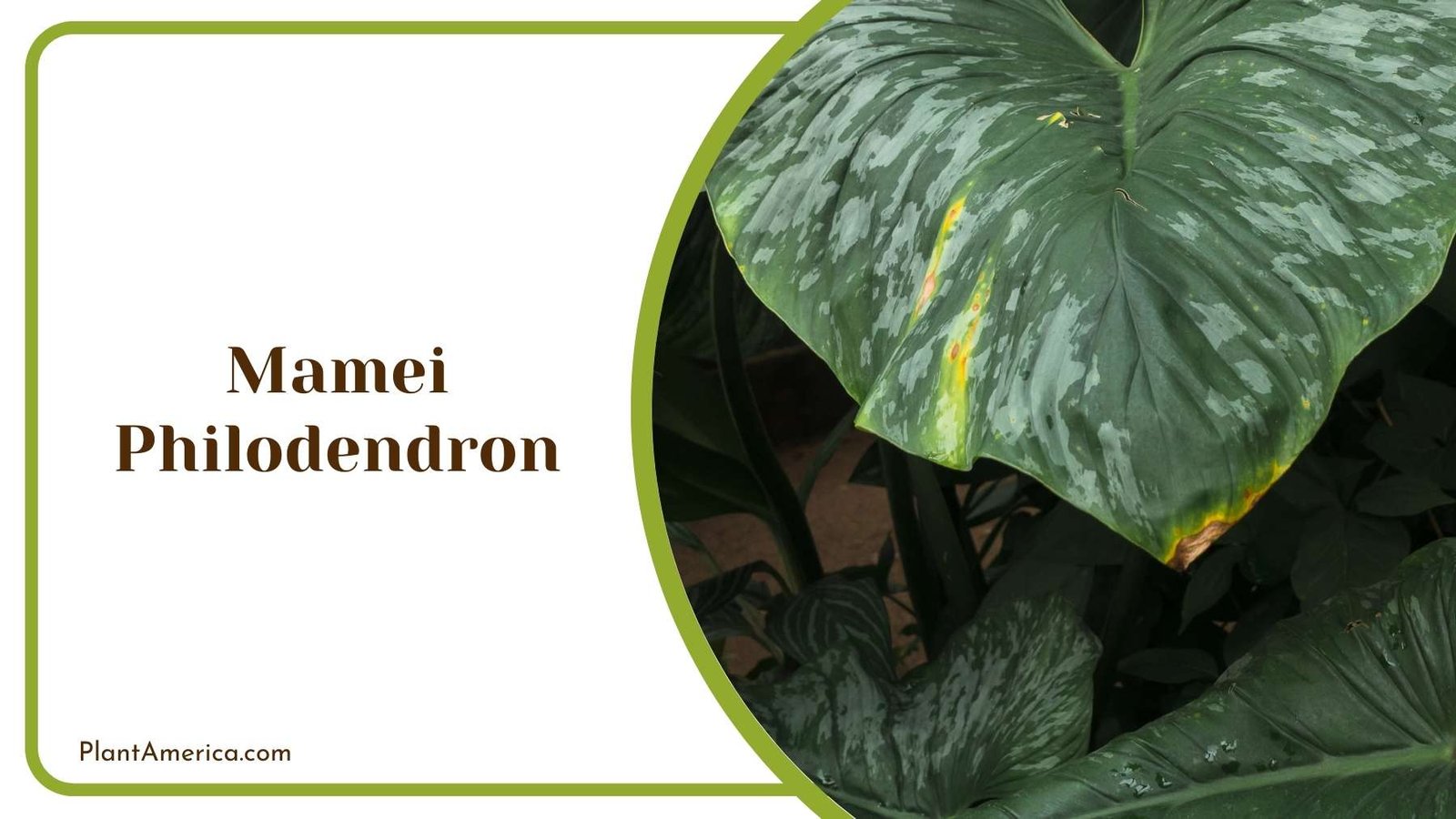
The Mamei Philodendron features striking leaves with cream and green variegation. The palmately lobed foliage emerges lime green before developing spots of cream and yellow as the plant matures.
It grows amazingly well in hanging baskets and containers due to its compact form though it can climb more than 10 feet tall when provided vertical support.
Regular misting and occasional fertilizing with diluted liquid fertilizer aid in optimizing growth while preventing common issues like spiders and aphids. Pruning damaged or non-variegated foliage promotes optimal air circulation and water retention for enhancing remaining leaf contrast.
23. Squamiferum Philodendron
| Growing Season | All year |
| Leaf Shape | Deeply divided, Glossy |
| Specific Needs | Medium to bright indirect light, High humidity |
| Common Pests | Mealybugs, Mites |
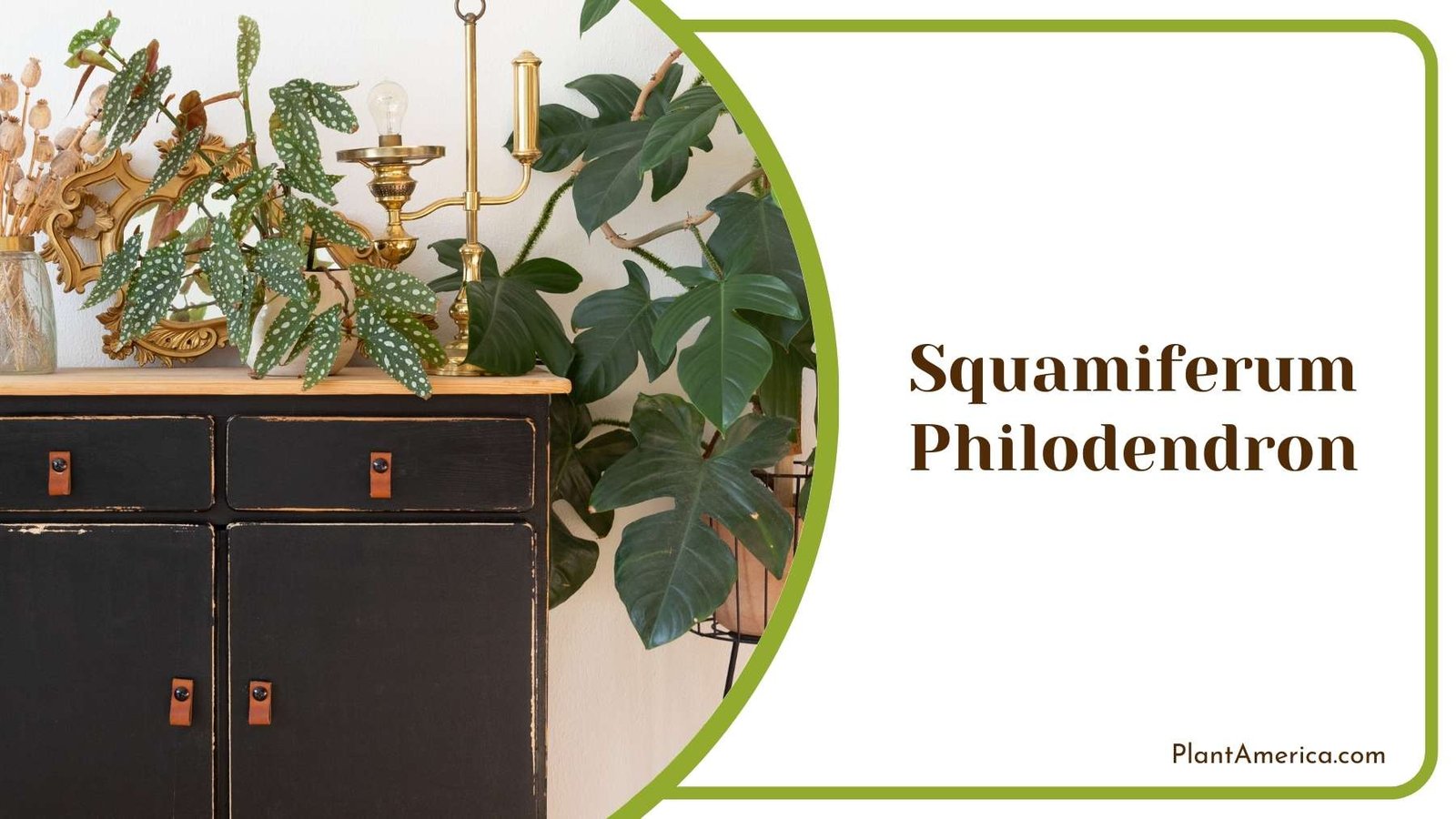
The Squamiferum Philodendron features stunning grey-green foliage with a scaly texture. The deeply divided foliage emerges bronze and glossy before maturing to shiny medium green with slightly ridged and crinkled leaflets.
It grows amazingly well in hanging baskets and containers due to its compact form though it can climb more than ten feet tall when provided vertical support.
Regular misting and occasional fertilizing with diluted liquid fertilizer aid in optimizing growth while preventing common issues like mealybugs and mites.
Pruning damaged or non-variegated foliage promotes optimal moisture and airflow while intensifying texture in remaining leaves.
24. Mayoi Philodendron
| Growing Season | All year |
| Leaf Shape | Ovate, Lobed |
| Specific Needs | High humidity,Indirect light to partial direct light |
| Common Pests | Spider mites, Aphids |
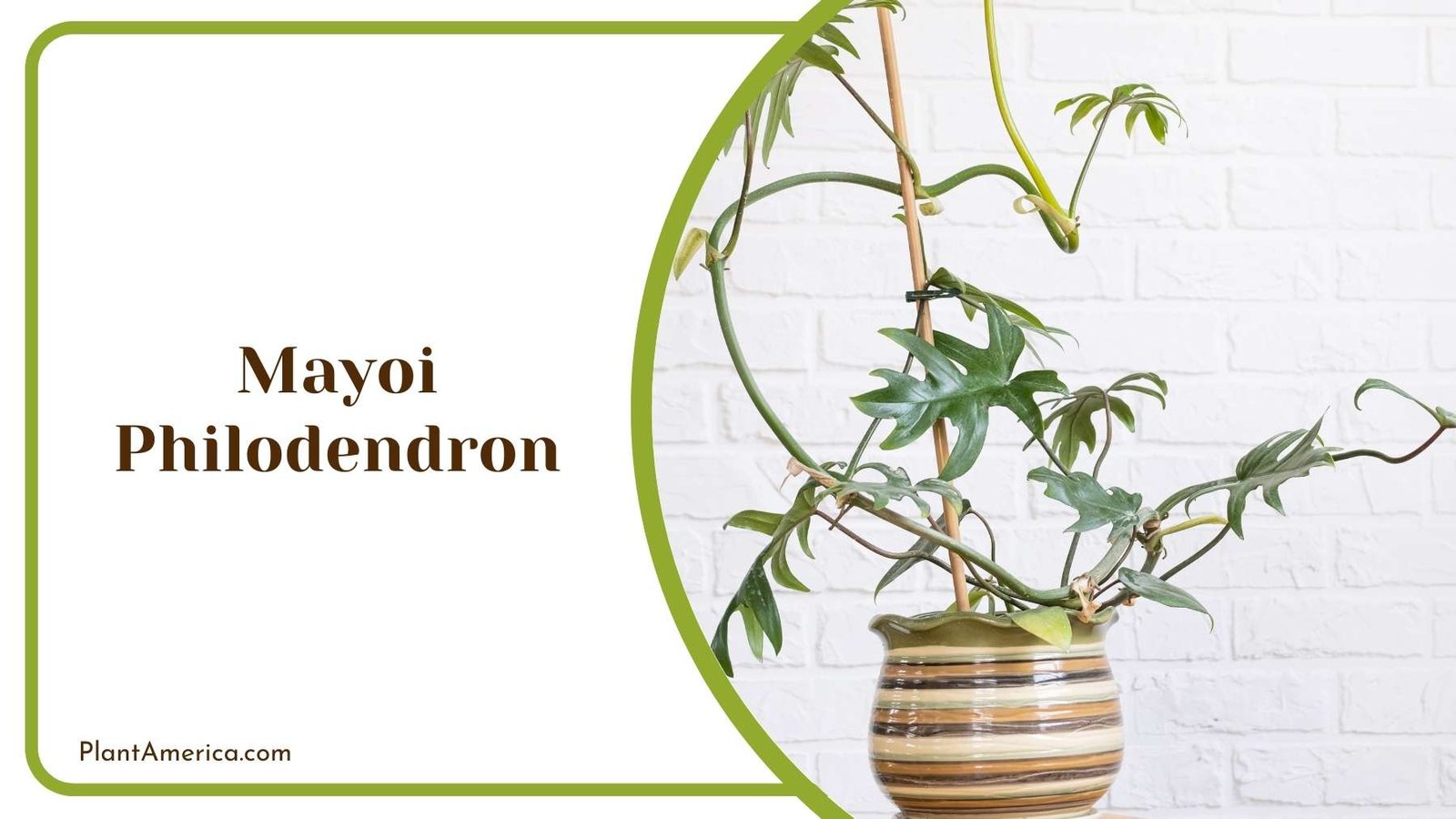
The Mayoi Philodendron features dazzling leaves with splashed cream and lime green variegation. The ovate foliage emerges lime green before developing random splotches of cream and yellow as the plant matures.
It grows amazingly well in hanging baskets and containers due to its compact form though it can climb more than 10 feet tall when provided vertical support.
Regular misting and occasional fertilizing with diluted liquid fertilizer aid in optimizing growth while preventing common issues like spiders and aphids.
Pruning damaged or non-variegated foliage promotes optimal air circulation and water retention for enhancing remaining leaf contrast.
25. Melanochrysum Philodendron
| Growing Season | All year |
| Leaf Shape | Deeply divided, Glossy |
| Specific Needs | Medium to bright indirect light , High humidity |
| Common Pests | Mealybugs, Mites |
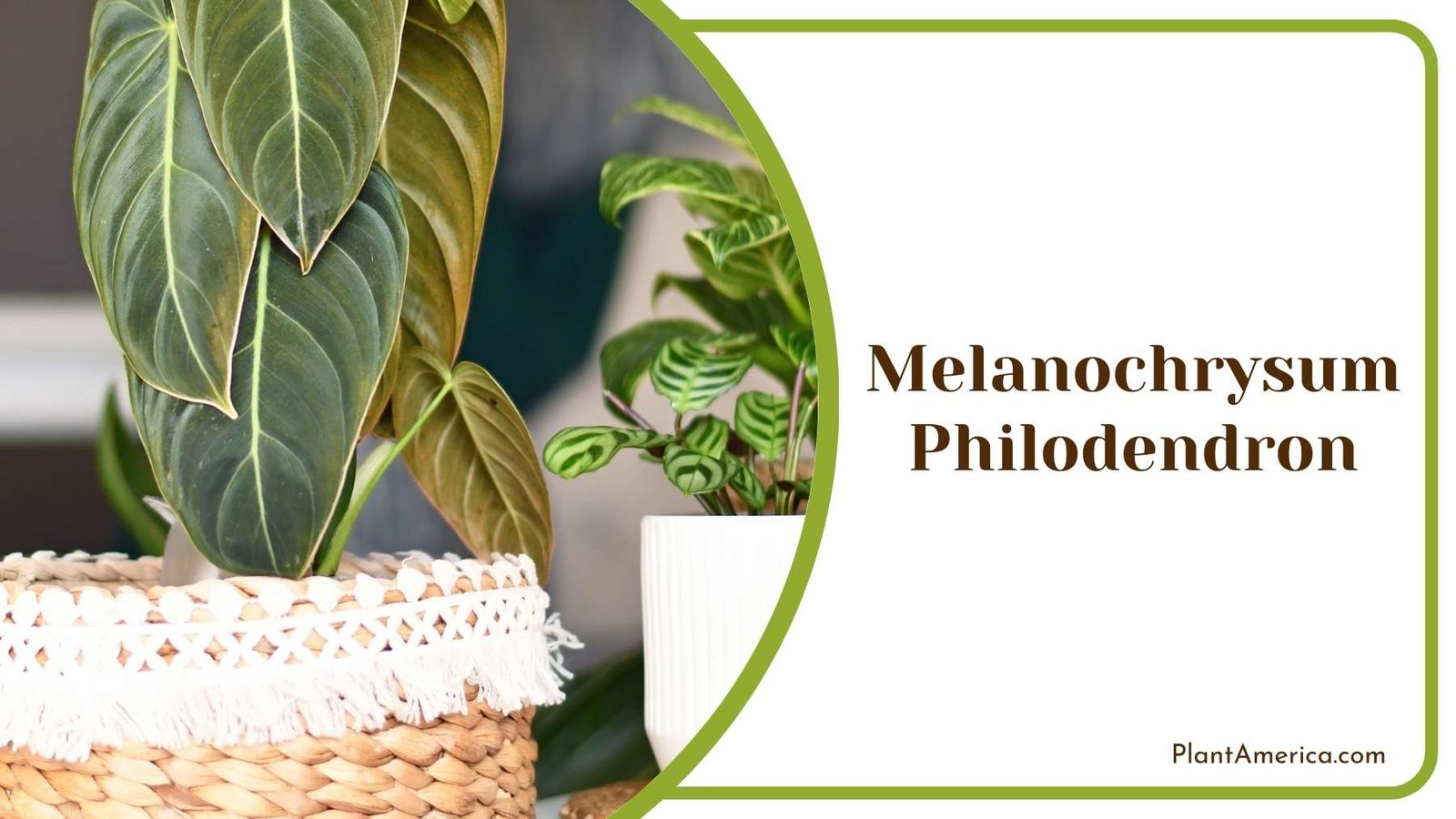
The Melanochrysum Philodendron features stunning dark leaves with silvery veins and midribs. The deeply divided foliage emerges bronze and glossy before maturing to shiny dark green with silver saturation along the central ribs and main veins.
Regular misting and occasional fertilizing with diluted liquid fertilizer aid in optimizing growth while preventing common issues like mealybugs and mites.
Pruning damaged or non-variegated foliage promotes optimal moisture and airflow while intensifying sheen in remaining leaves.
26. Imperial Red Philodendron
| Growing Season | All year |
| Leaf Shape | Palmate, Lobed |
| Specific Needs | High humidity, Indirect light to partial direct light |
| Common Pests | Spider mites, Aphids |
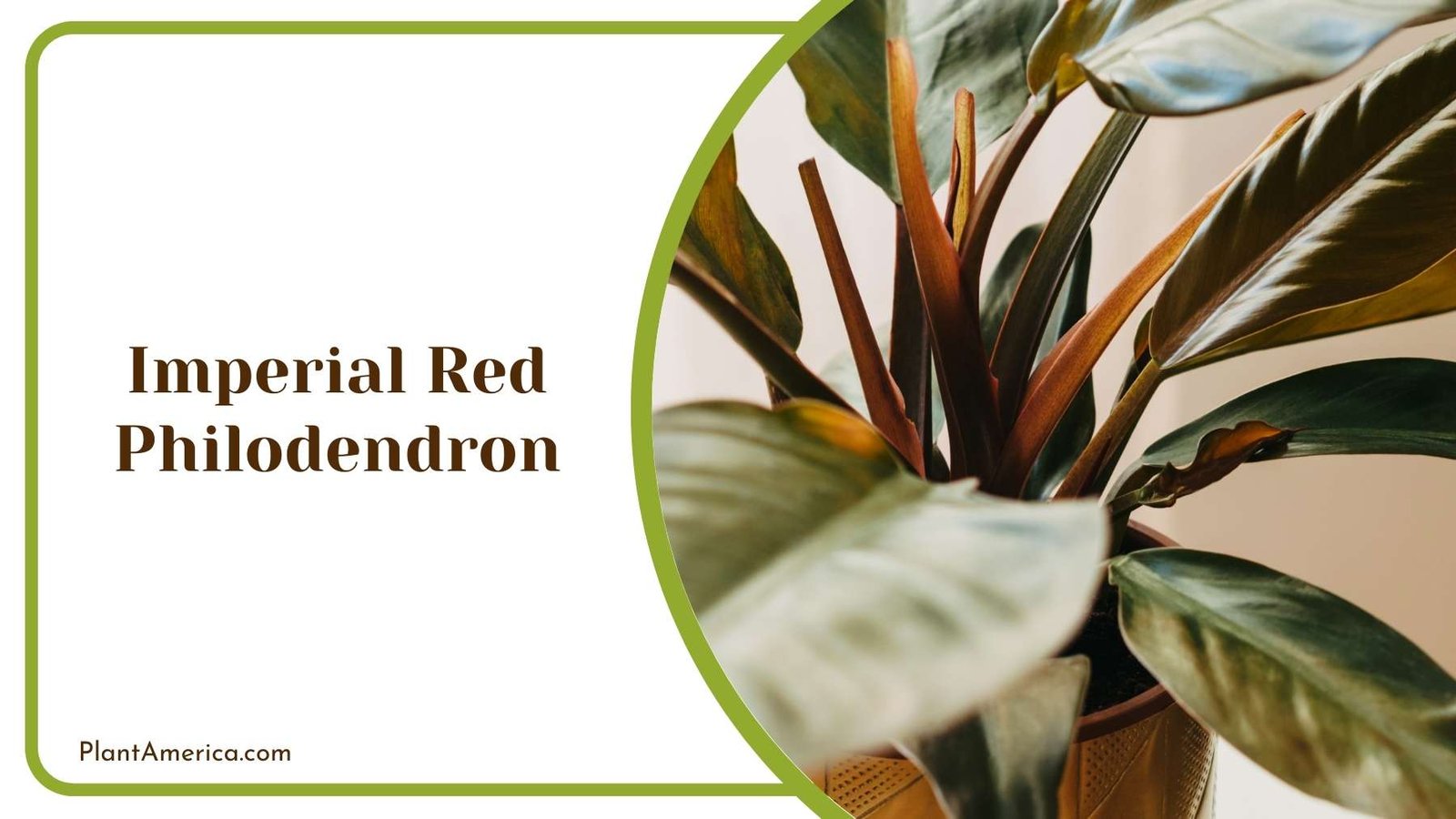
The imperial red philodendron features striking leaves with deep red coloring. The palmately lobed foliage emerges dark green before developing vibrant red, coloring the central rib and main veins as the plant matures.
It grows amazingly well in hanging baskets and containers due to its compact form though it can climb more than 10 feet tall when provided vertical support.
Regular misting and occasional fertilizing with diluted liquid fertilizer aid in optimizing growth while preventing common issues like spiders and aphids. Pruning damaged or non-variegated foliage promotes optimal air circulation and water retention for enhancing remaining leaf contrast.
27. Thai Sunrise Philodendron
| Growing Season | All year |
| Leaf Shape | Deeply divided, Lobed |
| Specific Needs | Medium to bright indirect ligh, High humidity |
| Common Pests | Mealybugs, Mites |
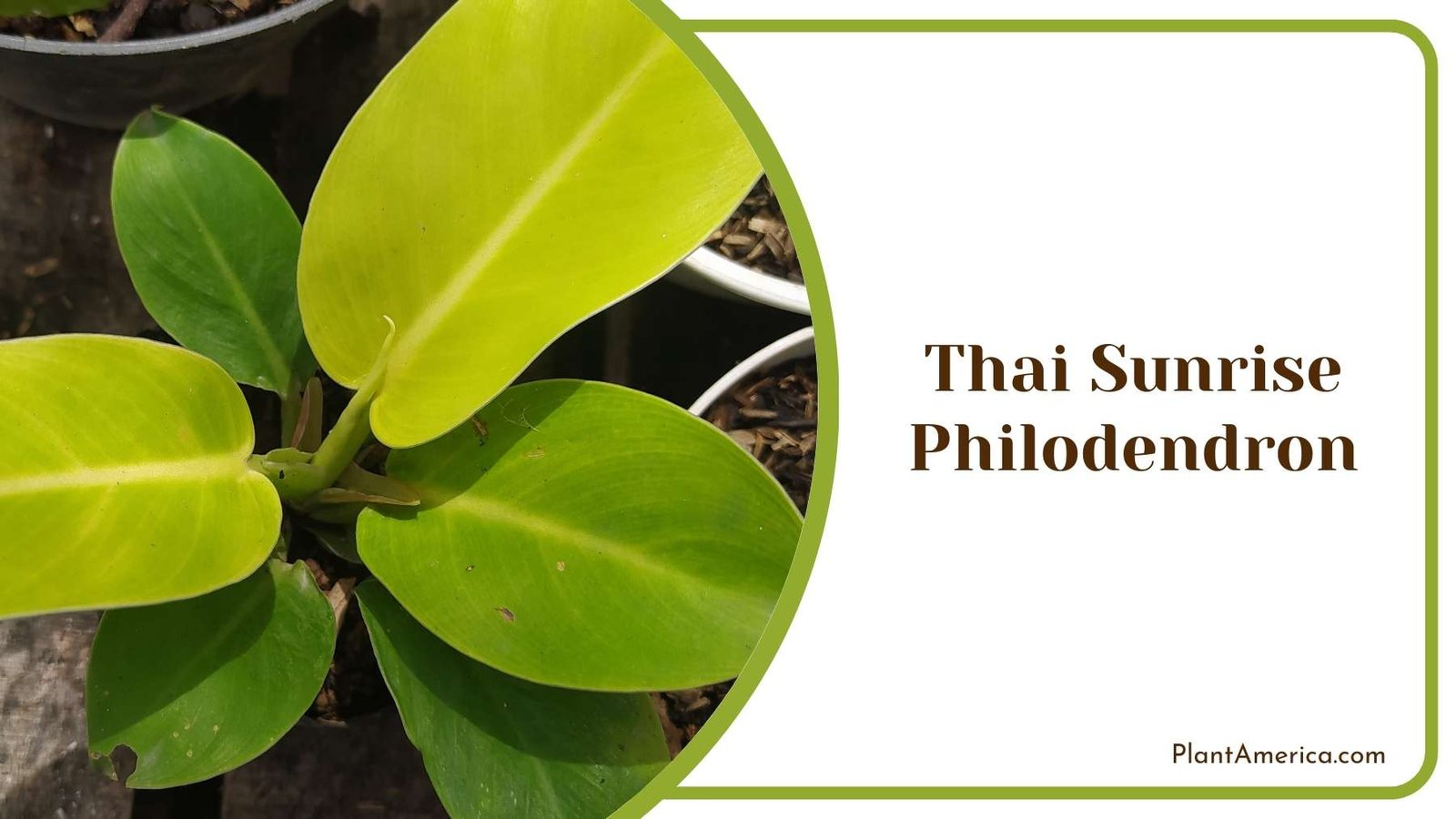
The Thai sunrise philodendron features stunning yellow and green leaves with reddish veins. The deeply divided foliage emerges bright yellow before developing contrasting golden yellow and medium green shades as the leaf matures.
It grows amazingly well in hanging baskets and containers due to its compact form though it can climb more than ten feet tall when provided vertical support.
Regular misting and occasional fertilizing with diluted liquid fertilizer aid in optimizing growth while preventing common issues like mealybugs and mites. Pruning damaged or non-variegated foliage promotes optimal moisture and airflow while intensifying color in remaining leaves. variegated philodendron
Conclusion
Philodendron plants are popular tropical houseplants with many varieties available for interior landscaping.
- The Grazielae Philodendron, or Philodendron Grazielae, features impressively sculpted leaves with copper undertones.
- The Billietiae Philodendron features leaves with stunning red stripes and splashy contrasts.
- The Philodendron selloum is a large, vining philodendron valued for its sculpted, lobed leaves and stately appearance.
With time, patience, and regular plant care, you’ll be rewarded with stunning foliage that lifts your interior space and brings a touch of the tropics indoors. Gardening and connecting with nature through plants has endless positive impacts; so go ahead and nurture that beautiful philodendron and enjoy its enthusiastic growth for years to come.