
Different types of jade plants should be at the top of your list if you are looking for new houseplants to liven up your home, Jade plants, known for their succulent leaves and easy care, come in a stunning array of varieties from common dwarf to sparkly variegated.
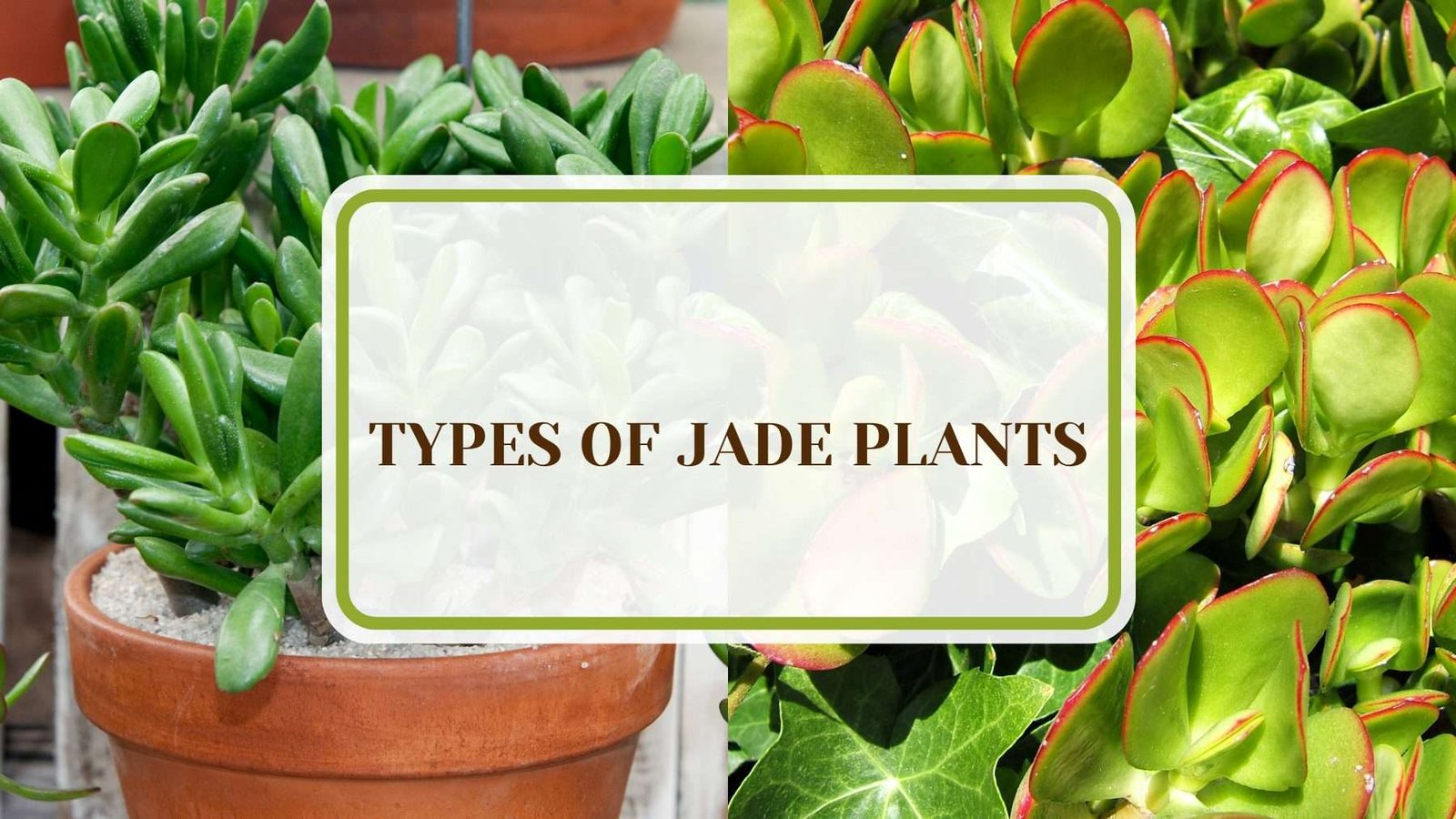
Each type of jade plant profiled will include key details on their characteristics like size, growth rate, leaf shape and color, variegation patterns, if any, and other unique traits so you can confidently pick the perfect jade to improve your indoor space and soothe your soul. So whether you want a statement foliage plant or dainty decor for your desk, types of jade plants have you covered.
Types of Jade Plants That Class up Any Interior Space
1. Common Jade Plant
- Growing season: All year round
- Leaf shape: Oval, Rounded
- Specific needs: Low light, Infrequent watering
- Common pest: Mealybugs, Spider mites
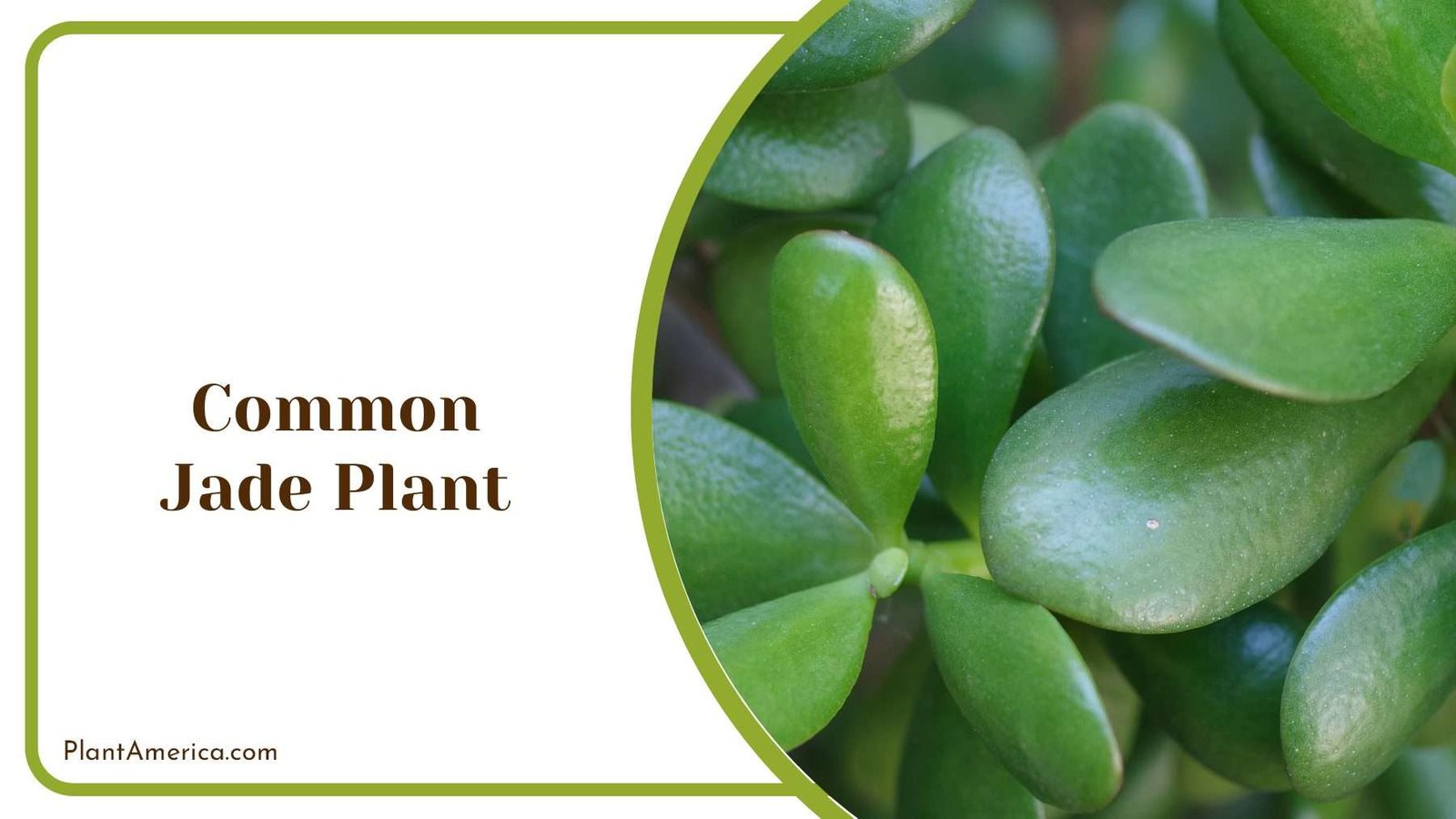
The common jade plant has thick oval leaves and compact growth. It stores water in its leaves. The common jade plant tolerates neglect and grows slowly up to three feet. It is a good choice for beginners.
The thick pale green oval leaves and sturdiness define the common jade plant. It is drought tolerant. Water the common jade plant when the top inch of soil is dry. Rotate the plant periodically to encourage symmetrical growth.
The simple care needs, drought tolerance, longevity, and sculptural leaves of the common jade plant ensure its enduring appeal as a low-maintenance houseplant for modern interiors. The thick pale green oval leaves are its defining feature, along with sturdiness and drought tolerance.
2. Crosby’s Compact
- Growing season: Grows year round
- Leaf shape: Thick, Rounded
- Specific needs: Bright indirect light, Little water
- Common pest: Mealybugs, Spider mites
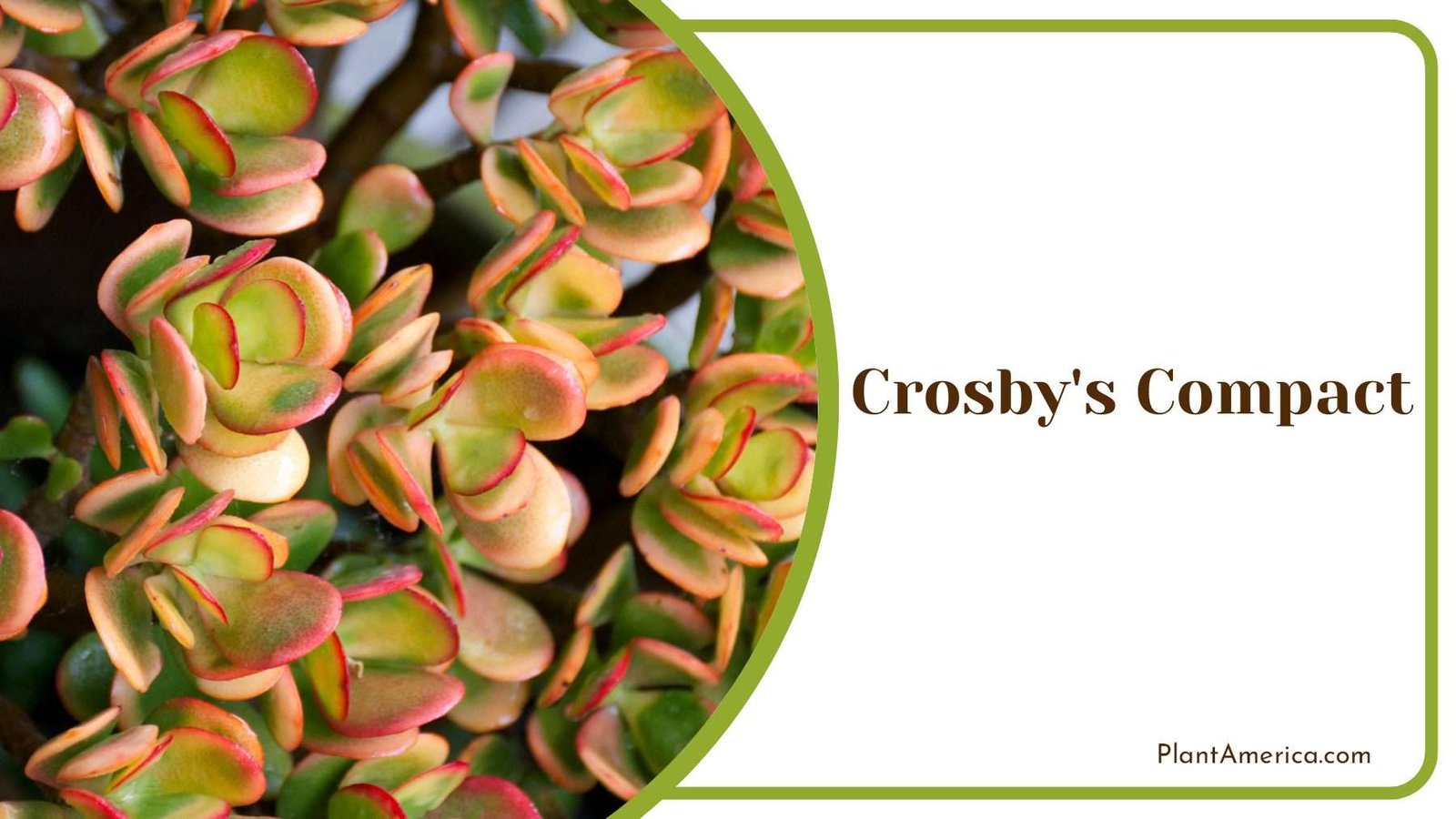
The “Crosby’s compact” jade plant is a dwarf form of the common jade plant. It has a slower, more compact growth habit. The thick waxy leaves form dense rounded clumps. The “Crosby’s compact” jade plant typically grows only one to two feet tall. It adapts well to small spaces and makes an ideal desk or shelf plant.
The thick leaves allow the plant to go longer between waterings, making it forgiving of irregular watering. The small stature, rounded habit, thick succulent leaves, and ease of care make the “Crosby’s compact” jade plant well suited to modern interiorscapes seeking dwarf, low-maintenance houseplants with sculptural appeals.
3. Pink Beauty
- Growing season: Any season
- Leaf shape: Rounded, Pink leaves
- Specific needs: Bright light, Little water
- Common pest: Mealybugs, Spider mites
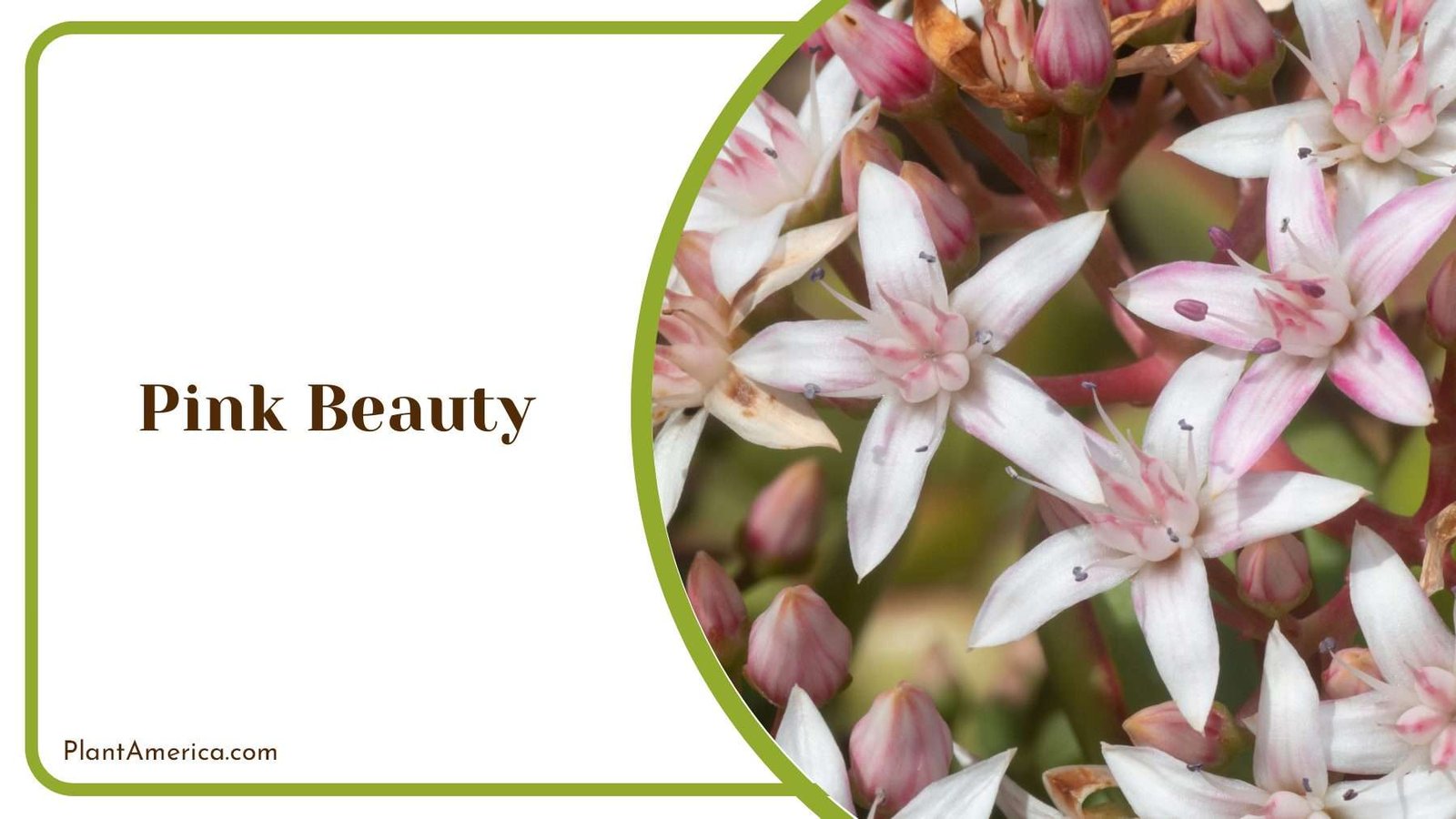
The “Pink Beauty” jade plant has thick, rounded leaves with a soft pink tint. The pink color is most vibrant on new growth, especially with plenty of sun exposure. The glossy pink leaves provide an elegant contrast to green jade varieties. The “Pink Beauty” reaches only one to one and a half feet tall, making it suitable for tabletops and small spaces.
It adapts well to infrequent watering and tolerates neglect, making this a good choice for beginners. The sculptural form and delicate pink color of the thick succulent leaves ensure lasting appeal as a low-maintenance small houseplant. The artful contrast the “Pink Beauty” jade plant brings to interiors with its soft rounded foliage in a rare blush tone combined with its easy care and slow growth promise long-term benefits for modern decor seeking an unexpected burst of color and subtle charm.
4. Gollum
- Growing season: Grows year round
- Leaf shape: Thin, Finger-like
- Specific needs: Bright light, Little water
- Common pest: Mealybugs, Spider mites
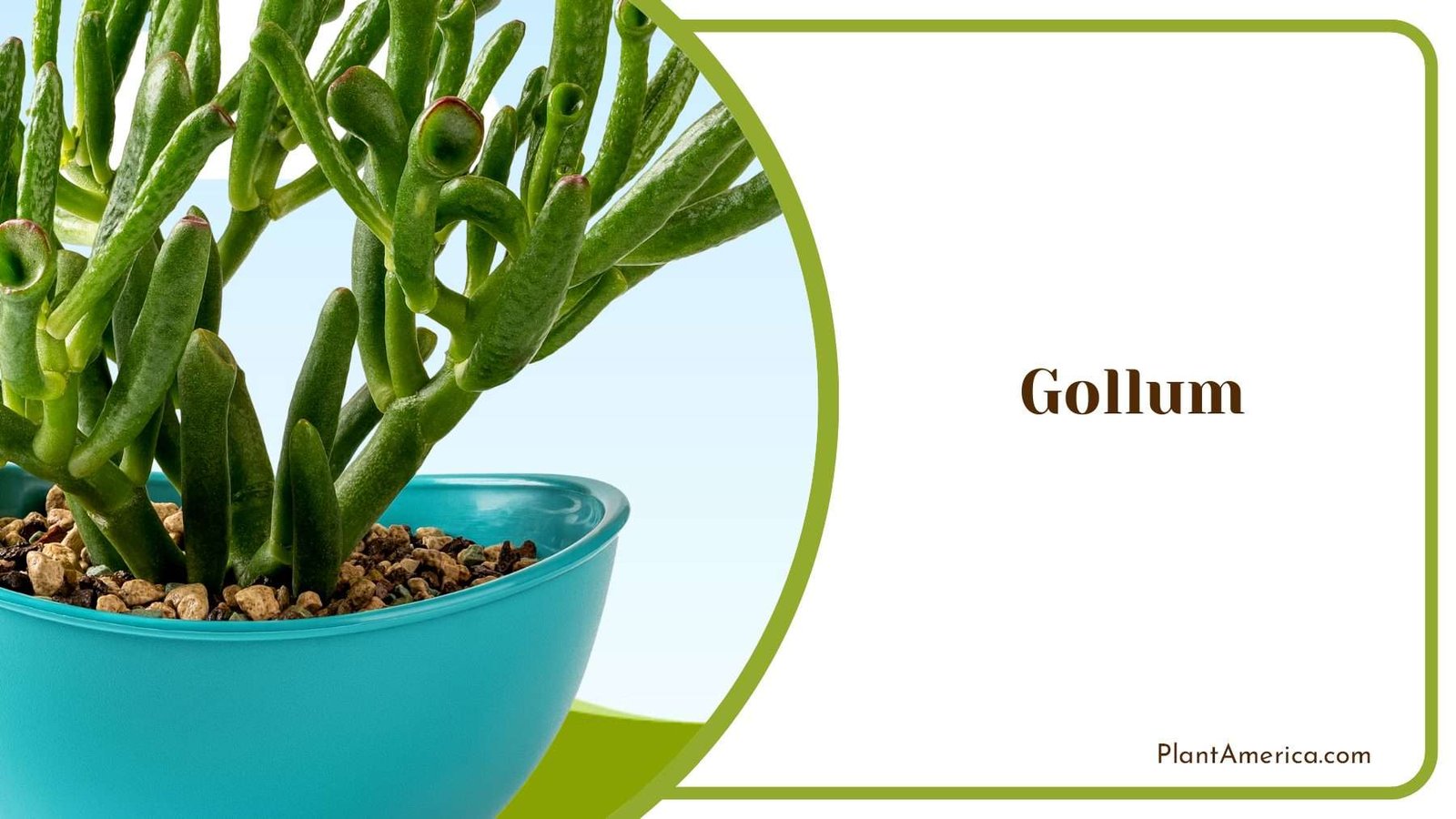
The ‘Gollum’ jade plant has thin wiry leaf/stem structures rather than broad leaves. This unusual plant grows slowly into a compact bush. It needs full sun and well-draining soil to avoid root rot.
The ‘Gollum’ jade plant gets its name from its resemblance to the Gollum character with its strange finger-like projections. The ‘Gollum’ is an attention-grabbing choice for fans of distinctive foliage. The twisty spindly texture and compact form combine with ease of care to ensure lasting appeal as a decor accent.
The otherworldly sculptural textured form and attention-grabbing strangeness the ‘Gollum’ jade plant brings to modern interiors with minimal effort promise long-term aesthetic and conversation value. The plant’s strikingly unusual appearance lights up drab corners with intrigue and whimsy.
5. Hobbit
- Growing season: Any season, Grows year round
- Leaf shape: Thin, Finger-like
- Specific needs: Bright light, Little water
- Common pest: Mealybugs, Spider mites
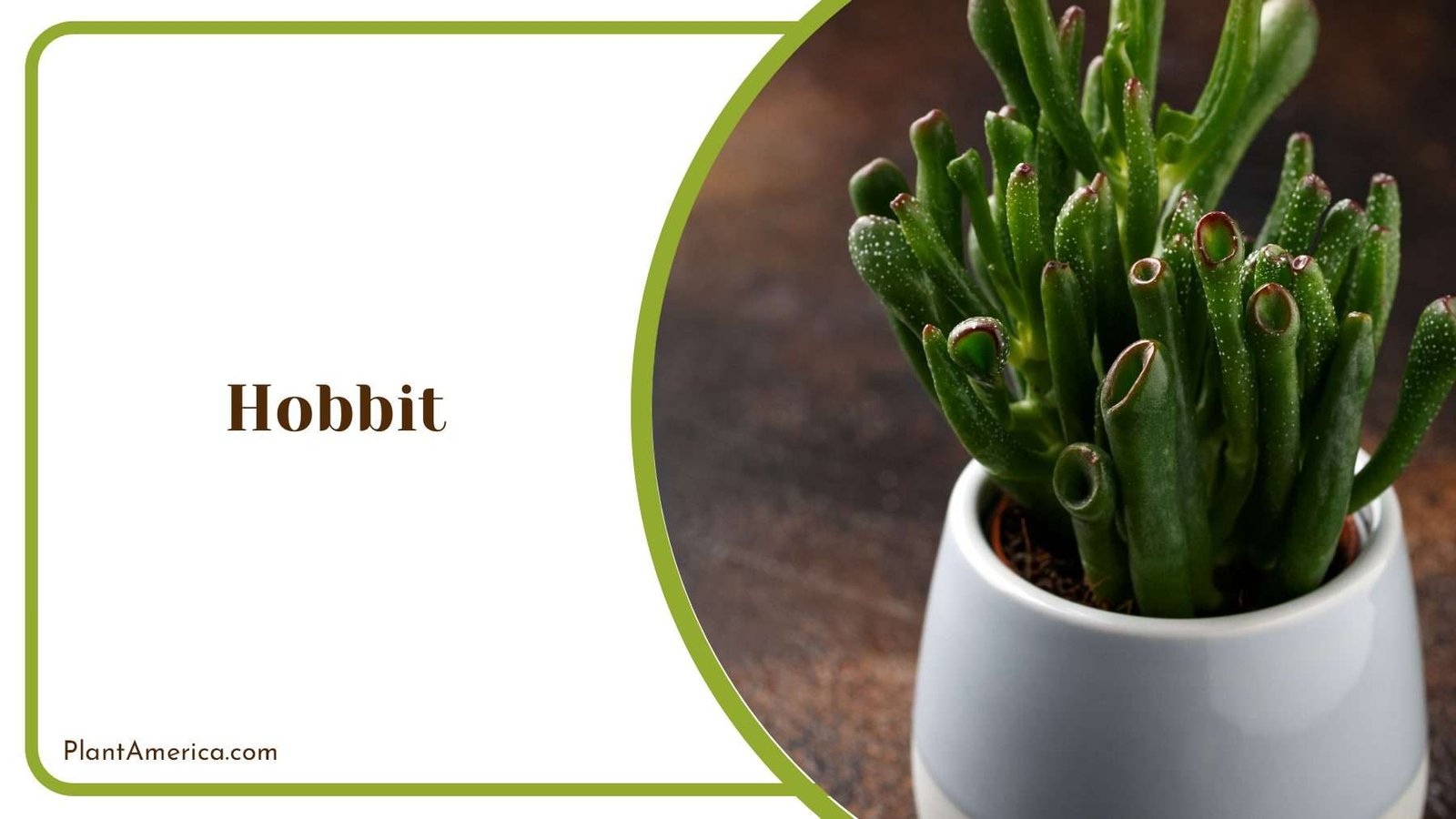
The “Hobbit” jade plant typically grows only six to 12 inches tall, making it ideal for containers and indoor planting.
The thin leaves have a textured wrinkled look that adds visual interest. The Hobbit jade adapts easily to indoor conditions, requiring only occasional water and infrequent fertilizing. Due to its small stature, the Hobbit jade plant is perfect for display on shelves, desks, and windowsills.
The “Hobbit” gets its name from its resemblance to the hobbits of Middle Earth with its short, compact growth. The ease of care and diminutive stature ensure its lasting appeal as an accent for modern interiors.
The artfully dwarfed proportions, textured sculptural foliage, and effortless culture the “Hobbit” jade plant offers promise long-term rewards for modern decor seeking an easy, whimsically sized houseplant with lasting aesthetic charm.
6. Hummel’s Sunset
- Growing season: Any season
- Leaf shape: Broad, Fleshy
- Specific needs: Full sun, Well-draining soil
- Common pest: Mealybugs, Spider mites
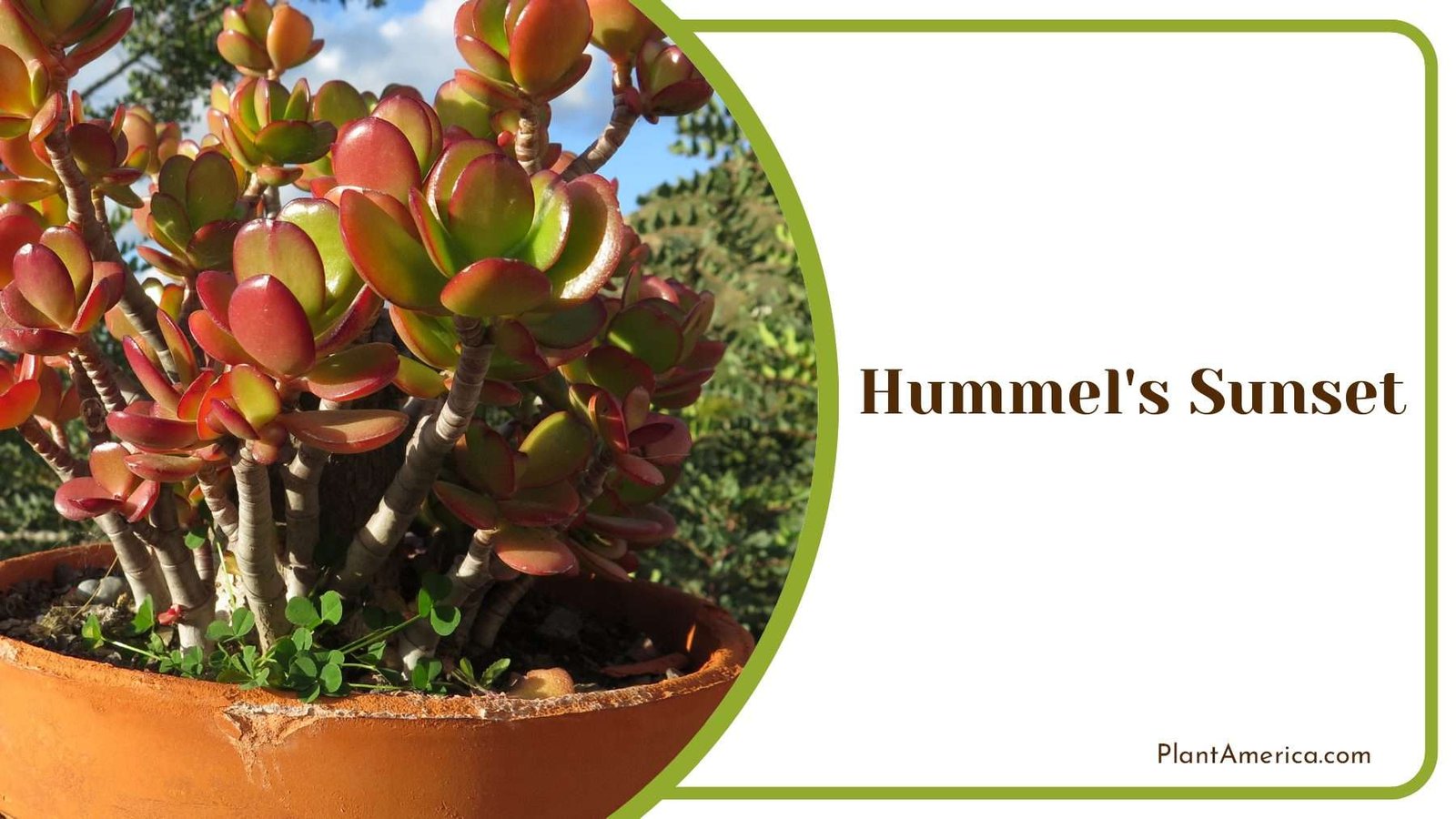
The ‘Hummel’s Sunset’ jade plant has colorful orange-tinged leaves with vivid red edges when grown in full sun. It typically grows into a medium-sized shrub with arching branches and broad fleshy leaves up to three inches long. The bright colors are most vibrant during spring and summer grow but fade during fall and winter plant.
This colorful variety of jade plants makes a real visual impact when grown as a specimen plant with its broad architectural form and contrasting red and orange leaves. The jade plant should be placed in a zone with full sun and well-draining soil to prevent foliage discoloration and rot root.
7. Miniature Jade
- Growing season: Grows year round
- Leaf shape: Small, Rounded
- Specific needs: Bright indirect light, Little water
- Common pest: Mealybugs, Spider mites
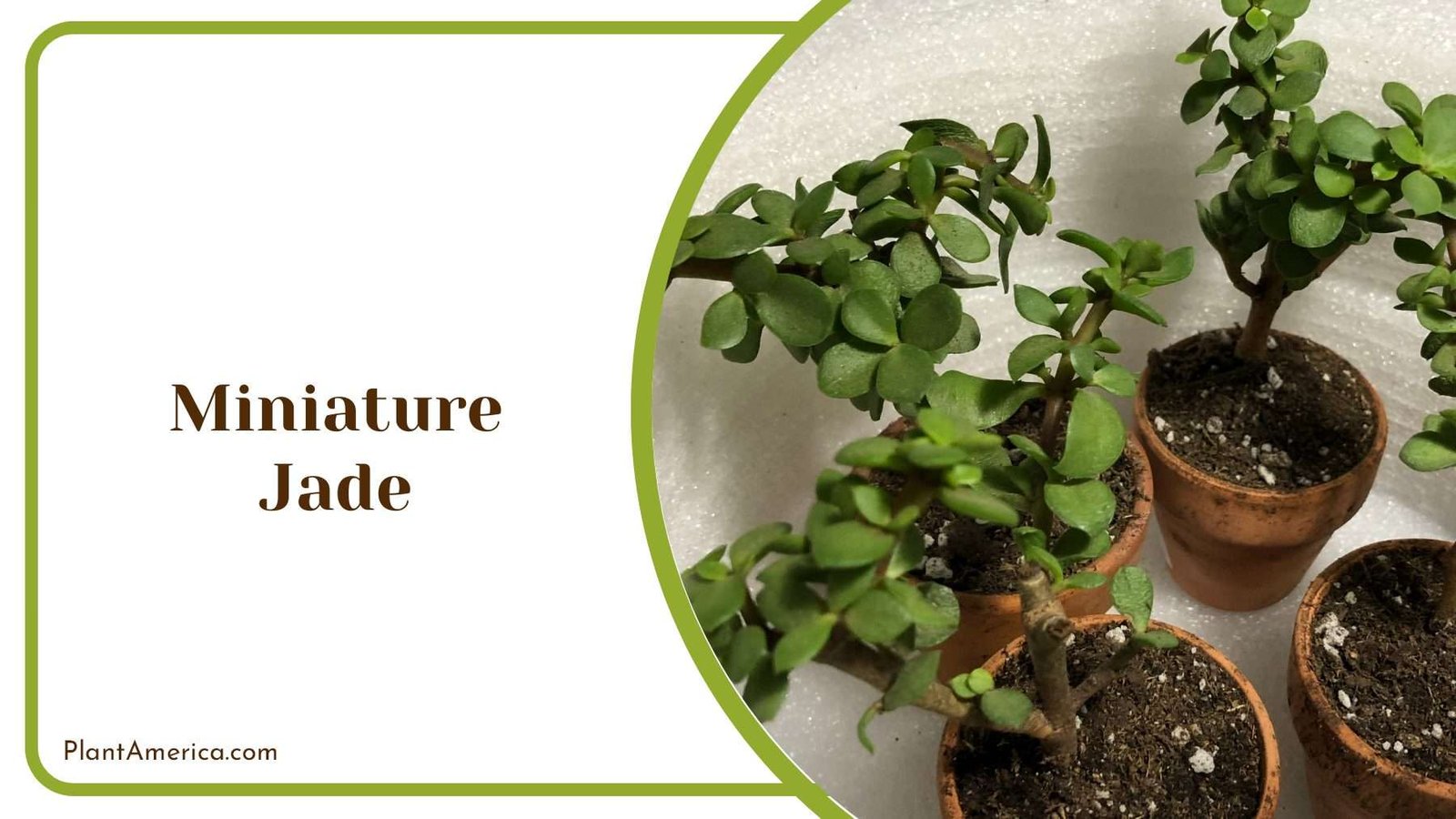
The ‘Minimaminiature jade plant is a dwarf variety that typically grows no more than six to eight inches tall making it perfect for tabletops and smaller spaces planting indoors. The tiny rounded leaves are dark green and fleshy, stacking closely together as the plant matures.
Miniature jade plants are very easy, adapting well to occasional watering and higher temperatures. They make excellent starter houseplants for children or beginners due to their slow growth houseplants and easygoing nature.
8. Ripple Jade
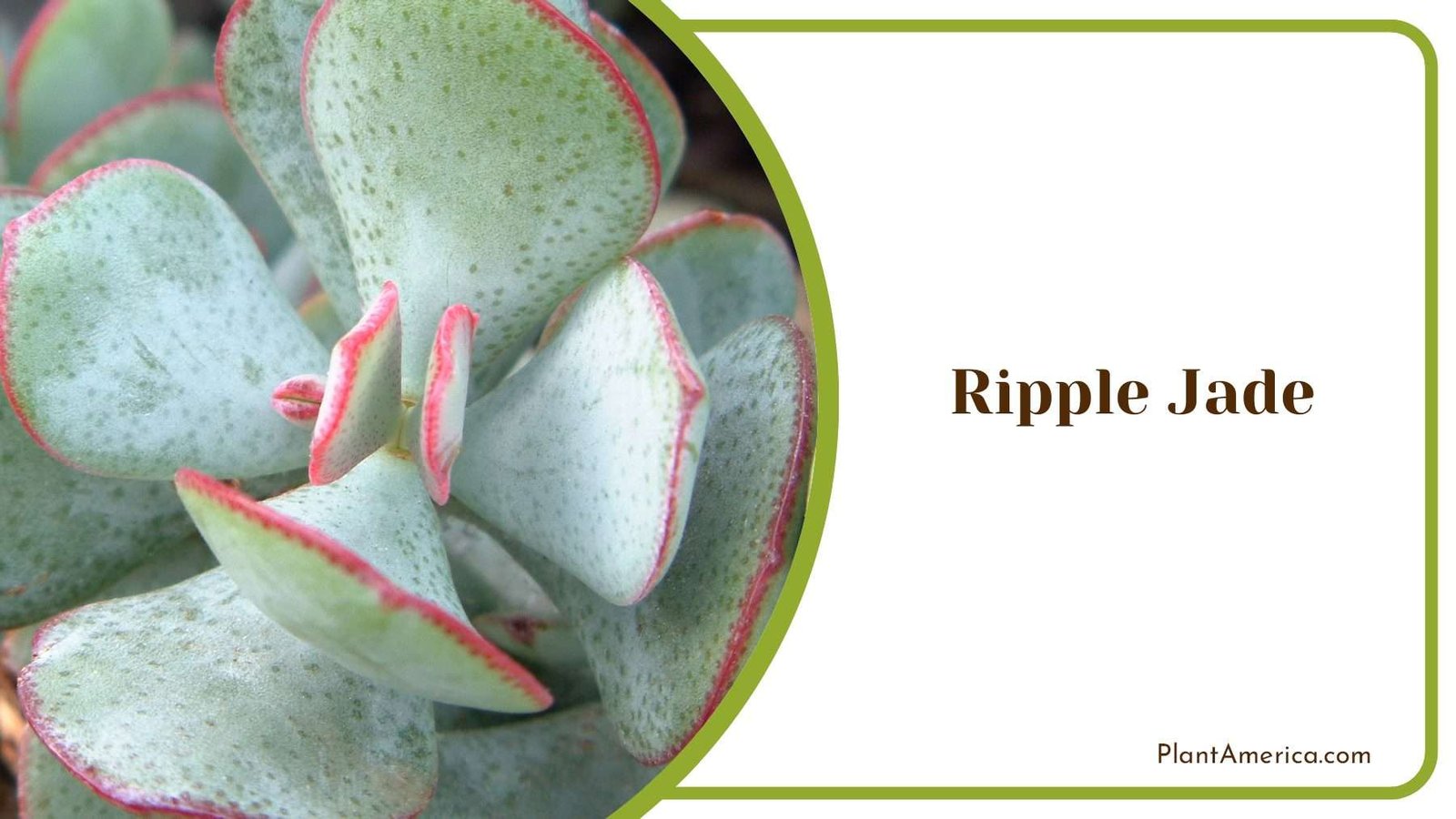
- Growing season: Any season
- Leaf shape: Semi-rounded, Succulent
- Specific needs: Full sun, Well-draining soil
- Common pest: Mealybugs, Spider mites
The ‘Undulata’ ripple jade plant has wavy crested leaves like rolling ocean waves. These curled succulent leaves tend toward long and narrow rather than the more rounded common jade shape and take on a reddish tint in full sun exposure. The upward arching form of the ripple jade plant delivers a more vertical accent to the landscape.
While primarily grown as a houseplant, this wavy variety of jade plants can grow to three feet tall when planted outdoors during the warm season. The ripple jade plant is somewhat higher maintenance due to its sensitivity to overwatering and its tendency to shed lower leaves as it grows.
9. Silver Dollar Jade
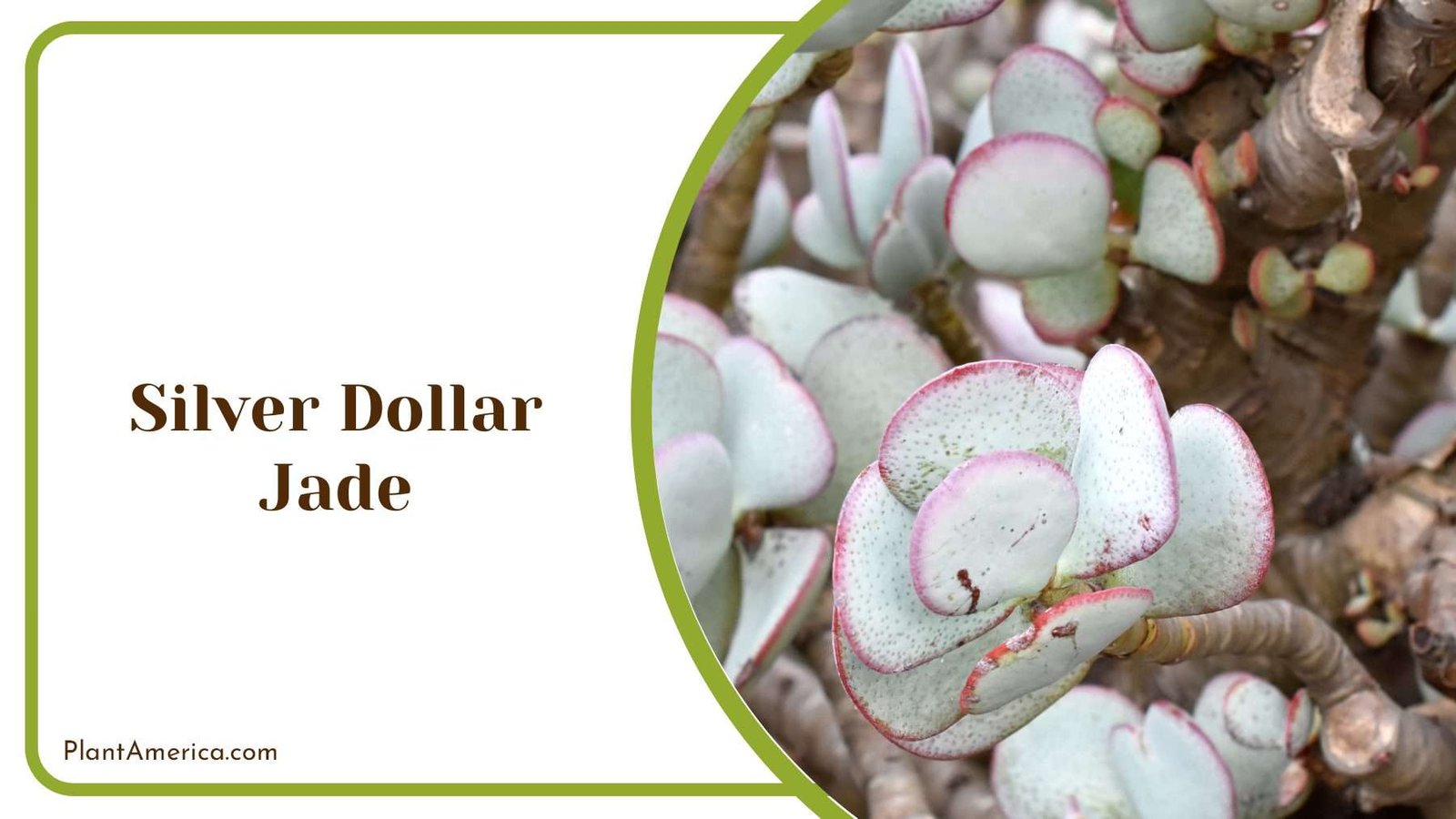
- Growing season: Any season
- Leaf shape: Rounded, Fleshy
- Specific needs: Bright light, Little water
- Common pest: Mealybugs, Spider mites
The “Silver Dollar” jade plant has coin-shaped silver-gray leaves that give it its name. The small rounded leaves have a waxy coating that reflects light and makes the plant appear silver in color. The silver foliage and compact growth make this an eye-catching accent plant for shelves and small spaces.
The “Silver Dollar” jade plant prefers bright indirect light, infrequent watering, and average indoor temperatures to thrive. The bright silvery leaves and diminutive size ensure its charm and usefulness as an accent for modern interiors. The whimsical silvery coin-like foliage that invites touch and the colorful glow the “Silver Dollar” jade plant brings to modern interiors with minimal care promise long-term aesthetic and textural benefits. The small plant’s sculptural foliage offers a surprisingly striking splash of shiny geometric charm.
10. Blue Bird Variegated
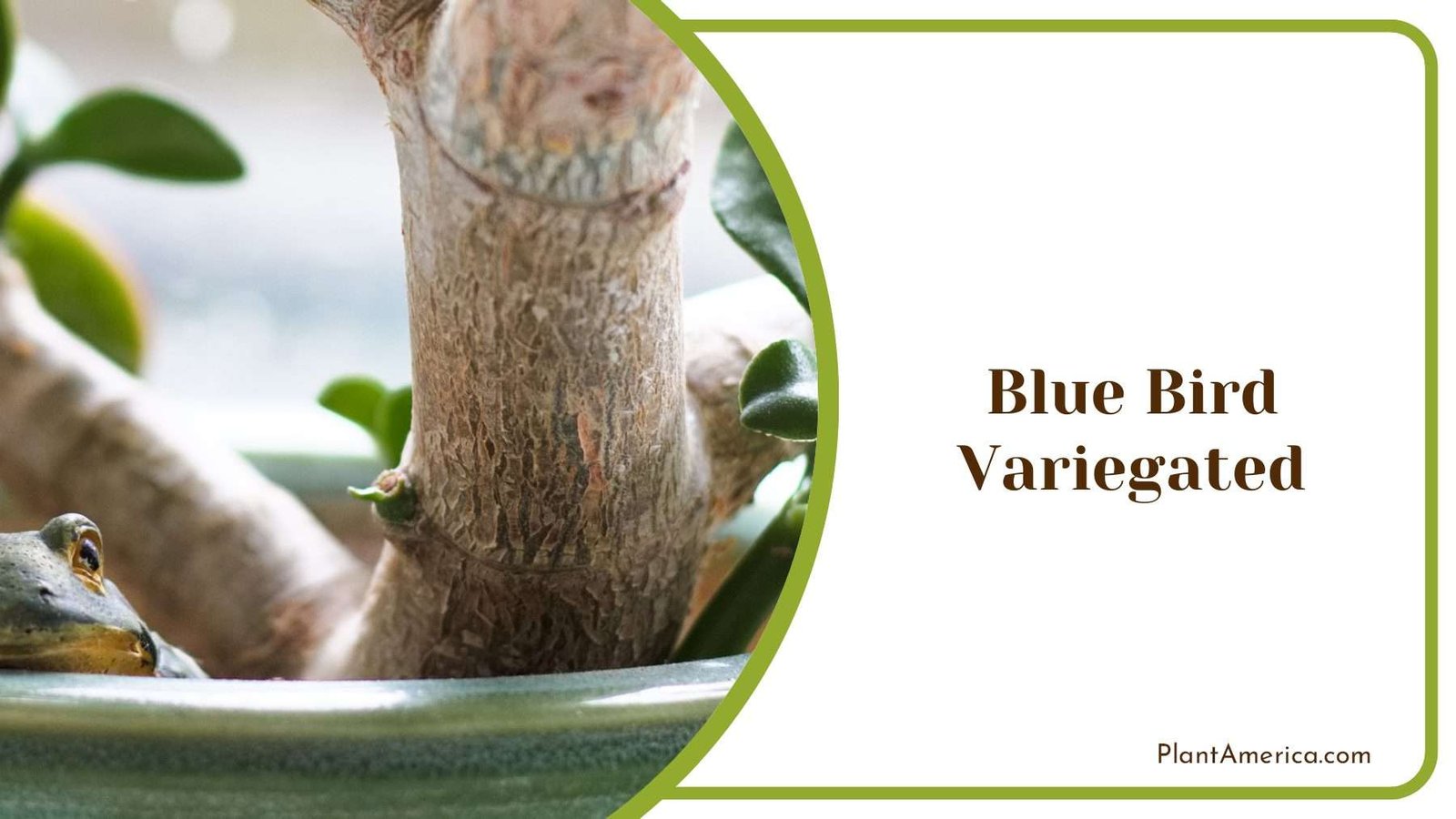
- Growing season: Any season
- Leaf shape: Ovoid, Elongated
- Specific needs: Bright light, Little water
- Common pest: Mealybugs, Spider mites
The “Blue Bird” variegated jade plant has leaves splashed with patches of icy white and pale blue.
This produces a stunning high-contrast foliage display. This vigorous variety grows more quickly than many other jade plants, potentially reaching six feet tall over time. New growth is most vibrantly variegated with stark white and blue patches contrasting sharply against green while mature leaves darken to subtler tones of grayish-green.
The “Blue Bird” jade plant thrives under conditions of bright indirect light, minimal fertilizing, and well-draining soil. Its arching form and more vertical leaf orientation make this variegated variety a nice choice for trailing from hanging containers and wall baskets.
The eye-catching variegation in vibrant shades of blue and white combined with its architecturally interesting vertical form, significant growth potential, and low-effort care requirements unites to ensure the lasting ornamental appeal of the “Blue Bird” jade plant as a dynamic, attention-grabbing accent for modern interiors.
The colorful splashes of foliage that appear to glow against the green and promise to eventually cascade downward in a sculptural cascade of blue and white promise long-term aesthetic rewards for modern decor seeking a statement houseplant with bold visual impact that requires minimal pampering.
11. Mini Pine Tree
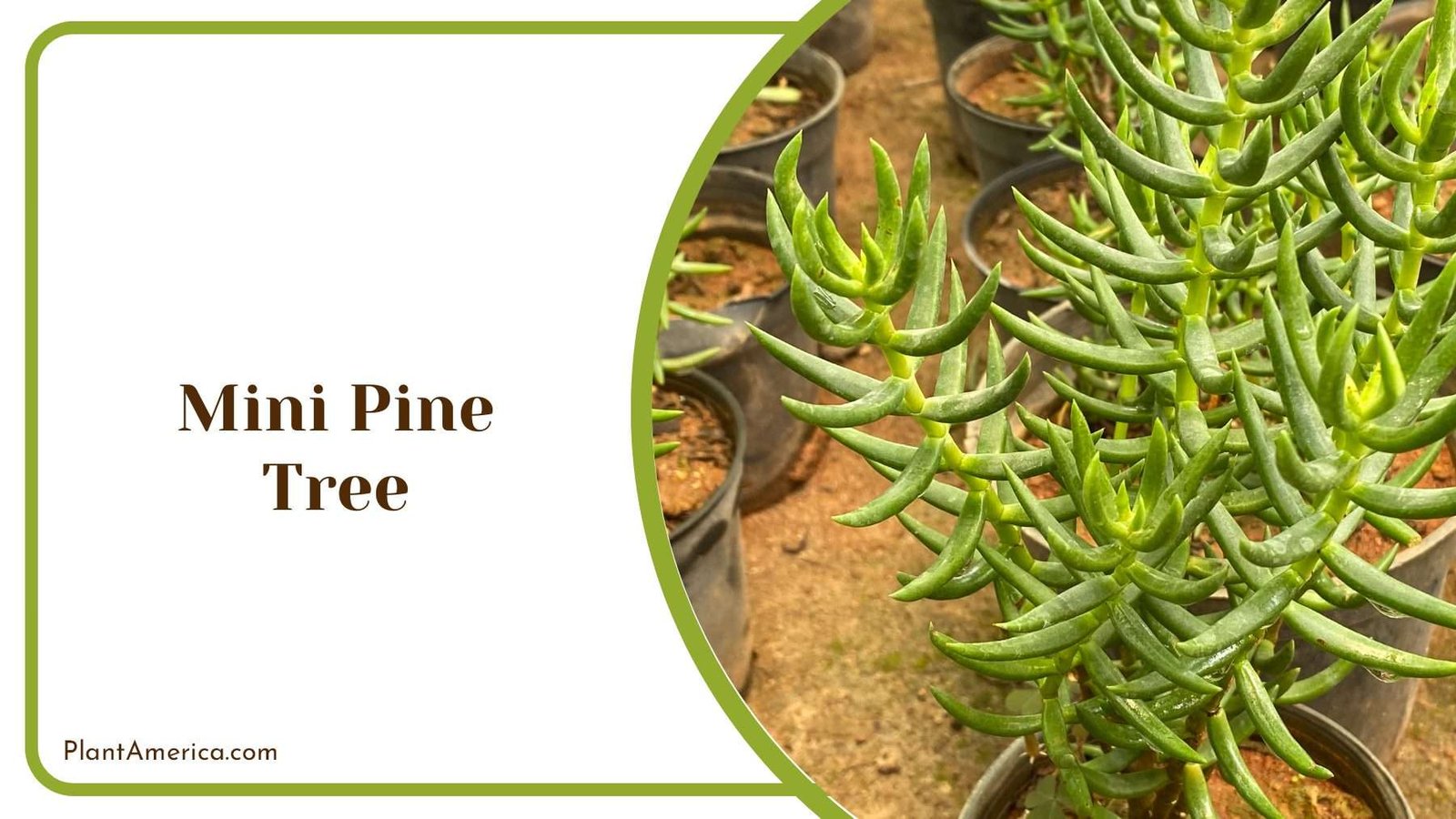
- Growing season: Any season
- Leaf shape: Thick, Needle-like
- Specific needs: Bright light, Little water
- Common pest: Mealybugs, Spider mites
The ‘Miniature Pine Tree’ jade plant has a compact growth habit and thick needle-like protrusions that resemble a miniature pine tree. As the plant matures, the stem develops branches clad in the dense foliage that give this jade a textured look. This unusual variety typically grows under one foot tall.
The ‘Miniature Pine Tree’ prefers bright indirect light, occasional watering, and sharply draining soil. Because of its small stature, this jade plant is well suited to windowsills and containers. The miniature pine tree form and diminutive size combined with minimal care requirements ensure lasting appeal.
The architecturally intriguing miniature pine tree form and sculptural textured green foliage the ‘Miniature Pine Tree’ jade plant offers with minimal effort promise long-term appeal for modern interiors seeking an eye-catching tiny accent plant with whimsical forest charm and effortless nature. The small scale forest at one’s fingertips invites wonder and escape from screens and stress into a softer landscape.
12. Variegated Jade
- Growing season: Grows year round
- Leaf shape: Variageted, Gray green foliage
- Specific needs: Full sun, Well-draining soil
- Common pest: Mealybugs, Spider mites
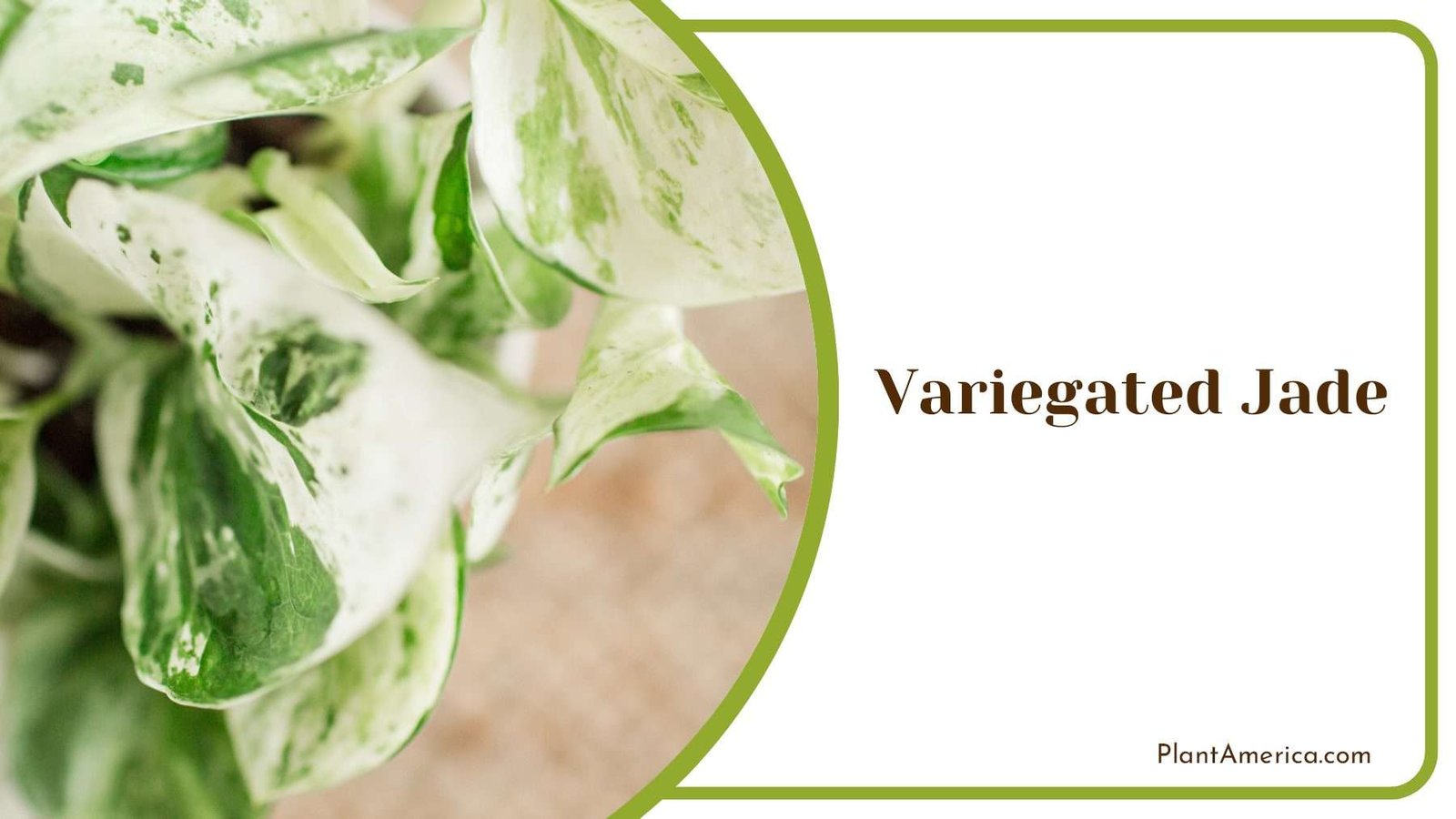
Variegated jade plants come in various leaf shapes and coloring patterns. The leaves may feature splashes of white, pink, yellow, or blue on a dark green or gray-green leaf. Variegated types tend to grow faster than solid green jade plants due to the white splotches diminishing photosynthesis.
However, they offer stunning visual contrast. Variegated jades often require more frequent water and fertilizer due to faster growth. They do best with full sun and well-draining soil for vibrant foliage and root health.
The decorative splash of color and high contrast variegated foliage patterns bring to indoor landscapes combined with their typically faster growth ensures the lasting appeal of variegated jade plants for modern interiors seeking statement houseplants.
The ability of variegated types to brighten surroundings with colorful foliage patterns while adapting well to average indoor conditions promises long-term aesthetic rewards for modern decor seeking eye-catching yet low-effort plants with artistic sculptural effect.
13. Trailing Jade
- Growing season: Any season
- Leaf shape: Elongated, Succulent
- Specific needs: Bright light, Little water
- Common pest: Mealybugs, Spider mites
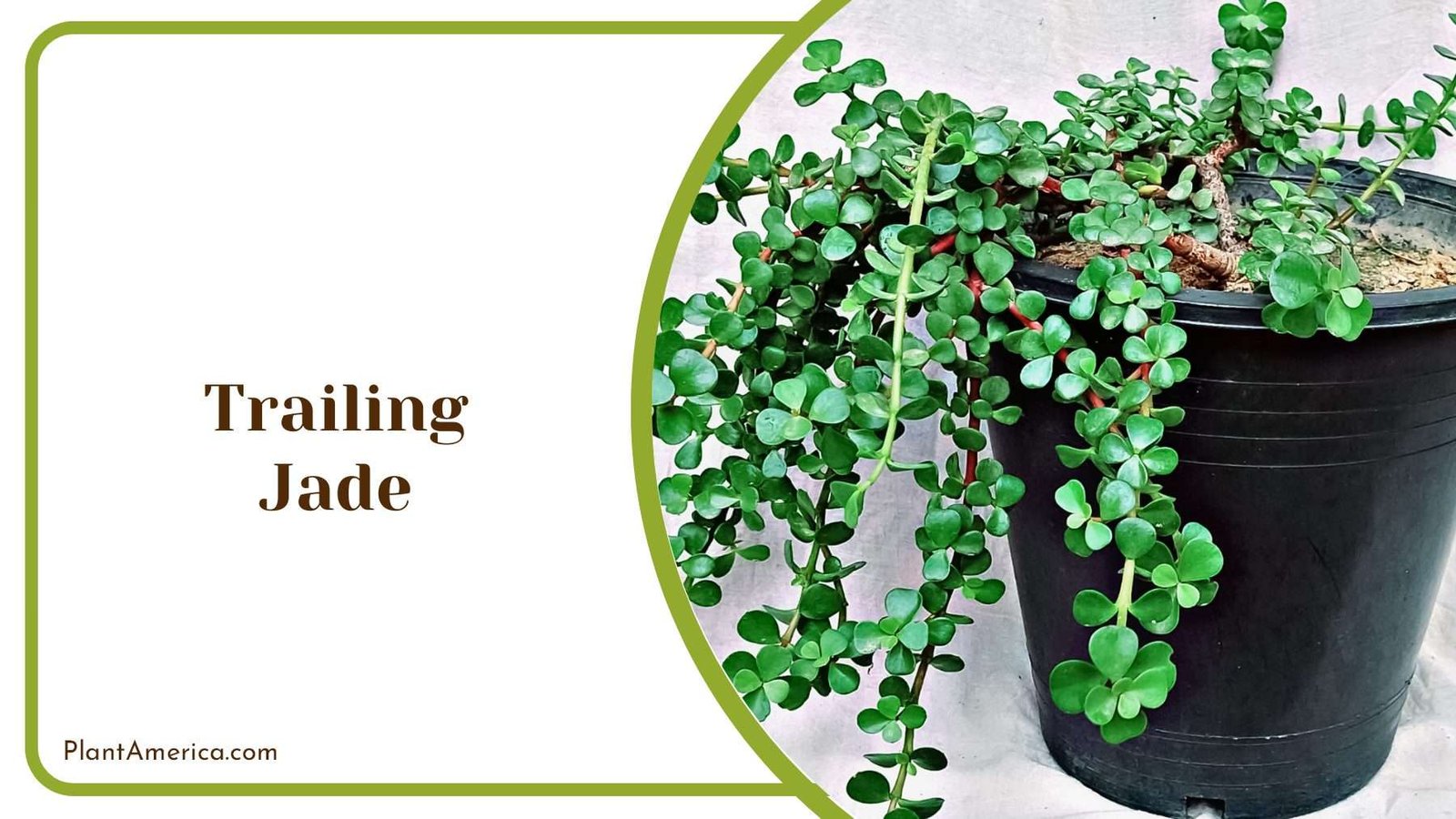
The ‘Undulata’ trailing jade plant has elongated wavy leaves and a trailing growth habit. As the plant matures, the elongated stems will cascade and trail beautifully. The undulating rounded edges of the succulent leaves add visual interest and texture.
Trailing jade plants grow rapidly and can reach up to three feet long. They are ideally suited to hanging planters and vertical environments where the stems can spill over the edges. Like other jade varieties, trailing types prefer sunny exposures, infrequent but deep watering, and sharply-draining soil. Regular pruning can keep these vines more compact and shapely.
The cascading stems are heavy with sculptural succulent leaves and colorful growing rapidly to transform containers and wall spaces the ‘Undulata’ trailing jade plant offers with minimal effort promise long-term appeal for modern interior landscapes seeking vining accents with sculptural texture, minimal effort, and architectural versatility. The wavy leaves invite touch and bring visual stimulation to otherwise sterile corners.
14. Money Plant
- Growing season: Any season, Grows year round
- Leaf shape: Any season, Grows year round
- Specific needs: Bright light, Little water
- Common pest: Mealybugs, Spider mites
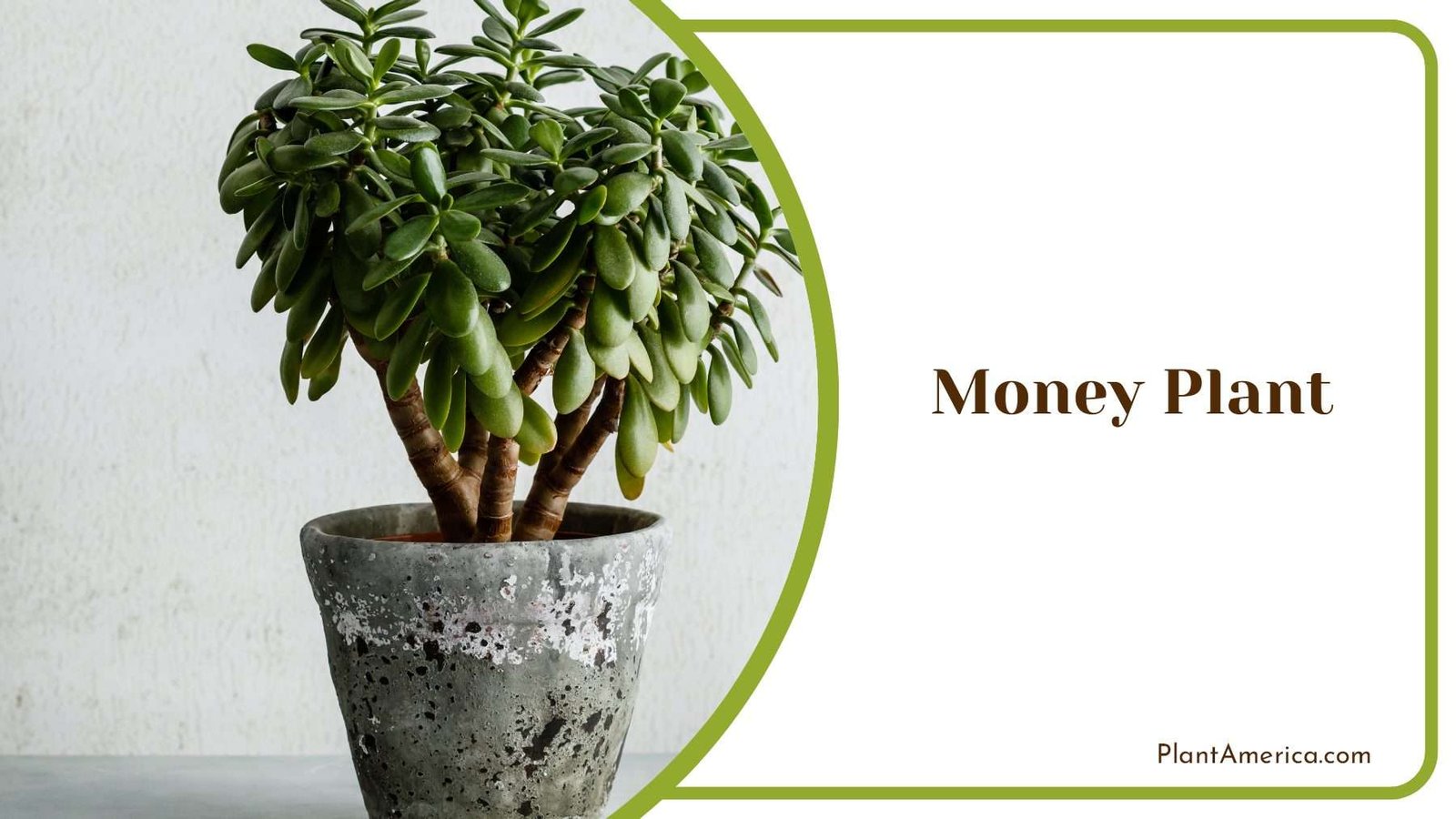
The ‘Money Plant’ jade gets its name from the coin shape of its leaves and folklore that associates rounded leaves with prosperity.
The fleshy oval leaves are typically olive green to grayish green in color and are stacked together in clumps on short stems. This variety typically grows slowly and compact, reaching no more than two feet tall when mature.
Money plant jades thrive with full sun, infrequent deep watering, and freely draining soil to prevent issues like root rot. The succulent coin-shaped leaves and suggestion of good fortune ensure lasting appeal.
The sculptural geometric foliage and whimsical name the ‘Money Plant’ jade brings to modern interiors with minimal effort promise long term aesthetic appeal and a source of contemplation for those seeking to infuse dwellings with symbols of abundance and ease. The rounded leaves invite touch and fascination with their ancient folkloric associations.
15. Bottle Tree
- Growing season: Any season, Grows year round
- Leaf shape: Elongated, Cylindrical
- Specific needs: Bright light, Little water
- Common pest: Mealybugs, Spider mites
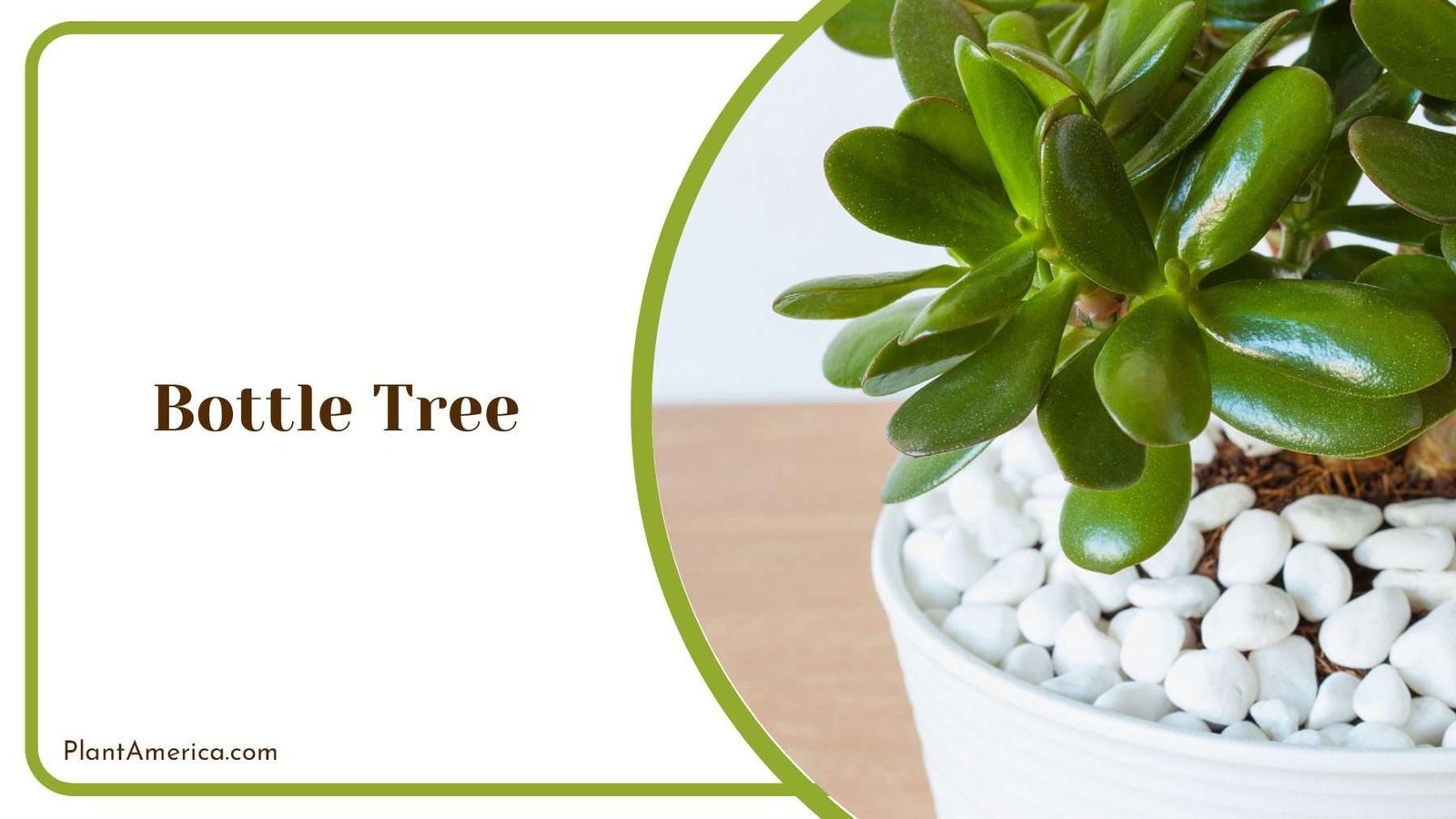
The ‘Bottle Tree’ jade plant has elongated cylindrical spear-shaped leaves that give it its common name.
The vertical needle-like leaves tend to grow in clusters on upright woody stems that resemble a miniature tree. This type grows slowly to medium size, reaching up to three feet tall. Bottle tree jades thrive with full sun, well-draining soil and infrequent but deep watering.
Their thick speared foliage and upright growth habit make them stand out visually and serve as an eye-catching choice for containers and wall gardens. The sculptural bottlebrush foliage and architectural form ensure lasting appeal.
The vertical thrust of speared leaves arranged in orderly rows and architectural miniature tree form the ‘Bottle Tree’ jade plant offers with minimal care promise long-term interest for modern interiorscapes seeking a sculptural accent with subtle forest charm that stands out visually yet requires low maintenance. The thin spires invite contemplation of arboreal majesty in miniature.
16. Golden Jade
- Growing season: Any season
- Leaf shape: Broad, Fleshy
- Specific needs: Full sun, Well-draining soil
- Common pest: Mealybugs, Spider mites
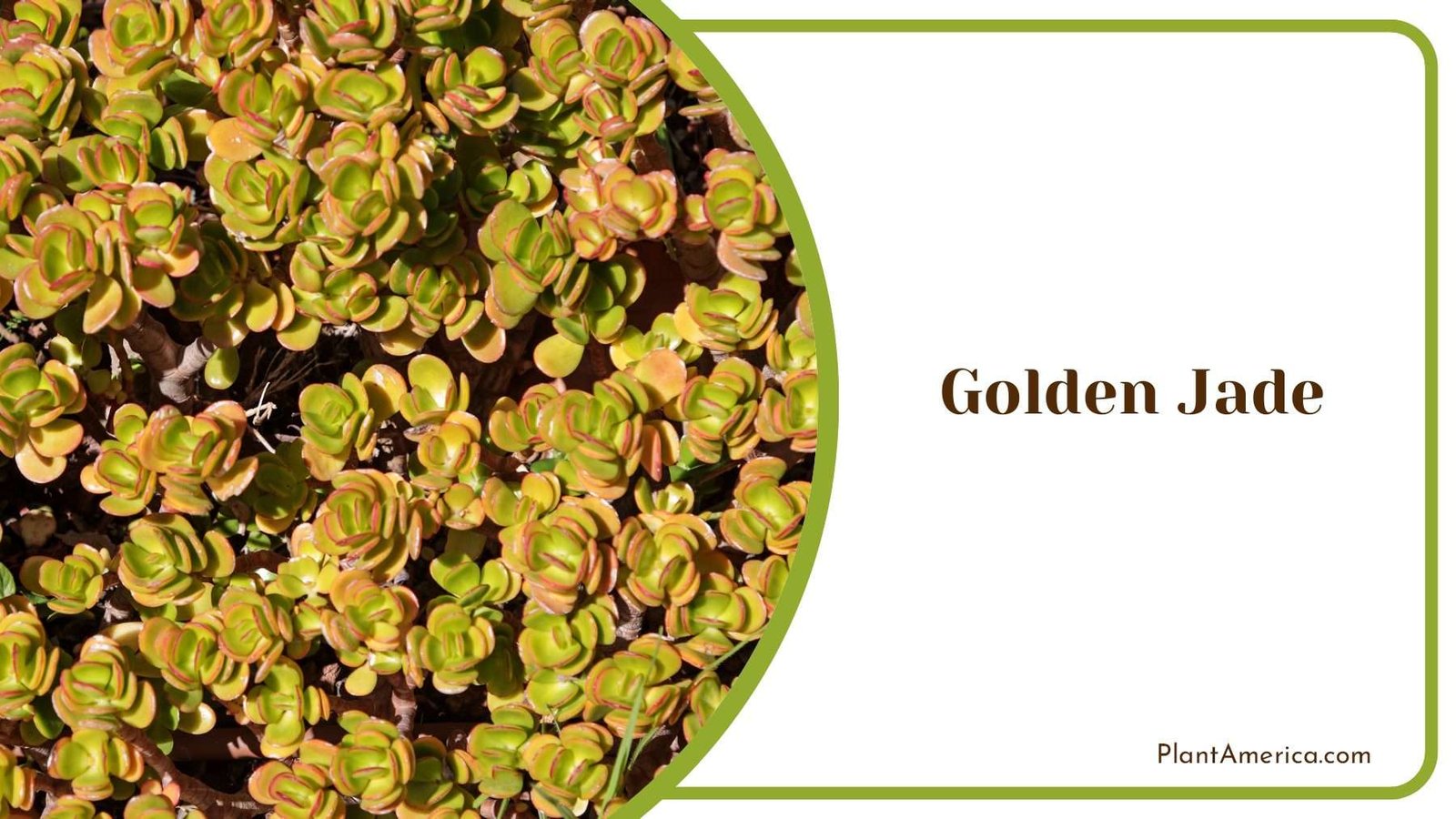
‘Aurea’ Golden jade plants feature bright green leaves splashed with gold along the edges and veins. This produces a beautiful contrast and highlights the leaf structure. The golden hue intensifies in fall and winter.
Golden jade plants grow up to four feet tall with a rounded form. They require full sun, well-draining soil, and infrequent deep watering. The brightly variegated leaves make them eye-catching accents. The golden splashes that transform ordinary foliage into something illuminated and the upright form ensure golden jade’s lasting appeal.
The softly glowing fan of golden variegated leaves that invites contemplation of sun-dappled foliage and effortless abundance the Aurea jade plant offers with minimal care promises rewards for modern interiors seeking an enlivening yet low-effort accent plant.
17. White Wings
- Growing season: Any season
- Leaf shape: Rounded, Succulent
- Specific needs: Bright light, Well-drained soil
- Common pest: Mealybugs, Spider mites
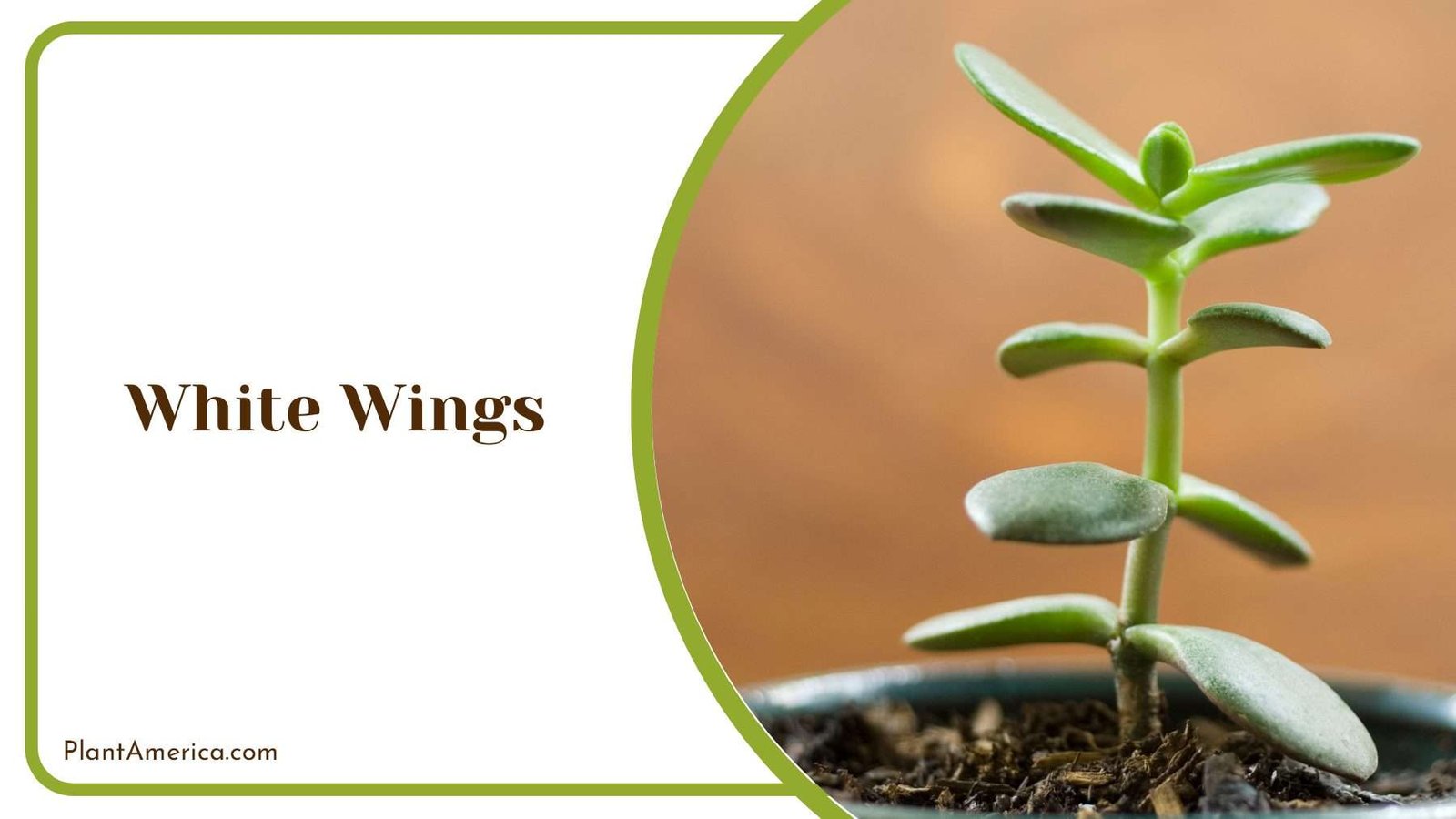
The ‘White Wings’ jade plant has broad succulent leaves splotched with creamy white variegation. The white variegation contrasts against the normal dark olive green foliage. The White Wings jade plant grows in a compact mound, typically one to two feet tall, suitable for small spaces.
It grows best with stable temperature, bright light, and well-draining soil. White Wing’s jades are somewhat picky, requiring more even moisture and fertilizer due to their variegated foliage. The white splashes that transform the foliage into something ethereal and the rounded form ensure the White Wings jade’s lasting appeal.
The softly variegated fan of leaves that appears to glow against the backdrop and the effortless rounded form of the White Wings jade plant offers promise rewards for modern decor seeking an easy, luminous accent yet one that requires attentive culture.
The porcelain white splotches of variegation that invite contemplation of birch groves and luminosity the White Wings jade plant brings to interiors with some effort promise long-term aesthetic interest for the determined collector seeking a sculptural contrasting accent that lightens moods yet tests patience.
18. Bird’s Nest
- Growing season: Grows year round
- Leaf shape: Narrow, Triangular
- Specific needs: Full sun, Well-draining soil
- Common pest: Mealybugs, Spider mites
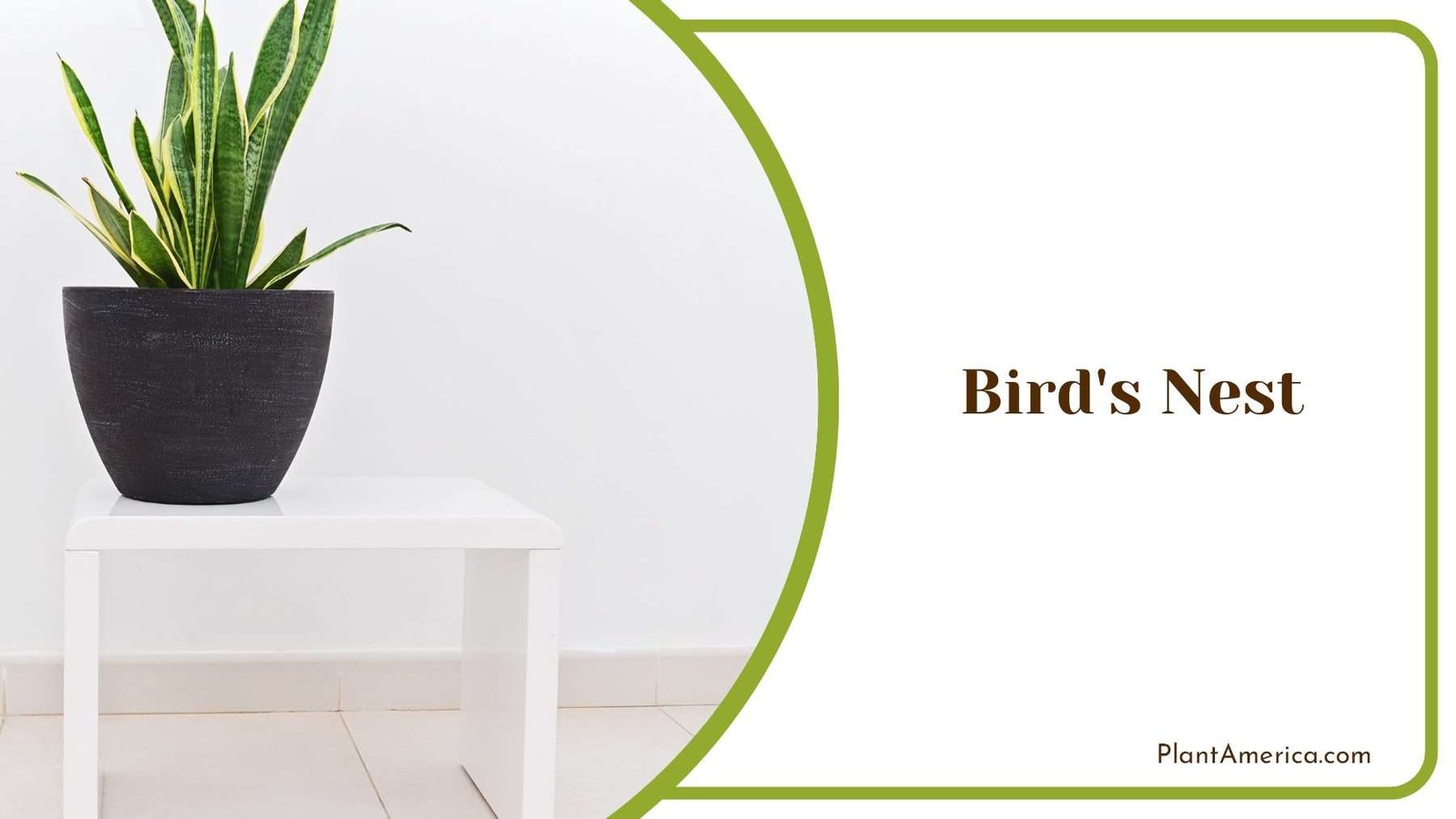
The ‘Bird’s Nest’ jade plant has triangular spear-shaped leaves that form rosettes resembling a bird’s nest. The narrow rigid leaves of houseplants radiate outward from the central stem forming a nest-like shape.
This compact type of jade plant typically only grows around one to one and a half feet tall. Bird’s Nest jades thrive with bright light, well-draining soil and infrequent but thorough watering. Their textured triangular foliage and nest-like clustered growth habit make them a visually interesting choice for shelves and compact arrangements.
19. Madagascar Palm
- Growing season: Any season
- Leaf shape: Palmate, Lobed edges
- Specific needs: Bright light, Little water
- Common pest: Mealybugs, Spider mites
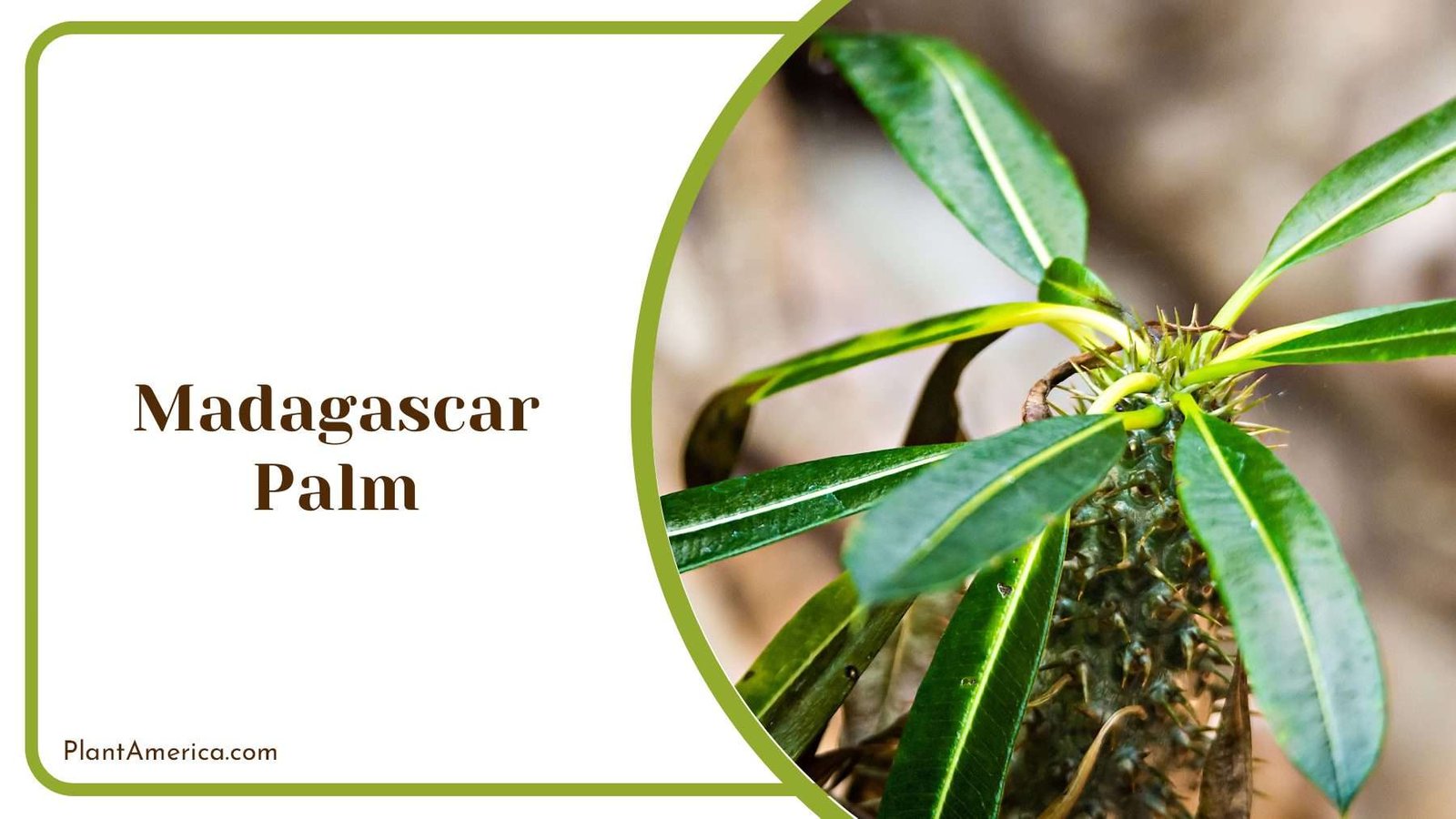
The ‘Madagascar Palm’ jade plant features wide palmate fan shaped leaves like those of a true palm tree. The deeply lobed edges of its foliage are similar in structure though thicker and fleshier. This hardy jade plant grows slowly into a medium sized shrub, reaching three to five feet tall and wide with maturity. Its upward arching form resembles that of a classic palm tree planting.
The Madagascar Palm jade plant favors full sun, well-draining soil and infrequent but deep watering. The palm tree-like foliage and structural form make this a unique and eye-catching specimen for larger spaces.
20. Eagle’s Claw
- Growing season: Grows year round
- Leaf shape: Ascending, Claw-like
- Specific needs: Bright indirect light, Little water
- Common pest: Mealybugs, Spider mites
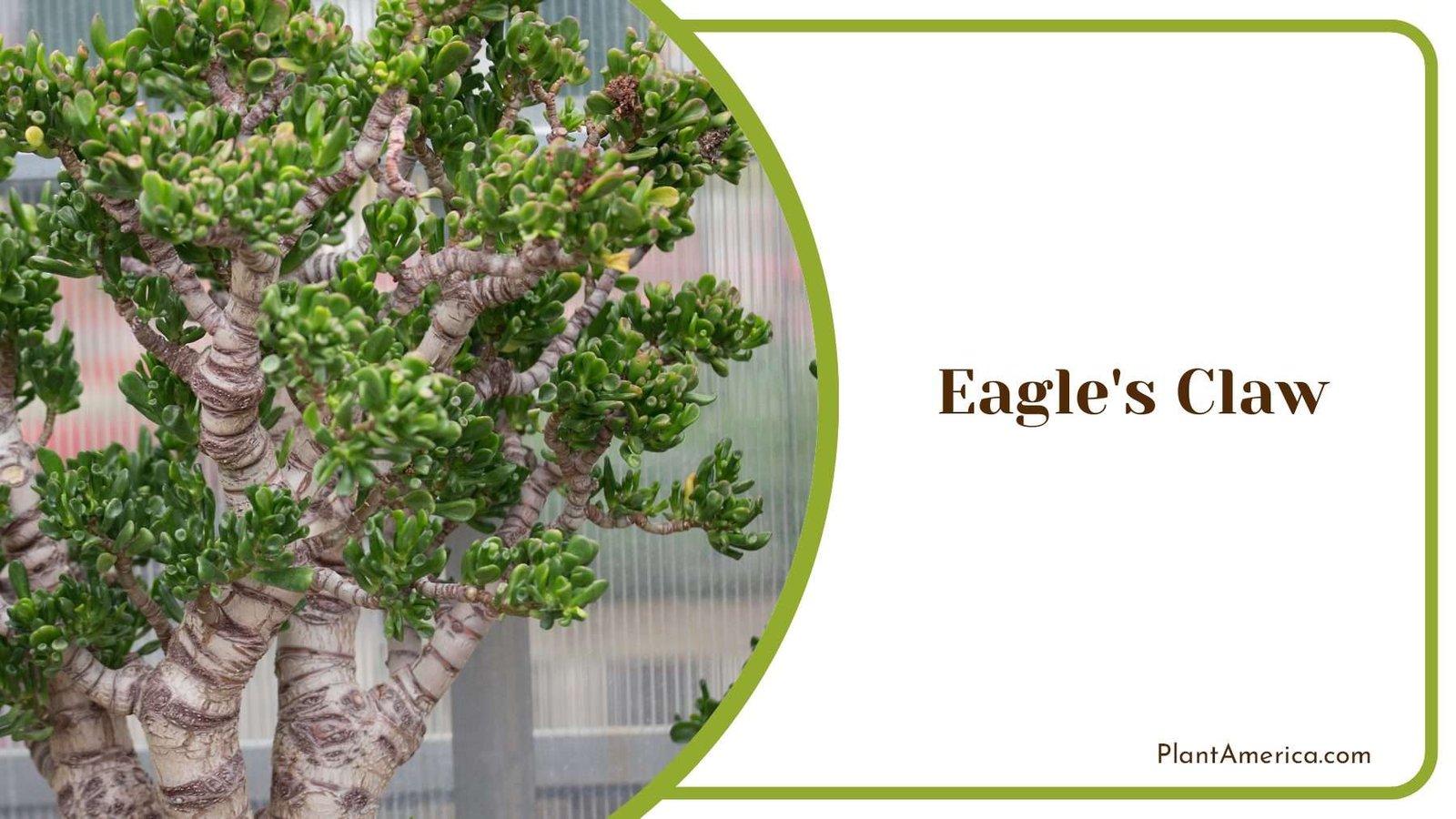
The ‘Eagle’s Claw’ jade plant features densely crowded claw-like leaves that spiral upward, reminiscent of the talons of an eagle. The rigid ascending leaves are dark olive green and thick textured crassula.
With maturity this type of jade plant forms a dense multi-stemmed shrub that can potentially reach five to six feet tall. Eagle’s Claw jades favor plentiful light, sharply-draining soil and infrequent deep watering. Their dramatic spiky foliage and dense crowded growth habit make them ideal accent plants for larger spaces.
21. Chinese Jade
- Growing season: Any season
- Leaf shape: Ovoid, Elongated
- Specific needs: Full sun, Well-draining soil
- Common pest: Mealybugs, Spider mites
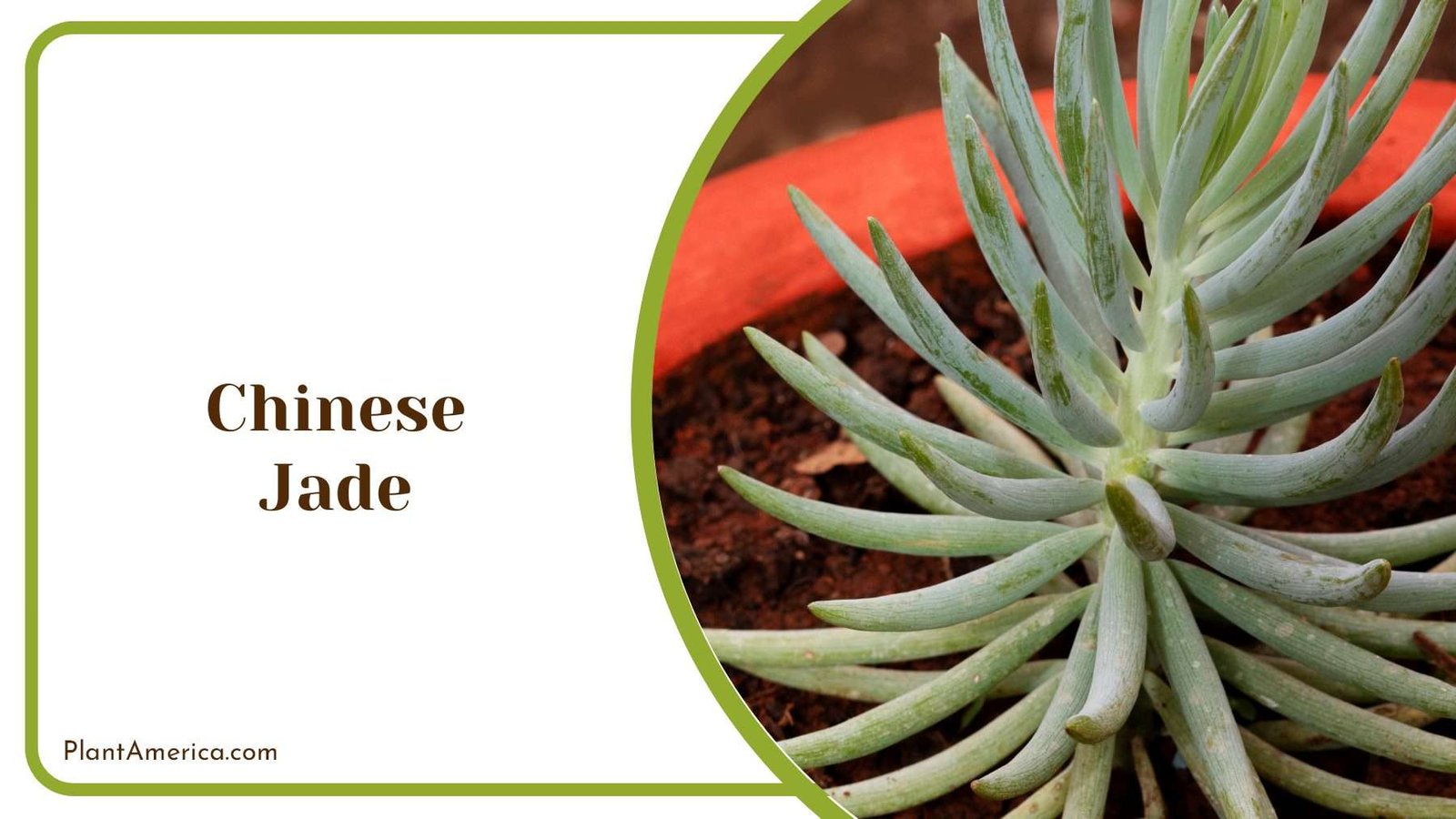
The ‘Chinese Jade’ plant is a compact type of jade that is popular in China and Southeast Asia. It typically grows into a medium size shrub, two to four feet tall, with an upright rounded form planting. The oval or elongated leaves have a smooth waxy texture when mature and deep dark green color.
Chinese Jade plants grow best when given full sun, well-draining soil and infrequent but deep watering. This subspecies of the jade plant is valued for its tolerance of warm temperatures and ability to thrive with neglect. It performs well as specimens and in mass plantings.
22. Whale’s Fin
- Growing season: Any season
- Leaf shape: Broad, Fan-shaped
- Specific needs: Bright indirect light, Little water
- Common pest: Mealybugs, Spider mites
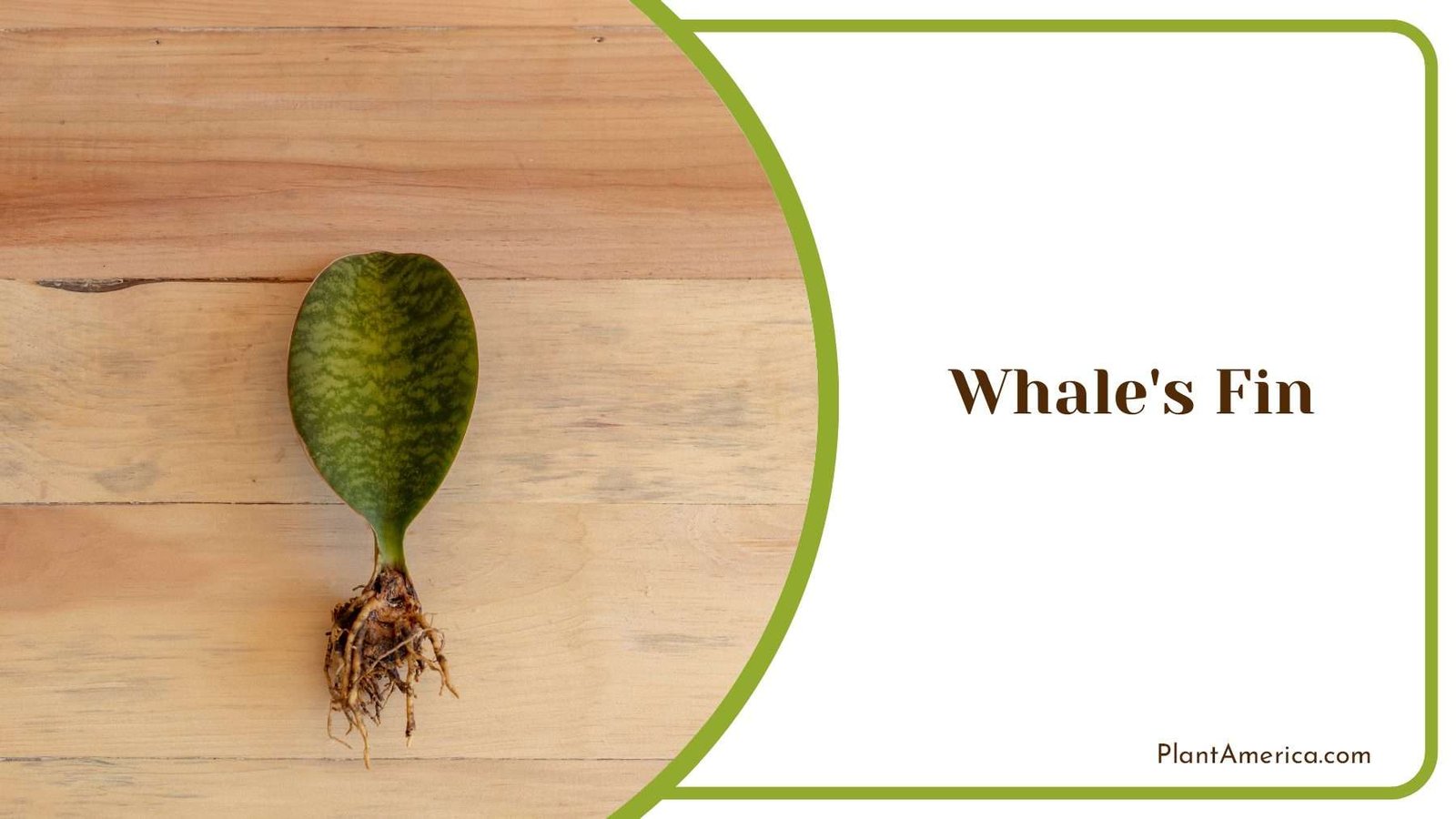
The ‘Whale’s Fin’ jade plant has broad fan shaped leaves reminiscent of a whale’s tail fin. These wide flat succulent leaves are mottled with gray-green flecks and patches of white. The Whale’s Fin jade plant grows slowly to medium size, three to five feet tall, with an upright form.
It prefers to grow bright indirect planting light and thrives with average indoor temperature houseplants and neglect tolerance once established. The Whale’s Fin jade plant’s large ruffled palmate leaves foliage and distinctive mottled pattern variegated make it an interesting accent plant for brighter settings.
23. Tiger Jade
- Growing season: Any season, Grows year round
- Leaf shape: Broad, Rounded
- Specific needs: Bright light, Well-draining soil
- Common pest: Mealybugs, Spider mites
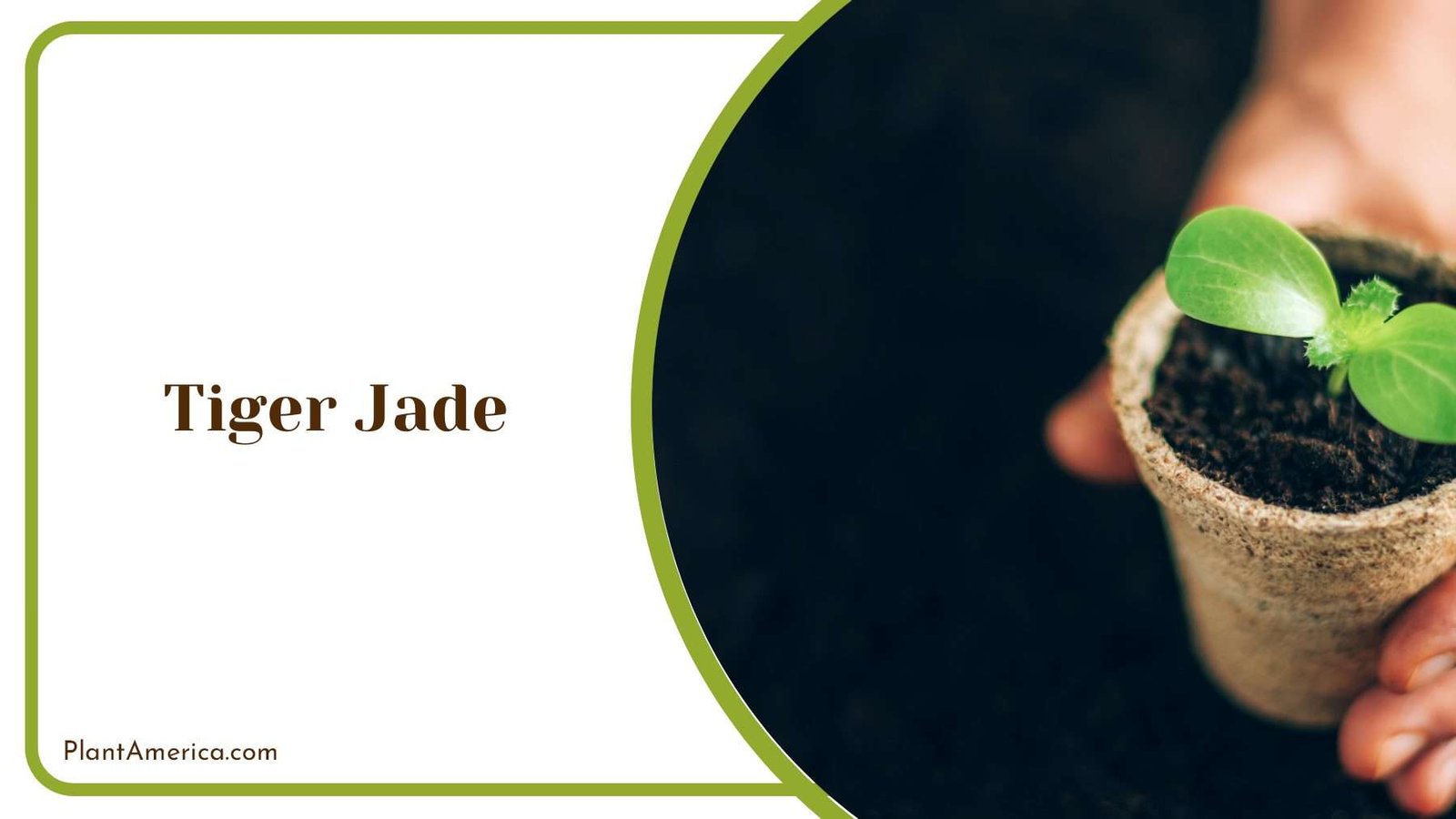
The ‘Tiger Jade’ plant features broad rounded leaves splashed with striking dark markings resembling the stripes of a tiger. When young planting, new leaves emerge greenish yellow and develop dark brown markings as they age. This beautiful contrast of colors and patterns variegation is most vivid in new growth.
The Tiger Jade jade plant grows into a medium sized shrub, typically three to four feet tall, with upright arching form. It prefers full sun, well-draining drainage soil, and infrequent but deep watering. The distinctive striped markings and contrasting bright coloration variegation of Tiger Jade plants make this an attention-grabbing choice for vertical space planting .
24. Elephant Bush
- Growing season: Any season
- Leaf shape: Broad, Fleshy
- Specific needs: Bright indirect light, Little water
- Common pest: Mealybugs, Spider mites
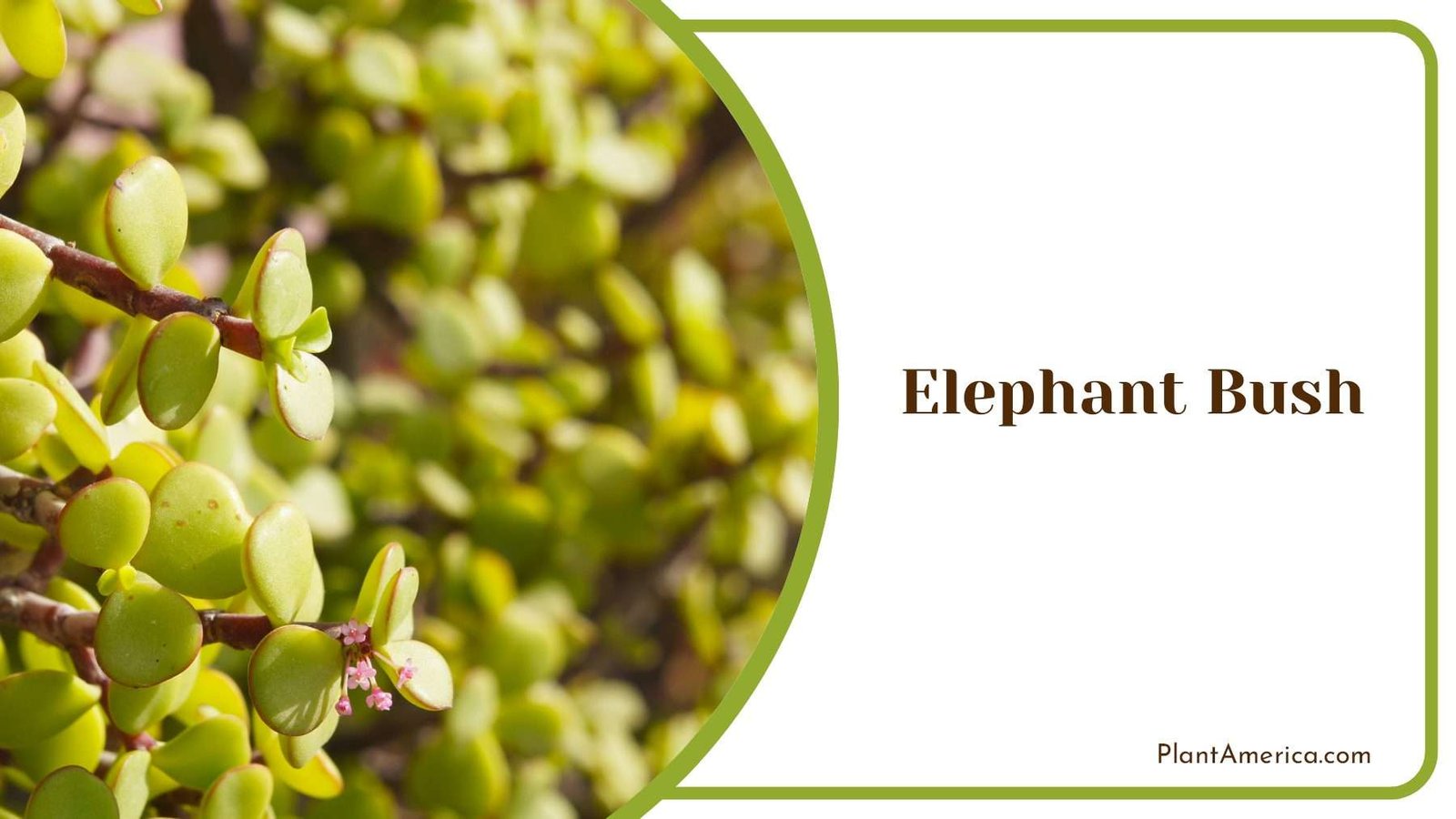
The ‘Elephant Bush’ jade plant has thick broad fleshy leaves that are mottled gray-green, resembling the tough thick hide of an elephant. These big rounded succulent leaves grow in dense clumps, stacked along short woody stems. Elephant Bush jades grow into rounded multi-stemmed shrubs, typically reaching three to five feet tall and wide with age.
They grow best grow with bright indirect light planting, well-draining soil, and infrequent deep watering. The mottled gray-green foliage and shrubby rounded structure of Elephant Bush jades make them a fitting choice for larger spaces where their textural form can be appreciated.
25. Harbors Lights
- Growing season: Any season
- Leaf shape: Rounded, Succulent
- Specific needs: Full sun, Well-draining soil
- Common pest: Mealybugs, Spider mites
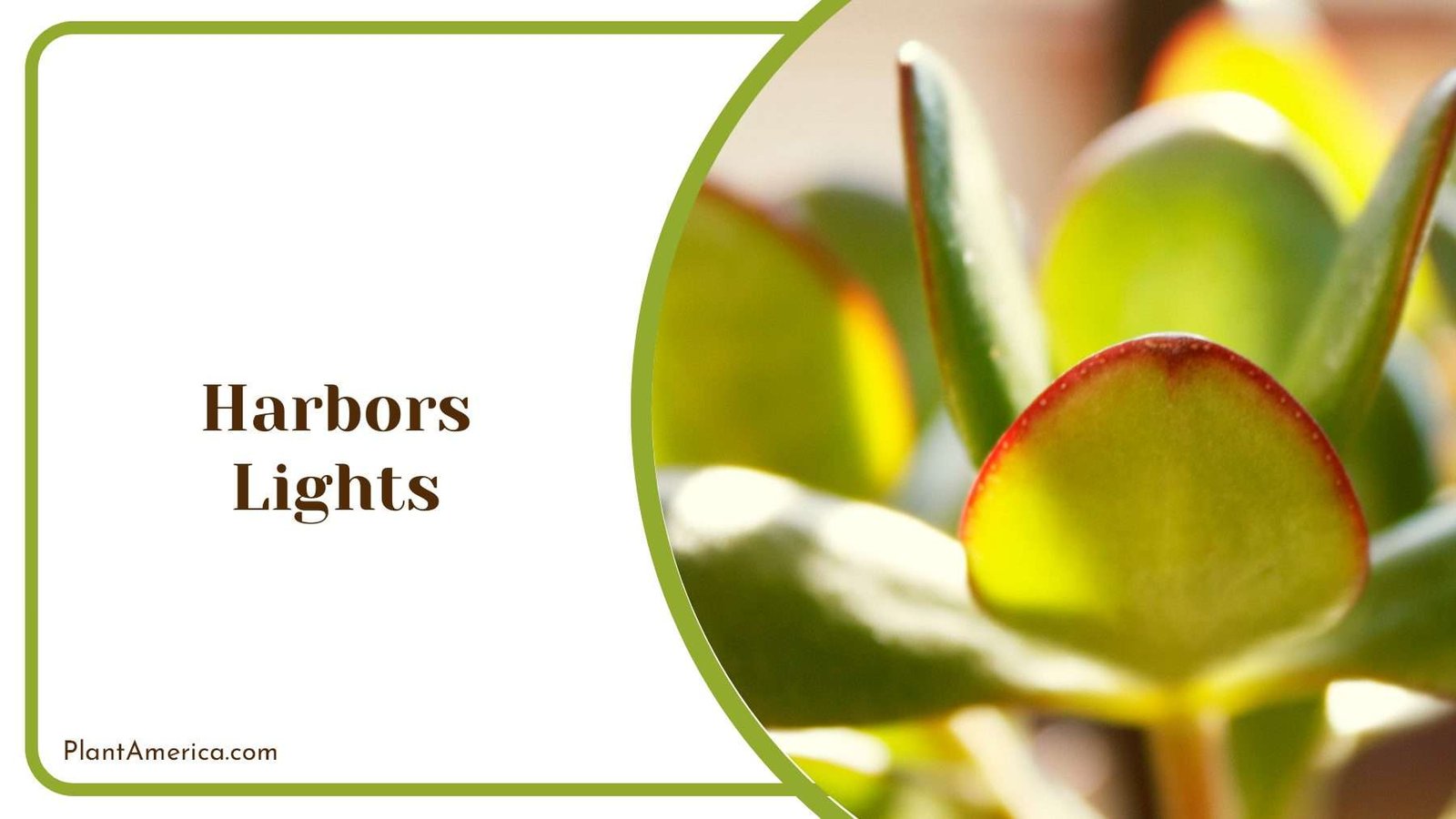
The ‘Harbors Lights’ jade plant features rounded succulent leaves splashed with multi-colored streaks of orange, pink and red. The vivid variegated produces a beautiful high-contrast foliage display. New growth emerges more brightly splashed foliage while mature leaves darken to mottled shades of grayish green. The ‘Harbors Lights’ jade plant tends to grow more quickly than typical jades due to the variegation reducing photosynthesis.
It requires more frequent watering and fertilizing to thrive. This variety grows to medium-sized planting, to around four feet tall, with a rounded sculptural form. The multi-colored streaked leaves on the Harbors Lights jade plant make it a real show stopper for brighter settings planting.
26. Lemon and Lime
- Growing season: Any season
- Leaf shape: Rounded, Fleshy
- Specific needs: Bright indirect light, Little water
- Common pest: Mealybugs, Spider mites
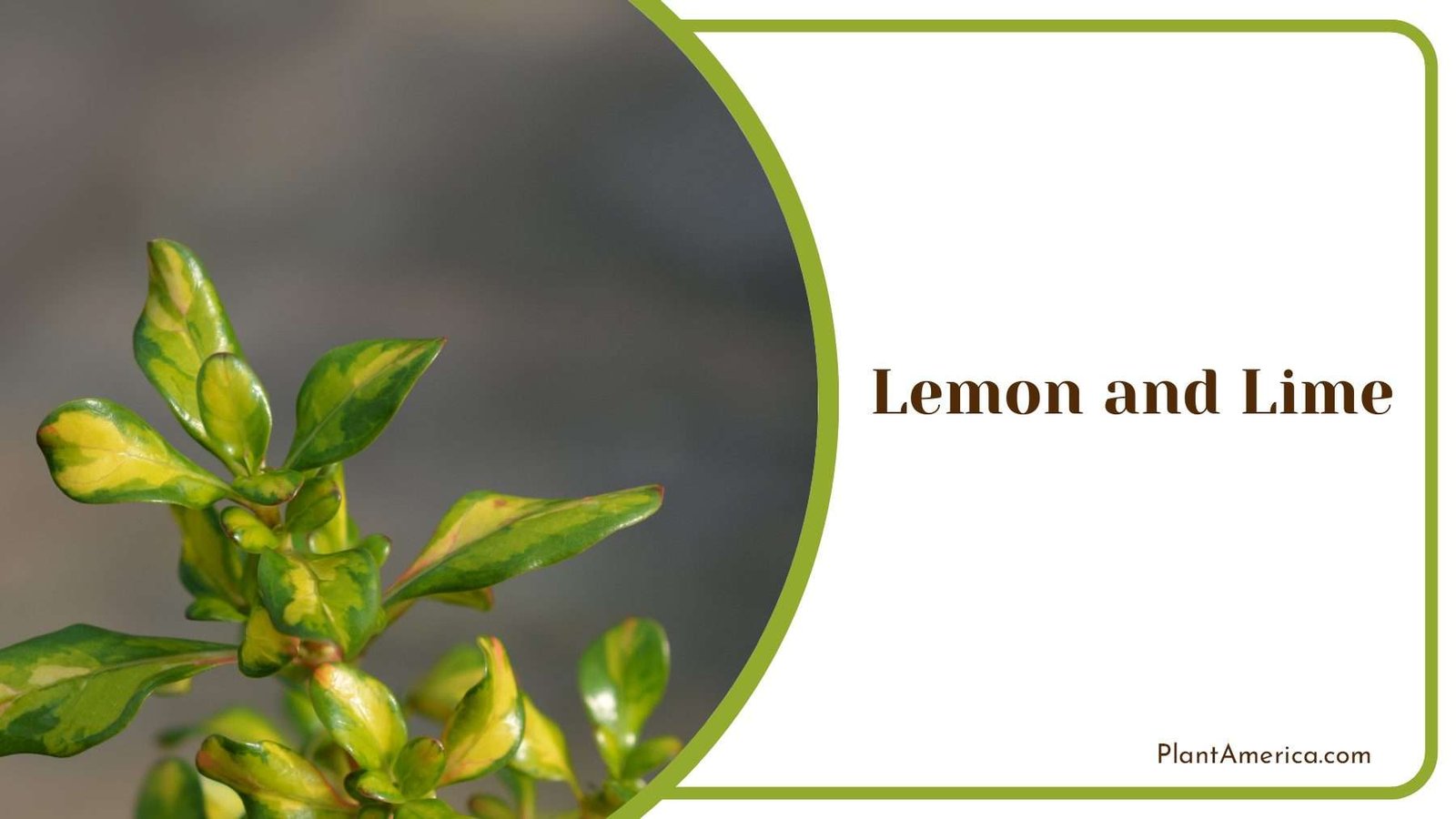
The ‘Lemon and Lime’ jade plant features rounded fleshy leaves splashed with contrasting shades of lime green and yellow variegation. This bright variegated planting produces a high-impact foliage display while new growth emerges more vibrantly splashed foliage. Over time leaves darken and mature to mottled chartreuse and olive green shades.
This particular variety tends to grow more quickly due to the variegated leaves having reduced photosynthesis. The ‘Lemon and Lime’ jade plant grows into a compact shrub, typically no more than two to three feet tall. It prefers bright indirect light, well-draining drainage soil, and more frequent watering. The contrasting lime and lemon variegated leaves make houseplants this an eye-catching jade plant choice.
Conclusion
Jade plants are forgiving, interesting succulent plants that will only continue to grow on you as time goes by and as long as you provide the minimal care outlined, you’re sure to enjoy years of delight from their beauty, growth, and sculptural diversity.
- The crassula ovata ‘Crosby’s compact’ is a dwarf version of the common jade plant with a slower, more compact growth habit.
- The ‘Money Plant’ jade, also called the ‘Botany Bay’ jade plant, gets its name from the coin shape of its leaves and folklore tradition that associates rounded penny-shaped leaves with attracting money and prosperity.
- The ‘Hummel’s Sunset’ jade plant has colorful orange-tinged leaves with vivid red edges when grown in full sun. It typically grows into a medium-sized shrub with arching branches and broad fleshy leaves up to three inches long.
So go on, add one or two of these extraordinary jade plants to your garden this season. You won’t regret it! Overall, experimenting with different jade plant varieties is sure to enhance your appreciation for all these fascinating plants have to offer.