
Shade fruit trees are the perfect option for your home if you need a plant for your home or other structures, and we’ll show you which fruiting plants thrive when sunlight is scarce.

We’ve identified the hardest cultivars that can persevere with less-than-optimal light conditions, from apple to fig trees.
As you’ll discover, there are plenty of fruiting options for shady spots, so you can choose from a wide variety. So if you’re ready to start growing fresh fruit but need more sun exposure, this guide to the top shade-tolerant fruit trees will help transform your patch of partial shade into a productive fruit orchard!
Shade Fruit Trees Perfect for Your Partial Sun Orchard
1. Lodi Apple

- Growing season: Early fall
- Leaf shape: Oval, Round, Glossy dark green
- Specific needs: Well-drained soil, Full to partial sun
- Common pest: Apple maggot flies, Apple scab fungus
The Lodi apple tree produces medium-sized fruit with crisp white flesh. The trees are relatively small, making them a good option for smaller orchards. They tolerate partial shade better than most apple varieties and have good disease resistance. The fruit ripens in early fall and has a sweet, mild flavor.
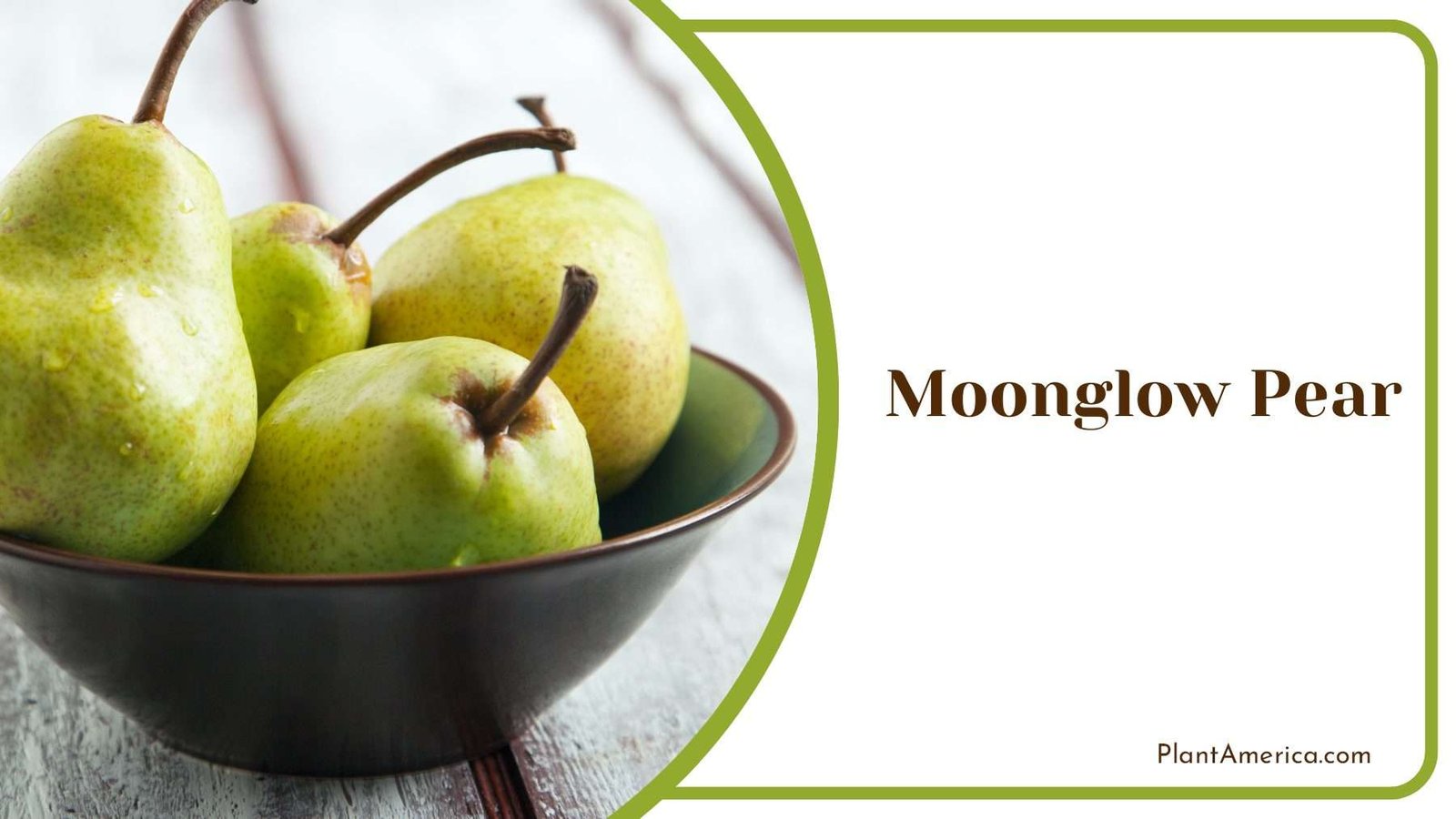
2. Moonglow Pear
- Growing season: Late summer
- Leaf shape: Oval, Oblong, Glossy dark green
- Specific needs: Afternoon shade, Well-drained soil
- Common pest: Pear psylla, Fire blight
The Moonglow pear tree is a versatile variety that produces medium-sized fruit with a sweet, juicy flavor. The trees tolerate partial shade well and have a compact, spreading growth habit that suits them for smaller spaces.
The pear-shaped fruit has golden yellow skin that blushes with red when ripe. If cared for properly, Moonglow pears can produce fruit for over 30 years and are an excellent choice for gardens with limited sun exposure.
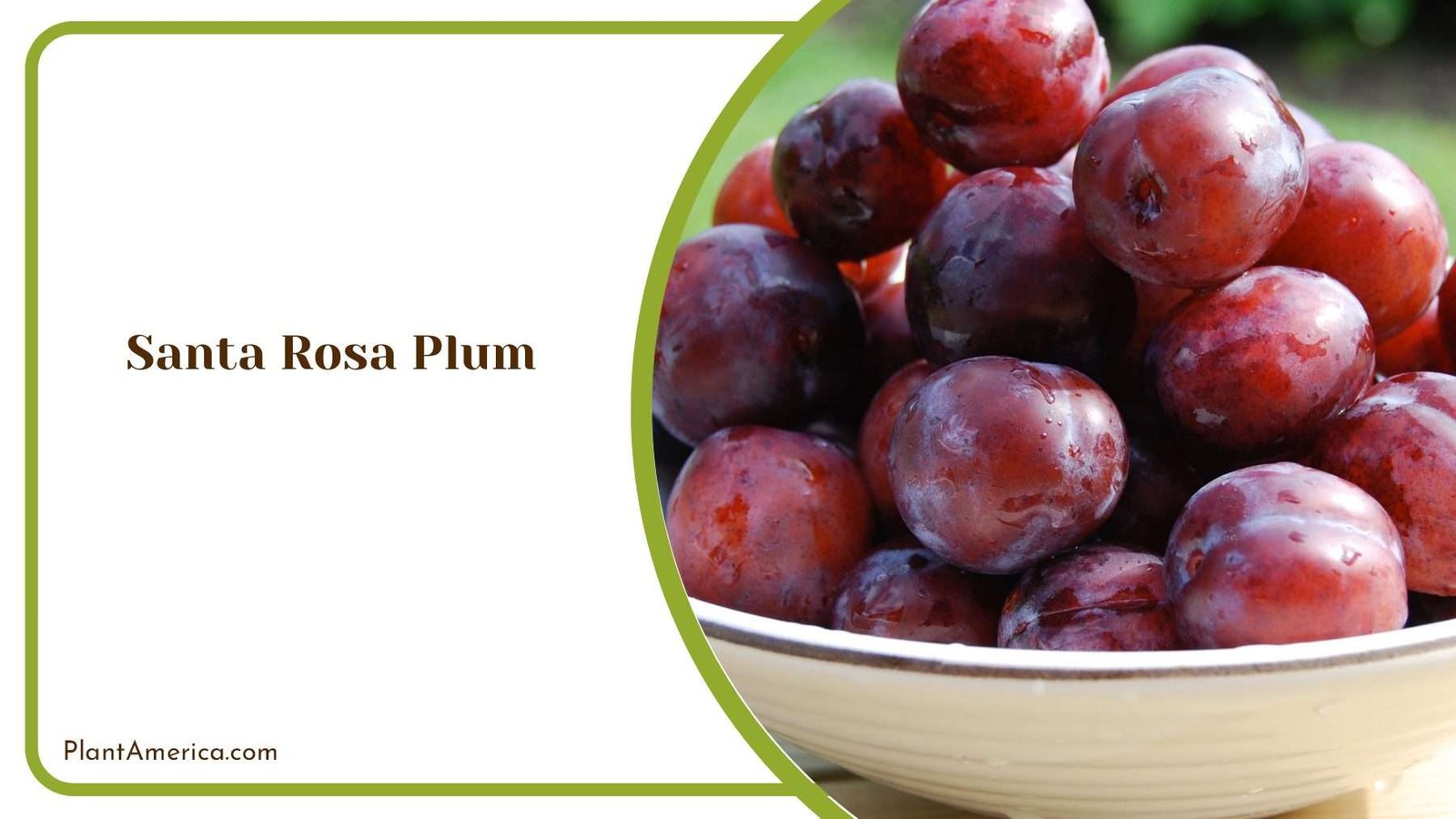
3. Santa Rosa Plum
- Growing season: Late summer
- Leaf shape: Ovate, Elliptic, Dark purple or black
- Specific needs: Well-drained soil , Full to partial sun
- Common pest: Japanese beetles, Plum curculio
The Santa Rosa plum tree is known for producing heavy annual crops of plump fruit, even in partial shade conditions. The trees are fairly compact and stay on the smaller side, making them suited for small gardens.
The tasty plums have dark purple skin and yellow flesh with a sweet flavor. Santa Rosa plums are self-pollinating and produce fruit for around 20 years with proper care, making them a reliable choice for shade-tolerant fruit trees.
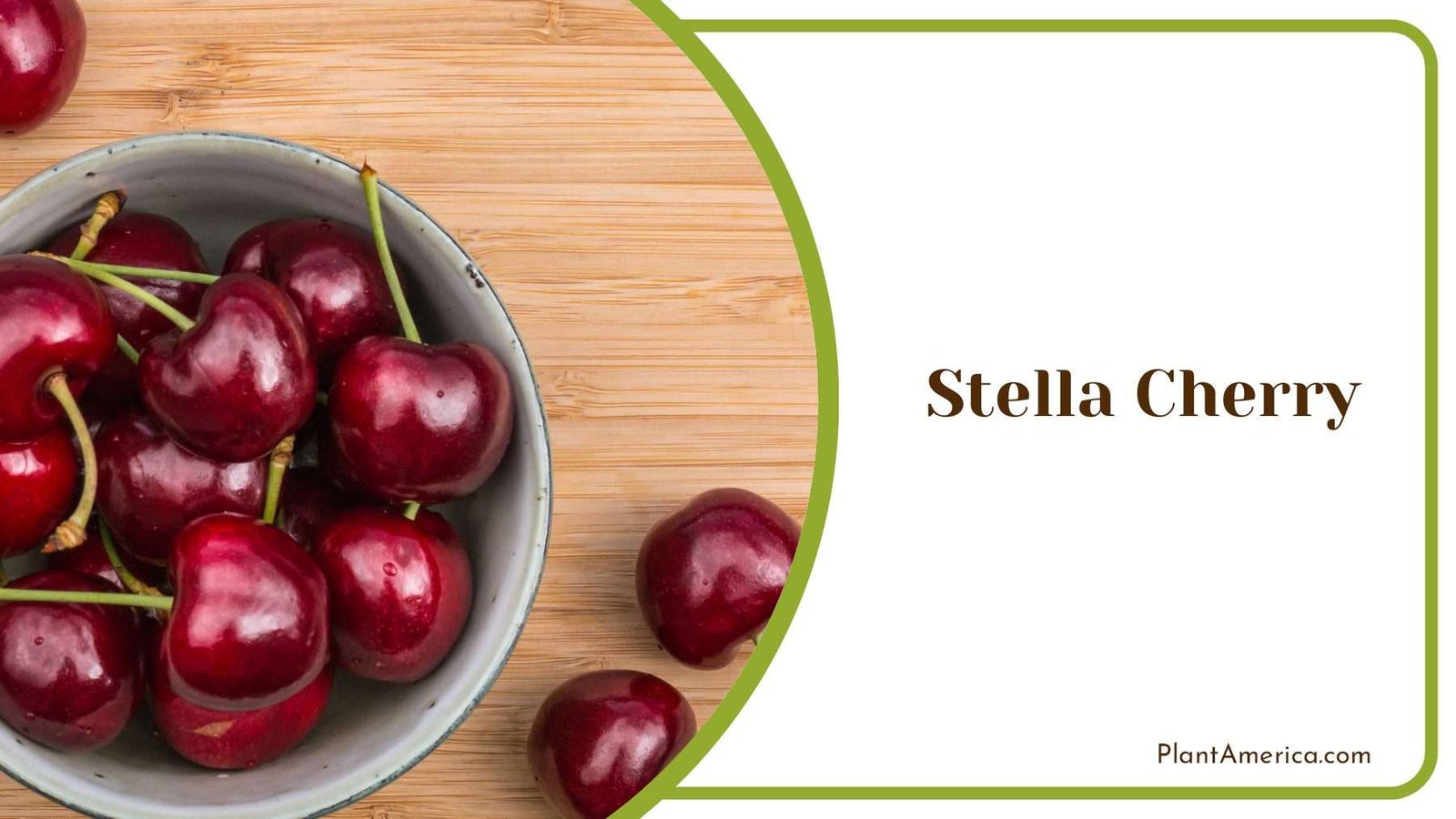
4. Stella Cherry
- Growing season: Early summer
- Leaf shape: Oblong, Oval, Deep red to purple
- Specific needs: Well-drained soil, Afternoon shade
- Common pest: Japanese beetles, Western cherry fruit fly
The Stella cherry tree is prized for producing abundant crops of sweet cherries in partial shade conditions. The medium-sized trees have an ornamental appearance even when not fruiting. The deep red cherries have sweet, juicy flesh with low seeds.
Stella cherries ripen in early summer on highly productive, disease-resistant trees and are easy to care for, making them an ideal choice for shade-tolerant backyard orchards. The trees require minimal pruning and maintenance once established.
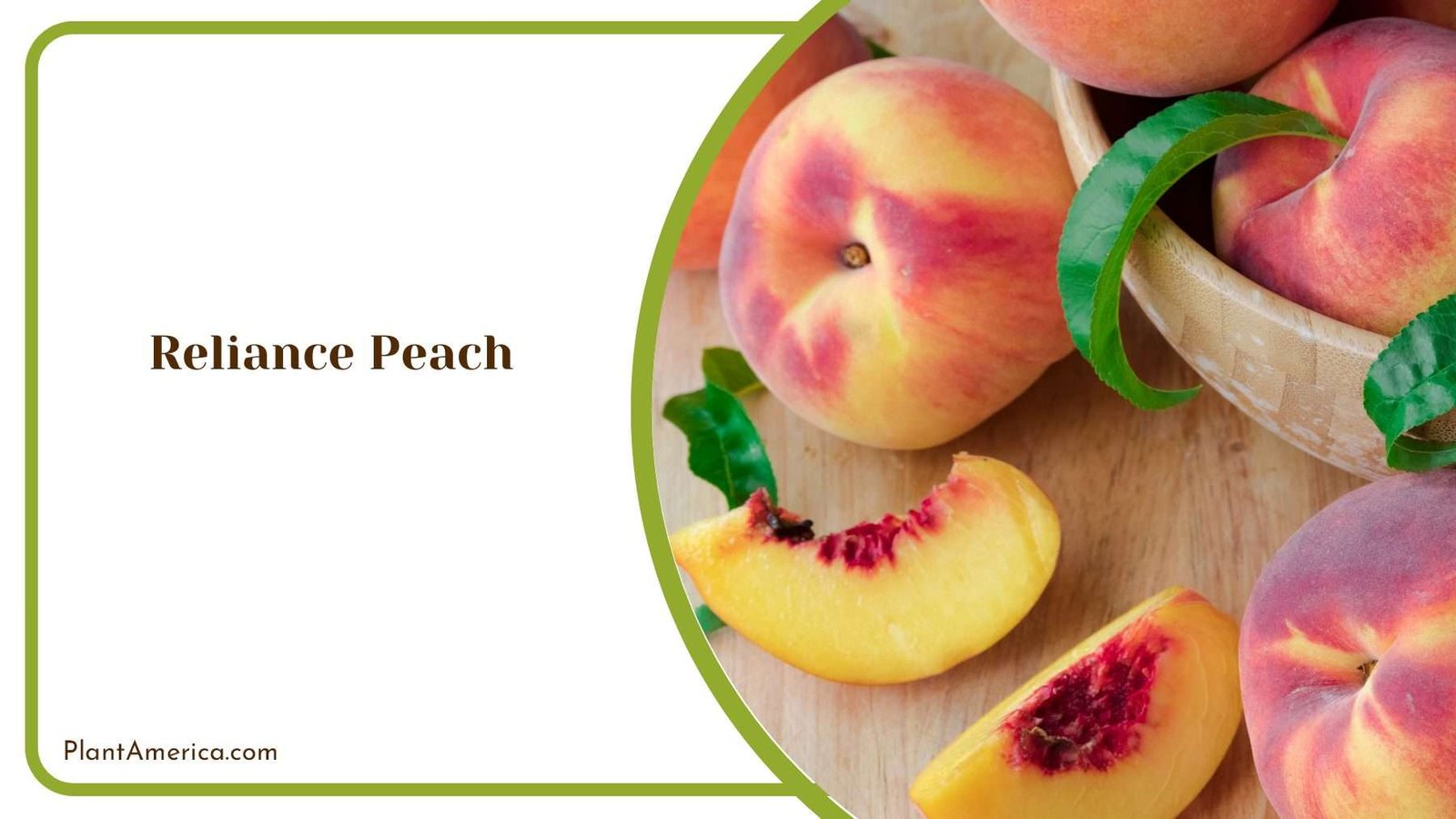
5. Reliance Peach
- Growing season: Late summer
- Leaf shape: Ovate, Round, Yellow to red
- Specific needs: Full to partial sun, Well-drained soil
- Common pest: Peach tree borers, Spider mites
The Reliance peach tree produces medium-sized peaches with yellow flesh that turns red when ripe. The trees are known for their disease and pest resistance and their ability to produce crops in partial shade conditions. Reliance peaches have a delicious sweet flavor and ripen in late summer. The trees stay relatively small, reaching only 8 to 10 feet in height, making them a good choice for smaller orchards.
The compact growth habit and low maintenance requirements also appeal to homeowners looking for easy-care, shade-tolerant fruit trees.
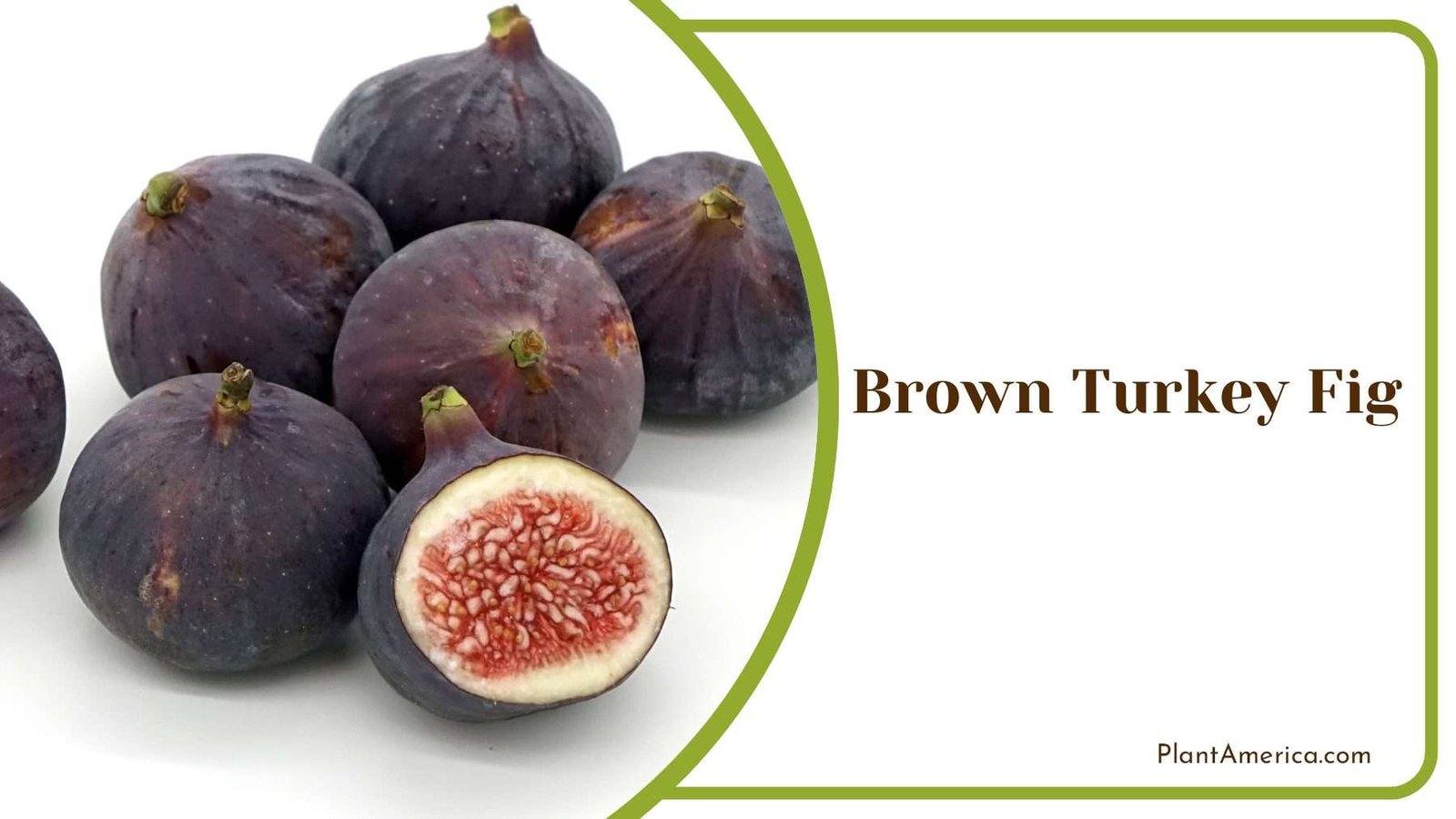
6. Brown Turkey Fig
- Growing season: Late summer to fall
- Leaf shape: Oblong, Pear shape, Brown to purple
- Specific needs: Full to partial sun, Moist,well-drained soil
- Common pest: Fig beetles, Fig weevils
The Brown Turkey fig tree is a classic garden choice with part shade. The trees produce crops of delicious figs that ripen from late summer into fall. The fruit is large in size with a crunchy texture and sweet flavor. They tolerate shade very well, reducing chlorophyll and requiring less sunlight.
The trees develop a spreading growth habit with arching branches, adding ornamental appeal even when not bearing fruit. The figs require minimal effort to harvest and have a long shelf life when ripe, making them a low-maintenance choice for shade.
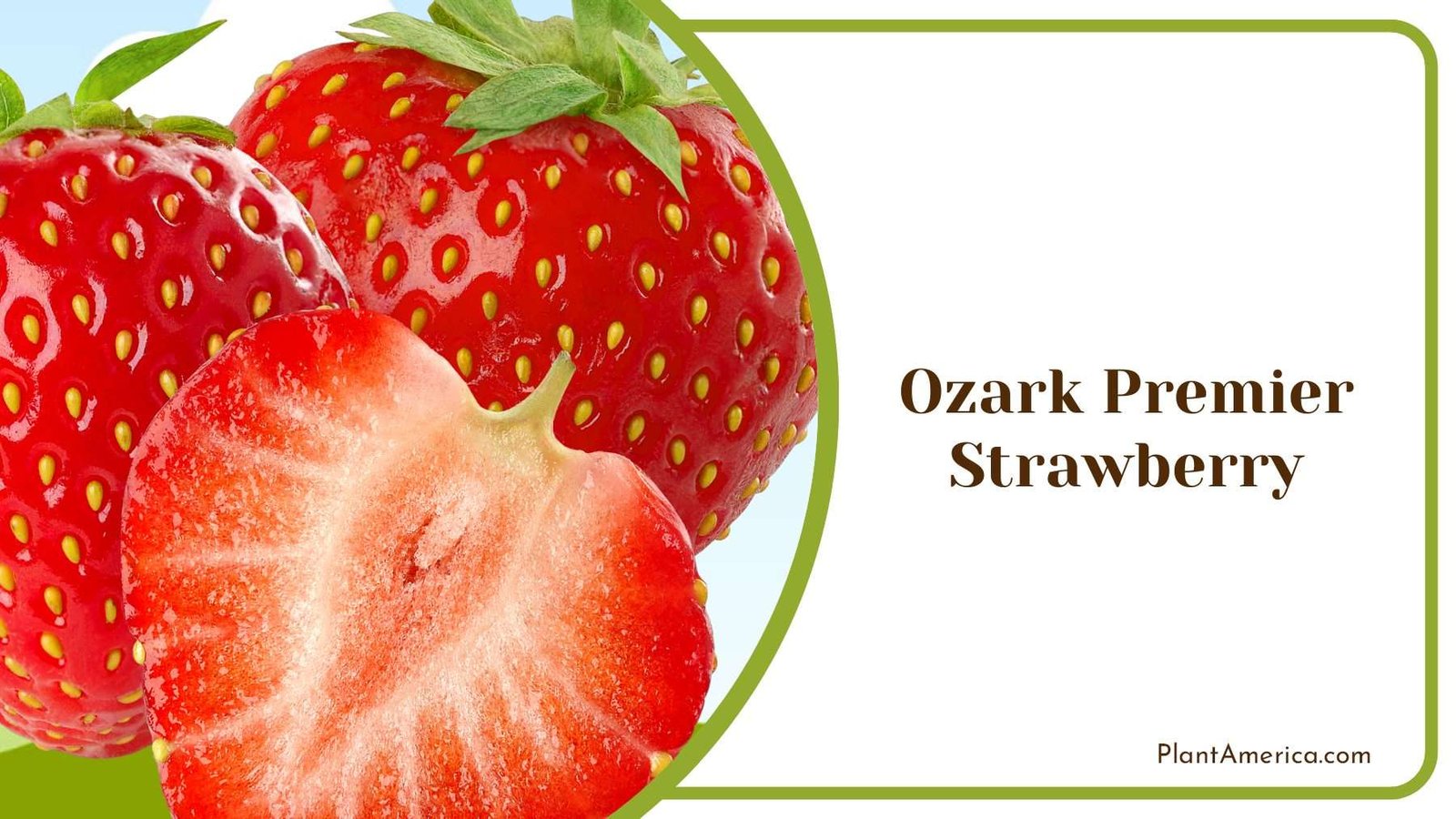
7. Ozark Premier Strawberry
- Growing season: Early summer
- Leaf shape: Conical shape, Red
- Specific needs: Afternoon shade, Well-drained, rich soil
- Common pest: Strawberry weevils, Spider mites
The Ozark Premier alpine strawberry is known for producing large crops of juicy red berries, even in partial shade conditions. The plants form runners that spread to form thick mats of foliage covered in delicious strawberries during the spring and early summer months. Unlike traditional garden strawberries, alpine varieties tolerate shade very well and require less intense sunlight for optimal production.
The Ozark Premier berries have an excellent sweet flavor and firm texture, allowing them to ship and store well. The plants are highly productive, easy to grow, and ideal for homeowners seeking shade-tolerant fruit options for smaller gardens.
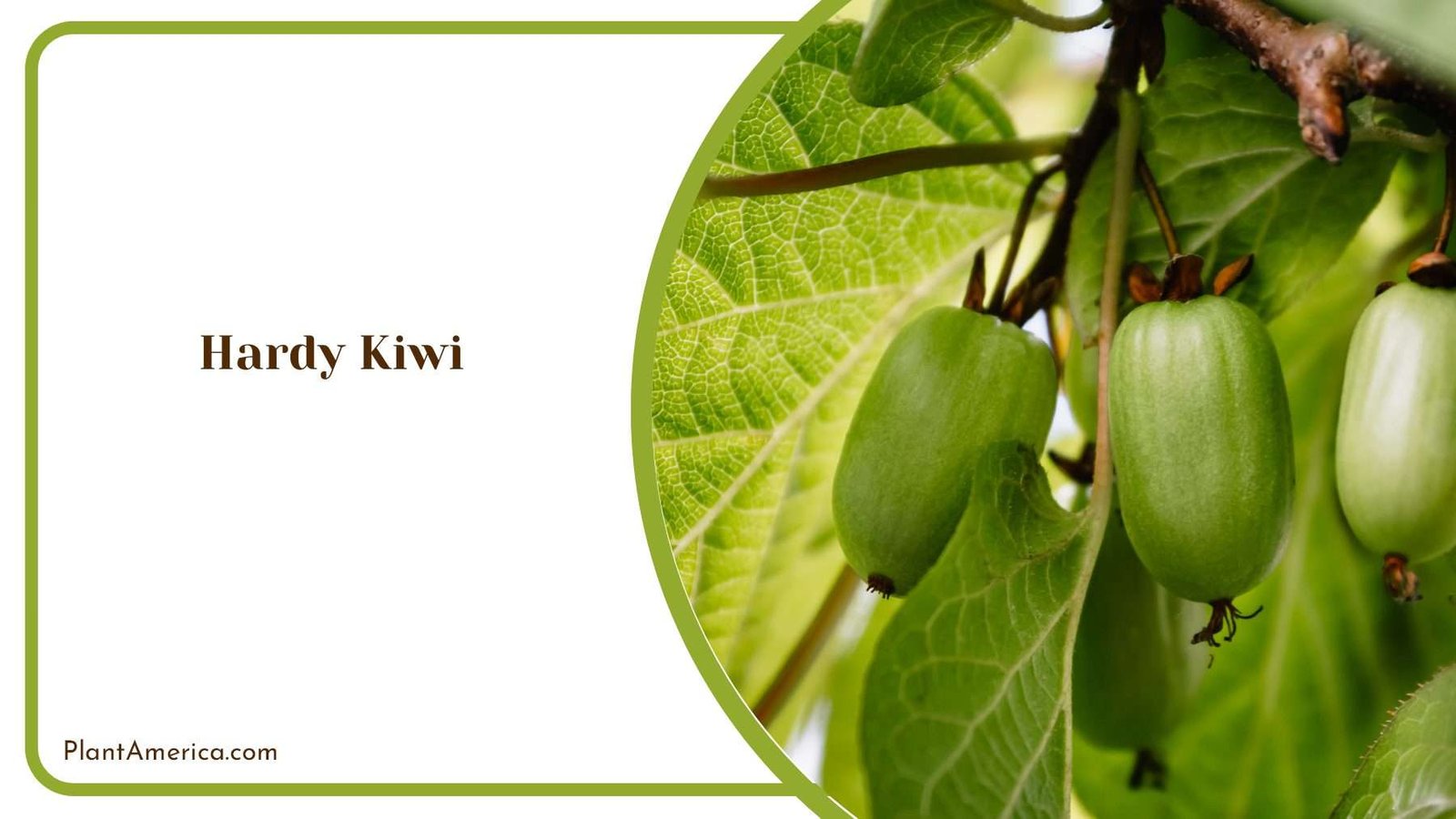
8. Hardy Kiwi
- Growing season: Fall
- Leaf shape: Broad Oval shape, Brown
- Specific needs: Full sun to partial shade, Support trellis required
- Common pest: Kiwi fruit flies, Kiwi beetles
Hardy kiwi fruit vines produce oval-shaped fruit with brown fuzzy skin and green flesh packed with small, edible seeds. The vines tolerate partial shade fairly well and require a trellis or arbor for the vines to climb. Hardy kiwis fruit tend to ripen in fall and have a crisp texture with a sweet yet tangy flavor. The fruit is high in Vitamin C and antioxidants and adds visual appeal dangling from the vines in autumn.
Hardy kiwis make an excellent choice for homeowners seeking shade-tolerant fruiting vines to train on an obelisk or pergola.
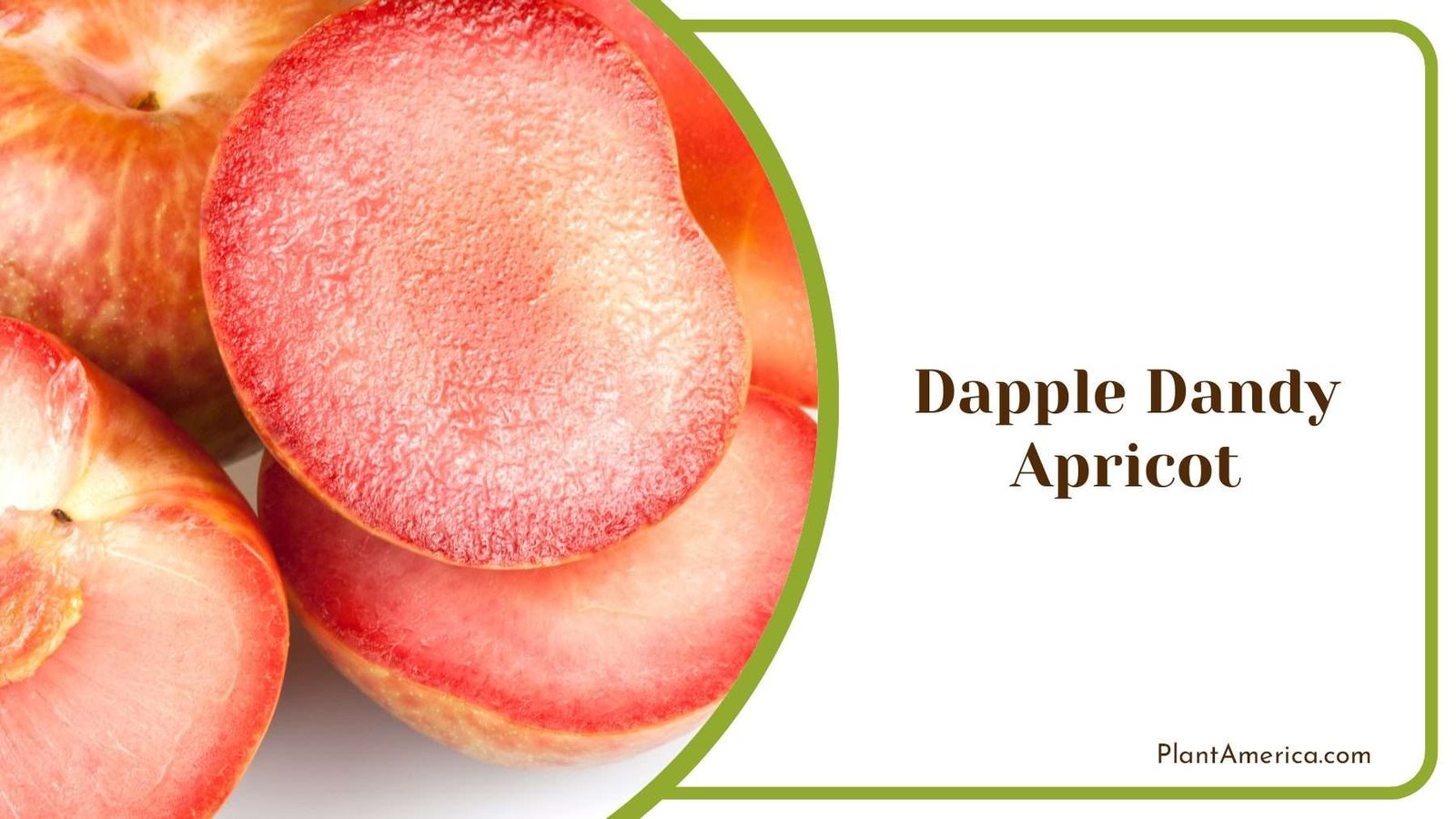
9. Dapple Dandy Apricot
- Growing season: Spring
- Leaf shape: Round, Oval, Orange to red
- Specific needs: Full to partial sun, Well-drained soil
- Common pest: Apricot wooly aphids, Plum curculio
The Dapple Dandy apricot tree produces medium-sized fruit with a sweet flavor and firm texture. The trees tolerate partial shade better than most apricot varieties, thrive in locations with afternoon shade, and have a compact, spreading growth habit. Dapple Dandy apricots typically ripen in spring on trees that require minimal pruning and have good resistance to common apricot diseases like brown rot.
The fruits have orange skin that turns red when ripe to indicate full maturity. The flesh is sweet yellow when ripe, prized for fresh eating, and is used in cooked dishes and preserves. With proper irrigation, fertilizing, and pruning, the Dapple Dandy apricot trees can produce abundant crops of delicious fruit for over twenty years.
The compact size and part shade tolerance make Dapple Dandy apricot trees an excellent choice for homeowners seeking low-maintenance, shade-tolerant fruit tree options that produce high yields of flavorful apricots requiring minimal care once established.
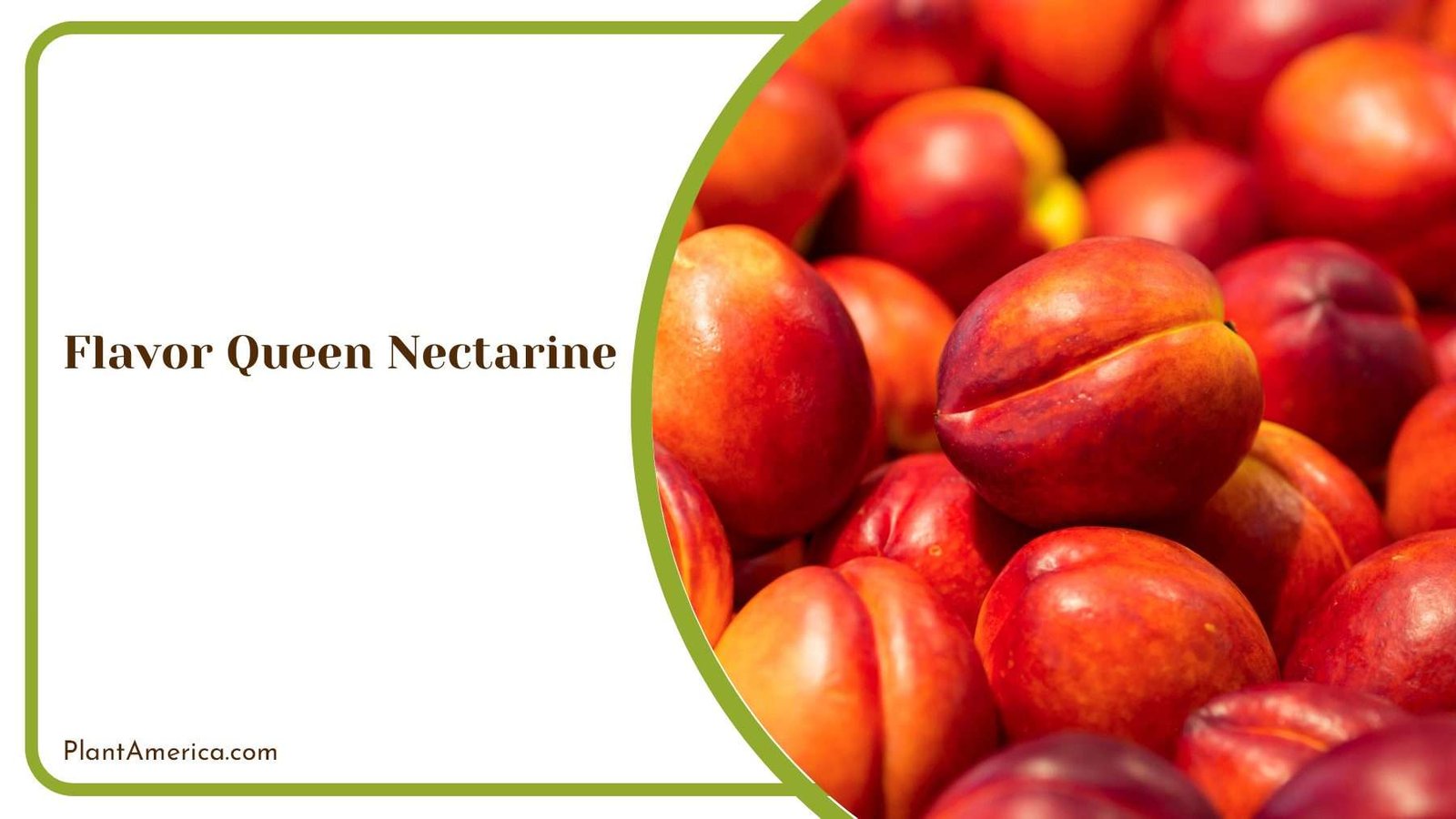
10. Flavor Queen Nectarine
- Growing season: Late summer
- Leaf shape: Oval, Round, Red to purple
- Specific needs: Full to partial sun, Well-drained soil
- Common pest: Nectarine twig borer, Peach tree borers
The Flavor Queen nectarine tree produces medium-sized fruit with red skins and crisp white flesh with a sweet flavor. The trees tolerate partial sunlight better than most nectarine varieties.
Flavor Queen nectarines ripen in late summer on compact, hardy trees that require minimal care. The cultivar is self-pollinating and has good resistance to common pests and diseases. When provided with the right growing conditions, the trees can crop reliably for decades and make an excellent choice for homeowners seeking easy-care, shade-tolerant stone fruit varieties.
11. Hardy Girl Tomato

- Growing season: Summer to early fall
- Leaf shape: Round shape, Red
- Specific needs: Full to partial sun, Well-drained soil
- Common pest: Tomato hornworms, Tomato russet mites
Hardy Girl tomatoes are known for their ability to reliably produce crops of red tomatoes in gardens with less than ideal sun conditions. The plants tolerate partial shade fairly well, thriving in locations with afternoon shade, and produce an abundance of medium-sized, globular-shaped fruit throughout the summer and into early fall.
The firm flesh of Hardy Girl tomatoes has a balanced sweet and acidic flavor profile that is enhanced when vine-ripened. Hardy Girl tomato plants tend to be naturally compact in size, reaching only three to four feet tall and wide at maturity, which also appeals to homeowners with limited space. The cultivar resists several common tomato diseases, requiring minimal fungicide applications.
Hardy Girl tomato plants produce high yields of flavorful fruit, even in less than optimal growing conditions. The part shade tolerance, compact size, and reliable cropping make Hardy Girl tomatoes an excellent choice for gardeners seeking shade-tolerant tomato varieties with low maintenance needs.
12. GoldRush Grape

- Growing season: Late summer to fall
- Leaf shape: Round, Amber
- Specific needs: Full to partial sun, Support trellis required
- Common pest: Grape berry moths, European grapevine moths
The GoldRush grape vine produces clusters of amber-colored grapes with a crisp texture and mild, sweet Concord-like flavor profile. The vine tolerates partial shade very well, thriving in locations with afternoon shade, and has a naturally compact growth habit that appeals to homeowners with space limitations.
GoldRush grapes ripen in late summer to early fall on vines that require a trellis, arbor, or other support for the canes to climb vertically. When provided with adequate irrigation, fertilization, and pruning, the vines can crop reliably for decades, producing high yields of flavorful, shade-tolerant grapes year after year.
The fruit has firm flesh and thick skins that give the grapes a long shelf life and store well when properly harvested from the vine, making GoldRush grapes an easy addition to any backyard orchard or garden. The compact growth habit and part shade tolerance make the GoldRush grapevine an excellent choice for homeowners and gardeners with limited space seeking reliable grape varieties suited to less-than-ideal growing conditions.
13. Ozark Beauty Blackberry

- Growing season: Summer
- Leaf shape: Oblong shape, Black
- Specific needs: Full to partial sun, Well-drained soil
- Common pest: Blackberry sawflies, Blackberry rust mites
The Ozark Beauty blackberry produces sweet, flavorful berries in gardens with less than optimal sunlight. The plants tolerate partial shade fairly well, thriving in locations with afternoon shade, and a thornless varietal is available that appeals to homeowners seeking a more manageable option.
Ozark Beauty blackberries ripen in mid to late summer on bushes that require minimal care once established, with pruning limited mostly to removing damaged or rubbing canes. The dark purple-black fruits have a medium size, firm flesh, and an excellent sweet flavor profile with balanced sugar and acidity levels.
When provided with adequate irrigation, fertilizing, and proper pruning, the bushes can remain incredibly productive for decades, producing high yields of tasty, shade-tolerant berries that maintain their flavor profile with less than optimal sun exposure.
The Ozark Beauty cultivar is self-pollinating and resistant to most common diseases, requiring minimal pest and disease control. The tolerance for part shade makes Ozark Beauty blackberries an excellent choice for gardeners seeking reliable, high-yielding berry options with low maintenance needs.
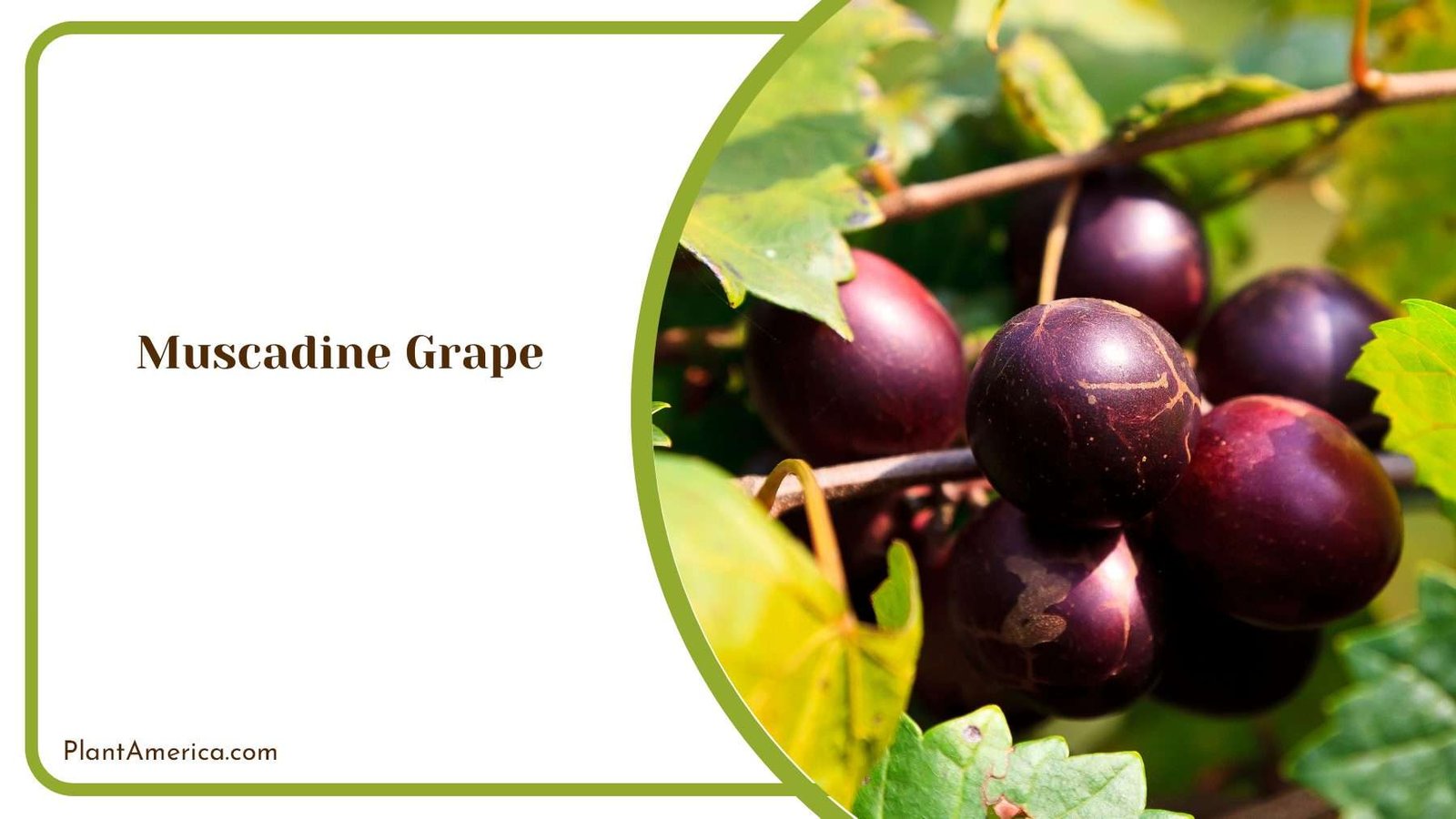
14. Muscadine Grape
- Growing season: Late summer to fall
- Leaf shape: Nearly round shape, Purple
- Specific needs: Full to partial sun, Well-drained soil
- Common pest: Grape rootworms, Grape mealybugs
Muscadine grape vines can tolerate more shade than most grape varieties, thriving in locations with afternoon shade, making them a good choice for gardeners with limited sun exposure. The vines produce clusters of thick-skinned grapes that ripen in late summer and fall when the flavor peaks.
Muscadine grapes have a unique juicy texture, aromatic Muscadine flavor, and higher heat tolerance when ripe. The fruit separates easily when ripe and has a sweet yet tart flavor profile with notes of berries and melon.
When properly cared for, including pruning, irrigation, and fertilizing, Muscadine grape vines can remain incredibly productive for decades, often producing high per-vine yields of fully flavored grapes once they mature.
The thick bronze-colored skins allow the fruit to store well, extending their season of use well after harvest for fresh eating and culinary purposes. The tolerance for part shade makes Muscadine grape vines an excellent choice for gardeners seeking reliable, high-yielding grape options for landscapes with less-than-ideal sun conditions.
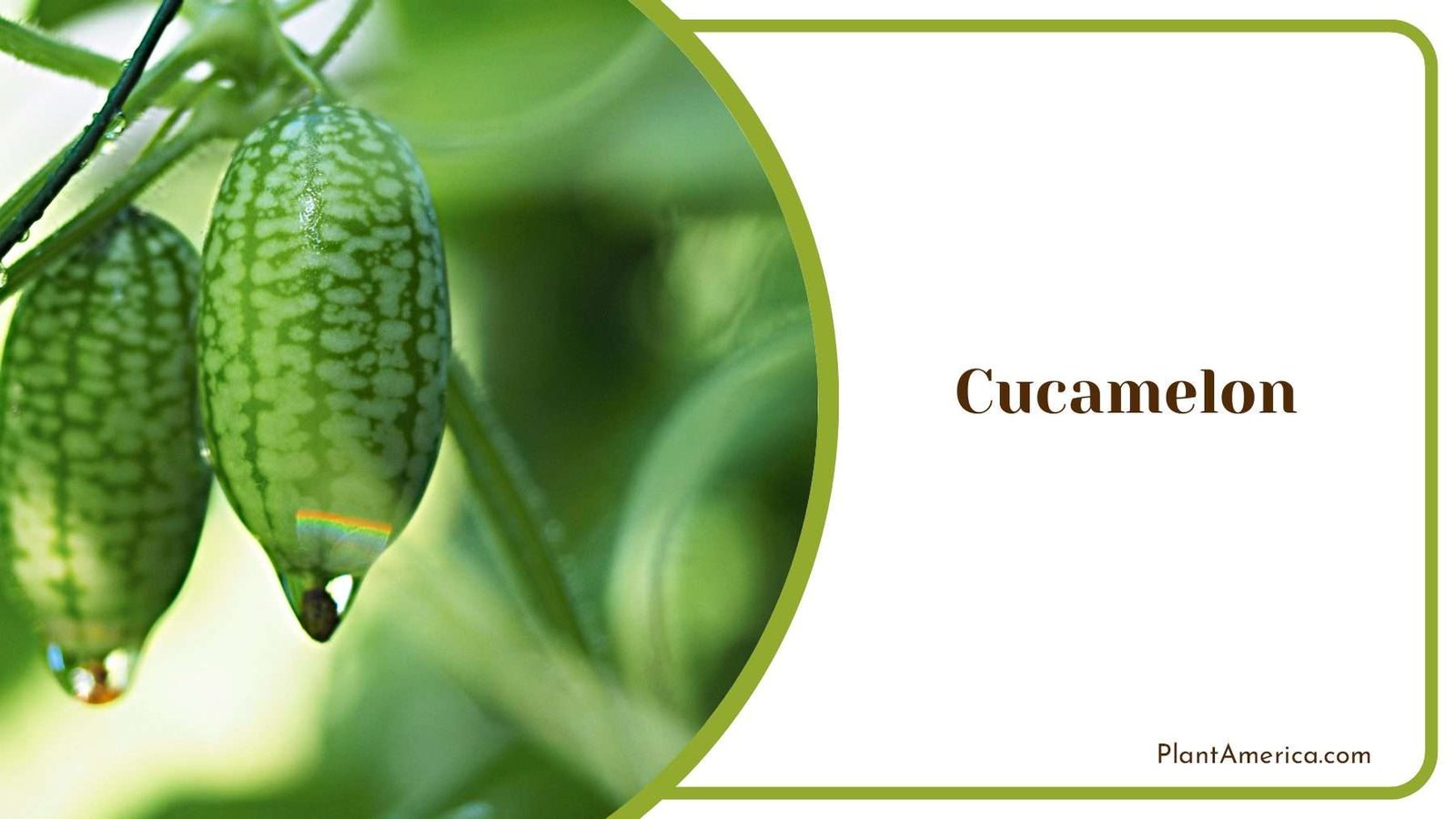
15. Cucamelon
- Growing season: Summer
- Leaf shape: Oval, Spherical shape, Green
- Specific needs: Full to partial sun, Well-drained soil
- Common pest: Cucumber beetles, Cucumber mosaic virus
Cucamelons, or Mexican sour cucumbers, produce oval miniature fruit with a zesty, tart flavor. The vines tolerate partial shade fairly well, thrive in locations with afternoon shade, and have a naturally compact growth habit, making them ideal for contained garden spaces.
Cucamelons fruit throughout the summer on plants that require trellising or staking to hold up the vines, improve air circulation, and provide access for harvesting the tiny fruit. The small oval fruit has edible skin that transitions from green to yellow as it ripens fully.
The flavor has tangy melon, cucumber, and citrus notes that add an acidic punch to salads, salsas, and other fresh dishes. When provided with adequate irrigation, fertilizer, and trellising, cucamelon vines will produce abundant yields of their unique, sour fruit well suited for gardens with less than optimal sun exposure.
The vines require minimal pruning to maintain shape and control spread. With their ornamental vines, compact size, and abundance of tiny sour fruit, cucamelon plants make an excellent choice for gardeners seeking easy-care, shade-tolerant crop options.
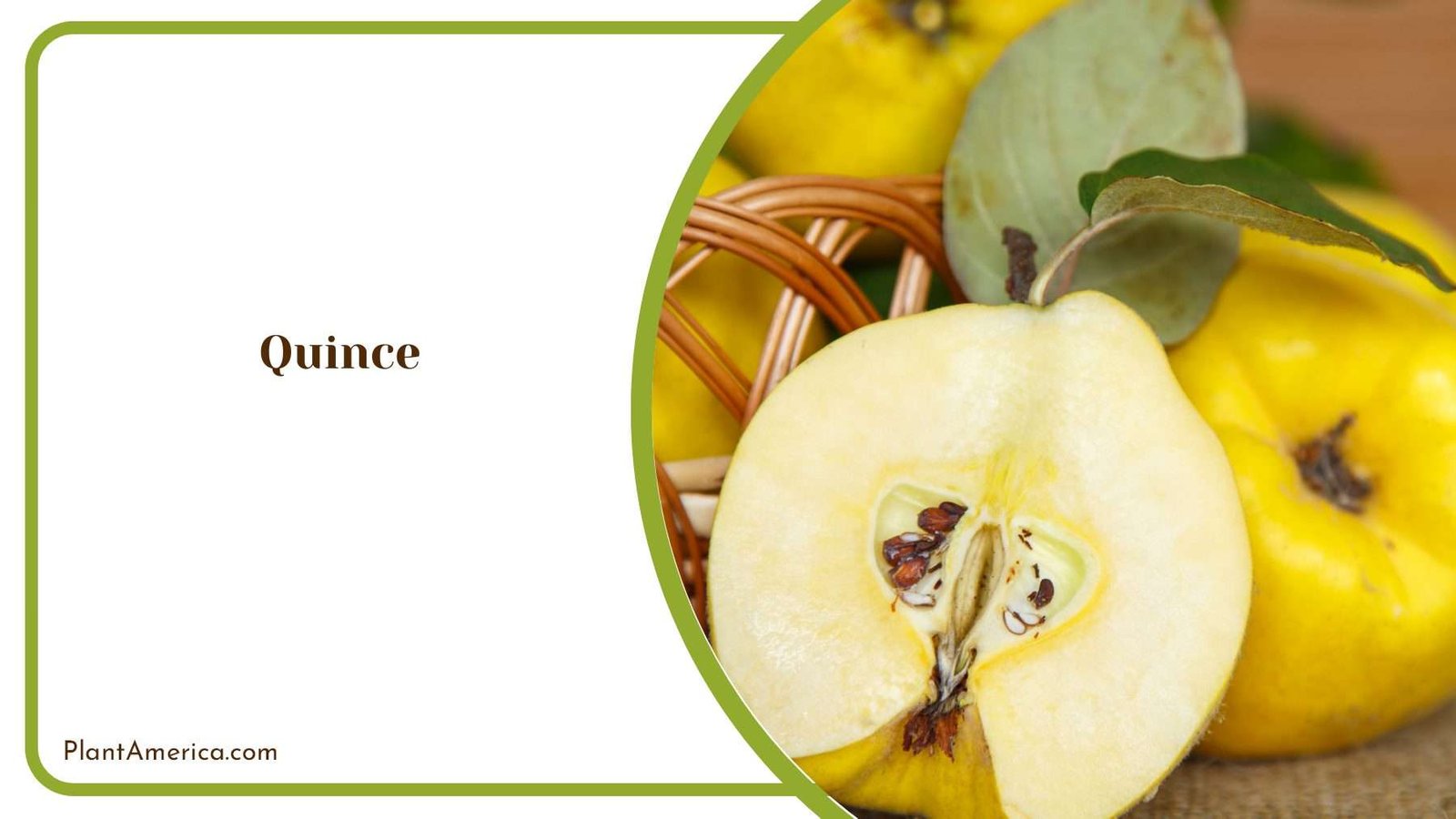
16. Quince
- Growing season: Fall
- Leaf shape: Ovoid, Rounded shape, Golden yellow
- Specific needs: Full to partial sun, Well-drained soil
- Common pest: Quince moths, Quince curculios
Quince trees produce aromatic, pear-shaped fruit that is too hard and astringent to eat when freshly picked before use. The fruit can ripen and soften off the tree at room temperature or control storage before use. Quince trees tolerate partial shade better than some fruit trees, thrive in locations with afternoon sun, and have showy pink or white flowers in spring.
When cooked with techniques to break down their cell structure sufficiently, the fruit softens into a fragrant golden pulp with a subtle, honey-like flavor. Quince fruit can be turned into jelly, paste, sauce, and membrillo using methods that lessen their astringency.
The small trees, typically reaching 10 to 15 feet tall at maturity, have an ornamental appearance with their fragrant spring blooms and red-tinged branches. Quince trees are easy to care for once established, requiring minimal pruning and fertilizing. They are an excellent choice for gardeners with less than optimal sun conditions seeking easy care, shade tolerant fruit options that produce aromatic cuisine ingredients.
17. Paw Paw
- Growing season: Fall
- Leaf shape: Oblong shape, Olive green to brown
- Specific needs: Full to partial sun, Well-drained soil
- Common pest: Pawpaw fruit flies, Pawpaw rust mites
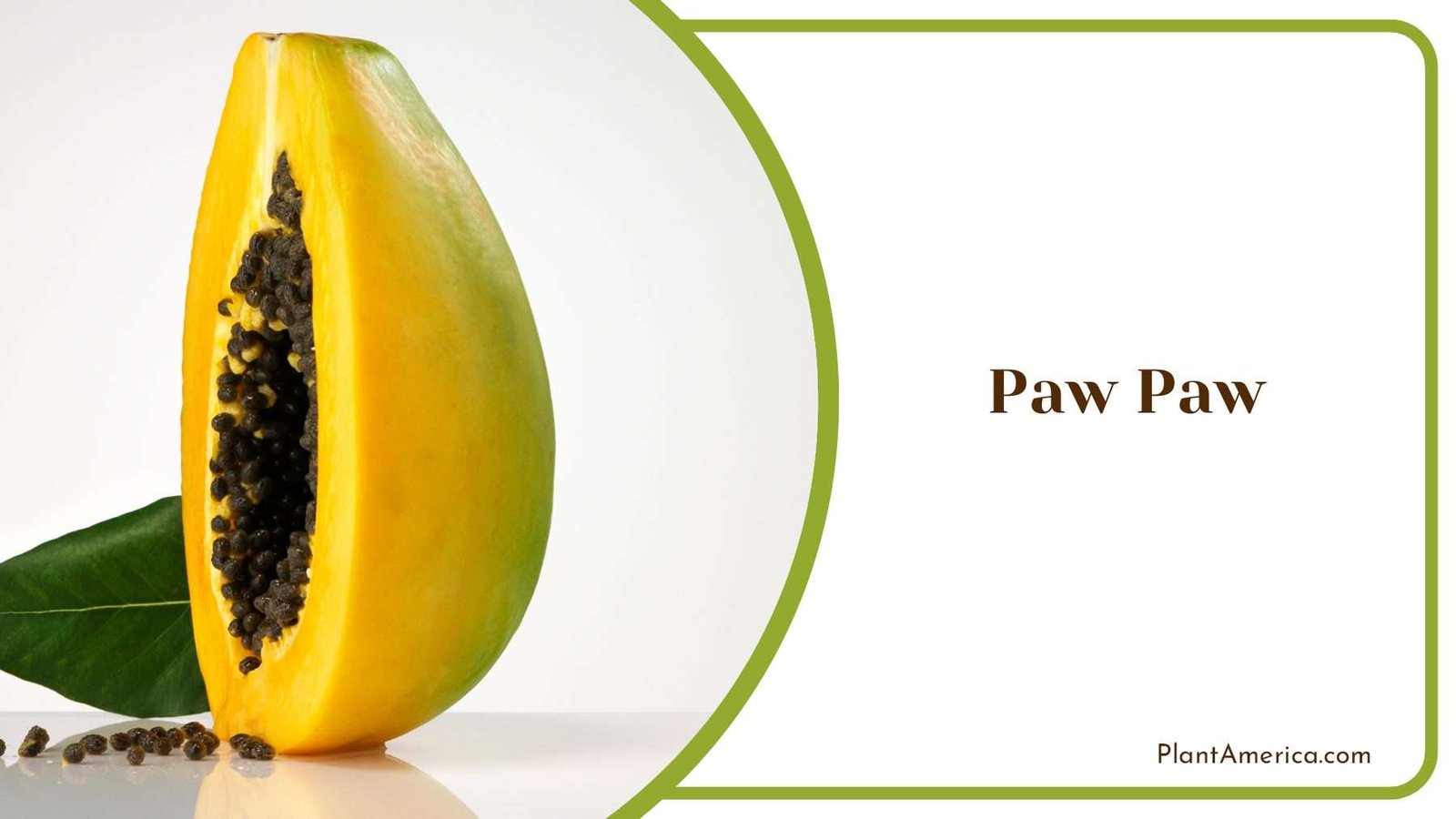
Pawpaw trees produce clusters of olive green fruit that ripen to brown in fall when the fragrant custard-like pulp is at its peak flavor. The fruit has a creamy texture and a distinct mild flavor reminiscent of a combination of banana and mango.
Pawpaw trees tolerate partial shade fairly well, thrive best in locations with afternoon shade, and are valued for their ornamental showy spring blooms with drooping clusters of white flowers. The trees require another compatible pawpaw variety present for effective cross-pollination and optimation.
When ripe, the entire pawpaw fruit can be eaten, including the soft edible seeds. The trees have a small, vase-shaped form, typically staying under 20 feet tall at maturity, making them a good choice for smaller gardens.
Pawpaws have produced reliable crops of uniquely flavored fruit for decades with proper care and nutrition. The tropical-flavored fruit and ornamental attributes of pawpaw trees make them an excellent choice for homeowners seeking tasty, shade-tolerant fruit options with low maintenance and small stature.
18. Asian Pear
- Growing season: Fall
- Leaf shape: Oblong, Conical shape, Golden yellow
- Specific needs: Full to partial sun, Well-drained soil
- Common pest: Pear psylla, Pear slugs
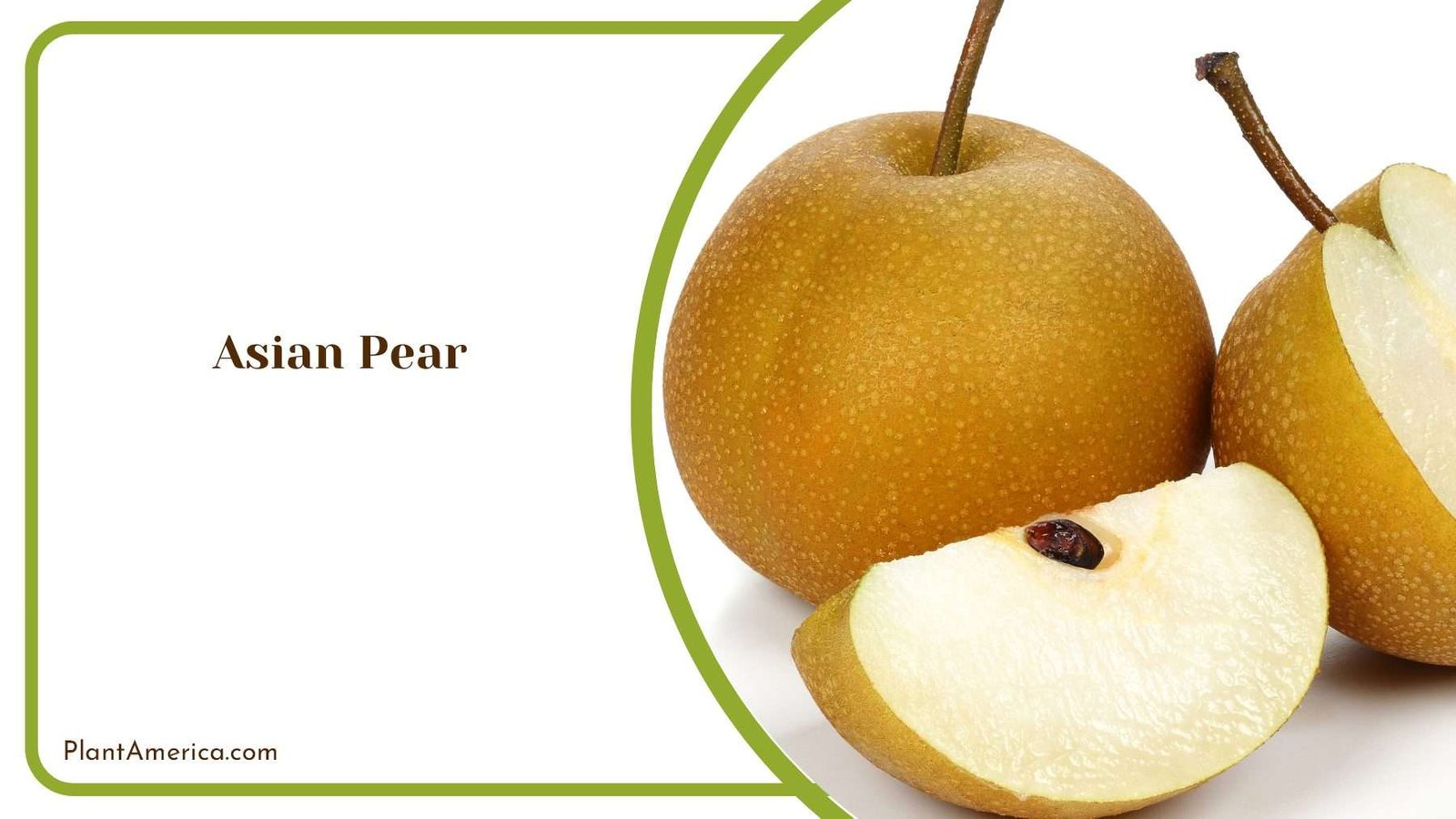
Asian pear trees produce oblong-shaped fruit with a buttery texture and sweet flavor. The trees tolerate partial shade better than some fruit varieties, thrive in locations with afternoon shade, and require a compatible cultivar for adequate pollination and fruit set.
Asian pear fruit ripens in fall and ranges in color from green to golden yellow when ripe and ready to harvest. The fine-grained, crisp flesh has a buttery texture and mild flavor profile that make them perfect for fresh eating straight from the tree or when used in cooking applications.
Asian pear trees tend to stay on the smaller side, reaching only 20 to 30 feet tall and 15 to 20 feet wide at maturity, making them a good choice for homeowners with limited space. The trees require minimal pruning, mostly limited to removing dead or damaged branches. With proper care and nutrition, Asian pear trees will produce abundant shade-tolerant crops reliably for decades.
Overall, Asian pear trees adapt well to a variety of growing conditions. They make an excellent choice for gardeners seeking easy care, shade-tolerant fruit options with low-maintenance upkeep.
19. Hasan Loquat

- Growing season: Spring
- Leaf shape: Oblong, Elliptic shape, Yellow to orange
- Specific needs: Full to partial sun, Well-drained soil
- Common pest: Loquat scales, Loquat mites
Hasan loquat trees produce clusters of one to two-inch-long fruit with a unique apple-apricot flavor. The trees thrive in afternoon shade locations and have a compact, spreading growth habit. Hasan loquats typically ripen in spring on trees that require minimal pruning and care once established. The fruit has thin yellow skin that turns orange when ripe to indicate full maturity. The soft flesh is sweet golden yellow when ripe and prized for flavor.
Loquat trees are relatively drought tolerant and produce abundant crops for decades with proper irrigation, fertilizing, and pruning. The trees adapt well to growing conditions with less than optimal sun exposure.
The small trees have a picturesque form with fragrant white flowers in early spring, adding ornamental appeal to yards and gardens when not heavy with ripe fruit. With their abundant yields of sweetly fragrant fruit and ornamental attributes, Hasan loquat trees make an excellent addition for gardeners seeking easy care, shade tolerant fruit options.
20. Terrestrial Disk Kiwi berries
- Growing season: Fall
- Leaf shape: Round shape, Red to purple
- Specific needs: Full to partial sun, Well-drained, rich soil
- Common pest: Kiwi fruit flies, Kiwi beetles
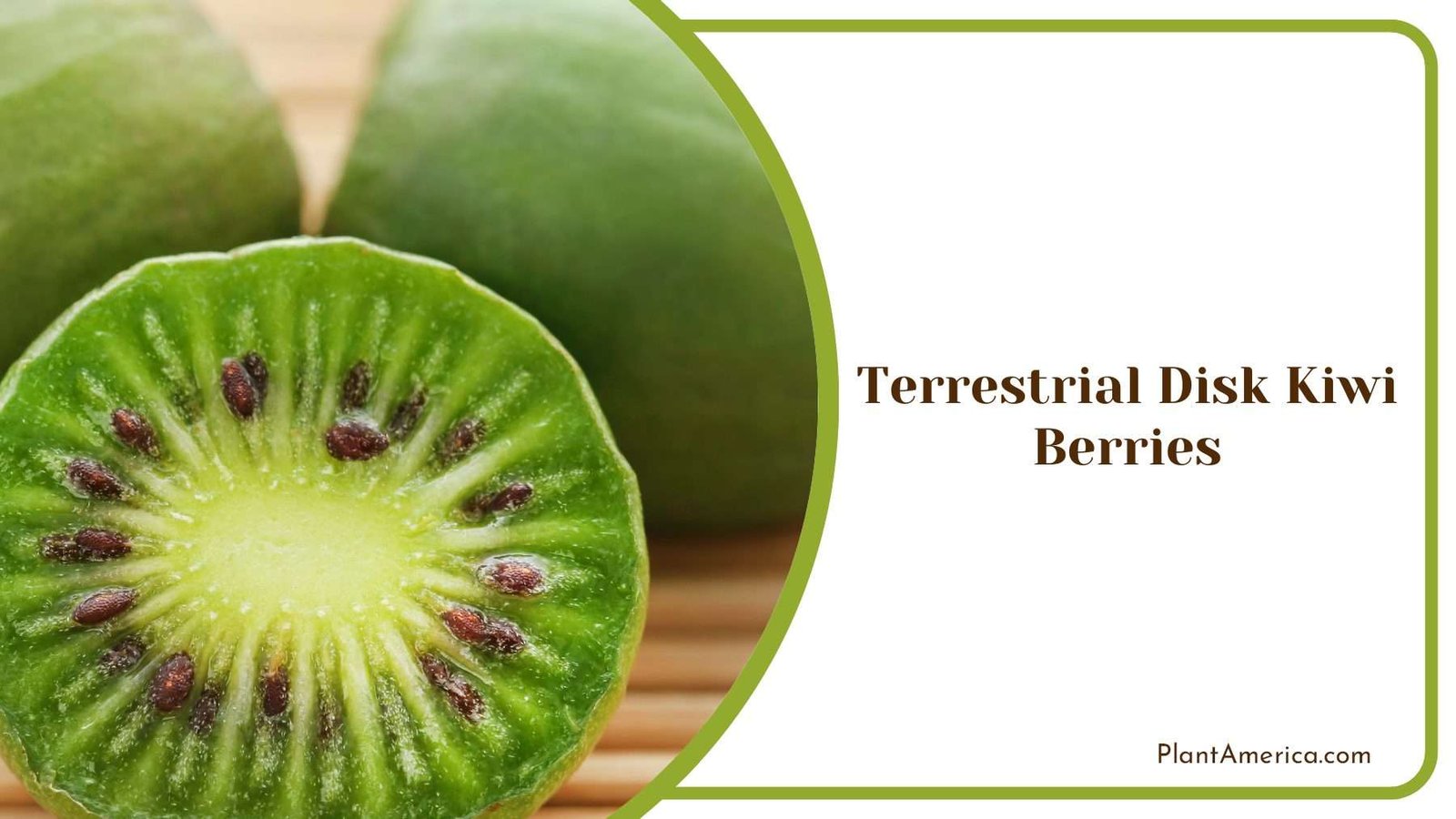
When ripe, terrestrial disk kiwi berries produce grape-sized fruit with edible skins ranging from red to purple. The vines grow upright, reaching heights between four to six feet tall, making them a good option for gardeners with limited space and can tolerate some shade, especially when young. The small berries have a sweet flavor with notes of melon and pineapple. Disk kiwi berries fruit through self-pollinating vines that pollinate and thrive in containers.
Ideal candidates for hanging baskets and vertical trellises, kiwi berry vines require minimal pruning and space to yield abundant crops. The vines are frost-tender and require winter protection in colder climates.
During the growing season, kiwi berry vines require regular watering and fertilizing to produce optimal yields. Overall, kiwi berry vines produce reliable, high-yielding crops and adapt well to various growing conditions, including part shade when young. The sweet-tasting berries provide ornamental appeal and abundant harvests for gardeners with limited space.
21. Jostaberry
- Growing season: Summer
- Leaf shape: Oblong shape, Maroon
- Specific needs: Full to partial sun, Well-drained soil
- Common pest: Jostaberry moths, Jostaberry sawflies
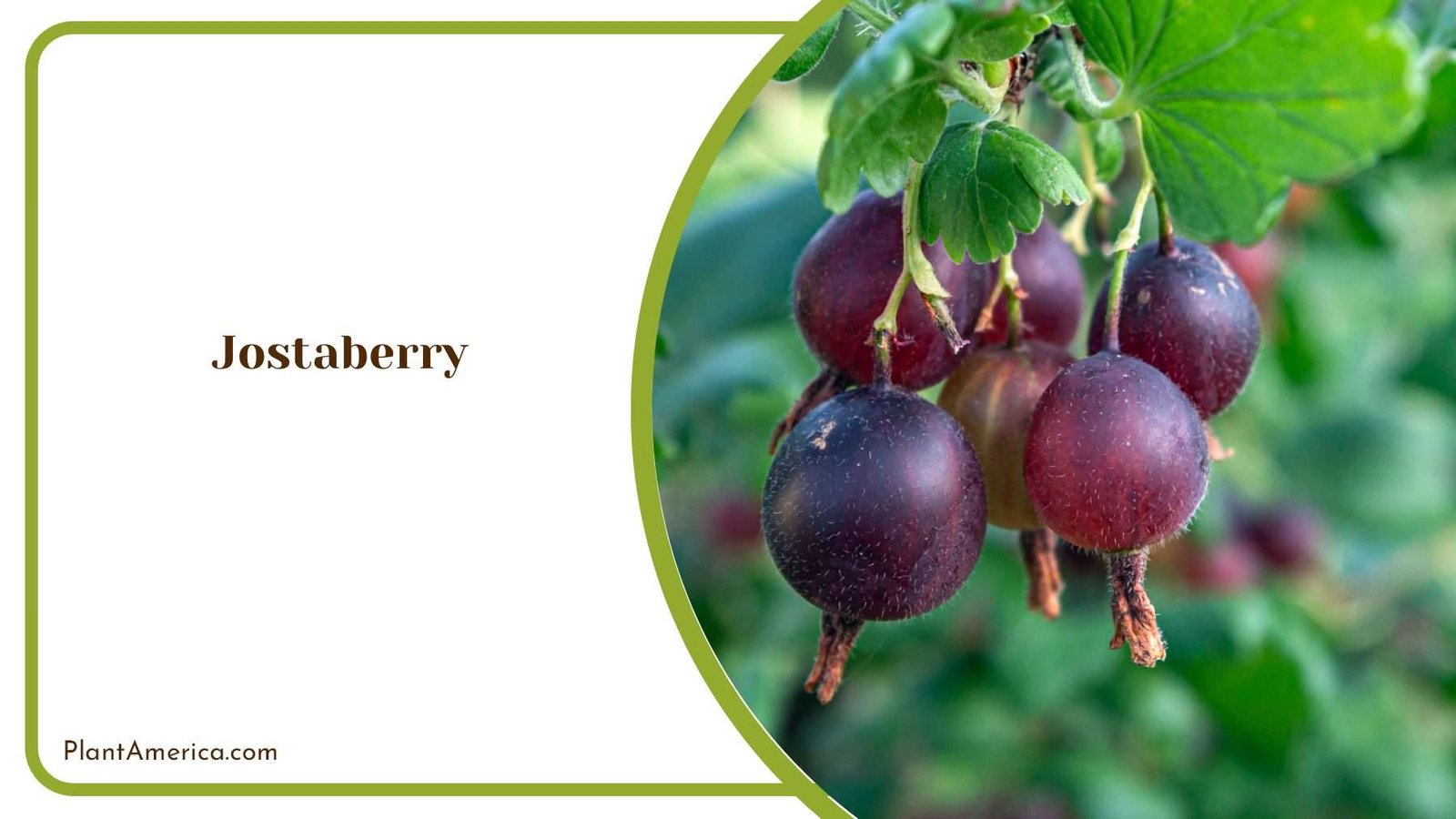
Jostaberries produce clusters of oval, maroon fruit that has a flavor reminiscent of black currants with notes of gooseberry and raspberry. The bushes tolerate partial shade fairly well, thrive in locations with afternoon shade, and have a thornless growth habit that appeals to homeowners. Jostaberries fruit from early to late summer on bushes that require minimal pruning and care.
The berries are antioxidants and have a tart yet sweet flavor when fully ripe. When provided with adequate irrigation and fertilizer, jostaberry bushes will produce abundant yields for decades and adapt well to growing conditions with limited sun exposure.
The naturally compact, spreading bushes have an ornamental appearance, requiring limited staking. With their colorful berries and foliage, jostaberry bushes make an excellent choice for gardeners seeking unique, shade-tolerant berry varieties that provide ornamental and edible landscape additions.
22. Czar Plum

- Growing season: Summer
- Leaf shape: Obovate, Ovoid shape, Red, blue and purple
- Specific needs: Full to partial sun, Well-drained soil
- Common pest: Plum curculio, Brown rot fungus
The Czar plum tree has a sweet flavor of plump, purple fruit. The trees tolerate partial shade better than most plum varieties, thriving in locations with afternoon shade. They ripen in summer on self-pollinating trees with a compact, spreading growth habit.
The fruit is known for adhering tightly to the tree until fully ripe, which allows the plums to achieve optimal sweetness and flavor. When provided adequate irrigation and fertilizer, Czar plum trees will produce abundant crops for decades and adapt well to growing conditions with sun exposure once established.
The trees require minimal care requirements once established, making them a low-maintenance option. Pruning is mostly limited to removing dead or damaged branches. With proper care, the Czar plum tree makes an excellent choice for gardeners seeking easy care, shade-tolerant fruit options that produce delicious, sweet-tasting plums.