
Indoor plants red leaves can inject life and color into any room all year round. Whether one wants to add some pop of color to a kitchen, liven up a dull office space, or enjoy botanical beauty, these red-leafed beauties will not disappoint.

From the ruby red nerve plant to peperomia with burgundy leaves, these pretty plants with cherry red foliage will light up a space, and many people want to collect them all! For those looking to transform a home or workspace into a stylish green oasis, consider selecting from the many unique and beautiful houseplants with red leaves here.
Indoor Plants With Red Leaves To Light up Any Room
1. Polka Dot Plant

- Growing season: Year-Round
- Leaf shape: Oval, White splotches
- Specific needs: Develop wavy edges, Tolerates dry soil
- Common pest: Leaf miners, Spider mites
The polka dot plant or hypostases is a great option for low-light indoor plants with red leaves. When exposed to bright light, the oval leaves develop cream or white splotches that give it a polka dot appearance, along with vibrant pink or red undersides. This air-purifying indoor plant thrives with neglect, only requiring watering once the soil becomes dry.
2. Chinese Evergreen
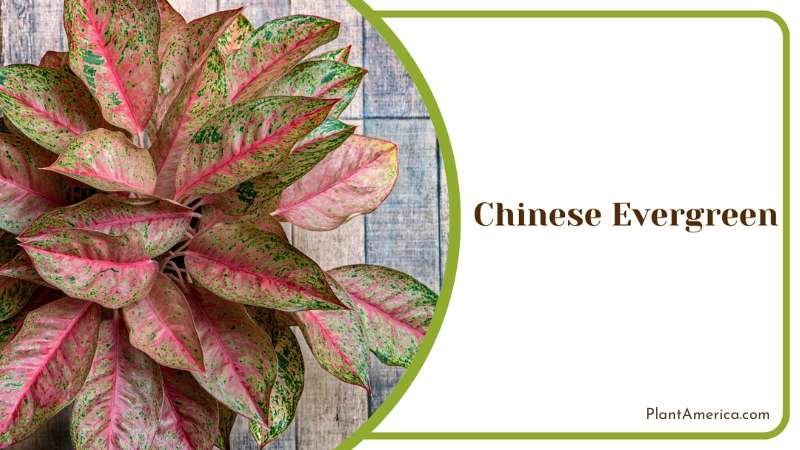
- Growing season: Year-Round
- Leaf shape: Shiny, Leathery, Oval
- Specific needs: Medium, May develop red edges or splotches, Likes humidity
- Common pest: Mealybugs, Spider mites
The Chinese evergreen or aglaonema is a beautiful red-leaf plant with dark green leaves that develop bright red edges and splotches in bright light. The thick, leathery leaves make this an attractive accent plant with low care needs. Water when the top inch of soil is dry and most frequently to keep leaves shiny. Propagate by stem cuttings to create more colorful plants.
3. Caladium Bicolor

- Growing season: Spring, Summer
- Leaf shape: Heart-shaped, Lobed leaves, Bold red and green patterned leaves
- Specific needs: Best in part shade, Likes even moisture
- Common pest: Fungus gnats, Aphids
The caladium bicolor ‘red flash’ is a gorgeous tuberous plant with bold leaves featuring bright red centers and green margins. The heart-shaped lobed leaves unfurl from the tuber in spring, providing dense foliage throughout summer.
Grow in constantly moist but well-draining soil in partial shade for best coloration. Propagate by dividing tubers in late fall for more seasonal color the next year.
4. Crassula Capitella
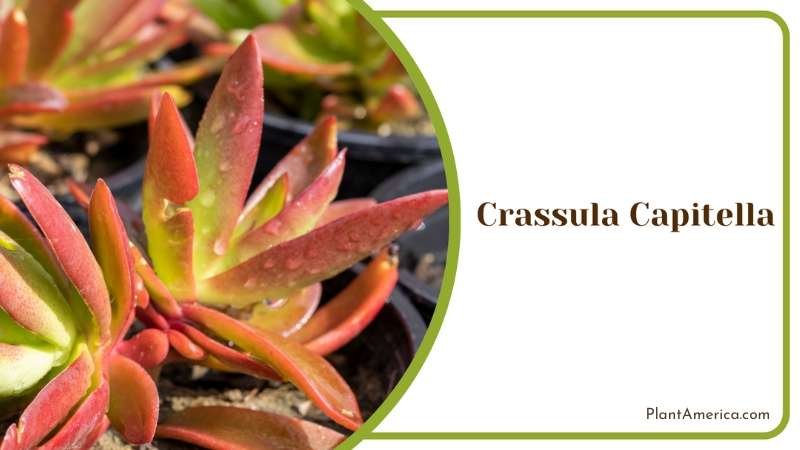
- Growing season: Spring, Summer
- Leaf shape: Thick, succulent, and round
- Specific needs: Low water, Well draining soil, Thrives in dry conditions
- Common pest: Mealybugs, Spider mites
The crassula capitella or ‘red pagoda’ plant is a stunning succulent with thick, round leaves that turn dark red. It thrives in dry conditions and only needs watering around once a month. The leaves form stacked clumps that resemble tiny pagodas, hence the common name. This beautiful house plant adds instant color and interest while requiring little care.
5. Rex Begonia
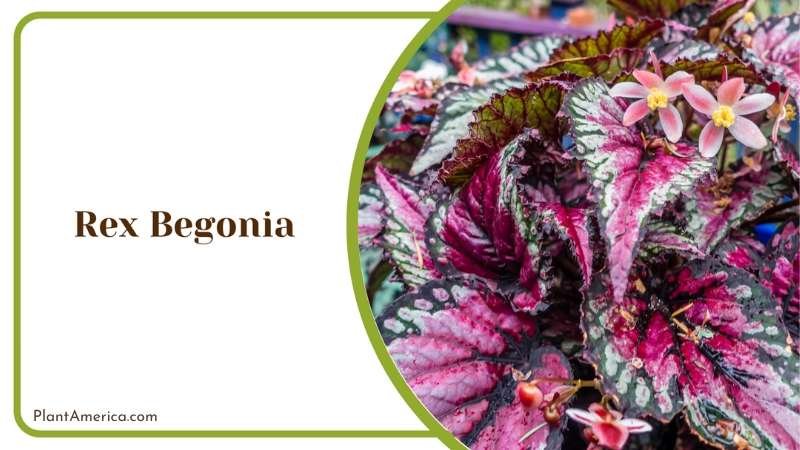
- Growing season: Year-round
- Leaf shape: Oval, Heart-shaped leaves
- Specific needs: Prefers humidity, Medium, Needs even moisture
- Common pest: Aphid, Spider mites
The rex begonia is a popular houseplant known for its lovely foliage in various shades and colors. Rex begonia leaves range in pigmentation from solid green to vibrant shades of red, pink, and burgundy. Their oval to heart-shaped leaves are often veined and textured, displaying interesting patterns that add visual interest.
Rex begonias thrive under specific growing conditions. They prefer locations with bright, indirect light such as on an east or west-facing windowsill. Place the plant out of direct sunlight to avoid leaf burn. The soil should be kept moist but well-drained and allowed to dry out partially between waterings. Frequent misting of the leaves helps increase the ambient humidity and avoids leaf crisping, especially in dry indoor environments.
This begonia variety grows well as both a rooted plant and in hanging baskets. Young plants will develop multiple cane-like stems as they mature. Rex begonias also produce colorful flowers ranging from pink to orange or red during late spring and summer. However, the plant is mainly valued for its attractive foliage rather than its blooms.
Propagating rex begonias through stem cuttings in spring allows gardeners to start new plants. Take four to six-inch cuttings from young side shoots, removing all leaves except the top two pairs. Stick the cut ends into a moist potting mix and keep the soil continuously damp for several weeks until roots develop. Eventually, the cuttings will sprout new leaves and begin to grow independently.
6. Fittonia
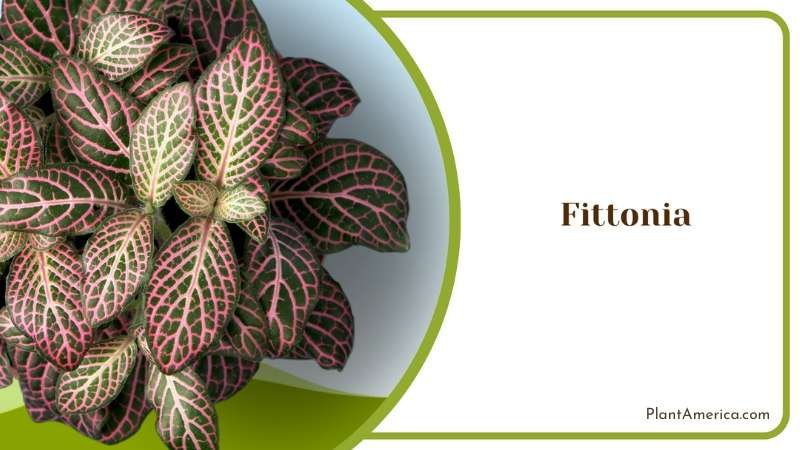
- Growing season: Year-round
- Leaf shape: Long, Narrow, Tubular
- Specific needs: Low light, Humid conditions, Crispy edges in dry air
- Common pest: Mealybugs, Spider mites
Also called a nerve plant, Fittonia albivenis has vivid red veining on bright green leaves that curl beautifully upwards. The leaves feature prominent red-painted nerves or veins that create an eye-catching pattern. Fittonia albivenis grows well in low and indirect light but requires high humidity to prevent leaf crispness and edge burn.
To provide sufficient humidity, mist the leaves regularly with room temperature water, or place the potted plant on a pebble tray filled with water to increase the humidity around it. Fittonia albivenis can be propagated through stem or leaf cuttings to make new plants with the same crimson-veined foliage.
Take four to six-inch stem cuttings and place them in moist soil, or root mature leaf cuttings in water and then pot them up. The lush pink veined leaves and draping habit make Fittonia aliveness an ideal choice for adding colorful red foliage contrast to lower light indoor spaces while also boosting the surrounding humidity.
7. Wandering Jew

- Growing season: Year-round
- Leaf shape: Elliptical, Thin, Long
- Specific needs: Tolerates dry soil, Low light
- Common pest: None
The wandering jew or tradescantia plant features oval green leaves with purple-red undersides that brighten any space. It grows well in low and bright indirect light with moderate watering. The purple stems creep along the surface and can cascade over the sides of pots.
This air-purifying indoor plant thrives with neglect and infrequent watering. Cut stem sections to propagate and fill out hanging baskets.
8. Red Aglaonema
- Growing season: Year-round
- Leaf shape: Glossy oval, Lance-shaped
- Specific needs: Low light, Needs humidity
- Common pest: Mealybugs, Spider mites
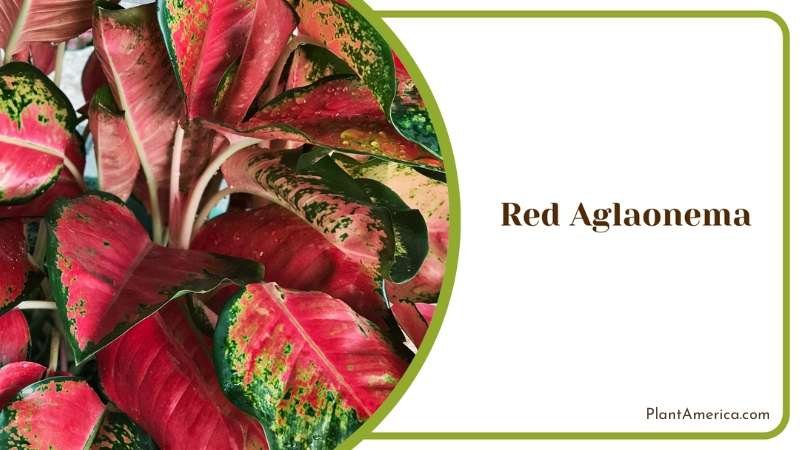
The red aglaonema is a beautiful, low-maintenance variety of Chinese evergreen with attractive, dark green leaves that develop striking red edges and splotches when exposed to adequate bright, indirect light. The leathery, glossy leaves give this plant an elegant, tropical appearance that makes it an attractive accent plant for any space.
The red aglaonema requires very little care to thrive. Water the plant when the top inch of soil is dry, allowing the soil to come almost completely dry between waterings. Only water is enough so that water drains from the bottom of the pot. This will help avoid overwatering, a common cause of aglaonema death. In addition to adequate water, mist the leaves frequently to promote growth and encourage the leaves to develop more intense red coloration.
Place the plant in bright, indirect light for optimal leaf color. Keep the red aglaonema away from direct sunlight, which can cause leaf burn and discoloration. The amount of red on the leaves will increase as they receive more light. Move the plant to a slightly shadier spot if the leaves become too red. Plan to rotate the plant periodically to ensure even growth and coloration.
9. Peperomia
- Growing season: Year-round
- Leaf shape: Thick, Succulent, Oval
- Specific needs: Variegated varieties available, Well draining soil
- Common pest: Mealybugs, Spider mites
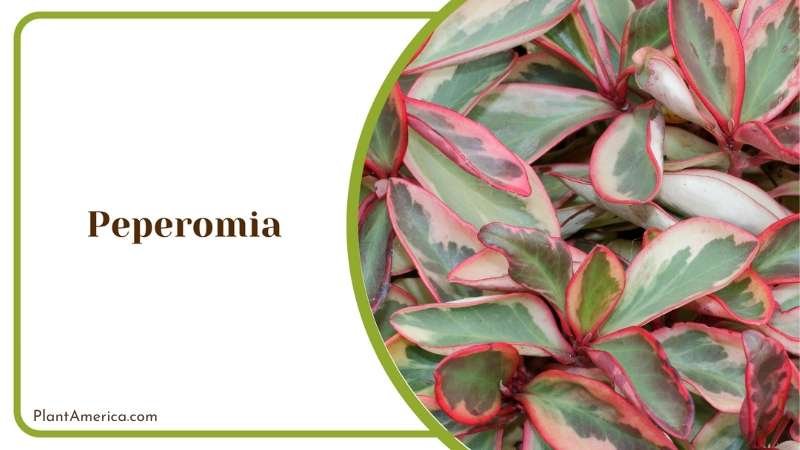
The Peperomia genus includes many varieties of succulent plants with colorful foliage. The peperomia ‘rosso’ variety features thick, burgundy oval leaves with silver flecks or marbling when grown in bright light. These easy-care peperomia plants thrive in low humidity and only require occasional watering when the top few inches of soil are completely dry.
It’s better underwater than overwater peperomia ‘Rosso’ to preserve the red hue of the leaves and avoid root rot. Peperomia ‘Rosso’ can be propagated through leaf or stem cuttings to make new plants with the same red foliage traits. Place a mature leaf or four to six-inch stem cutting in moist soil and keep the soil lightly damp.
After a few weeks, roots will form and a new plant will develop. The peperomia ‘Rosso’ plant makes an attractive addition to any room with its unique burgundy and silver marbled leaves, as well as its compact size. Combined with its low maintenance requirements, peperomia ‘Rosso’ offers an easy solution for incorporating beautiful red foliage indoors.
10. Flamingo Lily
- Growing season: Spring, Summer
- Leaf shape: Long, Narrow, Tubular
- Specific needs: Moist, Well-drained soil, Part shade
- Common pest: None
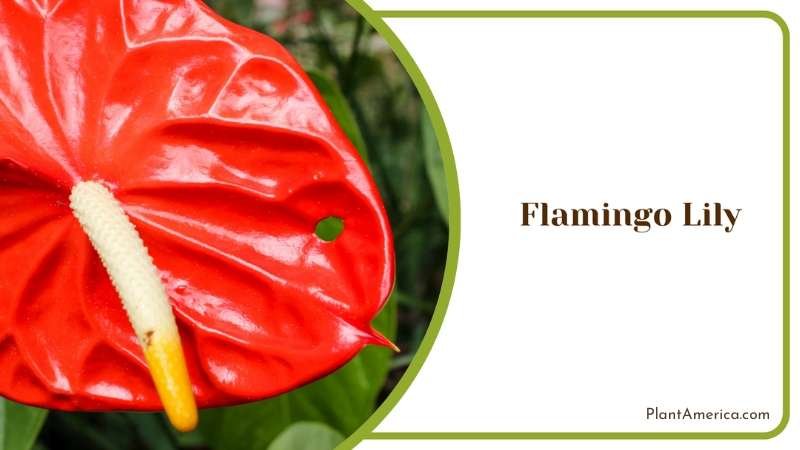
The flamingo flower, or Anthurium andraeanum, has heart-shaped leaves and vivid red spathes that resemble flamingos. It thrives in part shade and moist, well-draining soil. The arching stems can reach three feet tall, making it a statement plant indoors. It flowers throughout the summer months, bringing cheerful color. This low-maintenance houseplant does not require highly fertilized soil.
11. Red Star

- Growing season: Spring, Summer
- Leaf shape: Elliptical, thin, and long
- Specific needs: Low to medium, Can develop crispy edges, Prefers humidity
- Common pest: Mealybugs, Spider mites
The red star cactus, also known by its botanical name gympocalycium mihanovichii, is an attractive succulent plant native to Argentina. Its silvery oval or cylindrical leaves feature numerous vivid red splotches that become more pronounced as the cactus matures. When fully grown, the tubular leaves develop into a star shape with up to five pointed lobes, hence the common name “red star cactus.”
This easy-care plant thrives under several specific care conditions. The red star cactus requires bright indirect light for optimal growth, such as on a windowsill that receives filtered morning sunlight. Like most succulents, it appreciates average to somewhat dry soil moisture.
Allow the top one to two inches of soil to dry out between waterings, and water less frequently during winter when growth slows. The cactus needs well-draining soil that contains plenty of grit, sand, or perlite to prevent root rot from overwatering. The red star cactus typically grows very slowly, reaching only around six inches tall and wide even when mature.
Despite its slow growth rate, this striking succulent produces vibrant yellow flowers during spring. Blooming occurs when the plant receives at least 12 hours of daily sunlight, typically from early spring through late summer. The beautiful yellow blooms contrast nicely with the cactus’ red and silver foliage, making the flowering red star cactus a real showstopper in any indoor setting.
12. Cordyline Fruticosa

- Growing season: Year-round
- Leaf shape: Long, Strap-like leaves
- Specific needs: Part shade to sun, Moist, Well-drained soil
- Common pest: Mealybugs, Aphids
Also called the Ti plant, Cordyline fruticosa has long strap-like leaves that can be green, red, or burgundy, depending on the variety. The tuberous trunk and tall branched stems of Cordyline fruticosa can reach heights of 10 feet indoors, making it a formidable specimen plant. The plant thrives in part shade and prefers the soil to be kept evenly moist.
Regular pruning of older leaves helps maintain the plant’s full habit and attractive shape. Cordyline fruticosa can be propagated through stem or leaf cuttings to make new plants. Place the stem or leaf cutting in water and switch to a moist soil mix once roots develop.
The new plant will have the same characteristics as the parent plant, including colorful red foliage. Cordyline fruticosa is an easy-care houseplant choice that offers the benefits of red leaves while adding dramatic vertical accents to any indoor landscape.
13. Codiaeum Variegatum
- Growing season: Year-round
- Leaf shape: Tropical looking leaves, Turns red and yellow at maturity
- Specific needs: Low light, Tolerates dry soil
- Common pest: Mealybugs, Aphids
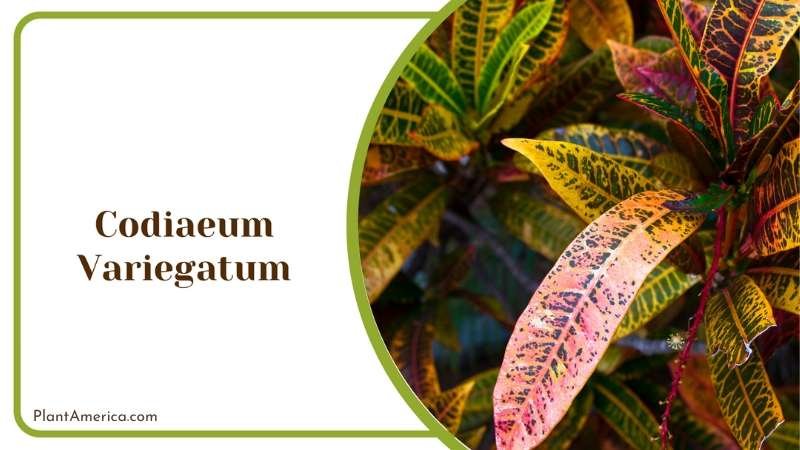
This plant, commonly known as croton, possesses many attractive qualities for a houseplant. Crotons feature colorful heart-shaped leaves that emerge from the stem as lime green in color. As the leaves mature and age, their color morphs and develops vibrant hues of yellow, orange, or red depending on the variety. Varieties with particularly deep red foliage, such as ‘Red Gem’ crotons, add elegant and striking color to any indoor setting.
Crotons thrive when planted in soil that drains moisture quickly and efficiently. The key to maintaining the plant’s vivid and variegated leaf coloration is consistent moisture. Supply the plant’s roots with moderate water and keep the soil moist, but not soggy or waterlogged. This simple watering regimen will help maximize the plant’s attractiveness.
As a houseplant, the croton is both low maintenance and easy to propagate. Crotons require minimal upkeep, making them a great option for individuals who struggle to remember plant care tasks. This plant can also be easily reproduced through stem cuttings. Simply take a six to eight-inch long stem segment, remove all leaves except for the top two or three, and place the stem in moist soil. New roots and plants will grow from the stem cutting.
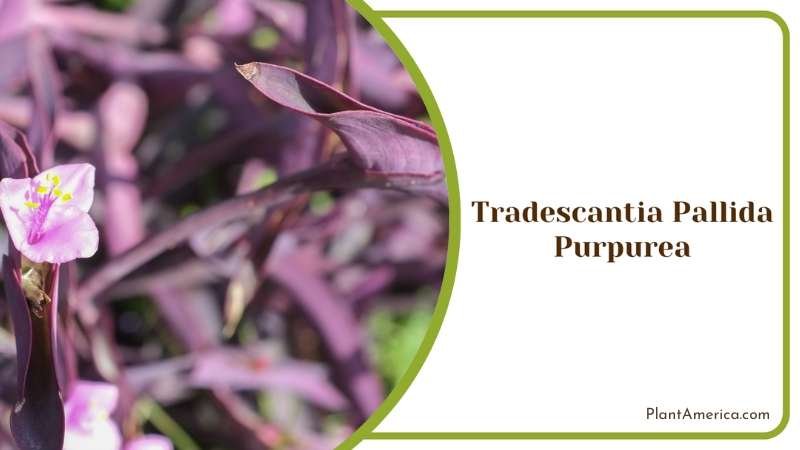
14. Tradescantia Pallida ‘Purpurea’
- Growing season: Year-round
- Leaf shape: Narrow, Linear, Succulent
- Specific needs: Low light, Tolerates dry soil
- Common pest: Mealybugs, Spider mites
The tradescantia pallida ‘purpurea’ is a trailing succulent with narrow linear leaves that are purple or burgundy with green variegation. The stems creep along the soil surface and can cascade over the edges of pots. This low-maintenance plant thrives in low humidity and only needs watering when the top soil becomes dry. It releases oxygen and removes toxins from the air. Propagate through stem cuttings to fill hanging baskets with the red foliage.
Indoor plants with red foliage undoubtedly add visual interest, beauty, and lushness to any home or workspace. They bring liveliness and vibrancy that green plants alone cannot provide. Many require low to medium maintenance, making them suitable for various skill levels. Their small statues make them ideal for places with limited space. Propagating some of these plants allows you to collect even more colorful varieties.
Whether you strive to cultivate a diverse botanical collection or seek to add a pop of color, one of the profiled plants with red leaves is sure to become a favorite addition to your indoor garden. Growing these pretty plants will reward you with joy, stress relief, and a deeper connection to nature.
Conclusion
Growing houseplants have shown to lower stress, boost mood, and improve overall well-being:
- Cordyline fruticosa has long strap-like leaves that can be green, red, or burgundy, depending on the variety.
- The Peperomia genus includes many varieties of succulent plants with colorful foliage.
- The rex begonia is known for its colorful foliage ranging from green to red, pink, and burgundy.
- The wandering jew or tradescantia plant features oval green leaves with purple-red undersides that brighten any space.
So start shopping for the perfect red-leaf beauties to bring the outside in! Growing these plants will reward you with the benefits of nurturing nature indoors.