
Container plants for shade are perennials, annuals, and foliage plants that add color and texture all season long. Whether it’s a patio, porch, or deck, with the right container plants you can transform even the shadiest nooks into delightful gardens that will brighten your day every time you walk by.

Are you looking to dress up a corner, edge a path, or fill a large planter? This guide will show you trees, shrubs, vines, and more that thrive with minimal sun exposure with each carefully chosen for its durability, blossoms, and beauty, giving you maximum impact for minimum effort and expense!
Container Plants for Shade in Light Controlled Gardens
1. Ferns

- Growing season: Spring, Fall
- Leaf shape: Fronds, Delicate
- Specific needs: High humidity, Indirect light, Well draining soil
- Common pest: Spider mites, Aphids
Ferns make wonderful additions to shade container gardens. Their delicate fronds provide lush greenery all year in low-light conditions. Ferns thrive in high-humidity shade gardens, so keeping the soil consistently moist and spraying the leaves frequently is key to success.
Ferns prefer dappled or indirect light, so placing them under trees or on shaded porches works well. Common pests to watch for include spider mites, aphids, and scale insects. Check the undersides of leaves regularly and spray off pests with water or organic insecticidal soap.
Ferns appreciate well-draining soil container gardening, so amending the potting mix with sand, perlite, or wood chips can help. Water always during the growing season, keeping the soil consistently moist but not soggy. In winter, reduce watering but do not let the soil completely dry out.
Apply an all-purpose houseplant fertilizer in spring and summer to keep fronds growing vigorously. Trimming off old, brown fronds occasionally will help promote new growth. With a little care, ferns make lovely evergreen additions to any partial shade container plants.
2. Creeping Jenny
- Growing season: Spring, Fall
- Leaf shape: Round, Large
- Specific needs: Partial shade, Moist soil
- Common pest: Mites, Scale insects
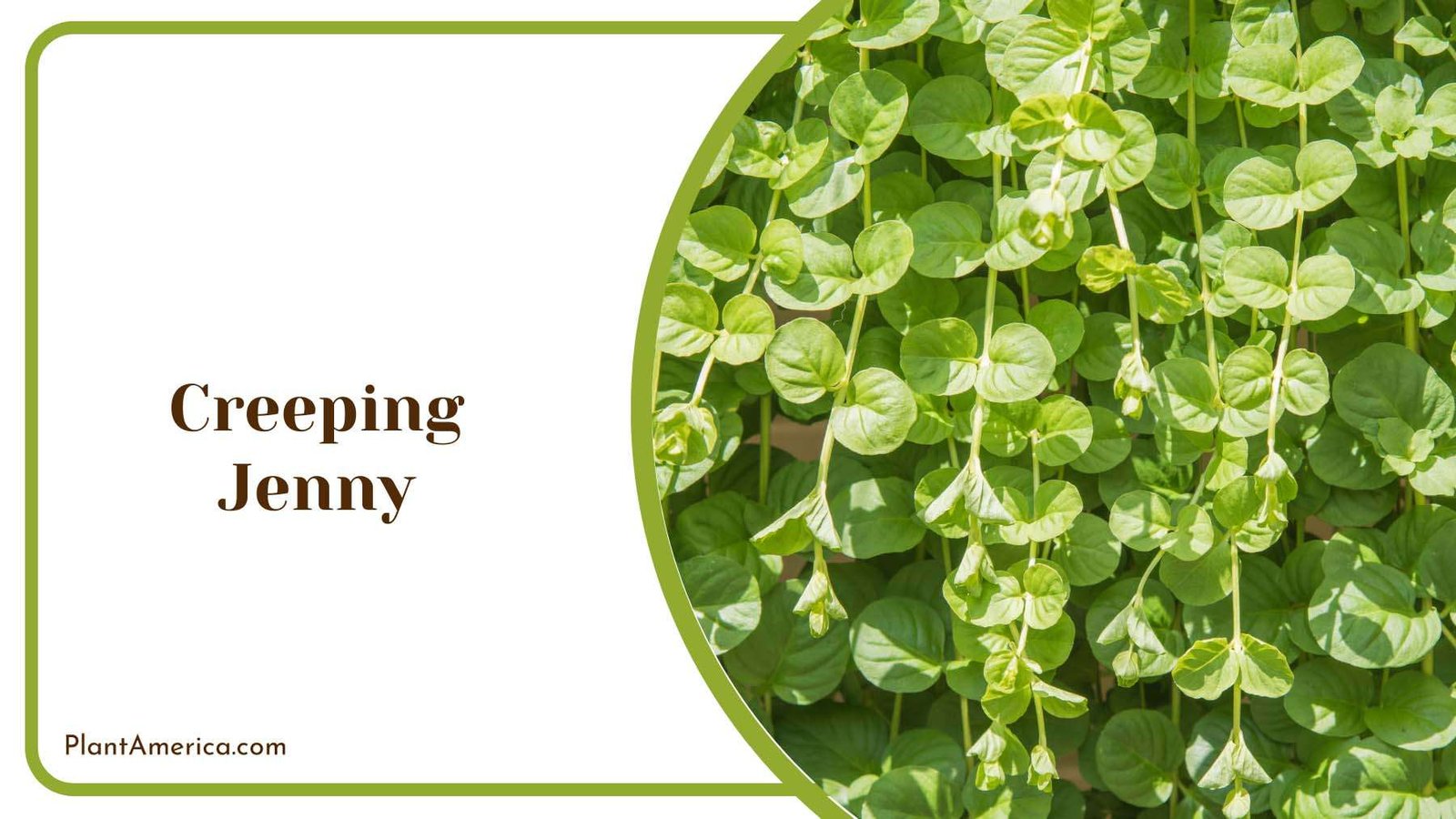
Creeping Jenny thrives in shaded gardens as a trailing groundcover or in containers. Its rounded, emerald green leaves form a dense mat of foliage shade container. Creeping Jenny prefers partial shade and moist, well-draining soil container gardening. It grows best in zones three to nine.
Water Creeping Jenny regularly during the growing season to keep the soil continually moist. In fall and winter, let the soil partially dry out between waterings. Creeping Jenny is fairly tolerant once established and has few pest problems. Occasional spider mites, aphids, or powdery mildew may affect plants, so check for brown leaves regularly.
3. Sweet Potato Vine

- Growing season: Spring, Fall
- Leaf shape: Palmate, Large
- Specific needs: Full sun to part shade, Well-draining soil
- Common pest: Aphids, Mites
Sweet potato vine produces attractive palmate leaves and fast-growing tendrils that climb supports. In containers, they provide dramatic coverage and add shade garden interest.
Sweet potato vines thrive in full sun but will tolerate partial shade containers. They grow best in fertile, well-draining soil. Provide support for the vines to climb, such as a trellis, cage, or porch railing.
Water sweet potato vines regularly during the growing season, especially when the vines are actively growing. Reduce watering in winter and cut back dry vines. Sweet potato vine has few pest or disease problems when grown in containers, though occasional aphids, spider mites, or powdery mildew may occur.
4. Coral Bells

- Growing season: Spring, Fall
- Leaf shape: Oval, Lance-shaped
- Specific needs: Partial shade, Moist soil, Well-drained soil
- Common pest: Aphids, Mites
Coral bells (Heuchera) thrive in shade containers and gardens, producing airy sprays of colorful flowers above textural foliage. Their rounded, lobed leaves often have subtle silver markings, adding visual interest to container gardening throughout the growing season.
Coral bells grow best in moist, well-drained soil with partial shade gardens. Add a slow fertilizer in early spring to boost growth. Coral bells are quite low maintenance, with few pest problems when given the right conditions. Overwatering can cause root rot, so only add water when the top inch or so of soil is dry.
In fall, shearing coral bells back by about one-third can help reinvigorate the plants for the following year. Place coral bells in containers with drainage holes to allow excess water to escape. Mulch around the base of the plants with fine gravel or bark to help conserve moisture.
5. Lilyturf

- Growing season: Spring, Fall
- Leaf shape: Linear, Grass-like
- Specific needs: Full sun to partial shade, Well-draining soil
- Common pest: Aphids, Mites
Lilyturf (Liriope) produces grass-like foliage in shades of green and variegated forms. The flowers, borne on thin arching stems above the foliage, rarely develop on container-grown plants.
Lilyturf thrives in shade containers, tolerating full sun to partial shade shade gardens. Once established, plants are quite drought-tolerant and only require watering during extended dry periods.
Divide lilyturf clumps every few years in spring to keep plants vigorous and healthy. Apply a balanced fertilizer or compost in early spring to boost new growth. Lilyturf is generally pest and disease-free when grown in containers, though occasional spider mites may occur.
6. Baltic Ivy

- Growing season: Spring, Fall
- Leaf shape: Round, Heart-shaped
- Specific needs: Partial shade, Moist, Well-drained soil
- Common pest: Aphids, Mites
Baltic ivy (Nephrolepis exaltata) is an attractive evergreen fern suited to shade containers. The small, rounded to heart-shaped foliage forms a dense, cascading mound of growth shade garden.
Baltic ivy grows best in partial shade and moist, well-draining soil container gardening. It is drought-tolerant once established and only requires watering during dry periods. Baltic ivy has few pest or disease problems when given the right growing conditions.
Snip off any brown or damaged foliage tips as needed to keep plants looking fresh. Fertilize in early spring and summer with an all-purpose liquid plant food to boost new growth. Propagate new plants by dividing established clumps in spring.
7. Saxifraga
- Growing season: Spring, Fall
- Leaf shape: Basal rosette, Fleshy
- Specific needs: Partial to full shade, Moist soil, Well-drained soil
- Common pest: Aphids, Mites
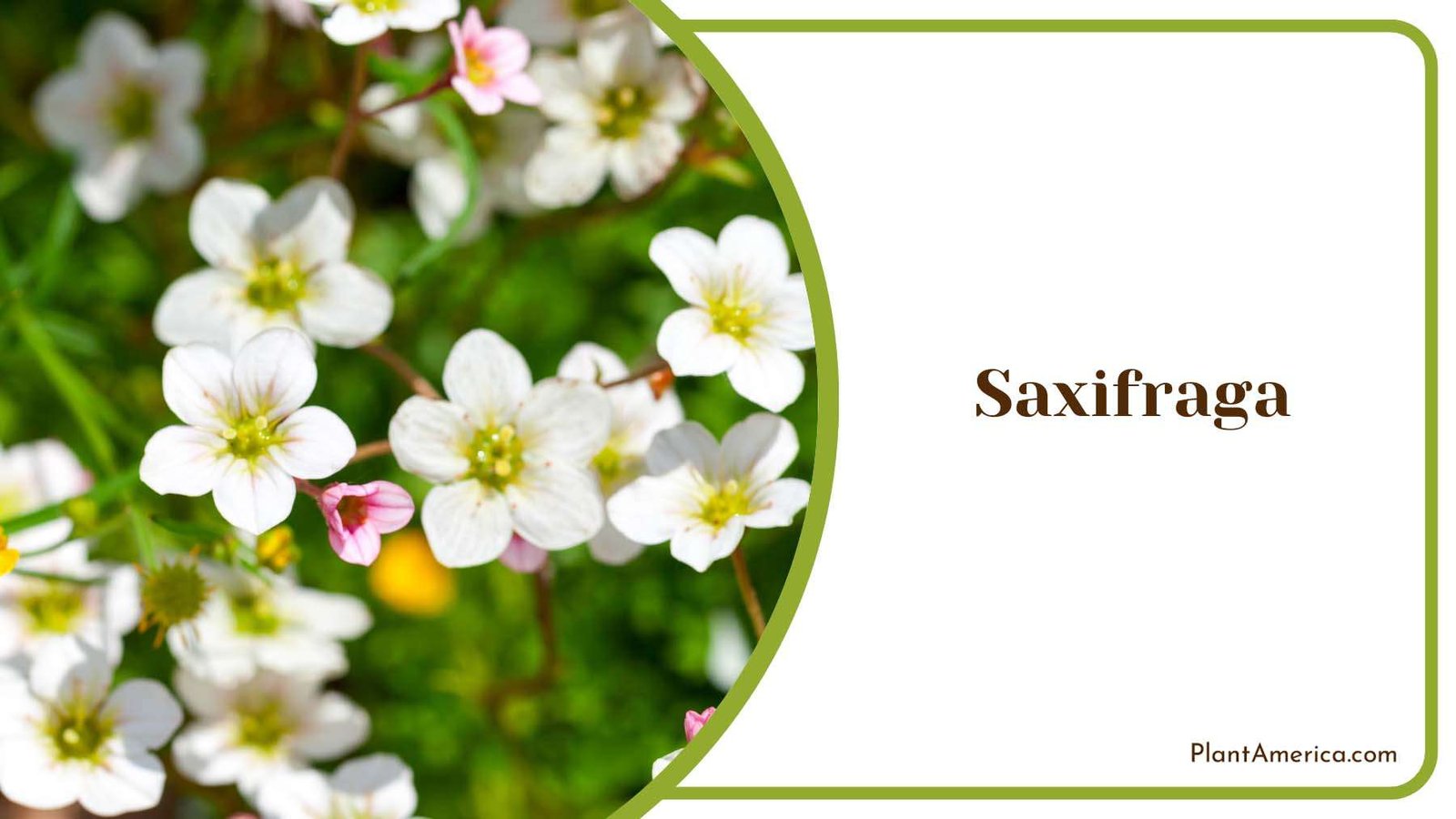
Saxifraga, commonly called “London pride,” produces rosettes of fleshy, colorful foliage in shades of green, red, and variegated forms. The flower stalks, produced in spring, bear small white to pink flowers.
Saxifraga grows well in shade containers due to its preference for partial to full shade gardens. It thrives in moist, well-draining soil. During winter, reduce watering but do not allow the soil to fully dry out.
Saxifraga has few pest or disease problems when grown in a container. Snip off any damaged foliage to keep plants looking their best. Apply an all-purpose fertilizer in spring to boost new growth. Propagate new plants by dividing established clumps in early spring.
8. Hostas

- Growing season: Spring, Fall
- Leaf shape: Varied, Large
- Specific needs: Partial shade, Moist fertile soil
- Common pest: Slugs, Fungal disease
Hostas are classic perennials for shade container gardens, providing beautiful foliage in shades of green, variegated, and purple all season long. The leaf shapes range from narrow and lance-like to rounded and heart-shaped shade gardens.
Hostas grow best in partial shade container gardening and moist, fertile soil. Amend the container soil with compost before planting to boost nutrients. During the growing season, water thoroughly whenever the top inch or so of soil dries out.
Common hosta problems include slug damage and fungal diseases like leaf spot and root rot. Water hostas in the morning to allow foliage to dry, apply organic slug baits, and use good drainage to prevent issues. Fertilize hostas in spring to boost growth and trim back damaged foliage as needed.
9. Impatiens

- Growing season: Spring, Fall
- Leaf shape: Oval, Rounded
- Specific needs: Partial to full shade, Moist, Rich soil
- Common pest: Whitefly, Fungal disease
Impatiens are a favorite annual flower for shade containers, producing colorful flowers in shades of red, pink, coral, purple, white, and bi-color. The simple, rounded foliage remains attractive all season.
Impatiens grow best in partial to full shade conditions in shade gardens, though new varieties tolerate more sun. They require constantly moist, rich soil to thrive. Fertilize impatiens every two weeks with a liquid fertilizer during the growing season to boost growth and flower production.
Common impatiens problems include whitefly infestations and fungal diseases like downy mildew. Check plants regularly for small, flying insects and yellow or malformed leaves. Apply organic insecticides and fungicides as needed. Snip off old flower heads to encourage more blooms. In fall, cut back impatiens to extend their season before the first frost.
10. Caladium

- Growing season: Spring, Fall
- Leaf shape: Varied, Bold
- Specific needs: Partial shade, Moist soil, Rich soil
- Common pest: Mites, Aphids
Caladiums are well-suited to shade containers due to their brightly colored heart-shaped leaves and preference for low light shade gardens. The available leaf colors and patterns include red, pink, white, burgundy, and combinations thereof.
Caladiums require constantly moist, rich soil to thrive. Amend container soil with compost before planting and always fertilize during the growing season with a balanced liquid plant food. Though the bulbs are perennial, they are typically grown as annuals.
Water caladiums thoroughly whenever the top inch of soil dries out to keep leaves vibrant. Reduce watering in the fall before lifting and storing bulbs for winter. Caladiums have few pest or disease problems when given proper growing conditions.
11. Persian Shield

- Growing season: Spring, Fall
- Leaf shape: Palmate, Large
- Specific needs: Partial to full shade, Moist fertile soil
- Common pest: Spider mites, Aphids
Persian shield (Strobilanthes dyerianus) produces attractive palmate leaves in shades of purple, gray-green, and silver. The graphic foliage makes it a great choice for shade containers and shade gardens. Persian shield grows best in partial to full shade and moist, fertile soil. Amend the container mix with compost before planting.
During the growing season, water thoroughly when the top inch of soil is dry. Fertilize Persian shield monthly from spring to fall with an organic liquid plant food to boost growth and foliage color. Propagate new plants by dividing mature clumps in spring.
The primary pest issue for Persian shields is spider mites, which can cause stippling and yellowing of leaves. Check plants regularly for tiny round nests and webbing on foliage undersides. Spray plants down with water to dislodge mites and apply neem oil to control infestations. Overwintering Persian shield indoors requires lower light levels and less frequent watering.
Water when the top two inches of soil are dry and position the container where it receives four to six hours of indirect light daily. Resume normal care and fertilizing when temperatures warm in spring. The graphic foliage of the Persian shield makes it a stunning addition to any shade container planting. Its low maintenance needs and adaptability to indoor conditions also contribute to its popularity for patios, porches, and low-light areas.
12. Bleeding Heart

- Growing season: Spring, Fall
- Leaf shape: Lacy, Fern-like
- Specific needs: Partial shade, Moist fertile soil
- Common pest: Mites, Scale insects
Bleeding hearts are classic perennials for shaded containers due their fern-like foliage and dangling pink flowers. The common bleeding heart (Lamprocapnos spectabilis) produces chains of heart-shaped pink blooms in spring above basal foliage.
Bleeding hearts prefer moist, fertile soils with afternoon shade. Amend container soil with compost and fertilize in early spring using organic plant food. Water thoroughly during the growing season, allowing the top inch of soil to dry out between waterings.
Snipping off faded flower stalks will tidy plants and encourage basal foliage growth. Divide clumps every three to four years in spring to maintain vigor. Bleeding hearts tend to be pest and disease-free when grown properly in containers.
The pendant pink blooms of bleeding heart dangling above ferny foliage make it a vibrant addition to shaded gardens and patios. When planted in a container, amend the soil with compost and organic fertilizer to boost growth.
Regular watering and dividing every few years ensures bleeding hearts remain pest-free and productive for years of spring color. Cutting off stalks after blooming finishes prevents legginess and promotes basal foliage growth that is ideal for supporting the next season’s flowers.
With little care beyond watering, fertilizing, and occasional division, bleeding hearts thrive effortlessly in containers for months of cheerful spring color. Their simple cultural needs and graceful structure make them a classic choice for patios, balconies, and shaded garden spaces.
13. Licorice Plant

- Growing season: Spring, Fall
- Leaf shape: Oval, Lance-shaped
- Specific needs: Partial to full shade, Moist fertile soil
- Common pest: Aphids, Mites
Licorice plant (Helichrysum petiolare) makes an excellent shade container plant due to its grayish foliage, preference for low light conditions, and ability to thrive with minimal care. Licorice plant originates from South Africa. The common name derives from the licorice-like scent of its oval to lance-shaped leaves. Small button-like yellow flower heads appear in summer atop long, branched spikes.
Licorice plants grow best in moist, rich potting soil mixtures that are amended with compost. They require partial to full shade, especially in warm climates. Water plants well during the active growing season, allowing the soil surface to slightly dry out between waterings.
To maintain a bushy, compact form, shear licorice plants back by one-third in late winter before new growth begins. Deadhead faded flower spikes to encourage reblooming and extend the season. Fertilize licorice plants in containers in spring and summer with a diluted, organic liquid plant food. Licorice plant has few pest or disease issues when grown in pots with appropriate care.
The gray foliage, compact habit, and adaptability to low light conditions of licorice plants make it ideal for shaded patios, decks, and other outdoor areas with minimal sunlight. Its aromatic leaves and summer flowers provide visual interest while requiring minimal effort from the gardener.
14. Hellebore

- Growing season: Spring, Summer
- Leaf shape: Palmate, Large
- Specific needs: Partial to full shade, Moist, Well-drained soil
- Common pest: Aphids, Mites
Hellebores, also known as Lenten or Christmas roses, make excellent shade container plants due to their hardiness, adaptability to low light conditions, and low maintenance needs. Hellebores (Helleborus spp.) produce cup-shaped flowers in shades of purple, pink, white, and green that bloom in winter or early spring. The simple palmate leaves remain attractive throughout the growing season, providing striking foliage even when the plants are out of bloom.
Hellebores prefer growing in moist but well-draining potting soil mixtures. Amending container soil with compost and organic material provides ideal growing conditions. Water plants thoroughly during the spring and summer growing seasons, then reduce watering in fall and winter when growth slows.
Allow spent flower stalks to remain on the plants during winter for added visual interest. In early spring, prune off any damaged or yellowing leaves to refresh the plants for the upcoming growing season. Fertilize hellebores in containers in early spring with organic fertilizer or an application of compost or worm castings.
Hellebores growing in pots tend to be pest and disease-free when provided with appropriate care. The adaptable nature and ease of care for hellebores in containers, along with their ability to thrive in shaded areas, make these plants ideal additions to patios, decks, and other partially to fully shaded outdoor spaces. Their spring bloom and attractive foliage provide visual interest throughout the year under even the lowest light conditions.
15. Coleus

- Growing season: Spring, Fall
- Leaf shape: Varied, Compound
- Specific needs: Partial to full shade, Moist and fertile soil, Frequent fertilizing
- Common pest: Mites, Beetles
Coleus are prized annuals for shade containers, producing attractive foliage in shades of green, red, purple, pink, and more. The leaf shapes range from cordate to elongated and lobed shade gardens.
Coleus grows best in moist, fertile soil with partial to full shade. Amend the container mix with compost before planting. Water coleus thoroughly during the growing season, allowing the top inch of soil to dry out during watering.
Fertilize coleus every two to three weeks with an all-purpose liquid plant food during the growing season. Use back-growing tips to encourage branching and fuller plants. Coleus are generally pest and disease-free when given the proper conditions. Trim back any damaged or discolored foliage as needed.
16. Sweet Woodruff

- Growing season: Spring, Summer
- Leaf shape: Heart-shaped, Simple
- Specific needs: Partial to full shade, Moist soil, Well-drained soil
- Common pest: Aphids, Spider mites
Sweet woodruff (Galium odoratum) produces bands of fragrant, heart-shaped leaves along creeping stems, making it ideal for shade containers and garden shade gardens. Sweet woodruff’s common name comes from its use in potpourri for a sweet scent.
Sweet woodruff grows best in partial to full shade and moist, well-draining soil. Amend the container mix with compost before planting. Water thoroughly during the spring and summer growing seasons, allowing the soil to partially dry out between waterings.
The fragrant foliage and small white flowers of sweet woodruff attract beneficial insects like bees and wasps. Sweet woodruff spreads quickly via underground stems, so contain the plant in a pot or limit its spread. Fertilize once in spring with an organic plant food. Sweet woodruff has few pest or disease problems.
17. Asparagus Fern

- Growing season: Spring, Fall
- Leaf shape: Fern-like, Lacy
- Specific needs: Partial shade, Moist soil, Well-draining soil
- Common pest: Aphids, Mites
Asparagus fern (‘Plumosa’) creates a lacy, airy effect ideal for shade containers and gardens dappled with shade gardens. Its fern-like fronds emerge lime green, aging to silver green. Asparagus fern grows well in partial shade and moist, well-draining soil. Amend the container mix with sand or perlite to ensure good drainage. During winter, allow the soil to partly dry out between infrequent waterings.
Cut back leggy growth in spring to maintain a bushy form. Apply a balanced liquid fertilizer in spring and summer, avoiding fertilizer buildup in winter. Asparagus fern is generally pest and disease-free when given the right conditions. Propagate new plants by dividing mature clumps in spring.
Conclusion
There are many beautiful container plants that thrive in shade and low-light gardens and with the right selections, you can transform even the darkest corners into lush and colorful oases.
- Ferns provide attractive texture and foliage color in shaded gardens all year round.
- Creeping jenny makes ideal spiller plants in hanging baskets and containers.
- Asparagus fern offers year-round interest with graphic foliage.
With so many options to choose from, you’re sure to find several eye-catching plants that thrive in your shady conditions. Don’t be afraid to experiment and try new varieties each season — you just may discover some incredible gems for your low-light oasis!