
Philodendron plowmanii vs mamei of the Araceae family has become an everyday debate among plant enthusiasts. The two philodendrons have many similarities but notable differences in their leaf shape, variegation, plant sizes, and growth rate.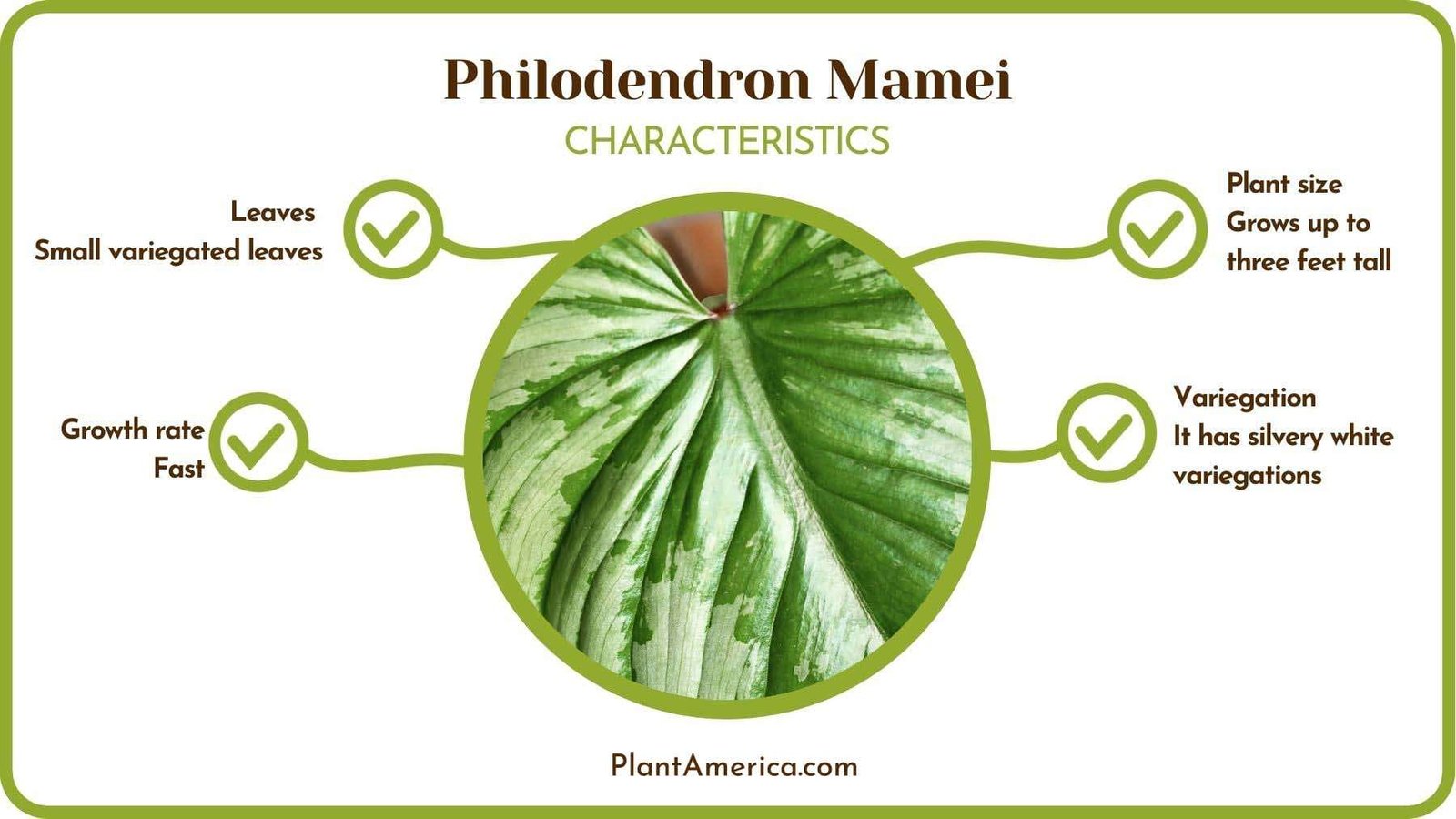
Keep reading this article to help you choose the best philodendron after checking out their differences.
| Features | Philodendron plowmanii | Mamei |
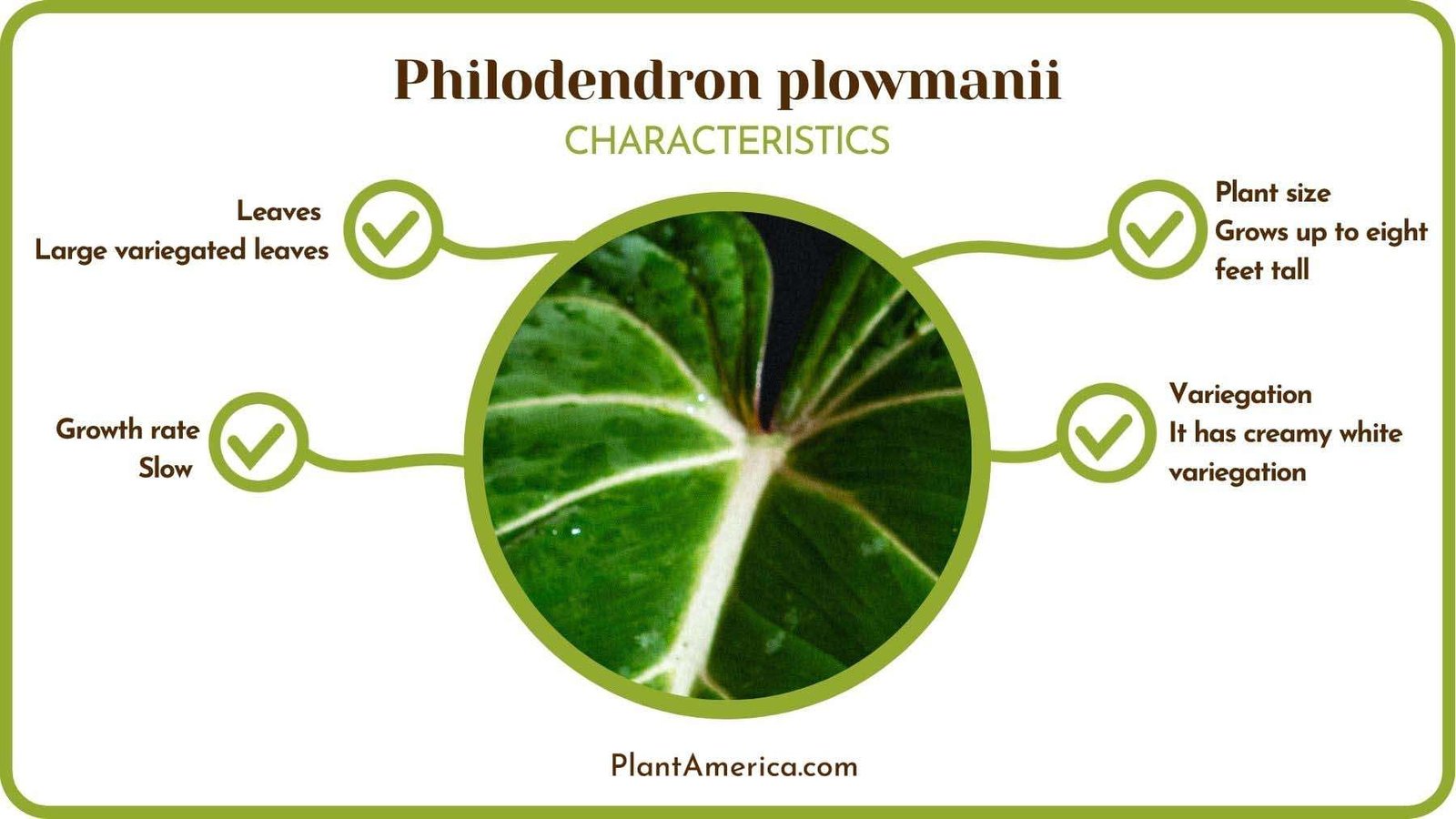
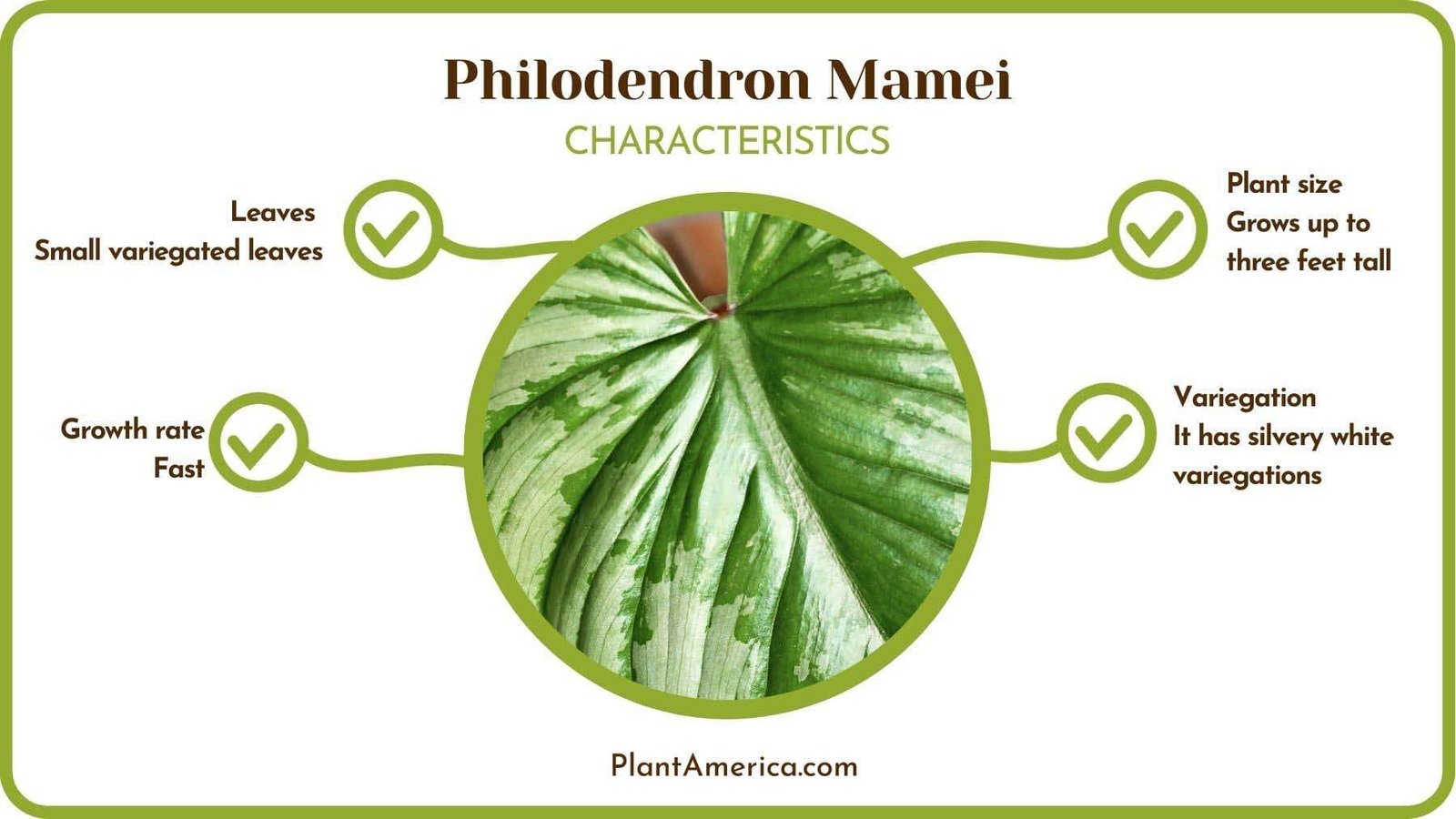
| Leaves | Large variegated leaves | Small variegated leaves |
| Growth rate | Slow | Fast |
| Plant size | Grows up to eight feet tall | Grows up to three feet tall |
| Variegation | It has creamy white variegation | It has silvery white variegations |
What is the Main Difference Between Philodendron Plowmanii and Mamei?
The main difference between philodendron plowmanii vs mamei is the size of the leaves. The two tropical philodendrons have deep, green, and glossy heart-shaped leaves, but those of plowmanii are larger with a more rounded end. Philodendron mamei leaves are slightly smaller with a sharper tip.
Besides the different leaf sizes, the philodendron foliage also looks different. The large plowmanii leaves have widely spaced veins, and you can barely see their secondary veins. When you examine mamei leaves closely, you will notice that the veins are closely spaced, and the secondary veins are visible.
You can also differentiate the leaves from their variegations. The mamei silver cloud has silver-gray variegations making its leaves attractive, but not more than the philodendron micans, which have uniquely velvety leaves. On the contrary, the plowmanii leaves are beautifully variegated with creamy white stripes.
The other difference between these philodendrons is more visible as the plant matures. As the plowmanii grows, it starts having rough edges on the leaves. This is unlike the philodendron mamei, which retains its smooth edges even in maturity.
And talking about the plants’ growth, the philodendrons have varying growth habits. The huge plowmanii are slow growers because they become huge trees. On the other hand, the mamei has a fast growth rate and can double in size in a year.
If you still cannot differentiate the plants as they grow, compare their sizes on maturity. Plowmanii philodendrons are huge and grow up to eight feet, while mamei philodendrons are three feet long.
Exploring Philodendron Plowmanii Features, Growth, and Care
Philodendron plowmanii is one of the unique philodendrons you will enjoy growing, just like the philodendron verrucosum and philodendron majestic. It is a slow grower with few growth requirements, so you won’t worry about repotting it and changing the soil often.
The plowmanii is native to Peru and Ecuador, and plant growers prefer it primarily because of its bigger leaves than other philodendron varieties. The leaves are also differently variegated, with some having creamy colors and others having entirely green foliage to increase your home’s or compound’s aesthetics.
The plowmanii is a unique plant because of its stem. Unlike most other plants with an upright stem, this philodendron’s stem moves around the ground. Its extensive and variegated leaves are heart-shaped, and some have silver streaks. Others are green at the top with a grayish underneath.
Growing philodendron plowmanii is the most straightforward task you will have because of its few care requirements. The plant grows in moist soil, so you can create a watering schedule. Its soil and light requirements are also easily achievable. Some of these growth requirements are;
– Water Requirements
One thing about philodendron plowmanii is that it loves water. The plant thrives better in moist soils and doesn’t do well in dry areas because it is not drought resistant. So, how do I know when my philodendron needs water? Underwatered philodendrons will have stunted growth and can easily be attacked by pests and diseases.
However, even though you should keep your plant moist, do not overwater it. Soggy soils lead to root problems like rot and diseases, which weaken and kill plants. Ensure you water the philodendron one to two times weekly during summer and once weekly in winter.
– Soil Requirements
Growing philodendron plowmanii in good soils is one of the essential care tips. This philodendron appreciates soilless mediums like those with perlite, sphagnum moss, and peat. These mediums create perfect drainage and aeration for healthy roots and plants.
Peat is helpful because it ensures the plant stays moist, which is essential for growth. If you want to fasten the philodendron’s growth, add compost to increase nutrients. Do not plant your plowmanii in sandy soils because they drain fast. Also, ensure that the soil PH is between 4.5 and 6.
– Light Requirements
Plants require light for photosynthesis, and so does the plowmanii. However, this philodendron can do well in low light conditions, but you must show it a bit of light during the day without exposing it to direct sunlight to avoid scorching the leaves.

If you grow the philodendron outdoors, plant it under a shade for sunlight protection. If you grow it indoors, always keep the pot away from windows directly hit by the sun. But don’t keep the plant in the dark rooms to fasten its growth.
– Temperature and Humidity
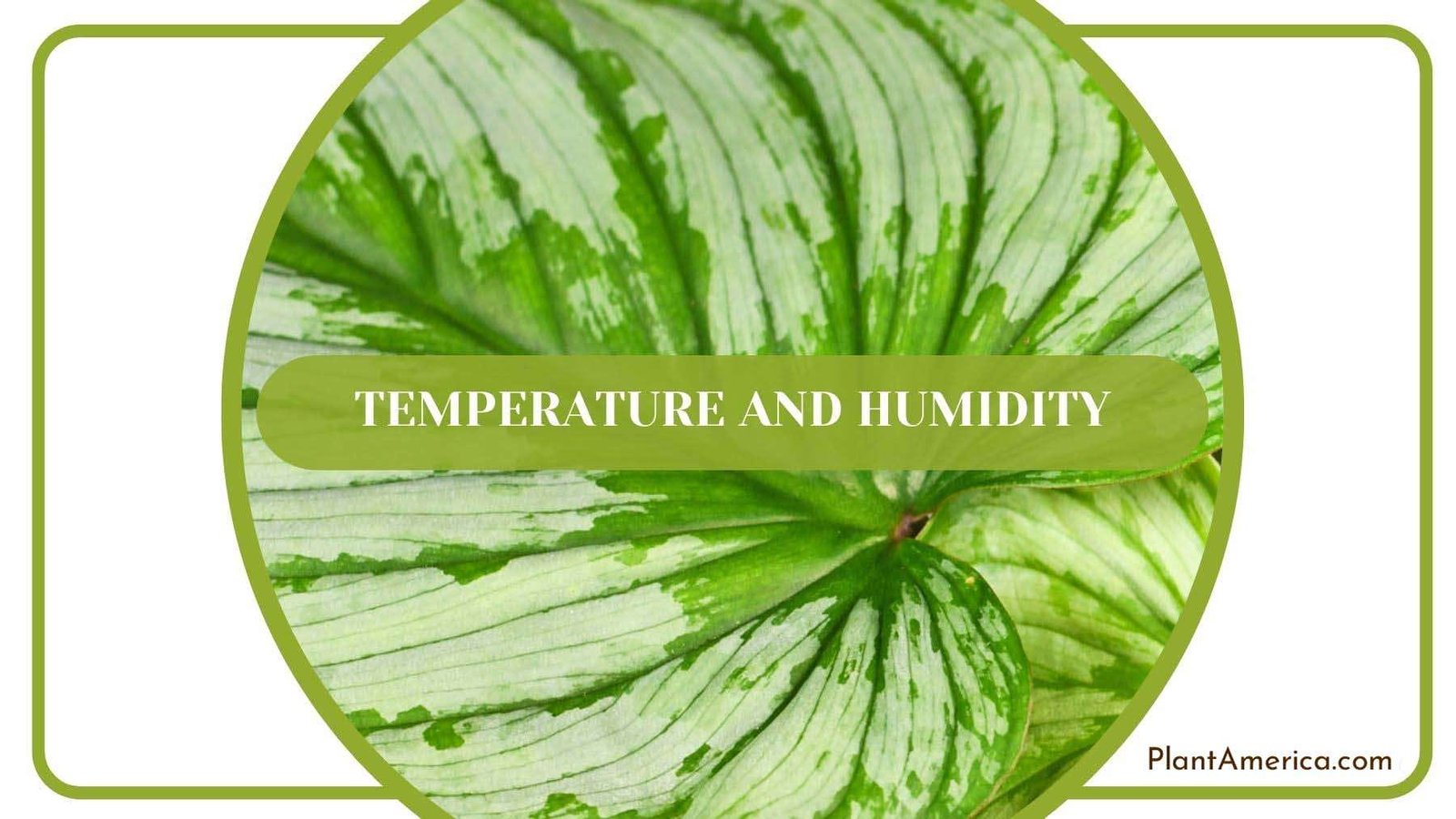
Philodendron plowmanii appreciates warm climates because it is native to tropical areas. The temperatures should always be between 55- and 85 degrees Fahrenheit. Lower temperatures than 55 degrees will slow its growth. Therefore, if you experience extremely cold winters, this is not an ideal plant to grow. Alternatively, you can keep it indoors.
Plowmanii plants require high humidity to thrive. Always maintain a humidity of 60 percent and above to keep it thriving. If the humidity levels are lower, you can buy and install a humidifier or mist your leaves with water.
– Plowmanii Propagation
You can propagate plowmanii by planting the stem cuttings. Use a clean, sharp blade to get the healthiest cuttings, and ensure each has one or two leaves. Put the cuttings into the water, leave the leaves outside, and wait until they start showing roots. Once your plants are ready, transfer them to a permanent peat and sphagnum moss container and provide plant care.
Exploring Philodendron Mamei Features, Growth and Common Pests
Building your houseplant collection by adding a philodendron mamei to the varieties would be the best decision. This leafy indoor plant can be grown outdoors under the right conditions. The mamei is native to tropical hardiness zones 9-11, specifically South and Central America, like philodendron Melanochrysum.
Its big and heart-shaped leaves with silver variegations increase the plant’s beauty, making it a first choice for most homeowners. Besides adding indoor aesthetics, the plant improves air quality by filtering formaldehyde.
However, the mamei is better grown on high shelves because the leaves are toxic to humans and pets, like philodendron gloriosum. They have calcium oxalate crystals that can irritate the mouth and stomach. Also, you must protect the plant from spider mites and gnats.
– Water Requirements
Mamei appreciates wet environments compared to soggy and waterlogged soils. You can water it twice every week during summer to keep it thriving. Before watering, always check the first top inches of the soil for water content to avoid overwatering.
Besides, too much water is dangerous to mamei. It leads to root rot and will show weakness in the leaves by turning yellow. Underwatering this plant leads to brown edges on the leaves and slow growth.
– Soil Requirements
You must grow the mamei in the right potting mixture to get the watering right. The plant prefers a well-draining and airy mix to keep the roots healthy. Do not use clay soil because it doesn’t drain well and is not airy. Sandy soil is also a poor option because of its large particles that drain water faster.
Another thing to consider in the potting mix is the soil PH. Mamei does well in PH between 5.6 and 7.5. You can also increase the potting mix nutrients using organic manure like compost. You can also add vermicasts and biochar to increase microbial movement in the soil.
– Light Requirements
You will have an almost philodendron mamei if you grow it in bright indirect light. This is made possible by placing the indoor plant next to a window that receives filtered sunlight or in a sunny corner of the house.
If you grow this philodendron outdoors, plant it under tall trees for enough shade and filtered light. Exposing it to full sunlight scorches the leaves, leaving them with black marks, which lead to the loss of the beautiful silvery patterns.
– Temperature and Humidity
As a tropical plant, philodendron mamei that requires warm temperatures to thrive. Grow it in areas with temperature ranges between 65 to 80 degrees Fahrenheit. Temperatures below 65 degrees will cause slow or stunted growth, while high temperatures will scorch the plants.
If you experience extreme winters, consider moving your plants indoors to protect them from frost. You should also expose the plants to humid areas for fast growth. Maintain the humidity levels between 60 and 80 percent.
– Pruning Mamei
Mamei plants don’t grow overcrowded leaves and won’t need frequent pruning. However, you must remove infected leaves from diseases. Ensure you use a sharp and sterilized knife or scissors not to infect the plant. You can also cut your mamei to your desired size to make it more beautiful.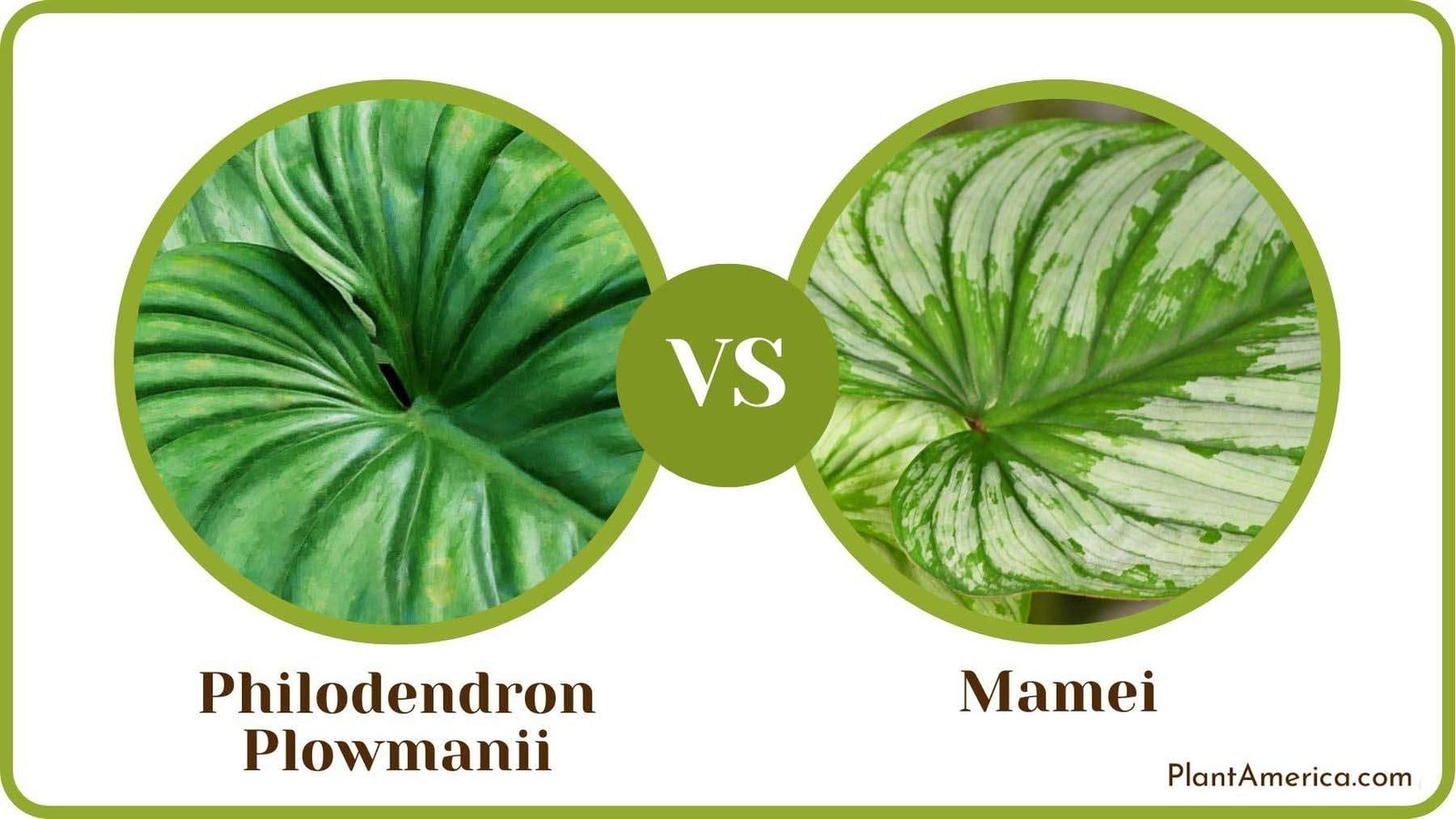
References