
Brown tips on agave plants should be a sign of concern and understanding your plant will help you revert this issue. Browning tips on agave can happen for many reasons too.
The factors almost always include problems with overwatering and environmental factors. Sit back as we break it all down and bring you all the best cures for your browned-up Agave.
Why Does Your Agave Plant Have Brown Tips?
💥 Your agave plant has brown tips because of too much watering, lurking fungal invaders, sneaky pests, being exposed to too much scorching sun, or exposure to extreme temperatures. Make sure to give your plant the ideal environmental conditions it needs to thrive.
The agave plants can hoard water in their leaves and are considered nature’s champions in surviving the harshest of arid landscapes. But even these sturdy survivors can fall prey to many challenges, causing their once-green leaves to take on an unsightly shade of brown.
Let’s first get to the root of the issue — examine your plant close up and determine the cause before you can revive your agave’s vibrant green glory!

– Watering Issues
Among the top culprits behind those unsightly brown leaves, overwatering takes the spotlight. When the soil becomes a soggy quagmire, it creates the perfect breeding ground for root rot and other fungal troubles. But don’t swing to the other extreme, because underwatering isn’t completely off the hook either – it too can leave your leaves parched and brown.
The secret lies in the delicate dance between these two extremes. You need soil that’s both a tad thirsty and excellent at saying farewell to excess water. We’ll let you know how to strike that balance and be the keeper of lush, green agave leaves!
– Sunlight Exposure Gone Bad
Agave plants are natural sun-worshippers, but even their love for the sun has limits. When they’re subjected to relentless, unrelenting sunlight, those vibrant green leaves can start to wear the tan of sunburn, ultimately they will turn brown.

To keep your agave looking its best, consider offering a little respite during the sun’s peak intensity. You can find more on light management below!
– Other Environment Factors
Agave are specialists in hot and arid habitats, well-equipped to withstand scorching conditions. However, they can be harmed by temperature lows. When the mercury takes a dip below 50 degrees Fahrenheit (10 Celsius), these rugged succulents may have their leaves turning yellow and brown. Conversely, when humidity levels spike, the risk of fungal infections increases, adding another shade of brown to the palette.
– Transplant Shock
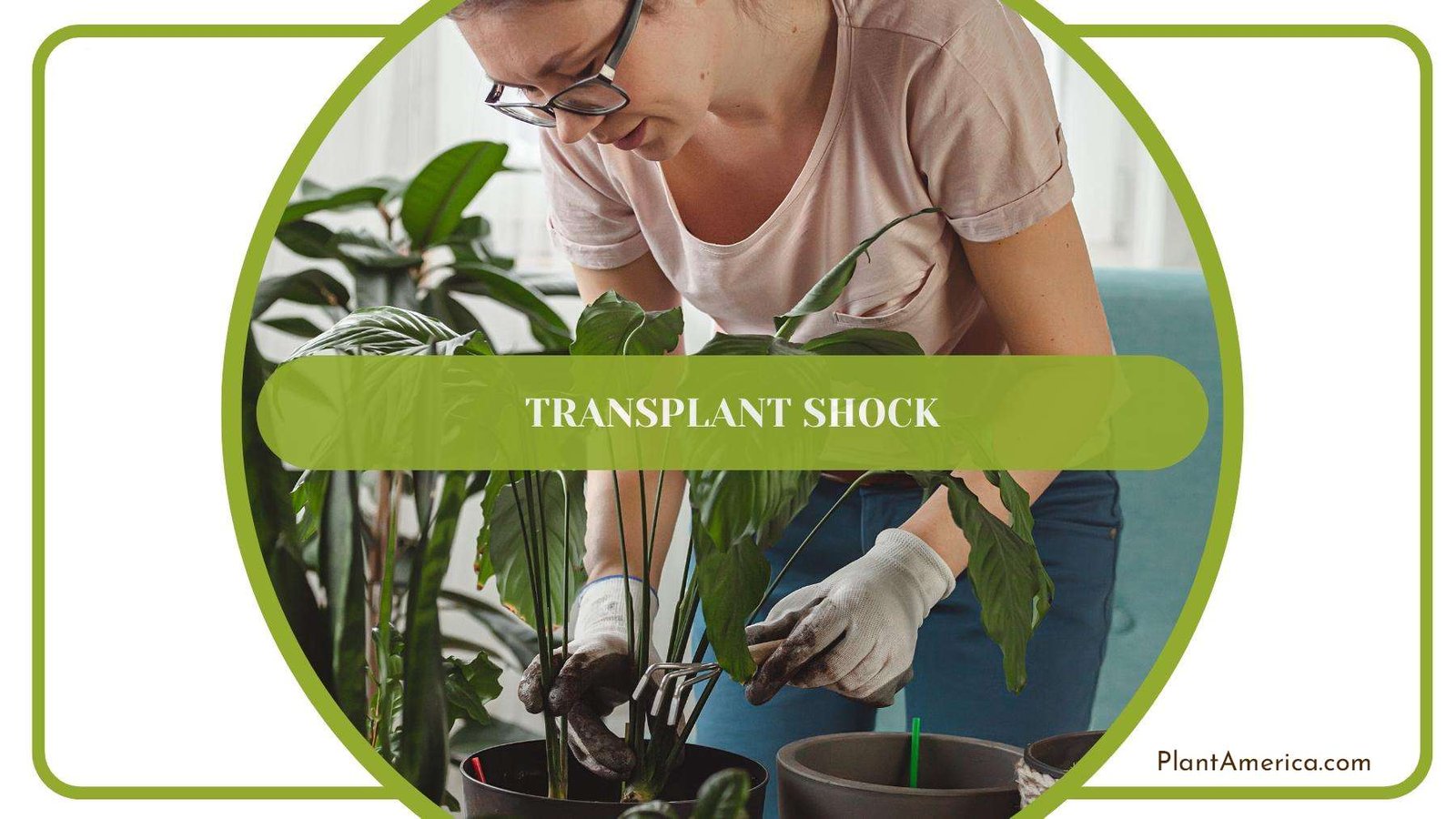
When your potted agaves start feeling a bit cramped or outgrow their container, it’s time to consider a change of scenery. But beware — if you don’t handle the transplant with care, you risk subjecting your agave to a bout of transplant shock. This is agave’s 6wn version of stress, and it might manifest in wilting or leaves taking on a worrisome yellow tinge.
– Disease
When the roots of your agave are in a state of decay, they lose their ability to absorb the essential nutrients and water crucial for healthy growth. Consequently, the once-vibrant leaves take on a sickly yellow hue.
One common instigator of root rot is excessive watering. Alongside the yellowing leaves, your agave may show signs of wilting, and unless prompt action is taken, it could meet its demise within a matter of weeks.
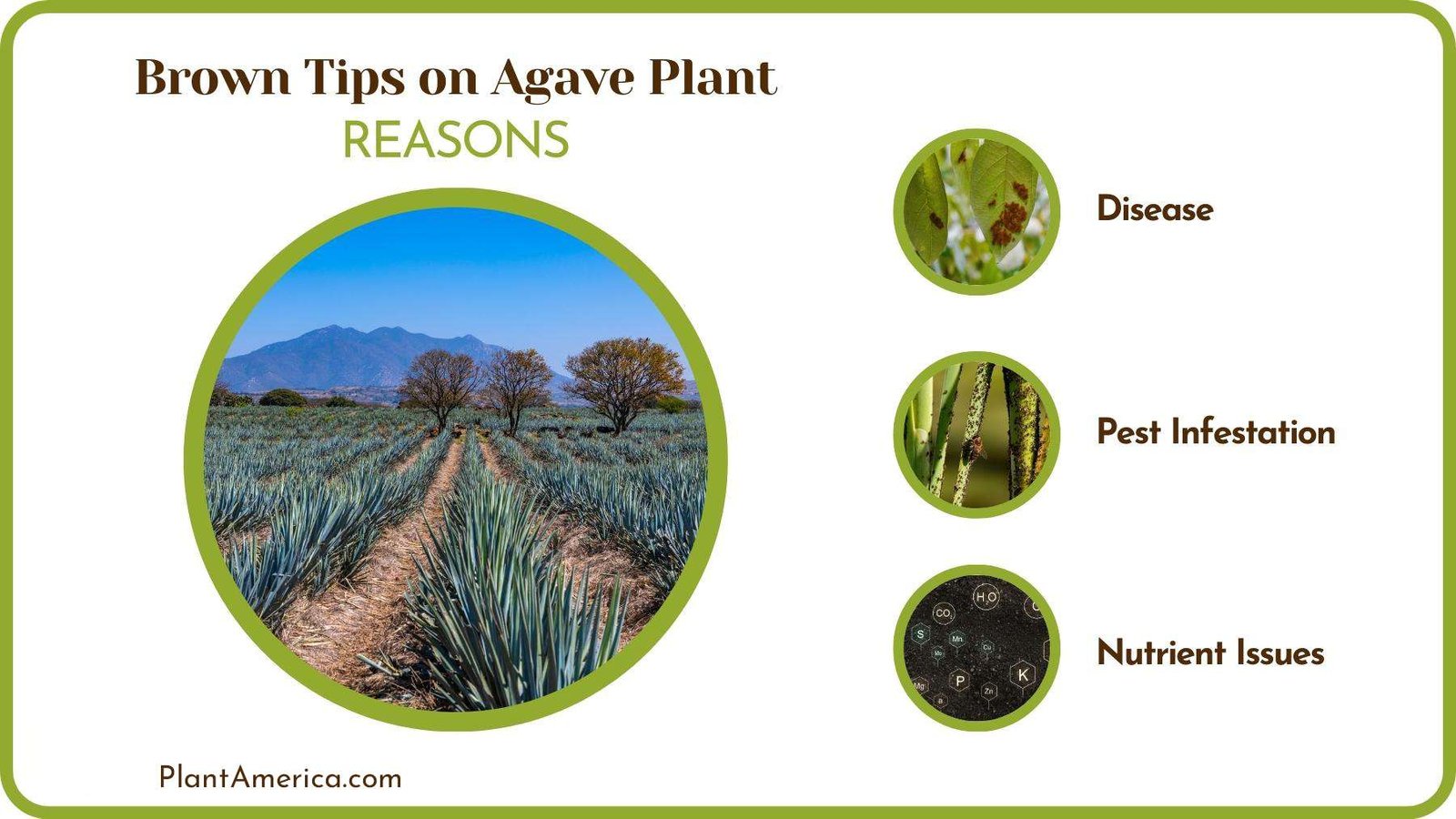
Crown rot, on the other hand, emerges due to several factors, including overwatering, heightened humidity, and the intrusion of pathogens like the bacterium Erwinia and the fungus Fusarium in the soil. When this blight takes hold, the lower segments of your agave will first exhibit yellowing, eventually browning, accompanied by wilting leaves that signify the plant’s unfortunate demise.
– Pest Infestation
Unwanted visitors from the insect world, such as the agave snout weevil and bothersome sap-suckers like spider mites, aphids, and mealybugs all have the power to cast a shadow of discoloration upon your agave leaves.
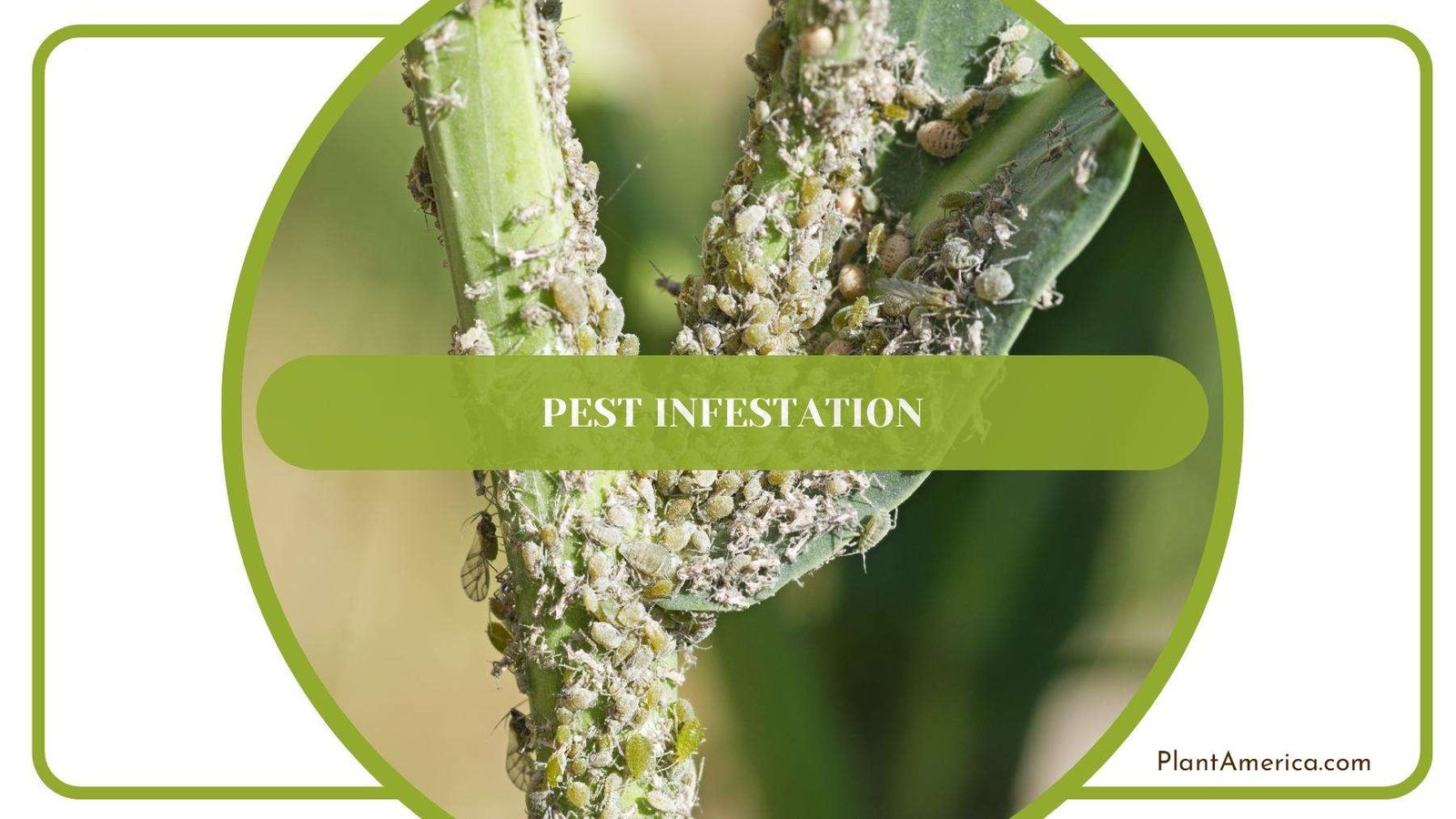
The invasive habits of these common pests introduce harmful bacteria into the plant while munching on it.
– Nutrient Issues
A deficiency in essential nutrients is yet another trigger for those unwelcome brown shades in those meaty leaves. These hardy plants have a hankering for well-rounded fertilizer, especially one rich in nitrogen.
When the nitrogen levels fall short, you might find your leaves sporting a less-than-flattering yellow-brown look. To keep your agave in the peak of health, consider a monthly fertilizing routine during its growth season.
By tackling these common problems behind those unsightly brown leaves, you’ll be the guardian of a vibrant and robust plant.
How To Treat a Brown-Tipped Agave Plant
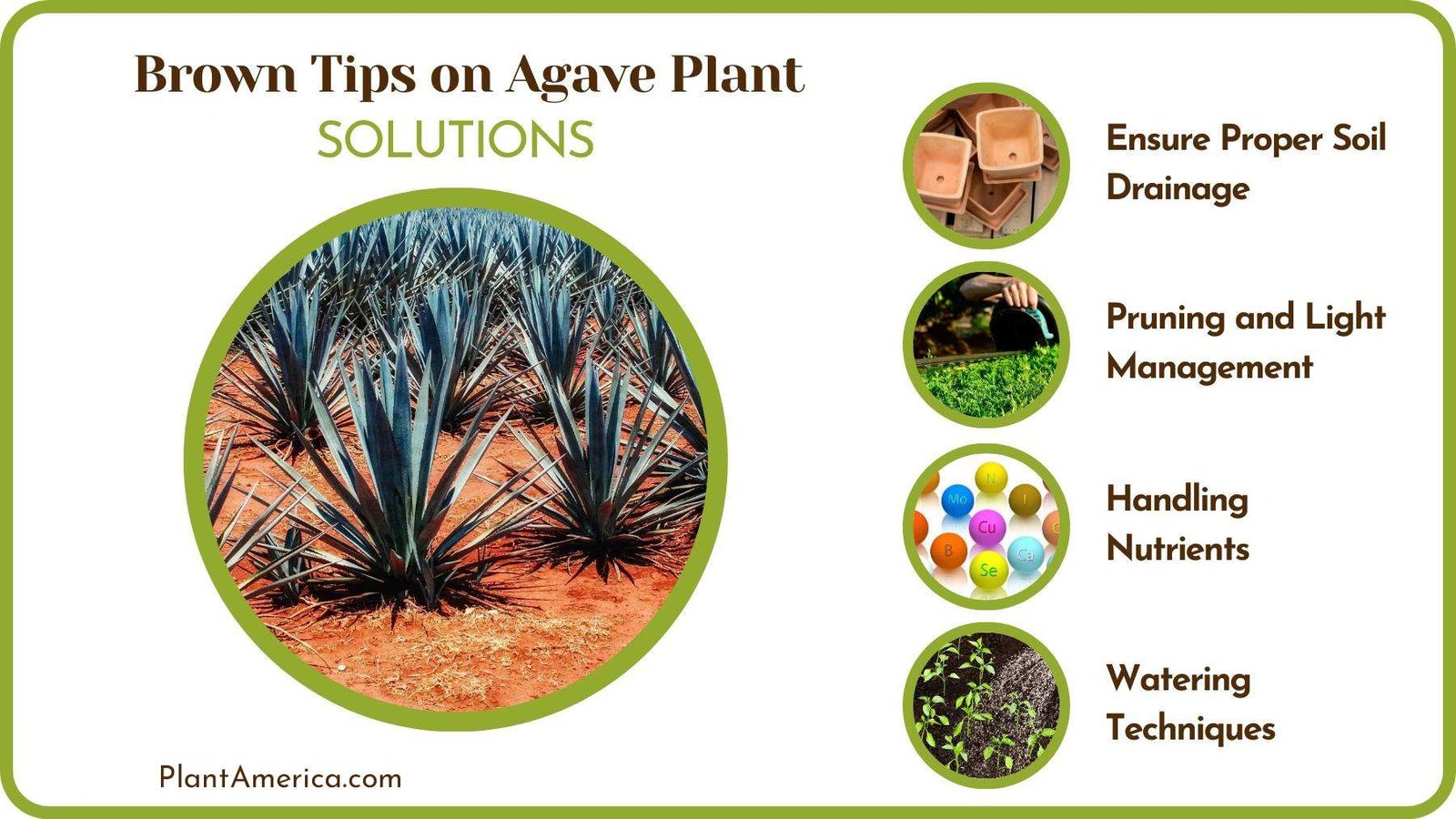
You can treat a brown-tipped agave plant by embracing a set of preventive measures, such as nurturing the right soil and maintaining excellent drainage. Pruning and managing sunlight exposure, staying on top of nutrient needs, and adopting wise irrigation practices are crucial steps to keep those leaves in their vibrant green glory.
– Ensure Proper Soil Drainage
To keep your plants thriving and steer clear of rot and the perils of overwatering, the secret is in the soil. Opt for a blend of sand, gravel, and organic matter that’s like a speedway for water drainage.
Don’t forget to play it safe with sterilized soil to ward off the specter of diseases and pest attacks on the roots.
– Pruning and Light Management
Pruning is a crucial chore for agave care, helping you bid farewell to the deceased or yellowing leaves while maintaining the plant’s size. Agaves adore basking in the sun, but too much of a good thing can lead to those undesirable brown leaves.
So, consider granting your plant a touch of shade during the peak hours of the day to shield it from the potential scorch of sunburn.

– Handling Nutrients
Agaves aren’t voracious feeders, but a dash of nutrients is the key to successful plant care. Opt for a gentle, slow-release fertilizer with nitrogen, phosphorus, and potassium, and apply it just once a year during the growing season.
A word of caution here — too much of a good thing can lead to those pesky brown leaves, so make sure to stick to the dosage instructions on the package to keep your agaves in the pink of health.
– Watering Techniques
Agaves, the champions of drought resistance, have a rather frugal water requirement. Excess water can spell trouble, causing those once lush leaves to take on an undesirable brown and mushy look.
To keep your agaves content, give them a deep but infrequent watering schedule, allowing the soil to enjoy some dry time in between. And what about the secret weapon? A well-mulched soil that’s skilled at retaining moisture and fending off evaporation.
– Treatment for Overwatering
When your agave leaves start to display unusual colors you need to give the plant immediate attention. Typically, if about a third of the plant shows signs of discoloration, there’s yet hope for recovery.
Commence by removing any severely damaged leaves. Those with minor spotting or slight discoloration may have a chance at recovery, but brown, black, and burst leaves should be pruned away.
Uproot your agave or extract it from its container, then gently rinse off as much soil from the roots as possible. Examine the roots for any indications of rot, which might manifest as dark brown to black discoloration, mushiness, or a foul odor.
Using a sharp, sterile knife, cut away the diseased roots. Remember to sterilize the knife between each cut to prevent the spread of disease.
Submerge the remaining roots in a solution of one part bleach to 10 parts water for 30 minutes. This treatment will eliminate the source of the rot, which could be due to various fungal or bacterial strains. After soaking, allow the plant to rest in a warm, dry location for a few days to facilitate drying.
Finally, repot your agave in a fresh container using a new potting medium or a different section of your garden. Avoid using any fertilizer for a good few months to allow the roots to heal and begin regrowth.

– Chemical Treatments
Brown leaf spots on those leaves often point to the presence of anthracnose fungus, a frequent culprit in such cases. If you suspect a fungal infection is at play, fret not – a fungicide can come to the rescue.
One effective fungicide for tackling anthracnose fungus is thiophanate methyl. Combine thiophanate methyl with water as per the manufacturer’s recommendations, and apply the mixture to the affected leaves, ensuring thorough coverage.
Repeat this application process every two weeks until the fungus is well under control. By consistently following these steps, you can effectively combat anthracnose fungus and safeguard the health of your agave plant.
– Natural Options
For those inclined toward natural remedies for dealing with brown spots on agave plant leaves, there exists a variety of alternatives to explore.
Neem oil is a natural insecticide renowned for its effectiveness against a diverse array of pests. To utilize this eco-friendly solution, adhere to the manufacturer’s guidelines for mixing the neem oil with water and gently apply it to the affected leaves. For optimal results, make this application a bi-weekly ritual until the pests are fully in check.
Whether your preference leans towards fungicides, insecticides, or natural remedies, meticulous adherence to the manufacturer’s instructions is the golden rule for securing the finest outcomes.

Conclusion
These tropical plants stand out as striking and resilient additions to any landscape. However, when the telltale brown tips appear, it’s a sign that something has gone awry.
- Diverse factors contribute to this issue, from overwatering to environmental challenges, fungal infections, and pest attacks. Armed with this knowledge, you’re now better equipped to address the problem head-on.
- The journey towards revitalizing your agave starts with the basics, including optimizing soil drainage, mindful pruning, managing sunlight exposure, and prudent nutrient management.
- Severe overwatering can be handled by severely damaged leaves while keeping those with minor spotting. Uproot your plant, examine the roots for rot, trim diseased roots with a sterilized knife, soak the remaining roots in a bleach solution, let the plant dry for a few days, and repot in fresh soil.
- For fungal issues like anthracnose, use a fungicide like thiophanate methyl, applying it every two weeks. Natural remedies such as neem oil can also combat pests when applied regularly.
Let’s all bid farewell to those brown leaves, and welcome back the vibrant green glory of your agave!