
Indoor plants for oxygen without sunlight, we’ve got you covered with fabulous easy breathing options that don’t require direct sun exposure. Living with low light levels shouldn’t mean giving up on the air-purifying benefits of green housemates.
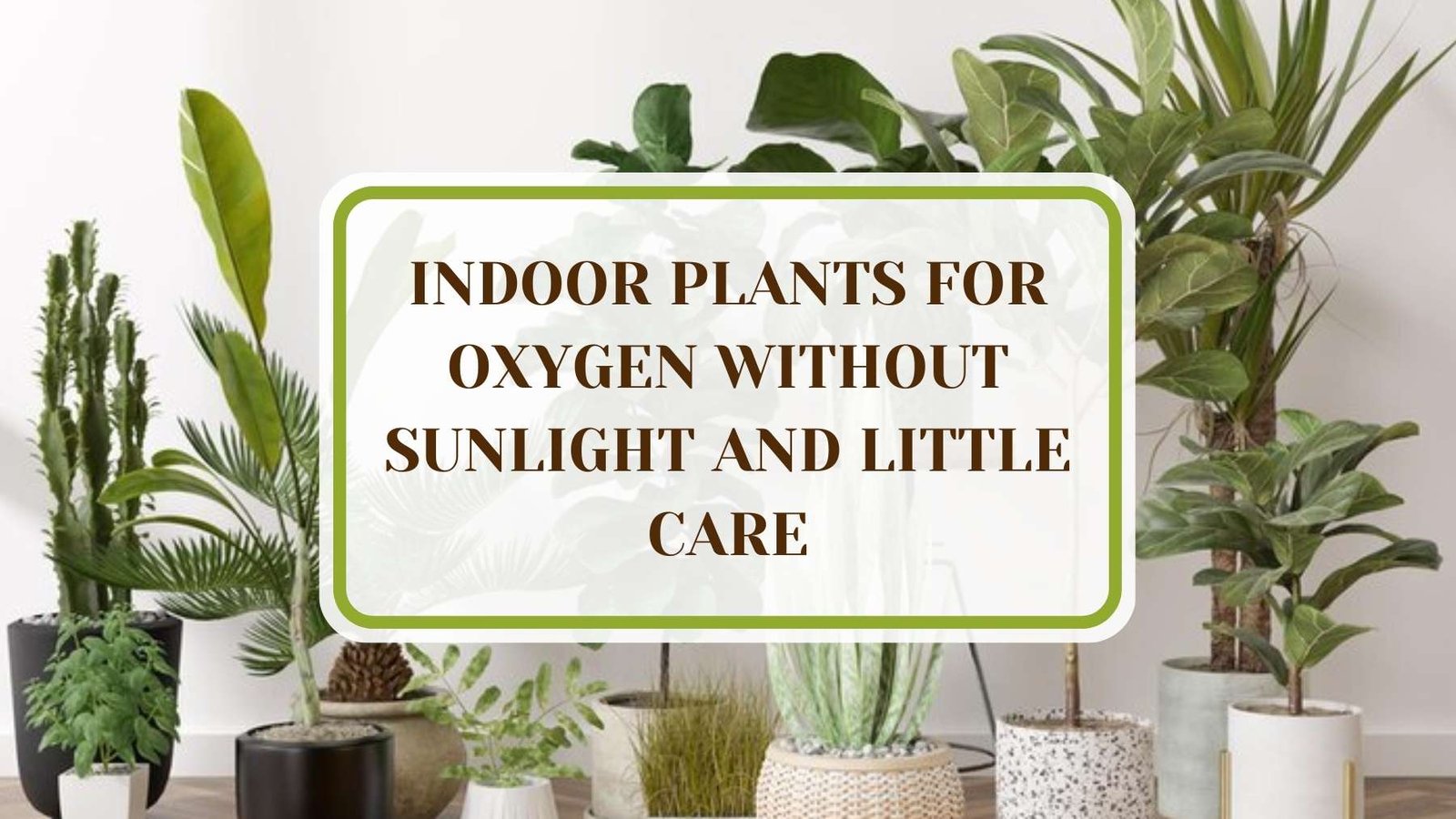
In this post, we’ll introduce you to a selection of low-maintenance plants ideally suited to darker corners and spots away from windows. Keep reading to discover four top picks for any low-light space, plus care tips that are as simple as watering a plastic plant.
Indoor Plants for Oxygen Without Sunlight with Minimal Care
1. Spider Plant
- Growing Season: Year-round, Spring, Fall
- Leaf Shape: Long strappy, White specks, Small spider-like plantlets
- Specific Needs: Low light, Moderate water
- Common Pests: Mealybugs, Scale
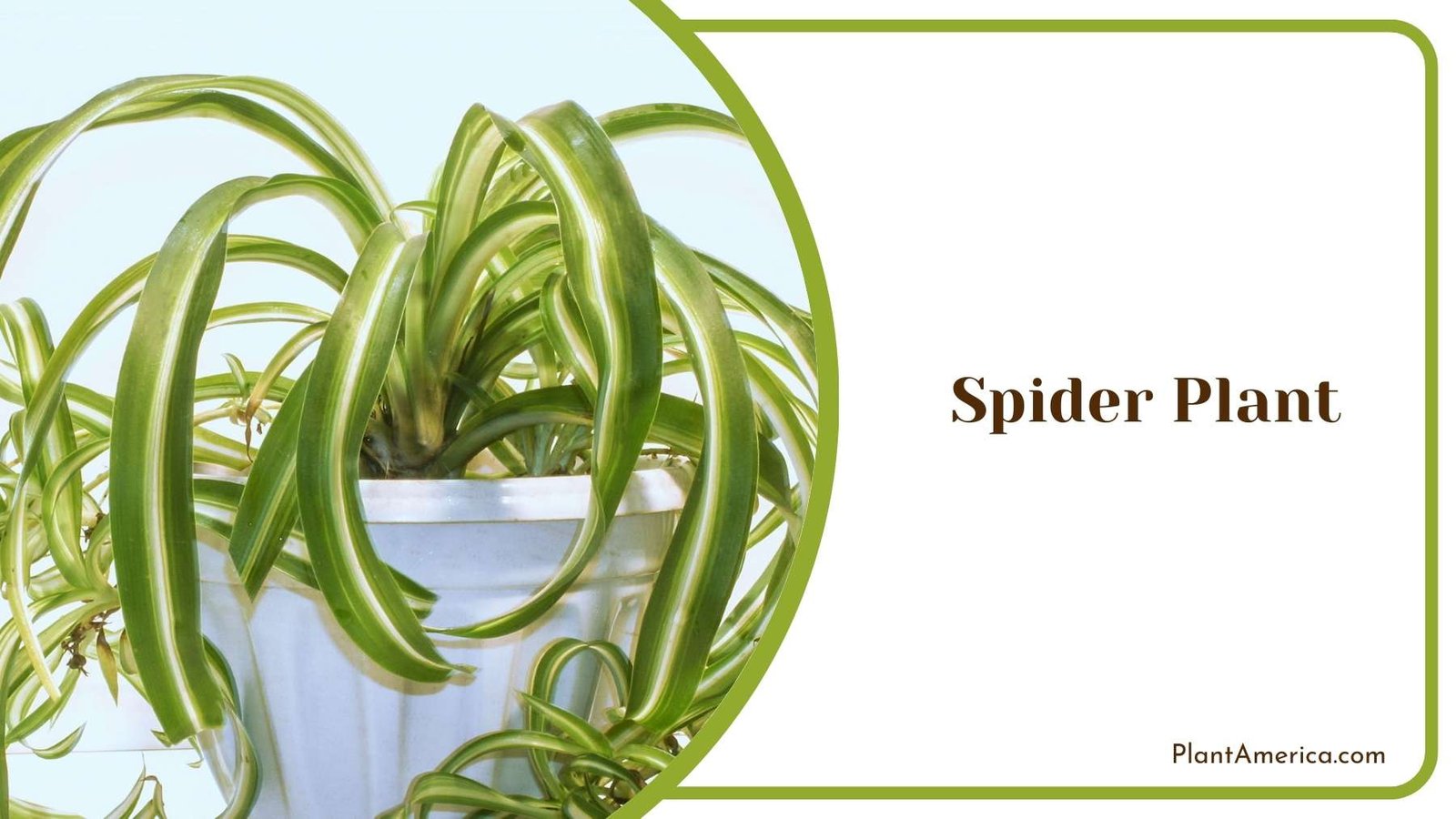
The spider plant is a versatile indoor air-purifying plant that thrives with very little sunlight. Known for its long, thin green leaves resembling spider legs dangling down from the central stem, this hardy plant is well-suited for low-light areas inside the home.
The spider plant can clean benzene and formaldehyde from the air passively through its natural respiration processes, making it an excellent choice to position near work areas where indoor air quality is important.
Care for the spider plant is straightforward. Water only when the top inch or so of soil is dry, and place in an area with indirect sunlight if possible. Within its leaves, spider plants produce plantlets that can be easily removed and repotted to propagate new plants.
This trait allows the spider plant to be freely shared with others looking to add more greenery indoors. Overall the spider plant is low maintenance while actively improving indoor air quality through phytoremediation. Its unusual appealing appearance makes it a conversation-starting choice for any home or office.
2. Snake Plant
- Growing Season: Year-round, Spring, Fall
- Leaf Shape: Long, Rigid, White stripes
- Specific Needs: Low light, Moderate water
- Common Pests: Mealybugs, Scale
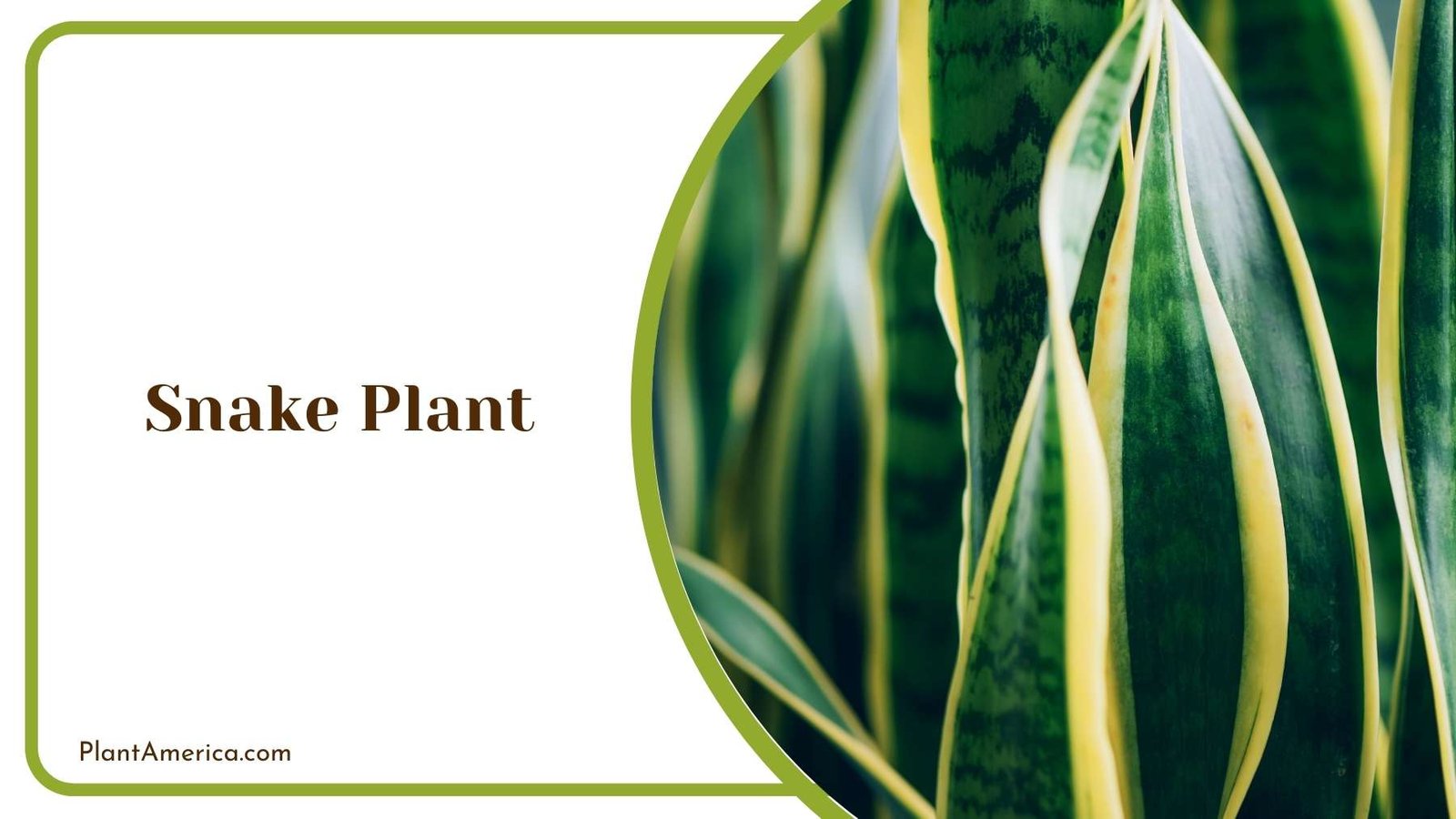
Often referred to as mother-in-law’s tongue for its stiff, sword-like green leaves with white stripes, the snake plant is another excellent low-light indoor air purifier. Able to thrive with minimal water and sunlight, the snake plant is extremely durable and tolerant of varied conditions. It removes formaldehyde from the air and regulates humidity levels in its environment.
Care of the snake plant is also simple. Water only when the top couple inches of soil are dry, approximately every couple of weeks. It prefers slightly drier soil and should be potted in a well-draining potting mix.
Snake plants grow relatively slowly, making them suitable for placements in offices or homes where frequent repotting is not desired. Their upright sword-like leaves add architectural style to any space. With proper care snake plants can live for many decades, actively improving indoor air quality the entire time with very little ongoing maintenance needed from their owners.
3. Pothos
- Growing Season: Year-round, Spring, Fall
- Leaf Shape: Heart, Oval, Long pointed
- Specific Needs: Low light, Moderate water
- Common Pests: Mealybugs, Scale
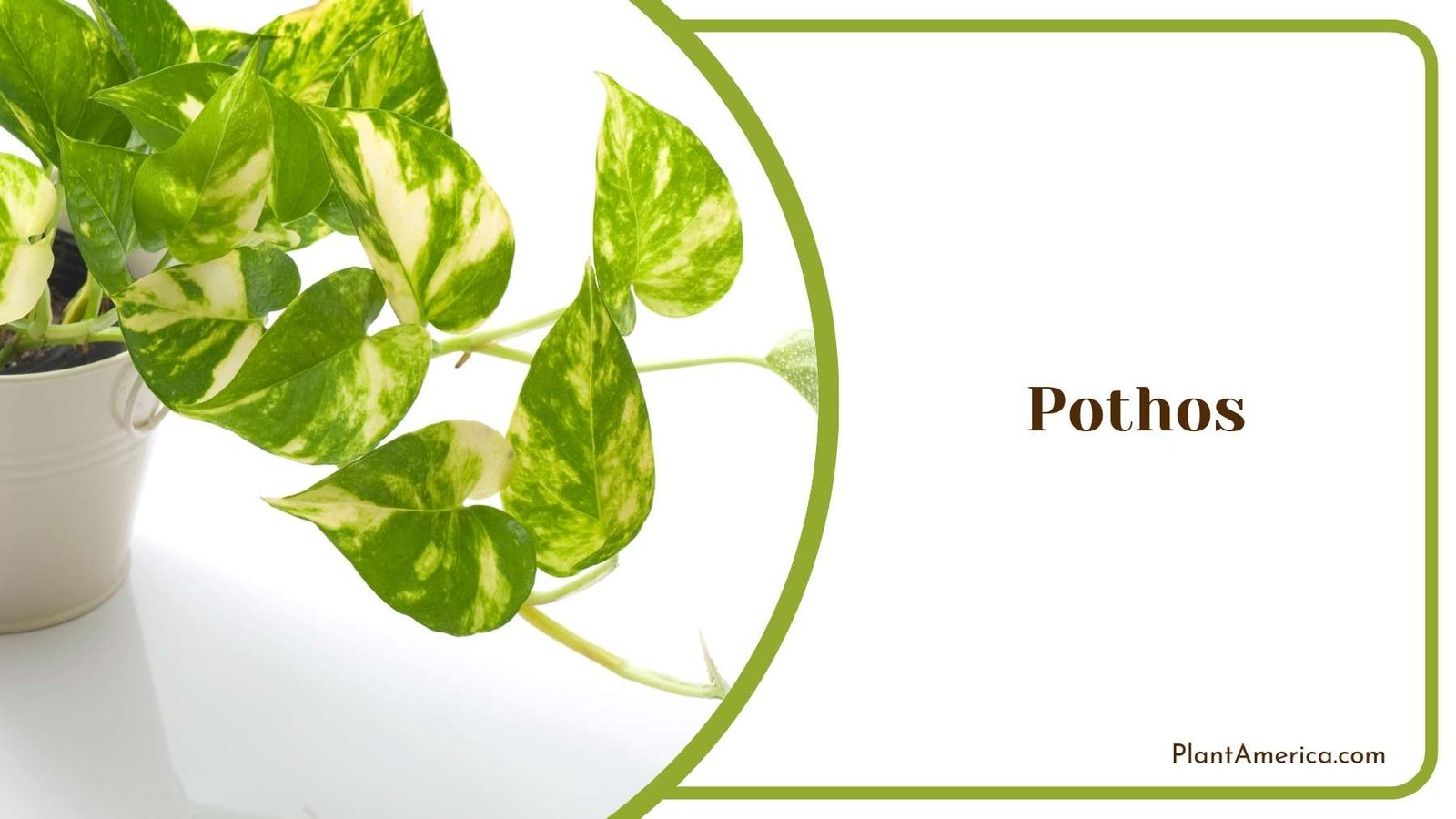
Pothos, also known as devil’s ivy, is a popular trailing or compact vine well-suited to improving indoor air quality. Its heart-shaped leaves come in various attractive colors and patterns, from solid green to variegated shades of white and yellow. Notable for its extreme tolerance of low-light conditions, pothos can thrive far from windows or other natural light sources.
This plant removes harmful benzene from interior spaces and helps regulate humidity levels. It grows best in pots with drainage and a well-draining soil mix. Due to low maintenance needs, pothos makes an excellent choice for busy homeowners. Clippings from mature plants may also be propagated directly in water to create new plant babies.
Varieties like golden pothos decorate homes across the country with their graceful vines and clear air-purifying power requiring minimal care. Overall, pothos serve as a durable workhorse for enhancing indoor spaces naturally.
4. English Ivy
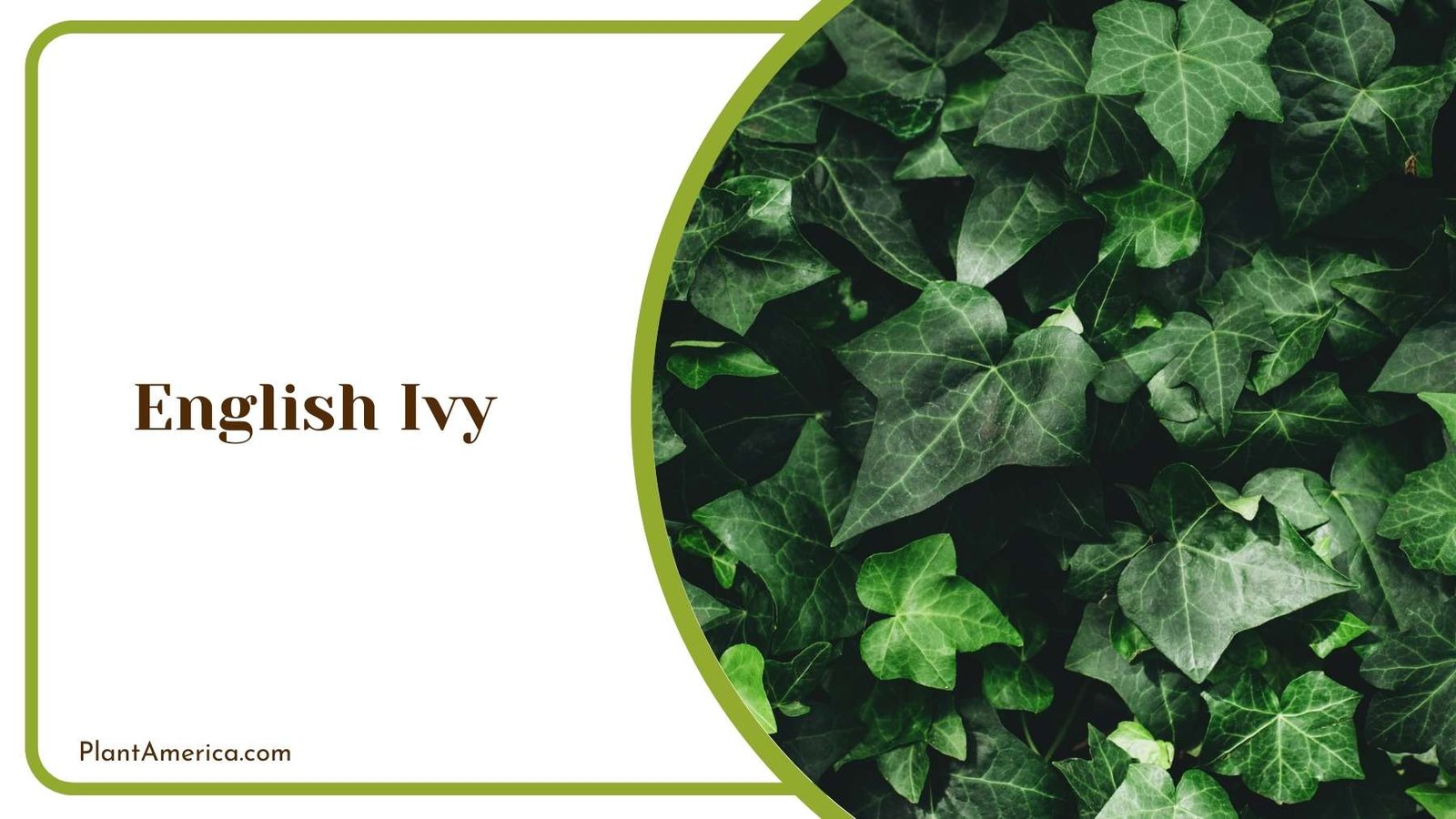
- Growing Season: Year-round, Spring, Fall
- Leaf Shape: Heart, Triangular shaped
- Specific Needs: Low light, Moderate water
- Common Pests: Mealybugs, Scale
English ivy is well-suited to purifying indoor air through its efficient photosynthesis. With its dark green leaves and woody vines, this evergreen trailers beautifully around any space. Optimal care involves locating English ivy in partially shaded areas away from direct sun, such as beneath shelves or trailing on bookshelves.
Its vine-like tendency allows creative positioning nearly anywhere vertical surfaces or fixtures exist. Though sturdy, English ivy still removes toxins like benzene and formaldehyde from inhabited spaces passively through natural metabolic processes. Simple care involves watering just enough to prevent leaves from drying out, every 7-10 days.
Over time, property owners have discovered English ivy’s ability to sustain itself indoors with minimal requirements. Terracotta or similar porous pots encourage sufficient drainage while enhancing the plant’s visual appeal. English ivy brings verdant texture everywhere it grows.
5. Jade Plant
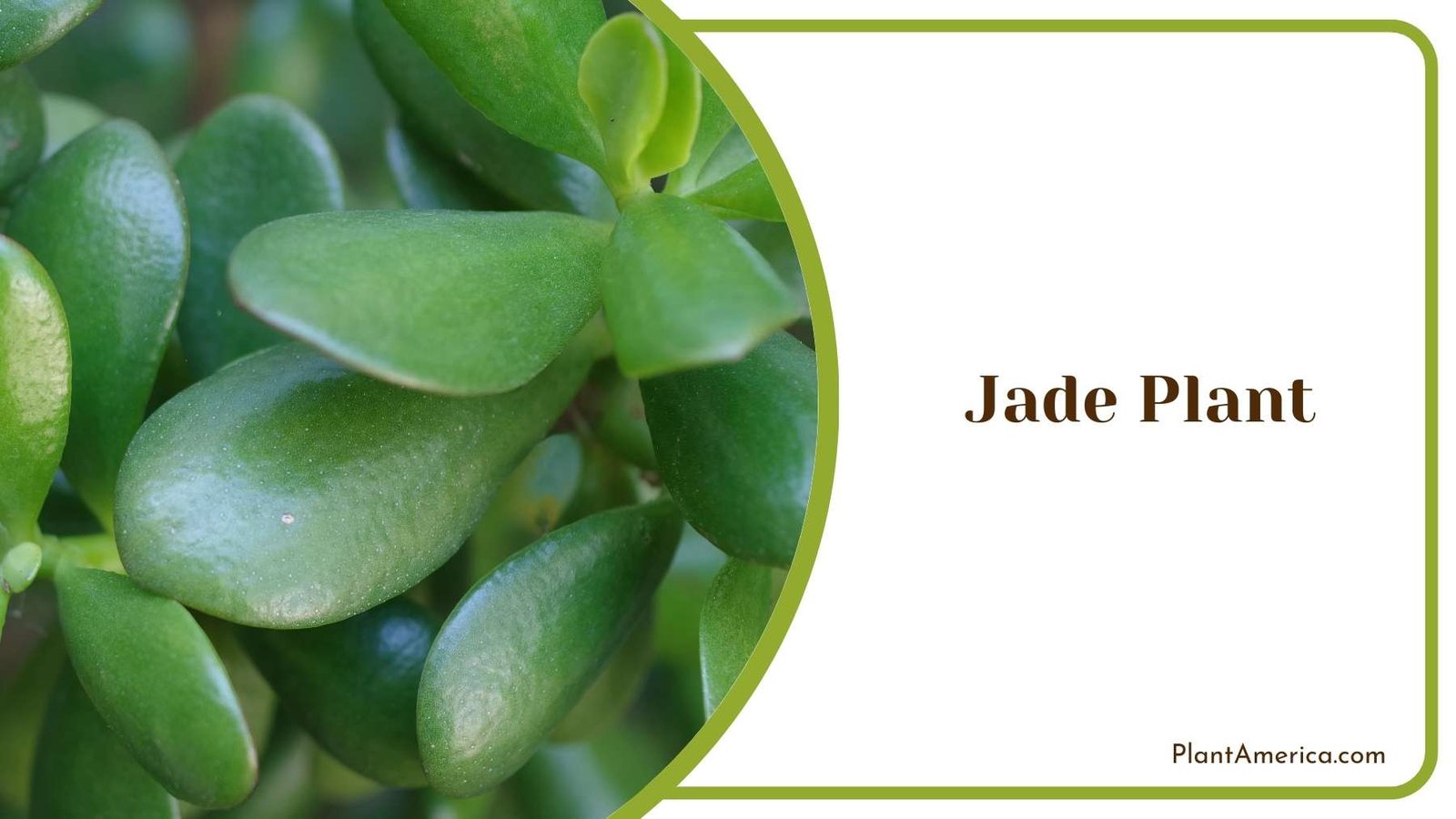
- Growing Season: Year-round, Spring, Fall
- Leaf Shape: Thick, Succulent
- Specific Needs: Low light, Moderate water
- Common Pests: Mealybugs, Scale
The jade plant’s thick succulent leaves hold water well, allowing it to thrive on infrequent watering. Its dark green oblong foliage forms compact clumps with time. Commonly known for its ability to filter chemicals like trichloroethylene and xylene from indoor air. Jade plants originated in hot, dry climates so enjoy bright light but do fine in windows receiving only morning or evening direct sun.
Though slow-growing, jade plants are quite durable and disease-resistant. They remove volatile organic compounds through natural metabolic functioning. An excited collector may find over one hundred cultivars with leaves ranging from straight to wavy shapes in colors from yellow to red-tipped. Their longevity made jade plants symbolic of prosperity, health and protection in ancient folklore.
Even in gloomy corners, a jade plant’s waxy leaves add lush texture to any modern living space while passively improving indoor air quality through trichloroethylene absorption. Their storied history and minimal needs make these succulents a perfect choice for all types of indoor areas.
6. Philodendron
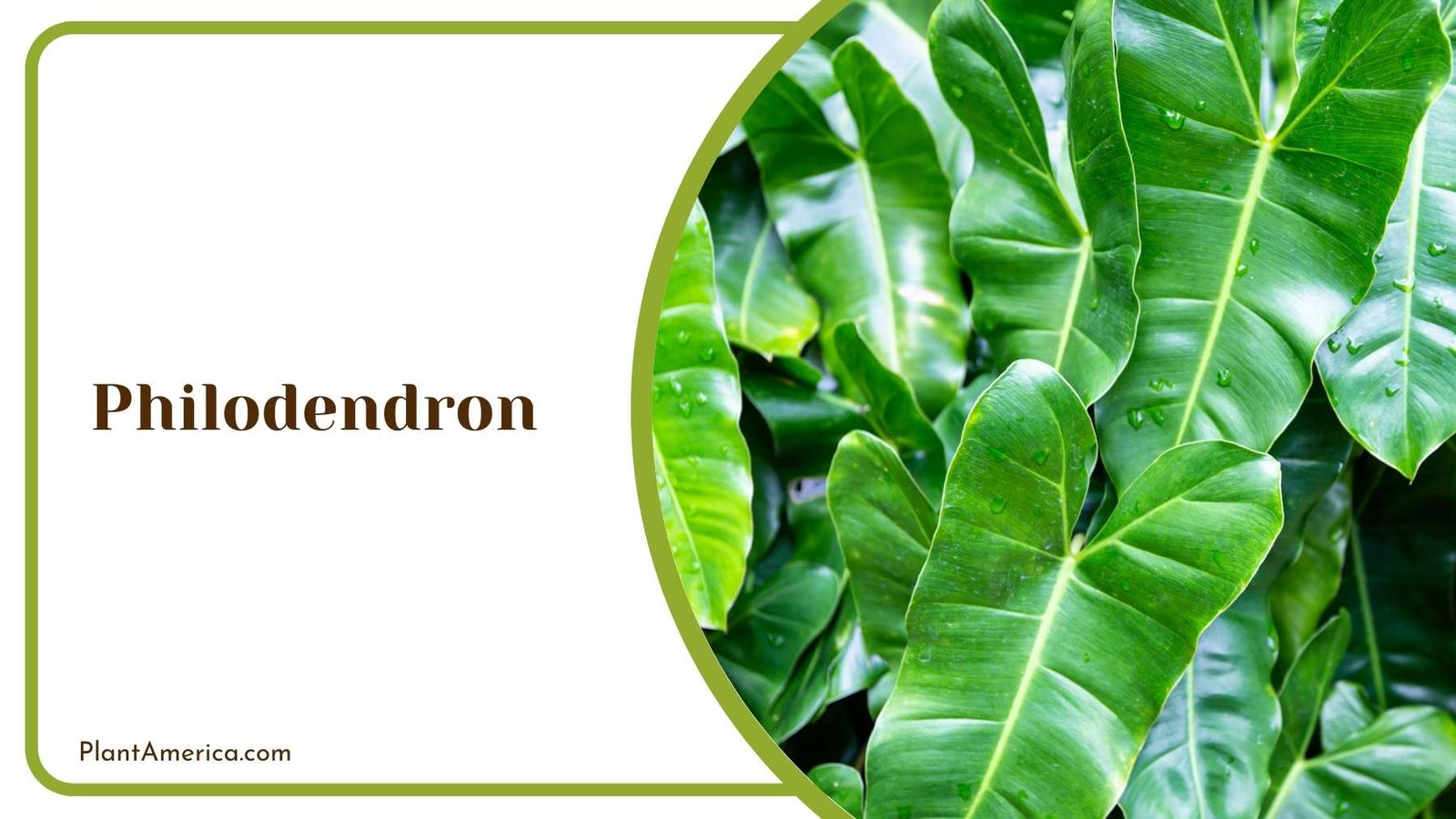
- Growing Season: Year-round, Spring, Fall
- Leaf Shape: Oblong, Arrow shaped
- Specific Needs: Low light, Moderate water
- Common Pests: Mealybugs, Scale
Philodendrons arise as a versatile option for indoor greening with over 500 species. Ranging from delicate trailing varieties to sturdy broad-leafed kinds, these tropical plants thrive on low maintenance. Perhaps most praised is their ability to remove toxins like trichloroethylene, benzene, and formaldehyde through natural processes.
Many varieties stay compact, like philodendron hederaceum ‘Brazil’, while heartleaf philodendrons climb gracefully with rope-like stems. Their foliage fluctuates between elongated ovals to perfectly heart shaped. Regardless of type, philodendrons survive near windows with dappled light and infrequent watering. Soil for root growth should remain consistently moist but not soaked.
These hardy workhorses purify air passively simply by inhabiting a space. Cuttings can also be rooted for multiplication, spreading greenery and clean indoors air throughout living areas. Overall, philodendrons provide versatility inside homes seeking low-fuss, toxin-reducing plants.
7. Christmas Cactus
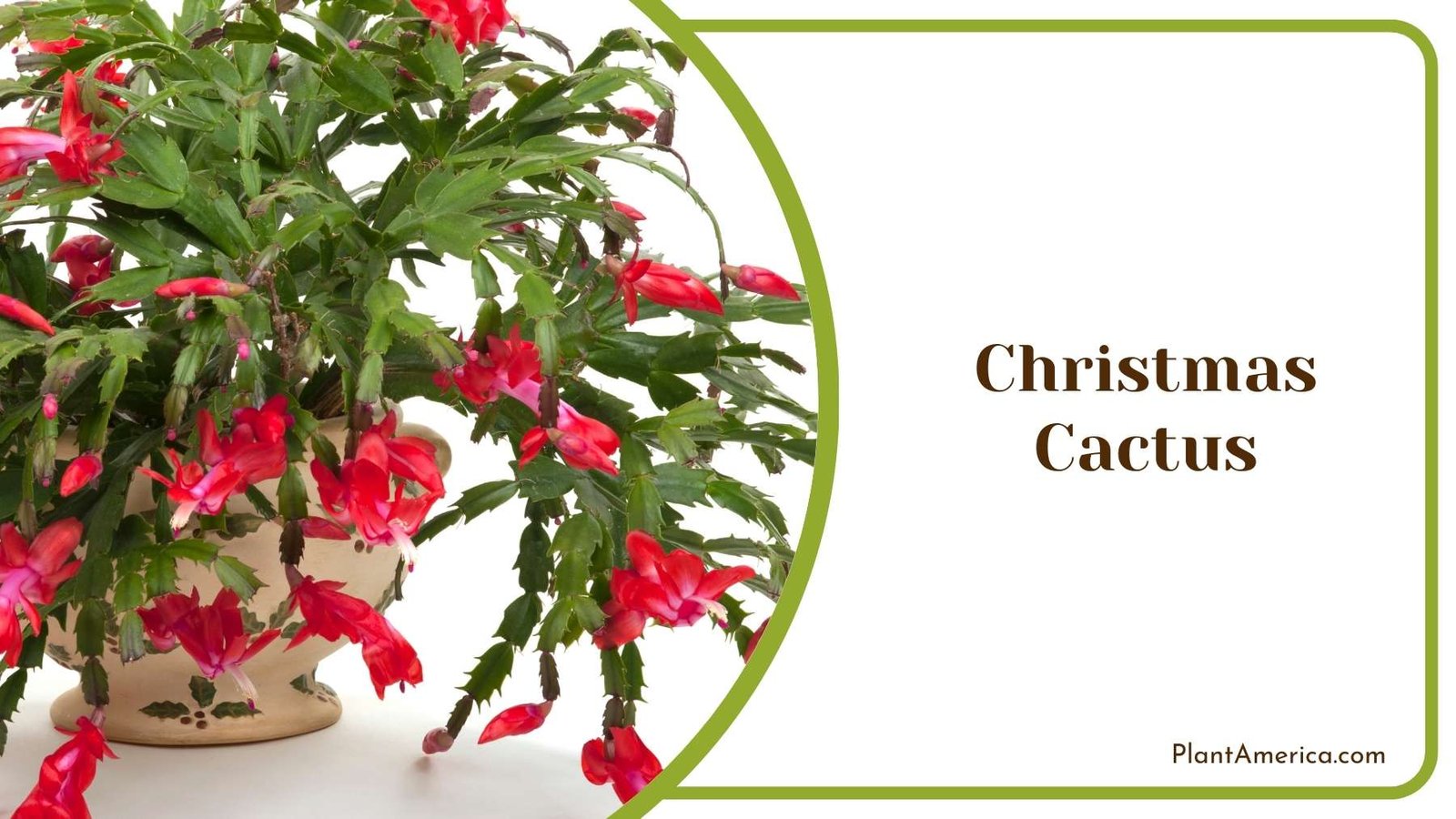
- Growing Season: Year-round, Spring, Fall
- Leaf Shape: Flat, Segmented
- Specific Needs: Low light, Moderate water
- Common Pests: Mealybugs, Scale
The Christmas cactus offers a festive touch through its bright blooms near the holiday season. Producing pink, red or white segmented flowers, this succulent thrives with less water and sunlight than other indoor plants. Native to tropical rainforests in Brazil, it evolved to withstand low-light conditions inside homes.
Christmas cacti keep active by removing benzene and formaldehyde from indoor spaces through natural metabolic functions. Their waxy leaves resist moisture loss, needing water only after growing medium fully dried. Well-draining soils prevent root rot while encouraging new bud growth.
Come late fall, long days trigger colorful clustered blooms along stem segments. Cut flowers may prolong enjoyment indoors. With care similar to jade plants and succulents, Christmas cacti require sparse watering to maintain their holiday-esque flowers and year-round greenery. Their lasting decorative appeal makes this low maintenance plant a thoughtful addition to any interior.
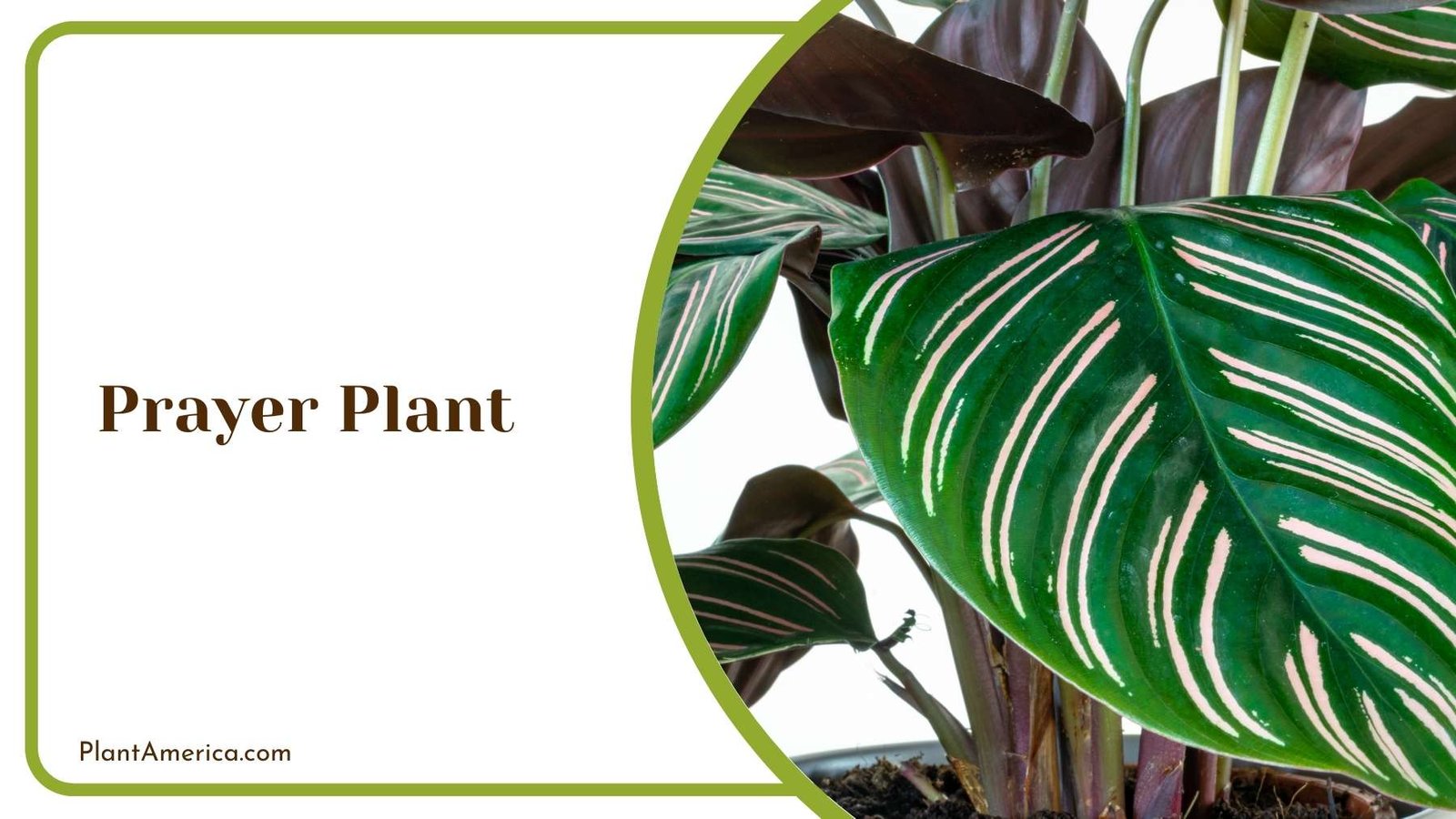
8. Prayer Plant
- Growing Season: Year-round, Spring, Fall
- Leaf Shape: Heart-shaped, Fold inward at night
- Specific Needs: Low light, Moderate water
- Common Pests: Mealybugs, Scale
The prayer plant, also called the magic vine, offers a unique trait among indoor air-purifying species. Unique hinged leaflets cause its foliage to close up overnight, reopening during the day in a seeming prayer gesture. Often green or marbled with dark pigments, these lush leaves remove common airborne toxins like benzene, formaldehyde, and xylene through photosynthesis.
Despite requiring moderate indoor humidity, prayer plants thrive with average neglect. Water whenever topsoil essentially dries while planting amongst pebbles in trays for elevated humidity. They prefer bright, indirect sunlight and prosper in east or west-facing windows away from direct afternoon heat.
Prayer plants maintain steady growth inside homes, offices or anywhere wishing to add a dash of neat movement to green decor. With humidity-boosting water pebble trays beneath, expect vibrant long-term air quality improvement from these mesmerizing metropolitan plants.
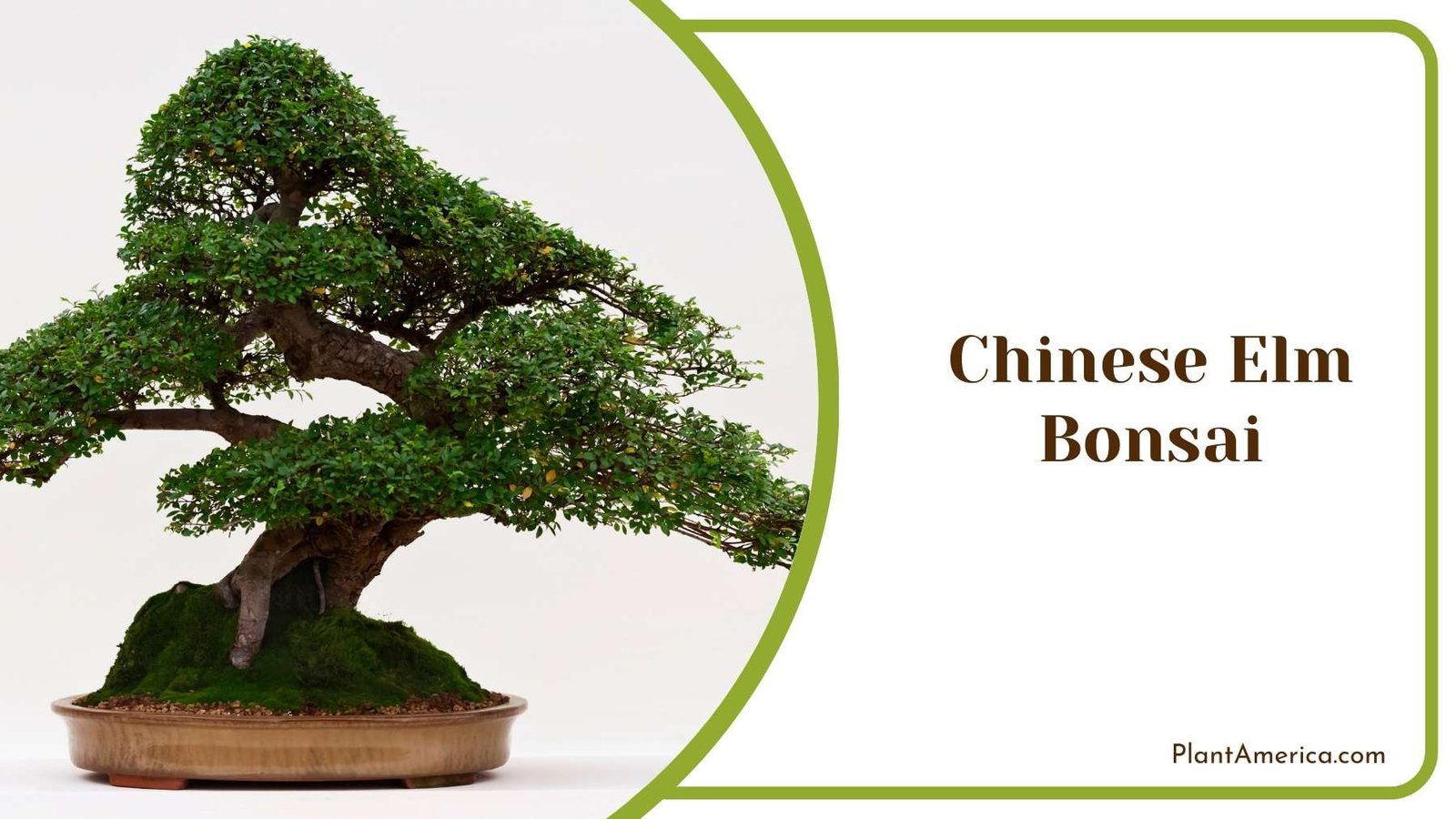
9. Chinese Elm Bonsai
- Growing Season: Year-round, Spring, Fall
- Leaf Shape: Small, Branched
- Specific Needs: Low light, Moderate water
- Common Pests: Mealybugs, Scale
The Chinese elm cultivar offers an aesthetically pleasing bonsai option for indoor air purification. Miniaturized elm trees form by pruning and training foliage onto a singular trunk, resulting in handsomely concentrated tree-like forms. Chinese elms actively remove indoor air pollutants like benzene, formaldehyde, and xylene through natural processes.
To care for a Chinese elm bonsai, locate it in a spot receiving bright, indirect light. Water when surface soil begins to dry while allowing complete drainage. Fertilize weakly during spring and summer. Regular pruning Maintains the meticulously trained shape over time.
Chinese elms remain quite tolerant of infrequent mistakes, bouncing back from brief neglect. For those seeking both an authentic living art piece and natural air purifier, a Chinese elm bonsai provides longevity indoors with minimal high-maintenance. Their timeless shapes diffuse clean interior spaces beautifully for many years.
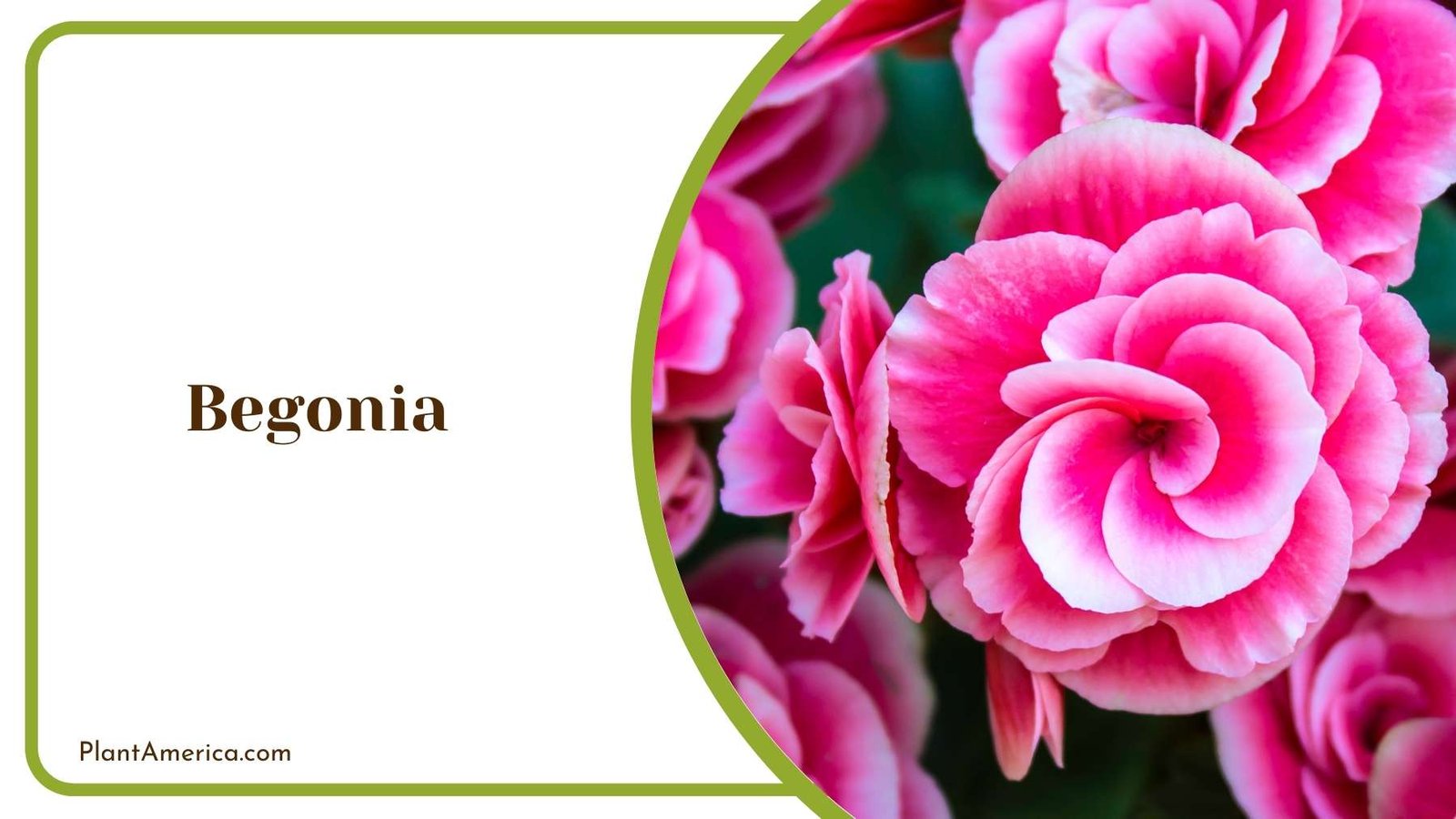
10. Begonia
- Growing Season: Year-round, Spring, Fall
- Leaf Shape: Heart-shaped
- Specific Needs: Low light, Moderate water
- Common Pests: Mealybugs, Scale
With over 1,800 species of flowers and foliage varieties, begonias offer diversity among indoor purifying plants. Their lush leaves range from small round textures to large palm-like expansions adorned with colorful pigments. Begonias efficiently remove toxic chemicals like benzene, formaldehyde and airborne molds from inhabited areas.
Care involves locating plants in warm spaces receiving indirect sunlight away from vents. Soil must remain lightly moist at all times – overly dry or wet conditions may impact blooms orcause foliage drop. Many kinds bloom profusely, generating pink, red or white clustered flowers. Rex begonias hold waxy leaves with intricate patterns ideal for tabletop displays.
Cane-like tuberous begonias hold striking blooms summer through fall. Overall, begonias provide versatility across light and water requirements while removing indoor pollutants through photosynthesis. All varieties serve as easy additions that require minimal care while benefiting interior environments naturally.
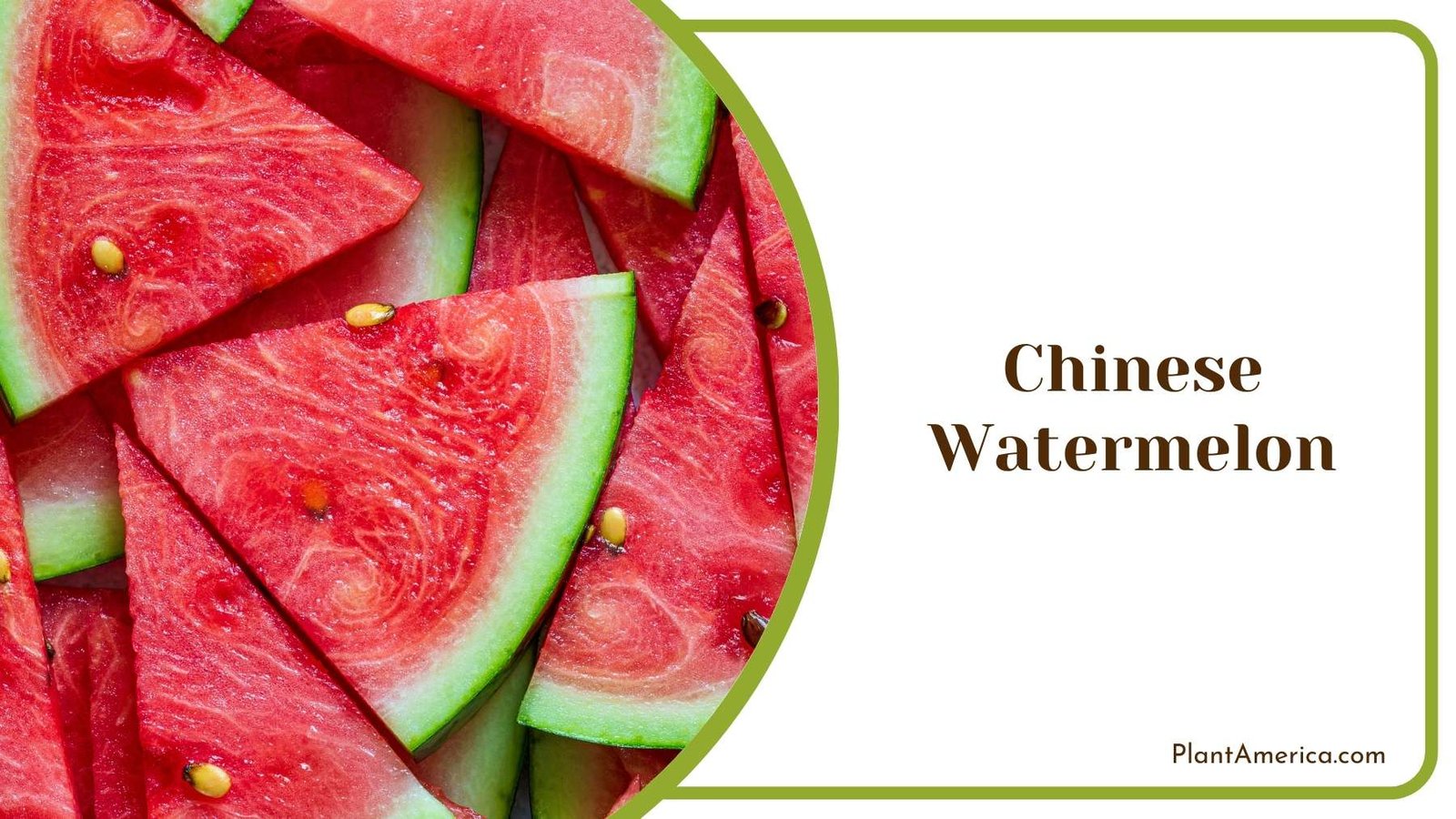
11. Chinese Watermelon
- Growing Season: Year-round, Spring, Fall
- Leaf Shape: Heart-shaped, White variegation
- Specific Needs: Low light, Moderate water
- Common Pests: Mealybugs, Scale
The Chinese watermelon begonia is an exotic-looking plant renowned for its unique leaves. Native to Southeast Asia, it has become a popular houseplant variety in recent years. Unlike typical begonias, the Chinese watermelon begonian gets its name from its leaves—they are deeply lobed and resemble slices of watermelon!
The lobes are often reddish on the top and lighter green underneath. These intriguing foliage plants can add a real statement to any indoor space. Care for Chinese watermelon begonia is simple. It thrives in medium to low light and prefers humid conditions. The soil should be kept continually moist. Propagation is accomplished by repotting stem cuttings in water or damp soil.
With their vivid leaves and unusual shape, Chinese watermelon begonias are real conversation starters. They are also valued for their ability to naturally cleanse indoor air. These begonia’s metabolic processes help remove toxins like benzene, formaldehyde, and xylene.
12. Aglaonema
- Growing Season: Year-round, Spring, Fall
- Leaf Shape: Oval, Lance-shaped
- Specific Needs: Low light, Moderate water
- Common Pests: Mealybugs, Scale
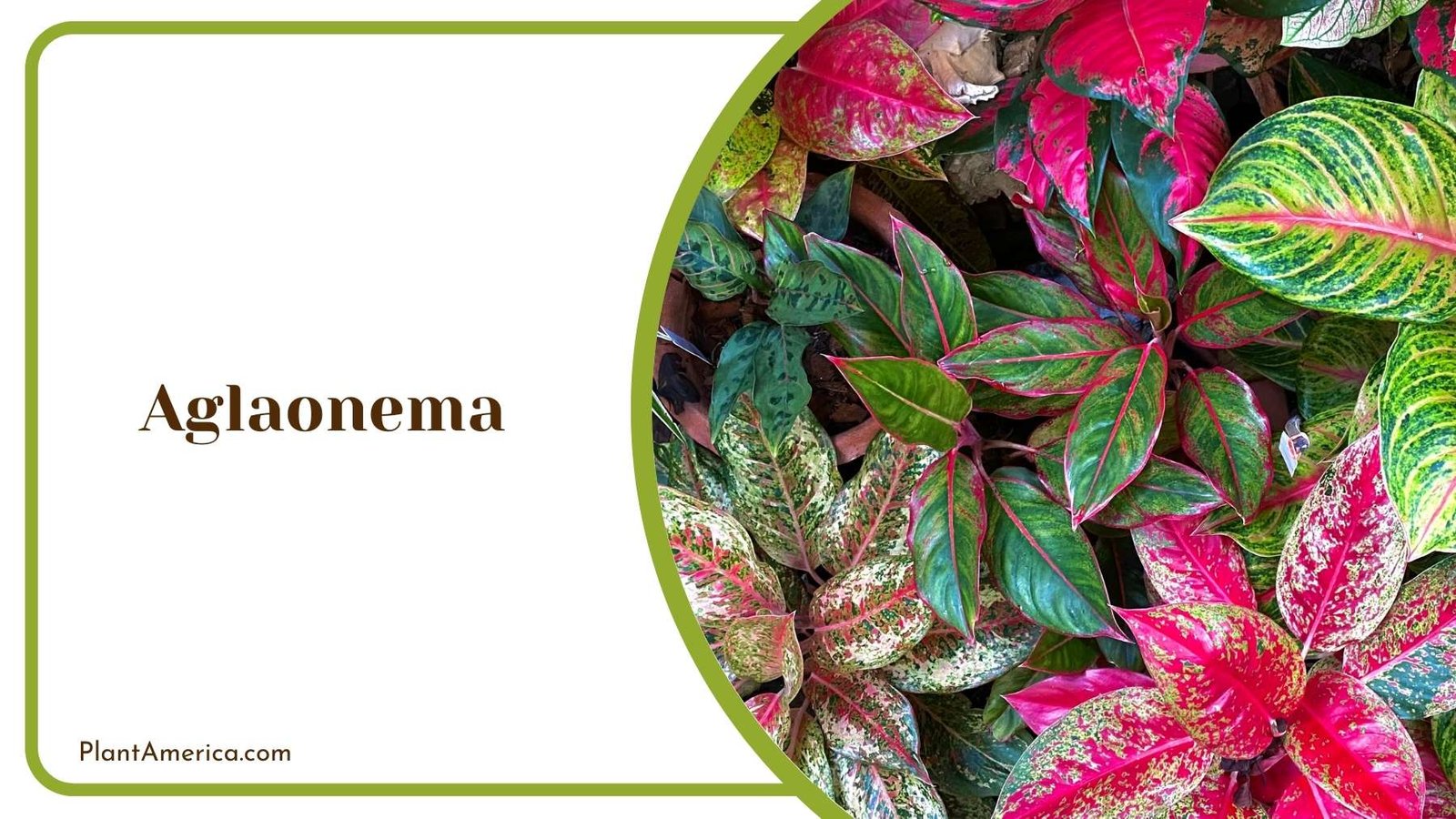
The aglaonema, or Chinese evergreen, features richly patterned leaves that thrive in low-light indoor settings. Unlike most houseplants, aglaonemas are loaded with different cultivars showcasing unique leaf colorations and textures.
One such variety, ‘tricolor’, displays creamy white edges paired with vibrant pink veins against a dark green background. Another standout is ‘silver bay’ with wavy leaves splashed in peach and silver hues. These stunning foliage colors liven any interior space.
Aglaonemas fill homes with more than just aesthetic appeal – their broad, waxy leaves also naturally filter toxins. Through photosynthesis, aglaonemas metabolize harmful airborne compounds like benzene and formaldehyde into safer byproducts.
Care is simple. Provide the plant medium to low light and keep the soil continually moist but not soaked. Clippings can be propagated for more plants! Aglaonemas flourish with infrequent waterings and thrive in areas away from heating and cooling vents.
Overall, aglaonemas elevate indoor décor with unique patterns while passively purifying the air we breathe. Their diverse cultivars and easy care make these Chinese evergreens a great choice for busy households.
13. Lucky Bamboo
- Growing Season: Year-round, Spring, Fall
- Leaf Shape: Semi succulent, Jointed stalk
- Specific Needs: Low light, Moderate water
- Common Pests: Mealybugs, Scale
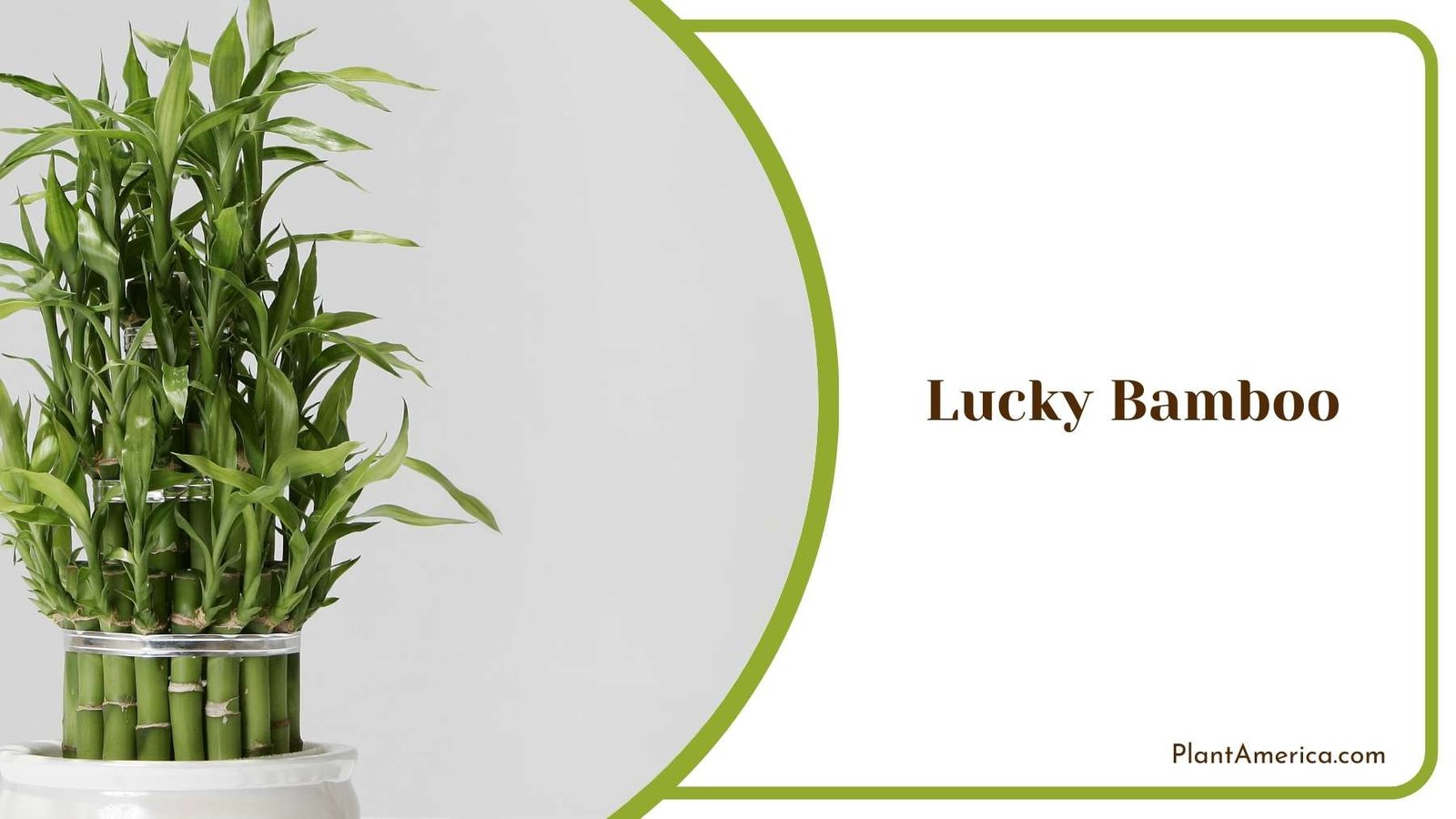
Lucky bamboo is a popular decorative plant that is not technically a bamboo but rather a type of dracaena from South Africa. Often found in glass vases filled with water, lucky bamboo is renowned for its symbolic associations with good fortune and prosperity in Chinese and Japanese cultures.
Beyond its ornamental appeal, lucky bamboo also offers air purification benefits. Its long, slender green or variegated stalks stay actively photosynthesizing to metabolize indoor toxins through natural processes. Lucky bamboo absorbs harmful chemicals like benzene, formaldehyde and trichloroethylene from the air we breathe at home or work.
Care is simple – just change the water every 1-2 weeks and ensure the stalks remain fully submerged. Lucky bamboo thrives on bright, indirect light and lasts for years with minimal fuss. It can tolerate low to medium light and does well on office desks or as a living centerpiece.
Overall, lucky bamboo brings a positive energy aesthetic along with unseen environmental perks. Ideal for busy lifestyles, this classic symbol of fortune passively purifies interior spaces with its versatile low maintenance care.
14. Bromeliad
- Growing Season: Year-round, Spring, Fall
- Leaf Shape: Rosette, Pointed
- Specific Needs: Low light, Moderate water
- Common Pests: Mealybugs, Scale
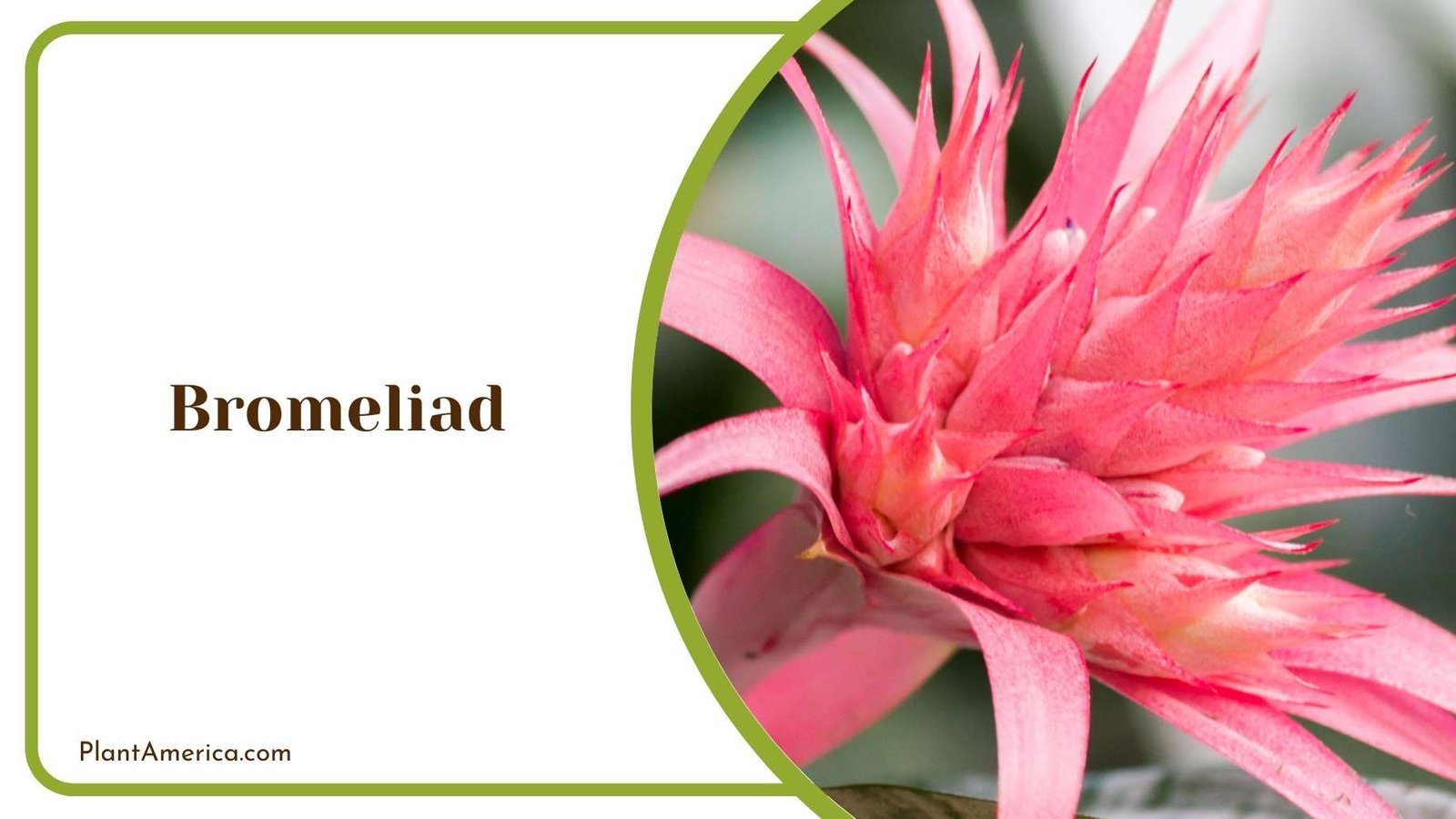
Bromeliads are a unique and eye-catching choice for indoor air purification. Native to tropical regions of the Americas, they have adapted to thrive in the low-light conditions found inside the home.
There are over 3,000 known species of bromeliad, each with their own colorful blooms and intricate rosette forms. Some bear vibrant red or pink clusters that emerge from stiff foliage. Others dangle long sprays of delicate blue or orange flowers. No matter the variety, all bromeliads work hard to clean the air through photosynthesis.
They metabolize harmful volatile organic compounds like benzene, formaldehyde, and trichloroethylene that can accumulate indoors. This metabolic process transforms these toxic chemicals into safer byproducts, purifying the air we breathe.
Simple care is all that is required to enjoy a bromeliad’s air-cleaning powers. Water the rosette just once weekly by filling the central “tank” where leaves meet. Allow excess water to drain away. Provide temperatures above 60°F and medium to low indirect light near an east or west window.
With their exotic blooms, low-fuss needs, and unseen benefits, bromeliads make a professional and ecologically-minded addition to any interior. Their natural ability to combat indoor pollutants through passive means makes these rainforest plants a prime choice for any home or office seeking to promote cleaner indoor air.
15. Dieffenbachia
- Growing Season: Year-round, Spring, Fall
- Leaf Shape: Thick, Oval leaves
- Specific Needs: Low light, Moderate water
- Common Pests: Mealybugs, Scale
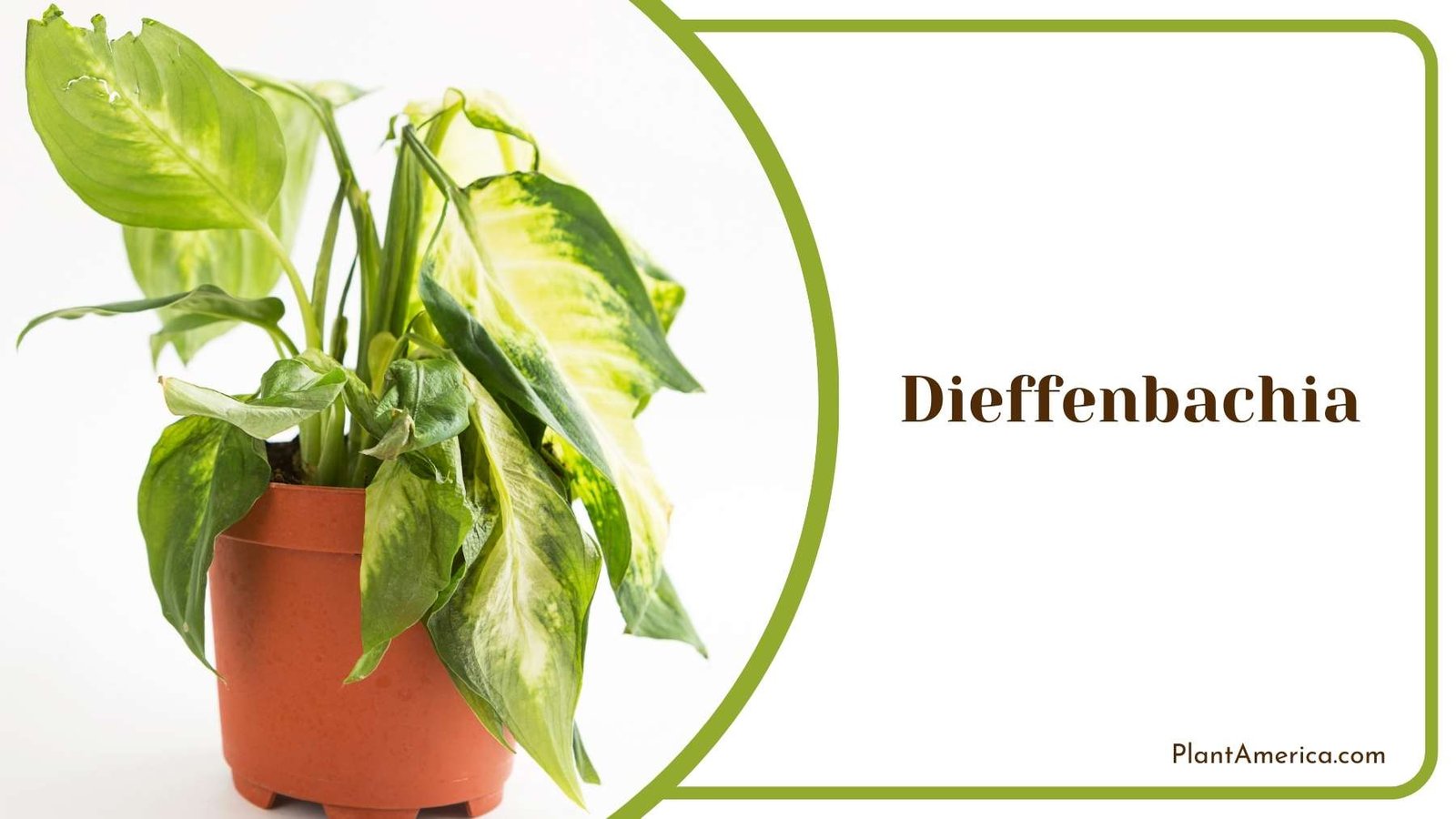
The dieffenbachia, commonly called dumb cane, is an attractive houseplant known for its colorful foliage and air-purifying powers. Originating from Central and South America, it features thick tapering leaves adorned with contrasting cream or white veins.
Dieffenbachia leaves emit oxygen and absorb carbon dioxide around the clock. Through natural metabolic functions, the plant breaks down toxic volatile organic compounds like benzene, formaldehyde, and xylene that can accumulate indoors. This makes it an excellent choice for any living or work space seeking to promote a cleaner environment passively.
Care is low maintenance. Provide the Dieffenbachia with medium to low light and avoid direct sun exposure, which can scorch its leaves. Soil should be kept consistently moist but not soaked. It thrives on infrequent watering once the top inch of soil dries out.
Dieffenbachia’s easygoing needs and longevity lend it well to small or large collections alike. Available in compact or towering varieties, there is a size and scale to suit any interior design scheme. Overall, this durable houseplant refines air quality while adding an elegant pop of deep green and white patterns to any décor.
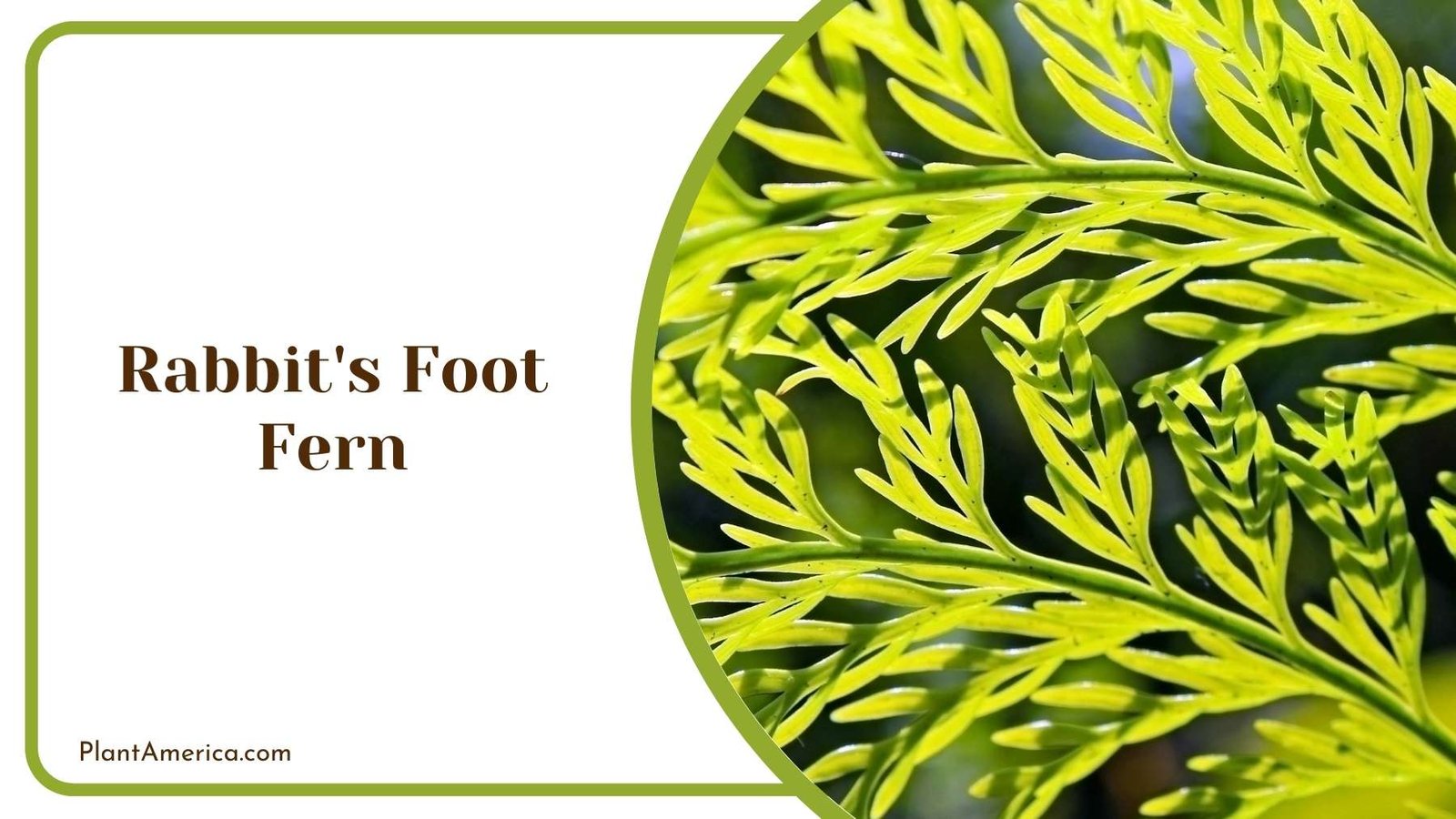
16. Rabbit’s Foot Fern
- Growing Season: Year-round, Spring, Fall
- Leaf Shape: Bluish-green fronds
- Specific Needs: Low light, Moderate water
- Common Pests: Mealybugs, Scale
The rabbit’s foot fern is a unique and easy-going houseplant that serves multiple purposes. Native to South America, its leaves resemble the cotton-like tail of a rabbit, adding whimsy and visual interest wherever it is placed.
Beyond outward appearance, this charming fern also functions to cleanse indoor air through natural photosynthetic processes. It efficiently removes common air pollutants such as benzene, formaldehyde, and xylene, helping to sustain a healthier atmospheric environment indoors.
To thrive, the rabbit’s foot fern prefers growing conditions that are moderate. Keeping the soil consistently moist is important to maintain lush foliage, though potting soil should drain freely to prevent root rot. Locating the plant in spots with medium to low indirect light allows it to flourish long-term without much adjustment. Growth is steady but upgrades are simple, such as dividing established clusters to spread around living quarters or work areas.
Overall, the rabbit’s foot fern brings aesthetic delight along with unseen wellness perks to any interior setting. Its natural ability to purify air while requiring minimal maintenance makes this charming plant a no-brainer for livelier, greener indoor spaces. Both form and function are seamlessly blended with this whimsical variety.
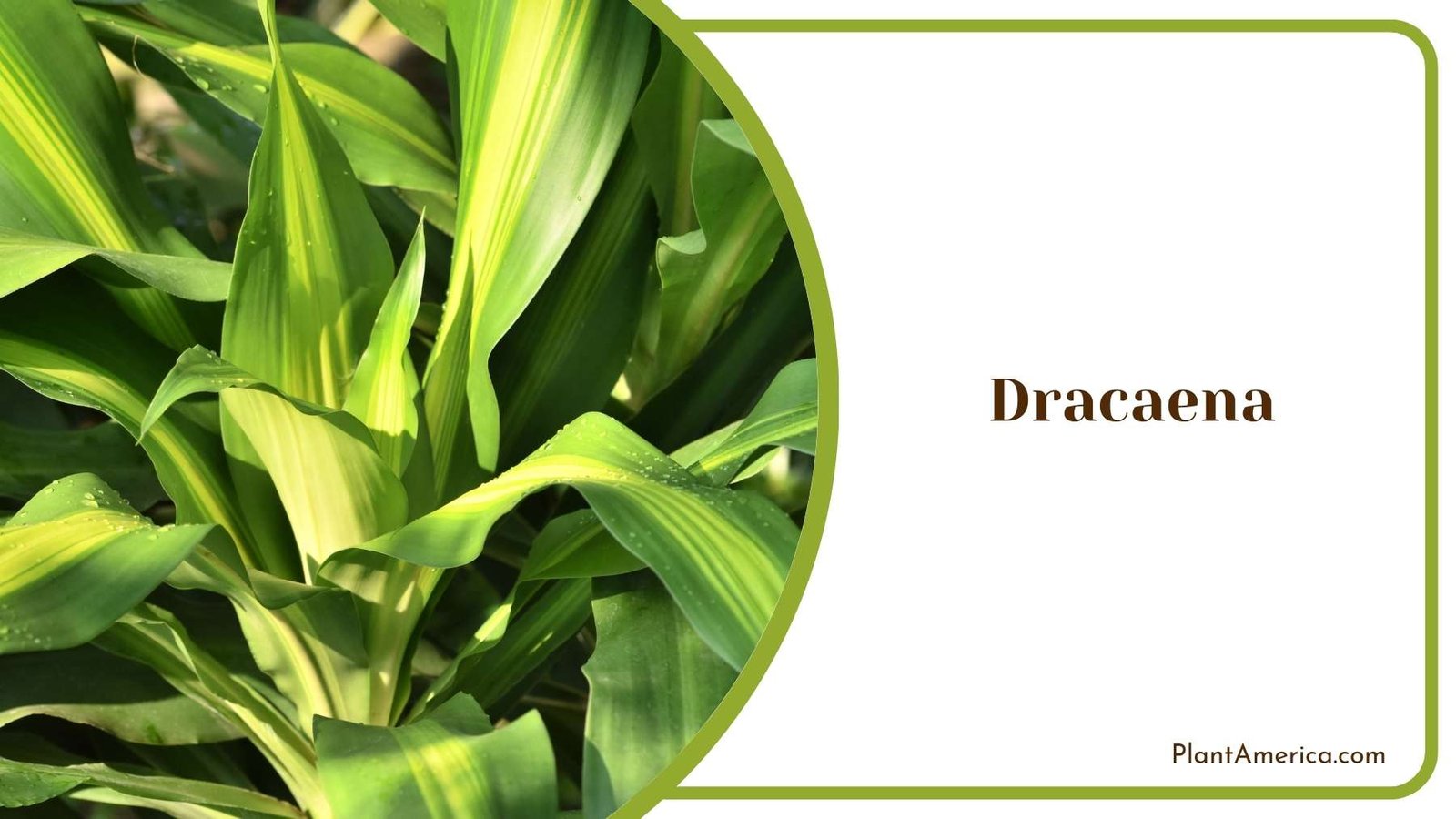
17. Dracaena
- Growing Season: Year-round, Spring, Fall
- Leaf Shape: Long strappy
- Specific Needs: Low light, Moderate water
- Common Pests: Mealybugs, Scale
The dracaena genus contains many popular indoor plants renowned for their air-purifying qualities and low-maintenance nature. Originating from tropical and subtropical regions of Africa, dracaenas have adapted well to thriving inside modern living quarters.
Dracaenas produce oxygen through photosynthesis, absorbing toxins such as benzene, formaldehyde, and trichloroethylene in the process. They help neutralize these common indoor pollutants emitted from paints, cleaning products, and other household sources. This makes dracaenas an ideal choice to passively sustain cleaner air at home or work.
Some favored varieties include ‘Janet Craig’ with its prominent white stripes, ‘Lisa’ featuring strappy green and yellow leaves, and the classic ‘Massangeana’ with its bold green foliage. All dracaenas grow compactly yet sturdily, tolerating average conditions without fussiness.
Bright or low indirect sunlight suits dracaenas well. Soil should be allowed to dry slightly between infrequent waterings. Their low profiles fit appropriately on shelves, beside furniture, and even in crowded office settings. Dracaenas combine simplicity of care with quiet efficacy—ideal companions to elevate living atmospheres naturally.
18. Corn Plant

- Growing Season: Year-round, Spring, Fall
- Leaf Shape: Broad, Rough
- Specific Needs: Low light, Moderate water
- Common Pests: Mealybugs, Scale
The corn plant, known botanically as Dracaena fragrans massangeana, is a versatile indoor plant renowned for its air purifying abilities. Originating in Africa, this dracaena variety has become a popular household green due to its low maintenance nature and unique appearance.
Tall yet narrow stalks topped with deep green strap-like leaves give the corn plant a distinctive tropical look. It helps brighten indoor spaces naturally while also working hard to scrub the air we breathe of harmful toxins. Through photosynthesis, corn plants metabolize common pollutants like benzene, formaldehyde, and xylene that can accumulate in enclosed areas.
Minimal care is all that is required to enjoy a corn plant’s benefits long-term. Providing medium to low indirect sunlight along with infrequent watering allows the plant to thrive steadily. The stalks can reach over 6 feet tall, so sufficient space is recommended but the corn plant grows compactly without much fuss.
With its structured beauty, passive purifying powers, and tolerant personality, the corn plant makes a smart choice for any home, office or other interior looking to sustain breathable air through organic and low-effort means. Both aesthetics and wellness are seamlessly achieved.
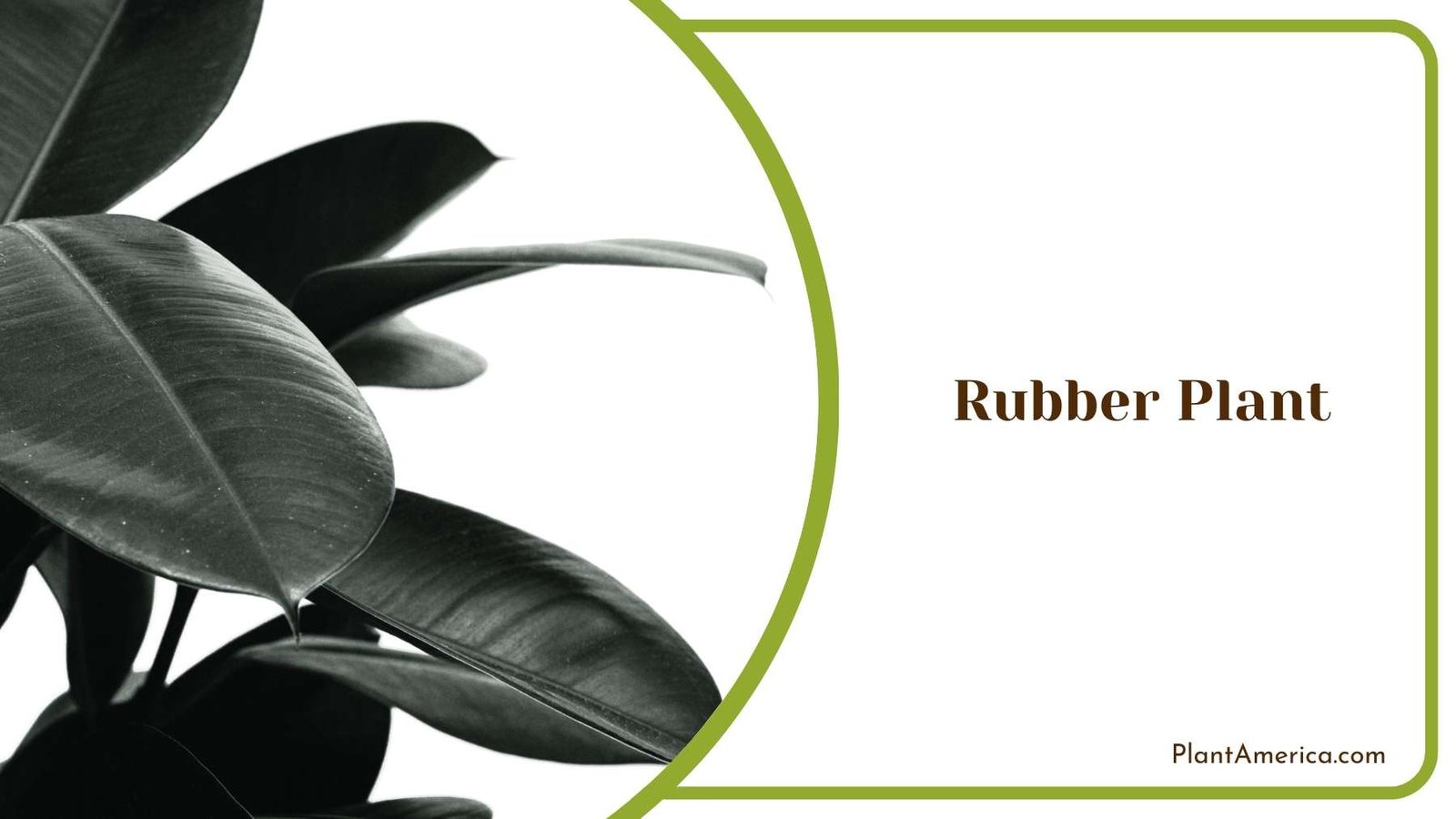
19. Rubber Plant
- Growing Season: Year-round, Spring, Fall
- Leaf Shape: Thick pointed green leaves sometimes with reddish-brown undersides
- Specific Needs: Low light, Moderate water
- Common Pests: Mealybugs, Scale
The rubber plant is a popular indoor houseplant prized for its lush foliage and air purifying abilities. Native to South and Southeast Asia, its botanical name Ficus elastica highlights its abundant latex content.
What makes this evergreen plant notable is its dramatic leaves. Deep green or variegated with creamy white stripes, rubber plant leaves are thick, waxy, and shiny—providing a lush contrast indoors. Through photosynthesis, the leaves also work diligently to remove harmful toxins from interior environments.
Specifically, rubber plants metabolize volatile organic compounds like benzene, formaldehyde, and trichloroethylene that can accumulate from household products and materials. This makes them a natural and passive means to promote cleaner air quality where we live and work.
Simple care allows rubber plants’ elegant foliage and hidden benefits to shine. Providing indirect sunlight, moderate watering when soil slightly dries, and occasional pruning of leggy growth keeps them thriving for years. Their tropical hardiness paired with minimal needs makes rubber plants a versatile addition to living spaces. With nothing more than its presence, this durable plant refines air and enriches interiors through understated yet meaningful functions.
Conclusion
While modern living demands much of us, surrounding ourselves with nature’s gifts need not introduce extra work.
- Lending bold graphic accents to any decor, dieffenbachias stand among the most eye-catching of houseplants
- Though bearing neither blooms nor true bamboo form, lucky bamboos thrive regardless in households worldwide.
- Nicknamed for its ability to brighten even the darkest architectural nooks, corner plants thrive in the most overlooked indoor spaces
These plants generously oxygenate and beautify interiors with little expected in return. Their very presence encourages leisurely living with benefits seen and unseen. In remembering our shared planet depends on constant care, yet living lightly, may we all cultivate spaces with breathtaking quiet blessings through diligence in small yet impactful ways.