
“How to fix transplant shock?” is one of the first things that come to mind when plants show poor growth in a new medium or pot.

You can easily do this by watering, mulching, maintaining optimal environmental conditions, and many other methods. Keep reading to learn how to do all step-by-step (for faster results).
How To Fix Transplant Shock
To fix transplant shock, ensure you provide a conducive environment for recovery. Address soil health, maintain appropriate environmental conditions, and use aids like sugar, Epsom salt, and specific fertilizers. Giving plants adequate recovery time and knowing optimal transplantation periods are also crucial.
1. Shift the Plant to a Shaded/Partially Shaded Spot
One of the most apparent signs of transplant shock is wilting, browning, or yellowing of leaves soon after the move. This is often caused by the plant’s exposure to direct sunlight immediately after transplanting.
Direct sunlight can further stress the plant as it’s trying to acclimate to its new environment. Moving the plant to a shaded or partially shaded spot provides a gentler environment where it can recover without the additional burden of intense light. Think of it as a recovery room after a major surgery. The plant must regain strength, and a shaded spot is perfect.
2. Water the Plant
After transplanting, the plant’s root ball becomes the primary focus. When you water plants immediately after transplanting, it helps settle the soil around the roots, ensuring no air pockets can dry them out. Moreover, a good soak will provide the sources with the necessary hydration to overcome the trauma of the move.
Remember not to overwater, though. While you want the roots moist, you want them to be smooth.
3. Do Mulching
When you apply a 2-4 inch layer of organic mulch, like wood chips or straw, around the base of your plant, you’re doing more than just providing a pleasing aesthetic. Mulch assists in:
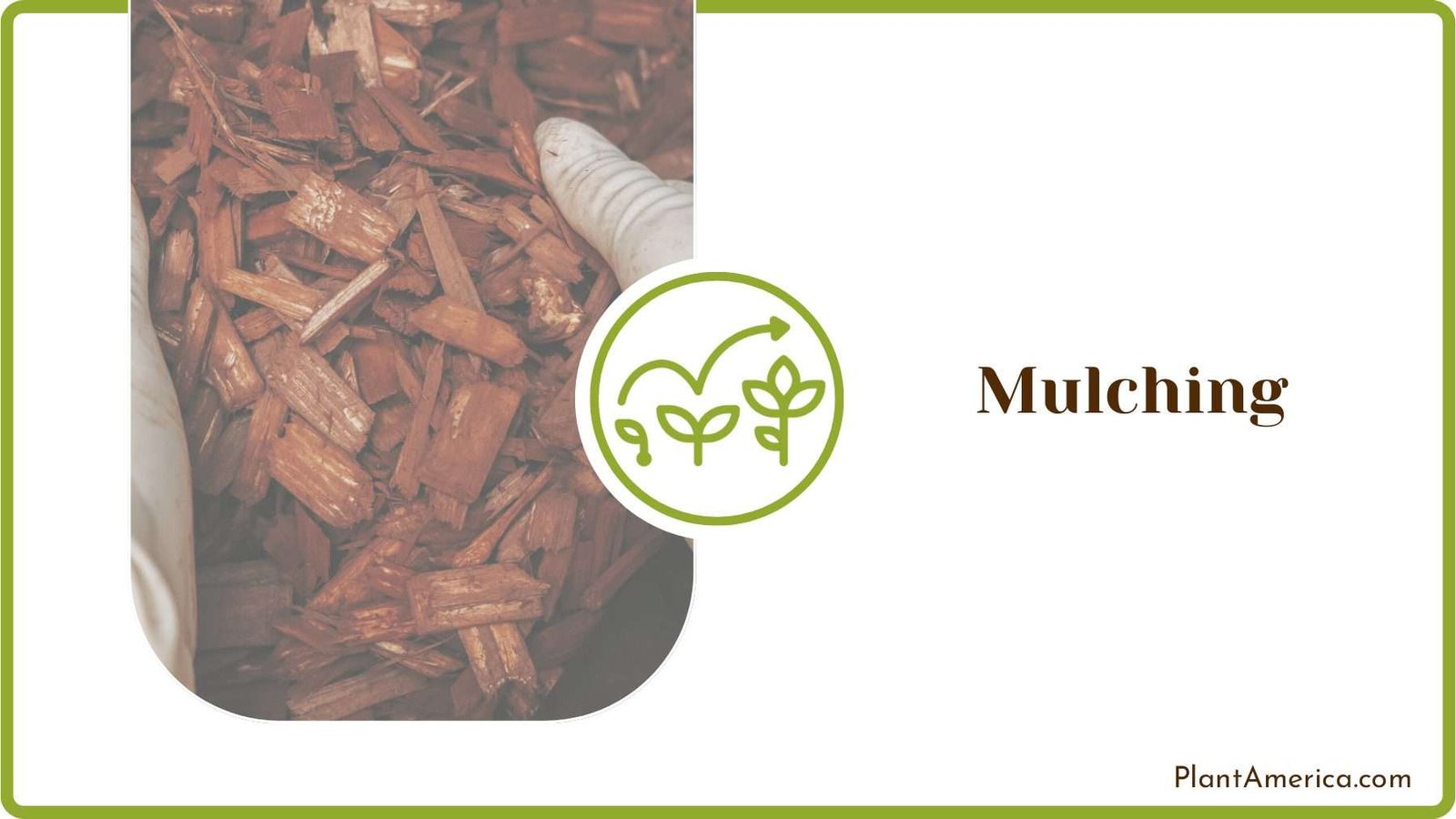
- Temperature Regulation: Mulch acts as an insulator. It helps the soil stay cooler on hot days and warmer on cold nights.
- Moisture Retention: Mulching is great at holding onto water, meaning less frequent watering.
- Weed Prevention: Weeds compete with plants for nutrients. A layer of mulch suppresses their growth, ensuring your transplanted plant doesn’t have to fight for its essential nutrients.
- Soil Enrichment: As organic mulch decomposes, it releases nutrients back into the soil, enriching it and providing added nourishment for the plant.
All of these things can help plants deal with the transplant shock.
4. Prune the Extra Foliage To Lessen Stress on Roots
When a plant undergoes the stress of transplanting, every bit of its energy is vital. Therefore, you should trim the plant to allow it to focus on handling the shock.
Here’s why and how:
- Direct Energy to Vital Parts: After transplanting, a plant might be unable to support all its leaves and stems due to the stress on its roots.
- Prevent Diseases: As you remove dead parts of the plant, you’re helping the plants recover and preventing potential diseases. Dead or dying foliage can attract pests and become a disease breeding ground.
- Aesthetic Appeal: While the primary goal is plant health, pruning can also help shape the plant, enhancing its visual appeal and ensuring it fits well in its new space.
5. Add Some Sugar to the Soil
A touch of sweetness might be just what your transplanted plants need to bounce back. Interestingly, using sugar water for transplant shock is an age-old trick many gardeners swear by. When you’re dealing with transplant stress, giving your plant a sugar boost can help in several ways:
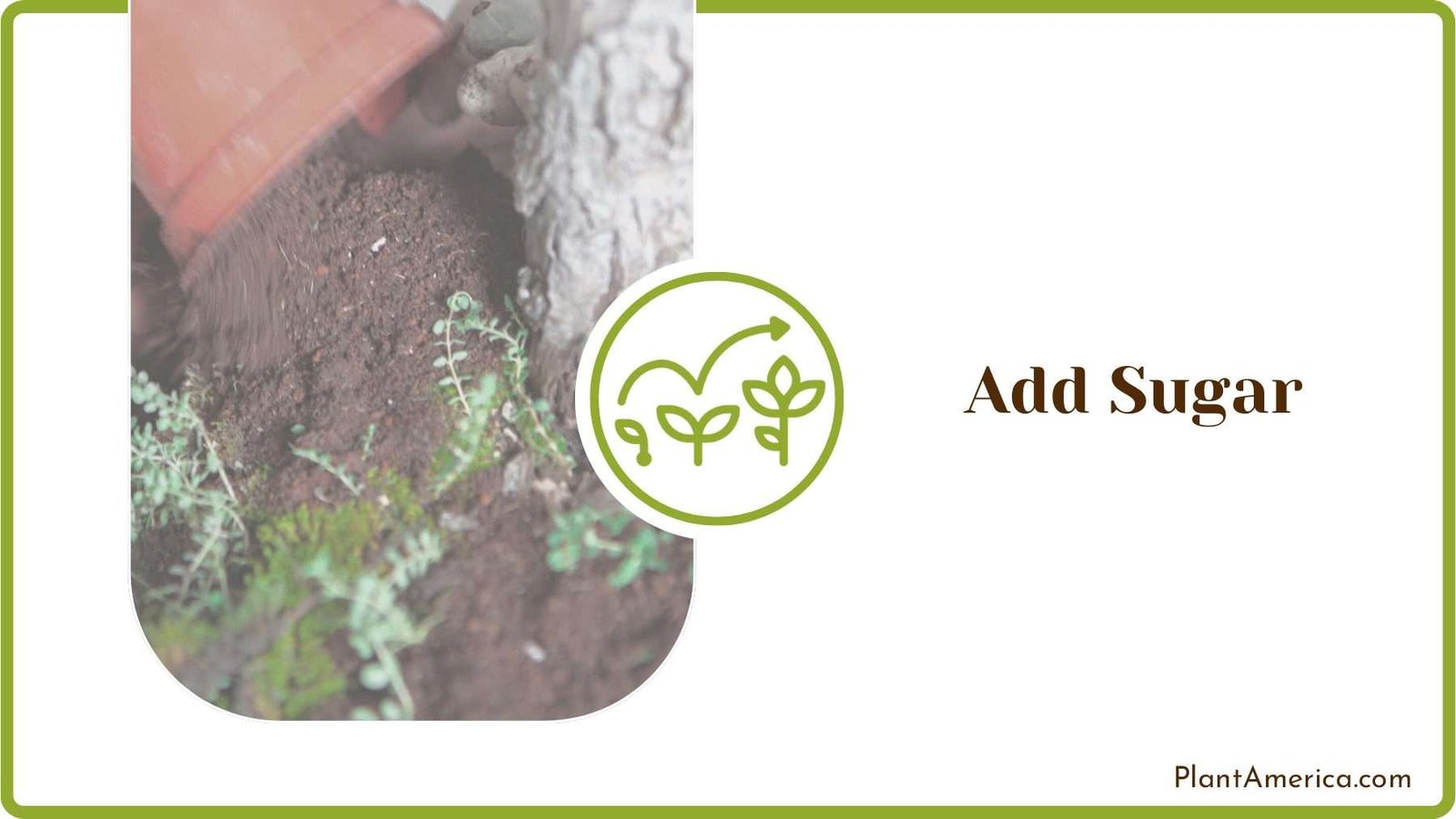
- Cellular Energy Boost: Plants produce sugar during photosynthesis, which is used as an energy source.
- Application: To utilize this method, dissolve a couple of tablespoons of sugar in a gallon of water. Use this solution to water the plant immediately after transplanting.
6. Epsom Salt for Transplant Shock
Another trusted remedy to combat transplant shock is the use of Epsom salt. If you’re wondering how to fix transplant shock in plants, Epsom salt might be the answer, depending on your soil type and your plant’s specific needs.
- Magnesium Boost: Epsom salt is essentially magnesium sulfate. Magnesium is vital for plant health as it’s a component of chlorophyll, the compound plants use for photosynthesis. Adding Epsom salt ensures your plant has the necessary magnesium during this stressful period.
- Improved Nutrient Uptake: Magnesium also facilitates the uptake of vital nutrients such as nitrogen, iron, phosphorus, and sulfur.
Dissolve a couple of tablespoons in a gallon of water using Epsom salt for transplant shock. Like the sugar water method, use this solution to water your plant after transplanting. Monitor the plant’s reaction; if it responds well, consider adding Epsom salt to your regular plant care routine, but always in moderation.
7. Apply Cinnamon Powder
Cinnamon acts as a natural fungicide and antimicrobial agent. When you transplant, especially container plants, they can be susceptible to the crown or root rot due to the sudden change in their environment and potential damage to their roots.
Sprinkling cinnamon powder around the base and on the soil’s surface forms a protective barrier against these harmful fungi and microbes. It’s critical because when a plant is freshly transplanted, any additional stressor, like a fungal infection, can compound the effects of transplant shock. Therefore, using a natural remedy like cinnamon addresses the immediate shock and safeguards the plant’s future health.
8. Use Commercially Sold Root Stimulants
As the name suggests, root stimulants stimulate the plant’s roots, encouraging them to grow more vigorously. This is vital because, during transplantation, the root system often experiences the most trauma, whether from accidental cuts or from being adjusted to a new soil mix.
Using a root stimulant can speed up the recovery process. When a plant experiences transplant shock, it often enters a state of dormancy or slowed growth as it adjusts to its new environment. This break can be harmful, especially if the plant grew actively before the move.
Commercially sold root stimulants often contain hormones, vitamins, and other nutrients that immediately boost the plant. They can jumpstart the growth process, ensuring the plant is not too shocked.
9. Use Transplant Shock Fertilizer After 2 Weeks
Moving plants can disturb them, causing a temporary slowdown in their growth. While immediate fertilization after transplanting can sometimes do more harm than good, waiting a short period allows the plants to settle in their new environment. Two weeks usually offer a decent window for plants to begin adjusting.
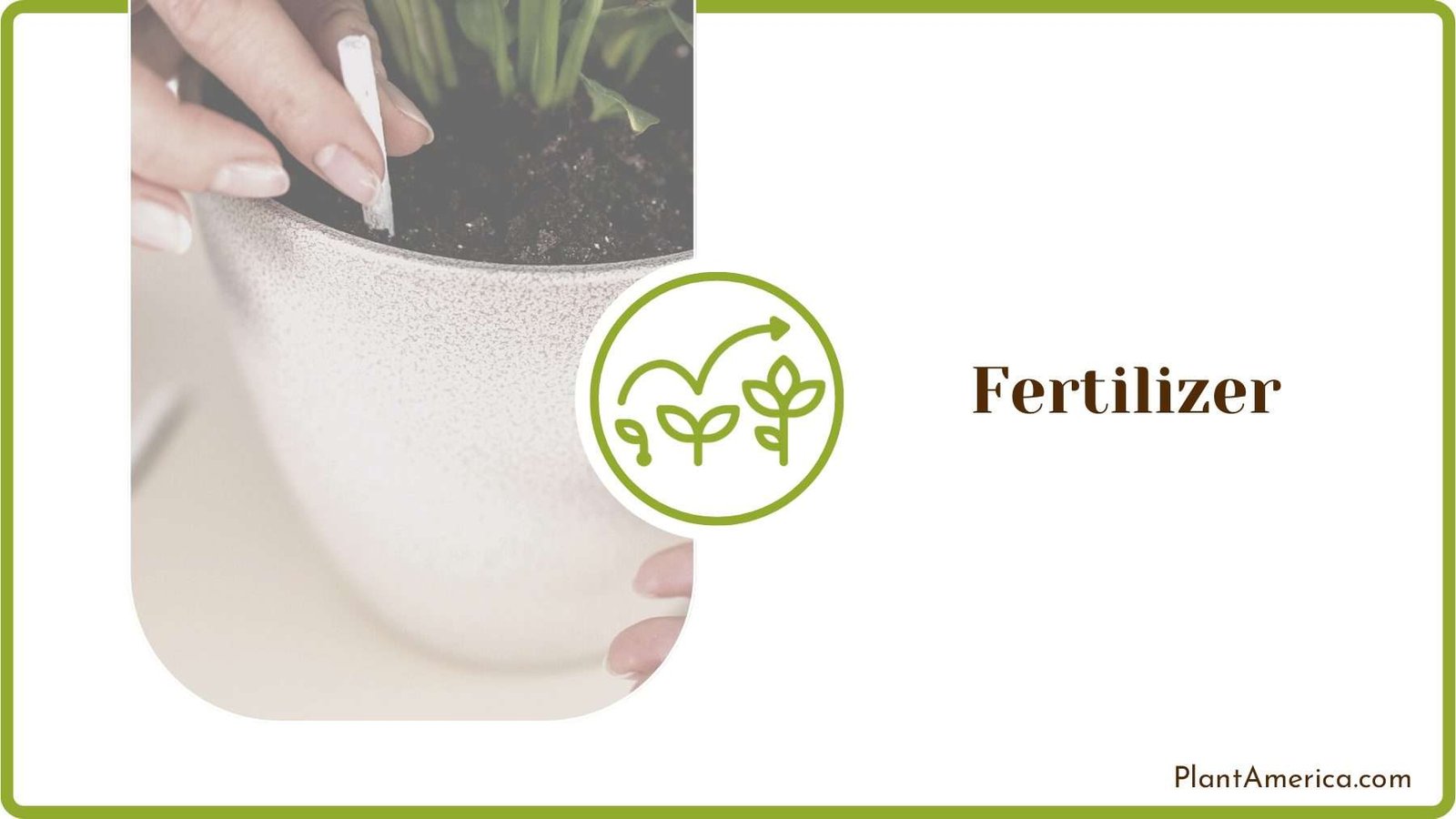
At the two-week mark, it’s beneficial to introduce a specialized transplant shock fertilizer. These nutrients help plants continue their growth. This aids the plant to thrive, compensating for the temporary setback experienced due to the transplanting process.
Moreover, these fertilizers generally contain higher concentrations of phosphorus.
10. Maintain Environmental Conditions
Transplanting, while beneficial in many scenarios, can significantly stress plants. When considering how to fix transplant shock in trees, it’s imperative to recognize that trees, due to their size and longer lifespan, can take longer to adjust compared to smaller plants.
- Site Selection: The first step in reducing transplant shock is ensuring the new location suits the plant or tree species.
- Watering: It helps the roots establish themselves in their new environment.
- Shading: If a tree or plant has been moved to a spot with significantly different light conditions, it can amplify the shock. For plants and trees accustomed to shaded conditions, sudden exposure to direct sunlight can be harmful. Conversely, plants used to more sun might struggle if placed in a shady location. It’s important to monitor plants carefully and use shading tools or screens to mimic their previous light conditions, at least temporarily.
- Wind Protection: Newly transplanted trees, mainly, can be sensitive to strong winds, which can dry them out or cause physical damage.
- Soil Consistency: Ensuring the soil around the newly transplanted plant or tree is consistently moist (but not soggy) is critical.
Gardeners can significantly reduce transplant shock by paying attention to these environmental factors and adjusting the care routines as needed.
11. Keep Checking Soil Health To Prevent Transplant Shock
The foundation of any thriving garden lies beneath the surface, in the richness of the soil. Plants can better defend against diseases and handle different stresses when the soil is healthy/suitable.
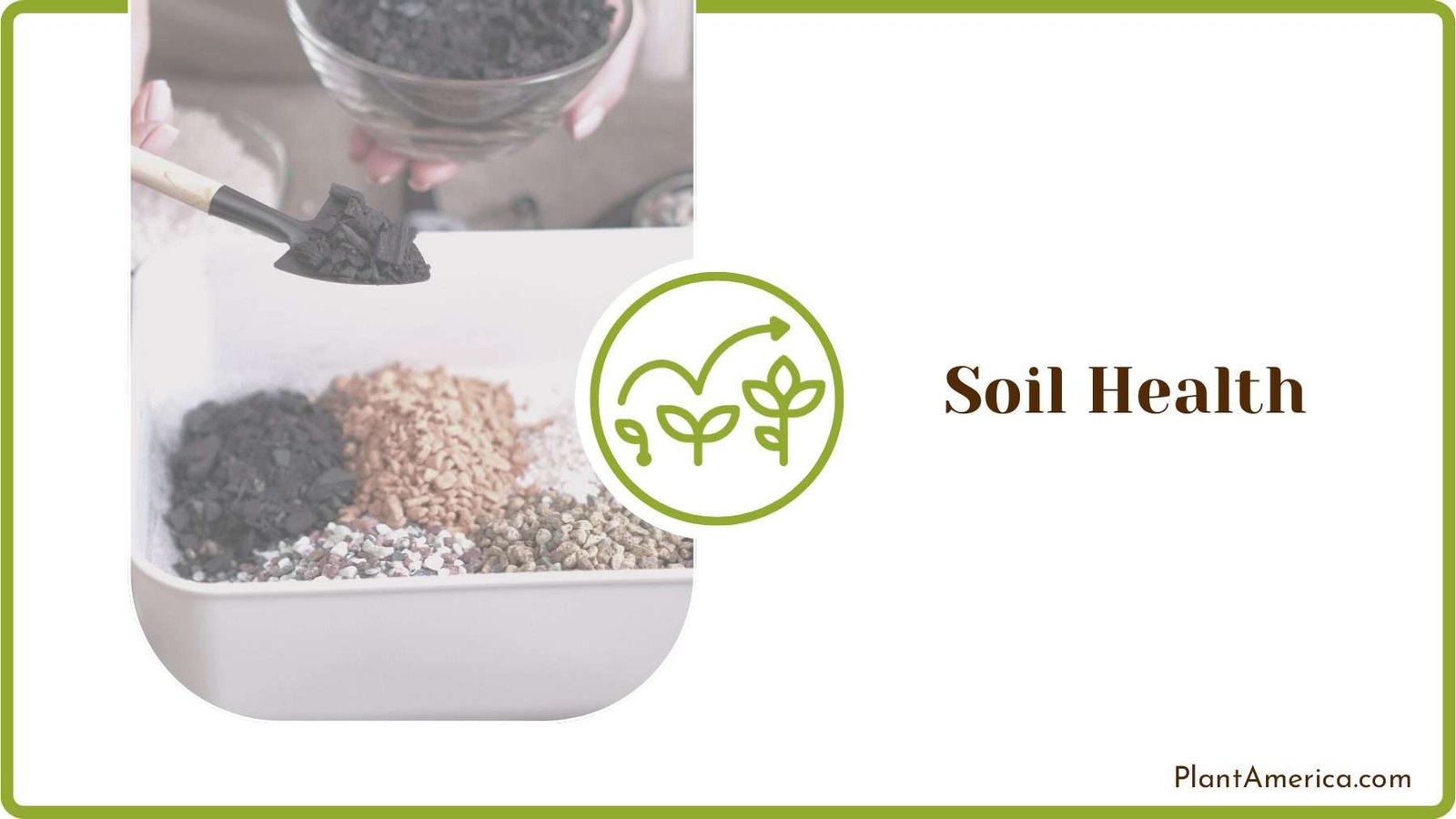
While looking after soil health throughout a plant’s life is essential, it becomes extra important during the first few weeks after transplanting. Here are some aspects to consider:
Nutrient Balance: Regularly testing the soil will help determine if it has all the essential nutrients plants require. If deficiencies are found, they can be rectified by adding the correct type of compost or organic fertilizers.
Soil Texture: Soil too compacted can hinder root growth and water absorption, while overly loose soil might not provide adequate support. Ensuring a balanced soil texture that is both aerated and firm is critical.
Moisture Levels: Overwatering can suffocate the roots and promote rot while under-watering can stress the plant. A moisture meter or simply feeling the soil can help determine when watering is needed.
12. Give Some Time as Recovery Can Take Weeks
Even when you’re super careful, transplanting is a big deal for a plant. The disturbance usually leads to transplant shock, and although there are many things gardeners can do to make it better, being patient is vital for the healing process.
There’s no definitive answer for those wondering, “how long does it take for a plant to recover from transplant shock?” The recovery time varies based on the plant species, its health before the transplant, the conditions of the new location, and the care it receives post-transplantation.
Some plants might show signs of recovery within a week, sending out new shoots or displaying vibrant foliage.
Observing the plant’s progress, maintaining consistent care routines, and, most importantly, having patience can make a difference.
13. Learn About the Best Time for Transplantation
One of the most crucial factors is the best time for transplantation. If done at the wrong time, transplant shock occurs more frequently and with greater intensity. This is because plants have specific growth cycles, and transplanting them during active growth can be particularly disruptive.

Seasonal Timing: Most perennial plants prefer being transplanted during the fall or early spring. This timing allows them to establish their root system before summer heat or winter cold stress sets in.
Growth Phases: Transplanting during dormancy is often recommended to avoid transplant shock. When plants are dormant, they aren’t actively growing, which means their system has less disruption.
Specific Plant Requirements: Some plants might have particular periods when they handle transplantation best. For instance, many vegetable seedlings are best transplanted just before they begin their rapid growth phase.
Gardeners can minimize transplant disruption by educating themselves about the best transplantation times for specific plant species.