
“Get rid of mealybugs on gerinums” is the rallying cry of gardeners watching their cherished plants suffer. Mealybugs can swiftly take a vibrant geranium and cast a shadow over its health and beauty.
But with steps like isolation, vacuuming, peroxide, and a few others, you can control these bugs’ population. Stick to the end to learn how to do these steps correctly.
How To Get Rid of Mealybugs on Geraniums
To get rid of mealybugs on geraniums, isolate the affected plants. Then, remove visible bugs, and apply treatments like rubbing alcohol or hydrogen peroxide. Go for soil treatments or chemical solutions if the infestation persists. After this, keep monitoring the “bug population” to ensure they don’t become a threat again.
1. Isolate the Infested Geraniums
Mealybugs can quickly transfer from one plant to another. The chances of these pests moving to healthy plants are minimized by isolating the infested geraniums. Also, separating the infested plants early is good because it saves you from using chemicals or other treatments that might harm other garden plants.
Choosing a Suitable Location: Find a location away from other plants. This could be a different room, a separate part of the garden, or even a temporary setup outdoors. Ensure this space receives the right amount of sunlight and is well-ventilated.
Monitor Regularly: Once the geraniums are isolated, regular checks are essential. Look for signs of mealybugs, eggs, or the cottony masses they create.
2. Vacuum the Visible Bugs
Using a vacuum to remove mealybugs may sound unconventional. But we recommend you do this after isolation because it is effective against both light and heavy infestations.
Choosing the Right Vacuum: A handheld or battery-operated vacuum works best. These tools are simpler to move around the plants, making sure you get rid of bugs thoroughly. Before starting, ensure the vacuum is clean and free from other debris.
Gentle Approach: While vacuuming, it’s essential to be gentle. Geraniums, especially their leaves, and flowers, can be delicate. Hold the plant steady with one hand and carefully vacuum the bugs with the other. Pay close attention to the undersides of leaves, stems, and other hiding spots where mealybugs might be present.
Dispose of the Vacuum Contents: Ensure the contents are disposed of properly after vacuuming. Sealing the vacuum or container in a plastic bag and discarding it in the trash is advisable. This ensures that any bugs or eggs captured don’t return to plants.
Clean the Vacuum: After the process, thoroughly clean the vacuum. This prevents any leftover bugs or eggs from being a threat in the future. Rinse the nozzle and any attachments used with insecticidal soapy water and let them dry completely before storing.
During this step, some bugs can hide in those spots where vacuum suction doesn’t work. Therefore, follow the other methods after doing this to ensure the garden stays “bug-free,” and your plants stay healthy.
3. Dab the Remaining Bugs With Rubbing Alcohol
Once most of the mealybugs have been vacuumed off the geraniums, another effective method to address the persistent pests is rubbing alcohol.
Materials Needed: Gather some rubbing alcohol, cotton swabs or small cotton pads, and a small container. Pour a little rubbing alcohol into the container.
Spot Treatment: Dip the cotton swab or pad into the rubbing alcohol, ensuring it’s saturated but not dripping excessively. Carefully dab at the locations where the mealybugs are present. The alcohol breaks down the waxy shield that protects citrus mealybugs. This makes them more susceptible.

Addressing the Residue: Often, mealybugs leave behind a white, sticky substance on the plants. Wondering how to get rid of white sticky stuff on plants? Well, the same rubbing alcohol can assist. Gently wiping the affected areas with alcohol-soaked cotton can help remove this residue.
Safety Measures: While rubbing alcohol is effective against mealybugs, it can be a bit harsh on the plants if used excessively. Always test a small, inconspicuous area of the geranium before treating the entire plant. If there’s no adverse reaction after a day, proceeding with the rest of the plant is safe. This treatment can be repeated once every few days until there are no visible signs of mealybugs.
4. Apply Hydrogen Peroxide Spray on the Geranium Plants
For those looking to address mealybugs on outdoor plants, hydrogen peroxide is your best friend.
Preparing the Spray:
- Start by getting a 3 percent hydrogen peroxide solution in most stores.
- Mix one part of this solution with four parts of water in a spray bottle.
- Shake well to ensure a uniform mixture.
Application Process: Before spraying the entire plant, it’s a good idea to test a small area first, just as with rubbing alcohol. If the plant shows no signs of stress after 24 hours, proceed to spray the entire plant. Focus on the undersides of leaves, stems, and other areas where mealybugs hide.
Outdoor Consideration: When pondering how to get rid of mealybugs outside, it’s essential to remember that outdoor plants face different challenges than indoor ones. Wind, rain, and other insects can remove hydrogen peroxide. Therefore, it might be necessary to reapply the hydrogen peroxide solution more frequently on outdoor plants.
Aftercare: Post application, keeping a close eye on the plants is vital. If there’s rainfall shortly after the treatment, it might wash away the solution, necessitating another round of spraying.
5. Do the Heated Water Treatment for Soil Bugs
Heated water treatment is an environmentally-friendly way to deal with soil bugs. Begin by unpotting the affected geraniums. Carefully shake off as much soil as possible from the roots without causing damage.
Prepare a container of hot water, ensuring the temperature is between 110 to 120 degrees Fahrenheit. Submerge the root system in this water for about 10 minutes. This treatment can eliminate root mealybugs quickly.
Once the treatment is done, let the roots air dry for a while. After this, repot the geranium in fresh, sterile potting soil. This ensures the indoor plants are free from pests and get a fresh start in a clean environment.
We suggest purchasing a pot/container with many holes to ensure the plant doesn’t face the drainage problem again. Always remember that mealybugs like to infest in wet soil because they use moisture to feed and breed.
6. Essential Oil Soaking of Soil
There are several oils, such as neem oil, one can use for this purpose. Horticultural oil is a refined plant product explicitly designed for pest control. Horticultural or essential oil suffocates the pests and prevents their growth.
Mix a few drops of the chosen oil with water per the product label’s recommended dilution rate. Once prepared, pour the mixture into the soil until thoroughly soaked.
This treatment can be done once every few weeks or as soon as signs of infestation appear. Always monitor the plant’s health after applying any treatment to detect problems early. If the plant starts discoloration or damage, reduce the frequency or switch to another treatment.
7. Hang Sticky Traps In Your Garden
Sticky traps are simple to use: they are bright in color, usually yellow, and attract pests (including spider mites). Once the pests land on them, the sticky surface ensures they can’t fly or crawl away.
Position the sticky traps close to the geraniums and other affected plants. However, ensure they reach a height where beneficial insects like bees aren’t easily trapped.
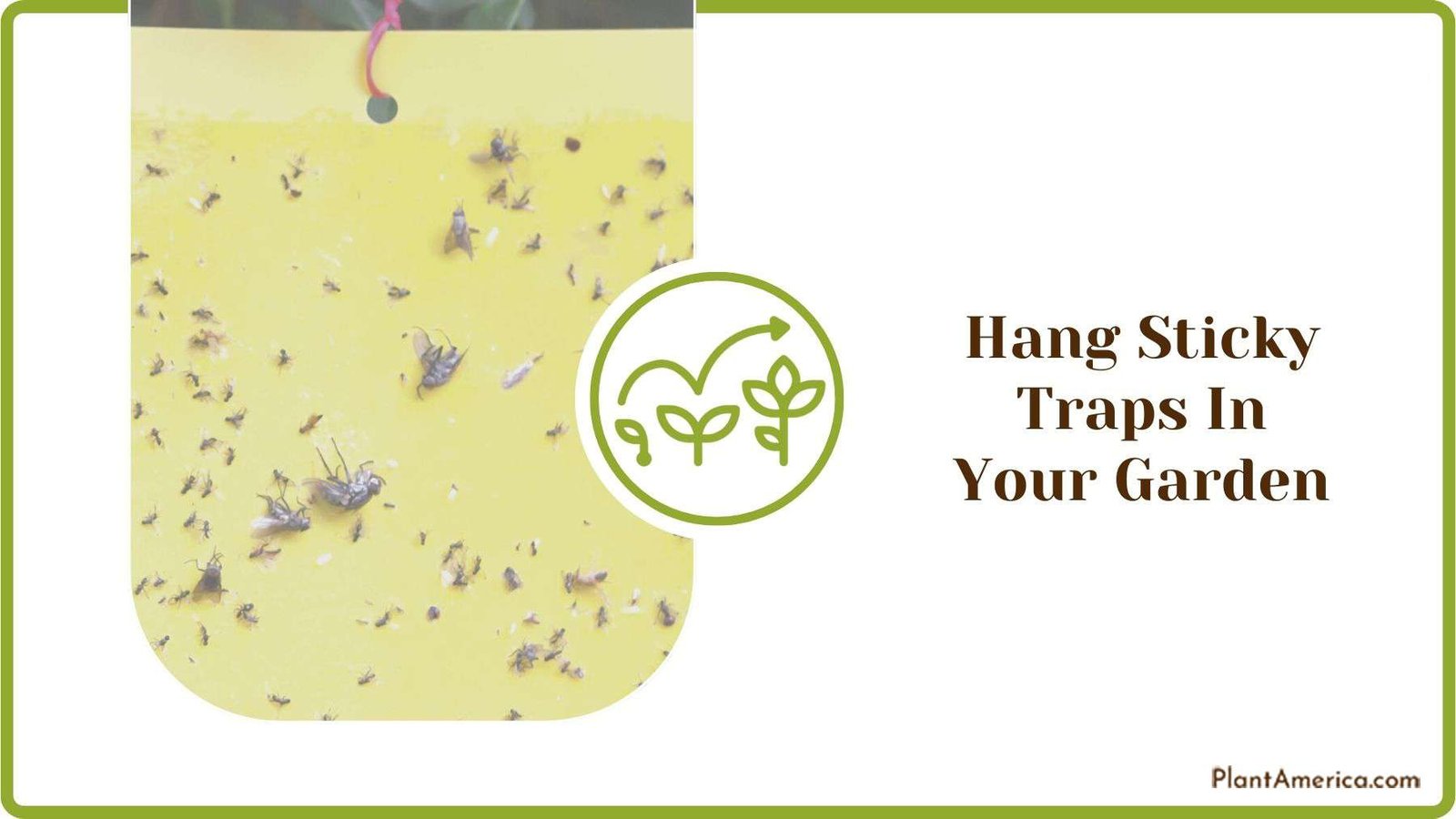
Regularly inspect the sticky traps. Once they’re covered in pests, replace them with new ones. Ensure that they remain free from dust or debris, which can reduce their stickiness.
8. Use Chemical Treatments If Bugs Keep Emerging
Sometimes, despite the best natural methods and consistent care, stubborn pests persist. In such cases, turning to chemical treatments becomes a necessary step. What is the best insecticide for mealybugs? Here’s a complete guide to assist you;
- Safety First: Before using any insecticide, it’s essential to read and follow the label instructions diligently. Wear protective clothing, gloves, and safety goggles to prevent accidental exposure.
- Application: Typically, the insecticide needs to be diluted with water. Using a bottle or a sprayer, ensure that the entire plant, especially the leaves and stems where mealybugs tend to hide, is coated with the solution. It’s a good idea to spray during the cooler parts of the day, either early morning or late evening, to prevent potential leaf burn.
- Post-Treatment Care: After applying the insecticide, monitor the health of the plants. Water them adequately and ensure they’re not under any stress. A well-cared-for plant is less likely to face a recurring pest issue.
9. Reapply Treatments: Crucial To Deal With Stubborn Infestations
After the first treatment, keep a close watch on the plants. If these pests are spotted, then feel free to reapply the treatments.
Combining Methods: While reapplying the same treatment can be effective, sometimes combining different methods can yield better results. For instance, consider using an essential oil soak or sprinkling cinnamon after a chemical treatment to prevent a resurgence.
10. Keep Monitoring: Don’t Neglect It
Mealybug infestations can be particularly tenacious, reappearing even after treatments. Here’s why and how monitoring is crucial:
- Mealybugs Can be Stealthy: Due to their size and color, mealybugs can easily hide beneath leaves, in crevices, or at the base of stems. Regular checks ensure that any emerging population is spotted promptly.
- Regular Checks: Establishing a routine, like inspecting the garden every morning or evening, is beneficial.
- Signs to Look For: Apart from the visible presence of mealybugs, check for signs of their activity, like a cottony substance on the leaves, stems, or soil surface. Wilted or yellowed leaves can also indicate their presence.
11. Consider Long Term Pest Management Planning
While immediate treatments are vital, thinking long-term is equally important. Here are some ideas to ensure that gardens remain free from pests, especially mealybugs:
- Natural Defenders: Introducing natural predators can be a fantastic and eco-friendly way to manage pest populations. Ladybugs and lacewings feed on mealybugs, keeping their numbers in check.
- Diversity in Planting: Having a diverse range of plants can prevent pest populations from booming. Some plants naturally repel pests, and having them in proximity to vulnerable ones can act as a deterrent.
- Soil Health: A well-nourished and healthy soil can boost plant immunity against pests. Regularly amending the soil with compost and other organic matter can be beneficial.
- Limiting Chemical Use: Over-reliance on chemicals can lead to pest resistance, making them harder to manage. Therefore, use them judiciously.
- Integrated Pest Management (IPM): This holistic approach combines methods to prevent mealybugs and other pests. It involves monitoring, using natural beneficial predators, cultural practices, and chemical treatments only when necessary.
That’s all about how to get rid of mealybugs on houseplants.
Conclusion
Managing mealybugs on geraniums requires the right strategies, but it’s surely possible. To keep these pests at bay and ensure a thriving garden, always remember to:
- Prioritize consistent monitoring for signs of bug infestations on your plants.
- Employ both immediate treatments and long-term pest management techniques.
- Introduce natural beneficial predators and maintain plant diversity for balance.
- Ensure soil health and be prudent with chemical treatments.
- Continuously educate yourself on the newest and most effective pest management strategies.
If you follow all the strategies, your geraniums and the rest of your garden will remain vibrant and healthy.