
How to transplant surprise lilies (Lycoris squamigera) is just what you need to know so that you can move those precious and beautiful flowers to your yard. The sight of surprise plants in your yard will surely make you happy, so you have to plant them in your yard.
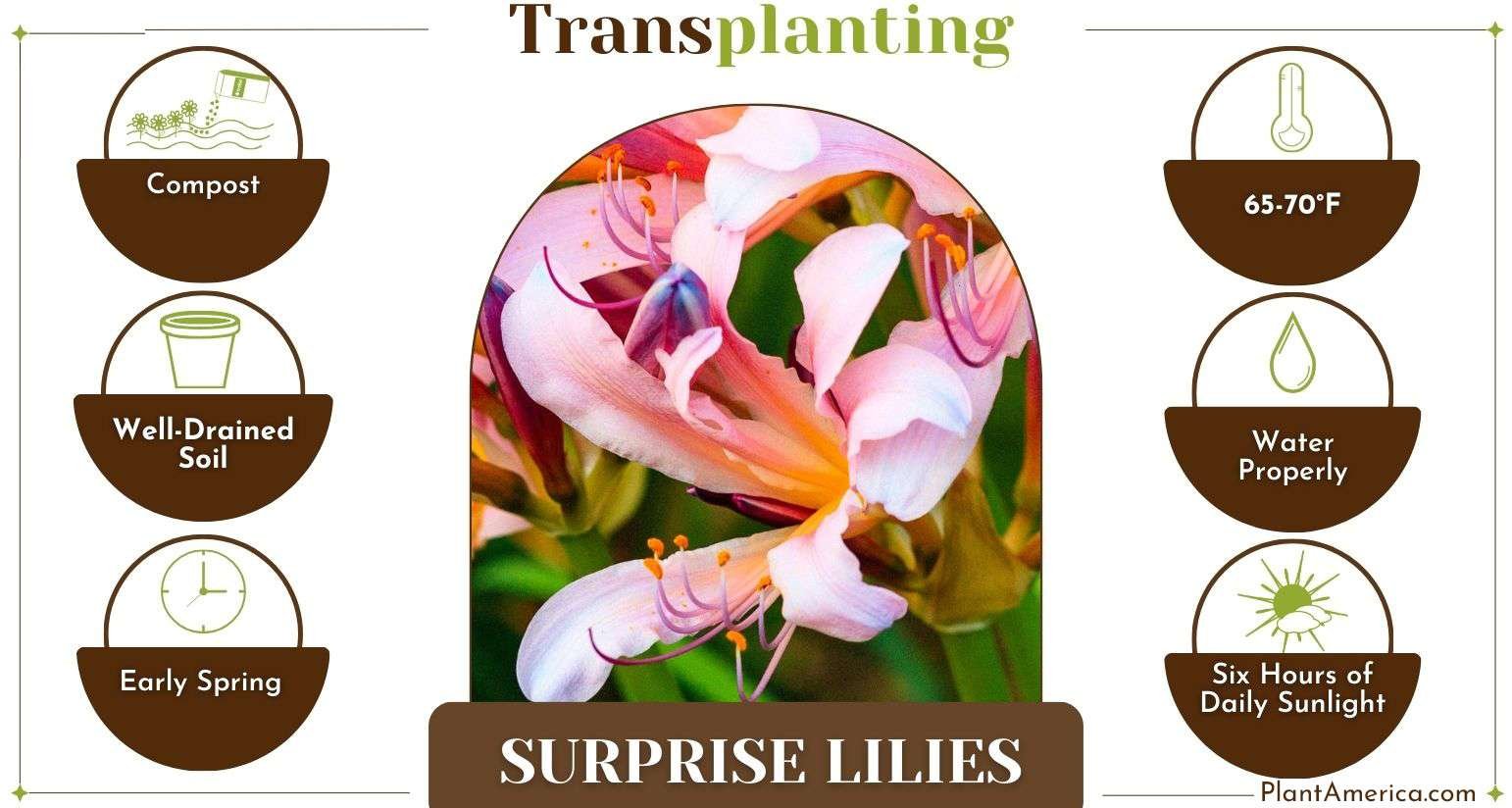 Though these plants are quite tender, you can easily transplant them so long as you stick to the tips in this article. Read this article to learn all you need to know about transplanting beautiful lilies to a new spot.
How to Transplant Surprise Lilies
To transplant surprise lilies, mark the spots with the plants and then wait until late summer, early fall, or early spring. After gathering everything that you need, prepare the new location for your plants then dig out the plants. Divide the bulbs and then plant them when they are dry.
1. Wait Until the Best Time to Transplant the Lilies
You have to wait until it is the right time before you transplant the lilies, as you cannot transplant them whenever you want. Transplant the surprise plants just as the flowers start fading away in summer. With this, they will start settling in the soil throughout their dormant period of fall and winter and appear in spring. You can also transplant them in early spring.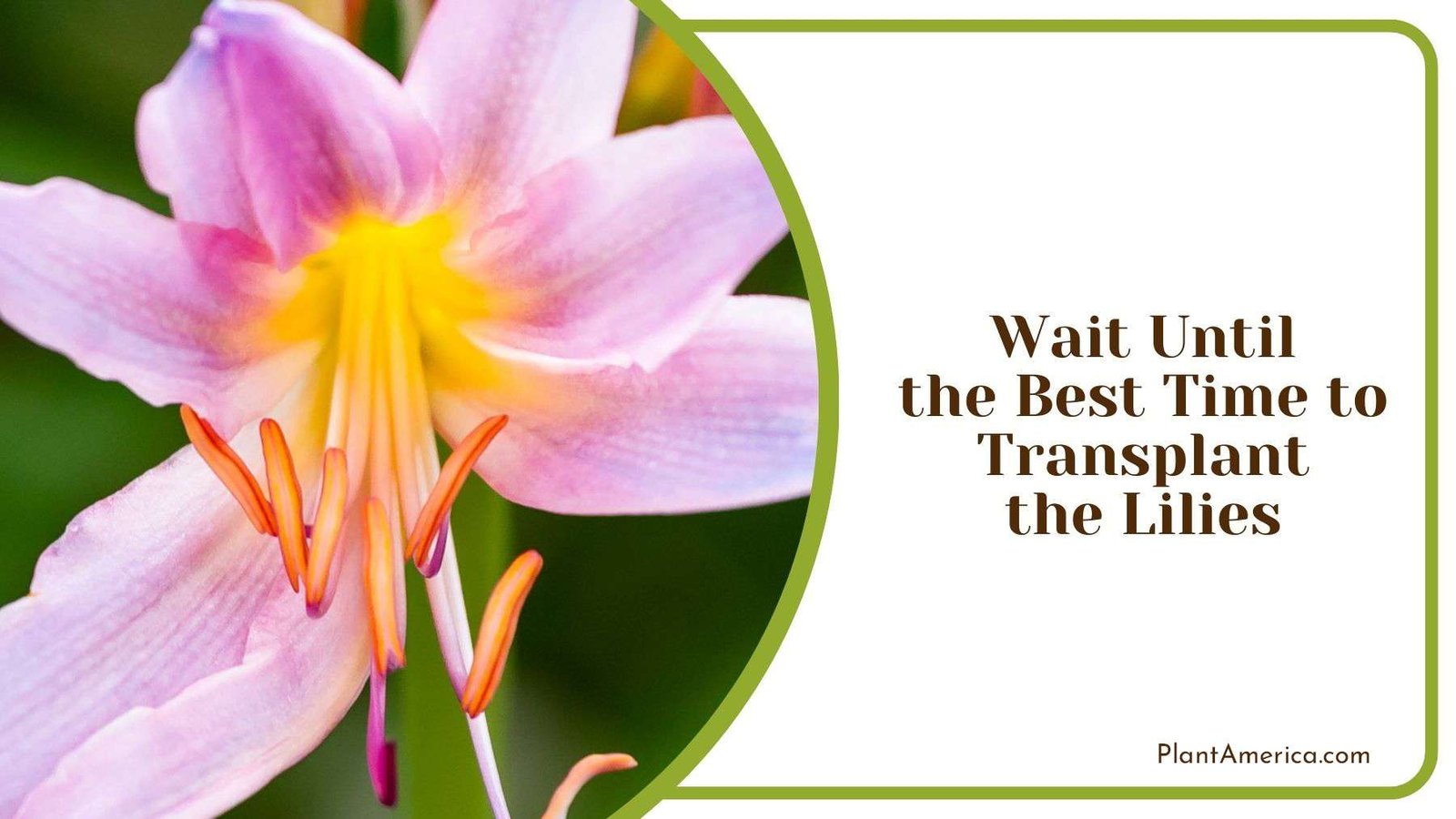
So long as you do not transplant them in their active growing season, they will do just fine. If you choose to transplant them after their growing season, ensure that you transplant them at least one month before the first frost date in your area. Also, remember to transplant your lilies every three to five years, as surprise lily plants might cluster in your yard if you fail to divide them.
2. Mark the Points With Surprise Lilies
They are called surprise or resurrection lilies because after they fade in late summer, you will think that they are dead. However, they will bounce back in spring next year. If you choose to transplant them, you may not find them easily. To easily find them, ensure that you mark each spot where the lilies are growing so that even when they wither out, you already know where to dig.
To mark spots with the lilies, draw a circle around the plants while they are still growing or blooming. You can also place beautiful rocks and stones around the plants. The rocks will act as decoration and also help you find your lilies.
3. Gather All That You Need
To transplant your surprise lily successfully, you need to gather a few things.
 Here’s a list of things to gather:
- Knife: to divide the bulbs so that you can have more lilies.
- Shovel: shovels and other tools will help you to easily dig out the bulbs.
- Disinfectant: you have to disinfect your tools before using them so that you don’t expose the lilies to harmful microbes.
- Substrate: use soil for the lilies you choose to grow in the ground and potting mix for the plants that will be going in pots.
- Water: to soften the soil. Also, to keep your lilies hydrated.
- Fertilizer: if the soil is not nutritious, you need to add nutrients.
After you buy or gather everything you need, you are almost ready to transplant the flower bulbs. You just need to consider a few things first.
4. Consider the Lighting Needs of Your Lilies
You have to consider the surprise lily lighting needs, as you may not see beautiful blooms in your yard if your plants are growing in places with insufficient light. Lilies need at least six hours of daily sunlight. If you are growing them indoors, ensure that they get sufficient light by placing their pots very close to the window and using grow lights.
You can clear out the shades or canopies in your yard to provide more light for the plants in the yard. If the sun gets too hot, especially in the summer months, you can shade the plants. However, shading lilies isn’t necessary, as they bloom in the summer months and they mostly produce brightly colored flowers with more exposure to light.
5. Consider the Temperature Needs of Your Lilies
One very important factor that you must also consider is the temperature needs of your surprise lily plants. Lilies need 65-70 degrees Fahrenheit for optimal growth, so only plant them in places with suitable temperatures. Your plants will have stunted growth or die if the temperature isn’t suitable because temperature regulates almost every growth process in plants.
If you are transplanting the lilies from one point to another in the same area, you have nothing to worry about, as there won’t be significant temperature differences. However, if you are transplanting the lilies from a very far place, especially a different USDA hardiness zone, you have to consider the temperature of the new place.
6. Prepare the New Location for Your Lilies
Another thing you must consider is the growing medium of your surprise lily plants. If you grow the plants in unsuitable soil, they will either grow very slowly or you will lose them. A suitable soil for lilies is not compacted, richly nutritious, and well-drained. If you add and mix compost to the soil, you will get a good substrate for the plants. You can also use topsoil.
For lilies that you’d love to transplant into pots, you need to prepare their pots. Buy terracotta pots and perforate holes in the pots. Also, use only potting soil or potting mix for the potted plants and not regular garden soil. Regular garden soil is compacted in pots, so don’t use it for your potted lilies.
7. Prepare the Surprise Lilies
You also have to prepare your surprise lily plants for transplanting. If you are transplanting them before the growing season (i.e., in early spring), they don’t need much preparation, as you only need to dig them out of the soil. However, if you are transplanting them after the growing season in late summer or early fall, you have to prepare them for transplanting.
To prepare your lilies, you have to remove the dead leaves and flowers. Also water the plants, especially if the soil is dry. Watering the plants can also help loosen the soil so that you can dig out the bulbs with ease. Please don’t overwater your bulbs so that you don’t ruin them.
8. Dig Out the Bulbs
It is time to remove the bulbs from their current spot. Note that if you want to transplant a lot of bulbs in your yard, you should transplant just a few of them at a time. You can transplant the rest after the next growing season. If you transplant all the plants at once, you may not see beautiful lily flowers during the next season.
To dig out the lilies, use your shovel or any tool of your choice. Carefully dig out the bulbs so that you don’t mistakenly cut them open with your shovel. After bringing out the bulbs, keep them in a cool place free from direct sunlight if you don’t want to make use of them immediately.
9. Divide the Bulbs
If you’d love to have more resurrection lilies, now is the time to divide your current lilies. Looking at the bulbs, you’d see some outgrowths. Those are parts from where new plants can grow. You just have to use your clean knife to divide the bulbs so that every part can grow new lilies. Please be sure to use only a sterilized knife.
Before moving on to the next step, wait until the fresh cuts in the bulbs are dry. Planting them while fresh can lead to the loss of your lilies, as microbes will easily attack the bulbs. Keep the bulbs in a cool and dry place and wait a few hours before you plant them in your prepared soil.
10. Plant the Surprise Bulbs
It is time to plant your lilies in their new location. So long as you have already dug their holes before, you only have to plant them in the holes and bury them. While burying them, eliminate air pockets by patting the ground while adding more soil. After covering them, mark the spots where you planted them so that you can easily find them in the future.
11. Water the Surprise Lilies
You have to water the lilies after transferring them. Watering them will remove all the remaining air pockets so that you can add more soil if needed.
 If you are transplanting your lilies in her fall months, you may choose to leave them without watering them. However, ensure to water the lilies if you are transplanting them in early spring.
12. Fertilize the Surprise Lilies
You also have to mulch and fertilize the lilies. If the soil is not nutritious enough, ensure that you add nutrients. You can add compost and other types of organic sources of nutrients. Also, use mulch such as wood shavings, tree bark, and other organic products for the plants. Mulch can help protect the bulbs during the harsh winter conditions.
Frequently Asked Questions
– What Lily Transplanting Mistakes Should You Avoid?
Some lily transplanting mistakes you should avoid are using unsterilized tools to dig out and divide the lilies, not considering the temperature and light exposure of the new place, transplanting your lilies in their active growing season, and not protecting yourself by wearing gloves and other protective clothing.
– Can You Transplant Surprise Lilies Whenever You Want?
You can transplant surprise lilies whenever you want. However, to prevent the shock of transplanting as well as ensure that your lilies grow just fine after transplanting them, transplant them only before their active season of growth or just after they bloom. Avoid transplanting them when they are actively growing.
– When Will the Surprise Lilies Start Blooming After Transplanting?
Surprise lilies will start blooming a few years after transplanting. Sometimes, it can take more than two years before the new lilies will start blooming. It is because they are still getting used to the new environment and building their bulbs below the soil surface.
Conclusion
Surely, nothing can stop you from transplanting your lilies, right? Before you get started, remember these points and tips from the article:
- The best time to transplant your lilies is just after they start wilting before the dormant season.
- If you’d love to wait a bit longer before you move the plants, mark their spots so that you can identify where they are.
- Before moving your lilies to a new place, ensure that the place has a suitable temperature and light for the plants.
- Divide your lily bulbs before planting them in the soil.
- Ensure that you properly water and fertilize the lilies after transplanting them.
You are ready to move the bulbs. Get started right away.