
How to transplant seedlings to pots is a technique that can be quickly learned. If you’ve ever been intimidated by this activity, fear no more!
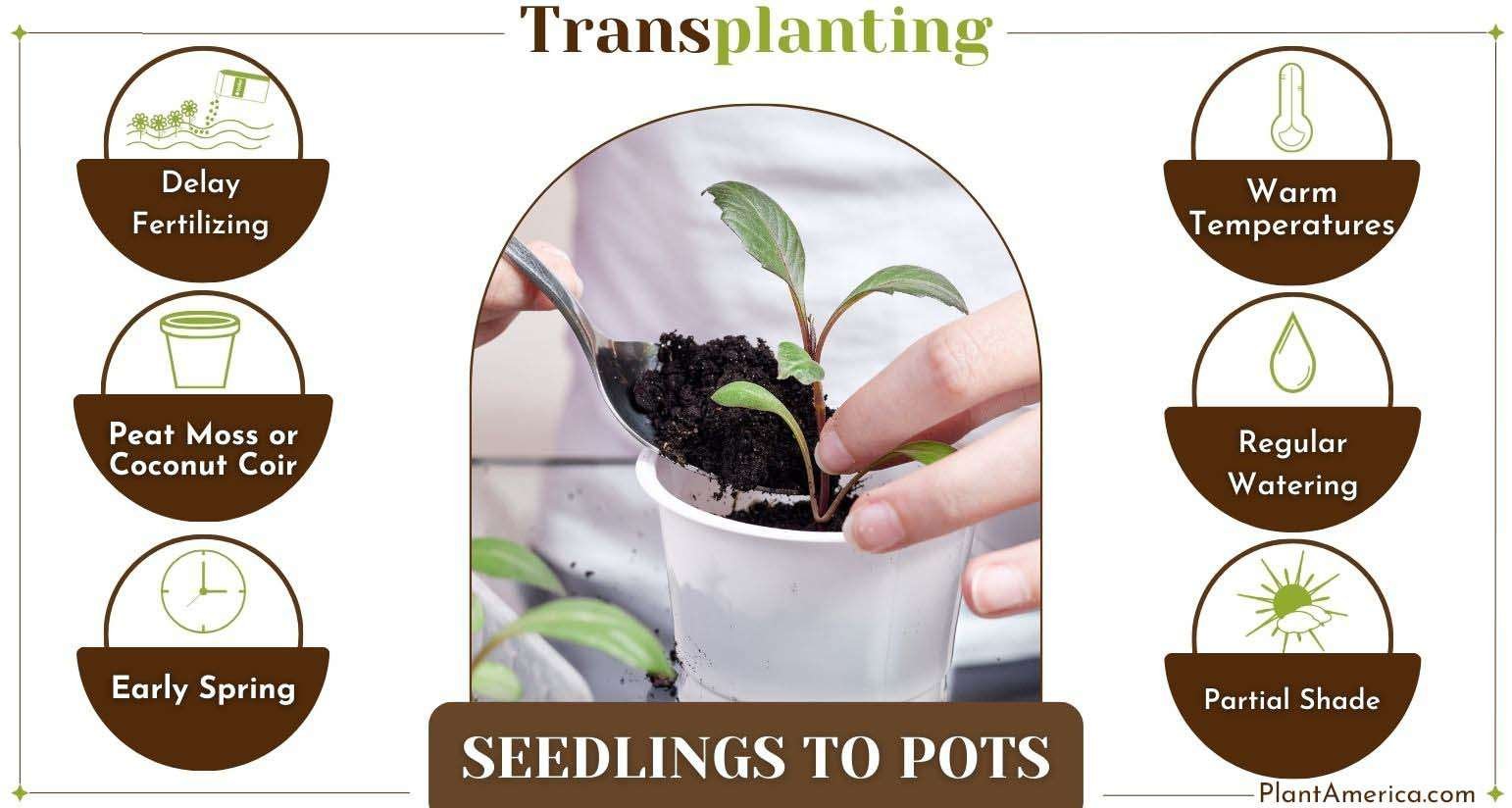
We have made everything as simple and as easy as you can possibly imagine in this comprehensive guide for transplanting your seedlings!
How to Transplant Seedlings to Pots?
To transplant seedlings to pots, you have to begin by preparing your materials and waiting for the right seedling development. After that, you have to prepare the pots or the containers you will use. Lastly, you must add the seedlings to the pot and cover them with the potting mix.
1. Prepare Your Materials
Check that your young seedlings are ready to thrive, especially when you’ve planned to use starting seeds. Look for ones with two to four true leaves before transplanting. Ideally, use a unique potting mix that combines compost, peat moss, perlite, and vermiculite. This mix encourages strong root development.

Choose pots slightly larger than the current ones for future growth, and ensure they have good drainage to prevent root rot. Label each plant for a well-organized gardening experience to keep track of different cultivars.
2. Wait for the Right Seedling Development
Transplanting seedlings too early can result in the shock and death of your tiny plants. Look and wait for two to four true leaves before making the move. Transplanting too early may stress the roots, while waiting too long can hinder growth. Observe your seedlings regularly and transplant them when they’re ready.
3. Prepare the Pots and Containers
When choosing pots for your seedlings, go for clean containers slightly larger than their current ones. These will provide enough room for the young plants’ roots to flourish. Don’t forget to ensure the pots have proper drainage holes at the bottom. These will be helpful in preventing excess water that could lead to root rot.
4. Prepare the Potting Mix
The key to successful seedling growth is the perfect preparation of your transplant soil mix. This blend offers the necessary nutrients, aeration, and drainage crucial for young plants to flourish in good health. The great news is you have two excellent choices for an ideal potting mix.

Option one involves getting a ready-made mix from garden centers specifically designed for young plants. It typically includes organic matter like compost and minerals like perlite and vermiculite. These components ensure proper moisture retention and root aeration.
Option two lets you create your own potting soil. Simply combine ingredients like peat moss or coconut coir for water retention. Then, add vermiculite or perlite for soil aeration. Don’t forget to include essential nutrients by adding organic matter like compost or aged manure.
It’s best to avoid using garden soil, as it may harm potted plants due to poor drainage and lingering diseases or pests. Also, remember to sterilize all components for consistency and to eliminate harmful elements. Once your potting mix is ready, fill the pots adequately, leaving enough space for the seedlings’ roots to go in.
5. Water the Seedlings Prior to Transplant
Gently water your seedlings in their current containers for a successful transplant. Doing so protects their root ball and eases the transition. Also, this can help avoid shocking the delicate young plants. Use a watering can with a fine spout or a spray bottle to water the soil around the seedlings.
Be cautious not to overwater, as waterlogged soil can harm the roots and the plants. The goal is to moisten the potting mix, helping the roots adapt to their new pots. Find the right balance for this activity. This means the soil should not be too dry but not too wet. Keep the soil adequately hydrated for a smooth adjustment.
6. Create Holes in the Potting Mix
When it’s time to prepare holes for your pot seedlings, you have wonderful choices at your disposal! You can opt for your fingers, a small trowel, or even a spoon. Use whatever feels most comfortable! Gently press your chosen tool into the potting mix, keeping it intact. The holes should be deep enough for each seedling’s root ball.
These well-defined spaces become perfect spots for your seedlings to settle and thrive in their new environment. This process encourages healthy root development and provides a strong foundation for their ongoing development.
Go steadily as you create the holes, making sure that they match the seedlings’ size without disturbing the surrounding potting mix. Our main objective here is to seamlessly integrate the seedlings into their new homes, setting them up for success under your care.
7. Gently Remove the Seedlings
Now, place your hand on the soil. Gently support the seedling’s stem with the utmost care. Next, flip the container and tap it. This will guide the seedling out with ease. Your goal here is a safe transfer without harm to the roots.
8. Inspect the Seedling’s Roots
When repotting seedlings, examine the roots before placing them in their new pots. Now that the seedlings are out, observe their root systems. If you notice any tangling or circling of the roots, gently untangle them with your fingers. This helps the roots grow outward and adapt effectively to the new potting mix.
9. Plant the Seedlings
To remove a seedling, gently hold its stem and cover the soil with your other hand. Turn the container upside down, tap it lightly, and let the seedling come out unharmed. Check the roots for any circling or tangling once the seedling is out. If you find any, gently loosen them with your fingers.

This helps the roots adapt better to the new potting mix and supports overall plant growth. Now, position each seedling into the prepared holes in the new pots. Place them so the top of the root ball aligns evenly with the soil surface. Fill the gaps with the potting mix prepared earlier.
Finally, press the potting mix around the base of the seedlings with measured pressure. This will secure them in place. Doing so promotes stability and reduces the risk of displacement during watering or handling.
10. Label the Pots for Monitoring
When you repot seedlings, labeling the pots is helpful. Clear labels simplify plant identification, making care and monitoring a breeze. Keep things organized with visible labels for a systematic approach to managing your plants.
Choose small, weather-resistant labels for pot labeling. These rugged and waterproof labels can withstand outdoor conditions and remain legible over time. Write the plant names neatly to avoid confusion and ensure easy reading.
On each label, include the plant’s common or botanical name, along with any relevant notes like sowing dates or special care instructions. Securely attach the labels to the pots to prevent displacement or damage during watering and maintenance.
11. Water the Transplanted Seedlings
When you plant seedlings, watering plays a crucial role in their success. To grow healthy roots, strike the right balance between not giving too much water and not too little either. Gently and carefully water around each seedling, using a watering can with a fine rose attachment or a spray bottle for an even flow.

This way, you won’t disturb them or their potting mix. You want to avoid drowning the plants as it can interfere with their growth, while underwatering causes stress. Regularly check moisture levels by inserting a finger up to the first knuckle in the potting mix.
Different seedlings have different needs. Most of the time, these are based on environmental conditions, pot size, and plant variety. Keep a close eye on them and adjust your watering approach accordingly to ensure a smooth transition to their new pots.
12. Provide Proper Plant Care
To plant seedlings properly, find a sunny spot that meets their lighting requirements. Gradually introduce indoor seedlings to the outdoors to avoid shock. Watch out for signs of stress, like wilting, and adjust their position accordingly.
Maintain regular watering, keeping the soil mix evenly moist but not soggy. Water when the topmost inch of your soil is dry. Use a watering can or gentle spray bottle avoiding excessive wetting of leaves. Ensure the temperature suits the seedlings, preventing extreme fluctuations. Maintain adequate indoor humidity to support healthy growth.
Hold off on applying fertilizer after transplanting, as seedlings already have nutrients. Wait until they adjust and show new growth, then introduce balanced, diluted fertilizer following the manufacturer’s recommendations.
Check regularly for pests, such as aphids, or diseases and consider natural pest control or organic remedies. If seedlings grow too tall, lightly prune or pinch the top growth to encourage bushier growth and better root growth.
Some seedlings may need support as they grow taller. Use gentle stakes or plant supports to prevent bending or breaking. Keep a close eye on your seedlings’ progress, noting their health, growth rate, and any issues. Address concerns promptly to ensure their best development.
13. Implement Gradual Exposure
When moving seedlings outside, remember the key is gradual exposure. This helps them adjust smoothly to external conditions, supporting growth and reducing transplant shock risk. After transplanting into pots, take it slow when introducing them outdoors.

Avoid sudden harsh conditions that stress delicate roots and foliage. Start in a partially shaded area to provide natural light without strong direct sun exposure. Limit their time outdoors initially, gradually increasing each day.
This pace helps them adapt to temperature, humidity, and light changes, building resilience. Extend outdoor exposure as they grow stronger until they’re ready for their final spot. Keep a close eye on the seedlings, making adjustments if you notice stress.
Offer shelter during bad weather or adjust outdoor time accordingly. Using gradual exposure helps seedlings thrive long-term with robust roots and resilient plants. Be patient and thoughtful during transplanting, and your plants will flourish beautifully.
FAQs
– Is It Okay to Transplant Seedlings Directly into the Garden Instead of Pots?
Yes, it is okay to transplant seedlings directly into the garden instead of pots, but transplanting seedlings directly may have its drawbacks. Seedlings now planted in the garden can easily experience shock due to limited environmental control. Plus, seedlings will be more vulnerable to diseases.
Conclusion
In this comprehensive guide, we learned all of the necessary steps required to transplant seedlings to pots successfully. Before we wind up, let’s take a quick look at the most critical takeaways from this article:
- Transplant your seedlings to pots when they have more than two true leaves for better root development.
- Use clean pots with drainage holes and a suitable potting mix for optimal growth.
- Gradually expose seedlings to outdoor conditions to prevent shock.
- Transplanting seedlings directly into the garden may lead to challenges like weather extremes and root competition.
- Consider potting seedlings initially for better control over the environment and protection against pests.
Use these techniques to achieve thriving seedlings that eventually grow to be healthy mature plants!