
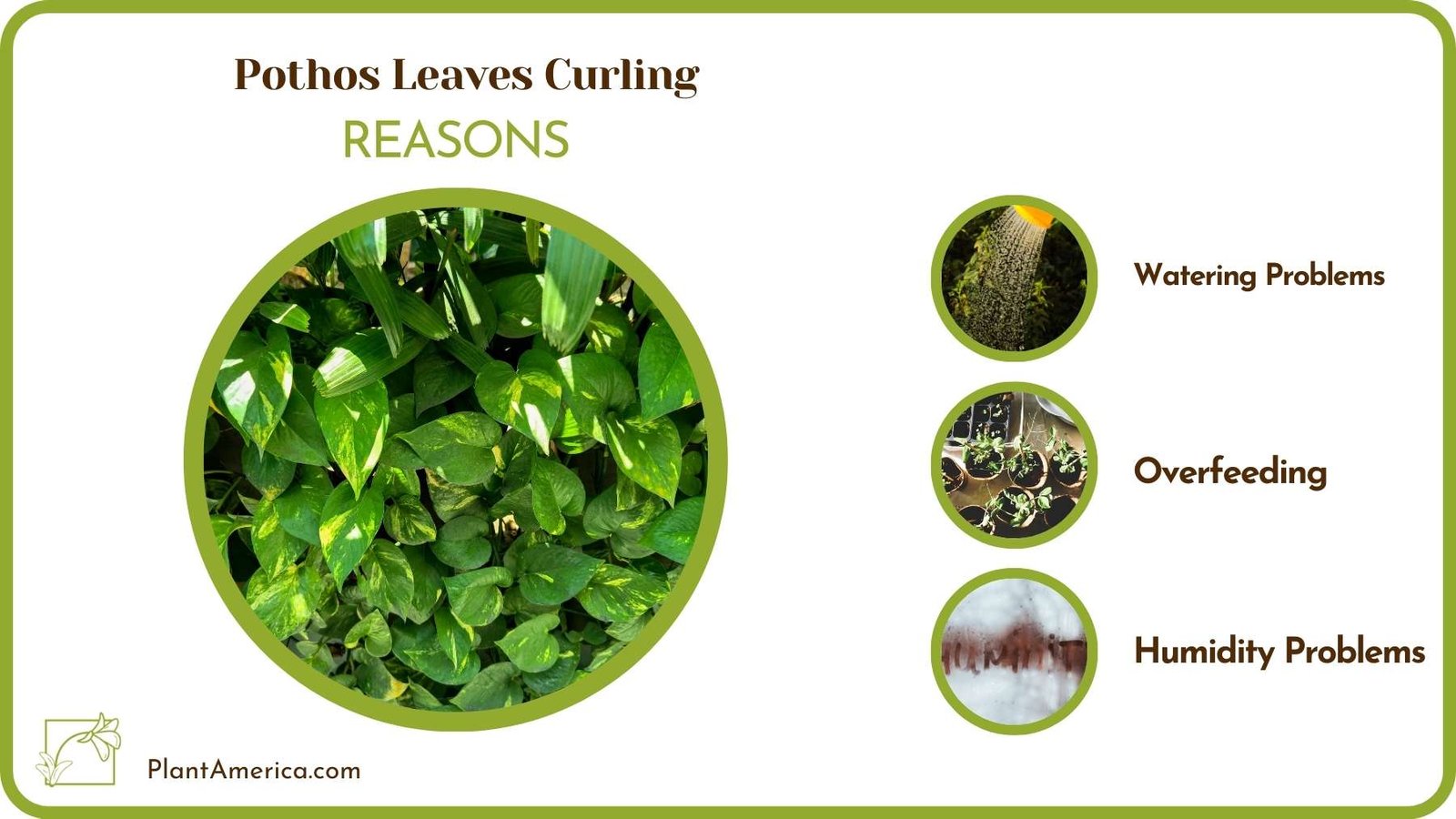
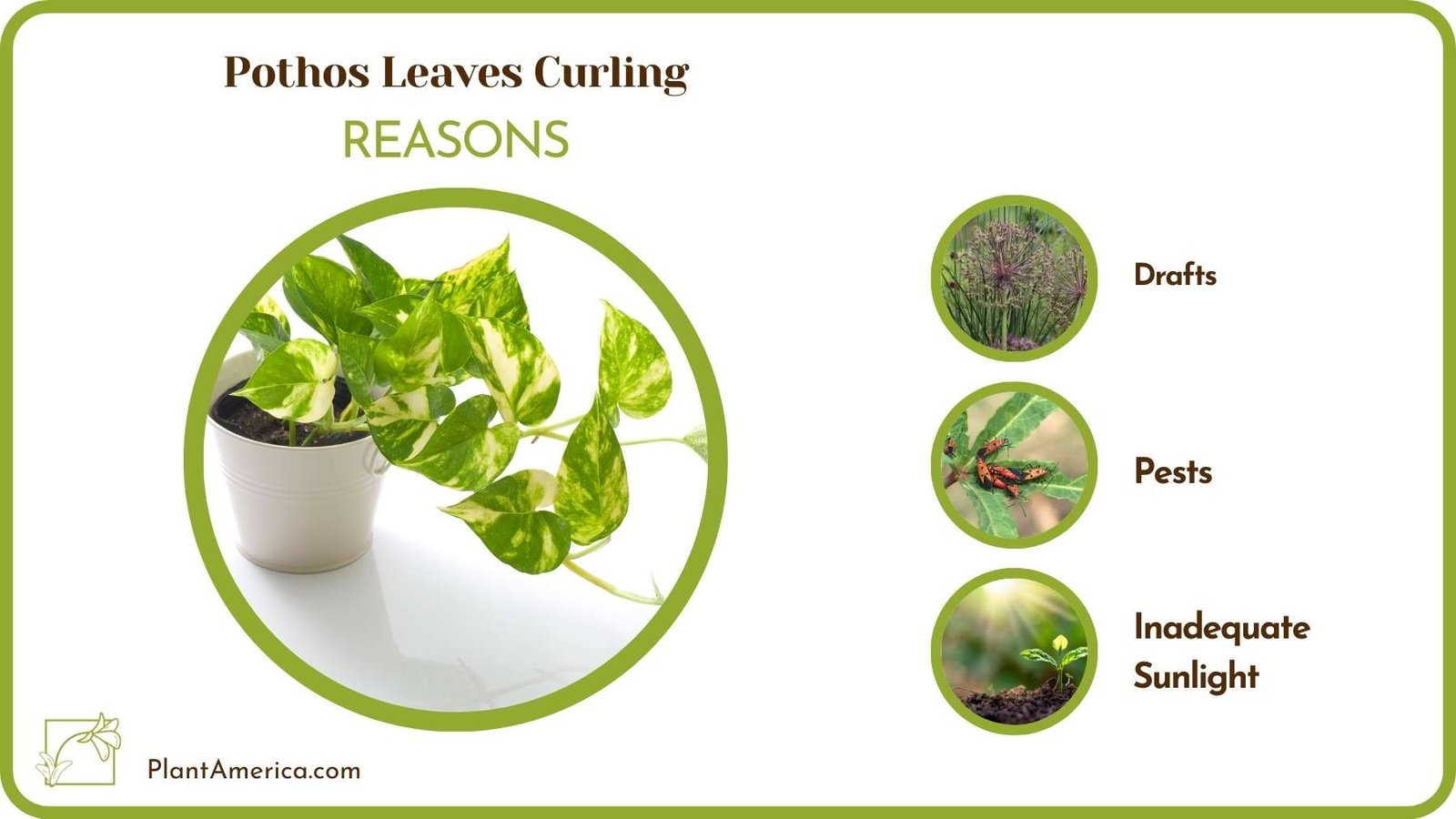
Pothos leaves curling is one of this resilient plant’s most common foliage problems. Epipremnum aureum can have curling leaves because of water issues, humidity issues, drafts, inadequate sunlight, pests, having a rootbound plant, transplant shock, using the wrong pot, or overfeeding.
 Although finding curled pothos leaves on your pothos plant is alarming, it doesn’t mean that your plant is beyond saving. Our gardening team will tell you more about this problem and the best solutions to treat it.
Why Do The Leaves on Pothos Curl?
Problems with the plant’s care routine can lead to the curling of the leaves. These include watering, feeding, humidity, drafts, pests, and sunlight issues. The curled pothos leaves can also happen due to a transplant shock, having a rootbound plant, or growing it in the wrong pot.
Pothos or golden pothos are easy to care for and resilient, but the lack of pothos care requirements will affect the foliage.
– Watering Problems
The plant’s care guide states that pothos plants can live for many years, growing inside your house as hanging plants or outside as vines. Yet, over or underwatering might be why your plant’s foliage is curling.
If you notice that your plant’s foliage curls inward and downward, you probably aren’t providing it with as much water as it needs. Underwatering can also cause yellow leaves.
You might also be using sharp-draining soil that doesn’t allow moisture to sit around the roots. You should let your pothos dry out between waterings, but the plant will suffer if you keep it thirsty.
You might also be providing the plant with too much water. If you water your plant too often, the soil has poor draining, or the pot doesn’t have enough drainage holes, curling can be a sign that your plant is suffering. Root rot causes black spots on the leaves and stems, and the foliage curls because the rotten roots can’t access water and nutrients in the soil. Moreover, the aeration in the soil decreases, so the plant suffocates.
Unfortunately, detecting overwatered pothos is challenging because most novice gardeners will give their plants more water when the foliage starts to curl. This causes the plant to suffer even more.
– Overfeeding
Pothos plants aren’t heavy feeders, but some gardeners and homeowners provide too much fertilizer, attempting to nourish their foliage. The opposite happens, and you’ll notice that the plant has droopy and wilting leaves.
– Humidity Problems
Pothos thrives in high humidity conditions but can tolerate levels as low as 40%. In winter, humidity significantly drops when the weather is dry, causing the leaves to droop and curl.
The foliage curling problem is more evident in plants grown outside because they can’t tolerate the dry weather. It can also happen if your house is too dry or you use a dehumidifier frequently to decrease humidity.
– Drafts
In its natural habitat, pothos grow best in a 65 and 75-degree Fahrenheit temperature range. Heat stress is one of the reasons why you might see pothos leaves curling and yellowing. This plant will survive if the temperature is constantly above 55 degrees Fahrenheit but will suffer significantly if exposed to lower or higher temperatures.
Cold drafts in winter can damage the roots and the foliage. You’ll notice that your plant is drooping and the leaves are wilting. You might also notice these symptoms if you keep the plant near a radiator or a heating vent in winter because temperature stress will lower humidity and affect the foliage’s shape, making the leaves curl.
– Pests
Pothos is pest-free and resilient. But if you neglect the plant or keep it next to an infected one, it might suffer from some pest infestations.
Mealybugs, thrips, aphids, white flies, and spider mites usually attack this plant sucking its sap and weakening it. As a result, the leaves will droop and curl because they’re deprived of essential nutrients. Some of these bugs feed on the leaves, so the plant cannot perform the photosynthesis process and doesn’t have enough energy.
– Inadequate Sunlight
Pothos tolerates sun and shade, but too much can make the plant suffer. In its natural habitat, the Epipremnum aureum grows under the canopy of taller trees, so it thrives in bright yet filtered light.
However, this plant is suitable for low-light conditions and can ideally grow under fluorescent lights in offices without access to natural light. Some varieties, like satin pothos, will struggle more in excessive light exposure.
In most cases, seeing droopy pothos leaves results from exposure to intense direct sunlight, as this plant is more tolerant of shade than light. Too much sunlight causes excessive evaporation, and the leaves dry out. They curl and droop when this continues, and their tips become brown and crispy.
– Rootbound
The pothos leaf curling issue can be seen if you grow pothos in a pot because the plant is rootbound. This low-maintenance plant will have droopy leaves when it has grown too big for its current container.
You’ll notice that the roots are protruding out of drainage holes, so the plant won’t be able to absorb water and nutrients from the soil.
– Transplant Shock
After transplanting a pothos plant, it’s normal to see it drooping and curling for a while. The symptoms can be severe, especially if you weren’t careful while repotting your pothos. You might notice this if you’ve transferred outdoor plants to grow them inside the house or transferred cuttings from water to soil.
– Wrong Container
Despite being a low-maintenance plant, choosing the wrong pot can affect how your indoor pothos look. The soil dries out quickly when the pot is too small for an indoor plant. As a result, the plant will be deprived of essential moisture and unable to access the nutrients it needs to grow.
At the same time, a pot that is too large will hold water for extended periods. Continuous exposure to moisture will damage the roots because of root rot, and they become mushy. These sick roots won’t absorb the water and nutrients from the soil, and your pothos will have curled and droopy leaves.
Easy Solutions To Cure Pothos Curling Leaves
– Water Adequately
Water pothos when the soil is dry. When the soil is still moist, the plant’s roots will be sick and unable to absorb nutrients from the soil.
If you accidentally overwater the plant, remove it from the pot and examine the roots. Cut all the sick roots using sterilized shears because they won’t be able to function. Unhealthy roots will be mushy, soft, or have a bad smell.
Pothos leaves curling and browning usually indicate root rot. You should also rinse the healthy roots with a diluted hydrogen peroxide solution to kill pathogens.
After you’ve trimmed the roots, transfer the plant into a new pot. Pick a well-draining potting mix and water the plant adequately. Soak the plant until the excess water drains out of the holes. Then, let the soil dry out before watering it again.

Dealing with an underwatered plant is more manageable. You should use the soak-and-drain method as soon as the leaves are drooping. This means you should water until the excess drains. This will provide the plant with enough moisture to uncurl.
– Adjust Feeding
Adding too much fertilizer to your pothos will burn the roots. As the salts accumulate in the soil, your plant can’t absorb water or nutrients, so it dies. Yet, this doesn’t mean you shouldn’t feed your plant.
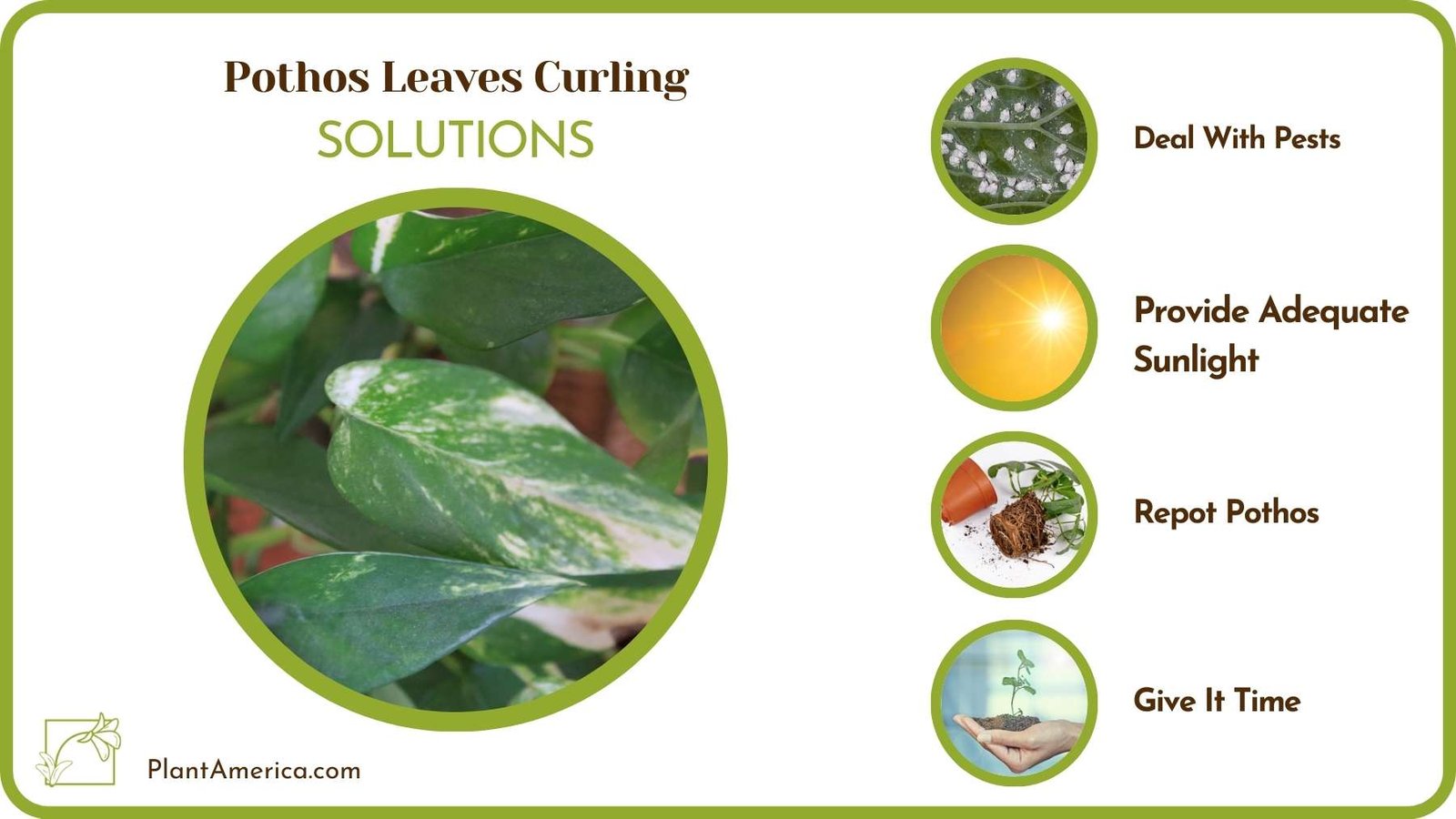
Feeding the plant in spring and summer using a diluted 10-10-10 fertilizer will encourage growth. You should avoid feeding pothos in the dormant season when the plant isn’t actively growing.
You can also use worm castings. They don’t oversaturate the soil with nutrients and release them at a controlled rate.
– Adjust Humidity Levels
Pothos leaves curling and drooping is usually the result of inadequate humidity. Pothos thrives in high-humidity conditions but can also tolerate low humidity levels. When placed in front of heat vents, ACs, and radiators, these plants suffer, so you should pick the right location for pothos pots.

If you’re growing your pothos outside, you should bring the pots inside when humidity decreases. Try to use a humidifier if your house’s air is too dry. Grouping plants or placing pothos in a bathroom where the humidity is typically higher will help. You can also place a pebble tray under the plant’s pot to increase humidity.
– Choose the Right Location
Hot and cold drafts can significantly harm your plants. This is why you should move your pothos at least two or three feet away from any heat source when the leaves are wilting because of hot drafts. Providing the plant with some water will help restore its healthy look.
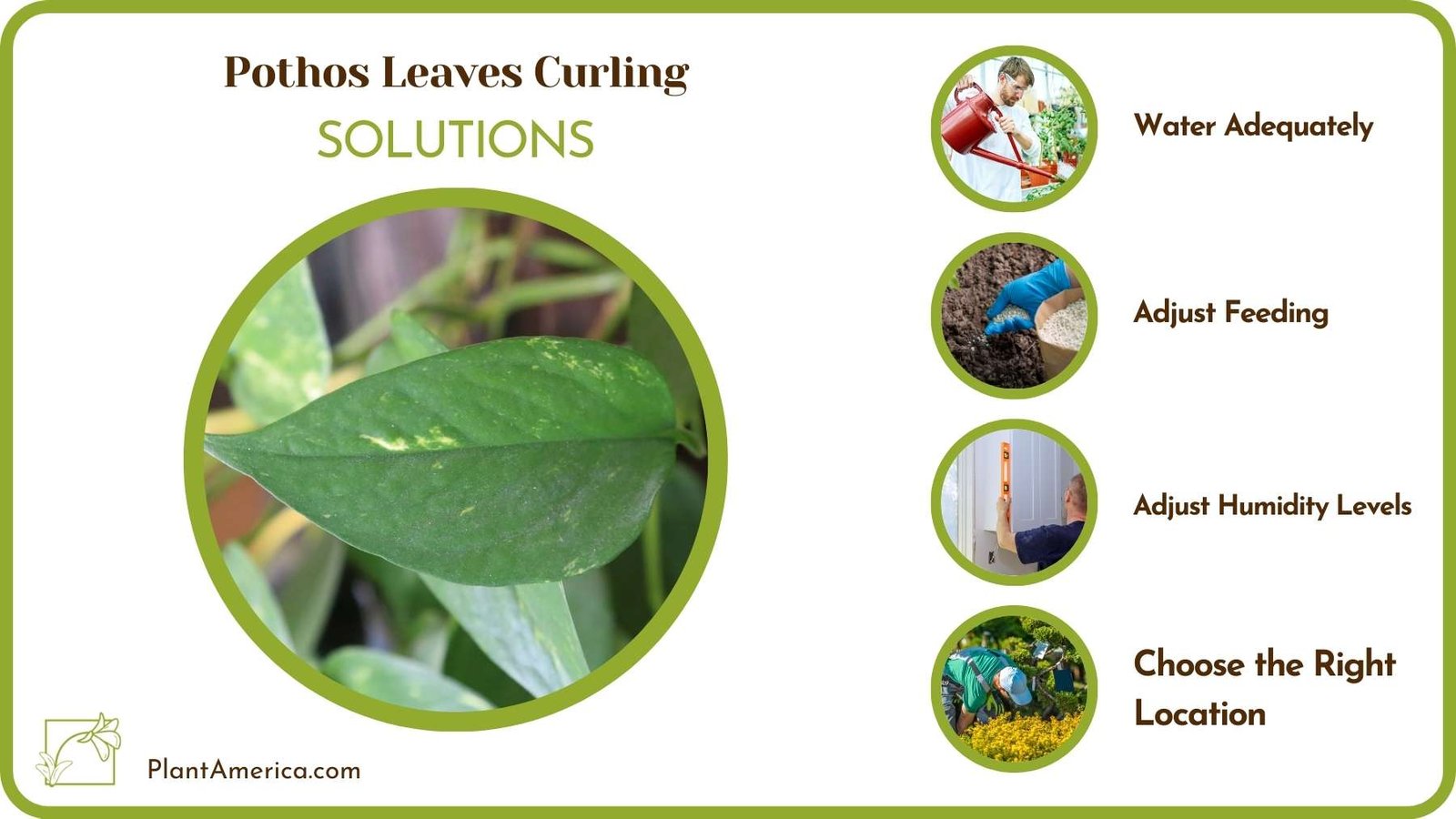
Cold drafts and lower temperatures can damage the roots and kill your pothos. Pick a spot where this plant is protected from cold drafts. If you grow it outside, you should bring the pots inside at nighttime when the temperature drops.
– Deal With Pests
Sap-sucking pests damage the foliage and cause leaves to curl. You might also notice some of the leaves turning yellow or brown. But luckily, you can get rid of them before they can cause more damage.
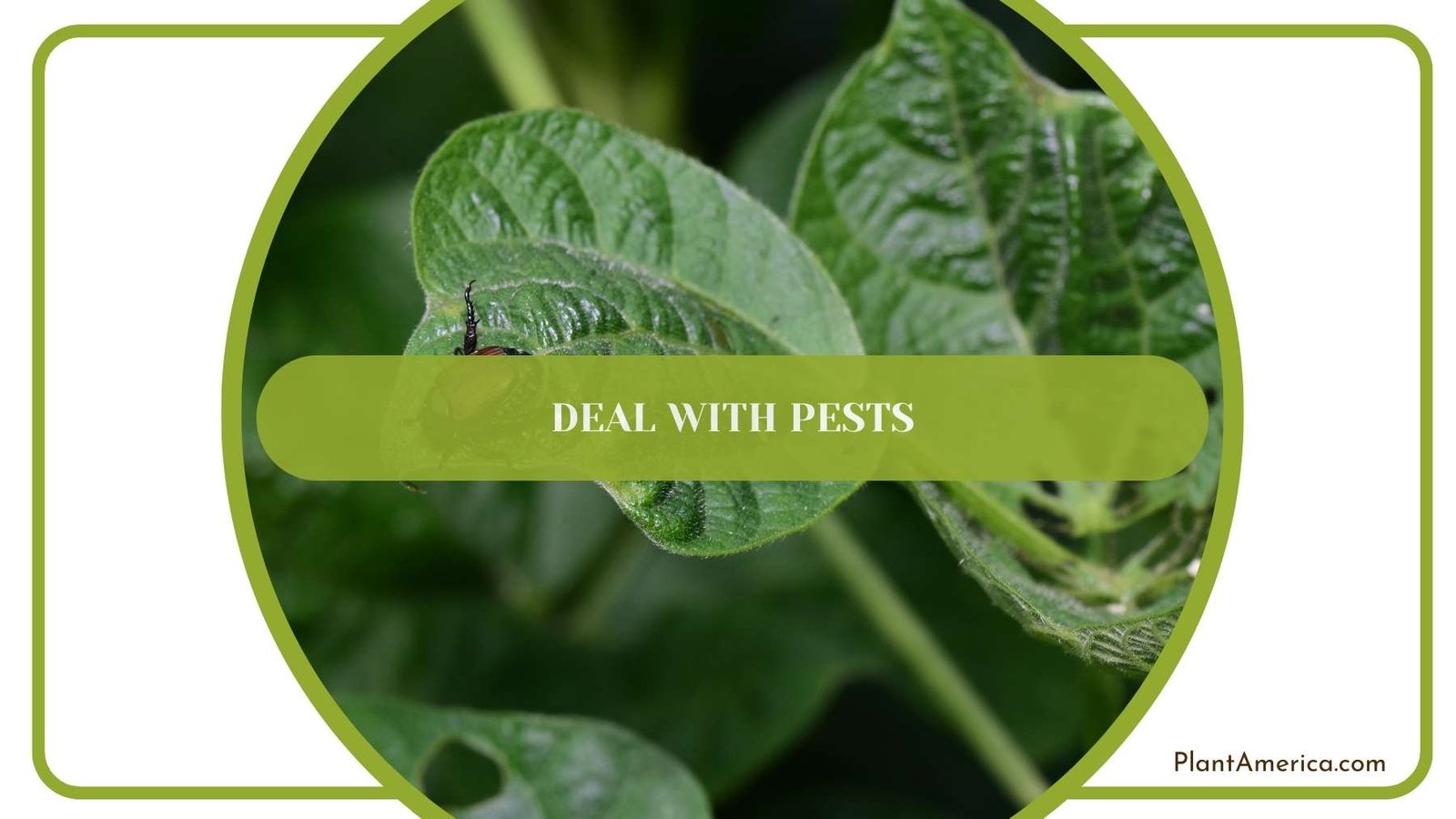
Prepare a solution of diluted 70% isopropyl alcohol by mixing one part with four parts of water. This solution is potent at dealing with mealybugs and spider mites. Using an insecticidal soap and applying neem oil will help you eliminate other pests. In the case of heavy outdoor infestations, you can use a systemic pesticide.
– Provide Adequate Sunlight
Choosing the proper location to grow your outdoor pothos or the spot to keep a pot will save your plant. You must ensure this plant receives enough bright yet filtered light, as it can easily get scorched when exposed to too much light. So, you can cover the window with a sheer curtain or move the plant pot away from it to protect the leaves from scorching.
– Repot Pothos
Pothos should be repotted every 2 or 3 years or when they show signs of being rootbound. Even if the plant doesn’t look rootbound, you still need to repot it because it has probably consumed all the nutrients in the soil. Moreover, older soil becomes hydrophobic and can’t retain moisture, mainly if the potting mix contains peat moss.
Twist the plant and use a shovel to remove it without damaging the root ball. You should brush off the soil and check the roots to see if they’re damaged. Use a fresh potting mix and ensure it’s well-draining to avoid root rot.
While repotting your plant, you should pick a suitable container. The container shouldn’t be too small or too big, or your plant won’t have access to adequate moisture.
If the pot is too small, you’ll need to water your pothos less frequently because the soil dries too fast. So, you should pick one that is at least two inches larger. If the pot is too large, transfer your pothos to a smaller pot and replace the soil.
– Give It Time
Suffering from a transplant shock and seeing pothos leaves curling in water is not very rare. If you’ve recently repotted your plant and noticed that the leaves are curling, it might be due to this shock. You might also notice that the foliage is turning brown.
Transplanted pothos cuttings should be grown in a moist potting mix or soil. Yet, soaking the soil will lead to rot and kill your pothos.
You should cover newly transplanted cuttings with sheer plastic to protect them. They will take time to adjust and will be able to recover.
Mature plants can also suffer from shock, but the symptoms are usually less severe. So it’s common to see pothos leaves curling after repotting. Providing the plants with enough light and water will help them get established.
Conclusion
Seeing curling foliage seems worrying, but it doesn’t mean your pothos can’t be saved.
- The leaves usually curl because of watering, feeding, excess fertilizer, or sun exposure issues.
- Adjusting the plant care routine and dealing with pests will save it.
- Retain adequate humidity and protect the plant from drafts.
- Repot pothos once every 2 or 3 years, choose a suitable container, and give it time to recover from the shock.
With these care tips, curling pothos leaves won’t be a problem. Many pothos species can live between 5 and 10 years, but your plant can live much longer with proper care.