
Native Texas trees offer numerous benefits to growing in your yard. They help attract wildlife, provide shade to lower energy costs, increase property value, and bring natural beauty to your landscaping. If you want an easy way to improve your outdoor space and connect with the local environment, consider adding some of these native trees that have flourished across Texas for centuries.
In this article, we’ll share well-adapted native tree species for your yard that require minimal maintenance, provide maximum benefits, and perfectly complement the Texas landscape.
Native Texas Trees That Effortlessly Increase Property Value
1. Live Oak
- Growing season: Year-round.
- Leaf shape: Ovate, Lobed.
- Specific needs: Well-drained soil, Full sun, Acidic soil.
- Common pest: Scale insects, Oak leafrollers.
The iconic evergreen live oak tree is synonymous with the landscape of Texas. A majestic evergreen, the live oak has the potential to develop into an enormous specimen, forming broad canopies that reach over 100 feet in height and width given adequate space and time to mature. Their stately appearance makes them a fitting tree to represent the Lone Star State, and live oaks are commonly found growing on hillsides, farms, and grazing areas across much of the countryside.
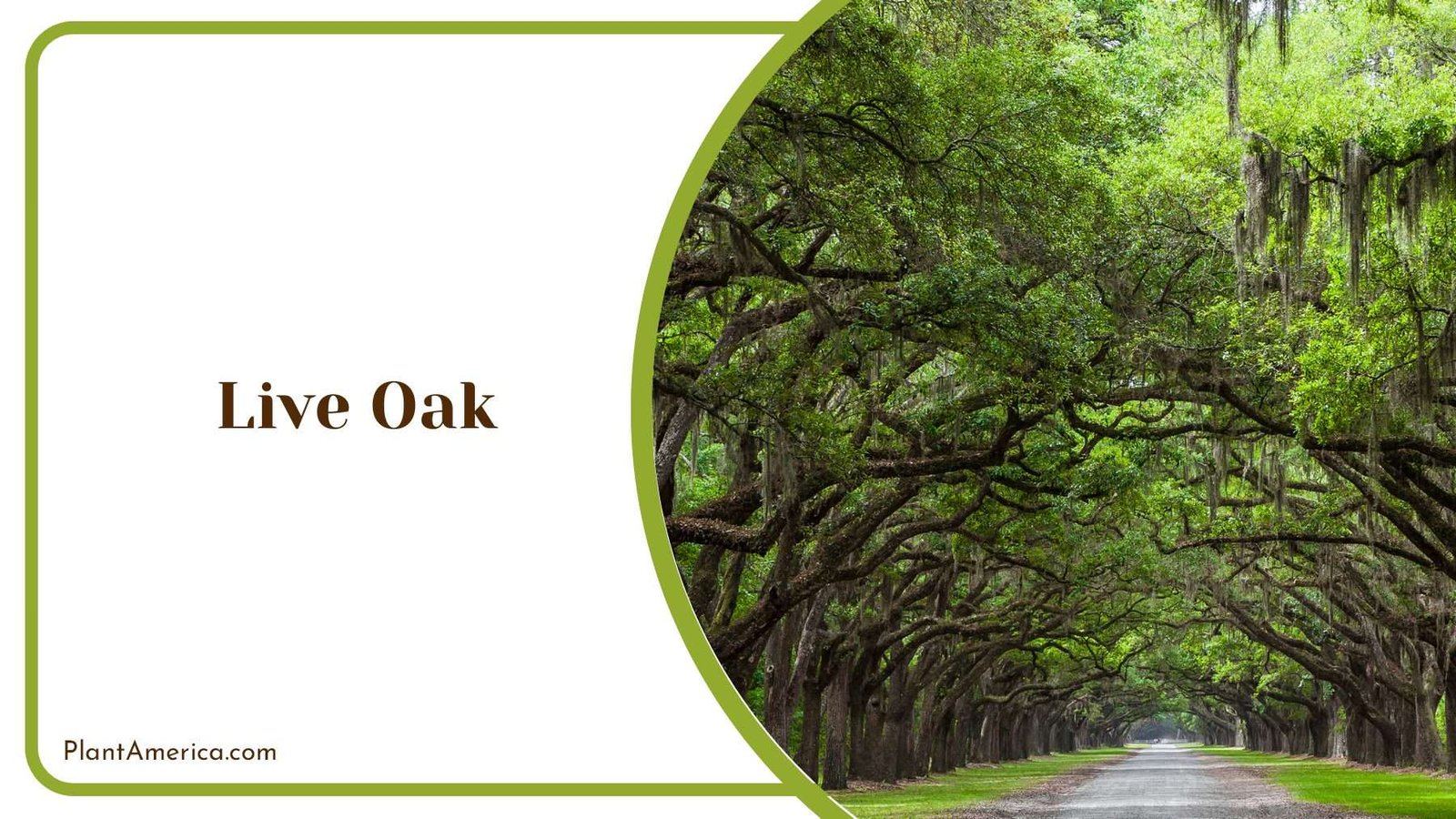
Whether standing solitarily as a sentinel or spread out inGroves, the live oak has famously gnarled and twisted trunks supporting intricate branching structures. Their leathery, deeply lobed green leaves provide visual appeal and shade throughout the year.
Well-adapted to hot, dry conditions, live oaks have tapping root systems and foliage that reduces moisture loss, allowing them to thrive with minimal supplemental water once established. These tough leaves turn yellow-brown gradually as they senesce, contributing seasonal interest.
While their massive proportions make live oaks less than ideal for small yards, their slow growth and longevity make them a superb investment, remaining attractive focal points for decades. Some historic live oaks are estimated to predate the state’s Anglo settlement in the 18th century. Their elegant forms provide windbreaks, habitats and nesting sites for birds and small mammals.
These noble trees have become intertwined with Texas culture and heritage over generations. Whether dotting rangelands or gracing historic plantations, live oaks give memorable character to the Lone Star landscape. Their stately presence endures as a natural symbol of strength and permanence for the state. With room to stretch their branches, live oaks create inspiring natural arboretums for future generations of Texans to enjoy.
2. Cedar Elm
- Growing season: Spring, Fall.
- Leaf shape: Alternate, Slender with pointed tips.
- Specific needs: Well-drained soil, Full sun.
- Common pest: Elm leaf beetles, Japanese beetles.
ght: 400;”>A familiar sight across the Lone Star State, the cedar elm is one of the most prevalent and quickly growing native tree species in Texas. Getting its common name from the distinct cedar-like aroma emitted when brushing its small leaves, this variety of elm tti commonly tops out at around 50 feet in height. Though not achieving the same great ages as other elms, cedar elms offer important environmental benefits while still relatively young.
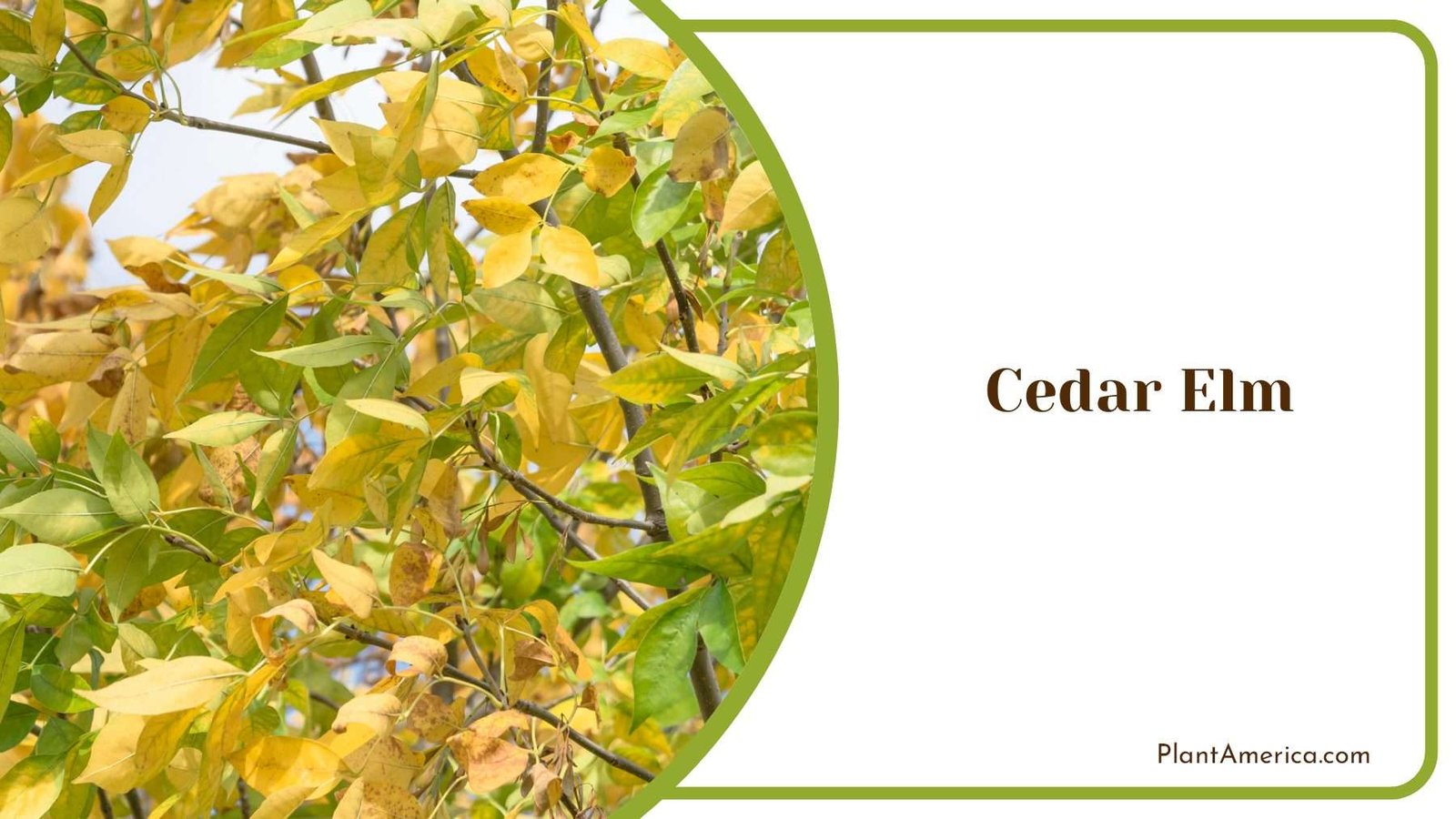
In late spring, cedar elms erupt in an eye-catching yellow bloom as they flower. These small blooms are followed by the development of curious flat, paddle-like seeds clustered together on distinctive winged structures. This unique seed production provides visual interest in the landscape from summer into fall before the seeds disperse. Beneficial to wildlife as a native food source, cedar elms also harbor bird nests within their branches and foliage.
Adaptable to various soil conditions, cedar elms are well-suited for placement in urban and developed settings where other trees may struggle. They grow quickly to provide cooling shade yet remain appropriately scaled for smaller lots and limited spaces.
Their tolerance of drought, heat, and air pollution also make cedar elms a low-maintenance choice for parking lots, medians, and naturalized areas within cities. Even young specimens establish dense enough canopies to offer protection from the elements.
While not achieving the stately stature of live oaks or pecans over decades, the fast-growing cedar elm remains a backbone species of the Lone Star landscape. Whether gracing rural pastures, lining city streets, or softening industrial zones, this versatile tree reflects the hardy, pragmatic character of native flora across Texas.
3. Texas Ash
- Growing season: Spring, Fall.
- Leaf shape: Opposite, Compound, five-nine leaflet.
- Specific needs: Flood tolerant, Full sun, Moist soil.
- Common pest: Scale insects, Ash yellow, Borers.
A common yet appealing native tree of Texas, the fast-growing Texas ash is well-adapted to thriving in a wide variety of landscape conditions across the Lone Star State. At maturity, most specimens will form attractive oval-shaped crowns between 50 to 80 feet tall branching outward from the sturdy trunk. Their shade-providing stature makes Texas ash a beneficial choice for complementing prairies, pastures, or residing in urban areas.
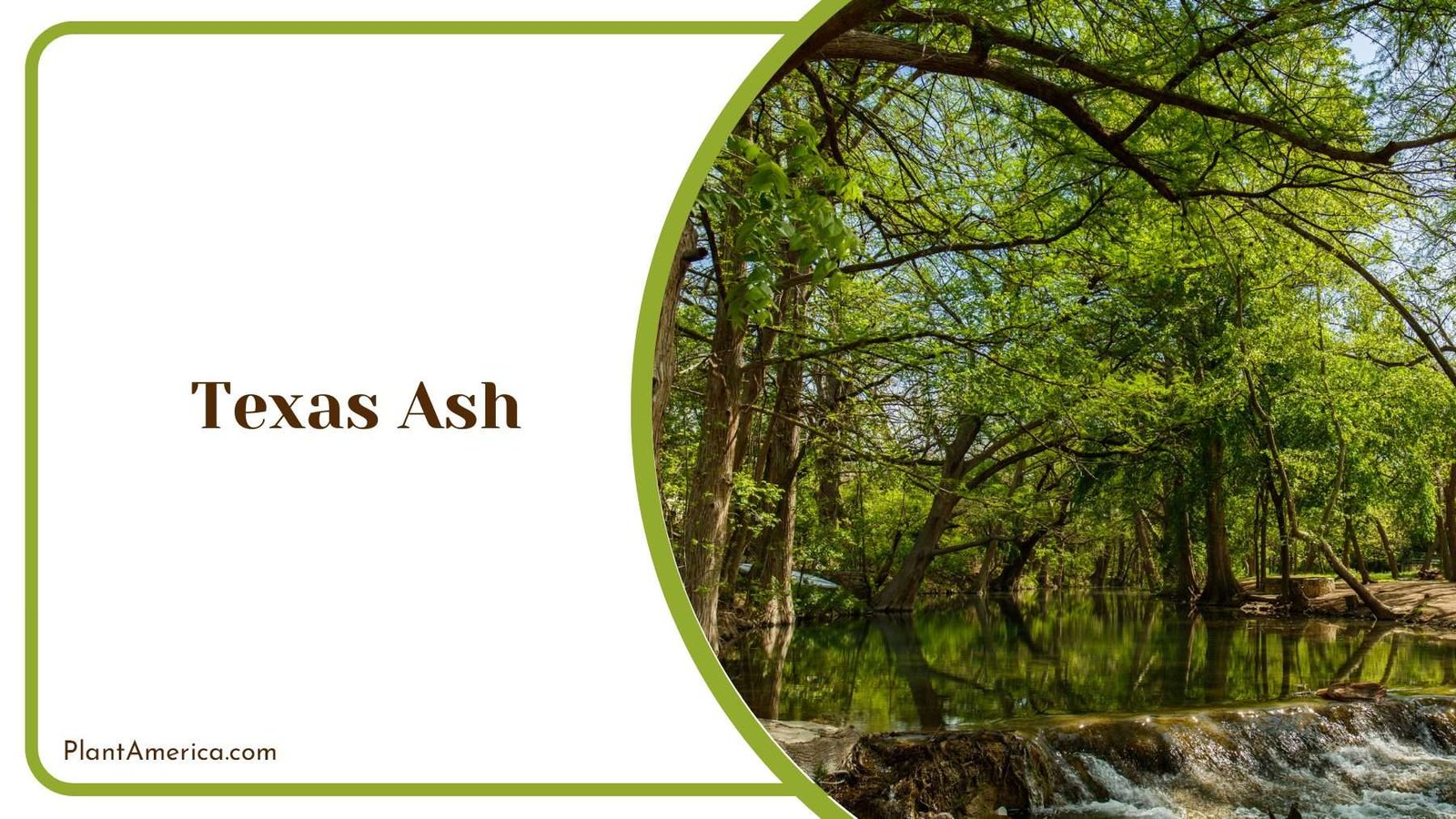 In early spring before its leaves emerge, the graceful branches are adorned with soft greenish-yellow blooms. Clusters of tiny flowers gently clusters along the young twigs, providing a subtle bloom display. As warm weather settles in more permanently, the flowers give way to the development of the tree’s compound foliage. Come fall, those same leaves will begin to take on beautiful golden hues before dropping to the ground, providing seasonal color and interest.
With its noteworthy tolerance for occasional flooding or standing water, the Texas ash flourishes in low-lying areas or zones with poorer drainage where other species would struggle. It is a suitable selection for riparian areas or adding structure to wetlands. The flexible, elastic wood produced by this tree has traditionally been favored for constructing tools andimplements like wagon wheels, bows, and axe handles due its combination of strength and springiness.
A fast-growing staple of the diverse Lone Star landscape, the Texas ash serves utility as well as ornamental purposes. Whether gracing pastures, parklands or residential yards, its graceful form is certain to develop into a lovely focal point providing bountiful shade for generations of Texans.
4. Bur oak
- Growing season: Spring, Fall.
- Leaf shape: Lobed, Bristly margins.
- Specific needs: Poor soil tolerant, Full sun, Drought tolerant.
- Common pest: Two-lined chestnut borer, Oak leafminers.
The bur oak is a majestic native tree of the Great Plains well adapted to life on the Texas frontier. Bur oaks grow slowly into massive specimens featuring rugged branches snaking upward to heights over 100 feet tall.
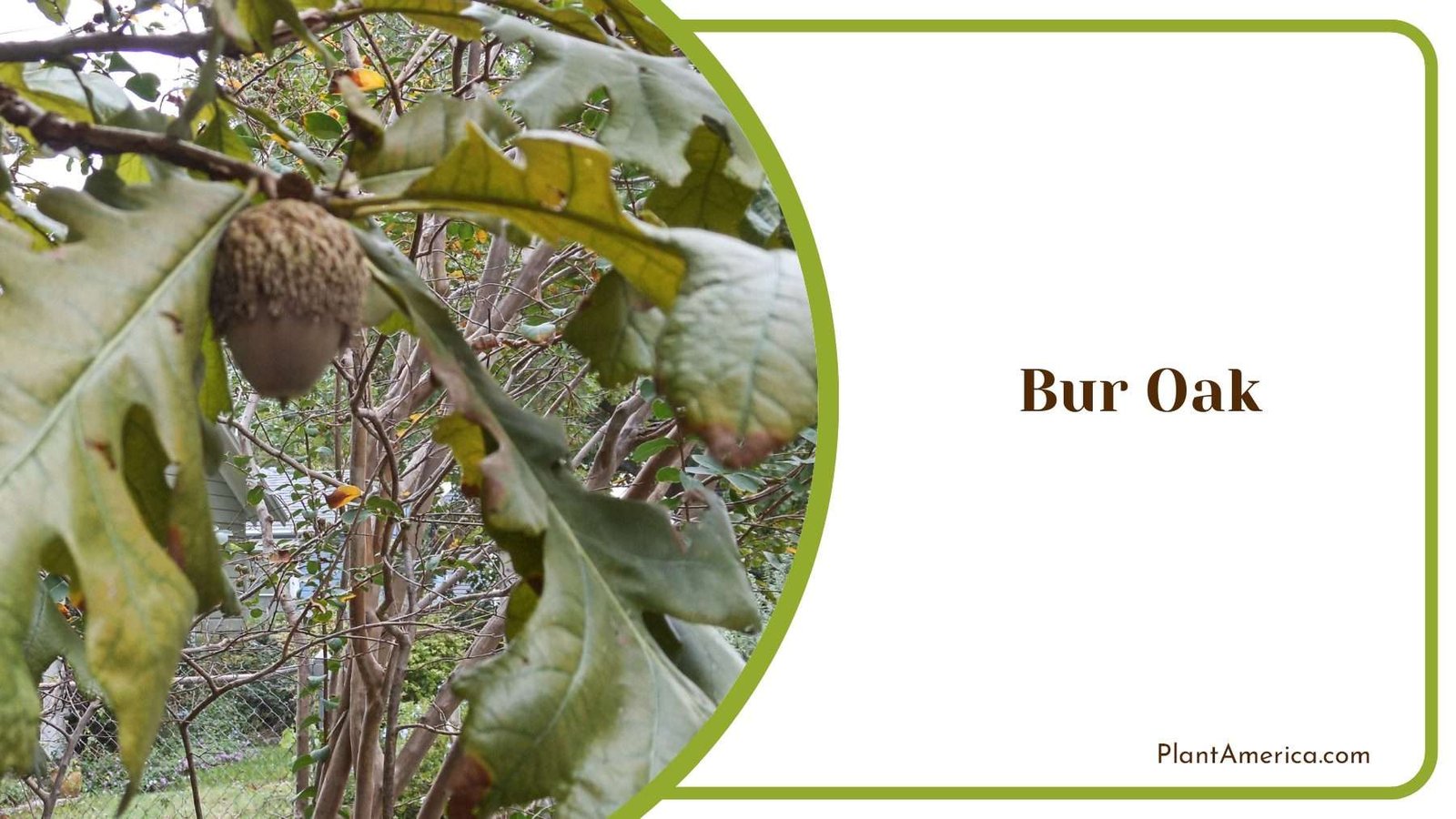
Their unique leaves are thick and lobed with prominent veins and bristly margins, turning golden brown in fall. Bur oaks thrive in nutrient-poor soils and extreme temperatures, making them well-suited for tough yards, abandoned fields, and pastures.
Their mighty acorns provide a high-fat food source for wildlife like deer, turkey, and squirrels. The bur oak’s massive spreading canopy and distinctive shape make it an iconic specimen tree for native landscapes across the Lone Star State.
5. Chinquapin Oak
- Growing season: Spring, Fall.
- Leaf shape: Oblong, Round lobes, Bristle tips.
- Specific needs: Well-drained soil, Full sun, Drought tolerant.
- Common pest: Cankerworm, Leafminer, Oak leaf galls.
The chinquapin oak is a medium-sized evergreen oak native to the forests of East and Central Texas. Chinquapin oaks typically reach heights between 60 to 80 feet tall at maturity with distinctive twisted trunks and wide spreading branches.
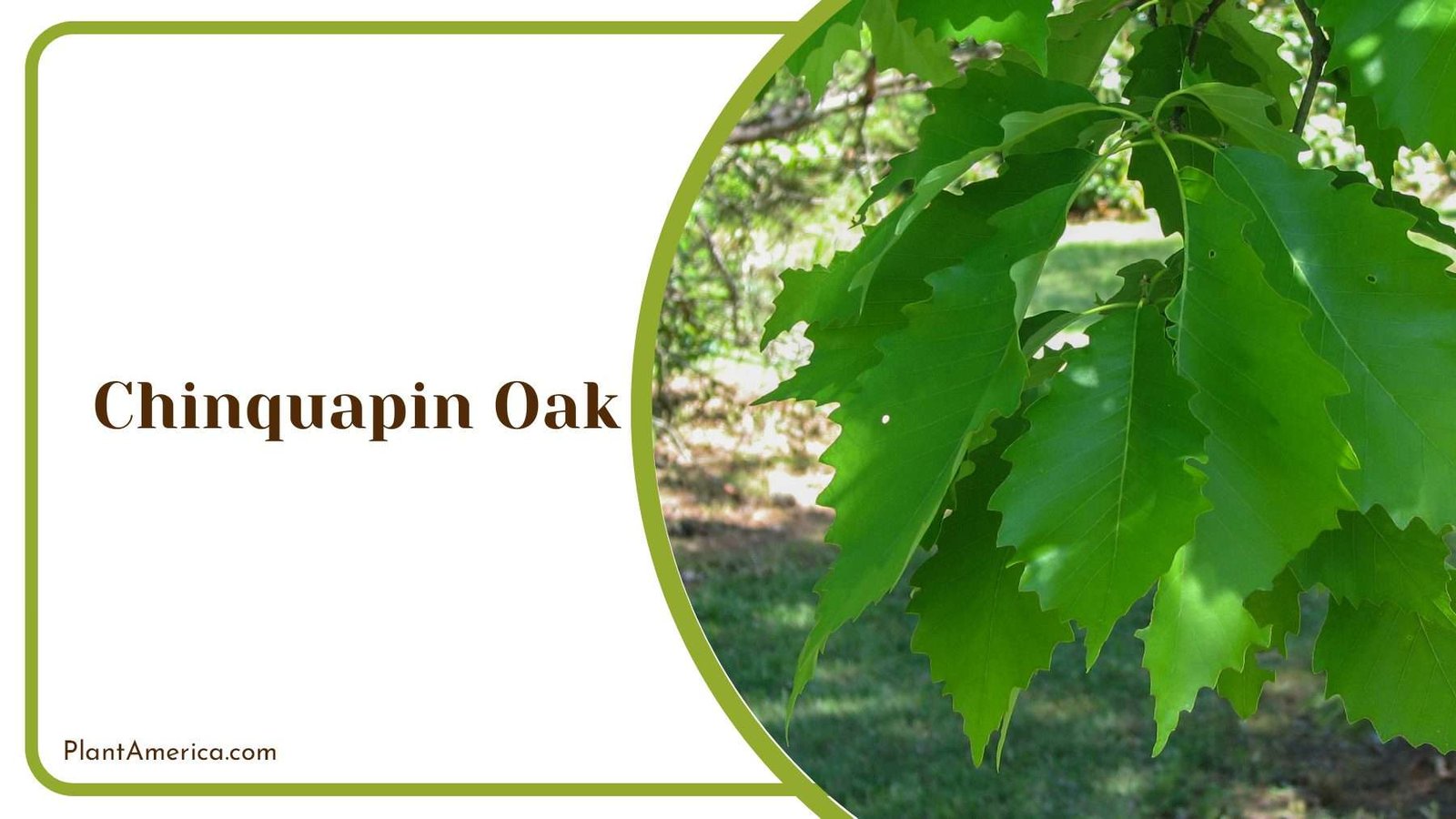
These long-lived native trees are well adapted to a diversity of conditions, from dry upland ridges to bottomland valleys. Their dark green leaves have coarse brushy teeth along the margins, giving the tree its rustic elegance.
In autumn, chinquapin oaks produce an abundance of acorns that provide food for deer, hogs, turkeys, and various songbirds. The chinquapin oak’s dense canopy and durability make it an excellent choice for large yards, parks, or commercial landscapes seeking native shade trees.
6. White Oak
- Growing season: Spring, Fall.
- Leaf shape: Rounded lobes, Short stalks.
- Specific needs: Well-drained soil, Full sun, Moist soil.
- Common pest: Gypsy moth caterpillars, Leaf miners, Sawfly larvae.
w slowly into stately specimens featuring sturdy branches snaking upward to heights over 100 feet tall.
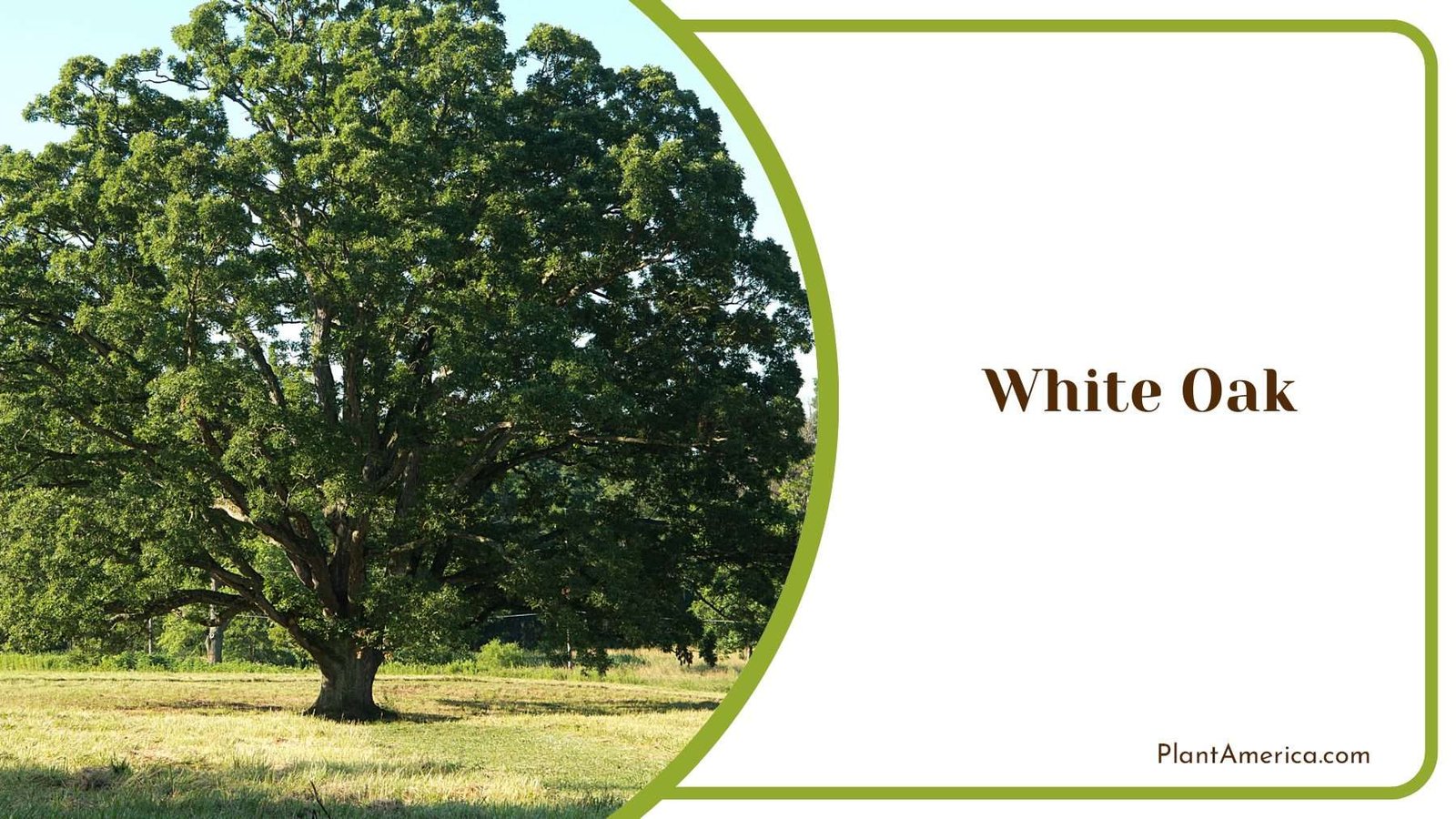
Their unique leaves are lobed with rounded edges and short stalks, turning russet brown in fall. White oaks thrive in moist, well-drained soils and moderate temperatures, making them well-suited for large properties and parks.
Their mighty acorns provide a high-fat and protein food source for wildlife like deer, turkey, and squirrels. White oak wood is highly prized for its strength, making it a premier material for barrels, flooring, furniture, and shipbuilding.
The white oak’s massive spreading canopy and classic shape make it an iconic specimen tree for native landscapes in East Texas.
7. Sabal Mexicana
- Growing season: Year round.
- Leaf shape: Palmate, 15 to 30 leaflets.
- Specific needs: Well-drained soil, Full sun, Drought tolerant.
- Common pest: Thrips, Scale insects, Lace bugs.
Mexican sabal palm is a graceful native palm tree found naturally growing along the Gulf Coast into South Texas.
Sabal mexicana palms typically reach heights between 30 to 60 feet tall at maturity with multiple slender trunks. The trunks are crowned with an elegant rosette of palmate leaves up to 6 feet in length featuring dark green leaflets clustered in groups of 15 to 30.
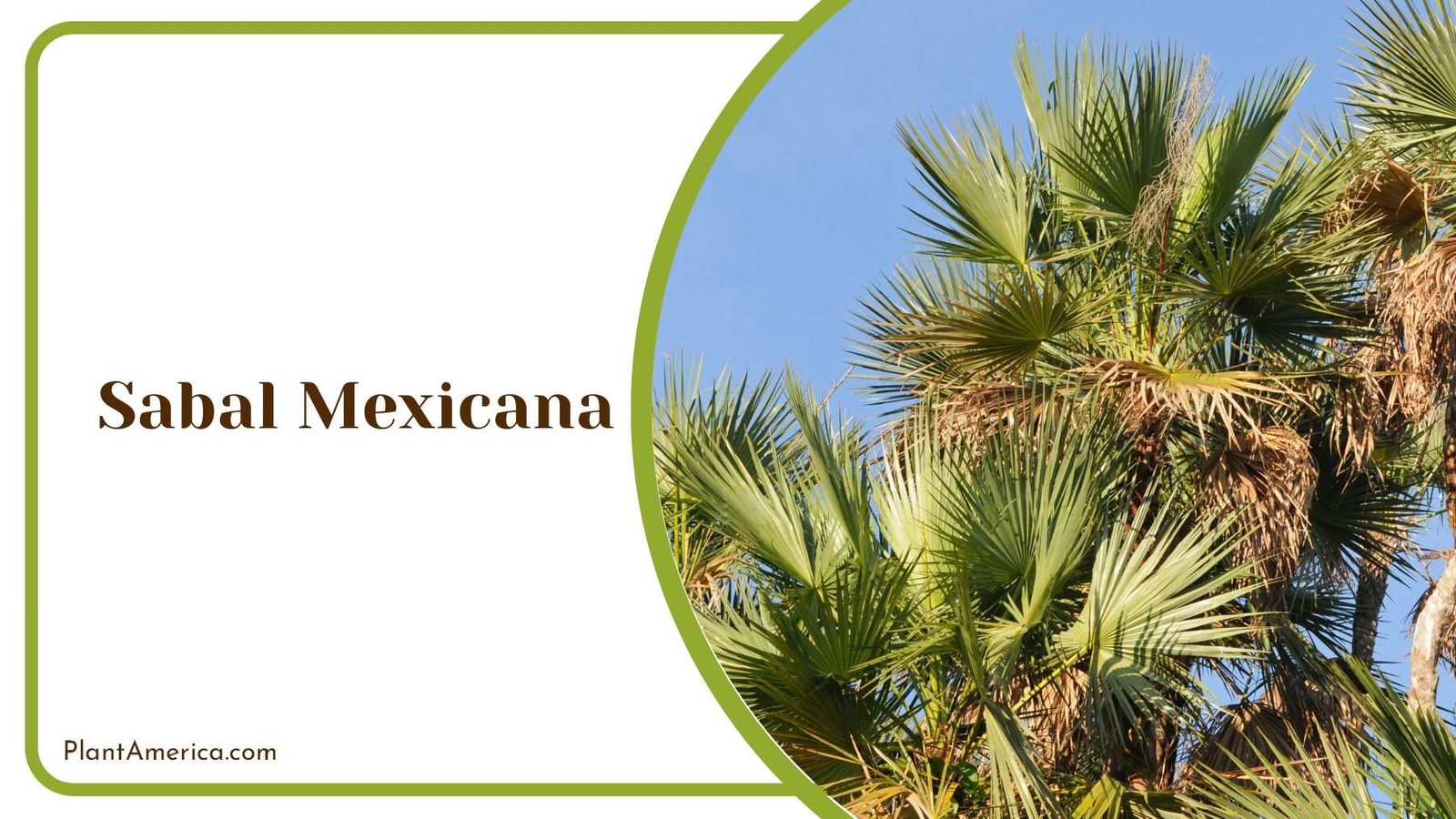 These palms thrive in the hot and humid coastal climate of Texas, tolerating drought, heat, and salty ocean winds. Texas palms are dioecious, with male and female reproductive parts occurring on separate trees. In female trees, small grape-like clusters of edible fruit form, which provide a food source for birds and mammals.
The graceful form and tropical appearance of the Texas palm add an exotic vibe to native landscapes along the Texas Gulf Coast.
8. Prunus Mexicana
- Growing season: Spring, Fall.
- Leaf shape: Alternate, Oblong, Finely serrated margin.
- Specific needs: Well-drained soil, Full sun, Urban condition tolerant.
- Common pest: Leaf spots, Japanese beetles, Scale insects.
The Mexican plum tree is a small, ornamental native providing edible fruit and drought tolerance for Texas landscapes. Mexican plums grow between 10 to 25 tall with a rounded canopy of dark green foliage.
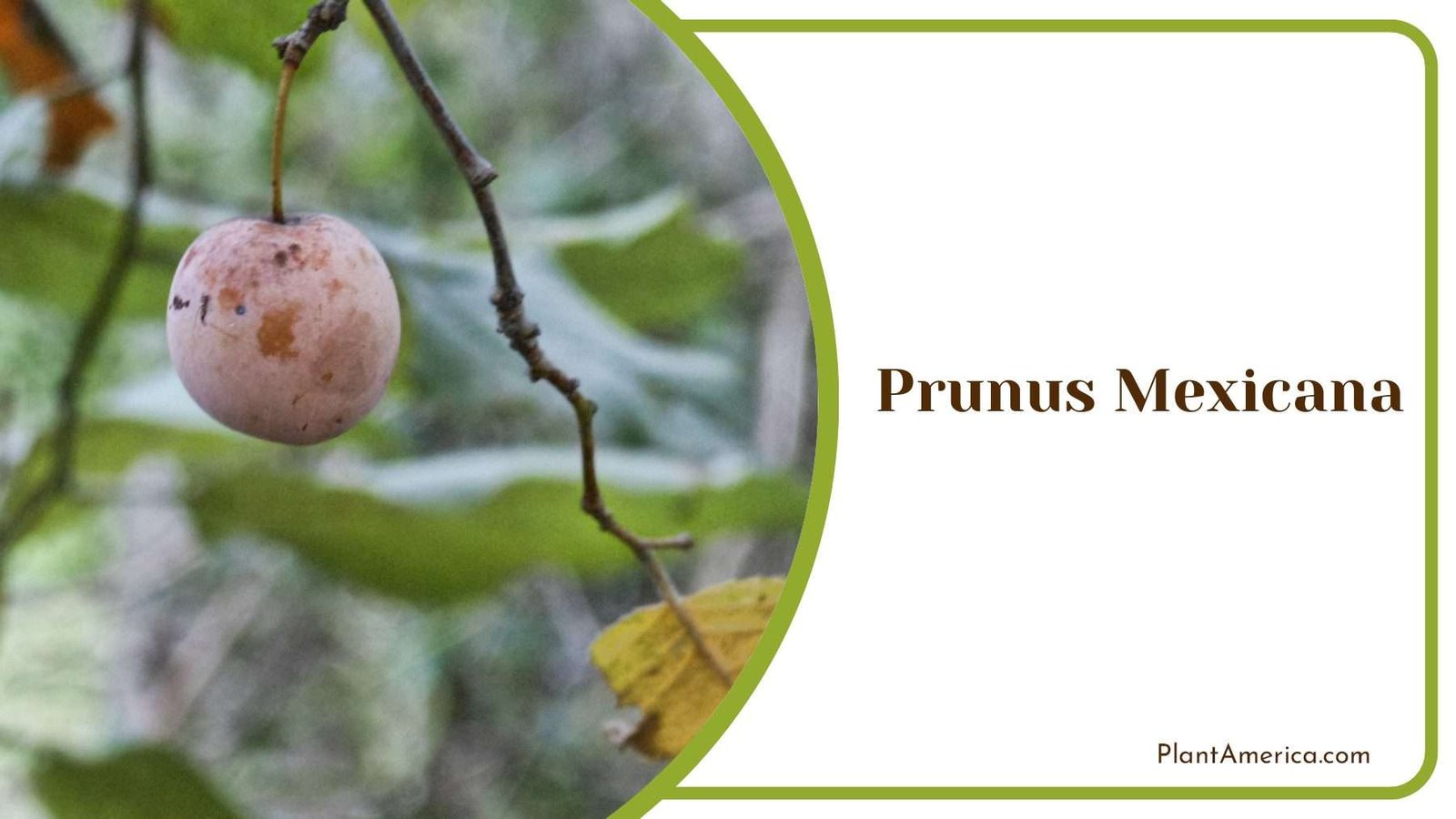
Their showy white flowers bloom profusely in spring before giving way to purplish-red plum-like fruit in late summer. The tangy yellow flesh of these plums makes tasty preserves, jams, and wine, but the fruit can also be eaten fresh. Mexican plums require minimal water once established and are largely pest free.
Their dense shade, thorny branches, and tolerant nature make Mexican plums ideal for wildlife habitats, hedgerows, and property borders.
After flowering, the tree’s long spiny branches are often adorned with ripening fruit, providing nectar for hummingbirds, bees, and songbirds. The Mexican plum is adaptable, thriving in the heat of Texas summers with little to no care.
9. Cercis Canadensis
- Growing season: Spring.
- Leaf shape: Heart-shaped, Alternate up branches.
- Specific needs: Well-drained soil, Full sun, Drought tolerant.
- Common pest: Leaf feeders, Japanese beetles.
The eastern redbud is a small, deciduous native tree known for its profuse springtime bloom display across much of Texas. Eastern redbuds grow between 20 to 30 feet tall with a narrow rounded crown featuring multi-branched stems arising from a short trunk. Their dark green heart-shaped leaves turn yellow in autumn before dropping.
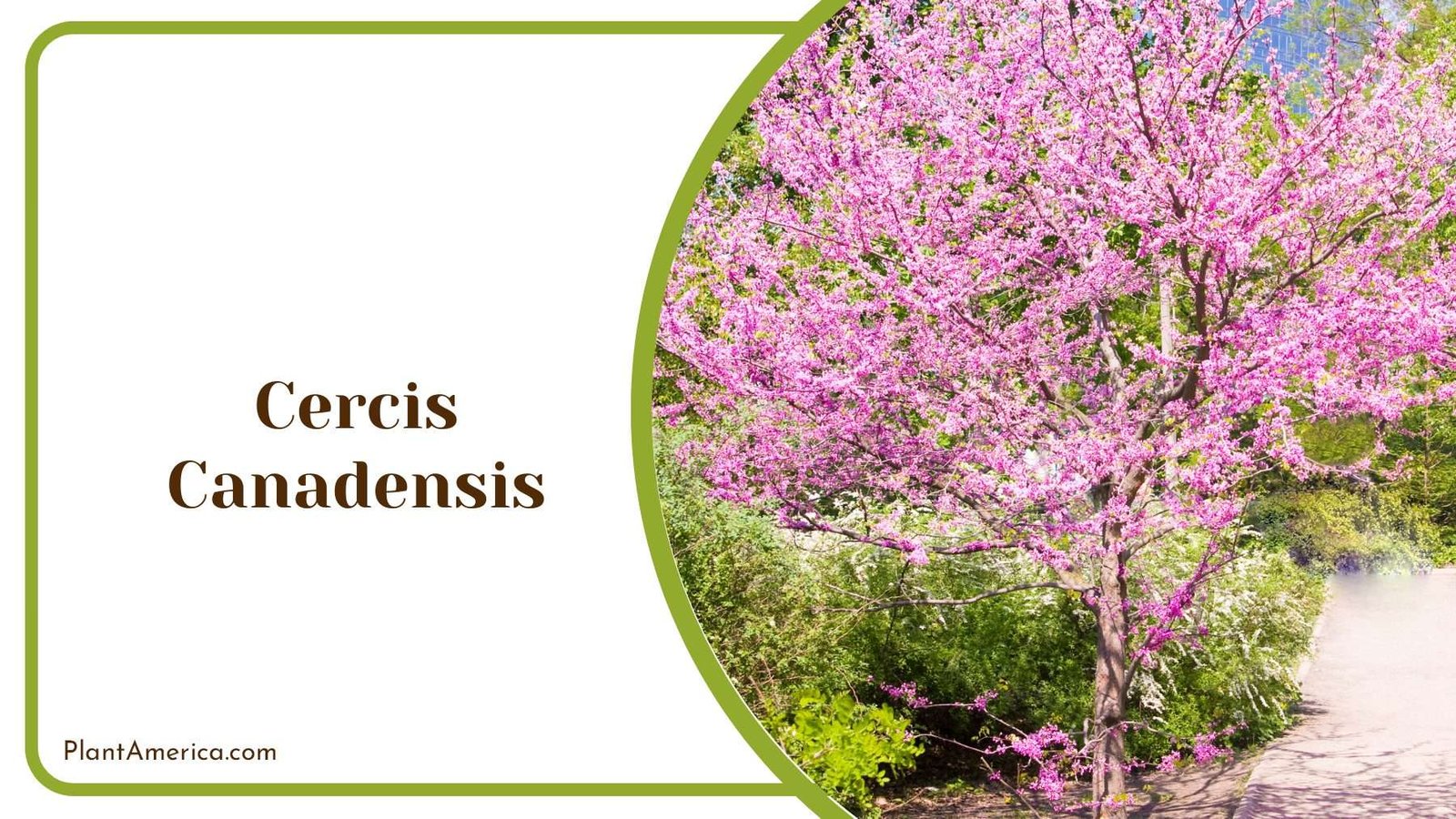 However, this native tree is most well known for its beautiful lavender-pink pea-like flowers that appear on bare stems directly before the new foliage emerges in spring. These flowers attract hummingbirds, bees, and butterflies, providing a colorful spectacle for early-season pollinators.
After flowering, seed pods form, which provides food for songbirds and small mammals like squirrels. The smaller stature and profuse bloom of the eastern redbud make it an excellent native tree choice for smaller yards, public gardens, and naturalized landscapes across Texas.
10. Frangula Caroliniana
- Growing season: Spring.
- Leaf shape: Elliptic, Pointed tips, Serrated margin.
- Specific needs: Well-drained soil, Full sun.
- Common pest: Leafrollers, Red spider mites, Tent caterpillars.
Frangula caroliniana (Carolina buckthorn) is a small, deciduous native shrub or small understory tree found naturally along stream banks and wooded areas in eastern Texas.
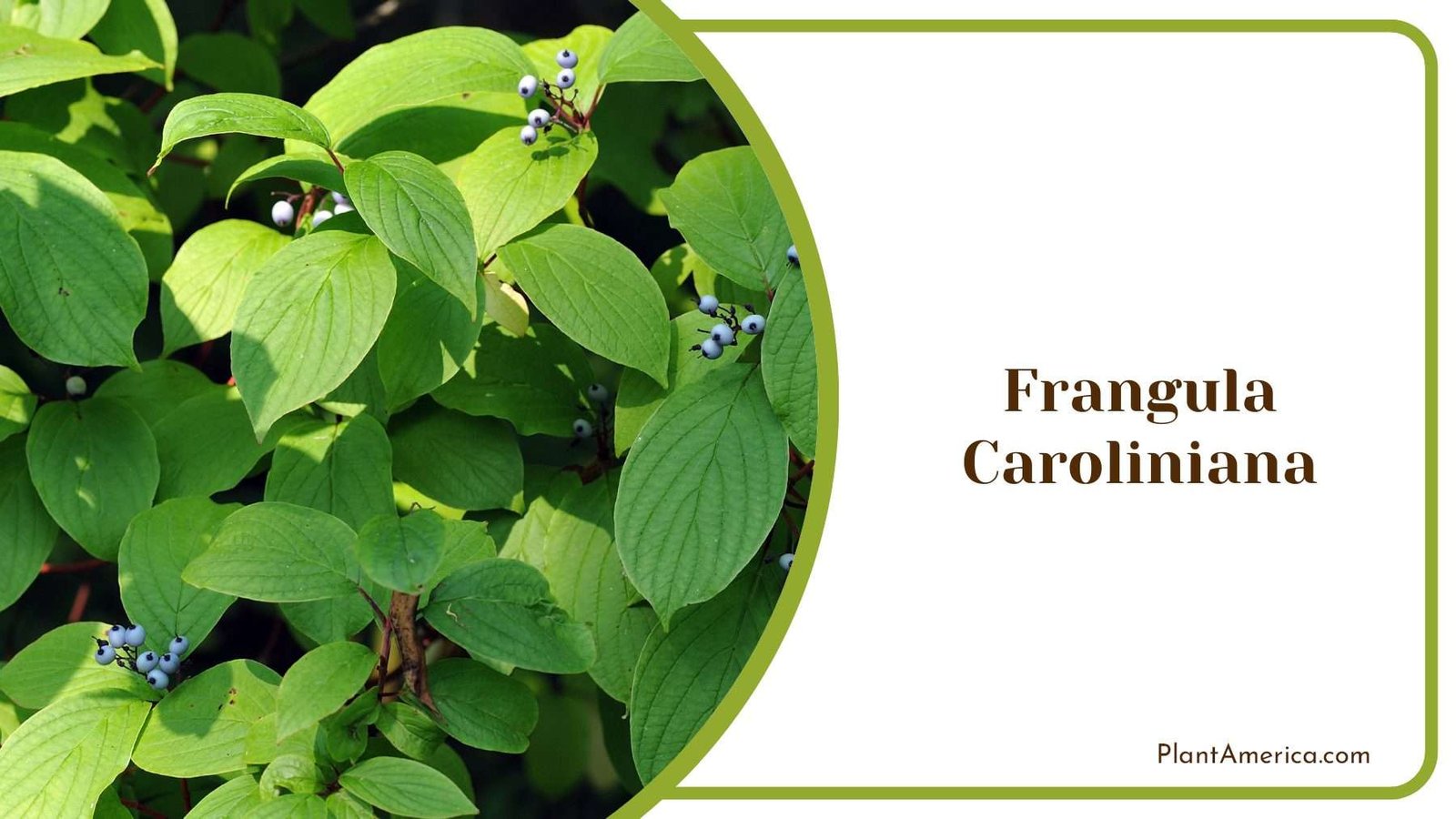 Carolina buckthorns grow between 10 to 20 feet tall with a multi-stemmed rounded crown. Their green elliptic leaves turn golden yellow in autumn before dropping. Clusters of small white flowers appear in early spring, followed by colorful purplish-black berries that provide food for songbirds and wildlife.
The natural habitat of Carolina buckthorn is along wooded streams where their roots help stabilize and prevent erosion. The smaller stature, textural foliage, and showy fruit make this tough native ideal for naturalizing along riparian areas, wetland gardens, and as a landscape border.
Carolina buckthorn is a long-lived native plant tolerating coarse and tough soil and environmental conditions, ensuring reliable fall color, year-round visual interest, and valuable wildlife benefits for Texas landscapes.
11. Carya Illinoinensis
- Growing season: Spring, Fall.
- Leaf shape: Alternate, Compound leaf, Seven-nine leaflets.
- Specific needs: Well-drained soil, Full sun, Moist soil.
- Common pest: Shuckworms, Sap beetles, Fall webworms.
The pecan is a medium-sized native tree known for producing an edible nut that is widely consumed across Texas. Pecan trees typically grow between 40 to 100 feet tall with an oval-shaped crown and thick trunk.
Pecans have large compound leaves featuring seven to nine leaflets on opposite sides of each stem. In spring, their flowers hang in long drooping catkins that eventually give way to iconic nuts encased in an outer green husk.
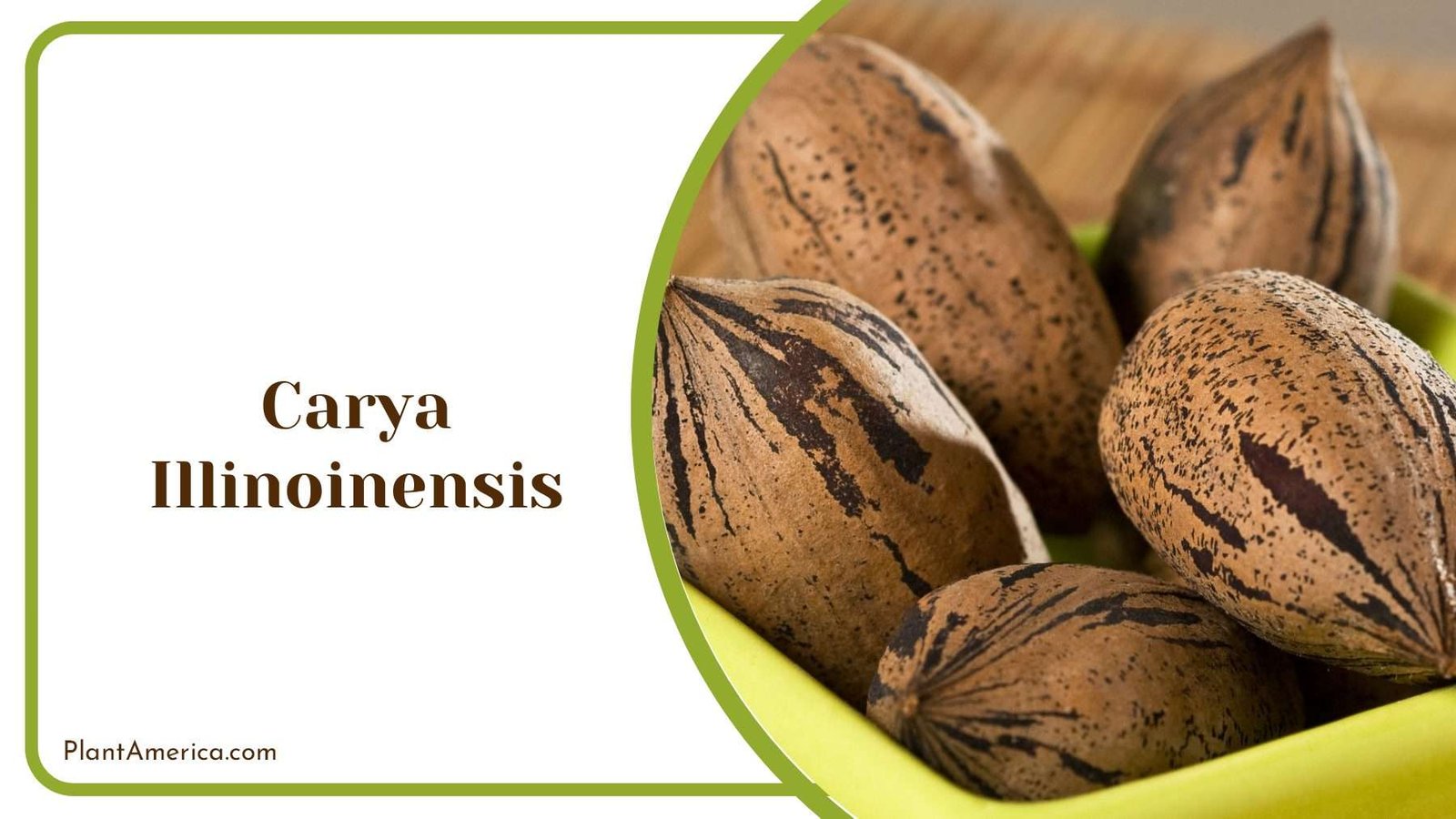 Ripe husks split open in autumn, exposing the prized edible nutmeat within. Due to their durable shells and flavorful nutmeat, pecans remain an economically important crop tree for ranchers and farmers across the region.
The pecan’s large spreading canopy and shade tolerance allow it to thrive in residential landscapes providing seasonal interest, valuable wildlife benefits, and a harvest of delicious edible nuts for Texans to enjoy.
Adding Carya to your landscape can bring bountiful rewards, not just for you but also for our local environment and the wildlife that calls it home. Choosing species that are pre-adapted to our climate ensures they will thrive with minimal care while providing valuable ecosystem services for generations to come.
12. Zanthoxylum Fagara
- Growing season: Spring.
- Leaf shape: Alternate, Pinnately compound, Serrated leaflets.
- Specific needs: Well-drained soil, Full sun, Drought tolerant.
- Common pest: Insignificant.
The lime prickly ash is a small, ornamental native tree or large shrub providing physical defense and visual appeal for Texas landscapes. Zanthoxylum fagara grows between 15 to 30 feet tall with a dense rounded canopy of compound leaves featuring pointed serrated leaflets.
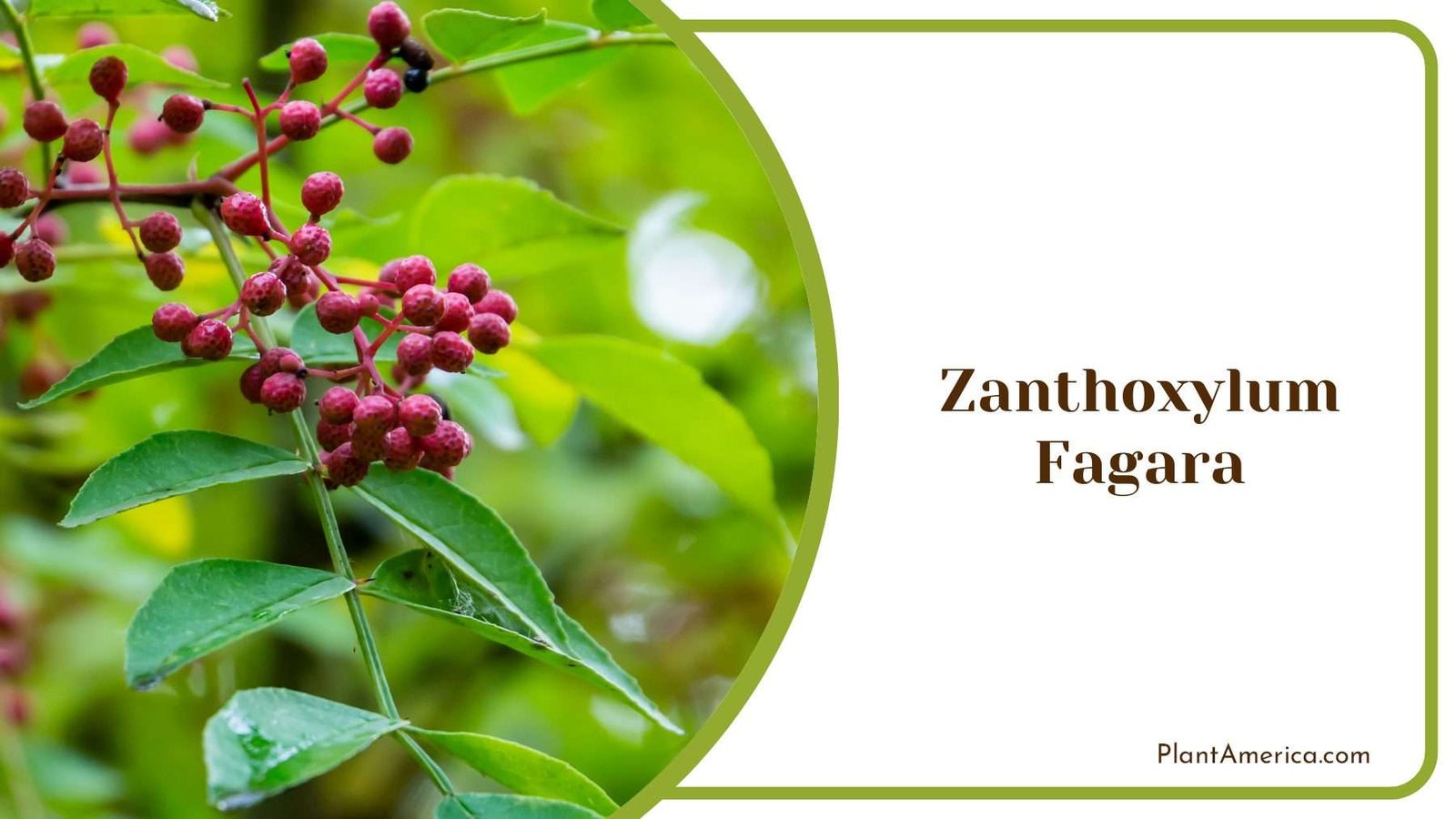 Lime prickly ash bark is smooth and gray when young, developing pronounced thorns with age that effectively deter browsing animals or unauthorized passersby. This plant produces clusters that have flowers with a tint of yellow hue in spring before giving way to showy orange-yellow fruit capsules, which persist through fall and winter.
For the gardener, lime prickly ash requires minimal care once established, thriving in hot, dry conditions with poor soils. The defensive thorns, textural compound leaves, and showy fruit capsules of this Texas native make it ideal for welcoming visual and physical texture to landscapes and spaces requiring low maintenance and protection.
Despite its sharp thorns, the lime prickly ash also provides valuable habitat for urban wildlife and helps support beneficial pollinator species across Texas.
13. Rhus Lanceolata
- Growing season: Spring.
- Leaf shape: Alternate, Pinnately compound, Serrated leaflets.
- Specific needs: Well-drained soil, Full sun, Drought tolerant.
- Common pest: Mites, Japanese beetle.
The fragrant sumac is a small, ornamental native shrub providing fall color, physical defense, and habitat value for Texas landscapes. Rhus lanceolata grows between four to 12 feet tall with a dense rounded crown of compound leaves featuring serrated leaflets.
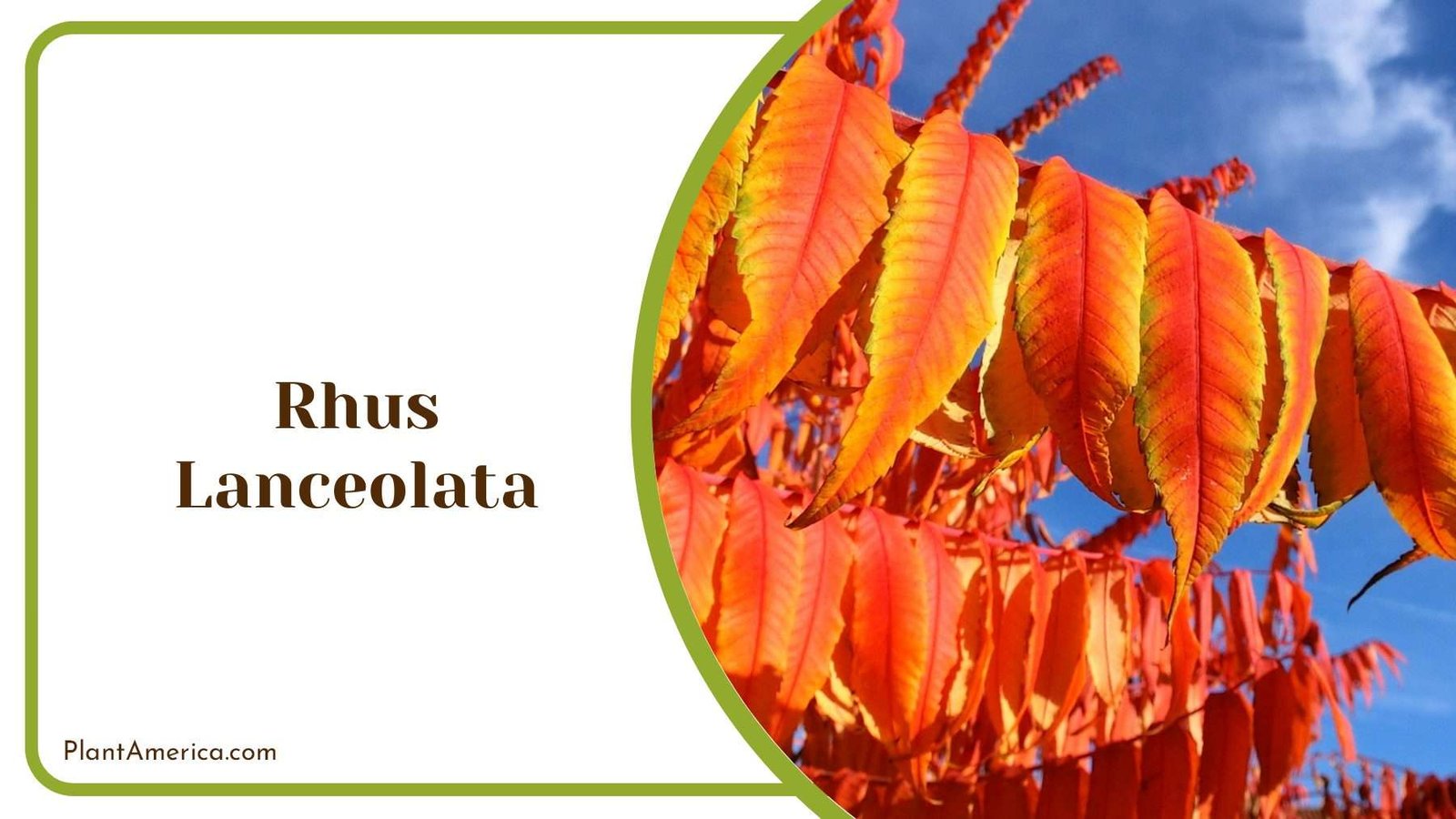 Fragrant sumac bark is smooth and gray when young, developing a furrowed texture with age. Clusters of tiny yellow flowers bloom in early summer, followed by ornamental red fruit spikes, which persist through fall and winter.
For the gardener, fragrant sumac requires minimal care once established, thriving in hot, dry conditions. Once mature, its dense canopy effectively deters uninvited passersby while limiting the need for pruning.
The colorful fall foliage and showy fruit of this native shrub make it ideal for welcoming fall color and visual structure to wildlife gardens, open meadows, and other naturalized spaces across the state. Despite its prickly stems, the fragrant sumac provides valuable cover and food for urban wildlife.
14. Texas Pistachio
- Growing season: Spring, Fall.
- Leaf shape: Nine to 19 leaflets, Pinnately compound.
- Specific needs: Well-drained soil, Full sun, Drought tolerant.
- Common pest: Leafrollers, Leaf spot.
The Texas pistachio is a medium-sized deciduous tree native to riparian forests across the state. This tough native grows 40 to 60 feet tall with a rounded crown featuring thin branches and corky twigs.
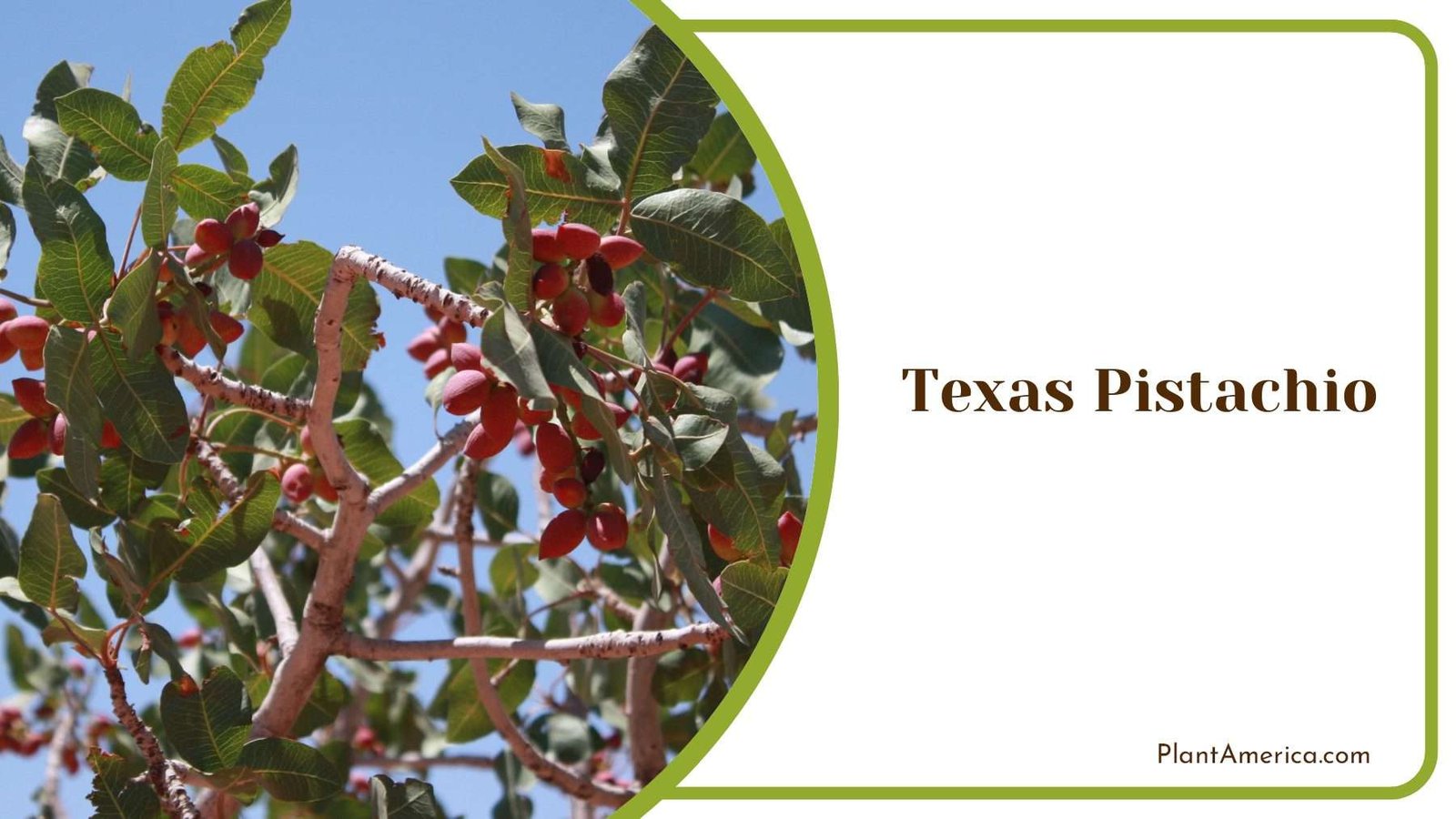 The Texas pistachio’s pinnately compound leaves have nine to 19 elliptical leaflets, which turn gold to red in autumn before dropping – providing vibrant fall color. In spring, clusters of tiny yellow flowers appear before the foliage, followed by flat seed pods that split at maturity to expose edible seeds.
Though the seeds have a bitter coating, they can still be cooked and consumed. For the home landscape, Texas pistachio prefers well-drained soil and tolerates extremes in temperatures and soil moisture.
Once established, this tough native tree provides shade, seasonal interest, and valuable wildlife benefits with low-maintenance landscapes across Texas.
15. Ebenopsis Ebano
- Growing season: Spring, Fall.
- Leaf shape: Alternate, Long egg-shaped, Finely Serrated margins.
- Specific needs: Well-drained soil, Full sun, Drought tolerant.
- Common pest: Aphids, Scales.
The Texas ebony is an attractive evergreen to semi-evergreen small tree or large shrub native to riparian areas of South Texas. Ebenopsis ebano grows between 10 to 30 feet t all with a rounded canopy of glossy green leaves.
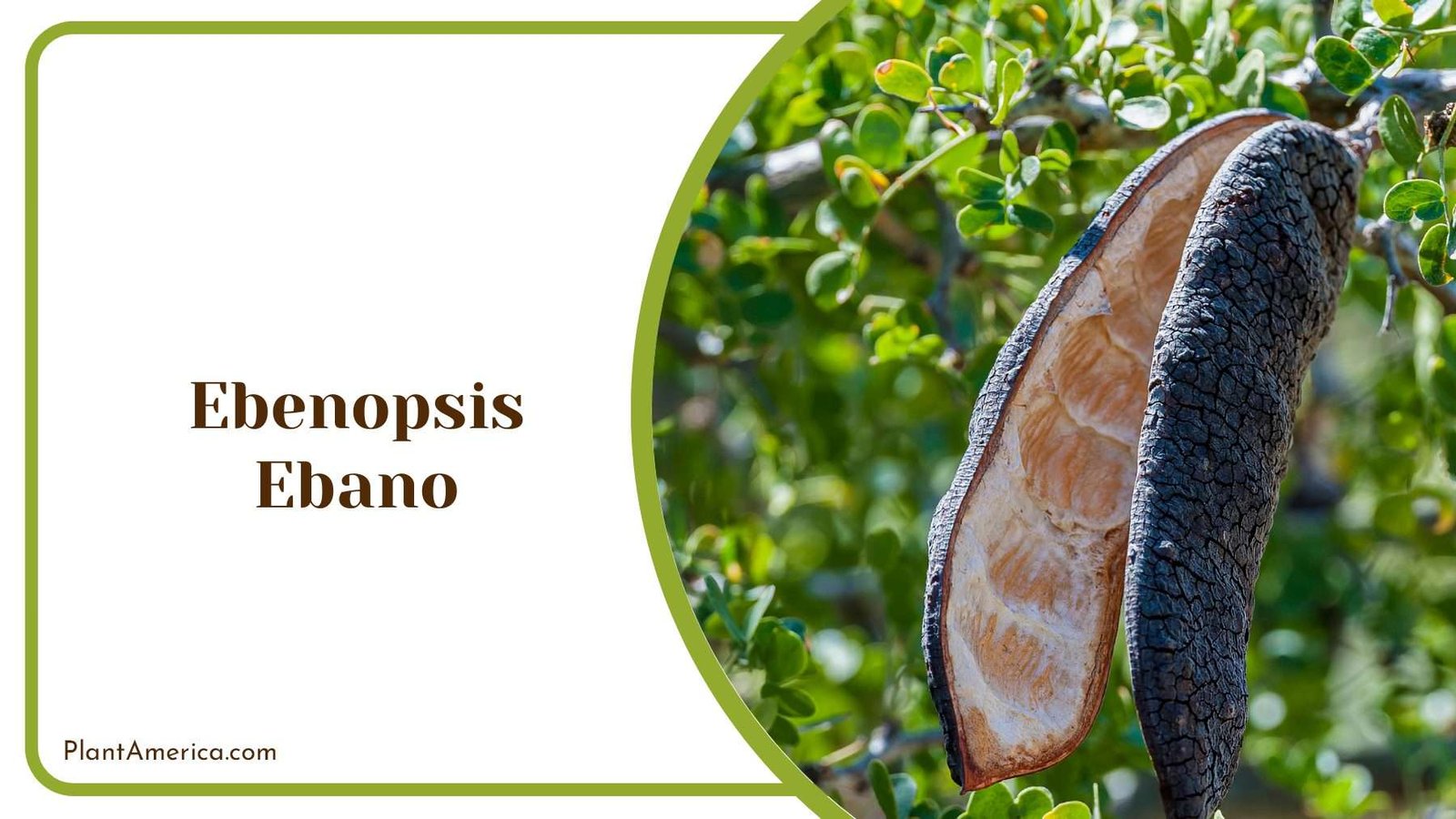 Clusters of fragrant pink to purple flowers bloom throughout spring and summer, followed by persistent dark purple fruit which provide visual interest through winter. The Texas ebony’s smooth gray bark develops striated fissures with age, adding further ornamental appeal.
For the home landscape, Texas ebony prefers well-drained soil and is tolerant of high temperatures and drought once established. This tough native shrub requires minimal care and maintenance, providing year-round greenery, colorful flowers, and ornamental fruit for low-water landscapes across South Texas.
The dense canopy and thorny branches of Texas ebony also provide valuable shelter and habitat for urban wildlife.
16. Maclura Pomifera
- Growing season: Spring.
- Leaf shape: Oval, Smooth margins.
- Specific needs: Well-drained soil, Full sun, Drought tolerant.
- Common pest: Mites, Scales.
The Osage orange is a medium-sized deciduous tree native to the bottomland forests of Central Texas. Maclura pomifera grows between 30 to 50 feet tall with a rounded crown featuring thick, sturdy branches and corky ridged bark.
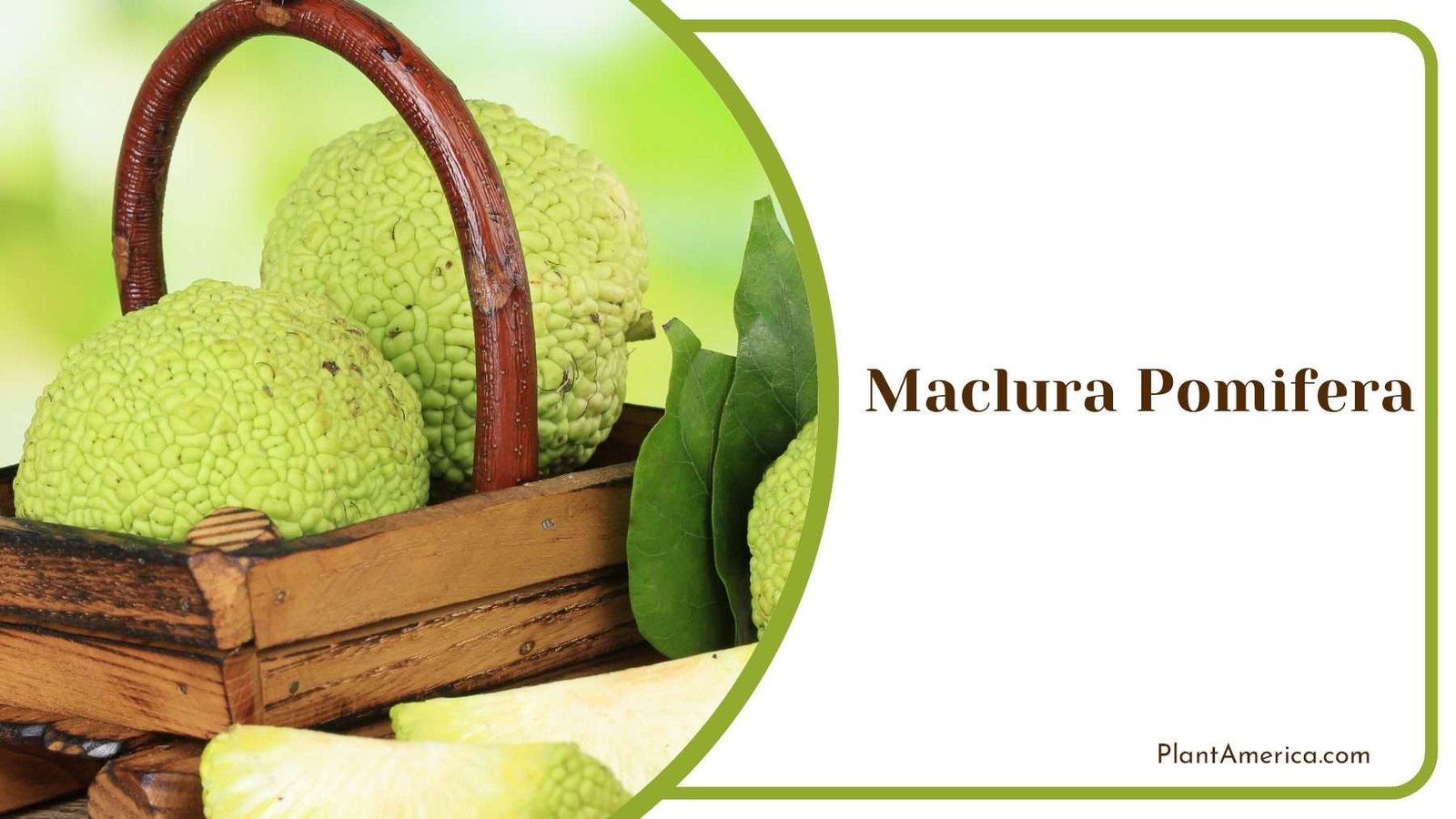 The Osage orange’s oval leaves are thick and leathery with smooth margins, providing reliable pest resistance throughout the growing season. In spring, drooping clusters of tiny greenish flowers appear before the foliage, followed by distinct spherical fruits which persist into winter,- providing visual interest when the tree is leafless.
For the home landscape, Osage Orange prefers well-drained soil and tolerates poor conditions once established. This tough native tree grows rapidly and provides shade, wildlife habitat, and low-maintenance appeal for drought-tolerant landscapes across Texas.
Despite its reputation as an invasive species, the Osage orange can serve a role within designed native landscape plantings when properly sited and managed.
17. Quercus Laceyi
- Growing season: Spring, Fall.
- Leaf shape: Oblong, Rounded lobes, Pointed tips.
- Specific needs: Well-drained soil, Full sun, Acidic soil.
- Common pest: Cankerworms, Leafminers, Oak leaf galls.
The Texas red oak is a medium-sized deciduous tree native to the woodlands of east and central Texas. Quercus laceyi grows between 40 to 80 feet tall with an oval-shaped crown featuring twisting branches and furrowed bark.
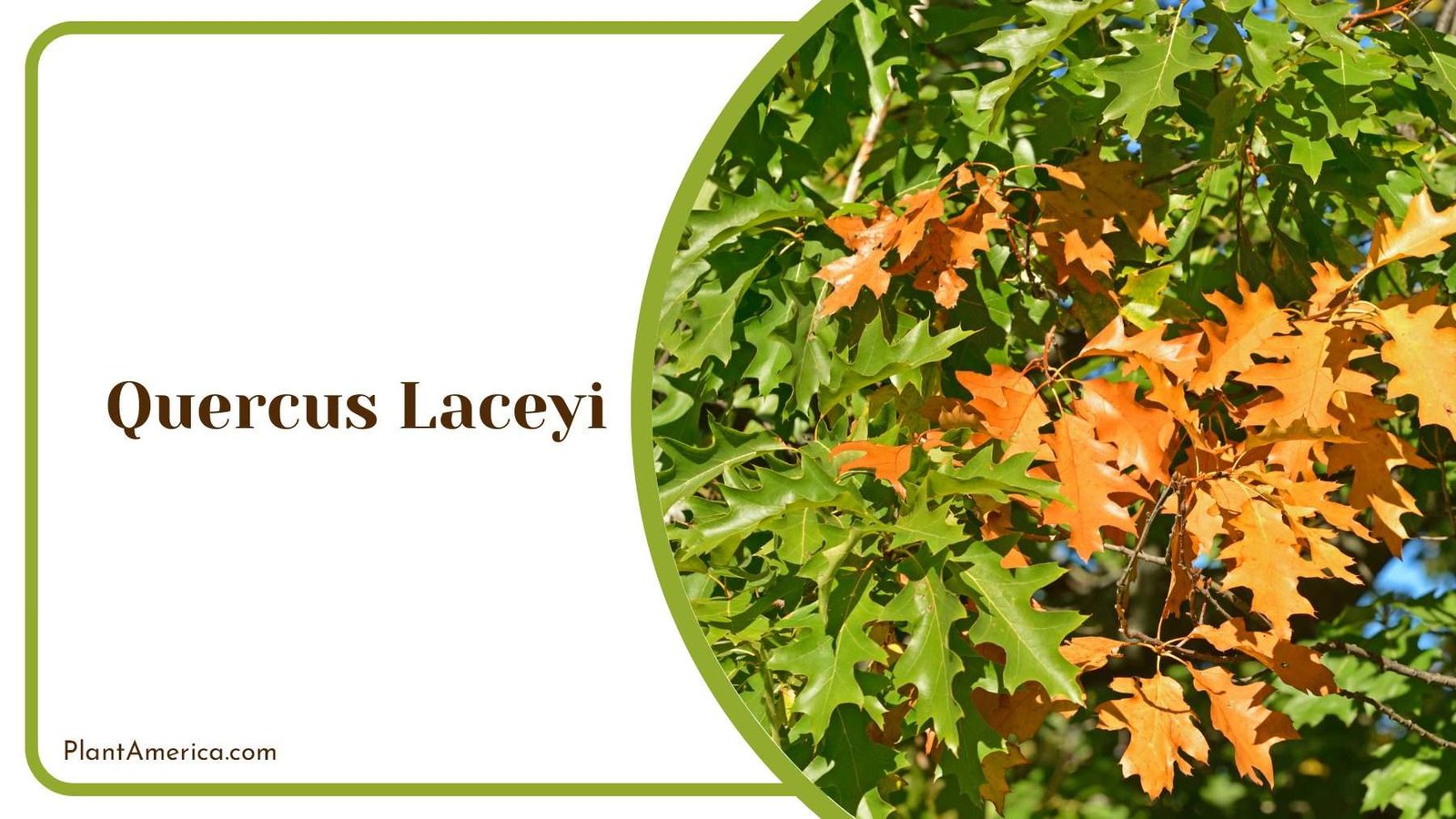 The Texas red oak’s oblong leaves have rounded lobes and pointed tips which provide ornamental appeal in spring and turn russet in fall, providing seasonal interest. In autumn, the Texas red oak produces acorns, providing a valuable food source for wildlife.
This tough native oak prefers acidic soil and is tolerant of heat, drought, and pollution once established. As a residential tree, the Texas red oak provides shade, reliable fall color, wildlife habitat, and low-maintenance appeal for adapted landscapes across the state.
The durable nature of the Texas red oak makes it suitable for confinement and tough conditions allowing it to thrive in urban environments.
18. Celtis Laevigata
- Growing season: Spring, Fall.
- Leaf shape: Alternate, Elliptical, Serrated leaflets.
- Specific needs: Partial shade, Full sun, Drought tolerant.
- Common pest: Leaf spots, Leaf miners, Scale insects.
The sugar hackberry’s elliptical leaves have serrated margins to trap insects, providing valuable ecosystem services. The leaves turn yellow in fall before dropping, and the twigs and seeds of the sugar hackberry provide food for birds and other wildlife.
This adaptable native tree prefers moist soil but is also tolerant of drought once established in the landscape. As a residential tree, the sugar hackberry provides shade, consistent fall interest, valuable wildlife habitat, and low-maintenance appeal for adapted landscapes across the state.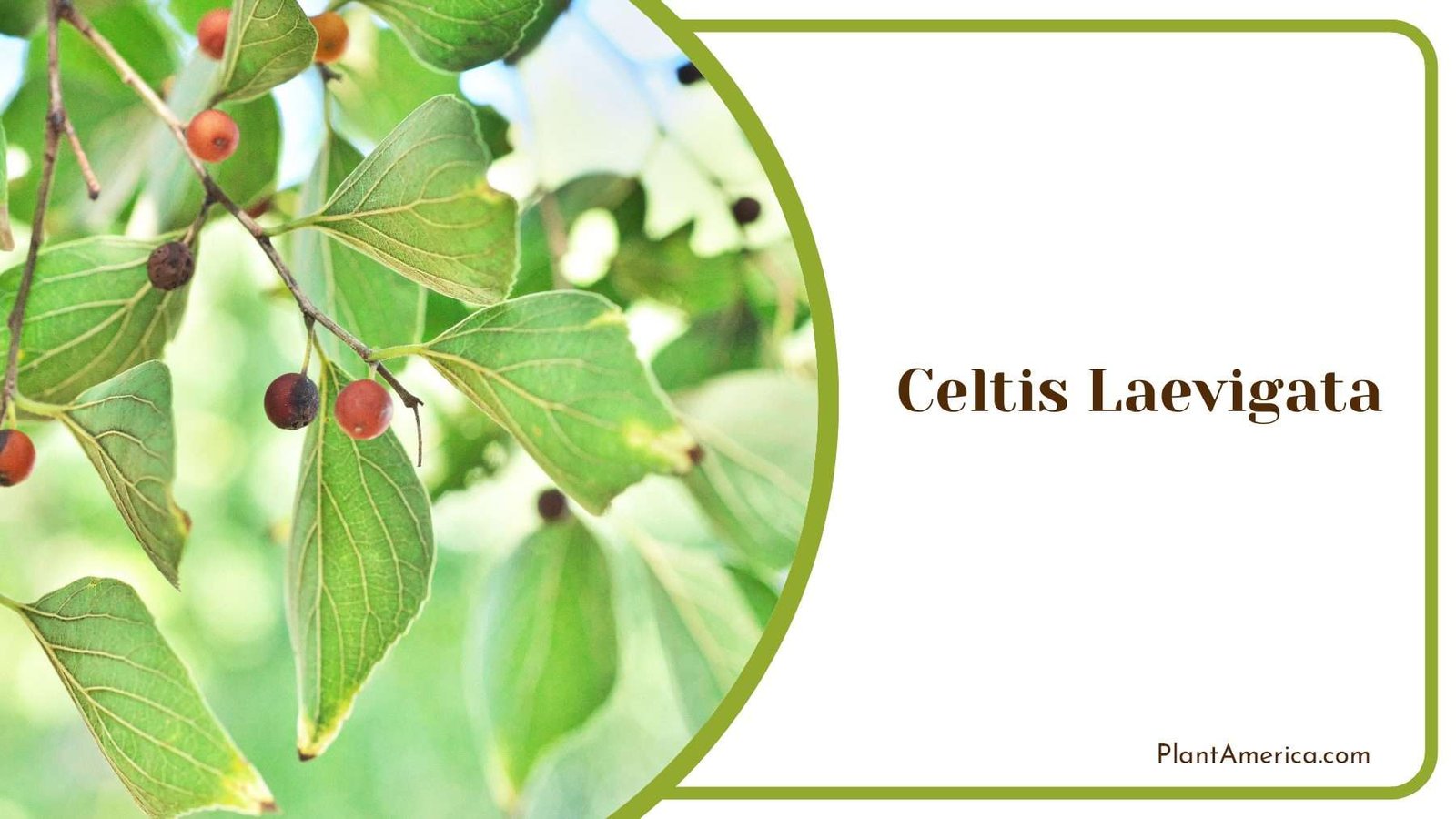 The tough nature of the sugar hackberry allows it to thrive in confined and harsh urban environments.
19. Fraxinus Berlandieriana
- Growing season: Spring, Fall.
- Leaf shape: Alternate, Pinnately compound, Five-nine leaflets.
- Specific needs: Well-drained soil, Full sun, Moist soil.
- Common pest: Aphids, Japanese beetle, Leafhopper.
The Mexican ash is a medium-sized deciduous tree native to lowland woodlands and floodplains across Texas. Fraxinus berlandieriana grows between 40 to 60 feet tall with a rounded crown featuring smooth gray bark and long pendulous branches.
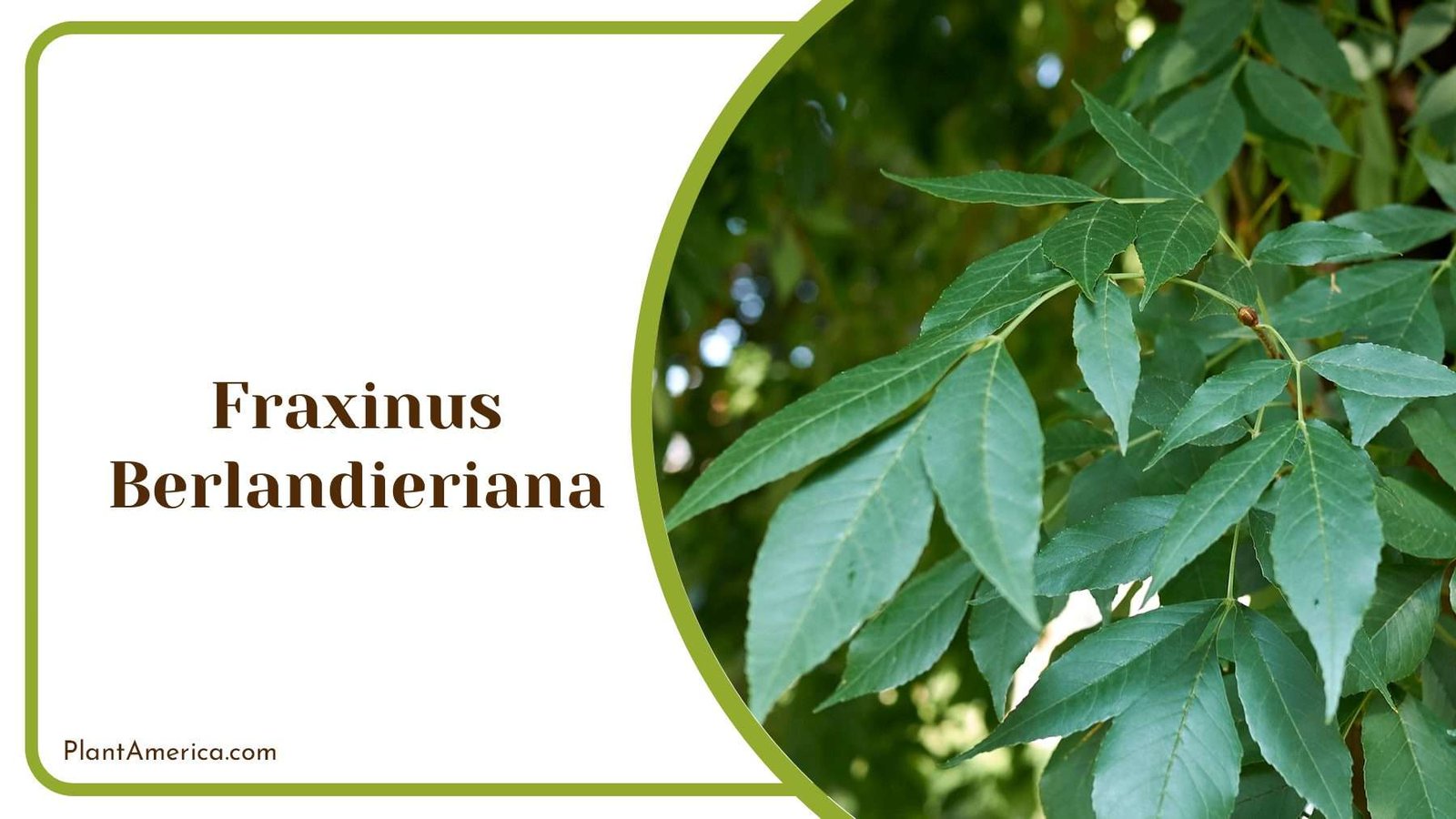 The Mexican ash’s compound leaves have five to nine leaflets which turn bright gold in autumn before dropping, providing a vibrant fall color.
This native tree produces clusters of small white flowers in spring followed by flattened fruit capsules which split open to reveal winged seeds inside. For the home landscape, Mexican ash prefers moist soil but is also tolerant of drought once established.
As a residential tree, the Mexican ash provides shade, reliable fall color, valuable wildlife benefits, and low-maintenance appeal for adapted landscapes across Texas.
20. Cordia Boissieri
- Growing season: Spring, Fall.
- Leaf shape: Alternate, Oblong to elliptic, Finely Serrated margin.
- Specific needs: Well-drained soil, Full sun, Drought tolerant.
- Common pest: Leaf spots, Spider mites.
The Texas olive or Anacahuita tree is an attractive small native providing shade and aesthetics for Texas landscapes. Cordia boissieri grows 15 to 30 feet tall with a rounded canopy of slender, feather-like leaves.
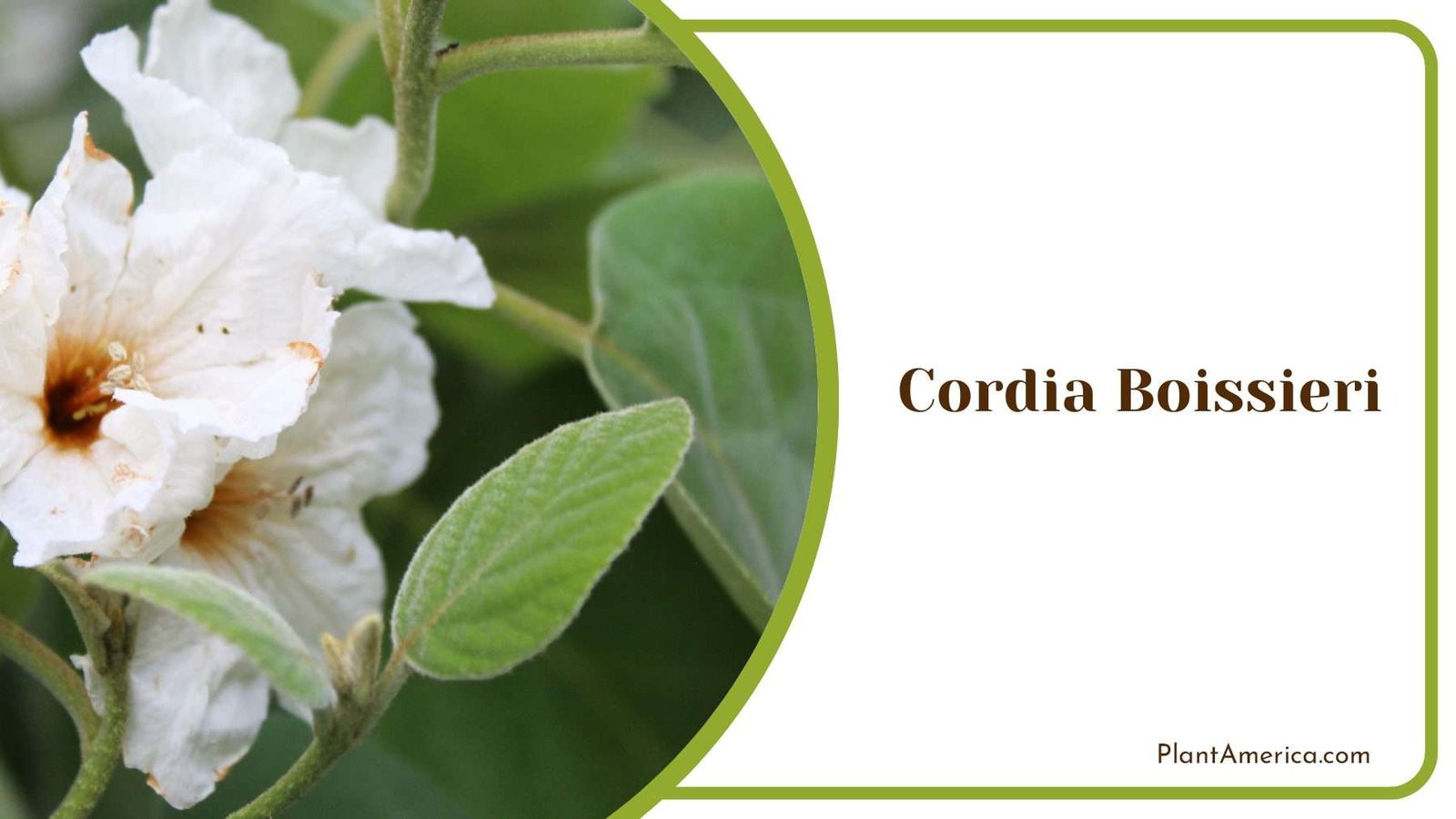
Their clusters of tiny white flowers bloom throughout spring and summer, followed by ornamental purplish-black fruit that persists through winter providing visual interest and a food source for birds.
Anacahuita bark features attractive vertical ridges and exfoliating layers that provide visual interest year-round. For the gardener, Cordia boissieri requires minimal care once established, preferring heat, drought, and poor soils typical of urban environments.
The smaller stature, textural foliage, and interesting bark of this Texas native make it ideal for welcoming texture, shade, and visual interest to urban landscapes. Anacahuita trees also provide nectar for hummingbirds, shelter for birds, and support beneficial insects, giving these adaptable native trees useful functionality in modern-designed gardens across Texas.
Conclusion
Native Texas trees provide valuable benefits like shade, wildlife habitat, drought tolerance, and low maintenance requirements for Texas landscapes.
- The Carolina buckthorn is a small, deciduous native shrub or small understory tree found naturally along stream banks and wooded areas in eastern Texas.
- The white oak is a majestic native tree of the Eastern hardwood forest that also thrives in parts of Texas.
- The Mexican plum tree is a small to medium-sized native providing edible fruit and heat tolerance for Texas landscapes.
- The Texas ebony is an attractive evergreen to semi-evergreen small tree or large shrub native to riparian areas of South Texas.
- The sugar hackberry is a medium-sized deciduous tree native to riparian areas and floodplains across Texas.
Adding the right native trees to your landscape can bring bountiful rewards, not just for you but also for our local environment and the wildlife that calls it home. Choosing species that are pre-adapted to our climate ensures they will thrive with minimal care while providing valuable ecosystem services for generations to come. We encourage you to explore the wonderful variety of native trees Texas has to offer and start planning how you can incorporate more of these beautiful, low-maintenance species into your own yard to nourish local ecologies for years ahead.