
Types of Aeonium of the Crassulaceae family set the stage for a colorful display in gardens and containers with varied leaf shapes, colorful pigments, and whimsical branching stems. Suppose you want to add visual excitement to your landscape without many maintenance needs.
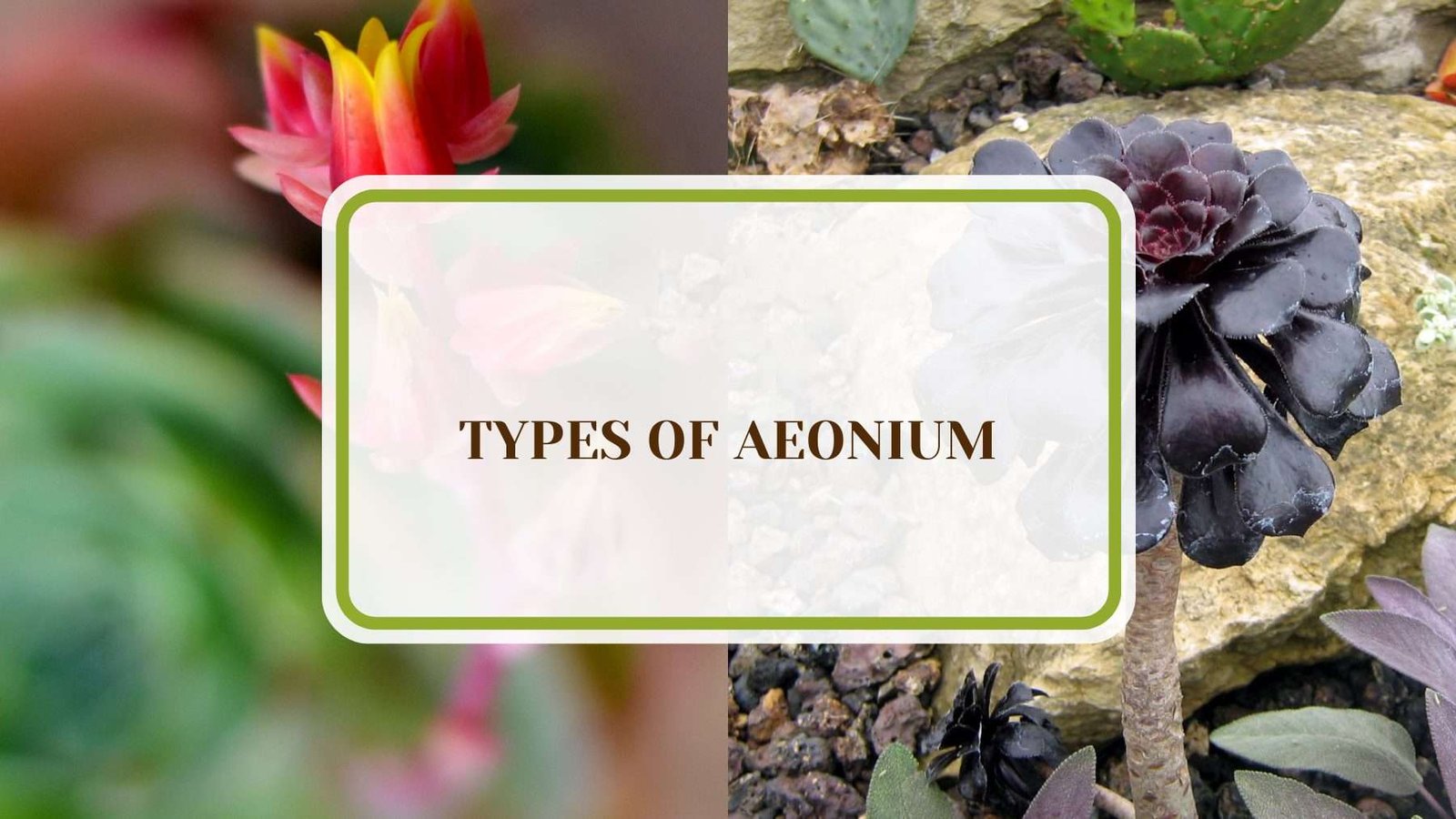
In that case, aeoniums of the Aeonium genus offer a wide range of options with intriguing leaf formations and sprouting stems that call to be enjoyed.
Types of Aeonium Succulents Worth Knowing and Growing
Below is a list of 30 types of different Aeonium that you can successfully grow in your garden. Try some or try them all, depending on how much space and time you have.
-
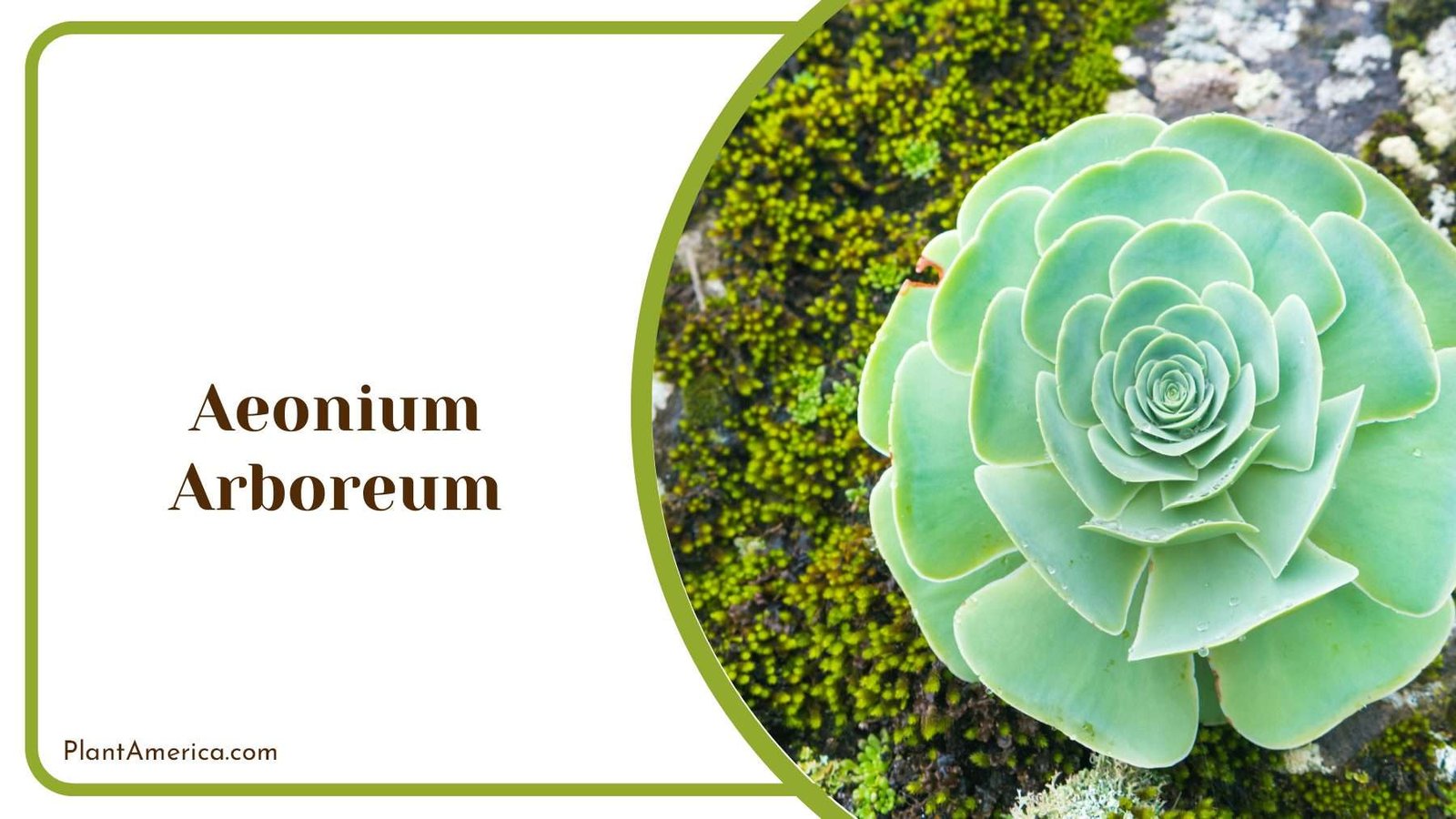
Aeonium Arboreum
- Growing Season: Spring, Fall
- Leaf Shape: Round, Thick leaves
- Specific Needs: Full sun, Well-drained soil
- Common Pests: Spider mites, Mealybugs
Aeonium arboreum, also called the tree aeonium or canary island aeonium, is a fast-growing succulent with thick rounded leaves that form a rosette. The leaves emerge bright green and take on shades of red and purple as they mature. As the plant grows, stems and branches develop that can reach several feet tall.
Aeonium arboreum needs full sun, especially in cooler climates, to thrive. They require at least six hours of direct sunlight daily for optimal growth. They prefer well-drained soil that is allowed to dry out between watering. Soil that remains constantly moist can cause root rot.Watering then should only occur after the top two inches of soil have dried out.
Mealybugs and spider mites can sometimes affect aeonium arboreum plants, so vigilance and removing affected leaves is important to keep infestations under control. Inspecting plants regularly and removing affected areas as soon as pests are seen can help prevent larger infestations that damage growth. Spraying plants with a diluted neem oil solution weekly can also help control common pests that target aeoniums.
Trimming back plants also encourages full, bushy growth. Aeonium arboreum can be pruned back by one-third in early spring to promote branching and a denser appearance. The plant will quickly send out new rosettes of leaves from where stems are cut back.
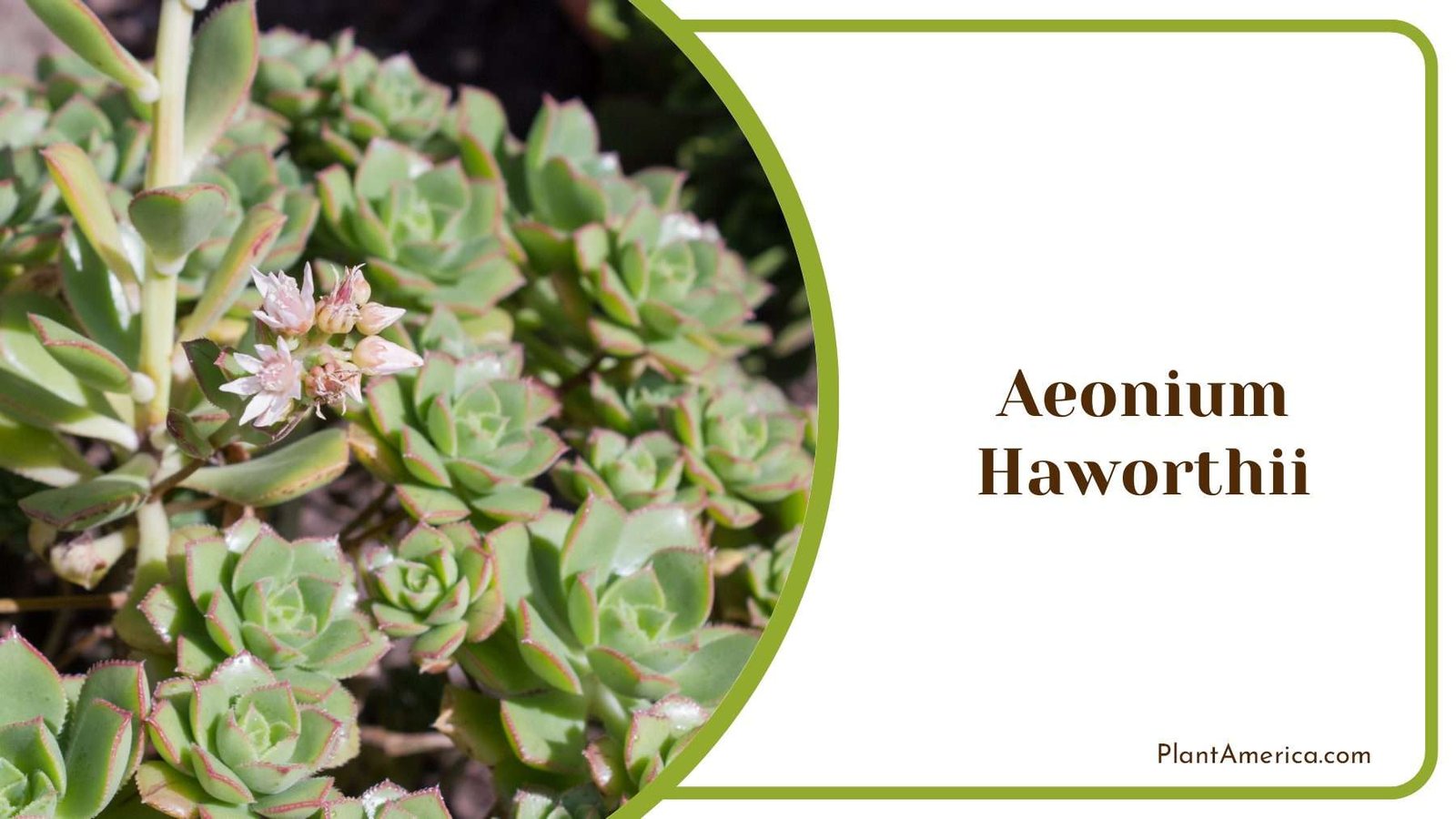
2. Aeonium Haworthii
- Growing Season: Spring, Fall
- Leaf Shape: Cylindrical, Tight rosette
- Specific Needs: Full sun, Well-drained soil
- Common Pests: Spider mites, Mealybugs
Aeonium haworthii, a succulent plant, is a popular succulent variety known for its tightly packed cylindrical leaves forming dense rosettes. The young leaves are light green and become tinged with red and burgundy shades as they mature.
Aeonium haworthii likes hot conditions with full sun exposure to bring out the most vibrant coloring. It thrives with well-draining soil that is allowed to dry between waterings.
Succulent care mainly consists of avoiding overwatering. Aeonium care includes removing affected leaves if mealybugs or spider mites become an issue.
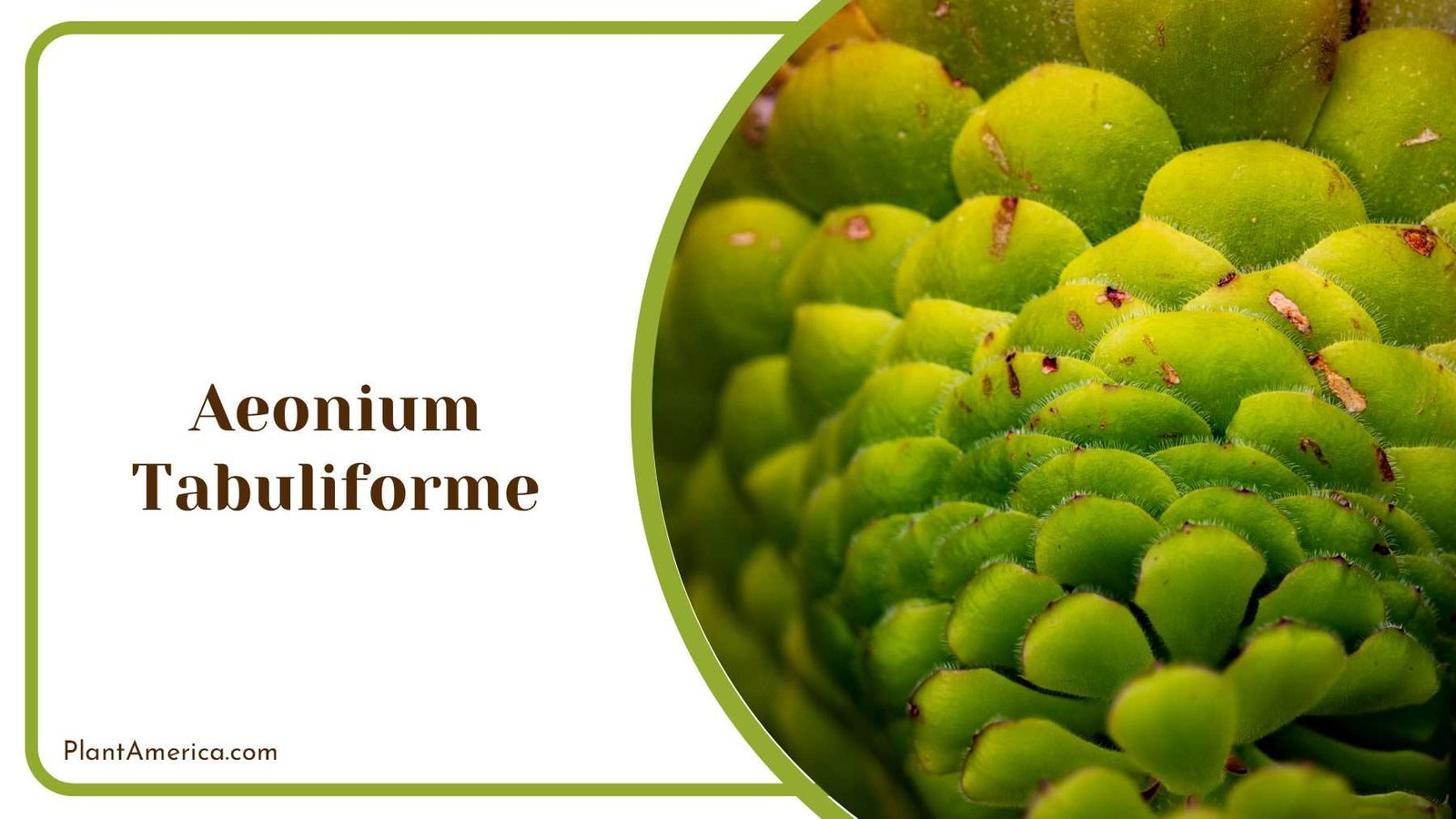
3. Aeonium Tabuliforme
- Growing Season: Year round
- Leaf Shape: Flat, Table like
- Specific Needs: Full sun, Gritty potting soil
- Common Pests: Rot, Fungus gnats
Aeonium tabuliforme, commonly called saucer plant or dinner plate plant, is a low-growing succulent known for its flat table-like leaves forming dense rosettes. The young leaves initially emerge green and develop reddish-purple edges and hues as they mature, giving the plant an artistic look.
Aeonium tabuliforme requires warmth, sun, and well-draining, gritty potting soil to thrive. It appreciates moderate watering during its growing season and drier periods during winter rest. Indoor plant care can be challenging since fungus gnats and root rot are common.
Choosing the right potting soil and avoiding overwatering are important aspects of care for this succulent plant.
4. Aeonium Urbicum
- Growing Season: Spring, Fall
- Leaf Shape: Ovate, Elliptic
- Specific Needs: Full sun, Well-drained soil
- Common Pests: Spider mites, Mealybugs
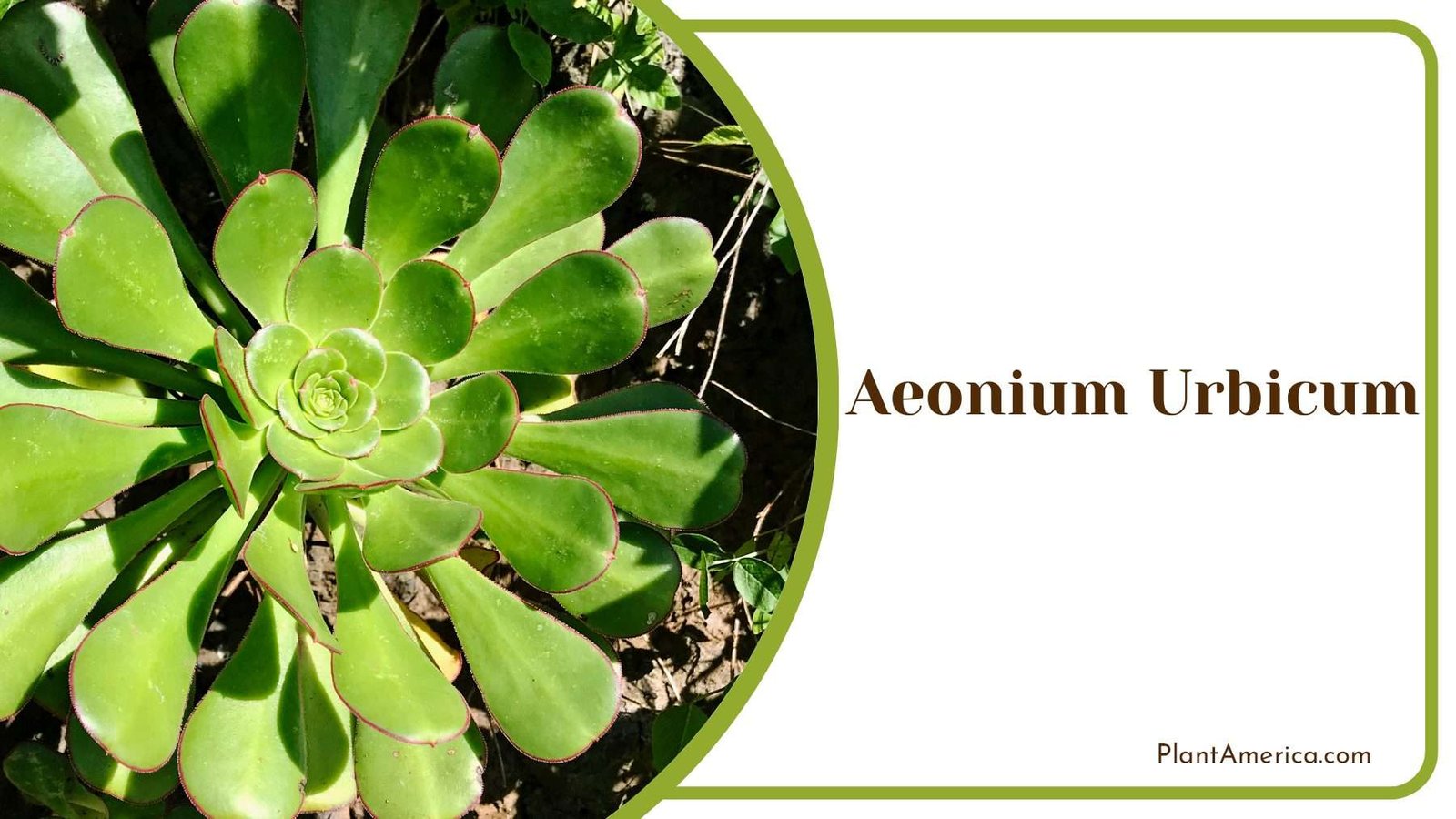
Aeonium urbicum, or city aeonium, is a compact succulent that forms tight rosettes of fleshy, elliptic to ovate leaves. The young leaves are bright green and become edged with red as they mature and harden. This succulent plant typically grows only four to eight inches tall and across.
This succulent plant prefers hot, sunny conditions and soil that drains quickly. It needs more water during its growing season from spring to fall but only occasional watering during the colder months of winter. Removing rotted leaves and improving soil drainage can help control root rot.
Mealybugs and spider mites also plague this succulent occasionally; combating these pests requires removing affected leaves and providing better air circulation. Placing the plant near an unobstructed south-facing window supplies the most lumens to satisfy its high light requirements. However, acclimating the succulent gradually is crucial to avoid sunburn on its delicate leaves.
To thrive, aeonium urbicum appreciates temperatures between 65 to 80 degrees Fahrenheit. Cooler winter temperatures of around 50 degrees are tolerated if the soil remains damp. The compact rosettes of tightly packed leaves aid the plant in retaining moisture efficiently while also adding to its decorative appeal in the landscape or container garden.
5. Aeonium Canariense
- Growing Season: Year-round
- Leaf Shape: Ovate, Lanceolate
- Specific Needs: Full sun, Well-drained soil
- Common Pests: Root rot, Stem rot
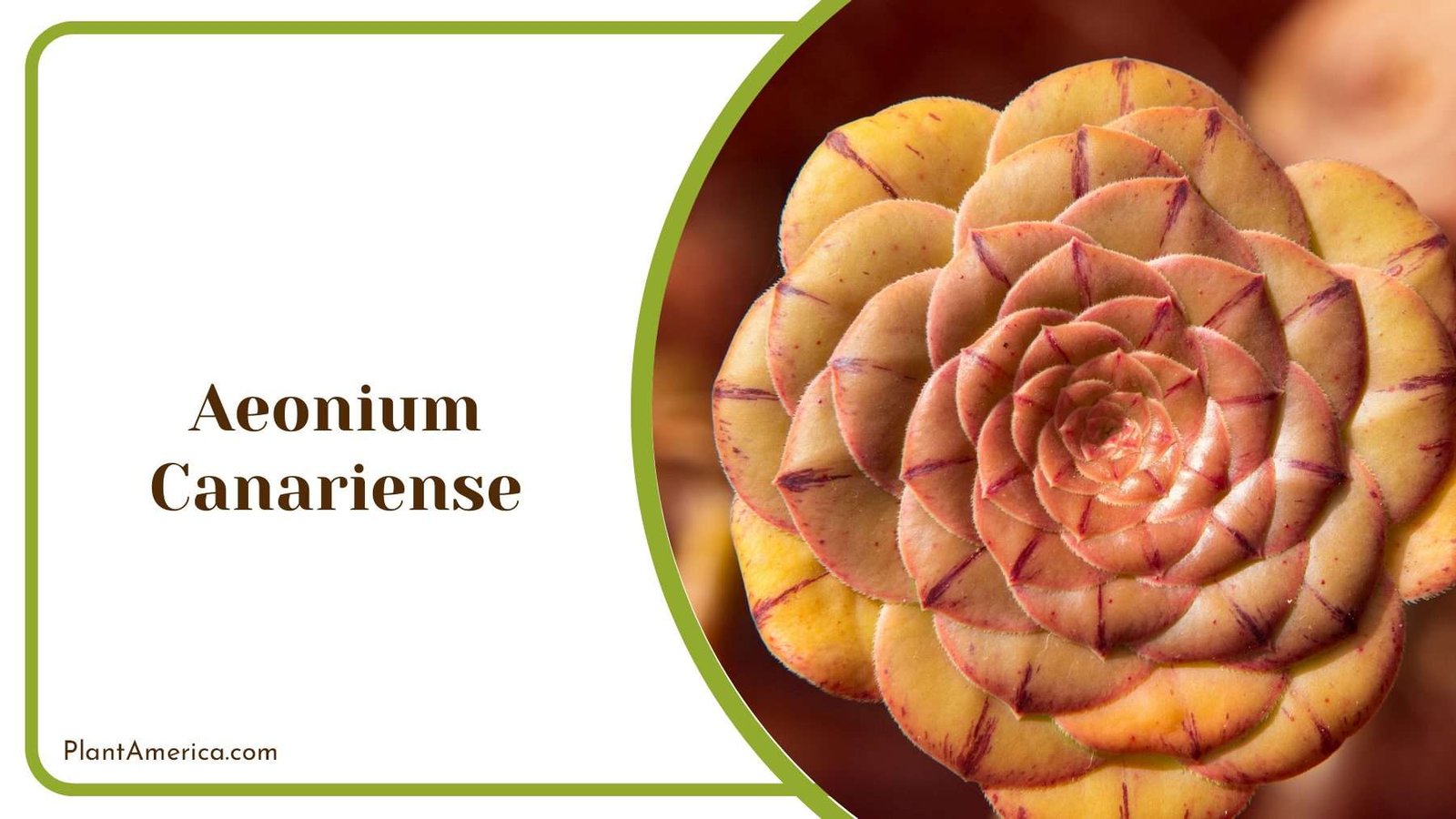
Aeonium canariense, also known as canary island aeonium, is a branching succulent plant native to the Canary Islands. The thick, fleshy leaves emerge to lanceolate in shape and form dense rosettes. Young green and mature leaves develop bronze, pink, and red shades. This aeonium plant usually grows one to two feet tall and wide.
Aeonium canariense thrives in hot, sunny conditions with free-draining soil. It goes dormant during cool winter months and requires less water. Proper aeonium care includes avoiding overwatering, which causes common issues like root and stem rot.
Removing affected leaves and improving drainage can help control these issues. Supplemental artificial light and warmer temperatures may be needed for indoor plant growth.
6. Aeonium Leucoblepharum
- Growing Season: Spring, Fall
- Leaf Shape: Ovate, Elliptic
- Specific Needs: Full sun, Well-drained soil
- Common Pests: Spider mites, Mealybugs
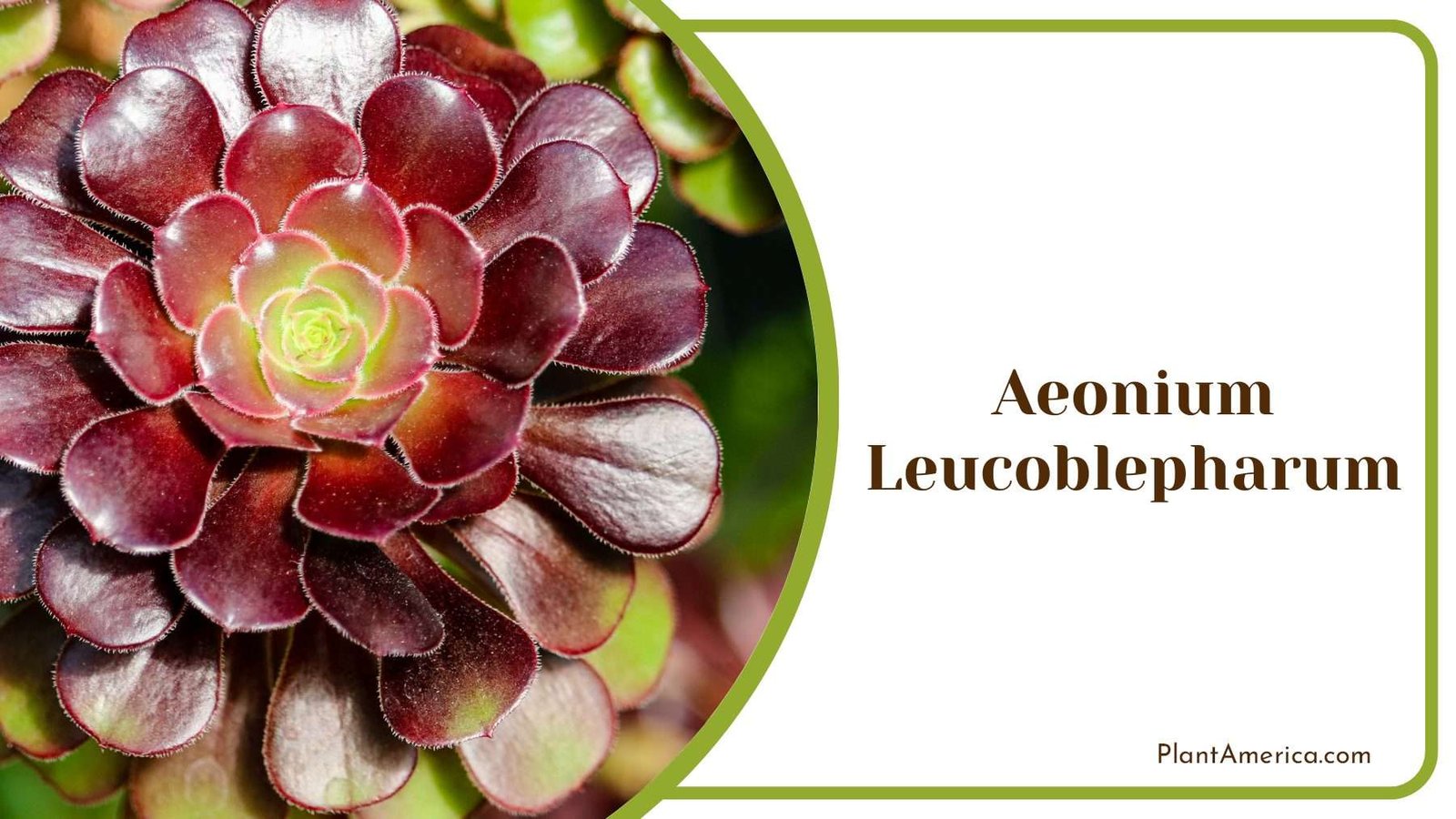
Aeonium leucoblepharum, commonly called white-edged Aeonium with thick, fleshy leaves emerge elliptically to ovate in shape and form tight rosettes. Young leaves are green with distinctive white edges, while mature leaves develop red to burgundy hues. This succulent plant typically grows one to two feet tall.
Aeonium leucoblepharum prefers warm, sunny conditions with free-draining soil. It goes dormant during cool winter months and requires less water. Proper succulent care includes avoiding overwatering, which causes root rot disease – a common problem.
Infestations by pests like mealybugs and spider mites can also affect plants. Removing impacted leaves and improving drainage can help manage issues. Supplemental artificial light and warmth are beneficial to maintain indoor plant specimens.
7. Aeonium Nobile
- Growing Season: Spring, Fall
- Leaf Shape: Ovate, Lanceolate
- Specific Needs: Full sun, Well-drained soil
- Common Pests: Aphids, Mealybugs
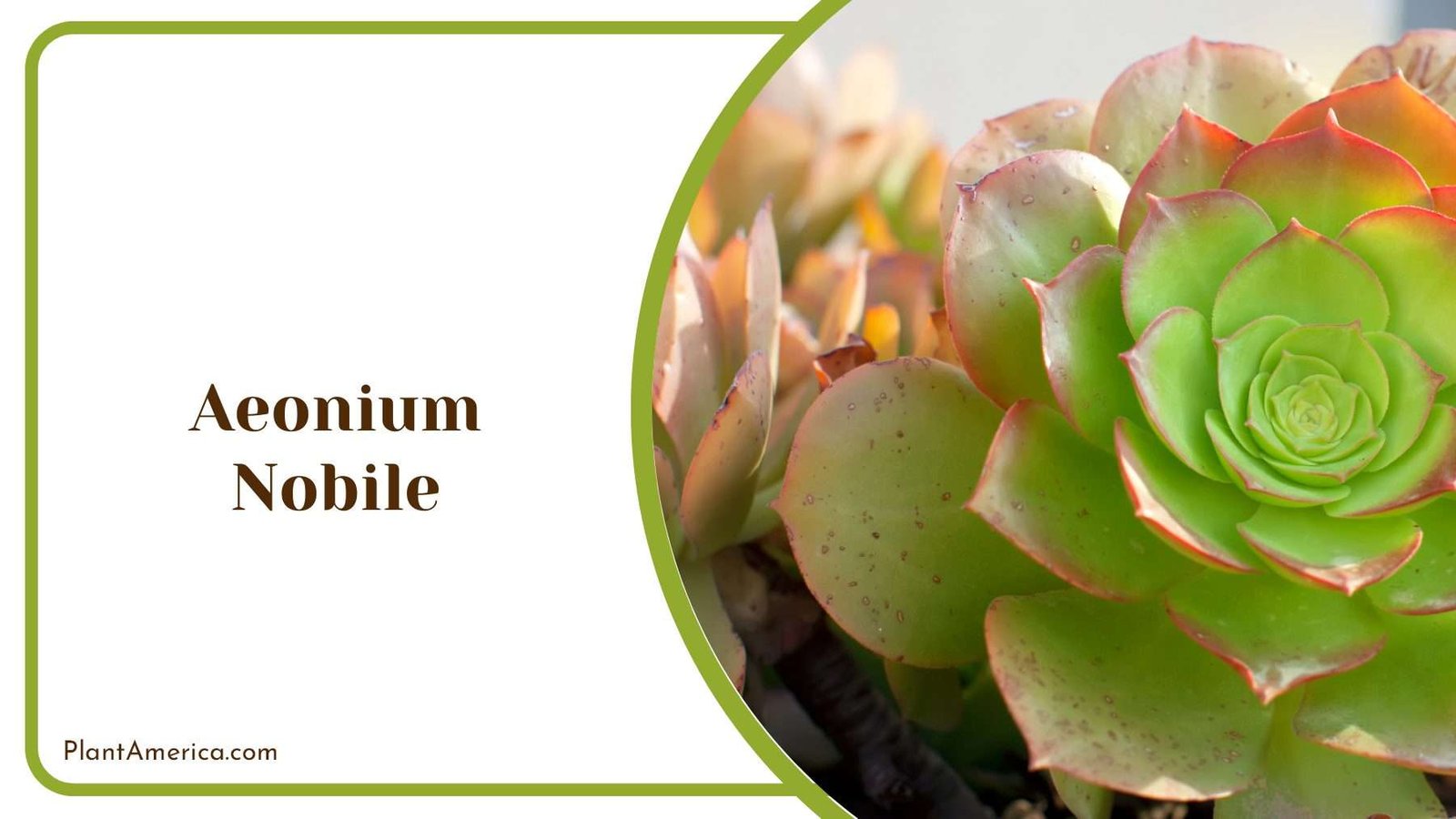
Aeonium nobile, also called noble Aeonium, is an upright branching succulent with fleshy, ovate to lanceolate leaves that form dense rosettes. Immature leaves are bright apple green and mature to shades of copper, bronze, and deep red as they age. This succulent plant grows into a dense, mounded shrub up to two feet tall and across.
Aeonium nobile prefers hot, dry conditions with free-draining soil and full exposure to the sun to bring out the brightest colors in its leaves. It appreciates moderate watering during spring and summer growing seasons and drier winter periods with little irrigation. Proper succulent care involves avoiding overwatering, which leads to root rot diseases, a frequent problem for noble aeonium plants. Removing affected leaves and improving soil drainage can help manage issues with common pests like aphids and mealybugs.
Proper care for indoor noble aeonium specimens requires artificial lighting and warmer microclimates to mimic outdoor conditions. An unobstructed south-facing window supplies the most light, though acclimating the plant is important to avoid sunburn on its light-sensitive leaves.
To grow well, aeonium nobile appreciates temperatures between 60 to 80 degrees Fahrenheit. Cooler temperatures around 45 to 50 degrees during winter dormancy are tolerated if the soil remains damp.
The densely packed rosettes of thick, succulent leaves aid the plant in retaining moisture efficiently while also enhancing its architectural appeal in the landscape or container garden. As the aeonium nobile plant matures, branching stems develop from the center of the rosette, eventually creating a shrubby form with multiple rosettes.
8. Aeonium Aureum
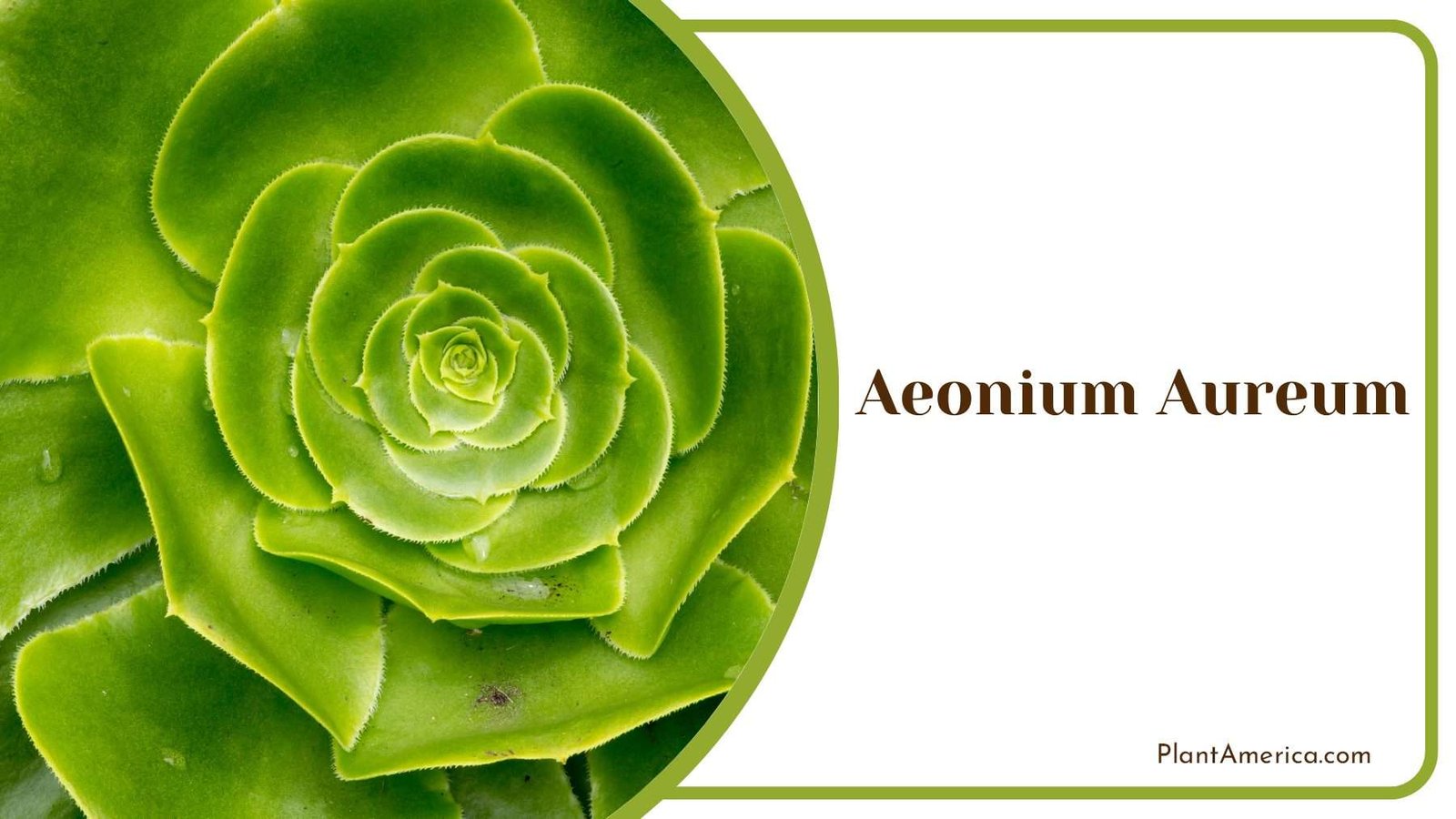
- Growing Season: Spring, Fall
- Leaf Shape: Form rosettes, Oblanceolate
- Specific Needs: Full sun, Well-drained soil
- Common Pests: Spider mites, Mealybugs
Aeonium aureum, commonly called golden Aeonium, is an upright succulent plant with thick, fleshy leaves that emerge oblong in shape and form dense rosettes. Young leaves are apple green, while mature leaves develop yellow, gold, and orange shades. This succulent plant typically grows one to two feet tall.
Aeonium aureum prefers hot, dry conditions with free-draining soil and full sun exposure to bring out the brightest colors. It appreciates moderate watering during its spring and summer growing seasons and drier periods in winter.
Proper succulent care involves avoiding overwatering, which causes root diseases like rot. Removing impacted leaves and improving drainage can reduce infestations by common pests like mealybugs and spider mites. Supplemental artificial warmth and lighting may be needed for indoor plant specimens.
9. Aeonium Undulatum
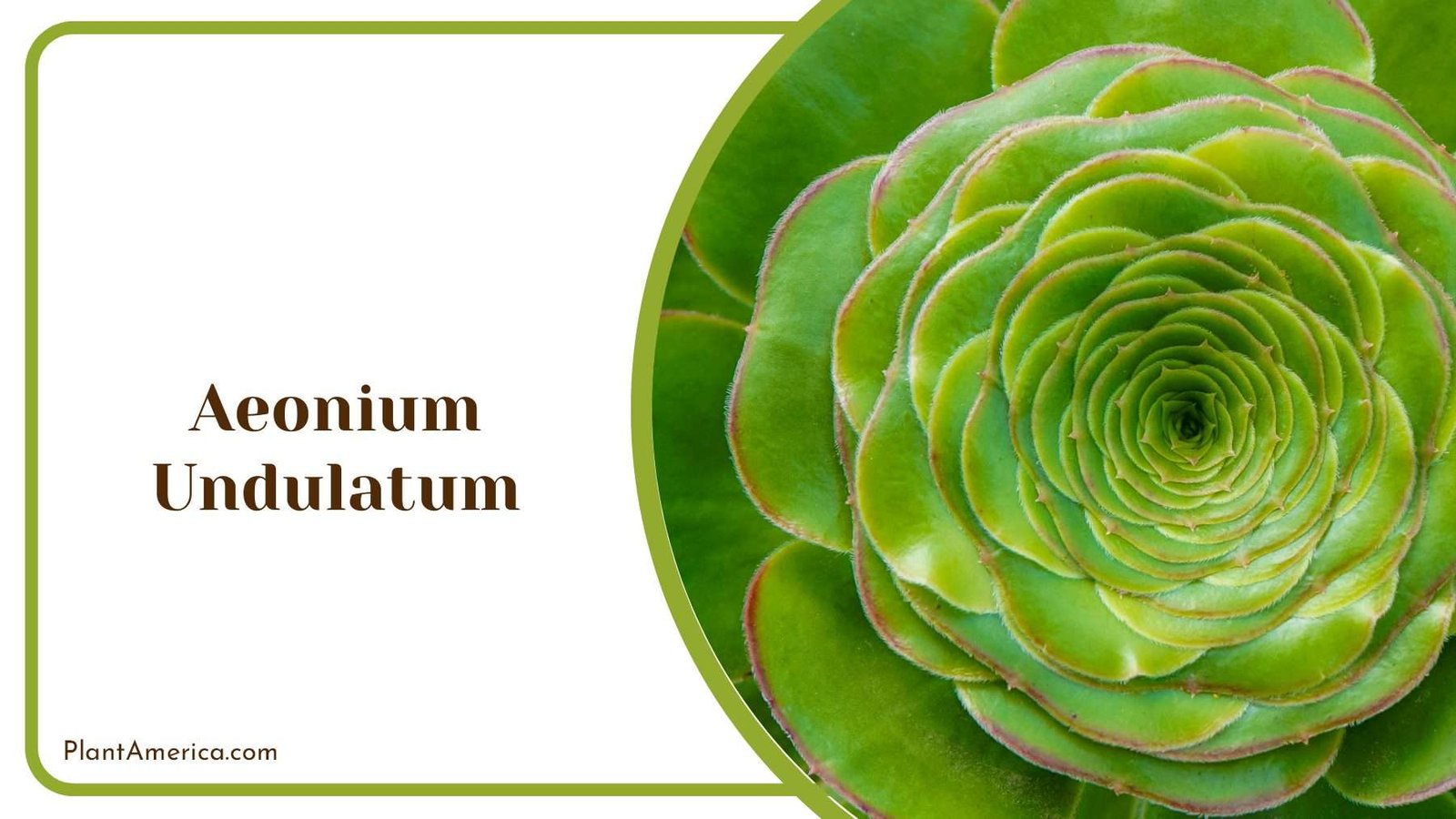
- Growing Season: Spring, Fall
- Leaf Shape: Undulate, Rosettes
- Specific Needs: Full sun, Well-drained soil
- Common Pests: Spider mites, Mealybugs
Aeonium undulatum, often called waved Aeonium or zygomorphic Aeonium, is an upright, branching succulent plant with thick, fleshy leaves that emerge undulate in shape and form dense rosettes. Young leaves are apple green, while mature leaves develop red, purple, and burgundy shades. This succulent plant typically grows one to two feet tall.
Aeonium undulatum prefers hot, dry conditions with free-draining soil and full sun exposure. It appreciates moderate watering during its active growing season and drier winter periods. Proper succulent care involves avoiding overwatering, which causes root diseases.
Removing affected leaves and improving drainage can help manage common pests like mealybugs and spider mites. Artificial lighting and warmer microclimates are often required for indoor plant specimens.
10. Aeonium Decorum
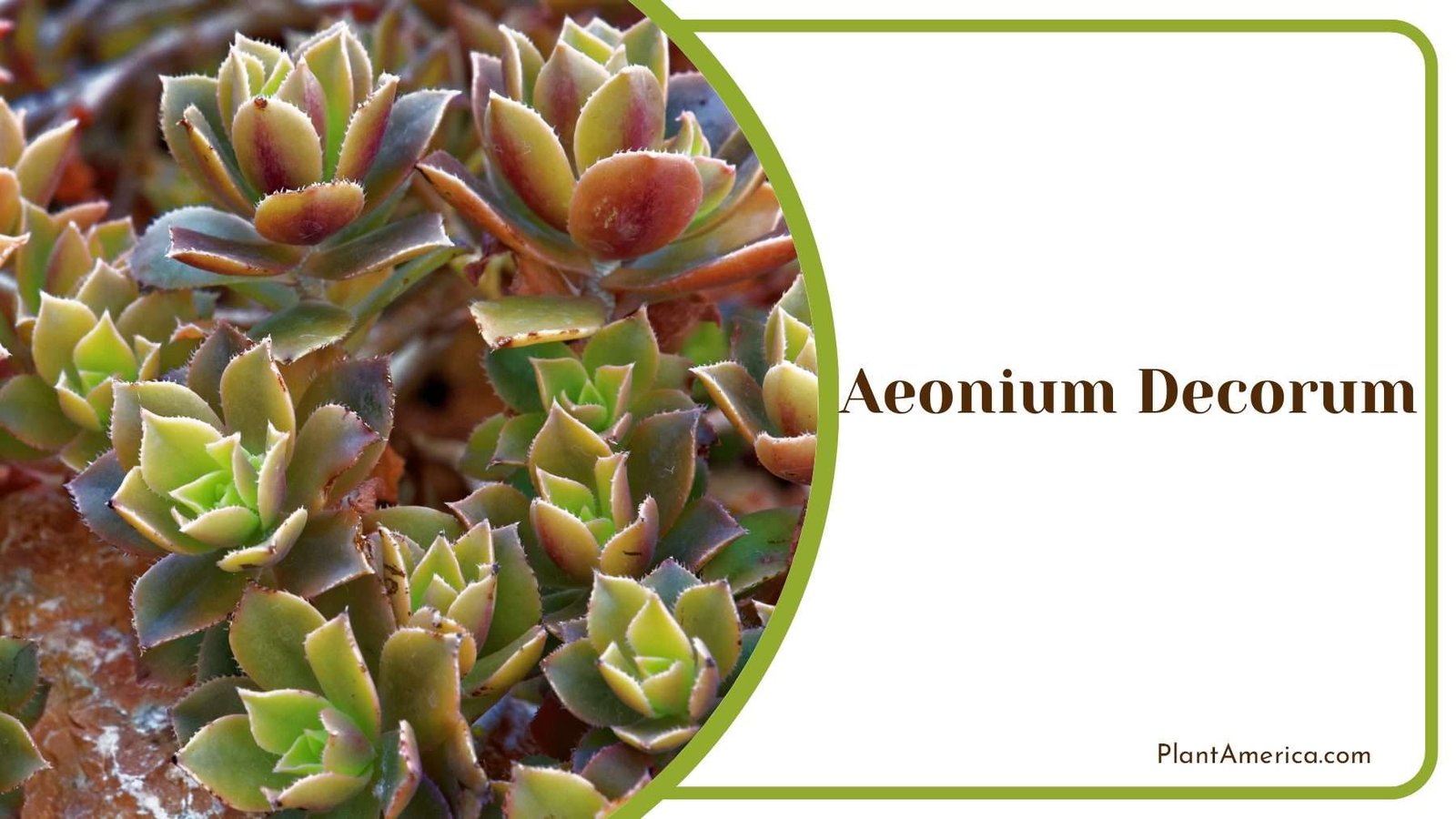
- Growing Season: Spring, Fall
- Leaf Shape: Ovate, Lanceolate
- Specific Needs: Full sun, Well-drained soil
- Common Pests: Root rot, Stem rot
Aeonium decorum, commonly called table aeonium, is a branching succulent plant with thick, ovate to lanceolate leaves that form dense rosettes. Young leaves are reddish-green, and mature leaves develop bronze, red, and purple shades. This succulent plant typically grows up to one foot tall and wide.
Aeonium decorum prefers hot, dry conditions with free-draining soil and full sunlight. It appreciates moderate watering during its spring and summer growing seasons and drier periods in winter.
Proper aeonium care involves avoiding overwatering, which can cause root diseases like rot. Infestations by pests such as mealybugs and spider mites can also impact plants. Removing affected leaves and improving soil drainage can help manage issues. Supplemental artificial lighting and warmth are often required to sustain indoor plant specimens.
11. Aeonium Dodrantale
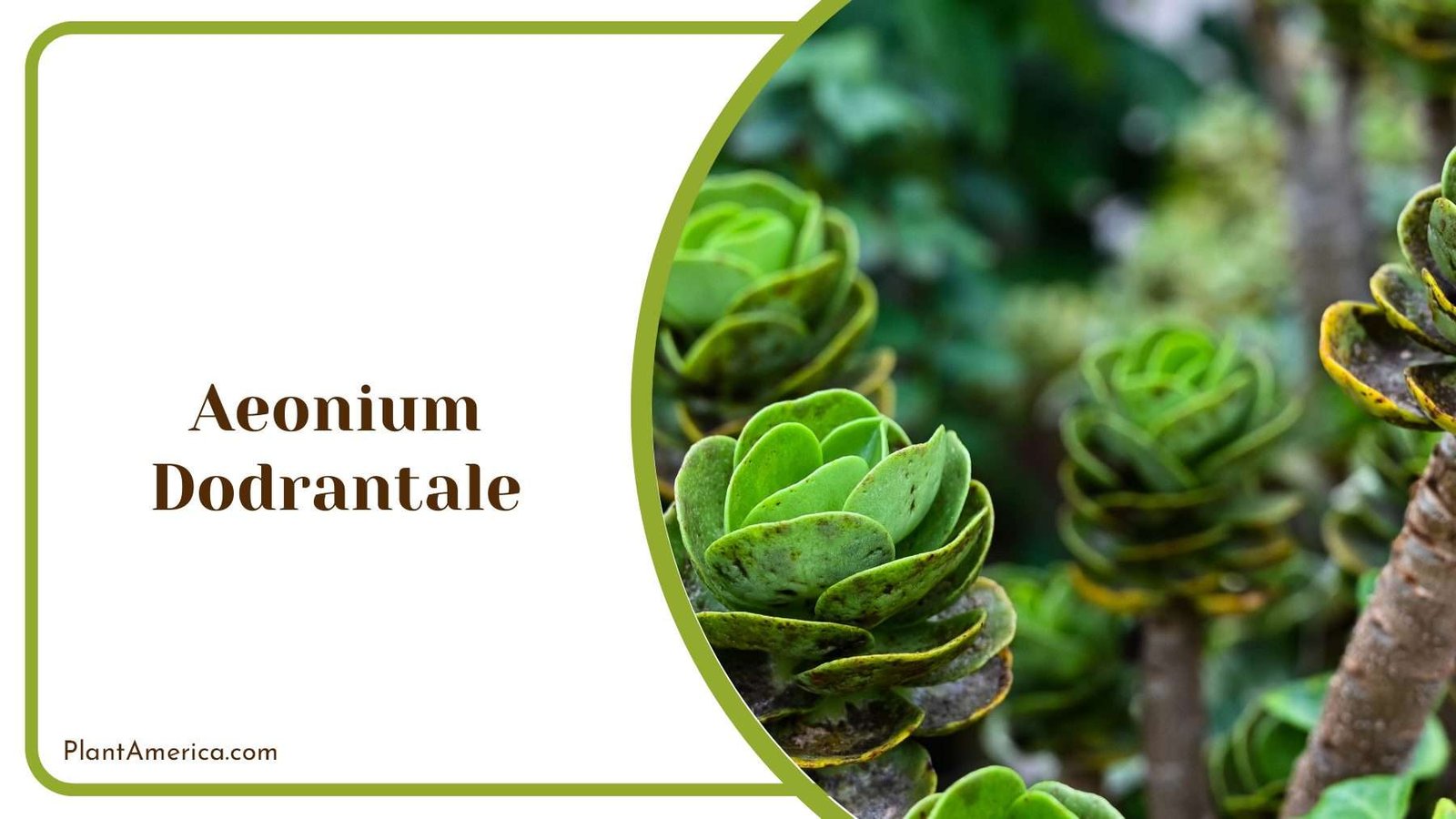
- Growing Season: Spring, Fall
- Leaf Shape: Ovate, Oblong
- Specific Needs: Full sun, Well-drained soil
- Common Pests: Root rot, Fungus gnat
Aeonium dodrantale, commonly called 90-degree Aeonium, is a branching succulent shrub with thick, fleshy leaves that emerge ovate to oblong in shape and form dense rosettes. Young green and mature leaves develop bronze, red, and purple shades. This succulent plant typically grows one to two feet tall and wide.
Aeonium dodrantale likes hot, dry conditions with free-draining soil and full sun exposure to bring out the brightest colors. It appreciates moderate watering during its growing season and drier winter periods.
Avoiding overwatering is key to good succulent care, as root rot is a common issue. Infestations by fungi and pests like mealybugs and spider mites may also impact plants. Removing affected leaves and improving drainage can help manage issues. Artificial lighting and warmth are often needed for indoor plant specimens.
12. Aeonium Mascaense
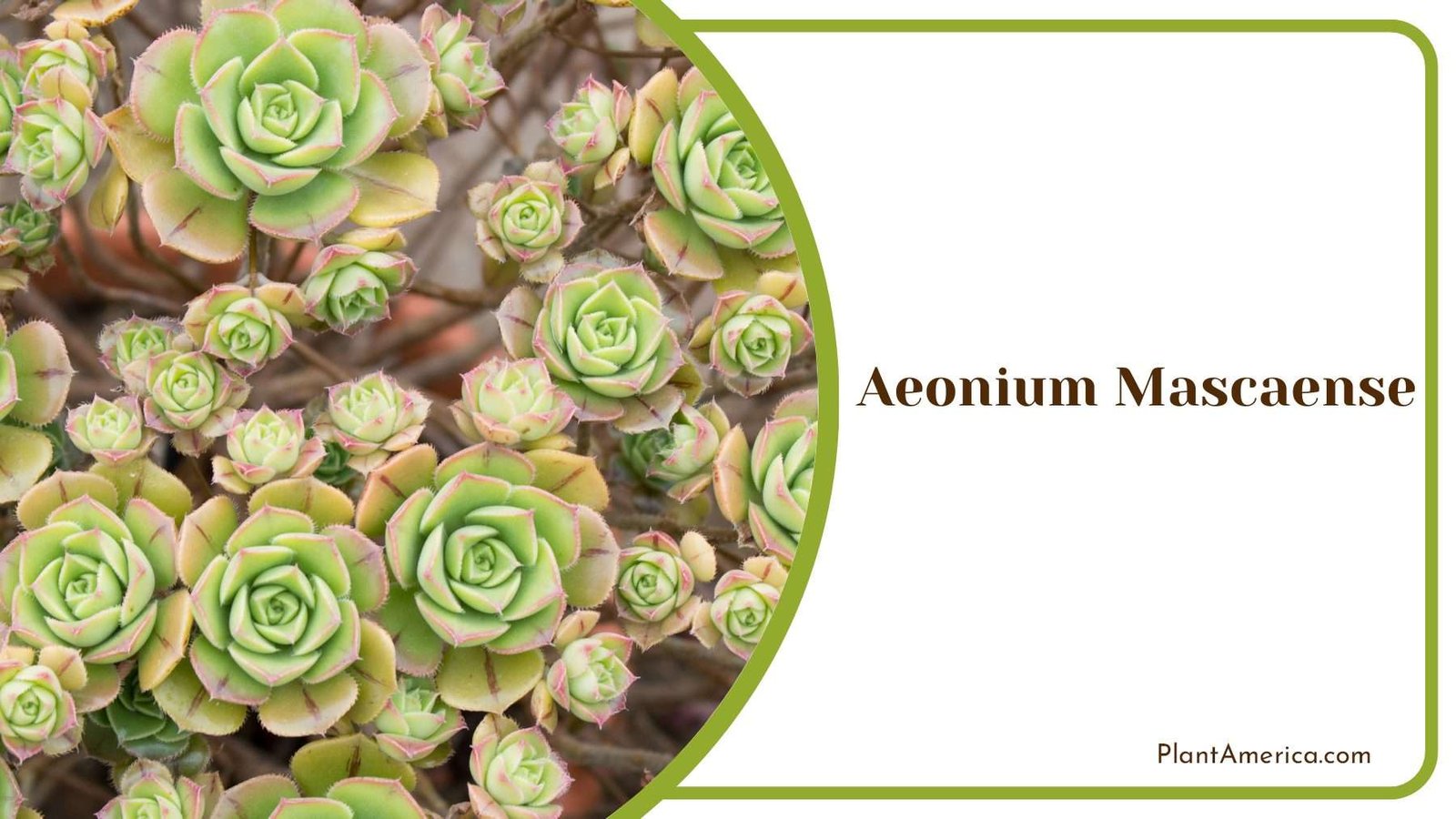
- Growing Season: Spring, Fall
- Leaf Shape: Ovate, Elliptical
- Specific Needs: Full sun, Well-drained soil
- Common Pests: Spider mites, Root rot
Aeonium mascaense, commonly called Masca aeonium, is a branching succulent shrub native to the Canary Islands. The thick, fleshy leaves emerge to ovate to elliptic shape and form dense rosettes. Young leaves are apple green, and mature leaves develop bronze, copper, and red shades. This aeonium plant typically grows one to two feet tall and wide.
Aeonium masseuse prefers hot, dry conditions with free-draining soil and full sun exposure. It appreciates moderate watering during its active growing season and drier winter periods. Proper aeonium care involves avoiding overwatering, often leading to root rot disease.
Improving soil drainage and air circulation can help manage issues. Removing affected leaves when infested by pests like spider mites can also help control issues. Supplemental artificial lighting and warmth may benefit indoor plant specimens.
13. Aeonium Ciliatum
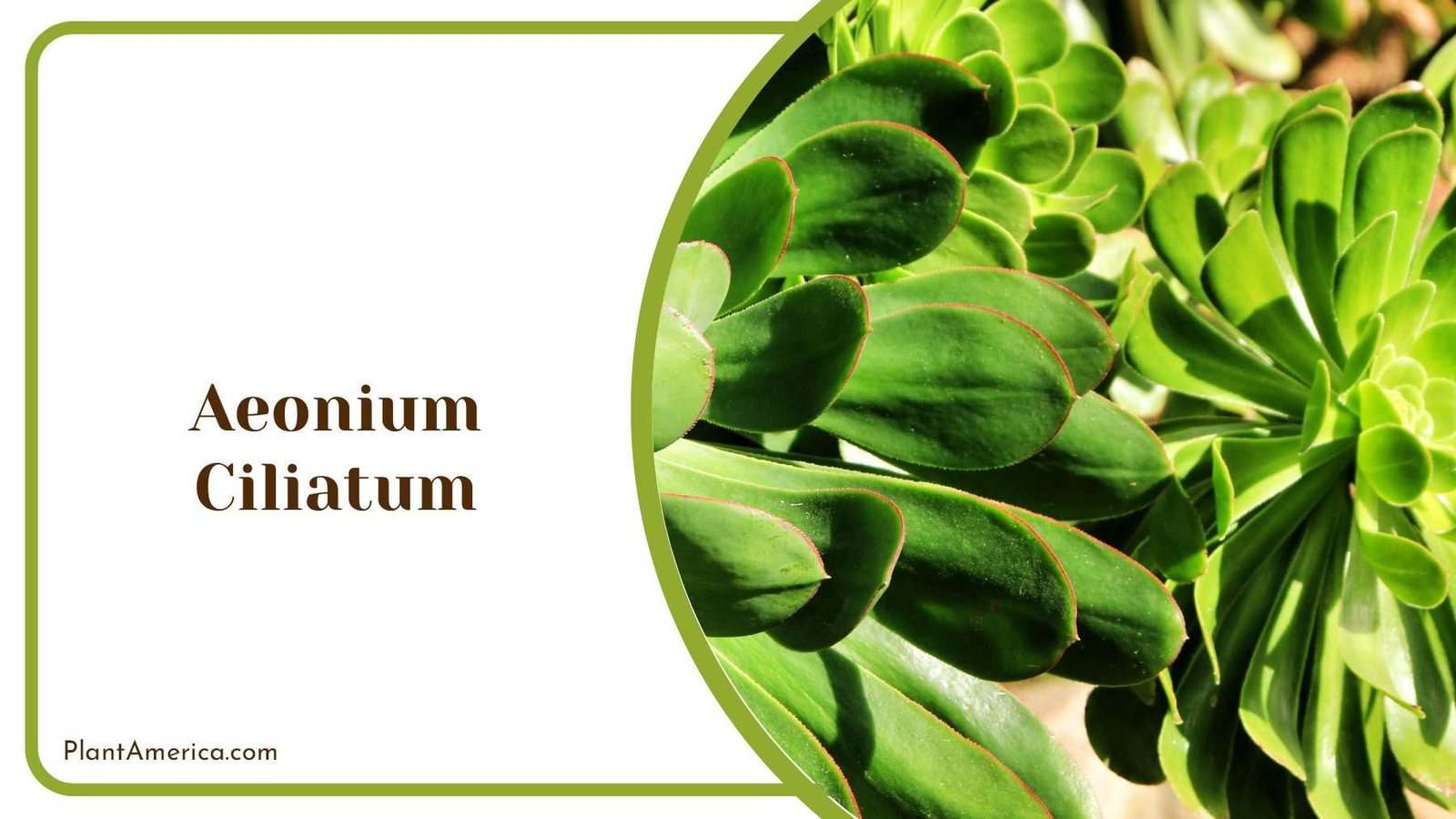
- Growing Season: Spring, Fall
- Leaf Shape: Ovate, Lanceolate
- Specific Needs: Full sun, Well-drained soil
- Common Pests: Rot, Fungal disease
Aeonium ciliatum, commonly known as hairy Aeonium, fringed Aeonium, or ciliated Aeonium, is a branching succulent shrub native to the Canary Islands. The thick, fleshy leaves emerge to lanceolate in shape and form dense rosettes.
Young leaves are green with distinctive white edges, giving the plant a distinctive hairy appearance. Mature leaves develop shades of red and purple along white edges. This succulent plant usually grows one to two feet tall and wide.
Aeonium ciliatum prefers hot, dry conditions with free-draining soil and full sun exposure. It enjoys six to eight hours of direct sun daily. It appreciates moderate watering during its growing season from spring to fall and drier winter rest to promote dormancy.
Proper aeonium care involves avoiding overwatering, which causes common issues like root rot. Improving drainage and removing diseased leaves can help manage fungal disease and infestations by pests like mealybugs.
Airflow, warmth, and supplemental artificial light can benefit indoor plant growth. Placing outdoor aeonium plants in a location with good air circulation helps prevent fungal disease. Indoor plants benefit from grow lights providing six to eight hours of directed illumination daily.
14. Aeonium Occidentale
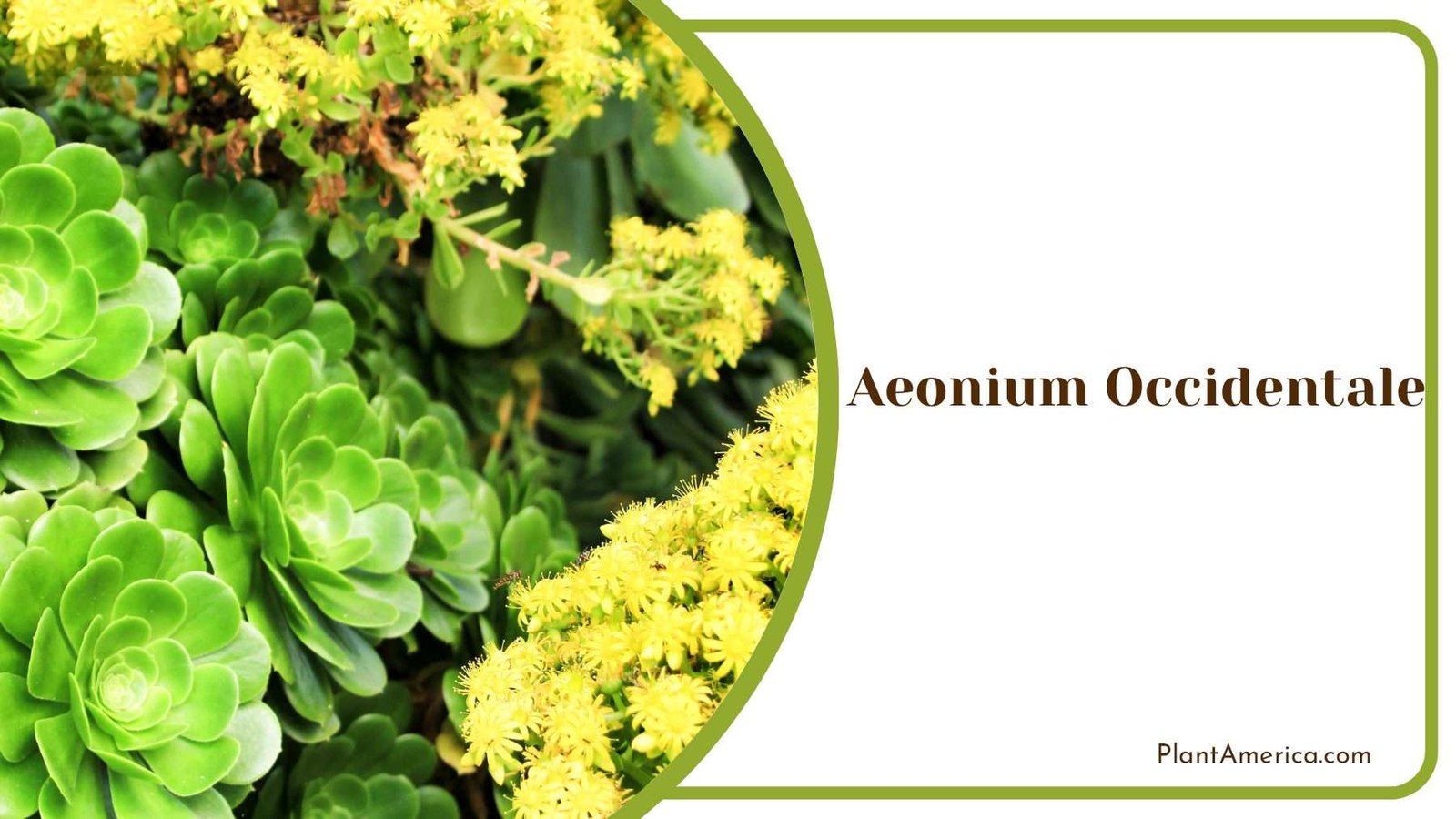
- Growing Season: Spring, Fall
- Leaf Shape: Form rosettes, Lanceolate
- Specific Needs: Full sun, Well-drained soil
- Common Pests: Root rot, Fungal disease
Aeonium occidentale, commonly known as Canary Island aeonium, is a branching succulent shrub native to the Canary Islands off the coast of Africa. The thick, fleshy leaves emerge lanceolate in shape and form dense rosettes. Young green and mature leaves develop bronze, red, and purple shades. This succulent plant usually grows one to two feet tall and wide.
Aeonium occidentale prefers hot, dry conditions with free-draining soil and full sun exposure. It appreciates moderate watering during its growing season and dormancy during winter. Avoiding overwatering is key to good succulent care, as root rot is common. Improving drainage and air circulation can help manage issues.
When infested by pests like mealybugs or suffering from fungal disease, pruning affected leaves can help control the issue. Providing warmth, artificial light, and airflow can benefit indoor plant specimens.
15. Aeonium Percarneum
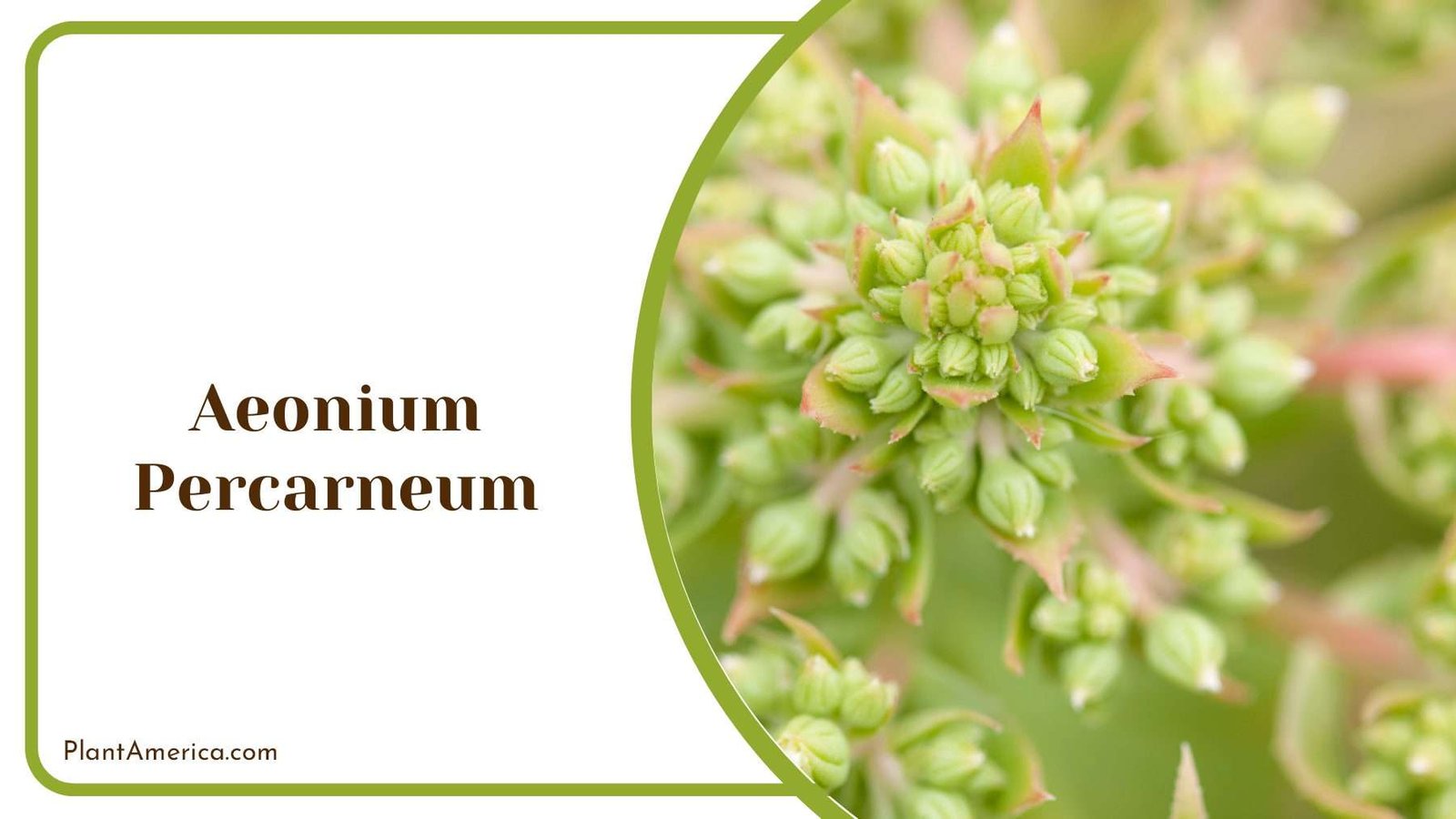
- Growing Season: Spring, Fall
- Leaf Shape: Elliptical, Form rosettes
- Specific Needs: Full sun, Well-drained soil
- Common Pests: Root rot, Fungal disease
Aeonium pericardium, commonly called skin aeonium, is a branching succulent native to the Canary Islands. The thick, fleshy leaves emerge elliptic in shape and form dense rosettes. Young leaves are apple green, while mature leaves develop bronze, red, and purple shades. This succulent plant typically grows one to two feet tall and wide.
Aeonium pericardium prefers hot, dry conditions with free-draining soil and full sun exposure. It appreciates moderate watering during its active growing season and dormancy in winter. Proper succulent care involves avoiding overwatering, which causes root rot.
Improving soil drainage, providing adequate airflow, and removing affected leaves when infested by pests or impacted by fungal disease can help manage issues. Supplemental artificial warmth and lighting are often required for indoor plant specimens during winter dormancy.
16. Aeonium Pseudotabuliforme
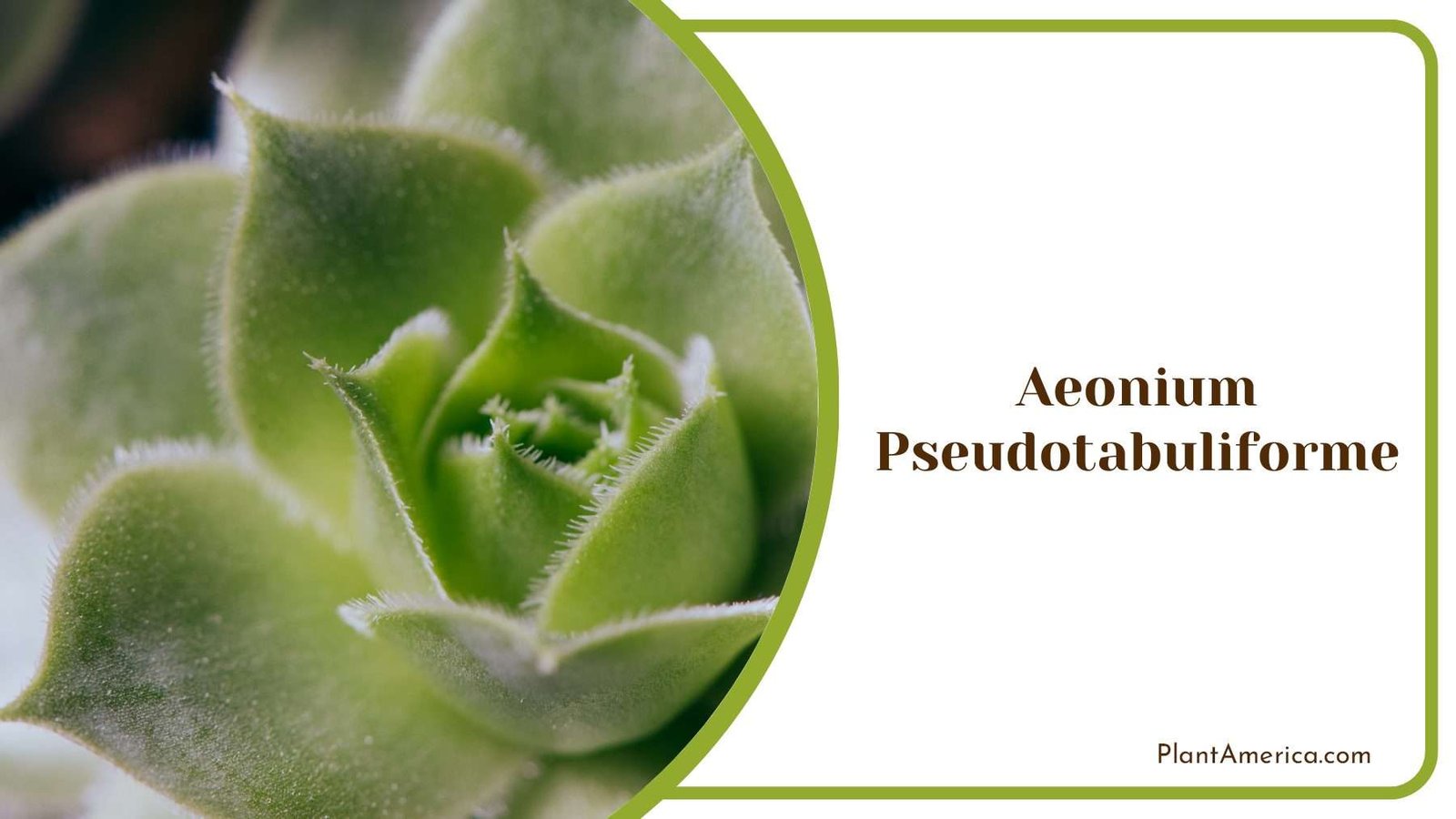
- Growing Season: Year-round
- Leaf Shape: Succulent, Form rosettes
- Specific Needs: Full sun, Well-drained soil
- Common Pests: Root rot, Fungal disease
Aeonium pseudotabuliforme, commonly called false saucer aeonium, is a branching succulent indigenous to the Canary Islands. The thick, fleshy leaves emerge succulent, tabulate in shape and form dense rosettes. Young leaves are bright green, while mature leaves develop bronze, red, and purple shades. This succulent plant typically grows one to two feet tall and wide.
Aeonium pseudotabuliforme requires hot, dry conditions with free-draining soil and full sun exposure. It appreciates moderate watering during its active growth periods and dormancy in winter.
Proper succulent care involves avoiding overwatering, which often causes issues like rot. Improving soil drainage, providing adequate airflow, and removing impacted leaves when suffering from pests or fungal diseases can help manage issues. Artificial lighting and warmth are often needed to sustain indoor plant specimens during winter dormancy.
17. Aeonium Saundersii
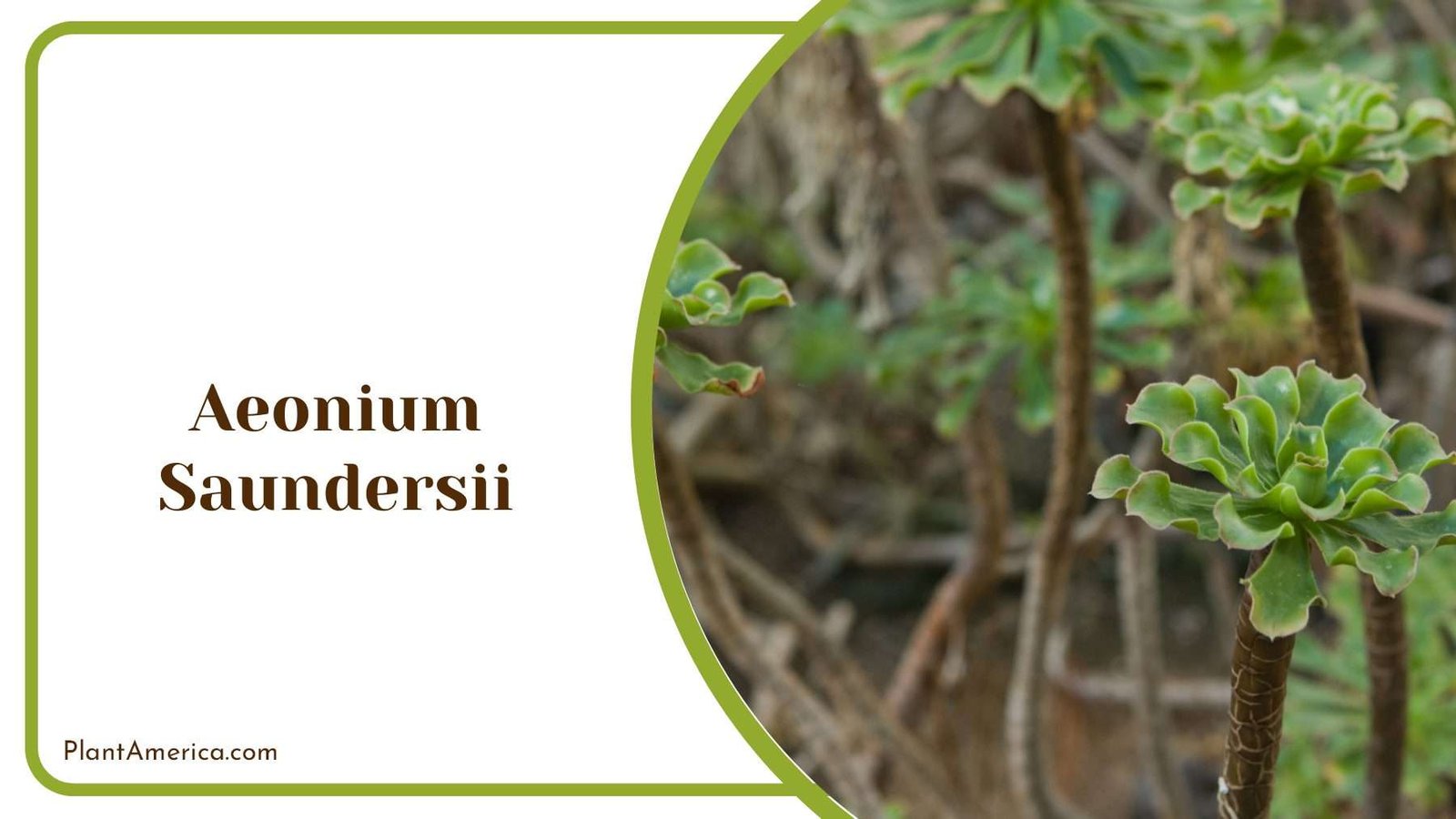
- Growing Season: Spring, Fall
- Leaf Shape: Ovate, Lanceolate
- Specific Needs: Full sun, Well-drained soil
- Common Pests: Root rot, Spider mites
Aeonium saundersii, commonly known as black-stemmed Aeonium, is a branching succulent shrub native to the Canary Islands off the coast of Africa. The thick, fleshy leaves emerge ovate to lanceolate in shape and form dense rosettes. Young green and mature leaves develop bronze, red, and purple shades. This aeonium plant typically grows one to two feet tall and wide.
Aeonium saundersii prefers hot, dry conditions with free-draining soil and full sun exposure. It appreciates moderate watering during spring and summer growing seasons and dormancy in winter. Proper aeonium care involves avoiding overwatering, often leading to root rot disease.
Removing affected leaves and improving soil drainage and air circulation can help manage issues. When infested by pests like spider mites, pruning impacted leaves can also help control issues. Supplemental artificial lighting and warmth may benefit indoor plant specimens.
18. Aeonium Sedifolium
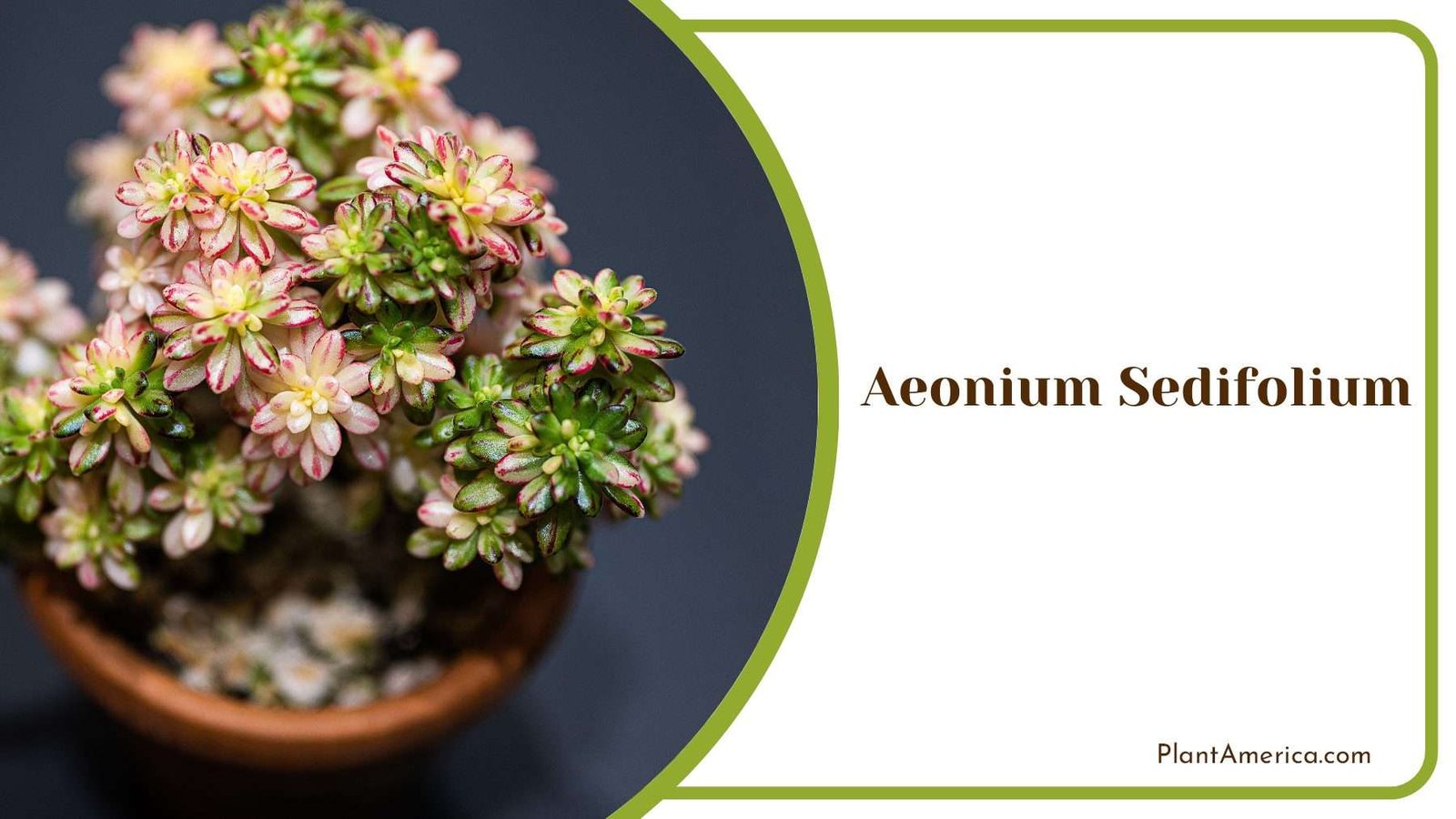
- Growing Season: Spring, Fall
- Leaf Shape: Form rosettes, Sessile
- Specific Needs: Full sun, Well-drained soil
- Common Pests: Root rot, Fungal disease
Aeonium sedifolium, commonly called stonecrop aeonium, is a branching succulent shrub native to the Canary Islands off the coast of Africa. The thick, fleshy leaves emerge sessile and form dense rosettes. Young leaves are apple green, and mature leaves develop bronze, red, and purple shades. This aeonium plant typically grows one to two feet tall and wide.
Aeonium sedifolium prefers hot, dry conditions with free-draining soil and full sun exposure. It appreciates moderate watering during its active growing season and dormancy during winter. Proper aeonium care involves avoiding overwatering, often leading to root rot issues.
Improving soil drainage, providing airflow, and removing affected leaves when suffering from fungal disease or pests like mealybugs can help manage problems. Supplemental artificial warmth and lighting may benefit indoor plant specimens during dormancy.
19. Aeonium Simsii
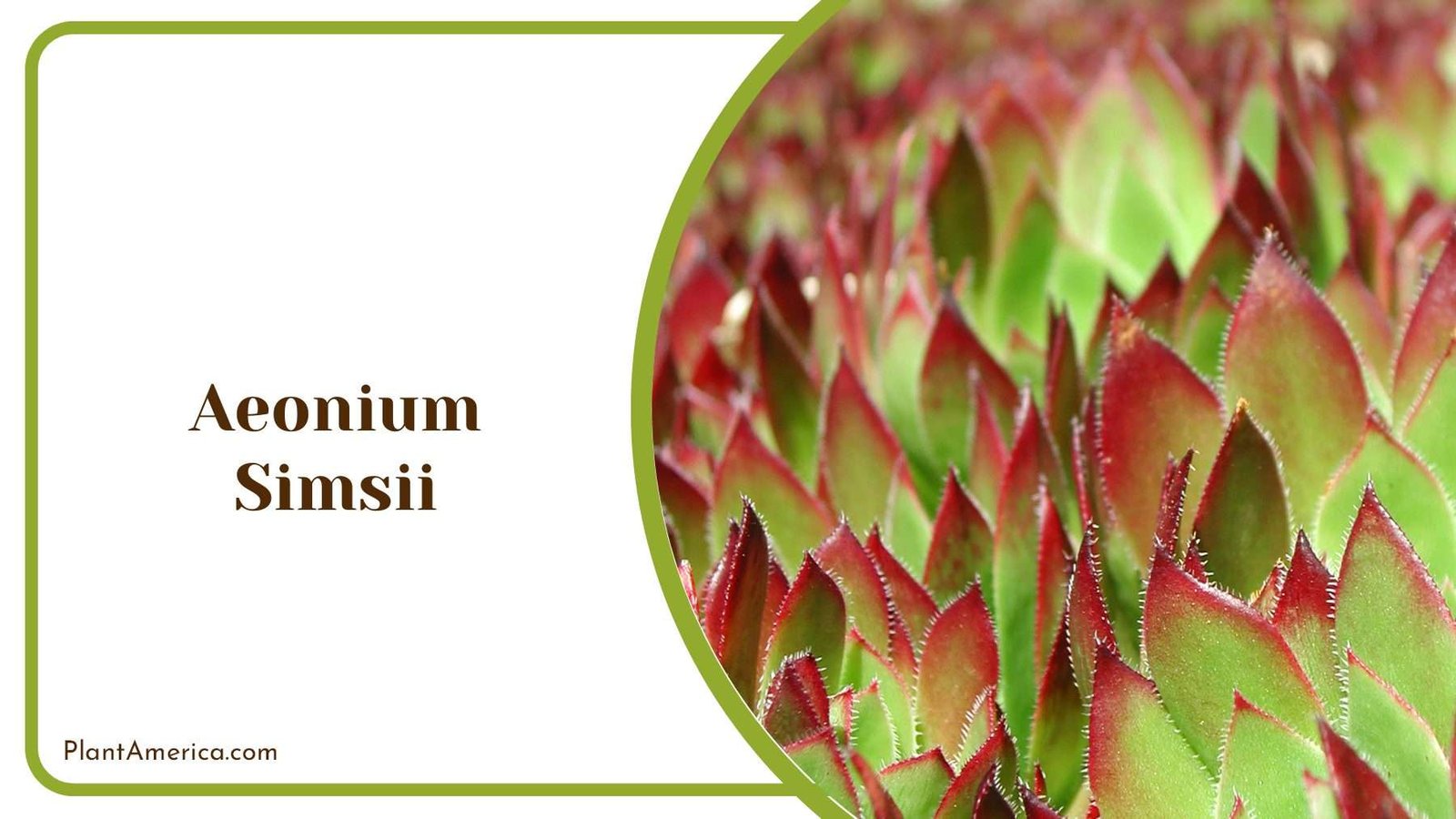
- Growing Season: Spring, Fall
- Leaf Shape: Ovate, Lanceolate
- Specific Needs: Full sun, Well-drained soil
- Common Pests: Root rot, Fungal disease
Aeonium simsii, or Sims aeonium, is a branching succulent shrub native to the Canary Islands. The thick, fleshy leaves emerge to lanceolate in shape and form dense rosettes. Young leaves are green, while mature leaves develop bronze, red, and purple shades. This aeonium plant typically grows one to two feet tall and wide.
Aeonium simsii prefers hot, dry conditions with free-draining soil and full sun exposure. It appreciates moderate watering during its growing season and dormancy in winter. Proper succulent care involves avoiding overwatering, which causes common issues like root diseases.
Improving drainage, providing airflow, and removing affected leaves when infested by pests like mealybugs can help manage issues. Supplemental artificial warmth and lighting may benefit indoor plant specimens during winter rest.
20. Aeonium Smithii
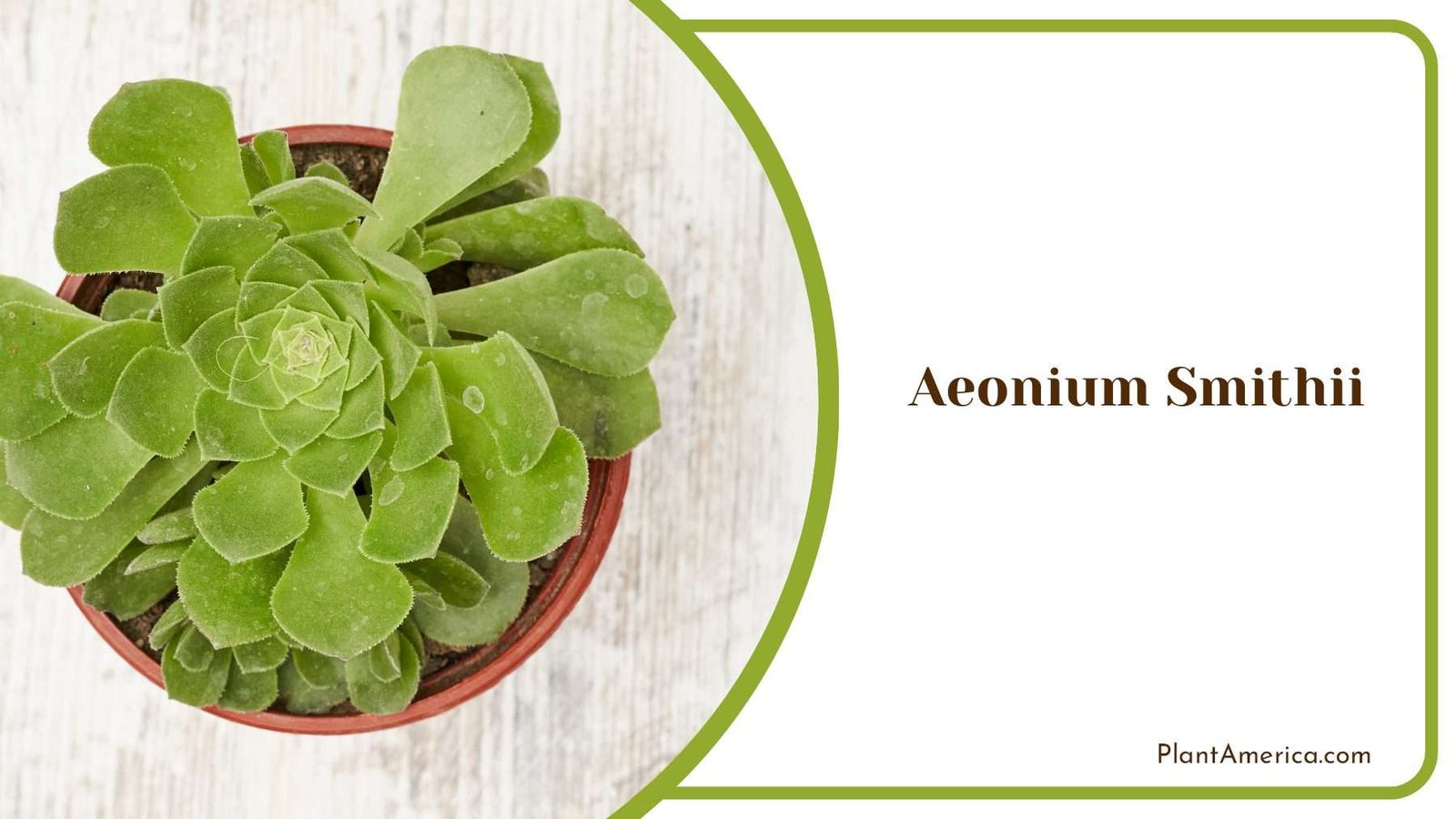
- Growing Season: Spring, Fall
- Leaf Shape: Form rosettes, Lanceolate
- Specific Needs: Full sun, Well-drained soil
- Common Pests: Root rot, Fungal disease
Aeonium smithii, commonly called Smith’s Aeonium, is a branching succulent shrub native to the Canary Islands off the coast of Africa. The thick, fleshy leaves emerge lanceolate in shape and form dense rosettes. Young green and mature leaves develop bronze, red, and purple shades. This aeonium plant typically grows one to two feet tall and wide.
Aeonium smithii prefers hot, dry conditions with free-draining soil and full sun exposure. It appreciates moderate watering during spring and summer growing seasons and dormancy in winter. Proper aeonium care involves avoiding overwatering, often leading to issues like root rot disease.
Removing affected leaves and improving soil drainage and air circulation can help manage issues. When infested by pests resulting in severe pest infestations, pruning impacted leaves can also help control problems. Providing artificial warmth and lighting may benefit indoor plant specimens.
21. Aeonium Spathulatum
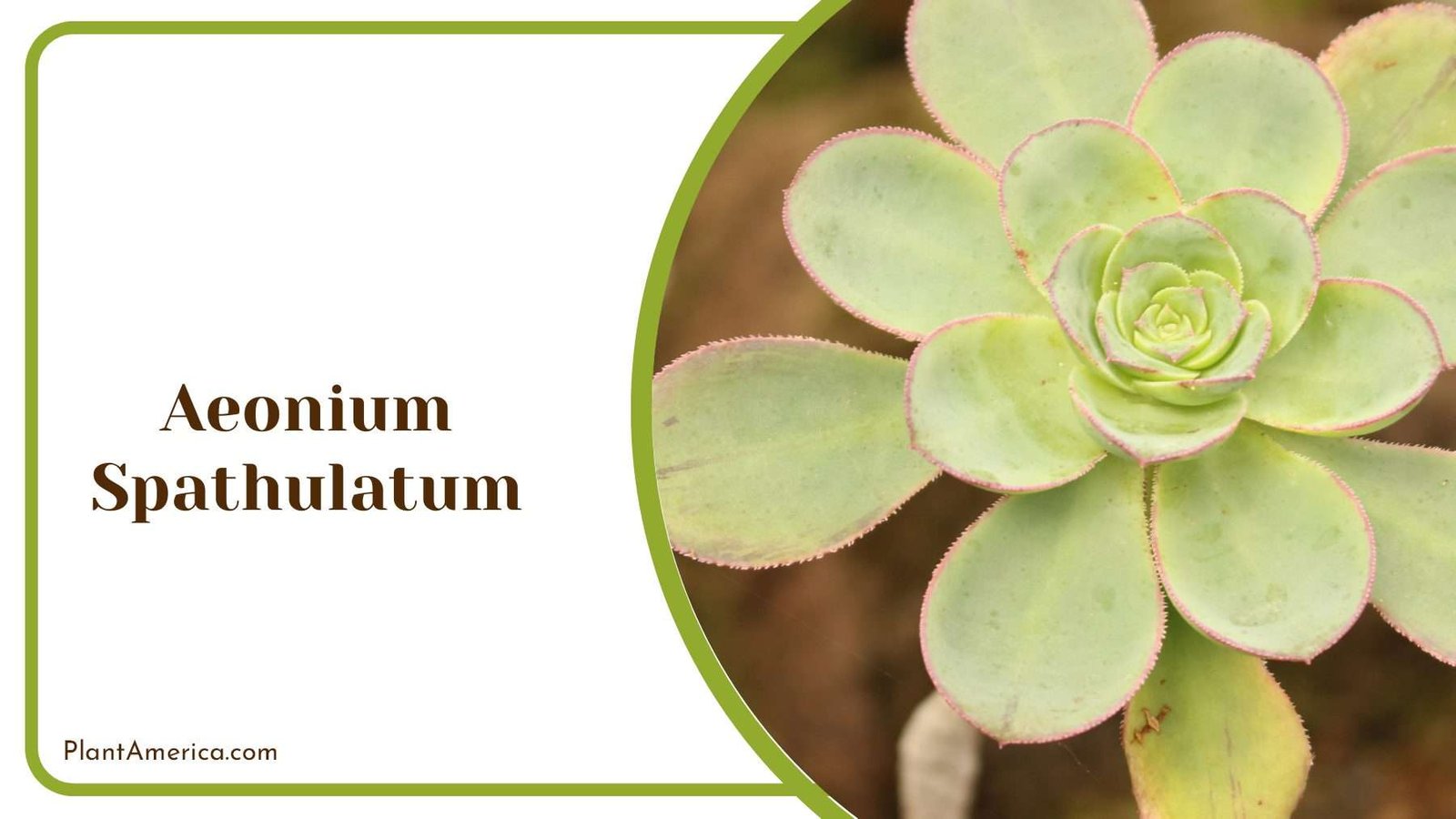
- Growing Season: Spring, Fall
- Leaf Shape: Spathulate, Form rosettes
- Specific Needs: Full sun, Well-drained soil
- Common Pests: Root rot, Fungal disease
Aeonium spathulatum, commonly called spooned Aeonium, is a branching succulent shrub native to the Canary Islands off the coast of Africa. The thick, fleshy leaves emerge spathulate in shape and form dense rosettes. Young leaves are bright green, and mature leaves develop bronze, red, and purple shades. This succulent plant typically grows one to two feet tall and wide.
Aeonium spathulatum prefers hot, dry conditions with free-draining soil and full sun exposure. It appreciates moderate watering during its growing season and dormancy in winter. Proper succulent care involves avoiding overwatering, which can cause rot and fungal issues.
Infestations by pests resulting in severe pest infestations may also impact plants. Removing affected leaves and improving soil drainage can help manage issues. Artificial heat and supplementary lighting may benefit indoor plant specimens during dormancy.
22. Aeonium Cuneatum
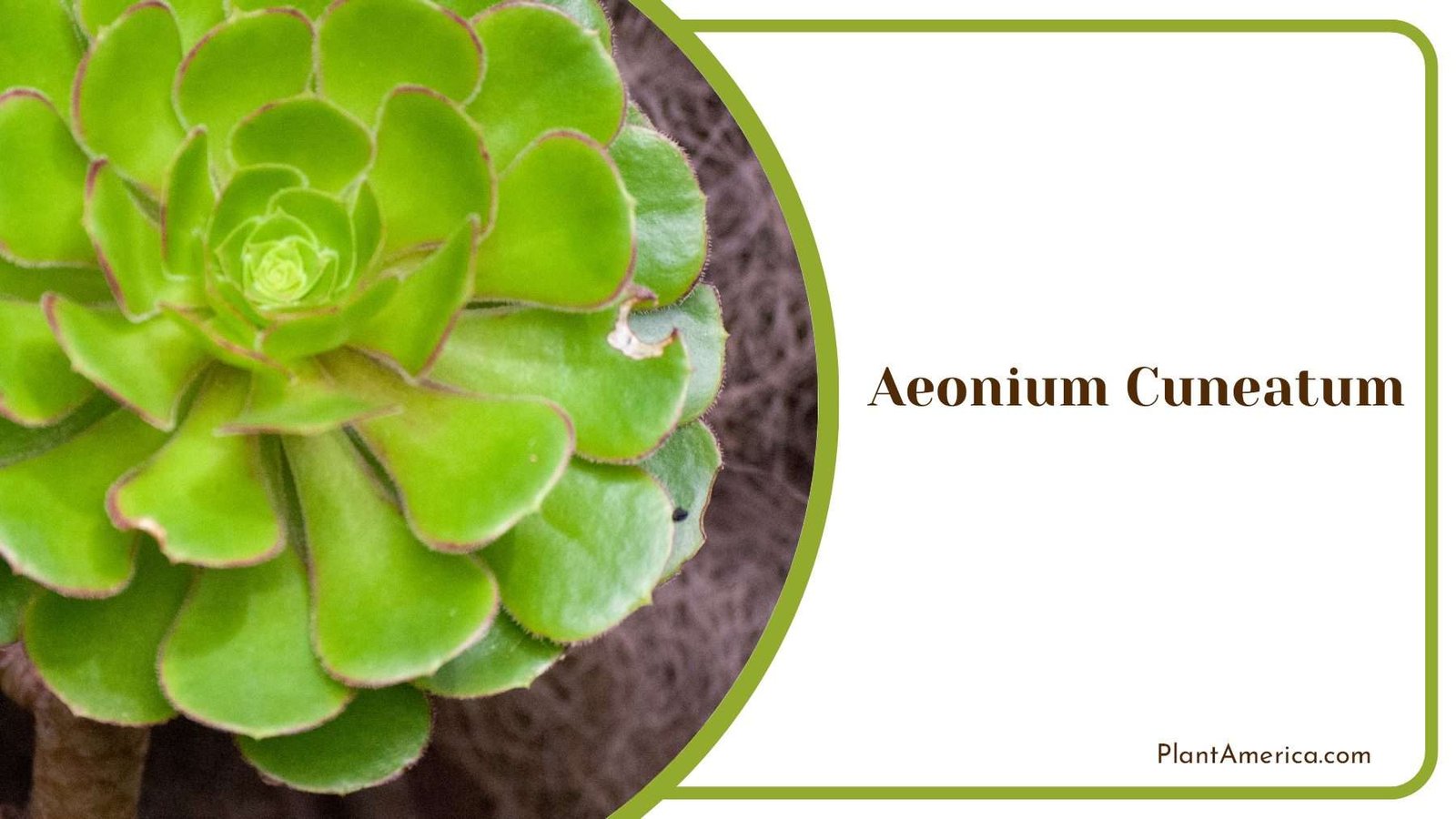
- Growing Season: Spring, Fall
- Leaf Shape: Form rosettes, Wedge-shaped
- Specific Needs: Full sun, Well-drained soil
- Common Pests: Root rot, Fungal disease
Aeonium cuneatum, commonly called wedge aeonium, is a branching succulent shrub native to the Canary Islands. The thick, fleshy leaves emerge wedge-shaped and form dense rosettes. Young leaves are green and mature leaves develop shades of bronze, red, and purple. This aeonium plant typically grows one to two feet tall and wide.
Aeonium cuneatum prefers hot, dry conditions with free-draining soil and full sun exposure. It appreciates moderate watering during its active spring and summer months and dormancy in winter. Proper succulent care involves avoiding overwatering, which often causes issues like root rot disease.
Infestations by pests like mealybugs and spider mites may also impact plants. Removing affected leaves and improving soil drainage can help manage issues. Supplemental artificial heat and lighting may benefit indoor plant specimens during their dormancy.
23. Aeonium Davidbramwellii
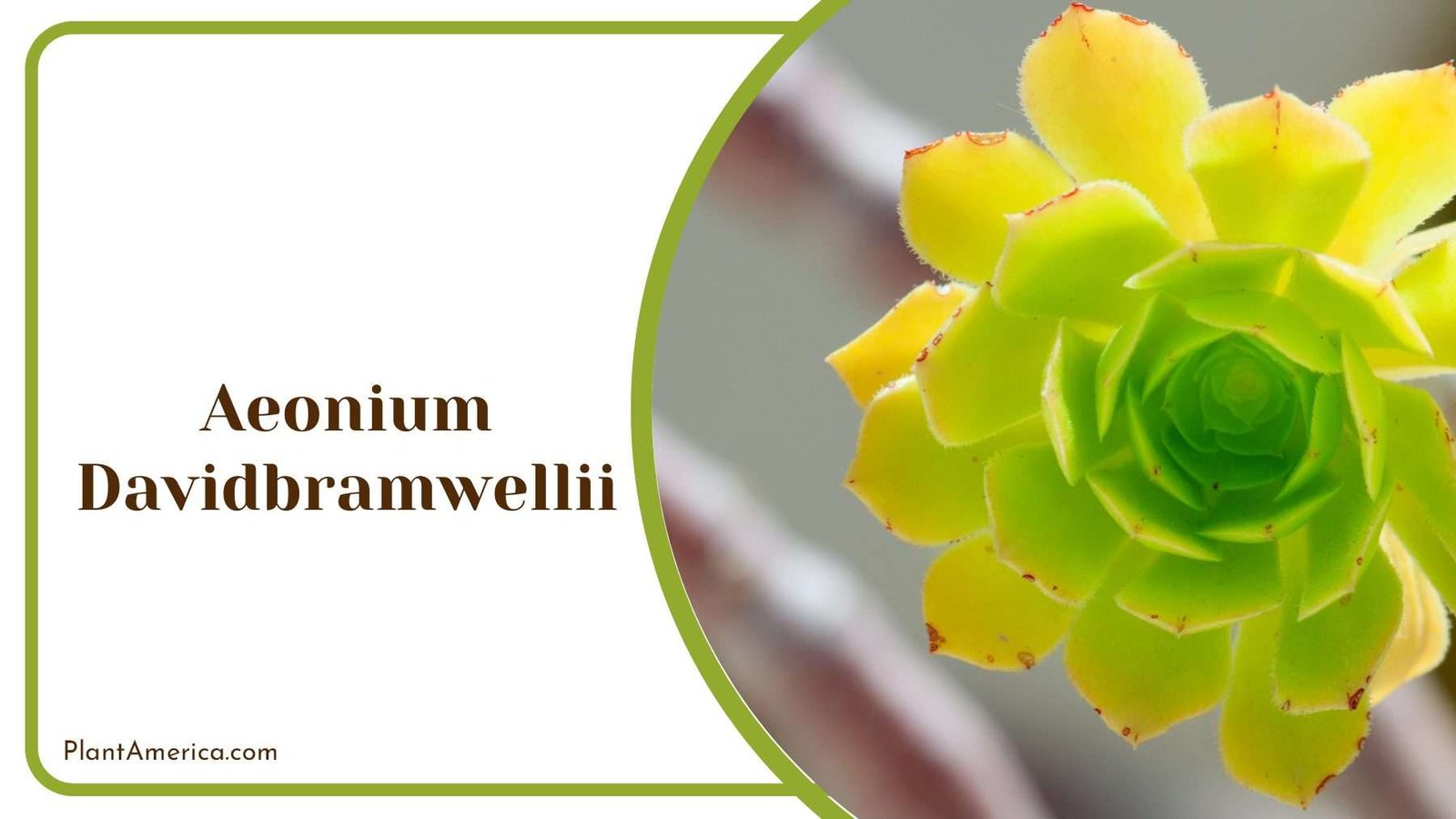
- Growing Season: Spring, Fall
- Leaf Shape: Spoon-shaped, Form rosettes
- Specific Needs: Full sun, Well-drained soil
- Common Pests: Root rot, Fungal disease
Aeonium davidbramwellii, commonly called David Bramwell’s Aeonium, is a branching succulent shrub native to the Canary Islands. The thick, fleshy leaves emerge spoon-shaped and form dense rosettes. Young leaves are green and mature leaves develop shades of bronze, copper, and red. This succulent plant typically grows one to two feet tall and wide.
Aeonium davidbramwellii prefers hot, dry conditions with free-draining soil and full sun exposure. It appreciates moderate watering during its growing season and dormancy in winter. Proper succulent care involves avoiding overwatering, which can cause issues like root disease.
Infestations by pests like mealybugs and spider mites may also impact plants severely. Removing affected leaves and improving soil drainage can help manage issues. Supplemental artificial light and warmth are often needed to sustain indoor plant specimens during their dormancy.
24. Aeonium Appendiculatum
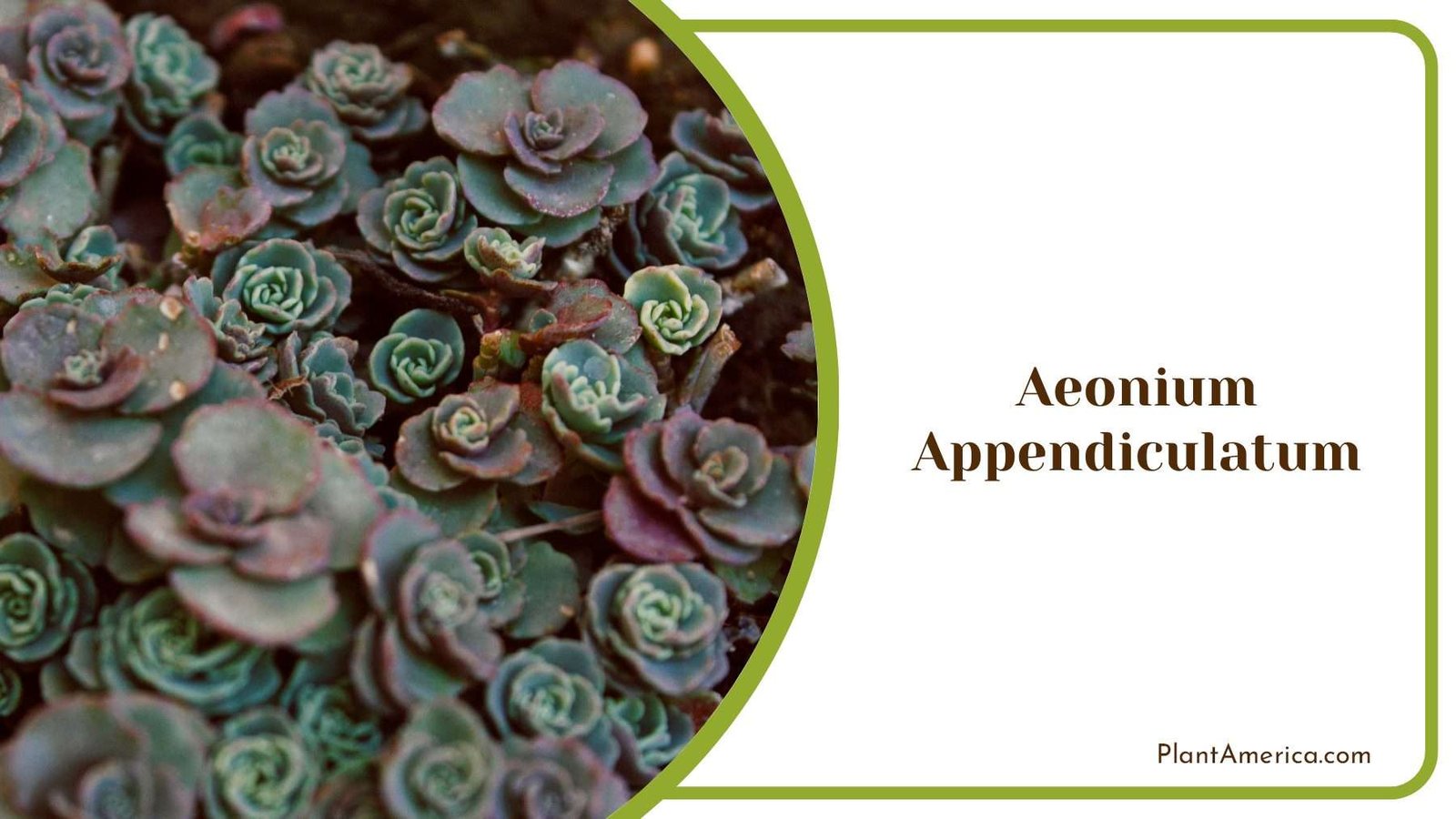
- Growing Season: Spring, Fall
- Leaf Shape: Elliptic, Form rosettes
- Specific Needs: Full sun, Well-drained soil
- Common Pests: Root rot, Fungal disease
Aeonium appendiculatum, commonly called Canary Island aeonium, is a branching succulent shrub native to the Canary Islands. The thick, fleshy leaves emerge elliptic in shape and form dense rosettes. Young leaves are apple green, and mature leaves develop bronze, red, and purple shades. This aeonium plant typically grows one to two feet tall and wide.
Aeonium appendiculatum prefers hot, dry conditions with free-draining soil and full sun exposure. It appreciates moderate watering during spring and summer growing seasons and dormancy in winter. Proper aeonium care involves avoiding overwatering, often leading to issues like root rot disease.
Infestations by pests resulting in severe pest infestations may also impact plants severely. Improving soil drainage, providing airflow, and removing affected leaves can help manage issues. Supplemental artificial warmth and light may benefit indoor plant specimens during dormancy.
25. Aeonium Diplocyclum
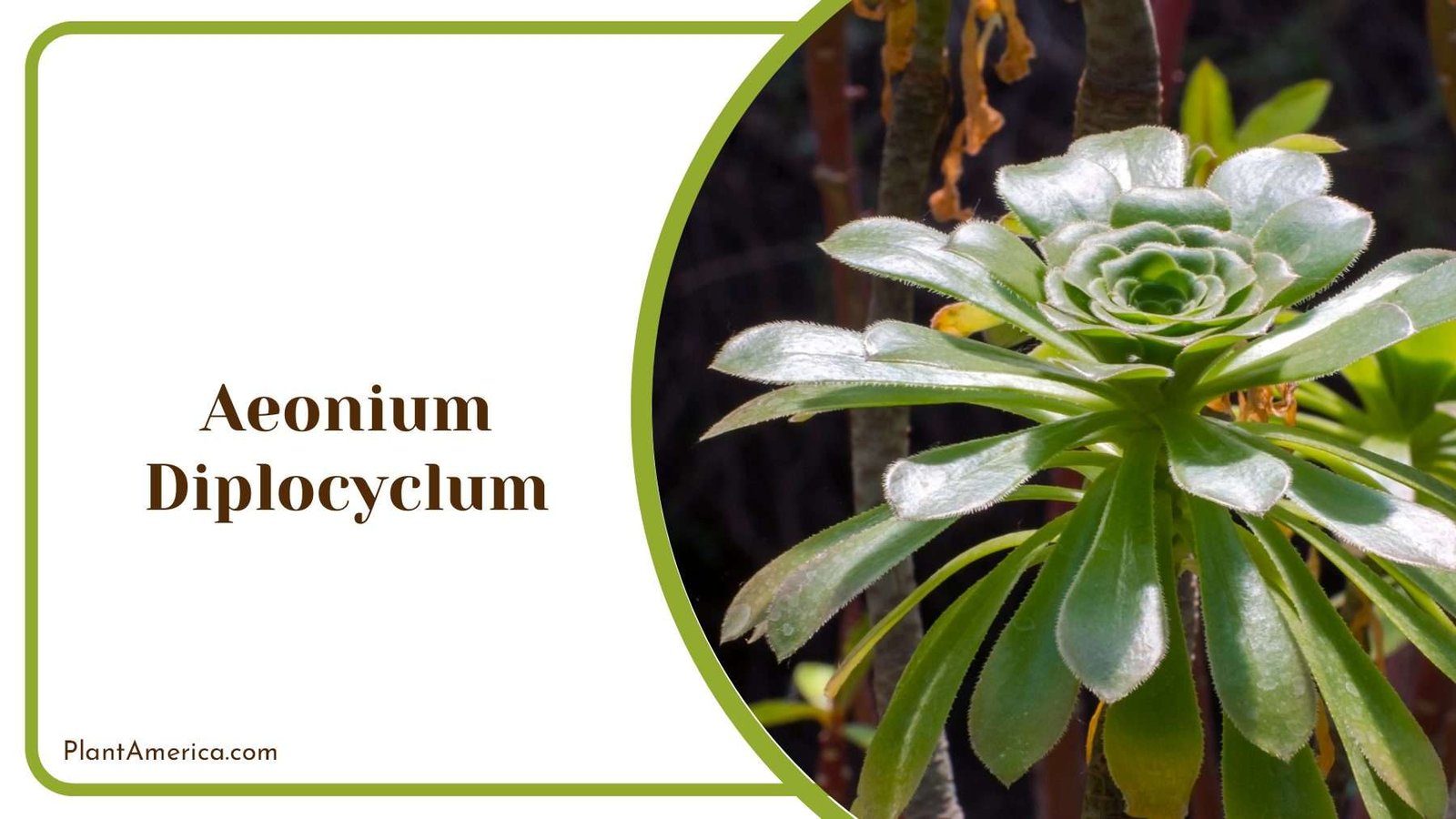
- Growing Season: Spring, Fall
- Leaf Shape: Cyclic, Form rosettes
- Specific Needs: Full sun, Well-drained soil
- Common Pests: Root rot, Fungal disease
Aeonium diplocyclum, commonly called two-cycle Aeonium, is a branching succulent shrub native to the Canary Islands. The thick, fleshy leaves emerge cyclic in shape and form dense rosettes. Young leaves are apple green, while mature leaves develop bronze, red, and purple shades. This succulent plant typically grows one to two feet tall and wide.
Aeonium diplocyclum prefers hot, dry conditions with free-draining soil and full sun exposure. It appreciates moderate watering during its growing season and dormancy in winter. Proper succulent care involves avoiding overwatering, which can cause rot and fungal issues.
Infestations by pests resulting in severe pest infestations may also impact plants. Removing affected leaves and improving soil drainage can help manage issues. Supplemental artificial warmth and lighting are often required to sustain indoor plant specimens during their dormancy.
26. Aeonium Balsamiferum
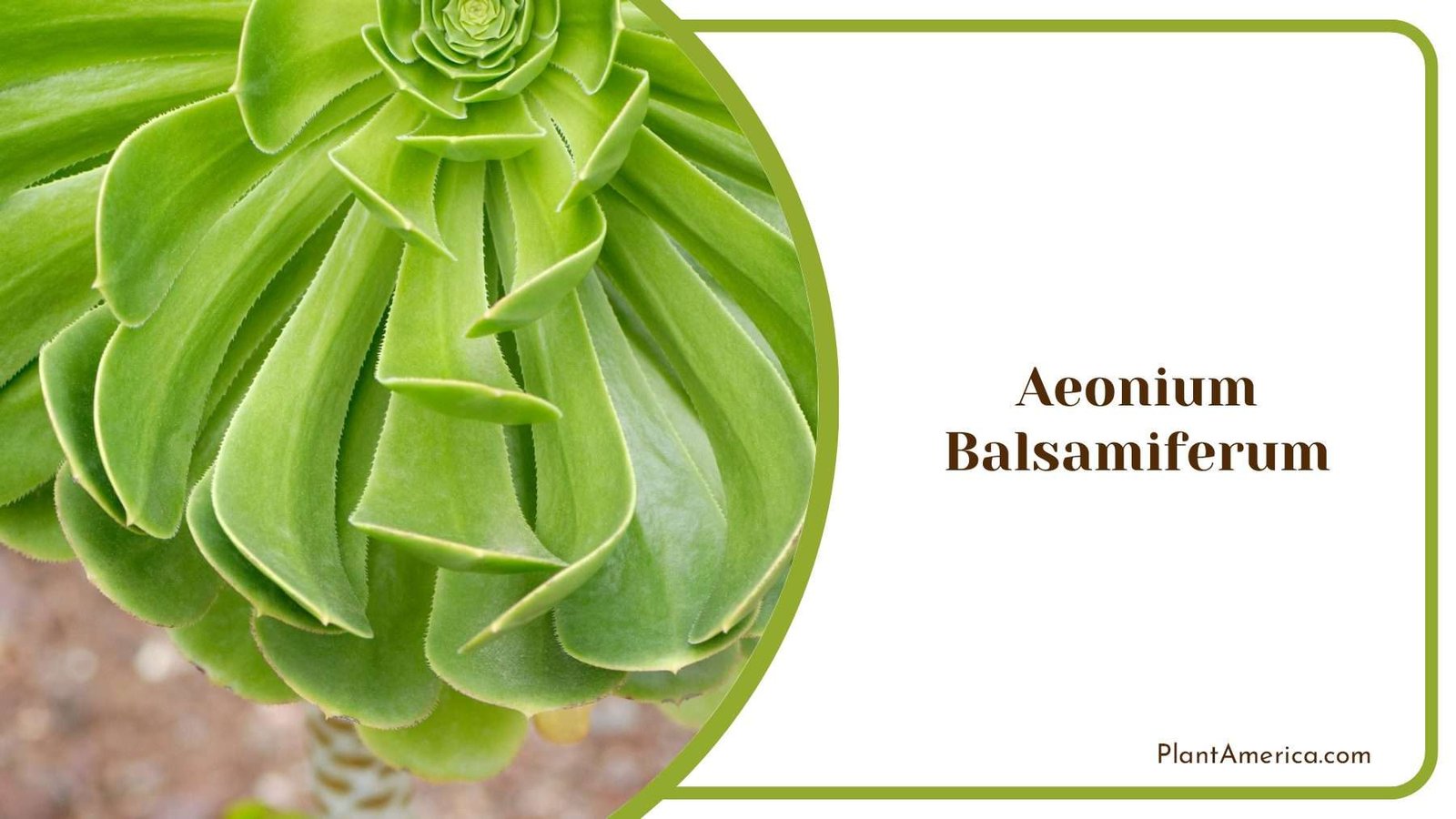
- Growing Season: Year-round
- Leaf Shape: Ovate, Form rosettes
- Specific Needs: Full sun, Well-drained soil
- Common Pests: Root rot, Fungal disease
Aeonium balsamiferum, commonly known as balsam aeonium, is a branching succulent shrub native to the Canary Islands. The thick, fleshy leaves emerge ovate in shape and form dense rosettes. Young leaves are bright green, and mature leaves develop bronze, copper, and red shades. This aeonium plant typically grows one to two feet tall and wide.
Aeonium balsamiferum prefers hot, dry conditions with free-draining soil and full sun exposure. It stores water in its leaves and remains active year-round. During winter, it appreciates less frequent watering. Proper aeonium care involves avoiding overwatering, which causes issues like fungal diseases and rot.
Infestations by pests may also impact plants severely. Removing affected leaves and improving soil drainage can help manage issues. Supplemental artificial warmth and light may benefit indoor plant specimens.
27. Aeonium Mardi Gras
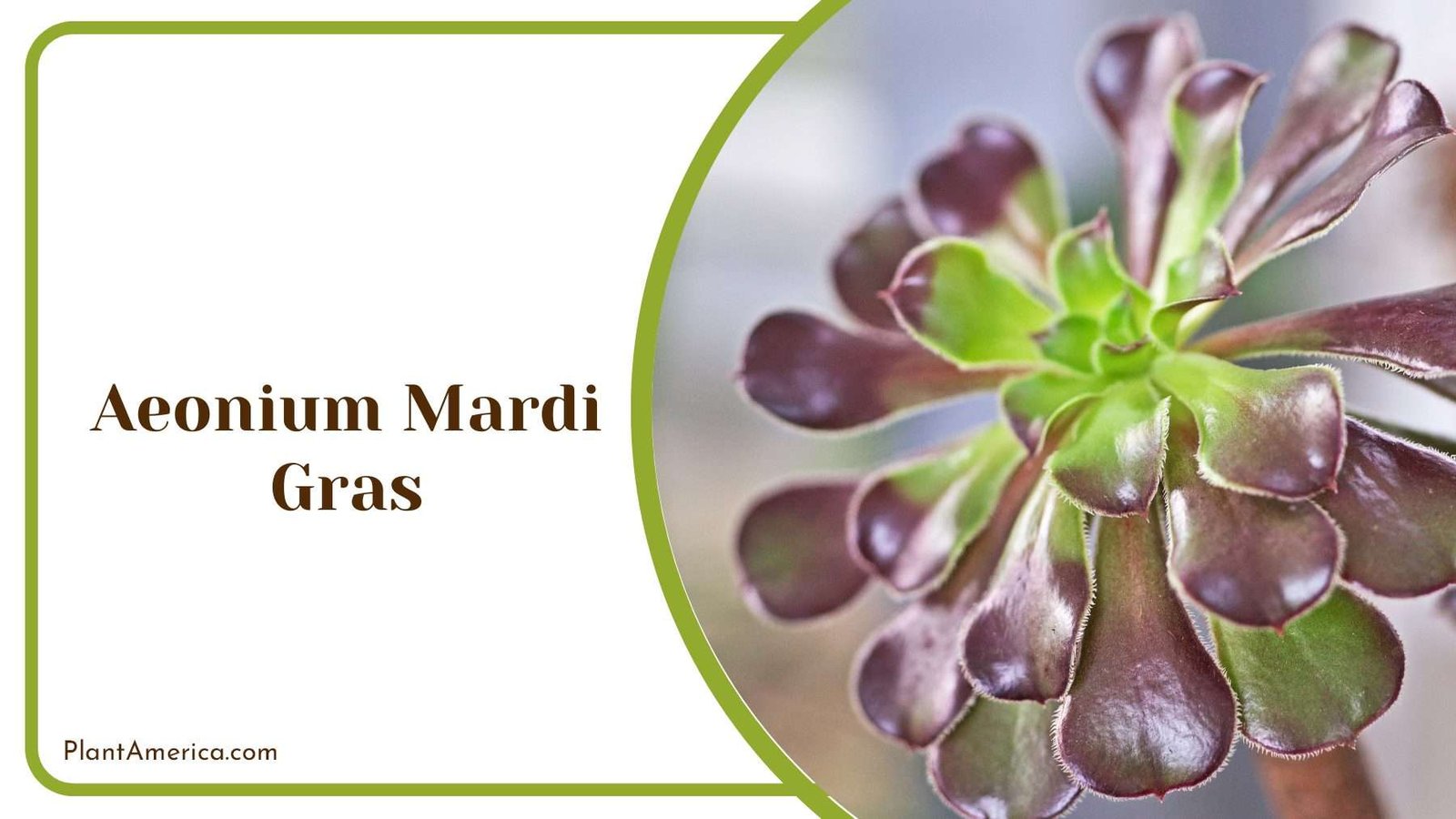
- Growing Season: Spring, Fall
- Leaf Shape: Elliptic, Form rosettes
- Specific Needs: Full sun, Well-drained soil
- Common Pests: Root rot, Fungal disease
Aeonium Mardi, commonly known as Mardi’s Aeonium, is a branching succulent shrub native to the Canary Islands. The thick, fleshy leaves emerge elliptic in shape and form dense rosettes. Young leaves are green and mature leaves develop shades of bronze, copper, and red. This succulent plant typically grows one to two feet tall and wide.
Aeonium mardi prefers hot, dry conditions with free-draining soil and full sun exposure. It appreciates moderate watering during its active spring and summer growing season and dormancy in winter.
Proper succulent care involves avoiding overwatering, which causes issues like rot. Infestations by pests like mealybugs and spider mites may also impact plants severely. Improving soil drainage and air circulation can help manage issues. Supplemental artificial warmth and light may benefit indoor plant specimens during dormancy.
28. Aeonium Glandulosum
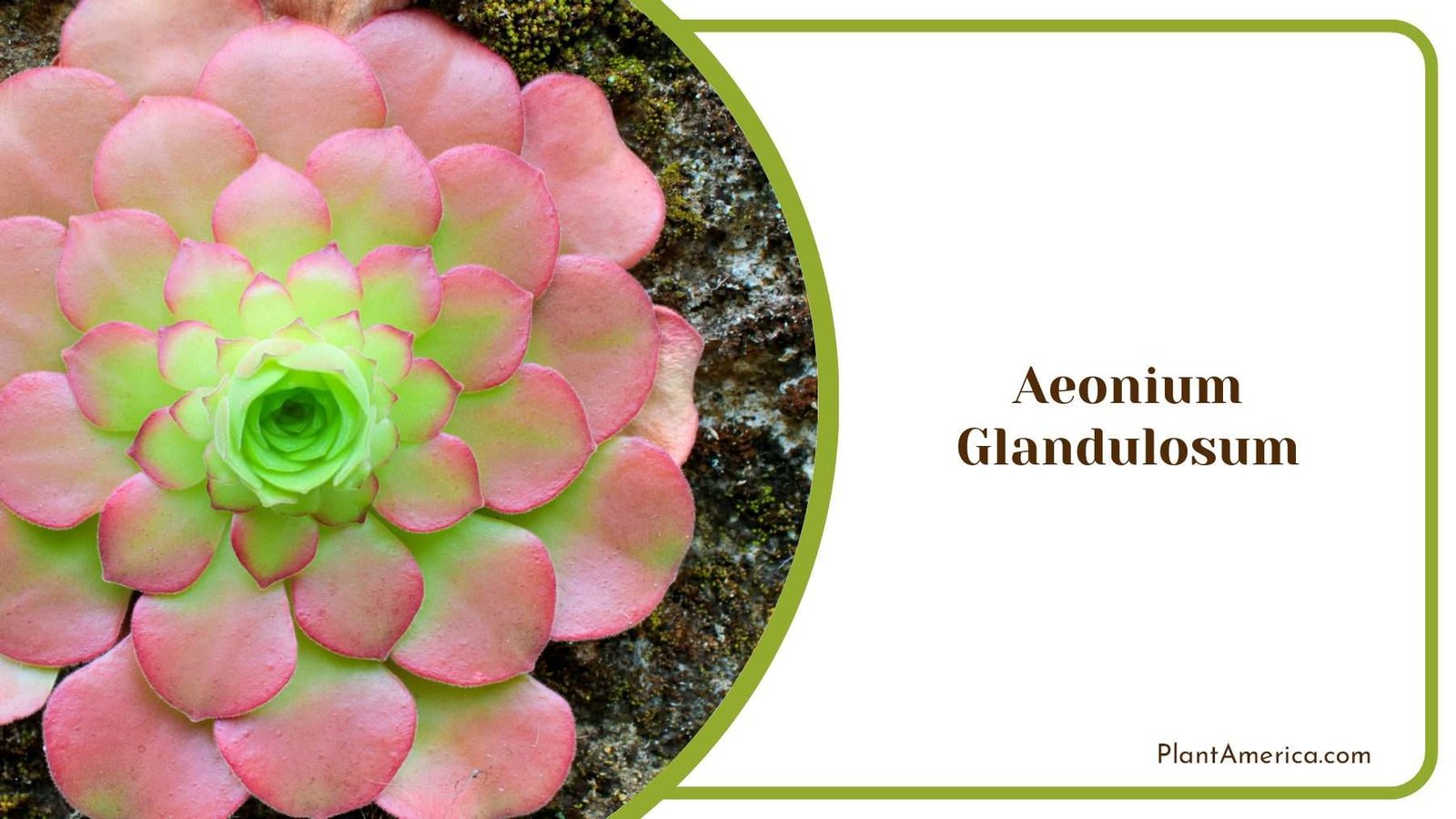
- Growing Season: Spring, Fall
- Leaf Shape: Form rosettes, Lanceolate
- Specific Needs: Full sun, Well-drained soil
- Common Pests: Root rot, Fungal disease
Aeonium glandulosum, commonly known as sticky Aeonium, is a branching succulent shrub native to the Canary Islands. The thick, fleshy leaves emerge lanceolate in shape and form dense rosettes. Young leaves are bright green, and mature leaves develop bronze, red, and purple shades. This aeonium plant typically grows one to two feet tall and wide.
Aeonium glandulosum prefers hot, dry conditions with free-draining soil and full sun exposure. It appreciates moderate watering during its active spring and summer months and dormancy in winter. Proper aeonium care involves avoiding overwatering, which often causes issues like root rot disease.
Infestations by pests resulting in severe pest infestations may also impact plants. Removing impacted leaves and improving soil drainage and airflow can help manage issues. Supplemental artificial heat and light may benefit indoor plant specimens during dormancy.
29. Aeonium Glutinosum
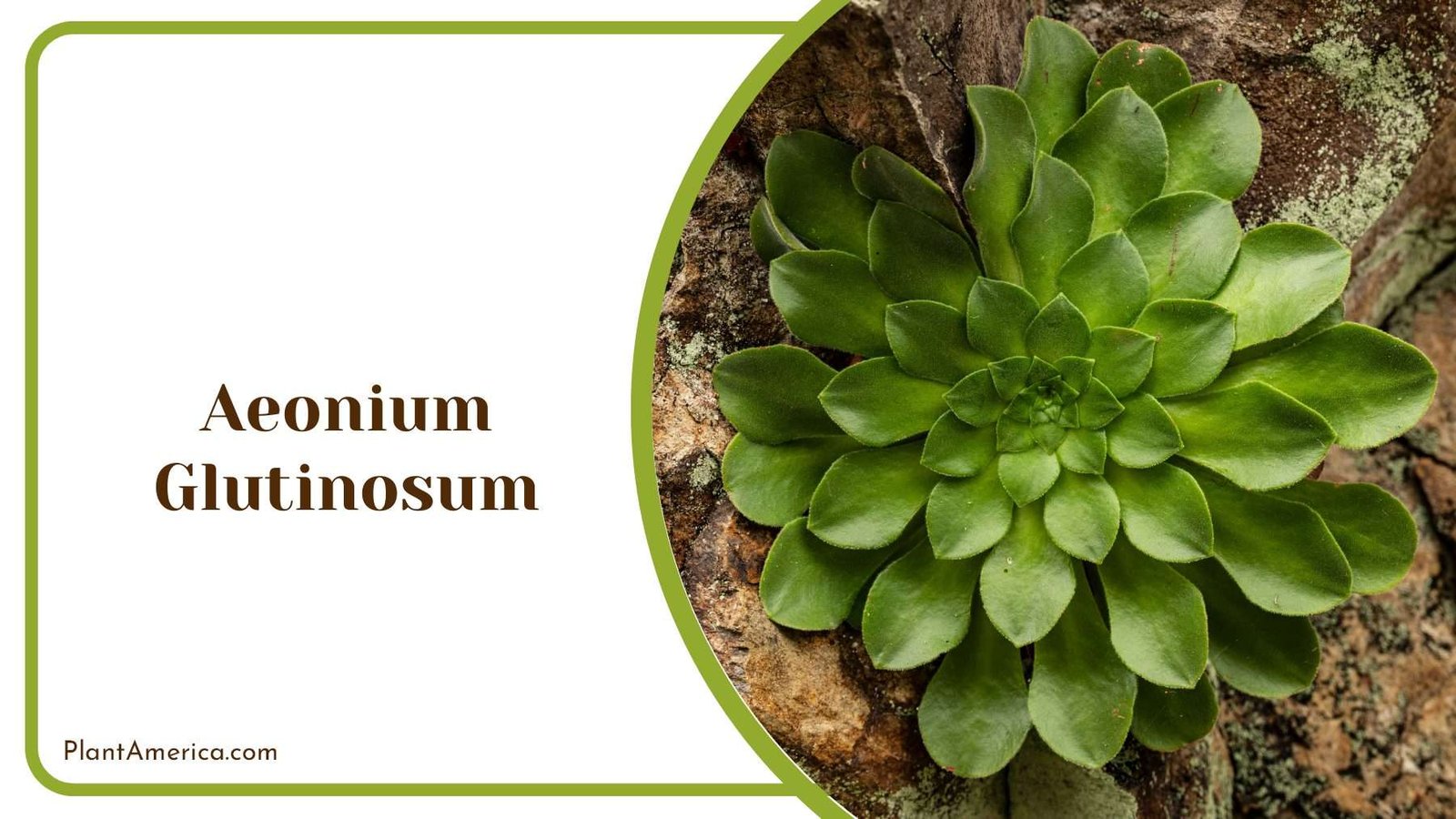
- Growing Season: Spring, Fall
- Leaf Shape: Ovate, Form rosettes
- Specific Needs: Full sun, Well-drained soil
- Common Pests: Root rot, Fungal disease
Aeonium glutinosum, or sticky Aeonium, is a branching succulent shrub native to the Canary Islands. The thick, fleshy leaves emerge ovate in shape and form dense rosettes. Young leaves are bright green, and mature leaves develop bronze, copper, and red shades. This aeonium plant typically grows one to two feet tall and wide.
Aeonium glutinosum prefers hot, dry conditions with free-draining soil and full sun exposure. It appreciates moderate watering during its growing season and dormancy in winter. Proper succulent care involves avoiding overwatering, which causes issues like fungal disease. Infestations by pests like mealybugs and spider mites may also impact plants.
Removing affected leaves and improving soil drainage can help manage issues. Supplemental artificial warmth and lighting are often required to sustain indoor plant specimens during their dormancy.
30. Aeonium Gomerense
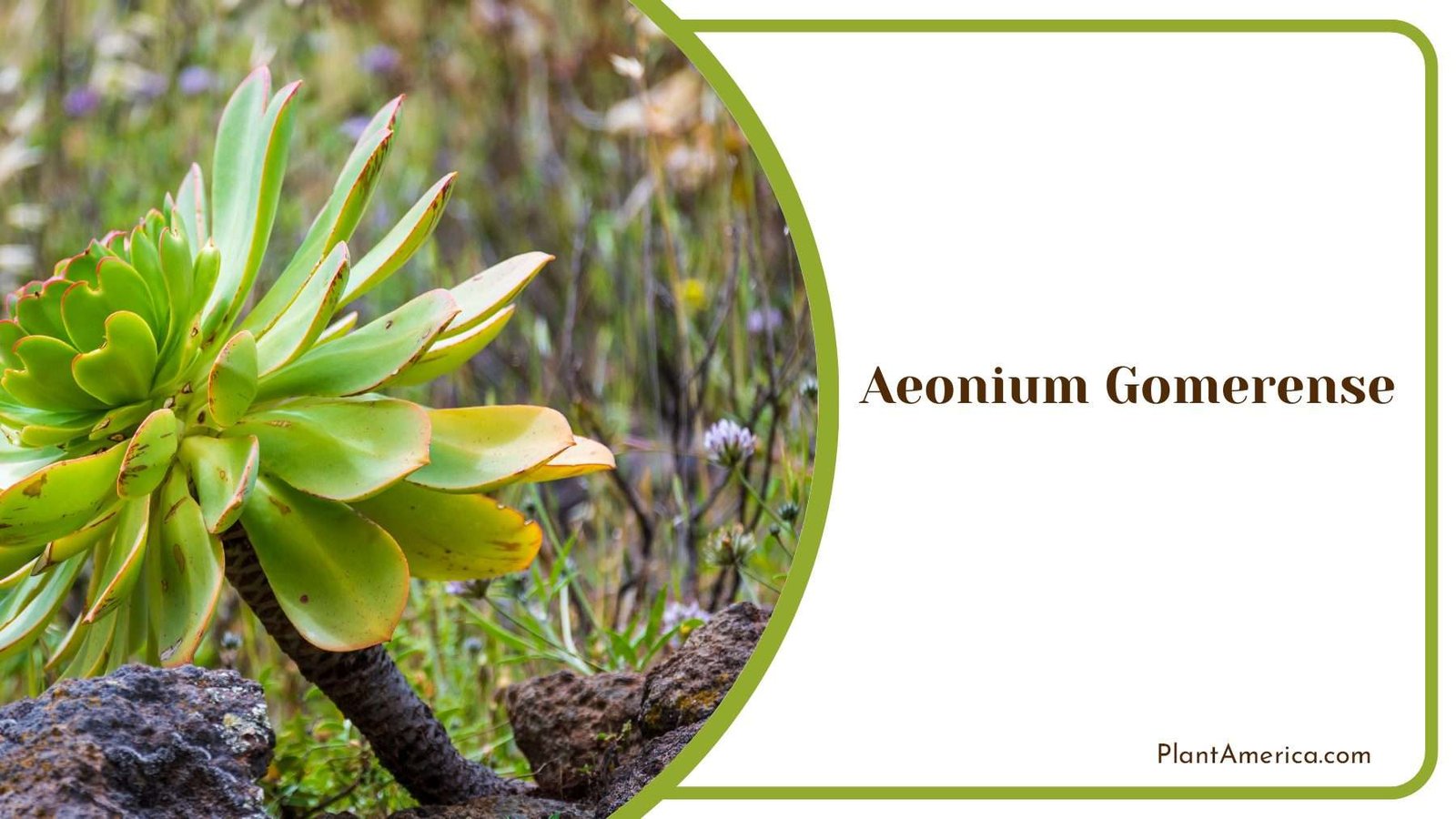
- Growing Season: Year-round
- Leaf Shape: Ovate, Broad
- Specific Needs: Full sun, Well-drained soil
- Common Pests: Root rot, Fungal disease
Aeonium gomerense, commonly known as Gomera aeonium, is a branching succulent shrub native to the Canary Islands. The thick, fleshy leaves emerge broad ovate in shape and form dense rosettes. Young leaves are bright green, and mature leaves develop copper, bronze, and red shades. This succulent plant typically grows one to two feet tall and wide.
Aeonium gomerense requires hot, dry conditions, free-draining soil, and full sun exposure. It stores water in its leaves and remains active year-round. During winter, it enjoys less frequent watering. Proper succulent care involves avoiding overwatering, which causes issues like rot and fungal issues.
Infestations by pests like mealybugs and spider mites may also impact plants severely. Removing affected leaves and improving soil drainage and airflow can help manage issues. Artificial warmth and light may benefit indoor plant specimens.
Conclusion
Many beautiful varieties of Aeonium make wonderful additions to gardens and indoor collections.
- Aeonium glandulosum, commonly known as sticky Aeonium, is a branching succulent shrub native to the Canary Islands.
- Aeonium ciliatum, commonly known as hairy Aeonium, fringed Aeonium, or ciliated Aeonium, is a branching succulent shrub native to the Canary Islands.
- Aeonium urbicum, or city aeonium, is a compact succulent that forms tight rosettes of fleshy, elliptic to ovate leaves.
With patience and persistence, following these best practices will yield stunning displays of colorful aeonium rosettes that will brighten any outdoor or indoor setting for many years. Even the smallest specimens offer a good display of striking succulent foliage. Try different varieties to complement your unique space and lifestyle best.