
How to transplant seedlings? If you’ve been walking on eggshells trying to move your seedlings before, this time, you won’t be as intimidated!

We’ve made the methods of transplanting as detailed as possible while keeping things simple and easy!
What’s the Best Way to Transplant the Seedlings to Their New Home?
The best way to transplant the seedlings to their new home is by preparing the seedlings and choosing the right stage. After that, select the right location, prepare the soil that you are going to use, and water the seedlings appropriately. Most importantly, provide post-transplant care.
1. Prepare the Seedlings
Preparing seedlings for transplantation is essential for a successful move to a new environment. Make sure that they’re around four to six weeks old. Do they have two to four true leaves and developed roots? If yes, then they’re probably ready even when they’re grown from seeds indoors.

In case you didn’t know, the true plant leaves come after the initial starting seeds leaves. Good root development helps them anchor and absorb nutrients and water in the new soil. Make sure that they get enough light, water, and nutrients for robust growth. Weak or leggy ones might not transplant well due to the transition stress.
Before you plant seedlings, check for pests, diseases, or nutrient deficiencies. Dealing with these issues beforehand prevents problems later. If any seedlings look sickly or compromised, it’s best not to transplant them, as they might not survive the process.
2. Choose the Right Stage
Transplanting seedlings is crucial for their success, but timing matters. Once you’re sure they’re at an appropriate stage, as mentioned previously, they’re ready to be rehomed. This ensures they can handle the stress.
At this point, making sure they’re at the right age and development is critical. Young seedlings might struggle due to underdeveloped roots, while older ones may face difficulty adapting. Remember, each plant species and local climate can have specific needs.
3. Select the Right Location
Observe your environmental conditions and plant requirements carefully. This means you’ll need to check sunlight exposure, soil type, and drainage. Some plants love sunlight, while others prefer shade. See how much sunlight the spot gets throughout the day to match the plant’s needs.
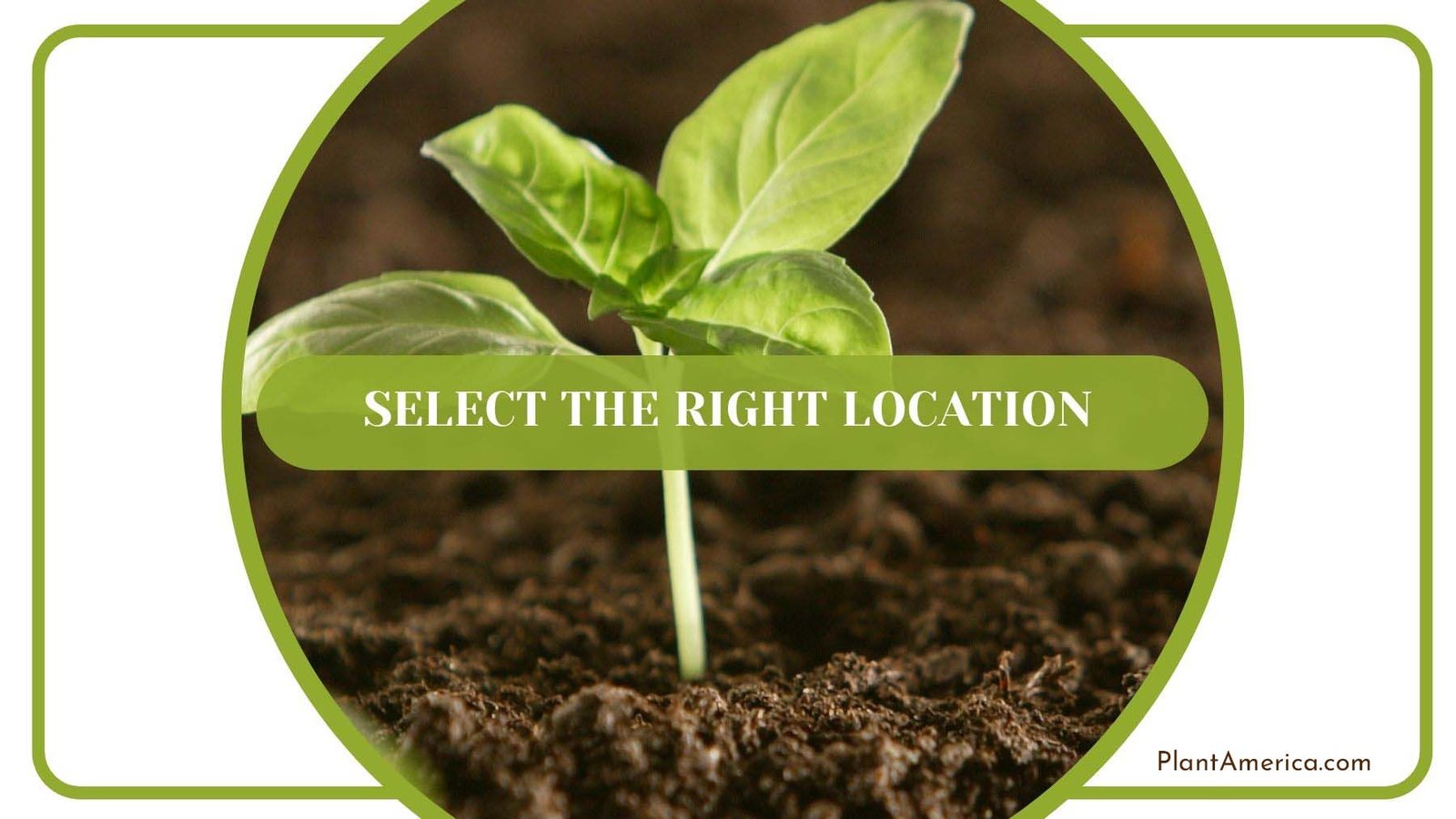
Check the soil quality too. Well-draining soil is crucial to prevent waterlogging and root rot. Improve heavy soil with compost. Keep an eye out for pests, like aphids, and diseases that could harm the seedlings. Rotate crops if you’ve grown plants there before to avoid soil-borne diseases.
Remember microclimates in your garden. Some areas may be less windy or retain more moisture, affecting seedling health. While you’re selecting the site, it’s essential to protect your young seedlings in windy areas. Where possible, avoid intense wind exposure totally.
Now, you need to plan for the mature plant’s size. Transplant with enough space for growth and proper air circulation to prevent disease. Don’t overcrowd; it stunts growth and causes resource competition.
4. Prepare the Soil
Before transplanting seedlings, it’s crucial to prep the soil in the new spot for their optimal growth. Choose a suitable planting site that fits the specific needs of the plant species. Consider sunlight, soil type, and drainage. Make sure the area is free from pests and diseases that could harm the seedlings.
Next, work on the soil. Loosen it to about eight to ten inches deep to give the seedlings’ roots an easy entry. Clear out any weeds, rocks, or debris that could compete for nutrients and water.
To boost soil fertility and structure, add organic matter or compost. This enriches the soil with nutrients and improves moisture retention, which is vital for healthy seedling growth. Mix the organic matter well into the loosened soil for even nutrient distribution.
It’s also crucial to pay attention to the soil’s overall quality. Create a loose, well-draining medium that encourages root development and aeration. Avoid excessive soil compaction, which could hinder root growth and drainage.
5. Water the Seedlings
Before transplanting, ensure your seedlings are well-hydrated. Give them a good watering several hours before the move for a smooth transition. Well-hydrated seedlings handle transplantation stress better and are more likely to thrive in their new soil. Water is life, after all!
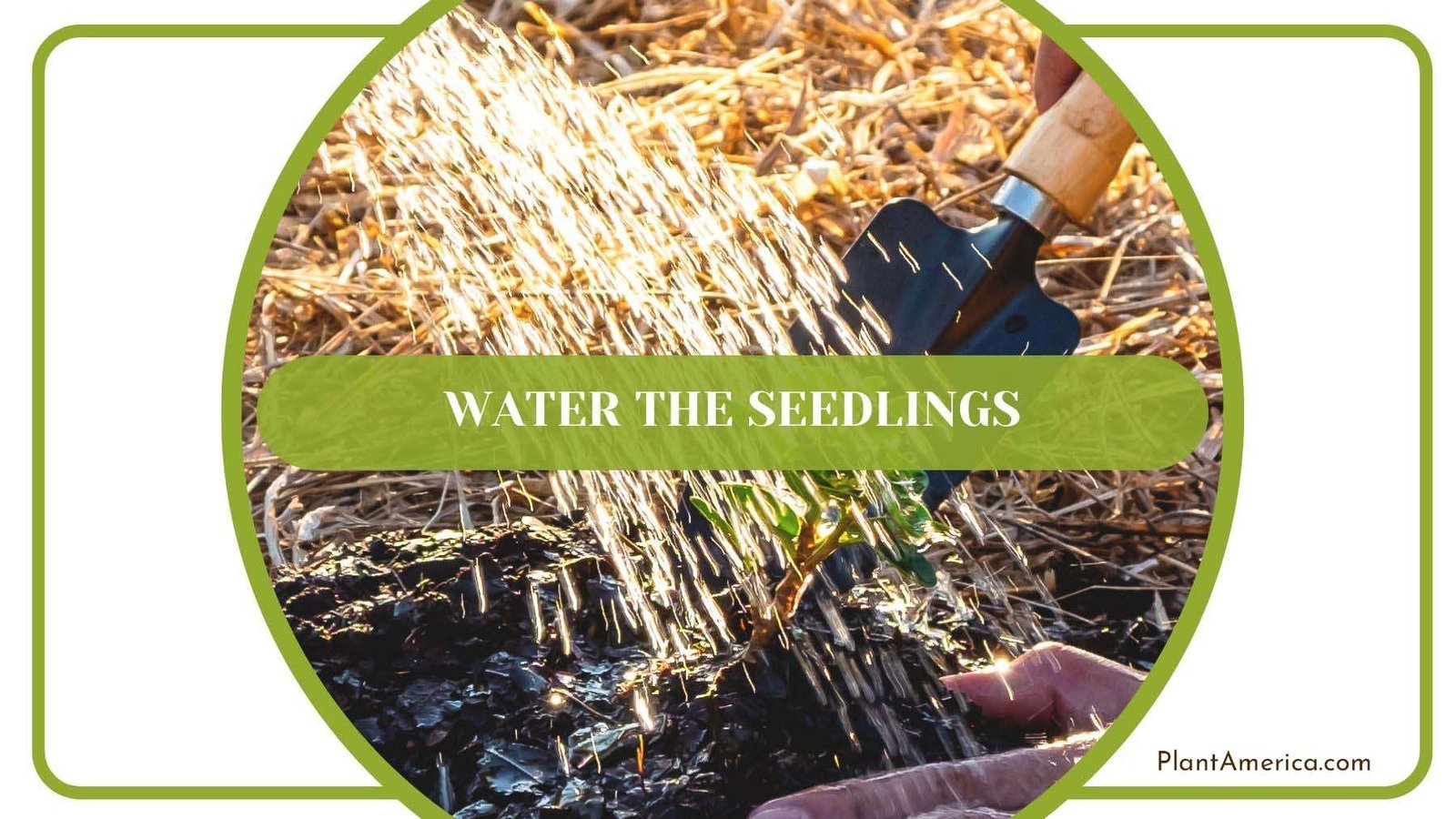
When watering the seedlings, gently moisten the soil around them. Avoid overwatering to prevent soggy roots and root rot. The goal is to keep the roots hydrated without causing standing water. This allows the root system to absorb essential nutrients to promote healthy growth.
For an effective watering technique, focus on the base of the seedlings at the soil level. Avoid watering over the leaves to prevent the spread of fungal diseases while ensuring efficient absorption in the root zone. Use a watering can or a gentle spray nozzle on a garden hose for controlled watering directly to the soil.
Finally, keep a close eye on the seedlings before transplanting. Check for wilting or signs of stress, as it could mean they are dehydrated. If you notice wilting, water the seedlings immediately to revive them and strengthen their condition before transplanting.
6. Dig the Planting Holes
When transplanting your seedlings, begin by carefully digging the planting holes. This will provide a nurturing environment for the new plants. Thanks to the earlier prep work, this step becomes more manageable than skipping prior preparations. Ready to give your seedlings a great start?
First, gently remove the seedlings from their containers or seed trays not damaging them. Hold them by the leaves, not the stems. Each planting hole should be slightly larger than the root ball, giving the roots room to grow without bending or crowding. Adjust the hole’s depth based on the root system’s size.
Check the roots as you remove the seedlings, and gently loosen them if they’re compacted. This helps the roots spread out, seeking nutrients and anchoring the plant securely.
Now, carefully place the seedlings into their holes at the same depth they were in their original containers. Avoid planting them too deep or shallow. Fill the soil around the root ball, pressing it down gently to remove air pockets. Firm the soil without compacting it excessively, allowing for proper root growth and water absorption.
Take your time and be steady with each seedling to ensure proper planting. If using biodegradable pots, remove anything that might hinder root growth. Once all the seedlings are transplanted, thoroughly water it to settle the soil and promote initial root establishment.
7. Transplant the Seedlings
And now, it’s time to plant seedlings! Take each one out of its container with care, tapping the bottom or gently squeezing the sides for easy removal. Remove the bottom or any material that could hinder root growth for biodegradable containers like peat pots.

Handle the seedlings delicately, holding them by their leaves to avoid damaging the stems. Place each one into a prepared hole at the new location and gently firm the soil around the root ball.
Keep their development on track by planting them at the same depth as before. After transplanting, water them thoroughly to settle the soil and eliminate air pockets. Remember to prevent fungal diseases; water at the base, not the leaves.
In hot and sunny weather, provide some temporary shade for the newly transplanted seedlings. You can use shade cloth or any improvised materials to protect them from wilting or sunburn.
8. Water the Transplanted Seedlings
After moving the seedlings to their new spot, giving them a good watering is crucial for their successful adaptation. You can use a watering can or gentle spray nozzle to ensure an even flow. Soak the soil around each seedling base, being careful not to overwater.
Watering right after transplanting helps settle the soil around the roots, promoting good contact for nutrient uptake and reducing stress. Establishing a solid root system is vital for root growth and expansion. Watering also reduces transplant shock, minimizing wilting and stunted growth when moving seedlings outside.
Keep an eye on moisture levels after the initial watering. The soil should be consistently moist but not soggy. Don’t let it dry out completely to avoid hindering root growth. Remember to adjust watering based on weather conditions. Water more often during hot and dry periods; in cooler or rainy weather, reduce watering to prevent waterlogged soil.
Watch for signs of stress in the seedlings. Wilting, yellowing leaves, or slow growth might need attention. Address pest or disease problems promptly and adjust watering accordingly to give the seedlings the best chance to thrive.
9. Provide Shade and Protection
Once the plant seedlings are in their new spot, taking good care of them is crucial for their adjustment. If it’s too hot or sunny, they might get stressed, or their leaves could get sunburned. To help them, you can use shade cloth or similar materials for partial sun exposure.
Shade eases the transition, letting the seedlings adapt slowly. Depending on the weather and plant type, give them shade for a few days, maybe up to a week. This helps them focus on root growth without the pressure of extreme heat. Gradually reduce the shade as they get used to regular sunlight.
Protect the seedlings from potential dangers like strong winds, heavy rain, and pests. If it’s windy, set up barriers or tall plants to shield them. In heavy rain, use covers or inverted buckets to avoid damage. Check for pests regularly and deal with them promptly.
10. Provide Post-Transplant Care
After transplanting, ensure successful growth by giving proper care to the seedlings. Keep the soil consistently moist but not waterlogged by watering deeply and less frequently. Strong roots form this way, making the seedlings more resistant to drought.

Watch for signs of stress or problems like wilting, discoloration, or changes in leaves. Early detection helps survival chances. Shield the seedlings from hot, sunny weather with temporary shade. Use shade cloth or improvised materials during the first days after transplanting.
Keep the area around the seedlings free from weeds as they compete for nutrients, water, and sunlight. For seedlings previously indoors, gradually acclimate them to direct sunlight over a few days to prevent shock.
Observe and care for the seedlings patiently. They’ll become more self-sufficient as they adapt to their new surroundings. Remember that different plant species may have specific care requirements. Know the needs of your seedlings for the best care and support.
FAQs
When to Transplant Seedlings Outside?
Transplant seedlings in the evening or on cloudy days. These are some of the best time of day to transplant seedlings to transplant due to cooler temperatures and reduced sun exposure, which can help prevent the seedlings from drying out. Avoid transplanting during the day’s peak heat to minimize stress.
When to Start Hardening Off Seedlings Before Transplanting?
Start the hardening-off process about one to two weeks before the intended transplant date. Hardening off is the process of gradually acclimating seedlings to outdoor conditions before transplanting. Begin by placing the seedlings outdoors in a sheltered location for a few hours each day.
After that, slowly increasing the seedlings’ exposure to direct sunlight and outdoor elements.
Conclusion
Now that we’ve gone through the details let’s take a moment to remember the key points about when to transplant vegetable seedlings the right way:
- Transplant seedlings when they are young and have developed a strong root system and true plant leaves.
- Prepare the soil in the new location by loosening it and adding compost or organic matter.
- Water the seedlings before transplanting and keep the soil consistently moist afterward.
- Provide temporary shade for the transplanted seedlings in hot or sunny weather.
- Monitor for stress, pests, and diseases and take appropriate action if needed.
With these techniques, your seedlings will grow up to be strong, healthy, and productive residents in your garden!