
Fast growing indoor plants are an excellent way to liven up any space, and we’ll cover the best options to give your home a touch of green. Whether you have a sunny windowsill, a dimly lit corner, or any space in between, low-maintenance indoor healthy plants will thrive with just the right amount of care.
In this guide, we’ll walk you through our top picks for easy-to-grow indoor plants that multiply quickly and spread out their leafy limbs to fill any empty spots in your living space.
Fast Growing Indoor Plants That Will Transform Your Home
1. Spider Plant
- Growing Season: Year-round, Evergreen.
- Leaf Shape: Strap-shaped, Robust.
- Specific Needs: Bright indirect light, Moist soil.
- Common Pests: Spider mites, Aphids.
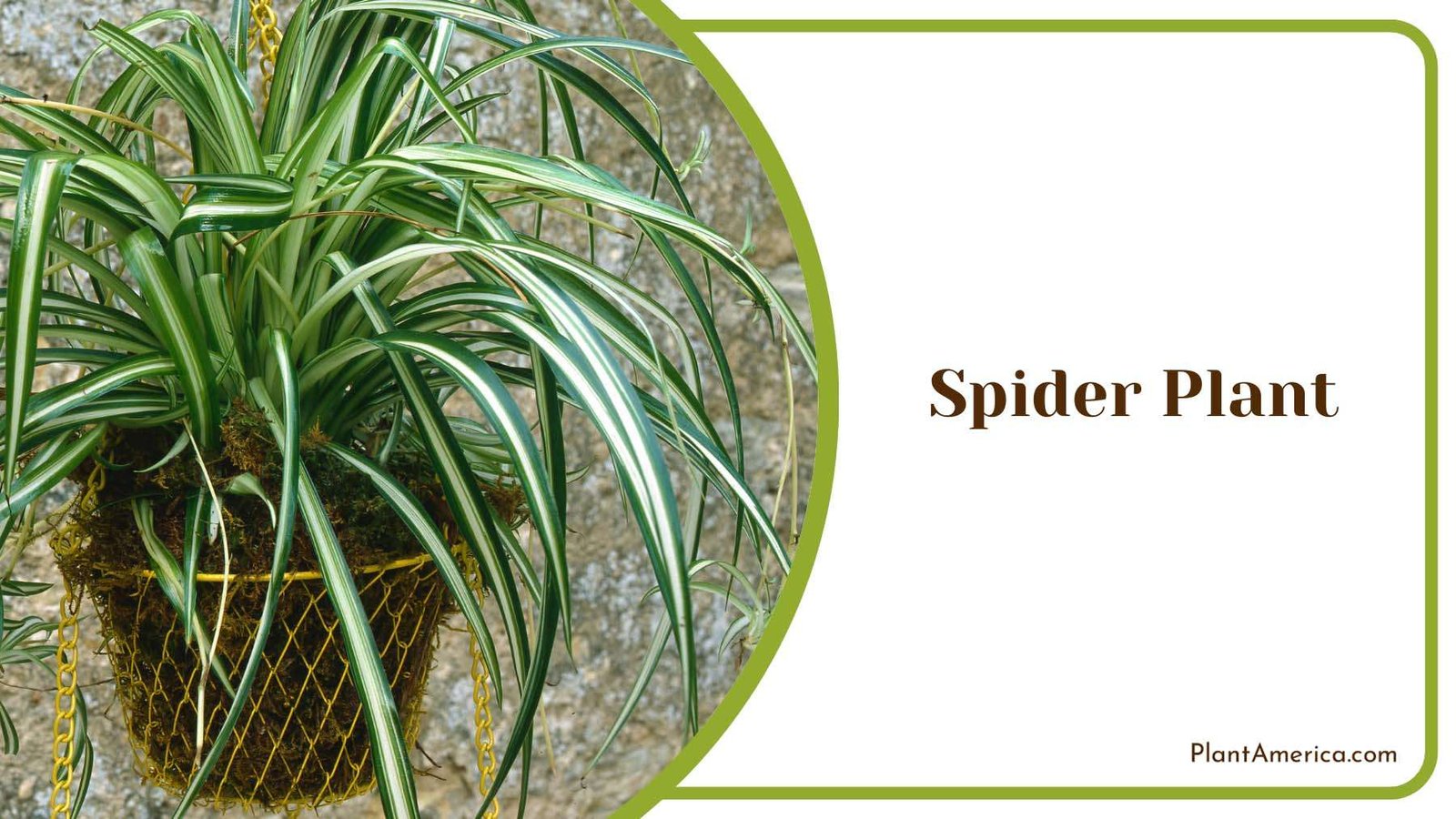
Spider plants are easy to care for indoor plants with strap-shaped leaves and spikes of white flowers.
The spider plant’s long strappy leaves spread out from a central crown, forming a full vase shape. Thin stems emerge from the leaves holding small greenish-white flowers. Spider plants do well in bright and indirect light like that from an east or west-facing window. They prefer consistently moist soil and should be watered thoroughly whenever the top inch of soil feels dry.
Spider plants are fast growers, producing offshoots known as plantlets from their leaf axils. These plantlets can then be replanted to produce new spider plants. Occasionally, spider plants may be afflicted by pests like spider mites, which appear as tiny red dots on the undersides of leaves. Regular wiping with a damp cloth and moving the plant to a less humid area can help address spider mite issues.
Overall, spider plants are a classic choice for any indoor environment. Their ability to thrive with minimal light and care while filling space with their airy foliage makes spider plants a great option for brightening up your living space.
2. Snake Plant
- Growing Season: Year-round, Evergreen.
- Leaf Shape: Long, Narrow.
- Specific Needs: Low light, Well-drained soil.
- Common Pests: Mealybugs, Aphids.
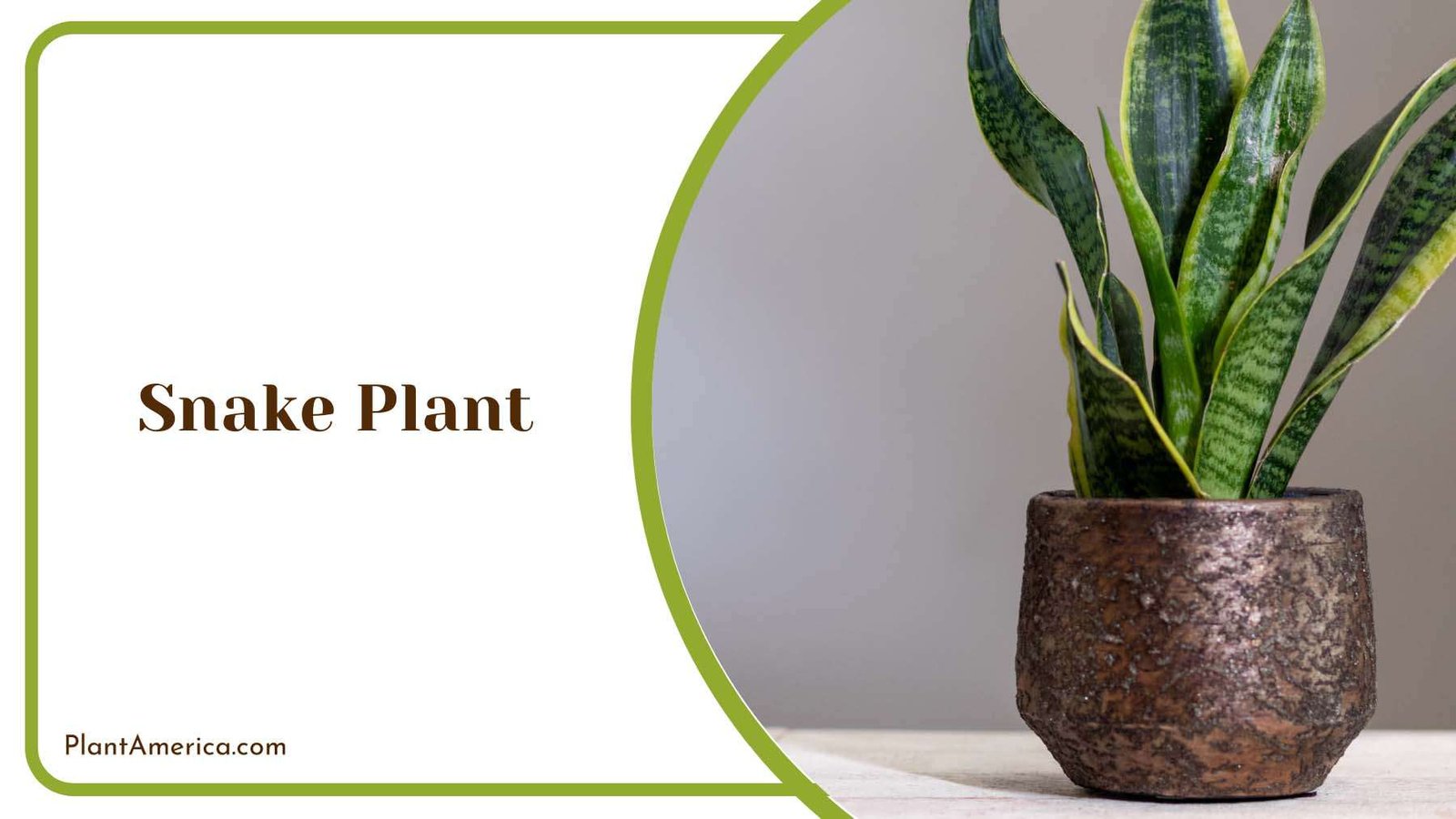
Snake plants or mother-in-law’s tongues are tough, fast-growing indoor plants known for their tolerance of neglect.
Snake plants have thick, fleshy, upright leaves that grow in tight spiral patterns from a central crown. The leaves emerge green and then gradually turn dark gray-green with age. New leaves push up from the center as the outer ones mature.
Snake plants prefer low to medium light and should be kept on the dry side, only watering every two to three weeks. They grow well in richer potting soils that drain quickly.
Snake plants are extremely resilient, surviving for months with little water or light. However, they grow quickly when provided with optimum conditions of warm temperatures and bright filtered light. Pests like mealybugs may occasionally infest snake plants, appearing as a fuzzy white substance on leaves and stems. Treating with insecticidal soap and isolating the infested plant can help resolve mealybug issues.
Overall, snake plants are one of the easiest indoor plants to care for. Their slow growth and extreme hardiness make them well-suited to beginner plant parents and Neglectful Nancys. snake plants’ architectural succulent foliage adds geometric interest to any interior environment.
3. Pothos
- Growing Season: Year-round, Evergreen.
- Leaf Shape: Broad, Heart-shaped
- Specific Needs: Low light, Moist soil.
- Common Pests: Spider mites, Aphids.
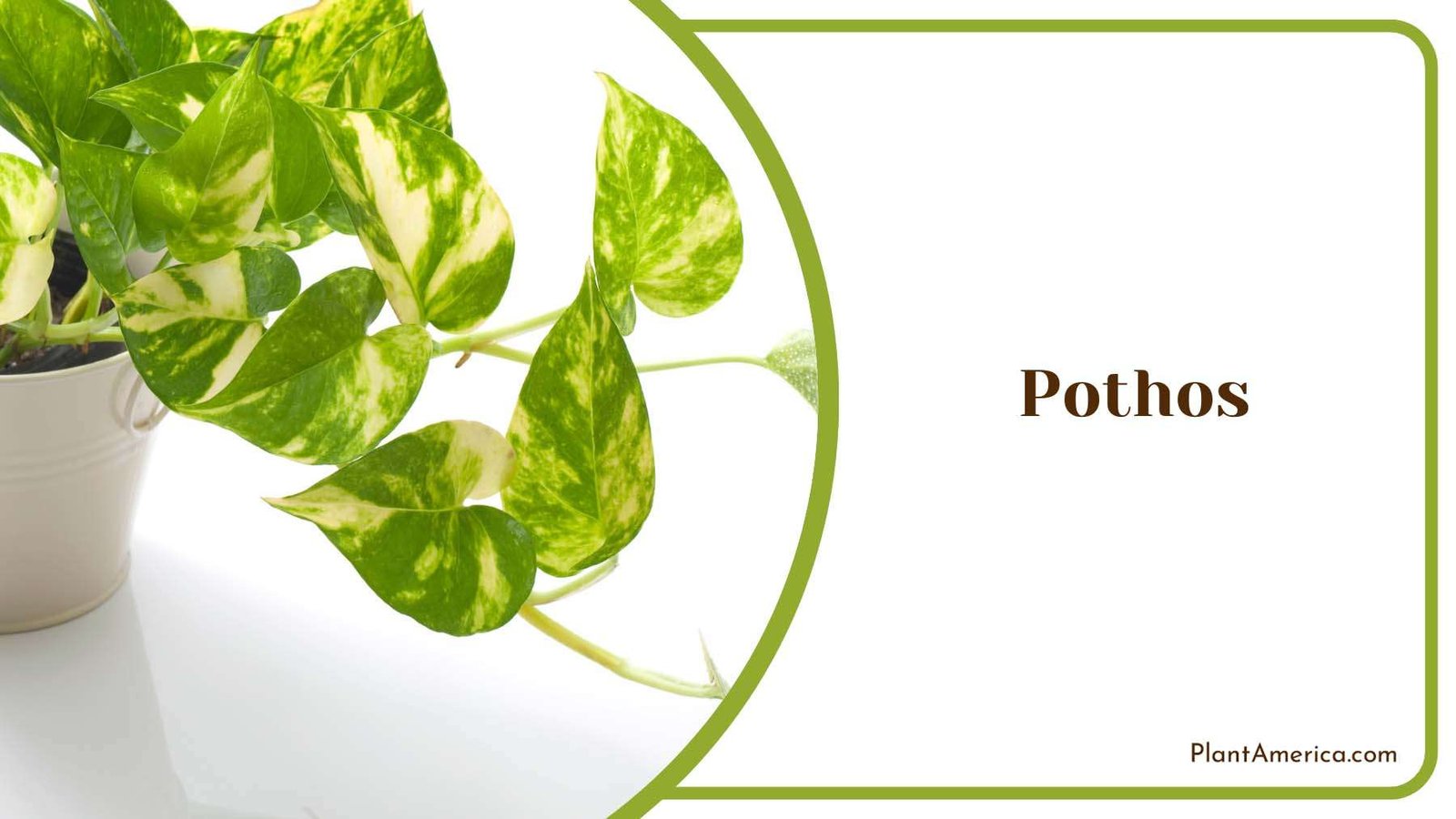
Pothos or Devil’s Ivy is a versatile, easy-to-grow climbing vine known for tolerating a wide range of indoor conditions.
The broadly heart-shaped green leaves of pothos emerge from woody, vine-like stems. The leaves may be solid green, variegated with white or yellow, or have a golden margin. Pothos grows well in low to medium light but may lose variegation in deep shade.
Pothos prefers consistently moist but well-drained soil and should be misted often to raise ambient humidity levels. The vines can be trained up a moss pole, draped over an object, or left trailing from a hanging basket.
Pothos is a fast grower, stretching several feet in a single growing season. To encourage fullness, cut stem segments with roots and replant. Pothos may develop pests like spider mites from dry air, so regularly wiping down leaves and moving to a more humid area can help resolve infestations.
Overall, pothos is an ideal choice for beginners due to its low maintenance needs and adaptability. The long, lush vines wind through indoor environments beautifully, adding softness and greenery to any interior.
4. Jade Plant
- Growing Season: Year-round, Evergreen.
- Leaf Shape: Fleshy, Oval
- Specific Needs: Low light, Dry soil.
- Common Pests: Mealybugs, Aphids.
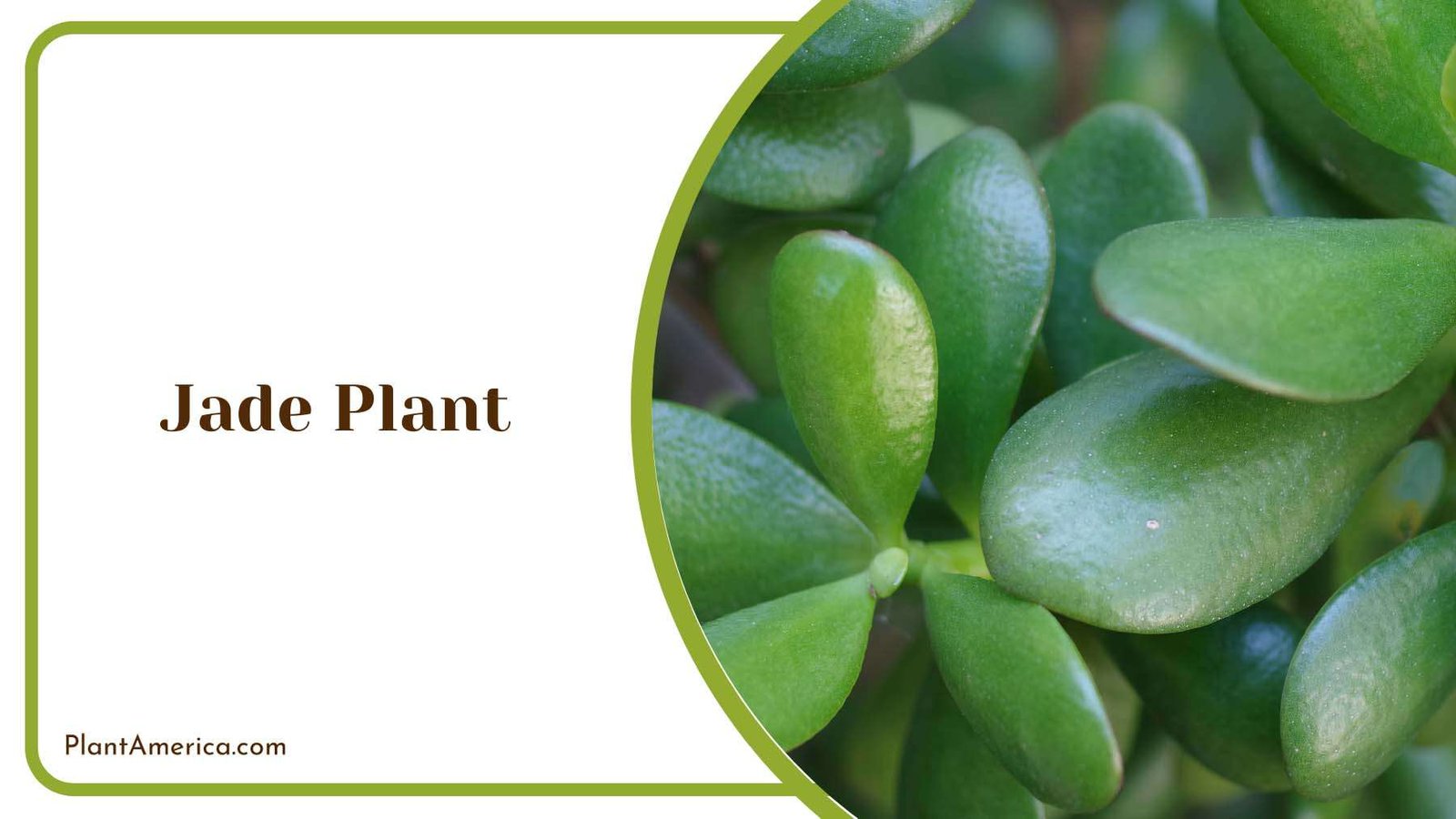
Jade plants are succulent shrubs with thick oval leaves that are fast-growing and nearly impossible to kill.
The oval fleshy leaves of jade plants emerge in pairs from woody stems that become more branched with age. The leaves may be green, dark green, or variegated. As its leaves suggest, jade plants thrive in dry conditions with soil allowed to dry completely between waterings. They prefer low to medium light levels and warm temperatures.
Jade plants are easy to propagate from stem or leaf cuttings. Simply place a cutting in damp soil, and it will develop roots. The thick leaves and woody stems make jade plants very tolerant once established. Overwatering is the main cause of issues for jade plants.
Pests like mealybugs occasionally infest jade plants, especially if the soil remains overly moist. Treating with insecticidal soap and moving the infested jade plant away from others can help resolve issues.
Overall, jade plants are an ideal choice for beginners due to their drought tolerance, ease of propagation, and ability to withstand infrequent watering. Their fleshy oval leaves in attractive shades of green make jade plants a nice accent plant for any shelf, table, or sunny windowsill.
5. Wandering Jew
- Growing Season: Year-round, Evergreen.
- Leaf Shape: Round, Fleshy
- Specific Needs: Low light, Moist soil.
- Common Pests: None.
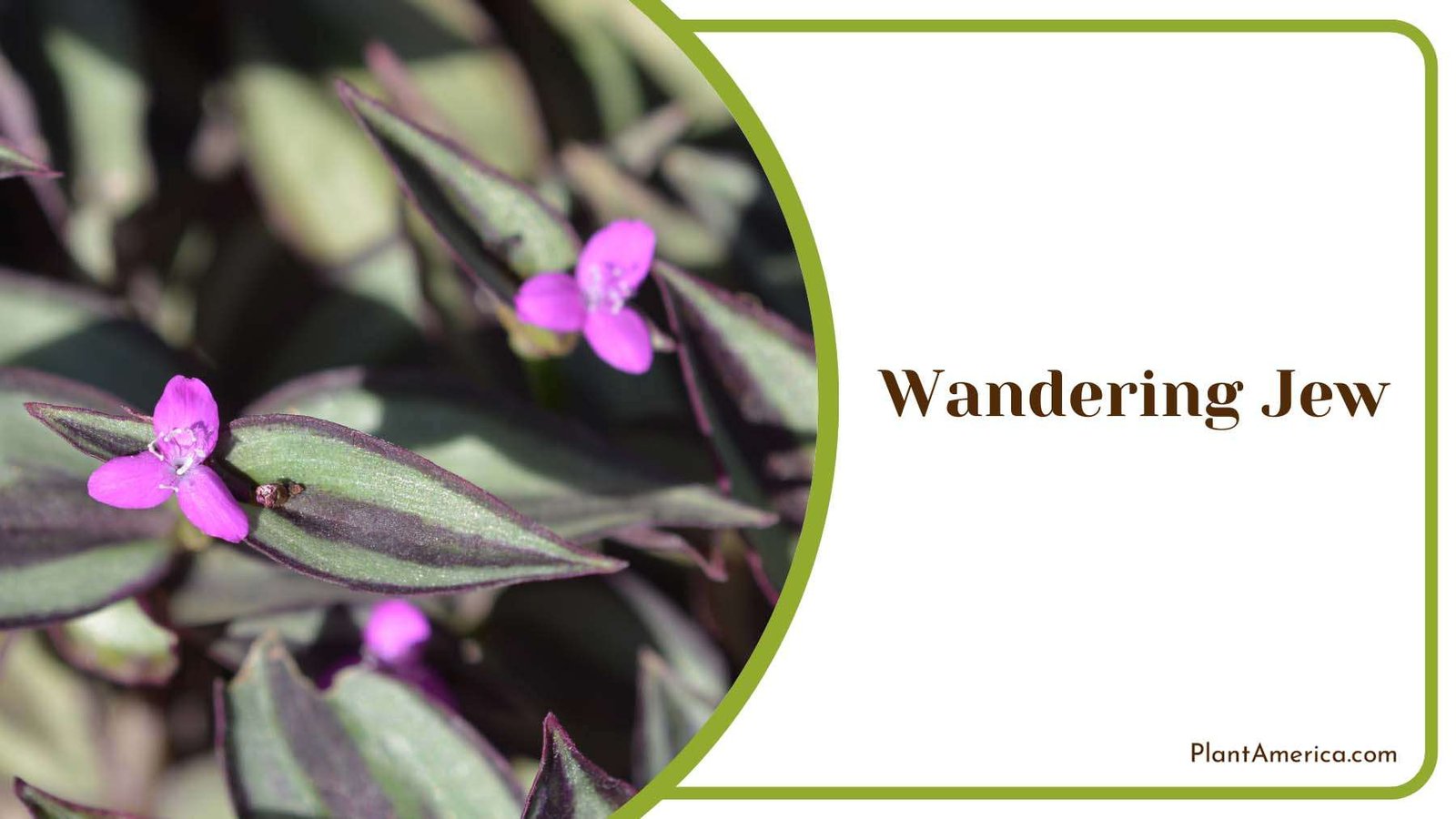
Wandering Jew or purple heart is an easy-to-grow, fast-spreading ground cover plant with fleshy round leaves in shades of green, red, and purple. The colorful round leaves of Wandering Jew emerge from creeping vines that will cascade over the edges of pots if allowed. The vines produce roots wherever stems touch the soil, enabling Wandering Jews to fill large areas quickly.
Wandering Jews are near impossible to kill, thriving in spite of infrequent waterings and underwatering. The vines respond well to regular trimmings to keep the plant full and encourage branching. Wandering Jew is generally pest and disease free.
Overall, Wandering Jew is a versatile choice for brightening up shelving, tables, or hanging baskets. The fleshy round leaves come in an array of shades that work well mixed in with other trailing plants or allowed to cascade alone.
6. Peace Lily
- Growing Season: Year-round, Evergreen.
- Leaf Shape: Lance-shaped, Narrow.
- Specific Needs: Medium-light, Moist soil.
- Common Pests: None.
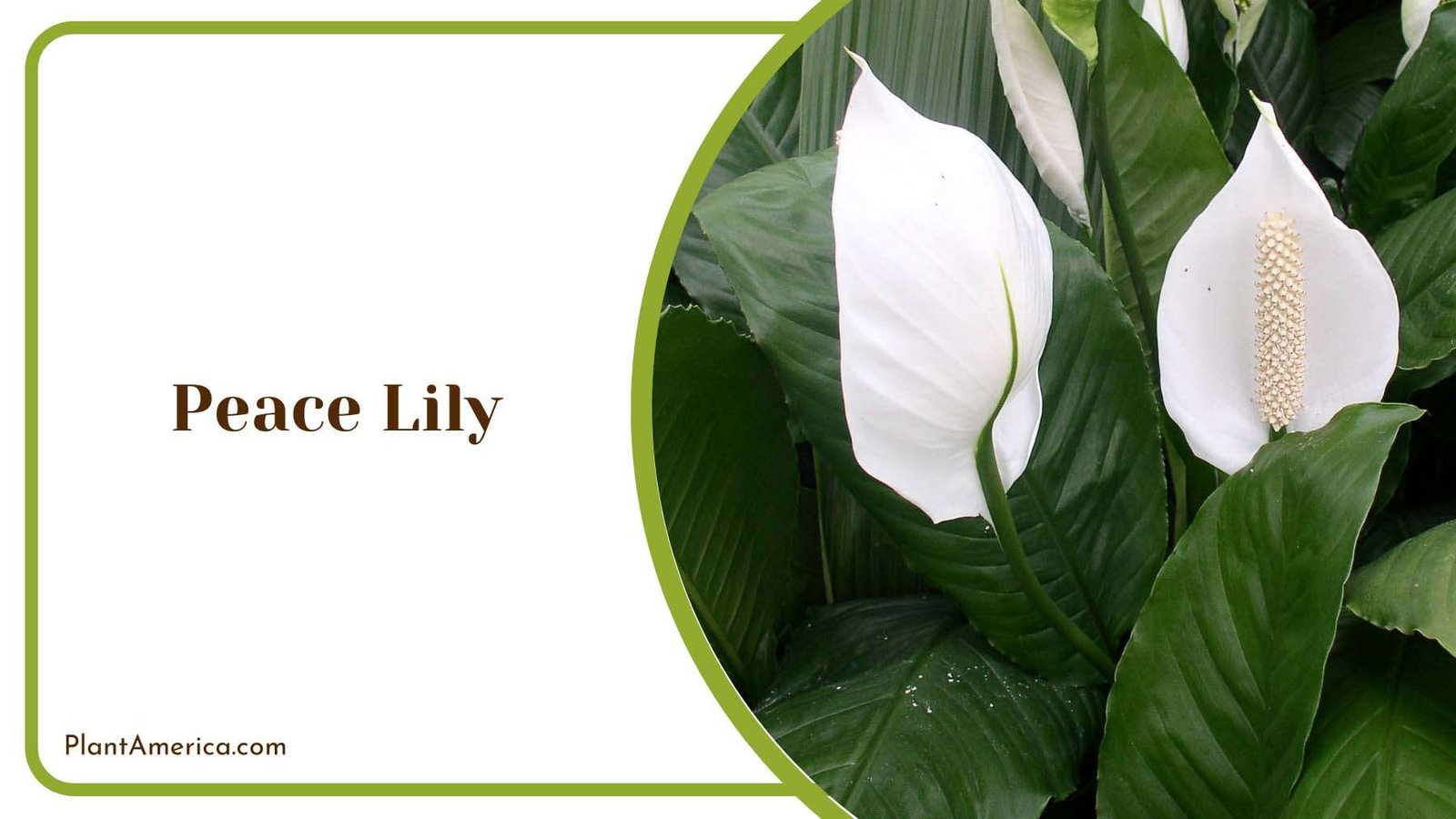
Peace lilies are easy-to-grow indoor plants known for their air-purifying qualities and white flowers that bloom frequently. The glossy lance-shaped leaves of peace lilies emerge from a central crown and arch upward. As the plant matures, white spathes burst from stem stalks housing slender white blooms.
Peace lilies do best in medium to low light and require consistently moist soil. Let the top inch of soil dry out between thorough waterings. The plants also benefit from occasional fertilizing during active growth.
The white flowers of peace lilies appear throughout the year and actually consist of a modified leaf known as a spathe. The flowers bring a nice pop of contrast against the deep green foliage and can last for months at a time.
Overall, peace lilies make an excellent addition to any living space. Their ability to thrive with minimal care while producing long-lasting white blooms and purifying the air make peace lilies a charming choice for brightening up your indoor environment.
7. Fiddle Leaf Fig
- Growing Season: Year-round, Evergreen.
- Leaf Shape: Broad, Drooping.
- Specific Needs: Bright light, Well-drained soil.
- Common Pests: Mealybugs, Spider Mites.
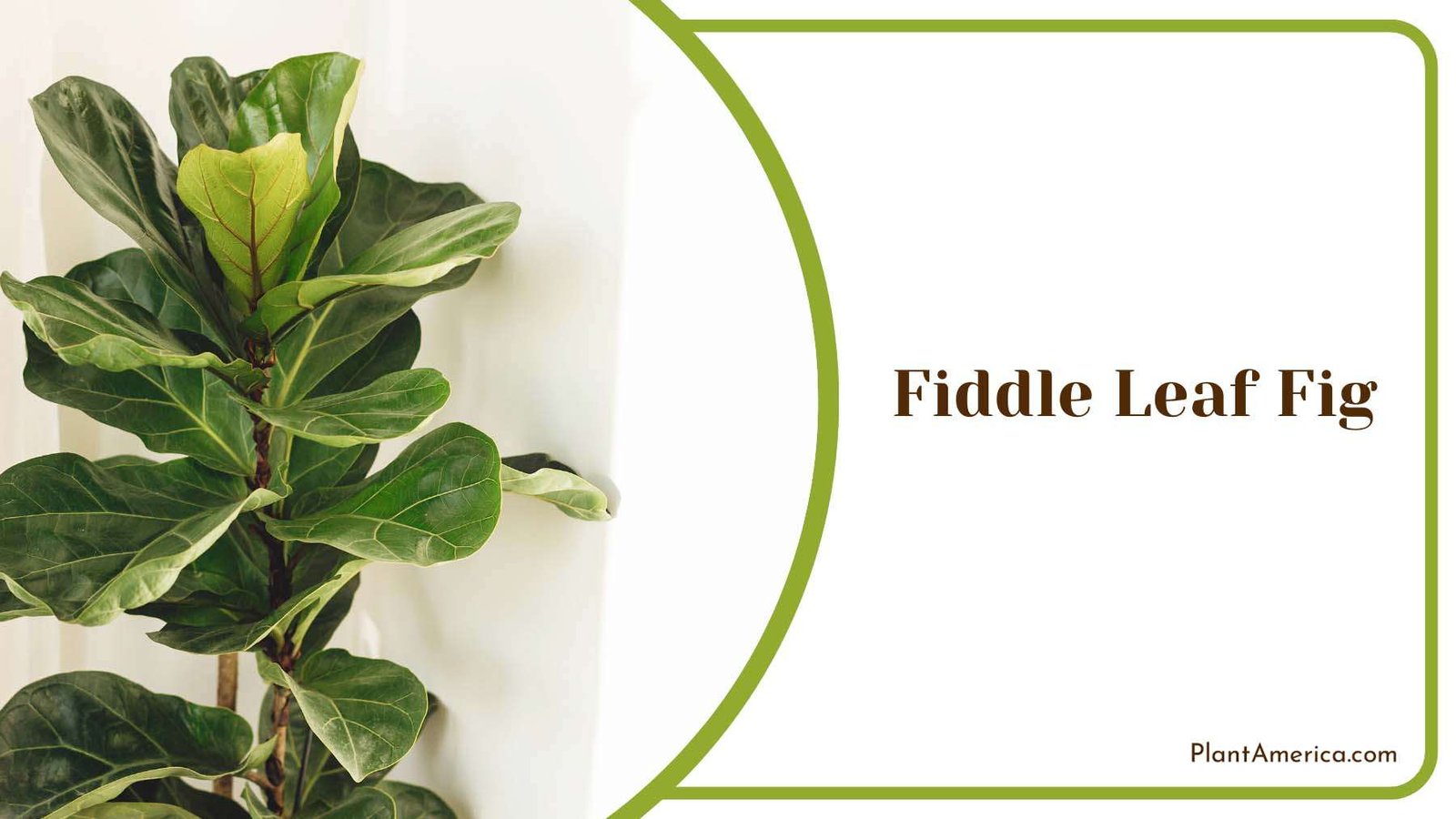
Fiddle-leaf figs are large tree-like houseplants prized for their broad drooping leaves and architectural appeal. The broad dark green leaves of fiddle leaf figs emerge from thick stems, forming a shrubby or treelike shape. The leaves dramatically droop downward, reminiscent of the shape of a violin, hence the common name.
Fiddle-leaf figs require warm temperatures and an abundance of light to grow well. Place the plant in a bright sunny windowsill, keeping the soil moderately moist but well-draining. The plants tend to drop leaves when moved or shocked, so they make gradual changes.
When provided with optimum conditions, fiddle leaf figs can grow rapidly, increasing over a foot in height in a single year. Pests like mealybugs and spider mites may infest fiddle leaf figs, especially if exposed to low humidity. Regular wiping and spraying insecticidal soap on affected plants can resolve such issues.
Overall, fiddle leaf figs make a striking statement piece in any interior. Their dark tones and architectural shape pair well with mid-century modern and tropical decor while adding instant height and interest.
8. Swiss Cheese Plant
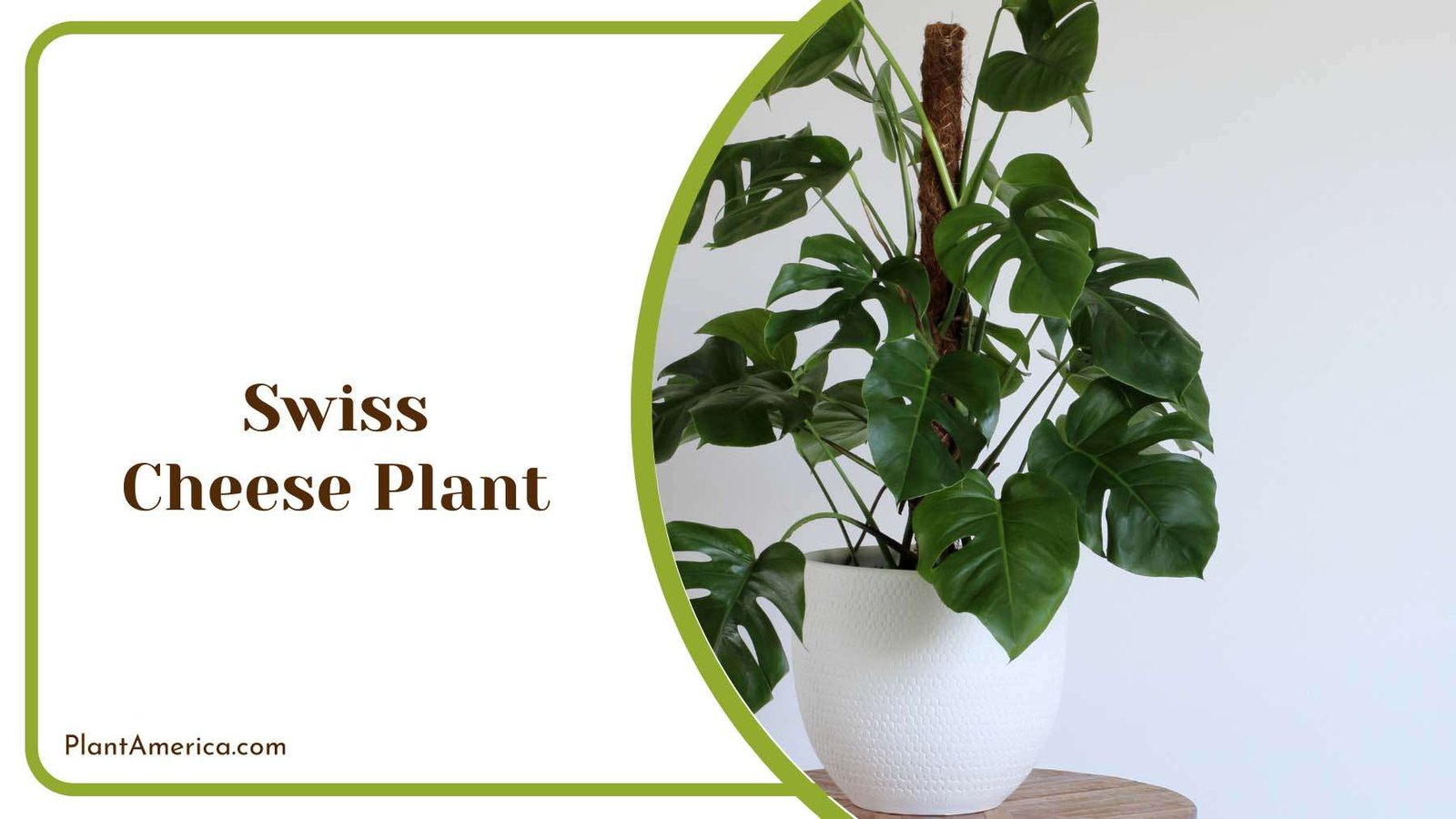
- Growing Season: Year-round, Evergreen.
- Leaf Shape: Heart-shaped , Robust.
- Specific Needs: Medium-light, Moist soil.
- Common Pests: Mealybugs, Aphids.
Monstera deliciosa, commonly called the Swiss cheese plant, is a tropical vine prized for its dramatic heart-shaped leaves with natural holes. The heart-shaped leaves of Swiss cheese plants emerge from woody vine-like stems and feature natural holes that increase in size and number as the plant matures. Young leaves start out uncut, while older leaves become increasingly perforated.
The perforated leaves and tendency to climb make Swiss cheese plants a dramatic accent for any space. Their large leaves provide ample shade for smaller plants below.
Swiss cheese plants grow moderately fast, increasing several feet in a single year when provided with optimal conditions. The thick woody vines aid in support and propagate easily when stem cuttings are placed in damp soil. Pests like mealybugs can become problematic but can usually be managed with insecticidal soaps.
Overall, Swiss cheese plants bring architectural elegance and tropical flair to any interior. Their dramatic perforated foliage makes them a real showstopper that demands attention.
9. Philodendron
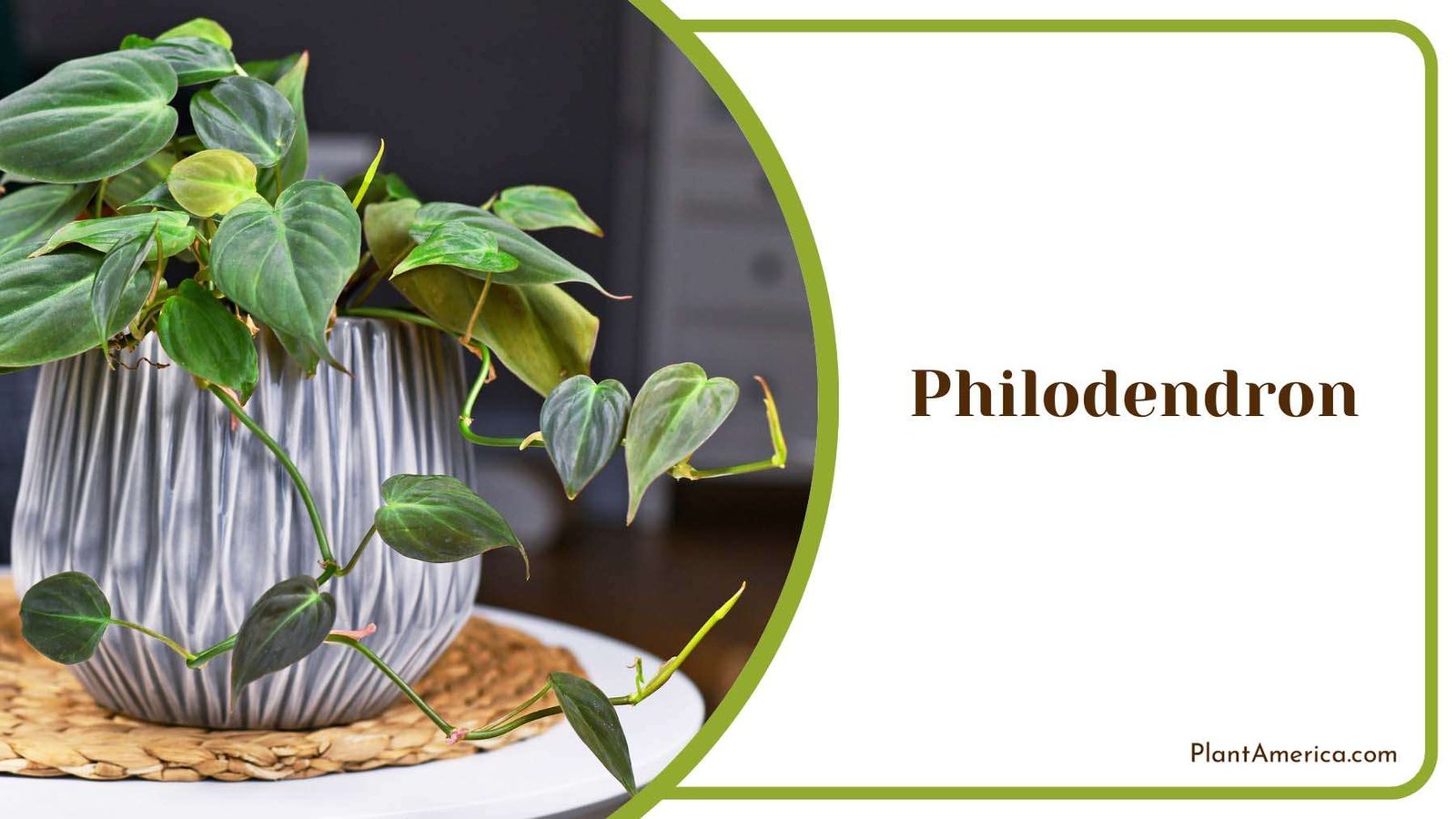
- Growing Season: Year-round, Evergreen.
- Leaf Shape: Variable, Long.
- Specific Needs: Medium-light, Moist soil.
- Common Pests: None.
Philodendrons are versatile vines or shrubs with heart-shaped, lobed, or triangular leaves in variegated shades of green, yellow, and cream. Philodendron leaves emerge in many shapes, from heart-shaped to triangular-rounded, depending on the species or cultivar. The leaves range in size from a few inches to over three feet long.
Philodendrons grow quickly, developing long vines with proper support or forming shrubby mounds. Many varieties feature colorful variegated leaves that become more intense in brighter light. Nearly all philodendron species are generally pest and disease free.
Overall, philodendrons offer versatility for any interior environment. Their large glossy leaves and tendency to vine make philodendrons ideal for hanging baskets, covering arbors or trellises, or simply growing as a tabletop or floor plants.
10. Money Plant
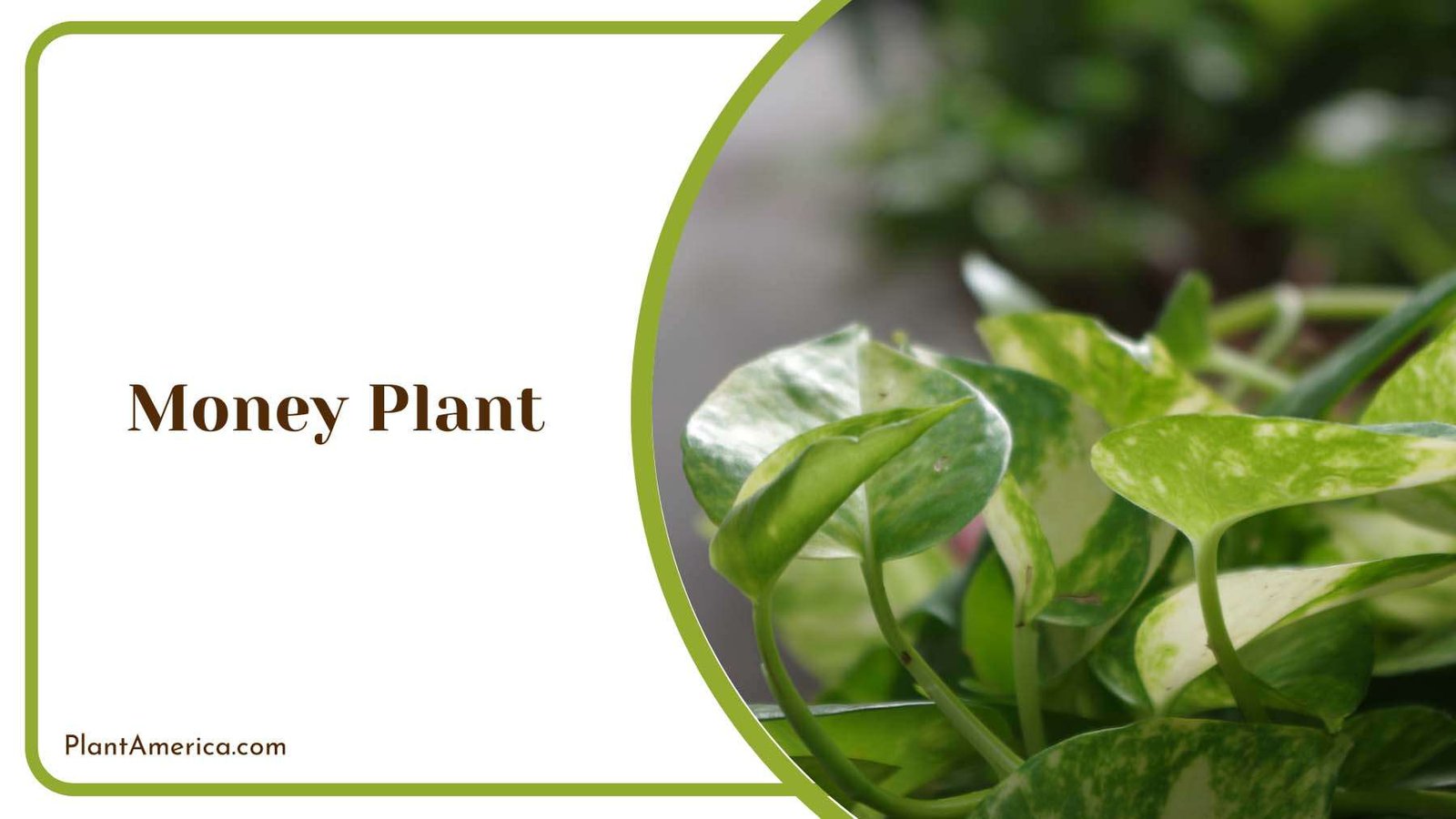
- Growing Season: Year-round, Evergreen.
- Leaf Shape: Oblong, Elliptical.
- Specific Needs: Bright light, Moist soil.
- Common Pests: Spider mites, Aphids.
Money plants or pilea peperomoides are trendy easy-care indoor plants valued for their naturally round, crisp leaves. The oblong to elliptical leaves forms compact cushion-like rosettes on top of upright stems. As the plant matures, new rosettes form at stem junctions, creating a clumping habit.
When provided with optimal conditions, money plants can grow and spread quickly. However, generous water and fertilizer lead to leggy growth and reduced foliage compactness. Though generally pest-free, spider mites can develop if money plants are exposed to dry conditions or experience moisture or fertility stresses. Regularly misting leaves with water and wiping them down can reduce existing mite populations.
Overall, money plants add crisp texture and a geometric design element to any indoor environment. Their airy habit and tendency to multiply rapidly make money plants ideal for tabletops, shelves, or as a spiller plant in hanging baskets.
11. Chinese Evergreen
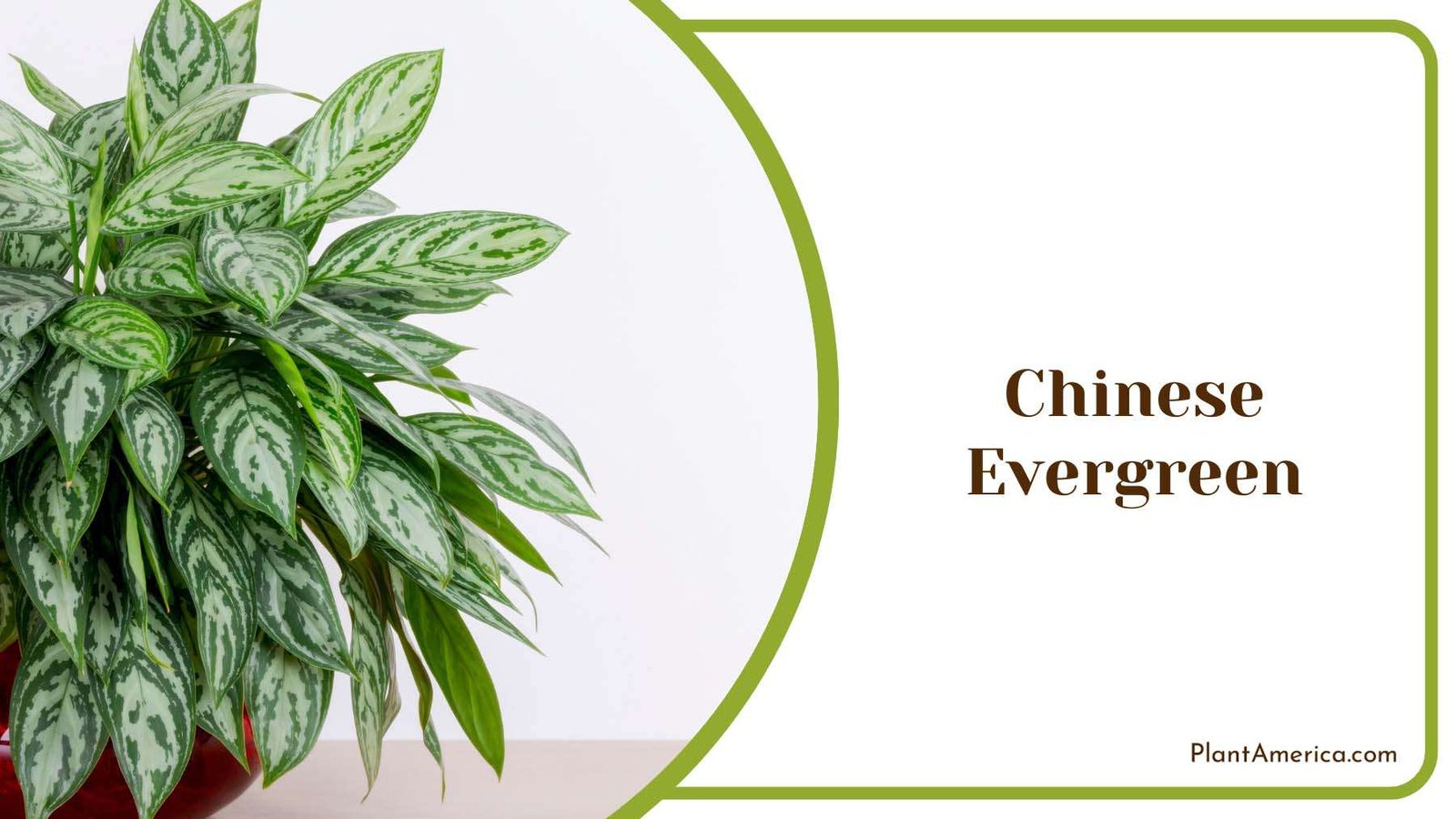
- Growing Season: Year-round, Evergreen.
- Leaf Shape: Oblong, Oval.
- Specific Needs: Low light, Moist soil.
- Common Pests: None.
Chinese evergreens or aglaonemas are colorful shade-loving houseplants valued for their unique leaf patterns and resilience. The oblong to oval variegated leaves emerges in vibrant shades of green splotched, splashed, or edged with pink, cream, yellow, and white. New leaves unfurl coppery tones, darkening with age.
Chinese evergreens grow slowly, making them suitable for neglected areas. However, they respond well to fertilizer and grow more quickly when conditions are optimal. Chinese evergreens are very low maintenance, suffering few issues when properly cared for. The juvenile leaves have a natural protective coating that wards off pests.
Overall, Chinese evergreens make a colorful, carefree addition to any interior space. Their patterned foliage in attractive colors makes Chinese evergreens an eye-catching choice for tables, shelves, and other locations with reduced light.
12. Ivy
- Growing Season: Year-round, Evergreen.
- Leaf Shape: Variegated, Ovate.
- Specific Needs: Low light, Moist soil.
- Common Pests: None.
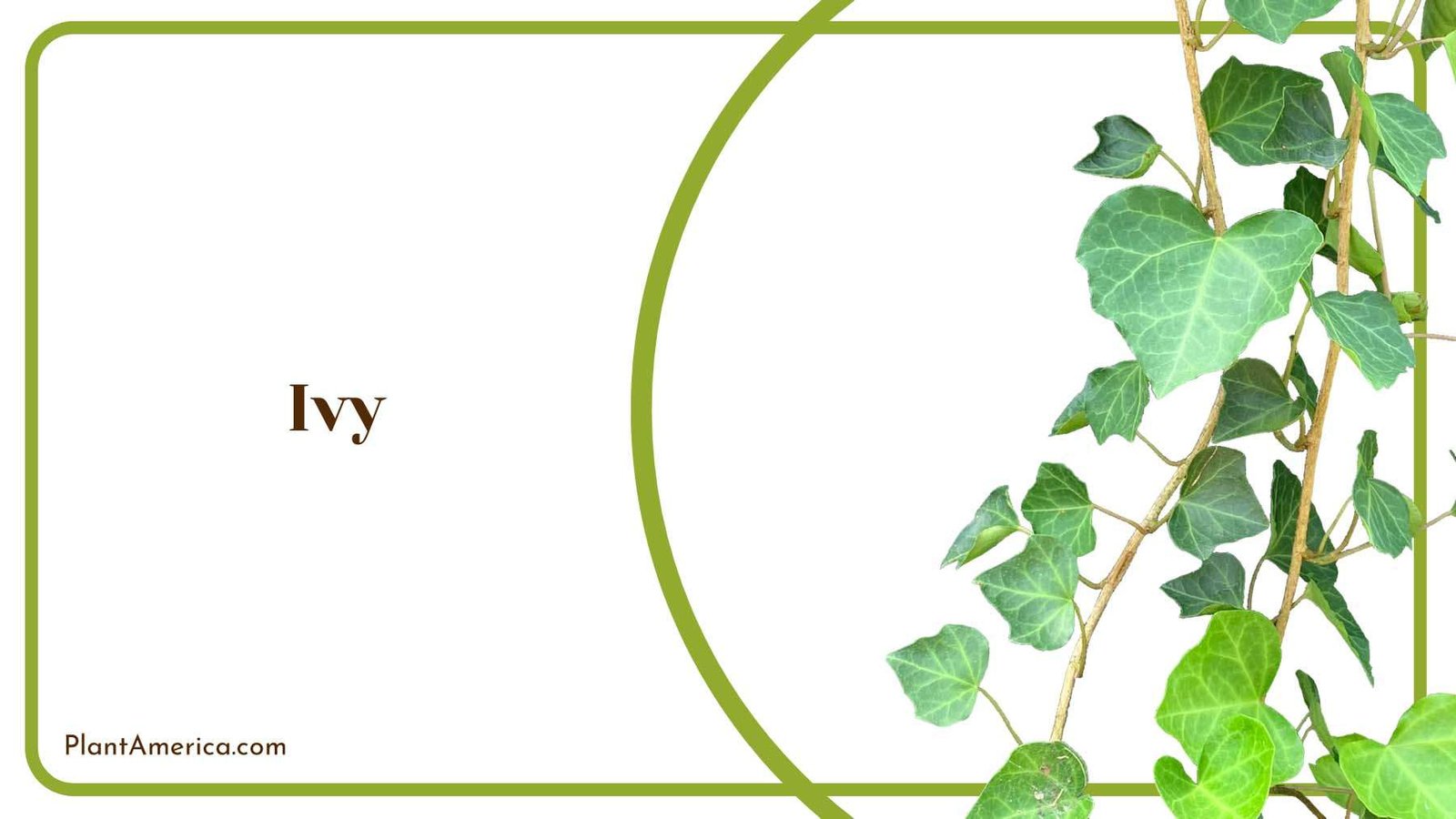
English ivy is an evergreen climbing vine valued for its versatility and tolerance to varied indoor conditions. The ovate leaves emerge variegated in shades of green, either solid or edged in gold, yellow, or cream. As the plant matures, ivy will climb or cascade from hanging baskets and shelving.
Ivy thrives in low to medium light and requires consistently moist soil, however, it will tolerate dry conditions for moderate periods of time. Ivy also adapts to a wide range of temperatures. When provided with bright light and warmth, ivy will climb quickly, however, it grows slowly in low light or without support for climbing. In any condition, ivy tolerates infrequent waterings and grows with little to no fertilizer.
English ivy is generally resistant to most insect pests and diseases. It suffers a few issues when properly cared for and is nearly impossible to kill. Overall, ivy is an excellent choice for brightening any room. Its adaptive and resilient nature, along with versatility in applications from climbing vines to table plants, makes ivy a worry-free addition to any indoor environment.
13. Weeping Fig
- Growing Season: Year-round, Evergreen.
- Leaf Shape: Leathery, Oval.
- Specific Needs: Bright indirect light, Moist soil.
- Common Pests: None.
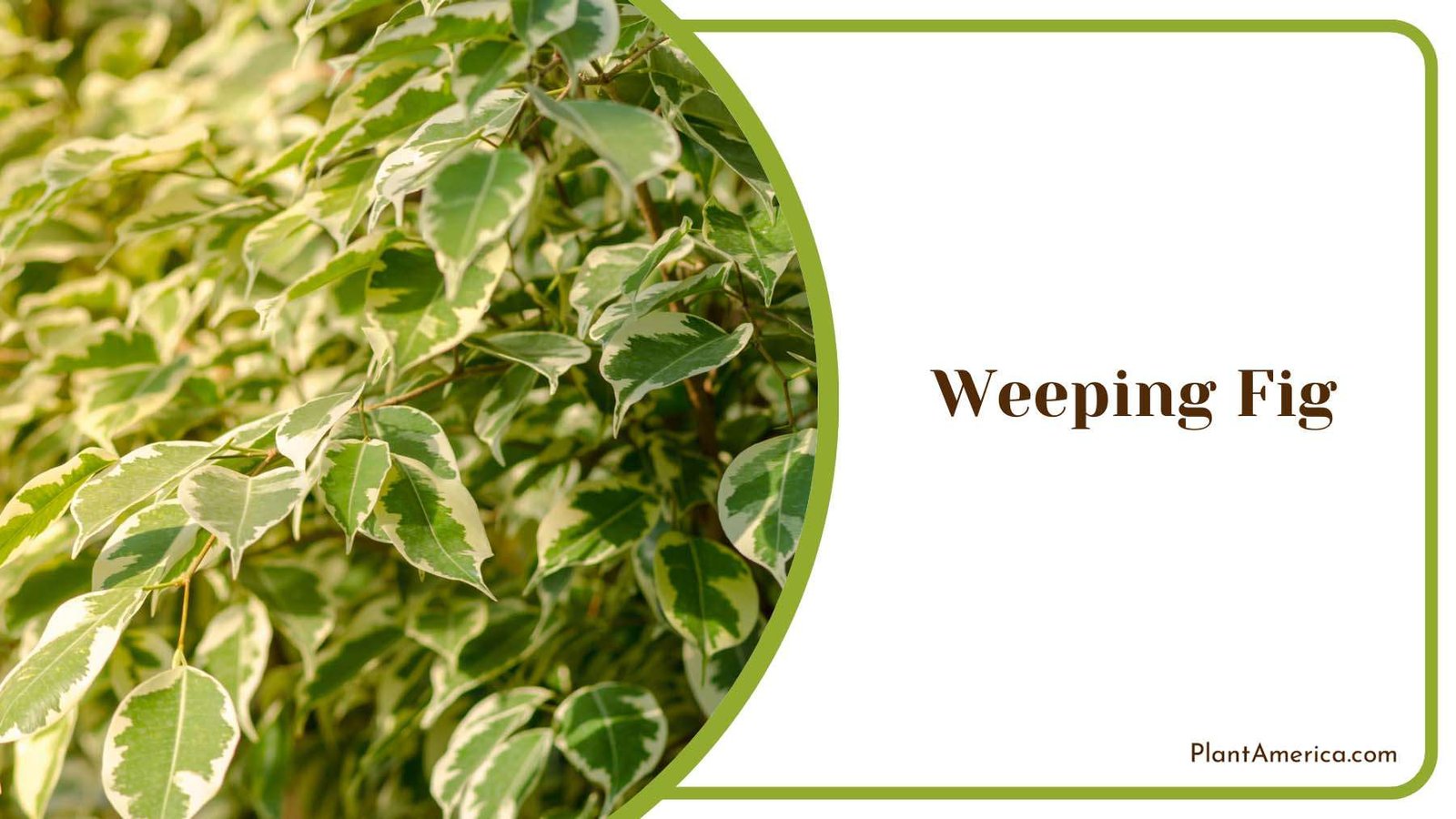
Weeping figs are graceful large houseplants valued for their cascading branches and thick oval leaves. The leathery oval leaves emerge dark green and somewhat glossy. As the tree-like form matures, branches arch downward gracefully under the weight of foliage.
Weeping figs require abundant but diffused light from a bright window. Place away from direct rays to prevent leaf drop and burn. Consistently moist soil is key to health; allow the top layer to dry between thorough waterings.
When provided with optimal conditions, weeping figs can grow rapidly. New leaves emerge continuously throughout the year, and branches enlarge and thicken. Staking may be needed to prevent damage from collapsing under their own weight.
Weeping figs suffer a few issues when properly cared for. Their thick hirsute leaves create an unfavorable habitat for pest development, and the plants tend to be very resilient, enduring fluctuating conditions.
Overall, weeping figs offer a dramatic and architectural element to any room. Their airy rounded shape and abundant foliage make weeping figs a luscious choice for brightening up living and working spaces.
14. Dracaena
- Growing Season: Year-round, Evergreen.
- Leaf Shape: Long, Strap-like.
- Specific Needs: Medium-low light, Well-drained soil.
- Common Pests: None.
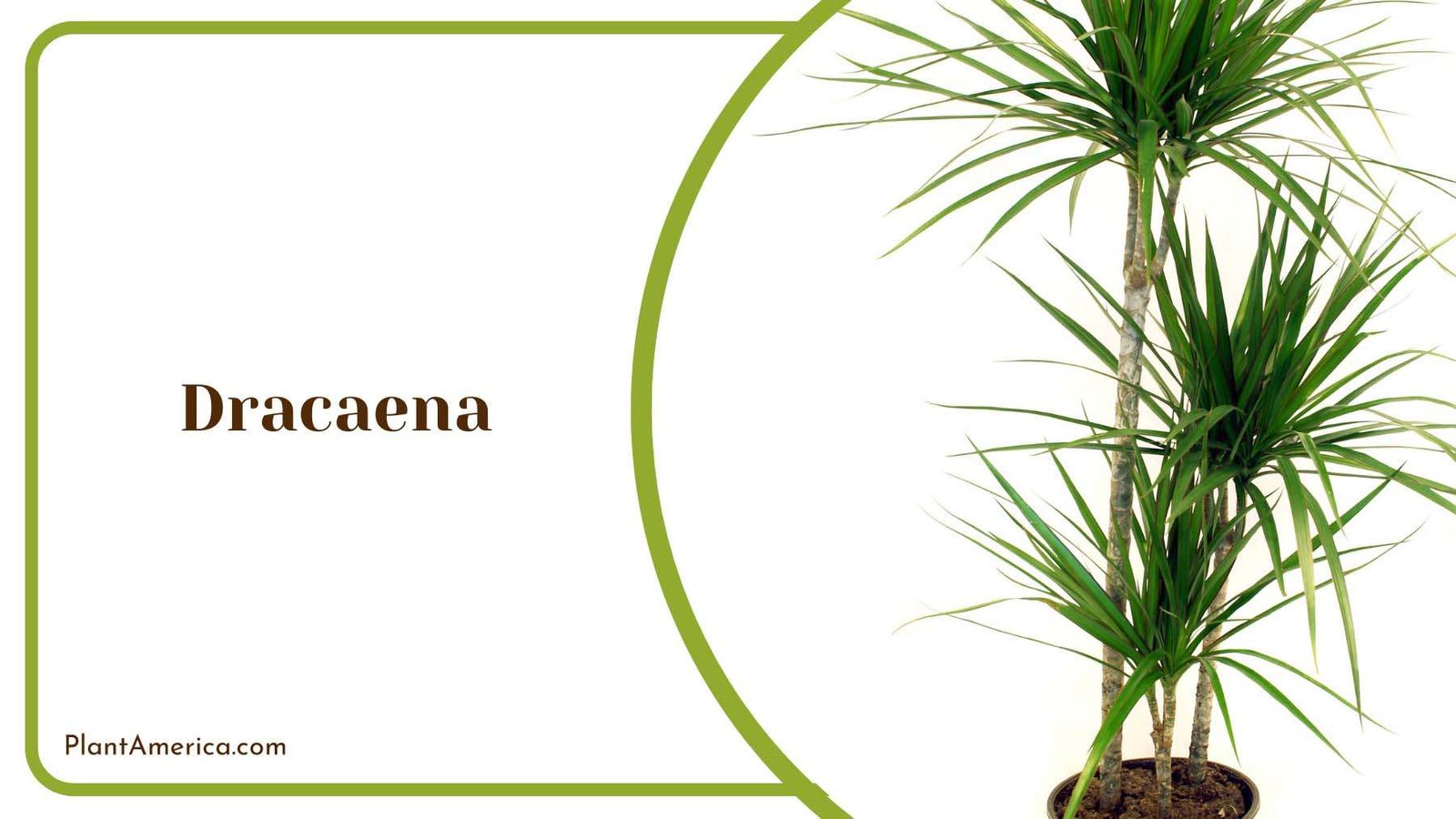
Dracaena or corn plants are tree-like houseplants prized for their tall architectural form and longevity with infrequent care. The long strap-like leaves arise from several central stems that clump together, forming an upright tight habit. Leaves emerge in solid green or variegated shades of green and cream.
When provided with optimum conditions, dracaena grow relatively quickly, adding several inches of height per year. Their slender trunks can reach over 15 feet tall indoors when adequately supported.
Dracaena suffer very few pest issues when cared for properly. Their thick leaves create an unfavorable habitat for insect pests. Occasionally, spider mites may become problematic, but wiping leaves with a damp cloth can resolve issues.
Overall, dracaena make an excellent addition for small and large spaces alike. Their elegantly upright form and ability to thrive in spite of infrequent care make Dracaena ideal for elevating any interior environment.
15. Aloe Vera
- Growing Season: Year-round, Evergreen.
- Leaf Shape: Fleshy, Triangular.
- Specific Needs: Dry soil, Bright light.
- Common Pests: None.
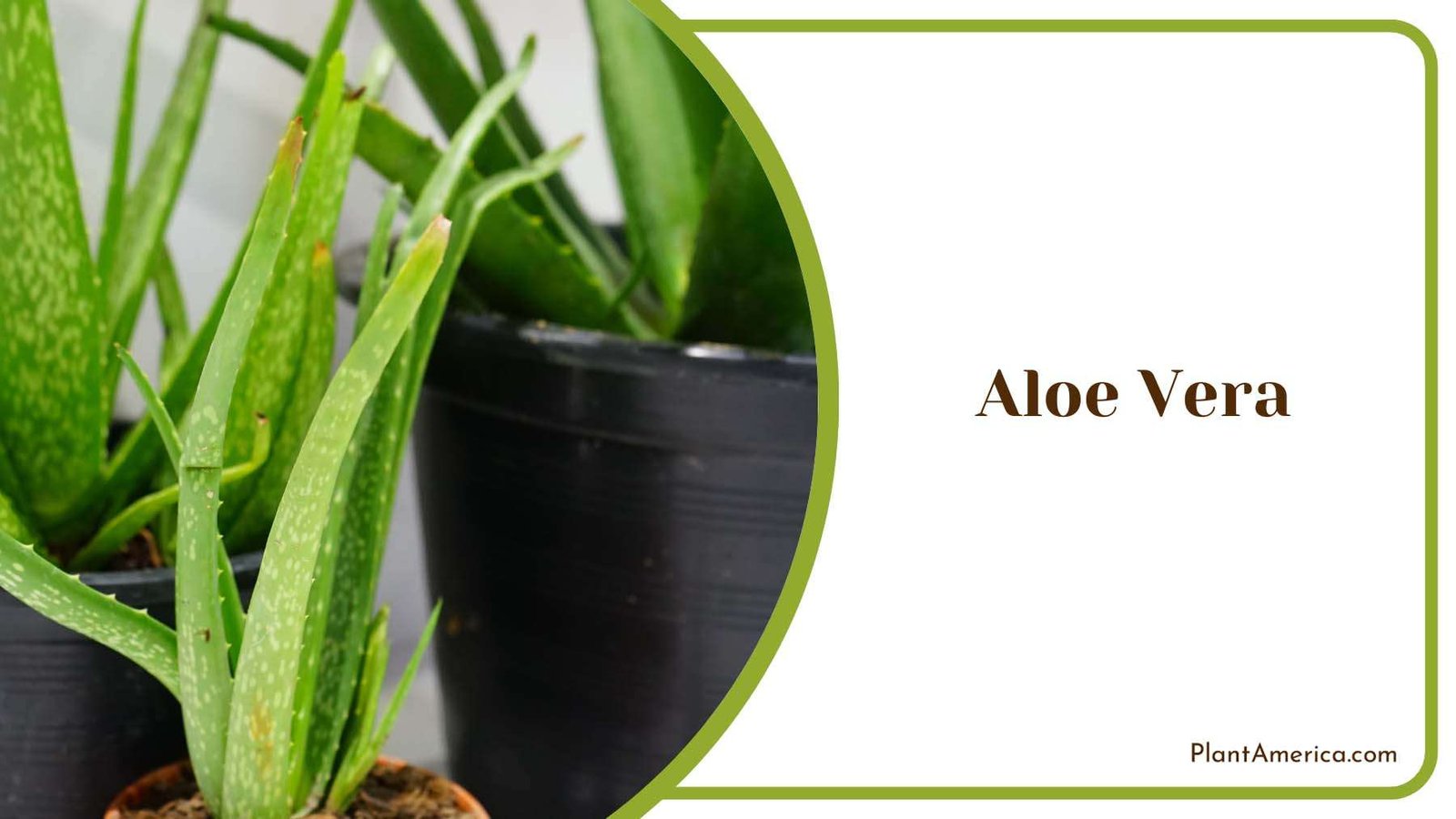
Aloe vera is a succulent plant valued for its medicinal properties and thick triangular leaves that require very little maintenance. The fleshy triangular leaves emerge in clusters from the base of the plant, forming a tight rosette shape. Each leaf features a sawtooth pattern along the edges and may be green, gray-green, or variegated.
When provided with ample light and water, aloe vera will multiply rapidly. Simply snap off a “pup” at the base of a mature plantlet and replant to create new aloe vera plants.
Aloe vera generally suffers very few issues when grown in arid conditions. The thick gel-filled leaves create an unfavorable habitat for pests, and the plant itself has many medicinal benefits.
Overall, aloe vera is an excellent choice for table tops, shelves, or sunny windowsills. Its nearly un-killable nature and authentic triangular leaf shape make aloe vera an easy and interesting addition to any indoor space.
16. Tradescantia
- Growing Season: Year-round, Evergreen.
- Leaf Shape: Fleshy, Ovate.
- Specific Needs: Low light, Moist soil.
- Common Pests: None.
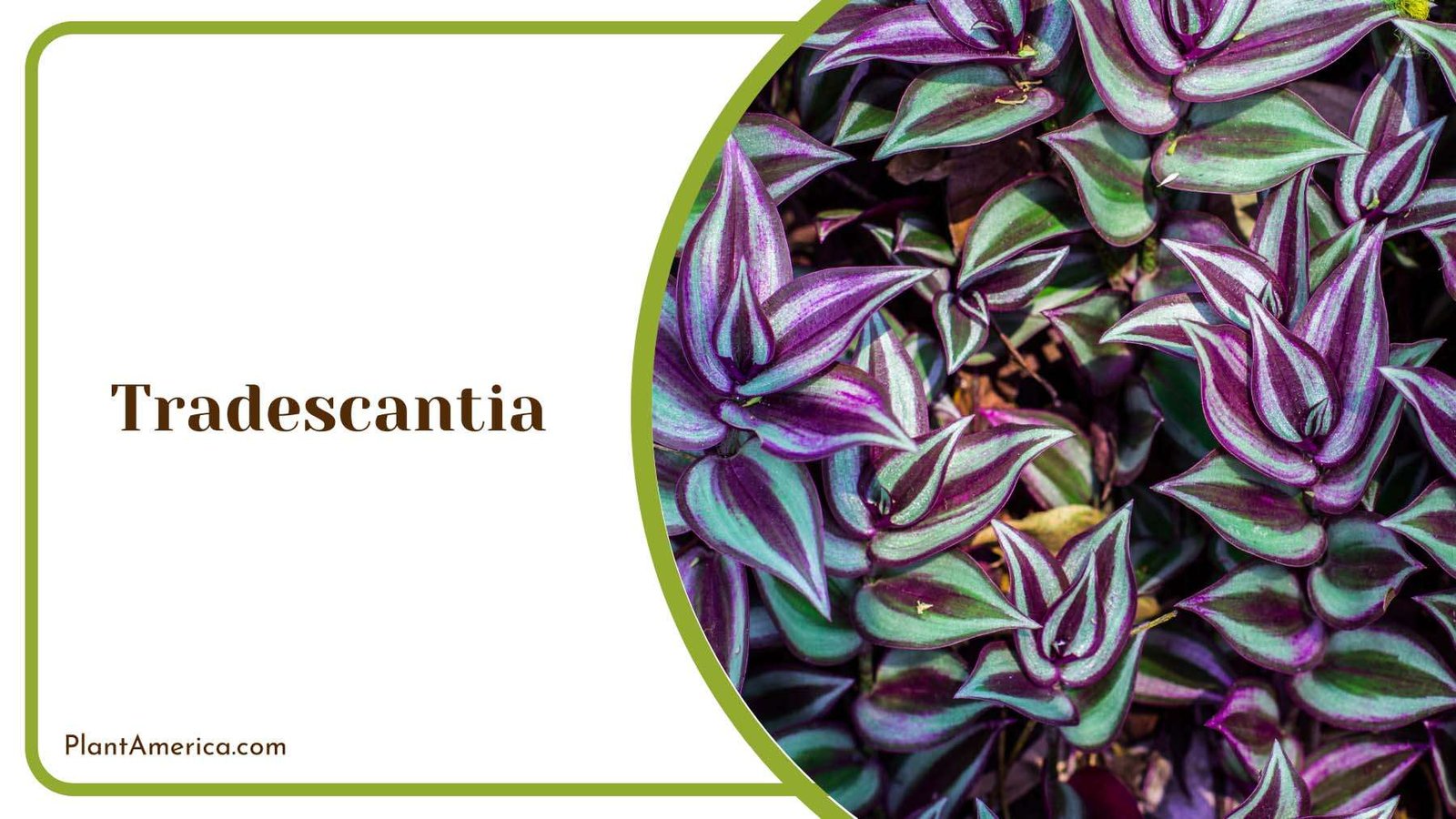
Tradescantia, or inch plants and spiderworts, are fast-growing and colorful succulent groundcover plants valued in indoor landscaping. The fleshy ovate leaves emerge gray-green, purple, or variegated in colorful shades of pink, white, and blue. Leaves persist at stem tips with new growth filling in below.
Tradescantia suffers very few pest issues when cared for properly due in part to natural chemicals that make leaf surfaces unpleasant to chew. Overwatering generally poses the greatest threat to this plant’s health.
Overall, tradescantia offers vibrant colors, textures, and patterns to any interior space. Their adaptability and versatility in applications from hanging baskets to groundcover make tradescantia wonderful additions for sustainably brightening up your indoor environment.
17. Lucky Bamboo
- Growing Season: Year-round, Evergreen.
- Leaf Shape: Arching canes, Linear.
- Specific Needs: Medium-low light, Moist soil.
- Common Pests: None.
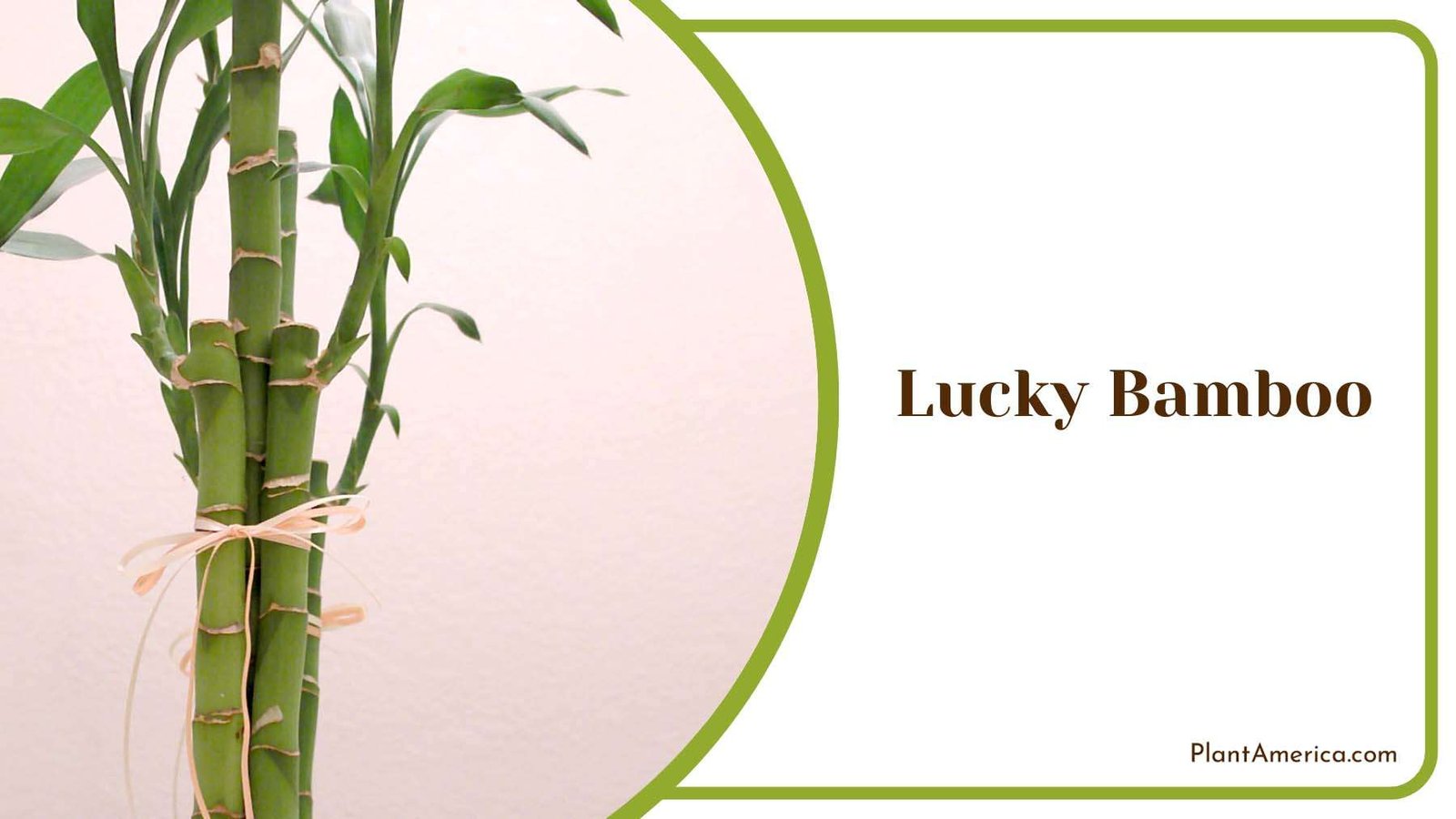
Lucky bamboo is an easily propagated dracaena that is valued for its attractive arching canes and purifying properties. The long-jointed canes lack true leaves and derive energy and nutrients from the water instead. Canes emerge green, white, red, or variegated and arch gracefully upward.
The canes of lucky bamboo grow from the base and develop side shoots over time. Simply transferring a cutting with a node to water will produce a fully rooted plantlet. Lucky bamboo is nearly impossible to kill, tolerating infrequent or inconsistent watering. When cared for properly, the plants suffer few to no pest issues.
Overall, lucky bamboo adds charm and positive vibes to any environment. Its appealing architectural shape and ease of propagation from stem cuttings make lucky bamboo an excellent choice for brightening up shelves, tables, and window ledges.
18. ZZ Plant
- Growing Season: Year-round, Evergreen.
- Leaf Shape: Zeylanica, Broad blades.
- Specific Needs: Low light, Well-drained soil.
- Common Pests: None.
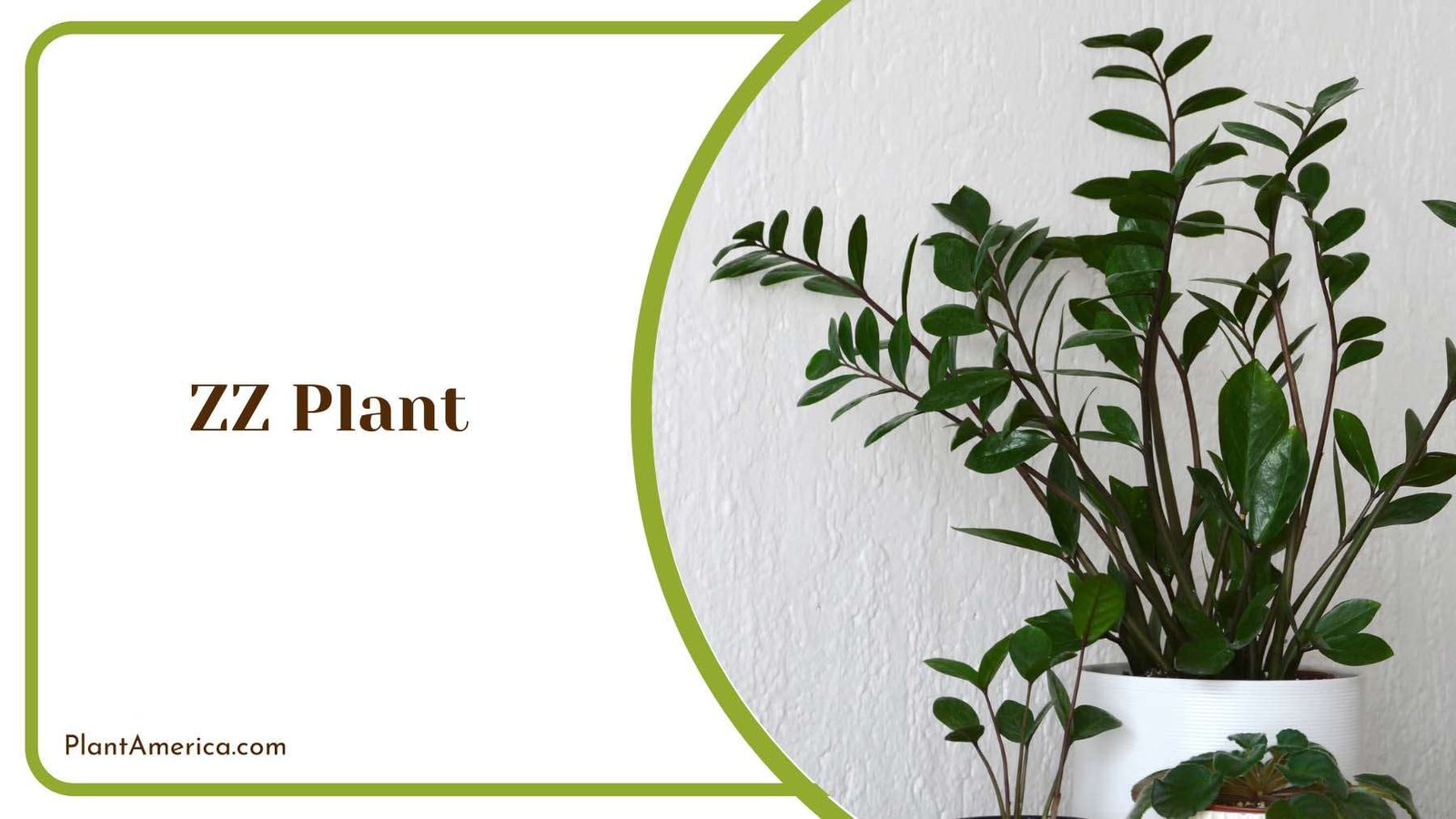
ZZ plants or Zanzibar gems are slow-growing shade-tolerant plants valued for their striking foliage and low maintenance requirements. The broad shiny green blades emerge in pairs from woody stems. As the plant matures, stems clump together, forming a compact shape.
When provided with ideal conditions, ZZ plants will grow steadily but remain slow-growing overall. However, they tolerate long periods of under-watering and low light. The broad blades of ZZ plants seem hewn from stone rather than plant material. Their waxy surfaces reflect what little light infiltrates their dim corners.
Though slow to grow and demanding little beyond infrequent watering, ZZ plants reward observant owners with their sculptural presence and enduring nature. Their ability to survive long periods of inattention speaks of an inner strength expressed through outer austerity.
As with many succulents, ZZ plants teach the virtue of conserving resources. Their unhurried growth pattern shows that beauty often emerges gradually, over time. With patience and perception, ZZ plants reveal life’s persistence even in the strictest of forms — a reminder to seek abundance in unyielding places.
19. Rubber Plant
- Growing Season: Year-round, Evergreen.
- Leaf Shape: Oblong, Oval.
- Specific Needs: Medium-light, Moist soil.
- Common Pests: Spider mites, Aphids.
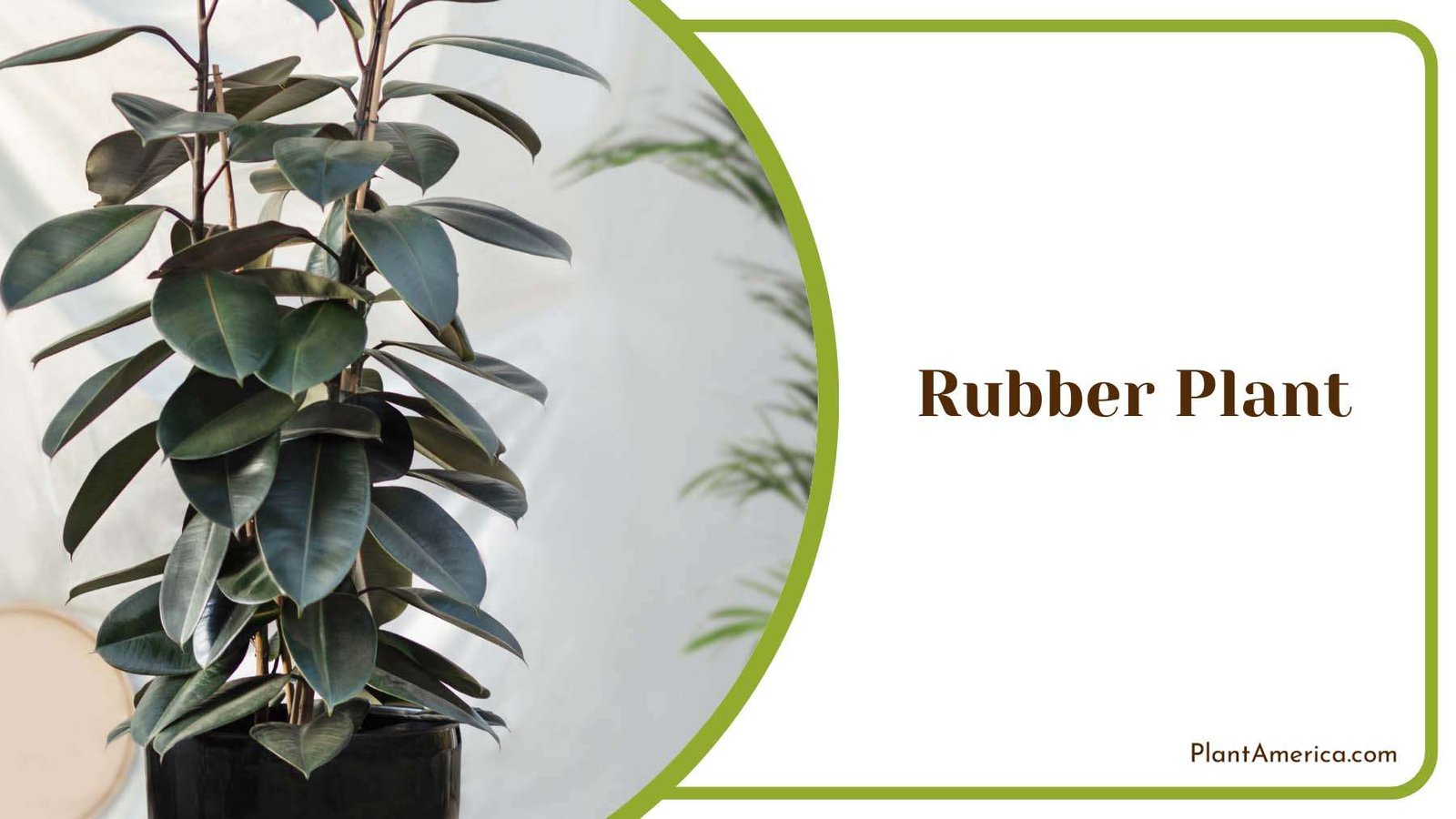
Rubber plants or ficus elastica are tree-like plants prized for their thick glossy leaves and ability to thrive in low light environments. The oblong to oval leaves arise from woody stems forming an upright, vase-shaped habit. Leaves emerge solid green or variegated green and cream with wavy margins.
When provided with adequate warmth and light, rubber plants can grow relatively quickly. New leaves emerge continuously, especially in the spring and summer months. The broad rubber plant leaves resemble those of tropical trees, capturing even the faintest of light and transforming it into verdant abundance. Their thick waxy surfaces reflect what they cannot absorb, radiating a polished glow.
Though capable of steady growth in favorable conditions, rubber plants reward patient growers with their tropical lushness and resilient nature. Their ability to survive long periods of shade speaks of an inner strength expressed through outward abundance.
As with many tropical plants, rubber plants teach the value of capturing and holding resources skillfully. Their unfurling leaves show that plentitude often arises gradually, over time. With perceptiveness and tenderness, rubber plants reveal life’s persistence in lushness itself — a reminder to seek abundance in the very forms we imagine most plentiful.
Conclusion
There are many fast-growing indoor plants that can quickly transform any space into a living, breathing environment. The key is choosing plants that match your light levels and care preferences.
- Snake plants tolerate low light and infrequent watering.
- Rubber plants thrive in medium light with regular moisture.
- Fiddle leaf figs grow rapidly in bright areas with consistent care.
Regardless of the plant you choose, simply having living greenery indoors has been shown to lower stress, improve air quality, and boost mood and creativity. Start small with one or two easy-care plants, and before long, you’ll be surrounded by the sights, smells, and sounds of nature right inside your home!