
Wandering jew varieties of the Commelinaceae family are among the most fascinating and beautiful of all succulents, with their colorful leaves and ability to grow almost anywhere. In this post, we’ll cover some of the best varieties for every collector looking to add some whimsical shine to their indoor gardens.

Whether you love the stunning purple hues of Tradescantia Pallida or the delicate lacy leaves of Tradescantia Albiflora, there’s a Wandering Jew perfect for your space. So jump in and learn about these captivating plant varieties, along with tips to keep them thriving for years to come!
Gorgeous Wandering Jew Varieties to Love and Care for
1. Tradescantia Zebrina
- Growing Season: Spring, Fall.
- Leaf Type: Long, thin, and green, Trailing stems.
- Specific Needs: Bright indirect light, High humidity, Water one to two times a week.
- Common Pests: Spider mites, Mealybugs.
Tradescantia zebrina, also called inch plant or wandering jew, is highly desired for its slender green leaves intricately striped with purple. Tradescantia zebrina grows quickly as the stems root wherever they touch the soil, allowing this succulent to cascade over the edges of planters and trail down walls.

Inch plant prefers temperatures between 65 to 80 degrees Fahrenheit year-round. Place tradescantia zebrina in indirect light but keep it away from air conditioning vents as dry air can cause leaf drop. Water thoroughly but only when the top one to two inches of soil are dry, and mist the leaves to increase humidity. Fertilize for about six to eight weeks during the growing season to promote optimal growth and vibrant foliage color.
Common pests for wandering Jews include spider mites that form webs on the undersides of leaves and suck plant juices. Mealybugs may also cluster on new growth, preventing it from unrolling correctly. Spray infested plants with a mixture of water, mild dish soap, and oil to control pests naturally.
Tradescantia zebrina is one of the most straightforward wandering jew varieties to grow. Give it plenty of indirect light, keep the soil slightly moist, and mist the foliage regularly. It will reward you with bountiful new growth and striking dark purple stripes against contrasting green leaves.
Snip stems to propagate more plants or place cuttings in water to take root within weeks. The inch plant’s low-growing characteristic makes it a versatile addition to nearly any indoor corner.
2. Tradescantia Fluminensis
- Growing Season: Spring, Fall.
- Leaf Type: Long and narrow, Purple undersides.
- Specific Needs: Bright indirect light, Moist soil.
- Common Pests: Spider mites, Mealybugs.
Tradescantia fluminensis is native to Brazil and features long, slender magenta-tinted leaves with purple undersides. Its tri-color effect makes it a stunning addition to any indoor garden. Place tradescantia fluminensis in medium to bright indirect light to keep the leaves’ purple hues vibrant.
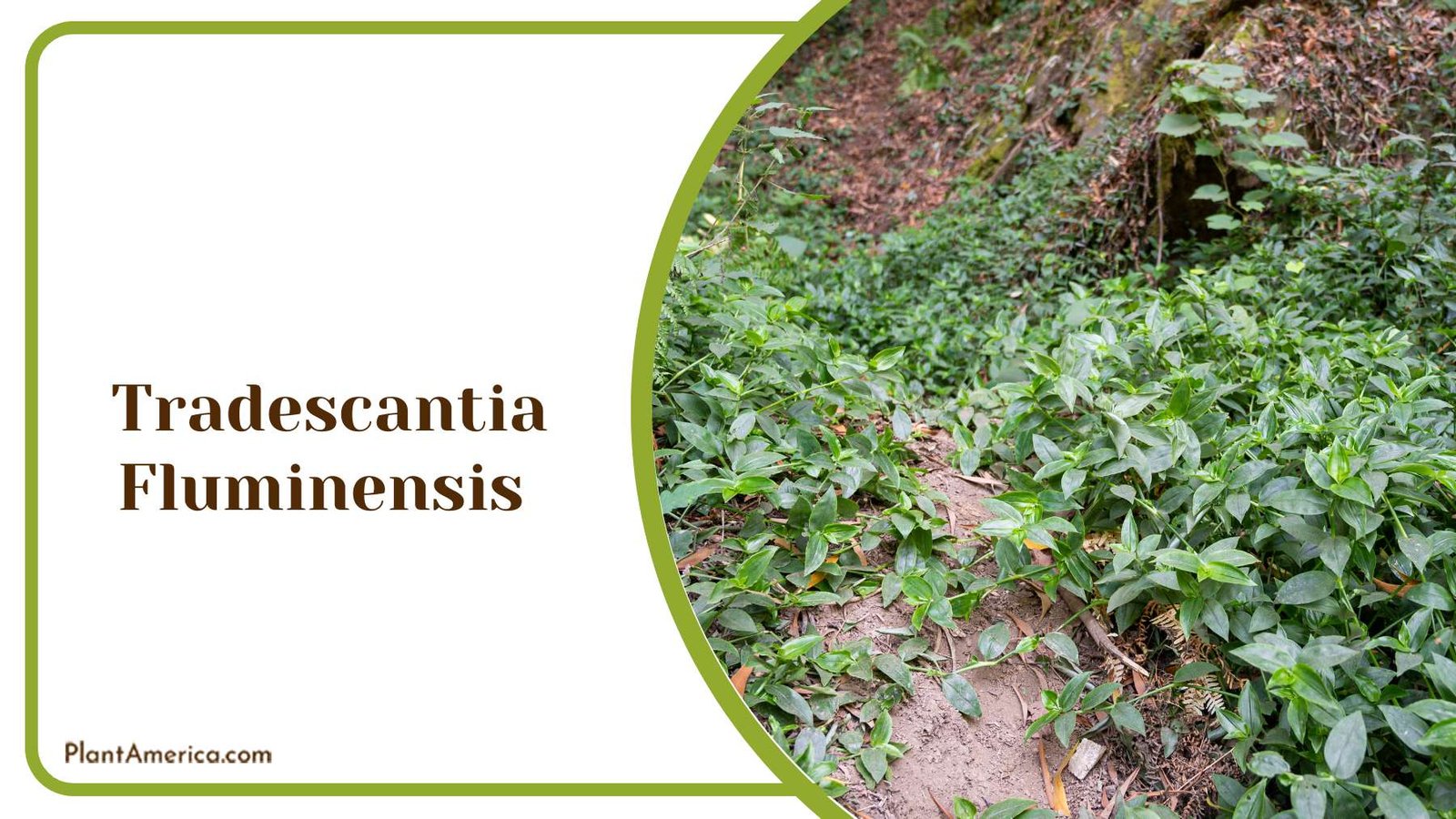
Watering should be done when the top few inches of soil are dry, and mist the foliage frequently to increase humidity levels. Optimal temperatures range between 65 to 75 degrees Fahrenheit. Fertilize this wandering jew variety with a balanced liquid fertilizer every four to six weeks while it’s actively growing. Prune as needed to maintain its trailing shape and propagate via stem cuttings for more plants.
This plant’s purple leaf coloring and trailing stems make it susceptible to spider mites and mealybugs. Check plants for tiny pests and clusters of white, fluffy insects. Isolate infected specimens and spray them with soapy water to control infestations.
With proper care, tradescantia fluminensis make lovely hanging baskets or tabletop trees. Their weeping stems can grow up to three feet long, trailing over the edges and filling your space with their unique colors. The lavender hues and delicate leaves truly elevate any indoor garden.
This variety is perfect for adding exotic botanical charm to living spaces without much effort. Simply provide the right light and humidity, water when the soil surface dries slightly, and snip off stems to fill plant varieties with fresh new growth. Tradescantia fluminensis’ variegated foliage and easy-going nature make it a valuable addition to any wandering jew collection.
3. Tradescantia Pallida
- Growing Season: Spring, Fall.
- Leaf Type: Oval, Purple with green veins.
- Specific Needs: Indirect light, Moist soil.
- Common Pests: Spider mites, Mealybugs.
Tradescantia pallida features oval leaves painted in rich shades of burgundy with green veins running through them. The stems grow long and trail gracefully over the pot’s edges.
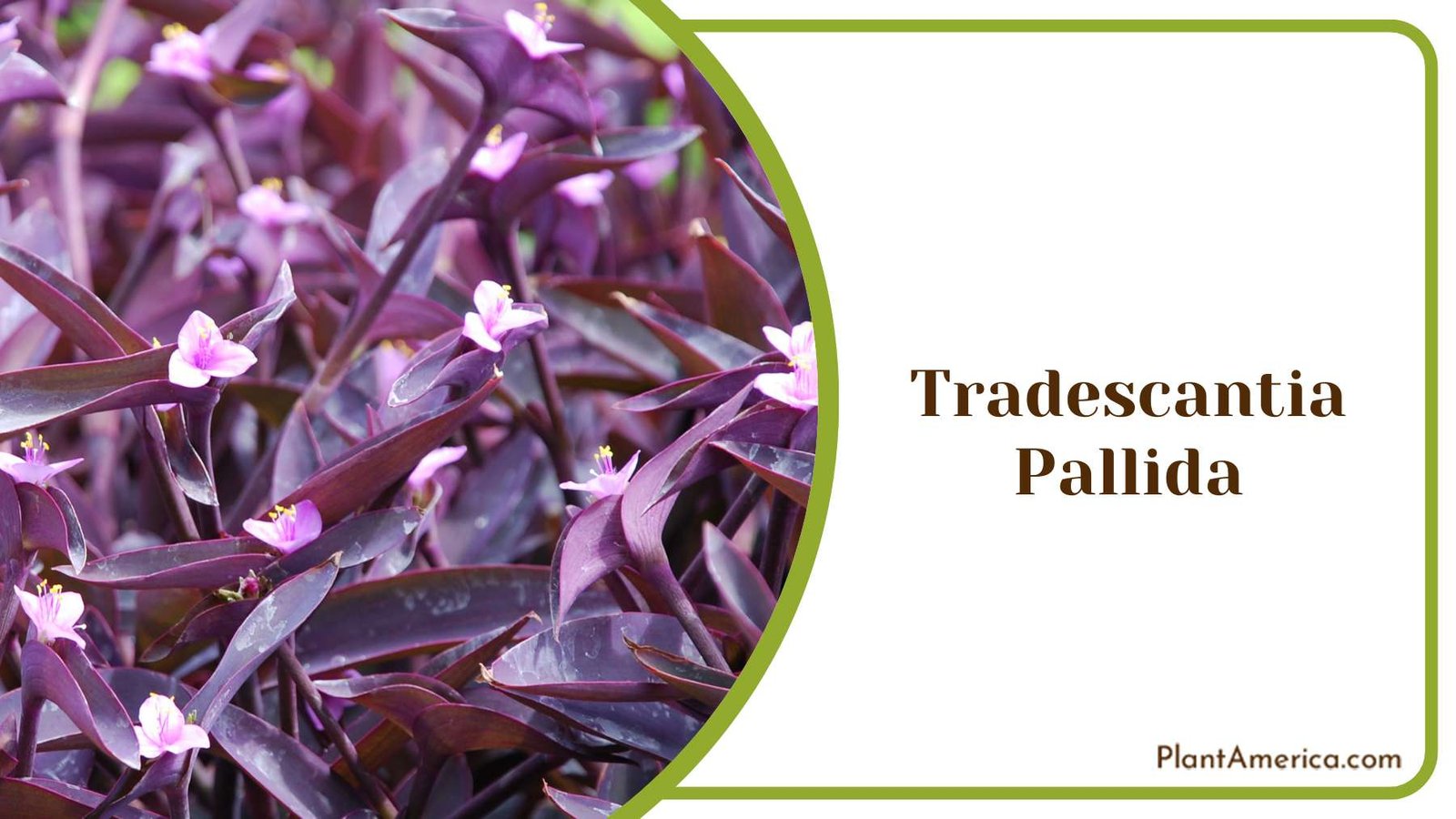
Purple heart thrives in medium to bright indirect light, which helps maintain its intense purple color. Watering should be done when the top one to two inches of soil dries out, and mist the foliage regularly. Maintain temperatures between 60 to 80 degrees Fahrenheit.
Fertilize this wandering jew plant every four to six weeks during its active growing season. Prune as needed to control size and shape, and propagate via stem cuttings to grow more plants!
Spider mites and mealybugs favor new growth on purple hearts, climbing on new leaves to feed. Check the undersides of leaves for tiny webbing or white, cottony insects. Isolate infested plants and spray them with a mix of water, dish soap, and oil to control the pests.
With proper care, tradescantia pallida make beautiful tabletop trees or ground covers. Soft burgundy leaves create an inviting backdrop against light-colored walls. Simply provide indirect light, keep the soil evenly moist, and snip stems to encourage dense new growth.
Purple hearts’ dramatic purple leaves and long flowing stems add exotic botanical charm to any indoor space. Regularly misting its leaves will help keep the brilliant purple color saturation. In addition, closely watching for pests will ensure this striking variety thrives for seasons. Snipping stem cuttings is a simple way to propagate new spreading clusters of purple hearts, allowing you to fill more nooks and crannies with its natural beauty and unique purple leaf plant varieties.
4. Tradescantia Albiflora
- Growing Season: Spring, Fall.
- Leaf Type: Linear, White underneath.
- Specific Needs: Indirect bright light, Moist soil.
- Common Pests: Spider mites, Mealybugs.
Tradescantia albiflora features small, light green leaves that are white underneath, giving it a two-toned appearance. The stems are slender and trail gracefully over the pot’s edges. Provide tradescantia albiflora with indirect, bright light to keep the leaves’ white undersides from fading. Water the plant when the top few inches of soil are dry, and mist the foliage regularly to boost humidity.

Feed this wandering jew with a balanced liquid fertilizer every four to six weeks while it’s actively growing. Prune stems to control the shape and propagate more plants through cuttings. Spider mites and mealybugs favor the new growth and moist crevices on tradescantia albiflora plants. Inspect leaves’ undersides carefully for signs of webbing or tiny white insects.
Isolate infested plants and spray leaves with soapy water. With proper care, tradescantia albiflora makes lovely tables or hanging bask centerpieces. Its delicate, lacy appearance and two-tone green and white leaves create an airy feel.
Regularly check for pests, snip stems to encourage growth, and move the plant to a brighter spot if the leaves lose their white hue. You’ll be rewarded with a graceful flowing specimen that complements modern and traditional interiors. Tradescantia albiflora’s naturally weeping form and unique coloring bring an enchanting sense of liveliness to any indoor space. Its lacy leaves resemble delicate spiderwebs floating gently in the breeze, scattering light around it.
By providing the ideal growing conditions for this wandering jew variety, you’ll enjoy its ethereal beauty for years with minimal effort. Prune for good shape, propagate cuttings, watch for pests, and boost humidity and light levels as needed to maintain tradescantia albiflora’s natural splendor.
5. Tradescantia Nanouk
- Growing Season: Spring, Fall.
- Leaf Type: Oval to round, White stripes.
- Specific Needs: Indirect light, Moist soil.
- Common Pests: Spider mites, Mealybugs.
Tradescantia nanouk features oblong leaves with a unique webbed pattern and silver variegation running through lime-green foliage. The stems grow long and trail gracefully. Provide tradescantia nanouk with medium to bright indirect light to keep the leaves’ variegation from fading.

Feed this wandering jew variety with a balanced liquid fertilizer every four to six weeks while actively growing and prune stems to shape and propagate more plants through cuttings. Spider mites and mealybugs favor the new growth and moist crevices on tradescantia nanouk. Check the undersides for tiny webbing or white insects. Isolate infested plants and spray leaves with soapy water.
With proper care, tradescantia nanouk makes an eye-catching table or hanging basket plant. Its silver variegation and web-like leaf patterns create an artistic appeal. Regularly check for pests, snip stems to encourage growth, and move the plant to a brighter spot if the variegation fades.
Tradescantia nanouk’s white and green contrast makes it stand out among other varieties of wandering jew. The oblong leaves feature prominent indentations along with the variegated silver stripes, giving this plant a unique appearance. By providing the ideal conditions for growth, tradescantia nanouk’s dramatic foliage can bring an artistic touch to your indoor setting.
Regularly misting the leaves and pruning stems will help encourage dense growth and keep the leaves’ variegation vivid for seasons. This striking succulent will become a favorite conversation piece and source of natural beauty in any home or office space.
6. Tradescantia Virginiana
- Growing Season: Spring, Fall.
- Leaf Type: Oblong, Deep green.
- Specific Needs: Indirect light, Moist soil.
- Common Pests: Spider mites, Mealybugs.
Tradescantia virginiana features long oblong leaves that are deep green in color. The stems are slender and tend to sprawl, forming dense mats. Provide bright indirect light to encourage lush growth and keep the leaves’ deep green color vibrant. Water when the top inch of soil is dry and mist the foliage regularly to boost humidity.

Feed tradescantia virginiana with a balanced, water-soluble fertilizer every four to six weeks from spring and summer. Prune stems as needed to control size and shape. Propagate through stem cuttings by placing stems in water to root.
Tradescantia virginiana’s dense growth makes it appealing to spider mites and mealybugs. Check leaves regularly for small webs or fluffy white insects, especially new growth. Isolate infested plants and spray the leaves thoroughly with a mixture of water, oil, and mild dish soap.
With proper care, tradescantia virginiana can thrive for years, spreading to form a dense groundcover. Regularly check beneath leaves for signs of pests, and prune the stems occasionally to promote bushiness and propagate additional plants. Keep the soil evenly moist and place in a sunny window to best display the plant’s lush deep green leaves.
Tradescantia virginiana’s natural tendency to spill over container edges and spread makes it perfect for cascading down walls or spilling out of hanging baskets. With just the right amount of humidity and light, this uncommon variety will reward you with abundant wavy green foliage for years to come.
7. White Velvet
- Growing Season: Spring, Fall.
- Leaf Type: Oblong, Silver-white color.
- Specific Needs: Indirect light, Moist soil.
- Common Pests: Spider mites, Mealybugs.
White Velvet features oblong leaves painted a frosted silver-white color. The stems are upright at first before trailing over the edges of the pot. Provide bright indirect light to encourage compact growth and maintain the leaves’ unique coloring. Pruning isn’t necessary but can be done to control size and shape. Propagate through stem cuttings placed in water.
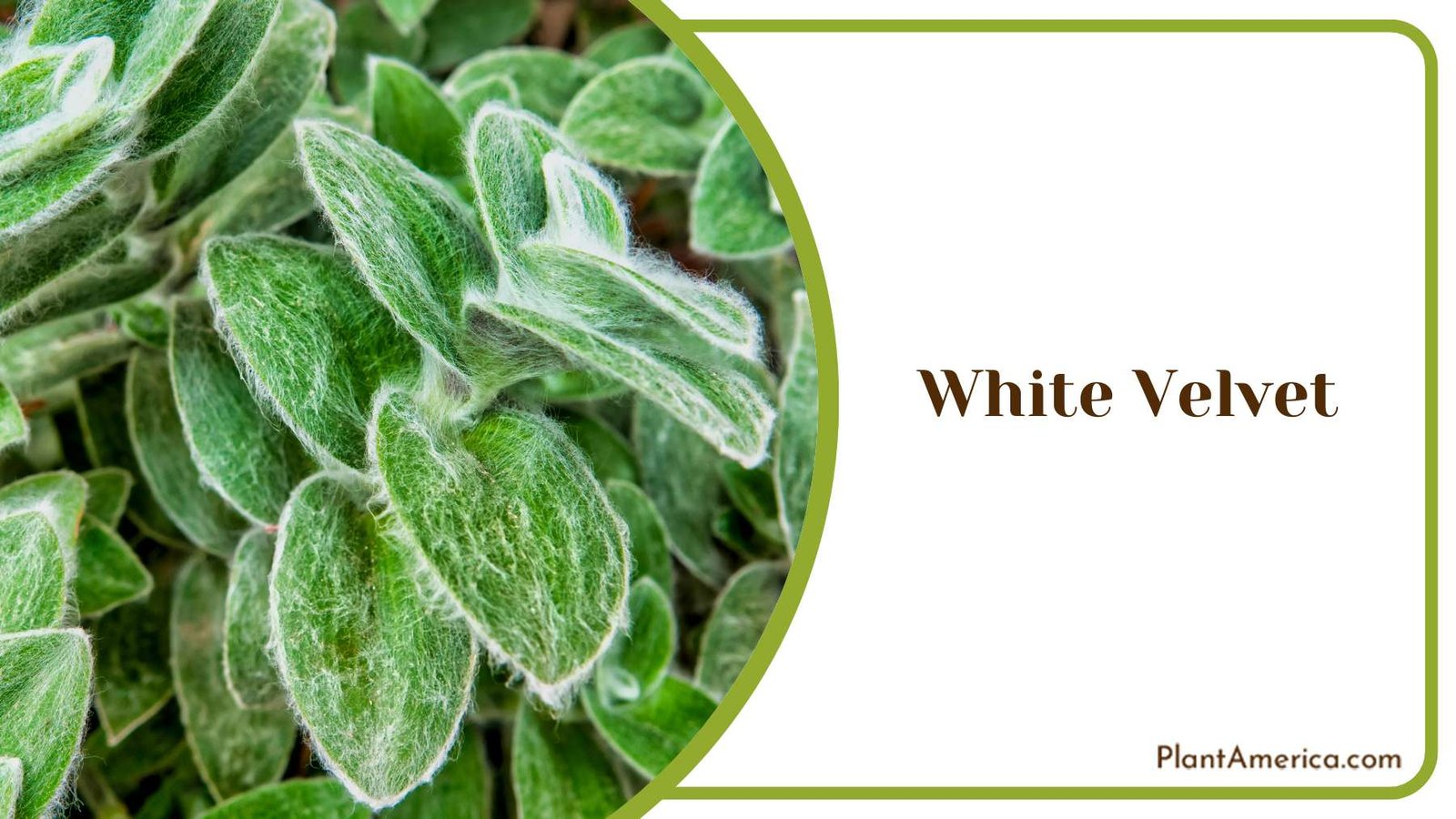
White Velvet’s dense foliage and moist environments make it appealing to common pests like spider mites and mealybugs. Check leaves regularly for small webs or white, cottony insects. Isolate infested plants and spray the leaves with a mix of water, dish soap, and oil.
With proper care, White Velvet can thrive indefinitely, filling containers with frosted foliage. Regularly check beneath leaves for signs of pests, prune stems as needed, and provide consistent moisture and light to maintain the plant’s silvery leaves.
White Velvet’s eye-catching coloring and compact form make it a standout addition to any indoor succulent collection. The silver-painted leaves appear ghostly and ethereal as if dusted with icy moonlight.
Frequent pruning can keep White Velvet’s dense growth in check while encouraging uniform leaves coated in their frosted white coloring. Providing ample humidity through leaf misting and frequent watering will help the plant thrive while retaining its enchanting silver foliage.
Watch for signs of pests like mealybugs and spider mites, taking swift action before infestations spread. With just the right conditions and care, this beautiful wandering jew variety can fill your space for years with its winter wonderland vibe through its silver-frosted foliage — an oasis of calm in an otherwise colorful world.
8. Red Gem
- Growing Season: Spring, Fall.
- Leaf Type: Oblong to narrowly oval, Red undersides.
- Specific Needs: Indirect bright light, Moist soil.
- Common Pests: Spider mites, Mealybugs.
Red Gem features oblong to narrowly oval leaves that are green on top and glowing ruby-red underneath. The stems trail gracefully, allowing the plant to spill over edges. Provide Red Gem with medium to bright indirect sunlight to intensify the leaves’ red undersides. Water when the top inch of soil is dry and mist the foliage regularly to boost humidity. Prune trailing stems to control size and propagate new plants from cuttings.
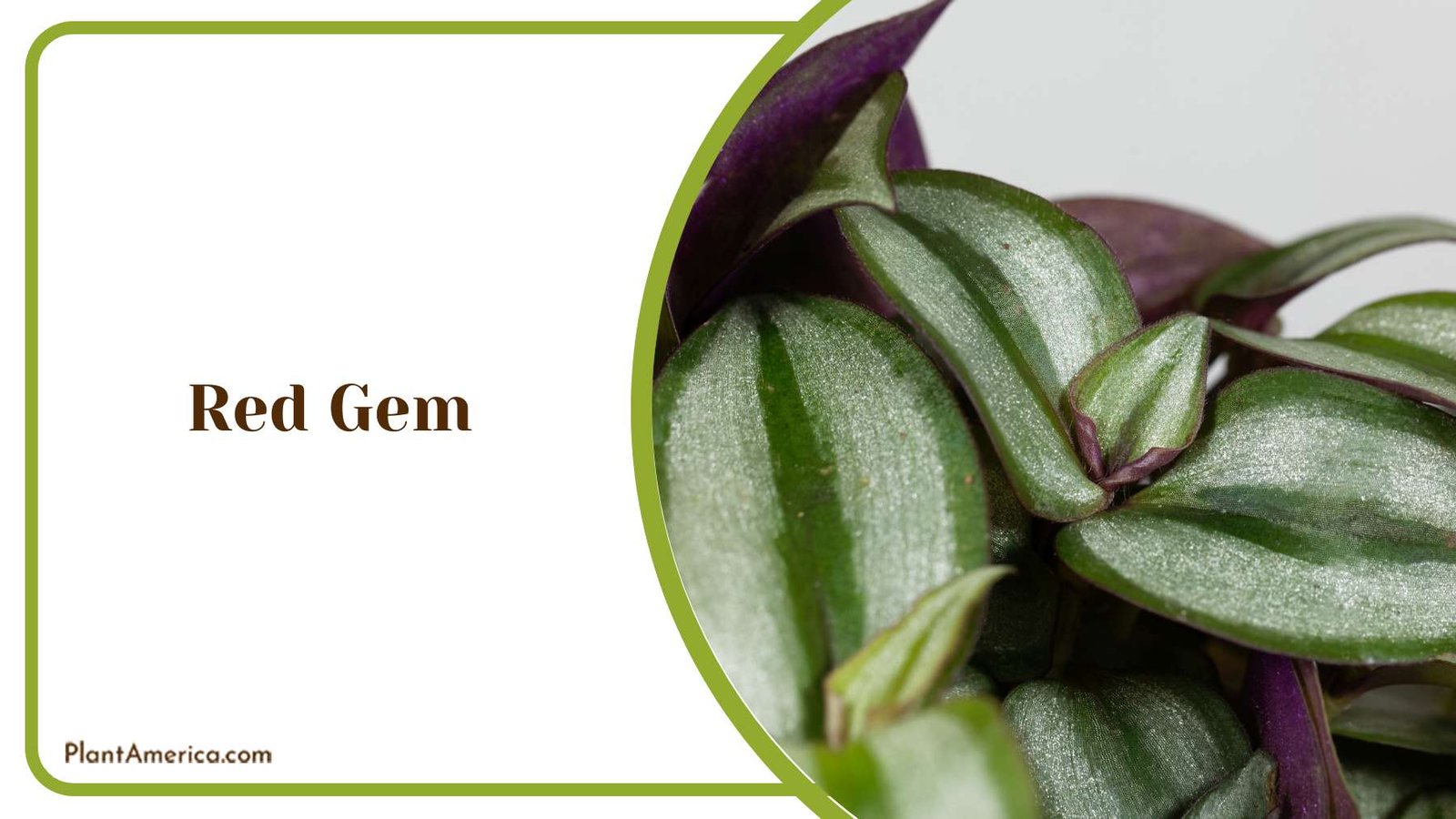
Spider mites and mealybugs favor Red Gem’s moist environments and tight leaf axils. Check leaves regularly for webbing or tiny white insects. Isolate infested plants and spray leaves with a mixture of water, dish soap, and oil.
With proper care, Red Gem can thrive indefinitely, producing long trailing stems with ruby foliage. Regularly check for signs of pests beneath leaves, snip stems to shape the plant, and propagate new plants for more specimens to enjoy. Red Gem’s dramatic red undersides will shine brightest when provided with ample humidity and indirect light without harsh sun exposure.
The vivid contrast between the deep red underneath and the light green top side elevates this cheerful wandering jew beyond a mere houseplant into a captivating work of living art. Regularly prune trailing stems to control shape and size while encouraging dense new growth. Place Red Gem in a bright, indirectly lit area and rotate the pot periodically to ensure even exposure.
Be vigilant for signs of pests like mealybugs and spider mites, taking quick action to isolate and treat infested plants. Regularly mist the leaves to boost humidity and support the most vibrant coloration.
9. Tradescantia Spathacea
- Growing Season: Summer.
- Leaf Type: Linear, Lanceolate.
- Specific Needs: Part Shade, Tolerates Neglect.
- Common Pests: No Significant Pests.
While some wandering jew varieties demand high care and specific environments to thrive, the Tradescantia spathacea easily shrugs off neglect while still delivering stunning good looks. Drooping stems lined with linear lance-shaped grayish-green leaves spill from pots and trail elegantly over walls all summer.
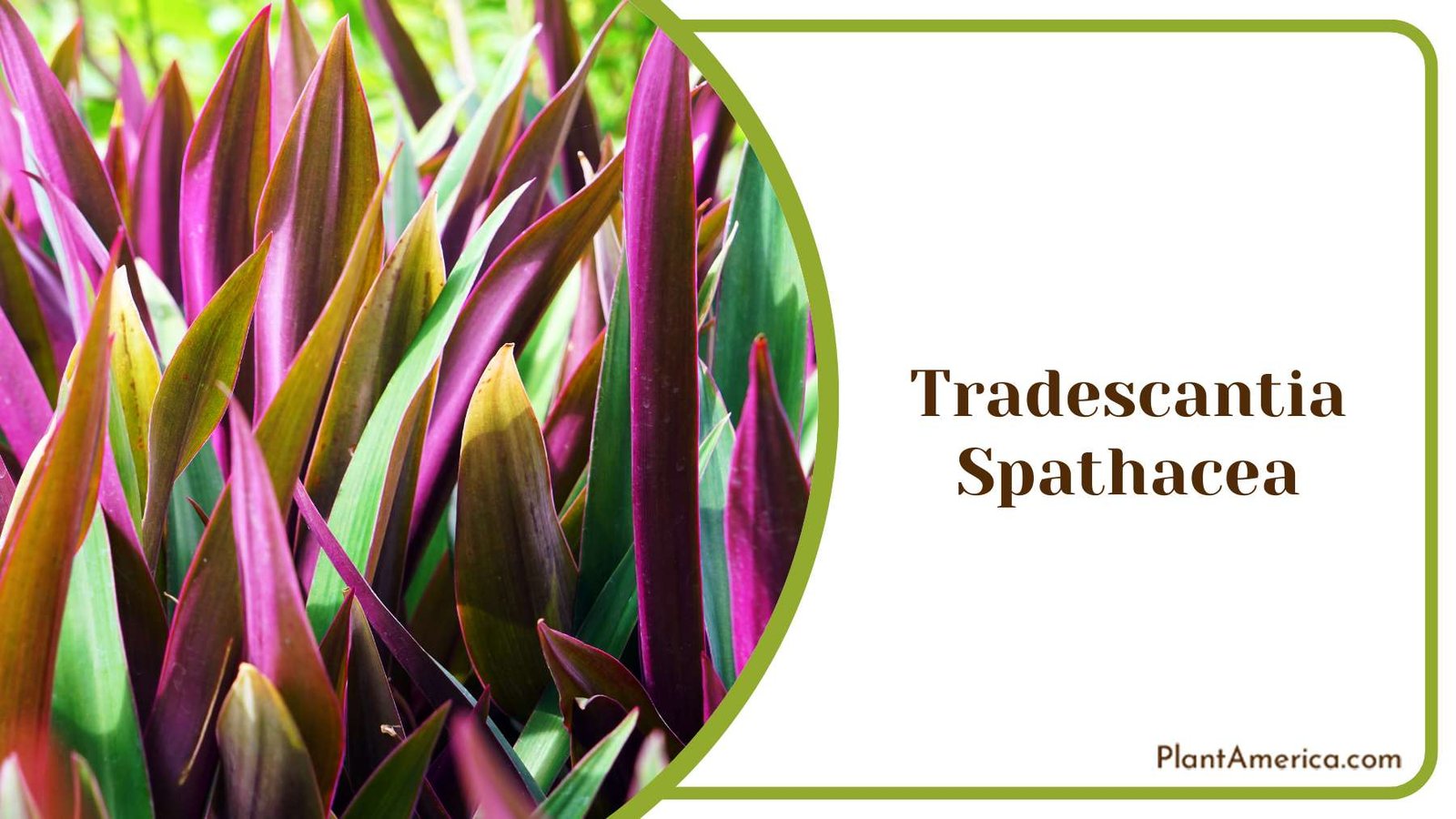
This easy-care climbing plant excels in part shade, using filtered light to grow lush and full. The Tradescantia spathacea can also take on more sun but requires a bit more water to prevent leaf scorch. Indoors, it will adapt to nearly any amount of light your home receives.
Come fall, the Tradescantia spathacea puts on a brief floral show, exploding in tiny white flowers that open flat for only a single day before fading. This produces a “rain” of petals, which highlights the plant’s common name, boat lily.
The Tradescantia spathacea has proven to be one of the most durable wandering jew varieties, tolerating mild neglect, which makes it perfect for beginners. It requires nothing more than regular irrigation during active growth periods and an occasional trim to restrain overly floppy stems.
While most wandering Jews are prone to issues like powdery mildew and spider mites, the Tradescantia spathacea remains remarkably pest-resistant. Occasional spider mite infestations can be managed with neem oil but rarely become problematic.
If you seek an undemanding, persistent plant to bring carefree greenery to your home, the Tradescantia spathacea fits the bill. Its attractive linear leaves and petite blooms that fall like snow bring quiet visual delight for years. Once you welcome the Tradescantia spathacea into your collection of wandering jew varieties, you’ll wonder how you gardened without it.
10. Tradescantia Longipes
- Growing Season: Spring, Summer.
- Leaf Type: Lanceolate, pointed leaves.
- Specific Needs: Bright indirect light, Well-draining soil.
- Common Pests: Aphids, Spider mites.
This wandering jew variety is a true gem for any collector. Its lanceolate, pointed leaves add an elegant touch to any indoor garden. When it comes to the growing season, this beauty thrives during spring and summer, soaking up the warmth and basking in the vibrant energy of the season.

Tradescantia Longipes has a few specific needs to ensure the best growth and vitality. It craves bright indirect light, so placing it near a window to enjoy filtered sunlight is ideal. This variety of wandering jew appreciates the gentle caress of sunlight but should be protected from direct exposure, as it can scorch the delicate leaves.
In terms of soil, Tradescantia Longipes prefers a well-draining medium. Its roots like to stay slightly drier, so a mix of potting soil, perlite, and peat moss works wonders. This combination allows excess water to flow easily, preventing waterlogging and root rot. Remember to water the plant thoroughly, but allow the top inch of soil to dry out before the next watering session.
As with any plant, pests can sometimes pose a challenge. For Tradescantia Longipes, watch for common pests such as aphids and spider mites. Regularly inspecting the leaves and taking appropriate measures, such as gentle wiping with a damp cloth or using organic pest control methods, will help keep these unwelcome visitors at bay.
So, if you want to expand your collection with a graceful and vibrant addition, Tradescantia Longipes is a must-have. Its delicate leaves and specific care requirements make it a captivating choice that will surely impress any plant enthusiast.
Conclusion
Ultimately, any of the ten wandering jew varieties would make a welcome addition to your indoor garden, so below are the main attributes to consider when choosing your new specimen:
- Wandering Jew varieties with dramatic leaf coloring like Red Gem and ‘White Velvet will stand out the most.
- The textured foliage of Nanouk creates a distinct artistic appeal.
- Tradescantia Longipes is valued for its elegant lanceolate leaves and graceful presence.
- Upright varieties like Albiflora are ideal for small spaces, while trailed varieties spill over containers.
A collection of wandering Jews is a wise investment that will furnish years of enjoyment. Their low-fuss nature suits busy lifestyles, and their ability to prosper with neglect makes them ideal for novice botanists, too. Consider expanding a plant family to include these remarkable trailing treasures for a constant bounty of natural beauty that asks little in return.