
Brown tips on maidenhair fern of the Pteridaceae family can tell you that the growing conditions of your ferns are unsuitable for the plants. In simple words, there is something wrong with the care you are taking of your plant.

Thankfully, the brown tips in the fern fronds are easy to fix. Continue reading this article to learn how to keep your ferns green and fresh.
Why Are There Brown Tips on Maidenhair Ferns?
There are brown tips on maidenhair ferns because of unsuitable growing conditions such as humidity and temperature and bad cultural practices such as watering and fertilizing. Pest attacks and other factors can also cause brown tips on ferns, so you have a lot of things to consider.
– The Soil Is Dry
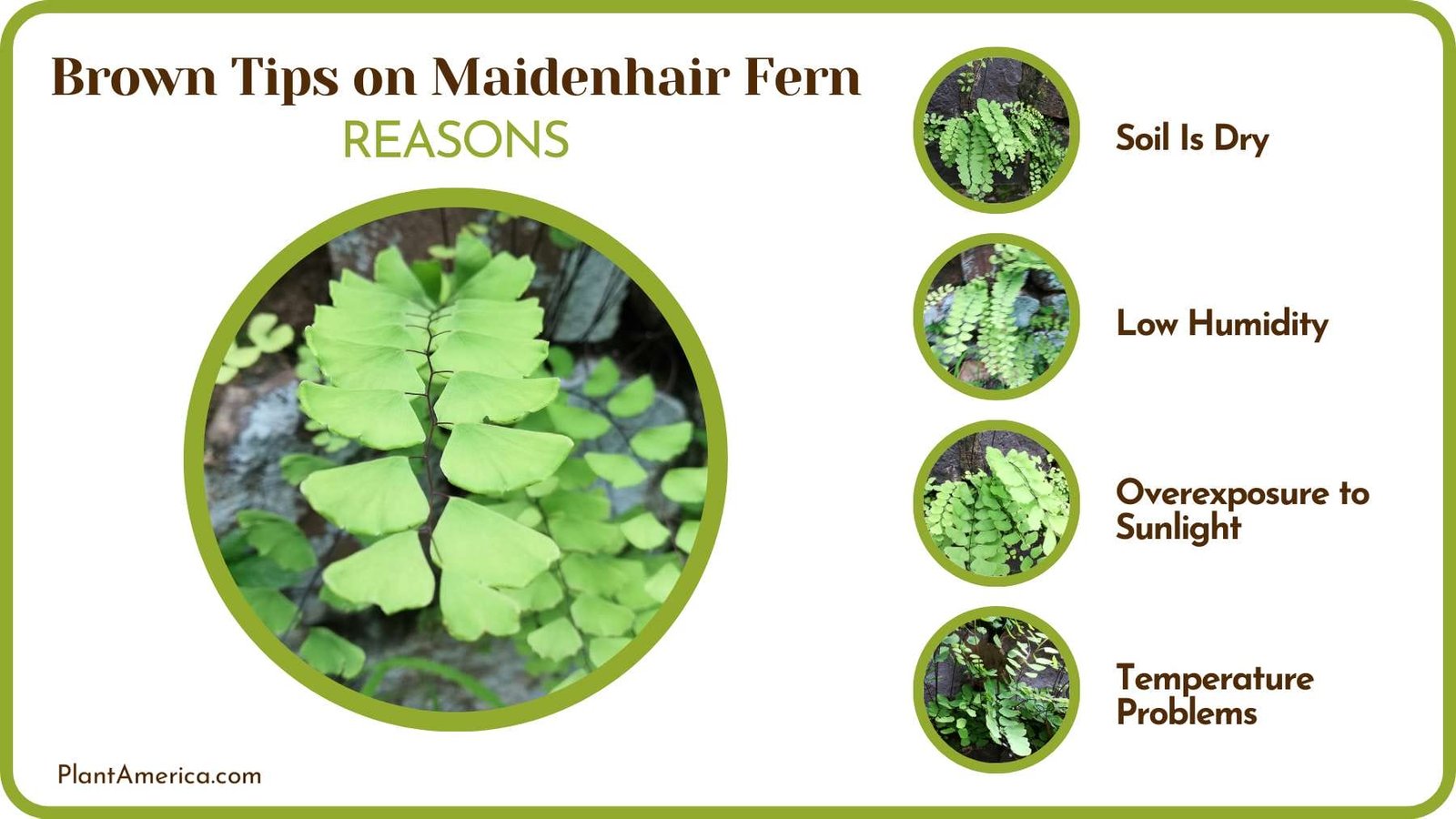
A maidenhair fern will look very dry and have brown tips when the soil is very dry. These ferns love growing in moist places, so growing them somewhere else will be harmful to them. As for the case of dry soil, you will notice that each frond tip is getting dry when the soil is dry.
You will also notice a color change. The ferns will turn paler until they start turning yellow or brown. This is when it might be too late to save them, as plants with almost every leaf turning pale to brown might be too late to save. You have to act quickly.
How often do you water the ferns? Is the soil too loose for plants? If you feel that the dryness of the soil is responsible for the brown fern tips, you have to check and confirm.
– Very Low Humidity
Another problem that surely leads to brown tips in a maidenhair fern is very low humidity. When the humidity is very low, your fern fronds start drying out from the edges. This will make them look brown, especially in their edges and tips. Recall that ferns love a moist environment. This means that the average humidity that ferns require will surely be above the average.

Does your skin feel dry whenever you are outside or close to the ferns? Does the soil surface dry out very quickly while the soil below still contains a lot of moisture? If you answered yes to both questions, the humidity is simply too dry for ferns. Thankfully, humidity problems are quite easy to fix for plants.
– Overexposure to Sunlight
Every plant needs sunlight or a constant source of light to grow. They rely on light for photosynthesis, so ensure that they get enough sunlight. However, if you expose them to a lot of light exposure, especially direct sunlight, you may be harming them, as too much of everything is bad. Ferns overexposed to too much sunlight will get brown spots and tips in their leaves.
When the light exposure is too much, it makes the cells in fern fronds work twice as hard as they usually would. Some need to convert the light to energy while others have to open the frond stomata for the dispersal of water. This can lead to some cells dying quickly. When cells in a specific part of the frond die, that region turns brown.
– Temperature Problems
You might be seeing a pattern with maidenhair ferns already. They love a moist environment (considering both soil and atmospheric). This means that they’d also love a considerably cool environment. Temperature controls almost every process of growth occurring in ferns and other plants. Therefore, growing your ferns in unsuitable temperatures might lead to their death.
When the temperature becomes unsuitable, you may first notice slower growth for the plants. After this, the plants become extra weak and their fronds start to pale out. When the fronds start turning yellow or brown, it just might be too late to save your ferns. Therefore, never disregard your fern temperature requirements.
– Soil Quality
Aside from the dryness of the soil, there are so many qualities in the soil to check for your maidenhair ferns. For example, you can check factors such as nutrition, pH, compactness, type, etc. Ferns love a considerably nutrient-rich soil and not one that is excessively nutrient-rich or poor. They also love slightly loose soil that can retain moisture.

As you can see, you can find the exact problem of your ferns by considering all the soil qualities, and checking if they match the fern requirements. If you cannot check your soil quality by yourself, collect some soil and send it to a lab or extension office so that they can analyze it on your behalf.
– Aging of the Leaves
The truth is that there are so many reasons why your ferns might have brown tips. For example, a very old fern dying will start having brown fronds. The brown-colored parts usually start appearing on the edges of the fronds. Therefore, consider if your ferns are old and their health is now weak.
Since when have you been growing the specific fern with brown tips? If you have been growing your ferns for over five years, there is a high chance that they are brown because of their health. Also, note that even if a fern is still young, age also applies to each frond. Therefore, when a frond is very old, it turns brown.
– Pest Attack
Pests are killers. Therefore, your fern tips may be turning brown because of a specific pest attack. For example, if an insect slightly eats the tip of a plant, the surrounding parts of the bite marks on the fronds will turn brown and dry. It just could be that the brown tips are caused by pests, so you have to check. Check for pests, especially insects, around your ferns.

Other types of pests that can attack your ferns and give them brown tips are microbial pests. However, these pests do not just cause brown spots to appear on the fronds tips, they make brown or discolored spots appear everywhere in the frond. The spots usually start as yellow before they turn brown.
How to Fix Brown Tips on Your Maidenhairs
To fix brown tips on your maidenhairs, start by growing the ferns in a suitable environment. After that, water and feed the ferns properly so that they can continue growing. Ensure that you get rid of pests and then prune the ferns afterward.

– Water Your Ferns Properly
The first thing to do when you notice that your ferns have brown tips or fronds is to change your cultural practices. One cultural practice worth changing is how often you water the ferns. Fern plant care involves watering the plants as often as you can, as they love moist soil.
So long as the soil is not compacted and excess water can easily drain out, water your ferns often. If the soil is compacted and you can see water staying on the soil, wait until the soil is half dry before watering the ferns again. However, you may need to amend the soil so that can become suitable for your ferns.
– Fertilize the Ferns
Although ferns can grow with very little nutrients in the soil, you have to fertilize them often so that they can continue growing. They also need nutrients to maintain the beautiful colors of their fronds so that they don’t turn brown. You can fertilize your plants by going to a nearby gardening store and collecting any fern-specific fertilizer.
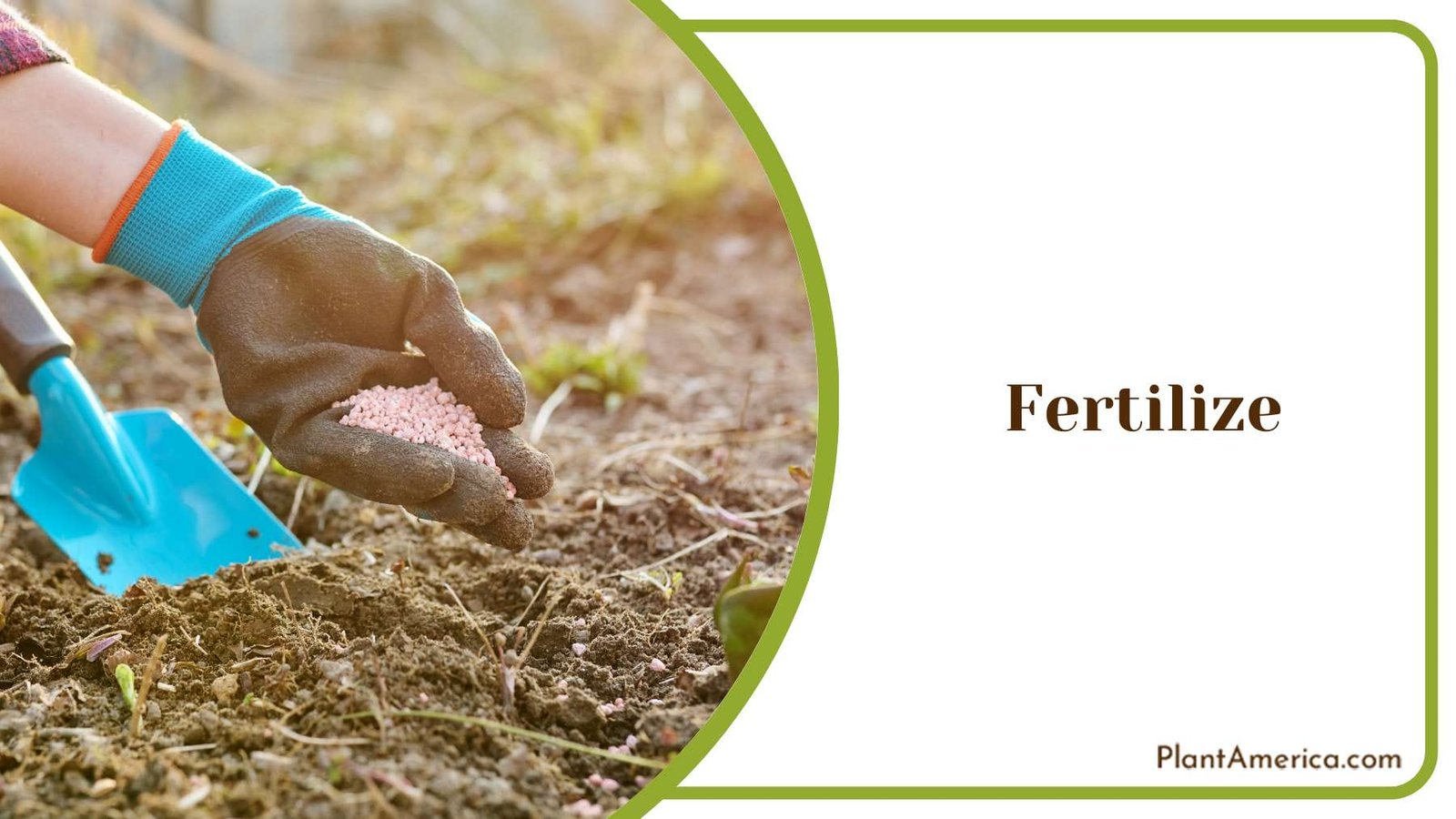
Though you can use any type of fertilizer for the ferns, go for products made specifically for ferns. These are the most suitable. Follow the instructions that came with the products and ensure that you fertilize your ferns as often as is indicated on the product. Fertilize them at least once monthly, especially when they previously had a nutrient deficiency.
– Grow the Ferns in the Right Environment
You have to check the growing conditions of your ferns, especially if you see that one has brown spots or tips. When ferns turn brown, remember that the growing conditions are most likely the cause. Therefore, ensure that your ferns are growing well in the right temperatures, humidity, and other factors. Also, consider the USDA hardiness zone requirements of your ferns.
When you grow your ferns in the right region or zone, you don’t have to worry about temperature and humidity, as you are already growing the plants in the right zone. Maidenhairs love zones 3-11. If you are living in other zones, consider growing other types of ferns or growing your maidenhairs in controlled environments.
– Correct the Light Exposure
How many hours of sunlight do your ferns receive daily? Check and record for number of hours they receive sunlight in a day. If it is not around six hours, you have to fix it. Ferns grow optimally with six hours of direct sunlight. When the light exposure becomes too much or too little, your ferns will become sick and get brown tips.
If the light exposure is too much, especially when summer comes, install a shade cloth to protect your plants from the hot sun of the afternoon. If the light exposure is too little, remove obstacles blocking the sun. You can also install artificial lights for your ferns. Just ensure that the plants get as much light as they need
– Mist Your Ferns Regularly
This is important when you are growing maidenhairs in an arid region. To keep your ferns well-hydrated, mist their fronds with water droplets as regularly as you can. Doing this will help increase the humidity around your plants. Lift the fronds and mist the area around the base of your ferns as well.

Though misting plants is good, you have to do it at the right time of the day. Misting your ferns in the morning is best so that the excess droplets on the leaves will evaporate in a few hours. Also, don’t mist the fronds until they start dripping water, as it can become harmful to your ferns.
– Repel Pests
You have to repel the pests attacking your ferns if you want them to stay healthy, green, and fresh. Pests will surely leave a mark and you don’t want that to happen, so buy any effective pesticide product to repel the pests. Remember that the product you buy is determined by the type of pests attacking your ferns. For example, buy insecticides for insects.
If you don’t want to use chemical pesticides, you can use natural ways to repel pests. For example, introducing ladybugs into your fern garden will help reduce the population of mites in the garden.
– Prune Your Ferns
After doing everything that you can to save your fern leaves, you may need to prune some of them, especially the ones that have turned brown. This is because when leaves turn brown, they can no longer turn green. To keep your ferns beautiful, prune off the brown ones. Remember that your pruning tools should be very clean so that you don’t introduce harmful microbes to your garden.
Conclusion
Surely, your fern turning brown will be a thing of the past, as you can easily fix it. While you fix your ferns, remember these points from the article:
- Always put the temperature needs of ferns and other plants in check.
- Ensure that your ferns get sufficient light but not too much.
- Brown leaves on your ferns could indicate that you are overwatering them.
- If there are pests around your ferns, remove them.
- After treating your ferns, prune their discolored fronds to keep them beautiful.
Remember to take the maidenhair fern care tips listed in this article very seriously. Happy gardening!