
How to transplant a pineapple plant is easy; you just need to know what to do. Pineapple (Ananas comosus) is a fruit plant with endless benefits, such as vitamin C, manganese, and enzymes, to help aid digestion.
Pineapple planting is your ticket to bringing a touch of the exotic into your garden. In this article, we will elaborate on transforming a pineapple crown into a thriving plant and also reveal some easy tips that will help you a lot.
What Kind of Factors Play an Essential Role in Successful Transplantation?
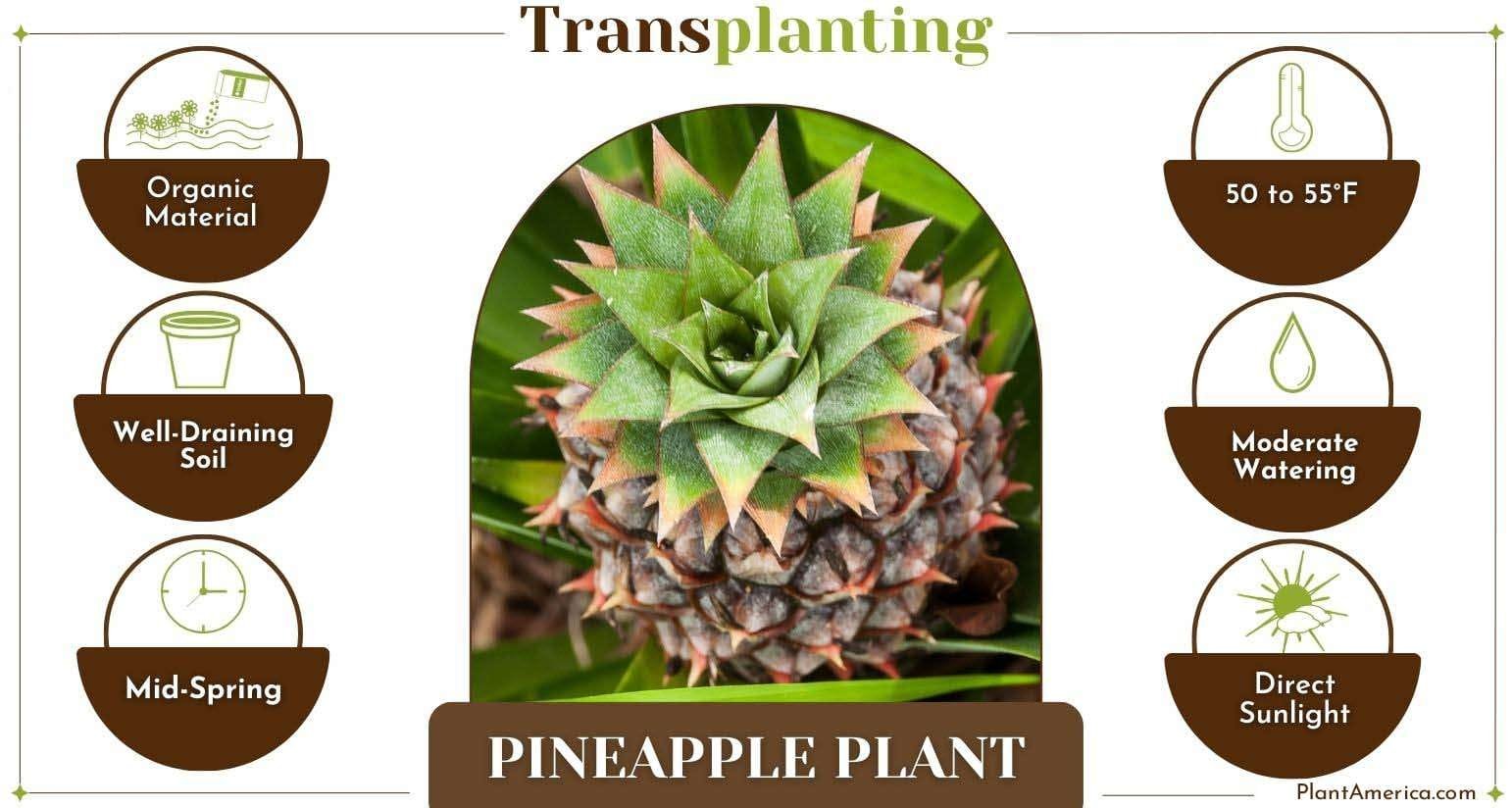
The factors that play an essential role in successful transplantation of a pineapple plant include good timing for transplantation, adequate watering, light and temperature requirements, proper potting techniques, good watering, and, above all, fertilization to provide enough nutrients to ensure the health and survival of the transplanted specimen.
An elaboration of the factors mentioned above is discussed below:
1. Best Time to Transplant
The best time to transplant this plant is during the warmth of mid-spring to provide exceptional growth. During this time, plants are ready to shift into their new homes without taking any stress, and they establish their roots and grow them successfully.
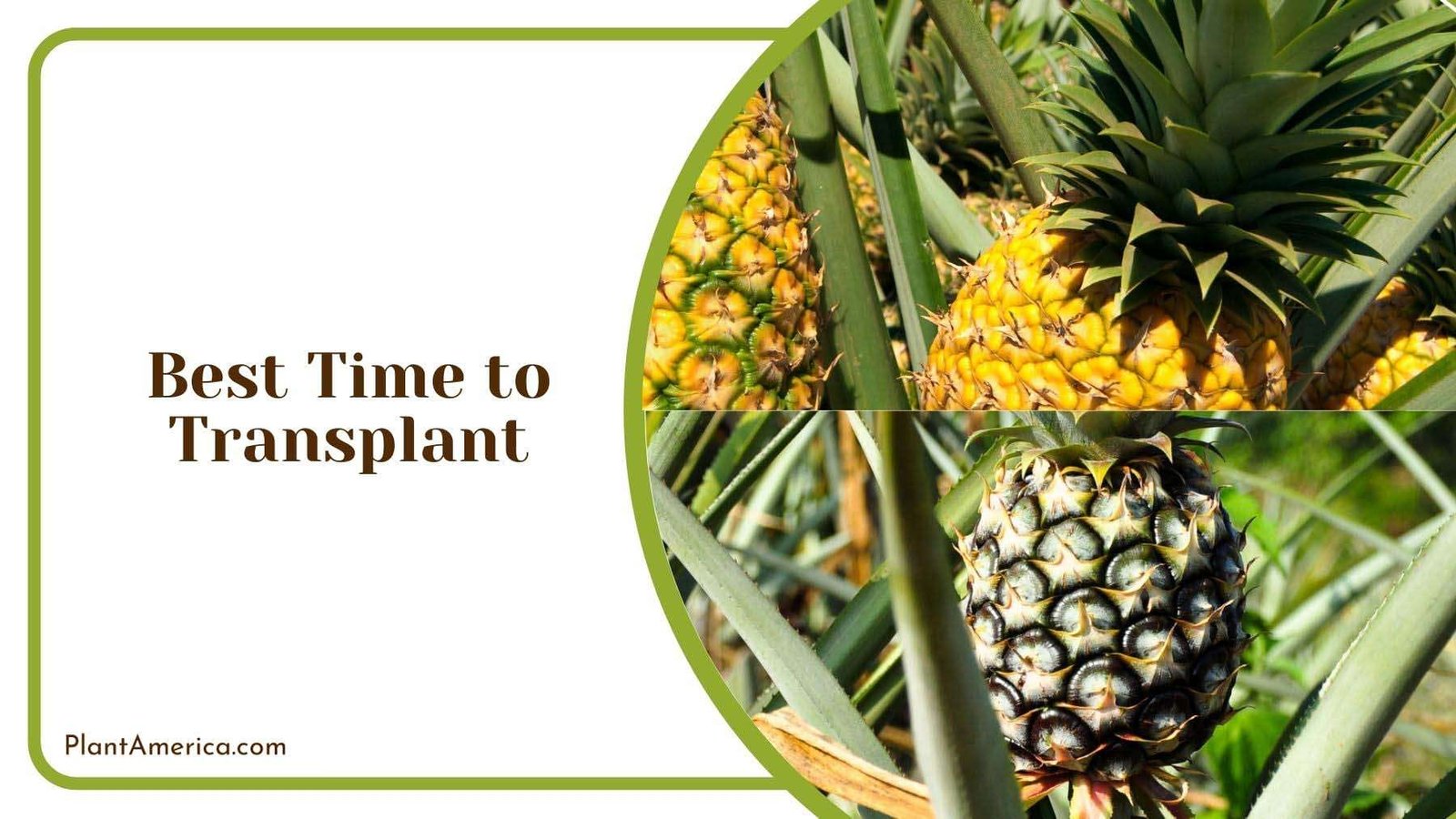
If you missed the spring season, you can transplant your plant in the summer because summer is still suitable for plants. Pineapple contains nutrients and antioxidants that help your body ward off oxidative stress. So, if you want to take full advantage of the pineapple plant, find the ideal time for transplantation.
2. Temperature Requirements
As we mentioned, pineapple trees thrive in sweltering temperatures, and these plants are sensitive to cold temperatures and cannot survive frost. They require a minimum temperature of around 50 degrees Fahrenheit to 55 degrees Fahrenheit for healthy growth.
Temperature below this range can damage the plant’s health, and eventually, they die if left unchecked. If you cannot maintain the required temperature, you should avoid transplanting this fruit tree. However, proper light and well-drained soil plays a vital role in developing pineapple tree.
3. Light Requirements
Pineapple needs a specific light requirement to grow and produce fruit successfully. They want 6 to 8 hours of direct sunlight to thrive and produce healthy fruit. If you are growing pineapple plants indoors, always keep them near the window where they can receive filtered sunlight. If you cannot give them proper light, you can grow lights to supplement natural light, especially in the dark season.

Pineapples grow in sunlight, but sometimes, we must protect them from the harsh sun, especially when plants are too young. If you provide them with a little bit of shade during the hottest part of the day, it would be better for their growth, and this prevents plants from burning on their leaves.
4. Proper Pot
The pineapple tree is a versatile plant that can be grown outdoors and indoors. Planting pineapple trees in a pot is best if you have limited outdoor space or live in a cold winter climate. Pineapple plants can grow in large amounts, so choosing the proper pot for exceptional growth is essential. The pot size should be larger than the ball root for proper growth.
Proper drainage is a vital part of any plant and ensures that your selected pot has a drainage hole and the soil does not become waterlogged. In addition, choose a pot that compliments your indoor and outdoor decor.
5. Watering
Watering is essential for a plant’s life and growth. Pineapple plants require water before and after transplantation. Before transplantation, water helps the plant to remove its current location. After transplantation, water helps plants to adjust to the soil and establish their growth.
So, pineapple plants need enough water immediately after transplanting. A watering can is the best way to give deep water to the plant. But remember, over-watering is unsuitable for plants, so don’t do that. Plant care should be our first priority.
6. Fertilization
Prepare well-draining soil; ideally, mix the sandy loam with compost. Apply a balanced, slow-release fertilizer to grow fruit trees decently. Fertilization is an important thing that ensures healthy growth and fruit production.
Pineapples have specific nutrients that are essential for the human body. So, to maintain those nutrients, a balanced amount of fertilization is essential.
Pineapple plants don’t like high amounts of nitrogen. Excessive amounts of nitrogen can turn their leaves into a yellowing color. Use a low nitrogen content fertilizer, such as the 6-6-6 formula. Always read the instructions on the label before applying fertilizer.
How to Transplant a Pineapple Plant
To transplant a pineapple plant, you will need to address multiple steps such as a perfect spot with well-drained soil, essential tools, soil preparation, digging a suitable hole according to the root ball, keeping the plant inside the hole nicely, and filling it with the discarded soil and sand.
In addition, successful transplantation includes perfect timing, location, regular maintenance, and much more. Get ready to embark on a tropical gardening adventure!
1. Select a Perfect Spot
Before diving into transplantation, you must find the ideal spot where your plant can feel happy and grow well. Pineapple loves the location that receives full sunlight with proper, well-drained soil. Pineapples love sunlight, but they can be sensitive to strong wind. When selecting the right spot for your fruit plant, ensure wind protection, such as a strong wall, which can help them from solid guts.

These are pretty large, and their leaves span several feet. So, they need ample space to grow well. If you are planting multiple plants in one place, 3 to 4 feet distance is essential for each plant; their leaves would collide and can damage the overall plant.
2. Soil Preparation
Pineapple plants love to grow in sandy loam soil because this soil offers good drainage and aeration. Loam soil is a mixture of clay and valuable sand for well-draining. Avoid too heavy soil because it retains too much moisture that can cause root rot, which is dangerous for plants. Always perform a soil test before finalizing it, and the pH of the soil should be around 6.5.
3. Digging
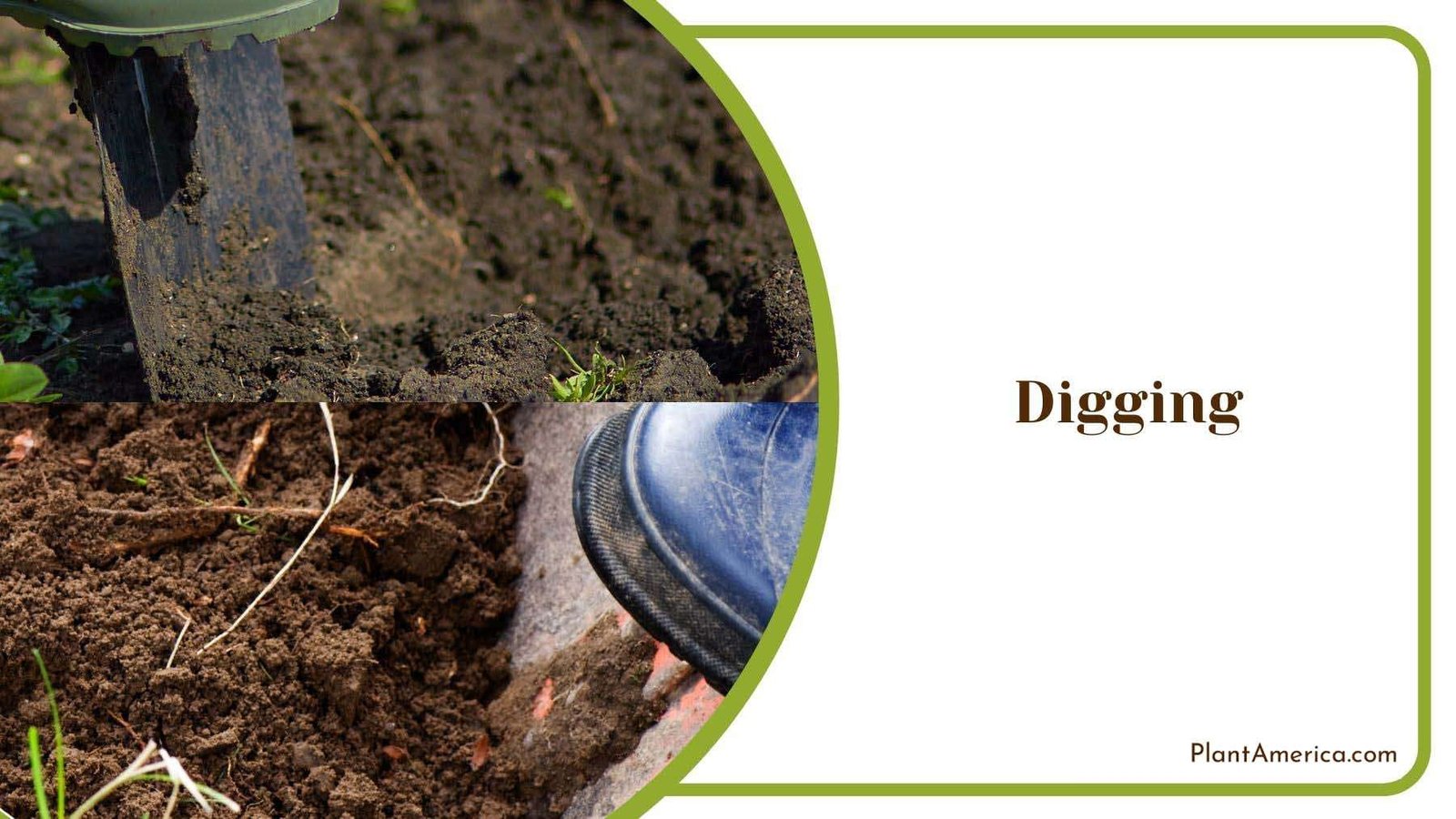
Create a hole in your garden with the help of a shovel. The hole diameter should be larger than the root ball size. Clean the hole from all kinds of weeds and debris because these weeds and debris can cause dangerous diseases for plants. If you are planting y in a pot, always select a suitable pot, which should be a drainage hole.
4. Planting Your Crown
Now, you have prepared your hole or container for the plant. Keep your plant center of the hole nicely. Always hold it with soft hands because they are delicate. Don’t hold them from roots; it ensures that the positioning of the plant should be in the exact center of the hole. Once positioned, backfill the hole with the discarded soil and other organic materials.
5. Mulching Layer
Applying a mulch layer around the base of the plant is essential to protect it from weeds and pests. Before applying the mulch layer, always clean the area from weeds and grass. Apply a mulch layer that is 2 to 4 inches deep.
Mulch retains moisture, controls the temperature of the soil, and keeps it cool. If you notice that mulch has accumulated over time, remove it to prevent excess retention, which can harm plant health.
6. Regular Maintenance
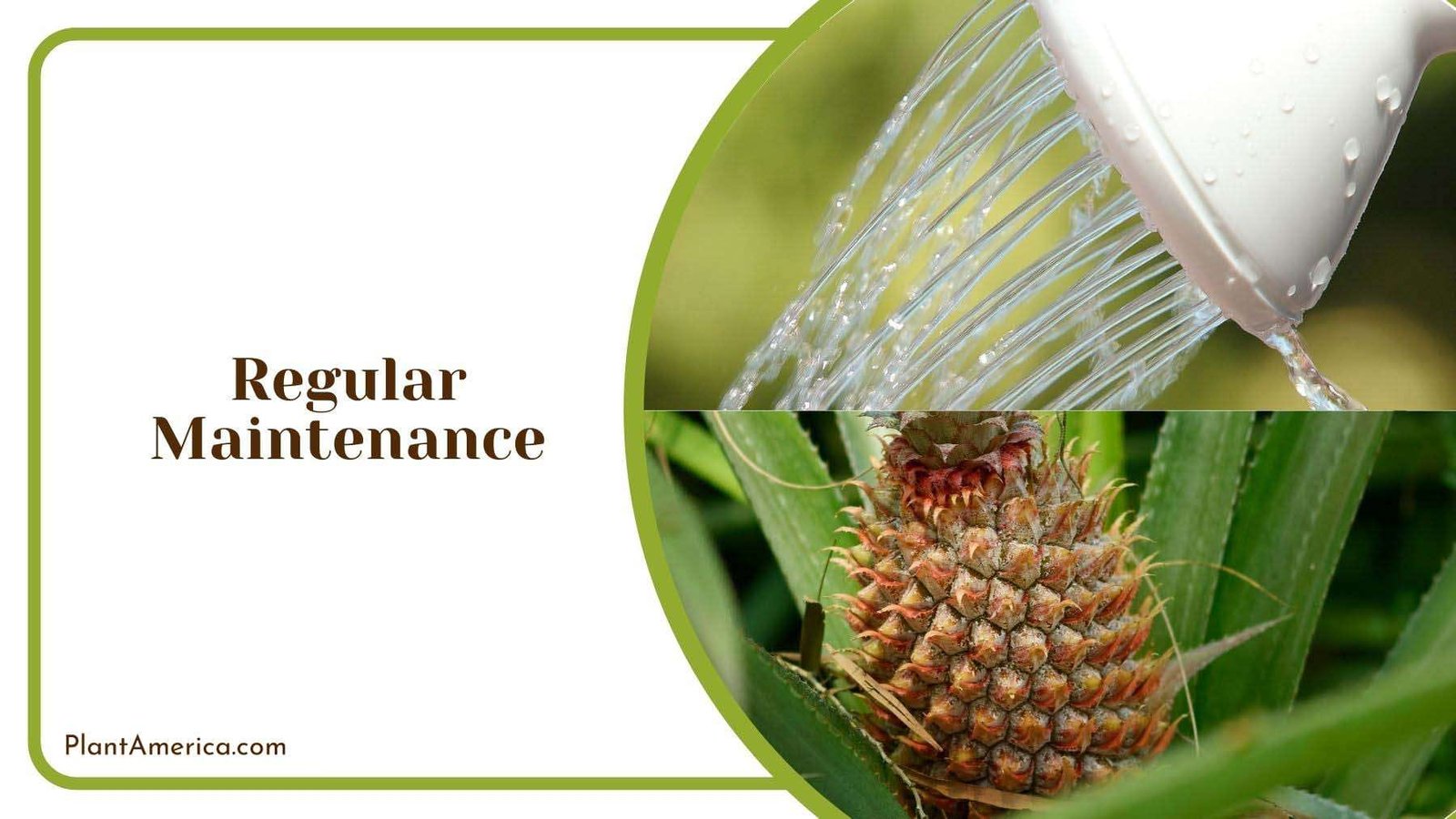
Regular maintenance is essential to increase their productivity and overall health. Keep an eye on and monitor plants’ overall progress. To perform well, plants need proper care and attention. If you want to grow pineapple, give them some time.
Otherwise, plants cannot grow successfully and eventually die, so give them proper attention. If it’s become too large for its container or garden area, consider it a large pot or garden bed. Planting pineapple top indoors requires the same efforts.
Frequently Asked Questions
– How to Transplant a Pineapple Plant in the Ground
To transplant a pineapple plant in the ground, dig a hole in the land that should be large compared to the root ball, place the pineapple into the hole nicely, and fill it with sand and soil. After transplantation, give them water to settle down with the ground.
– How to Separate Pineapple Pups
To separate pineapple pups, carefully remove the soil and mulch around the pups’ base, expose the area where it connects, and use a sharp knife or cutter to cut the pups from the parent plant and place them into a new location.
– How to Plant Pineapple Tops Indoors
To plant pineapple tops indoors, start by choosing a suitable pot with a well-drained hole, placing the pineapple top into the center of the hole, and packing the surrounding soil. You can add more potting soil until the pot is nearly complete.
– How to Plant Pineapple Slips
To plant pineapple slips, the standard method is to prepare your slip, choose an adequate and spacious planting site, produce your slip about 2 inches deep in the soil, and give it water. Water is essential for fresh pineapple growth and health.
– How to Grow a Pineapple Top in Water
To grow a pineapple top in water, start with choosing a healthy pineapple crown, removing all fruit flesh from the base of the crown, preparing the glass jar with enough water, and planting this crown into it. It can be a very rewarding experience
– How Long Does It Take to Grow a Pineapple From the Top?
Growing pineapples from the top can be a slow process, and it may take several years before the plant matures and produces fruit; it takes 18 to 32 months to make healthy fruits if you give them regular water and care for them.
– Does It Take 7 Years to Grow a Pineapple?
No, it does not take as long as 7 years to grow a pineapple. Growing a pineapple from a crown or top typically takes 2 to 3 years to give the proper results. The pineapple fruit plant grows appropriately if you properly care for your plant.
Proper fertilizer, lots of space, and regular watering all play a part in getting your plant to bear fruit faster and more prolifically.
Conclusion
The pineapple plant is an edible fruit, and it’s an economical plant in the family. The transplantation process is straightforward because it is a low-maintenance fruit plant.
- If you are planting pineapple in the ground, create an optimum hole and place this plant into the center of the hole.
- After putting this into the hole, backfill the hole with the soil and organic material such as compost to improve drainage.
- Regular maintenance and care encourage plants to grow more and increase their productivity.
Now, you have fantastic tips and tricks to transplant the pineapple tree in your garden or container successfully. So, follow these fantastic tips and make your garden more beautiful. Pineapple develops in ample space with sunny locations, so give them the appropriate environment for excellent results.