
Colorful perennials are like nature’s paintbrush, adding vibrant splashes of hues to your garden canvas. If you’re looking to create a breathtaking display of colors that will bring joy and beauty to your outdoor space, you’ve come to the right place.
 In this article, we’ve curated a list of vibrant and eye-catching colorful perennials that will brighten your garden in the most enchanting way possible.
Captivating Colorful Perennials for Your Garden Collection
1. Coneflower
- Growing Season: Spring, Late Summer, Fall
- Leaf Type: Broad leaves, Hairy leaves
- Specific Needs: Sun, Well-draining soil
- Common Pests: Powdery mildew
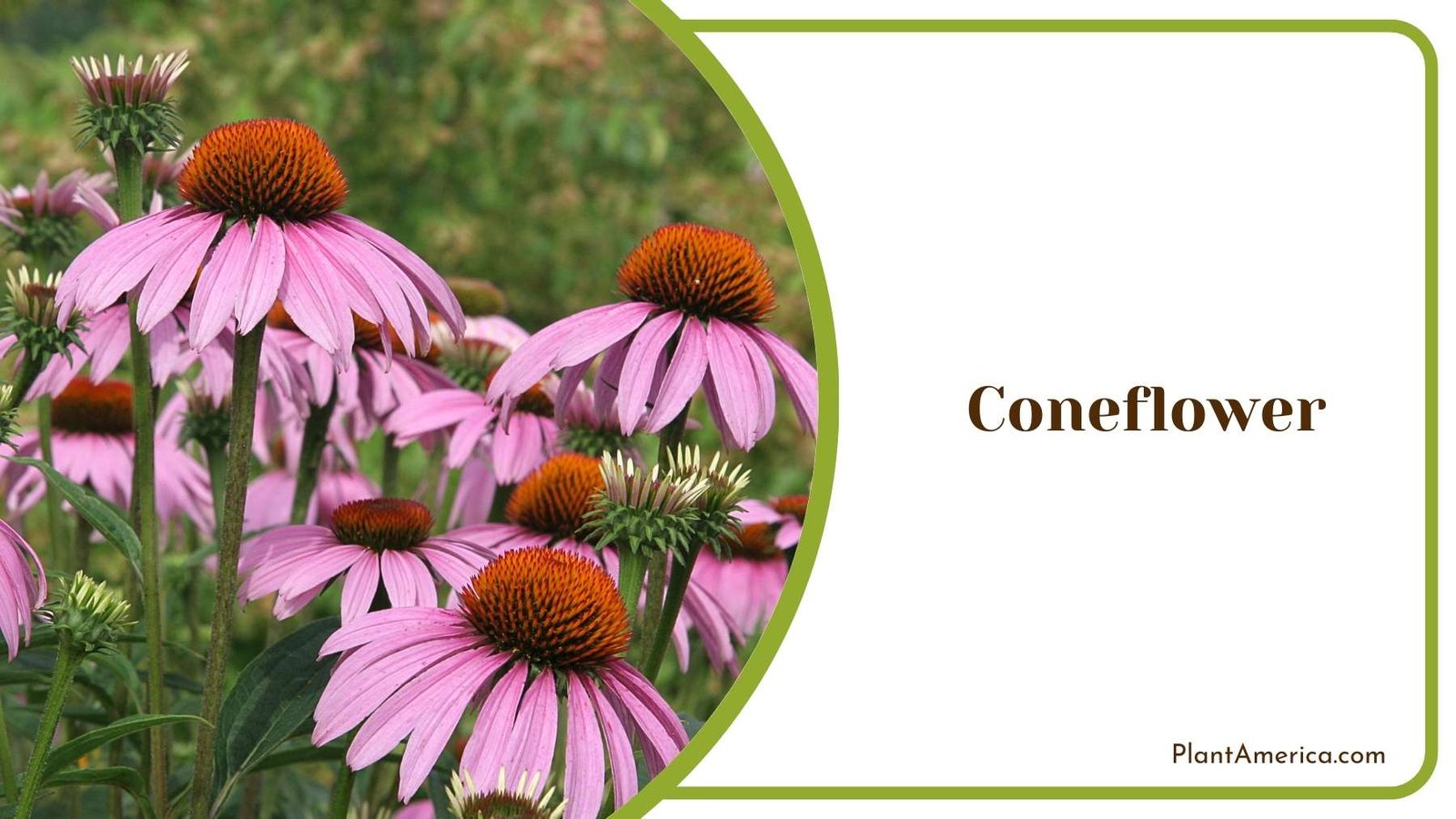
Coneflowers, also known as Echinacea, are classic North American perennials that glow with color all summer and fall. With their sturdy stems that support daisy-like flowers in purple, pink, and white hues, coneflowers attract butterflies and hummingbirds to the garden.
While coneflowers thrive in sunny spots, they aren’t too picky about soil as long as it drains well. Their rugged nature means you don’t have to baby them at all – give them a little water if things get very dry. Between their long flowering time and low-maintenance needs, coneflowers are ideal for perky pops of color even in low-maintenance gardens like mine.
When autumn rolls around, the fluffy seed heads add architectural interest that carries through into winter. Whether planted en masse or sprinkled here and there, coneflowers are wonderful, vibrant perennials to light up any garden.
2. Daylily
- Growing Season: Spring, Late Summer, Fall
- Leaf Type: Long, Sword-like leaves
- Specific Needs: Sun, Well-draining soil
- Common Pests: Aphids, Spider mites
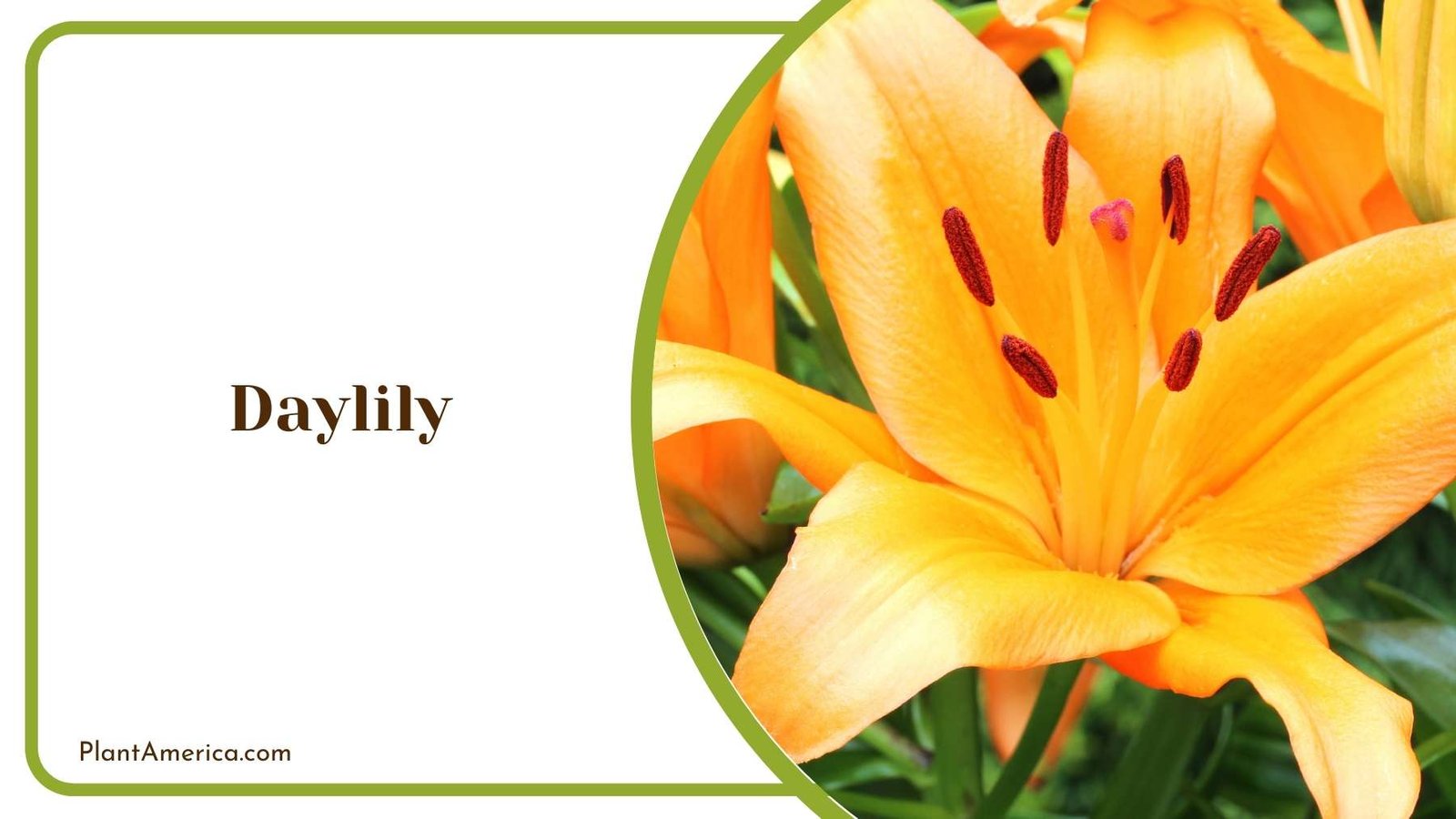
Daylilies are a staple of summertime color that blooms non-stop for months on end. With hundreds of cultivars sporting unique shapes, sizes, and hues, there’s a daylily to complement any perennial garden. With varieties as petite as two inches and as bold as eight inches across, daylilies come in almost every color except true black and blue.
You’ll see daylilies blanketing hillsides and dancing along cottage gardens, brightening paths, and walkways. Besides offering constant floral fireworks, daylilies earn their keep thanks to tough foliage that stands up well even after frost.
Many cultivars rebloom after being cut back, ensuring the party continues into fall. Though daylilies thrive with minimal care, giving them occasional fertilizer extends blooming time. A sunny, well-draining patch is all they ask to shine season after season – bringing more beauty to your space than any ambitious garden project!
3. Black-eyed Susan
- Growing Season: Spring, Late Summer
- Leaf Type: Aromatic, narrow leaves
- Specific Needs: Sun, Well-draining soil
- Common Pests: Aphids, Spider mites
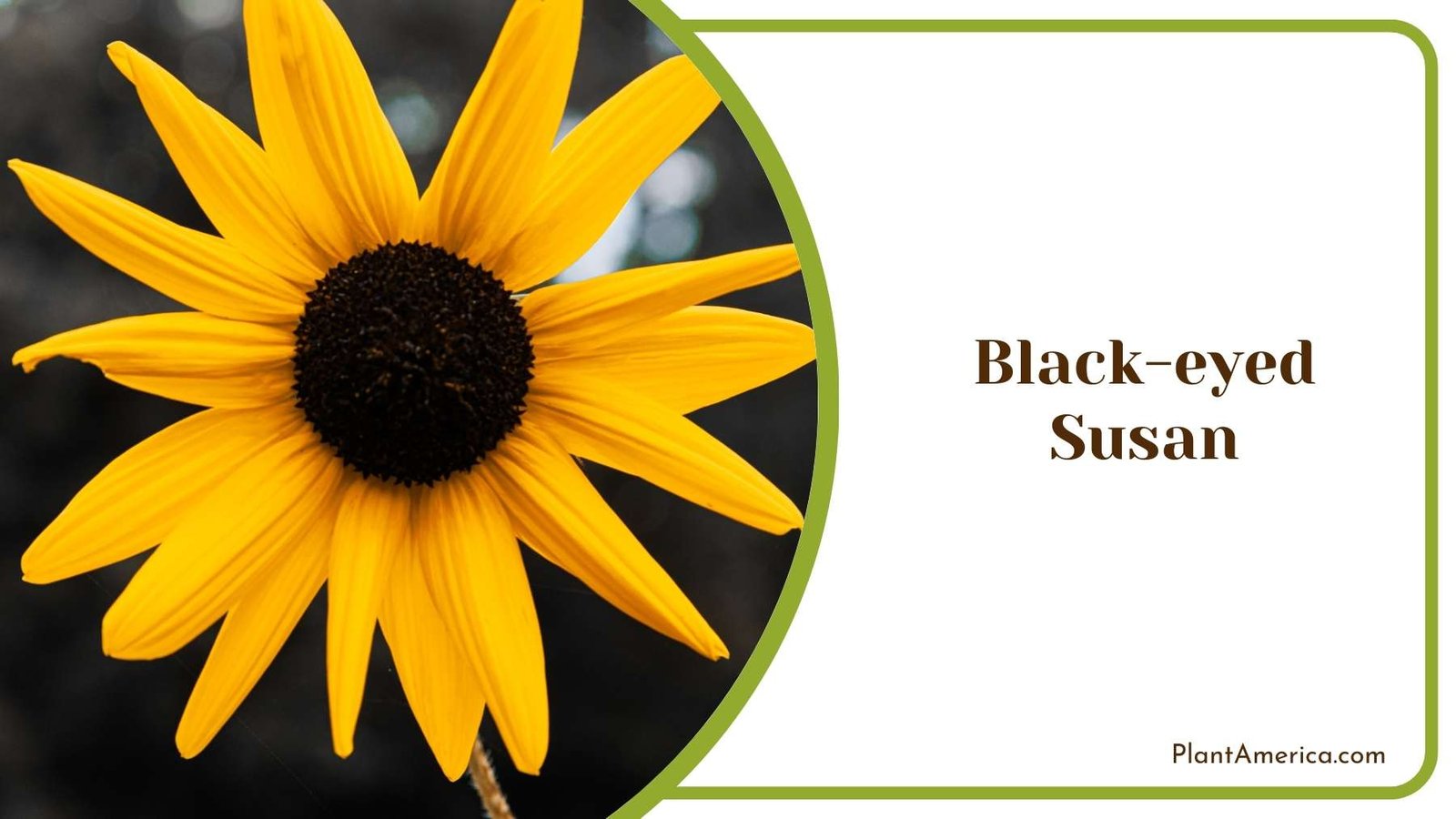
Nothing says summer like the sunny faces of black-eyed Susans smiling up at you from the garden. These golden-rayed wildflowers thrive in poor, dry soils, making them a dream for hot locations and naturalizing. From June until frost, the two to three inch flowers blossom continuously to spread cheer.
Black-eyed Susans shine even brighter as temperatures rise, welcoming butterflies and benefiting later-season pollinators. A clump-forming perennial that spreads slowly but never invades, black-eyed Susans have a relaxed, casual style that suits meadows, prairies, and rough-hewn cottage gardens alike.
Even in drought years, they soldier on, all while being low maintenance. It’s not hard to see why these carefree blooms remain beloved garden classics that can instantly brighten up any dull border. Whether planted en masse for a swath of sunny color or dotted here and there, black-eyed Susans add warmth and texture to natural-inspired gardens.
4. Peony
- Growing Season: Spring, Late Summer, Fall
- Leaf Type: Compound, Ferny leaves
- Specific Needs: Sun, Well-draining soil
- Common Pests: Aphids, Spider mites
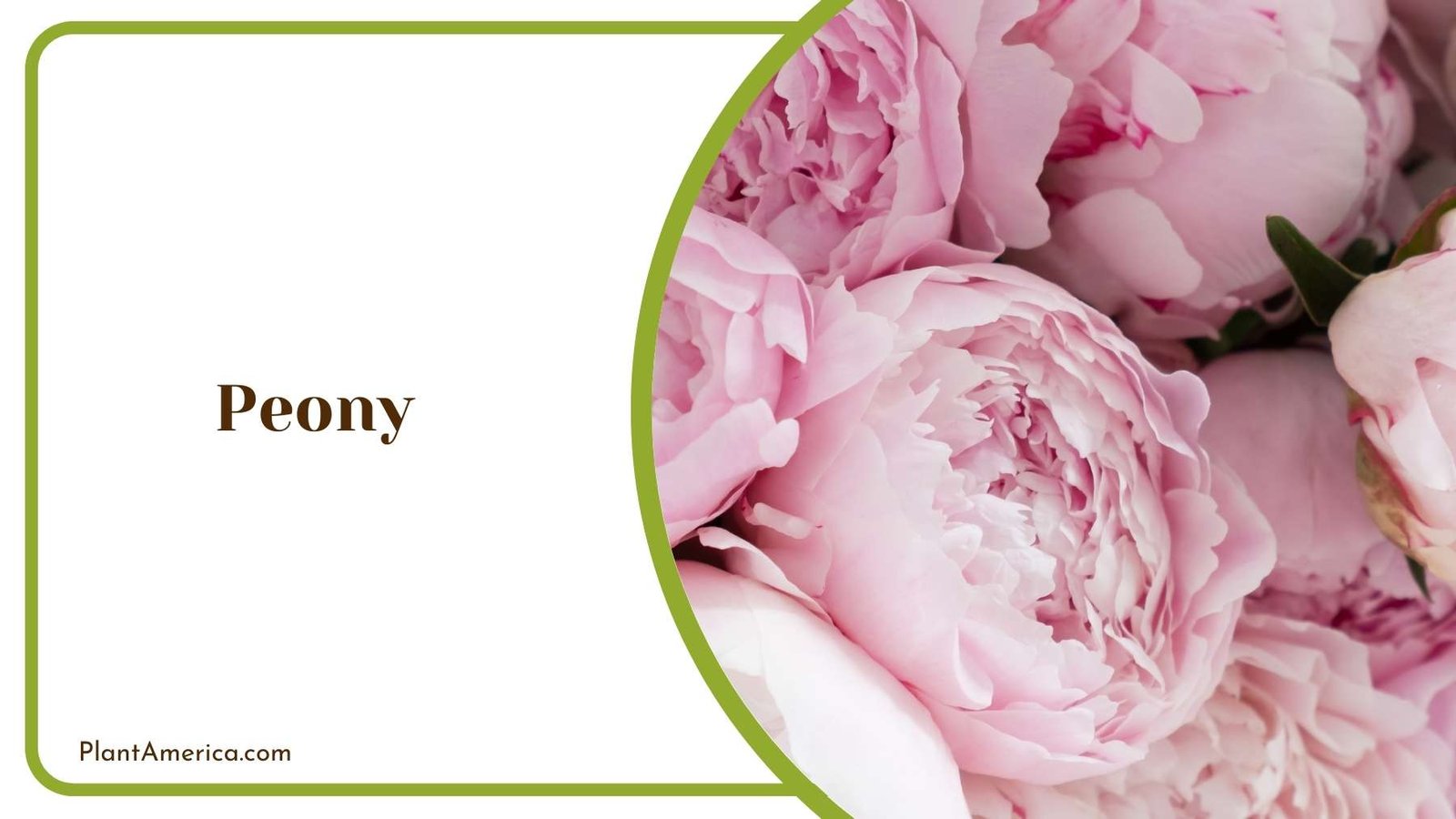
Peonies are the quintessential expression of early summer luxury. As exquisite blooms the size of dinner plates unfurl in vibrant colors, these perennials provide a timed treat to dazzle the senses. Nothing compares to a peony’s intoxicating fragrance, as many varieties are highly scented.
While peonies appreciate sunshine, their thirst for moisture means an afternoon shade break is sometimes needed. Well-drained, humus-rich soil is essential to support deep roots. However, peonies are long-lived if situated properly, rewarding decades of service. Few perennials rival a peony’s theatrical presence and ability to stop guests in their tracks – making them perfect for cutting flowers, borders, or bouncing throughout a perennial bed.
5. Delphinium
- Growing Season: Spring, Late Summer, Fall
- Leaf Type: Compound, Ferny leaves
- Specific Needs: Sun, Well-draining soil
- Common Pests: Aphids, Spider mites
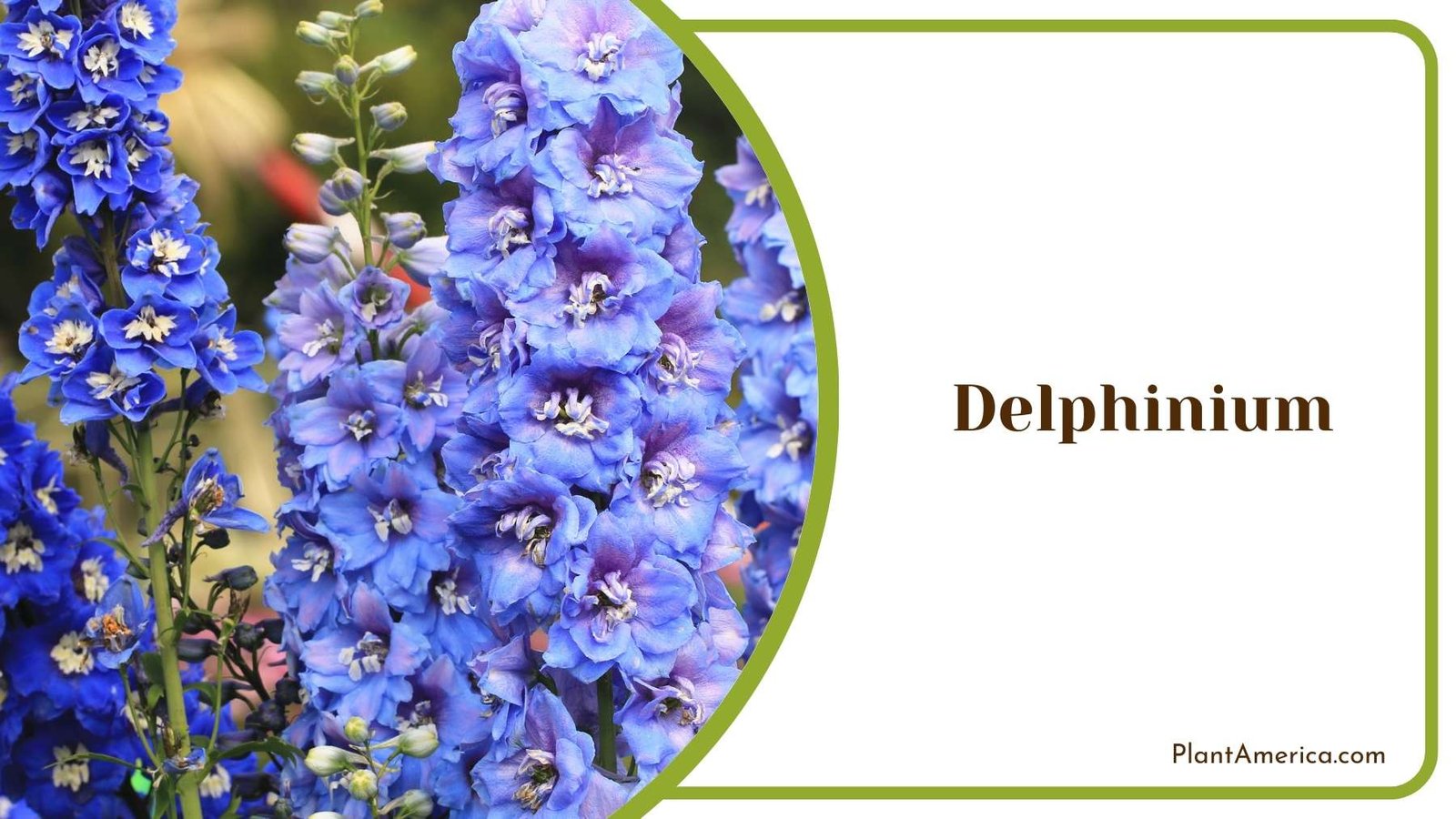
A spectacular sight in any garden from June through September, tall delphinium spikes dance above lush foliage like azure fireworks. Their flower shapes range from singles to doubles in nearly every hue. Scout different cultivars to witness heavenly blends of blues, purples, pinks, whites, and bi-colors. Striking delphiniums command attention as quintessential symbols of summertime.
Hailing from China, these beauties occasionally need support unless shortened cultivars are grown. They thrive in cool climates but perform well in any hot zones with afternoon shade. Adequate moisture is key to preventing powdery mildew, especially during blooming.
With small seeds that dislike transplanting, delphiniums are easiest grown from seeds sown directly outdoors once the soil warms. Staking and dividing clumps keep them vigorous for years of stunning color bursts to jazz up borders.
6. Lupine
- Growing Season: Spring, Late Summer
- Leaf Type: Aromatic, narrow leaves
- Specific Needs: Sun, Well-draining soil
- Common Pests: Aphids, Spider mites
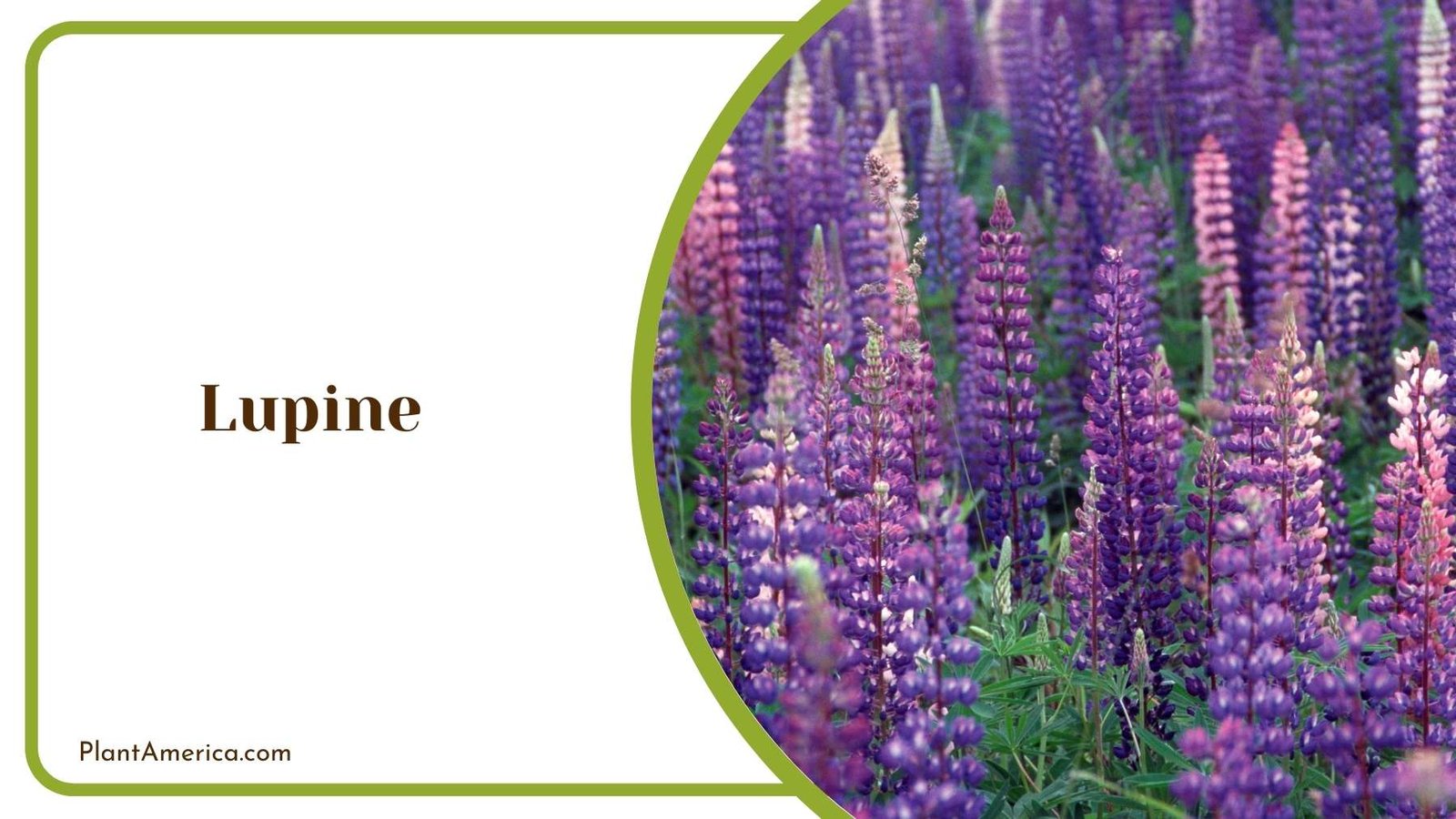
Elegant lupine spikes shooting skyward like rockets signify the heat of summer is here. Alternating between tall cultivars and ankle-high mix, lupines prove bright and cheerful in sunny beds. You’ll find jewel tones of blues, pinks, purples, oranges, and yellows in their pea-like arrangements.
Humming with pollinators daily, lupines attract ornamental grasshoppers and butterflies to the garden. Origins trace to Mediterranean regions, yet lupines thrive across temperate zones. Please give them the garden’s driest spot to prevent disease, then forget about these long bloomers until spent stalks brown in fall.
Drought- and heat-tolerant lupines bring fluttering beauty even to neglected spots. A long-lived perennial that reseeds itself for continual color, lupines sure light up borders from late spring to early fall.
7. Bee Balm
- Growing Season: Spring, Late Summer, Fall
- Leaf Type: Opposite leaves, Heart-shaped leaves
- Specific Needs: Sun, Well-draining soil
- Common Pests: Aphids, Spider mites
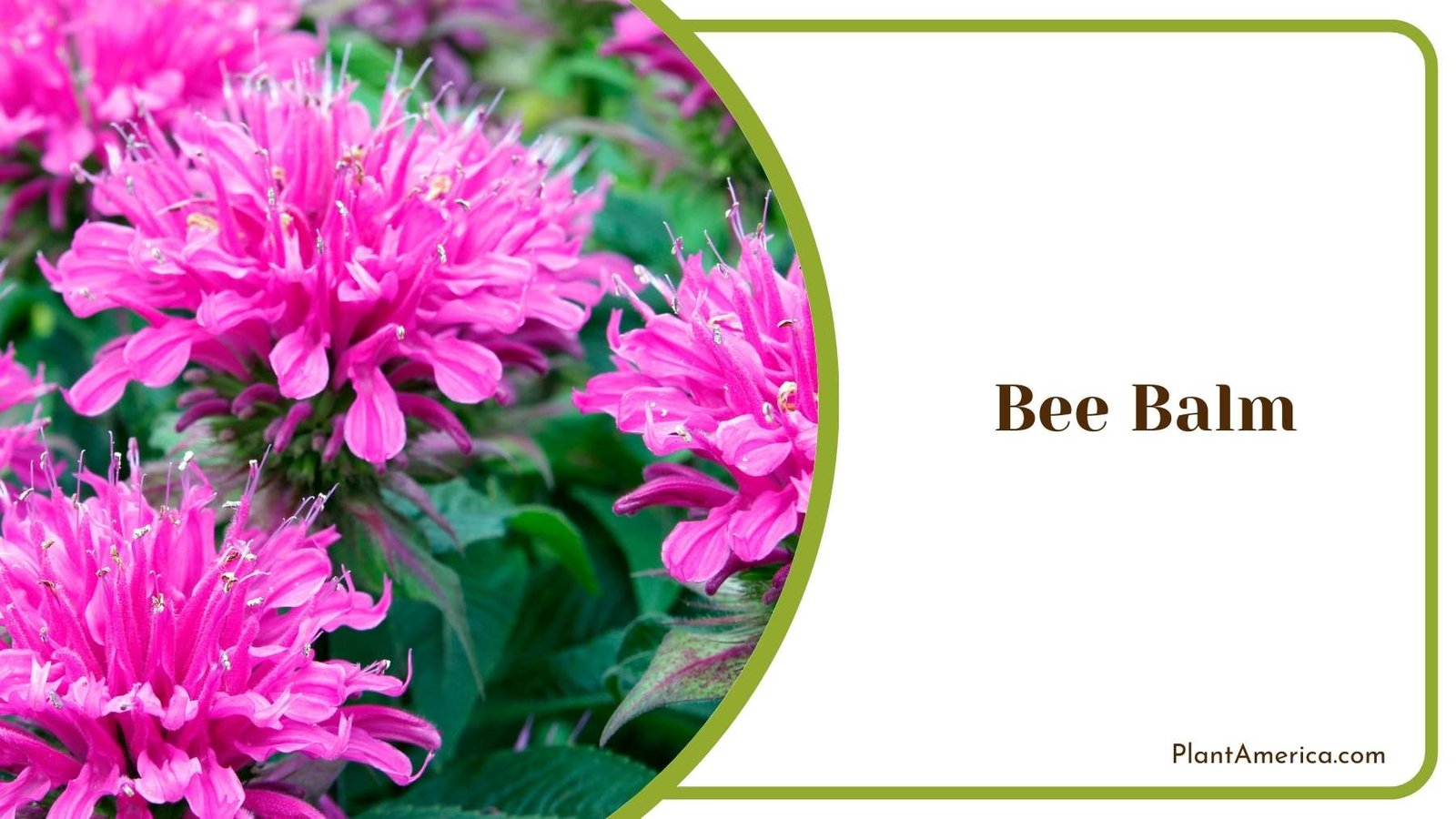
Also called bergamot, few perennials match bee balm’s summer vibrancy and whimsical personality. Tall spikes bloom non-stop in red, pink, or white, attracting pollinators, butterflies, and hummingbirds alike for their nectar riches. Originating in North America, bee balms feel right at home, naturalizing across meadows, prairies, and the edges of my woodland gardens.
While drought-tolerant, moist soil keeps these bushy beauties happiest as we sweat through July and August. Dividing clumps every few years refreshens foliage and extends flowering seasons. The whole plant releases a light, citrusy fragrance when the leaves are crushed.
Come fall, and seed heads provide ornamental interest long after blooms fade. With so much cheer, it’s easy to see why bee balms are perennial garden staples that instantly brighten any space.
8. Gaillardia
- Growing Season: Spring, Late Summer, Fall
- Leaf Type: Alternate, Linear
- Specific Needs: Sun, Well-draining soil
- Common Pests: Rust
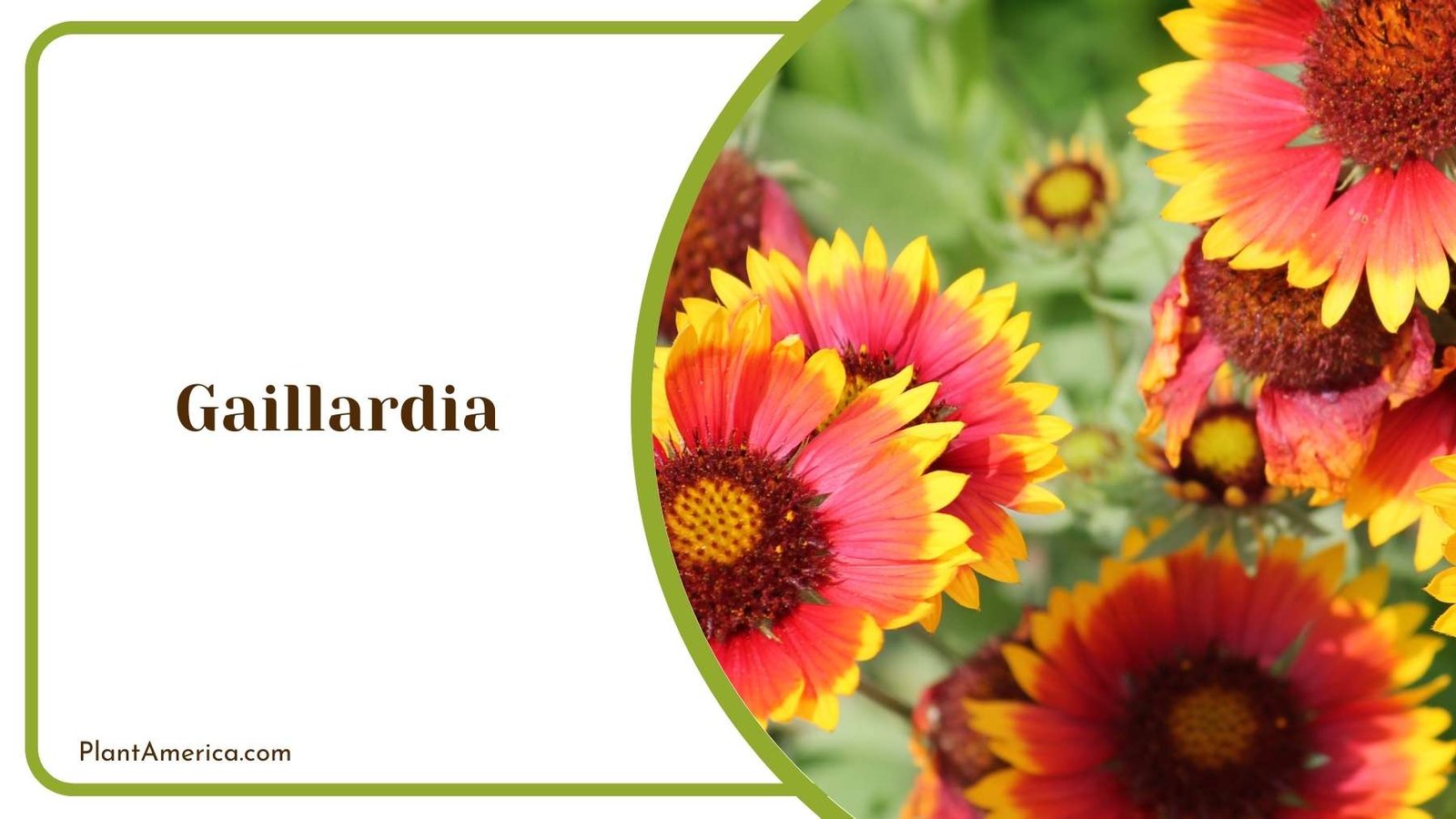
Also called blanket flowers, the bright petals of gaillardia resemble bouquets all summer long. Overlapping rings of reds, oranges, and yellows glow atop sturdy stems, creating a radiant display that butterflies adore. Such lively color prefers hot growing conditions and mineral-rich, dry soil to shine.
The first blooming in summer keeps the dance floor lit through early fall. Deadheading promotes rebloom, ensuring these dynamos keep pace with my heat-weary mood. Vigorous yet discrete, gaillardias naturalize splendidly throughout prairies, meadows, and xeric plantings.
Their drought tolerance and ability to flourish in nutrient-poor soil aids water-wise landscapes too. Providing nectar for bees and shelter for pollinators alike, gaillardias brighten every garden corner with their fiery flower power.
9. Salvia
- Growing Season: Spring, Late Summer
- Leaf Type: Aromatic, narrow leaves
- Specific Needs: Sun, Well-draining soil
- Common Pests: Aphids, Spider mites
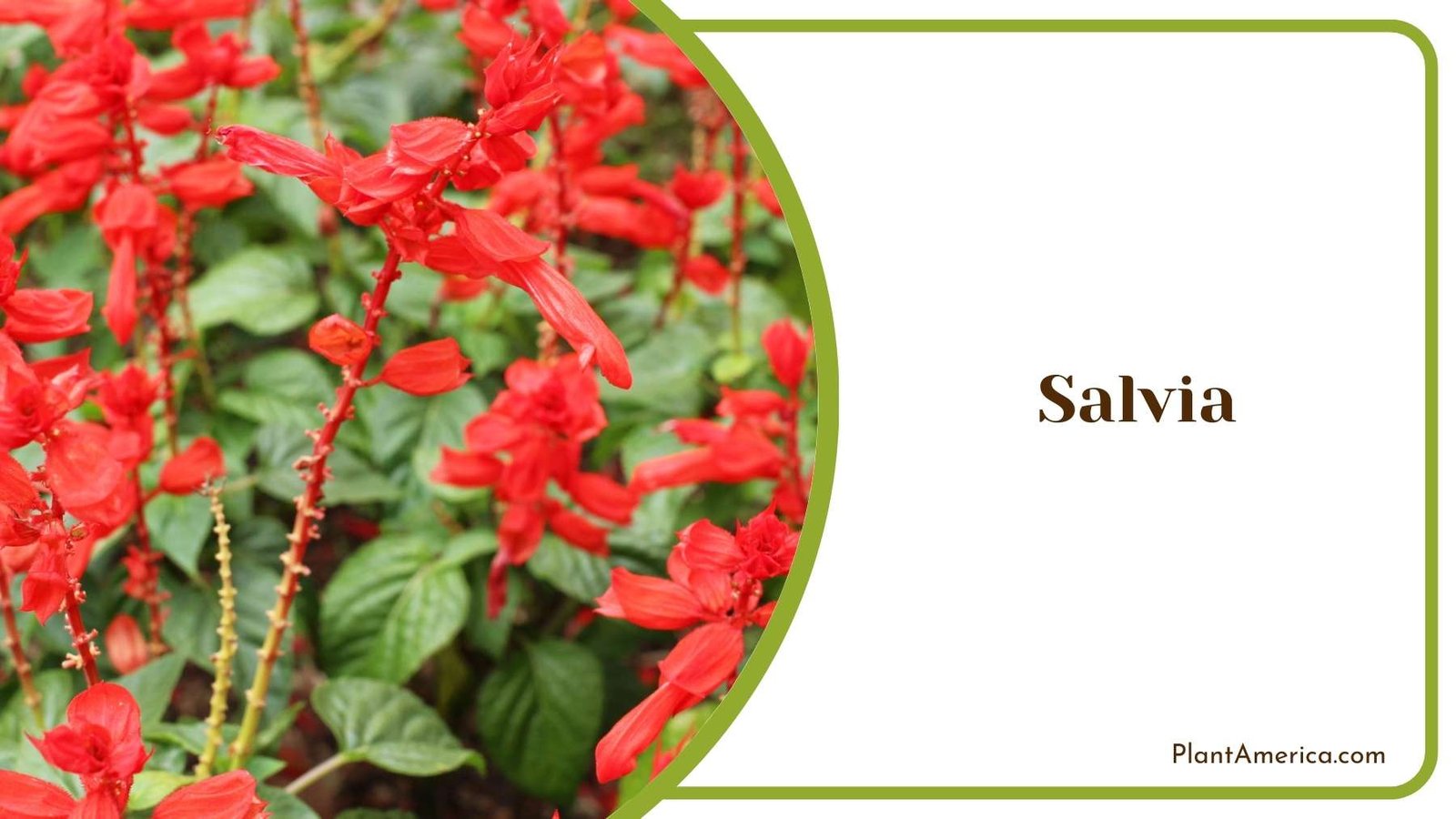
No garden is complete without at least one type of salvia sprinkled throughout. Their tall spikes bloom in hues from magenta to blue, violet, and even chartreuse all season. But the intoxicating fragrance of salvias like ‘Indigo Spires’ makes them essential. As you wander through summer dusk, these sages hit the olfactory senses with herbal, soothing balm.
With heat and drought tolerance to spare, salvias spread cheerful color from terra cotta pots on the patio to meadow edges. Cut flowers arrange magnificently inside, too, thanks to their vase life beyond any annual. Salvias combine splendidly in borders but are no divas – thriving with regular water and well-draining soil. No matter the variety, salvias ensure blissful scent and summertime beauty.
10. Coreopsis
- Growing Season: Spring, Late Summer, Fall
- Leaf Type: Alternate, Finely divided leaves
- Specific Needs: Sun, Well-draining soil
- Common Pests: Aphids, Spider mites
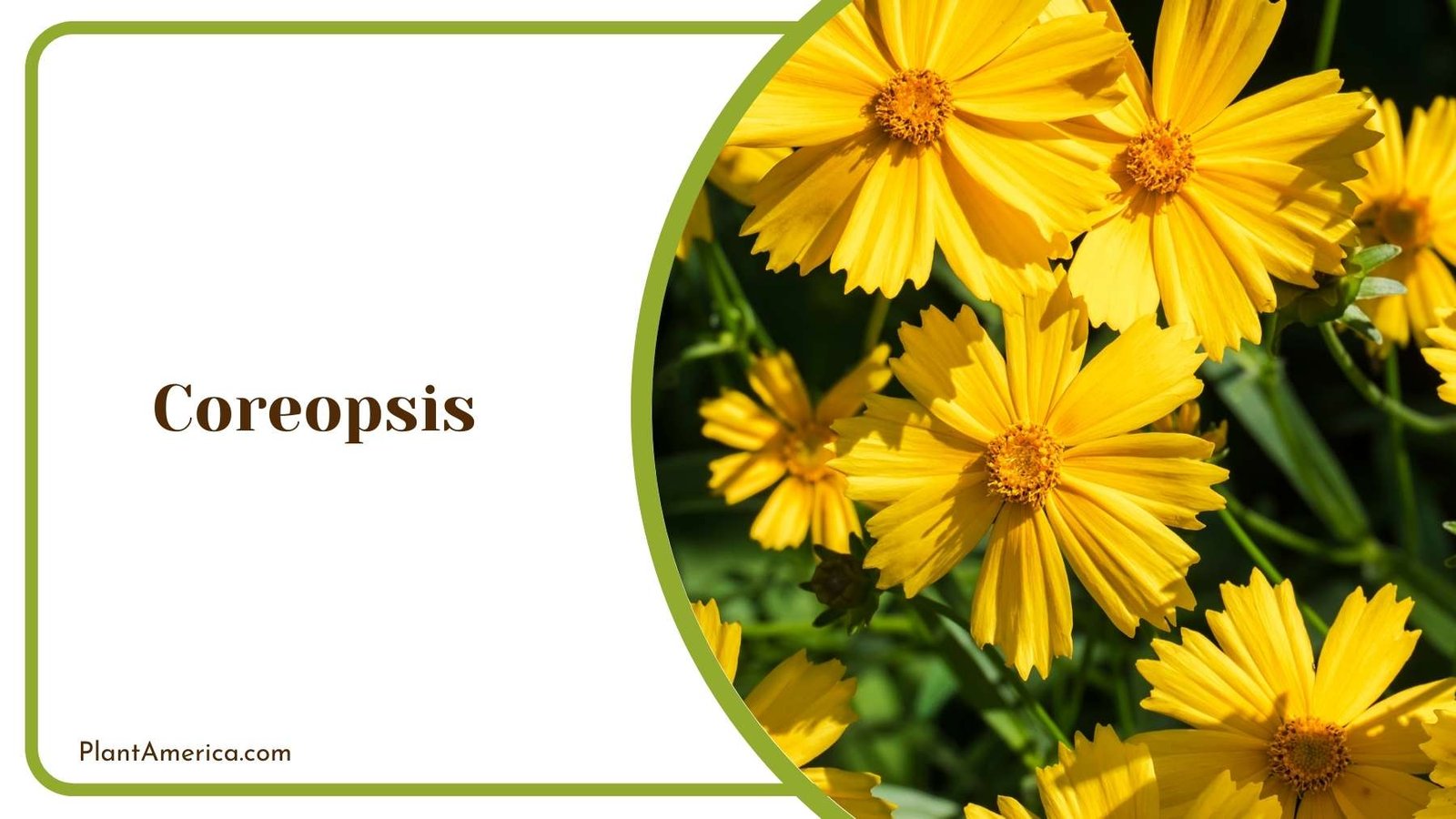
Also called tickseeds, coreopsis cherry daisy faces brighten borders from summer until frost. Various colors exist, including yellow, ruby, apricot, and peach tones. Their fine, ferny foliage makes an attractive base for flowers standing proudly on straight stems. Coreopsis are a favorite among pollinators and also deer-resistant, making them suitable for larger landscape plantings.
Requiring little care beyond average soil, these tough perennials thrive everywhere except bog gardens. Their seven weeks of floral power ensure constant cheer among my summer plantings.
11. Russian Sage
- Growing Season: Summer, Fall
- Leaf Type: Fragrant, Gray-green leaves
- Specific Needs: Full sun, Average soil
- Common Pests: Rare pests
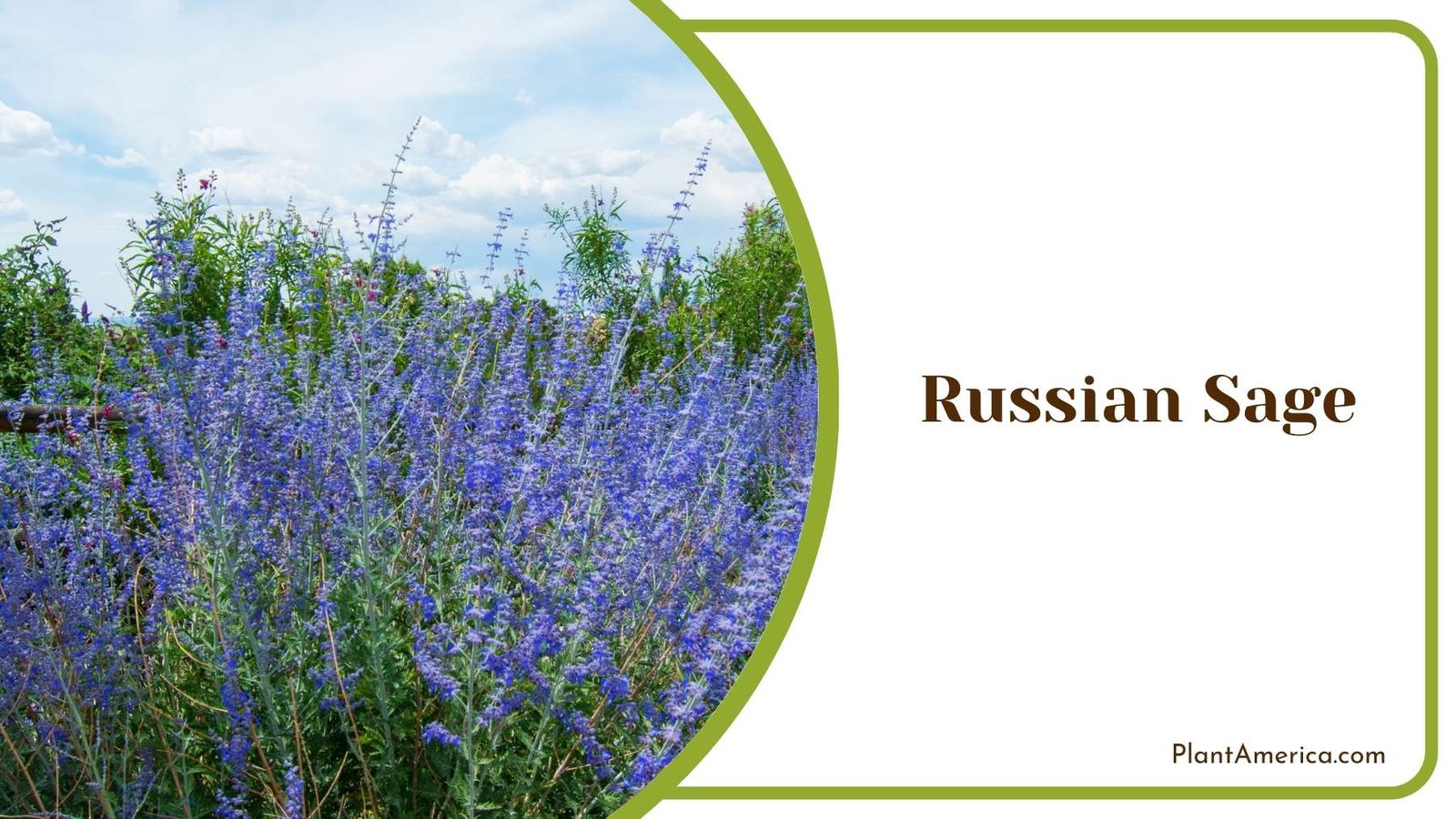
Russian sage is a beloved perennial grown for its regal spikes of lavender-blue flowers beloved by pollinators. Its botanical name, Perovskia atriplicifolia, honors Russian Count Perovski who introduced it to cultivation. Native to dry regions of Russia and Central Asia, it thrives in ordinary garden soils with good drainage.
Gray-green foliage forms airy mounds two to four feet tall bearing towering spikes up to 2 feet long in summer. Individual flowers consist of tubular blooms hugging upright woody stems like miniature tube socks. The overall effect creates a hazy mist reminiscent of hydrangeas.
A reliable rebloomer, Russian sage flourishes in full sun with moderate watering until established. It then displays impressive drought tolerance. Deadhead spent flower spikes to encourage further blooms until fall frosts. Cut back by one-third after blooming concludes to shape the plant for winter.
Among standout cultivars, ‘Little Spire’ stays compact at 18-24 inches, perfect for smaller spaces while ‘Blue Fortune’ boasts deeper indigo flowers on stronger stems. Either variety serves as a magnet for bees, butterflies and hummingbirds seeking nectar during their active seasons.
Beyond magnificent flower power, the grayish foliage and branching habit of Russian sage add texture and dimension to beds, borders and naturalized plantings late into fall. Seeds feed birds through winter too. Crush aromatic leaves releasing an alluring spicy scent on warm days.
Low maintenance once established and highly pest resistant, Russian sage earns high praise for energizing landscapes with summertime fireworks and fall foliage tones. Plant in mass groupings for maximum visual interest or showcase singular specimens, this versatile perennial remains a garden favorite.
12. Helenium
- Growing Season: Spring, Late Summer, Fall
- Leaf Type: Alternate, Lance-shaped leaves
- Specific Needs: Sun, Well-draining soil
- Common Pests: Aphids, Spider mites
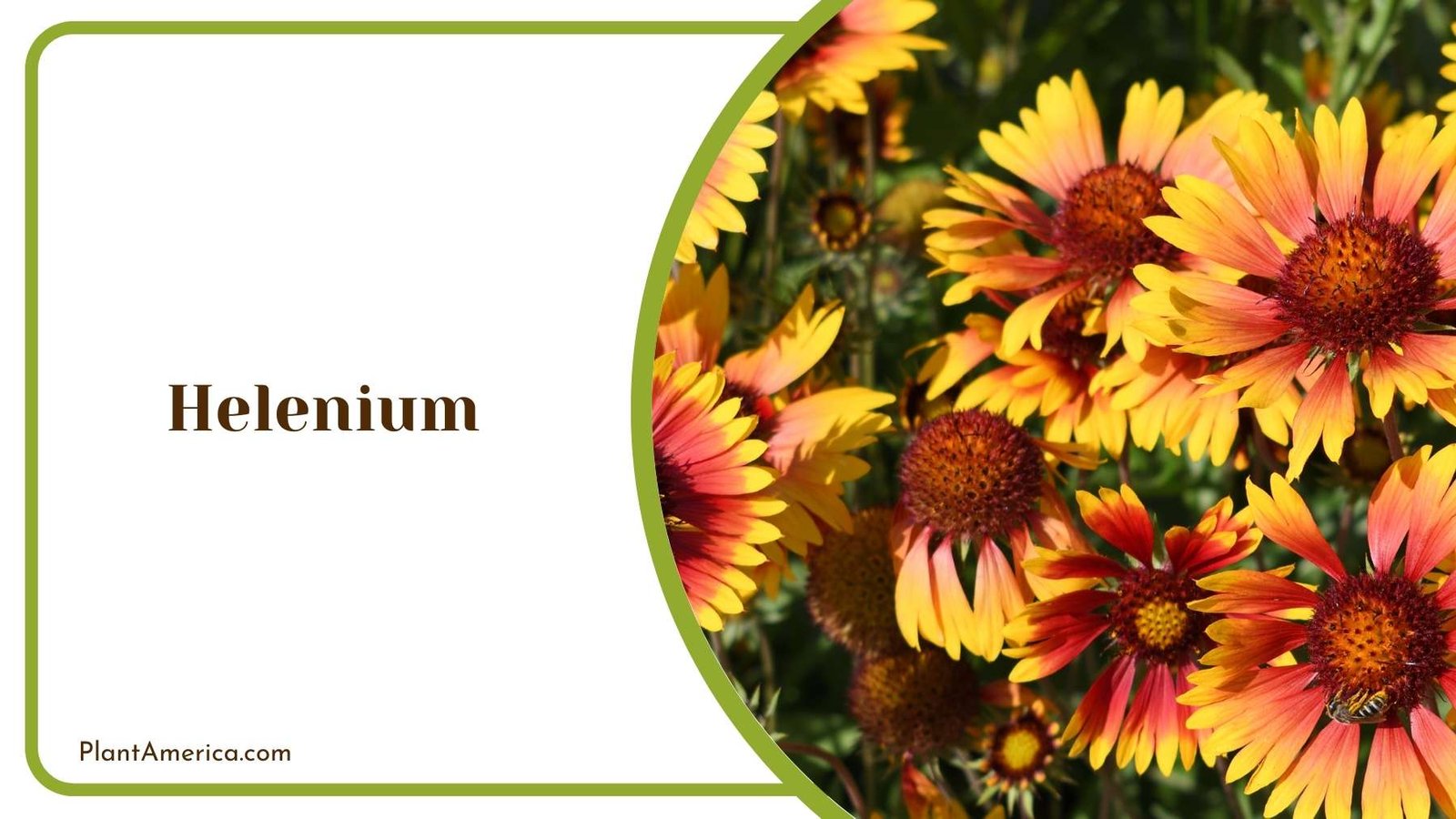
Also called sneezeweed, heleniums delight as brilliant bursts of chrysanthemum-esque blooms lighting up autumn borders. Varied shades of oranges, reds, and yellows gleam among fibrous foliage. Originating from North America, heleniums flourish where summers are hot and humid before their spectacular floral display.
Moist, humus soil suits these perennials best, though they withstand average conditions too. Dividing every three years keeps helenium vigorously reblooming for months on robust stems. Attracting assorted pollinators until first frosts, heleniums prove stellar players among any fall-blooming perennials. Their fiery colors astound as seasons ease into slumber.
13. Dianthus
- Growing Season: Spring, Late Summer, Fall
- Leaf Type: Narrow leaves
- Specific Needs: Sun, Well-draining soil
- Common Pests: Aphids, Spider mites
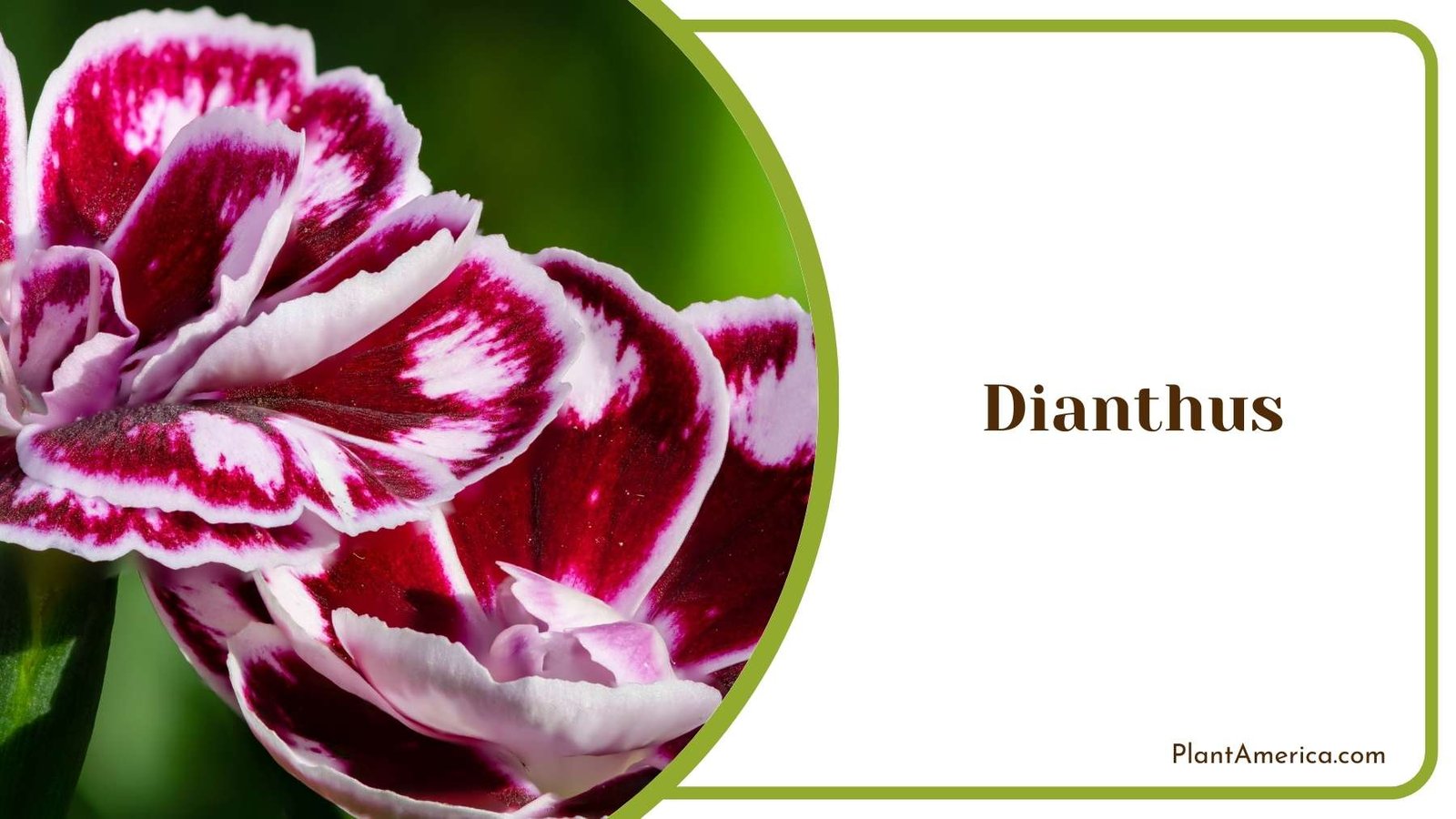
Also called pinks, dianthus blooms enliven spring and summer with frilly, ruffly blooms in warm jewel tones. Originating from Europe and Asia, these charmers add whimsy along walkways and amongst blooms with their clove-like fragrance. With varieties from ground cover to knee-high, dianthus integrates charmingly across many garden styles.
Hearty yet polite, clusters of blossoms crown fine gray-green foliage nearly all season. Deadheading maintains repeated flowering until the first fall chills. Average, well-drained soil suits dianthus just fine, but their brave nature means they spring up anywhere cracks let them dwell. Sure to delight pollinators, too, dianthus shines vivacious color amongst any cheery spring and summer beds.
14. Iris
- Growing Season: Spring, Late Summer, Fall
- Leaf Type: Flat, Sword-like leaves
- Specific Needs: Sun, Well-draining soil
- Common Pests: Aphids, Spider mites
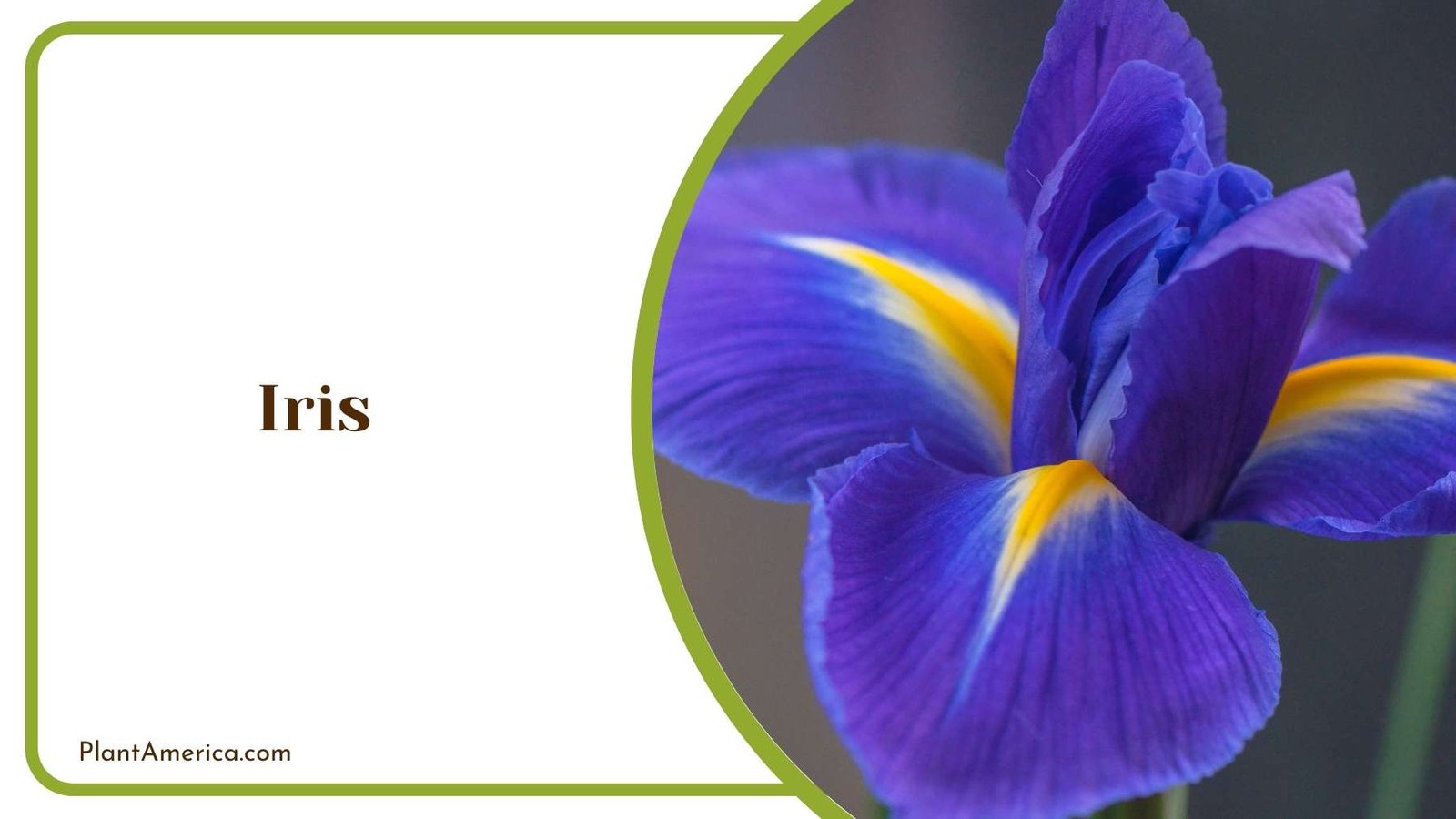
Nothing announces spring more majestically than irises rising skyward with colorful, standard blooms. Varieties span heights from miniatures to tall beards in nearly every hue. Fragrant blue ‘Caesar’s Brother’ perfumes any garden, while orchid-like blooms grace throughout June. Abundant sun suits many irises well, though some focus on part shade.
Well-drained soil that doesn’t dry out is key to not rotting rhizomes—easy to divide as they spread, irises reward thereafter as perennial garden stars. Standing regally amongst other blooms or sweeping in drifts, irises captivate viewers with their beauty. Whether enjoying the show or cutting for vases, irises usher the welcome balm of spring.
15. Hollyhock
- Growing Season: Spring, Late Summer, Fall
- Leaf Type: Alternate, Lobed leaves
- Specific Needs: Sun, Well-draining soil
- Common Pests: Aphids, Spider mites
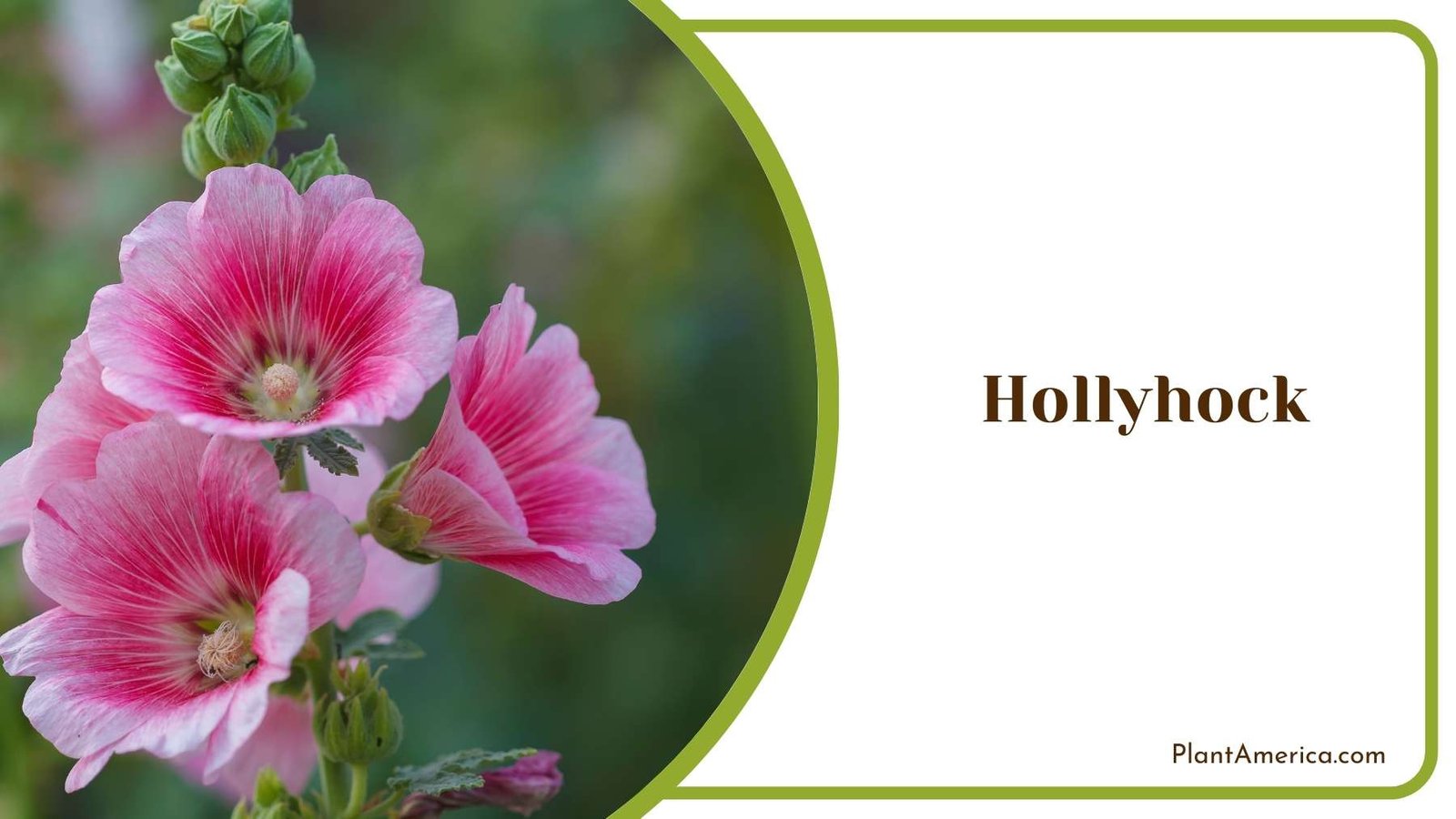
Towering hollyhocks stand as cottage garden icons, their spires bursting blooms in classic solferino, rose and cream tones. Originating in Asia, hollyhocks now fit perfectly amongst daisies and herbaceous borders. Their spired blossoms sing classically from summer into fall.
Although short-lived perennials, hollyhocks thrive where summers are cool yet rewarding. Staking supports leggy cultivars as flowers form. Well-draining moisture keeps these stately giants flowering freely yet prevents fungal issues. Sparse mulch over winter-damaged crowns encourages regrowth come spring. Constantly cherry, hollyhocks bring nostalgic charm wherever their architectural charm mingles.
16. Phlox
- Growing Season: Spring, Late Summer, Fall
- Leaf Type: Palmate, Divided leaves
- Specific Needs: Sun, Well-draining soil
- Common Pests: Aphids, Spider mites
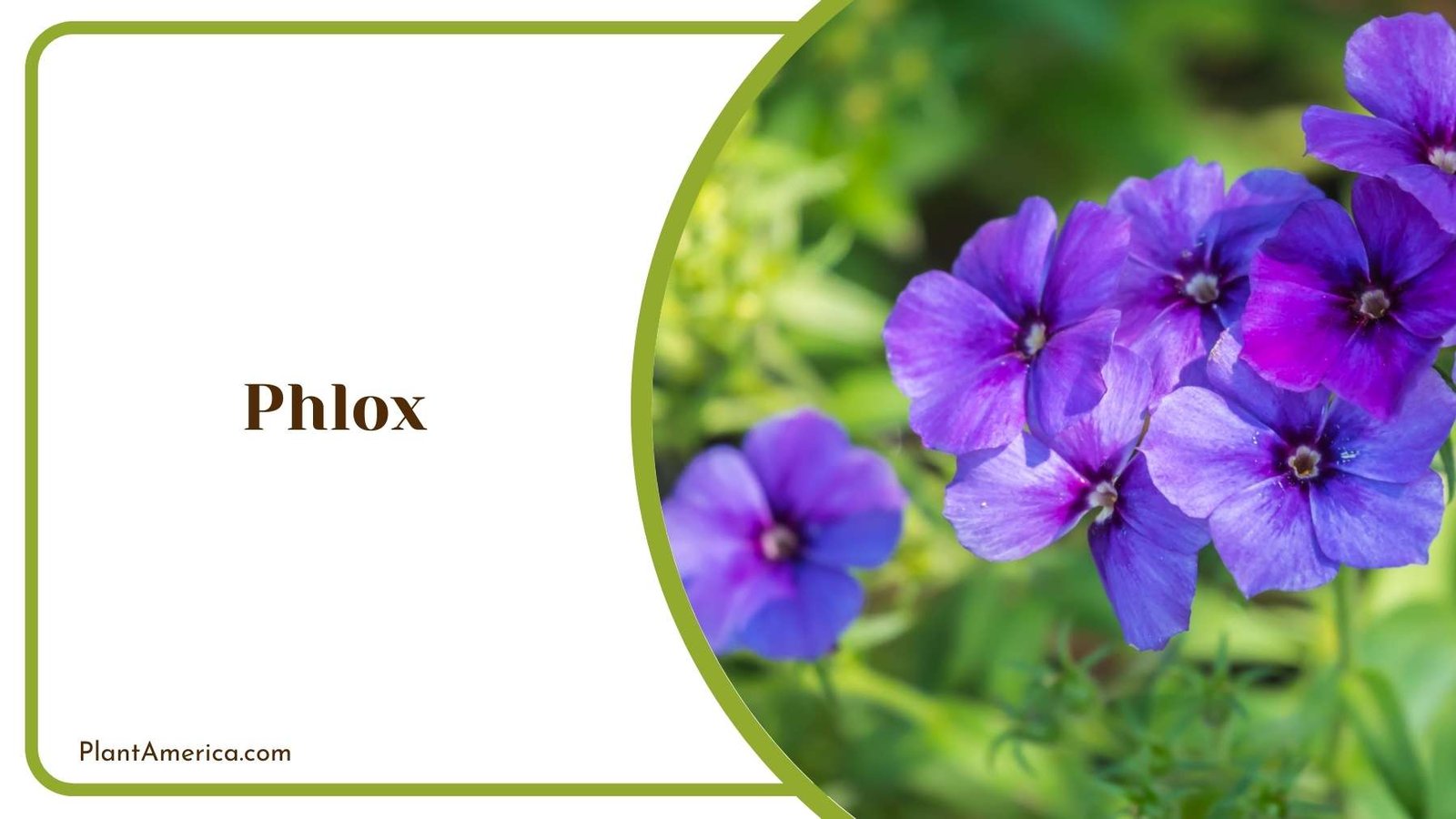
Phlox ignites borders and meadows with fluorescent profusions of color from summer until fall frosts. Flower shapes vary from neat mounds to airy spikes carrying jewel tones of pink, purple, white and red. Their highly fragrant blooms intoxicate late butterflies and hummingbirds.
Wonderfully adaptable yet preferring sun, phlox harmonize in cottage plots and prairies alike. Deadheading maintains continuous blooms alongside hearty foliage standing in rain or shine. Dividing every few years or seeding naturally refreshes these gems. Bee balm and black-eyed Susans pair phlox beautifully amongst summer plantings. A garden simply glows when lit by Phlox’s vivacious spirit.
17. Balloon Flower
- Growing Season: Spring, Late Summer, Fall
- Leaf Type: Alternate, Hairy leaves
- Specific Needs: Sun, Well-draining soil
- Common Pests: Aphids, Spider mites
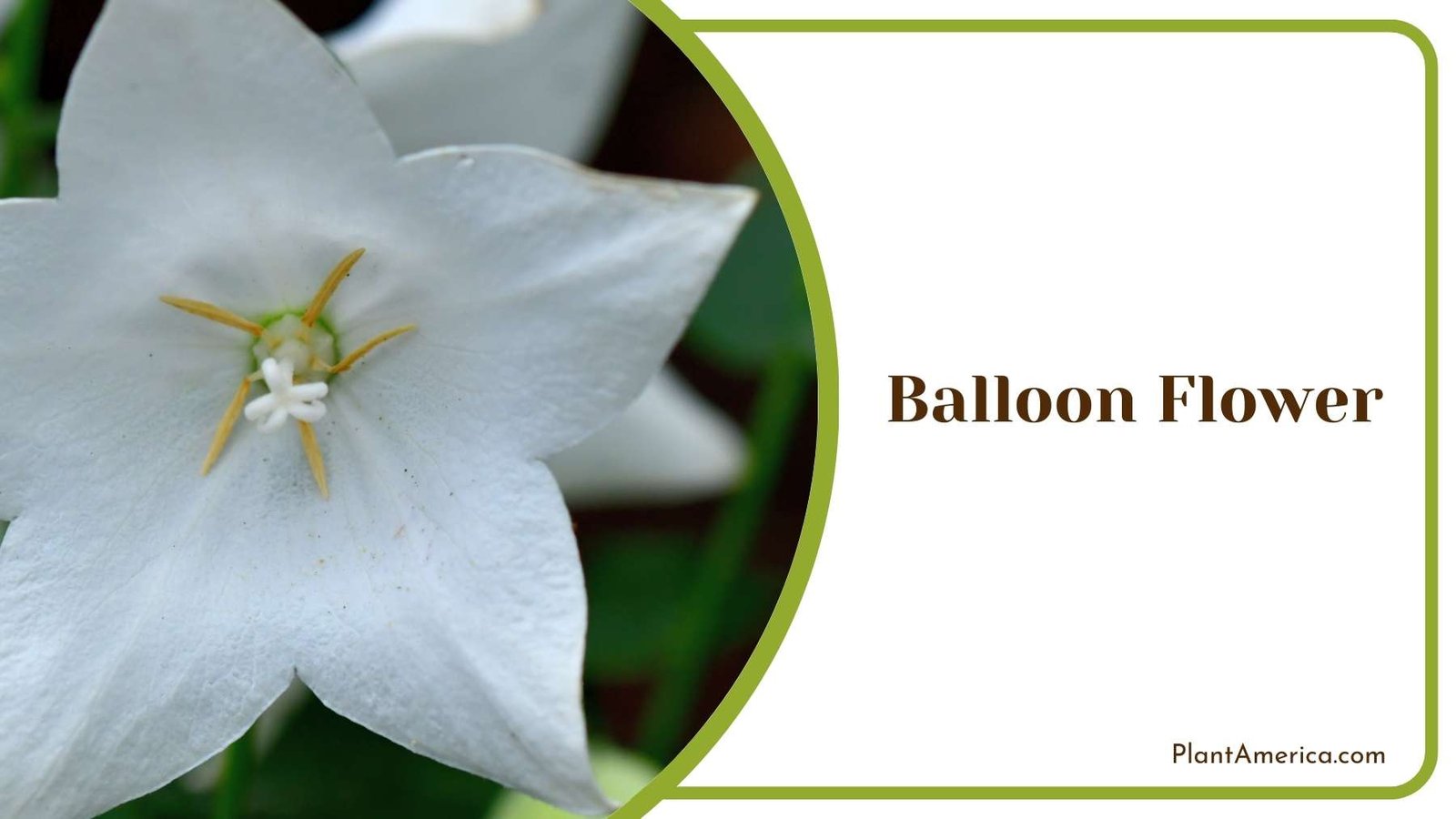
Living up to its name, balloon flower’s spherical blooms hover ethereally above the foliage, seeming to float on wispy stems. Native to eastern Asia, these cheerful perennials brighten damper areas with pink, purple, red and white puffballs beloved by butterflies.
Though preferring consistent moisture, balloon flowers still thrive in many average gardens with periodic watering. Dividing clumps every few springs keeps them vigorously flowering across borders, beds and containers. Their honeyed nectar also nurtures hoverflies preying on aphids. Whether naturalized beside ponds or accenting shadier nooks, balloon flowers lift spirits with each whimsical bloom.
18. Columbine
- Growing Season: Spring, Late Summer, Fall
- Leaf Type: Palmate, Divided leaves
- Specific Needs: Sun, Well-draining soil
- Common Pests: Aphids, Spider mites
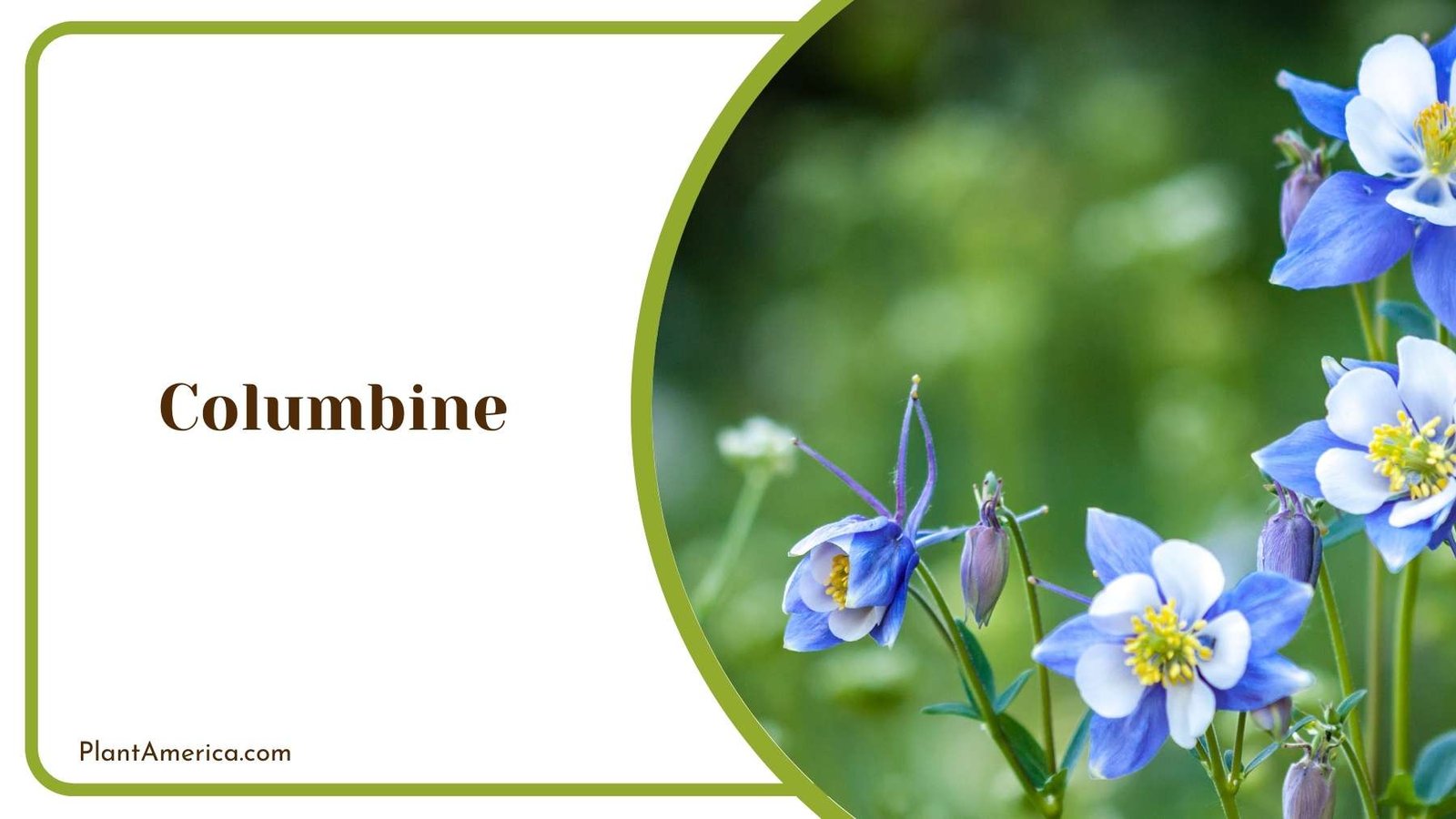
Graceful columbine spikes its ethereal color into shady gardens come spring. Their hanging floral bells dangle in cheerful hues of purples, oranges, yellows and red through June. Native to North America, columbines seed with abandon amongst roots, yet seedlings transplant poorly.
Appreciating shelter from the midday sun, moisture-retentive yet well-drained soil suits these beauties perfectly. Once established, columbines prove quite hardy and long-lived perennials. Cutting spent flower spikes down encourages lush re-foliage before reblooming. An indispensable member of spring-blooming woodland or shade plantings.
19. Bleeding Heart
- Growing Season: Spring, Late Summer, Fall
- Leaf Type: Heart-shaped leaves
- Specific Needs: Sun, Well-draining soil
- Common Pests: Aphids, Spider mites
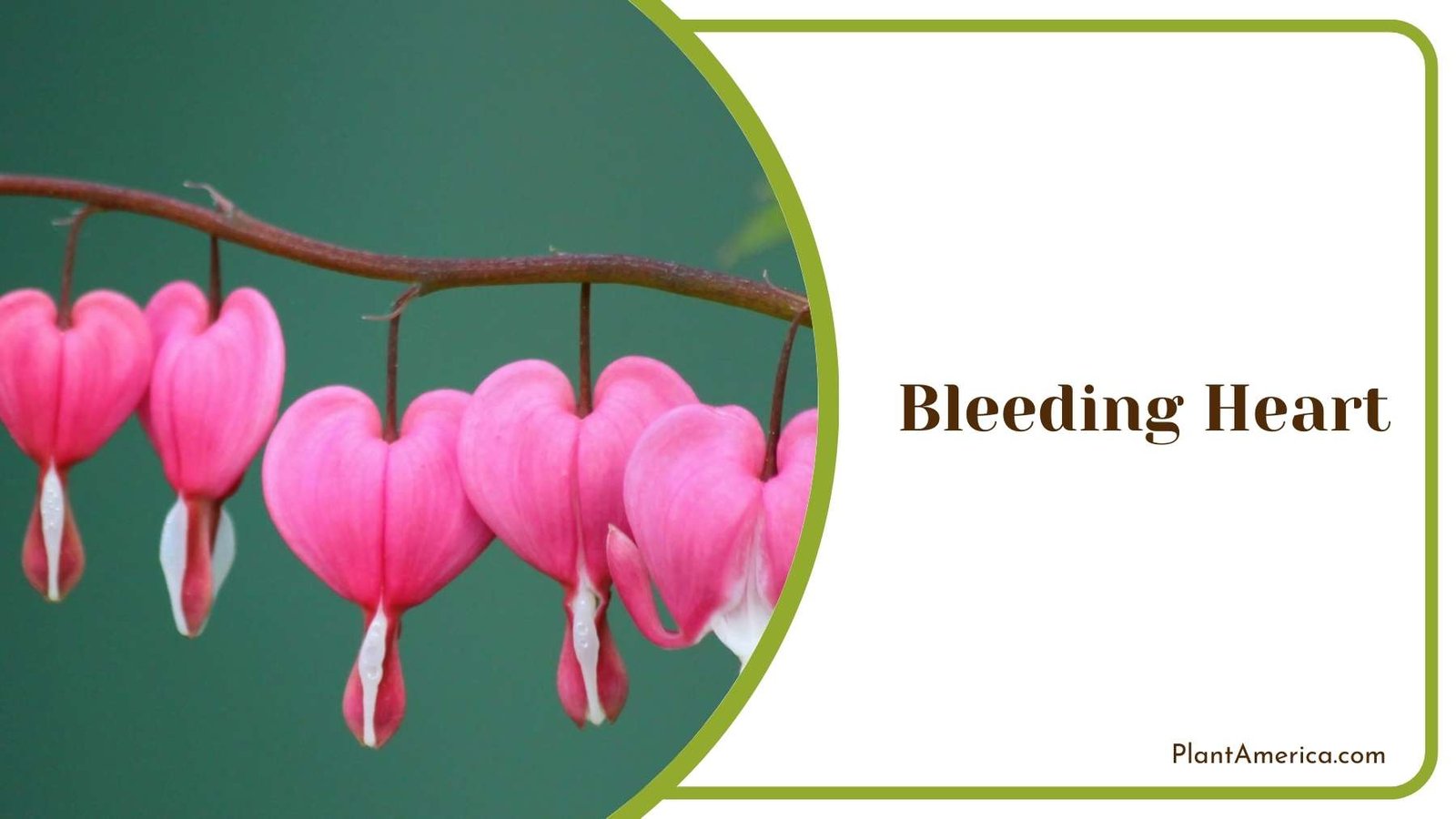
No spring perennial outshines bleeding heart’s nostalgic natural elegance. Pendant flowers dangle pink posies amidst fresh green foliage shoots. Originally from Asia, bleeding hearts feel right at home colonizing shaded beds and borders come late spring.
Loamy moisture keeps their rhizomes content, yet good drainage stops root rot. The partial shade suits these beauties best, yet thriving colonies pop up anywhere cracks let them dwell. Their fleeting blooms sing a whimsical chorus before making way for feathery seed heads amongst ferns and hostas. Bleeding hearts lift spirits with each languid bloom floating like bits of dancing satin.
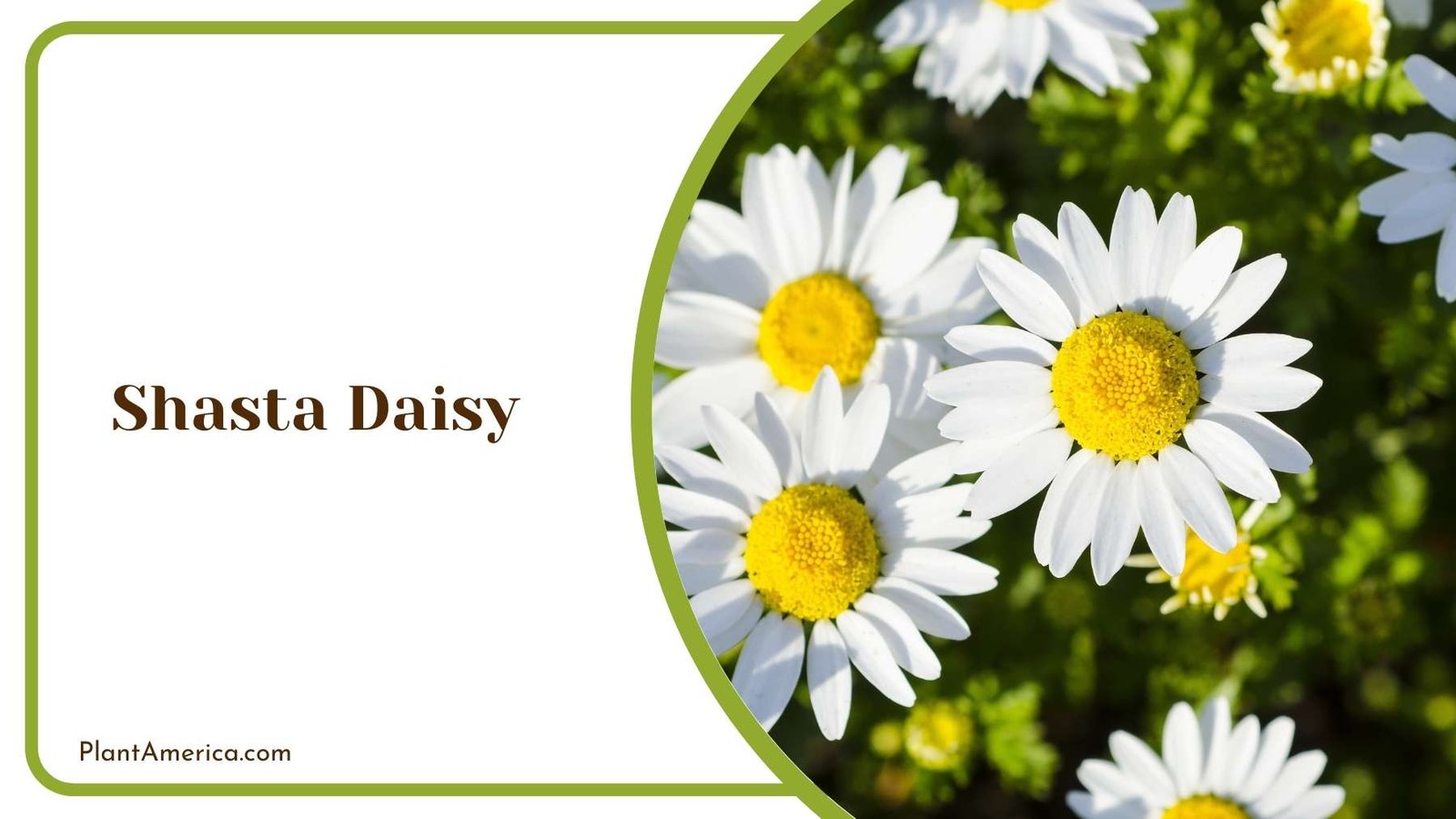
20. Shasta Daisy
- Growing Season: Spring, Late Summer, Fall
- Leaf Type: Alternate, Wrinkly leaves
- Specific Needs: Sun, Well-draining soil
- Common Pests: Aphids, Spider mites
Shasta daisies twirl simple charm all summer with huge white blooms that kiss the sky. Native to China yet widely naturalized, these perky flowers evoke countryside cheer amongst herbaceous borders and meadows.
Thriving in average well-drained soil, Shasta daisies ask little besides ample sun to shine their pearly petals non-stop. Sturdy stems necklace ringlet blooms above lacy foliage, captivating butterflies until frost. Deadheading maintains happy, bubbly dancers, ensuring summertime joie de vivre. Whether mingling or massed, Shasta daisies waltz delight to all they meet.
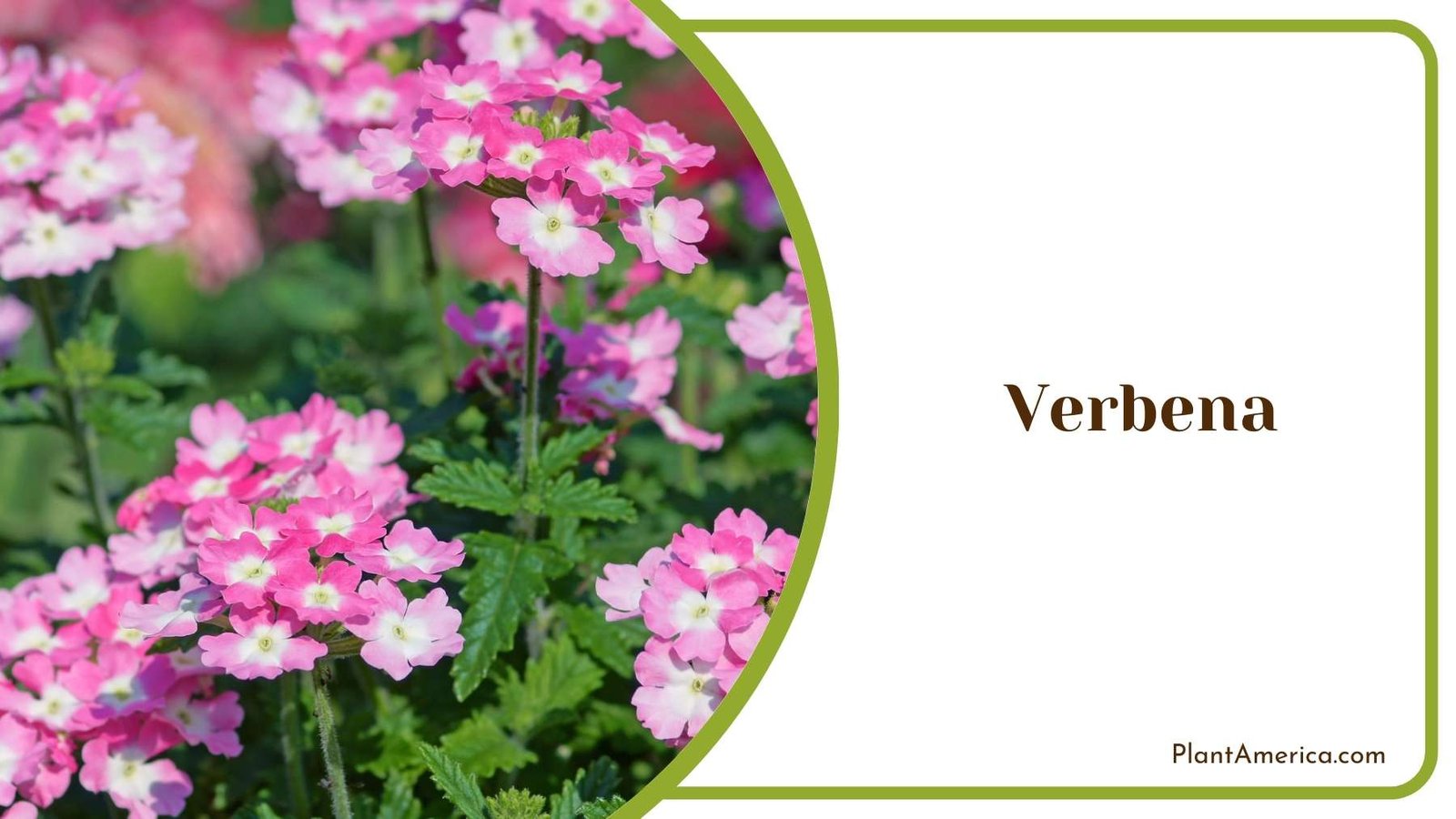
21. Verbena
- Growing Season: Spring, Late Summer, Fall
- Leaf Type: Opposite, Soft leaves
- Specific Needs: Sun, Well-draining soil
- Common Pests: Aphids, Spider mites
Verbenas bloom brilliantly through summer beddings, brimming borders with cheerful tufts of fuschia, rose, lavender and white patterns. Native to South America, these tendril-trailing beauties frolic amongst rocks and walls with delicate blooms pollinators adore.
Drought-tolerant yet thriving in average soil, verbenas spread vivacious color even in sun-baked zones. Deadheading maintains their merry dance through summer’s peak. Whether tumbling borders or lining pathways, verbena’s sunny temperament lifts spirits for months on end. With such prolonged blooms needing little care, verbenas certainly brighten any hot corner.
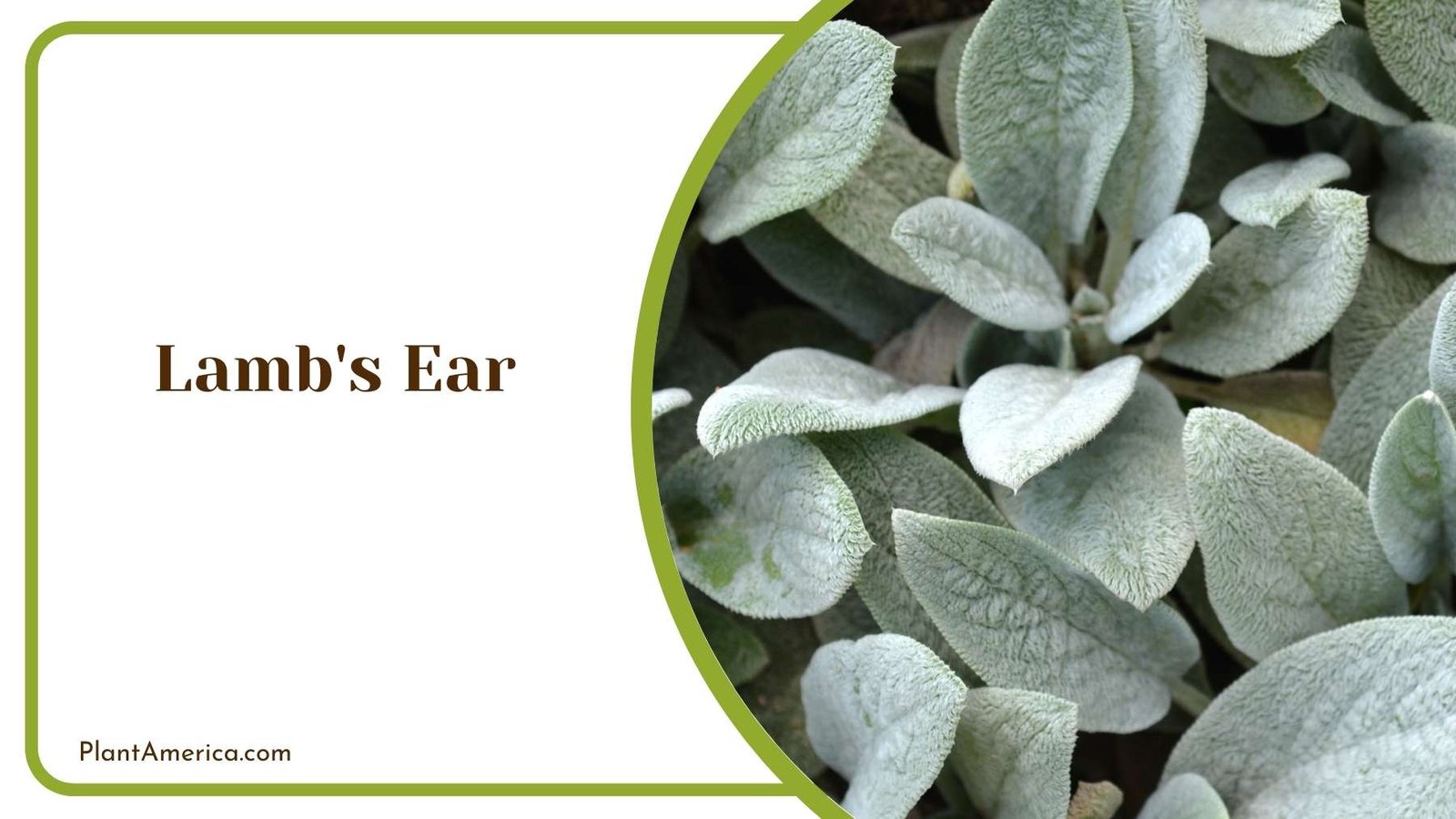
22. Lamb’s Ear
- Growing Season: Spring, Late Summer, Fall
- Leaf Type: Basal, Wooly leaves
- Specific Needs: Sun, Well-draining soil
- Common Pests: Aphids, Spider mites
Lamb’s ear is a unique herbaceous perennial beloved for both its delicate appearance and hardy nature. Native to parts of Eurasia, it produces soft, velvety gray-green foliage in dense, rounded clumps. These mounds of furry leaves contrast wonderfully amongst brighter flowering plants in borders and cottage gardens throughout the summer months.
While admired for its unique silvery texture, lamb’s ear also thrives in challenging landscape conditions where other plants may struggle. Its leaves require very little fertility and can withstand poor, dry soils where drainage is fast.
This hardiness allows it to adapt readily to various spots around yards and paths. It performs well underneath roses, softening the edges of planting beds. Lamb’s ear also frames walkways with its low-growing form, providing an attractive edging.
Maintenance is minimal for this low fuss perennial. Deadheading spent flower spikes throughout summer keeps each clump looking neat and full. No additional fertilizer is needed as the leaves thrive in lean soils. Its serene presence cultivates a sense of calm wherever the lamb’s ear dwells.
Due to its adaptability and low water requirements, it has become an indispensable plant for many gardeners. Whether mixed in borders or mass planted, lamb’s ear welcomes passersby with its soft silver foliage every season. Its subtle beauty and easy care make it a mainstay in landscapes nationwide.
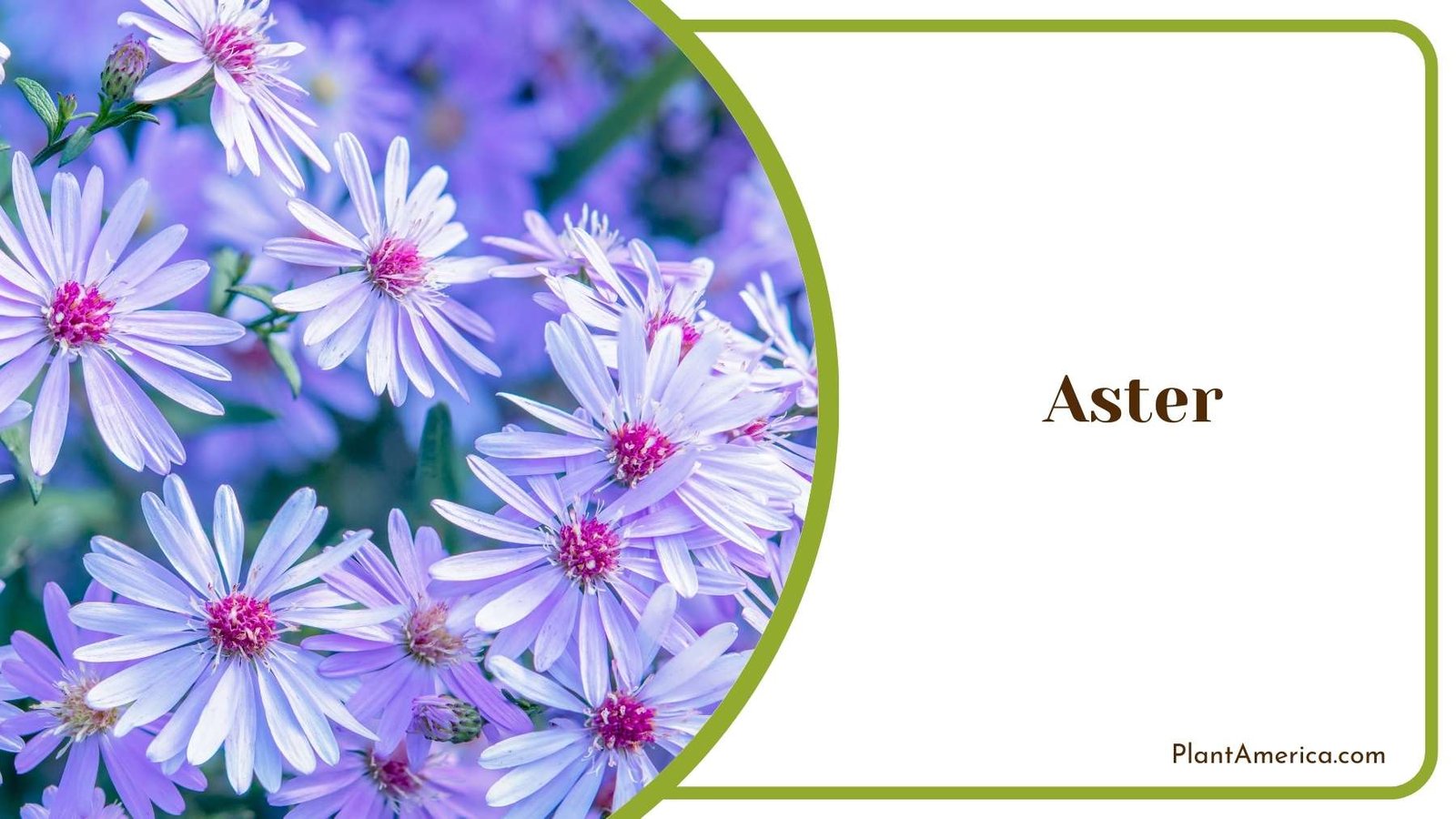
23. Aster
- Growing Season: Spring, Late Summer, Fall
- Leaf Type: Alternate, Narrow leaves
- Specific Needs: Sun, Well-draining soil
- Common Pests: Aphids, Spider mites
As summer wanes, asters blaze colorful exuberance across meadows and borders right until frost’s kiss. It nods with blooming grace in shades resembling rainbows – pinks, reds, purples, whites and blues. Originating from Asia yet thriving across North America, asters captivate bees and butterflies.
Ideal for average, well-drained soils, asters ask little besides ample sun or shade depending on the type. Deadheading maintains its vibrant dance through late blooming seasons. Clumps divide easily in spring if wishing to spread merrily. Whether naturalized or more formally planted, asters liven dreary spots with unmatched cheer.
24. Coral Bells
- Growing Season: Spring, Late Summer, Fall
- Leaf Type: Basal, Heart-shaped leaves
- Specific Needs: Sun, Well-draining soil
- Common Pests: Aphids, Spider mites
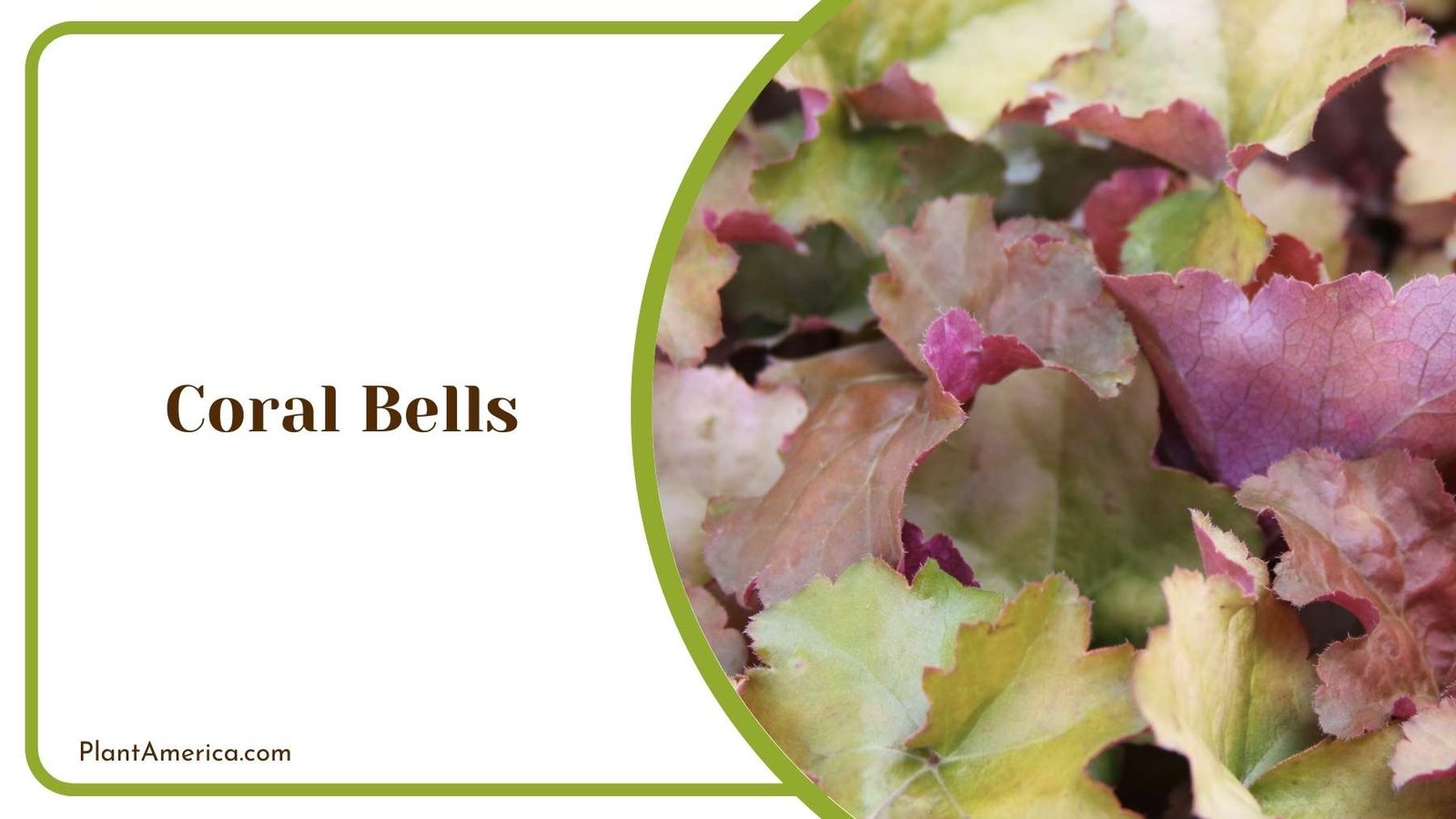
Further enhancing shaded flower beds, coral bells sprays blooms in unique shades above rich foliage. Colors range through pinks, oranges and reds, intoxicating hummingbirds as they hover. Originally from eastern Asia, coral bells spread with abandon along woodland edges.
Their bronze-tinged leaves thrive where roots stay consistently moist yet well-draining, such as dappled forests or bog gardens. Coral bells naturalize splendidly yet also gladly populate pockets elsewhere. Spent growth prunes back painlessly each spring, revealing fresh emergence until the heat arrives. Endlessly cheerful wherever placed amongst hostas and ferns.
25. Japanese Anemone
- Growing Season: Spring, Late Summer, Fall
- Leaf Type: Compound, Feathery leaves
- Specific Needs: Sun, Well-draining soil
- Common Pests: Aphids, Spider mites
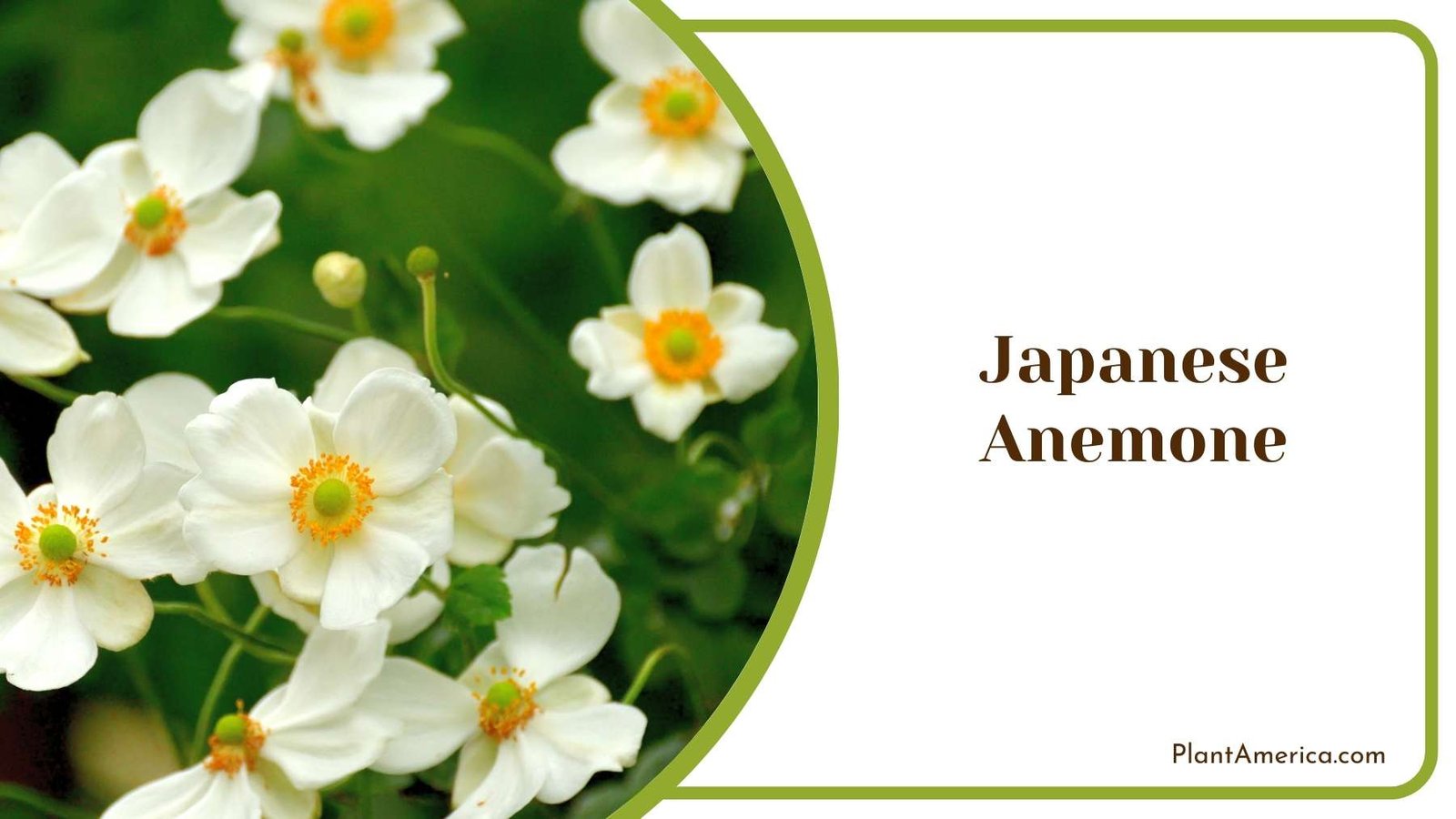
Whorls of ethereal flowers float above foliated mounds come autumn, enticing with pastel shades of pink, purple and white. Native to Asia, Japanese anemones appreciate partial afternoon shade with consistently moist yet well-draining soils.
Come fall, their blooms glow luminously amongst diminishing perennials as butterflies flit between nectar sources. Dividing root balls in spring refreshes clumps for years of dreamy color. Whether massing or mingling solo, Japanese anemones impart mystical grace to shaded borders during waning months.
26. Liatris
- Growing Season: Spring, Late Summer, Fall
- Leaf Type: Linear, Grass-like leaves
- Specific Needs: Sun, Well-draining soil
- Common Pests: Aphids, Spider mites
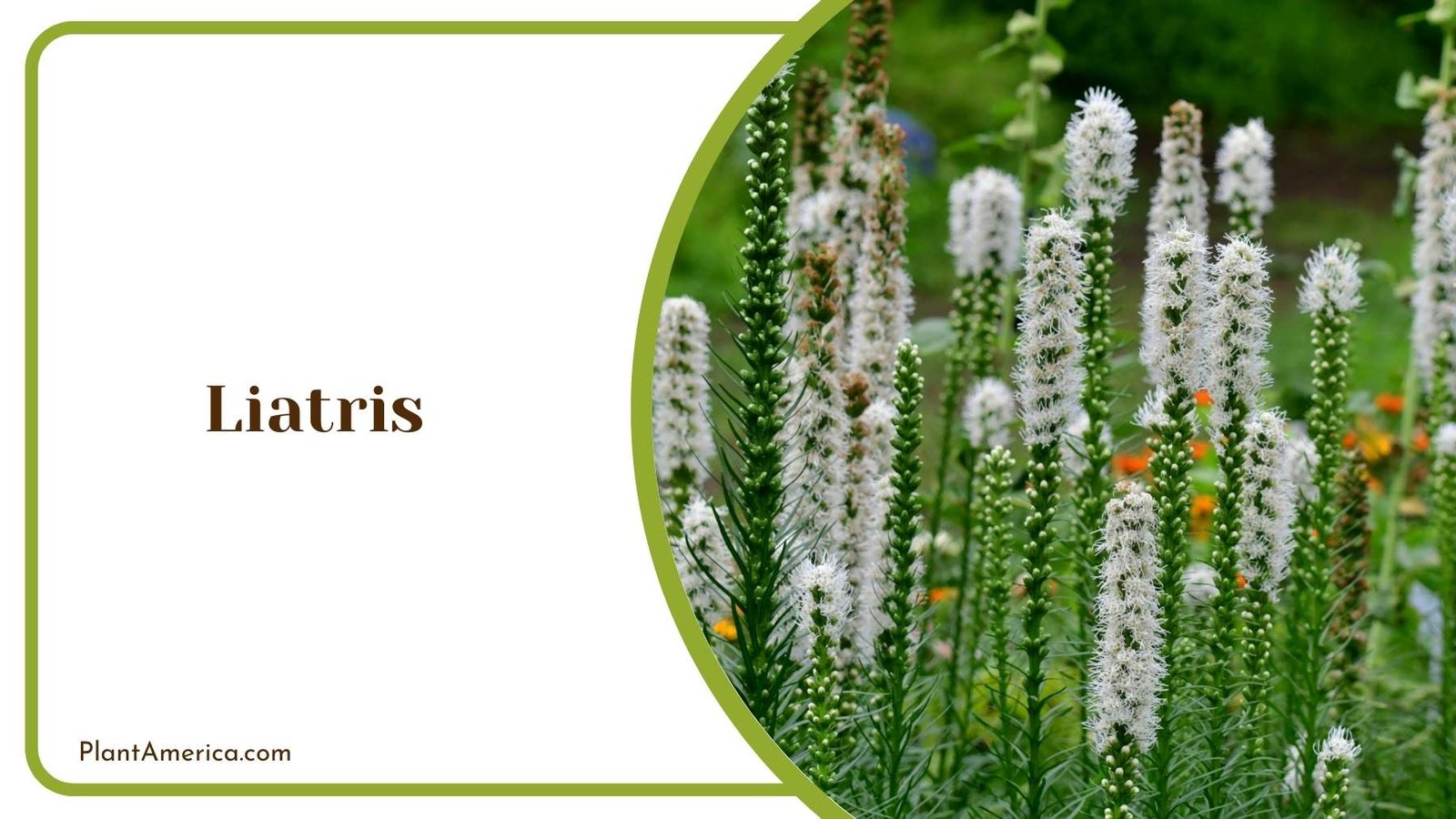
Also called blazing star, liatris shoots spikey plumes of tiny blooms in shades of fuchsia, purple and white through meadows come late summer. Native to North America, their flower spikes dance above narrow grass foliage attracting endless butterflies.
Thriving in lean, well-draining soils with ample sunlight, liatris prove heat and drought-tolerant. Clumps divide easily in spring to spread naturalized patches. Whether mingling amidst prairie plantings or formal borders, liatris beams vivacious late color. An indispensable aromatic perennial lighting autumn acreage.
27. Penstemon
- Growing Season: Spring, Late Summer, Fall
- Leaf Type: Opposite, Narrow leaves
- Specific Needs: Sun, Well-draining soil
- Common Pests: Aphids, Spider mites
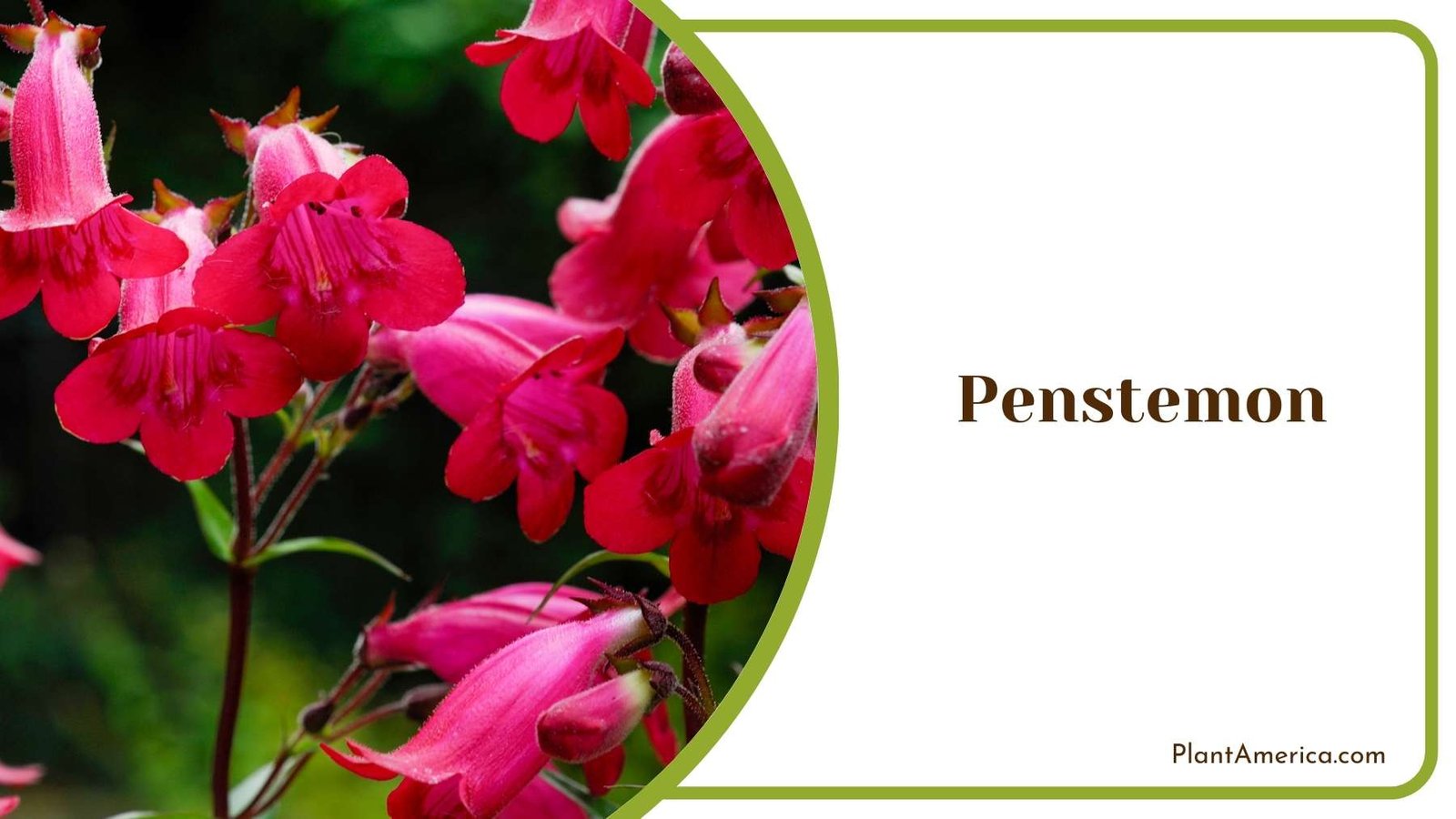
Also called beard tongues, penstemons enliven summer borders with tubular blooms protruding proudly in blues, reds, pinks and white. Native to western North America, their nectar nourishes hummingbirds relentlessly zipping amidst flowers.
Ideal for well-draining soils, penstemons prove heat and drought-tolerant perennials. Shearing faded spikes down encourages rebloom through much of the season. Whether massing wild colors or utilizing ethereal singles, penstemons impart vibrancy alongside salvias and sages.
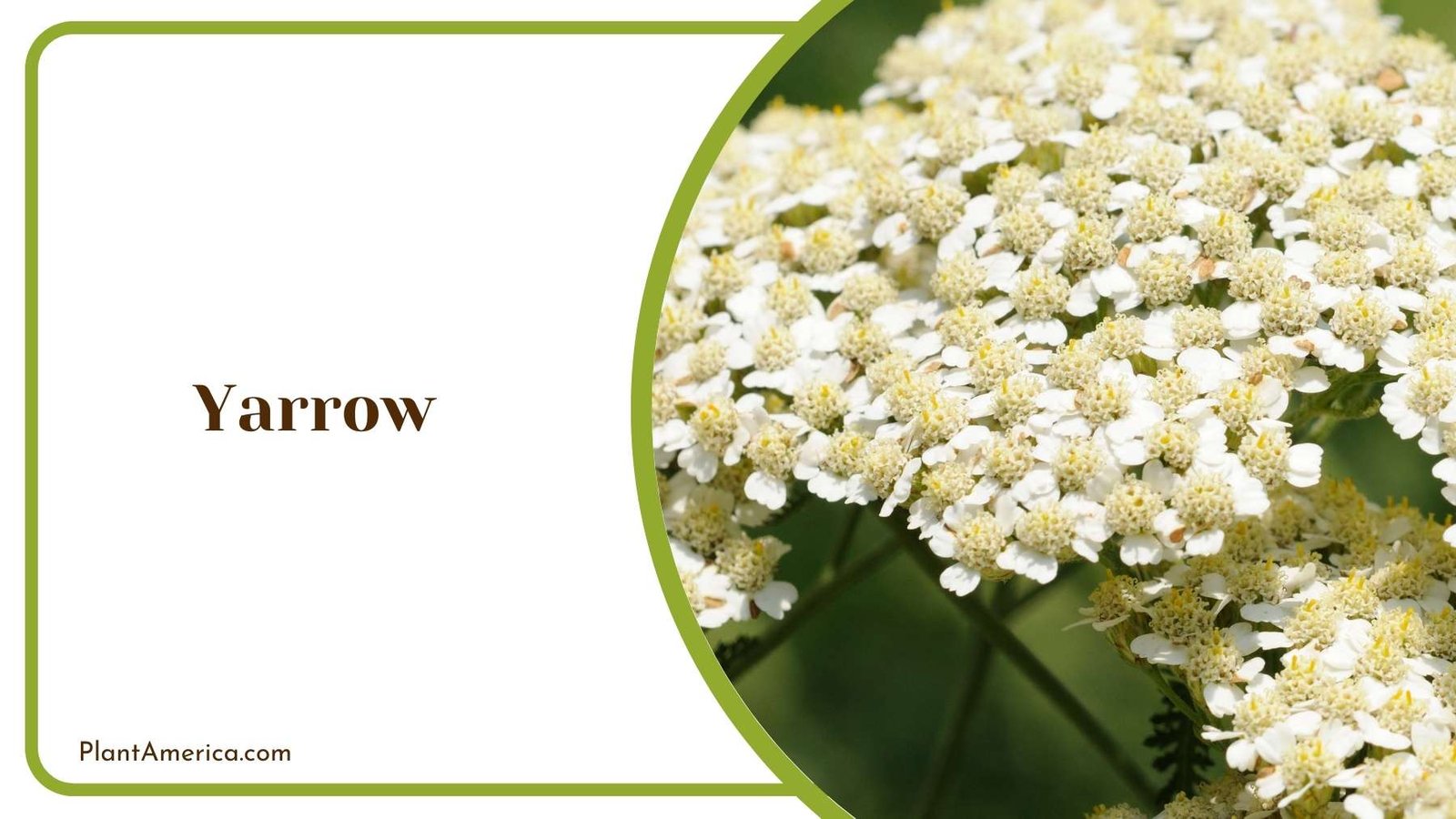
28. Yarrow
- Growing Season: Spring, Late Summer, Fall
- Leaf Type: Ferny, Lacy leaves
- Specific Needs: Sun, Well-draining soil
- Common Pests: Aphids, Spider mites
Ground-hugging mats of green wink flowers resembling fluttering lace across summer meadows. Yarrow’s daisy-like blooms gleam in colors from magenta to cream puffs atop feathery foliage beloved by beneficial insects.
Adaptable beyond belief, yarrow colonizes anywhere soil allows with minimal care – thriving in poor, parched lots and managing moisture naturally. Flowers transition through much of summer, followed by wispy seedheads, cultivating serenity wherever their calm nature softens spaces. Yarrow integrates intuitively amidst prairie plantings, rock gardens and beyond.
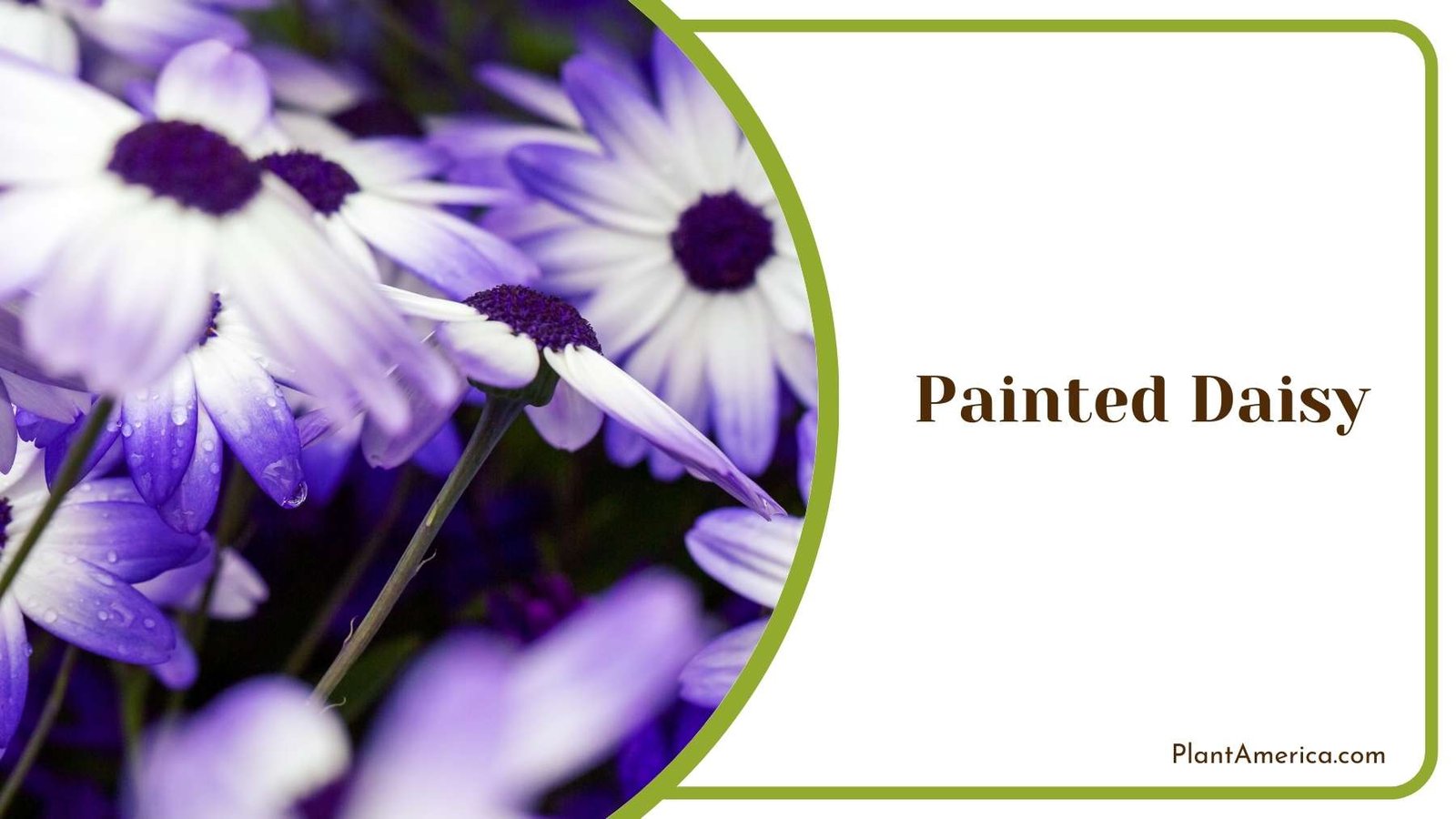
29. Painted Daisy
- Growing Season: Spring, Late Summer, Fall
- Leaf Type: Alternate, Lobed leaves
- Specific Needs: Sun, Well-draining soil
- Common Pests: Aphids, Spider mites
Living up to its name, painted daisy petals impress in bright variations – from solid hues to picotee edges. Their cheerful faces beam from spring until summer’s peak. Native to eastern Asia, painted daisies charm woodland gardens with a thirst for moisture.
Rich, consistently damp yet well-drained soil suits these beauties perfectly, whether filling crevices or spreading gently across beds and meadows. Dividing clumps in spring keeps energy levels high for rebloom each season. An indispensable addition for natural floral brightening shaded spots.
Conclusion
This overview provides perennial flowers and foliage plants capable of lighting up any garden with vibrant colors through their growing seasons:
- Gaillardia, Coreopsis, and Blanket Flower bring cheerful oranges, yellows, and reds from summer into early fall.
- Salvias, Russian Sage, and Penstemons beam resilient blues, purples, and reds through the hot summer months.
- Asters, Heleniums, and Liatris light up late summer and fall with colorful blooms attracting bees and butterflies until frost.
Whether selecting a few favorites or mixing many, incorporating these vibrant perennials will surely imbue your garden with constant cheer, seasonal interest, and nutritional value for pollinators all year. With their varied colors, heights, bloom times, and low-maintenance needs, your garden is sure to become a lively and inviting oasis that brings you joy each day.