
Acorn peperomia of the Piperaceae family is the perfect tiny plant for the smaller corners of your house. You have the option to either grow it in a pot or put it in cute-sized hanging baskets like a trailing jade plant. You might find it a bit challenging, but it is not a complex Peperomia genus plant to grow. If you believe no plant can tame the gardening enthusiast inside you, then jump right down and read this concise care guide.
What Is an Acorn Peperomia?
Acorn Peperomia hope is the common name for the Peperomia tetraphylla ‘hope’ plant. It is a compact little plant with three or four leaves per node. The leaves are the main attraction of this peperomia plant, being small, rounded, and fluffy.
Acorn Peperomia Care
Acorn peperomia plants need to be filtered or light indirectly, watering when the topsoil dries up and more than 50 percent humidity. The temperature needs to be moderately warm, with around 65 to 75 degrees Fahrenheit all the time. It is best to fertilize with natural feed after four or six weeks.
 Water Requirements
Peperomia hope needs proper watering, yet it will tolerate drought but not overwatering. Even though it is not succulent, its plump leaves store some water. You must use only water when the top one to two inches of chunky soil mix becomes thoroughly dried.
A moisture meter is an instrument with a rod that you insert within the soil. Inserted halfway within the ground, you should get a reading of four or lower before you can water your plant. Suppose you don’t want to bother with a moisture meter; that’s fine too. Just put your fingers within the top of the soil to see if it feels dry enough to water.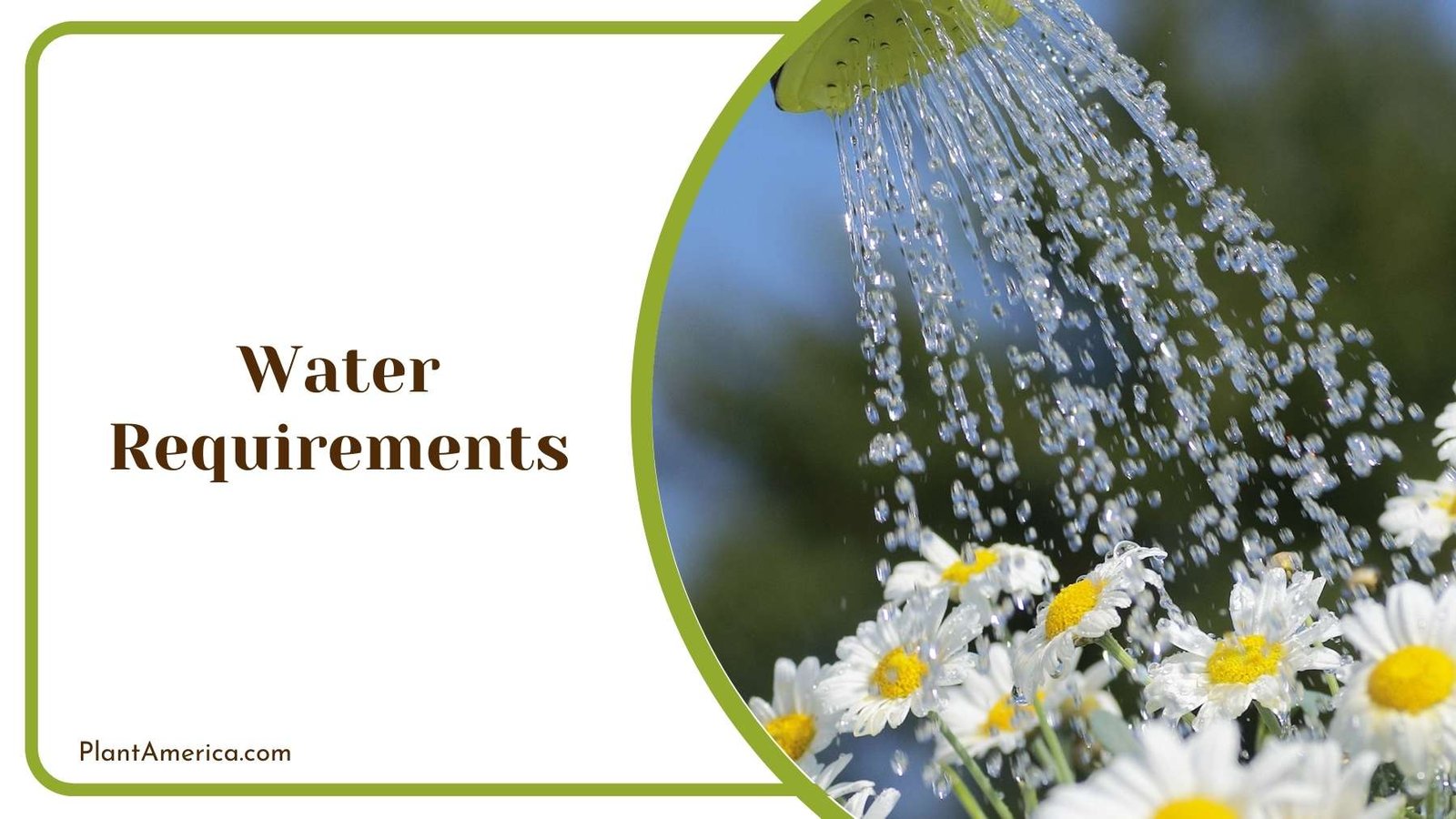 Watering plants is also an art of sorts. Water the soil and never the plant itself. As a rule, keep watering until you see it coming out of the drainage hole. This way, you know that the whole of your potting medium has been soaked through.
The quality of water you use affects the kind of plant you get. If your only option is to use tap water, you must remove chlorine from it first. Let it sit out in a bucket all night long before use.
Peperomias love distilled water. It has no dissolved salts, minerals, or toxins of any kind. It keeps your plant healthy and thriving.
Rainwater is not as safe as distilled water, but it works fine too. The next time it rains, don’t forget to put a bucket outside to collect it for your peperomia acorns.
 Light Requirements
Peperomia tetraphylla needs bright daylight conditions to thrive fully. Yet, they cannot tolerate direct sunlight as they are prone to sunburn. Please give them a shaded spot inside and outside the house, wherever you keep them.
Choose the brightest room in the house for peperomia acorn. You can place it anywhere in the room. If kept in a corner, you must rotate the plant at least once daily. You want to ensure that leaves on all sides get adequate light. If you want to place your Peperomia closer to the windows, make sure it is not the south-facing one. This window receives only direct rays of sunlight and is not safe for the plant. You will have to put a curtain over the window all the time to filter out the sun.
Eastern and western-facing windows are pretty safe to keep pots near, and this is when they receive indirect light most of the time. Except for a few hours of direct sunlight, you can place your pot right on their window sills.
Your plant has more chances of getting a sunburn outside the house. Choose a shaded spot for them in the garden, like a patio or something. Since they are rather small-sized, you can easily put them under a larger plant as shade.
 Soil Requirements
You need slightly acidic soil (pH 6.0-6.6) that is moisture retentive and quick-draining at the same time. For this, the soil should be rich in organic nutrients with a good deal of porosity.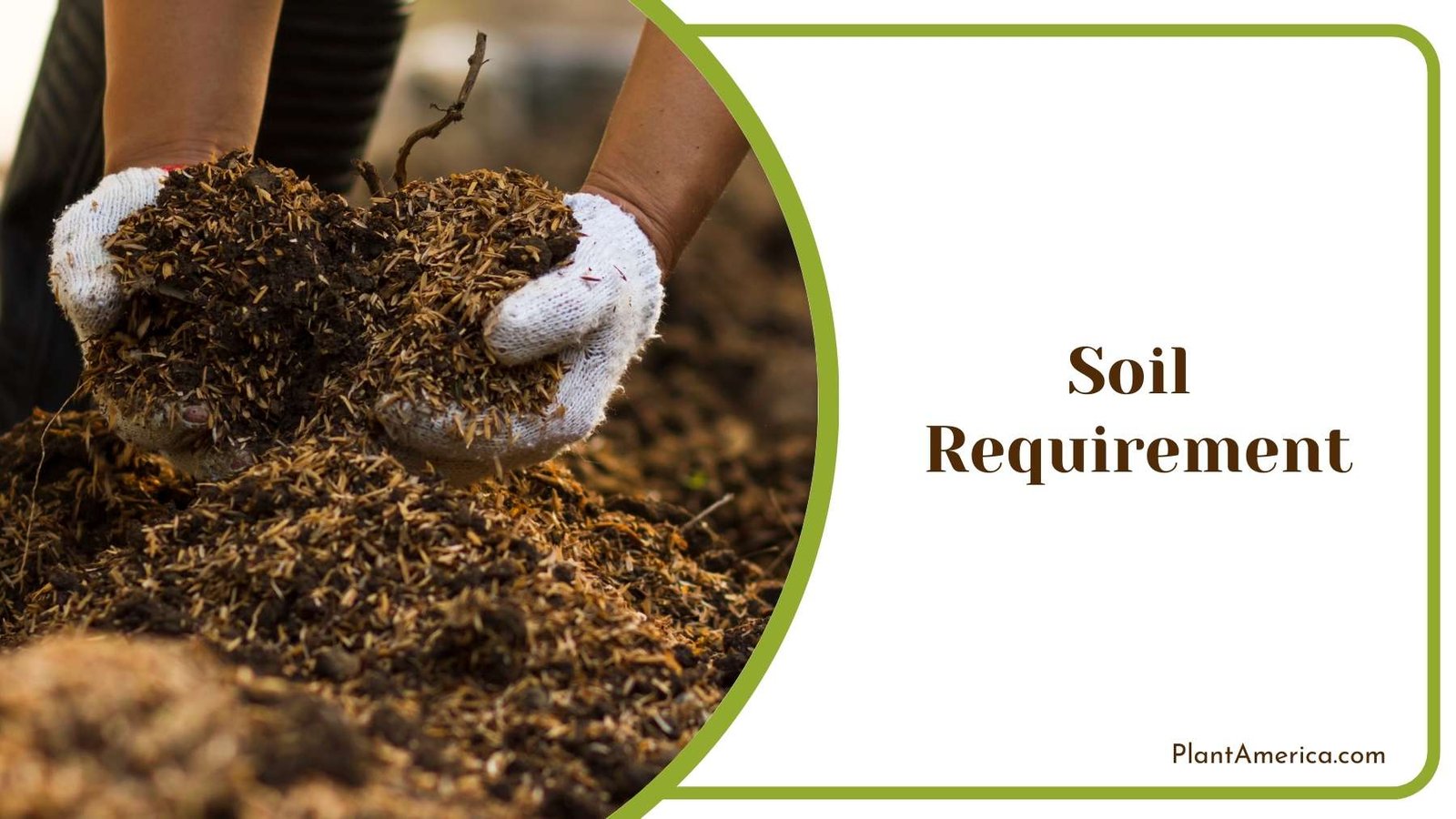 Learn how to make perfect peperomia soil all by yourself below.
- Order a packet of succulent potting mix and use it as a starting material. Always purchase from the highest-rated manufacturer to get the most premium quality product.
- Next, it’s time to add an equal quantity of organic content. Make a mixture comprising peat, compost, hummus, and mulch. Using only peat works well too.
- Lastly, it’s time to improve the drainage of your mix. Take balls of perlite, a couple of chunks of bark, and charcoal pieces and throw them in the soil. Mix everything using a rake thoroughly and adequately.
- Next, take a clay or a terracotta pot to put the soil in. Plastic pots also work but don’t provide the same drainage and evaporation as clay ones. At any rate, please stay away from metal pots because they are the worst for plants.
- Spread a layer of gravel in the pot before filling it with soil. This hack will prevent the drainage holes from blocking as a result of clay washing off.
 Temperature Requirements
Grow peperomia within a temperature range of 65 to 75 degrees Fahrenheit. This is cool to a moderately warm growing plant. It doesn’t really do very well in temperatures below 50 degrees at all. Begins to die in colder weather.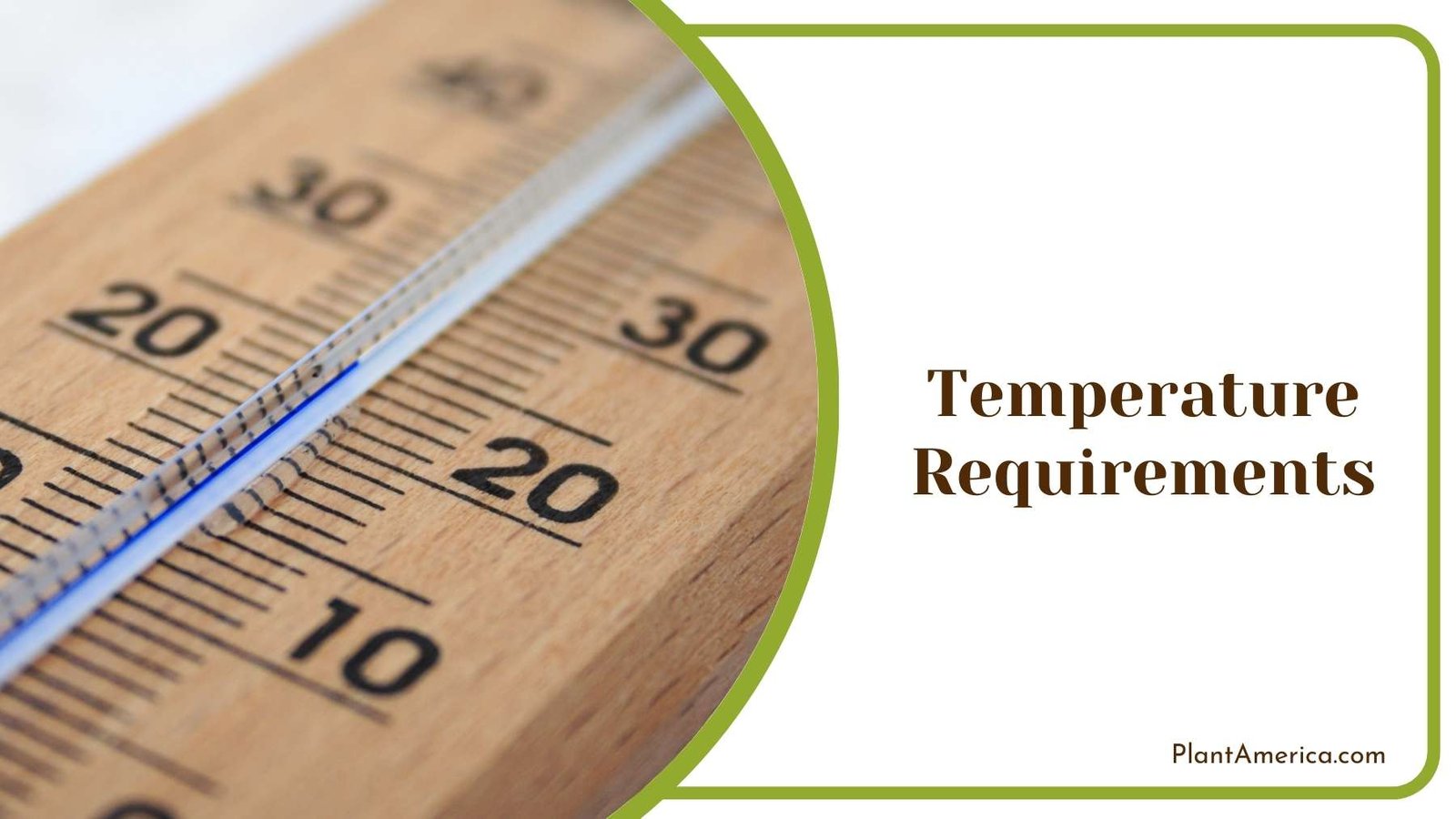 If you live near the equator, you can grow peperomia outdoors year-round. For the rest of us, moving it indoors when frost falls is safe. People often cover their plants with tarp or cardboard boxes to survive winters.
The kitchen is the warmest spot for an indoor-grown plant during summer and winter. In winter, you can keep it on or near a radiator. Just don’t keep them under a chiller, though. A cold draft of winds can be pretty detrimental, even for a short period.
 Humidity Requirements
Fifty percent or more humidity is needed for proper Peperomia plant care. A hygrometer will tell you exactly how moist the air is inside and outside the house. Luckily, most regions have an average humidity percentage of 55 to 60 percent, and you will have no problem with this plant.
You will have to be careful in two cases. Condition one is if you live in a boiling and dry region. Secondly, if you have kept the plant outside somewhere where there are strong winds. Winds tend to dry the leaves faster despite them being succulent-like.
A humidity tray is any tray with raised corners placed under the pot. It contains water that evaporates throughout the day to increase humidity around the said plant.
This tray must contain large pebbles or other things to rest the pot on. The drainage hole located at the bottom of the pot should never be directly in contact with water. Otherwise, overwatering and fungal problems might consequently develop.
Additionally, you can adorn your pebble tray with crystals, sea shells, and other ornaments to make it look pretty. If you can take the time out, you can try misting your outdoor Peperomia tetraphylla. Depending on how windy your area is, mist around two to three times a week.
Early morning till noon is the most suitable time to carry out misting. This gives the whole day for the water droplets to evaporate on the plant. Use a small quantity of water in a narrow nozzle spray bottle. Spray from a distance of three to four inches only.
 Fertilizing Requirements
Do not fertilize this plant too much or too often; once every four to six weeks would be just right for it. We are big fans of using natural fertilizers for Peperomias. First of all, this plant’s soil has a large portion of organic matter.
You can put a layer of organic mulch over the succulent-mix soil. It serves the dual function of retaining moisture and disintegrating and providing nutrients to the soil. You have a few options for mulch, such as grass clippings, wood shavings, etc.
If you are into homemade composting, there is nothing better than that. Every month take a fistful of compost and mix it within the topsoil using a rake. For commercial fertilizer, you must dilute it to a third of its concentration for it to be safe for Peperomia.
 Pruning
Use clean and sterilized pruning shears to regularly trim new branches’ growing ends. Do this at the start of every growing season in spring. This practice helps with further growth.
Keep on regularly picking off old and problematic leaves from the plant. Afterward, you can add non-infected ones to the compost bin or mulch materials. Pick off all Peperomia hope flowers when the gloomy season ends.
Cleaning is another aspect of grooming a plant. Remove dust collected on the leaves especially. Filtering the air is among the best of the peperomia hope benefits. Dust prevents your leaves from carrying it out.
Propagation
Acorn peperomia propagation is best carried out in springtime when there are no longer any flowers on the plant. A new plant will not grow back unless the flowering season ends. You have two options when it comes to propagating peperomia: propagating via either stems or leaves.
In the upcoming sections, we have explained both of them below.
– Leaf Cuttings
Look for reasonably-sized and healthy leaves for this task. They should be free of diseases, pests, and discolorations.
- Cut three to four leaves in the start, along with their petioles.
- Very carefully make tiny shallow cuts on the lower surface of these leaves.
- For propagation, make a slightly different potting mix than an adult plant. Make a potting mix comprising an equal ratio of peat and perlite.
- Place all three to four leaves on the surface of the soil. See that there are about four inches between each of these leaves.
- The petiole should be buried in the soil. The lower side of each leaf should also be in proper contact with the soil.
- Make sure that the surface of the soil is evenly moist. Make use of a sprinkler. Don’t water it properly like an older plant.
- Take care that the pot has the best care needs when it comes to light, temperature, and humidity.
– Stem Cuttings
We think the best way to propagate peperomia plants is by using cuttings from their stems. Why don’t you also try this method out using the steps given below?
- The first step is always about cleaning your gardening tools with alcohol swabs.
- Then cut three to five inches cuttings from a healthy young stem.
- Allow this cut piece to dry out and form thick calluses where they were cut.
- After this, you are all set to pot the cutting in the soil that you have mixed for propagation. A 50:50 quantity of peat and perlite would make the propagation far easier.
- Under a bright sunny spot, with warm weather and high humidity, your new baby peperomia will flourish beautifully.
– Seed Propagation
Don’t worry if you don’t own a peperomia tetraphylla plant yet; all you have to do is obtain a packet of its seeds to grow it on your own.
- Technically, you can sow peperomia seeds directly in a pot. However, we find it is much better to start seed propagation in a tray.
- Spread the tray with a thin peat-perlite potting mix evenly. Moisten it a bit by sprinkling water on it by hand.
- Plant the seeds in the mix one by one in neat rows. Don’t push them in too deep because they will need sunlight to germinate.
- Place a plastic sheet over the seedling tray. This is our go-to hack to create very high humidity levels that help the plant germinate.
- After the seeds have germinated and grown, carefully take the plants out. Then take each plant out and pot it in the adult peperomia soil mix.
Problems
The most common problems associated with peperomia plants are due to improper care. In this section, you will learn how to tackle mealybugs, overwatering and cold shock.
– Mealybugs
For some reason, this plant is a genuine beloved of mealybugs. These are minor, round bugs that appear like dots of cotton crawling across the leaves. Lift the stems to look under the leaves; that is where most of them will be hiding.
Mealybugs are not fatal, but you shouldn’t be lazy about them either. In the long term, they will lead to leaves curling and yellowing. Most importantly, the plant will have no further growth at all.
Take a moderate quantity of water and mix some anti-insecticide in it. Use this water to wash the plant thoroughly. At the same time, scrub the whole plant lightly with a toothbrush. This will help get rid of a majority of the bugs.
Now, you must focus on eliminating their eggs and larvae. A few drops of neem oil over and under the leaves should be quite effective.
Repeat this washing and neem oil ritual every other week until you are 100 percent sure that all the bugs are gone.
– Leaf Drop Due To Cold
If your plant starts losing its leaves suddenly, immediately check the temperature around it. In most cases, the plant is somehow receiving cold drafts of air. This can be either from a vent or a window left accidentally open at night.
There will be no other signs and symptoms. The leaf drop is a protective mechanism to conserve as much energy as possible. Move the plant to a warmer spot right away. It will take some time, but the poor plant will eventually recover from this cold shock.
– Overwatering
Acorn peperomia plants store water in their semi-succulent leaves. Their roots and foliage are super sensitive to overwatering. That is why you must carefully water this plant and keep on checking that drainage is not compromised.
Overwatering initially will only cause swollen leaves from all the extra water. Over time, this will develop into yellowing and drooping leaves. The most severe problem to arise next would be fungal root rot.
Therefore, you need to fix your watering habits if you have mushy, yellow leaves and runny soil. They can always be replaced if there is a problem with the pot or the soil. Once the plant develops root rot, it becomes challenging to save it.
Final note:
No, the peperomia acorn is not a succulent. It only looks like a succulent because of its fleshy leaves that tend to store water in them. Otherwise, it belongs to the genus Peperomia and is a tropical plant.