
Your monstera standleyana of the Araceae family is a variegated type of monstera that looks like it got splashed with white paint.
This tropical Monstera genus wonder can make even the coldest days seem bright and sunny in your home.
What Is a Monstera Standleyana?
With large oval leaves, the monstera standleyana is a beautiful climbing plant from the Araceae family.
The white- or cream-speckled leaves each look unique from the others, so your plant is always changing. It typically grows up to five feet tall and three feet wide although it can reach 20 feet in the wild. You can use a moss pole to help it grow higher.
Where Does it Originate?
Speaking of the wild, your monstera standleyana is originally from Panama, Honduras, Nicaragua, and Costa Rica. Most of South America is home to this climbing vine. It is usually found climbing up a tree since it is an epiphyte.
Other Names
The standleyana is often mistaken for the philodendron because it is similar in appearance. Although it is related to the philodendron, it is not the same genus.
Here are a few of the common names of the monstera standleyana.
- Albo variegate
- Five holes plant
- Philodendron standleyana
- Philodendron cobra
Even though your monstera standleyana is a tropical plant, you can easily grow it indoors as long as you give it the proper lighting, water, and soil requirements. In fact, you will rarely have to do anything but water your plant once a week or so.
Monstera Standleyana Care
 Light Requirements
The monstera needs a lot of indirect sunlight for it to be happy. You can put it in a northern or eastern facing window where it can absorb some of the gentle morning light or place it in a sunny window with curtains or blinds to filter the sun.
During the winter, your plant could benefit from some sunlight when it is cloudy to give it a growth boost when it is usually dormant during that time. Also, when the variegation is more pronounced, your plant can use a bit more sunlight because it cannot photosynthesize like all green leaves.
 Water Requirements
Before watering monstera standleyana, you need to check the soil. Stick your finger in the soil and if the top two inches are dry, you can water it. If not, wait and check it the next day. When it is ready to be watered, make sure the water drains well.
It is common for a standleyana to need watering every other day if the conditions in your home are correct. This means the humidity, sunlight, and temperature have to be just right. But you should still always check the top two inches of soil before watering.
Giving your plant too much water will cause the roots to rot, and this can kill your monstera standleyana. Not enough water and your plant may lose leaves or stop growing.
As long as you only water it when the top two inches of soil are dry and the soil is well-draining, it will be fine.
 Soil Requirements
The soil for monstera standleyana is important to its health and growth. The best soil for your plant is rich and organic with enough bark to help it drain well. Do not use soil that is too sandy, dry, or compacted.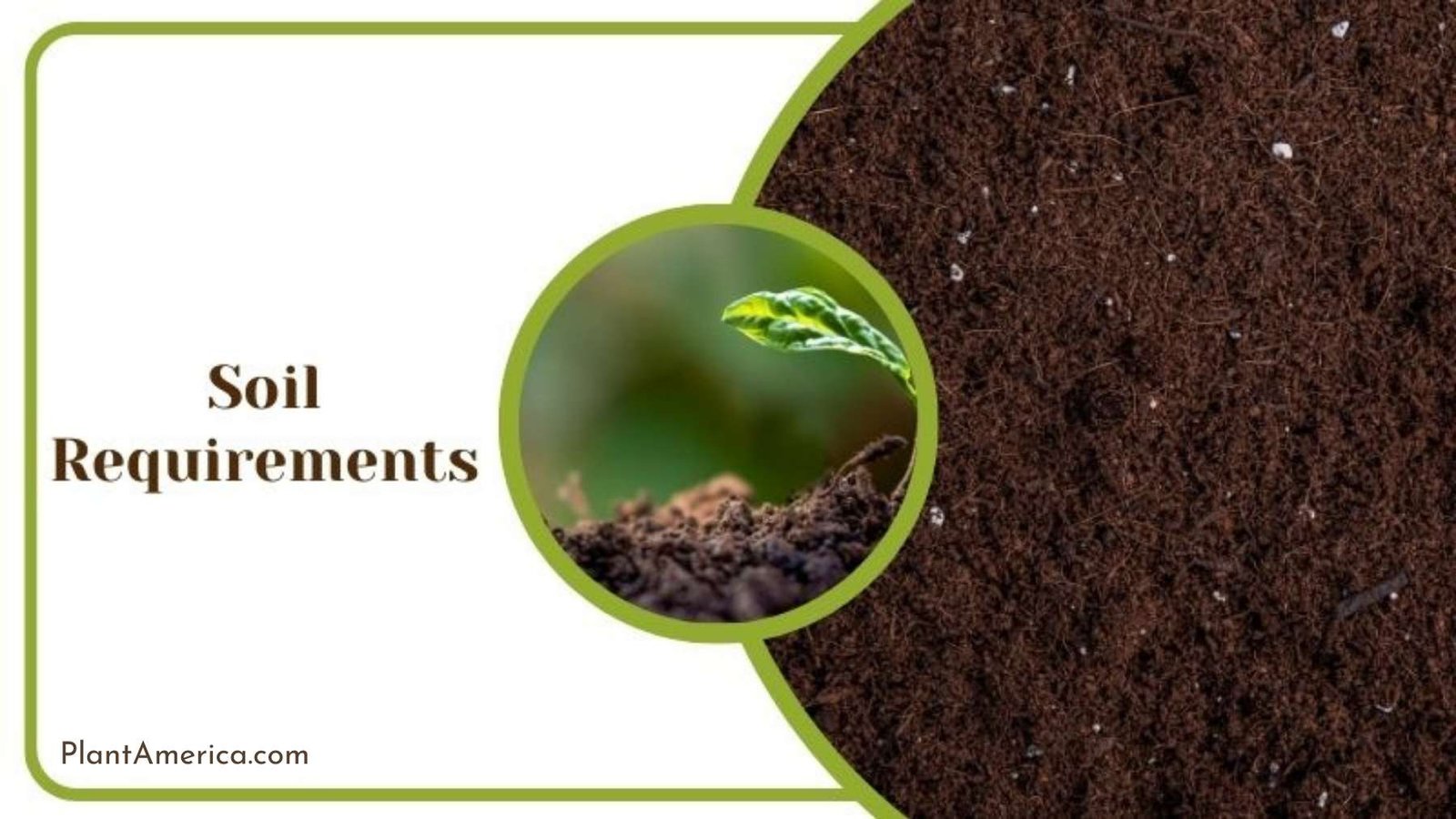
The best mix has two parts potting soil, one part orchid bark, and one part perlite. This will keep the water draining well without smothering the roots. In addition, the pH should be between five and seven.
 Temperature Requirements
Being a tropical plant from South America, your plant needs to stay warm. It prefers temperatures between 70 and 85 degrees, but it can tolerate temperatures of 55. Do not let it drop to 50 degrees or lower or your monstera may not live long.
 Humidity Requirements
Another thing your monstera needs is high humidity. It should be between 55 and 80% humid for the plant to grow lush green leaves. But sometimes it is hard to keep your plant both hot and humid because this is not a comfortable environment for us as humans.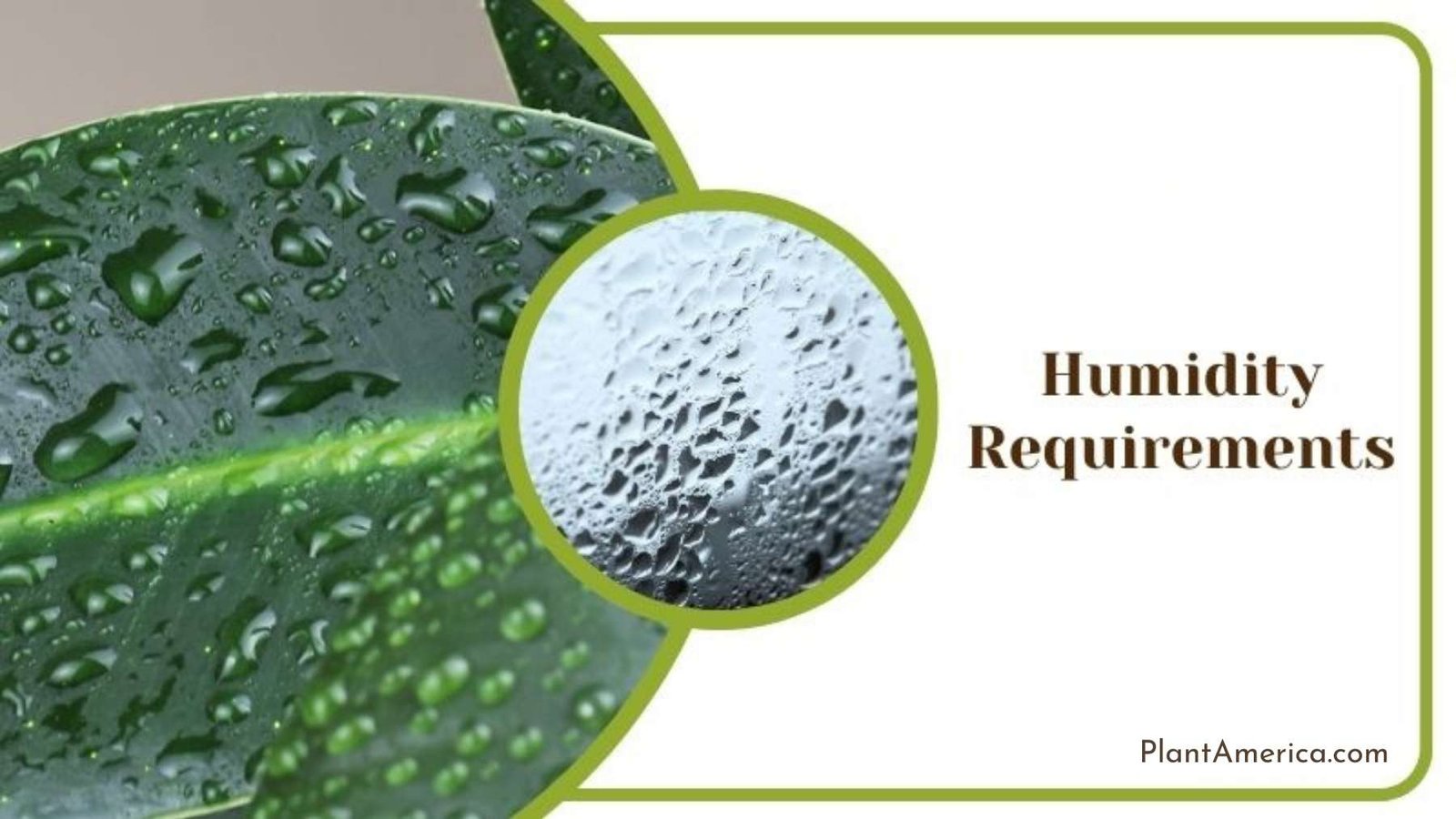
What you can do is mist your plant every day to keep it moist. Add a pebble tray underneath and it will be really happy and healthy. But do not let the water go above the rocks or it can cause root rot.
You can also use a humidifier to keep your monstera standleyana moist enough. Do not use a cool-air humidifier or it will get too chilled. Do not put the humidifier too close to your plant.
 Feeding Requirements
Your standleyana does not need too much fertilizer and what you do use should be a high-quality organic type. You do not want to use the cheap brands because they have too much salt and that can kill your plant. Only feed your monstera three times a year and not during the winter.
Propagation
Monstera standleyana propagation is easily done with this hardy plant. You can use a stem cutting or propagate by separating the roots. No matter which way you choose to propagate, spring is the best time to do it.
1. Root Division
Carefully remove your plant from the pot and gently shake the soil free of the roots. After sterilizing your pruning shears with isopropyl alcohol, use it to cut the roots into two halves. Make sure you do not take too much from the original plant.
Let the roots dry for about 12 to 24 hours before planting them in soil that is the same composition as the soil used for the mother plant. After planting the roots gently in the soil, lightly water the fresh soil and make sure it is draining properly.
2. Stem Cutting
Using sterilized pruning shears, cut a six-to-seven-inch stem with at least two leaves on it. Cut it just above the leaf node so you have plenty of room to plant it. You can speed things up by rooting it in water before you pot it.
Place it in a clean jar of water for a few weeks until the roots are at least an inch long. Then tuck it gently into a pot filled with the same kind of medium as the mother monstera is planted in. Your new monstera standleyana will be growing like a weed in no time. You can also propagate a Monstera without a node.
When to Repot
When the roots start to grow out of the drain holes or it starts to look like its growth is stunted, you need to repot it in a larger pot. To repot monstera standleyana, carefully remove the plant from the pot and place it into a pot about two inches larger than the original.
Make sure you use fresh soil that is just as good as the original type. Use two parts potting soil, one part orchid bark, and one part perlite to keep the water draining properly without suffocating the roots.
Growing the Monstera Standleyana Outdoors
The monstera standleyana is best grown indoors where you can monitor the amount of light, heat, and moisture it gets. Even if you live in a tropical or warm zone, it is better to keep it in its pot so you can move it around as needed.
Do not allow your plant to get direct sunlight while outside or it will burn the leaves, which can do a lot of damage. If you keep it in a pot, just move the pot as needed and bring it inside if it gets too cold. You also have to make sure it has enough humidity, which is hard to do if it is outside.
Common Problems
Your monstera standleyana leaves are a good indicator of the health of your plant. You can tell whether it is getting too much or not enough water, too much sun, or if there is a pest infestation. Also, diseases such as mosaic virus can be very harmful to your Monstera.
Here are some things to look for.
1. Leaves are Brown or Yellow
You are probably overwatering your plant if the leaves are brown or yellow. Check the soil to see how wet it is. If the top two inches are waterlogged for more than one day, you probably have waterlogged roots as well.
You will need to remove the plant from the pot and dry out the roots before replanting it with fresh dry soil. Then make sure you check the topsoil and do not water it again until the top two inches are dry.
2. Leaves are Wilting
The problem with wilting leaves is that it could be too much water or not enough. It is up to you to figure out which one it is and fix the problem.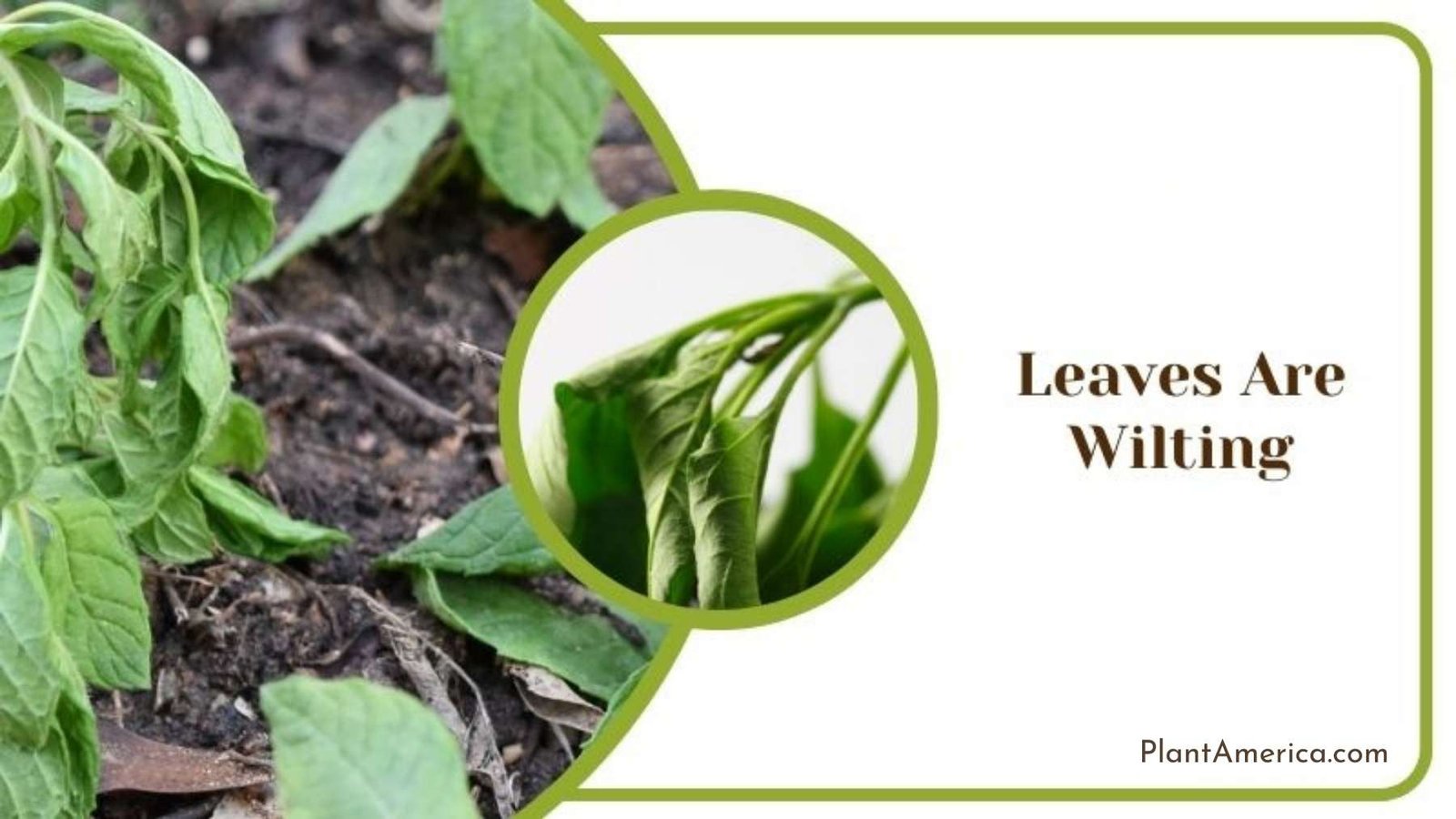
This is easy enough to do by checking the soil and letting it dry out before you water again but not enough that it is dying of thirst. Drooping Monstera leaves might also be an indication of underwatering too.
3. Brown Spots Circled with Yellow
This is a sure sign of fungus so you will need to dry out your plant and its roots to save it. Remove all of the leaves that have spots and take the plant from the pot. Rinse the roots and repot them in fresh clean soil.
Common Pests
Because your monstera standleyana is a tropical plant, it can attract certain pests that may damage or kill it if not treated. Some of the bugs that can infest your plant include the fungus gnat, mealybugs, aphids, scale bugs, thrips, and spider mites.
Here are the symptoms and how to treat them.
1. Fungus Gnats
If you notice these annoying pests, you will need to remove the top few inches of soil to get rid of the eggs and larvae.
Then add a bit of diatomaceous earth to the new soil when you replace it. Then place some yellow sticky traps in and around the pot to catch them before they lay more eggs.
2. Mealybugs
These tiny white bugs can look like small spots of cotton stuck to the leaves or stems. They suck the sap from your plant and will kill your monstera if you do not get rid of them. Sometimes they cause the leaves to turn yellow as well.
You can cut the infested leaves off if there are not too many or kill them with isopropyl alcohol on a cotton ball or in a spray bottle. Another option is to spray it with a high blast of water and then use neem oil or insecticidal soap to kill the survivors.
Continue to coat the plant in oil or soap every few days for several months until you are sure the bugs are gone. You can also put the plant in the shower and shower them away. Leave your monstera in the shower for about 30 minutes until it dries before bringing it out and putting more neem oil or insecticidal soap on it.
3. Scale Bugs
Those little brown or tan bumps you see on the back of your plant’s leaves are probably scale bugs. They may be armored or soft, but they both can take the nutrients away from your plant and transfer fungus and bacteria. Getting rid of them is not too difficult though.
The best way to do this is to shoot them with a blast of water from a hose or shower sprayer. The armored bugs may take a bit more effort because they are protected by their armor. You may have to scrape them off or suffocate them with oil.
To keep them from coming back, apply insecticidal soap or neem oil several times a week for about a month. Then keep watch for the pests after that.
4. Spider Mites
If you see white webs on your monstera standleyana, it is probably infested with spider mites. Even though they are related to spiders, they do not bite so you do not have to worry about that. But you do have to worry about the damage they are doing to your plant.
Spider mites pierce the leaves and suck the fluids and nutrients from your monstera, so it is important to get rid of them quickly.
There are several ways to get rid of them such as:
- 70% rubbing alcohol
- Diatomaceous earth
- Essential oils like rosemary, spearmint, coriander, or chamomile
- Insecticide soap
- Neem oil
- Oils from cayenne, jalapeno, or chile peppers
- Three tablespoons of mild dish soap with a gallon of water
Different Varieties
The Monstera genus has 59 species but the most common besides the standleyana include:
- Monstera acuminata is a dwarf style of monstera so it is smaller than the rest. However, it grows like a shingle plant. The leaves are small and waxy and do not usually get the holes unless they are in the wild.
- Monstera adansonii is known for the large holes in the leaves that make them unique. It can get up to eight or nine feet tall and spread to eight inches wide.
- Monstera borsigiana is a subspecies of the deliciosa but grows faster and is a little smaller. The leaves are typically variegated similar to the standleyana.
- Monstera deliciosa is a favorite type of monstera that grows edible fruit in the wild. The holes in the leaves are round and look like swiss cheese, which is where the nickname came from.
- Monstera dubia is one of the smaller varieties but can climb to great heights in the right conditions.
- Monstera epipremnoides is the big brother to the monstera adansonii with leaves that are about 13 inches wide and 21 inches long.
- Monstera karstenianum is a fast-growing hanging plant with long skinny leaves.
- Monstera obliqua is a rare monstera hard to find in stores or in its native land. The leaves are more hole than leaf.
- Monstera pinnatipartita has slits instead of holes causing it to be mistaken for the slotted leaf philodendron.
- Monstera siltepecana is one of the rarest types of monstera with unique silver leaves and leaves that do not fenestrate until they are mature.
Toxicity
All monstera varieties are toxic to children and pets. The insoluble calcium oxalate crystals can cause symptoms from mild to dangerous.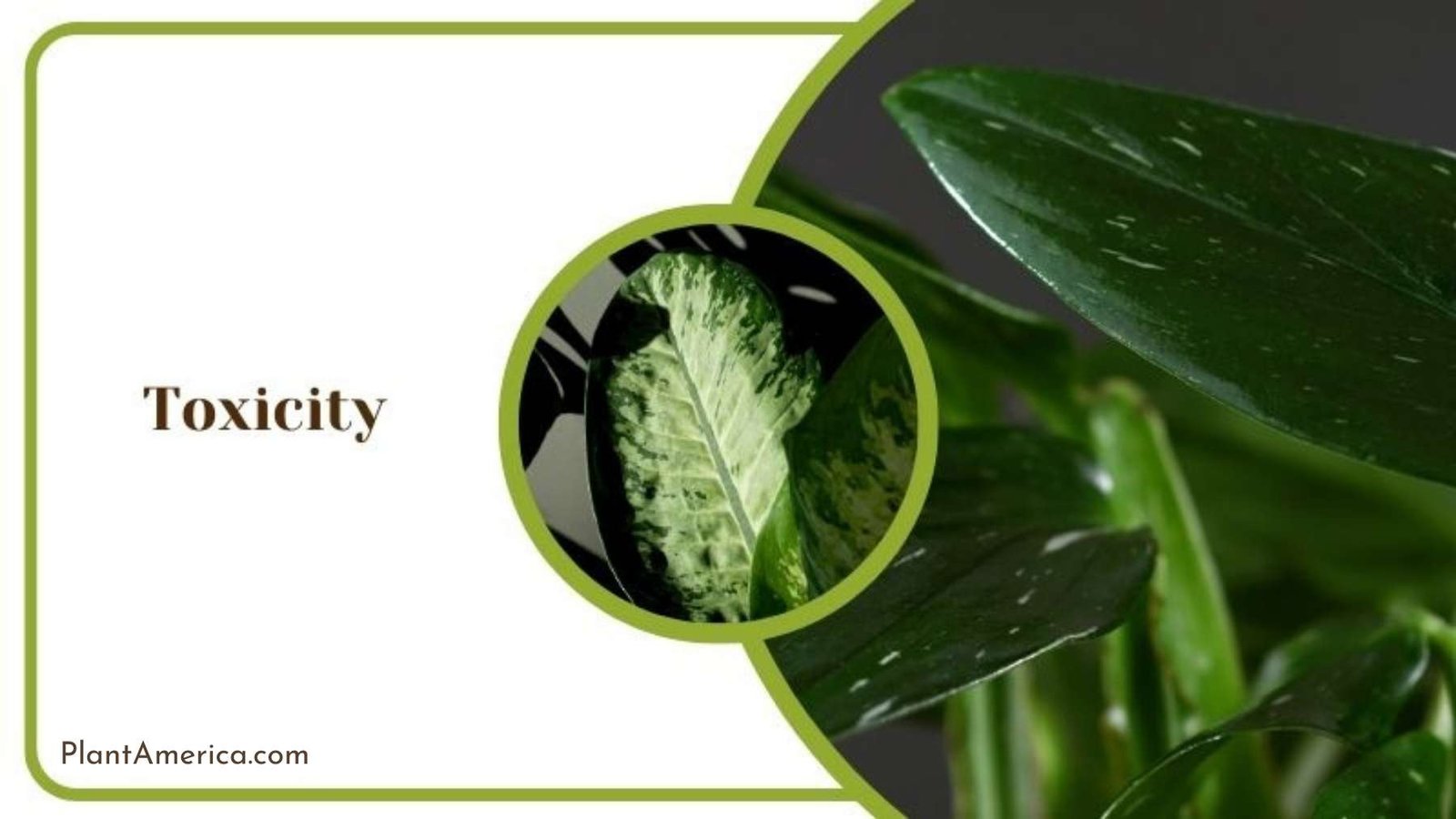
These may include:
- Vomiting
- Swelling of the throat and airway
- Pain in the lips, mouth, and tongue
- Nausea
- Appetite loss
- Drooling
- Diarrhea
If your child or pet eats any part of the monstera standleyana, rinse their mouth out with milk and call poison control or a medical professional. If they are having trouble breathing or have severe diarrhea and vomiting, take them to the emergency hospital as soon as possible.